Fields
A troubled young man, Ollie, must confront his violent past and the ghosts of his family when he returns home to say goodbye to his dying grandmother, leading him on a dangerous collision course with a gypsy community and the police.
See other logline suggestionsOverview

Unique Selling Point
The unique selling proposition of 'Fields' lies in its raw portrayal of youth culture intertwined with themes of addiction, love, and the search for identity. The setting of a vibrant yet chaotic festival backdrop contrasts sharply with the protagonist's internal struggles, making it a compelling exploration of the human condition. This screenplay would resonate with audiences interested in character-driven stories that delve into the darker aspects of life while still offering moments of beauty and connection.
Story Facts
Genres:Setting: Present day, Rural England, primarily focused on a festival site, a caravan park, and a village.
Themes: Redemption and Forgiveness, Love and Loss, Family and Belonging, Violence and Anarchy, Escape and Freedom
Conflict & Stakes: Ollie's internal struggle with his violent tendencies, his desire for redemption, and his complicated family relationships. He is caught in a cycle of violence and desperation, and the stakes are high as he risks losing everything, including Mads, his freedom, and his life.
Mood: Dark, suspenseful, and melancholic, with moments of intense violence and emotional vulnerability.
Standout Features:
- Unique Hook: The portrayal of Ollie's struggle with violent tendencies against a backdrop of a traveling Gypsy community, creating a unique and often jarring contrast in setting and themes.
- Plot Twist: The unexpected death of Benny, Ollie's main antagonist, leading to further complications and escalating the stakes of Ollie's journey.
- Distinctive Setting: The use of a traveling carnival as a backdrop for the story provides a visually striking and dynamic setting, creating a sense of isolation and unreality.
- Innovative Ideas: The film explores the theme of violence and its cyclical nature through the lens of Ollie's internal conflict, offering a nuanced and thought-provoking perspective on the complexities of human nature.
- Unique Characters: The characters, particularly Ollie and Mads, are complex and multifaceted, defying easy categorization and offering a realistic portrayal of flawed human beings grappling with challenging circumstances.
- Genre Blends: The film seamlessly blends elements of drama, crime thriller, and social realism, creating a gripping and immersive narrative that is both entertaining and thought-provoking.
Comparable Scripts: Trainspotting, Requiem for a Dream, The Beach, Wild at Heart, A Streetcar Named Desire, The Outsiders, The Road, The Virgin Suicides, Skins (UK)
Script Level Analysis
This section delivers a top-level assessment of the screenplay’s strengths and weaknesses — covering overall quality (P/C/R/HR), character development, emotional impact, thematic depth, narrative inconsistencies, and the story’s core philosophical conflict. It helps identify what’s resonating, what needs refinement, and how the script aligns with professional standards.
Screenplay Insights
Breaks down your script along various categories.
Story Critique
Characters
Emotional Analysis
Breaks down the emotional journey of the audience across the script.
Goals and Philosophical Conflict
Themes
Logic & Inconsistencies
Scene Analysis
All of your scenes analyzed individually and compared, so you can zero in on what to improve.
Other Analyses
This section looks at the extra spark — your story’s voice, style, world, and the moments that really stick. These insights might not change the bones of the script, but they can make it more original, more immersive, and way more memorable. It’s where things get fun, weird, and wonderfully you.
Unique Voice
Writer's Craft
Memorable Lines
Tropes
World Building
Correlations
Loglines
Pass / Consider / Recommend Analysis
Claude
Executive Summary
- The opening sequence and the return to the tent in sequence 11 effectively establish the central relationship between Ollie and Mads, providing a strong emotional foundation for the narrative. The visually striking imagery and the contrast between the burning tent and the intimate moments between the characters create a captivating and memorable opening. high ( Scene 1 (INT. TWO-PERSON TENT - NIGHT) Scene 11 (EXT. OLLIE'S TENT/FIELD - CONTINUOUS) )
- The scene in Benny's caravan is a standout, providing a well-developed exploration of the gypsy culture and Benny's role within it. The dialogue between Benny and Bartley is particularly compelling, revealing the complex dynamics and power structures within the community. medium ( Scene 7 (INT. BENNY'S CARAVAN - NIGHT) )
- The flashback sequences in sequence 20 and the dream-like elements in sequence 22 effectively blend reality and surrealism, creating a sense of psychological depth and complexity that enhances the overall narrative. high ( Scene 20 (INT. SOMEWHERE - SOMETIME (FLASHBACK)) Scene 22 (INT. MARQUEE - DAY) )
- The confrontations in sequences 38 and 39, where Ollie confronts Benny and his father, respectively, are powerful and emotionally charged, further developing the themes of violence, family, and the cycle of trauma. high ( Scene 38 (INT. GUTTED CARAVAN - DAY (PRESENT)) Scene 39 (EXT. DETACHED HOUSE - DAY) )
- The final sequence in the park provides a contemplative and bittersweet resolution, offering a glimpse of hope and possibility for Ollie and Mads while acknowledging the weight of their actions and the consequences they face. high ( Scene 40 (EXT. PARK - DAY) )
- The dialogue in the Ferris wheel scene, while effectively establishing the central conflict and Ollie and Mads' relationship, could benefit from some refinement to ensure the emotional beats land more powerfully. medium ( Scene 6 (EXT. FERRIS WHEEL - NIGHT) )
- The pub scene feels somewhat episodic and could be more tightly integrated into the overall narrative, perhaps providing additional character development or furthering the central conflict. medium ( Scene 28 (INT. THE RABBIT PUB - LATER) )
- The sequence in the stolen car, while visually striking, could benefit from some refinement to ensure the emotional impact is sustained throughout the entire scene. medium ( Scene 32 (INT/EXT. STOLEN CAR, MOVING/COUNTRY ROAD - NIGHT) )
- While the script effectively explores the gypsy community and its dynamics, additional insights into the broader social and cultural context could further enrich the narrative and provide a more nuanced understanding of the characters and their motivations. medium ( Scene 7 (INT. BENNY'S CARAVAN - NIGHT) Scene 14 (EXT. TENTS/CAMP FIRE - DAY) )
- The flashback sequence provides valuable insights into Ollie's past and his relationship with his grandmother, but additional flashbacks or character backstories could deepen the audience's understanding of his emotional journey and the factors that have shaped his present-day decisions. medium ( Scene 20 (INT. SOMEWHERE - SOMETIME (FLASHBACK)) )
- The morning-after scene in Ollie's burnt-out tent is a standout, providing a poignant and emotionally-charged exploration of the characters' relationship and the complexities of their situation. high ( Scene 12 (INT. OLLIE'S TENT - MORNING) )
- The sequence in the abandoned field, where Ollie sets the Shire horse free and confronts Benny, is a powerful and visually striking climax that effectively ties together the central themes and conflicts of the narrative. high ( Scene 36 (EXT. FIELD - DAY) )
- The confrontations between Ollie and Benny, as well as Ollie and his father, are emotionally charged and well-executed, providing a compelling exploration of the cycle of violence and its impact on the characters. high ( Scene 38 (INT. GUTTED CARAVAN - DAY (PRESENT)) Scene 39 (EXT. DETACHED HOUSE - DAY) )
- The final sequence in the park offers a thoughtful and nuanced resolution, leaving the audience with a sense of hope and possibility while acknowledging the weight of the characters' actions. high ( Scene 40 (EXT. PARK - DAY) )
- The final sequences in the prison effectively bookend the narrative, providing a sense of closure while leaving the audience with a glimpse of Ollie's continued emotional journey and the possibility of redemption. high ( Scene 41 (INT. PRISON - DAY) Scene 42 (INT. OLLIE'S CELL - LATER) )
- Lack of diversity The script could benefit from a more diverse representation of characters, particularly in terms of ethnicity, gender, and sexual orientation. While the gypsy community is well-explored, the main characters are predominantly white, which limits the story's broader appeal and perspectives. medium
- Uneven pacing While the overall pacing of the script is strong, there are a few sequences, such as the pub scene in sequence 28, that feel slightly uneven and episodic, which could be addressed to ensure a more consistent narrative flow. medium
- Occasional stilted dialogue The dialogue is generally well-written, but there are a few instances, particularly in the less emotionally-charged scenes, where the language feels slightly stilted or unnatural. Refining the dialogue in these moments could further enhance the script's overall quality. medium
GPT4
Executive Summary
- The opening scenes effectively establish the tone and setting, immersing the audience in Ollie's chaotic world and his relationship with Mads. high ( Scene 1 (INT. TWO-PERSON TENT - NIGHT) Scene 11 (INT. OLLIE’S TENT - MOMENTS LATER) )
- The dialogue between Ollie and Mads during the Ferris wheel scene captures their emotional connection and foreshadows the impending conflict, enhancing character depth. high ( Scene 6 (INT. FERRIS WHEEL POD - CONTINUOUS) )
- The climax effectively ties together Ollie's journey, showcasing his transformation and the consequences of his actions, providing a satisfying narrative arc. high ( Scene 41 (INT. PRISON - DAY) )
- The use of visual imagery, such as the burnt tent and the morning light, symbolizes Ollie's internal struggles and the aftermath of his choices. medium ( Scene 12 (INT. OLLIE’S TENT - MORNING) )
- The screenplay's ability to create a vivid atmosphere through detailed descriptions of the festival enhances the reader's immersion in the story. medium ( Scene 24 (EXT. FIELD - NIGHT) )
- The pacing in the early scenes feels rushed, particularly in establishing character motivations and relationships, which could benefit from more gradual development. high ( Scene 2 (EXT. FIELD - DAY) )
- Some character motivations, particularly Ollie's, lack clarity and depth, making it difficult for the audience to fully empathize with his struggles. high ( Scene 10 (EXT. OLLIE’S TENT - NIGHT) )
- The resolution feels abrupt, and the transition from Ollie's violent past to his attempt at reconciliation with his father could be more nuanced. medium ( Scene 39 (EXT. DETACHED HOUSE - DAY) )
- The screenplay could benefit from additional scenes that explore the backstories of supporting characters, particularly Mads and Benny, to enrich the narrative. medium ( Scene 35 (EXT. FIELD/ ABANDONED CARAVAN - DAWN) )
- The dialogue in some scenes feels unnatural and could be refined to better reflect the characters' backgrounds and emotional states. low ( Scene 22 (EXT. TENTS/CAMP FIRE - DAY) )
- There is a lack of exploration of the consequences of Ollie's actions on his relationships, particularly with Mads, which could add emotional weight to the narrative. high ( Scene 4 (EXT. COUNTRY ROAD - DAY) )
- The screenplay misses opportunities to delve deeper into the themes of family and belonging, which are hinted at but not fully explored. medium ( Scene 8 (INT. BENNY’S CARAVAN - MOMENTS LATER) )
- The emotional aftermath of the car crash is not adequately addressed, leaving a gap in the narrative regarding the impact on Ollie and Mads. medium ( Scene 30 (EXT. ROAD - CONTINUOUS) )
- The screenplay lacks a clear resolution for some supporting characters, particularly Benny, which could leave audiences wanting more closure. low ( Scene 19 (EXT. FIELD - CONTINUOUS) )
- The transition from Ollie's violent past to his imprisonment could be more clearly articulated to enhance the narrative flow. low ( Scene 41 (INT. PRISON - DAY) )
- The use of surreal imagery, such as the dragonfly metamorphosis, adds a unique visual element that enhances the screenplay's thematic depth. high ( Scene 17 (INT. CARAVAN - CONTINUOUS) )
- The final scene's emotional resonance, with Ollie and Mads together in prison, encapsulates the themes of love and redemption beautifully. high ( Scene 42 (INT. PRISON - DAY) )
- The dialogue in the Ferris wheel scene effectively captures the innocence and complexity of young love amidst chaos. medium ( Scene 6 (INT. FERRIS WHEEL POD - CONTINUOUS) )
- The imagery of the burnt tent serves as a powerful metaphor for Ollie's internal struggles and the destruction of his past. medium ( Scene 12 (INT. OLLIE’S TENT - MORNING) )
- The screenplay's ability to evoke a strong sense of place through detailed descriptions of the festival and its aftermath is commendable. low ( Scene 35 (EXT. FIELD/ ABANDONED CARAVAN - DAWN) )
- Character Development The screenplay occasionally lacks depth in character backstories, particularly for supporting characters like Mads and Benny, which could enhance the emotional stakes of the narrative. high
- Dialogue Naturalism Some dialogue feels forced or unnatural, lacking the authenticity that would make the characters more relatable and believable, particularly in moments of high emotion. medium
Summary
High-level overview
In this feature screenplay, we follow the tumultuous and intense relationship between Ollie and Mads as they navigate a world filled with danger, addiction, violence, and love. Ollie's struggles with drug addiction, his violent encounters with Benny, and his dark past come to a head as he grapples with his own demons while trying to protect his loved ones. The story is marked by moments of intimacy, romance, betrayal, and brutality, set against the backdrop of a vibrant festival and a haunting fairground. As Ollie and Mads confront their pasts and face uncertain futures, the screenplay explores themes of grief, redemption, and the complexity of human relationships. The narrative builds towards a climactic moment of violence and revelation, leaving the audience on the edge of their seats as Ollie's fate hangs in the balance.
Fields
Synopsis
In the heart of a vibrant yet chaotic festival, we meet OLLIE, a 24-year-old man grappling with the demons of his past and the weight of his present. The film opens with Ollie in a two-person tent, his mind racing as he watches the pulsating lights and hears the distant music of the festival. He is drawn to MADS, a beautiful young woman with whom he shares a complicated relationship. Their connection is palpable, yet it is overshadowed by Ollie's struggles with addiction and his tumultuous family history. As they dance together, oblivious to the world around them, Ollie's tent catches fire, symbolizing the destructive forces in his life that he cannot escape.
The festival is a microcosm of life, filled with revelers, gypsy men operating rides, and the intoxicating atmosphere of youth and freedom. However, beneath the surface, Ollie is haunted by his past, particularly the memory of his grandmother, NAN, who raised him but is now suffering from Alzheimer's. As Ollie navigates the festival, he encounters BENNY, a member of the gypsy community who becomes a pivotal figure in his life. Benny's reckless behavior and drug dealing serve as a stark reminder of the path Ollie is trying to avoid, yet he finds himself drawn into Benny's world.
As the festival progresses, Ollie's relationship with Mads deepens, but so does his addiction. He struggles to maintain his grip on reality, often retreating into drug use as a means of coping. The film captures Ollie's internal battle through vivid imagery and surreal sequences, such as hallucinations of a burning horse that represents his fears and desires. Mads, who initially seems to be a source of support, begins to question Ollie's choices and their future together.
The tension escalates when Ollie learns of his grandmother's deteriorating condition. He feels a desperate need to reconnect with her before it's too late, but his addiction and the chaos of the festival threaten to derail his plans. In a moment of clarity, he decides to confront his estranged father, STEVEN, who abandoned him and his mother, HANNAH, years ago. This decision sets off a chain of events that leads Ollie back to his roots, forcing him to confront the pain of his past and the choices that have led him to this point.
As Ollie grapples with his identity and the legacy of his family, he finds himself in a violent confrontation with Benny, who represents the darker side of the gypsy lifestyle. This clash culminates in a brutal fight that leaves both men scarred, both physically and emotionally. In the aftermath, Ollie is left to pick up the pieces of his life, realizing that he cannot escape his past but must learn to live with it.
The film concludes with Ollie in prison, reflecting on his choices and the impact they have had on those he loves. Mads visits him, and their bond remains strong despite the circumstances. Ollie's journey is one of redemption, as he learns that true freedom comes not from running away but from facing the truth of who he is and the relationships that define him. The final image of Ollie cradling an origami horse, which he sets on fire, symbolizes his acceptance of his past and his hope for a brighter future, even if it is uncertain.
Scene by Scene Summaries
Scene by Scene Summaries
- At a bustling festival, a young man named Ollie, drawn by the music, wakes up in his tent and observes Mads, a woman with whom he shares a close connection, dancing outside. After sharing a cigarette, Mads invites Ollie to join her. He accepts, leaving his cigarette butt behind. As they dance, the discarded cigarette ignites their sleeping bag, quickly engulfing the tent in flames. The scene ends with a wide shot of the festival, highlighting the carefree energy that contrasts with the sudden danger introduced by the fire.
- Ollie, a young man battling drug addiction, is tormented by loud music from a car driven by a group of men, some of whom are Gypsy men. The music is so intense that it causes Ollie to bleed from his ear. Later, alone in a caravan, he consumes a large amount of cocaine, leading to an overdose and unconsciousness. He wakes up shivering and vomiting outside the caravan, his condition noticed by a Traveller named Benny, who puts him in the recovery position, suggesting a potential turning point in his struggle.
- Ollie arrives in a small village with a convoy led by the menacing Benny. While Ollie buys snacks in the village store, Benny attempts to shoplift, only to be caught by the shopkeeper. The tense standoff ends with Benny backing down after the shopkeeper pulls a gun. Ollie, seemingly oblivious to the confrontation, pays for his snacks and exits, leaving the unresolved tension between Benny and the shopkeeper hanging in the air.
- Benny joyfully races down a country road in his cart, embodying a carefree spirit, while Ollie and his girlfriend Mads discuss their plans to move in a nearby forest. As Mads expresses her adventurous side, Ollie reveals his hesitation and intention to use cocaine, leading to an internal struggle between their relationship and his drug use. The scene culminates with Ollie succumbing to temptation as he prepares to take the drug under the setting sun, symbolizing a moment of escape amidst uncertainty.
- At a bustling night-time carnival, Ollie observes the festivities. The scene is a vibrant mix of swirling rides, flashing lights, and cheering crowds. Ollie watches a group of boys navigate the haunted mansion, admires the Ferris wheel, and stares at the moon before taking out his phone. Meanwhile, Benny performs daring donuts in a car, drawing applause from onlookers.
- Ollie and Mads ride a Ferris wheel at night, sharing a romantic moment while discussing their plans to escape. As they ascend, Ollie imagines a future together, but Mads expresses her worries about their situation. They share a kiss, but their moment is interrupted when the attendant informs them that the police are nearby. Ollie urges Mads to leave for her safety, promising to meet her in the morning.
- Benny, a drug maker, is confronted by Bartley, the leader of a group of men, for his dangerous concoctions. Bartley warns Benny of the potential consequences, including death and negative media attention, and slaps him. Benny then joins the men in a card game called Joker, cleverly concealing the Joker card with his blood. While Bartley notices the Joker is missing, he is unaware of Benny's deception. Just as the tension rises, Ollie arrives, seemingly oblivious to the events that transpired.
- Inside Benny's caravan, Bartley urges Ollie to take cocaine for safety reasons, but Ollie, nonchalant, insists he's fine. Despite Ollie's assurances, Bartley remains unconvinced, leading to a tense exchange with a touch of dark humor. Ollie ultimately leaves the caravan, leaving Bartley and Benny behind.
- In a vibrant fair setting at night, Ollie observes a couple's affectionate gestures, longing for a similar connection with his girlfriend, Mads. As he mimics their romance, the scene darkens with the violent bullying of another boy by gypsy boys, contrasting the tenderness of Ollie's fantasy. Mads appears, and they share a dreamlike dance filled with love and playful banter, culminating in her desire for a future together. Despite the surrounding chaos, their intimate moment remains unresolved, highlighting the juxtaposition of love and aggression.
- In a playful yet intimate night scene outside Ollie's tent, Ollie and Mads engage in a flirtatious conversation about boundaries. Mads challenges Ollie, inviting him to assert himself, while she dances freely, showcasing her independence. The tension between Ollie's desire for connection and Mads' playful teasing creates an unresolved conflict, leaving Ollie captivated as he watches her dance.
- In a vibrant fairground at night, Ollie and Mads share an intimate dance, their movements synchronized amidst the revelry. However, Ollie's enchantment turns to distress as he spots Benny in the distance, leading to a sudden seizure and vomit. Benny drags Ollie away from his burning tent, shifting the scene from romantic to unsettling. As rain falls, Mads and Ollie share a passionate kiss, contrasting with the chaos around them. The scene ends abruptly, leaving a lingering sense of suspense.
- Mads and Ollie wake up in a tent that has been destroyed by fire. Mads expresses her relief that Ollie is alive and her love for him. Ollie reveals he lied about his family and was adopted, with no contact from his parents. Mads expresses a desire to meet them, but Ollie dismisses the idea. Ollie receives a call from his mother, who is looking after his dying grandmother. Ollie struggles with the decision to visit her, but eventually decides to say goodbye. Mads supports him and agrees to go with him. The scene ends with Mads taking Ollie's phone as they prepare to leave, the sound of heavy breathing and a steady beat building.
- In a tense moment inside Ollie's tent, Mads confronts Ollie about his actions that have jeopardized their safety. Feeling betrayed, she decides to leave, hoping that if their relationship is worth saving, Ollie will find her again. Despite Ollie's desperate pleas for her to stay, Mads walks away, leaving him in despair. The scene culminates in Ollie's heart-wrenching scream, echoing his loneliness and loss.
- Mads, seeking solace in the forest surrounding a carnival, encounters Benny, a resident of the caravan community. Benny, aware of Ollie's fame, expresses hostility towards their presence and attempts to intimidate Mads, threatening their safety. Mads remains defiant, asserting their purpose and rejecting Benny's warnings. The scene ends with Mads returning to her tent, leaving the conflict unresolved and the tension palpable.
- Consumed by anger over Mads' disappearance, Ollie viciously assaults Benny, inflicting significant damage. The scene then shifts to a flashback, where a younger Ollie tries to help his grandmother, who is battling memory loss and confusion. Her disorientation and inability to understand her situation frustrates Ollie, highlighting the contrast between his present rage and his past struggles with his grandmother's declining mental state.
- Mads, with a gentle touch, calms a nervous Gypsy horse in a field. She runs her hands down its crest, soothing it with her presence. A large Shire horse emerges from a trailer nearby, adding to the peaceful scene. The scene shifts to a dark caravan where Benny, following Ollie, enters, leaving the viewer wondering what awaits him inside.
- In a chaotic party inside a crowded caravan, Benny experiences a drug-induced hallucination, transforming between a dragonfly and a snake. Amidst the psychedelic visuals and thick smoke, he engages in wild activities, including dancing and a brief sexual encounter. The atmosphere darkens when a young man collapses and dies after smoking a spliff, an event Benny witnesses without intervening. The scene culminates with Benny leaving the caravan into the darkness, hinting at uncertain and potentially dangerous outcomes.
- Benny, thrown from a caravan, finds himself in the midst of a chaotic fairground. He witnesses a horrifying spectacle of two horses engulfed in flames. Drawn into a violent fight with another man, Davie, Benny is defeated. As he recovers, he encounters Ollie, who observed the fight. Ollie offers Benny cocaine, which he refuses, leaving Benny wary of his intentions. Ollie then walks away, leaving Benny alone in the unsettling atmosphere of the fairground.
- Ollie, amidst the bustling fairground, awaits a sign. His companion, Mads, expresses her frustration, but their plan is set in motion. As Ollie looks towards the night sky, the atmosphere shifts, and he is lifted into the air, floating above the fairground. Gazing down at the twinkling lights and darkness, Ollie smiles serenely, closing his eyes as he embarks on his journey.
- Nan wakes up disoriented and terrified, comforted only by an elderly man sleeping beside her. She finds a photo of her younger self in a wedding dress, but her husband is gone. A stranger, Ollie, enters, but Nan struggles to recognize him. The scene shifts to Ollie's living room, where pictures of him and Nan at different ages reveal a familial bond that Nan doesn't recall. Despite this confusion, Ollie engages with Nan, showing concern for her. His mother, Hannah, enters and instructs Ollie to prepare Nan, leaving a sense of underlying tension between them.
- After waking up injured in a muddy field, Ollie is brutally attacked by Benny, a seasoned boxer who easily overpowers him. Benny mocks Ollie's weakness and lack of fighting spirit, leaving him battered and defeated on the ground. The scene ends with Benny taunting Ollie's perceived smile and promising to return, highlighting his dominance and Ollie's vulnerability.
- Injured and trying to escape, Ollie and Mads flee into a crowded festival tent. The hypnotic rhythm of the dancers, breathing in unison, provides a temporary cover for their flight. However, the unsettling scene of a python swallowing a gerbil beneath the oblivious feet of the revelers underscores the danger they are in. Seeking solace in the crowd, Ollie finds Nan and joins the hypnotic dance.
- In a poignant scene, Ollie and Mads share a moment on the beach, reflecting on their journey and Ollie's desire to see Nan one last time before he enters the water. As Ollie contemplates the significance of hope, he steps into the cold waves, leaving Mads on the shore. They watch fireworks illuminate the sky, symbolizing fleeting moments of beauty amidst uncertainty. The scene concludes with the two disappearing into the forest, heightening the sense of mystery surrounding their fate.
- Ollie and Mads leave a fairground at night, avoiding the crowds. Mads suggests a less obvious path to reach the village, as people are searching for Ollie. Despite the danger of the reckless firework display, they linger, enjoying the beautiful sparks and lights. Ollie finds his phone charger in a tent, offering a glimmer of hope, while the fireworks continue to illuminate the night sky.
- At a nighttime funfair, Ollie's girlfriend, Mads, encounters Benny, who seems to know Ollie from television. Benny questions Mads' relationship with Ollie and warns her that Ollie will hurt her. Mads defends Ollie, but Benny remains unconvinced. As police arrive and disperse the crowd, Ollie, who has been observing from afar, retreats into the woods with Mads, leaving Benny with his suspicions.
- Ollie, a young man struggling with grief after his mother's death, steals a car to charge his phone. He receives the news of her passing via text message and, overwhelmed with emotion, smashes his phone in rage. Benny, his rival, appears and taunts him, further escalating the tension. Benny's uncle, Bartley, arrives, criticizing their pointless feud and warning Ollie to stay away from Benny. Bartley's stern words and threat leave Ollie defeated and alone. In a final act of desperation, Ollie places the unconscious boy he previously assaulted in the stolen car and drives away, leaving the parking lot shrouded in shadows and uncertainty.
- After the police clear out the funfair, Ollie enters the crowded Rabbit Pub, a space filled with Gypsy Travellers. He encounters prejudice from the bar wizard, who attempts to charge him double for a beer due to his outsider status. Ollie observes Benny laughing with a group of men across the room, creating intrigue about their relationship.
- In the crowded 'Rabbit Pub,' Ollie, increasingly intoxicated, ignores the bouncer's warnings and attempts to approach a group of Gypsy men. His drunken advances culminate in a fight with Benny, one of the Gypsy men. The altercation ends violently with Ollie being knocked unconscious after crashing through a window.
- A drunken brawl erupts between Ollie and Benny in the car park of the Rabbit Pub. The fight escalates quickly, with both men landing punches and drawing blood. As Benny tries to retreat, Bartley, lurking in the shadows, intervenes and knocks Ollie unconscious with a brutal blow to the head. Ollie is left bleeding on the concrete as the crowd disperses back into the pub, leaving him alone and injured.
- Injured and disoriented, Ollie lashes out at a passing moped, throwing a bicycle at it. The moped crashes into a lamppost, injuring the rider, Benny. After a brief moment of shock, Benny limps away, leaving Ollie to grapple with the consequences of his actions. Ollie returns to the pub as the sound of sirens draws closer, leaving the scene with an unsettling sense of unresolved conflict.
- Ollie, injured and fleeing in a stolen car, experiences a haunting dream where he delivers a eulogy for his grandmother in a chapel. Surrounded by family and friends, including his cold ex-wife Hannah, he struggles to articulate his grief and guilt. The scene juxtaposes his desperate escape from the police with his introspective confrontation of loss, culminating in a silent departure from the lectern as the dream abruptly ends.
- Ollie drives a stolen car through country lanes at night, speeding recklessly. Mads hangs out the window, relishing the wind and freedom. Ollie, captivated by Mads, sings along to an Ed Sheeran song, his feelings mirroring the lyrics. The scene ends with Ollie, mesmerized by Mads, distracted from the road and gazing at a star-filled sky.
- The scene opens with Mads and Ollie gazing at the starlit sky, a romantic ambiance shattered as Ollie recites a chilling poem foreshadowing his own death. Mads, initially captivated, is overwhelmed by terror as the poem's dark meaning sinks in. The car hurtles down a dark road, crashing violently. Ollie is thrown into the back, Mads is flung around, and the windshield shatters. The scene ends with the wrecked car coming to a stop, Ollie, bleeding and whimpering, the first to move.
- After escaping a crashed car, Ollie finds Mads injured inside. He discovers a gasoline leak and attempts to call for help, but hesitates. A fiery, phantom Shire horse gallops towards him before vanishing into the darkness. Just as Ollie is overcome with terror, the scene abruptly ends with the arrival of sirens, leaving Ollie in a state of shock and despair.
- Following a festival weekend, gypsies dismantle their tents and burn their belongings. Benny, helping load a Ferris wheel, witnesses the destruction of a derelict structure by fire. A police car investigates a crashed car on a country road. Back at the caravan site, Benny discovers his Shire horse has gone missing. Meanwhile, Ollie and Mads ride a Shire horse through a village, searching for something. Ollie finds a broken moped in a ditch, leaving the audience with unanswered questions about his next move and the connection to the festival's chaotic aftermath.
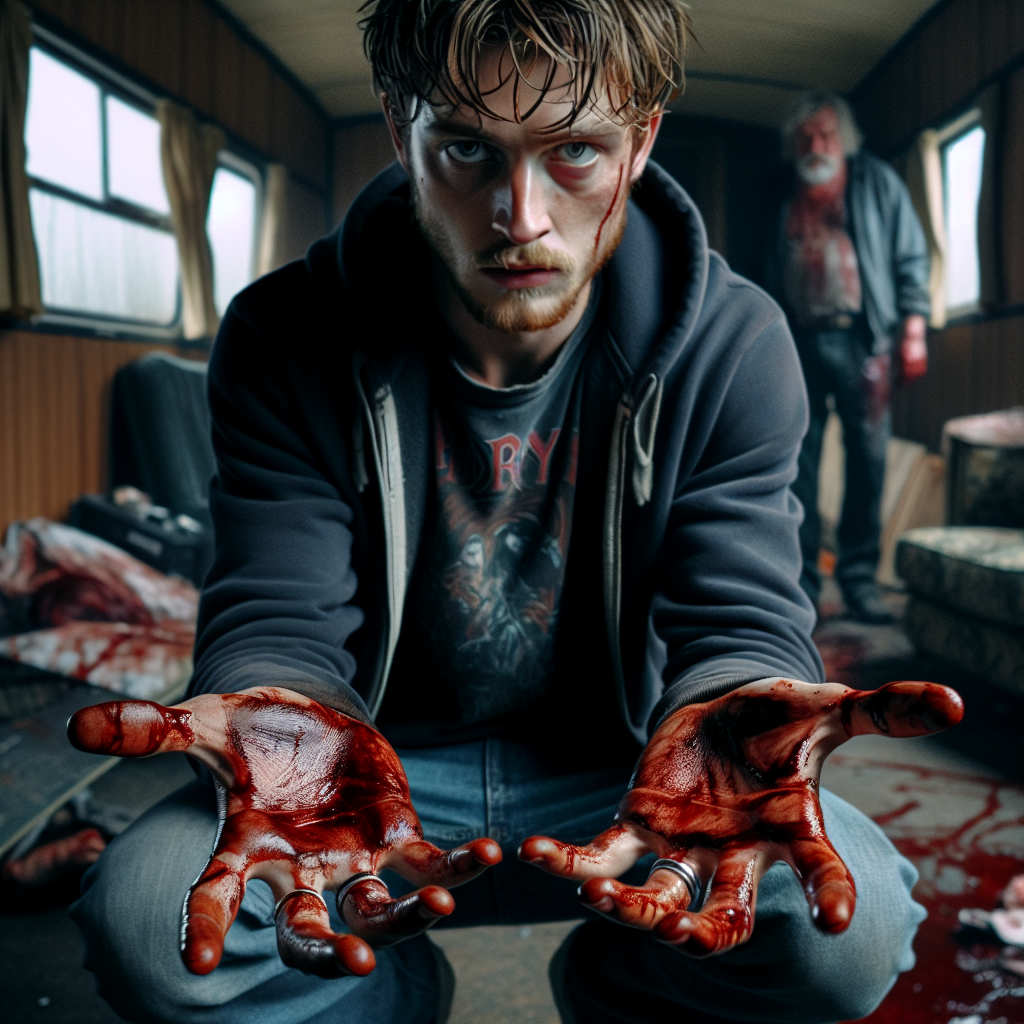
- Ollie, fueled by a sense of vengeance, confronts Benny in a ruined caravan. Despite Benny's initial arrogance, Ollie's knowledge of Benny's past and his own hardened demeanor intimidate him. Their confrontation culminates in a brutal struggle, ending with Ollie fatally stabbing Benny in the face and neck. The scene is marked by intense violence and a gritty realism, culminating in Ollie standing over Benny's lifeless body, covered in blood.
- Ollie, consumed by anger, violently attacks Benny, the blood spraying everywhere. He then unleashes his fury on the bathroom mirror, smashing it in a fit of rage. Ollie screams at Benny to listen to him, but his pleas go unanswered. Nan, paralyzed by fear, watches helplessly from the bedroom. Hannah, concerned for Nan, tries to intervene, but Ollie asserts his dominance and forbids her from helping. He washes the blood off his hands, seemingly drained and defeated, leaving a sense of unease and impending consequences.
- Ollie, covered in blood, visits his mother Hannah, confessing to killing a man. Hannah, terrified, refuses to tell him where his father is, fearing for his safety. Ollie's rage erupts, destroying the home, but he later calms down and cleans up the mess. He reveals he killed a man in prison and asks for an address. Hannah, devastated, is left uncertain of Ollie's intentions and whereabouts.
- Ollie, burdened by a past of violence with his father, Steven, stands before his father's house. Steven, visibly injured and terrified, answers the door, highlighting the deep rift between them. While Hannah, inside, discusses a case on the phone, Ollie hesitates before confronting Steven. Memories of a past assault by Mads flash, adding to Ollie's anxiety. Seeing a young boy, likely Steven's new family, watching from inside, Ollie attempts connection, only to be met with withdrawal. Mads urges Ollie to leave, offering comfort and support as they depart, leaving the conflict and its ramifications unresolved.
- Ollie, haunted by his grandmother's robbery, reveals to Mads that he tracked down and killed the perpetrator. He justifies his actions, feeling a sense of destiny and inevitability. Mads listens intently, wrestling with her own desire for similar vengeance. The scene, bathed in the fading light of the sunset, is punctuated by the growing presence of the police, hinting at a potential confrontation and the unraveling of Ollie's act of justice.
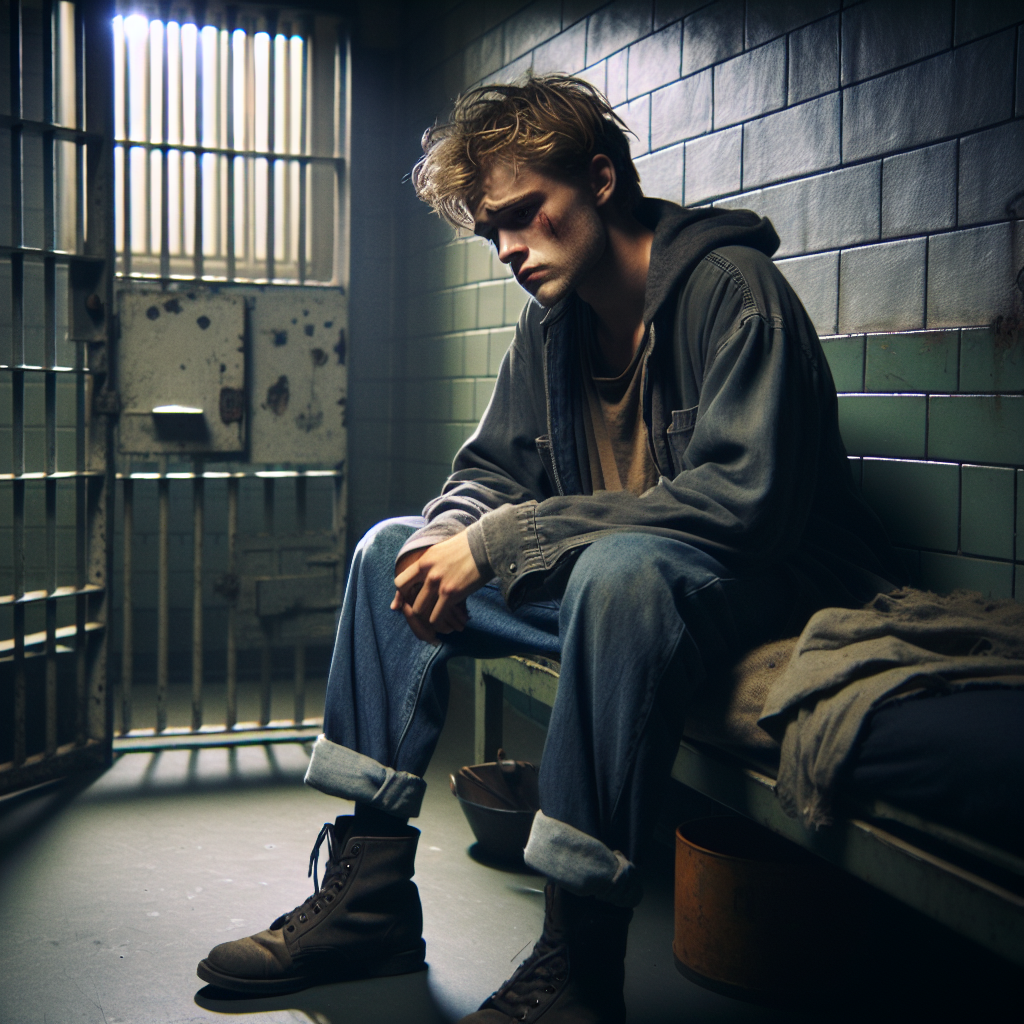
- Ollie, a convicted criminal, is returned to his prison cell under heavy guard after escaping. Despite being apprehended, Ollie remains defiant, taunting the prison officer with cryptic remarks about a dead man named Benny and suggesting his father might have reported the death. He implies he may be responsible for Benny's demise, challenging the officer to prove his involvement, leaving a lingering sense of unease and unresolved tension.
- Ollie is reunited with Mads in his prison cell, sharing a tender moment of intimacy. However, the scene cuts to a shot of a burning origami horse outside the cell door, introducing a note of suspense and leaving the audience wondering about the threat it signifies.
📊 Script Snapshot
What's Working
Where to Focus
📊 Understanding Your Scores
Each axis shows your script's raw score (0–10) in that category. We recently upgraded the AI models behind these categories, so percentile rankings are temporarily unavailable while we re-score our reference library.
Hover over each axis on the radar chart to see what that category measures and why it matters.
Analysis: The screenplay boasts a compelling premise and dynamic characters, particularly Ollie and Mads, but suffers from inconsistencies and a lack of depth in character development, especially for supporting characters. While Ollie and Mads's journey is engaging, a deeper exploration of their motivations and inner struggles is needed to fully realize their emotional impact. The antagonist, Benny, lacks a compelling arc, leaving the conflict feeling underdeveloped.
Key Strengths
- The screenplay effectively introduces a diverse cast of characters, each with their own unique struggles and perspectives. This creates a rich tapestry of personalities that contribute to the overall narrative.
- Ollie's journey is particularly compelling, portraying a troubled young man grappling with his past, addiction, and a desire for redemption. His internal struggles and emotional turmoil are effectively communicated through his dialogue and actions.
- Mads is a strong and independent character who acts as a counterpoint to Ollie's darkness. Her strength, compassion, and unwavering belief in Ollie add a layer of complexity and depth to the narrative.
Areas to Improve
- The character development of Benny, the primary antagonist, is underdeveloped. While he is a menacing figure, his motivations and inner struggles remain unclear, making the conflict feel superficial. This hinders the audience's understanding of his actions and motivations, leaving the conflict feeling somewhat hollow.
- Ollie's journey towards redemption feels rushed. While he experiences moments of self-reflection and introspection, these moments are often fleeting and lack depth, making his transformation feel less impactful.
Analysis: This screenplay presents a compelling premise with a unique blend of elements, however, its clarity and execution could be significantly enhanced. The screenplay establishes intriguing characters and a dark, suspenseful setting, but the initial hook needs to be more clearly defined, and the central conflict requires further development to truly captivate the audience.
Key Strengths
- The screenplay successfully introduces a compelling and complex protagonist, Ollie, whose struggles with addiction, violence, and a troubled past create immediate intrigue.
- The screenplay creates a unique setting with the inclusion of the Gypsy community and its associated rituals, traditions, and criminal elements.
Areas to Improve
- The central conflict between Ollie and Benny needs to be more clearly established. It’s unclear what their exact rivalry entails, what their motivations are, and what drives their actions. The conflict should be established in the opening scenes to draw the audience into the narrative.
- The screenplay needs a stronger opening hook. The initial scenes lack a compelling narrative thread that draws the audience into the story. The screenplay should start with a more captivating event that establishes the tone and promises an exciting narrative.
Analysis: The screenplay possesses a strong foundation in character development and a compelling narrative drive, showcasing potential for a captivating film. However, the structure requires refinement to achieve greater clarity and pacing. A focus on streamlining the plot, enhancing the development of key conflicts, and achieving a more satisfying resolution would elevate the screenplay's overall impact.
Key Strengths
- The screenplay effectively establishes a strong cast of characters with distinct personalities and motivations, each grappling with their own internal conflicts and external pressures.
Areas to Improve
- The frequent shifts in time and perspective can create confusion for the audience, hindering their ability to fully engage with the story and follow the plot's progression.
Analysis: The screenplay effectively conveys themes of addiction, violence, and the search for connection, utilizing a rich tapestry of character interactions and emotional moments. However, certain themes could benefit from clearer articulation and deeper exploration to enhance their resonance with the audience.
Key Strengths
- The exploration of addiction through Ollie's character is compelling, showcasing the emotional and physical toll it takes on him and those around him.
Areas to Improve
- Some themes, particularly the consequences of violence and the search for family, could be articulated more clearly, especially in relation to Ollie's actions.
Analysis: This screenplay demonstrates a strong foundation in visual storytelling, particularly with its use of contrasting imagery and symbolic elements. However, there are areas where the visual descriptions lack vividness and could be expanded upon to create a more immersive and impactful experience for the reader.
Key Strengths
- The screenplay effectively uses contrasting imagery to create tension and depth, for instance, in scene 1 where Ollie's initial isolation within his tent is juxtaposed with the bustling atmosphere of the festival grounds, highlighting his inner conflict.
- The recurring motif of fire, particularly in scenes 1, 14, and 39, adds a symbolic layer to the narrative, representing both destruction and rebirth, reflecting Ollie's inner turmoil and potential for change.
Areas to Improve
- The screenplay could benefit from more vivid and detailed visual descriptions, creating a more immersive and engaging experience for the reader. In several scenes, the descriptions are concise but lack the sensory details that would truly bring the scenes to life. For instance, scene 5 could be enriched by describing the specific smells, sounds, and textures of the carnival atmosphere.
Analysis: The screenplay effectively uses violence and conflict to create a sense of tension and danger, but it could benefit from deepening the emotional journeys of its characters, especially Ollie and Mads, by exploring their motivations and internal conflicts in more detail. Adding scenes that explore their individual vulnerabilities and the complexities of their relationship would enhance the emotional impact of the narrative.
Key Strengths
- The screenplay effectively uses violence and conflict to create a sense of tension and danger. The fight scenes, particularly the ones involving Ollie and Benny, are visually striking and effectively capture the brutality of the characters' actions. The use of the violent imagery heightens the suspense and urgency of the plot.
- The screenplay effectively portrays Ollie's emotional journey, exploring his struggle with grief, guilt, and violent tendencies. The scene where Ollie delivers a eulogy for his grandmother in his dream is particularly poignant and effectively captures his internal turmoil. This scene, along with Ollie's violent outbursts and moments of vulnerability, successfully conveys the depth of his emotional struggles.
Areas to Improve
- The emotional journeys of the characters, particularly Ollie and Mads, are underdeveloped. While the screenplay suggests that they are experiencing profound emotions, the audience is not given enough insight into their motivations and internal conflicts. The lack of emotional depth makes it difficult for the audience to fully connect with the characters and their experiences. The audience isn’t given enough time to understand their relationship with each other.
- The screenplay relies heavily on external conflict and violence to drive the plot and elicit emotional responses. While these elements contribute to a sense of danger and suspense, they do not fully replace the need for deeper emotional exploration. More focus on the characters' inner lives and the consequences of their actions would enhance the film's emotional impact.
- The emotional transitions between scenes are sometimes abrupt. The shifts in perspective and focus can feel jarring and disrupt the flow of the emotional narrative. The transitions could be more fluid and subtle to create a more seamless and emotionally impactful experience for the audience.
Analysis: The screenplay effectively establishes a central conflict driven by Ollie's troubled past and his struggle for redemption, but it could benefit from a more intricate and nuanced exploration of stakes. While the initial conflict is engaging, the stakes aren't always clear and personal, leading to moments of narrative lull. Strengthening the stakes, particularly those related to Ollie's relationship with Mads and his potential for redemption, would significantly amplify the narrative tension and heighten audience engagement.
Key Strengths
- The screenplay effectively establishes a core conflict in Ollie's troubled past, driven by his violent tendencies and his quest for redemption. This conflict provides a compelling narrative foundation and creates a sense of intrigue.
Areas to Improve
- The stakes, particularly those related to Mads and Ollie's emotional journey, need further development. While the screenplay hints at the importance of their relationship, the stakes aren't consistently and clearly defined, which reduces the sense of urgency and emotional investment.
Analysis: The screenplay explores themes of addiction, violence, and redemption through a darkly atmospheric and visually compelling narrative. It features unique characters with compelling arcs, but the overall plot relies heavily on tropes and lacks originality in its story structure.
Expand to see detailed analysis
View Complete AnalysisScreenplay Story Analysis
Note: This is the overall critique. For scene by scene critique click here
-
Character Ollie
Description Ollie's behavior shifts from being introspective and vulnerable in the tent to suddenly being aggressive and violent later. This inconsistency in his emotional state makes it hard to understand his motivations.
( Scene 1 (INT. TWO-PERSON TENT - NIGHT) Scene 11 (INT. OLLIE’S TENT - MOMENTS LATER) ) -
Character Mads
Description Mads' character oscillates between being supportive and assertive to Ollie, and then suddenly appearing submissive and passive. This inconsistency undermines her character development.
( Scene 10 (EXT. OLLIE’S TENT - NIGHT) Scene 11 (INT. OLLIE’S TENT - MOMENTS LATER) )
-
Description The timeline of events is confusing, particularly regarding the sequence of the festival and the aftermath. The transition from the festival to the aftermath lacks clarity, making it difficult to follow the narrative.
( Scene 4 (EXT. COUNTRY ROAD - DAY) Scene 35 (EXT. FIELD/ ABANDONED CARAVAN - DAWN) )
-
Description Ollie's ability to escape from prison and then be recaptured without any explanation creates a significant plot hole. The lack of detail on how he managed to escape undermines the story's credibility.
( Scene 31 (INT. STOLEN CAR - NIGHT) Scene 41 (INT. PRISON - DAY) )
-
Description Benny's dialogue often feels forced and overly dramatic, which detracts from the authenticity of his character. His lines do not align with the gritty realism established in other parts of the script.
( Scene 7 (INT. BENNY’S CARAVAN - NIGHT) Scene 8 (INT. BENNY’S CARAVAN - MOMENTS LATER) )
-
Element Dialogue about dancing
( Scene 1 (INT. TWO-PERSON TENT - NIGHT) Scene 11 (INT. OLLIE’S TENT - MOMENTS LATER) )
Suggestion The repeated dialogue about dancing could be streamlined to enhance narrative flow. Consider consolidating these moments to avoid redundancy.
Characters in the screenplay, and their arcs:
| Character | Arc | Critique | Suggestions |
|---|---|---|---|
| Ollie | Ollie starts as a troubled young man struggling with addiction and a deep sense of loneliness. He is drawn to danger and reckless behavior, but also yearns for connection and love. Throughout the film, he grapples with his violent tendencies, his troubled past, and the consequences of his actions. He experiences love, loss, betrayal, and ultimately, a journey towards self-discovery and redemption. | While Ollie's journey of self-discovery and redemption is engaging, his character arc could be further enriched. While his initial struggles with addiction are well-established, his transformation into a more empathetic and responsible person could be made more nuanced. The film could explore his motivations for violence in greater detail, providing deeper insights into his character development. | Explore Ollie's history of violence in more detail, providing context for his actions and exploring the underlying causes of his anger and frustration. This could involve flashbacks or scenes showcasing his past experiences., Show a more gradual and nuanced development of Ollie's character. While his moments of vulnerability and empathy are present, they could be emphasized more to highlight his growth and transformation. This could involve scenes demonstrating his newfound understanding of others, his efforts to control his anger, or his willingness to make amends for past mistakes., Introduce a mentor figure or a positive role model for Ollie, someone who can guide him toward a more constructive path and provide him with support and guidance in overcoming his challenges. This could be a therapist, a community leader, or a trusted friend. |
| Mads | Mads starts as a confident and independent young woman who is drawn to Ollie's rebellious spirit. She challenges him to confront his fears and desires, but also offers him love and support. She experiences betrayal, danger, and loss, but ultimately stands by her convictions and finds her own strength. She is a beacon of hope and resilience in Ollie's life, helping him to navigate his challenges. | Mads is a well-developed character, but her arc could benefit from further exploration. The film could delve deeper into her own motivations and desires, providing more insights into her character beyond her role as Ollie's supportive partner. The film could also showcase Mads's own journey of growth and transformation, showing how she learns and evolves through her experiences. | Give Mads her own storyline and goals, exploring her aspirations and dreams beyond her relationship with Ollie. This could involve her pursuing a passion, facing personal challenges, or making decisions that are independent of Ollie's actions., Explore Mads's own vulnerabilities and fears, showing how she grapples with her emotions and navigates difficult situations. This could involve scenes where she expresses her own insecurities or challenges, highlighting her complexity and depth., Provide Mads with more agency and decision-making power, demonstrating her ability to take charge of her own life and make choices that are right for her, even if they might be difficult or unconventional. |
| Benny | Benny starts as a mysterious and dangerous figure who is involved in criminal activities. He is a rival to Ollie and tempts him with a life of danger and excitement. He is a powerful force in Ollie's life, pushing him towards violence and self-destruction. His actions have far-reaching consequences, leading to tragedy and escalating tensions. He experiences his own internal struggles and moral decay. | Benny is an intriguing antagonist, but his character arc could be further developed. The film could explore his motivations and inner turmoil in greater detail, providing a more nuanced understanding of his choices and actions. While his violent nature is evident, delving into his past experiences and the underlying causes of his aggression could add depth to his character. | Explore Benny's backstory, revealing the events that shaped him into a violent and dangerous person. This could involve flashbacks or scenes that provide insight into his past experiences, traumas, or motivations., Show a more nuanced portrayal of Benny's internal struggles. While his aggressive tendencies are clear, exploring his inner conflicts and doubts could add complexity to his character. This could involve scenes where he displays vulnerability, remorse, or even a fleeting desire for redemption., Give Benny a more defined goal or objective beyond simply causing trouble. This could provide a clearer understanding of his motivations and create a more compelling conflict with Ollie. |
| Nan | Nan starts as a wise and loving grandmother who provides Ollie with support and guidance. As the film progresses, she experiences memory loss and the challenges of aging. She becomes a symbol of the passage of time and the importance of cherishing memories. Her death is a significant turning point in Ollie's life, marking a profound loss and a catalyst for his emotional growth. | Nan is a well-defined character who provides a sense of warmth and wisdom. Her arc serves as a reminder of the fragility of life and the importance of cherishing family. However, her arc could be further developed by exploring her memories and experiences in greater detail. This could provide a deeper understanding of her character and her relationship with Ollie. | Include flashbacks or scenes that showcase Nan's life experiences and her relationship with Ollie, providing a richer understanding of their bond and the impact of her loss on Ollie., Explore Nan's perspective on her memory loss and the challenges she faces. This could involve scenes where she reflects on her past, struggles to remember specific events, or expresses her fears and frustrations., Give Nan a more active role in the story, allowing her to provide advice or guidance to Ollie beyond simply offering love and support. This could involve scenes where she shares her wisdom, offers words of encouragement, or provides a sense of perspective on Ollie's struggles. |
| Hannah | Hannah starts as a distant and emotionally detached figure who is struggling with her own past. She is protective of her own emotions but carries a deep sense of guilt and sorrow. As the film progresses, she confronts Ollie's violent tendencies and the consequences of her own actions. She struggles to connect with Ollie, but also shows moments of empathy and concern for him. Her relationship with Ollie is a complex and often painful one, marked by their shared history and unresolved conflicts. | Hannah is a well-developed character who adds complexity to Ollie's family dynamics. However, her arc could benefit from further exploration. The film could delve deeper into her backstory, providing a clearer understanding of her motivations and the reasons for her emotional detachment. The film could also showcase Hannah's own journey of healing and reconciliation, showing how she grapples with her past and attempts to mend her relationship with Ollie. | Explore Hannah's backstory, revealing the events that led to her emotional detachment and the reasons for her strained relationship with Ollie. This could involve flashbacks or scenes that provide insight into her past experiences, traumas, or motivations., Show a more nuanced portrayal of Hannah's emotional journey, demonstrating her internal struggles and her efforts to cope with the consequences of her actions. This could involve scenes where she expresses her own regrets, vulnerabilities, or desires for a better relationship with Ollie., Provide Hannah with a more active role in the story, allowing her to engage in more meaningful interactions with Ollie and explore the potential for reconciliation. This could involve scenes where she offers support, advice, or even a simple apology, showcasing her desire for a better relationship with her son. |
| Steven | Steven starts as a figure from Ollie's past who is haunted by the consequences of his actions. He is fearful and shaken by Ollie's presence, representing the unresolved conflicts and trauma that linger between them. He appears to be vulnerable and regretful, suggesting that his past actions have left a lasting impact on him. | Steven is a compelling character who adds a layer of complexity to Ollie's past, but his arc could be further developed. The film could explore his relationship with Ollie in greater detail, providing a clearer understanding of their history and the events that led to their estrangement. The film could also showcase Steven's own journey of redemption and his attempts to make amends for his past mistakes. | Explore Steven's backstory, revealing the events that led to his conflict with Ollie and the reasons for his estrangement. This could involve flashbacks or scenes that provide insight into their past relationship, traumas, or motivations., Show a more nuanced portrayal of Steven's emotional journey, demonstrating his inner struggles and his efforts to cope with the consequences of his actions. This could involve scenes where he expresses his own regrets, vulnerabilities, or desires for a better relationship with Ollie., Provide Steven with a more active role in the story, allowing him to engage in more meaningful interactions with Ollie and explore the potential for reconciliation. This could involve scenes where he offers support, advice, or even a simple apology, showcasing his desire for a better relationship with his son. |
| Bartley | Bartley is a powerful and influential figure within the Gypsy community. He is a mentor to Benny and a voice of authority in the world of crime and violence. He is a key player in the conflicts between Ollie and Benny, wielding his power to manipulate situations and maintain control. | Bartley is a well-defined character who adds a sense of intrigue and danger to the story. His arc could be further developed by exploring his motivations and his relationship with Benny in greater detail. The film could reveal his own past experiences, his ambition, and his vision for the future, providing a more nuanced understanding of his character. | Explore Bartley's backstory, revealing the events that led him to a position of power within the Gypsy community and his motivations for wielding that power. This could involve flashbacks or scenes that provide insight into his past experiences, traumas, or aspirations., Show a more nuanced portrayal of Bartley's relationship with Benny, demonstrating their dynamics and the influence Bartley holds over him. This could involve scenes where Bartley gives Benny advice, offers him opportunities, or manipulates him for his own purposes., Give Bartley a more defined goal or objective within the larger story. This could provide a clearer understanding of his motivations and create a more compelling conflict with Ollie and Benny. |
| Prison Officer | The Prison Officer is a representative of authority and control. His skepticism and cautiousness highlight Ollie's troubled past and the weight of his confession. He represents the potential for justice and accountability in the face of Ollie's actions. | The Prison Officer is a well-defined character who serves as a representation of authority and the potential consequences of Ollie's actions. His arc could be further developed by providing him with more screen time and allowing him to interact with Ollie in a more nuanced way. This could explore his motivations, his perspective on Ollie's confession, and the potential for a more complex relationship between them. | Explore the Prison Officer's backstory, revealing his experiences with inmates and his motivations for taking on this role. This could involve flashbacks or scenes that provide insight into his past experiences, traumas, or aspirations., Show a more nuanced portrayal of the Prison Officer's reaction to Ollie's confession, demonstrating his internal struggles and his efforts to process the information. This could involve scenes where he expresses his own skepticism, curiosity, or even a glimmer of empathy for Ollie., Give the Prison Officer a more active role in the story, allowing him to engage in more meaningful interactions with Ollie and explore the potential for a more complex relationship between them. This could involve scenes where he interrogates Ollie, offers him advice, or even challenges his confession. |
Identified Themes
| Theme | Theme Details | Theme Explanation | ||||||||||||
|---|---|---|---|---|---|---|---|---|---|---|---|---|---|---|
|
Redemption and Forgiveness
|
Ollie's journey through guilt, violence, and ultimately seeking solace and redemption. He struggles with his past, the death of his grandmother, and the potential loss of Mads.
|
The screenplay explores the complexities of human nature, particularly Ollie's struggle with the aftermath of his actions and his attempt to find forgiveness and redemption. His relationship with Mads, who represents hope and love, is a significant driving force in his search for redemption. | ||||||||||||
Strengthening Redemption and Forgiveness
|
||||||||||||||
|
Love and Loss
|
The tumultuous relationship between Ollie and Mads, set against a backdrop of danger and uncertainty. The screenplay emphasizes the powerful nature of love, despite the challenges they face.
|
The love between Ollie and Mads is a powerful force that drives their actions and provides them with hope in the face of adversity. However, their relationship is threatened by Ollie's past and the danger that surrounds them. Their love is tested by Ollie's actions, his desire for redemption, and the consequences of his choices. The screenplay suggests that love can survive even the most challenging circumstances, but it also recognizes the pain and loss that can accompany it. | ||||||||||||
|
Family and Belonging
|
Ollie's search for a sense of belonging and his dysfunctional relationship with his family, particularly with his mother. He struggles with the identity of an adopted child and the void left by his absent father.
|
Ollie is an orphan who craves a sense of family and belonging. His relationships with his mother and his grandmother are strained, reflecting his troubled past and his inability to fully connect with them. The screenplay explores the complexities of family dynamics, the pain of rejection, and the desire for unconditional love and acceptance. | ||||||||||||
|
Violence and Anarchy
|
The lawless and violent world inhabited by Ollie and Mads, dominated by Gypsy Travellers, drugs, and a sense of danger. The screenplay highlights the brutality of this environment, as well as the consequences of violence and criminal activity.
|
The screenplay uses a stark and gritty setting to portray the consequences of violence and crime. It shows how these forces can corrupt individuals, create fear and division, and ultimately lead to suffering and despair. The screenplay also explores the cyclical nature of violence, where individuals become trapped in a pattern of aggression and revenge. | ||||||||||||
|
Escape and Freedom
|
Ollie and Mads' desire to break free from their circumstances and find a place of peace and tranquility, highlighting the allure of freedom and the human desire to escape from restrictive environments.
|
The screenplay explores the theme of escape and freedom, as Ollie and Mads attempt to outrun their pasts and create a new life together. However, the reality of their situation and the danger that surrounds them makes it difficult to find true freedom. The screenplay suggests that freedom is a complex and elusive concept, often accompanied by pain, loss, and uncertainty. | ||||||||||||
Screenwriting Resources on Themes
Articles
| Site | Description |
|---|---|
| Studio Binder | Movie Themes: Examples of Common Themes for Screenwriters |
| Coverfly | Improving your Screenplay's theme |
| John August | Writing from Theme |
YouTube Videos
| Title | Description |
|---|---|
| Story, Plot, Genre, Theme - Screenwriting Basics | Screenwriting basics - beginner video |
| What is theme | Discussion on ways to layer theme into a screenplay. |
| Thematic Mistakes You're Making in Your Script | Common Theme mistakes and Philosophical Conflicts |
| Goals and Philosophical Conflict | |
|---|---|
| internal Goals | Ollie's internal goals evolve from a desire for superficial escapism and connection to a deeper reckoning with his identity, past traumas, and need for redemption. He transitions from seeking companionship and escape through drugs and thrill-seeking behaviors to confronting his painful history and the consequences of his actions. |
| External Goals | Ollie's external goals shift from wanting to enjoy life at the festival and maintain relationships to navigating immediate dangers and ultimately confronting the consequences of his past actions. He progresses from making superficial choices, like seeking fun and intimacy, to facing life-and-death situations and seeking resolution with his family. |
| Philosophical Conflict | The overarching philosophical conflict revolves around the tension between escapism and the harsh realities of life, as Ollie struggles between his desire to flee from his problems through drugs and thrill-seeking versus confronting his own identity, morality, and the consequences of his actions. This conflict is intricately woven into his journey of self-discovery, redemption, and acceptance of his past. |
Character Development Contribution: These goals and conflicts catalyze Ollie's character development by forcing him to confront uncomfortable truths about himself and the impact of his choices on those he cares about, leading to a more profound understanding of identity and relationships.
Narrative Structure Contribution: The internal and external goals, along with the philosophical conflicts, drive the narrative structure forward, showcasing Ollie's increasing entanglement in moral dilemmas and violent confrontations that reflect his inner turmoil, ultimately leading to a climax rooted in his confrontation with both Benny and his own past.
Thematic Depth Contribution: The integration of goals and conflicts adds thematic depth by exploring issues of love, identity, loyalty, self-destruction, and redemption. These themes resonate through Ollie's experiences and decisions, providing a rich commentary on the complexities of youth, societal influences, and the quest for belonging in a chaotic world.
Screenwriting Resources on Goals and Philosophical Conflict
Articles
| Site | Description |
|---|---|
| Creative Screenwriting | How Important Is A Character’s Goal? |
| Studio Binder | What is Conflict in a Story? A Quick Reminder of the Purpose of Conflict |
YouTube Videos
| Title | Description |
|---|---|
| How I Build a Story's Philosophical Conflict | How do you build philosophical conflict into your story? Where do you start? And how do you develop it into your characters and their external actions. Today I’m going to break this all down and make it fully clear in this episode. |
| Endings: The Good, the Bad, and the Insanely Great | By Michael Arndt: I put this lecture together in 2006, when I started work at Pixar on Toy Story 3. It looks at how to write an "insanely great" ending, using Star Wars, The Graduate, and Little Miss Sunshine as examples. 90 minutes |
| Tips for Writing Effective Character Goals | By Jessica Brody (Save the Cat!): Writing character goals is one of the most important jobs of any novelist. But are your character's goals...mushy? |
Scene Analysis
Ask for more
Everything above was written for you before you arrived. These are the things you can set running yourself, on the whole script or on one scene at a time.
Inside any scene — 5 more things you can do
- Ask about the scene A chat that already has that scene's full text and its whole analysis, so you don't have to explain anything first. unlimited
- Questions to explore In Craft Read: questions written about your scene, tagged Fix, Learn or Explore. One click sends the question to the chat. included
- Suggested moves In Scene Mechanics, under “If you want to work on it”: specific changes for the thing that scene is missing, each with what it gains and what it costs you. included
- Improve scene Generates a rewritten version of the scene for you to read against your own. uses credits
- Beat Tweak Breaks the scene into its beats and lets you change them one at a time, rather than rewriting the whole thing. uses credits
How these scenes compare to produced screenplays
📊Understanding Your Percentile Rankings
Your scene scores are compared against professional produced screenplays in our vault (The Matrix, Breaking Bad, etc.). The percentile shows where you rank compared to these films.
Example: A score of 8.5 in Dialogue might be 85th percentile (strong!), while the same 8.5 in Conflict might only be 50th percentile (needs work). The percentile tells you what your raw scores actually mean.
Hover over each axis on the radar chart to see what that category measures and why it matters.
| Story Content | Character Development | Scene Elements | Audience Engagement | Technical Aspects | ||||||||||||||||
|---|---|---|---|---|---|---|---|---|---|---|---|---|---|---|---|---|---|---|---|---|
| Click for Full Analysis | Overall | Concept | Plot | Originality | Characters | Character Changes | Internal Goal | External Goal | Conflict | Opposition | High stakes | Story forward | Twist | Emotional Impact | Dialogue | Engagement | Pacing | Formatting | Structure | |
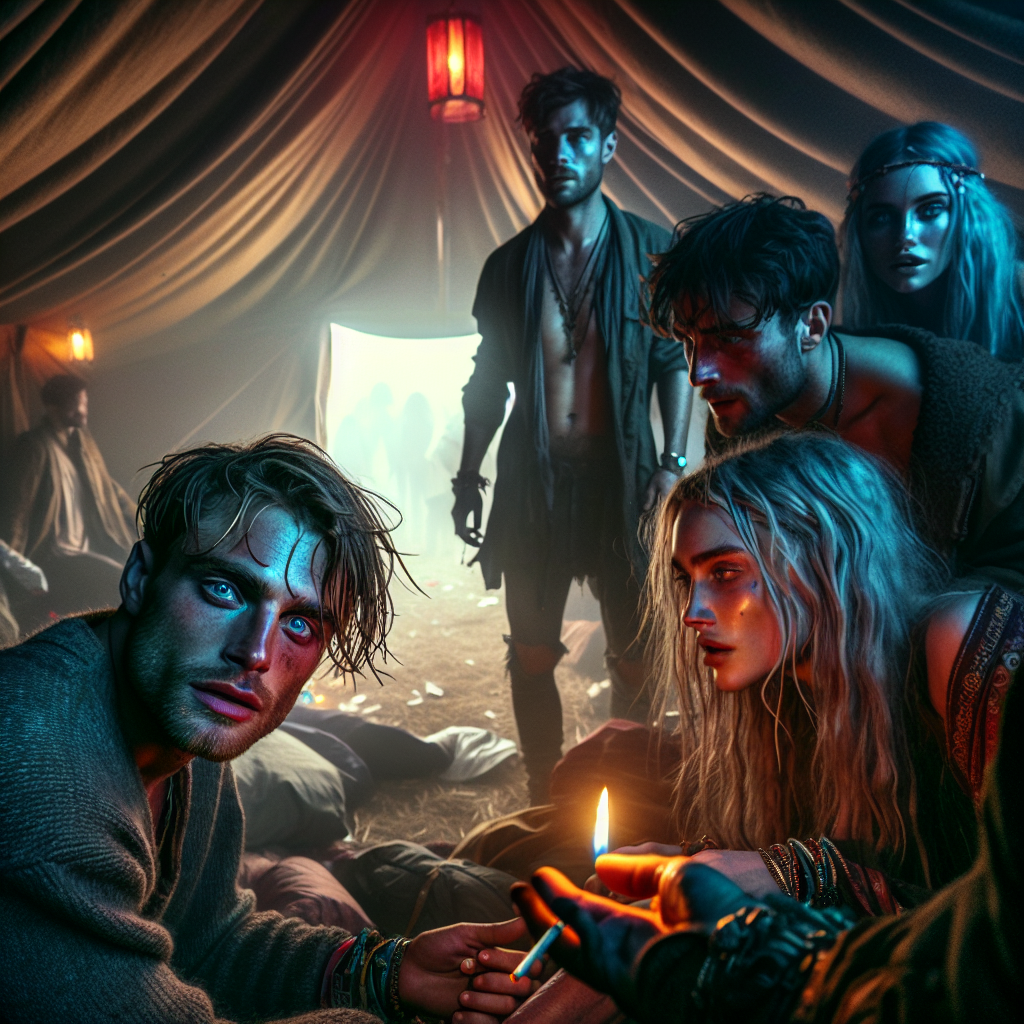 1 - Dance of Fire 1 - Dance of Fire
| 8 | 8 | 7 | 9 | 8 | 7 | 8 | 7 | 7 | 7 | 6 | 7 | 7 | 8 | 7 | 9 | 8 | 8 | 8 | |
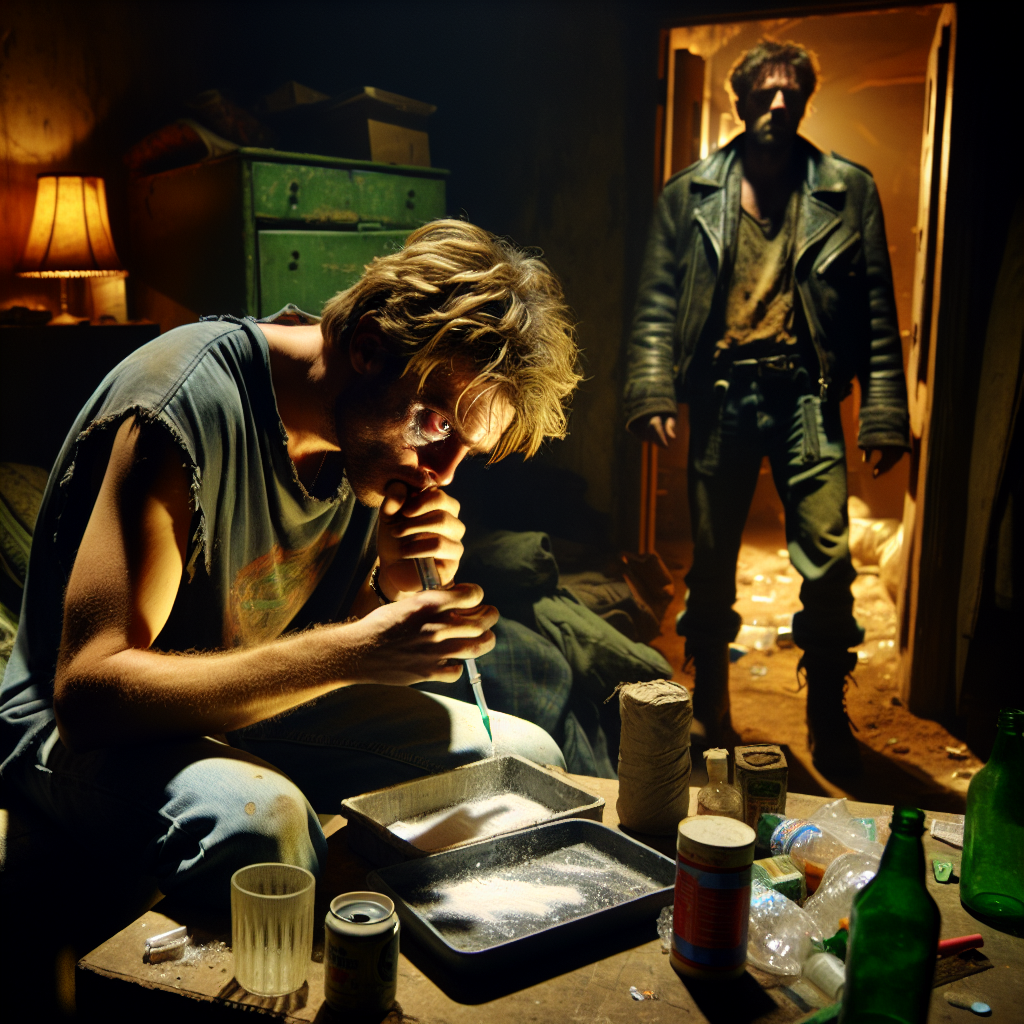 2 - Overdose in the Field 2 - Overdose in the Field
| 8 | 8 | 7 | 9 | 8 | 8 | 8 | 7 | 8 | 8 | 8 | 7 | 8 | 9 | 7 | 9 | 8 | 8 | 8 | |
| 3 - The Shopkeeper's Standoff | 8 | 8 | 7 | 9 | 9 | 6 | 8 | 7.5 | 9 | 8 | 8 | 8 | 9 | 7 | 8 | 9 | 8.5 | 8 | 8 | |
| 4 - Crossroads of Freedom and Temptation | 8 | 8 | 7 | 8 | 7 | 7 | 8 | 7 | 7 | 7 | 8 | 7 | 8 | 8 | 6 | 9 | 8 | 8 | 8 | |
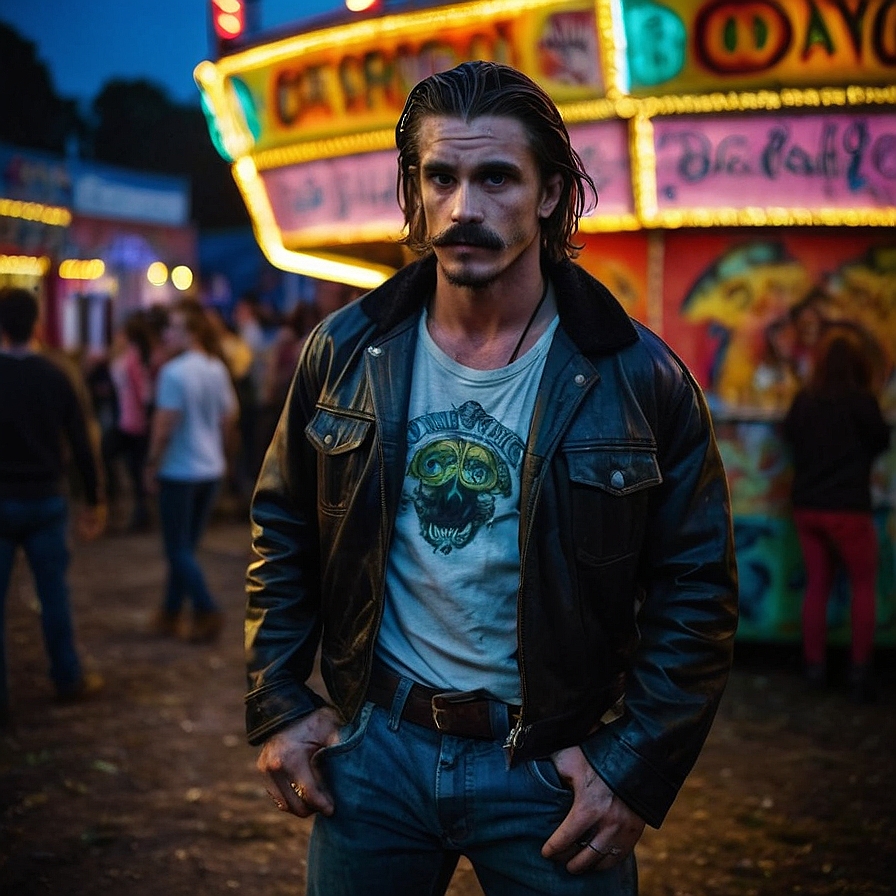 5 - Carnival Lights 5 - Carnival Lights
| 8 | 8 | 7 | 8 | 7 | 7 | 8 | 7 | 8 | 7 | 9 | 7 | 7 | 7 | 6 | 9 | 8 | 8 | 8 | |
| 6 - A Moment of Escape | 9 | 8 | 8 | 8 | 9 | 8 | 8 | 7 | 7 | 7 | 7 | 8 | 8 | 9 | 9 | 9 | 8 | 8 | 8 | |
| 7 - The Joker's Gamble | 8 | 8 | 7 | 9 | 9 | 6 | 8 | 7.5 | 9 | 8 | 8 | 8 | 9 | 7 | 8 | 9 | 8.5 | 8 | 8 | |
| 8 - Pressure and Denial | 8 | 8 | 7 | 8 | 9 | 7 | 8 | 7 | 9 | 8 | 8 | 8 | 8 | 8 | 8 | 9 | 9 | 8 | 9 | |
| 9 - Tender Moments Amidst Chaos | 8 | 8 | 7 | 9 | 9 | 7 | 8 | 7 | 4 | 7 | 3 | 6 | 8 | 9 | 8 | 9 | 8 | 8 | 8 | |
| 10 - Dancing on the Edge | 8 | 8 | 7 | 9 | 9 | 7 | 8 | 7 | 7 | 7 | 6 | 7 | 7 | 9 | 8 | 9 | 8 | 8 | 8 | |
| 11 - Dance of Shadows | 8 | 8 | 7 | 9 | 8 | 7 | 8 | 7 | 8 | 8 | 8 | 8 | 8 | 9 | 7 | 9 | 8 | 8 | 8 | |
| 12 - The Burnt Tent | 9 | 8 | 8 | 8 | 9 | 8 | 9 | 7 | 7 | 7 | 7 | 8 | 7 | 9 | 9 | 9 | 8 | 8 | 8 | |
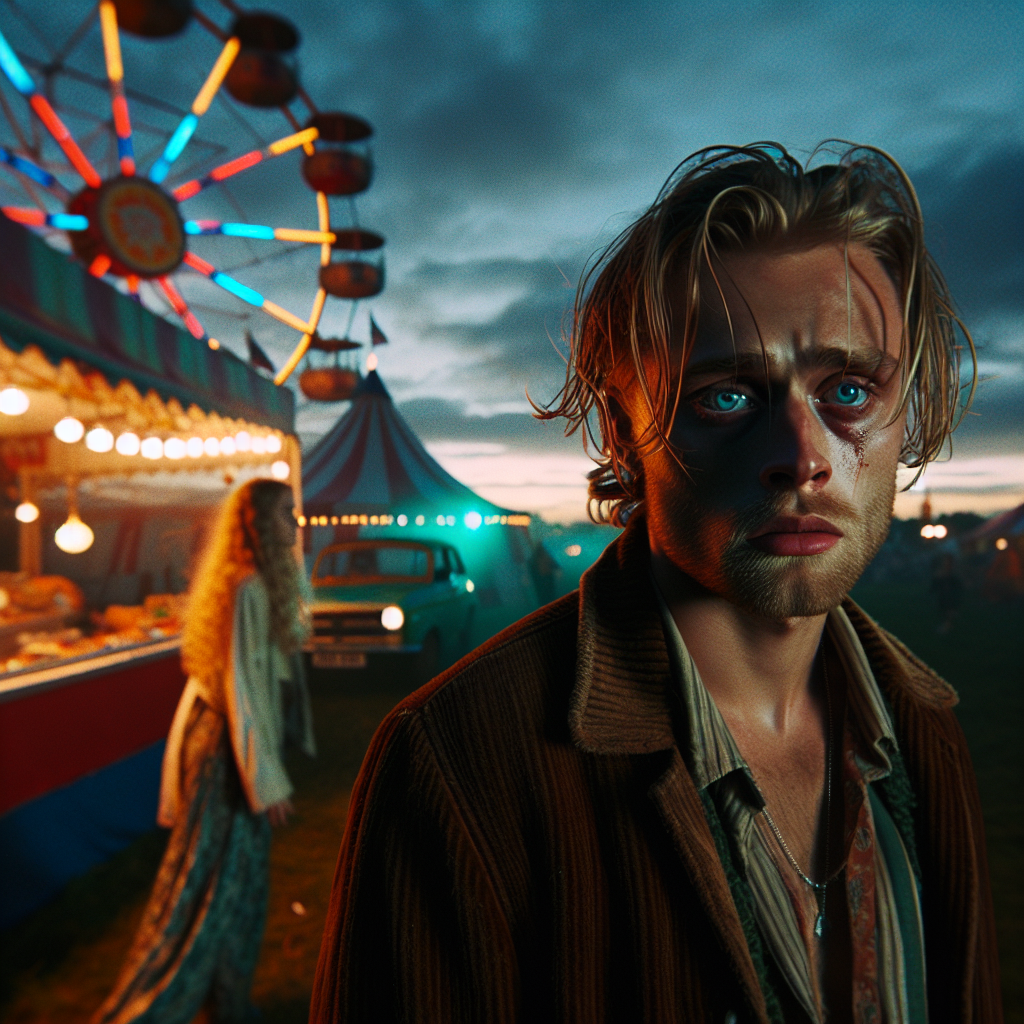 13 - A Fractured Bond 13 - A Fractured Bond
| 9 | 8 | 8 | 8 | 9 | 8 | 8 | 7 | 8 | 7 | 8 | 8 | 7 | 10 | 9 | 9 | 8 | 8 | 8 | |
| 14 - Unwelcome Guests | 8 | 7 | 8 | 8 | 9 | 7 | 8 | 7 | 9 | 8 | 8 | 8 | 8 | 8 | 9 | 9 | 8 | 8 | 8 | |
| 15 - Rage and Memory | 8 | 8 | 7 | 9 | 9 | 8 | 8 | 7 | 9 | 8 | 8 | 8 | 8 | 9 | 7 | 9 | 8 | 8 | 8 | |
| 16 - A Gentle Touch | 8 | 7 | 8 | 9 | 9 | 8 | 8 | 6 | 8 | 7 | 8 | 8 | 7 | 9 | 7 | 9 | 8 | 8 | 8 | |
| 17 - Hallucinations and Consequences | 9 | 9 | 8 | 9 | 8 | 8 | 8 | 7 | 8 | 7 | 8 | 7 | 8 | 9 | 7 | 9 | 8 | 8 | 8 | |
| 18 - Fairground Fury | 8 | 7 | 8 | 9 | 9 | 8 | 8 | 7 | 9 | 8 | 9 | 8 | 8 | 9 | 7 | 9 | 8 | 8 | 8 | |
| 19 - Ascension | 8 | 8 | 7 | 9 | 8 | 7 | 8 | 7 | 6 | 7 | 6 | 7 | 7 | 9 | 7 | 9 | 8 | 8 | 8 | |
| 20 - The Missing Connection | 8 | 8 | 7 | 9 | 9 | 7 | 8 | 7 | 3 | 7 | 2 | 6 | 7 | 9 | 7 | 9 | 8 | 8 | 8 | |
| 21 - Benny's Dominance | 8 | 8 | 8 | 9 | 9 | 7 | 8 | 7.5 | 9 | 8 | 8 | 8 | 8 | 8 | 8 | 9 | 8.5 | 8 | 8 | |
| 22 - Into the Rhythm | 8 | 8 | 8 | 9 | 9 | 8 | 8 | 7 | 9 | 7 | 8 | 8 | 8 | 9 | 7 | 9 | 8 | 8 | 8 | |
| 23 - Into the Shadows | 8 | 8 | 7 | 9 | 9 | 8 | 8 | 7 | 6 | 7 | 6 | 7 | 8 | 9 | 7 | 9 | 8 | 8 | 8 | |
| 24 - Fireworks and Shadows | 8 | 8 | 7 | 9 | 8 | 8 | 8 | 7 | 8 | 7 | 7 | 8 | 8 | 9 | 7 | 9 | 8 | 8 | 8 | |
| 25 - Suspicious Encounters at the Funfair | 8 | 8 | 7 | 9 | 8 | 7 | 8 | 7 | 9 | 8 | 9 | 8 | 8 | 8 | 9 | 9 | 8 | 8 | 8 | |
| 26 - The Rabbit's Shadow | 8 | 8 | 8 | 9 | 9 | 8 | 8 | 7 | 9 | 8 | 9 | 9 | 8 | 9 | 9 | 9 | 8 | 8 | 8 | |
| 27 - Ollie's Arrival at the Rabbit Pub | 8 | 8 | 7 | 8 | 9 | 7 | 8 | 7 | 9 | 7 | 8 | 8 | 7 | 8 | 8 | 9 | 8 | 8 | 8 | |
| 28 - The Rabbit Pub Brawl | 8 | 7 | 9 | 9 | 8 | 7 | 8 | 7 | 9 | 8 | 9 | 8 | 8 | 8 | 8 | 9 | 8 | 8 | 8 | |
| 29 - Blood in the Car Park | 8 | 7 | 8 | 8 | 9 | 8 | 8 | 7 | 9 | 8 | 9 | 8 | 8 | 9 | 7 | 9 | 9 | 9 | 9 | |
| 30 - Blind Rage | 8 | 8 | 9 | 9 | 8 | 8 | 8 | 7 | 9 | 8 | 9 | 8 | 8 | 9 | 7 | 9 | 8 | 8 | 8 | |
| 31 - Chasing Shadows | 9 | 9 | 8 | 9 | 9 | 8 | 8 | 7 | 3 | 7 | 4 | 7 | 8 | 10 | 8 | 9 | 8 | 8 | 8 | |
| 32 - Night Ride | 8 | 8 | 7 | 9 | 9 | 7 | 8 | 7 | 3 | 7 | 4 | 6 | 7 | 9 | 8 | 9 | 8 | 8 | 8 | |
| 33 - Death's Embrace | 9 | 8 | 9 | 9 | 8 | 8 | 8 | 7 | 9 | 8 | 10 | 9 | 9 | 10 | 7 | 9 | 8 | 8 | 8 | |
| 34 - The Phantom Horse | 9 | 8 | 9 | 9 | 8 | 7 | 8 | 7 | 9 | 8 | 10 | 8 | 9 | 9 | 7 | 9 | 8 | 8 | 8 | |
| 35 - Festival Aftermath | 8 | 8 | 8 | 8 | 7 | 7 | 8 | 7 | 9 | 7 | 9 | 8 | 8 | 8 | 6 | 8 | 8 | 9 | 9 | |
 36 - The Caravan Confrontation 36 - The Caravan Confrontation
| 9 | 8 | 9 | 9 | 9 | 8 | 9 | 8 | 10 | 9 | 10 | 9 | 8 | 9 | 8 | 9 | 9 | 8 | 8 | |
| 37 - Ollie's Rage | 9 | 8 | 9 | 9 | 8 | 8 | 8 | 7 | 9 | 8 | 8 | 9 | 8 | 9 | 7 | 9 | 8 | 8 | 8 | |
| 38 - Bloodstained Visit | 9 | 8 | 9 | 9 | 9 | 8 | 8 | 7 | 9 | 8 | 9 | 8 | 8 | 10 | 9 | 9 | 8 | 8 | 8 | |
| 39 - Haunted Threshold | 8 | 7 | 8 | 9 | 9 | 8 | 8 | 7 | 9 | 8 | 8 | 8 | 8 | 9 | 7 | 9 | 8 | 8 | 8 | |
| 40 - Sunset Justice | 9 | 9 | 8 | 9 | 9 | 8 | 9 | 8 | 7 | 8 | 8 | 8 | 7 | 9 | 8 | 9 | 8 | 8 | 8 | |
 41 - Back in the Cage 41 - Back in the Cage
| 9 | 9 | 9 | 8 | 8 | 8 | 8 | 7 | 9 | 8 | 9 | 9 | 8 | 9 | 8 | 9 | 9 | 8 | 8 | |
| 42 - Reunion and Warning | 9 | 9 | 9 | 9 | 8 | 8 | 8 | 7 | 9 | 7 | 8 | 9 | 8 | 9 | 8 | 9 | 8 | 8 | 8 | |
- Physical environment: The screenplay depicts a world of contrasts, showcasing both rural and urban environments. The rural setting is characterized by fields, forests, country roads, caravan parks, and small villages. These locations offer a sense of freedom and isolation, often serving as a backdrop for the characters' escapades. Urban settings are primarily represented by pubs, prison cells, and suburban houses, portraying a more confined and intense atmosphere. There's a constant presence of a bustling funfair, providing a vibrant and chaotic space for celebration, escapism, and danger.
- Culture: The screenplay delves into the cultural elements of Gypsy travelers, highlighting their nomadic lifestyle, their tight-knit community, and their unique rituals and practices. This culture is often depicted as being at odds with the mainstream society, characterized by its own set of rules and traditions. The screenplay also explores themes of class conflict, with a clear distinction between the Gypsy community and the outside world.
- Society: The screenplay portrays a society where lawlessness and violence are prevalent. The characters operate outside the boundaries of established social norms, engaging in illegal activities, drug use, and violence. The screenplay also touches upon themes of family dynamics, highlighting the dysfunctional relationships and unresolved conflicts between characters. The societal structures are often challenged and disrupted by the characters' actions, leading to a sense of uncertainty and chaos.
- Technology: The use of technology in the screenplay is minimal, reflecting the characters' marginalized existence and their preference for a more traditional way of life. However, the presence of mobile phones, cars, and a spaceship highlight a contrast between the characters' desire for escapism and the realities of the modern world. The use of technology is often used to create tension and drama, such as when Ollie is pursued by police or when a car crash occurs.
- Characters influence: The world elements shape the characters' experiences and actions by creating both opportunities and obstacles for them. The rural setting offers them freedom and escape, but also exposes them to danger and isolation. The urban settings, on the other hand, are often associated with conflict and violence, forcing them to confront their own vulnerabilities and limitations. The characters' cultural background and social status also play a significant role in shaping their interactions and choices.
- Narrative contribution: The world elements contribute to the narrative by providing a backdrop for the characters' actions and relationships. The setting of the funfair creates a sense of excitement and danger, while the rural landscape allows for moments of intimacy and reflection. The cultural elements, particularly the Gypsy community, provide a unique perspective on the characters' lives and motivations. The use of technology creates tension and adds a sense of realism to the story.
- Thematic depth contribution: The world elements contribute to the thematic depth of the screenplay by exploring themes of freedom, escapism, violence, and social inequality. The contrast between the rural and urban settings reflects the characters' internal struggles and their desire for something more. The Gypsy culture provides a different perspective on societal norms and challenges the traditional power structures. The use of technology highlights the tension between the characters' desire for a simpler life and the realities of the modern world.
| Voice Analysis | |
|---|---|
| Summary: | The writer's voice is characterized by a gritty realism, punctuated by moments of poetic introspection and a darkly humorous undercurrent. The narrative is driven by stark imagery, sparse dialogue, and a focus on the characters' internal struggles and emotional turmoil. The world is raw and brutal, yet there are glimmers of beauty, hope, and a profound sense of yearning for connection. |
| Voice Contribution | The writer's voice contributes to the script by establishing a unique and compelling tone that immerses the reader in the harsh realities of the characters' lives. The gritty realism and emotional depth add to the script's overall mood, which is a mix of suspense, sadness, and hope. The use of vivid imagery and poetic language enhances the script's themes of violence, addiction, and the yearning for redemption. The writer's voice also adds depth to the characters, making them feel authentic and relatable. |
| Best Representation Scene | 33 - Death's Embrace |
| Best Scene Explanation | This scene exemplifies the writer's unique voice by effectively blending stark imagery, evocative language, and emotional intensity. The scene seamlessly transitions from a romantic moment to a brutal crash, highlighting the unpredictable nature of life and the characters' vulnerability. The use of a chilling poem foreshadowing Ollie's death and the vivid description of the car crash create a powerful and unsettling atmosphere that is consistent with the overall tone of the screenplay. The scene also showcases the writer's ability to portray both the beauty and the brutality of human existence, creating a complex and unforgettable moment in the narrative. |
Style and Similarities
The screenplay showcases a diverse range of writing styles, blending elements of gritty realism, introspective drama, dark humor, and stylized action. It features scenes reminiscent of both independent and mainstream cinema, with a focus on character-driven narratives and intense emotional conflicts.
Style Similarities:
| Writer | Explanation |
|---|---|
| Quentin Tarantino | Tarantino's influence is most prominent, appearing in multiple scene analyses. His signature dialogue, intense action, and focus on morally complex characters are recurring themes. |
| Charlie Kaufman | Kaufman's style, with its blend of surrealism, introspection, and unique narrative structures, emerges frequently, adding layers of emotional depth and philosophical inquiry. |
| Martin McDonagh | McDonagh's dark humor, gritty realism, and complex character dynamics are also heavily represented, contributing to the screenplay's bleak and often violent tone. |
| David Lynch | Lynch's surreal imagery, dreamlike sequences, and psychological depth are evident in several scenes, adding a layer of mystery and unease to the overall narrative. |
Other Similarities: The screenplay's diverse stylistic influences create a rich and complex tapestry. While Tarantino, Kaufman, McDonagh, and Lynch stand out as dominant influences, other authors like Christopher Nolan, David Mamet, and Richard Linklater also contribute significantly to the overall tone and feel. This blend of styles makes the screenplay a compelling and unpredictable journey through various narrative landscapes.
Top Correlations and patterns found in the scenes:
| Pattern | Explanation |
|---|---|
| High Emotional Impact Scenes often feature Strong Dialogue | Scenes with high emotional impact (Emotional Impact score of 8 or higher) tend to have strong dialogue (Dialogue score of 8 or higher) as well. This suggests that the emotional weight of the story is effectively carried through the characters' interactions. |
| Intense Scenes often have High Stakes | Scenes marked as 'Intense' in their tone often have high stakes (High Stakes score of 7 or higher), indicating that the intense moments are tied to significant consequences for the characters. |
| Confrontational Scenes Drive Plot Forward | Confrontational scenes, those labeled as 'Confrontational' in their tone, consistently score high in moving the plot forward (Move story forward score of 8 or higher), highlighting their key role in propelling the narrative. |
| Scenes with Strong Character Changes Often have High Emotional Impact | Scenes where characters experience significant changes (Character Changes1 score of 7 or higher) tend to have a strong emotional impact (Emotional Impact score of 7 or higher), signifying that these shifts in character dynamics are emotionally resonant. |
| Scenes with Introspective or Romantic Tones Often have Lower Dialogue Scores | Scenes with tones like 'Introspective' or 'Romantic' tend to have lower Dialogue scores (below 7), implying that these scenes focus more on internal thoughts and feelings, rather than extensive dialogue exchanges. |
| Dark and Intense Scenes often have High Conflict Scores | Scenes that are marked as 'Dark' and 'Intense' in their tone often have high Conflict scores (Conflict score of 8 or higher), suggesting that these scenes are full of tension and conflict between characters or forces. |
| Scenes with High Concept Scores Often Advance Plot and Character Development | Scenes with a high concept score (Concept score of 8 or higher) tend to have strong scores in both plot (Plot score of 7 or higher) and character development (Characters score of 7 or higher), indicating that these scenes effectively build the story and explore character arcs. |
| Suspenseful Scenes are often Plot-Driven | Scenes labeled as 'Suspenseful' in their tone often score high in plot (Plot score of 8 or higher), indicating that suspense is used to further the narrative. |
| Scenes with Low Emotional Impact Often Have Weak Dialogue | Scenes with lower emotional impact (Emotional Impact score of 5 or below) often have weak dialogue scores (Dialogue score of 5 or below), highlighting the importance of impactful dialogue in engaging the audience emotionally. |
| Scenes with High Overall Grades Tend to Score Highly Across Multiple Categories | Scenes with high overall grades (Overall Grade of 8 or higher) tend to have strong scores in multiple categories, indicating that these scenes are well-rounded and impactful across various aspects of storytelling. |
Writer's Craft Overall Analysis
The screenplay demonstrates a strong command of emotional depth, character dynamics, and tension-building techniques. The writer effectively utilizes vivid imagery and authentic dialogue to convey complex themes and conflicts. However, there are opportunities for improvement in areas such as pacing, character development, and the use of subtext in dialogue. Overall, the writer shows promise and a unique voice that can be further refined through targeted practice and study.
Key Improvement Areas
Suggestions
| Type | Suggestion | Rationale |
|---|---|---|
| Book | Read 'Save the Cat' by Blake Snyder | This book provides valuable insights into story structure, character development, and pacing, which can help the writer craft more engaging narratives. |
| Screenplay | Study 'Eternal Sunshine of the Spotless Mind' by Charlie Kaufman | This screenplay exemplifies the blending of emotional depth with surreal elements, offering lessons on character dynamics and introspective dialogue. |
| Exercise | Practice writing dialogue-heavy scenes that focus on subtext and conflicting motivations. Practice In SceneProv | This exercise will help the writer develop their ability to convey deeper emotional layers and character dynamics through dialogue. |
| Exercise | Write a scene with minimal dialogue, relying on visual storytelling and character actions to convey emotion. Practice In SceneProv | This will enhance the writer's skills in creating tension and depth through imagery and symbolism, reducing reliance on dialogue. |
| Exercise | Create character profiles that explore backstories, motivations, and internal conflicts. Practice In SceneProv | This exercise will deepen the writer's understanding of their characters, leading to more nuanced and compelling interactions in the screenplay. |
Here are different Tropes found in the screenplay
| Trope | Trope Details | Trope Explanation |
|---|---|---|
| Runaway | Ollie and Mads are on the run from authorities and from Benny, a dangerous man who is after them. They travel around, staying in various locations and often having to move on quickly due to danger or fear of being caught. | A character or group of characters is forced to flee from their home or a dangerous situation, often being chased by law enforcement or other antagonists. Example: The film "Bonnie and Clyde" features a couple on the run from the law after a series of bank robberies. |
| Love Triangle | Ollie is in love with Mads, but Benny also has feelings for Mads. Benny attempts to intimidate Mads and warns her about Ollie's dangerous nature. Ollie and Benny are rivals, and their conflict is further fueled by their shared interest in Mads. | A narrative trope where three characters, typically two of the same gender, are romantically involved, leading to tension and conflict. Example: The film "Titanic" features a love triangle between Rose, Jack, and Cal. |
| Dark Secret | Ollie has a dark secret that he hides from Mads: He was adopted and his parents don't want anything to do with him. This secret is revealed after his grandmother is dying, and he is forced to confront his past. | |
| Deadbeat Relatives | Ollie's parents don't want anything to do with him and he doesn't have a good relationship with his family. This is a source of pain and conflict for Ollie, who is struggling with his identity and place in the world. | A character is estranged from their family or has a dysfunctional relationship with them. This often serves as a source of conflict or motivation for the character. Example: The film "The Godfather" features a character who is estranged from his family and forced to return to their life of crime. |
| Drug Addiction | Ollie struggles with cocaine addiction, which is shown to be a major factor in his destructive behavior and instability. The drug use fuels his paranoia and reckless decisions, leading to further conflict and danger. | A character is addicted to drugs, often with a negative impact on their life and relationships. Example: The film "Requiem for a Dream" features a group of characters struggling with drug addiction and the devastating consequences. |
| Dangerous Liaisons | Benny is a dangerous and manipulative man who is involved in illegal activities, particularly drug dealing. He is shown to be ruthless and violent, using intimidation and threats to control those around him. He is drawn to Mads and attempts to exploit her vulnerability. | A character is involved in a dangerous relationship with someone who is manipulative or harmful. This often leads to conflict and danger for the character. Example: The film "Fatal Attraction" features a character who is entangled in a dangerous relationship with a stalker. |
| Gypsy Stereotypes | The screenplay uses stereotypes about Gypsy Travellers, portraying them as dangerous, violent, and involved in illegal activities. Benny and his group are depicted as living in caravans and being associated with crime and drug trafficking. | Using stereotypes and generalizations to portray a particular ethnic group, often in a negative and harmful way. Example: The film "The Hunchback of Notre Dame" features a group of Gypsies who are depicted as thieves and criminals. |
| Revenge Plot | Ollie is driven by a desire for revenge against Benny, who has wronged him in the past. He is consumed by anger and seeks to inflict pain and punishment on Benny, which ultimately leads to violence and death. | A character seeks revenge against someone who has wronged them, often leading to a cycle of violence and destruction. Example: The film "Kill Bill: Vol. 1" features a character seeking revenge against those who betrayed her. |
| Death of a Loved One | Ollie's grandmother is dying, and he is forced to confront his past and his relationship with his family. Her death triggers his decision to visit his mother and seek reconciliation, but ultimately leads to further conflict and violence. | The death of a loved one is a major event in the story, often serving as a catalyst for conflict or change. Example: The film "The Lion King" features the death of Mufasa, which leads Simba to flee his kingdom and ultimately to take revenge. |
| Unrequited Love | Benny is attracted to Mads, but she is in love with Ollie. This creates tension and conflict between the three characters, as Benny tries to manipulate Mads and control the situation. | A character is in love with someone who does not reciprocate their feelings. This can lead to frustration, sadness, and even anger for the character. Example: The film "The Notebook" features a character who is in love with someone who is already in a relationship. |
Memorable lines in the script:
Some Loglines to consider:
| A troubled young man, Ollie, must confront his violent past and the ghosts of his family when he returns home to say goodbye to his dying grandmother, leading him on a dangerous collision course with a gypsy community and the police. |
| After the death of his beloved grandmother, a young man named Ollie embarks on a harrowing journey of self-discovery and redemption, navigating the complexities of family, trauma, and the cycle of violence. |
| Grieving the loss of his grandmother, a young man named Ollie must face his own demons and the consequences of his actions as he seeks closure and a chance at a fresh start. |
| Ollie, a troubled youth, finds himself caught in a web of violence and deceit after the death of his grandmother, forcing him to confront his past and the fragile bonds of family. |
| In the aftermath of his grandmother's passing, a young man named Ollie is drawn back to his troubled past, setting off a chain of events that will test the limits of his humanity and the strength of his relationships. |
| A troubled young man grapples with his past and the consequences of his actions while navigating a chaotic festival filled with love, addiction, and violence. |
| In a vibrant festival setting, a young couple's love is tested as they confront their dark pasts and the harsh realities of their choices. |
| As a festival rages on, a young man's quest for redemption leads him down a path of violence and self-discovery, forcing him to confront his demons. |
| Amidst the chaos of a traveling carnival, a young man must choose between love and the destructive forces of his past. |
| In a world of fleeting moments and vibrant chaos, a young couple's love story unfolds against the backdrop of addiction, violence, and the search for belonging. |
Help & FAQ
Frequently Asked Questions
After that, the high-level menu will offer insights into the story, themes, and characters.
The scene-by-scene analysis will demonstrate how each scene performs across various criteria, summarized in the column headings.
Click on any scene title to view the full analysis, including critiques and suggestions for improvement.
'Other Analyses' provides various insights into your writing and different perspectives, although it might not lead to significant rewrites of your script.
You can play it for free. If you have scripts analyzed, the AI might recommend exercises from SceneProv to help you improve your writing. Go to the craft tab to see what it recommended.
Let the AI take a turn when you're blocked or you want to riff on a scene. Each scene you create in SceneProv gets graded at the end.
- The email might have gone to your spam folder or is hidden in an email thread.
- The process might still be ongoing. Register/Login with the email you used during upload and look at the status. It sometimes takes as long as a couple hours. If it's been longer than that email us at [email protected]
Feature Request
Got an idea to improve our service? We'd love to hear it!

Scene by Scene Emotions
suspense Analysis
Executive Summary
Suspense is effectively woven throughout the screenplay, creating a gripping atmosphere that keeps the audience engaged. The tension often arises from Ollie's precarious situations, particularly in scenes where his actions could lead to dire consequences, such as the potential fire in Scene 1 or the confrontation with Benny in Scene 3. The use of pacing and visual elements enhances this suspense, making the viewer anxious about the outcomes.
Usage Analysis
Critique
Suggestions
Questions for AI
fear Analysis
Executive Summary
Fear is a pervasive emotion in the screenplay, effectively highlighting the dangers that Ollie faces in his chaotic life. The fear of violence, loss, and the consequences of his actions resonate throughout the narrative, particularly in scenes where Ollie's vulnerability is exposed, such as his encounters with Benny and the police.
Usage Analysis
Critique
Suggestions
Questions for AI
joy Analysis
Executive Summary
Joy is a fleeting yet significant emotion in the screenplay, often juxtaposed against the darker themes of violence and chaos. The moments of joy serve to highlight the fragility of Ollie's happiness, making the audience more invested in his emotional journey. However, the screenplay could benefit from more sustained moments of joy to balance the overall tone.
Usage Analysis
Critique
Suggestions
Questions for AI
sadness Analysis
Executive Summary
Sadness is a profound and recurring emotion in the screenplay, effectively highlighting the emotional struggles of the characters, particularly Ollie. The exploration of loss, longing, and emotional turmoil resonates deeply with the audience, making the moments of sadness impactful and poignant.
Usage Analysis
Critique
Suggestions
Questions for AI
surprise Analysis
Executive Summary
Surprise plays a crucial role in the screenplay, often serving to heighten emotional stakes and shift the narrative direction. The unexpected twists and turns keep the audience engaged, but the use of surprise could be more strategically integrated to enhance its impact.
Usage Analysis
Critique
Suggestions
Questions for AI
empathy Analysis
Executive Summary
Empathy is a central emotion in the screenplay, effectively drawing the audience into the characters' emotional journeys. The portrayal of vulnerability, longing, and connection resonates deeply, making the viewer invested in the characters' struggles and triumphs.
Usage Analysis
Critique
Suggestions
Questions for AI