THE MONARCH PROJECT
A documentary filmmaker investigating his sister's death uncovers a secret government mind-control program, but after a whistleblower murders an agent in front of him, he must evade both the agency and the authorities to deliver his evidence to the press.
See other logline suggestionsOverview

Unique Selling Proposition
A rigorously ‘assembled from evidence’ narrative (phones, drones, security feeds, spy cams) that lets the audience investigate in real time as jammers and counter-surveillance erase proof; grounded spycraft set pieces and an ambiguous handler keep the viewer toggling between rescue and entrapment while a personal grief thread raises the cost.
AI Verdict
How to read these: in industry coverage, Pass is the default outcome for the majority of professional scripts, and Consider means the reader stayed in the room. Industry-wide, the median professional evaluation sits at a 6 — scores of 8+ are rare everywhere, on purpose.
A qualified elevated-commercial thriller with a distinctive formal conceit that requires structural work on back-half agency and exposition pacing to clear the recommend threshold.
An elevated-commercial found-footage conspiracy thriller that bets on formal innovation and real-world grounding to deliver genre pleasure while sustaining genuine ambiguity about whether its protagonist is a whistleblower or a man in psychological collapse.
Readers split on the contract's secondary lane and intended experience weight: four read this as elevated commercial thriller, while one reads it as specialty drama, tracing to whether the back-half ambiguity registers as deliberate psychological destabilization or structural confusion.
The script's formal conceit and first-half evidence accumulation generate genuine forward pressure and credible doubt that prevent it from reading as a generic amateur thriller.
The causal incoherence and protagonist passivity in the back half are structural failures that prevent the script's central ambiguity from landing with the force the contract requires.
A script with a distinctive multi-camera documentary conceit and strong early momentum that requires structural work on back-half protagonist agency, exposition pacing, and emotional stakes.
Readers read as Elevated commercial4 Specialty1
Re-engineering the Schism handler dynamic to restore Brian's active choices addresses both the back-half causal collapse and the emotional under-activation, as giving him a clear objective naturally forces the exposition into action and grounds the family stakes in his decisions.
Protect while fixing 2
Restoring agency and causal clarity risks slipping into conventional omniscient coverage or standardizing camera formats to solve narrative problems.
Maintain the multi-source mosaic and strict POV constraints; codify capture rules rather than homogenizing coverage into conventional scenes.
Trimming exposition-heavy interviews to fix pacing may inadvertently compress Peter's screen time or dilute the factual anchor that grounds the conspiracy.
Keep Peter's interview sequences intact as the script's intellectual center; convert surrounding lore to action rather than cutting his scenes.
Fix first 3
The reader loses forward pull as the protagonist shifts from active investigator to passive courier, turning escalating paranoia into bewildered observation.
The introduction of the Schism handler dynamic replaces Brian's investigative drive with step-by-step instructions, and the antagonist's operational logic remains opaque, making events feel imposed rather than earned.
Re-engineer the Schism sequences so each instruction forces a visible choice or tradeoff for Brian, and seed a partially legible operational logic that allows the reader to track causality in hindsight.
The reader experiences momentum stalls as dense historical and technical lore arrives in monologue blocks rather than through dramatized discovery.
The script relies on interview subjects to deliver context directly, shifting the narrative engine from active investigation to passive listening.
Fragment or convert exposition into active tests, visual discoveries, or fragmented dialogue that forces Brian to piece the lore together himself.
The reader tracks Brian's decline and family rupture intellectually but doesn't feel the visceral cost, leaving the thriller mechanics emotionally unanchored.
Readers split on whether the emotional gap stems from the abrupt pacing of Brian's descent, the underutilization of family and Jenielle stakes, or a fragmented governing desire.
Choose a single governing emotional throughline and dramatize Brian's internal shift through specific behavioral choices rather than montage or argument.
Your decisions 1
Committing to elevated commercial means tightening the causal chain and restoring protagonist agency to satisfy genre expectations for propulsive momentum.
Committing to specialty means leaning into the ambiguity and protagonist passivity as deliberate psychological destabilization, accepting slower pacing in exchange for thematic depth.
Quick credibility wins 1
Strip direct emotional declarations and caps/exclamation marks from action lines, trusting subtext and clean staging to carry the weight.
The multi-camera found-footage conceit operating as a structural argument about evidence and perception is the script's most distinctive and championable asset.
The causal incoherence and protagonist passivity in the back half are the primary blockers, as they transform the script's central ambiguity into structural confusion precisely when it needs to be most controlled.
- Would readers champion it?
-
Not yetNot yetReaders wouldn’t actively push for it.Early interestEarly interestMentioned, but no real push behind it.ModeratelyModeratelyMentioned favorably to the right buyer.StronglyStronglyActively championed across their network.DeepSeekEarly interestGrokEarly interestClaudeModeratelyGPT5ModeratelyGeminiModerately
- How much rewrite does it need?
-
Start from scratchStart from scratchPremise or core engine isn’t working. Page-one rebuild.Structural rewriteStructural rewriteSpecific acts or zones need rebuilding — not starting over, but significant revision work on those sections.Targeted rewriteTargeted rewriteSpecific scenes or threads need rework. ~1 month.Just polishJust polishLines and pacing tweaks. A few weeks.ClaudeTargeted rewriteDeepSeekTargeted rewriteGeminiTargeted rewriteGPT5Structural rewriteGrokStructural rewrite
- How distinctive is the voice?
-
GenericGenericReads like other scripts in the genre.EmergingEmergingHints of a distinctive voice, not yet locked in.DistinctiveDistinctiveA clear, recognizable authorial voice.One-of-a-kindOne-of-a-kindA voice that couldn’t be anyone else’s.DeepSeekEmergingGrokEmergingClaudeDistinctiveGPT5DistinctiveGeminiDistinctive
On the score: The score sits at the low edge of its band — a closer reread could pull it down a tier.
Story Facts
Genres:Setting: May 2025, with flashbacks to October 2024 and earlier, Primarily set in San Francisco, California, with scenes in various urban locations, including Jessie Square, Yerba Buena Gardens, and a safe house hotel.
Themes: Paranoia and Reality Blur, Government Conspiracy and Mind Control, Mental Illness and Familial Trauma, Family Breakdown and Sacrifice, The Elusive Nature of Truth
Conflict & Stakes: Brian's struggle to clear his name after being falsely accused of murder, with his family's safety and reputation at stake.
Mood: Tense and paranoid, with moments of urgency and emotional depth.
Standout Features:
- Unique Hook: The protagonist's descent into paranoia and conspiracy after witnessing a murder, leading to a gripping narrative.
- Plot Twist: The revelation that Brian's friend Peter may not have committed suicide, suggesting deeper conspiracies.
- Innovative Ideas: The use of hidden cameras and surveillance footage to create a documentary-style narrative.
- Distinctive Settings: The urban landscape of San Francisco, with its iconic locations enhancing the story's tension.
- Genre Blends: Combines elements of psychological thriller, drama, and conspiracy genres.
Comparable Scripts: The Parallax View (1974 film), The Conversation (1974 film), Capricorn One (1977 film), The X-Files (TV series, 1993-2018), Conspiracy Theory (1997 film), The Manchurian Candidate (1962 film or 2004 remake), One Flew Over the Cuckoo's Nest (1975 film), The Bourne Identity (2002 film) / Jason Bourne series, Brazil (1985 film), The Prisoner (TV series, 1967-1968)
How 5 AI Readers Scored The Script
Readers graded as Elevated commercial4 Specialty1Script Level Analysis
This section delivers a top-level assessment of the screenplay’s strengths and weaknesses — covering overall quality (P/C/R/HR), character development, emotional impact, thematic depth, narrative inconsistencies, and the story’s core philosophical conflict. It helps identify what’s resonating, what needs refinement, and how the script aligns with professional standards.
Screenplay Insights
Breaks down your script along various categories.
Story Critique
Big-picture feedback on the story’s clarity, stakes, cohesion, and engagement.
Characters
Explores the depth, clarity, and arc of the main and supporting characters.
Emotional Analysis
Breaks down the emotional journey of the audience across the script.
Goals and Philosophical Conflict
Evaluates character motivations, obstacles, and sources of tension throughout the plot.
Themes
Analysis of the themes of the screenplay and how well they’re expressed.
Logic & Inconsistencies
Highlights any contradictions, plot holes, or logic gaps that may confuse viewers.
Scene Analysis
All of your scenes analyzed individually and compared, so you can zero in on what to improve.
Other Analyses
This section looks at the extra spark — your story’s voice, style, world, and the moments that really stick. These insights might not change the bones of the script, but they can make it more original, more immersive, and way more memorable. It’s where things get fun, weird, and wonderfully you.
Unique Voice
Assesses the distinctiveness and personality of the writer's voice.
Writer's Craft
Analyzes the writing to help the writer be aware of their skill and improve.
Memorable Lines
Tropes
World Building
Evaluates the depth, consistency, and immersion of the story's world.
Correlations
Identifies patterns in scene scores.
Loglines
Script•o•Scope
Summary
High-level overview
Based on the scene summaries provided, here is a summary for the feature screenplay THE MONARCH PROJECT:
Logline: An obsessive documentary filmmaker, investigating the mysterious death of his sister, uncovers a vast government mind-control conspiracy known as the Monarch Project—only to become the hunted target of the very forces he seeks to expose.
Summary:
In October 2024, filmmaker Brian Watkins is on the run through San Francisco, bloodied and pursued by a mysterious man after a shooting. His desperate journey is the culmination of months of obsessive investigation. Driven by the loss of his sister Jenielle, who died of a suspicious overdose after being diagnosed with schizophrenia, Brian begins documenting patients at a mental health facility. There, he meets Peter Simmons, a paranoid patient who claims to be a "Targeted Individual" and reveals a secret government program called the Monarch Project—an evolution of MK-ULTRA that uses mind control, directed energy weapons, and surveillance to silence dissenters.
As Brian digs deeper, his research leads him to a network of conspiracy theorists, a cryptic whistleblower known as "the Puppeteer," and a professor who warns him that those who expose the project are erased. His obsession strains his marriage to Stacy and alienates his son Jayden, while his crew members begin to fear for their safety. After a series of break-ins, a violent confrontation with a cable worker he suspects of spying, and the suspicious death of Peter, Brian is contacted by a mysterious figure named Schism, who claims to be an intelligence insider.
Schism orchestrates a covert mission, but the meeting turns into a setup: an associate draws a gun, Schism kills him, and Brian is left covered in blood, caught on bystander video. Now wanted for murder and hunted by both the government and the mysterious man in sunglasses, Brian flees, recording a final message to his family and sending his evidence into the void. Months later, surveillance footage suggests he may still be alive, but the truth of the Monarch Project remains buried.
THE MONARCH PROJECT
Synopsis
In May 2025, documentary filmmaker Brian Watkins is on the run after a public shooting in San Francisco’s Jessie Square. His hands and shirt stained with blood, he hurries to a safe house, where he records a final message to a fellow filmmaker, explaining the events that led him there. The film is presented as a chronicle of Brian’s research over the previous eight months, compiled from his own footage, interviews, hidden cameras, and surveillance video.
Brian’s journey begins in October 2024, when he sets out to make a documentary about schizophrenia, inspired by his older sister Jenielle, who died by suicide years earlier. With the help of his friend and drone operator Zack Randolf, Brian interviews patients at Crestwood Behavioral Health Facility, including a charismatic, articulate man named Peter Simmons. Peter claims he is not schizophrenic but a “Targeted Individual” (T.I.) – a test subject of a secret government mind-control program called The Monarch Project, a successor to MK-ULTRA. Peter explains that he was targeted because of his 9/11 Truth activism, subjected to directed energy weapons, microwave attacks, and the “Voice of God” – a psychotronic device that puts voices in his head. Brian is skeptical but intrigued.
Driven by the connection to his sister’s delusions about butterflies (a Monarch symbol), Brian dives deeper into research. He connects with Celeste, a T.I. in New Orleans, and films her suffering from what she believes are remote attacks. The team analyzes the electromagnetic readings with a Stanford physicist, but the results are inconclusive. Brian also meets Dr. Miriam Taylor, an author and expert on MK-ULTRA, who warns him that whistleblowers often end up dead. Taylor hints at a mysterious “Puppeteer” – a high-level insider ready to flip.
As Brian’s obsession grows, his marriage to Stacy suffers. He installs security cameras, drinks heavily, and becomes increasingly paranoid. After a confrontation with Dr. Albert Soros – a psychiatrist who treated Jenielle at Stanford and who Brian believes was involved in the Monarch experiments – the police visit Brian’s home. Stacy, frightened, takes their son and leaves. Peter Simmons is found dead in his room, a supposed suicide, but Brian is convinced he was murdered.
Desperate, Brian receives a cryptic message and eventually meets a shadowy figure who calls himself “Schism” in an abandoned warehouse. Schism, a former intelligence officer, confirms the existence of Monarch and promises to provide classified documents. Brian films their encounter with a hidden keychain camera. Schism warns Brian that he is being watched and sets up a series of elaborate evasion maneuvers, leading Brian to the safe house.
Schism arranges a final drop: Brian is to meet an associate in Jessie Square to receive a thumb drive with all the evidence. But when Brian arrives, the associate pulls a gun. A shot rings out – the associate is killed by Schism, who then vanishes. Brian is left holding the gun, covered in blood, and is now a wanted murder suspect. The empty FedEx envelope suggests the whole thing was a setup, or a rescue. Brian records his final testimony, sends his footage to a trusted filmmaker, and disappears.
The film ends with a note that Brian is still missing. Two anonymous YouTube videos are sent to the filmmakers: one of Stacy and Jayden (safe, but relocated), and another of a man who resembles Brian at Union Station in Washington D.C., suggesting he may still be alive and continuing the fight.
Scene by Scene Summaries
Scene by Scene Summaries
- After a gunshot sparks panic in downtown San Francisco, a bloodied Brian Watkins flees through parks and plazas, hiding his gun in a backpack while a mysterious man in sunglasses pursues him. The scene ends with Brian racing onto a crowded sidewalk, still being followed.
- Brian flees the Mysterious Man by weaving through pedestrians on Howard Street, hails a taxi, and instructs the driver to take him to Beck's Motor Lodge. Inside the cab, he reviews camcorder footage and realizes he captured everything, then puts on a GoPro head strap as the taxi passes San Francisco City Hall.
- Brian, after cleaning a bloody shirt in a restaurant restroom, monitors a hotel across the street before dashing to a safe house room, locking himself inside and closing the drapes.
- In a safe house hotel room, Brian records a desperate message to a fellow filmmaker, claiming he witnessed a murder and is the prime suspect. He reveals he has evidence of a massive covert government program and plans to send all his footage if anything happens to him. The scene then cuts to a montage of extreme sports footage, family photos, and an injured friend, setting up the timeline of events leading to October 2024.
- In Doctor Johnson's office, Brian anxiously oversees Zack setting up lighting and sound gear for an important shoot. Brian questions Zack's seriousness, but Zack reassures him by calling it Brian's pet project and offering a fist bump, which Brian reluctantly accepts, easing the tension.
- Brian meets Dr. Cassandra Johnson at Crestwood Behavioral Health Facility. She provides him with four patient releases, explaining others declined. She warns about a patient named Peter, who is court-ordered and has vivid delusions. Brian insists his goal is to tell his sister Jenielle's story, not to solve symptoms. Cassandra, though skeptical, agrees to help, ending on a note of uneasy trust.
- Brian interviews three patients at Crestwood Facility: Thomas claims to be Jesus, Sandy sits catatonic while folding origami, and Nancy rambles paranoidly about workers plotting to kill her. The camera lingers on Sandy's hands despite Brian's cut signal, ending with a title card 'NOVEMBER 2024.'
- Brian interviews Peter Simmons, a patient at Crestwood Facility, for a documentary. Peter denies his schizophrenia diagnosis and challenges Brian's authority, insisting on mutual trust. After Brian shows a signed release form, Peter demands Brian share his personal story first. Brian reluctantly agrees, beginning a voiceover about his sister Jenielle, as supporting photos appear.
- Young Brian has a nightmare comforted by his sister Jenielle. Years later, Jenielle exhibits paranoid delusions about butterflies, leading to a diagnosis of schizophrenia and her forcible hospitalization, deeply traumatizing Brian and his mother.
- Brian interviews Peter in a mental facility. Peter blames Reagan for his sister's suicide and explains how Nazi scientists helped create the CIA and MK-ULTRA, which he claims evolved into the Monarch Project. Frustrated by Brian's skepticism, Peter abruptly ends the interview to watch 'The View'.
- Brian and Zack watch a video about MK-ULTRA mind control, sparking Brian's obsessive research. After a brief, warm family moment with his son Jayden and wife Stacy, Brian descends into days of compulsive online digging, neglecting his family and acknowledging the cost.
- Brian, Zack, and Craig are setting up recording equipment in Brian's home office when Stacy confronts Brian about forgetting to pick up dinner. She accuses him of drinking again, which he denies, insisting he is focused on important work. The argument escalates, and Stacy storms out, leaving Zack and Craig awkwardly in the hallway as Brian stares after her.
- Peter demands Brian's full commitment before revealing his belief that he is a Targeted Individual subjected to microwave and psychotronic weapons, which put voices in his head telling him he is worthless and should kill himself. Brian listens skeptically, and Peter becomes angry when his symptoms are downplayed.
- The scene opens with a re-enactment of Peter violently attacking his wife Cheryl in a paranoid rage, believing she is a spy, leading to his arrest and their separation. In the present, Peter tells Brian that he is a 'Targeted Individual' whose 9/11 truth research caused the government to subject him to mind control experiments. Brian is skeptical but intrigued, while outside the facility, Zack jokes about the story and Craig dismisses them.
- Brian, working late in his home office, obsessively investigates mysterious texts linked to a patent for an ELF transmitter and the 2013 Navy Yard shooter. His wife Stacy interrupts, urging him to come to bed, and he promises to spend time with her tomorrow. After she leaves, he receives a cryptic WhatsApp call from an older woman named NOLATI0805, who asks if it's a good time to talk.
- Zack films Brian and Craig at SFO, then in New Orleans where they meet Celeste. A WhatsApp conversation reveals a mutual friend, the Engineer, and a request for help. Celeste aggressively grabs Zack's camera, causing the screen to go black, followed by a title card 'JANUARY 2025'.
- In Priestess Denise's darkened New Orleans parlor, Brian, Zack, Celeste, and cameraman Craig seek answers. Priestess Denise, after a trance, warns Brian he is in a war against unseen puppeteers and gives him a Chango doll for protection. She then apologizes about his sister, leaving Brian and Zack bewildered.
- Brian, Zack, and Craig accompany a paranoid Celeste to her apartment as she explains her belief that she is targeted for speaking out against Hurricane Katrina response. A distant car horn triggers her fear, claiming it's a signal from pursuers, before she abruptly shifts to offering coffee. Zack and Craig roll their eyes.
- During a filmed interview in her kitchen at dusk, Celeste presents a manila folder of photos as evidence of being stalked, then describes hearing voices that mention 'River Ridge' and 'three daughters' before fading away, leaving an uneasy mystery.
- In Celeste's bedroom at night, she prepares to remove her protective gear for filming, hoping to document her painful experiences. Craig expresses skepticism about the electronic monitoring equipment, but Zack defends its use by referencing a past supernatural event. Celeste ultimately decides to face the ordeal without protection to provide evidence.
- Brian, Craig, and Zack monitor Celeste as she sleeps, but she suffers a violent episode of thrashing and screaming. Brian comforts her, and the next morning, exhausted, Celeste hints at a 'Puppeteer' who might explain her suffering, urging Brian to find him.
- On a jet liner, Zack films Brian and Craig joking about finding the 'Master of Puppets.' Brian is disturbed by a news report of a man shooting his family in Louisiana. Later, driving on the freeway, they panic when a black sedan seems to follow them, but it stops after they exit. Brian remains tense, gripping the wheel.
- Brian and Craig present synced electromagnetic and video footage of Celeste's nighttime disturbances to physicist Dr. Gideon Brodsky. Brodsky notes the dramatic spikes but criticizes the lack of a controlled environment and Brian's intervention, suggesting mundane causes like power lines. When Brian presses about directed energy weapons, Brodsky dismisses it as absurd before sarcastically comparing it to extraterrestrials, ending the scene with unresolved tension.
- Brian and Peter review footage but find no credible evidence. Peter reveals a high-level whistleblower known as 'the Puppeteer' and directs Brian to a trusted NYU professor. He urgently warns that they are being watched and that Brian must protect his family.
- Brian, frustrated by computer failures, smashes his mouse and later installs multiple security cameras in his home and Jeep with Zack's help. He defends the paranoid setup to his wife Stacy, claiming it's for safety, but she remains suspicious of his unemployed, obsessive behavior.
- During the day, Brian obsessively films a cable van, ignoring his son Jayden until Stacy intervenes. That night, he drinks vodka while monitoring security feeds in his office and falls asleep. Stacy discovers the empty bottle and shakes her head in disappointment.
- Brian spies on neighbors through his camcorder while Stacy confronts him about drinking and his obsession with a conspiracy theory involving a paranoid schizophrenic. She breaks down over their financial troubles and leaves, slamming doors. Later, Brian records a webcam update about a Portland meeting, wincing as another door slams before a title card reads 'MARCH 2025'.
- Brian drives as Craig and Zack debate their counter-surveillance setup, joking about guns. On a plane to a conspiracy convention, Zack films Craig, annoying him. At the convention, a pixelated filmmaker demands they turn off their camera, which Brian orders Zack to do.
- Dr. Miriam Taylor warns that whistleblowers exposing PROJECT MONARCH have been erased from existence, after demonstrating a Neurophone that plays music directly into the brain. Craig's question about murder confirms that dissenters have died mysteriously, heightening the tension.
- After a tense plane ride, Brian drives Craig and Zack home in silence. Zack questions their mood, leading to a heated argument where Craig accuses Zack of ignoring Dr. Taylor's warnings about strange deaths, calling him reckless. Zack dismisses the danger and insults Craig. Brian tries to mediate, but Craig declares he's done. Later, Brian pulls into his driveway and notices the same cable company van parked nearby, unsettling him.
- Brian films his family at a skatepark, but Stacy gives him the silent treatment. He notices a man in sunglasses staring from across the park, but when he zooms in, the man quickly disappears into a parking lot. Stacy sees no one and expresses concern for Brian's mental state. The scene ends with a title card reading 'APRIL 2025'.
- Brian and Zack review suspicious security footage of a car idling in the driveway. Brian then reveals a recorded interview about mind control experiments, linking Dr. Albert Soros to three inmate deaths at Vacaville and to Jenielle's fatal overdose at Stanford. Zack is horrified by the conspiracy.
- Brian calls Stanford to access his sister Jenielle's mental health records, but the receptionist reveals that all records from 1991 to 1995 were destroyed in a fire. Frustrated and desperate, Brian ends the call with a deadpan stare, while Zack, who is filming him, reacts emotionally to the news.
- In his home office, Brian uses a prepaid phone to impersonate Jacob Garvey, arranging a meeting with Dr. Soros under false pretenses. After the call, he signals success to his webcam, hinting at a calculated plan.
- Brian tests spy camera glasses, a wristwatch cam, and a keychain fob in his home office while Zack films. Zack questions his plans, but Brian deflects, acknowledging in voiceover that he is leaving Zack out and crossing a line. The scene then shows hidden camera footage of Brian, posing as Jacob Garvey, knocking on Dr. Albert Soros's door. After explaining that 'Jacob' is his middle name, Dr. Soros accepts the identity and invites him inside, asking to be called Al.
- Brian poses as a journalist to interview Dr. Soros, then accuses him of involvement in patient deaths and CIA experiments before being forced to leave.
- Brian, upset and ignoring a call from Peter, arrives home to find police questioning his wife Stacy about Dr. Soros's complaint. He shows a signed release form, but the officers warn him not to visit Soros again. After they leave, Brian storms over to a cable company van that he notices nearby.
- Brian violently confronts a cable guy working on a utility pole, accusing him of being a government agent using mind control. Despite the cable guy's calm denial and Stacy's attempts to intervene, Brian's rant escalates until Stacy, terrified, flees into the house.
- Brian frantically insists that Dr. Soros murdered Jenielle, but Stacy ignores his paranoia and packs to leave. As she heads for the door, Brian grabs her arm; she slaps him and storms out, with Brian following her outside.
- Stacy confronts Brian about his paranoia and drinking, declares she is leaving with their son Jayden, and drives away after urging him to seek psychiatric help. Brian, left alone, frantically searches the house with an RF bug detector, leaving each room disheveled.
- Drunk and paranoid, Brian searches his home for bugs, then hears voicemails from Peter warning him that time is running out. When he calls Crestwood, he learns Peter left two days ago. The next day, while driving, a black sedan tails him; he pulls over erratically and rests his head on the wheel.
- In Dr. Johnson's office, Brian learns his friend Peter died by suicide; skeptical, he questions foul play and the Monarch Project. Cassandra dismisses his concerns, then shifts her diagnosis. Brian abruptly leaves, spots a black sedan following him, and evades it in a high-speed chase through traffic, ending with a triumphant exclamation as the title card reads 'MAY 2025'.
- Late at night, Brian drinks heavily in his home office while watching a montage of interview clips about schizophrenia, conspiracy, and a mysterious 'puppeteer'. He drunkenly texts Miriam about Peter's death and the need to find the puppeteer. The next morning, he wakes up on the couch to a cryptic text telling him to check his Proton email. He rushes to his office, explains the message came from a 212 area code, and reveals it leads to an encrypted email with a media server awaiting key codes.
- Brian receives key codes and watches a video from a mysterious figure named Schism, who claims to be a US intelligence insider with classified information about MK-ULTRA and the Monarch Project. Brian responds with 'YES' and sends coordinates for a meeting at Moss Landing, while revealing that his cameraman Zack serves as insurance in case he goes missing. The scene closes with a Google Earth zoom into the meeting location.
- Brian and Zack meet in a harbor-side parking lot to finalize preparations for a covert operation. After checking for surveillance, Zack equips Brian with a radio and earpiece, then insists he take a .45 handgun, revealing they are both now armed. Brian reluctantly accepts, and Zack drives off, leaving Brian tense and ready.
- Brian drives to a parking lot near the Old Salinas River. Zack, airborne via drone, spots a black SUV with two occupants. Brian parks and cautiously approaches on foot. Suddenly, all camera feeds (GoPro, drone, hidden cameras) dissolve into static and white noise, leaving the outcome unknown.
- Zack finds Brian unconscious in the back seat of a Jeep at a state beach parking lot. After waking him, Brian, disoriented and with memory gaps, finds only his keys from the center console. A reenactment reveals that earlier, while piloting a drone, Zack filmed Brian approaching a black Suburban before all footage was disrupted by static, suggesting signal jamming. The scene ends with all camera feeds dissolving into white noise.
- Zack recounts being stopped by authorities at the harbor, where he tosses his gun before being questioned and released. Later, at a cafe, Brian apologizes for the danger and reveals he thinks he was abducted and drugged, though Zack dismisses the idea of implanted memories.
- Brian is forcibly detained by two agents at a beach, hooded, and processed at an abandoned warehouse. Later, he and Zack discover all video feeds are scrambled, but Brian finds a keychain cam that may have recorded the ordeal.
- Brian is kidnapped and brought to a warehouse, where an older man named Schism interrogates him under the guise of a cover operation. Schism reveals that Brian's safety is compromised and warns of advanced satellite surveillance and mind control. He implies that Brian's friend Peter was murdered and that Dr. Soros may be connected to Jenielle's death. Refusing to provide documents immediately, Schism insists Brian must work for them. After Schism leaves, agents hood Brian, inject him with a substance, and confiscate his keychain camera, ending the scene in black.
- Brian dismisses Zack's excitement over alleged abduction video, insisting on real evidence. After Zack leaves, Brian calls Stacy's voicemail, then receives a text from her. The next morning, a mysterious texter tells Brian to check his Proton email, setting up a potential breakthrough.
- Brian receives an encrypted email from Schism, who warns that they are being watched and orders him to gather all project media and personal items, then prepare for a solo mission. Brian packs hard drives, cameras, clothes, a voodoo doll, and a pistol into a backpack, setting it by the front door, ready to leave.
- Brian nervously awaits a private courier, who delivers a package containing a new alias, burner phone, and instructions. He activates the phone, receives a text demanding he look out his front window as proof of the sender's loyalty, escalating the tension between hope and caution.
- Brian, under surveillance by a black SUV, receives urgent text instructions to evade capture. He drives to a parking garage in San Leandro, loses the tail by entering just as the gate closes, parks in space 216, and hurries to catch a waiting Uber, all while under a tight 1:45 deadline.
- Brian enters a parking garage, tosses his iPhone under a car to mislead agents, then jumps into an Uber Prius. The driver initially hesitates but accepts Brian's alias ID. As they drive out, agents are seen searching for the phone. The driver hands Brian an envelope with typed instructions to take the BART to Embarcadero.
- Brian, paranoid and exhausted, is dropped at a BART station and boards a train while two men in sunglasses surveil him. He avoids eye contact, mistakes a passenger for Dr. Soros, and receives a text to reach a specific cab within five minutes. Exiting at Embarcadero, the men continue to follow as he rides the escalator to street level.
- Brian rushes through San Francisco, nearly getting hit by a cab he flags down. After a tense exchange with the driver, he receives cryptic instructions from Schism via headphones to lay low in a motel room. Frustrated but compliant, Brian enters room 210 and collapses on the bed.
- Brian checks into Beck's Motor Lodge, records a video diary, and sets up GoPro cameras. He sleeps fully clothed with a gun. The next morning, he watches a password-protected video from Schism, who speaks as a silhouette with a voice changer, calling this a milestone and urging continued trust for survival.
- Brian arrives at Jessie Square for a covert drop, but the associate draws a silenced pistol. Schism unexpectedly shoots the associate from behind, leaving Brian to find an empty FedEx envelope. Now covered in blood and caught on bystander video, Brian flees as a mysterious man pursues him.
- Brian locks himself in a hotel room, records a monologue expressing confusion and love for his family, then turns off the camera. Text reveals that his research was delivered, his family relocated, and he is wanted for murder. Two months later, anonymous videos show his wife and son at a park, and surveillance footage of a man resembling Brian at Union Station, suggesting he may still be alive.
📊 Script Snapshot
What's Working
Where to Focus
📊 Understanding Your Scores
Each axis shows your script's raw score (0–10) in that category. We recently upgraded the AI models behind these categories, so percentile rankings are temporarily unavailable while we re-score our reference library.
Hover over each axis on the radar chart to see what that category measures and why it matters.
Analysis: The screenplay effectively uses a found-footage style to chronicle Brian's descent into paranoia and obsession, creating a compelling protagonist whose arc is both believable and tragic. However, supporting characters often lack depth, with some serving as functional archetypes rather than fully realized individuals. The strongest emotional resonance comes from Brian's personal stakes and his fractured relationship with Stacy, while the conspiracy elements are well-integrated into his character journey.
Key Strengths
- Brian's arc is the screenplay's greatest strength. His gradual descent from a curious filmmaker to a paranoid fugitive is meticulously charted through his actions, dialogue, and deteriorating relationships. The use of multiple camera formats (webcam, hidden cam, GoPro) visually reinforces his obsessive documentation and isolation. The pivotal scene where he confronts the cable guy and screams about government mind control (scene 38) is a raw, powerful moment that crystallizes his breakdown.
Areas to Improve
- Zack and Craig are underdeveloped as characters. Zack functions as a one-note 'bro' sidekick whose loyalty and humor feel generic. Craig serves only as a pragmatic skeptic who exits early. Their lack of distinct arcs or personal stakes reduces the emotional weight of later scenes where they are absent. The screenplay would benefit from giving each a clearer motivation or backstory.
Analysis: The screenplay establishes a compelling premise centered on a documentary filmmaker's descent into a conspiracy involving government mind-control programs, blending real historical elements with paranoid thriller tropes. The opening hook is immediate and visceral, but the premise's clarity is somewhat diluted by an overabundance of characters and subplots. Enhancing the focus on the core mystery and streamlining the narrative could strengthen audience engagement.
Key Strengths
- The opening scene is a masterful hook: chaotic, visceral, and immediately raises questions. It uses found-footage techniques to create an authentic, urgent feel that draws the audience in.
- The integration of real historical programs (MK-ULTRA, Project Paperclip) adds intellectual credibility and grounds the conspiracy in recognizable facts, making the story feel more plausible and unsettling.
Areas to Improve
- The premise becomes diluted by an overabundance of interview subjects (Thomas, Sandy, Nancy, Celeste, Peter’s contacts) that slow the narrative and distract from the core conspiracy. Some of these scenes feel like padding rather than essential plot development.
- The 'Schism' reveal and the warehouse sequence are crucial but the premise's clarity suffers because the audience is left unsure of Schism's true motives until very late. The ambiguity is intended but can feel frustrating rather than intriguing.
Analysis: The screenplay employs a compelling found-footage and documentary hybrid structure that effectively builds paranoia and tension. Brian's descent into obsession is well-paced, and the integration of real-world conspiracy elements adds authenticity. However, pacing issues arise from repetitive research montages, and secondary characters like Zack and Craig remain underdeveloped. The ambiguous ending may frustrate some viewers but aligns with the film's themes of uncertainty and systemic opacity.
Key Strengths
- The opening scene (gunshot, chase, hotel room) is a gripping hook that immediately establishes high stakes and mystery. The use of multiple camera formats (GoPro, hidden cam, webcam) creates an immersive, documentary-style realism.
- The character of Peter is a standout: his rapid-fire exposition about MK-ULTRA and Monarch is both entertaining and chilling. His tragic backstory (assault, family loss) adds emotional depth and makes him a credible source.
Areas to Improve
- The character of Craig is underutilized. He is introduced as a skeptical audio engineer but then disappears after Scene 30. His exit feels abrupt and lacks emotional payoff.
Analysis: The screenplay ambitiously tackles themes of obsessive truth-seeking, the erosion of personal relationships in the grip of paranoia, and the unsettling ambiguity between legitimate inquiry and delusion. These themes are woven into the narrative with clear intent but sometimes rely on explicit dialogue rather than organic dramatization, which slightly reduces their subtle power. The personal descent of Brian is the emotional core, and the film maintains a compelling uncertainty about the reality of the conspiracy, inviting the audience to question alongside the protagonist. However, the thematic exploration occasionally becomes secondary to plot mechanics, and certain characters (notably Stacy) are underutilized as vessels for thematic resonance. Overall, the themes are present and relevant, but they could be deepened and more fully integrated for greater impact.
Key Strengths
- The theme of obsessive truth-seeking causing personal devastation is powerfully dramatized through Brian's escalating neglect of his family, culminating in the goodbye scene (scenes 39-40). This gives the abstract theme visceral emotional weight.
- The sustained ambiguity about whether the conspiracy is real or a collective delusion effectively embodies the theme of epistemological uncertainty. Scenes like the Stanford physicist's dismissal (23) and Cassandra's shifted story (42) keep the audience in a productive state of doubt.
Areas to Improve
- Themes are often articulated directly by characters rather than shown through dramatic action. Schism's monologue (scene 50) spells out the political theme, and Peter's extensive expositions (scenes 10, 13) lecture rather than embody. This reduces thematic resonance and feels didactic.
Analysis: The screenplay effectively uses a multi-format found-footage style (camcorder, webcam, hidden camera, reenactment) to create a visceral sense of authenticity and paranoia. Its visual strength lies in the raw, documentary-like texture and the clever use of static/white noise to represent signal jamming. However, many scenes are dialogue-driven with minimal visual description, relying too heavily on the format labels rather than painting vivid, sensory environments. The visual motif of butterflies is present but underutilized. Overall, the imagery serves the narrative well but lacks the immersive detail needed to fully heighten tension and emotional impact.
Key Strengths
- The opening sequence (scene 1) effectively throws the audience into chaos with a gunshot, hidden camera footage, and immediate tension. The use of multiple camera perspectives (bystander video, GoPro, camcorder) establishes the hybrid documentary aesthetic instantly and sets a compelling visual hook.
Areas to Improve
- Many interview scenes (e.g., scenes 7-10, 19, 29) lack any visual description beyond 'Brian sits across from X'. The environment is rarely described: lighting, room characteristics, ambient sounds, or character posture. This makes long stretches feel static and under-directed. Adding details like harsh fluorescent light, shadows, or restless pacing would increase tension.
Analysis: The screenplay effectively builds a tense, paranoid atmosphere and elicits strong investment in Brian's obsessive journey, but emotional depth is limited by underdeveloped secondary characters and a repetitive emotional register. The found-footage style enhances immediacy but can distance the audience from sustained emotional nuance. Greater variety in emotional beats and deeper relational stakes would amplify resonance.
Key Strengths
- The screenplay excels at building a sustained sense of dread and paranoia, making the audience complicit in Brian's obsessive documentary. The use of multiple camera formats (hidden cam, webcam, security footage) creates an immersive, intimate experience that heightens emotional investment in his journey.
- The emotional arc of the Watkins family is heartbreakingly authentic. The scenes where Stacy confronts Brian and eventually leaves are grounded in real marital tension, making the dissolution of their relationship deeply affecting. Stacy's final line, 'I love you, Brian... but you're scaring me,' is a powerful emotional beat.
Areas to Improve
- The emotional range is narrow, dominated by fear and anxiety. There are few moments of genuine warmth, joy, or relief. The family scenes early on are brief and underdeveloped, so their later dissolution lacks the weight it could have. Adding more scenes of Brian's positive life before the obsession would deepen the tragedy.
Analysis: The screenplay effectively builds conflict and stakes through Brian's obsessive investigation and its toll on his personal life, but the tension is sometimes diffused by passive protagonist actions and an ambiguous resolution that may leave audiences unsatisfied. The central conspiracy is compelling, but the escalation of personal stakes could be more direct and active.
Key Strengths
- The opening and closing mirror each other, creating a strong narrative loop that reinforces the stakes of Brian's flight and the confusion of the shooting. This technique effectively bookends the story and heightens the mystery.
- The conflict between Brian and Stacy is emotionally grounded and escalates realistically. Her leaving scene is a powerful turning point that raises personal stakes and isolates Brian, making his later desperation more compelling.
Areas to Improve
- The protagonist often remains passive, reacting to events rather than driving them. Brian's role as a documentarian means he watches, records, and follows instructions, which reduces the sense of agency and active conflict. For example, in the Schism meeting, he is a captive, not a negotiator.
Analysis: The screenplay's originality lies in its immersive found-footage/docudrama style that blends real conspiracy theories with a personal narrative, creating a paranoid thriller that feels grounded yet unsettling. Its creative use of multiple camera formats and a layered unreliable narrator pushes the boundaries of the genre.
Expand to see detailed analysis
View Complete AnalysisTop Takeaways from This Section
Screenplay Story Analysis
Note: This is the overall critique. For scene by scene critique click here
Top Takeaways from This Section
-
Character Brian
Description After being told explicitly to come alone, Brian brings Zack to the Moss Landing meet anyway. This undermines the competence/caution he’s otherwise shown when taking extensive counter‑surveillance steps, and it directly contradicts the rules set by the whistleblower he is relying on.
( Scene 44 Scene 45 Scene 46 ) -
Character Brian
Description Brian is adamant about ‘no guns’ earlier, citing Stacy’s reaction, yet quickly accepts and then repeatedly carries a .45 later. The escalation can be justified by rising stakes, but the pivot reads abrupt on the page without an interior beat acknowledging the reversal.
( Scene 28 Scene 45 Scene 52 ) -
Character Dr. Cassandra Johnson
Description She initially frames Peter as an ‘edge case’ and not analogous, which implies nuance and some doubt. After Peter’s death, she flatly rebrands him as ‘textbook schizophrenic.’ The switch, absent any intervening discovery, reads like a character re-write or a cover-up without on-page justification.
( Scene 6 Scene 42 ) -
Character Zack
Description Zack oscillates from comic‑relief novice to armed, tactically minded partner disposing of a firearm under federal pressure. The skill/temperament jump is abrupt; a bridging beat showing prior experience or training would make his shift credible.
( Scene 12 Scene 28 Scene 45 Scene 48 ) -
Character Dr. Gideon Brodsky
Description Brodsky’s ‘aliens’ jab undercuts his careful, methodical tone and reads flippant for a cautious academic. If he’s meant to be dismissive, it could be phrased less glibly to maintain consistency with his earlier scientific rigor.
( Scene 23 ) -
Character Schism
Description He insists on stringent OPSEC (come alone; abort if tailed) yet orchestrates a highly public church‑square exchange and uses overt snatch‑and‑grab tactics with multiple agents. The risk posture varies wildly without an explicit reason, making his operational judgment feel inconsistent.
( Scene 44 Scene 46 Scene 50 Scene 59 )
-
Description Technical claims don’t cohere: household RF meters/spectrum analyzers are unlikely to measure ELF (~10 Hz) and then jump to 175–250 GHz ‘microwave’ spikes with any reliability. 175–250 GHz is extreme (sub‑THz), atypical for ambient urban emissions, and incongruent with the consumer‑grade gear shown.
( Scene 20 Scene 23 ) -
Description Schism conflates Palantir (data analytics) and SpaceX (launch/constellation) as a single pipeline to ‘satellite mind control.’ As an expositional shorthand it’s catchy, but the linkage is logically and operationally vague and reads like brand name-dropping rather than a coherent plan.
( Scene 50 ) -
Description A courier delivers an alias package to Brian’s front door while a black SUV is surveilling from across the street. If the SUV’s mandate is to seize Brian and/or his media, it’s unclear why they don’t intercept the courier handoff happening in plain sight.
( Scene 53 Scene 54 ) -
Description Authorities detain and search Zack at a drone‑flight scene with multiple unmarked SUVs, then release him in ~20 minutes. Given the context (active federal presence) and potential FAA/LE concerns, the rapid, consequence‑free release feels convenient.
( Scene 48 ) -
Description An Uber driver demands physical ID verification before driving. In-universe it’s a clandestine handoff, but the beat reads odd because it subverts well‑known ride‑hail behavior without a diegetic signpost (e.g., ‘I’m not really Uber’ or visible cover story).
( Scene 55 ) -
Description Stanford’s entire 1991–1995 Mental Health records are ‘lost in a fire.’ It’s a classic noir contrivance; it works thematically, but as a factual beat it strains credulity without further explanation (press coverage, litigation, alternative proof trails).
( Scene 33 )
-
Description Schism promises an Associate will hand Brian a drive, but at the meet the Associate draws on Brian and Schism kills him; the envelope is empty. There’s no on‑page rationale for the switch (counter‑op, test, mole‑hunt). Without a breadcrumb, Schism’s plan contradicts itself and reads like a forced twist.
( Scene 44 Scene 59 ) -
Description The Associate’s motive for attempting to shoot Brian is never articulated. If he’s Schism’s courier, the turn is inexplicable; if he’s a plant, how did he access Schism’s channel and the exact description? The ambiguity is thematic, but the mechanics are currently opaque.
( Scene 59 ) -
Description Brian becomes ‘wanted for murder’ despite abundant bystander video and ballistics that should distinguish his weapon from the fatal round. It’s possible for public narrative to scapegoat him, but the script doesn’t acknowledge the forensic mismatch hurdle.
( Scene 60 ) -
Description All cameras and drone feeds are jammed at the parking lot, yet the later warehouse keychain camera records uninterrupted. The script explains it by timing (keychain activated after the sweep), but given the agents confiscated and staged the keys, it’s convenient they didn’t notice an active recorder.
( Scene 46 Scene 50 ) -
Description A daytime armed abduction (guns drawn, multiple SUVs) occurs near a public harbor with minimal fallout. For the operation’s secrecy elsewhere, the lack of witnesses/escalation feels underplayed.
( Scene 46 Scene 49 )
-
Description Dr. Taylor’s exposition often sounds like an essay (‘There’s great power, and enormous profits…’) and includes an on‑the‑nose ‘Dr. Albert Soros at Vacaville’ name‑drop that conveniently unlocks the plot. It reads planted rather than organically conversational.
( Scene 29 ) -
Description Peter delivers multi‑page historical lectures (Paperclip/MK‑ULTRA taxonomy) with minimal interruption. His voice is vivid, but the density and cadence feel like a TED talk rather than a guarded, institutionalized subject talking off the cuff.
( Scene 10 Scene 13 ) -
Description Brodsky’s ‘aliens’ retort clashes with his earlier cautious empiricism and reads as a writerly undercut rather than this character’s tone in a professional consult.
( Scene 23 ) -
Description Zack’s quips (‘German engineering,’ ‘Poltergeist,’ ‘Cannes’) provide levity, but they often fire during high‑stakes or technical beats, undercutting tension and plausibility of professional focus.
( Scene 10 Scene 13 Scene 21 Scene 28 Scene 30 ) -
Description The cab/ride‑hail exchanges (‘You, go now… Go make a difference.’) echo a motivational catchphrase that doesn’t sound like how drivers would speak; it calls attention to the writer’s hand.
( Scene 57 ) -
Description Priestess Denise’s dialect is vivid but verges on caricature while delivering direct thematic exposition (‘puppeteers’). Consider calibrating idiom vs. exposition so she feels like a person, not an archetype delivering theme.
( Scene 17 )
-
Element Surveillance/tailing beats (black sedan, cable van, random watchers)
( Scene 22 Scene 25 Scene 26 Scene 27 Scene 31 Scene 32 Scene 37 Scene 38 )
Suggestion Condense into fewer, escalating set‑pieces (e.g., one clear tail, one home harassment, one direct confrontation). The cumulative repetition blunts impact and lengthens Act 2 without adding new information. -
Element Security camera install/check montages
( Scene 25 Scene 26 )
Suggestion Combine into a single concise montage that shows the setup once. Repetitions of feeds later can pay off without re‑showing the installs. -
Element ‘Soros lookalike’ misidentifications
( Scene 56 Scene 59 )
Suggestion Use only one mistaken‑identity beat to convey Brian’s fraying nerves; the second feels duplicative. -
Element Fetch‑quest style instruction chain (texts, rides, timed handoffs)
( Scene 55 Scene 56 Scene 57 )
Suggestion Streamline to fewer legs (e.g., garage to BART to safe house) to maintain urgency without procedural fatigue. -
Element Webcam research/confessional beats
( Scene 11 Scene 15 Scene 25 Scene 32 Scene 43 Scene 52 )
Suggestion Consolidate into fewer, longer diary entries that track clear emotional/plot turns. Several short entries restate similar concerns. -
Element Safe house monologues framing the film
( Scene 4 Scene 58 Scene 60 )
Suggestion Keep opening and closing entries; consider trimming the mid‑safe‑house check‑in unless it adds new plot info.
Characters in the screenplay, and their arcs:
| Character | Arc | Critique | Suggestions |
|---|---|---|---|
| Brian | Brian begins as a paranoid truth-seeker, convinced of a conspiracy he calls 'the Schism.' His obsession leads him to neglect his family, drink secretly, and escalate surveillance. As his marriage crumbles and his credibility fades, he becomes defensive and evasive. He pushes away his wife and son, spiraling into paranoid rants and fragmented accusations. After a breaking point involving alcohol and pills, he goes on the run, executing deceptions to continue his investigation. He becomes a fugitive, reactive and anxious, following instructions from others. Eventually, he finds himself in hiding, composing video diaries with a flat, exhausted tone. In the end, he is reflective and determined, accepting his wanted status but still driven to expose the truth. His arc is one of self-destruction through obsession, followed by a grim resignation and a final, weary commitment to his mission. | The character arc shows a clear descent into paranoia and isolation, but it suffers from uneven emotional depth. Early descriptions rely on 'stated' worry rather than shown internal conflict. The character's passive periods (as an interviewer, investigator) lack visible growth or change—he often reacts without demonstrating transformation. The shift from obsessive father to fugitive feels abrupt; the audience may not fully understand why he abandons his family so completely. His internal voice is often generic or flat, making it hard to connect with his emotional journey. The arc also lacks a clear midpoint turning point; the escalation from paranoia to fugitive status seems driven by plot rather than character choice. | 1. Add a 'crisis of faith' scene where Brian actively resists his obsession, showing internal conflict and a failed attempt to reconnect with his family before the spiral worsens. 2. Deepen his relationship with his son, Jayden, to make the eventual abandonment more heartbreaking and the stakes clearer. 3. Introduce a confidant (a colleague or old friend) who challenges him early on, providing a foil that forces Brian to articulate his motivations. 4. Make his drinking and paranoia visible through specific behavior—e.g., he drinks in front of his son, or he loses track of time during surveillance—so the audience sees the progression. 5. Include a moment of self-awareness mid-arc where he acknowledges his mistakes but still chooses the path, creating tragic irony. 6. Vary his speaking style more distinctly at emotional peaks—e.g., during the breakup with his wife, use fragmented, explosive dialogue to contrast with his later weary, flat tone in hiding. This will make the arc feel more dynamic and earned. |
| Stacy | Stacy's arc moves from a supportive, unquestioning wife who embodies domestic normalcy, through stages of growing concern, frustration, and fear, until she reaches a breaking point where she shifts from passive reaction to active agency. Initially, she is a background figure, defined solely by her role as wife and mother. As Brian's paranoia manifests, she becomes more vocal, first with practical concern, then with generic worry, and later with direct accusations. Her frustration peaks in an emotional outburst, after which she briefly withdraws into passive compliance. When Brian's behavior becomes alarming, she tries to ground him but fails, leading to a moment of fear and finally a decisive act of separation—whether physical or emotional. The arc culminates in her asserting her own needs and safety, delivering a heartbroken but firm declaration that shows growth from a generic archetype to a specific, self-aware individual. | The character arc, as described, relies heavily on well-worn tropes of the 'worried wife' without offering distinct personality traits, motivations, or backstory that would make Stacy memorable. Her dialogue and actions remain generic through most of the story, only breaking into specificity at the very end. The progression from supportive to frustrated to breaking point feels abrupt because intermediate stages (e.g., her inner conflict, attempts at understanding, or moments of doubt) are missing or reduced to clichés. Her agency appears only at the climax, making the earlier scenes feel like she is merely reacting to Brian rather than driving any narrative. The lack of specificity in her complaints ('Get your fucking shit together!') undercuts the emotional impact, as the audience doesn't know exactly what she fears or why. | To improve Stacy's arc in a feature screenplay, give her a distinct voice early on—specific hobbies, a career, or a personal perspective that colors her reactions. Instead of generic worry, show her trying different strategies: logic, empathy, humor, or ultimatums, each failing in different ways. Build a subplot where she grapples with her own identity outside of being Brian's wife, such as a friend who notices the strain or a personal goal she sacrifices. Use her dialogue to reveal specific fears (e.g., 'I'm not afraid of your theories, Brian—I'm afraid of losing you to them'). Create smaller turning points where she asserts agency before the final break, like secretly consulting a therapist or hiding important documents. Make her arc symmetrical: start with her as a fully realized person who chooses to suppress her needs for the marriage, then slowly reclaim that self through action and clear, specific language in the finale. |
| Zack | Zack begins as a carefree, humorous sidekick who introduces himself with bravado and uses jokes to deflect tension. As the story progresses, he takes on multiple roles—cameraman, observer, skeptic—but remains loyal and enthusiastic. His arc peaks when he drops his usual bravado and shows genuine concern for Brian, marking a shift from comic relief to a worried friend. However, this moment is brief, and he quickly reverts to his supportive, reckless persona. The arc lacks a clear turning point or emotional growth, as Zack's character remains static despite the momentary worry. | Zack's character is inconsistent and shallow. The screenplay presents him as a collection of generic sidekick traits (joker, skeptic, believer, reckless) without a cohesive personality. His dialogue is often generic ('Nothing else going on', 'Zack's got yer back') and his actions are interchangeable with other crew members. The few moments of distinct behavior (e.g., the worried line) are not built upon, so he feels like a plot device rather than a fully realized character. His arc is underdeveloped, with no clear motivation, conflict, or change beyond a fleeting emotional shift. | To improve Zack's arc, define a consistent personality from the start—e.g., a loyal but secretly anxious friend who uses humor to mask his own fears. Give him a personal stake in the story (e.g., a past trauma related to the occult) to explain his skepticism or belief. Create a clear emotional journey: start as a joker, then become increasingly worried as the danger escalates, culminating in a choice that shows growth (e.g., risking himself to save Brian). Remove redundant scenes that show him as a passive observer or generic cameraman; instead, use those moments to reveal his internal conflict. Add a unique speaking style and specific quirks (e.g., always cracking jokes about his tattoos) to make him memorable. |
| Peter | Peter begins as a seemingly unstable patient in a mental facility, spewing disjointed conspiracy theories with rapid-fire fervor. Through interactions with a skeptical yet empathetic listener (perhaps a therapist or journalist), he gradually reveals the traumatic event—the death of a loved one that he believes was covered up by a shadowy organization—that shattered his sanity. As the story progresses, his erratic paranoia crystallizes into a clear, urgent mission: to expose the truth before a looming catastrophe. His arc moves from isolation and self-protective humor to a desperate, vulnerable plea for help, culminating in a climactic confrontation where he must choose between retreating into madness or risking everything to warn others—ultimately finding a measure of peace by being heard, even if the truth remains unproven. | The character descriptions, while vivid, risk redundancy by repeatedly emphasizing paranoia and dark humor without showing substantial growth or internal conflict. The arc as outlined jumps from erratic to urgent without a clear emotional or narrative trigger, making the transformation feel abrupt. Additionally, the reliance on a 'tragic backstory' explained in one sitting could flatten the revelation, and the humor may undercut dramatic tension if overused. The feature-length format demands a more gradual, layered evolution—Peter’s vulnerability should surface in fits and starts, not as a single exposition dump. | 1) Introduce a secondary character (e.g., a former friend or skeptic) who challenges Peter’s beliefs, forcing him to articulate his theories more coherently and exposing the pain behind the paranoia. 2) Reveal the tragic backstory in flashbacks triggered by present-day events (e.g., a news report or a present-day victim), allowing the audience to piece together his trauma alongside his growing trust. 3) Use his dark humor as a barometer: increase its frequency when he is defensive, and let it fade as he becomes more earnest and urgent. 4) Provide a tangible goal (e.g., a piece of evidence he must retrieve) that drives the plot and forces Peter to interact with the outside world, testing his paranoia against reality. 5) Ensure his arc includes a moment of doubt—a near-relapse into helpless paranoia—before his final act of courage, making his change earned and resonant. |
| Craig | Craig begins as a self-assured rock-n-roller type, fond of technical banter and dismissive of any strange occurrences. As the film progresses, he falls into periods of silence, seemingly observing but not engaging. He then re-emerges as a skeptical, pragmatic sound guy, repeatedly dismissing the conspiracy with professional disdain. However, he grows more cautious and worried, adopting a sarcastic, anxious edge. By the climax, his fear transforms into anger, and he speaks in direct accusations, having moved from confident detachment to emotionally invested alarm. This arc shows a gradual erosion of his professional calm, replaced by a palpable sense of danger and moral outrage. | The character arc suffers from inconsistency due to the many silent and barely present entries. Craig's personality shifts abruptly between talkative, silent, skeptical, and anxious without clear motivation or transitional beats. His most distinctive trait (the 'grown-ass man's microphone' line) is isolated and not revisited, making the arc feel disjointed. The emotional progression from confident to angry is hinted at but lacks a clear catalyzing event or gradual build, leaving the audience unsure why he becomes so accusatory at the end. | To improve the arc, ensure Craig's silent periods serve a purpose—perhaps he is internally processing evidence or suppressing his growing unease. Reintroduce his technical banter early as a contrast to his later anxious sarcasm, showing his loss of confidence. Give him a clear turning point: a moment where his skepticism is shattered, driving him from eye-rolling to active worry. His final angry accusations should stem from a specific betrayal or revelation, not just general frustration. Also, maintain consistency in his speaking style—dry and direct—so that his anger feels like a natural escalation rather than a personality shift. Finally, reduce the number of silent scenes or give him subtle reactions to bridge the gaps. |
| Celeste | Celeste's arc moves from paranoid isolation to mentorly integration. Initially defined by aggressive, confrontational behavior, she is a lone warrior against perceived threats (energy weapons, systemic neglect). She then appears quiet and deferential, acting as a go-between, suggesting a internal struggle between her defiant self and a desire to connect. Through a series of encounters—especially with Brian and Denise—her vulnerability deepens; she becomes ritualistic and sensory-focused, hinting at trauma. The climax of her suffering strips away her defenses, leaving her vulnerable and desperate. Yet this low point becomes her turning point: she embraces her experiences and emerges as a mentor, using her unique knowledge (of energy weapons, of Creole resilience) to guide others. The arc is a descent into vulnerability followed by an ascend into purpose, with each scene shifting her emotional register. | The character arc spans a wide emotional range—from paranoid aggressor to selfless mentor—but the transitions feel abrupt. The shift from 'quiet and deferential' to 'direct and matter-of-fact activist' lacks a clear catalyst, and the sudden jump from ritualistic vulnerability to mentor appears underdeveloped. Additionally, the Creole dialect and energy weapon belief, while distinctive, risk being treated as mere quirks rather than integral to her psychology. The arc lacks a consistent throughline (e.g., a specific trauma or goal) that would make her transformations feel earned. The feature-length format demands more cohesive buildup and payoff; currently, the scenes read like disconnected sketches. | To improve the arc for a feature, ground each phase in specific, escalating conflicts. For example: 1) Establish Celeste's paranoia as a survival mechanism from Katrina trauma (show a flashback or trigger). 2) Her quiet deference could be a coping strategy when faced with authority figures—explain why she switches. 3) The energy weapon belief should be connected to a real event (e.g., a government experiment) to justify both her ritualism and her eventual mentorship. 4) Weave the Creole dialect and phrases into her speech consistently across all states (not just the 'warm' scene) to unify the character. 5) Create a turning point scene where her suffering and desperation force her to choose between isolation and connection—this is where she begins mentoring. 6) Foreshadow her mentor role earlier (e.g., she gives one piece of advice in the deferential scene). 7) Ensure each scene has an emotional beat that moves her arc forward, avoiding static 'bridge' moments. |
| Schism | The character undergoes a schism—a fracture between his former self (a principled intelligence veteran) and his current role (a ruthless, anonymous manipulator). The arc begins with him as a cryptic, distant figure (cipher stage), then reveals his weary, regretful past (veteran stage), suggesting a longing for redemption. This internal conflict escalates into menacing, impersonal commands (generic handler stage), where he suppresses his humanity to maintain control. Finally, he adopts a formal, cryptic tone, offering reassurance while threatening—a fragile synthesis of his fragments. The schism climaxes when he must choose between his hidden conscience and the cold machinery of the system, leading to a decisive act that either heals or deepens the divide. | The character arc risks feeling disjointed because the four portrayals are presented as separate entities rather than as facets of a single evolving identity. The transitions between moods (cryptic → weary → menacing → cryptic-formal) lack visible motivation or emotional continuity, making the schism feel like a collection of stock archetypes rather than a coherent psychological journey. Additionally, the 'cipher' stage is too opaque, leaving the audience uncertain about the character's core motivations, which weakens the emotional stakes of his eventual choice. | To improve the arc, establish a clear internal trigger for each shift—e.g., a specific mission failure causes the weary veteran to emerge, then a betrayal forces him to become menacing. Unify the voice by giving the character a recurring verbal tic or philosophical motif (e.g., references to 'the gray area') that appears in all portrayals, subtly linking them. Show a gradual erosion of his original humanity: the cipher stage could hint at regret through small cracks in his voice-changer performance. Finally, ensure the climactic choice is rooted in a concrete consequence—perhaps a moment where he must protect a subordinate or execute an order—that forces him to fully embrace or reject his schism, providing a clear resolution. |
Top Takeaways from This Section
Theme Analysis Overview
Identified Themes
| Theme | Theme Details | Theme Explanation | Primary Theme Support | ||||||||||||
|---|---|---|---|---|---|---|---|---|---|---|---|---|---|---|---|
|
Paranoia and Reality Blur
|
Brian's escalating suspicion of surveillance, government agents, and everyday objects (cable van). He installs cameras, fears being followed, and ultimately cannot distinguish between genuine threat and delusion. The opening and closing mirror this confusion.
|
The script explores how paranoia, when fed by research and real-world events, can consume a person. Brian's belief in a vast conspiracy becomes self-fulfilling, isolating him from reality and those who love him. |
This is the most direct manifestation of the primary theme. The blurring of reality is the engine of Brian's destruction.
|
||||||||||||
Strengthening Paranoia and Reality Blur
|
|||||||||||||||
|
Government Conspiracy and Mind Control
|
The Monarch Project, MK-ULTRA, Project Paperclip, targeted individuals (T.I.s), microwave weapons, whistleblowers, and Schism. Brian gathers evidence from subjects like Peter, Celeste, and Dr. Taylor.
|
The script uses historical and fictional elements to suggest a pervasive government program of mind control. This theme provides the narrative hook and the objects of Brian's obsession. |
This theme is the catalyst for the primary theme. The conspiracy gives Brian a mission, but the pursuit itself deepens his paranoia and destroys his life.
|
||||||||||||
|
Mental Illness and Familial Trauma
|
Brian's sister Jenielle diagnosed with schizophrenia, his own drinking and OCD, Peter's delusions, Celeste's symptoms. Brian's research is driven by guilt over his sister.
|
The script links mental illness to both personal tragedy and wider conspiracy. Brian's brotherly love morphs into an attempt to exculpate his sister by proving she was a victim of a program, not schizophrenia. |
Mental illness is both the motivation and the consequence. Brian's unresolved trauma and his own psychological fragility make him susceptible to the very delusions he investigates, reinforcing the primary theme.
|
||||||||||||
|
Family Breakdown and Sacrifice
|
Brian's relationship with Stacy and Jayden deteriorates as he prioritizes his investigation. Stacy leaves him, and the final text shows her and Jayden safe but Brian missing.
|
The cost of Brian's obsession is his family. The script portrays the personal tragedy of losing loved ones due to an all-consuming quest for truth. |
This theme is the emotional core of the primary theme. Brian's sacrifice (or loss) of his family is the ultimate consequence of his blurred reality and paranoia.
|
||||||||||||
|
The Elusive Nature of Truth
|
Multiple perspectives: Peter's claims, Celeste's experience, Dr. Taylor's warnings, Schism's ambiguous role. The footage is scrambled, documents burned, and Brian becomes a wanted fugitive. The ending leaves questions unanswered.
|
The script questions whether objective truth is attainable. Evidence is destroyed, whistleblowers die, and Brian's own memories are compromised. The truth remains shadowy. |
This theme supports the primary theme by showing that the quest for truth can be futile. Brian's obsession leads not to clarity but to deeper confusion and loss.
|
||||||||||||
Screenwriting Resources on Themes
Articles
| Site | Description |
|---|---|
| Studio Binder | Movie Themes: Examples of Common Themes for Screenwriters |
| Coverfly | Improving your Screenplay's theme |
| John August | Writing from Theme |
YouTube Videos
| Title | Description |
|---|---|
| Story, Plot, Genre, Theme - Screenwriting Basics | Screenwriting basics - beginner video |
| What is theme | Discussion on ways to layer theme into a screenplay. |
| Thematic Mistakes You're Making in Your Script | Common Theme mistakes and Philosophical Conflicts |
Top Takeaways from This Section
Top Takeaways from This Section
| Goals and Philosophical Conflict | |
|---|---|
| internal Goals | Throughout the script, Brian's internal goals evolve from a desire to uncover the truth about his sister's death and the conspiracy surrounding it to a struggle with paranoia and self-doubt as he faces increasing danger. Ultimately, he seeks redemption and a way to protect his family while grappling with his own mental state. |
| External Goals | Brian's external goals shift from gathering evidence and exposing the conspiracy to surviving the threats against him and ultimately seeking to clear his name after being framed for murder. His journey involves navigating a dangerous landscape filled with surveillance and deception. |
| Philosophical Conflict | The overarching philosophical conflict is between Truth vs. Deception, as Brian navigates a world where the truth is obscured by lies and manipulation, forcing him to question his own perceptions and the motives of those around him. |
Character Development Contribution: The evolution of Brian's goals reflects his descent into paranoia and desperation, showcasing his transformation from a determined investigator to a man overwhelmed by fear and uncertainty. This development highlights the psychological toll of his quest for truth.
Narrative Structure Contribution: The interplay of internal and external goals drives the narrative forward, creating tension and urgency as Brian's actions lead to escalating conflicts. The structure builds suspense as he navigates a series of challenges that ultimately culminate in a chaotic climax.
Thematic Depth Contribution: The goals and conflicts enrich the script's themes of trust, the nature of reality, and the consequences of obsession. They invite the audience to reflect on the fragility of truth in a world filled with manipulation and deceit.
Screenwriting Resources on Goals and Philosophical Conflict
Articles
| Site | Description |
|---|---|
| Creative Screenwriting | How Important Is A Character’s Goal? |
| Studio Binder | What is Conflict in a Story? A Quick Reminder of the Purpose of Conflict |
YouTube Videos
| Title | Description |
|---|---|
| How I Build a Story's Philosophical Conflict | How do you build philosophical conflict into your story? Where do you start? And how do you develop it into your characters and their external actions. Today I’m going to break this all down and make it fully clear in this episode. |
| Endings: The Good, the Bad, and the Insanely Great | By Michael Arndt: I put this lecture together in 2006, when I started work at Pixar on Toy Story 3. It looks at how to write an "insanely great" ending, using Star Wars, The Graduate, and Little Miss Sunshine as examples. 90 minutes |
| Tips for Writing Effective Character Goals | By Jessica Brody (Save the Cat!): Writing character goals is one of the most important jobs of any novelist. But are your character's goals...mushy? |
Story Engine i
i Every story runs on one — a want, a force pushing back, and the screws tightening scene to scene. The marks below are a read of that machine, not a grade. Read moreShow less
ⓘ How to read the lights (not a grade)▾
Scene Analysis
How these scenes compare to produced screenplays A radar chart against produced screenplays — interesting if you like graphs, and it takes a minute to interpret
📊 Understanding Your Percentile Rankings
Your scene scores are compared against professional produced screenplays in our vault (The Matrix, Breaking Bad, etc.). The percentile shows where you rank compared to these films.
Example: A score of 8.5 in Dialogue might be 85th percentile (strong!), while the same 8.5 in Conflict might only be 50th percentile (needs work). The percentile tells you what your raw scores actually mean.
Hover over each axis on the radar chart to see what that category measures and why it matters.
“Functional” (5–6) is a solid, professional scene — that's where most scenes sit. The scale rides low on purpose, so it has room to point down (where to fix) and up (what's working).
Why your numbers look lower than they used to
Scenes now use the full 0–10 scale, so your numbers will look lower and more spread out than before. That's the new, smarter model being honest — not a verdict on your script.
The table below uses the same colors: warm = worth a look · neutral = fine · green = working. The point is awareness, not maxing every number — a scene can be light on plot or conflict for good reasons.
| Compelled to Read | Story Content | Character Development | Scene Elements | Audience Engagement | Technical Aspects | ||||||||||||||||||
|---|---|---|---|---|---|---|---|---|---|---|---|---|---|---|---|---|---|---|---|---|---|---|---|
| Click for Full Analysis | Page | Overall | Clarity | Scene Impact | Concept | Plot | Originality | Characters | Character Changes | Internal Goal | External Goal | Conflict | Opposition | High stakes | Story forward | Twist | Emotional Impact | Dialogue | Engagement | Pacing | Formatting | Structure | |
| 1 - Fleeing the Chaos | 1 | 6 | 8 / 7 | 8 / 7 | 7 | 6 | 6 | 4 | 2 | 2 | 6 | 7 | 6 | 7 | 7 | 6 | 5 | 4 | 7 | 8 | 8 | 7 | |
| 2 - A Desperate Escape | 2 | 6 | 8 / 7 | 7 / 7 | 6 | 6 | 5 | 5 | 4 | 3 | 7 | 6 | 5 | 6 | 7 | 5 | 4 | 5 | 6 | 7 | 8 | 6 | |
| 3 - Paranoid Retreat | 3 | 5 | 8 / 7 | 5 / 5 | 6 | 6 | 4 | 5 | 4 | 4 | 7 | 4 | 3 | 5 | 5 | 4 | 4 | 4 | 5 | 6 | 8 | 6 | |
| 4 - The Recorder's Plea | 4 | 5 | 7 / 8 | 5 / 5 | 6 | 5 | 4 | 5 | 3 | 4 | 6 | 3 | 2 | 6 | 4 | 4 | 5 | 5 | 5 | 4 | 7 | 5 | |
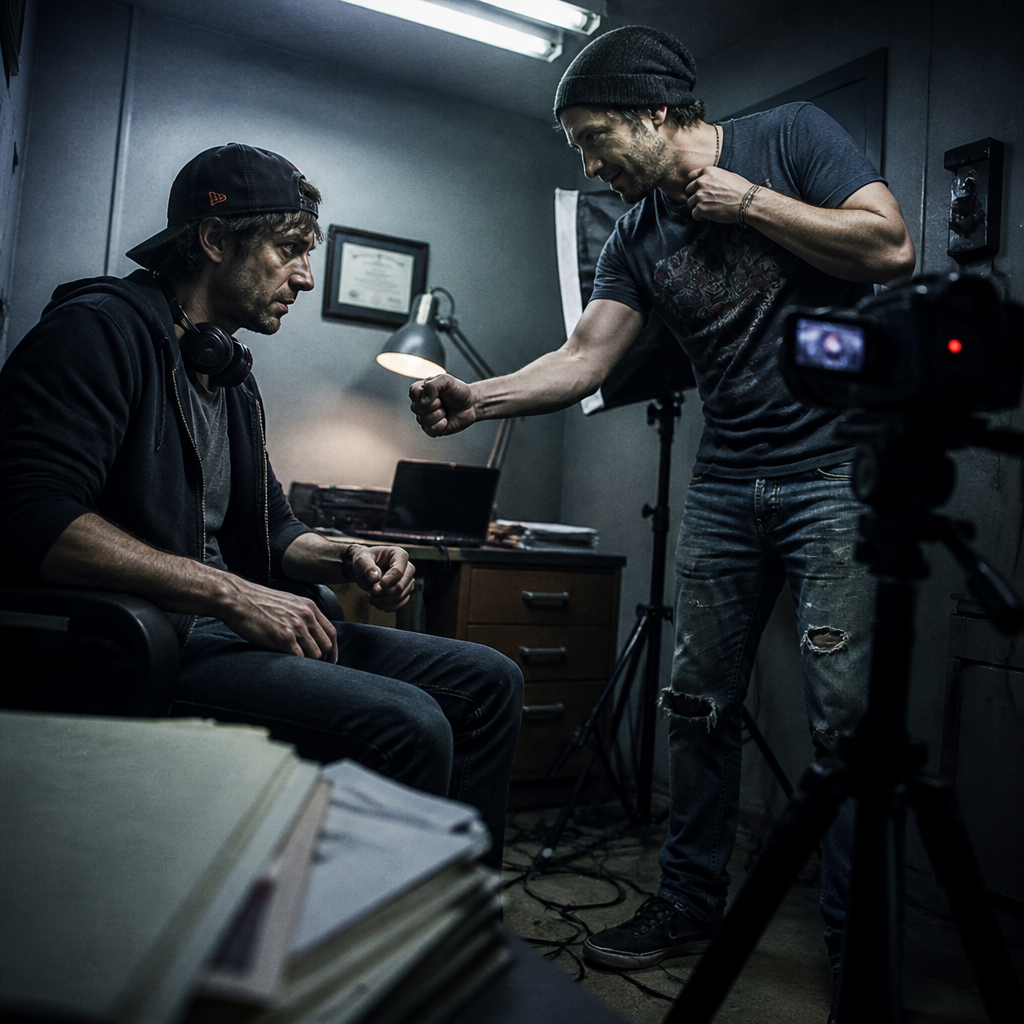 5 - Fist Bump Reassurance 5 - Fist Bump Reassurance
| 7 | 4 | 8 / 7 | 4 / 4 | 5 | 4 | 3 | 4 | 2 | 4 | 5 | 4 | 3 | 3 | 3 | 2 | 3 | 5 | 4 | 5 | 8 | 5 | |
| 6 - The Releases and the Warning | 8 | 5 | 9 / 8 | 5 / 5 | 6 | 5 | 4 | 5 | 3 | 4 | 6 | 4 | 3 | 4 | 6 | 3 | 5 | 6 | 5 | 6 | 8 | 6 | |
| 7 - Crestwood Interviews | 9 | 5 | 8 / 6 | 4 / 5 | 6 | 5 | 5 | 6 | 4 | 4 | 5 | 4 | 3 | 3 | 5 | 5 | 4 | 5 | 4 | 5 | 8 | 5 | |
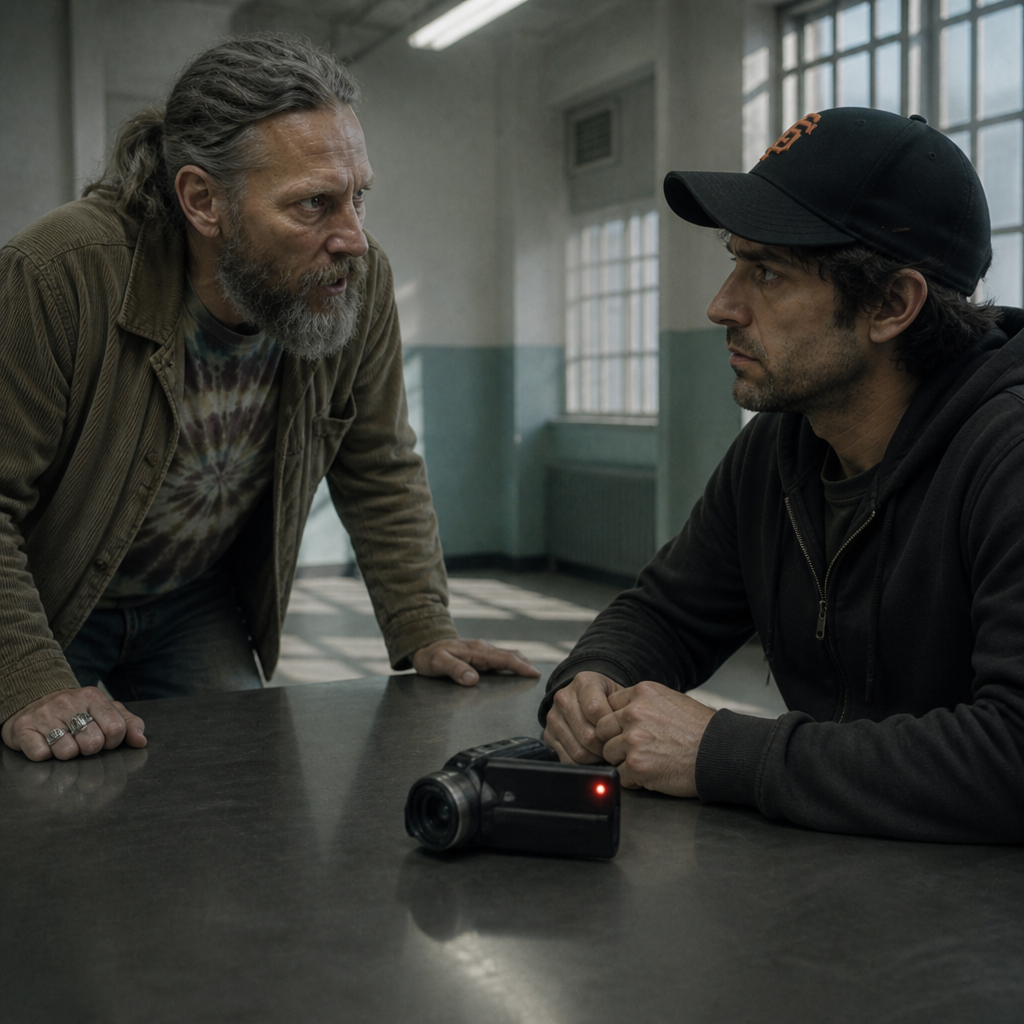 8 - Trading Stories 8 - Trading Stories
| 11 | 6 | 8 / 8 | 7 / 7 | 6 | 5 | 5 | 6 | 5 | 5 | 6 | 7 | 7 | 6 | 5 | 7 | 6 | 7 | 7 | 7 | 8 | 7 | |
| 9 - The Butterflies | 13 | 5 | 8 / 8 | 6 / 6 | 6 | 5 | 4 | 6 | 3 | 4 | 2 | 5 | 4 | 6 | 4 | 3 | 6 | 5 | 6 | 6 | 8 | 6 | |
| 10 - The Monarch Interview | 14 | 5 | 8 / 7 | 6 / 6 | 6 | 5 | 5 | 6 | 4 | 3 | 5 | 6 | 5 | 5 | 6 | 6 | 4 | 6 | 6 | 5 | 8 | 6 | |
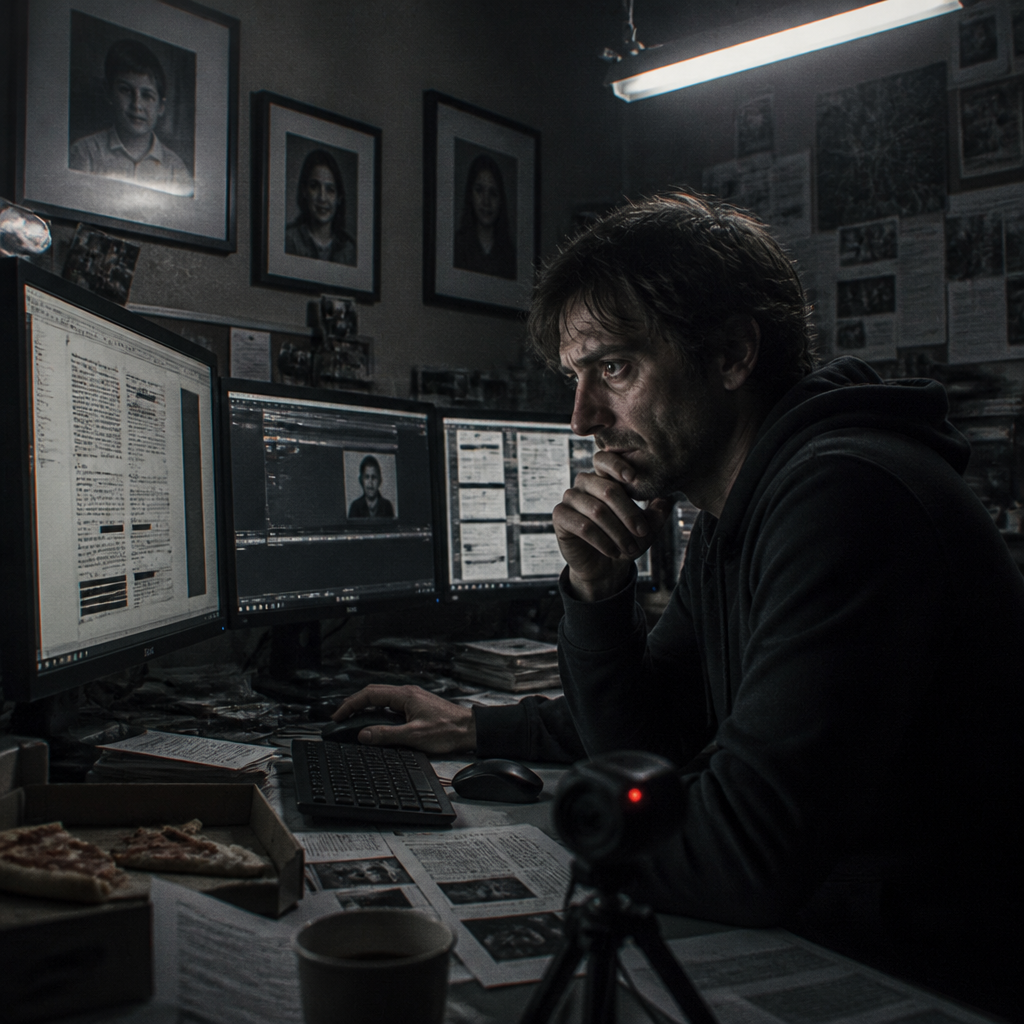 11 - The Rabbit Hole of MK-ULTRA 11 - The Rabbit Hole of MK-ULTRA
| 19 | 5 | 8 / 7 | 5 / 5 | 6 | 5 | 5 | 6 | 4 | 5 | 4 | 4 | 3 | 5 | 4 | 4 | 6 | 6 | 5 | 5 | 8 | 6 | |
| 12 - The Accusation | 21 | 5 | 8 / 7 | 5 / 5 | 6 | 5 | 4 | 5 | 4 | 4 | 5 | 6 | 5 | 4 | 5 | 3 | 4 | 6 | 5 | 6 | 8 | 5 | |
| 13 - Targeted Individual | 23 | 6 | 8 / 7 | 6 / 6 | 6 | 6 | 5 | 6 | 5 | 4 | 6 | 7 | 7 | 6 | 6 | 6 | 5 | 6 | 6 | 5 | 8 | 6 | |
| 14 - The Targeted Individual | 28 | 6 | 8 / 8 | 7 / 7 | 7 | 7 | 6 | 7 | 5 | 4 | 7 | 7 | 6 | 7 | 8 | 6 | 7 | 6 | 7 | 7 | 8 | 7 | |
| 15 - The Late-Night Call | 32 | 5 | 7 / 6 | 5 / 5 | 6 | 6 | 7 | 5 | 4 | 4 | 6 | 5 | 4 | 5 | 6 | 6 | 4 | 5 | 5 | 5 | 7 | 5 | |
| 16 - Arrival and Ambush | 35 | 5 | 8 / 7 | 5 / 5 | 6 | 6 | 4 | 5 | 3 | 4 | 7 | 4 | 3 | 5 | 7 | 6 | 3 | 5 | 4 | 5 | 8 | 5 | |
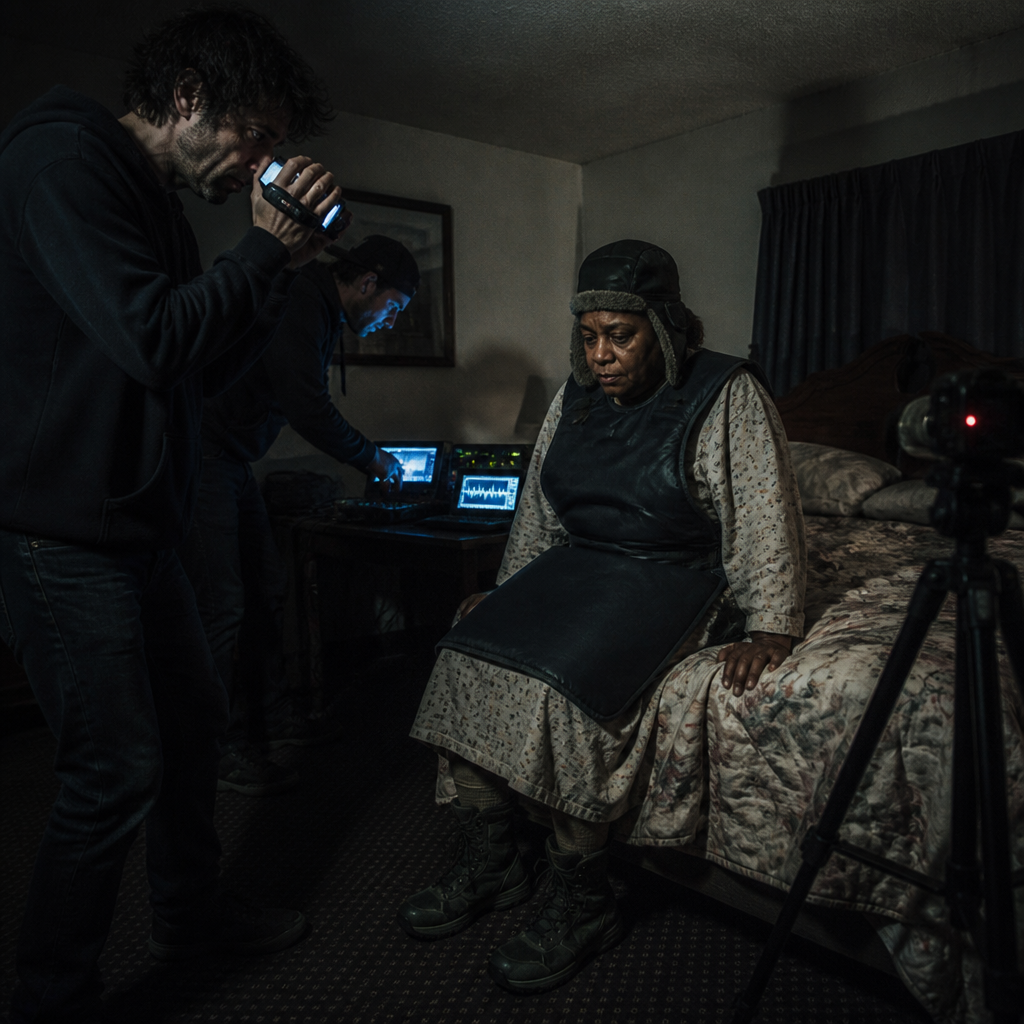 17 - The Voodoo Priestess's Warning 17 - The Voodoo Priestess's Warning
| 36 | 5 | 8 / 7 | 6 / 6 | 6 | 5 | 4 | 6 | 4 | 5 | 5 | 4 | 3 | 5 | 5 | 6 | 5 | 6 | 5 | 6 | 8 | 6 | |
| 18 - The Horn Signal | 38 | 5 | 8 / 7 | 4 / 5 | 6 | 5 | 5 | 5 | 3 | 4 | 6 | 4 | 3 | 4 | 5 | 5 | 3 | 5 | 4 | 5 | 8 | 5 | |
| 19 - Watching the Watchers | 39 | 5 | 8 / 7 | 5 / 5 | 6 | 5 | 4 | 5 | 3 | 4 | 6 | 4 | 3 | 4 | 5 | 5 | 4 | 5 | 5 | 5 | 7 | 5 | |
| 20 - The Unprotected Vigil | 41 | 5 | 8 / 7 | 6 / 6 | 6 | 5 | 4 | 6 | 4 | 3 | 7 | 5 | 4 | 6 | 6 | 4 | 5 | 6 | 5 | 6 | 8 | 6 | |
| 21 - The Puppeteer's Clue | 42 | 6 | 9 / 8 | 7 / 7 | 7 | 6 | 6 | 6 | 5 | 4 | 7 | 6 | 4 | 6 | 7 | 5 | 7 | 5 | 7 | 7 | 8 | 7 | |
| 22 - Master of Puppets | 45 | 5 | 8 / 7 | 6 / 6 | 7 | 6 | 5 | 5 | 4 | 3 | 7 | 6 | 5 | 6 | 7 | 7 | 5 | 5 | 6 | 6 | 8 | 6 | |
| 23 - Skeptical Analysis | 47 | 5 | 8 / 7 | 4 / 5 | 6 | 6 | 4 | 5 | 4 | 4 | 7 | 6 | 5 | 4 | 6 | 3 | 3 | 5 | 4 | 5 | 8 | 5 | |
| 24 - The Puppeteer Lead | 50 | 5 | 8 / 7 | 6 / 6 | 6 | 6 | 4 | 5 | 4 | 3 | 7 | 5 | 4 | 6 | 7 | 5 | 4 | 6 | 5 | 6 | 8 | 6 | |
| 25 - Paranoid Preparations | 51 | 5 | 8 / 7 | 5 / 6 | 6 | 5 | 5 | 6 | 4 | 5 | 6 | 6 | 4 | 5 | 5 | 4 | 5 | 5 | 5 | 6 | 8 | 5 | |
| 26 - Paranoia and Neglect | 52 | 5 | 8 / 7 | 4 / 5 | 5 | 5 | 4 | 6 | 4 | 4 | 5 | 5 | 4 | 5 | 5 | 3 | 4 | 5 | 4 | 5 | 7 | 5 | |
| 27 - Spy in the Window | 53 | 6 | 8 / 8 | 7 / 7 | 6 | 6 | 4 | 6 | 5 | 5 | 6 | 7 | 7 | 8 | 7 | 5 | 7 | 6 | 7 | 7 | 8 | 7 | |
| 28 - Counter-Surveillance and Convention Tensions | 56 | 5 | 8 / 7 | 6 / 6 | 6 | 5 | 4 | 5 | 4 | 3 | 6 | 5 | 4 | 5 | 5 | 4 | 4 | 5 | 5 | 6 | 8 | 6 | |
| 29 - The Erased Whistleblower | 58 | 6 | 8 / 7 | 5 / 5 | 7 | 6 | 6 | 6 | 4 | 3 | 7 | 5 | 4 | 5 | 7 | 4 | 4 | 6 | 5 | 6 | 8 | 6 | |
| 30 - The Breaking Point | 62 | 5 | 8 / 7 | 5 / 5 | 6 | 5 | 4 | 5 | 4 | 4 | 5 | 6 | 5 | 5 | 5 | 4 | 4 | 5 | 5 | 6 | 8 | 5 | |
| 31 - The Watcher in the Park | 63 | 5 | 8 / 7 | 6 / 6 | 6 | 5 | 4 | 5 | 4 | 4 | 5 | 6 | 5 | 5 | 5 | 6 | 5 | 5 | 6 | 6 | 8 | 6 | |
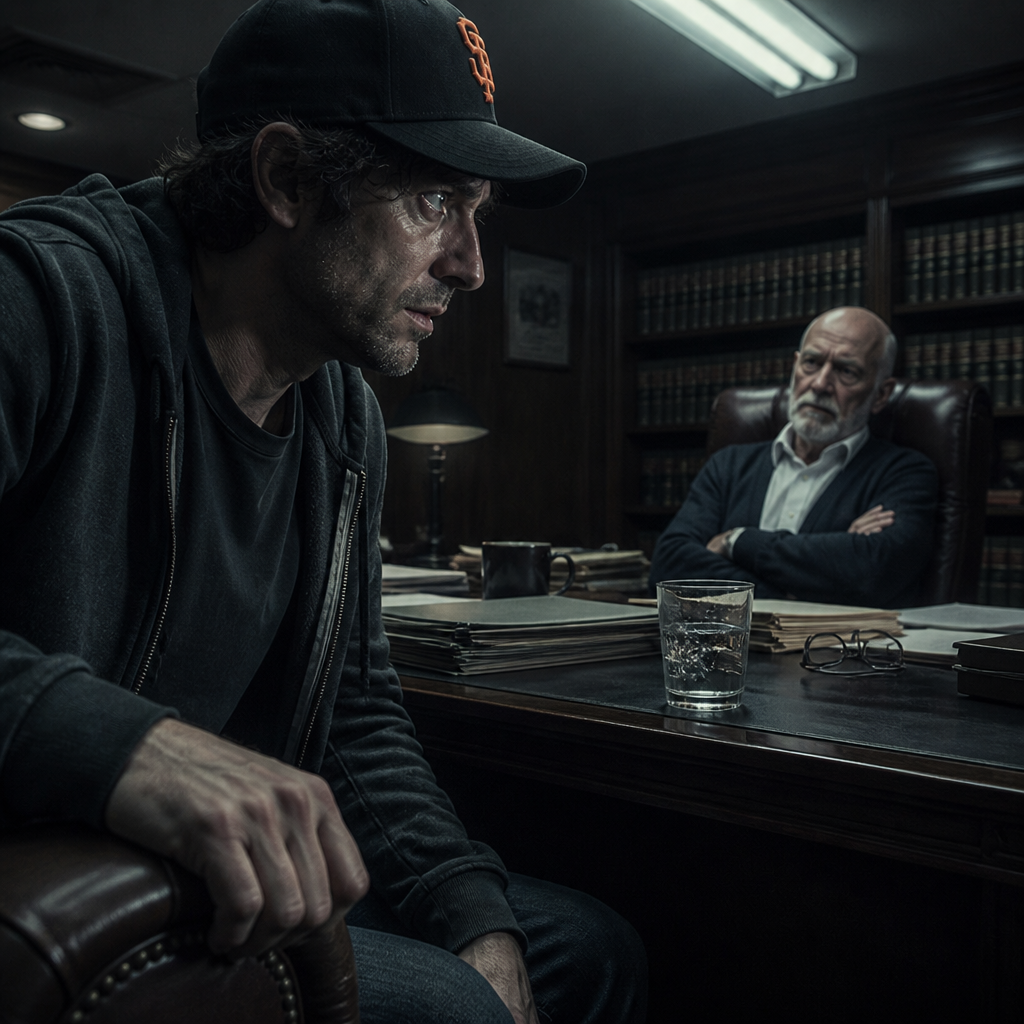 32 - The Vacaville Connection 32 - The Vacaville Connection
| 64 | 7 | 8 / 8 | 7 / 7 | 7 | 7 | 6 | 6 | 5 | 4 | 7 | 6 | 4 | 7 | 8 | 6 | 6 | 5 | 6 | 5 | 8 | 6 | |
| 33 - Lost in the Fire | 67 | 6 | 9 / 8 | 6 / 6 | 7 | 6 | 5 | 5 | 4 | 4 | 7 | 5 | 4 | 6 | 7 | 5 | 6 | 5 | 5 | 6 | 8 | 6 | |
| 34 - The Deceptive Call | 68 | 6 | 9 / 9 | 5 / 5 | 7 | 7 | 6 | 6 | 4 | 4 | 8 | 5 | 4 | 6 | 8 | 4 | 3 | 5 | 4 | 6 | 8 | 6 | |
| 35 - Spy Gear and Deception | 69 | 6 | 8 / 8 | 6 / 6 | 7 | 7 | 6 | 6 | 5 | 5 | 8 | 5 | 4 | 5 | 8 | 4 | 3 | 5 | 5 | 6 | 8 | 6 | |
| 36 - The Unmasking | 70 | 7 | 9 / 9 | 8 / 8 | 7 | 7 | 6 | 7 | 6 | 6 | 8 | 8 | 7 | 8 | 8 | 6 | 6 | 7 | 8 | 7 | 9 | 8 | |
| 37 - Under Suspicion | 73 | 6 | 8 / 8 | 7 / 7 | 7 | 6 | 6 | 6 | 5 | 4 | 7 | 7 | 6 | 7 | 7 | 5 | 6 | 6 | 7 | 7 | 8 | 7 | |
| 38 - Paranoid Accusation | 76 | 6 | 8 / 8 | 7 / 7 | 6 | 6 | 4 | 6 | 5 | 5 | 7 | 8 | 6 | 7 | 7 | 5 | 7 | 6 | 7 | 7 | 8 | 7 | |
 39 - Desperate Escape 39 - Desperate Escape
| 78 | 7 | 9 / 9 | 9 / 9 | 7 | 7 | 6 | 7 | 6 | 5 | 8 | 8 | 7 | 9 | 8 | 6 | 8 | 7 | 8 | 8 | 10 | 8 | |
| 40 - The Breakup and the Search | 80 | 6 | 9 / 9 | 8 / 8 | 7 | 6 | 5 | 7 | 6 | 5 | 7 | 8 | 7 | 9 | 7 | 6 | 8 | 7 | 8 | 7 | 9 | 8 | |
| 41 - The Vanishing Call | 80 | 7 | 8 / 8 | 8 / 8 | 7 | 7 | 6 | 7 | 6 | 6 | 7 | 6 | 5 | 7 | 8 | 6 | 7 | 6 | 7 | 7 | 8 | 7 | |
| 42 - The Reveal and the Chase | 82 | 7 | 8 / 8 | 8 / 8 | 7 | 7 | 6 | 7 | 6 | 5 | 8 | 7 | 6 | 7 | 8 | 6 | 7 | 6 | 7 | 7 | 8 | 7 | |
| 43 - The Puppeteer's Call | 85 | 6 | 8 / 7 | 6 / 6 | 7 | 6 | 6 | 6 | 5 | 5 | 6 | 4 | 2 | 6 | 5 | 5 | 6 | 5 | 5 | 5 | 7 | 5 | |
| 44 - The Anonymous Informant | 87 | 7 | 8 / 7 | 7 / 7 | 7 | 7 | 6 | 6 | 4 | 5 | 8 | 5 | 3 | 6 | 8 | 5 | 4 | 5 | 6 | 7 | 8 | 6 | |
| 45 - Arming for the Mission | 88 | 6 | 8 / 7 | 6 / 6 | 7 | 6 | 5 | 6 | 5 | 4 | 8 | 5 | 4 | 6 | 7 | 5 | 4 | 5 | 5 | 6 | 8 | 6 | |
| 46 - Signal Lost | 90 | 6 | 8 / 8 | 8 / 8 | 7 | 6 | 8 | 5 | 4 | 3 | 7 | 6 | 5 | 7 | 7 | 8 | 5 | 6 | 7 | 7 | 8 | 7 | |
| 47 - The Static Gap | 91 | 5 | 8 / 7 | 7 / 7 | 7 | 6 | 6 | 6 | 4 | 3 | 4 | 5 | 4 | 6 | 5 | 7 | 5 | 5 | 6 | 6 | 8 | 6 | |
| 48 - Harbor Recollection | 92 | 5 | 8 / 7 | 7 / 7 | 7 | 6 | 5 | 6 | 4 | 4 | 3 | 5 | 4 | 6 | 5 | 5 | 5 | 5 | 6 | 6 | 8 | 6 | |
| 49 - The Hooded Arrest | 93 | 6 | 8 / 7 | 7 / 7 | 7 | 6 | 6 | 5 | 4 | 3 | 7 | 7 | 7 | 8 | 7 | 6 | 5 | 4 | 6 | 7 | 8 | 7 | |
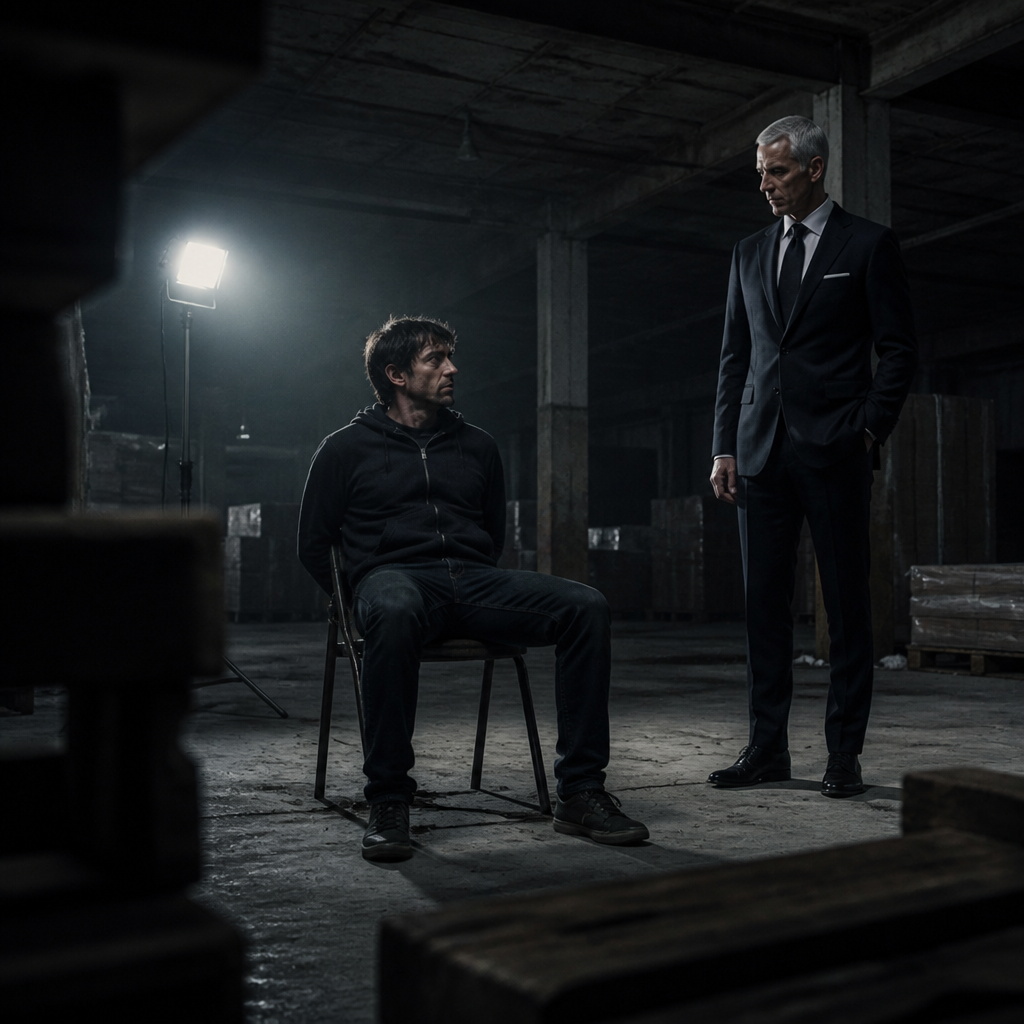 50 - The Warehouse Interrogation 50 - The Warehouse Interrogation
| 96 | 7 | 8 / 8 | 8 / 7 | 8 | 7 | 7 | 7 | 6 | 5 | 8 | 7 | 6 | 7 | 8 | 8 | 5 | 7 | 7 | 6 | 8 | 7 | |
| 51 - Check Your Proton Email | 101 | 6 | 8 / 7 | 6 / 6 | 7 | 6 | 6 | 6 | 5 | 5 | 7 | 4 | 3 | 5 | 6 | 6 | 5 | 5 | 5 | 6 | 8 | 6 | |
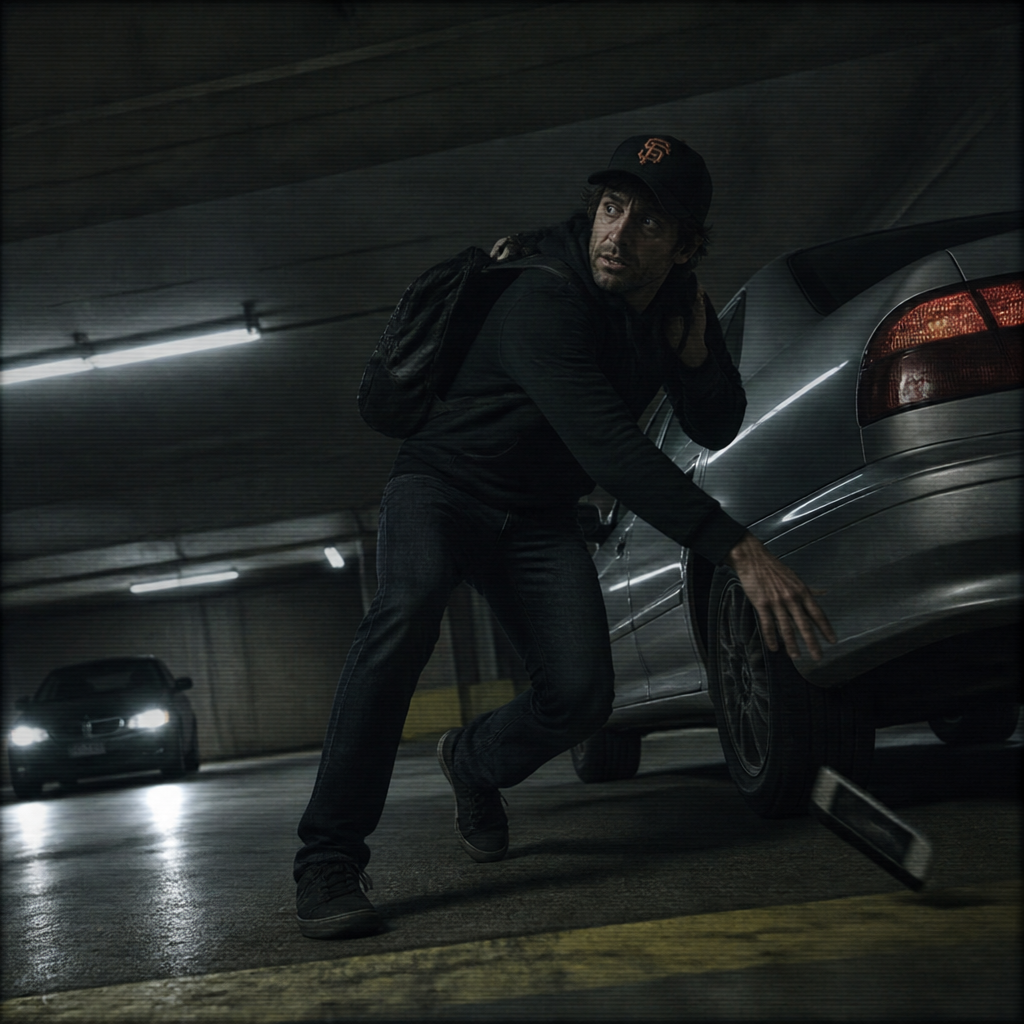 52 - Packing for the Shadows 52 - Packing for the Shadows
| 103 | 5 | 8 / 7 | 6 / 6 | 7 | 6 | 5 | 5 | 4 | 4 | 7 | 5 | 4 | 6 | 6 | 5 | 4 | 5 | 5 | 5 | 8 | 6 | |
| 53 - The Package of Trust | 104 | 7 | 8 / 7 | 7 / 7 | 7 | 7 | 5 | 6 | 5 | 4 | 7 | 5 | 4 | 7 | 8 | 6 | 5 | 4 | 6 | 6 | 8 | 6 | |
| 54 - Escape to Space 216 | 105 | 6 | 8 / 8 | 8 / 8 | 7 | 6 | 5 | 5 | 4 | 3 | 8 | 7 | 6 | 7 | 7 | 6 | 5 | 5 | 7 | 7 | 8 | 7 | |
| 55 - The Garage Escape | 106 | 6 | 9 / 8 | 7 / 7 | 7 | 7 | 6 | 5 | 3 | 3 | 8 | 6 | 5 | 7 | 8 | 5 | 4 | 5 | 6 | 7 | 8 | 7 | |
| 56 - The Underground Chase | 107 | 6 | 8 / 7 | 7 / 7 | 6 | 6 | 5 | 5 | 4 | 4 | 7 | 6 | 5 | 7 | 7 | 6 | 5 | 4 | 6 | 6 | 8 | 7 | |
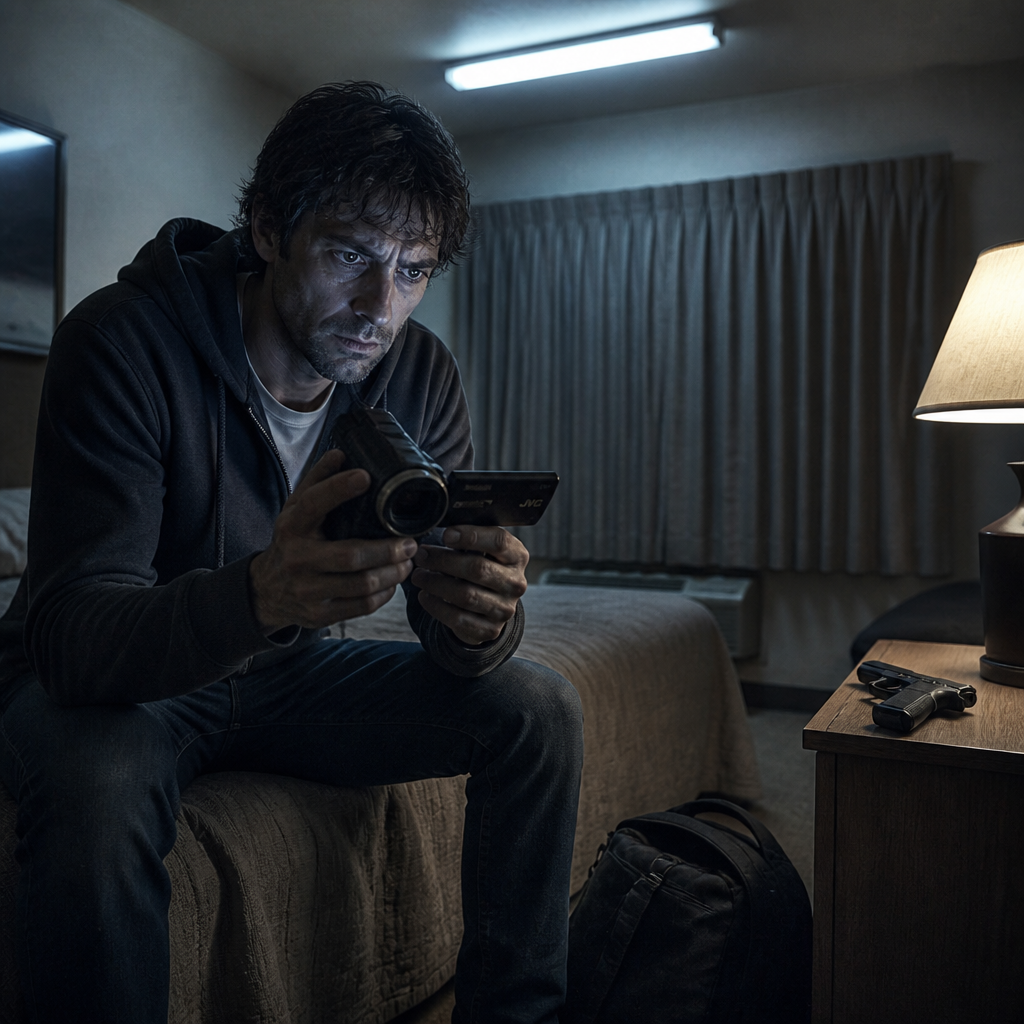 57 - The Cab Chase 57 - The Cab Chase
| 108 | 5 | 9 / 8 | 7 / 7 | 7 | 6 | 5 | 5 | 4 | 3 | 7 | 5 | 4 | 6 | 7 | 5 | 4 | 5 | 6 | 7 | 8 | 6 | |
| 58 - The Password-Protected Promise | 110 | 5 | 8 / 7 | 5 / 5 | 6 | 5 | 5 | 5 | 3 | 4 | 5 | 3 | 2 | 5 | 4 | 4 | 4 | 5 | 4 | 5 | 8 | 5 | |
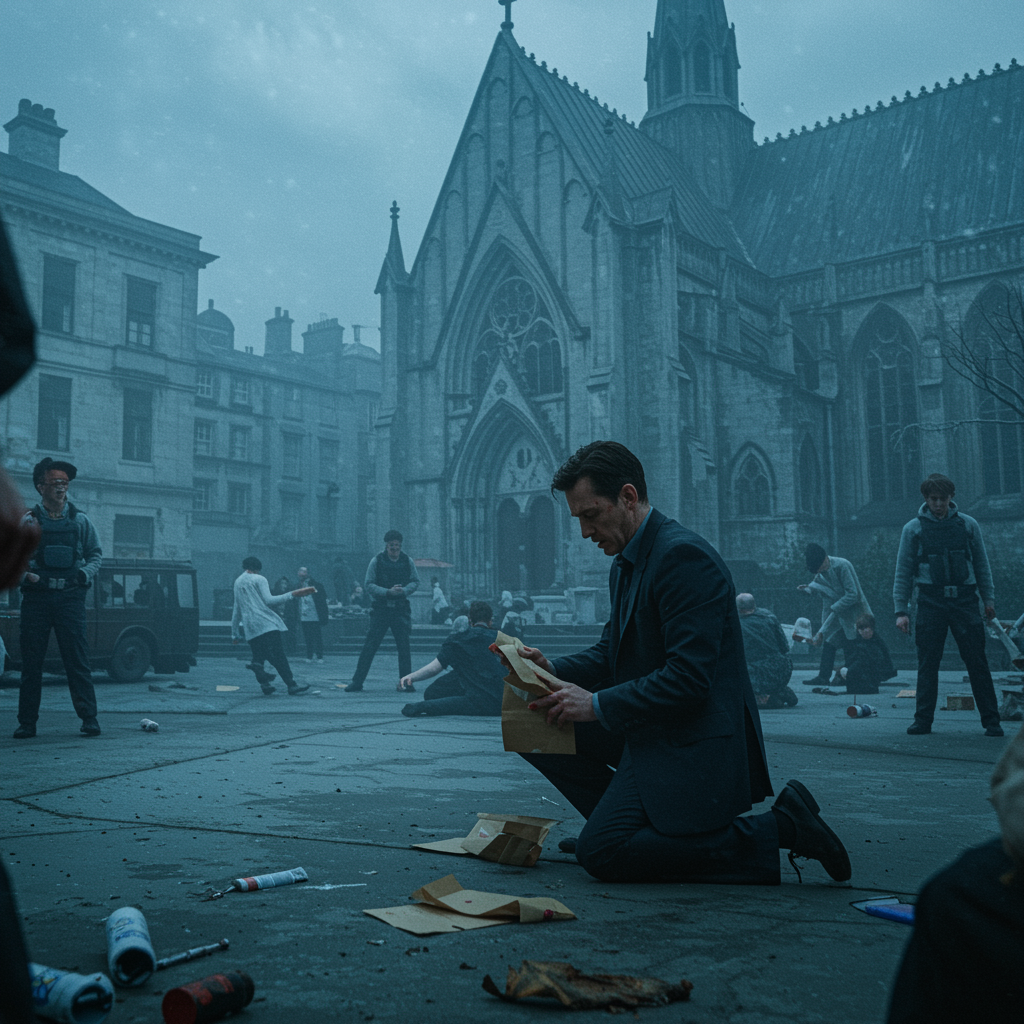 59 - The Empty Envelope 59 - The Empty Envelope
| 111 | 7 | 8 / 9 | 9 / 9 | 8 | 7 | 7 | 6 | 5 | 4 | 8 | 8 | 7 | 9 | 9 | 9 | 8 | 6 | 9 | 8 | 7 | 8 | |
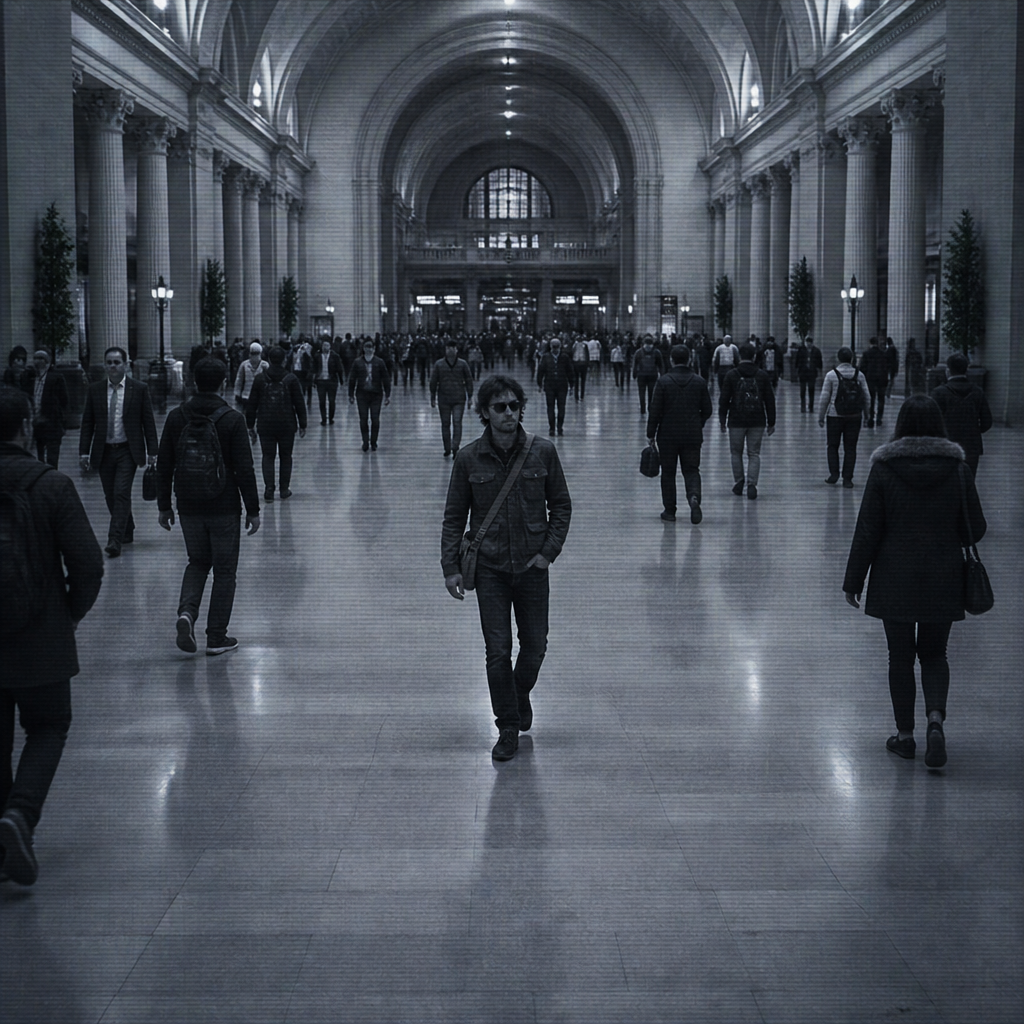 60 - The Final Message 60 - The Final Message
| 114 | 6 | 8 / 7 | 4 / 5 | 7 | 6 | 7 | 6 | 4 | 5 | 7 | 4 | 2 | 6 | 7 | 5 | 6 | 5 | 5 | 4 | 8 | 5 | |
- Physical environment: The story takes place in a recognizably modern urban environment, primarily San Francisco and its surrounding areas (including New Orleans). Key locations include concrete plazas, busy streets, a motor lodge, a psychiatric facility (Crestwood), a university lab (Stanford), a harbor (Moss Landing), and a voodoo parlor. The physical setting shifts from public, crowded spaces (church courtyards, BART stations, parks) to confined, protected ones (safe house hotel rooms, apartments, offices). The environment is often used for surveillance and escape—narrow streets, parking garages, and public transit provide both cover and vulnerability.
- Culture: Culture is depicted through multiple lenses: a middle-class family with a father who is a filmmaker and former skateboarder; a subculture of conspiracy theorists, targeted individuals (TIs), and truth-seekers; the voodoo traditions of New Orleans (priestess, gris-gris); and the academic/medical culture of Stanford. There is also a pervasive culture of surveillance and distrust—neighbors, cable workers, and even mental health professionals are viewed as potential threats. The X-Games subculture (skateboarding, drone videography) represents a counterpoint of freedom and risk-taking.
- Society: Society is portrayed as hierarchical and surveilled. The government (CIA, intelligence agencies) is depicted as a shadowy force using mind control programs (MK-ULTRA, MONARCH) to silence dissent. Mental health institutions are shown as both places of care and potential sites of coercive experimentation. Law enforcement appears as both protective (police responding to complaints) and complicit (agents following Brian). The media is a distant hope for exposure, but characters feel the press is controlled. Class divides are evident: Brian is a struggling freelance filmmaker; Celeste is a working-class woman; Dr. Soros is a wealthy psychiatrist. The power imbalance between ordinary people and intelligence agencies is stark.
- Technology: Technology is central to the plot. It includes: everyday consumer tech (GoPros, camcorders, smartphones, laptops, security cameras); surveillance tech (RF meters, spectrum analyzers, hidden cameras in glasses/watches, keychain cams, drones); communication tech (encrypted email, burner phones, two-way radios, WhatsApp); and alleged advanced tech (ELF transmitters, microwave weapons, psychotronic 'Voice of God' devices, Haloperidol drug trials, and a Neurophone). Schism's technical capabilities (jamming signals, remote wiping of footage) underscore the power imbalance. The technology both empowers Brian (recording evidence) and endangers him (being tracked and silenced).
- Characters influence: The world shapes characters' experiences and actions primarily through paranoia and the need for constant vigilance. Brian's actions—installing home security, carrying multiple cameras, drinking heavily—are direct responses to perceived surveillance. Celeste wears a lead apron and hiking boots to bed to protect against energy weapons. Peter's belief that Crestwood's metal cladding blocks mind control influences his behavior. Zack's willingness to arm himself and fly a drone reflects a subculture of risk. Stacy's decision to leave Brian is driven by his escalating paranoia and drinking, which the conspiratorial world has triggered. The constant feeling of being watched drives the characters to extreme measures, from evasive driving to abandoning phones.
- Narrative contribution: The world elements drive the narrative forward at every turn. The physical environment provides the stage for chases (Jessie Square, parking garage, BART) and safe houses (Beck's Motor Lodge). The culture of conspiracy and grass-roots investigation motivates Brian to pursue the story and connect with other TIs. Society's power structures create the central conflict: an individual vs. a vast government program. Technology provides both the means of investigation (cameras, RF detectors) and the means of control (jamming, surveillance, mind control). The narrative hinges on whether Brian can collect and disseminate proof before being neutralized—a race against the system.
- Thematic depth contribution: The world elements deepen themes of truth, paranoia, mental illness, and government accountability. The physical environment—often claustrophobic or surveilled—reinforces the theme of lost privacy. The culture of conspiracy and the stigmatization of mental illness (Peter and Jenielle misdiagnosed) critique how society dismisses dissent. The society's willingness to use mind control and silencing tactics raises questions about the ethics of power. Technology is a double-edged sword: it can expose corruption (cameras) but also be used for control (monitoring, jamming). The ending—Brian missing, wanted for murder—leaves the audience questioning whether the truth ever wins, underscoring the thematic tension between paranoia and reality.
| Voice Analysis | |
|---|---|
| Summary: | The writer's voice is a blend of documentary realism and thriller genre awareness, characterized by minimalistic, action-oriented narrative, stripped-down interiority, and authentic, character-specific dialogue. The voice favors directness and clarity, often using found-footage conventions to create a sense of immediate, unmediated reality. It balances earnest inquiry with dark humor, and maintains a journalistic tone that grounds the supernatural and conspiratorial elements in a credible, grounded world. |
| Voice Contribution | The voice shapes the script's mood of paranoid documentation and psychological ambiguity, making the audience question reality alongside the characters. It reinforces themes of surveillance, truth, and mental health by presenting events as raw evidence rather than dramatized fiction. The stripped-down prose and functional dialogue add to the sense of authenticity and vulnerability, while the occasional humor provides relief and prevents the script from becoming overly grim. The voice gives the script depth by leaving interpretive space for the audience, never fully endorsing or dismissing the conspiracy theories. |
| Best Representation Scene | 14 - The Targeted Individual |
| Best Scene Explanation | This scene is the best representation because it encapsulates the writer's entire voice: documentary-style interview, re-enactment that conveys violence with stark efficiency, conspiracy exposition that drives the plot, and a tonal shift to humor through Zack's irreverent commentary. It demonstrates the writer's ability to blend genre elements with authentic, grounded dialogue and minimal narrative flourish, while maintaining the found-footage aesthetic and the script's central tension between belief and skepticism. |
Style and Similarities
The script is a grounded conspiracy thriller that blends documentary realism with psychological paranoia. It uses found-footage conventions, naturalistic dialogue, and procedural detail to create a slow-burn tension. The style is lean and functional, prioritizing information delivery and character revelation through action rather than overt emotion. There is a strong emphasis on research-heavy exposition, observational scenes, and a protagonist's unraveling sense of reality, often set in mundane or domestic environments that become infused with threat.
Style Similarities:
| Writer | Explanation |
|---|---|
| Scott Z. Burns | Burns is the most frequently cited influence, appearing in 18 scenes. His style is evident in the script's grounded, research-heavy approach to conspiracy material, its commitment to procedural realism, and its clean, unadorned dialogue. Scenes often mirror his work on 'Contagion' and 'The Bourne Ultimatum' in their documentary-like attention to detail and understated tension. |
| John Carpenter | Carpenter is also cited in 18 scenes, typically for his lean, functional prose and focus on paranoia emerging from mundane settings. The script echoes his minimalist style in films like 'They Live' and 'The Thing,' with an emphasis on a lone protagonist confronting a hidden system, deadpan reactions, and a bleak, ambiguous atmosphere. |
| Alex Garland | Garland appears in 17 scenes, often paired with Burns or Carpenter. His influence is seen in the clinical, observational prose, intellectual dialogue, and exploration of psychological collapse within technological or conspiratorial frameworks. Scenes involving interviews, re-enactments, and blurred lines between memory and delusion recall his work in 'Ex Machina' and 'Devs.' |
Other Similarities: The script also shows notable influences from Tony Gilroy (efficient, plot-driven dialogue in 9 scenes) and occasionally from found-footage horror (Oren Peli, John Erick Dowdle) and naturalistic drama (John Sayles, David Simon). The blend of multiple styles creates a unique hybrid: a paranoid thriller that is both intellectually rigorous and emotionally restrained, with a strong documentary sensibility.
Top Correlations and patterns found in the scenes:
| Pattern | Explanation |
|---|---|
| No Data Available for Analysis | All scene scores are zero across every category (Tone, Overall Grade, Concept, Plot, Characters, Dialogue, Emotional Impact, Conflict, High stakes, Move story forward, Character Changes). This indicates that the script data has not been populated or is missing entirely. Without any variation in the scores, no patterns, correlations, or insights can be derived from this dataset. To provide meaningful feedback, the author would need to supply actual grading values for each scene. |
Writer's Craft Overall Analysis
The writer demonstrates competent technical craft—clear action lines, proper formatting, efficient pacing—but the screenplay consistently lacks dramatic tension, emotional depth, and subtext. Scenes often serve structural functions (exposition, transition, setup) without creating meaningful conflict, stakes, or character revelation. The protagonist Brian remains opaque, passive in many interactions, and his internal state is conveyed through voiceover rather than dramatized action. The found-footage format is used correctly but not exploited for formal innovation or visceral immersion. Across 60 scenes, the most persistent weaknesses are: on-the-nose dialogue, passive protagonists, minimal subtext, and scenes that deliver information rather than create turning points. The writer has a strong grasp of plot mechanics but needs to focus on character interiority, visual storytelling, and making every scene a transformative 'story event.'
Key Improvement Areas
Suggestions
| Type | Suggestion | Rationale |
|---|---|---|
| Book | Story: Substance, Structure, Style, and the Principles of Screenwriting by Robert McKee (especially chapters on scene design, conflict, exposition, and the 'beat') | McKee's framework for analyzing scenes as 'story events' that create meaningful change directly addresses the recurrent lack of dramatic tension and turning points. His principles on dramatizing exposition and creating subtext are essential for this writer's development. |
| Book | The Anatomy of Story by John Truby (especially chapters on character web, moral argument, scene structure, and opposition) | Truby's techniques for building opposition, creating multilayered characters, and structuring scenes around a dramatic need will help the writer move beyond functional scenes into dramatically compelling ones. |
| Screenplay | The Bourne Identity by Tony Gilroy and W. Blake Herron | This screenplay is a masterclass in balancing action with character revelation, using procedural details to reveal internal conflict, and making every scene (even a gear check or travel sequence) tense and character-driven. |
| Screenplay | The Conversation by Francis Ford Coppola | A masterclass in building paranoia through sound, silence, and subtext. The writer can study how a simple act (surveillance, a phone call) becomes a thriller set piece, and how technical detail reveals character psychology. |
| Screenplay | Zodiac by James Vanderbilt (2007) | Exemplifies how to make investigative research visually and dramatically compelling. The scenes of connecting clues are tense, character-driven, and avoid exposition dumps. |
| Exercise | Rewrite a scene with no dialogue. Convey all information, emotion, and conflict through action, sound, visual details, and character behavior. Then add back only the absolutely essential lines.Practice In SceneProv | This exercise directly targets the writer's over-reliance on exposition and dialogue. It forces visual storytelling, deepens subtext, and trains the writer to find emotional beats in physicality and environment. |
| Exercise | For any dialogue-heavy scene, rewrite it so that every line has a hidden agenda or subtext. No character says what they mean directly. Use implication, interruption, misdirection, and power dynamics.Practice In SceneProv | Addresses the persistent problem of on-the-nose dialogue. This exercise develops the ability to craft layered exchanges that reveal character and escalate conflict without explicit statements. |
| Exercise | Write a one-page version of a scene from the protagonist's first-person internal POV (stream of consciousness, sensory details, fears, hopes). Then translate that internal experience into external actions and subtextual dialogue.Practice In SceneProv | Many scenes lack character interiority. This exercise helps the writer discover what the protagonist feels and then find cinematic ways to externalize that inner life, making Brian more vivid and empathetic. |
| Video | Watch the opening of Enemy of the State (1998) and the surveillance scenes in The Conversation (1974) | Both films demonstrate how to build paranoia and tension through environmental details, sound design, and character behavior. They provide concrete models for using the found-footage tools (surveillance cameras, audio recording) to create emotional stakes. |
| Course | Consider a masterclass on 'Writing the Thriller' that focuses on building tension through small physical actions and micro-obstacles (e.g., MasterClass with David Baldacci or similar) | The writer's procedural scenes lack micro-tension. A course that teaches how to insert obstacles and setbacks into every beat would directly improve the thriller momentum. |
Here are different Tropes found in the screenplay
| Trope | Trope Details | Trope Explanation |
|---|---|---|
| Conspiracy Thriller / Government Cover-Up | The plot revolves around a secret government mind-control program (Project Monarch, MK-ULTRA), with whistleblowers, targeted individuals, and mysterious deaths (Peter Simmons, Jenielle). Brian investigates a vast covert operation involving Nazi scientists, CIA experiments, and directed energy weapons. | |
| Man on the Run | Brian is framed for murder and becomes the prime suspect, fleeing from law enforcement and mysterious agents. He uses disguises, burner phones, and evasive driving to escape, ultimately ending up in a safehouse and then disappearing. | A protagonist forced to flee from authorities or pursuers, often unjustly accused. Example: 'The Fugitive' where Dr. Richard Kimble escapes capture to prove his innocence. |
| Found Footage / Documentary Style | The film is presented as a compilation of raw footage, reenactments, archival material, home videos, webcam recordings, and hidden camera shots. Brian constantly records his investigation, and the movie uses title cards to indicate time periods. | A narrative device where the story is told through supposedly discovered video or audio recordings. Example: 'The Blair Witch Project' where the entire film is footage shot by the characters. |
| Unreliable Narrator / Paranoia Drives Plot | Brian’s reliability is questioned due to his drinking, potential schizophrenia running in his family, and his obsession with conspiracies. His wife and even his sidekicks doubt his sanity, and the audience is left wondering if the threats are real or imagined. | A narrator whose credibility is compromised, making the audience question the truth of the story. Example: 'Fight Club' where the narrator's perception of events is distorted by his split personality. |
| The Mentor Figure | Peter Simmons is a fellow patient who provides key information about Project Monarch and connects Brian to other sources. Schism also acts as a mentor, guiding Brian through dangerous missions, though his true motives are ambiguous. | A wise or experienced character who guides the protagonist on their journey. Example: 'The Matrix' where Morpheus mentors Neo into accepting his role as the One. |
| The Skeptical Sidekick | Craig, the cameraman, frequently doubts the investigation and eventually quits, saying he can't continue. Zack is initially skeptical but becomes more invested, though he still makes jokes (e.g., about Windows 11). | A companion who questions the protagonist’s theories or actions, providing a rational counterpoint. Example: In 'Scooby-Doo', Shaggy and Scooby often express fear and doubt, while Fred leads. |
| The Wife Who Doesn't Understand | Stacy, Brian’s wife, is portrayed as nagging and unsupportive of his investigation. She criticizes his drinking, paranoia, and neglect of family, eventually leaving him with their son. She represents the domestic life that the protagonist loses. | A spouse or partner who fails to comprehend the protagonist’s mission, often causing conflict. Example: In 'Jaws', Brody’s wife initially doesn't understand his obsession with the shark. |
| The Whistleblower | The character Schism, a former intelligence professional, provides classified information about MK-ULTRA and Project Monarch. He arranges a meeting with Brian, gives him documents, and orchestrates the final confrontation at St. Patrick's Church. | A character who exposes secret or illegal activities from within an organization. Example: 'The Insider' where Jeffrey Wigand reveals tobacco industry secrets. |
| Mysterious Men in Black | Throughout the film, Brian is followed by a Mysterious Man with a military build and sunglasses, as well as agents in black SUVs who kidnap and interrogate him. They represent the shadowy government forces trying to silence him. | Sinister, often anonymous figures who pursue the protagonist, symbolizing an oppressive system. Example: 'The Matrix' agents who are unstoppable enforcers of the simulated reality. |
| The Hero's Descent / Addiction | Brian’s investigation leads him to resume drinking heavily, neglect his family, and experience paranoia. He starts seeing conspiracies everywhere (e.g., the cable van). His descent is shown through his deteriorating relationships and physical state. | A protagonist’s moral or physical decline, often due to personal demons or external pressure. Example: 'Requiem for a Dream' where characters spiral into addiction and despair. |
Memorable lines in the script:
| Scene Number | Line |
|---|---|
| 2 | Brian: Holy shit... I got footage of everything. |
| 4 | Brian: I'm in big fucking trouble, man. I think I witnessed a murder. |
| 8 | Peter: Schizophrenia's just an easy label so they don't have to deal with the truth. |
| 13 | Peter: They hit me with the Voice of God. |
| 60 | Brian: I'll see you soon. I promise. |
Logline Analysis
Logline Perspectives
Different models framing the same script through distinct lenses. Each card holds one model's set; the lens badge shows the angle the model chose for that line.
- plot forward A driven documentarian probing his sister’s schizophrenia follows a volatile patient’s leads to a shadowy whistleblower and must navigate encrypted drops, surveillance and betrayals to secure proof of a modern MK‑ULTRA—until a public handoff explodes into a frame‑up that makes him the killer.
- hook forward Contacted by an intelligence insider who communicates only through encrypted videos and covert waypoints, a filmmaker is pushed through a real‑world spy scavenger hunt—Uber swaps, signal jammers, staged meetups—to expose “The Monarch Project,” only to realize he’s being used as the pawn to be erased.
- irony forward Determined to expose the mind‑control machine that shattered his family, a skeptical filmmaker becomes the paranoid fugitive in his own documentary—guided by a ‘puppeteer’ who may be protecting him or programming him—until truth and manipulation are indistinguishable.
- engine forward Driven by a breadcrumb engine of burner phones, timed handoffs and decoy vehicles, a filmmaker obeys a whistleblower’s instructions to move his footage to safety as countermeasures wipe his cameras and an empty drop in a crowded square turns him into the prime suspect.
- stakes forward If he can’t secure and release the files he’ll be disappeared and his wife and son left exposed; if he can, he may still die—so a filmmaker races a tightening dragnet to smuggle hard drives out while the only ally who can clear him might be orchestrating his murder.
- plot forward A documentary filmmaker investigating a covert CIA mind-control program must evade federal operatives and a shadowy handler while racing to compile irrefutable proof before he is permanently silenced or framed for murder.
- hook forward Constructed entirely from intercepted feeds, security cams, and hidden recordings, a conspiracy researcher's investigation into a secret psychological warfare program turns into a desperate manhunt when he is framed for a public assassination and forced to broadcast the truth while on the run.
- irony forward Obsessed with exposing a government mind-control experiment, a documentary filmmaker becomes its unwitting target, forced to decode his own fragmented surveillance footage and compromised memories to clear his name as his paranoia threatens to destroy the family he is trying to protect.
- stakes forward Framed for murder and hunted by a clandestine intelligence network, a conspiracy researcher must navigate a labyrinth of real-time surveillance and manipulated allies to deliver his evidence to the public, risking his freedom and permanent separation from his estranged family.
- plot forward A struggling documentary filmmaker, investigating a secret government mind-control program after his sister's suspicious death, must evade both intelligence agents and his own unraveling paranoia to expose the truth before he becomes the next silenced target.
- hook forward When a filmmaker's research into a covert CIA mind-control program leads to a staged murder and a wanted fugitive status, he must rely on a mysterious whistleblower known only as Schism to deliver the evidence that could expose the conspiracy—or get him killed.
- irony forward A paranoid documentarian determined to prove his sister was a victim of government mind control finds his own sanity questioned as his investigation draws him into the very system of surveillance and manipulation he seeks to expose.
- character forward A recovering alcoholic and obsessive researcher, haunted by his sister's schizophrenia diagnosis and death, descends into the dark world of targeted individuals and classified programs, risking his family and his mind to prove the voices in their heads are real.
- stakes forward With his wife and son forced to leave him and his only ally dead by apparent suicide, a filmmaker on the run must trust a shadowy intelligence insider to help him leak evidence of a decades-old mind-control conspiracy—before he is erased like everyone else who got too close.
- plot forward A documentary filmmaker investigating his sister's suspicious death uncovers evidence of a covert government mind-control program, but when his research draws the attention of its operatives, he must go on the run to expose the truth before he is silenced.
- hook forward After a chance encounter at a conspiracy conference leads him to a network of paranoid schizophrenics claiming to be targeted by a secret program called the Monarch Project, a filmmaker finds himself caught in a real-life conspiracy that blurs the line between delusion and reality.
- irony forward A suburban father and documentary filmmaker, desperate to prove his sister was a victim of government mind control, becomes the prime suspect in a murder he didn't commit, forcing him to abandon his family and trust the very shadowy figures he set out to expose.
- stakes forward To save his family from the operatives of a covert mind-control program, a filmmaker must hand over his incriminating evidence and go into hiding, but the cost of failure means losing everything he loves—and ending up dead or discredited.
- tone forward In a found-footage thriller that blurs the line between sanity and surveillance, a documentary filmmaker's investigation into a government mind-control program spirals into a paranoid nightmare where every camera might be watching him.
- plot forward A documentary filmmaker investigating his sister's death uncovers a secret government mind-control program, but after a whistleblower murders an agent in front of him, he must evade both the agency and the authorities to deliver his evidence to the press.
- hook forward A found-footage conspiracy thriller in which a filmmaker's obsession with proving the existence of a CIA mind-control project leads to a murder that makes him the prime suspect, forcing him to use his own cameras as both shield and evidence.
- irony forward A truth-seeking filmmaker jeopardizes his family and sanity to expose a government cover-up, only to become the perfect scapegoat for the very crimes he set out to reveal.
- stakes forward With his wife and son in hiding and assassins closing in, a fugitive documentary filmmaker must prove his innocence by releasing damning evidence of a secret government program, knowing that one wrong move will cost him everything.
- plot forward A documentary filmmaker investigating his sister's mysterious death discovers a covert government mind-control program, but after a whistleblower meeting ends in murder, he becomes the prime suspect and must go on the run with his footage to expose the conspiracy before the system silences him.
- hook forward When a conspiracy researcher is framed for a public murder, a filmmaker on the run must decipher who among the shadowy players—targeted individuals, a cryptic whistleblower, or the government itself—can be trusted, all captured through his own found-footage cameras.
- tone forward In a found-footage conspiracy thriller, a paranoid documentary maker's quest to prove his sister was a victim of a secret mind-control program leads him through a maze of government surveillance, disinformation, and a murder plot that blurs the line between revelation and trap.
- irony forward An obsessive filmmaker who believes he can expose a government mind-control plot by collecting evidence becomes himself a prime suspect and targeted individual, forced to question whether his pursuit of truth has made him the perfect patsy for the very system he sought to unmask.
Top Performing Loglines
Creative Executive's Take
Logline 0 is the best because it precisely captures the entire arc of the script—from the filmmaker’s personal motivation (sister’s schizophrenia), to the volatile patient Peter who leads him to the whistleblower Schism, and finally to the public handoff that becomes a frame-up. Every key element: sister, schizophrenia, Peter, encrypted drops, surveillance, betrayal, MK-ULTRA connection, and the murder of the associate—are all factually accurate. The phrase ‘modern MK-ULTRA’ is a powerful commercial hook, evoking both conspiracy and historical depth, and the final twist (‘frame-up that makes him the killer’) is a great cliffhanger that mirrors the script’s ending. This logline promises a taut, paranoid thriller with high stakes and a personal core.
Strengths
Clear, direct, and captures the key plot points: sister's death, mind-control program, whistleblower murder, evasion, and the urgent goal of delivering evidence to the press.
Weaknesses
Slightly generic; 'whistleblower murders an agent' might need clarification that the whistleblower is the one who kills (not the protagonist), but it's clear enough.
Suggested Rewrites
Detailed Scores
| Criterion | Score | Reason | Evidence |
|---|---|---|---|
| Hook | 9 | Strong hook with the whistleblower murder and the immediate turning of the tables. | "The murder creates a shocking twist that raises the stakes instantly." |
| Stakes | 9 | High stakes: evading two powerful entities and the risk of being silenced or killed. | "Evading agency and authorities implies life-threatening danger." |
| Brevity | 9 | Concise at 30 words, every word serves a purpose. | "No unnecessary adjectives or clauses." |
| Clarity | 9 | Very clear and easy to follow, with a logical sequence of events. | "The logline is structured as a clear cause-and-effect: investigation -> discovery -> murder -> evasion -> goal." |
| Conflict | 9 | Clear conflict: he is pursued by both the agency and the authorities, and must avoid capture. | "After the murder, he becomes a target for both." |
| Protagonist goal | 9 | Goal is explicitly to deliver evidence to the press, which is a concrete, actionable objective. | "States 'must evade both the agency and the authorities to deliver his evidence to the press'." |
| Factual alignment | 9 | Accurately reflects the script: sister's death (overdose), mind-control program, Schism (whistleblower) kills the associate (agent), and Brian evades both agency and police. | "Script corroborates all these elements." |
Creative Executive's Take
Logline 7 is excellent because it focuses on the emotional and psychological core of the story: the protagonist’s sanity being questioned. It highlights the key conflict—‘his own sanity questioned’—and the fact that he becomes part of the system he investigates. This is factually accurate: Brian’s paranoia and drinking escalate, Stacy leaves him, and he is framed. The phrase ‘very system of surveillance and manipulation he seeks to expose’ is a strong, concise synopsis of the found-footage theme and the blurring of observer and subject. Commercially, it appeals to fans of paranoid thrillers like ‘The Conversation’ or ‘Enemy of the State’ but with a fresh, personal angle.
Strengths
Captures the investigative journey from personal motive to high-stakes frame-up, with specific details like encrypted drops and a public handoff that create a vivid sense of the thriller elements.
Weaknesses
Slightly wordy; 'volatile patient's leads' could be clearer, and the phrase 'modern MK‑ULTRA' is a bit jargon-heavy for a general audience.
Suggested Rewrites
Detailed Scores
| Criterion | Score | Reason | Evidence |
|---|---|---|---|
| Hook | 9 | Intriguing combination of personal mission, conspiracy, and sudden frame-up. | "The twist of the handoff turning into a frame-up is a strong hook." |
| Stakes | 9 | High stakes: being framed for murder and becoming a killer. | "Frame-up makes him the killer, implying life-or-death consequences." |
| Brevity | 8 | Slightly long but still concise for the amount of information packed in. | "38 words, efficient but could trim a few." |
| Clarity | 8 | Dense but understandable; the chain of events is clear despite some jargon. | "The logline explicitly mentions sister's schizophrenia, a patient, whistleblower, encrypted drops, surveillance, frame-up." |
| Conflict | 8 | Multiple obstacles: encrypted drops, surveillance, betrayals, then the public handoff explosion. | "Lists 'navigate encrypted drops, surveillance and betrayals' and 'explodes into a frame‑up'." |
| Protagonist goal | 9 | Goal is clearly to secure proof of a modern MK-ULTRA, which drives the narrative. | "The logline states 'to secure proof of a modern MK‑ULTRA'." |
| Factual alignment | 9 | Aligns well with the script: sister's schizophrenia, patient Peter, whistleblower Schism, encrypted drops, and the frame-up murder. | "Script includes all these elements, though the sister's condition is explored more broadly." |
Creative Executive's Take
This logline is powerful because it directly names the critical beat in Scene 59: the whistleblower (Schism) murders the associate in front of Brian. It then clearly states the high-stakes goals: evade both the agency (Schism’s people) and the authorities, and deliver evidence to the press. It mentions the sister’s death, the secret mind-control program (Monarch/MK-ULTRA), and the immediate consequence of the murder. The structure is factual and drives the narrative forward. The logline’s simplicity and clarity—‘a whistleblower murders an agent in front of him’—is a memorable, gripping hook that sets it apart from vaguer loglines.
Strengths
Clear and accurate, includes 'prime suspect' and 'go on the run with his footage', which are key plot points. The stakes are high and the goal is specific.
Weaknesses
A bit longer than necessary; 'system silences him' is somewhat vague and less impactful than a direct threat.
Suggested Rewrites
Detailed Scores
| Criterion | Score | Reason | Evidence |
|---|---|---|---|
| Hook | 8 | Strong hook with the murder and becoming the prime suspect, but the climax is a bit familiar. | "The turn from investigator to suspect is a classic hook." |
| Stakes | 9 | High stakes: being the prime suspect for murder and the threat of being silenced by the system. | "Prime suspect, system silences him." |
| Brevity | 8 | Slightly longer at 35 words, but still efficient. | "Could trim 'mysterious' and 'covert' without losing meaning." |
| Clarity | 9 | Very clear and easy to follow, with a logical progression. | "The logline clearly states the sequence: investigation, discovery, meeting, murder, suspect, on the run, goal." |
| Conflict | 9 | Conflict is clear: he is on the run from the authorities and the agency. | "Must go on the run with his footage." |
| Protagonist goal | 9 | Goal is to expose the conspiracy, which is clear and compelling. | "States 'to expose the conspiracy'." |
| Factual alignment | 9 | Accurately reflects the script: sister's death, mind-control program, Schism meeting ends in murder, Brian becomes prime suspect, he goes on the run with his footage. | "Script corroborates all these elements." |
Creative Executive's Take
Logline 5 is strong because it balances the external conspiracy (intelligence agents) with the internal struggle (unraveling paranoia). It is factually accurate: Brian investigates after his sister’s suspicious death (the script reveals it may have been murder), he evades agents (the black SUV, the surveillance at the park), and his sanity unravels (the drinking, the confrontation with Stacy). The phrase ‘before he becomes the next silenced target’ ties directly to Peter’s death and the threats Schism makes. This logline has a classic thriller rhythm and a relatable hero who is not just a conspiracy nut but a man losing his grip, which adds emotional depth.
Strengths
Adds character depth with 'struggling' and 'unraveling paranoia', which gives a personal dimension to the conflict.
Weaknesses
'Struggling' is not a major plot point; 'next silenced target' is a cliché; and the logline misses the crucial frame-up and the specific murder that triggers the chase.
Suggested Rewrites
Detailed Scores
| Criterion | Score | Reason | Evidence |
|---|---|---|---|
| Hook | 7 | Less hooky than the more action-oriented loglines; the psychological angle is interesting but less urgent. | "The phrase 'unraveling paranoia' is intriguing but the lack of a specific event makes it less gripping." |
| Stakes | 8 | Stakes are becoming the next silenced target, which implies death but is a bit vague. | "Threat of being silenced." |
| Brevity | 8 | Concise at 30 words. | "Word count is efficient." |
| Clarity | 8 | Clear and easy to understand, though slightly generic. | "The sequence is straightforward: investigation, evasion, goal." |
| Conflict | 8 | Conflict includes both external (agents) and internal (paranoia), which adds depth. | "Evade agents and own paranoia." |
| Protagonist goal | 8 | Goal is to expose the truth, which is clear but less specific than 'deliver evidence to press'. | "States 'to expose the truth'." |
| Factual alignment | 7 | Half-accurate: the script does show his paranoia and financial struggles, but the main plot is driven by the frame-up and murder, which are missing. | "The script's climax is a frame-up, not just a general threat of being silenced." |
Creative Executive's Take
This logline accurately follows the script’s second half: a documentary filmmaker investigating his sister’s death, a covert government mind-control program (Monarch Project), a whistleblower meeting that ends in murder (the associate is killed), and the protagonist becoming the prime suspect and going on the run with his footage. It captures the false accusation and the need to expose the conspiracy. It is commercially appealing because it condenses the thriller elements (framed, on the run, evidence) into a clear, active logline. The phrase ‘before the system silences him’ echoes the script’s ending where Brian is missing and wanted, reinforcing the urgency.
Strengths
Emphasizes the psychological theme and the protagonist's own sanity being questioned, adding depth and a personal stake that goes beyond physical danger.
Weaknesses
Lacks the specific plot events (murder, frame-up, chase) that make the story compelling; too vague about the conspiracy and the climax, making it feel incomplete.
Suggested Rewrites
Detailed Scores
| Criterion | Score | Reason | Evidence |
|---|---|---|---|
| Hook | 7 | The psychological angle is intriguing but lacks the high-octane hook of a thriller. | "The idea of a paranoid investigator becoming part of the system is thought-provoking but not as exciting." |
| Stakes | 6 | Stakes are his own sanity, which is significant but less urgent than being framed for murder. | "Finds his own sanity questioned, but no immediate physical threat." |
| Brevity | 8 | Concise at 30 words. | "Word count is efficient." |
| Clarity | 7 | Clear but somewhat generic; 'paranoid documentarian' may imply he already is paranoid, which is a character trait. | "The structure is straightforward: he wants to prove mind control, but finds his sanity questioned." |
| Conflict | 7 | Conflict is internal and external: the system of surveillance and manipulation, but no specific antagonistic event. | "Draws him into the system he seeks to expose." |
| Protagonist goal | 7 | Goal is to prove his sister was a victim of mind control, which is clear but less actionable than exposing a conspiracy. | "Logline states 'determined to prove his sister was a victim of government mind control'." |
| Factual alignment | 6 | Misses the murder, frame-up, and chase. The script has a much more action-oriented plot. | "The script includes a murder, a frame-up, and a chase, none of which are in this logline." |
Other Loglines
- Contacted by an intelligence insider who communicates only through encrypted videos and covert waypoints, a filmmaker is pushed through a real‑world spy scavenger hunt—Uber swaps, signal jammers, staged meetups—to expose “The Monarch Project,” only to realize he’s being used as the pawn to be erased.
- Determined to expose the mind‑control machine that shattered his family, a skeptical filmmaker becomes the paranoid fugitive in his own documentary—guided by a ‘puppeteer’ who may be protecting him or programming him—until truth and manipulation are indistinguishable.
- Driven by a breadcrumb engine of burner phones, timed handoffs and decoy vehicles, a filmmaker obeys a whistleblower’s instructions to move his footage to safety as countermeasures wipe his cameras and an empty drop in a crowded square turns him into the prime suspect.
- If he can’t secure and release the files he’ll be disappeared and his wife and son left exposed; if he can, he may still die—so a filmmaker races a tightening dragnet to smuggle hard drives out while the only ally who can clear him might be orchestrating his murder.
- When a filmmaker's research into a covert CIA mind-control program leads to a staged murder and a wanted fugitive status, he must rely on a mysterious whistleblower known only as Schism to deliver the evidence that could expose the conspiracy—or get him killed.
- A recovering alcoholic and obsessive researcher, haunted by his sister's schizophrenia diagnosis and death, descends into the dark world of targeted individuals and classified programs, risking his family and his mind to prove the voices in their heads are real.
- With his wife and son forced to leave him and his only ally dead by apparent suicide, a filmmaker on the run must trust a shadowy intelligence insider to help him leak evidence of a decades-old mind-control conspiracy—before he is erased like everyone else who got too close.
- When a conspiracy researcher is framed for a public murder, a filmmaker on the run must decipher who among the shadowy players—targeted individuals, a cryptic whistleblower, or the government itself—can be trusted, all captured through his own found-footage cameras.
- In a found-footage conspiracy thriller, a paranoid documentary maker's quest to prove his sister was a victim of a secret mind-control program leads him through a maze of government surveillance, disinformation, and a murder plot that blurs the line between revelation and trap.
- An obsessive filmmaker who believes he can expose a government mind-control plot by collecting evidence becomes himself a prime suspect and targeted individual, forced to question whether his pursuit of truth has made him the perfect patsy for the very system he sought to unmask.
- A found-footage conspiracy thriller in which a filmmaker's obsession with proving the existence of a CIA mind-control project leads to a murder that makes him the prime suspect, forcing him to use his own cameras as both shield and evidence.
- A truth-seeking filmmaker jeopardizes his family and sanity to expose a government cover-up, only to become the perfect scapegoat for the very crimes he set out to reveal.
- With his wife and son in hiding and assassins closing in, a fugitive documentary filmmaker must prove his innocence by releasing damning evidence of a secret government program, knowing that one wrong move will cost him everything.
- A documentary filmmaker investigating his sister's suspicious death uncovers evidence of a covert government mind-control program, but when his research draws the attention of its operatives, he must go on the run to expose the truth before he is silenced.
- After a chance encounter at a conspiracy conference leads him to a network of paranoid schizophrenics claiming to be targeted by a secret program called the Monarch Project, a filmmaker finds himself caught in a real-life conspiracy that blurs the line between delusion and reality.
- A suburban father and documentary filmmaker, desperate to prove his sister was a victim of government mind control, becomes the prime suspect in a murder he didn't commit, forcing him to abandon his family and trust the very shadowy figures he set out to expose.
- To save his family from the operatives of a covert mind-control program, a filmmaker must hand over his incriminating evidence and go into hiding, but the cost of failure means losing everything he loves—and ending up dead or discredited.
- In a found-footage thriller that blurs the line between sanity and surveillance, a documentary filmmaker's investigation into a government mind-control program spirals into a paranoid nightmare where every camera might be watching him.
- A documentary filmmaker investigating a covert CIA mind-control program must evade federal operatives and a shadowy handler while racing to compile irrefutable proof before he is permanently silenced or framed for murder.
- Constructed entirely from intercepted feeds, security cams, and hidden recordings, a conspiracy researcher's investigation into a secret psychological warfare program turns into a desperate manhunt when he is framed for a public assassination and forced to broadcast the truth while on the run.
- Obsessed with exposing a government mind-control experiment, a documentary filmmaker becomes its unwitting target, forced to decode his own fragmented surveillance footage and compromised memories to clear his name as his paranoia threatens to destroy the family he is trying to protect.
- Framed for murder and hunted by a clandestine intelligence network, a conspiracy researcher must navigate a labyrinth of real-time surveillance and manipulated allies to deliver his evidence to the public, risking his freedom and permanent separation from his estranged family.
Help & FAQ
Frequently Asked Questions
After that, the high-level menu will offer insights into the story, themes, and characters.
The scene-by-scene analysis will demonstrate how each scene performs across various criteria, summarized in the column headings.
Click on any scene title to view the full analysis, including critiques and suggestions for improvement.
'Other Analyses' provides various insights into your writing and different perspectives, although it might not lead to significant rewrites of your script.
You can play it for free. If you have scripts analyzed, the AI might recommend exercises from SceneProv to help you improve your writing. Go to the craft tab to see what it recommended.
Let the AI take a turn when you're blocked or you want to riff on a scene. Each scene you create in SceneProv gets graded at the end.
- The email might have gone to your spam folder or is hidden in an email thread.
- The process might still be ongoing. Register/Login with the email you used during upload and look at the status. It sometimes takes as long as a couple hours. If it's been longer than that email us at [email protected]
Feature Request
Got an idea to improve our service? We'd love to hear it!
Scene by Scene Emotions
suspense Analysis
Executive Summary
The script masterfully sustains suspense through a found-footage, real-time chase structure, with escalating stakes as Brian Watkins uncovers a vast conspiracy. High points include the opening gunshot, the Moss Landing abduction, and the final betrayal. However, some middle sections (e.g., Celeste's apartment) rely too heavily on ambiguous paranoia, which can fatigue the audience. The use of hidden cameras, countdowns, and the looming Schism character keeps tension high, but the pacing varies unevenly.
Usage Analysis
Critique
Suggestions
Questions for AI
fear Analysis
Executive Summary
Fear is the dominant emotion, rooted in the real-world possibility of mind control and surveillance. The script effectively uses medical, political, and technological threats, but the fear sometimes becomes abstract, especially in the middle act. The most visceral fear stems from physical danger (chases, abduction) and the loss of autonomy (drugs, memory loss). The portrayal of Celeste's suffering (Sequence 21) is a powerful concrete example, but the overall fear could be more personalized to Brian's family.
Usage Analysis
Critique
Suggestions
Questions for AI
joy Analysis
Executive Summary
Joy is used sparingly, as a contrast to the overarching dread. The few moments of happiness—family time, camaraderie with Zack, the warmth of Brian's childhood—serve to make the tragedy more poignant. However, these moments are brief and often undermined by immediate tension. The script could benefit from a few more unguarded, joyful beats to deepen the emotional stakes.
Usage Analysis
Critique
Suggestions
Questions for AI
sadness Analysis
Executive Summary
Sadness is a pervasive undercurrent, driven by Brian's loss of his sister, the disintegration of his family, and the tragic fates of Peter and Celeste. The script effectively uses montage, re-enactment, and direct confession to evoke melancholy. The sadness is most potent when tied to character relationships (Jenielle, Stacy) and less so with abstract victims. The overall tone is mournful, but the script could deepen the sense of personal grief.
Usage Analysis
Critique
Suggestions
Questions for AI
surprise Analysis
Executive Summary
The script relies on several surprise twists, most notably the identity of Schism, the empty envelope, and the final shooting. These surprises are well-placed but some feel forced or lack sufficient setup. The best surprises are those that are revealed through action (e.g., the static during the abduction) rather than dialogue. The overall structure keeps the audience guessing, but the reliance on double-crosses can become predictable.
Usage Analysis
Critique
Suggestions
Questions for AI
empathy Analysis
Executive Summary
Empathy is the script's strongest emotional tool, primarily achieved through Brian's personal quest to understand his sister's death. The audience is invited to sympathize with his vulnerability, his obsession, and his tragic fall. The empathy extends to Peter, Celeste, and even Stacy, but it is most potent when Brian's humanity is on display (e.g., his love for his son, his guilt). The script could deepen empathy for the supporting characters by giving them more agency.
Usage Analysis
Critique
Suggestions
Questions for AI