Lucid Dreams
A hardened detective uses cutting-edge lucid dreaming technology to infiltrate a criminal organization and uncover a deadly conspiracy that threatens a divided society.
See other logline suggestionsOverview

Unique Selling Point
The screenplay "Lucid Dreams" stands out for its unique blend of science fiction, drama, and action, which allows it to explore deep philosophical and ethical questions about the impact of technology on the human experience. The narrative is driven by a well-developed cast of characters, each with their own compelling arcs and motivations, creating a rich and immersive world. The screenplay's exploration of the moral and ethical implications of Lucid Dreaming technology, and the consequences of its use and abuse, make it a compelling and thought-provoking piece of storytelling that would appeal to a wide range of audiences.
Story Facts
Genres:Setting: Near-future dystopian society, Apex City and The Trench, a stark contrast between a high-tech metropolis and a grimy slum
Themes: The corrupting influence of unchecked power and technology, Grief and Loss, Social Inequality and Justice, Redemption and Second Chances, The Nature of Reality and Memory
Conflict & Stakes: The struggle against a corrupt corporate system that exploits the impoverished population of The Trench, with personal stakes involving family loss, revenge, and moral dilemmas.
Mood: Tense and foreboding, with moments of hope and despair.
Standout Features:
- Unique Hook: The use of lucid dreaming technology as a central plot device that explores the boundaries of reality and morality.
- Major Twist: The revelation of Harrison Lock's true intentions and the extent of his manipulation over the characters.
- Distinctive Setting: The stark contrast between the high-tech Apex City and the grimy, oppressive environment of The Trench.
- Innovative Ideas: The ethical implications of dream technology and its exploitation of vulnerable populations.
- Unique Characters: Complex characters with rich backstories, particularly Po and Kaia, who embody the struggle against systemic oppression.
Comparable Scripts: Inception, Eternal Sunshine of the Spotless Mind, The Matrix, Black Mirror (specifically the episode 'San Junipero'), Altered Carbon, Ready Player One, The Giver, The Peripheral, The OA
Script Level Analysis
This section delivers a top-level assessment of the screenplay’s strengths and weaknesses — covering overall quality (P/C/R/HR), character development, emotional impact, thematic depth, narrative inconsistencies, and the story’s core philosophical conflict. It helps identify what’s resonating, what needs refinement, and how the script aligns with professional standards.
Screenplay Insights
Breaks down your script along various categories.
Story Critique
Characters
Emotional Analysis
Breaks down the emotional journey of the audience across the script.
Goals and Philosophical Conflict
Themes
Logic & Inconsistencies
Scene Analysis
All of your scenes analyzed individually and compared, so you can zero in on what to improve.
Other Analyses
This section looks at the extra spark — your story’s voice, style, world, and the moments that really stick. These insights might not change the bones of the script, but they can make it more original, more immersive, and way more memorable. It’s where things get fun, weird, and wonderfully you.
Unique Voice
Writer's Craft
Memorable Lines
Tropes
World Building
Correlations
Loglines
Comparison with Previous Draft
See how your script has evolved from the previous version. This section highlights improvements, regressions, and changes across all major categories, helping you understand what revisions are working and what may need more attention.
Summary of Changes
Improvements (4)
- Premise - hookStrength: 5.5 → 8.0 +2.5
- Story Structure - themeIntegration: 6.5 → 9.0 +2.5
- Visual Imagery - consistency: 5.8 → 8.0 +2.3
- Emotional Impact: 7.1 → 8.0 +0.9
Areas to Review (3)
- Character Complexity - antagonistDevelopment: 9.5 → 7.0 -2.5
- Originality - narrativeInnovation: 8.5 → 6.0 -2.5
- Dialogue: 8.5 → 8.0 -0.5
Pass / Consider / Recommend Analysis
GPT4
Executive Summary
- The emotional depth in Otto's interactions with his family establishes a strong foundation for the audience's connection to his character and motivations. high ( Scene 1 (Otto's family scene) Scene 2 (Otto in the Dream Lounge) )
- The impactful moment of Otto's demise serves as a pivotal turning point, driving the narrative forward and deepening the stakes for Po and Kaia. high ( Scene 14 (Otto's death scene) )
- May's evolution from a grieving mother to a determined scientist showcases strong character development and adds layers to the narrative. high ( Scene 37 (May's character development) )
- The visceral depiction of the explosion in The Trench effectively conveys the horror of the situation, heightening the emotional impact of the narrative. high ( Scene 60 (The Trench explosion scene) )
- The confrontation between Po and Harrison encapsulates the central conflict of the screenplay, highlighting the moral dilemmas faced by the characters. high ( Scene 56 (Harrison's confrontation) )
- Elsa's character could benefit from more backstory to clarify her motivations and connection to Otto, enhancing her role in the narrative. medium ( Scene 3 (Elsa's introduction) )
- Captain Rashida's character feels underdeveloped; her motivations and relationship with Po could be explored further to add depth to the conflict. medium ( Scene 15 (Captain Rashida's role) )
- The pacing during the press conference could be tightened to maintain tension and keep the audience engaged. medium ( Scene 24 (Press conference scene) )
- The transition between dream sequences and reality could be smoother to avoid confusion for the audience. medium ( Scene 11 (Dream machine disconnect) )
- Kaia's motivations and background could be more clearly established early on to enhance her character arc. medium ( Scene 22 (Kaia's introduction) )
- More insight into Po's past and his relationship with Ruby would deepen the audience's understanding of his motivations. high ( Scene 4 (Po's backstory) )
- The Chimera organization lacks a clear structure and purpose, which could enhance the stakes and conflict in the narrative. high ( Scene 10 (Chimera hideout) )
- The dynamics within the police force could be explored further to highlight the corruption and complicity in the system. medium ( Scene 12 (Police HQ dynamics) )
- A clearer explanation of Ruby's condition and the implications of her coma would enhance the emotional stakes. medium ( Scene 19 (Ruby's condition) )
- More vivid descriptions of Apex City and The Trench would help establish the world-building and enhance the setting. medium ( Scene 5 (Apex City description) )
- The visual representation of the Lucid Dream Space is imaginative and sets a strong tone for the film's exploration of dreams. high ( Scene 1 (Lucid Dream Space) )
- The interrogation scene effectively showcases the moral complexities of the characters and their motivations. high ( Scene 8 (Interrogation scene) )
- The press conference scene serves as a critical exposition point, revealing the societal dynamics and tensions between Apex City and The Trench. high ( Scene 18 (Press conference) )
- Hunter's character adds a layer of complexity to the narrative, representing the youth of The Trench and their struggles. high ( Scene 28 (Hunter's role) )
- The explosion scene serves as a shocking climax, emphasizing the stakes and the consequences of the characters' actions. high ( Scene 59 (The Trench explosion) )
- Character motivations The motivations of certain characters, particularly Elsa and Captain Rashida, are not fully fleshed out, leaving their actions feeling somewhat arbitrary at times. This could lead to confusion regarding their roles in the narrative. medium
- Pacing issues Certain scenes, particularly those involving exposition, feel rushed or overly drawn out, which can disrupt the overall flow of the screenplay. For example, the press conference scene could be tightened to maintain tension. medium
Claude
Executive Summary
- The interrogation scene between Po and Noah showcases the screenplay's strength in crafting complex and nuanced character interactions. The dialogue is sharp, with both characters firmly rooted in their respective worldviews, leading to a tense and compelling exchange. high ( Scene 8 (Interrogation Room #3) )
- The sequence set in the Crematorium, where Kaia confronts the reality of her father's death, is a powerful and emotionally charged sequence that showcases the screenplay's ability to balance gritty realism with poignant character moments. high ( Scene 11 (Crematorium - Waiting Area) Scene 12 (Crematorium - Holding Room #7) Scene 13 (Crematorium - Furnace Room) )
- The confrontation between Po and Harrison Lock in the Lucid Dream realm is a remarkable sequence, as it allows the screenplay to explore the power dynamics and philosophical underpinnings of the story in a visually striking and conceptually compelling manner. high ( Scene 51 (Harrison Lock's Office: Secret Surveillance Room) Scene 55 (Crematorium - Furnace Room) )
- The scenes focusing on Po's relationship with his daughter, Ruby, and the devastating aftermath of the Lucid Dream device detonations in The Trench, are powerful and emotionally resonant, highlighting the screenplay's ability to balance high-stakes action with deeply personal character moments. high ( Scene 19 (Ruby's Medical Room) Scene 60 (The Trench: East End) )
- The screenplay's exploration of the power dynamics and underlying motivations of the key characters, particularly Harrison Lock and May Dillon, is a strength that adds depth and complexity to the narrative. high ( Scene 17 (V1sion Corp - Press Conference) Scene 46 (Harrison Lock's Office: Secret Surveillance Room) )
- The scene where Po speaks with Captain Rashida could benefit from further development, as the dialogue and the tension between the characters feels a bit abrupt and rushed, limiting the opportunity to fully explore their dynamic. medium ( Scene 23 (Police HQ) )
- The confrontation between May and Harrison Lock in the hallway could be expanded to provide more insight into their relationship and the underlying power struggle between them, as it feels a bit truncated in the current version. medium ( Scene 39 (V1sion Corp - Hallway) )
- The sequence where Po and Kaia prepare for their mission could benefit from additional character development and interaction, as it feels a bit rushed in the current version, limiting the opportunity to further explore their growing rapport. medium ( Scene 44 (Po Dillon's Apartment - Living Room) )
- The opening sequence in the Lucid Dream space could be expanded to provide more context and world-building, as it feels a bit abrupt in the current version, leaving the reader with questions about the setting and its significance. medium ( Scene 1 (Lucid Dream Space) )
- The sequence where Harrison Lock reflects on his motivations and the history behind the Lucid Dreaming technology could be further developed to provide a deeper understanding of his character and the broader implications of his actions. medium ( Scene 34 (Harrison Lock's Office: Secret Surveillance Room) )
- The scene where Po interrogates Noah is a standout, as it not only provides insight into their respective worldviews but also hints at the broader societal and political tensions that underpin the narrative. high ( Scene 8 (Interrogation Room #3) )
- The V1sion Corp press conference and the subsequent interactions between Po, May, and Harrison Lock are notable for their effective world-building and the introduction of the central conflict and power dynamics. high ( Scene 17 (V1sion Corp - Press Conference) Scene 18 (V1sion Corp - Post-Conference Area) )
- The confrontation between Po and Harrison Lock in the Lucid Dream realm is a standout sequence, as it allows the screenplay to explore the philosophical and existential themes at the heart of the story in a visually striking and conceptually compelling manner. high ( Scene 51 (Harrison Lock's Office: Secret Surveillance Room) Scene 55 (Crematorium - Furnace Room) )
- Lack of diverse perspectives While the screenplay does a commendable job of exploring the power dynamics and societal divides between the residents of Apex City and The Trench, there is a lack of diverse perspectives and experiences within the main character arcs. Incorporating more diverse voices and lived experiences could further enhance the screenplay's exploration of the themes of inequality, oppression, and the pursuit of justice. medium
- Uneven pacing While the screenplay generally maintains a solid pace, there are a few instances where the pacing feels either rushed or overly drawn out. For example, the confrontation between Po and Captain Rashida in the Police HQ (Sequence 23) could benefit from more development to better establish the tension between the characters. Similarly, the sequence where Po and Kaia prepare for their mission in Po's apartment (Sequence 44) feels a bit abrupt in its progression. medium
Gemini
Executive Summary
- World-building is a major strength. The stark contrast between Apex City and The Trench is effectively established, creating a compelling dystopian backdrop. The lucid dreaming technology is well-integrated into the narrative, creating unique opportunities for both plot advancement and emotional depth. The scenes showing the contrast between the haves and have-nots are particularly strong. high ( Scene 1 Scene 9 Scene 16 Scene 22 )
- Character development is strong in certain areas. Po Dillon's journey is well-defined, evolving from a hardened detective grappling with personal loss to a more empathetic and determined figure. Kaia McCabe's transformation from a rebellious scavenger to a resourceful and fierce ally is equally compelling. The dialogue between them is particularly strong. high ( Scene 8 Scene 9 Scene 18 Scene 21 Scene 33 Scene 44 )
- The screenplay successfully creates suspense and intrigue. The mystery surrounding Chimera, the tension in the interrogation scenes, and the escalating conflict between Po and Harrison Lock maintain a consistent level of suspense. medium ( Scene 7 Scene 12 Scene 24 Scene 41 Scene 52 )
- Action sequences are well-executed, enhancing the pacing and keeping the audience engaged. The climax, involving the simultaneous detonations of the Lucid Dream goggles, is particularly effective. medium ( Scene 29 Scene 31 Scene 33 Scene 45 )
- The thematic exploration of grief, loss, and redemption resonates deeply. Po's struggle to cope with the loss of his daughter, Otto's desperate attempts to reconnect with his family, and Kaia's determination to protect her community all contribute to the emotional core of the story. medium ( Scene 19 Scene 53 Scene 60 )
- Pacing inconsistencies are present. Some scenes, particularly those in the early act two, feel somewhat rushed or underdeveloped. The introduction of Po and his partner, as well as the world-building information, could be better integrated into the narrative. Certain plot points, like the theft of the Dream Machines, could be expanded on to heighten the intrigue. high ( Scene 4 Scene 5 Scene 6 )
- Elsa Kane's character arc is underdeveloped. While she serves as a compelling antagonist, her motivations and backstory remain somewhat obscure. Expanding on her relationship with Harrison Lock and delving deeper into her past would add significant depth to her character. medium ( Scene 3 Scene 11 Scene 13 )
- Subplots are underdeveloped. The storyline involving the salvage factory and Kaia's work environment feels somewhat tangential to the main narrative. Either strengthening its connection to the central plot or eliminating it entirely would improve the overall focus. medium ( Scene 20 Scene 21 )
- The resolution to the main conflict feels somewhat rushed. While the climax is well-executed, the aftermath and the overall resolution of the plot points could benefit from more careful detailing. The final confrontation could benefit from being expanded, giving the audience more time to understand the stakes. medium ( Scene 15 Scene 17 Scene 18 )
- Emotional resonance could be heightened. While the screenplay touches upon themes of grief and loss, further exploring the emotional impact of these themes on the characters would strengthen the overall narrative. More emphasis on the emotional consequences of the actions taken throughout the plot could significantly increase the emotional impact. medium
- More detailed exposition is needed in several areas. While the world is established, certain plot points and technological aspects could benefit from clearer exposition. Adding more subtle exposition throughout would make the plot easier to follow. medium
- A more comprehensive exploration of the ramifications of the technology is missing. The screenplay touches upon the potential dangers of the lucid dreaming technology but doesn't fully explore the societal implications on a larger scale. Exploring the ethical dilemmas surrounding the technology's use would add depth. medium
- Further development of supporting characters is needed. Many of the supporting characters, such as Po's partner, lack sufficient development. Expanding their roles and motivations would enhance the overall depth of the narrative. low
- The script effectively uses visual storytelling. The contrast between Apex City and The Trench is visually striking, reinforcing the social commentary. The use of holographic displays and futuristic technology effectively showcases the technological advancements and societal inequalities. high ( Scene 16 Scene 24 )
- The use of lucid dreaming sequences as a means for both plot advancement and character exploration is clever and inventive. The dream sequences provide a unique perspective on the characters' inner lives and motivations while also revealing key plot information. high ( Scene 54 Scene 55 Scene 56 )
- The portrayal of the dystopian society is nuanced and avoids simplistic good vs. evil tropes. The complexities of the social hierarchy, the desperation of the Trench residents, and the moral ambiguities of the characters create a rich and thought-provoking setting. medium ( Scene 23 Scene 27 )
- Underdeveloped female characters While Kaia McCabe has a compelling arc, other female characters, such as May Dillon and Elsa Kane, could benefit from more thorough development. Their motivations, backstories, and emotional complexities aren't fully explored. medium
- Inconsistent Pacing The screenplay suffers from pacing inconsistencies. Certain scenes feel rushed, while others drag. A more careful balance of exposition, action, and character development is needed to maintain a consistent pace. high
- Overreliance on exposition The screenplay relies heavily on exposition dumps in some areas, interrupting the flow of the narrative. More subtle methods of conveying information, such as character interactions and visual storytelling, would enhance the storytelling. medium
Summary
High-level overview
Title: Dreamscape's Shadow
Genre: Sci-Fi / Drama
Summary: In a dystopian world divided between the affluent Apex City and the grim realities of 'The Trench,' Otto McCabe finds fleeting happiness with his family, only to face a surreal descent into desperation as he struggles against the cosmic forces that threaten to erase his loved ones from existence. His plea for more time with his family drives him into the clutches of the Dream Lounge, a shadowy establishment where the line between dreams and reality blurs, manipulated by the merciless attendant Paku and the ominous presence of the security guard Bruno.
Meanwhile, Detective Po Dillon, battling his own demons rooted in the loss of his daughter Ruby, navigates the socio-economic chasm that entraps the residents of The Trench. As he delves into a drug operation tied to lucid dream machines spearheaded by the sinister Harrison Lock of V1sion Corp, he grapples with ethical tensions and the moral decay surrounding him. The conflict intensifies as Po attempts to protect the vulnerable while seeking justice for Otto’s tragic end, igniting a chain of events that entwines their fates.
Otto's daughter Kaia emerges as a fierce force, learning of her father’s tragic fate and the dark secrets that her family harbors. Vivified by rage and determination, she seeks to confront the corrupted systems of her world and unravel the exploitative operations of both the Dream Lounge and V1sion Corp. Alongside Po, they confront the propaganda and manipulation championed by Harrison Lock, discovering his radical beliefs in a 'mass cleanse' and his willingness to sacrifice the innocent for his twisted vision of a utopian future.
As tensions escalate, personal sacrifices are made, and the boundaries of loyalty are tested. Po’s battle leads him through a harrowing path of violence, loss, and the heartbreaking struggle to reconnect with his family. The climax threatens to conclude with catastrophic consequences as Po, Kaia, and May Dillon confront their personal and shared traumas, propelled by the desire to dismantle the apparatus of control that harvests dreams—and lives—for profit.
In an emotional crescendo, the characters must face their fears, make impossible choices, and decide whether the pursuit of dreams is worth the cost of reality. As they ignite a rebellion both against a corrupt industry and their own pasts, they fight for a future where the essence of love and memory transcends the grip of darkness that awaits in the shadows of their dreamscapes.
Lucid Dreams
Synopsis
In a dystopian future where the divide between the affluent Apex City and the impoverished Trench is stark, the story follows Otto McCabe, a once-prominent engineer who has fallen into despair after losing his family. Otto's only solace comes from a technology known as the Lucid Dream Machine, which allows users to escape into their dreams. However, the darker side of this technology is revealed when it becomes a tool for exploitation by the powerful V1sion Corp, led by the ruthless Harrison Lock. As Otto struggles to reconnect with his lost family through dreams, he becomes embroiled in a conspiracy that threatens the lives of countless individuals in the Trench.
The narrative shifts to Po Dillon, a dedicated detective haunted by the loss of his daughter, Ruby, who has been in a coma for years. Po's investigation into the Dream Lounges, where the desperate citizens of the Trench seek refuge in their dreams, leads him to uncover a sinister plot orchestrated by Harrison Lock. Lock plans to distribute a new version of the Lucid Dream Goggles to the Trench, rigged to kill the users in a mass execution. Po's partner, Wally Carson, is revealed to be compromised, adding to the tension as Po races against time to save the innocent lives at stake.
As the story unfolds, Otto's daughter, Kaia, emerges as a fierce and intelligent young woman who is determined to fight against the exploitation of her people. She teams up with Po, and together they navigate the treacherous landscape of the Trench and Apex City, seeking to dismantle Lock's operation. The stakes rise as they confront the moral dilemmas of using technology for both healing and harm, and the consequences of their choices become increasingly dire.
In a climactic showdown, Po confronts Harrison Lock in a battle of wits within the dream realm, where the lines between reality and illusion blur. As Po fights to save his daughter and the people of the Trench, he must confront his own demons and the painful memories of his past. The film culminates in a heart-wrenching revelation about the nature of dreams, loss, and the lengths one will go to for love.
Ultimately, 'Lucid Dreams' explores themes of grief, redemption, and the ethical implications of technology, leaving audiences questioning the true cost of their desires and the reality they choose to inhabit.
Scene by Scene Summaries
Scene by Scene Summaries
- In a surreal neighborhood, Otto McCabe joyfully reunites with his wife Carmen and their children, Danny and baby Kaia, sharing laughter and love during dinner. However, this blissful moment is abruptly interrupted as the scene begins to dissolve digitally, leading Otto to desperately plead for more time with his family before they vanish into oblivion.
- In a dingy dream lounge, Otto McCabe, an emotionally distressed man, pleads with the indifferent attendant Paku for more time in his lucid dream to reconnect with lost loved ones. Paku coldly refuses, emphasizing the cost of dreaming and calling over Bruno, a threatening security guard, to intimidate Otto. Overwhelmed by his situation, Otto breaks down in tears, highlighting the desperation and hopelessness of his plight as he faces eviction.
- In the grimy streets of 'The Trench,' Otto McCabe, distraught after being ejected from the Dream Lounge, expresses his deep longing to dream and reconnect with his lost loved ones. Elsa Kane, a mysterious young woman, approaches him, revealing her knowledge of his past and offering a solution to his pain: the promise of eternal dreaming. Despite his hesitations, Otto takes her hand, indicating his willingness to embrace the unknown.
- Po Dillion awakens in his upscale apartment, burdened by sleeplessness and emotional turmoil linked to a whiskey bottle and a photo of a woman and child. After preparing for duty, he receives a 'Code 407' alert, prompting him to gear up and leave his apartment. As he navigates his advanced police cruiser through the vibrant streets of Apex City, the atmosphere shifts to the darker, heavier surroundings of The Trench, setting the stage for his internal conflict and sense of duty.
- Detective Po Dillon approaches the high-tech security booth at The Trench's entrance, where he greets the friendly guard, Joe Morris. After presenting his holographic police access badge for verification, they engage in light-hearted banter about Po's survival skills. With the gate opened, Po drives away, leaving Joe chuckling, highlighting their camaraderie in a contrasting world.
- In the gritty depths of The Trench, Po navigates through a stark contrast to the polished Apex City, witnessing the despair of addicts and grieving families. As he approaches the Police HQ, he is met with a fervent protest demanding justice, where citizens confront him with anger and accusations. A distraught mother blames him for her daughter's suffering, leaving Po conflicted between his duty and empathy. The scene culminates with Po driving away through a security gate, haunted by the cries of the protestors in his rearview mirror.
- Po Dillon arrives at police headquarters and learns from his partner, Officer Wally Carson, that suspect Noah Moore is in interrogation after being caught with a large quantity of the drug Haze. Po suspects Noah is part of a larger drug operation and decides to interrogate him directly to uncover more information, while Wally prepares a team for support. The scene is filled with tension as Po enters the interrogation room, determined to get to the bottom of the case.
- In a tense interrogation room, Po Dillon confronts the defiant Noah Moore about his involvement in the drug trade and the harsh realities of life in The Trench. As they clash over fear and morality, Po reveals his plan to use a Lucid Dream Machine to extract information from Noah, escalating the situation. Noah's panic grows as technicians prepare to sedate him, leading to a standoff that highlights their conflicting ideologies. The scene culminates with Noah being secured into the machine, setting the stage for the next phase of interrogation.
- In a haunting lucid dream, Noah relives a cherished memory of playing catch with his father, Connor, which quickly distorts into a painful realization of his father's absence, represented by a silver urn of ashes. Overcome with grief, Noah breaks down as Po appears, emphasizing the fragility of happiness. As the sky turns blood red, adult Noah pleads with Po not to tarnish his memory, leading to a moral confrontation about Po's invasive methods. Despite his emotional turmoil, Noah ultimately agrees to assist Po in his quest for information.
- In a bleak chamber, Noah Moore reveals the grim reality of those trapped in The Trench, connected to stolen dream machines and sustained by IV bags while their brainstems are siphoned for amber liquid. As Noah reflects on his past motivations for joining the drug trade, Po Dillon expresses his determination to dismantle the operation, believing in the transformative power of dreams. The scene captures the moral struggle between Noah's skepticism and Po's hope, set against a haunting backdrop of exploitation. It concludes with Po asserting that nightmares can be changed, leaving an unresolved tension.
- In a tense interrogation room, Po Dillon defies protocol to ensure Noah's well-being as he is disconnected from the Lucid Dream machine, showcasing his compassion amidst a rigid system. Meanwhile, Elsa guides a hesitant Otto through a dimly lit street to a secret hideout, where they are cautiously welcomed by a guard. Otto's decision to follow Elsa marks a significant turning point in his life, highlighting the emotional stakes of their journey.
- In a tense scene inside a high-tech police armored vehicle, Commander Po Dillon briefs his task force on Chimera's horrific operations involving the theft of lives through lucid dream machines. These machines extract liquid from individuals' brains to produce a highly addictive drug called 'Haze.' As the team grapples with the moral implications of their mission, Officer Murphy expresses shock at the inhumanity of Chimera's methods. The urgency to dismantle this operation looms large as they prepare to confront the barbaric practices behind the drug's production.
- In a dimly lit hideout, Otto McCabe witnesses the horrifying extraction of a mysterious substance from individuals connected to dream machines. Elsa Kane, attempting to persuade Otto that this process is a gift, faces his moral objections. As tensions escalate with the arrival of the police, Elsa silences the hooked individuals and reveals her murderous intent towards Otto, culminating in a lethal confrontation.
- In a tense and chaotic Chimera Operational Hideout, Po Dillon and his Taskforce discover Otto McCabe gravely injured amidst the aftermath of an explosion. As Po urgently seeks information about the attackers, Otto whispers the name 'Elsa' before succumbing to his injuries. This revelation ignites Po's anger and determination, marking 'Elsa' as a crucial lead in their investigation, while Officer Carson examines the deceased victims connected to dream machines.
- In Captain Rashida's office, Po Dillon grapples with the aftermath of a failed operation that resulted in the deaths of 13 hostages. He learns of his suspension from active duty and argues against the punishment of his colleague Wally Carson. As the conversation reveals Po's unresolved grief over his child's death, Rashida emphasizes the need for accountability. Ultimately, Po is assigned to a security role at a product launch event, a position he resents but accepts, leaving the office burdened by his personal and professional losses.
- In a futuristic press conference, Harrison Lock, the charismatic leader of V1sion Corp, reflects on the company's mission and the devastation of a post-nuclear world. He honors his late friend, Dr. Milo Nunez, and introduces the revolutionary Lucid Dream technology aimed at healing the suffering inhabitants of The Trench. Harrison announces the free distribution of the latest Lucid Dream Machine model to half of The Trench population, seeking to bridge the socioeconomic divide with Apex City. The audience responds with enthusiasm, applauding his hopeful vision for a more equitable future.
- At a V1SION Corp press conference, Harrison Lock introduces Dr. May Dillon, who presents advancements in lucid dreaming technology designed to ensure children's safety after a tragic past incident left six children in comas. May showcases new biometric locks that allow children to safely explore their dreams, demonstrated by three children wearing the new goggles. While the audience applauds May's achievements, Po, a grieving father, struggles with his sorrow over the loss of his daughter, Ruby, overshadowing his pride in the innovative technology.
- In a tense post-conference setting, Po Dillon confronts May Dillon about the ethical implications of V1sion Corp's technology, which he views as harmful escapism. May defends the technology as a means of healing, revealing her personal stakes tied to the loss of her daughter, Ruby. Harrison Lock intervenes, attempting to downplay Po's concerns while subtly threatening him regarding his investigation. The unresolved conflict leaves Po in bitter contemplation as he watches Harrison return to the press.
- In a somber night at the Safe Haven Medical Center, Po Dillon visits his comatose daughter Ruby. He expresses his love and shares updates about her mother while grappling with the pain of leaving her side for work. After a heartfelt farewell, marked by the symbolic act of ripping a page from a book, Po reluctantly departs, embodying the emotional struggle between duty and familial love.
- In a bleak salvage factory, workers in hazmat suits sort through garbage on a conveyor belt. One worker secretly pockets an old circuit board instead of placing it in the valuables bin. As the shift ends, an alarm signals the workers to line up for their meager wages dispensed by a machine. The worker receives only three coins, leaving her visibly disappointed as she merges back into the crowd, highlighting the harsh realities of low wages and the struggle for valuables.
- In a dimly lit salvage factory, exhausted workers remove their gas masks as a new shift arrives. Kaia McCabe, a rebellious teenager, stands out with her beauty amidst the grim surroundings. She boards a gas-proof shuttle, grappling with thirst and engaging in a terse exchange with an unsympathetic older worker who dismisses her struggles. The shuttle suddenly halts, forcing Kaia and her fellow workers to disembark, highlighting their shared yet isolated suffering in a harsh environment.
- Kaia McCabe arrives at her father Otto's home, exhausted and seeking solitude. After filtering murky water from the sink, she is disturbed by persistent knocking at the door. Initially dismissive, her demeanor shifts when young Hunter Maw insists he has urgent news about her father. Concerned, Kaia engages with Hunter, ultimately demanding to know what has happened to Otto as she prepares to open the door.
- On a rainy night in Apex City, Officer Po Dillon arrives at the police precinct to upload case files, particularly fixating on a photo of his comatose friend, Ruby. Captain Rashida confronts him about his late hours, expressing concern for his well-being while probing his feelings about the controversial Harrison Lock. Despite her insistence that he needs rest, Po remains determined to work until Ruby wakes up. The scene captures Po's internal struggle between duty and self-care, ending with him confirming his download and leaving the precinct.
- In a tense post-conference scene, Harrison Lock, CEO of V1SION Corp, confidently addresses reporters about the safety of their Dream Lounges. Reporter Amelia Hart challenges him on the ethical implications of exploiting impoverished communities, questioning the addictive nature of the product. Lock deflects her accusations, emphasizing free will and the temporary escape his product offers. The confrontation escalates but remains unresolved as Lock signals to his head of security, Callum Jones, to leave the press area, indicating a retreat from public scrutiny.
- In the tense atmosphere of V1sion Corp, Harrison and Callum discuss a police report about the murder of Otto McCabe, revealing that Elsa killed him to protect her secrets. As they navigate the implications of Otto's return and the threat posed by Detective Dillon's investigation, Harrison instructs Callum to gather data while ensuring Chimera's safety. The scene concludes with Harrison contemplating the grim fate awaiting them in The Trench.
- In a somber crematorium, Kaia McCabe navigates her grief as she seeks to identify her deceased father, Otto. After receiving assistance from an AI receptionist, she walks through a hallway filled with mourners and arrives at Holding Room #7. Overwhelmed with emotion, she confirms her father's identity to a technician, who prepares to transport his body. The scene captures Kaia's emotional turmoil as she faces the painful reality of her father's death.
- In the crematorium's furnace room, Kaia confronts her grief and anger as she prepares to say goodbye to her father, Otto, feeling resentful towards the Crematory Technician. After witnessing the cremation process and receiving her father's ashes, she storms out, fueled by a message from the crematorium's AI that prompts her to reflect on Otto's memory. Determined to act against her father's disapproval of violence, she discovers a prototype of dream goggles and a handcrafted stun-gun in his secret storage unit, solidifying her resolve to take action.
- In the dark, gritty streets of The Trench, Po Dillon leaves a coded message for his informant, Hunter Maw. After a tense chase, they meet at a dead end where Hunter grapples with guilt over a failed operation linked to a victim named Otto, who once saved him. Po reassures Hunter of his importance in their mission, but the conversation takes a darker turn as they discuss Otto's daughter, Kaia, who is likely seeking revenge on a man named Paku. The scene ends with a sense of urgency and impending conflict.
- In a tense night scene in The Trench, Kaia McCabe confronts a frustrated crowd outside the closed Dream Lounge, which is rumored to be shut due to a server issue. Using her knowledge gained from her father, she deduces that the closure is not technical and, determined to uncover the truth, skillfully bypasses the crowd with her lock-picking tools to gain access to the lounge.
- Kaia stealthily enters the Dream Lounge's back entrance, armed with a stun-gun, and surprises Paku, who is caught watching porn. She confronts him about his unethical operations and seeks information about her deceased brother, Otto McCabe. As tensions rise, Kaia threatens Paku with a knife, accusing him of profiting from others' suffering. Paku pleads for his life, but their confrontation is interrupted by the sound of an approaching vehicle, identified by Paku as 'Chimera.'
- In a tense confrontation at the back lot of the Dream Lounge, Callum Jones and Elsa face off against Kaia, who holds Paku at gunpoint. Callum questions Paku about the store's closure, while Kaia asserts her independence, creating a standoff. Outside, Po Dillon observes and stealthily takes down two Chimera operatives loading data boxes into a van. The scene is filled with suspense as conflicts remain unresolved, highlighting the danger and emotional stakes involved.
- In the tense atmosphere of the Dream Lounge, Kaia holds Paku at gunpoint, but the situation escalates when Callum confronts her, asserting his dominance. Po Dillon enters, revealing his knowledge of Kaia's identity and her father's death, leading to a standoff filled with threats. In a chaotic turn of events, Callum fatally shoots Paku, prompting Kaia to flee. As Po and Elsa engage in a fierce fight, Po ultimately decides to pursue Kaia, leaving Elsa behind.
- In the shadowy streets of The Trench, Kaia McCabe hides from the relentless pursuit of Callum Jones. Just as the tension peaks, Po Dillon crashes his van into Callum, killing him instantly. Emerging cautiously, Kaia confronts Po about her father's connection to V1sion Corp, revealing her father's past and setting the stage for deeper revelations about her family's legacy.
- In a dimly lit surveillance room, Kaia McCabe reveals to Po Dillon that Harrison Lock is blackmailing citizens by exploiting their dreams, exposing their hidden desires. Po presents data storage boxes from the Dream Lounge, which Kaia identifies as crucial evidence for their investigation. The scene highlights the ethical dilemmas of Lock's manipulations and sets the stage for Kaia's determination to uncover the truth.
- Po and Kaia uncover the tragic past of her father, an inventor obsessed with reconnecting with his deceased family through Lucid Dream goggles. As they explore his old computer, they find alarming connections to Harrison Lock and a sinister plan involving dream machines and the potential elimination of half the population in The Trench. The scene ends with Po, disturbed by their findings, deciding to seek help.
- In the Child Testing Observation Room at V1sion Corp, May Dillon ends a session with three children using Lucid Dream Goggles, allowing them to enjoy cookies. While Cody and Nico eagerly leave, Darla expresses concern about returning to 'the Trench,' prompting May to reassure her that V1sion Corp is now her home. After the children exit, May discusses the project's success with Harrison Lock, who raises concerns about the emotional risks of attachment, leaving May to grapple with her feelings of inadequacy as a mother. The scene concludes with May receiving a phone call, offering her a brief escape from her emotional turmoil.
- In a tense phone call at V1sion Corp, May Dillon learns from her husband Po that Harrison Lock poses a grave threat to the people of The Trench, intending to wipe them out. Shocked by the news of Callum Jones's death, May questions Po's involvement, who defends his actions by explaining that he killed Jones to protect an innocent girl from a dangerous alliance with Chimera. The conversation reveals the urgency of the situation and the implications of sensitive data known as 'The Goggles' that Jones sought to collect, leaving May grappling with the weight of these revelations.
- May Dillon speaks with her brother Po about the urgent transport of a dangerous item, while Po warns her about the corrupt Captain Rashida. As May becomes aware of Harrison Lock approaching, she abruptly ends the call to protect her safety, leaving Po trying to reconnect with her. The scene is filled with tension and urgency as May navigates the threats surrounding her.
- In a hallway at Vision Corp, May Dillon engages in a flirtatious yet professional conversation with Harrison Lock, who praises her work. However, once she walks away, her forced smile fades, revealing her underlying fear. Meanwhile, in Otto's secret storage unit, Po Dillon expresses concern for May's safety and decides to return to the city, insisting that Kaia McCabe accompany him despite the dangers. The scene captures the tension between May's hidden fears and Po's protective instincts, setting the stage for their uncertain journeys ahead.
- May Dillon confronts Harrison Lock at V1SION Corp about her serious concerns regarding the safety of children in relation to Lucid Dreaming technology. Despite her warnings about potential cognitive risks, Harrison dismisses her pleas, prioritizing the imminent launch. After he leaves, May discovers a hidden button in his office that opens a secret door, hinting at deeper mysteries within the corporation.
- In a secret surveillance room, May Dillon is horrified to witness Captain Rashida's private fantasies on multiple screens. Confronted by Harrison Lock, she learns that the Lucid Dream technology is a tool for manipulation and control, as he dismisses her concerns and views those in The Trench as threats. Despite her defiance, May is overpowered when security guard Marcel tasers her, leaving her unconscious and vulnerable.
- Po and Kaia approach the border between The Trench and Apex City at night, with Kaia anxious about crossing without authorization. Po reassures her, recalling her own dark past. At the security gate, guard Joe Morris recognizes Po and, trusting him, allows Kaia to pass without paperwork. The scene highlights their camaraderie and ends with them driving into Apex City.
- In Po Dillon's apartment overlooking the futuristic skyline of Apex City, Kaia McCabe admires the view while reflecting on her father's stories. Their conversation reveals Po's deep grief over his daughter Ruby, who has been in a coma for seven years, contrasting their experiences of loss. As they bond over their shared pain, Po prepares for an unknown danger by retrieving a handgun and duffle bag from a hidden safe, hinting at impending conflict.
- In Po Dillon's apartment, Kaia McCabe showers, revealing her scars as she washes away the dirt and pain. After admiring her clean reflection, she joins Po, who is preparing weapons for an impending confrontation. They share a moment of connection, discussing Kaia's makeshift stun-gun and her acceptance of death, which Po finds concerning. Their conversation is interrupted by the apartment's security alarm, signaling the arrival of Captain Rashida and officers, heightening the tension and leaving them in a precarious situation.
- Captain Rashida and her officers confront Po Dillon at his apartment, but when he fails to respond, they threaten to break down the door. An explosion suddenly erupts from inside, leading to a frantic breach where they discover Po and Kaia escaping in a levitating car. As the officers realize the apartment is filled with gas and a plastique explosive is present, the device detonates, killing them. Meanwhile, Po and Kaia drive away, with Po holding a holographic picture of his family, a token of support from Kaia.
- May awakens in a secret surveillance room, handcuffed and confronted by the coldly manipulative Harrison Lock. He reveals the destruction of her husband's apartment and implies he may be dead, offering her a choice to join him or be used as bait. May fiercely rejects his twisted ideology, calling him a monster and standing firm against his coercion. The tense exchange highlights the unresolved conflict between them, with Lock asserting his belief in preventing another apocalypse as May remains defiant.
- Po and Kaia infiltrate V1sion Corp using Callum's ID badge, despite Kaia's doubts. Po provides her with explosives and instructions, emphasizing the need for her to escape if he doesn't return. Their bond is tested as they prepare to execute their dangerous missions, highlighting the urgency and emotional stakes of their plan.
- In the interrogation room of V1sion Corp, Harrison Lock confronts May Dillon, who is tied to a chair. As a security guard informs Harrison of Po Dillon's entry into the building with an unidentified girl, Harrison dismisses the girl's significance, believing he can manipulate Po by using May as leverage. May warns Harrison of Po's potential wrath, but Harrison remains confident that Po will comply with his demands to protect their daughter. The scene highlights Harrison's manipulative nature and the tense conflict between him and May, who fights to protect her family amidst the looming threat.
- In the dimly lit halls of V1sion Corp, Po Dillon searches for his wife, May, only to discover that she is being held captive by Harrison Lock, who taunts him over the intercom. Filled with anger and desperation, Po demands to know her whereabouts and is ready to confront Harrison. However, Harrison attempts to manipulate the situation, insisting he is not the villain and urging Po to listen to him. After a tense exchange, Po reluctantly agrees to hear Harrison out, setting the stage for further conflict as Harrison signals for his plan to proceed.
- Po follows a glowing green path through Vision Corp, fueled by anger and determination. Meanwhile, Kaia attempts to gather intel in the Hangar Bay but is captured by security. Po confronts armed guards in Harrison Lock's office, refusing to surrender his weapon. In a bold move, he reveals a hidden gun, kills the guards, and enters a secret room behind Harrison's desk, driven by the hope of saving his wife.
- In a secret surveillance room, Po Dillon confronts Harrison Lock, who holds his wife May at gunpoint. Harrison demands Po surrender his weapon, revealing his radical belief in a 'mass cleanse' to protect Apex City from the Trench's population. Po challenges Harrison's ideology, leading to a tense standoff. The situation escalates with the arrival of Kaia McCabe, who defends her father's legacy against Harrison's accusations. The scene culminates with Harrison unveiling his plans to distribute advanced technology to the Trench, hinting at a deeper conspiracy.
- In a vibrant public square, excitement builds as the V1sion Corp distributes Lucid Dream goggles. However, the scene shifts to the East-End streets where individuals, now wearing the goggles, become isolated in their dream states. In a secret surveillance room, Po Dillon confronts Harrison Lock about his wife May's entrapment in a lucid dream. Harrison offers a technological solution, but May is skeptical. Tensions rise as Po and May debate the implications of Harrison's promises. In a decisive moment, Po signals Kaia to incapacitate Harrison, allowing them to confront him about the dangers of his technology. The scene ends with Po and Kaia preparing to challenge Harrison and shut down the goggles, setting the stage for further conflict.
- In the tense Child Testing Room of V1SION Corp, Po and Kaia prepare two Original Lucid Dream Machines while May syncs them. Despite his doubts, Po is determined to proceed, facing off against the taunting Harrison, who mocks his inexperience. After a nostalgic exchange with May, Po knocks Harrison out to eliminate his mental dominance, allowing them to initiate the dream integration process as May activates the machines.
- In a surreal medical center, Po Dillon confronts the comatose body of his daughter Ruby while being tormented by Harrison Lock, who manipulates his emotions and challenges his will to save her. As Ruby's heart monitor flatlines, Po experiences a disorienting loop of despair but ultimately rejects Harrison's influence, asserting his determination to fight for others. In a moment of clarity, Po breaks free from his restraints and begins to reshape the dream realm, confronting Harrison with newfound resolve.
- In a surreal lucid dream, Po Dillon confronts Harrison Lock in a grim crematorium, where Po exerts his dominance by restraining Harrison and pushing him towards a fiery furnace. Their tense dialogue reveals a struggle over pain and control, with Po challenging Harrison's motivations of saving the world. Despite Harrison's defiance, Po ultimately overpowers him, sliding him into the furnace and watching his screams through the window, encapsulating a dark and foreboding atmosphere.
- In the Child Testing Room of V1SION Corp, Kaia and May discuss the dangers of Po's job and the trauma of losing their daughter, Ruby. An alarm signals Harrison's distress in the Lucid Dream Machine, prompting an enraged Po to confront him about the missing de-activation code for the goggles. Realizing they must take down the precinct's server to stop the devices, Po reaches out to his partner Wally for assistance, setting the stage for a challenging mission ahead.
- In a tense exchange, Po Dillon urgently contacts Wally Carson to warn him about a deadly plot involving rigged Lucid Dream devices. Despite Po's desperate pleas for help to shut down the server, Wally prioritizes his own safety over the lives at stake, ultimately refusing to assist and leaving Po to confront the crisis alone.
- In the Child Testing Room of V1SION Corp, Po Dillon, fueled by anger from a tense phone call, decides to confront a dangerous situation alone, despite the concerns of Kaia McCabe and May Dillon. Kaia passionately insists on joining him, fearing the police may be compromised, but Po refuses, believing she has already fought enough. After an emotional exchange, Kaia reluctantly hands over the car keys, acknowledging the gravity of the situation. The scene ends with Po leaving, determined to make a difference, while the emotional stakes weigh heavily on all three characters.
- In a tense night scene, Po Dillon speeds through Apex City, determined to breach the boundary into The Trench. Activating his car's auto-pilot, he retrieves grenades and throws them at the entrance gate, causing a massive explosion that disables its power. With the gate down, he rushes into The Trench, navigating through a crowded public square captivated by a pre-recorded speech from Harrison Lock. As Po pushes through the crowd, urgency drives him to reach the stage before the event concludes.
- In a harrowing scene, Po witnesses a catastrophic explosion in a crowded street, resulting in mass casualties and leaving him traumatized. Months later, in Ruby's medical room, Po supports May and Kaia as they prepare to activate a device to wake Ruby from her coma. The atmosphere shifts from horror to hope as they initiate the procedure, culminating in a poignant moment when Ruby awakens, calling out to Po.
Visual Summary
Images and voice-over from your primary video
Final video assembled from the sections below.

Opening Image
In a vast, empty white space, Otto McCabe enters a dream-like neighborhood, symbolizing the idealized life he longs for with his family. This serene setting contrasts sharply with the chaos that will unfold.

Set-Up
Otto's idyllic family life is abruptly shattered as he pleads for more time with his loved ones before they dissolve into digital oblivion, foreshadowing the emotional turmoil he will face.

Theme Stated
Otto awakens in a dingy lounge, pleading with Paku for more time in his dream, highlighting the ethical implications of technology and the human desire to escape reality.

Catalyst
Otto is forcefully ejected from the Dream Lounge into the slums of 'The Trench,' where he meets Elsa, who offers him a way to dream indefinitely, setting him on a path of desperation.

Debate
Otto struggles with the decision to accept Elsa's offer, weighing the potential consequences of losing himself in dreams against the pain of his reality.

Break into Two
Otto accepts Elsa's offer, marking his commitment to the dream world and the beginning of his journey into the depths of his psyche.

B Story
Po Dillon, a detective grappling with the loss of his daughter Ruby, navigates the complexities of his job while dealing with his unresolved grief.

Fun and Games
As Po investigates the drug trade linked to the Lucid Dream technology, he uncovers the dark realities of The Trench and the exploitation of its inhabitants.

Midpoint
Po discovers the extent of the corruption within V1sion Corp and the implications of the Lucid Dream technology, raising the stakes for both him and Otto.
📊 Script Snapshot
What's Working
Where to Focus
📊 Understanding Your Scores
Each axis shows your script's raw score (0–10) in that category. We recently upgraded the AI models behind these categories, so percentile rankings are temporarily unavailable while we re-score our reference library.
Hover over each axis on the radar chart to see what that category measures and why it matters.
Analysis: The screenplay 'Lucid Dreams' showcases a strong foundation in character development, with well-defined arcs and emotional depth. Key strengths include the relatability of characters like Otto McCabe and Po Dillon, whose journeys resonate with themes of loss and redemption. However, there are opportunities to enhance the complexity of secondary characters and refine their arcs to deepen audience engagement.
Key Strengths
- Otto McCabe's transformation from a loving father to a tragic figure effectively highlights the themes of loss and regret, making his arc emotionally impactful.
- Po Dillon's journey from a conflicted detective to a more self-aware individual showcases significant growth, particularly in his relationships with Kaia and May.
Analysis: The screenplay 'Lucid Dreams' effectively establishes a compelling premise that intertwines themes of loss, redemption, and the ethical implications of technology. However, there are areas for enhancement, particularly in clarifying character motivations and refining the narrative structure to maintain audience engagement throughout.
Key Strengths
- The emotional stakes surrounding Otto's longing for his family create a strong foundation for the narrative, engaging the audience from the outset.
- The contrast between The Trench and Apex City effectively highlights social issues and character motivations, enriching the narrative.
Areas to Improve
- Some character arcs, particularly Po's and Noah's, could be more clearly defined to enhance their emotional journeys and motivations.
Analysis: The screenplay 'Lucid Dreams' presents a compelling narrative structure with strong character arcs and emotional depth. The intertwining stories of Otto, Po, and Kaia create a rich tapestry of themes surrounding loss, redemption, and the consequences of technology. However, there are areas for improvement, particularly in pacing and the clarity of certain plot points, which could enhance audience engagement and narrative coherence.
Key Strengths
- The emotional depth of Otto's character and his interactions with his family effectively establish the stakes early in the screenplay.
Areas to Improve
- Some scenes, particularly those involving exposition, feel overly lengthy and could benefit from tighter editing to maintain pacing.
Analysis: The screenplay 'Lucid Dreams' effectively conveys its themes of loss, redemption, and the moral complexities of technology, particularly in the context of socio-economic disparities. The emotional depth of the characters, especially Otto and Po, enhances the narrative's resonance. However, there are areas where the integration of themes could be refined for greater clarity and impact, particularly in the portrayal of the consequences of technology on human relationships.
Key Strengths
- The emotional depth of characters like Otto and Po effectively conveys the theme of loss, making their struggles relatable and poignant.
Areas to Improve
- Some themes, particularly the consequences of technology on human relationships, could be more deeply explored to avoid feeling superficial.
Analysis: The screenplay 'Lucid Dreams' effectively utilizes visual imagery to convey emotional depth and thematic complexity, particularly through the contrasting environments of The Trench and Apex City. The vivid descriptions of settings and character interactions create a compelling visual narrative that enhances the emotional stakes of the story.
Key Strengths
- The vivid descriptions of The Trench and Apex City create a strong sense of place, enhancing the emotional stakes of the narrative. The contrast between the two settings effectively underscores the socioeconomic divide and the characters' struggles.
Analysis: The screenplay 'Lucid Dreams' effectively elicits emotional responses through its complex characters and poignant themes of loss, longing, and redemption. However, there are opportunities to enhance emotional depth by further exploring character backstories and relationships, particularly in moments of grief and connection.
Key Strengths
- The emotional depth of Otto's character arc, particularly his desperate longing for his family, resonates powerfully with the audience, especially in scenes where he pleads for more time with them.
Areas to Improve
- The emotional impact could be enhanced by exploring the backstories of secondary characters, such as Noah and Kaia, to provide context for their motivations and emotional struggles.
Analysis: The screenplay effectively presents a range of conflicts and stakes that drive the narrative, particularly through the emotional arcs of its characters. However, there are opportunities to enhance the clarity of conflicts and the escalation of stakes to further engage the audience and heighten tension.
Key Strengths
- The emotional depth of characters like Otto and Po adds significant weight to the conflicts, particularly their struggles with loss and redemption.
Analysis: The screenplay 'Lucid Dreams' showcases a compelling blend of emotional depth and innovative storytelling, particularly through its exploration of lucid dreaming and the consequences of escapism. The characters are richly developed, with unique arcs that resonate with themes of loss, redemption, and the moral complexities of technology. The narrative's originality lies in its imaginative setting and the intertwining of personal and societal conflicts, making it a thought-provoking piece.
Expand to see detailed analysis
View Complete AnalysisScreenplay Story Analysis
Note: This is the overall critique. For scene by scene critique click here
-
Character Paku
Description Paku's character is inconsistent. In sequence 2, he is dismissive and cruel towards Otto. However, in sequence 30, he is easily frightened and begs for his life when confronted by Kaia. This shift in demeanor lacks a clear motivation and feels more driven by plot convenience than character development.
( Scene 2 Scene 30 ) -
Character Elsa
Description Elsa's motivations are unclear. She initially presents as a mysterious benefactor, offering Otto a way to escape reality permanently. However, her actions later reveal a ruthless and violent nature. The sudden shift in her character arc is jarring and lacks sufficient buildup.
( Scene 13 Scene 32 ) -
Character Po Dillon
Description Po Dillon's emotional state fluctuates wildly. His grief over his daughter is understandable, but his sudden shifts between determination, despair, and surprising calmness often feel unearned. His actions in Sequence 32, where he leaves Elsa injured and pursues Kaia, seem out of character for a supposedly dedicated police officer.
( Scene 19 Scene 28 Scene 32 Scene 44 Scene 57 ) -
Character Wally Carson
Description Wally's betrayal feels rushed and lacks sufficient motivation. His sudden shift from a seemingly loyal partner to a corrupt officer feels jarring and undermines his character development throughout the film. The audience needs more understanding of his reasons for collaborating with Lock.
( Scene 7 Scene 57 )
-
Description The contrast between Otto's idyllic lucid dream in sequence 1 and the grim reality of his home in sequence 22 feels jarring. The screenplay needs to establish a clearer connection between the two, possibly through flashbacks or internal monologues, to bridge the gap in emotional tone.
( Scene 1 Scene 22 ) -
Description The sudden shift from Harrison Lock's seemingly philanthropic act of distributing Lucid Dream goggles to the reveal that they are rigged to explode is abrupt. The screenplay needs to establish Lock's true intentions more subtly, with hints of his malevolence woven into his public persona.
( Scene 16 Scene 52 ) -
Description The screenplay lacks a clear explanation for Harrison Lock's pervasive control over seemingly unrelated elements. His ability to manipulate police officers, the Dream Lounges, and Chimera feels unearned. The screenplay needs to provide more context to his power structure and how he maintains it.
( Scene 24 Scene 25 Scene 51 )
-
Description The screenplay fails to adequately explain Kaia McCabe's technological prowess and access to information. Her ability to easily hack into Harrison Lock's system and possess specialized knowledge feels contrived and undermines the narrative's believability. The audience needs a clearer explanation of how she acquired these skills and resources.
( Scene 20 Scene 21 Scene 33 Scene 34 Scene 56 ) -
Description Wally Carson's sudden and unexplained betrayal is a major plot hole. His decision to abandon Po lacks sufficient motivation and weakens the narrative's emotional impact. The screenplay needs to provide a more compelling rationale for his actions, possibly through earlier hints of his discontent or corruption.
( Scene 57 ) -
Description The sudden and complete lack of security at the V1sion Corp facility during the product launch makes the climax unrealistic. The absence of any meaningful resistance to Po and Kaia's actions severely undermines the tension and believability of the final confrontation.
( Scene 52 )
-
Description The dialogue in sequences 8 and 32, particularly Po's extended monologues about fear and human nature, feels overly expositional and lacks the natural flow of a realistic conversation. While the themes are relevant, the delivery feels forced and disrupts the narrative's pace.
( Scene 8 Scene 32 ) -
Description Harrison Lock's speeches at the press conference feel too polished and preachy. His delivery, while effective in conveying the themes of the screenplay, lacks the nuance and subtle dishonesty of a truly charismatic yet manipulative character.
( Scene 16 )
-
Element Repetitive use of Lucid Dreaming technology as a plot device
( Scene 1 Scene 2 Scene 9 Scene 10 Scene 16 Scene 53 )
Suggestion Streamline the use of lucid dreaming as a plot device. The screenplay relies heavily on it, often using it for exposition or convenient plot progression. Consider cutting some dream sequences and finding alternative ways to convey information and advance the plot. -
Element Repetitive use of the 'desperate people in The Trench' trope
( Scene 6 Scene 10 Scene 29 Scene 52 )
Suggestion Reduce the repetitive descriptions of the desperation in The Trench. While establishing the setting is important, the screenplay emphasizes it excessively, which dilutes its impact. Find more nuanced ways to portray the hardships faced by the Trench residents without resorting to constant repetition.
Characters in the screenplay, and their arcs:
| Character | Arc | Critique | Suggestions |
|---|---|---|---|
| Otto Mccabe | Otto McCabe begins as a loving and playful family man, embodying warmth and humor in his interactions. As the narrative unfolds, he faces a series of challenges that force him to confront the consequences of his actions, leading to a deep emotional vulnerability. His journey is marked by a desperate longing to reconnect with his family and revisit lost memories, which drives him to make morally complex decisions. Ultimately, Otto's arc culminates in a tragic fate, where his desperation and sorrow highlight the profound impact of his choices on himself and his loved ones. This transformation from a joyful father to a tragic figure underscores the themes of love, loss, and the consequences of one's actions. | While Otto's character arc is emotionally compelling, it may benefit from a clearer progression of his internal conflict. The transition from a loving father to a desperate figure could be more gradual, allowing the audience to witness the incremental changes in his character. Additionally, the motivations behind his morally complex decisions could be further explored to enhance the depth of his character. This would provide a more nuanced understanding of his struggles and make his eventual fate even more impactful. | To improve Otto's character arc, consider incorporating key moments that illustrate his internal conflict and the gradual erosion of his emotional stability. This could include flashbacks that highlight his joyful past with his family, juxtaposed with present-day challenges that amplify his desperation. Additionally, introducing secondary characters who challenge or support Otto's decisions could add layers to his moral dilemmas. Finally, providing a moment of clarity or redemption before his tragic fate could create a more profound emotional resonance, allowing the audience to connect with his journey on a deeper level. |
| Po Dillon | Po Dillon's character arc begins with him as a determined but emotionally conflicted detective, haunted by the trauma of his daughter's coma and the weight of his past decisions. Initially, he is driven by anger and a sense of duty, often resorting to confrontational methods to achieve justice. As the story progresses, Po faces various challenges that force him to confront his own demons, including betrayal from trusted allies and the moral complexities of his actions. Through these trials, he learns to balance his fierce determination with compassion, ultimately evolving into a more self-aware and empathetic individual. By the climax, Po's journey culminates in a moment of redemption where he must choose between personal sacrifice and the greater good, leading to a resolution that reflects his growth and newfound understanding of justice and responsibility. | While Po Dillon's character arc is compelling, it risks becoming predictable due to the common trope of the tortured hero seeking redemption. His emotional struggles are well-defined, but the screenplay could benefit from deeper exploration of his relationships with secondary characters, particularly those who challenge his worldview. Additionally, the pacing of his emotional evolution may feel rushed if not carefully balanced with the plot's action elements. The stakes could be heightened by introducing more nuanced moral dilemmas that force Po to make increasingly difficult choices, thereby enriching his character development. | To improve Po Dillon's character arc, consider the following suggestions: 1) Introduce a mentor or a foil character who challenges Po's beliefs and methods, forcing him to reevaluate his approach to justice. 2) Incorporate flashbacks or dream sequences that delve into Po's past, providing context for his emotional struggles and enhancing audience empathy. 3) Create more complex antagonists whose motivations are not purely evil, allowing Po to grapple with shades of gray in his quest for justice. 4) Ensure that Po's emotional growth is reflected in his interactions with others, showcasing how he learns to trust and collaborate, rather than isolating himself. 5) Finally, allow for a more gradual build-up to his climactic decision, ensuring that the stakes feel personal and impactful, thereby making his eventual resolution more satisfying. |
| Noah Moore | Noah Moore's character arc begins with him as a defiant and reckless individual, entrenched in a life of crime and rebellion. As the story progresses, he faces a series of challenges that force him to confront his past and the consequences of his actions. His interactions with Po Dillon serve as a catalyst for change, pushing him to grapple with his guilt and fear. By the climax, Noah's desperation leads him to a pivotal choice: to continue down a path of self-destruction or to seek redemption and protect those he cares about. Ultimately, he chooses the latter, leading to a transformation where he embraces vulnerability and takes responsibility for his actions, culminating in a newfound sense of purpose and hope. | Noah's character arc is compelling, showcasing his internal struggles and the complexity of his motivations. However, the arc could benefit from clearer milestones that illustrate his growth. While his defiance and vulnerability are well-established, the transition from a reckless individual to someone seeking redemption may feel abrupt without sufficient buildup. Additionally, the emotional stakes could be heightened by exploring his relationships with other characters more deeply, particularly those that challenge or support his journey. | To improve Noah's character arc, consider incorporating more gradual changes in his behavior and mindset throughout the screenplay. Introduce key moments that highlight his internal conflict, such as flashbacks to his past or interactions that force him to confront his fears. Strengthening his relationships with supporting characters can also provide emotional depth and create a support system that aids in his transformation. Additionally, consider adding a mentor figure or a pivotal event that catalyzes his shift towards redemption, making his journey feel more organic and relatable. |
| Harrison Lock | Harrison Lock begins as a charismatic and visionary leader, seemingly dedicated to bridging the divide between Apex City and The Trench. However, as the story progresses, his true nature is revealed as he becomes increasingly manipulative and ruthless in pursuit of his goals. His initial charm and eloquence give way to a more sinister demeanor as he resorts to intimidation and emotional manipulation to maintain control. The climax of his arc occurs when he faces a challenge from Po, a character who embodies heroism and determination. This confrontation forces Harrison to confront his own moral ambiguity and the consequences of his actions. Ultimately, he is faced with a choice: to continue down his path of manipulation and control or to acknowledge the humanity of those he has exploited. The resolution of his arc sees him either embracing his darker nature or experiencing a moment of redemption, leading to a significant transformation. | Harrison Lock's character arc is compelling, showcasing a complex antagonist driven by ambition and control. However, the arc could benefit from deeper exploration of his motivations and vulnerabilities. While his manipulative nature is well-established, the screenplay could delve into his backstory to provide context for his ruthless behavior. This would create a more nuanced character, allowing the audience to understand the roots of his ambition and the internal conflicts he faces. Additionally, the resolution of his arc could be more impactful if it included a moment of genuine self-reflection or a significant choice that highlights his internal struggle. | 1. Develop Harrison's backstory to provide insight into his motivations and the experiences that shaped his worldview. This could include flashbacks or dialogue that reveals his past struggles and ambitions. 2. Introduce moments of vulnerability or doubt throughout the screenplay, allowing the audience to see cracks in his confident facade. This could create empathy and make his eventual choices more impactful. 3. Consider a more dramatic climax where Harrison is forced to confront the consequences of his actions, leading to a pivotal decision that defines his character arc. This could involve a sacrifice or a moment of clarity that challenges his beliefs. 4. Explore the theme of redemption more deeply, allowing for a potential transformation that resonates with the audience, whether it leads to his downfall or a path toward change. |
| May Dillon | May Dillon's character arc follows her journey from a conflicted scientist burdened by guilt and loyalty to a determined advocate for truth and justice. Initially, she is driven by a sense of duty and a desire to protect her family, but as she uncovers the dark realities of V1sion Corp, her internal struggle intensifies. Throughout the screenplay, May evolves from a character paralyzed by fear and moral dilemmas to one who embraces her strength and resilience. By the climax, she confronts the antagonist, showcasing her defiance and commitment to her loved ones. Ultimately, May's journey culminates in her acceptance of her past mistakes and her determination to forge a better future for her family, embodying the themes of redemption and sacrifice. | While May Dillon's character arc is compelling, it could benefit from a clearer progression of her internal conflicts and resolutions. The screenplay presents her as a strong and resilient character, but her emotional journey may feel somewhat disjointed without a more gradual buildup of her transformation. Additionally, her motivations could be more explicitly tied to her relationships, particularly with her husband, Po, to enhance the emotional stakes of her decisions. | To improve May's character arc, consider incorporating more scenes that highlight her internal struggles and the impact of her choices on her relationships. This could involve flashbacks or conversations with Po that reveal her vulnerabilities and fears. Additionally, introducing a mentor or ally who challenges her beliefs could provide a catalyst for her growth. Finally, ensure that her climax is not only a confrontation with the antagonist but also a moment of self-acceptance, where she reconciles her past with her present, solidifying her transformation. |
| Kaia Mccabe | Kaia McCabe's character arc follows her journey from a rebellious teenager seeking revenge to a more nuanced individual who learns the importance of justice over vengeance. Initially, she is driven by anger and a desire to confront those responsible for her father's death, often acting impulsively and recklessly. As the story progresses, Kaia encounters various challenges that force her to confront her grief and the consequences of her actions. Through her relationships with others, particularly with Po, she learns to channel her anger into a quest for truth and justice, ultimately finding a way to honor her father's legacy without being consumed by her desire for revenge. By the end of the feature, Kaia emerges as a more balanced individual, embracing her vulnerabilities while maintaining her fierce determination to protect her community. | While Kaia's character arc is compelling, it risks becoming predictable if not handled with care. The transition from a vengeful teenager to a more mature individual seeking justice could benefit from more nuanced development. The screenplay should ensure that her growth feels earned and not rushed, allowing audiences to witness her internal struggles and the gradual evolution of her beliefs. Additionally, the emotional stakes could be heightened by exploring her relationships with other characters more deeply, showcasing how they influence her journey. | To improve Kaia's character arc, consider incorporating more moments of introspection where she reflects on her motivations and the impact of her actions. Introduce secondary characters who challenge her views and force her to confront her beliefs about justice and revenge. Additionally, create pivotal scenes that test her resolve, allowing her to make difficult choices that contribute to her growth. Finally, ensure that her relationships, particularly with Po, are developed in a way that highlights her emotional journey, providing a balance between her fierce independence and her need for connection. |
Theme Analysis Overview
Identified Themes
| Theme | Theme Details | Theme Explanation | Primary Theme Support | ||||||||||||
|---|---|---|---|---|---|---|---|---|---|---|---|---|---|---|---|
|
The corrupting influence of unchecked power and technology
|
Harrison Lock's manipulation of lucid dreaming technology for control, exploitation, and ultimately, mass extermination of The Trench's population. The Chimera operation’s harvesting of dreams for profit, the systemic inequality between Apex City and The Trench, and the erosion of individual autonomy.
|
This theme explores the dangers of unchecked technological advancement and the potential for power to corrupt. It highlights how technology, initially intended for positive purposes (healing, connection), can be twisted to serve malicious aims, resulting in oppression and dehumanization. |
This is a core element of the primary theme. It's the central conflict—the antagonists' misuse of technology and their abuse of power.
|
||||||||||||
Strengthening The corrupting influence of unchecked power and technology
|
|||||||||||||||
|
Grief and Loss
|
Otto's loss of his family and his desperate attempts to reconnect with them through the Dream Lounge. Po's grief over his daughter Ruby, fueling his determination to stop Harrison Lock. Kaia's loss of her father and her quest for revenge.
|
The characters' experiences with loss provide emotional depth and motivation. Their grief drives their actions and shapes their perspectives. |
This theme adds emotional weight to the central conflict. The characters' personal losses fuel their fight against the system perpetuating that loss on a larger scale.
|
||||||||||||
|
Social Inequality and Justice
|
The stark contrast between the affluent Apex City and the impoverished Trench, the exploitation of the Trench's residents, and the protests demanding equality and justice.
|
The screenplay depicts the significant social and economic disparities between the two areas, highlighting the systematic oppression and the resulting desperation of the Trench's inhabitants. |
This theme provides the societal context for the primary conflict. The inequality creates the fertile ground for Harrison Lock's manipulative tactics and the desperate fight for survival.
|
||||||||||||
|
Redemption and Second Chances
|
Po's attempts to atone for past mistakes and find peace. Kaia's transformation from a vengeful daughter to a fighter for justice. Even the possibility of Ruby's awakening.
|
The characters grapple with their pasts and seek opportunities for redemption, showing that even in the darkest circumstances, hope and transformation are possible. |
This theme offers a counterpoint to the bleakness of the primary theme, showcasing the possibility of overcoming adversity and reclaiming hope.
|
||||||||||||
|
The Nature of Reality and Memory
|
The blurring of lines between reality and the lucid dream world, the manipulation of memory, and the exploration of the fragility of happiness.
|
The lucid dreaming technology allows exploration of the subjective nature of reality, questioning what is real and what is constructed. |
This theme adds a layer of philosophical complexity, highlighting the potential for manipulation and control through the distortion of reality and memory.
|
||||||||||||
Screenwriting Resources on Themes
Articles
| Site | Description |
|---|---|
| Studio Binder | Movie Themes: Examples of Common Themes for Screenwriters |
| Coverfly | Improving your Screenplay's theme |
| John August | Writing from Theme |
YouTube Videos
| Title | Description |
|---|---|
| Story, Plot, Genre, Theme - Screenwriting Basics | Screenwriting basics - beginner video |
| What is theme | Discussion on ways to layer theme into a screenplay. |
| Thematic Mistakes You're Making in Your Script | Common Theme mistakes and Philosophical Conflicts |
| Goals and Philosophical Conflict | |
|---|---|
| internal Goals | Throughout the screenplay, the protagonist Po Dillon grapples with internal goals such as seeking redemption for past failures, processing grief over the loss of his daughter Ruby, striving for justice against the exploitation in The Trench, and ultimately finding hope and strength to fight against the oppressive forces at play. |
| External Goals | The external goals of Po Dillon evolve from simply conducting police work to actively dismantling the corrupt operations that exploit the vulnerable citizens of The Trench. His external mission transitions from individual case resolutions to a broader fight against societal control and manipulation. |
| Philosophical Conflict | The overarching philosophical conflict in the screenplay intertwines personal desire versus societal responsibility, reflecting the tension between the quest for individual happiness through escapism and the need for collective justice and real-world change. |
Character Development Contribution: The goals and conflicts perceptibly shape Po's character arc, leading to a profound transformation from a grief-stricken officer burdened by past mistakes to a resolute protector willing to fight for the innocent against overwhelming odds.
Narrative Structure Contribution: The evolving goals and conflicts map the narrative structure, guiding the protagonist's journey towards heightened stakes and emotional depth, catalyzing critical plot points and the ultimate collision with Harrison Lock.
Thematic Depth Contribution: The interplay of goals and conflicts contributes significantly to the thematic depth of the screenplay, exploring complex themes of loss, justice, the moral implications of technology, and the nature of reality versus dreams, enhancing the resonance of Po's journey.
Screenwriting Resources on Goals and Philosophical Conflict
Articles
| Site | Description |
|---|---|
| Creative Screenwriting | How Important Is A Character’s Goal? |
| Studio Binder | What is Conflict in a Story? A Quick Reminder of the Purpose of Conflict |
YouTube Videos
| Title | Description |
|---|---|
| How I Build a Story's Philosophical Conflict | How do you build philosophical conflict into your story? Where do you start? And how do you develop it into your characters and their external actions. Today I’m going to break this all down and make it fully clear in this episode. |
| Endings: The Good, the Bad, and the Insanely Great | By Michael Arndt: I put this lecture together in 2006, when I started work at Pixar on Toy Story 3. It looks at how to write an "insanely great" ending, using Star Wars, The Graduate, and Little Miss Sunshine as examples. 90 minutes |
| Tips for Writing Effective Character Goals | By Jessica Brody (Save the Cat!): Writing character goals is one of the most important jobs of any novelist. But are your character's goals...mushy? |
Scene Analysis
Ask for more
Everything above was written for you before you arrived. These are the things you can set running yourself, on the whole script or on one scene at a time.
Inside any scene — 5 more things you can do
- Ask about the scene A chat that already has that scene's full text and its whole analysis, so you don't have to explain anything first. unlimited
- Questions to explore In Craft Read: questions written about your scene, tagged Fix, Learn or Explore. One click sends the question to the chat. included
- Suggested moves In Scene Mechanics, under “If you want to work on it”: specific changes for the thing that scene is missing, each with what it gains and what it costs you. included
- Improve scene Generates a rewritten version of the scene for you to read against your own. uses credits
- Beat Tweak Breaks the scene into its beats and lets you change them one at a time, rather than rewriting the whole thing. uses credits
How these scenes compare to produced screenplays
📊Understanding Your Percentile Rankings
Your scene scores are compared against professional produced screenplays in our vault (The Matrix, Breaking Bad, etc.). The percentile shows where you rank compared to these films.
Example: A score of 8.5 in Dialogue might be 85th percentile (strong!), while the same 8.5 in Conflict might only be 50th percentile (needs work). The percentile tells you what your raw scores actually mean.
Hover over each axis on the radar chart to see what that category measures and why it matters.
| Compelled to Read | Story Content | Character Development | Scene Elements | Audience Engagement | Technical Aspects | ||||||||||||||||
|---|---|---|---|---|---|---|---|---|---|---|---|---|---|---|---|---|---|---|---|---|---|
| Click for Full Analysis | Overall | Scene Impact | Concept | Plot | Originality | Characters | Character Changes | Internal Goal | External Goal | Conflict | Opposition | High stakes | Story forward | Twist | Emotional Impact | Dialogue | Engagement | Pacing | Formatting | Structure | |
 1 - Fleeting Moments 1 - Fleeting Moments
| 8.5 | 10 / 10 | 8 | 8 | 8 | 9 | 7 | 9 | 7 | 6 | 7 | 7 | 8 | 7 | 9 | 9 | 9 | 8 | 8 | 8 | |
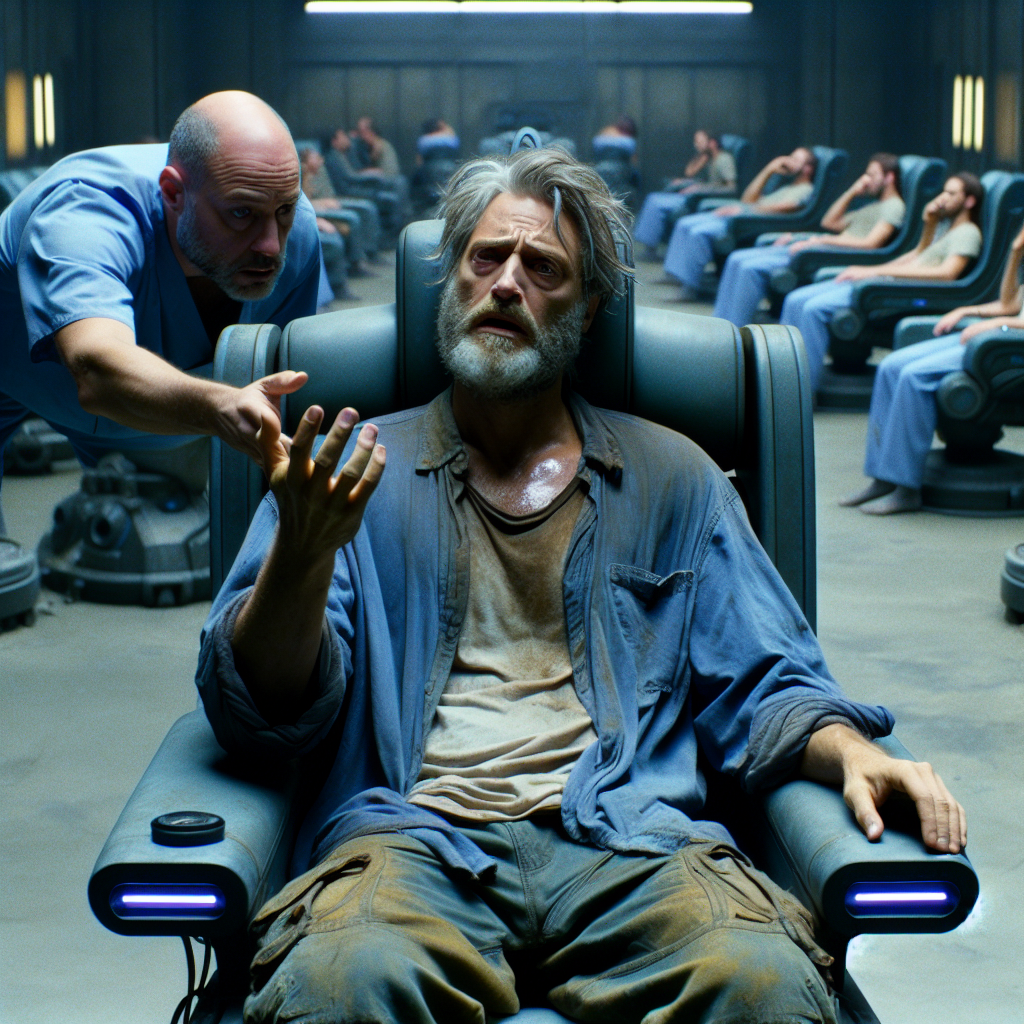 2 - Desperate Dreams 2 - Desperate Dreams
| 8.5 | 9 / 8 | 9 | 8 | 9 | 9 | 8 | 8 | 7 | 9 | 8 | 8 | 8 | 8 | 9 | 9 | 9 | 8 | 8 | 8 | |
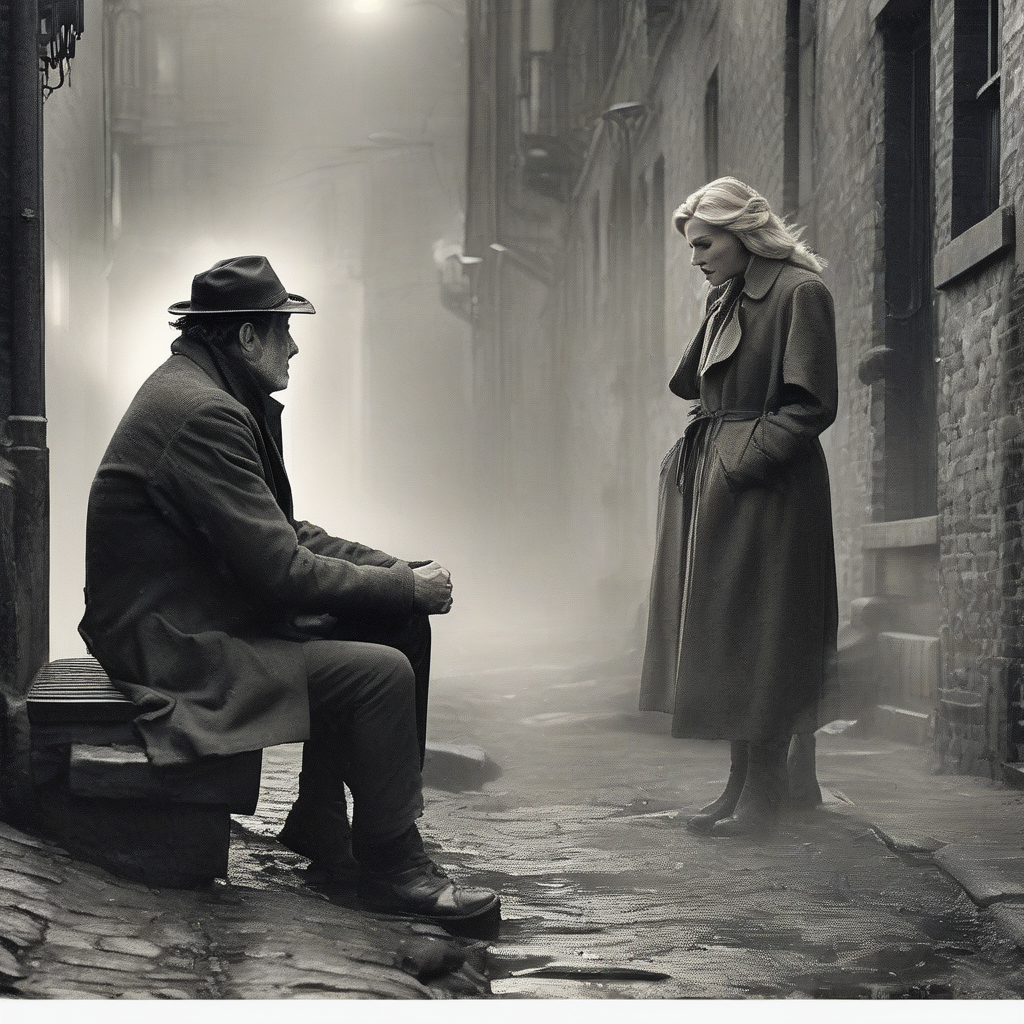 3 - A Glimmer of Hope in The Trench 3 - A Glimmer of Hope in The Trench
| 8.5 | 9 / 8 | 9 | 8 | 9 | 9 | 8 | 8 | 7 | 8 | 7 | 8 | 9 | 8 | 9 | 8 | 9 | 8 | 8 | 8 | |
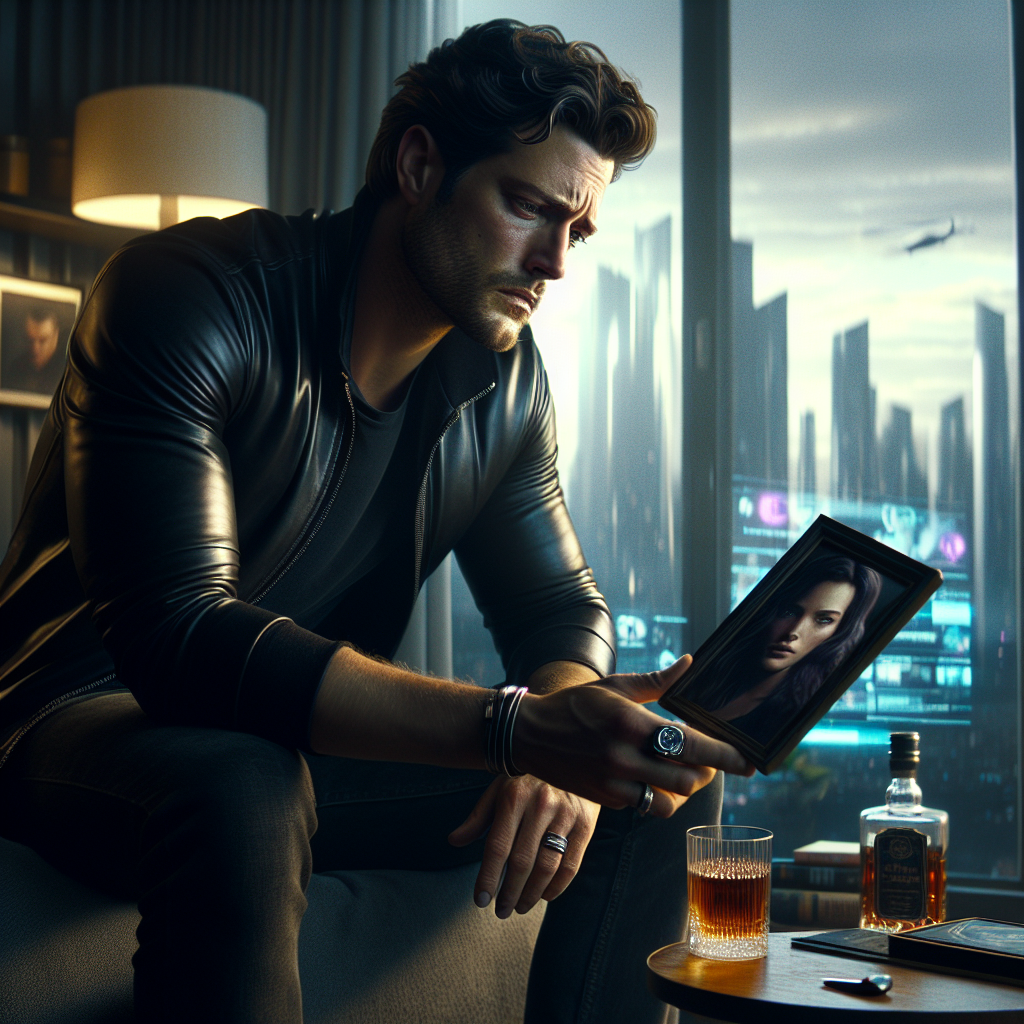 4 - Shadows of Duty 4 - Shadows of Duty
| 8.5 | 8 / 9 | 8 | 9 | 9 | 8 | 7 | 8 | 7 | 8 | 7 | 8 | 9 | 7 | 8 | 8 | 9 | 8 | 8 | 8 | |
| 5 - Access Granted | 8.5 | 7 / 8 | 8 | 9 | 9 | 8 | 7 | 8 | 7 | 8 | 7 | 8 | 9 | 7 | 8 | 9 | 9 | 8 | 9 | 9 | |
 6 - Echoes of Dissent 6 - Echoes of Dissent
| 8.5 | 9 / 8 | 8 | 9 | 9 | 8 | 8 | 9 | 8 | 9 | 8 | 9 | 9 | 8 | 9 | 8 | 9 | 8 | 8 | 8 | |
| 7 - The Interrogation Begins | 8.5 | 9 / 9 | 9 | 8 | 9 | 9 | 8 | 8 | 7.5 | 9 | 8 | 8 | 9 | 9 | 8 | 8 | 9 | 8.5 | 8 | 8 | |
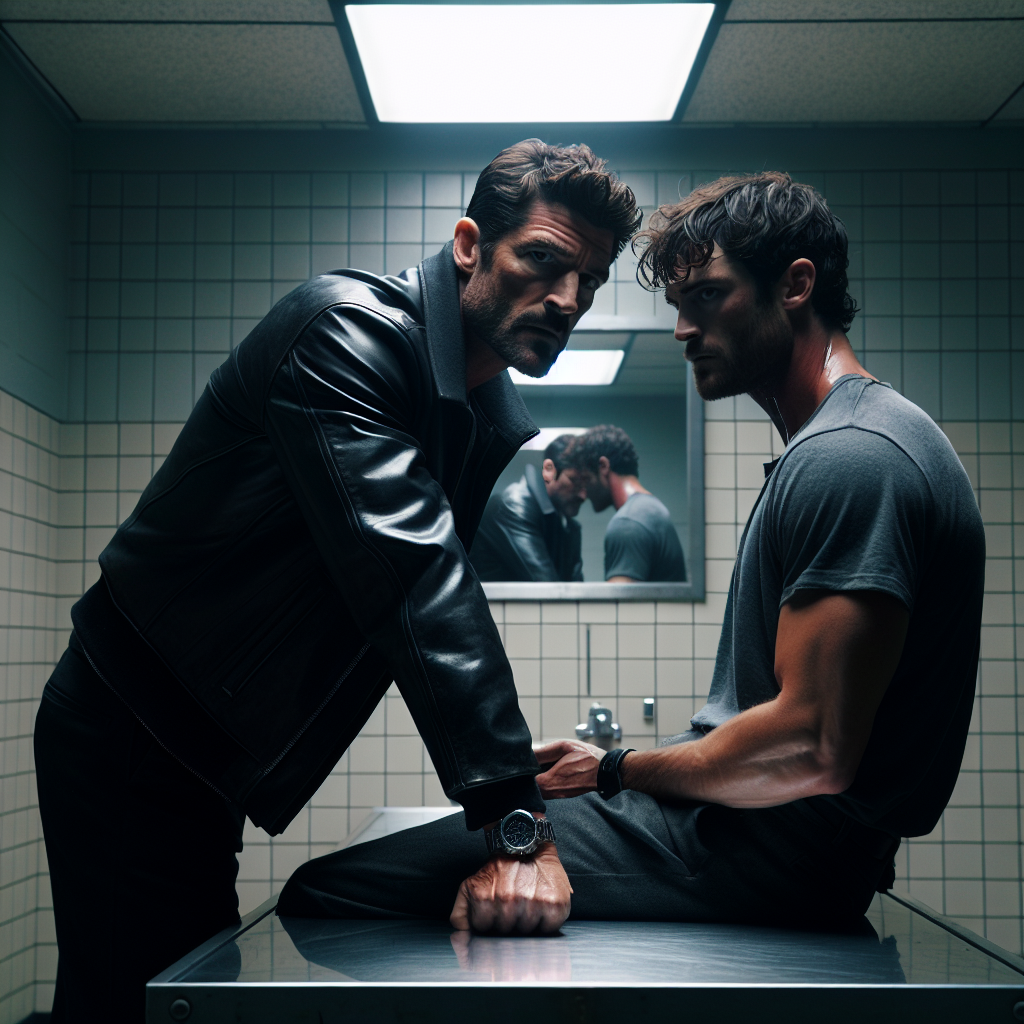 8 - Confrontation in the Dream Machine 8 - Confrontation in the Dream Machine
| 8.7 | 9 / 9 | 9 | 9 | 9 | 9 | 9 | 8 | 7.5 | 9 | 8 | 9 | 9 | 8 | 9 | 9 | 9 | 8.5 | 8 | 8.5 | |
| 9 - Echoes of Loss | 8.5 | 9 / 8 | 9 | 8 | 9 | 9 | 8 | 8 | 7.5 | 9 | 8 | 9 | 8 | 8 | 9 | 8 | 9 | 8 | 8 | 8 | |
|
10 - Dreams of Despair
| 8.5 | 9 / 9 | 8 | 9 | 9 | 9 | 8 | 8 | 7.5 | 9 | 8 | 9 | 9 | 8 | 9 | 9 | 9 | 8.5 | 8 | 8 | |
| 11 - Crossroads of Compassion and Change | 8.5 | 9 / 8 | 8 | 9 | 9 | 8 | 8 | 8 | 7 | 8 | 8 | 8 | 9 | 7 | 9 | 8 | 9 | 9 | 8 | 8 | |
| 12 - Operation Haze: The Dark Reality | 8.7 | 9 / 9 | 9 | 9 | 9 | 8 | 8 | 9 | 8 | 9 | 8 | 9 | 9 | 8 | 8 | 9 | 9 | 8 | 8 | 8 | |
| 13 - The Dark Offer | 8.7 | 10 / 9 | 9 | 9 | 9 | 9 | 9 | 9 | 8 | 9 | 8 | 9 | 9 | 8 | 9 | 9 | 9 | 9 | 8 | 8 | |
| 14 - Whispers of Betrayal | 8.5 | 9 / 9 | 8 | 9 | 8 | 8 | 8 | 8 | 9 | 9 | 8 | 9 | 9 | 8 | 9 | 8 | 9 | 9 | 9 | 9 | |
| 15 - Consequences of Loss | 8.5 | 7 / 9 | 8 | 9 | 9 | 9 | 8 | 8 | 7.5 | 8 | 8 | 8 | 9 | 8 | 9 | 9 | 9 | 8.5 | 8 | 8 | |
| 16 - A Vision for Healing: Harrison Lock's Empowering Announcement | 9.2 | 8 / 9 | 10 | 9 | 9 | 9 | 7 | 9 | 8 | 7 | 7 | 8 | 9 | 7 | 9 | 9 | 9 | 9 | 9 | 9 | |
| 17 - Dreams of Hope and Loss | 8.5 | 7 / 8 | 9 | 8 | 9 | 9 | 7 | 9 | 8 | 7 | 8 | 8 | 8 | 8 | 9 | 8 | 9 | 9 | 9 | 9 | |
| 18 - Confrontation at V1sion Corp | 8.5 | 9 / 8 | 9 | 9 | 9 | 8 | 8 | 9 | 8 | 9 | 8 | 9 | 9 | 8 | 9 | 9 | 9 | 8 | 8 | 8 | |
| 19 - A Father's Farewell | 9.2 | 7 / 8 | 9 | 8 | 9 | 10 | 8 | 9 | 7 | 3 | 7 | 4 | 6 | 7 | 10 | 9 | 9 | 8 | 8 | 8 | |
| 20 - The Weight of Disappointment | 8.5 | 4 / 7 | 8 | 8 | 9 | 7 | 6 | 8 | 7 | 6 | 7 | 6 | 7 | 7 | 8 | 6 | 9 | 8 | 8 | 8 | |
| 21 - Struggles in the Salvage | 8.5 | 8 / 7 | 8 | 8 | 9 | 9 | 8 | 8 | 7 | 8 | 8 | 7 | 8 | 8 | 7 | 9 | 9 | 8 | 8 | 8 | |
| 22 - Urgent News at Midnight | 8.5 | 9 / 8 | 8 | 9 | 8 | 9 | 9 | 9 | 8 | 8 | 8 | 8 | 9 | 8 | 9 | 8 | 9 | 9 | 9 | 9 | |
| 23 - Late Night Vigil | 8.5 | 7 / 8 | 8 | 9 | 8 | 9 | 8 | 8 | 7 | 9 | 7 | 8 | 9 | 6 | 9 | 9 | 8 | 8 | 9 | 9 | |
| 24 - Confrontation at V1SION Corp | 8.5 | 9 / 8 | 9 | 8 | 9 | 9 | 8 | 9 | 8 | 9 | 8 | 8 | 9 | 8 | 8 | 9 | 9 | 8 | 8 | 8 | |
| 25 - Secrets in the Shadows | 9.2 | 9 / 9 | 10 | 9 | 9 | 9 | 9 | 8 | 7.5 | 10 | 8 | 10 | 10 | 9 | 9 | 9 | 9 | 8.5 | 8 | 8 | |
| 26 - Confronting Loss | 8.5 | 9 / 9 | 8 | 8 | 9 | 9 | 8 | 8 | 7 | 3 | 7 | 4 | 7 | 7 | 9 | 8 | 9 | 8 | 8 | 8 | |
| 27 - Ashes of Resolve | 8.7 | 9 / 9 | 9 | 9 | 9 | 9 | 9 | 9 | 8 | 9 | 8 | 9 | 9 | 8 | 9 | 9 | 9 | 9 | 9 | 9 | |
| 28 - Confronting Shadows | 8.5 | 9 / 8 | 8 | 9 | 9 | 8 | 8 | 8 | 9 | 9 | 8 | 9 | 9 | 8 | 9 | 9 | 9 | 9 | 9 | 9 | |
| 29 - Unlocking Secrets | 8.5 | 9 / 9 | 8 | 9 | 9 | 8 | 7 | 8 | 9 | 8 | 8 | 8 | 9 | 8 | 8 | 9 | 9 | 9 | 8 | 8 | |
| 30 - Confrontation in the Shadows | 8.7 | 9 / 8 | 9 | 9 | 9 | 9 | 9 | 9 | 8 | 9 | 8 | 9 | 9 | 8 | 9 | 9 | 9 | 8 | 8 | 8 | |
| 31 - Tension at the Dream Lounge | 8.5 | 9 / 9 | 8 | 9 | 9 | 9 | 8 | 8 | 7 | 9 | 7 | 9 | 9 | 8 | 8 | 8 | 9 | 9 | 8 | 8 | |
| 32 - Chaos in the Dream Lounge | 9.2 | 9 / 9 | 9 | 9 | 9 | 9 | 9 | 8 | 7.5 | 10 | 8 | 9 | 9 | 9 | 9 | 9 | 9 | 8.5 | 8 | 8 | |
| 33 - Collision of Secrets | 8.5 | 9 / 9 | 8 | 9 | 9 | 9 | 8 | 8 | 7.5 | 8 | 8 | 8 | 9 | 8 | 9 | 8 | 9 | 8.5 | 8 | 8 | |
| 34 - Dreams Under Surveillance | 8.5 | 9 / 9 | 9 | 9 | 9 | 8 | 7 | 8 | 7.5 | 8 | 8 | 8 | 9 | 8 | 8 | 9 | 9 | 8.5 | 8 | 8 | |
| 35 - Revelations in the Dark | 9.2 | 10 / 10 | 9 | 9 | 9 | 9 | 9 | 9 | 8 | 9 | 8 | 10 | 9 | 8 | 9 | 9 | 9 | 8 | 8 | 8 | |
| 36 - Emotional Attachments | 8.5 | 7 / 8 | 9 | 9 | 9 | 9 | 9 | 8 | 7.5 | 9 | 8 | 9 | 9 | 8 | 9 | 9 | 9 | 8.5 | 8 | 8 | |
| 37 - Urgent Revelations | 9.2 | 8 / 9 | 9 | 9 | 9 | 9 | 9 | 8 | 7 | 10 | 7 | 9 | 10 | 8 | 9 | 9 | 9 | 8 | 8 | 8 | |
| 38 - A Dangerous Call | 8.5 | 8 / 9 | 8 | 9 | 9 | 8 | 8 | 8 | 7 | 9 | 8 | 9 | 9 | 8 | 8 | 8 | 9 | 9 | 8 | 8 | |
| 39 - Shadows of Fear | 8.5 | 8 / 9 | 8 | 9 | 9 | 8 | 8 | 8 | 7.5 | 9 | 8 | 9 | 9 | 8 | 9 | 8 | 9 | 8 | 8 | 8 | |
| 40 - The Hidden Door | 8.7 | 9 / 9 | 9 | 9 | 9 | 9 | 8 | 9 | 8 | 9 | 8 | 9 | 9 | 8 | 8 | 8 | 9 | 9 | 9 | 9 | |
| 41 - Surveillance and Betrayal | 9.2 | 10 / 9 | 10 | 9 | 9 | 9 | 9 | 8 | 7 | 10 | 8 | 10 | 9 | 8 | 9 | 9 | 9 | 8 | 8 | 8 | |
| 42 - Crossing Boundaries | 8.5 | 8 / 9 | 8 | 8 | 9 | 8 | 7 | 8 | 9 | 7 | 8 | 8 | 8 | 8 | 8 | 9 | 9 | 9 | 9 | 9 | |
| 43 - Echoes of Loss in Apex City | 8.5 | 8 / 9 | 8 | 8 | 9 | 9 | 7 | 8 | 7.5 | 3 | 8 | 4 | 6 | 8 | 9 | 9 | 9 | 8.5 | 8 | 8 | |
| 44 - Preparation and Tension | 8.5 | 9 / 10 | 8 | 8 | 8 | 9 | 8 | 8 | 7.5 | 8 | 8 | 8 | 8 | 8 | 9 | 8 | 9 | 8 | 8 | 8 | |
| 45 - Escape from the Inferno | 9.2 | 10 / 9 | 9 | 9 | 9 | 9 | 9 | 8 | 9 | 9 | 8 | 9 | 9 | 8 | 9 | 9 | 9 | 9 | 9 | 9 | |
| 46 - Confrontation in the Surveillance Room | 8.7 | 9 / 9 | 9 | 9 | 9 | 9 | 8 | 8 | 7 | 9 | 8 | 9 | 9 | 8 | 9 | 9 | 9 | 8 | 8 | 8 | |
| 47 - Mission at V1sion Corp | 8.5 | 9 / 10 | 8 | 9 | 8 | 8 | 7 | 9 | 8 | 8 | 8 | 9 | 9 | 8 | 8 | 8 | 9 | 9 | 9 | 9 | |
| 48 - Leverage and Despair | 9.2 | 9 / 9 | 9 | 9 | 9 | 9 | 9 | 9 | 8 | 10 | 8 | 9 | 9 | 8 | 9 | 9 | 9 | 9 | 8 | 8 | |
| 49 - Desperate Negotiation | 8.5 | 9 / 10 | 8 | 9 | 8 | 9 | 8 | 9 | 8 | 9 | 8 | 9 | 9 | 8 | 8 | 9 | 9 | 9 | 9 | 9 | |
| 50 - Confrontation at Vision Corp | 8.5 | 9 / 9 | 8 | 9 | 8 | 9 | 8 | 9 | 8 | 9 | 8 | 9 | 9 | 8 | 9 | 8 | 9 | 9 | 9 | 9 | |
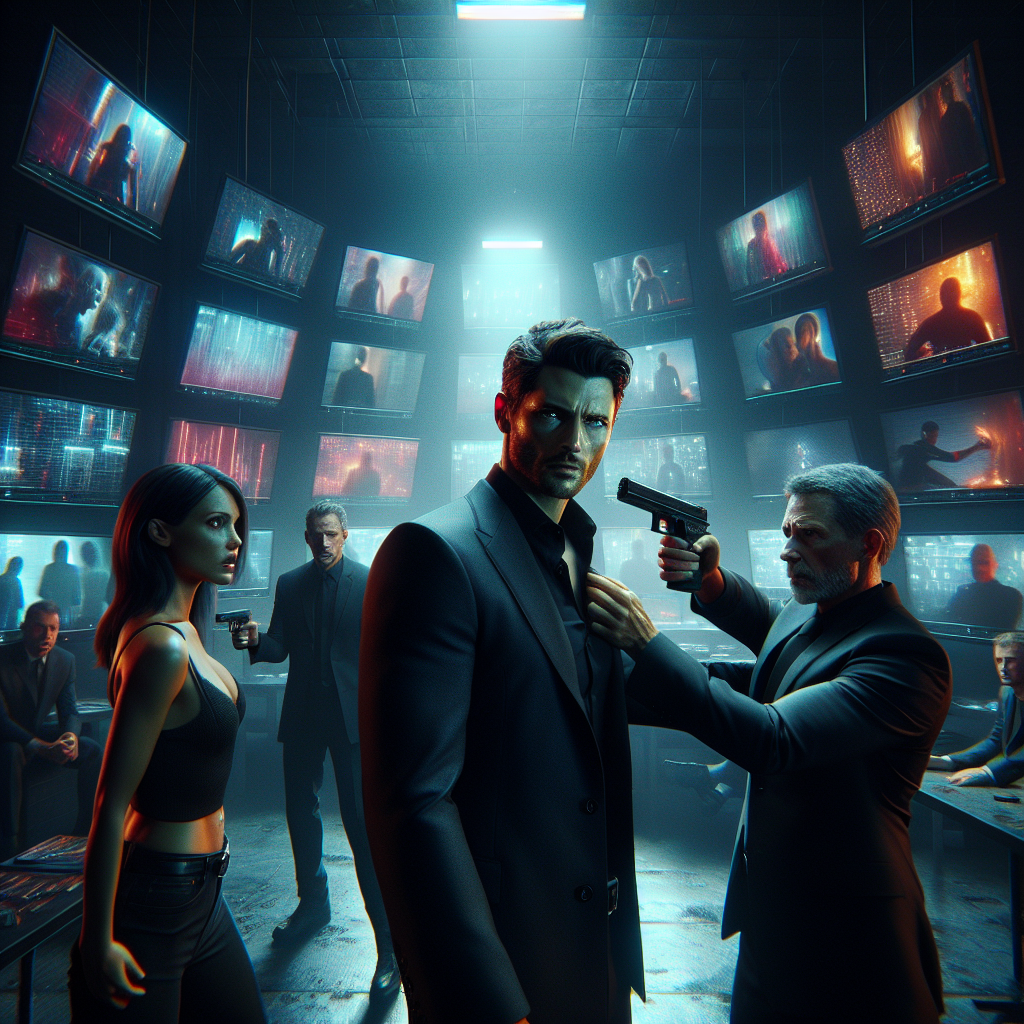 51 - Confrontation in the Shadows 51 - Confrontation in the Shadows
| 9.2 | 10 / 10 | 9 | 9 | 8 | 9 | 9 | 9 | 8 | 10 | 8 | 9 | 9 | 8 | 9 | 9 | 9 | 9 | 9 | 9 | |
| 52 - Dreams and Deceptions | 9.2 | 10 / 10 | 10 | 9 | 9 | 9 | 9 | 9 | 8 | 10 | 8 | 10 | 9 | 8 | 9 | 9 | 9 | 8 | 8 | 8 | |
| 53 - Dreams of Confrontation | 8.5 | 10 / 10 | 9 | 9 | 9 | 8 | 8 | 8 | 9 | 9 | 8 | 9 | 9 | 8 | 9 | 9 | 9 | 8 | 8 | 8 | |
| 54 - Breaking Free from Despair | 9.2 | 10 / 9 | 10 | 9 | 9 | 9 | 9 | 9 | 8 | 10 | 8 | 10 | 9 | 8 | 9 | 9 | 9 | 9 | 9 | 9 | |
| 55 - Inferno of Control | 9.2 | 9 / 9 | 9 | 9 | 9 | 9 | 9 | 8 | 9 | 10 | 8 | 9 | 9 | 8 | 9 | 9 | 9 | 9 | 9 | 9 | |
| 56 - Desperate Measures | 9.2 | 9 / 10 | 9 | 9 | 9 | 9 | 9 | 8 | 9 | 9 | 9 | 9 | 9 | 8 | 9 | 9 | 9 | 8 | 8 | 8 | |
| 57 - Abandoning Duty | 8.5 | 7 / 8 | 8 | 9 | 9 | 8 | 8 | 8 | 7.5 | 9 | 8 | 9 | 9 | 8 | 9 | 9 | 9 | 8.5 | 8 | 8 | |
| 58 - Determined Resolve | 9.2 | 9 / 10 | 9 | 9 | 9 | 9 | 9 | 8 | 7.5 | 9 | 8 | 9 | 9 | 8 | 10 | 9 | 9 | 8.5 | 8 | 8 | |
| 59 - Breaking Through the Gate | 8.7 | 9 / 9 | 9 | 9 | 9 | 9 | 8 | 8 | 9 | 9 | 8 | 9 | 9 | 8 | 9 | 8 | 9 | 9 | 9 | 9 | |
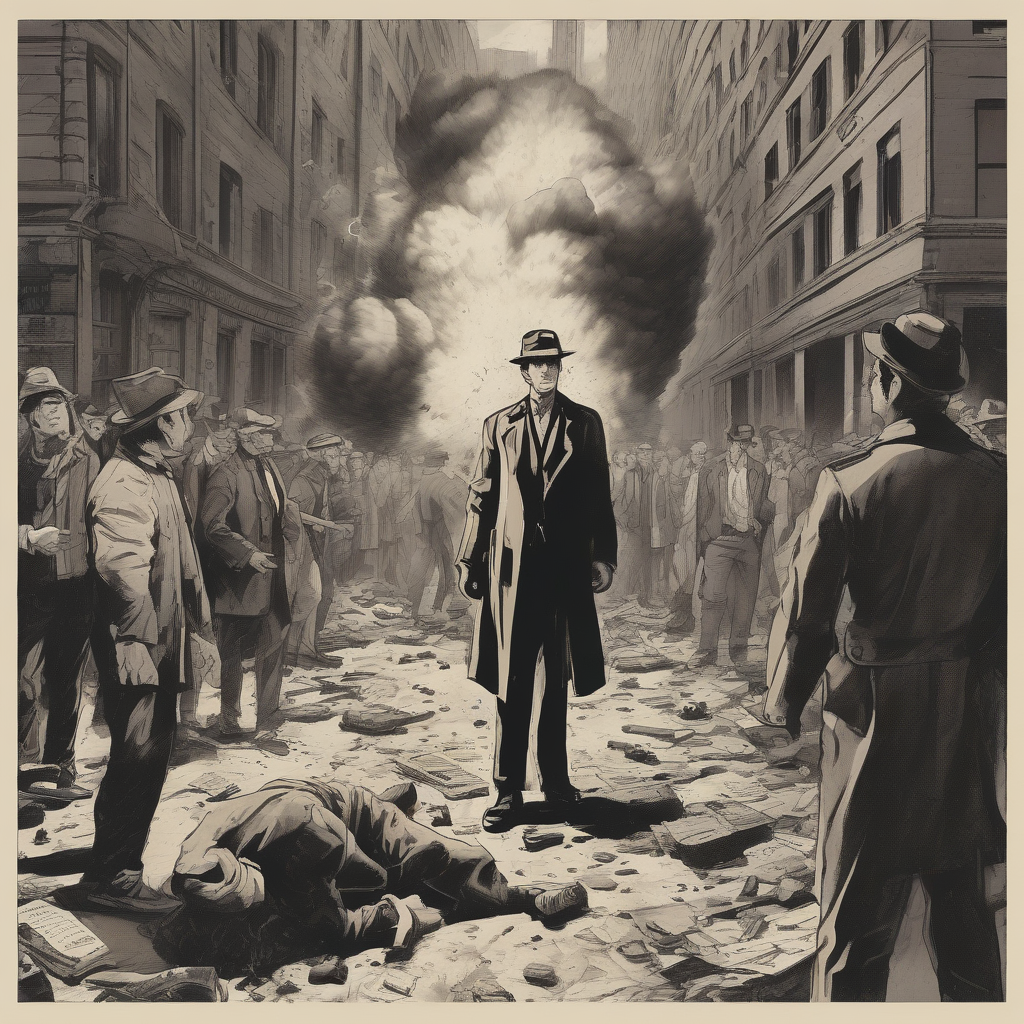 60 - From Despair to Hope 60 - From Despair to Hope
| 9.2 | 10 / 10 | 9 | 9 | 9 | 10 | 9 | 9 | 8 | 8 | 8 | 9 | 9 | 8 | 10 | 9 | 9 | 9 | 9 | 9 | |
- Physical environment: The world is a stark dichotomy between the gleaming futuristic metropolis of Apex City, characterized by towering skyscrapers, levitating vehicles, holographic advertisements, and advanced technology, and the grimy, fog-shrouded slums of The Trench, a place of poverty, crime, desperation, and environmental decay. The Trench is further characterized by dimly lit streets, salvage factories emitting toxic fumes, and a general atmosphere of lawlessness. Lucid dream spaces, both empty white voids and the more technologically advanced settings of Dream Lounges, also feature prominently.
- Culture: Society is deeply divided between the privileged elite of Apex City and the marginalized inhabitants of The Trench. There's a strong cultural emphasis on advanced technology, particularly lucid dreaming technology, which is both a source of escapism and exploitation. The culture of The Trench is one of survival, with limited resources and a high crime rate. There's also a cultural element of grief and loss, evident in the many characters who have lost loved ones. Memories and the fragility of happiness are significant cultural themes.
- Society: The societal structure is heavily stratified, with a clear power imbalance between Apex City and The Trench. Apex City represents wealth, power, and technological advancement, while The Trench represents poverty, desperation, and injustice. A corrupt police force, with its own internal conflicts and moral ambiguities, attempts to maintain order amidst chaos. A criminal organization, Chimera, exploits the vulnerability of The Trench’s residents, using lucid dream technology for nefarious purposes, including the extraction of a brain fluid for a highly addictive drug. The use of dreams as a commodity further reveals the societal exploitation.
- Technology: The world is technologically advanced, featuring levitating vehicles, holographic displays, advanced weaponry, AI-controlled systems (crematoriums, security gates), sophisticated surveillance technology, and most notably, lucid dream machines and goggles. These technologies serve as tools for both escapism and control, depending on the users and their access to resources and power.
- Characters influence: The world’s stark contrasts and technological advancements profoundly shape the characters' experiences and actions. Characters in The Trench are driven by desperation for escape, leading them to exploit dream technology. Apex City residents, while benefiting from advanced technology, grapple with their role in the inequality. The police navigate the moral complexities of enforcing law in a deeply divided society. The characters’ actions are often responses to the limitations, opportunities, and injustices of their environment. For example, Otto's desperation for a connection with his lost family drives his actions, while Po's duty to uphold the law clashes with his empathy for the victims of societal inequality.
- Narrative contribution: The physical environments and technological elements are key plot drivers, establishing the setting for the conflict between Apex City and The Trench. The lucid dream technology provides the central mechanism for the narrative, enabling both escapism and exploitation, and serving as a tool for investigation and conflict. The contrasting environments create a powerful visual narrative, reflecting the thematic tension between the privileged and the marginalized.
- Thematic depth contribution: The world-building significantly contributes to the thematic depth by exploring the ethical dilemmas of technological advancement, the consequences of social inequality, and the human need for connection and escape. The contrast between Apex City and The Trench highlights themes of justice, morality, and the corrupting influence of power. The use of dreams as both an escape and a source of exploitation explores the complexities of human desire and the moral ambiguities of advanced technologies. The overall narrative questions the balance between progress and humanity's wellbeing.
| Voice Analysis | |
|---|---|
| Summary: | The writer's voice is multifaceted and dynamic, shifting seamlessly between gritty realism and introspective emotional depth. It's characterized by sharp, impactful dialogue that reveals character motivations and inner conflicts, coupled with vivid descriptions that establish distinct atmospheres, ranging from the bleak dystopia of The Trench to the gleaming futurism of Apex City. A recurring theme is moral ambiguity, with characters grappling with complex ethical dilemmas and difficult choices. The writer blends high-tech futurism with gritty realism, creating a compelling contrast that underscores the story's themes. |
| Voice Contribution | The writer's voice significantly contributes to the script's mood, themes, and depth by creating a compellingly dark and morally complex world. The blend of gritty realism and futuristic elements enhances the tension and suspense. The introspective moments and heartfelt dialogue deepen the emotional impact of the narrative, allowing the audience to connect with the characters' struggles and motivations on a personal level. The moral ambiguities explored in the dialogue and narrative raise thought-provoking questions about justice, compassion, and the consequences of technological advancement. |
| Best Representation Scene | 8 - Confrontation in the Dream Machine |
| Best Scene Explanation | Scene 8, the interrogation of Noah Moore, best showcases the author's unique voice because it masterfully combines all its key elements. The dialogue is sharp, realistic, and reveals the conflicting ideologies of Po and Noah. The setting is vividly described, creating a tense and claustrophobic atmosphere. The scene tackles complex moral dilemmas – the use of the Lucid Dream machine to extract information – adding a layer of ethical ambiguity that is central to the screenplay's overall theme. This scene effectively blends gritty realism with philosophical undertones, highlighting the writer's ability to create compelling tension and explore profound moral questions within a high-stakes futuristic setting. |
Style and Similarities
The screenplay exhibits a predominantly dark, suspenseful, and intellectually stimulating style. It consistently explores complex moral dilemmas, often within high-stakes, futuristic or dystopian settings. The narrative frequently employs non-linear storytelling and intricate character dynamics, creating a sense of mystery and ambiguity.
Style Similarities:
| Writer | Explanation |
|---|---|
| Christopher Nolan | Nolan's influence is overwhelmingly apparent across numerous scenes, indicated by recurring references to complex narratives, moral dilemmas, suspenseful elements, non-linear storytelling, and the blending of genres (e.g., sci-fi, action, thriller). His name appears in the analysis of over half the scenes. |
| Denis Villeneuve | Villeneuve's style is a close second, frequently paired with Nolan's. The analysis repeatedly highlights similarities in atmospheric settings, intense character dynamics, philosophical undertones, and the creation of suspense and tension. The collaboration often focuses on visually striking scenes and moral ambiguity. |
Other Similarities: While Nolan and Villeneuve dominate the stylistic analysis, other prominent writers like Charlie Kaufman, Charlie Brooker, David Fincher, and Philip K. Dick contribute distinct thematic elements. Kaufman and Brooker inject surrealism, introspective themes, and dystopian social commentary, respectively. Fincher adds a gritty realism and psychological depth. The presence of Philip K. Dick hints at the incorporation of philosophical themes around identity and societal issues. The screenplay seems to blend several prominent writing styles, creating a complex and multifaceted narrative, though ultimately strongly leaning on the Nolan/Villeneuve combination.
Top Correlations and patterns found in the scenes:
| Pattern | Explanation |
|---|---|
| High 'Tone' Scores and Overall Grade | A strong positive correlation exists between the consistently high 'Tone' scores (mostly 9s) and the overall scene grade. This suggests that the strength of the tonal choices significantly contributes to the overall quality of each scene. While this isn't surprising, it highlights the deliberate and effective use of tone to drive the narrative. |
| Emotional Impact and Dialogue Fluctuation | Scenes with high emotional impact (scores of 8 or above) show varying levels of dialogue quality, which indicates that emotional resonance isn't solely reliant on strong dialogue. Some emotionally powerful scenes rely more on other elements such as plot, conflict, or character interaction. Scene 19 and 26 show low dialogue scores despite high emotional impact. Examine these to see if the emotional impact is conveyed effectively despite subpar dialogue. |
| Concept and Plot Consistency | The 'Concept' and 'Plot' scores are consistently high across most scenes (mostly 8s and 9s). This shows a strong foundation in your plot development and consistent thematic elements. However, exploring moments where either score dips (e.g., Scene 20) might reveal areas where concept or plot could be enhanced. |
| Character Development Peaks and Valleys | While 'Characters' scores are generally high, a noticeable dip occurs in scenes 20 and 43, suggesting potential areas where character development may lag or be unclear to the reader. A closer look at these scenes might help reveal opportunities to enhance the characters' agency and impact. |
| High Stakes and Conflict Correlation | There's a strong positive correlation between 'High Stakes' and 'Conflict' scores, indicating that high-stakes moments effectively create conflict and advance the plot. This demonstrates skill in crafting compelling and consequential conflicts that keep the audience engaged. |
| Emotional Impact and High Stakes Correlation | Scenes with high emotional impact often coincide with high 'High Stakes' scores. This suggests your ability to intertwine emotional depth with high-stakes situations to create memorable moments. This is a strength that should be further emphasized. |
| Unexpected Low Emotional Impact in Specific Scenes | Scenes 19 (Sad, Reflective, Tender) and 26 (Somber, Emotional, Mournful), despite high overall scores, have significantly lower Emotional Impact scores (3 and 4, respectively). This discrepancy suggests that while the themes are present, their execution may not be fully realizing their emotional potential. Consider revising these scenes to amplify the emotional effect. |
| Climax and Resolution | The final act shows several scenes with extremely high scores across multiple categories (50-60), culminating in a hopeful ending (Scene 60). This pattern implies a well-structured climax and effective resolution, satisfying the narrative arc. |
| Tone Variety and Pacing | The screenplay uses a variety of tones, shifting between tense, emotional, and reflective moments. The consistent use of 'Tense' indicates the overall pacing and the building suspense, which, in turn, supports the overall narrative's drive. However, a more varied use of tones could create a richer experience. |
Writer's Craft Overall Analysis
The screenplay demonstrates a consistent ability to create scenes with strong tension, engaging dialogue, and compelling character interactions. The writer shows a talent for crafting emotionally resonant moments and exploring complex themes, particularly moral dilemmas and the impact of technology on human relationships. However, there's a recurring need for improvement in structural elements and a deeper exploration of character motivations beyond surface-level conflicts.
Key Improvement Areas
Suggestions
| Type | Suggestion | Rationale |
|---|---|---|
| Book | 'Save the Cat!' by Blake Snyder | This is repeatedly recommended to improve plot structure, pacing, and character development, addressing two key areas for improvement. |
| Book | 'Save the Cat! Writes a Novel' by Jessica Brody | This complements 'Save the Cat!' by offering a broader perspective on narrative structure and character arcs, useful for strengthening the overall screenplay's narrative coherence. |
| Screenplay Collection | A selection of screenplays by Aaron Sorkin, Christopher Nolan, Charlie Kaufman, and David Fincher. | Studying these diverse writers will provide exposure to different styles of dialogue, pacing, character development, and thematic exploration, all identified as areas needing refinement. |
| Video | Analysis videos on screenwriting techniques, focusing on pacing, subtext, and character arcs. | Visual learning can complement reading and provide practical examples of effective storytelling techniques. |
| Video | Interviews with screenwriters and police interrogators (for scenes involving interrogation) | These offer insights into real-world processes and motivations, increasing authenticity and depth. |
| Course | A screenwriting course focusing on structure, formatting, and character development | Formal training can provide a structured approach to screenplay writing and access to expert feedback. |
Here are different Tropes found in the screenplay
| Trope | Trope Details | Trope Explanation |
|---|---|---|
| The Chosen One | Kaia McCabe is portrayed as the one who must take action against the oppressive forces in The Trench, driven by her father's legacy. | This trope involves a character who is destined to save the world or fulfill a significant role. An example is Neo in 'The Matrix,' who is prophesied to be 'The One' who will end the war between humans and machines. |
| Lucid Dreaming | The use of Lucid Dream Machines allows characters to explore their memories and desires, impacting their actions in the real world. | Lucid dreaming is a common trope in sci-fi and fantasy, where characters can control their dreams. An example is 'Inception,' where characters enter dreams to manipulate reality. |
| The Mentor | Elsa Kane serves as a guide for Otto, offering him a way to reconnect with his past and navigate the dangers of The Trench. | The mentor trope involves a wise character who provides guidance to the protagonist. An example is Mr. Miyagi in 'The Karate Kid,' who teaches Daniel about martial arts and life. |
| The Grieving Parent | Po Dillon's character is driven by the loss of his daughter, Ruby, which influences his actions and decisions throughout the story. | This trope features a parent who is deeply affected by the loss of a child, often seeking revenge or redemption. An example is Liam Neeson's character in 'Taken,' who goes to great lengths to rescue his daughter. |
| The Corrupt Authority | Harrison Lock represents the corrupt corporate figure who exploits the vulnerable population of The Trench for profit. | This trope involves a character in power who abuses their position for personal gain. An example is the character of President Snow in 'The Hunger Games,' who manipulates the system to maintain control. |
| The Dystopian Society | The contrast between Apex City and The Trench highlights the societal divide and the struggles of the impoverished. | This trope depicts a society characterized by oppression, inequality, and often a totalitarian regime. An example is 'Blade Runner,' which showcases a future where the rich live in luxury while the poor suffer. |
| The Last Stand | The climax involves characters making a desperate stand against the oppressive forces of Harrison Lock and Chimera. | This trope features characters facing overwhelming odds in a final confrontation. An example is the Battle of Helm's Deep in 'The Lord of the Rings: The Two Towers,' where the characters make a last stand against a powerful enemy. |
| The Betrayal | Characters face betrayal from those they trust, such as Wally Carson abandoning Po during a critical moment. | This trope involves a character being betrayed by someone close to them, often leading to significant consequences. An example is the betrayal of Brutus in 'Julius Caesar,' which leads to Caesar's downfall. |
| The Power of Love | Po's motivation to save his wife and daughter showcases the theme of love driving characters to take risks. | This trope emphasizes love as a powerful force that motivates characters to act heroically. An example is 'The Fault in Our Stars,' where love drives the characters to confront their mortality. |
| The Hero's Journey | Both Po and Kaia undergo significant personal growth and transformation as they confront their challenges. | This trope follows a hero as they embark on an adventure, face trials, and ultimately return transformed. An example is Luke Skywalker in 'Star Wars,' who evolves from a farm boy to a Jedi Knight. |
Memorable lines in the script:
| Scene Number | Line |
|---|---|
| 9 | PO DILLON: Happiness is fragile, Noah. One moment, it's there -- the next it's gone, and all that remains is the memory. Nothing more, nothing less. |
| 41 | Harrison Lock: You were always too curious for your own good. |
| 13 | Elsa Kane: I gave them life... Which means, by right, I can take it away. |
| 52 | Po Dillon: Make no mistake... If people die tonight because of your technology, you'll be buried alongside them, decaying in the gutter, forgotten with time. |
| 28 | PO DILLON: You're wrong if you believe that. You are making a difference. The one reason we had a shot at saving those people is because of you. |
Some Loglines to consider:
| A hardened detective uses cutting-edge lucid dreaming technology to infiltrate a criminal organization and uncover a deadly conspiracy that threatens a divided society. |
| In a dystopian future, a grieving father's desperate search for solace in a virtual world leads him to uncover a terrifying truth about the city's elite. |
| A rebellious scavenger teams up with a disillusioned detective to expose a ruthless corporation's sinister plan to exploit the dreams of an impoverished population. |
| When a revolutionary lucid-dreaming technology falls into the wrong hands, a detective must delve into the darkest corners of his own mind to save his family and a city teetering on the brink of chaos. |
| Driven by vengeance and fueled by loss, a young woman from the undercity fights to protect her community from a corrupt corporation that manipulates the very fabric of reality. |
| In a dystopian future, a grieving father uses lucid dreaming technology to reconnect with his lost family, only to uncover a sinister plot threatening the lives of those in The Trench. |
| A detective's quest to save his comatose daughter leads him into a world of dreams and nightmares, where he must confront a powerful adversary manipulating the very fabric of reality. |
| When a man discovers the dark truth behind a dream technology that promises to reunite him with his family, he must fight against a corrupt system to save the lives of countless others. |
| In a society divided by wealth and despair, a young woman seeks vengeance for her father's death, only to find herself entangled in a conspiracy that could destroy her home. |
| As a new lucid dreaming device is distributed to the impoverished, a detective races against time to stop a mass murder orchestrated by a powerful corporation. |
| In a dystopian future where the privileged class escapes reality through lucid dreaming, a detective and a young woman from the impoverished Trench must stop a ruthless tech mogul's plan to wipe out their community. |
| A detective's quest to uncover the truth behind a deadly Lucid Dreaming technology leads him to confront his own personal demons and the power-hungry mogul behind the scheme. |
| A father's desperate attempt to save his comatose daughter becomes intertwined with a broader struggle to stop a Lucid Dreaming device that threatens to eradicate an entire impoverished population. |
| Forced to navigate the moral and ethical quandaries of Lucid Dreaming technology, a detective and a young woman from the Trench must confront the dark secrets of the past to secure a better future for their community. |
| In a world where the line between reality and dreams blurs, a detective and a Trench resident must work together to stop a tech mogul's sinister plan to wield the power of Lucid Dreaming for his own nefarious purposes. |
Help & FAQ
Frequently Asked Questions
After that, the high-level menu will offer insights into the story, themes, and characters.
The scene-by-scene analysis will demonstrate how each scene performs across various criteria, summarized in the column headings.
Click on any scene title to view the full analysis, including critiques and suggestions for improvement.
'Other Analyses' provides various insights into your writing and different perspectives, although it might not lead to significant rewrites of your script.
You can play it for free. If you have scripts analyzed, the AI might recommend exercises from SceneProv to help you improve your writing. Go to the craft tab to see what it recommended.
Let the AI take a turn when you're blocked or you want to riff on a scene. Each scene you create in SceneProv gets graded at the end.
- The email might have gone to your spam folder or is hidden in an email thread.
- The process might still be ongoing. Register/Login with the email you used during upload and look at the status. It sometimes takes as long as a couple hours. If it's been longer than that email us at [email protected]
Feature Request
Got an idea to improve our service? We'd love to hear it!

Scene by Scene Emotions
suspense Analysis
Executive Summary
Suspense is effectively utilized throughout the screenplay, particularly in scenes where characters face imminent danger or critical decisions. For instance, in scene 14, the suspense peaks as Po Dillon and his team rush into the hideout to save Otto, creating a gripping tension that keeps viewers on edge. The stakes are high, and the viewer is left wondering about the outcome of their confrontation with the attackers. However, there are moments where the suspense could be heightened further, particularly in scenes where characters are faced with moral dilemmas or unexpected revelations.
Usage Analysis
Critique
Suggestions
Questions for AI
fear Analysis
Executive Summary
Fear is a prominent emotion throughout the screenplay, particularly in scenes where characters confront their vulnerabilities or face life-threatening situations. For example, in scene 30, Kaia's confrontation with Paku is filled with fear as she holds him at gunpoint, and the looming threat of Chimera operatives adds to the tension. The emotional stakes are high, and the viewer is left feeling the weight of the characters' fears. However, there are opportunities to deepen the portrayal of fear in certain scenes.
Usage Analysis
Critique
Suggestions
Questions for AI
joy Analysis
Executive Summary
Joy is a fleeting emotion in the screenplay, primarily appearing in scenes that depict moments of connection and warmth among characters. For instance, in scene 1, the joyful interactions between Otto and his family create a heartwarming atmosphere that resonates with viewers. However, the overall tone of the screenplay is predominantly dark, and moments of joy are often overshadowed by the surrounding despair. This contrast serves to heighten the emotional stakes but also limits the opportunities for joy to flourish.
Usage Analysis
Critique
Suggestions
Questions for AI
sadness Analysis
Executive Summary
Sadness is a pervasive emotion throughout the screenplay, deeply woven into the characters' experiences and the narrative's themes. For instance, in scene 19, Po's emotional farewell to his comatose daughter Ruby evokes profound sadness, resonating with viewers who connect with his grief. The screenplay effectively utilizes moments of sadness to highlight the characters' struggles and the harsh realities of their lives. However, there are opportunities to deepen the portrayal of sadness in certain scenes.
Usage Analysis
Critique
Suggestions
Questions for AI
surprise Analysis
Executive Summary
Surprise is used sparingly throughout the screenplay, primarily in moments that reveal unexpected truths or shifts in character dynamics. For instance, in scene 14, the revelation of Otto's death and the implications for Po's investigation serve as a shocking twist that alters the narrative direction. However, the overall impact of surprise could be enhanced by integrating more unexpected developments throughout the story.
Usage Analysis
Critique
Suggestions
Questions for AI
empathy Analysis
Executive Summary
Empathy is a central emotion throughout the screenplay, deeply woven into the characters' experiences and the narrative's themes. For instance, in scene 19, Po's emotional farewell to his comatose daughter Ruby evokes profound empathy, resonating with viewers who connect with his grief. The screenplay effectively utilizes moments of empathy to highlight the characters' struggles and the harsh realities of their lives. However, there are opportunities to deepen the portrayal of empathy in certain scenes.
Usage Analysis
Critique
Suggestions
Questions for AI