Ruthless
A sympathetic yet ruthless antihero who hears her dead father commands dark deeds; when she suffocates a cop and goes on the run, a morally driven deputy must break rules and his own grief to stop her before the town burns.
See other logline suggestionsOverview

Unique Selling Point
Ruthless offers a fresh take on the serial killer genre by centering on a complex female protagonist whose violent tendencies stem from childhood trauma and paternal manipulation. The 1970s Texas setting combined with the unique dynamic of Ruth's hallucinated father creates a psychologically rich narrative that explores nature vs. nurture through the lens of a trained killer struggling with her own humanity.
AI Verdict
Consider
Consider
Consider
Consider
Consider
Key Takeaways
For the Writer:
For Executives:
Story Facts
Genres:Setting: 1978, with flashbacks to 1965, 1968, and 1963, Austin, Texas, and surrounding areas, including a desert and a police station
Themes: The Corrosive Impact of Trauma and Inherited Violence, The Search for Identity and Purpose, Justice, Vengeance, and Morality, The Duality of Human Nature: Cruelty and Compassion, The Power of Paternal Influence and Legacy, Societal Neglect and the Breakdown of Order
Conflict & Stakes: Ruth's internal struggle with her violent past and mental instability versus Thomas's quest for justice amidst rising murder rates, with personal stakes involving family and morality.
Mood: Dark, tense, and introspective
Standout Features:
- Unique Hook: The protagonist's hallucinations of her deceased father, which drive her violent actions and create a psychological depth.
- Plot Twist: The revelation of Ruth's violent past and her connection to the murders, culminating in her internal conflict.
- Innovative Idea: The intertwining of flashbacks with present-day events, providing context for character motivations and emotional struggles.
- Distinctive Setting: The juxtaposition of the arid Texas landscape with the claustrophobic interiors of Ruth's apartment and police station.
Comparable Scripts: Thelma & Louise, Breaking Bad, American Psycho, Gone Girl, Natural Born Killers, The Silence of the Lambs, Fargo, The Virgin Suicides, Dexter
Script Level Analysis
This section delivers a top-level assessment of the screenplay’s strengths and weaknesses — covering overall quality (P/C/R/HR), character development, emotional impact, thematic depth, narrative inconsistencies, and the story’s core philosophical conflict. It helps identify what’s resonating, what needs refinement, and how the script aligns with professional standards.
Screenplay Insights
Breaks down your script along various categories.
Story Critique
Big-picture feedback on the story’s clarity, stakes, cohesion, and engagement.
Characters
Explores the depth, clarity, and arc of the main and supporting characters.
Emotional Analysis
Breaks down the emotional journey of the audience across the script.
Goals and Philosophical Conflict
Evaluates character motivations, obstacles, and sources of tension throughout the plot.
Themes
Analysis of the themes of the screenplay and how well they’re expressed.
Logic & Inconsistencies
Highlights any contradictions, plot holes, or logic gaps that may confuse viewers.
Scene Analysis
All of your scenes analyzed individually and compared, so you can zero in on what to improve.
Other Analyses
This section looks at the extra spark — your story’s voice, style, world, and the moments that really stick. These insights might not change the bones of the script, but they can make it more original, more immersive, and way more memorable. It’s where things get fun, weird, and wonderfully you.
Unique Voice
Assesses the distinctiveness and personality of the writer's voice.
Writer's Craft
Analyzes the writing to help the writer be aware of their skill and improve.
Memorable Lines
Tropes
World Building
Evaluates the depth, consistency, and immersion of the story's world.
Correlations
Identifies patterns in scene scores.
Loglines
Comparison with Previous Draft
See how your script has evolved from the previous version. This section highlights improvements, regressions, and changes across all major categories, helping you understand what revisions are working and what may need more attention.
Summary of Changes
Improvements (4)
- Conflict - Conflict Integration: 7.5 → 9.0 +1.5
- Story Structure - Plot Clarity: 7.5 → 8.5 +1.0
- Story Structure - Conflict and Stakes: 7.5 → 8.5 +1.0
- Character Complexity - Character Dialogue: 7.0 → 8.0 +1.0
Areas to Review (1)
- Visual Imagery - Practicality for Production: 9.0 → 7.5 -1.5
Pass / Consider / Recommend Analysis
Top Takeaway from This Section
GPT5
Executive Summary
- Instant, cinematic hook and memorable imagery. The first scenes (car driving with blood-smeared hands, the backseat corpse, and the ‘Happy Together’ motif) create a striking, original image that immediately tells viewers the tone and stakes. The desert burial and the brutal suffocation of Burke are bold set pieces that sell the pilot's willingness to shock and remain visually arresting. high ( Scene 2 (INT. RUTH'S CHEVY IMPALA - DAY (TEASER)) Scene 4 (INT. RICKIE'S CAR - NIGHT (FLASHBACK)) Scene 26 (EXT. DESERT - CONTINUOUS) )
- Strong montage writing that effectively builds Ruth's past as a practiced killer; concise, varied kills show her method, range, and history without heavy exposition. This helps market Ruth as a dangerous, mobile character with a believable criminal résumé. high ( Scene 15 (LOS ANGELES MONTAGE / FLASHBACK) )
- Solid pairing of the cop perspective and emotional stakes. Thomas is well-drawn as a cop haunted by his brother's unsolved death; his bond with Brady and domestic scenes with Julie give the procedural fight a human center and a reason to pursue Ruth beyond duty. medium ( Scene 6 (EXT. PARK AREA CRIME SCENE - LATER) Scene 31 (EXT. BACK PORCH - LATER) )
- The hallucinated father (Ed) is a unique and consistent thematic device that externalizes Ruth’s internal voice and justification for violence; it provides a recurring psychological engine and intimate dialogue opportunities that set the series apart. high ( Scene 5 (EXT. PARK AREA - MORNING (ED HALLUCINATION)) Scene 24 (INT. RUTH'S 1961 CHEVY IMPALA - NIGHT (HALLUCINATION)) )
- Character moments that humanize Ruth. Her kindness to the abused woman and the dog shows conflicted moral logic, which deepens the audience's engagement and complicates simple villain labeling. medium ( Scene 20 (EXT./INT. HANKS HARDWARE STORE - DAY) )
- Flashback overuse and clarity. Flashbacks are numerous and sometimes interrupt forward momentum; they occasionally repeat the same beat (Ed coaching Ruth) without adding new information. The pilot should streamline which flashbacks are essential to Ruth’s arc and clarify their timeline to avoid audience confusion. high ( Scene 8 (EXT. RUTH'S HOUSE - DAY (FLASHBACK)) Scene 37 (EXT. WOODS - NIGHT (FLASHBACK)) )
- Motivation and stakes need tightening. Ruth's killings are justified in her head by Ed, but the script often assumes acceptance of her logic. The pilot should ground why she kills this particular deputy (beyond panic/fear) or emphasize survival calculation to make later audience empathy and tension more believable. high ( Scene 36 (INT. RUTH'S STUDIO APARTMENT - NIGHT (BURKE MURDER)) )
- Procedural credibility and stakes. The arrival of the FBI and Agent Scudder is clichéd and undercut by Cooper’s flip from territorial sheriff to immediate compliance. The politics of jurisdiction and how the local force interacts with the feds should be more coherently staged to heighten procedural conflict and realism. medium ( Scene 33 (INT. POLICE STATION - THE NEXT MORNING (FBI ARRIVAL)) Scene 44 (EXT. RUTH'S STUDIO APARTMENT - EVENING (FBI TAKEOVER)) )
- Underdeveloped secondary characters. Deborah, Mrs. Curtis and others are functional but thin — mainly exposition machines. Strengthening a few supporting characters, especially Deborah (co-worker/friend) and Mrs. Curtis (landlord witness), would deepen emotional resonance and give Ruth more grounded relationships. medium ( Scene 11 (INT. RUTH'S STUDIO APARTMENT - DAY (PHONE WITH DEBORAH)) Scene 14 (INT. DEE DEE'S DRUGSTORE - LATER) )
- Pacing and time jumps. The script uses multiple time jumps ('one month later', then 'one month later' again) that compress or skip investigative work. Smooth the pacing by either tightening the time coverage or adding sequences that logically bridge gaps in the investigation to avoid leaps that feel like plot convenience. medium ( Scene 25 (INT. POLICE STATION - DAY (ONE MONTH LATER)) )
- Clear long-term series arc and villain objective. The pilot shows Ruth's MO and Thomas' obsession but doesn't articulate a propulsive season arc (what Ruth ultimately wants beyond survival, or what Thomas must sacrifice to stop her). Define a season-long escalation and endpoint to give series producers a roadmap. high ( Scene 15 (LOS ANGELES MONTAGE / FLASHBACK) )
- Rules of Ruth's hallucinations/psychosis. The pilot never sets clear rules for when Ed appears, how persuasive he is, or whether Ruth can resist him — an essential worldbuilding element for future episodes and for viewers to understand her culpability and vulnerability. high ( Scene 5 (EXT. PARK AREA - MORNING (ED HALLUCINATION)) Scene 32 (INT. RUTH'S STUDIO APARTMENT - NIGHT (ED HALLUCINATION)) )
- Backstory and motivations for Agent Scudder/federal involvement. Scudder arrives and is antagonistic, but we don't know his priorities, methods or stakes. Give him a clear motive (career, personal interest, specific link to other cases) to make him a credible antagonist/foil. medium ( Scene 33 (INT. POLICE STATION - THE NEXT MORNING (FBI)) )
- Consequences network. Aside from Burke, the script doesn't fully show the procedural or community fallout of the killings (press, politics, family reactions beyond the courthouse call). Showing more of the community response would raise stakes and make Ruth's actions ripple realistically. medium ( Scene 20 (EXT./INT. HANKS HARDWARE STORE - DAY) )
- Practical logistics for a serial-killer on the run. Practical elements (how Ruth funds escape, navigates jurisdictions, disposes of bodies long-term) are glossed. Adding credible logistics or a supporting contact network (or explicit lack thereof) will help believability for a season of episodes. low ( Scene 26 (EXT. DESERT - CONTINUOUS) )
- Music motifs are used effectively as anchors (Happy Together, Son of a Preacher Man, Jim Croce). These recurring songs add period texture and emotional counterpoint, and could become a signature series device. medium ( Scene 2 (INT. RUTH'S CHEVY IMPALA - DAY) )
- Montage economy. The LA montage shows the writer's ability to compress large amounts of backstory into visceral images rather than exposition — a cinematic strength that should be used more selectively. medium ( Scene 15 (LOS ANGELES MONTAGE / FLASHBACK) )
- Moral ambiguity. Small scenes (giving a knife to an abused woman, feeding the dog) complicate Ruth's character and make her a morally ambiguous, empathetic monster — an asset for serialized storytelling. high ( Scene 20 (EXT. HANKS HARDWARE STORE - DAY) )
- Strong ensemble potential. The cop-room dynamics (Cooper, Thomas, Burke, Julie) create rich interpersonal stakes that can sustain subplots and character growth through a season. medium ( Scene 31 (EXT. BACK PORCH - LATER) )
- Bold pilot turning point. Killing a uniformed deputy in the pilot is a risky but attention-grabbing escalation that forces the world to react and raises series stakes immediately. high ( Scene 36 (INT. RUTH'S STUDIO APARTMENT - NIGHT (BURKE MURDER)) )
- Unclear psychological rules The pilot relies heavily on Ruth's hallucinated father as the engine of her actions but never establishes consistent rules: when does Ed appear, can Ruth resist him, or is he a manifestation of guilt versus instruction? This weakens the audience's ability to judge her culpability and to predict future behavior (e.g., when will she stop killing?). Example: sequences 5, 24, 32 and 37 show Ed as both supportive and critical without a clear pattern. high
- Overreliance on genre tropes The script falls into familiar beats: FBI shows up, local cop is sidelined, deputy goes rogue. Agent Scudder is a fairly standard 'suit' antagonist introduced abruptly (sequences 33 and 44). The pilot would benefit from subverting or deepening these tropes (e.g., make Scudder empathetic or reveal federal motives linked to Thomas' past). medium
- Assumed audience sympathy The script expects the audience to accept Ruth as a complex protagonist without fully earning that complicity. While there are empathetic moments (dog, abused woman), stronger connective tissue is needed to make viewers consistently root for or understand her choices — especially after she murders a cop (sequence 36). medium
- Formatting and redundancy The script includes some stage directions that read like a shooting script and occasional redundant lines (e.g., repeated 'BACK TO' markers, multiple flashback cues). Also capitalization and scene header conventions are inconsistent in places, which reads amateurish in a professional spec. Example: repeated 'CUT TO:' and long all-caps paragraphs of internal instruction. medium
- Exposition-heavy patches Several scenes drift into on-the-nose exposition to communicate backstory (e.g., Cooper's speech to his men, Deborah's phone monologue). These could be tightened: show through action rather than rely on characters to explain history. Examples: sequences 6, 11 and 33 have blocks of explanatory dialogue. medium
- Thin secondary characters Supporting characters sometimes exist only to move plot beats (Deborah, Mrs. Curtis, some victims). They need clearer, specific desires or quirks to avoid being mere props. Example: Deborah provides exposition (sequence 11, 14) and Mrs. Curtis is a convenient witness (sequence 41-44) but neither has a distinct arc. low
Gemini
Executive Summary
- The pilot effectively establishes a dark, unsettling, and mysterious tone through its visual descriptions, sound design cues (music, sirens, wind), and violent imagery. This creates an immediate atmosphere that draws the viewer in. high ( Scene 2 Scene 4 Scene 8 Scene 37 )
- The screenplay excels at creating psychological tension through Ruth's fragmented reality, her hallucinations of her father, and the blurring lines between past trauma and present actions. This internal conflict is a strong foundation for the series. high ( Scene 2 Scene 3 Scene 8 Scene 35 )
- The introduction of the police procedural element, particularly Sheriff Cooper and Deputy Thomas, provides a grounded counterpoint to Ruth's descent. Their dialogue and interactions, while sometimes clunky, establish a sense of urgency and a classic detective rivalry. medium ( Scene 6 Scene 12 Scene 16 Scene 25 Scene 33 )
- The flashback sequences, particularly those detailing Ruth's traumatic past and her father's influence, are crucial for understanding her motivations. The violence inflicted upon her and her father's twisted encouragement form a compelling, albeit disturbing, backstory. high ( Scene 8 Scene 37 )
- The final scene, with Ruth driving towards Mexico with the injured dog and the Jim Croce song, offers a poignant and somewhat hopeful, albeit ambiguous, conclusion to the pilot. It hints at a character seeking escape and perhaps a sliver of redemption. medium ( Scene 46 )
- The pacing of the first act, particularly the initial setup and the introduction of the crime scene, feels slow and somewhat repetitive. The exposition delivered through the newscasters and the initial detective dialogue could be tighter or integrated more organically. high ( Scene 1 Scene 6 Scene 7 )
- Some of the dialogue, particularly between the police officers, can be overly expositional or cliché (e.g., 'ass-crack of dawn,' 'hit the road'). Refining this to feel more natural and less like plot delivery would enhance the realism. medium ( Scene 6 Scene 12 Scene 25 )
- The introduction of multiple subplots (Burke's marital issues, Thomas's brother's death, the FBI's arrival) feels slightly overwhelming for a pilot. While these can be developed later, they currently detract from the core narrative of Ruth and the immediate investigation. medium ( Scene 3 Scene 6 Scene 12 Scene 25 )
- Ruth's character, while intriguing, sometimes feels passive or overly reactive, especially in her interactions with Deborah. Her motivations for covering the shift and her immediate compliance feel slightly out of character with her violent actions. More nuance in her everyday life would be beneficial. medium ( Scene 11 Scene 16 )
- The introduction of the FBI, while intended to raise the stakes, feels a bit abrupt and generic. Agent Scudder's characterization as a smug antagonist is a common trope and could be developed with more unique traits. The 'showdown' feels premature for a pilot. low ( Scene 33 Scene 44 )
- More exploration of Ruth's daily life and her interactions outside of her violent episodes is needed. Her job as a cashier and her brief interactions with Deborah are glimpses, but a deeper understanding of her 'normal' persona would contrast more effectively with her killer side. medium ( Scene 11 Scene 16 )
- While Deputy Burke's personal life is touched upon, a more concrete connection or interaction between him and Ruth earlier in the script might make his eventual death more impactful and less of a plot device for Thomas's motivation. low ( Scene 6 Scene 25 )
- The resolution of Thomas's personal conflict with his wife and his decision to go after Ruth could be more fully explored, rather than being a quick scene before his departure. His wife's final lines about the 'pale horse' feel a bit underdeveloped and could be a stronger thematic tie-in. low ( Scene 45 )
- While Ruth's escape is shown, the immediate aftermath of Deputy Burke's death and the FBI's takeover could be more explicitly tied together to show the escalating stakes and the direct consequences of Ruth's actions. medium ( Scene 41 Scene 43 )
- The exact nature of Ruth's 'trances' and hallucinations needs further clarification. While they serve the plot, the mechanics and triggers could be more consistently depicted to avoid feeling like convenient plot devices. medium ( Scene 2 Scene 3 Scene 8 Scene 37 )
- The use of music ('Happy Together,' 'Mr. Tambourine Man,' 'Son of a Preacher Man,' 'Old Man') is a significant stylistic choice that anchors the narrative to its era and often provides ironic counterpoint to the violent events. high ( Scene 2 Scene 7 Scene 17 Scene 18 )
- The recurring motif of the Chevy Impala, inherited from her father, serves as a powerful symbol of Ruth's past, her violent legacy, and her eventual escape. high ( Scene 2 Scene 3 Scene 8 Scene 37 )
- The father-daughter dynamic, with Ed acting as a corrupting influence, is the central pillar of Ruth's trauma and motivation, establishing her as a product of her upbringing. high ( Scene 8 Scene 37 )
- The visual motif of blood, from Ruth's smeared hands to the graphic depiction of murders and hallucinations, is a consistent and visceral element that underscores the show's dark tone. medium ( Scene 4 Scene 8 Scene 35 )
- Ruth's interactions with animals, particularly the dog, offer a glimpse into her capacity for empathy and a potential counterpoint to her violent nature, hinting at a more complex character. low ( Scene 20 Scene 21 Scene 46 )
- Reliance on Tropes The script leans heavily on established crime drama tropes, such as the gruff but dedicated sheriff, the earnest deputy, the smug FBI agent, and the protagonist with a deeply traumatic past. While these are foundational, their execution can feel predictable and lacking in fresh perspective. medium
- Underdeveloped Supporting Characters Characters like Deborah and Mrs. Curtis serve primarily as plot devices or expository tools. Their motivations and personalities are not deeply explored, making their interactions with Ruth feel less impactful than they could be. low
- Over-reliance on Flashbacks While flashbacks are essential for Ruth's backstory, their frequency and sometimes abrupt transitions can disrupt the flow of the main narrative, occasionally feeling like a narrative crutch rather than an integrated storytelling tool. medium
- Repetitive Dialogue and Exposition Several scenes feature characters explaining plot points or motivations that are already evident or could be shown visually. For example, the constant reiteration of the police's frustration or Ruth's father's influence can feel redundant. The dialogue can also be overly on-the-nose, particularly in early police interactions. medium
- Inconsistent Pacing The pilot jumps between slow, deliberate character moments (like Ruth's interactions with the dog) and rapid-fire plot developments (like the introduction of the FBI or the quick escalation of Ruth's killings). This unevenness can make the narrative feel disjointed. high
- Vague Character Motivations While Ruth's core trauma is established, some of her actions, particularly her interactions with Deborah, feel less driven by internal logic and more by the needs of the plot. The rationale for her immediate compliance in certain situations could be clearer. medium
Claude
Executive Summary
- The screenplay's strongest element is the compelling and complex character of Ruth, whose backstory and psychological journey are skillfully woven throughout the narrative. The opening sequences effectively establish her as a troubled and haunted individual, setting the stage for a deeper exploration of her motivations and inner turmoil. high ( Scene 1 (Ruthless) Scene 2 (INT. RUTH'S CHEVY IMPALA - DAY) Scene 7 (INT. RUTH'S STUDIO APARTMENT - DAY) )
- The screenplay's use of flashbacks and nonlinear storytelling effectively builds tension and mystery, while also providing valuable insights into Ruth's past and the events that have shaped her. The juxtaposition of the present-day scenes with the flashbacks creates a compelling narrative structure that keeps the audience engaged. medium ( Scene 4 (INT. RICKIE'S CAR - NIGHT) Scene 5 (EXT. PARK AREA - MORNING) )
- The screenplay effectively introduces a strong ensemble of supporting characters, including the law enforcement officers investigating the crimes. These characters, while not as fully developed as Ruth, still manage to feel distinct and contribute to the overall narrative in meaningful ways. medium ( Scene 6 (EXT. PARK AREA CRIME SCENE - LATER) Scene 12 (INT. POLICE STATION - LATER) )
- The pacing of the screenplay can feel uneven at times, with some scenes dragging while others feel rushed. The transitions between the present-day and flashback sequences could be smoother, and the overall narrative flow could be tightened to maintain a consistent sense of tension and momentum. medium ( Scene 11 (INT. RUTH'S STUDIO APARTMENT - DAY) Scene 14 (INT. DEE DEE'S DRUGSTORE - LATER) )
- While the supporting characters are well-introduced, their individual arcs and development could be further explored. The screenplay would benefit from delving deeper into the motivations and backstories of characters like Thomas, Burke, and Cooper, to create a more well-rounded ensemble and enhance the overall narrative. medium ( Scene 6 (EXT. PARK AREA CRIME SCENE - LATER) Scene 12 (INT. POLICE STATION - LATER) )
- The screenplay occasionally veers into more surreal or hallucinatory territory, which can be effective in conveying Ruth's psychological state but may also risk losing the audience at times. The balance between realism and the more fantastical elements could be refined to ensure a cohesive and compelling narrative. medium ( Scene 35 (INT. RUTH'S STUDIO APARTMENT - NIGHT) Scene 36 (INT. RUTH'S STUDIO APARTMENT - MORNING) )
- While the screenplay effectively establishes Ruth's backstory and the trauma that has shaped her, there may be an opportunity to further explore the broader societal and historical context that has contributed to her experiences. Providing more insight into the specific time period, location, and cultural factors that have influenced Ruth's journey could add depth and resonance to the narrative. medium ( Scene 1 (Ruthless) Scene 2 (INT. RUTH'S CHEVY IMPALA - DAY) )
- The screenplay could benefit from more fully developed relationships and interpersonal dynamics between the supporting characters. While the characters are introduced effectively, the screenplay could delve deeper into the emotional connections and conflicts that exist between them, further enhancing the overall narrative and character development. medium ( Scene 22 (INT. THOMAS HOUSE - NIGHT) Scene 31 (EXT. BACK PORCH - LATER) )
- The screenplay's exploration of Ruth's traumatic past, particularly the pivotal moment where she is compelled to commit her first act of violence, is a standout sequence that effectively sets the stage for her psychological journey and the central conflict of the narrative. high ( Scene 8 (EXT. RUTH'S HOUSE - DAY) Scene 9 (INT. CLASSROOM - DAY) Scene 10 (EXT. RUTH'S HOUSE - DAY) )
- The screenplay's use of Ruth's hallucinations and her internal dialogue with her deceased father's voice is a compelling and unique storytelling device that provides valuable insights into her psyche and the complex relationship she had with her father. This element adds depth and complexity to the character and the overall narrative. high ( Scene 36 (INT. RUTH'S STUDIO APARTMENT - MORNING) Scene 37 (EXT. WOODS - NIGHT) Scene 38 (INT. RUTH'S STUDIO APARTMENT - SAME) )
- The screenplay's ending, which sees Thomas determined to pursue Ruth despite the FBI's involvement, and Ruth's decision to continue her journey, sets up a compelling continuation of the narrative and leaves the audience eager to see what will happen next. This cliffhanger ending is a strong hook that could effectively draw viewers in for a potential series. high ( Scene 45 (INT. THOMAS HOUSE - LATER) Scene 46 (EXT. ROAD - SUNSET) )
- Lack of diverse representation The screenplay's main characters and supporting cast are predominantly white, with limited representation of other ethnicities or marginalized groups. This lack of diversity may limit the screenplay's appeal to a broader, more inclusive audience and could be an area for improvement. medium
- Underdeveloped female characters While the protagonist, Ruth, is a well-developed and complex character, the screenplay could benefit from more fully fleshed-out female supporting characters. The limited development of characters like Deborah and Julie may represent a missed opportunity to explore the experiences and perspectives of women in a more nuanced way. medium
- Uneven pacing As noted in the areas of improvement, the screenplay's pacing can feel uneven at times, with some scenes dragging while others feel rushed. This could be an indication of the writer's inexperience in balancing the narrative flow and maintaining a consistent sense of tension throughout the story. medium
- Overreliance on exposition In a few instances, the screenplay relies too heavily on expository dialogue or narration to convey information, rather than allowing the story and characters to organically reveal details. This can be a common pitfall for inexperienced writers and may detract from the overall immersive quality of the narrative. low
Grok
Executive Summary
- The screenplay excels in portraying Ruth's psychological depth through vivid hallucinations and internal conflicts, creating a compelling and empathetic anti-hero. high ( Scene 2 Scene 5 Scene 32 )
- Tense buildup in the law enforcement storyline keeps the narrative engaging, with strong interpersonal dynamics among characters like Thomas and Cooper. high ( Scene 6 Scene 12 Scene 25 )
- Effective use of flashbacks to reveal backstory and character motivations, enhancing emotional depth without overwhelming the present narrative. medium ( Scene 3 Scene 7 Scene 8 )
- Consistent thematic exploration of trauma, vengeance, and the cycle of violence ties the story together, making it thematically cohesive as a pilot. medium
- The cliffhanger ending effectively sets up potential for a series, leaving key conflicts unresolved to hook the audience. medium ( Scene 46 )
- Flashback sequences disrupt pacing and can feel disjointed, making some parts of the story hard to follow. high ( Scene 3 Scene 7 Scene 14 )
- Dialogue is often expository and lacks subtlety, which can make characters feel less natural and more like plot devices. medium ( Scene 6 Scene 14 Scene 22 )
- Secondary characters, such as Julie and Deborah, are underdeveloped and serve primarily as supporting roles without significant arcs. medium
- Some scene resolutions, particularly in high-tension moments, feel abrupt and lack emotional payoff. medium ( Scene 24 )
- Hallucination scenes can be confusing and may alienate viewers if not clearly distinguished from reality. low ( Scene 5 Scene 32 )
- Lack of clear series world-building, such as establishing recurring elements or episodic structure, which is crucial for a TV pilot to set up future episodes. high
- Deeper exploration of Ruth's mental health, such as therapy or coping mechanisms, could add nuance to her character arc. medium
- More development of the antagonist's perspective from law enforcement, like detailed investigative techniques, to balance the narrative focus. medium
- Absence of personal subplots, such as romance or family dynamics beyond trauma, to humanize characters and add layers. low
- Limited cultural or historical context for the 1978 setting, which could enrich the atmosphere and thematic depth. low
- Strategic use of music and sound to enhance mood and transitions, adding emotional layers to key scenes. medium ( Scene 3 Scene 14 Scene 26 )
- Vivid and graphic depictions of violence that effectively convey the story's intensity and stakes. high ( Scene 2 Scene 8 Scene 36 )
- Recurring symbolism, such as the Impala and wind chimes, reinforces themes of nostalgia and trauma throughout the script. medium
- Emotional depth in familial relationships, particularly Ruth's bond with her father and Thomas's grief, adds heartfelt moments. medium ( Scene 8 Scene 22 )
- The pilot's ending provides a strong hook for serialization, with Ruth's escape and Thomas's determination setting up future conflicts. high ( Scene 46 )
- Over-reliance on graphic violence The writer frequently uses explicit violence to advance the plot and characterize Ruth, such as in multiple murder scenes (e.g., Sequence 4, 26), which can overshadow subtler emotional development and make the story feel one-dimensional, potentially limiting its appeal to broader audiences. medium
- Lack of diverse perspectives The narrative predominantly focuses on white, male-dominated viewpoints in law enforcement and Ruth's story, with minimal representation of other ethnicities or genders (e.g., Julie and Deborah are underdeveloped), which might alienate diverse audiences and miss opportunities for richer storytelling. low
- Abrupt scene transitions Transitions between scenes, especially flashbacks and present day, are often direct and lack smooth integration (e.g., Sequence 3, 7), which can disrupt flow and indicate inexperience in pacing, making the script feel less polished. medium
- Clichéd dialogue and tropes Dialogue includes stock phrases like 'I'm proud of you' in emotional highs (e.g., Sequence 8), and the serial killer with a traumatic backstory is a common trope, which can come across as unoriginal and reveal amateurish writing. high
DeepSeek
Executive Summary
- Compelling protagonist psychology with well-executed flashbacks showing Ruth's traumatic upbringing and the origins of her violent behavior high ( Scene 2 (INT. RUTH'S CHEVY IMPALA - DAY) Scene 8 (EXT. RUTH'S HOUSE - DAY) )
- Strong parallel narrative between Ruth's killings and Thomas's investigation, with both characters driven by past trauma high ( Scene 6 (EXT. PARK AREA CRIME SCENE - LATER) Scene 22 (INT. THOMAS HOUSE - NIGHT) )
- Effective period atmosphere and setting with 1970s details that enhance the story's mood and authenticity medium ( Scene 2 (INT. RUTH'S CHEVY IMPALA - DAY) Scene 17 (INT. DRUGSTORE - LATER) )
- Innovative use of hallucinated father as both antagonist and psychological device, creating internal conflict high ( Scene 24 (INT. RUTH'S 1961 CHEVY IMPALA - NIGHT) Scene 38 (INT. RUTH'S STUDIO APARTMENT - SAME) )
- Visually striking and creative murder sequences that reveal character psychology through action medium ( Scene 15 (EXT. STREET - NIGHT) Scene 26 (EXT. DESERT - CONTINUOUS) )
- Some dialogue feels expository and on-the-nose, particularly with supporting characters like Deborah medium ( Scene 11 (INT. RUTH'S STUDIO APARTMENT - DAY) Scene 16 (INT. DRUGSTORE - DAY) )
- Pacing issues in middle acts with scenes that could be tightened to maintain narrative momentum medium ( Scene 20 (EXT. HANKS HARDWARE STORE - DAY) Scene 31 (EXT. BACK PORCH - LATER) )
- Supporting characters like Sheriff Cooper and Agent Scudder could benefit from more nuanced development medium ( Scene 6 (EXT. PARK AREA CRIME SCENE - LATER) Scene 34 (INT. COOPERS OFFICE - CONTINUOUS) )
- Nightmare sequence feels somewhat conventional compared to the psychological sophistication elsewhere low ( Scene 35 (INT. RUTH'S STUDIO APARTMENT - NIGHT) )
- Final scene with the dog rescue feels tonally inconsistent with Ruth's established character medium ( Scene 46 (EXT. ROAD - SUNSET) )
- Lack of clear motivation for Ruth's specific target selection beyond general misanthropy medium ( Scene 7 (INT. RUTH'S STUDIO APARTMENT - DAY) )
- Underdeveloped FBI antagonist - Agent Scudder needs more distinctive characterization medium ( Scene 33 (INT. POLICE STATION - THE NEXT MORNING) )
- Missing exploration of Ruth's mother and how her absence shaped the father-daughter dynamic low ( Scene 22 (INT. THOMAS HOUSE - NIGHT) )
- Insufficient connection between Thomas's brother's murder and current investigation beyond thematic parallels medium ( Scene 12 (EXT. TEXAS STATE FAIR - NIGHT) )
- Strong animal metaphor system (wolves, rabbits) that effectively conveys Ruth's worldview high ( Scene 18 (INT. IMPALA - NIGHT) )
- Innovative use of hallucinations as both character development and plot device high ( Scene 24 (INT. RUTH'S 1961 CHEVY IMPALA - NIGHT) )
- Complex moral ambiguity in Ruth's character - capable of both extreme violence and unexpected empathy high ( Scene 21 (EXT. HANKS HARDWARE STORE - MOMENTS LATER) )
- Effective use of period music to enhance mood and thematic resonance medium ( Scene 15 (EXT. STREET - NIGHT) )
- Strong visual storytelling in action sequences that reveal character psychology medium ( Scene 37 (EXT. WOODS - NIGHT) )
- Character Motivation Consistency The writer sometimes struggles with maintaining consistent character motivations, particularly with Ruth's sudden empathy shown in the dog rescue scene (Sequence 46) which feels tonally inconsistent with her established psychology. Similarly, her giving a knife to an abused woman (Sequence 21) contradicts her predatory worldview. medium
- Pacing Awareness The writer appears unaware of pacing issues in the middle acts where procedural elements and secondary character interactions slow the narrative momentum without advancing the core psychological thriller elements sufficiently. medium
- On-the-Nose Dialogue Some dialogue, particularly with supporting characters like Deborah and Mrs. Curtis, feels overly expository and lacks subtext. Examples include Deborah's lengthy explanations about her mother (Sequence 14) and Mrs. Curtis's senile ramblings that serve plot convenience rather than character. medium
- Conventional Horror Tropes The nightmare sequence with zombie-like victims (Sequence 35) relies on conventional horror imagery that feels less sophisticated than the psychological complexity established elsewhere in the script. low
Summary
High-level overview
Title: Ruthless
Genre: TV Pilot
Summary:
Set against the stark and desolate landscape of Austin, Texas in 1978, "Ruthless" follows the tumultuous life of Ruth, a troubled young woman grappling with her violent past and the haunting influence of her deceased father, Ed. The pilot opens with Ruth behind the wheel of her 1961 Chevy Impala, her hands bloodied and a dead body—Rickie—stuffed in the backseat. As she listens to news reports about unsolved murders, her increasingly disturbed state of mind manifests in delusions and flashbacks that reveal the trauma she carries.
Ruth’s story is interwoven with chilling flashbacks of her upbringing under Ed's domineering and violent influence, which set the foundation for her dark psyche. Through a series of eerie encounters and violent outbursts, the show unravels Ruth's spiral into chaos, including a haunting montage of her committing violent acts across a decade in Los Angeles. Despite her external bravado, she struggles internally with guilt and confusion driven by psychotic episodes where Ed’s voice encourages her to act out.
Parallel to Ruth's descent, Deputy Thomas navigates the pressure of investigating a recent spike in murders linked to Ruth while dealing with his own trauma from childhood. His experiences provide a stark contrast to Ruth's, as both characters face their demons—Thomas with a need for justice and closure for his brother's murder, and Ruth with her violent impulses and the shadow of her father.
As the narrative unfolds, Ruth’s interactions with others, including her coworkers and neighbors, reveal a deeper layer of her struggle with loneliness and emotional disconnection. This culminates in violent confrontations, a tragic spiral culminating in her suffocation of Deputy Burke, pushing her into a frantic escape towards Mexico.
The pilot blends dark comedy with psychological horror, showcasing the tension between Ruth's moments of kindness, such as her attempt to save a distressed dog, and her capacity for brutality. In the closing scene, the conflict within Ruth reaches a crescendo as she drives toward the border, while the audience is left to ponder her fate alongside Deputy Thomas's relentless pursuit for answers. "Ruthless" sets the stage for a gripping exploration of identity, morality, and the haunting grip of the past.
Ruthless
Synopsis
Set in the sweltering heat of 1978 Austin, Texas, 'Ruthless' is a gripping TV pilot that delves into the mind of a female serial killer evading capture while grappling with her haunted past. The story opens with Ruth, a 30-year-old woman living under the alias Dillon, driving her father's old 1961 Chevy Impala with a dead body in the backseat. As she tunes into radio news reports of unsolved murders and beach closures, Ruth drifts into traumatic flashbacks of her father, Ed, who taught her to be unyielding and violent. These hallucinations of Ed guide her actions, blurring the lines between reality and madness. Meanwhile, the local police, led by the gruff Sheriff Cooper and his dedicated deputies, Byron Thomas and Brady Burke, are overwhelmed by a string of brutal killings that have escalated over the past three months.
Ruth's life is a cycle of isolation and rage, fueled by her father's abusive teachings from her teenage years. Flashbacks reveal how Ed indoctrinated her into a world of cruelty, using animal kingdom analogies to justify murder as self-defense against a harsh society. In the present, Ruth works a mundane job as a cashier at a drugstore, where she interacts with oblivious coworkers and customers, all while suppressing her violent urges. Her encounters, such as with a bullying blonde woman or a abusive man at a hardware store, trigger her predatory instincts, leading to calculated kills. The police investigation intensifies as Sheriff Cooper and Deputy Thomas sift through crime scenes, facing mounting pressure from the community and their own personal demons. Thomas, in particular, is driven by the unsolved murder of his brother from 1963, drawing parallels between that tragedy and the current case.
As the narrative unfolds, Ruth's hallucinations of her father become more frequent, pushing her to commit increasingly reckless acts. In one harrowing sequence, she murders a couple in a car, disposes of the bodies in a park, and later confronts her loneliness in her dimly lit apartment. The police side escalates when Deputy Burke, already stressed from his crumbling marriage, becomes a victim of Ruth's violence during a routine inquiry. This event marks a turning point, forcing Ruth to flee Austin and abandon her life, while Thomas, suspended from duty, decides to pursue her alone. The story builds tension through parallel storylines: Ruth's desperate escape towards the Mexican border, haunted by guilt and her father's spectral presence, and Thomas's relentless hunt, fueled by a mix of professional duty and personal vendetta.
Throughout the pilot, themes of trauma, identity, and the cycle of violence are explored with raw intensity. Ruth is portrayed not just as a monster, but as a product of her environment, making her actions both horrifying and pitiable. Thomas's character arc mirrors this, as he struggles with his obsession, risking his family and sanity in the process. The episode culminates in a high-stakes chase, with Ruth crossing into uncertainty and Thomas preparing for a dangerous confrontation. 'Ruthless' ends on a cliffhanger, setting up a series that promises to delve deeper into the psychological warfare between hunter and hunted. Clocking in at around 950 words, this synopsis captures the essence of a dark, character-driven thriller that keeps viewers on the edge of their seats with its blend of suspense, horror, and emotional depth.
Scene by Scene Summaries
Scene by Scene Summaries
- The scene opens in Austin, Texas, in 1978, showcasing a blue 1961 Chevy Impala speeding along a dry stretch of Interstate 35. The focus is on the car's powerful acceleration against the backdrop of the arid landscape, creating an energetic and exciting atmosphere.
- In a disturbing scene set inside Ruth's Chevy Impala, she drives through Austin with blood-smeared hands and a dead body, Rickie, in the backseat. As she tunes into unsettling news reports about unsolved murders and safety warnings, Ruth's casual demeanor contrasts sharply with the horror of her situation. She engages in a delusional conversation with an absent 'dad' and eventually breaks down in tears, drifting into a trance-like state, highlighting her internal struggle and denial amidst the chaos.
- The scene opens with a flashback of Ruth driving her Chevy Impala in a panic, pursued by police, as her father Ed expresses pride in her before a bullet fatally strikes him. Transitioning to the present, Ruth, emotionally distressed, drifts out of her lane, causing a near-accident, and reveals a dead body in her trunk. In a park, she stands over two dead bodies, holding garden shears, as the haunting tune 'Happy Together' plays from her car radio, leading her into a trance. The scene concludes with a flashback to the previous night, deepening the emotional turmoil and trauma Ruth experiences.
- In a chilling flashback, Rickie and Sally share a romantic moment in Rickie's car, but their intimacy is shattered when someone slashes the tires. As fear escalates, Rickie confronts the unseen attacker, only to be brutally murdered by Ruth, who then turns her attention to a panicked Sally. Trapped and terrified, Sally struggles to escape as Ruth approaches with a hunting knife, leaving her in imminent danger.
- In a morning park setting, Ruth awakens from a trance to find herself over a dead couple, with music still playing from her car. She hallucinates her deceased father, ED, who advises her to prepare for a messy situation and reassures her that she is okay. Comforted by his presence, Ruth responds affectionately and begins to hear his voice encouraging her to make him proud as she opens a pair of garden shears, marking a transition into a darker phase of her psyche.
- In this scene, Sheriff Cooper and Deputy Thomas arrive at a crime scene in a windy park, where they confront the grim discovery of two bodies identified as college students. Amidst the stress of the investigation, the deputies share personal struggles, with Cooper motivating Thomas to stay focused despite their frustrations over the lack of evidence. Deputy Burke, feeling overwhelmed, is ordered by Cooper to take a break. The scene blends dark humor with a sense of determination as the characters navigate their personal and professional challenges.
- In a dimly lit studio apartment, Ruth returns home, feeling the weight of her solitude. As she drinks juice directly from the carton, laughter from a couple outside triggers her paranoia, prompting her to grab a knife for protection. The couple's silhouettes block her light as they share a moment, heightening her tension. Once they leave, the light returns, and Ruth's attention shifts to a picture of her father, leading her into a trance and a flashback to her past.
- Seventeen-year-old Ruth enjoys a peaceful moment on her porch until her father, Ed, arrives with a surprise gift: a Chevy Impala. The mood shifts dramatically when Ed opens the trunk to reveal a bound teenage boy, the very bully who tormented Ruth. As Ed insists on teaching the boy a lesson through violence, he pressures Ruth to shoot him, igniting a moral conflict within her. The scene escalates from serene to tense, culminating in Ruth's emotional turmoil as she grapples with her father's demands, ending with a flashback to the bullying incident.
- In this flashback scene, Ruth struggles with reading in class, leading to mockery from a teen boy. Embarrassed and angry, she retaliates by throwing her book at him. The scene shifts to her home, where she confronts the same teen, accusing him of bullying and abuse. Influenced by Ed's voice-over, Ruth threatens him with a gun, dismissing his apologies and ultimately shoots him, culminating in a violent resolution.
- In a dark and silent studio apartment, Ruth finds herself alone, coping with her solitude by eating a Twinkie. The scene shifts to a flashback where Ruth, with tears and blood on her face, holds a smoking gun after a violent act. Ed comforts her with pride and encouragement, urging her not to let others mistreat her. The contrasting tones highlight Ruth's trauma and the moment of empowerment she experiences through Ed's support.
- In a tense scene set in Ruth's studio apartment, Ruth is pulled from a trance by a phone call from her coworker Deborah, who pressures her to cover a work shift on her day off. Despite Ruth's initial reluctance and soft refusals, Deborah's persistent accusations of selfishness lead to Ruth's frustration, prompting her to agree to cover the shift before abruptly hanging up the phone.
- In a tense police station scene, Sheriff Cooper vents his frustration over the mayor's challenge to his authority, rallying the team to work overtime to catch a suspect. Thomas, overwhelmed by his workload, receives support from Burke, who encourages him to manage his stress and offers to help with the files. The scene captures the stress of the investigation and ends with a transition to flashbacks from 1963 Austin, Texas.
- In this scene, Thomas recalls a traumatic memory from his childhood at the Texas State Fair, where he and his older brother Richie enjoy rides and games. The mood shifts dramatically when Richie confronts a hooded man, and moments later, a gunshot is heard, leaving Richie fatally wounded. The flashback ends, and Thomas, now an adult, is seen in a police station, haunted by crime scene photos that evoke his past trauma, marking a somber conclusion to Act One.
- In the first scene of Act Two, set in Dee Dee's Drugstore, Deborah anxiously awaits Ruth's arrival to cover her shift so she can attend to her frightened mother in Houston. Their conversation reveals Deborah's overprotective nature towards her mother and a surprising personal detail from Ruth about never knowing her own mother. This moment of vulnerability is quickly overshadowed by Deborah's tendency to deflect serious topics, leading to a humorous yet awkward exchange. The scene transitions into a flashback montage titled 'Los Angeles, 10 Years Ago,' highlighting Ruth's reminiscence.
- In a chilling montage flashback set 10 years ago in Los Angeles, RUTH is depicted committing a series of violent acts against unsuspecting victims. The scene opens with her attacking a BUSINESSMAN at night, followed by her strangling an OLD MAN in a car. The terror escalates as a WAITRESS is chased through an alley, and RUTH emerges from the shadows to confront a couple watching a movie. The montage continues with RUTH exiting a public restroom with a revolver, hinting at another victim inside. It culminates in a bathroom where a MAN lies dead in a bathtub, and RUTH, out of breath, places a hammer down and smokes a cigarette, marking the end of her brutal spree.
- In a drugstore during the day, Deborah mistakenly calls Ruth 'Dillon,' snapping Ruth out of her daze. Concerned, Deborah questions Ruth about her frequent drifting off, suggesting it may be due to a sinister influence as warned by her mother. Ruth passively acknowledges Deborah's mother's wisdom and subtly prompts her to leave, creating an uncomfortable tension. The scene ends with Deborah expressing discomfort and mentioning she owes Ruth a favor, leading to a cut to the next part.
- In a drugstore, Ruth is preoccupied with a magazine and the radio, which reports a serious car accident. As she reflects on the news, a blonde woman tries to get her attention but is ignored. Ruth falls into a trance, leading to a cutaway flashback to 1965 Reno, highlighting her disconnection from the present.
- In a flashback to 1965 Reno, 17-year-old Ruth and her father Ed sit in their Impala outside a bar, where Ed imparts his cynical worldview. Ruth expresses her frustration about being denied formal education, but Ed dismisses her concerns, emphasizing the importance of street smarts over academics. He uses the scene outside the car, where working girls manipulate a man, to illustrate his harsh lessons on survival and human nature. Despite Ruth's mild resistance, Ed insists she must learn to 'dance with the wolves' to navigate a cruel world. The scene captures the tension between Ruth's innocence and Ed's domineering cynicism, ending with a transition back to the present.
- In a drugstore, Ruth is jolted from a trance by the impatient Blonde Woman, who has been searching for bleach. Their interaction is fraught with tension as Ruth responds patronizingly, provoking the Blonde Woman to mutter an insult. This escalates Ruth's internal anger, leading her to fantasize about violence while noticing the Blonde Woman's luxury car. As Ruth becomes increasingly absorbed in her dark thoughts, she remains oblivious to the growing line of frustrated customers waiting for service.
- In this scene, Ruth parks outside Hank's Hardware Store and notices a malnourished dog before entering the store. Inside, she playfully interacts with items, pocketing Twinkies and trying on a gas mask, which causes a baby to cry. After a brief conversation with an employee about sales, she exits the store, feeds the dog, and gains its trust despite initial growling. The scene concludes with Ruth watching a police car drive away, hinting at underlying tension.
- In this tense scene outside Hank's Hardware Store, Ruth witnesses a man slap a woman in a nearby car. Concerned for the woman's safety, Ruth approaches her and offers support, giving her a pocket knife for self-defense against her abusive partner. After this encounter, Ruth observes a store employee mistreating a stray dog, and her disapproving glare causes him to retreat. The scene highlights themes of domestic violence and animal cruelty, showcasing Ruth's compassionate yet confrontational nature.
- In this tense scene, Thomas quietly returns home at night, greeted by his playful wife Julie, who embodies the role of a supportive cop's wife. Their conversation reveals their son Billy's recent fight defending his sister, which leads to a heated argument about parenting and Thomas's frustrations. After a moment of conflict, Thomas apologizes and shares a disturbing work-related trauma involving the discovery of children's bodies, hinting at deeper issues as the scene transitions to a flashback set in 1963 Austin, Texas.
- In this emotionally charged scene, Thomas grapples with the unresolved grief of his brother's murder, revealed through a poignant flashback to 1963 where he holds his deceased brother. In the present, Julie comforts him, urging him to let go of his obsession with the past while Thomas expresses his determination to seek justice and protect their children from similar loss. The scene juxtaposes Thomas's internal struggle with Julie's plea for healing, culminating in a moment of silence that underscores the unresolved tension between them.
- In this tense scene, Ruth sits in her parked Chevy Impala outside a bar, grappling with her frustrations about her new life and her hallucination of her deceased father, Ed. As she examines a hunting knife, their conversation shifts from supportive to sinister, with Ed encouraging violent thoughts. After a drunken couple interrupts her moment, Ruth's anger escalates, leading her to follow a blonde woman from the bar into an alley, driven by Ed's haunting voice urging her on. The scene ends abruptly, leaving her intentions ambiguous.
- One month after a surge in Austin's murder rate, Thomas navigates a chaotic police station, visibly exhausted. He delivers important findings to Sheriff Cooper, who is dealing with the emotional fallout from a recent murder and a lawsuit threat. Amidst the stress, Cooper receives a call about the minister's missing son, heightening the urgency and tension in the already overwhelmed department.
- In a darkly comedic scene set in a desert, Ruth struggles to remove the corpse of Bobby, a hardware store employee, from her car trunk while 'Son of a Preacher Man' plays on the radio. After accidentally hitting the body with the trunk lid, she drags it out and vents her anger by kicking it, recalling his mistreatment of a dog. Engaging in a one-sided, sarcastic dialogue with the corpse, she rationalizes her actions and seeks to justify her violent behavior. The scene ends with her concluding the conversation and a transition to another part of the story.
- In this tense scene, Burke uncovers a connection between Ruth's car and a murder from ten years ago, while Ruth is seen in a desert burying a body, reflecting her emotional turmoil. Cooper and Thomas debate the validity of pursuing a potential serial killer link, with Cooper skeptical and Thomas insistent on further investigation. The contrasting settings highlight Ruth's isolation and anxiety as she struggles with her actions and feelings of exhaustion, culminating in her inability to hear the wind chimes she once could.
- In this poignant scene, Ruth sits alone in her Impala, grappling with her emotions as she drives to an intersection. A billboard honoring her victims catches her eye, prompting tears as she reflects on her actions and the absence of Ed beside her. The empty passenger seat symbolizes her loneliness and guilt, leading her to confront her past as she gazes into the rear-view mirror at the bush where she left Ed's body. Ultimately, she chooses to turn left and drive away from the sunset, marking a significant transition in her emotional journey.
- In scene 29, set in Thomas's children's bedroom at night, Thomas reads 'Pinocchio' to his kids, Lauren and Billy, creating a warm atmosphere. Julie, his partner, enters, frustrated about the children's late bedtimes causing them to miss the school bus. As Thomas playfully interacts with the kids, a loud knock on the front door interrupts the moment. Julie warns Thomas that it appears to be a police officer, suggesting a work-related issue. The scene ends with Thomas kissing his children goodnight and Julie turning off the light, highlighting family dynamics and the tension of an impending external conflict.
- In this scene, Thomas opens the door to find Burke on the front step, shortly after saying goodnight to his children. Julie, standing behind Thomas, immediately expresses concern for Burke, suspecting issues with his wife, Shirley. Burke confirms it was a mutual decision for him to leave, as Shirley needs time to cool off. Thomas attempts to lighten the mood with a joke about 'cooling off her Latina fire,' which adds a layer of tension. The interaction reveals the complexities of Burke's relationship and hints at a familiarity between him and Julie, all while taking place in the comfort of their living room. The scene ends with a hesitant, knowing look exchanged between Burke and Julie, highlighting the emotional undercurrents at play.
- On a back porch, Julie, Thomas, and Burke share beers around a fire, where Burke expresses frustration over his wife's feelings of his emotional absence. Julie advises him to be more attentive, while also trying to engage the distracted Thomas, revealing tensions in their own relationship. Burke admits to missing key family moments, prompting an awkward realization that Julie's concerns also apply to Thomas. As they bond over shared regrets, Thomas hands Burke a case file, and they toast to resolving their issues for their families, while Julie, seen through the window, feels a sense of shame.
- In this scene, Ruth returns to her dark studio apartment at night and finds the hallucination of Ed on her couch. She confronts him about his absence from their usual desert spot, expressing frustration and loneliness. Ed, confused, tries to respond but is cut off and ultimately disappears, leaving Ruth alone. This intensifies her feelings of isolation as she sits in the dark, contemplating her reality.
- In a tense police station scene, Thomas arrives to find the sheriff's office closed and FBI agents present, indicating a federal takeover of a murder investigation. He learns from Hartley that multiple deaths have prompted the FBI's involvement. Agent Scudder, a confident figure, taunts Thomas with a wink as Sheriff Cooper expresses his frustration about being sidelined by the FBI. The scene highlights the conflict between local law enforcement and federal agents, ending with Cooper flustered as he retreats to his office.
- In Sheriff Cooper's office, Thomas confronts Cooper about an order to halt their investigation into a killer, expressing disbelief and frustration. Cooper, overwhelmed by external pressures, insists that Thomas prioritize his family and abandon the case, warning him of potential repercussions similar to their colleague Burke. Despite Thomas's determination to continue the pursuit, Cooper dismisses him, leading Thomas to grapple with his commitment to the investigation and the unresolved trauma from his brother's fate. The scene ends with Thomas deep in thought, reflecting on his family and the weight of his choices.
- In a nightmarish scene, Ruth is tormented by auditory and visual hallucinations in her apartment. As she struggles to sleep, the sounds of a ticking clock and dripping water escalate her anxiety. Upon waking, she hears a faint voice pleading for help and encounters zombified versions of her past acquaintances, Sally and Rickie, who vanish when she turns. The terror peaks when she discovers the corpse of her teenage bully, Bobby, beside her, accusing her of violence before shrieking in agony. The scene culminates in Ruth's scream, leaving her engulfed in horror.
- In a tense morning scene, Ruth wakes up in her cluttered studio apartment, initially relieved but soon anxious as she encounters Officer Burke at her door. After a brief conversation, she lures him inside for coffee, only to violently overpower him and suffocate him to death. Struggling with her actions, Ruth hallucinates her deceased father, Ed, who urges her to flee, but she is emotionally torn and questions her reality. The scene captures her descent into chaos, marked by violence and internal conflict.
- In a haunting flashback to 1968 Santa Fe, Ruth is forced by Ed to stab a bloodied man in the woods, leading to a frantic and emotional breakdown as she complies with his demands. When a rookie officer discovers them, Ed kills him to prevent capture, and they flee as sirens approach, leaving Ruth devastated by the night's brutal events.
- In Ruth's studio apartment, she confronts a hallucination of her deceased father, Ed, grappling with her guilt and fear of insanity. Ed, using sarcasm and childhood memories, encourages her to find strength and independence. As they share an emotional exchange, Ruth expresses gratitude and remorse for his death, while Ed reassures her of her resilience. The scene blends introspection and comfort, culminating in Ed beginning to guide Ruth on her next steps, marking the transition to Act Five.
- In a tense police station scene, Thomas searches for Burke, last reported at San Marcos, while communicating with Hartley. As he attempts to reach Burke via radio, Ed's ominous voice-over commands Thomas to dispose of a body, hinting at deeper conflicts and illicit activities, leaving the scene on a suspenseful cliffhanger.
- In a tense scene set in Ruth's studio apartment, Ruth frantically wraps Burke's body in a rug while packing her belongings into plastic bags, despite Ed's voice-over urging her to abandon the body and escape quickly. The urgency escalates as Ruth struggles with her panic, highlighting the conflict between her determination to cover her tracks and Ed's insistence on prioritizing their escape.
- In this tense scene, Thomas drives into San Marcos while Ruth, under the guidance of Ed's voice over, prepares to abandon her car and steal a nearby 1973 Chevrolet Nova. As she breaks the window and discovers the car is unlocked, she hurriedly loads her belongings into the trunk. However, her elderly landlord, Mrs. Curtis, becomes suspicious and confronts her, creating a moment of heightened tension as Ruth tries to maintain her composure amidst the urgency of her escape.
- In Scene 42, Thomas drives past a group of teenagers at a diner, setting a mundane backdrop before shifting to Ruth's studio apartment. Ruth, feeling rushed, tells Mrs. Curtis she wants to discuss something later, but Mrs. Curtis, suspicious of Ruth's behavior, confronts her directly. As Mrs. Curtis approaches, Ruth anxiously reaches for a knife hidden under her shirt, indicating potential danger. The scene ends abruptly, leaving the tension between the two women unresolved.
- In this tense scene, Deputy Thomas discovers the body of his colleague, Deputy Burke, in a blown-open apartment, prompting him to call for backup. While questioning the confused neighbor, Mrs. Curtis, he learns that a woman named Ruth has fled the scene in a hurry. The scene shifts to Ruth driving her Chevrolet Nova, anxiously trying to escape as she heads towards Mexico, heightening the urgency of Thomas's investigation.
- In scene 44, outside Ruth's studio apartment, police cordon off the area as coroners examine the body of Burke, who was suffocated. Deputy Thomas, disheartened, clashes with Agent Scudder from the FBI, who takes over the investigation, dismissing local authorities. Sheriff Cooper mediates, suspending Thomas to allow him to pursue the suspect independently. Amidst the chaos, Mrs. Curtis confronts the FBI about property damage, but Thomas persuades her to keep quiet about what she witnessed to honor Burke's memory. The scene ends with Thomas thanking her for her cooperation.
- In scene 45, Thomas returns home to find Julie mourning the death of his brother, Brady. Ignoring her grief, he heads to a gun closet, revealing his plan to seek vengeance against Brady's killer. Despite Julie's desperate pleas for him to let the FBI handle the situation, Thomas is resolute in his quest for justice. As he packs weapons, Julie warns him of the dangers, but he reassures her with a metaphor about riding a white horse, symbolizing his heroic intentions. Ultimately, Thomas leaves, leaving Julie heartbroken and in tears, highlighting the conflict between his desire for revenge and her fear for their family's safety.
- In the final scene, Ruth drives her Chevrolet Nova towards Mexico, emotionally distressed and crying. She spots a malnourished dog on the roadside, recognizing it from a previous encounter. Despite her own turmoil, she stops to help the injured dog, wrapping it in a towel and bringing it into her car. As she drives away, the song 'I Got a Name' plays, blending her act of kindness with a sense of unresolved emotion, marking the end of the screenplay.
Visual Summary
Images and voice-over from your primary video
Final video assembled from the sections below.

Opening Image - The Killer's Journey
In 1978 Texas, Ruth drives her blue 1961 Chevy Impala down a dry interstate, a seemingly ordinary woman on an ordinary road - but the blood on her hands and the dead body in her backseat tell a different story.

Set-Up - A Killer's Daily Life
Ruth navigates her dual existence - disposing of victims while maintaining a cover as 'Dillon,' a quiet drugstore cashier. She lives in a dim studio apartment filled with Twinkie wrappers and haunted by memories.

Theme Stated - The Hunter's Philosophy
Through flashbacks, we learn Ruth was trained by her father Ed to see humanity as animals in a cruel world. 'You're not a pet either Ruth. Don't be anyone's pet! You're better off dancing with the wolves.'

Catalyst - The First Kill
We witness Ruth's traumatic initiation into violence when her father forces her at 17 to shoot a teenage boy who bullied her, cementing her path as a killer under his guidance.

Debate - The Ghost of Guidance
Ruth struggles with hallucinations of her deceased father Ed, who both comforts and manipulates her. She questions her sanity while continuing her killing spree, justifying her actions as 'doing right by dad.'

Break into Two - The Investigation Closes In
Deputy Thomas discovers Ruth's Impala was owned by Edward Hanson, a murdered criminal from Santa Fe, connecting Ruth to a decade-old crime scene and putting her on the police radar.

B Story - The Haunted Hunter
Deputy Thomas reveals his own trauma - his brother was murdered when he was 14, and the killer was never caught. This personal history fuels his obsession with catching Ruth.

Fun and Games - The Wolf Hunts
Ruth continues her killing spree, targeting those she deems 'wolves' or disrespectful, like the hardware store employee who abused animals and the blonde woman who insulted her.

Midpoint - The Point of No Return
Deputy Burke visits Ruth's apartment asking about her Impala. In a panic, Ruth suffocates him with a plastic bag, crossing a line that makes her impossible to ignore.

Bad Guys Close In - The FBI Arrives
The FBI takes over the case, suspending Thomas and Burke's investigation. Meanwhile, Ruth must flee, abandoning her Impala and stealing a new car as the net tightens around her.

All Is Lost - Running Out of Road
Thomas defies orders and prepares to hunt Ruth alone, risking his career and family. Ruth drives toward Mexico, her father's voice fading as she faces the reality of being truly alone for the first time.

Dark Night of the Soul - Facing Reality
Ruth confronts her hallucination of Ed, realizing he's not real and she's been talking to herself. She must finally rely on her own strength as she flees toward an uncertain future.

Break into Three - The Hunt Begins Anew
Thomas, now suspended and operating outside the law, follows Ruth's trail while she heads for Mexico with only a wounded stray dog as company - the first living thing she's shown pure compassion toward.

Dramatic Question - Nature vs Nurture
As Ruth flees toward Mexico with a rescued dog - her first act of pure compassion - and Thomas pursues her with his own haunted past driving him, we're left wondering: Can a killer created by trauma ever escape her nature, or is she doomed to be forever ruthless?
📊 Script Snapshot
What's Working
Where to Focus
📊 Understanding Your Scores
Each axis shows your script's raw score (0–10) in that category. We recently upgraded the AI models behind these categories, so percentile rankings are temporarily unavailable while we re-score our reference library.
Hover over each axis on the radar chart to see what that category measures and why it matters.
Analysis: The screenplay 'Ruthless' demonstrates strong character development, particularly for the protagonist Ruth and Deputy Thomas, who exhibit deep emotional layers and compelling arcs that drive the narrative. While Ruth's journey of trauma and transformation is highly engaging, some supporting characters lack depth, which could enhance overall emotional resonance and audience connection.
Key Strengths
- Ruth's character arc is compelling and well-executed, showcasing her transformation from a victim of her past to a character grappling with autonomy and empathy, which deeply engages the audience and ties into themes of trauma and redemption.
- Thomas's development effectively intertwines personal grief with professional duty, making his journey relatable and emotionally resonant, enhancing the narrative's exploration of justice and loss.
Areas to Improve
- Supporting characters like Burke and Julie could benefit from more depth and development, as their arcs feel rushed or underdeveloped, potentially weakening audience investment in their fates.
Analysis: The screenplay 'Ruthless' effectively establishes a compelling premise that blends psychological thriller elements with deep character exploration, drawing viewers in through Ruth's haunting past and the parallel police investigation. While it succeeds in creating emotional depth and suspense, enhancements could focus on streamlining flashback sequences to improve pacing and clarity, ensuring the narrative remains engaging without overwhelming the audience.
Key Strengths
- The premise's focus on Ruth's psychological depth and her hallucinatory interactions with her deceased father creates a strong emotional hook, making the narrative compelling and character-driven, which enhances audience investment.
Areas to Improve
- Frequent and abrupt transitions to flashbacks can disrupt the narrative flow and clarity, potentially confusing audiences and diluting the immediacy of the premise.
Analysis: The screenplay for 'Ruthless' effectively utilizes a multi-act structure to build suspense and explore deep psychological themes, with strong character arcs that drive the narrative. Strengths include vivid flashbacks and parallel storylines that enhance engagement, while areas for improvement involve refining pacing in dialogue-heavy scenes and ensuring smoother transitions to maintain narrative clarity.
Key Strengths
- The use of intercutting between Ruth's and Thomas's storylines effectively builds suspense and highlights thematic parallels, creating a dynamic narrative that keeps the audience engaged.
Areas to Improve
- Some dialogue-heavy scenes disrupt pacing and can feel expository, reducing dramatic tension and engagement in key moments.
Analysis: The screenplay 'Ruthless' effectively explores themes of trauma, violence, justice, and mental health through compelling character arcs and interconnected narratives, creating a resonant emotional and intellectual experience. Strengths lie in its character-driven depth and thematic richness, particularly in Ruth and Thomas's journeys, which evoke strong audience empathy. However, areas for improvement include refining thematic subtlety to avoid didacticism and enhancing integration for smoother narrative flow, which could elevate its overall impact and resonance.
Key Strengths
- Ruth's arc powerfully illustrates the cycle of violence and trauma, creating emotional depth and audience investment through her internal conflicts and moments of vulnerability, which resonate universally.
- Thomas's pursuit of justice highlights the personal toll of unresolved grief, effectively tying individual struggles to broader societal themes, enhancing the screenplay's intellectual appeal and emotional weight.
Areas to Improve
- Some thematic elements, particularly in Ed's dialogues, are overly explicit and didactic, which can undermine subtlety and make the exploration feel heavy-handed rather than nuanced.
Analysis: The screenplay for 'Ruthless' excels in its visceral and psychologically charged visual imagery, effectively blending gritty realism with surreal hallucinations to create a compelling narrative tension. Strengths lie in its immersive flashbacks and symbolic motifs that enhance character depth, though innovations could be amplified with more varied visual dynamics to elevate emotional resonance and originality.
Key Strengths
- The use of intercutting between Ruth's violent actions and the police investigation creates a rhythmic tension that heightens suspense and mirrors the characters' psychological states, making the storytelling more engaging and multifaceted.
- Flashbacks are vividly described, effectively revealing character backstories and emotional depth, such as Ruth's traumatic childhood scenes that evoke empathy and complexity.
Areas to Improve
- Some visual descriptions rely on repetitive elements, such as Ruth's trance states and crying, which can diminish emotional impact over time; varying these could maintain freshness and prevent audience desensitization.
Analysis: The screenplay for 'Ruthless' effectively captures a dark emotional journey through themes of trauma, violence, and redemption, particularly via Ruth's haunting internal struggles and Thomas's quest for justice. Strengths lie in its raw emotional authenticity and character depth, especially in Ruth's arc, which fosters strong audience investment. However, opportunities exist to enhance emotional variety and pacing to avoid overwhelming darkness, ultimately deepening resonance and broadening appeal.
Key Strengths
- The screenplay masterfully uses Ruth's hallucinations and flashbacks to delve into her psychological depth, creating a haunting emotional core that draws viewers into her trauma and fosters investment in her journey.
- Thomas's arc effectively balances professional duty with personal grief, particularly through his interactions with family and flashbacks, evoking empathy and highlighting the universal toll of unresolved trauma.
Areas to Improve
- The overwhelming focus on graphic violence and despair can lead to emotional desensitization, reducing the impact of key emotional beats; incorporating more subtle, introspective moments could deepen resonance.
- Supporting characters, such as Julie and Burke, are underdeveloped emotionally, limiting audience investment; expanding their arcs with more personal stakes could enhance overall emotional complexity.
Analysis: The screenplay effectively utilizes conflict and stakes to create a tense narrative centered on Ruth's internal turmoil and the police pursuit, drawing viewers in with psychological depth and high-stakes chases. However, opportunities exist to enhance stake escalation and conflict integration for greater emotional resonance and urgency, particularly in resolving character arcs and tightening the narrative flow.
Key Strengths
- Ruth's internal conflict with her hallucinations and flashbacks effectively drives emotional tension and reveals character depth, creating a strong psychological hook that propels the narrative.
Areas to Improve
- Stakes escalation is uneven in scenes involving Ruth's encounters, leading to moments where tension dissipates rather than builds, potentially reducing audience investment in her flight.
Analysis: Ruthless is a compelling TV pilot that excels in blending psychological horror with crime drama, featuring a deeply troubled female serial killer and a haunted law enforcement officer. Its originality shines through Ruth's complex character arc and the innovative use of hallucinations and flashbacks, creating a narrative that explores themes of trauma and legacy in a fresh, emotionally charged manner, setting it apart in the thriller genre.
Expand to see detailed analysis
View Complete AnalysisTop Takeaway from This Section
Screenplay Story Analysis
Note: This is the overall critique. For scene by scene critique click here
Top Takeaway from This Section
-
Character Ruth
Description Ruth, a cautious and experienced serial killer, invites Deputy Burke into her apartment for coffee after he becomes suspicious during questioning. This behavior seems out of place and driven by plot needs to facilitate Burke's death, rather than stemming from her established character traits of evasion and caution. It lacks justification based on her history of avoiding detection.
( Scene 36 (INT. RUTH'S STUDIO APARTMENT - MORNING) ) -
Character Thomas
Description Thomas's obsessive pursuit of the killer, tied to his brother's death, leads him to prioritize the case over family, ignoring warnings from his wife Julie. While his trauma is established, moments like disregarding Julie's pleas feel more plot-driven to advance the investigation than authentically motivated by his character development, potentially making his actions seem overly reckless without sufficient emotional buildup.
( Scene 23 (EXT. TEXAS STATE FAIR - NIGHT (FLASHBACK)) Scene 44 (INT. THOMAS HOUSE - LATER) ) -
Character Ruth
Description Ruth shows empathy by helping the sad woman and giving her a knife, which contrasts with her ruthless nature as a serial killer. This act feels unjustified and out of character, as it doesn't align with her history of violence and could be seen as a plot device to humanize her rather than a natural extension of her personality.
( Scene 21 (EXT. HANKS HARDWARE STORE - MOMENTS LATER) )
-
Description The sudden appearance of the FBI, led by Agent Scudder, feels abrupt and lacks buildup. The story shifts from local police handling the case to federal involvement without clear explanation or foreshadowing, disrupting narrative coherence and making the transition seem forced.
( Scene 33 (INT. POLICE STATION - THE NEXT MORNING) ) -
Description The mention of the minister's son going missing is introduced but never resolved or referenced again, creating a logical gap in the story. This loose end could confuse viewers and weaken the narrative flow, as it doesn't connect to the main plot or Ruth's actions.
( Scene 25 (INT. COOPERS OFFICE - CONTINUOUS) )
-
Description Deputy Burke, a trained officer investigating a serial killer, goes to question Ruth alone without calling for backup or showing caution, despite the high-stakes context. This leads to his easy defeat by Ruth using a plastic bag, which feels unrealistic and disrupts the narrative's believability, as it relies on contrived circumstances rather than logical character actions.
( Scene 36 (INT. RUTH'S STUDIO APARTMENT - MORNING) ) -
Description Ruth abandons her car and steals another one without any immediate consequences or witnesses reporting it, despite the presence of her landlord and the proximity to a crime scene. This gap in logic allows her to escape too easily, undermining the tension and realism of the police pursuit.
( Scene 41 (EXT. RUTH'S STUDIO APARTMENT) Scene 43 (EXT. RUTH'S STUDIO APARTMENT - EVENING) ) -
Description Thomas is suspended by Sheriff Cooper but continues his investigation without apparent restrictions, accessing resources and pursuing leads. This plot hole affects believability, as there's no explanation for how he operates outside official channels without facing repercussions or losing access to police tools.
-
Description Ruth's dialogue, such as 'Do I look like I got more friends?' and inviting Burke in for coffee, feels unnatural and overly revealing for a character who is typically guarded and antisocial. It doesn't align with her established voice, coming across as contrived to advance the plot rather than authentically reflecting her personality.
( Scene 36 (INT. RUTH'S STUDIO APARTMENT - MORNING) ) -
Description Deborah's rambling dialogue about covering shifts and her mother's fears seems authentic to her chatty character, but it includes repetitive complaints about Ruth not listening, which feels forced and could be streamlined. This repetition makes the conversation less natural and more expository.
( Scene 11 (INT. RUTH'S STUDIO APARTMENT - DAY) ) -
Description Sheriff Cooper's dialogue, while folksy and fitting his character, includes redundant expressions of frustration about the job (e.g., complaining about the wind and sun), which could be seen as slightly unnatural in a professional setting, potentially prioritizing humor over authentic cop dialogue.
( Scene 6 (EXT. PARK AREA CRIME SCENE - LATER) )
-
Element Flashbacks
( Scene 3 (INT. RUTH'S CHEVY IMPALA - NIGHT (FLASHBACK)) Scene 7 (INT. RUTH'S STUDIO APARTMENT - DAY (FLASHBACK)) Scene 8 (EXT. RUTH'S HOUSE - DAY (FLASHBACK)) Scene 9 (INT. CLASSROOM - DAY (FLASHBACK)) Scene 10 (INT. RUTH'S STUDIO APARTMENT - DAY (FLASHBACK)) Scene 13 (EXT. TEXAS STATE FAIR - NIGHT (FLASHBACK)) Scene 14 (EXT. RUTH'S HOUSE - DAY (FLASHBACK)) Scene 15 (EXT. STREET - NIGHT (FLASHBACK)) Scene 17 (INT. IMPALA - NIGHT (FLASHBACK)) Scene 18 (INT. IMPALA - NIGHT (FLASHBACK)) Scene 23 (EXT. TEXAS STATE FAIR - NIGHT (FLASHBACK)) Scene 37 (EXT. WOODS - NIGHT (FLASHBACK)) )
Suggestion Many flashbacks depict similar themes of Ruth's traumatic past and training with her father, leading to repetition. Consolidate these into fewer, more impactful scenes (e.g., combine childhood training sequences) to reduce redundancy and improve pacing, focusing on key moments that advance character development without reiteration. -
Element Ruth's hallucinations and trances
( Scene 2 (INT. RUTH'S CHEVY IMPALA - DAY) Scene 3 (INT. RUTH'S CHEVY IMPALA - NIGHT) Scene 5 (EXT. PARK AREA - MORNING) Scene 14 (INT. DRUGSTORE - LATER) Scene 17 (INT. DRUGSTORE - LATER) Scene 18 (INT. IMPALA - NIGHT (FLASHBACK)) Scene 24 (INT. RUTH'S 1961 CHEVY IMPALA - NIGHT) Scene 32 (INT. RUTH'S STUDIO APARTMENT - NIGHT) Scene 38 (INT. RUTH’S STUDIO APARTMENT - SAME) )
Suggestion Ruth's hallucinations of her father and trance-like states are repeated across multiple scenes, often serving similar purposes (e.g., guidance or emotional reflection). Streamline by reducing occurrences and integrating them into pivotal moments, such as combining them in scene 38, to avoid redundancy and maintain narrative momentum. -
Element Dialogue about obsession and family strain
( Scene 6 (EXT. PARK AREA CRIME SCENE - LATER) Scene 22 (INT. THOMAS HOUSE - NIGHT) Scene 31 (EXT. BACK PORCH - LATER) Scene 44 (INT. THOMAS HOUSE - LATER) )
Suggestion Repetitive dialogue where characters (e.g., Thomas, Julie, Burke) discuss the strain of the case on family life and Thomas's obsession could be consolidated. For example, merge discussions in scenes 22 and 31 to avoid redundancy, focusing on escalation in later scenes to improve efficiency and emotional impact.
Characters in the screenplay, and their arcs:
| Character | Arc | Critique | Suggestions |
|---|---|---|---|
| Ruth |
|
Ruth's character arc is compelling, but it risks becoming too predictable if not carefully developed. The initial setup of her internal conflict is strong, but the pilot should ensure that her growth feels earned and nuanced rather than abrupt. Additionally, while her dark past is intriguing, it should be balanced with moments of levity or connection to prevent her from becoming overly brooding or one-dimensional. | To improve Ruth's character arc, consider introducing secondary characters who challenge her worldview and push her towards growth. Incorporating flashbacks or dream sequences could provide deeper insight into her past and emotional struggles, enriching her character development. Additionally, moments of humor or lightness could help balance her darker traits, making her more relatable and multidimensional. Finally, ensure that her decisions are influenced by her interactions with others, allowing her to evolve organically throughout the pilot. |
| Ed | Throughout the pilot, Ed's character evolves from a mere haunting presence to a more complex figure that embodies Ruth's internal conflict. Initially, he appears as a manipulative and menacing influence, pushing Ruth towards violent actions and embodying her fears. As the narrative progresses, glimpses of his paternal side emerge, revealing moments of genuine care and guidance. By the end of the pilot, Ed's influence becomes a double-edged sword; while he still represents the darkness within Ruth, he also serves as a reminder of her potential for growth and redemption. The climax of the pilot sees Ruth confronting Ed, leading to a pivotal moment where she must choose between succumbing to his manipulations or breaking free from his grasp, symbolizing her struggle for autonomy and healing. | Ed's character arc is compelling but could benefit from more depth and nuance. While he serves as a strong representation of Ruth's inner turmoil, his motivations and backstory remain somewhat vague. This lack of clarity may hinder the audience's emotional connection to both Ed and Ruth. Additionally, the duality of Ed as both a mentor and a manipulator could be explored further to create a more dynamic relationship between him and Ruth. | To improve Ed's character arc, consider providing more backstory that reveals his motivations and the reasons behind his manipulative behavior. Flashbacks could be used to show moments of vulnerability or regret, adding layers to his character. Additionally, incorporating scenes where Ruth challenges Ed's authority could enhance the tension and showcase her growth. This could culminate in a more dramatic confrontation that highlights the stakes of her struggle, ultimately leading to a more satisfying resolution of their relationship. |
| Thomas |
|
The character arc for Thomas is compelling, as it effectively showcases his internal struggles and the pressures of his role as a police officer. However, the arc could benefit from clearer milestones that highlight his growth throughout the pilot. While his emotional journey is evident, the stakes could be raised further to create more tension and urgency in his character development. Additionally, the introduction of supporting characters could provide more opportunities for Thomas to confront his vulnerabilities and showcase his growth. | To improve Thomas's character arc, consider incorporating specific challenges that force him to confront his past more directly, such as flashbacks or encounters with figures from his past. Additionally, introducing a mentor or a rival character could create dynamic interactions that push Thomas to evolve. Establishing clear goals for Thomas at the beginning of the pilot, along with tangible consequences for his actions, would enhance the stakes and make his journey more impactful. Finally, allowing moments of vulnerability in his interactions with family and colleagues could deepen his character and make his eventual growth more satisfying. |
| Burke | Throughout the pilot, Deputy Burke transitions from a supportive, easy-going colleague to a more complex figure grappling with personal demons and the consequences of his environment. Initially, he serves as a source of comic relief and support for Thomas, but as the plot thickens, he becomes a victim of Ruth's darker side, which forces him to confront his vulnerabilities. By the end of the pilot, Burke's character arc culminates in a moment of realization where he must choose between his loyalty to his colleagues and his need for self-preservation, setting the stage for further development in future episodes. | Burke's character arc is intriguing but could benefit from more depth and clarity. While his transition from a supportive figure to a victim is compelling, the emotional stakes could be heightened by providing more backstory and motivation for his relationship issues. Additionally, his vulnerability could be explored further to create a stronger emotional connection with the audience. The shifts in his demeanor could be more pronounced to emphasize his internal conflict and growth. | To improve Burke's character arc, consider incorporating flashbacks or dialogue that reveals more about his past relationships and how they affect his current state. This would provide context for his emotional burdens and make his struggles more relatable. Additionally, introducing a pivotal moment where Burke must confront his fears or make a significant choice could enhance his character development. Finally, ensuring that his interactions with other characters reflect his growth throughout the pilot will help solidify his journey and keep the audience engaged. |
| Julie | Throughout the pilot, Julie's character arc transitions from a strong and supportive partner to a woman grappling with profound grief and desperation. Initially, she is portrayed as the grounding force in Thomas's life, managing the household and providing emotional support. However, as the story unfolds and Thomas faces increasing challenges, Julie's internal conflict intensifies. Her strength is tested as she navigates her fears of losing Thomas, leading her to confront her vulnerabilities. By the end of the pilot, Julie's character is left at a crossroads, where she must decide whether to continue supporting Thomas despite the risks or to prioritize her own emotional well-being and that of her children. | Julie's character arc is compelling, as it showcases her strength and vulnerability. However, the transition from a supportive partner to a grief-stricken individual may feel abrupt if not properly developed. The pilot should ensure that her emotional journey is gradual and well-explored, allowing the audience to witness the buildup of her internal conflict. Additionally, while her role as a caregiver is clear, there could be more emphasis on her personal aspirations and identity outside of her family role, which would add depth to her character. | To improve Julie's character arc, consider incorporating scenes that highlight her personal interests or ambitions, which could be jeopardized by Thomas's job and the family's struggles. This would provide a more rounded view of her character and make her emotional conflict more relatable. Additionally, include moments where Julie actively seeks support from friends or engages in self-care, showcasing her journey towards finding balance between her family's needs and her own. This could culminate in a powerful moment of self-realization, where she acknowledges her own strength and the importance of her well-being, setting the stage for her growth in future episodes. |
Top Takeaway from This Section
Theme Analysis Overview
Identified Themes
| Theme | Theme Details | Theme Explanation | Primary Theme Support | ||||||||||||
|---|---|---|---|---|---|---|---|---|---|---|---|---|---|---|---|
|
The Corrosive Impact of Trauma and Inherited Violence
|
Ruth's violent actions are directly linked to her father Ed's abuse, manipulation, and twisted teachings. The flashback sequences vividly depict how Ed instilled a worldview of survival, ruthlessness, and a distorted sense of justice in Ruth. Thomas's trauma from his brother's unsolved murder also fuels his obsessive pursuit of justice. The police officers' personal struggles and anxieties further highlight the toll of their work and past traumas.
|
This theme examines how past traumatic experiences, particularly those inflicted by parental figures or significant life events, can profoundly shape an individual's behavior, leading to the perpetuation of violence and a warped perception of the world. It explores the idea that trauma can be passed down through generations, influencing actions and decisions. |
This is the central pillar supporting the primary theme. Ruth's inherited violence and trauma are the direct catalyst for the film's violent acts and the cyclical nature of her actions. Thomas's trauma, while different in origin, also drives his actions and contributes to the overall exploration of how trauma impacts individuals and society.
|
||||||||||||
Strengthening The Corrosive Impact of Trauma and Inherited Violence
|
|||||||||||||||
|
The Search for Identity and Purpose
|
Ruth struggles with her identity, using an alias ('Dillon') and experiencing fragmented memories and hallucinations of her father. Her violent acts seem to be an attempt to find a sense of control and purpose in her life, driven by Ed's voice in her head. Thomas, too, seeks purpose in bringing justice for his brother and catching the killer, defining himself by his pursuit.
|
This theme delves into the human need to understand oneself, one's place in the world, and to find meaning and direction in life. It explores the challenges faced when identity is fractured, manipulated, or threatened. |
This theme strongly supports the primary theme by providing a deeper psychological motivation for Ruth's violence. Her struggle for identity is directly tied to the violence she perpetrates and the legacy of her father, reinforcing the cyclical nature of her actions. Thomas's search for purpose through justice also links to the primary theme by demonstrating how individuals can become consumed by past events and the desire for resolution.
|
||||||||||||
|
Justice, Vengeance, and Morality
|
The screenplay constantly questions what constitutes justice. Ruth enacts her own brutal form of vengeance against those she deems deserving, influenced by Ed's teachings. Thomas grapples with the concept of justice as a detective, driven by a desire for retribution for his brother's death, blurring the lines between law and personal vendetta. The police investigation highlights the struggles of upholding justice in the face of overwhelming crime.
|
This theme explores the complex and often subjective nature of justice, contrasting it with the more primal instinct for vengeance. It examines the moral ambiguities that arise when individuals or authorities attempt to right wrongs, and the ethical dilemmas faced in achieving 'justice.' |
This theme is crucial to the primary theme as it directly addresses the 'why' behind the violence. Ruth's distorted sense of justice is a product of her trauma and fuels the cycle of violence. Thomas's quest for justice, though seemingly righteous, also borders on vengeance, further illustrating the blurred lines and the perpetuation of aggression.
|
||||||||||||
|
The Duality of Human Nature: Cruelty and Compassion
|
Ruth is a stark representation of this duality, committing horrific murders while showing unexpected compassion to a wounded dog at the film's end. The contrast between her violent actions and her moment of empathy is striking. Even within the grim world, characters like Julie offer moments of support and humanity.
|
This theme highlights the inherent contradiction within human beings, where capacity for extreme violence and destruction can coexist with acts of kindness, empathy, and love. |
This theme offers a glimmer of hope and complexity within the primary theme of cyclical violence. Ruth's final act of compassion suggests a potential break in the cycle, or at least a demonstration that even within a hardened individual, remnants of humanity can exist. It adds a layer of nuance to the otherwise grim depiction of inherited violence.
|
||||||||||||
|
The Power of Paternal Influence and Legacy
|
Ed's influence over Ruth is paramount. His voice, his teachings, and his hallucinations continue to guide and manipulate her even after his death, shaping her actions and identity. The photo of Ruth's father and the Impala, and Ed's pride in her actions, underscore the lasting impact of his legacy.
|
This theme examines the profound and often lifelong impact that fathers (or father figures) have on their children, shaping their values, beliefs, and behaviors, for better or worse. |
This theme is foundational to the primary theme of inherited violence. Ed's pervasive influence is the direct mechanism by which trauma and violent ideologies are passed down to Ruth, making his legacy the driving force behind the screenplay's central conflict.
|
||||||||||||
|
Societal Neglect and the Breakdown of Order
|
The mounting murder rate, the mayor's calls for curfews, and the police's frustration and perceived incompetence (especially in the face of FBI intervention) suggest a society struggling to maintain order and protect its citizens. The unsolved murders and the increasing desperation of the police indicate a growing societal crisis.
|
This theme explores the fragility of social structures and institutions in the face of escalating crime and disorder. It examines how societal breakdowns can create environments ripe for violence and despair. |
This theme provides the backdrop against which the personal traumas and violence unfold. The societal breakdown amplifies the feeling of hopelessness and the pervasiveness of violence, reinforcing the cyclical nature of the narrative and the sense that the characters are trapped within a system that is failing them.
|
||||||||||||
Screenwriting Resources on Themes
Articles
| Site | Description |
|---|---|
| Studio Binder | Movie Themes: Examples of Common Themes for Screenwriters |
| Coverfly | Improving your Screenplay's theme |
| John August | Writing from Theme |
YouTube Videos
| Title | Description |
|---|---|
| Story, Plot, Genre, Theme - Screenwriting Basics | Screenwriting basics - beginner video |
| What is theme | Discussion on ways to layer theme into a screenplay. |
| Thematic Mistakes You're Making in Your Script | Common Theme mistakes and Philosophical Conflicts |
Top Takeaway from This Section
Top Takeaway from This Section
| Goals and Philosophical Conflict | |
|---|---|
| internal Goals | The protagonist, Ruth, seeks to cope with her traumatic past, find a sense of belonging, and navigate her emotional turmoil throughout the script. Her internal goals evolve from a desire for freedom and escape to dealing with the guilt and consequences of her violent actions. Ultimately, she struggles with her identity, morality, and the conflicting influence of her father's legacy. |
| External Goals | Ruth's external goals involve navigating a violent lifestyle, avoiding detection from law enforcement, and ultimately seeking redemption or a way to escape her past. Initially, her goal focuses on survival, but as the story unfolds, it shifts to a more complex interplay of self-preservation and bringing some form of justice. |
| Philosophical Conflict | The overarching philosophical conflict revolves around the tension between the instinct for survival and the moral implications of violence, showcasing Ruth's struggle to reconcile her violent actions with a desire for connection and healing. This duality manifests throughout her journey as she grapples with her father's influence and their dark legacy. |
Character Development Contribution: Ruth's character develops as she navigates her complexities, facing both her internal demons and external realities, moving from a state of disconnection to instances of empathy, highlighting her quest for meaning within violence.
Narrative Structure Contribution: The goals and conflicts create a layered structure, where Ruth's journey from escape to confrontation with her past facilitates rising tension and suspense, underpinning her ultimate choices and the script's pacing.
Thematic Depth Contribution: The interplay of goals and conflicts heightens the screenplay's themes of trauma, morality, and the search for identity, offering a nuanced exploration of how one can be shaped by their past while seeking redemption.
Screenwriting Resources on Goals and Philosophical Conflict
Articles
| Site | Description |
|---|---|
| Creative Screenwriting | How Important Is A Character’s Goal? |
| Studio Binder | What is Conflict in a Story? A Quick Reminder of the Purpose of Conflict |
YouTube Videos
| Title | Description |
|---|---|
| How I Build a Story's Philosophical Conflict | How do you build philosophical conflict into your story? Where do you start? And how do you develop it into your characters and their external actions. Today I’m going to break this all down and make it fully clear in this episode. |
| Endings: The Good, the Bad, and the Insanely Great | By Michael Arndt: I put this lecture together in 2006, when I started work at Pixar on Toy Story 3. It looks at how to write an "insanely great" ending, using Star Wars, The Graduate, and Little Miss Sunshine as examples. 90 minutes |
| Tips for Writing Effective Character Goals | By Jessica Brody (Save the Cat!): Writing character goals is one of the most important jobs of any novelist. But are your character's goals...mushy? |
Scene Analysis
How these scenes compare to produced screenplays A radar chart against produced screenplays — interesting if you like graphs, and it takes a minute to interpret
📊 Understanding Your Percentile Rankings
Your scene scores are compared against professional produced screenplays in our vault (The Matrix, Breaking Bad, etc.). The percentile shows where you rank compared to these films.
Example: A score of 8.5 in Dialogue might be 85th percentile (strong!), while the same 8.5 in Conflict might only be 50th percentile (needs work). The percentile tells you what your raw scores actually mean.
Hover over each axis on the radar chart to see what that category measures and why it matters.
| Compelled to Read | Story Content | Character Development | Scene Elements | Audience Engagement | Technical Aspects | |||||||||||||||||
|---|---|---|---|---|---|---|---|---|---|---|---|---|---|---|---|---|---|---|---|---|---|---|
| Click for Full Analysis | Page | Overall | Scene Impact | Concept | Plot | Originality | Characters | Character Changes | Internal Goal | External Goal | Conflict | Opposition | High stakes | Story forward | Twist | Emotional Impact | Dialogue | Engagement | Pacing | Formatting | Structure | |
|
1 - Morning Drive on Interstate 35
| 1 | 7.5 | 7 / 5 | 8 | 7 | 8 | 7 | 5 | 8 | 7 | 7 | 7 | 7 | 8 | 7 | 7 | 6 | 9 | 8 | 9 | 9 | |
 2 - Trapped in Denial 2 - Trapped in Denial
| 2 | 8.5 | 9 / 9 | 9 | 8 | 9 | 9 | 8 | 8 | 7.5 | 8 | 8 | 8 | 8 | 8 | 9 | 8 | 9 | 8.5 | 8 | 8 | |
| 3 - Echoes of Regret | 3 | 9.2 | 9 / 9 | 9 | 9 | 9 | 9 | 9 | 8 | 7 | 9 | 7 | 9 | 9 | 8 | 9 | 9 | 9 | 8 | 8 | 8 | |
| 4 - Night of Terror | 4 | 9.2 | 9 / 8 | 9 | 9 | 8 | 9 | 9 | 8 | 7.5 | 9 | 9 | 10 | 9 | 9 | 10 | 9 | 9 | 8.5 | 8 | 8 | |
| 5 - Awakening in the Park | 5 | 9.2 | 9 / 9 | 9 | 9 | 9 | 9 | 9 | 8 | 7 | 9 | 7 | 9 | 9 | 8 | 10 | 9 | 9 | 8 | 8 | 8 | |
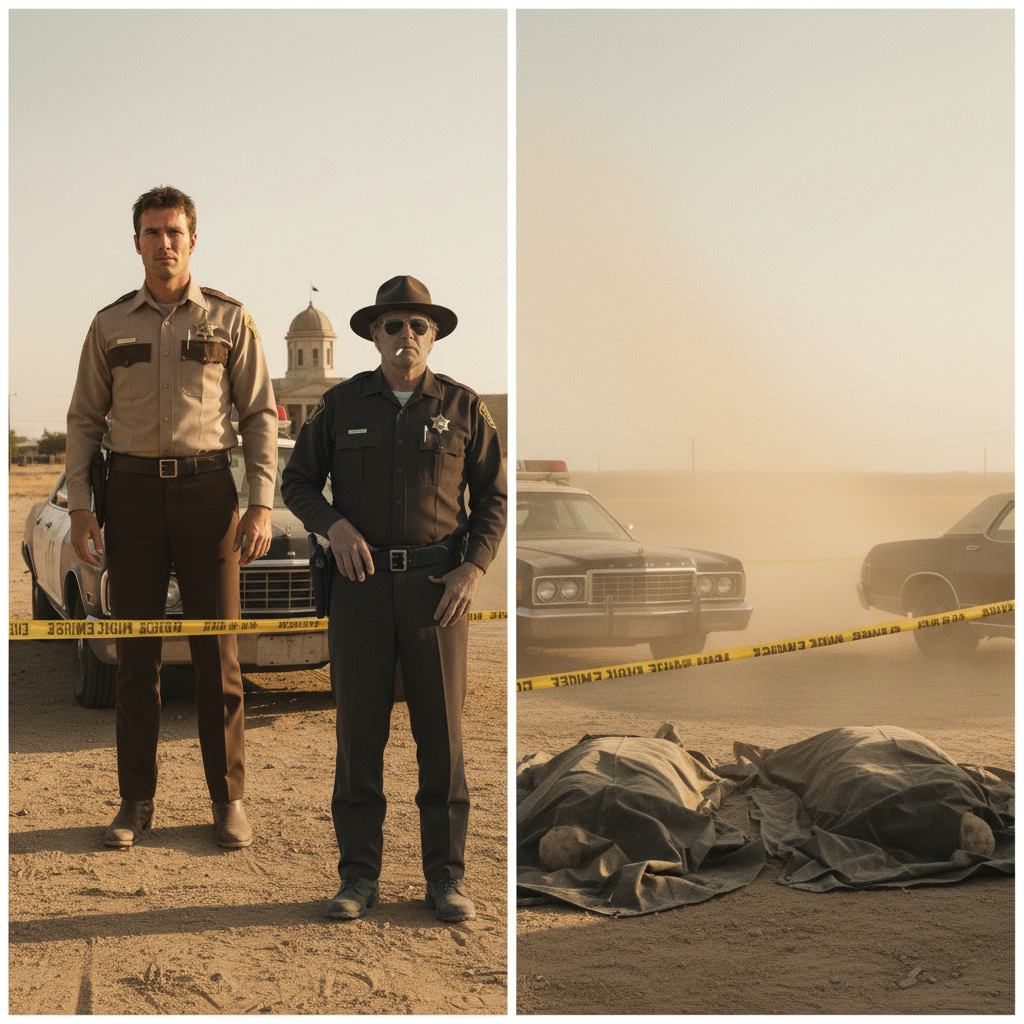 6 - A Dark Day at the Park 6 - A Dark Day at the Park
| 6 | 8.5 | 7 / 8 | 8 | 9 | 7.5 | 9 | 8 | 8 | 7.5 | 9 | 8 | 9 | 9 | 7 | 8 | 8 | 9 | 8.5 | 8 | 8 | |
| 7 - Shadows of Isolation | 11 | 8.5 | 7 / 8 | 8 | 8 | 8 | 9 | 8 | 8 | 6 | 8 | 7 | 8 | 8 | 7 | 9 | 7 | 9 | 8 | 9 | 8 | |
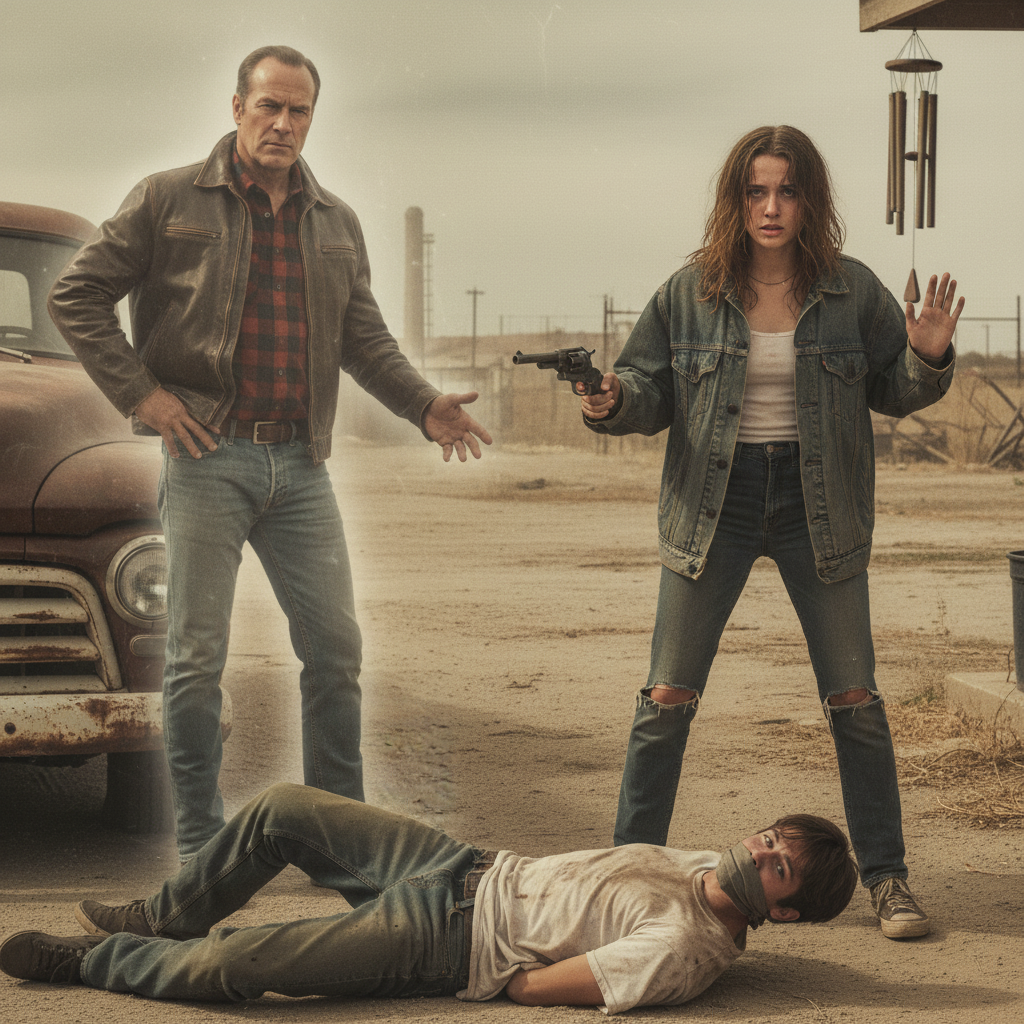 8 - A Gift of Darkness 8 - A Gift of Darkness
| 11 | 9.2 | 9 / 9 | 9 | 9 | 8 | 10 | 9 | 8 | 7 | 9 | 8 | 9 | 9 | 8 | 10 | 9 | 9 | 9 | 9 | 9 | |
| 9 - Escalation of Bullying | 14 | 9.2 | 9 / 9 | 9 | 9 | 8 | 9 | 9 | 8 | 7 | 9 | 8 | 9 | 9 | 8 | 10 | 9 | 9 | 8 | 8 | 8 | |
| 10 - Solitude and Shadows | 14 | 8.7 | 4 / 6 | 9 | 9 | 9 | 9 | 9 | 8 | 7.5 | 8 | 8 | 8 | 9 | 8 | 9 | 8 | 9 | 8.5 | 8 | 8 | |
| 11 - Forced Obligation | 15 | 8.5 | 7 / 8 | 9 | 8 | 8 | 9 | 7 | 8 | 7 | 7 | 7 | 6 | 7 | 7 | 9 | 9 | 9 | 8 | 8 | 8 | |
| 12 - Tension at the Station | 16 | 8.7 | 7 / 8 | 9 | 9 | 8 | 9 | 8 | 8 | 9 | 9 | 8 | 9 | 9 | 7 | 8 | 8 | 9 | 9 | 9 | 9 | |
|
13 - Echoes of the Past
| 17 | 8.7 | 9 / 9 | 9 | 9 | 8.5 | 9 | 9 | 8 | 7.5 | 8 | 8 | 8 | 9 | 9 | 9 | 8 | 9 | 8.5 | 8 | 8 | |
| 14 - A Shift in Perspective | 19 | 8.2 | 7 / 8 | 8 | 8 | 8 | 9 | 8 | 8 | 6 | 8 | 6 | 7 | 8 | 7 | 9 | 8 | 8 | 8 | 9 | 9 | |
| 15 - Ruth's Reign of Terror | 20 | 9.2 | 9 / 8 | 9 | 9 | 9 | 9 | 9 | 8 | 7 | 9 | 8 | 9 | 9 | 9 | 9 | 9 | 9 | 8 | 8 | 8 | |
| 16 - A Moment of Unease | 21 | 8.5 | 6 / 7 | 8 | 8 | 7.5 | 9 | 8 | 8 | 7 | 8 | 8 | 7 | 8 | 8 | 8 | 9 | 8.5 | 8 | 8 | 8 | |
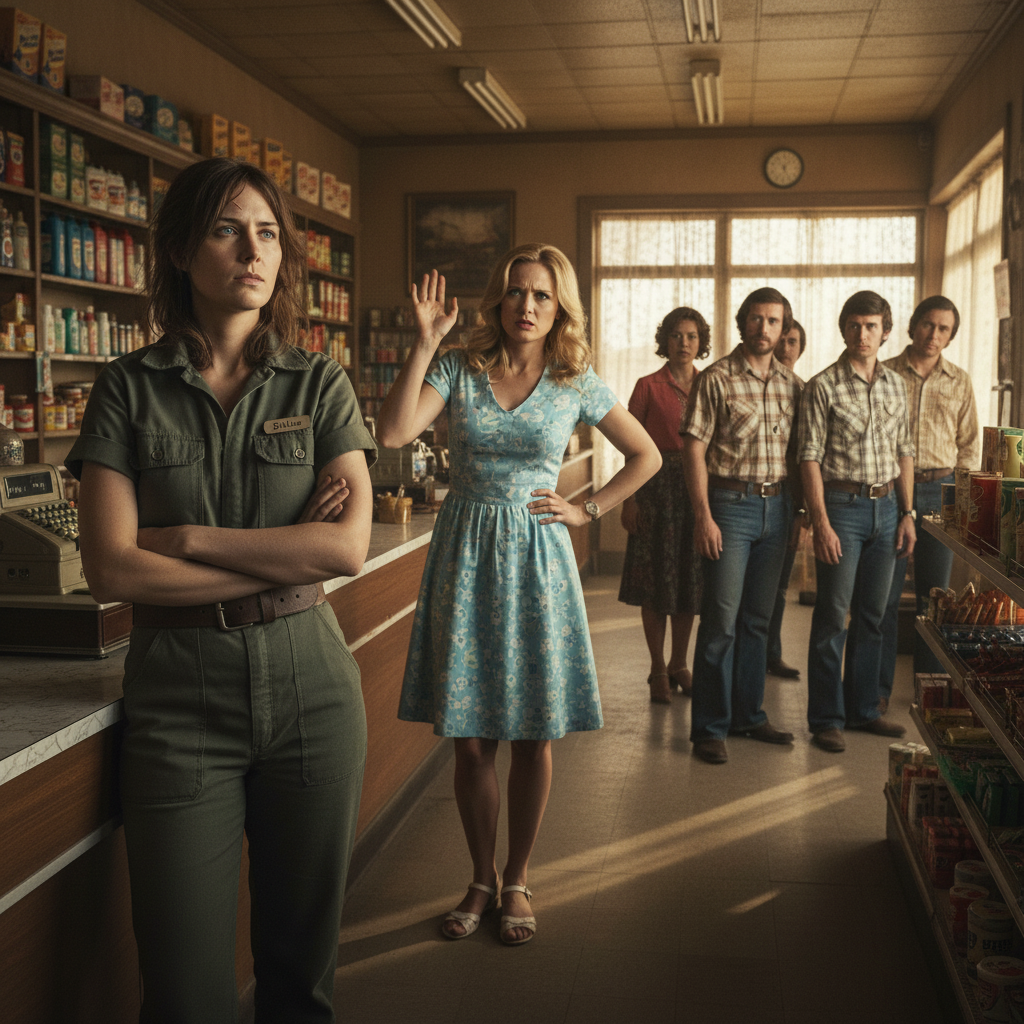 17 - Trance in the Drugstore 17 - Trance in the Drugstore
| 21 | 8.5 | 9 / 8 | 9 | 8 | 8.5 | 9 | 8 | 8 | 7 | 9 | 7 | 8 | 8 | 8 | 9 | 8 | 8.5 | 8 | 8 | 8 | |
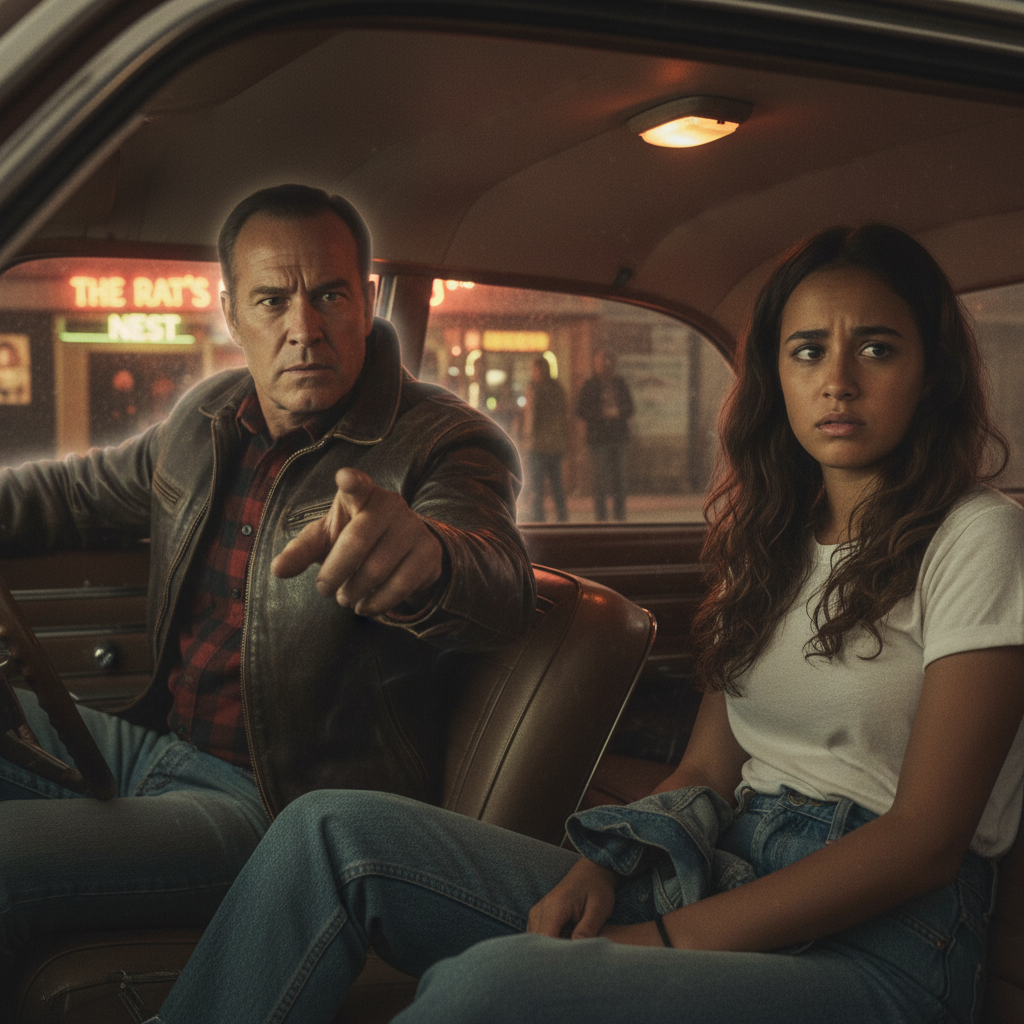 18 - Lessons in the Night 18 - Lessons in the Night
| 22 | 8.5 | 6 / 7 | 9 | 8 | 9 | 9 | 8 | 8 | 7.5 | 9 | 8 | 8 | 8 | 9 | 9 | 9 | 9 | 8.5 | 8 | 8 | |
| 19 - Tension at the Counter | 24 | 8.5 | 5 / 7 | 9 | 8 | 9 | 9 | 8 | 8 | 7.5 | 8 | 8 | 8 | 8 | 8 | 9 | 8 | 9 | 8.5 | 8 | 8 | |
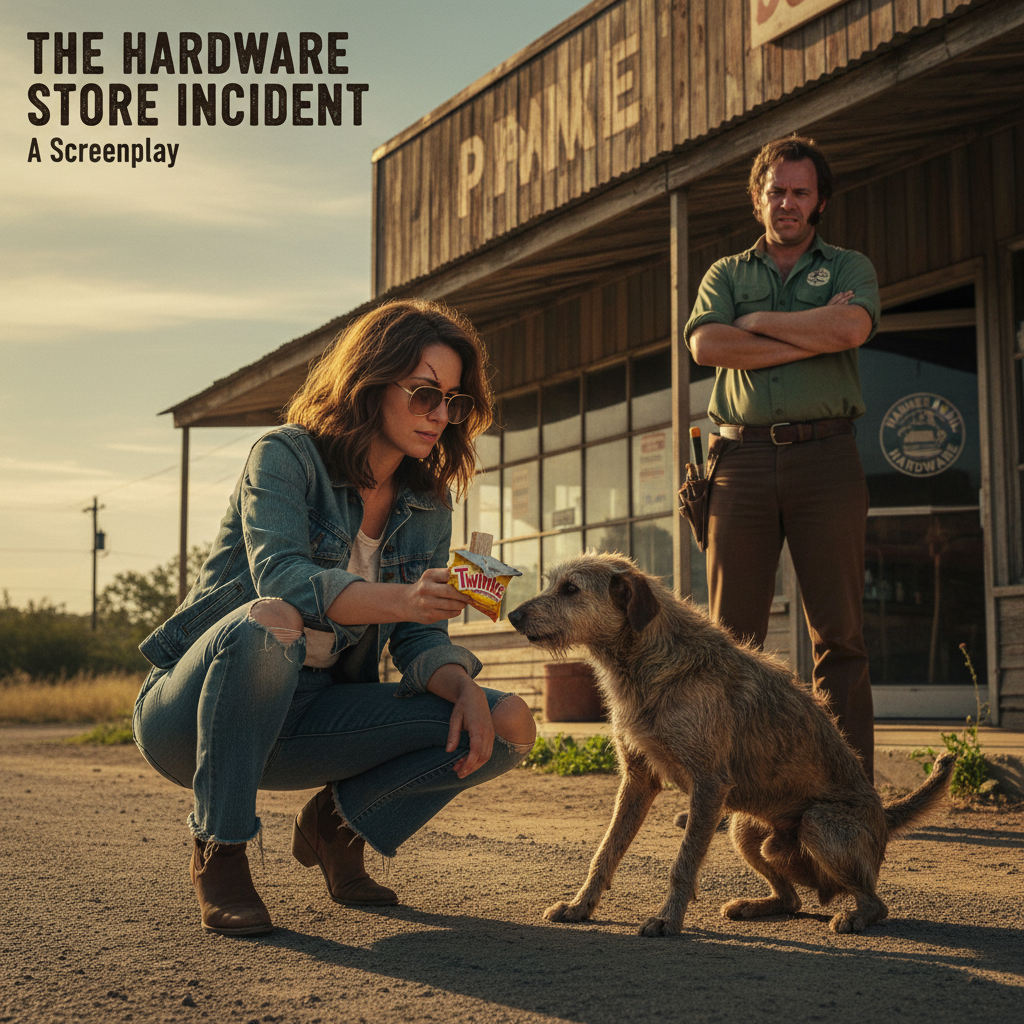 20 - A Day at Hank's Hardware 20 - A Day at Hank's Hardware
| 25 | 8.2 | 8 / 9 | 8 | 8 | 7.5 | 9 | 7 | 8 | 7.5 | 6 | 8 | 6 | 6 | 7 | 7 | 7 | 8.5 | 8 | 8 | 8 | |
| 21 - Confronting Injustice | 27 | 8.5 | 8 / 9 | 8 | 8 | 8 | 9 | 8 | 9 | 8 | 8 | 8 | 8 | 8 | 8 | 9 | 8 | 9 | 9 | 9 | 9 | |
| 22 - Fractured Peace | 28 | 8.5 | 6 / 7 | 8 | 8 | 7 | 9 | 8 | 8 | 7 | 8 | 7 | 7 | 8 | 7 | 9 | 9 | 9 | 8 | 8 | 8 | |
| 23 - Haunted by the Past | 30 | 8.5 | 8 / 9 | 9 | 8 | 8 | 9 | 8 | 9 | 7.5 | 8 | 8 | 8 | 9 | 8 | 9 | 9 | 9 | 8.5 | 8 | 8 | |
| 24 - Hunting Shadows | 31 | 8.7 | 9 / 9 | 9 | 9 | 9 | 9 | 9 | 8 | 7.5 | 9 | 8 | 8 | 9 | 9 | 9 | 9 | 9 | 8.5 | 8 | 8 | |
| 25 - Rising Tensions | 33 | 8.5 | 7 / 8 | 8 | 9 | 8 | 8 | 7 | 8 | 7.5 | 8 | 8 | 8 | 9 | 8 | 8 | 9 | 9 | 8.5 | 8 | 8 | |
| 26 - Desert Disposal | 35 | 8.7 | 8 / 9 | 9 | 9 | 8 | 9 | 9 | 9 | 7 | 9 | 8 | 9 | 9 | 8 | 9 | 8 | 9 | 9 | 8 | 8 | |
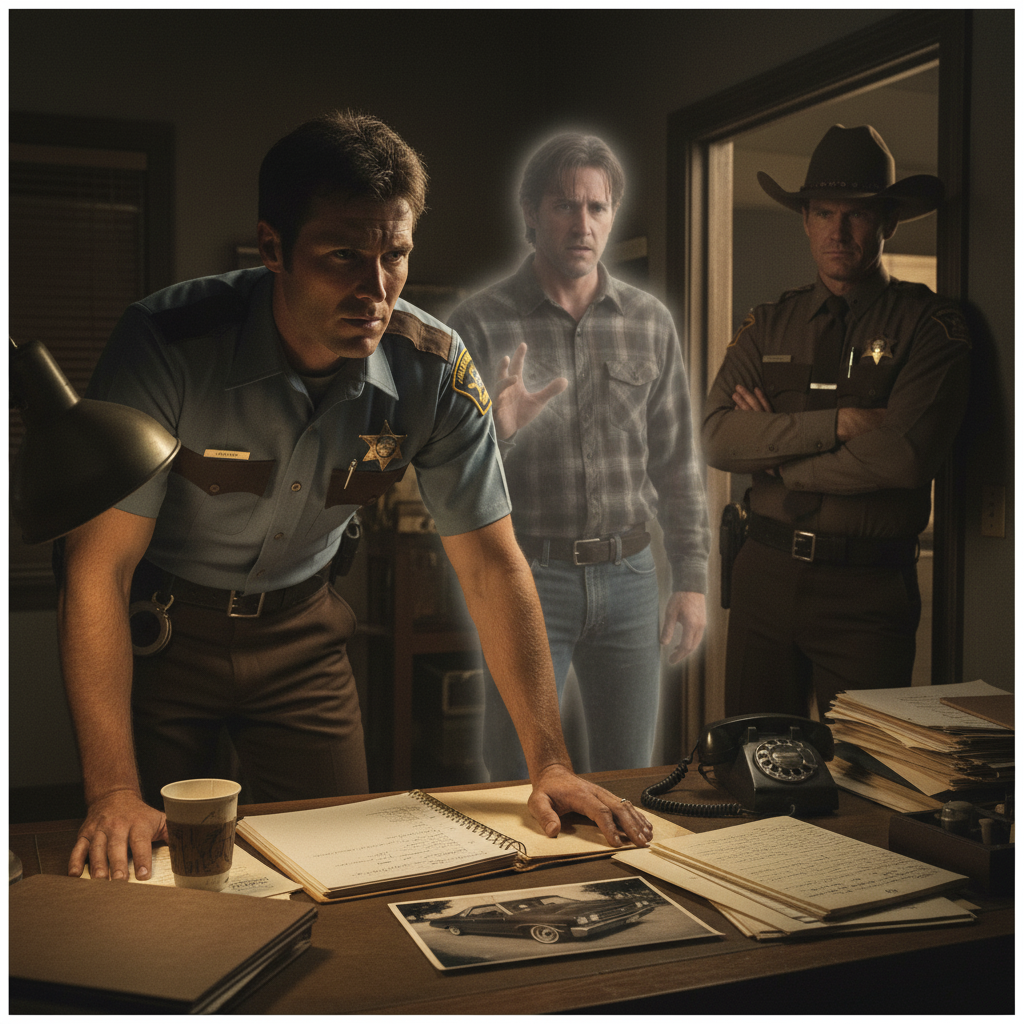 27 - Buried Secrets 27 - Buried Secrets
| 36 | 8.7 | 8 / 9 | 9 | 9 | 8 | 9 | 9 | 8 | 7.5 | 9 | 8 | 9 | 9 | 8 | 9 | 9 | 9 | 8.5 | 8 | 8 | |
| 28 - Reflections of Regret | 37 | 8.5 | 7 / 8 | 8 | 8 | 8 | 9 | 8 | 8 | 7 | 6 | 7 | 7 | 7 | 7 | 9 | 7 | 8 | 8 | 8 | 8 | |
| 29 - A Knock at the Door | 38 | 8.5 | 7 / 9 | 8 | 8 | 7 | 9 | 7 | 8 | 7 | 7 | 7 | 6 | 7 | 7 | 8 | 8 | 8 | 8 | 9 | 9 | |
| 30 - A Night of Tension | 38 | 8.5 | 7 / 8 | 8 | 9 | 8 | 8 | 7 | 8 | 7.5 | 7 | 8 | 8 | 9 | 7 | 8 | 9 | 9 | 8.5 | 8 | 8 | |
| 31 - Fireside Reflections | 39 | 8.5 | 7 / 8 | 8 | 8 | 9 | 9 | 8 | 8 | 7.5 | 8 | 8 | 7 | 7 | 7 | 9 | 9 | 9 | 8.5 | 8 | 8 | |
|
32 - Confrontation in Isolation
| 43 | 8.5 | 7 / 7 | 9 | 8 | 8 | 8 | 8 | 8 | 6 | 6 | 7 | 5 | 6 | 7 | 9 | 7 | 8 | 8 | 9 | 9 | |
| 33 - FBI Takeover | 44 | 8.5 | 8 / 8 | 8 | 9 | 7.5 | 8 | 6 | 8 | 7.5 | 9 | 8 | 8 | 9 | 8 | 7 | 9 | 9 | 8.5 | 8 | 8 | |
| 34 - Torn Between Duty and Family | 44 | 8.5 | 8 / 9 | 8 | 9 | 7.5 | 8 | 8 | 8 | 7.5 | 9 | 8 | 8 | 9 | 7 | 8 | 9 | 9 | 8.5 | 8 | 8 | |
| 35 - Haunting Whispers | 46 | 8.5 | 9 / 9 | 9 | 8 | 9 | 9 | 8 | 8 | 7 | 8 | 7 | 8 | 7 | 8 | 9 | 7 | 9 | 8 | 8 | 8 | |
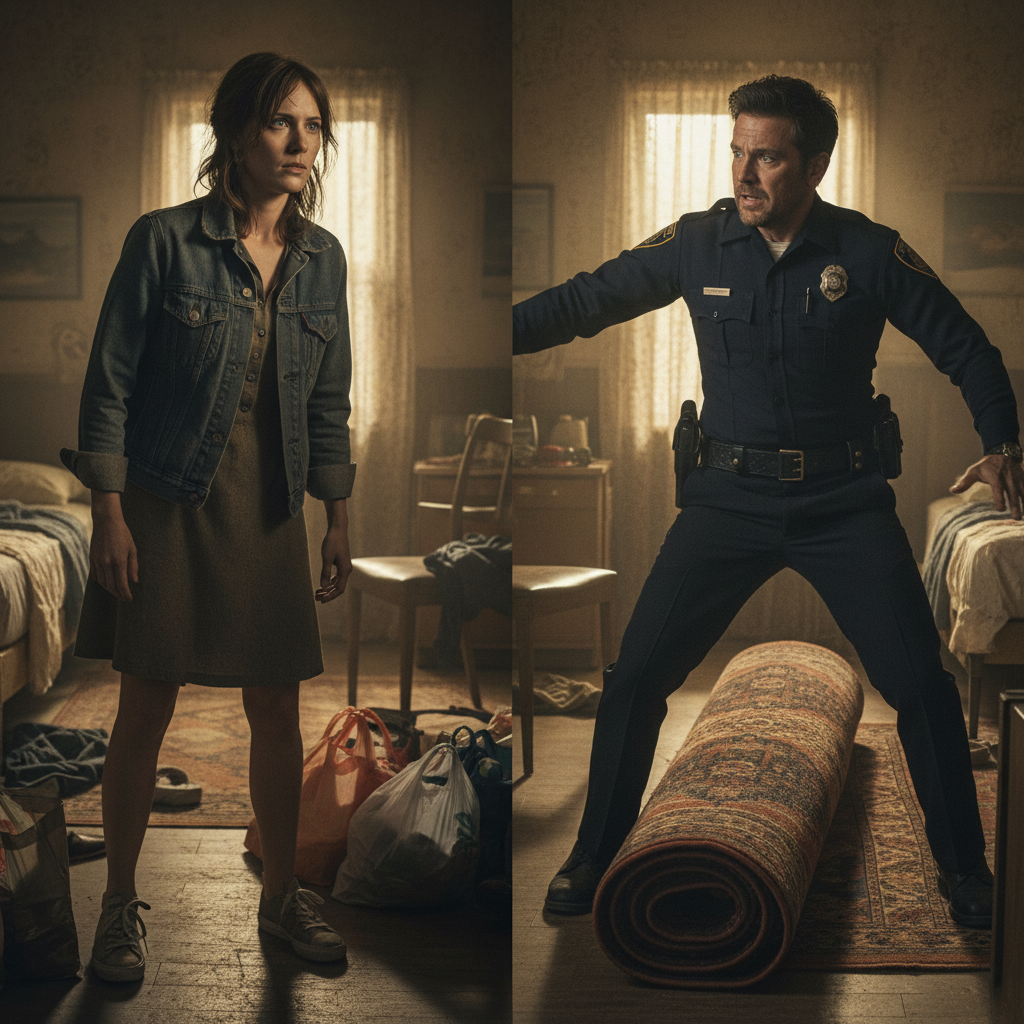 36 - Descent into Chaos 36 - Descent into Chaos
| 47 | 8.5 | 9 / 9 | 9 | 8 | 8 | 9 | 8 | 8 | 7.5 | 9 | 8 | 9 | 8 | 9 | 9 | 8 | 9 | 8.5 | 8 | 8 | |
| 37 - Night of Violence | 52 | 9.2 | 9 / 9 | 9 | 9 | 8 | 9 | 9 | 8 | 7.5 | 10 | 8 | 9 | 9 | 9 | 10 | 9 | 9 | 8.5 | 8 | 8 | |
|
38 - Confronting the Past
| 53 | 9.2 | 7 / 8 | 9 | 9 | 9 | 10 | 9 | 8 | 7 | 9 | 7 | 8 | 9 | 8 | 10 | 8 | 9 | 8 | 8 | 8 | |
| 39 - Urgent Commands | 55 | 8.2 | 8 / 9 | 8 | 9 | 8 | 8 | 5 | 8 | 7.5 | 8 | 8 | 7 | 8 | 7 | 6 | 7 | 9 | 8.5 | 9 | 9 | |
| 40 - Frantic Disposal | 55 | 8.5 | 9 / 9 | 9 | 8 | 8 | 9 | 8 | 8 | 7 | 9 | 8 | 9 | 8 | 8 | 8 | 7 | 9 | 9 | 9 | 9 | |
| 41 - Ruth's Desperate Escape | 55 | 8.5 | 9 / 9 | 8 | 9 | 7 | 8 | 8 | 8 | 7 | 9 | 8 | 9 | 9 | 7 | 8 | 8 | 9 | 9 | 8 | 8 | |
| 42 - Tension at the Threshold | 56 | 8.5 | 7 / 8 | 9 | 8 | 8 | 9 | 7 | 8 | 7.5 | 9 | 8 | 9 | 8 | 8 | 8 | 8 | 9 | 8.5 | 8 | 8 | |
| 43 - Desperate Pursuit | 57 | 8.5 | 8 / 9 | 8 | 9 | 8 | 8 | 7 | 8 | 7 | 8 | 8 | 8 | 9 | 7 | 8 | 8 | 9 | 9 | 9 | 9 | |
|
44 - Jurisdictional Tensions at the Crime Scene
| 59 | 9.2 | 9 / 9 | 9 | 9 | 8 | 9 | 9 | 8 | 7.5 | 9 | 9 | 9 | 9 | 9 | 9 | 9 | 9 | 8.5 | 8 | 8 | |
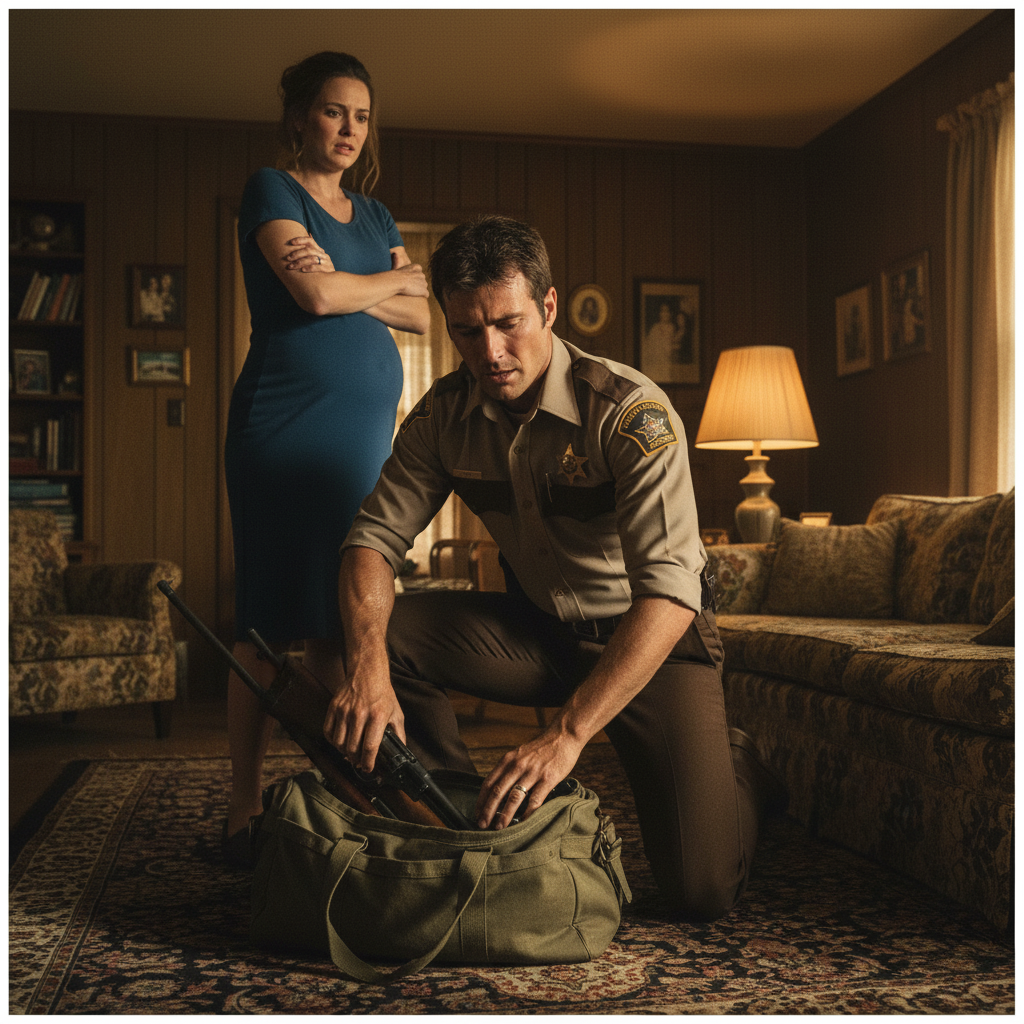 45 - A Heart Divided 45 - A Heart Divided
| 63 | 8.5 | 9 / 10 | 8 | 9 | 8 | 9 | 9 | 9 | 8 | 9 | 8 | 8 | 9 | 7 | 9 | 9 | 9 | 9 | 9 | 9 | |
 46 - A Compassionate Journey 46 - A Compassionate Journey
| 65 | 9.2 | 8 / 7 | 9 | 9 | 8 | 9 | 9 | 8 | 9 | 9 | 7 | 8 | 9 | 7 | 10 | 9 | 9 | 8 | 9 | 9 | |
- Physical environment: The physical environment is diverse and often harsh, ranging from the arid, dusty roads of Texas to the isolated deserts, and the gritty urban landscapes of cities. Natural elements like wind, harsh sunlight, and darkness play a significant role, often amplifying the tension. Natural settings like parks and woods are juxtaposed with confined spaces like studio apartments and cars, creating a sense of claustrophobia and vulnerability. The presence of decaying or neglected environments, like a closed-down apartment complex, further contributes to the grim atmosphere.
- Culture: The culture is a complex tapestry of Americana, with strong influences from the American South and the 1970s, blending nostalgia with a contemporary, often violent, undercurrent. Themes of revenge, justice, and survival are deeply ingrained. There's a palpable sense of disillusionment and a struggle against perceived societal failures. The influence of pop culture, like the TV show 'Dallas' and classic rock music, provides moments of fleeting normalcy or poignant contrast to the unfolding darkness. There's a cultural fascination with the macabre and a normalization of violence, particularly in Ruth's narrative.
- Society: Society is depicted as fractured and often corrupt, with law enforcement struggling to keep pace with escalating crime. There's a pervasive sense of distrust, with elements of corruption within the police force and the looming presence of federal agencies like the FBI. The societal structure highlights power dynamics, victimhood, and the pursuit of justice, often outside legal means. Isolation and solitude are recurring themes, reflecting a society where individuals are left to their own devices to cope with trauma and loss. The social fabric is strained by crime, personal tragedy, and the pressure to maintain appearances.
- Technology: Technology is a functional rather than a driving force. It primarily serves to advance the plot or enhance the atmosphere. Classic cars from the 70s evoke a sense of nostalgia and serve as key plot devices. Police radios and scanners signify the constant hum of law enforcement activity and the urgency of investigations. Modern communication, like cell phones, highlights the pressure of work-life balance, while the absence of advanced technology in certain scenes emphasizes a more primal, raw existence. Tools like guns, knives, and rope are prevalent, underscoring the violent nature of the world.
- Characters influence: The harsh physical environment breeds resilience and a capacity for extreme actions, especially in Ruth, who is shaped by trauma and her father's brutal teachings. The cultural emphasis on revenge and survival compels characters like Ruth and Thomas to engage in violent and morally ambiguous acts. Societal breakdown and the failures of the justice system push characters like Thomas to take matters into their own hands, while Ruth is driven by a distorted sense of justice inherited from her father. The limited technology emphasizes the characters' reliance on their own instincts and physical capabilities in navigating a dangerous world.
- Narrative contribution: These world elements are crucial in driving the narrative forward. The stark contrast between the nostalgic 1978 setting and the contemporary, crime-ridden world creates immediate tension. The bleak physical environments mirror the characters' internal struggles and the dark themes explored. The societal cracks, evident in the overwhelmed police force and corrupt elements, provide fertile ground for the escalating violence and the protagonists' desperate quests for justice or survival. The reliance on older technology reinforces the cyclical nature of violence and the enduring impact of trauma.
- Thematic depth contribution: The world-building profoundly contributes to the screenplay's thematic depth by exploring the cyclical nature of violence, the corrupting influence of trauma, and the blurred lines between justice and revenge. The juxtaposition of nostalgic cultural elements with brutal realities highlights the decay of innocence and the pervasive darkness beneath a seemingly ordinary surface. The harsh environments and societal failures underscore themes of isolation, the struggle for survival, and the desperate search for meaning and redemption in a world devoid of easy answers. The narrative interrogates the human capacity for both extreme violence and profound empathy, often within the same character.
| Voice Analysis | |
|---|---|
| Summary: | The writer's voice is characterized by a potent blend of gritty realism and psychological intensity. This is evident in the sharp, often darkly humorous dialogue that belies profound emotional turmoil, and in narrative descriptions that are both starkly visual and deeply introspective. The voice leans into the exploration of morally ambiguous characters, the weight of past traumas, and the blurring lines between sanity and delusion. There's a consistent undercurrent of unease, often amplified by unexpected shifts in tone and a keen focus on the psychological landscape of its protagonists. |
| Voice Contribution | The writer's voice contributes significantly to the overall mood by establishing a pervasive sense of suspense and dread, punctuated by moments of dark wit and raw emotional honesty. It deepens the themes of trauma, guilt, and the struggle for control by portraying characters who are both perpetrators and victims of circumstance, often within the same breath. The voice adds depth by delving into the internal lives of its characters, making their psychological struggles as compelling as the external plot points. |
| Best Representation Scene | 2 - Trapped in Denial |
| Best Scene Explanation | Scene 2 best showcases the author's unique voice due to its masterful juxtaposition of mundane actions with profound horror. Ruth's casual demeanor while driving with a dead body, her delusional dialogue with an absent 'dad,' and the stark contrast between the news reports and her internal state all exemplify the writer's ability to create unease and psychological depth. The scene's blend of dark reality, internal delusion, and hints of deep-seated trauma encapsulates the writer's signature style of unsettling realism and psychological exploration. |
Style and Similarities
The screenplay's writing style is characterized by a potent blend of sharp, often intense dialogue, significant moral ambiguity, and a deep exploration of complex character psychology. There's a recurring emphasis on building tension, both through verbal exchanges and escalating conflict, often leading to dramatic confrontations. The narrative frequently delves into dark themes, crime, and the psychological toll it takes on individuals, while also incorporating elements of suspense, unexpected twists, and a gritty realism. A notable undercurrent is the exploration of internal conflicts, power dynamics, and the blurred lines between right and wrong, making for a compelling and often unpredictable viewing experience.
Style Similarities:
| Writer | Explanation |
|---|---|
| Quentin Tarantino | Quentin Tarantino's influence is evident across a significant number of scenes. The recurring themes of intense dialogue, moral ambiguity, dark humor, sudden violence, and morally complex characters strongly align with his signature style. His ability to blend mundane activities with underlying tension and explore power dynamics through sharp exchanges is a consistent thread. |
| David Fincher | David Fincher's presence is felt in the screenplay's consistent creation of dark, atmospheric thrillers with psychological depth. The meticulous attention to detail in depicting violence, the focus on intricate plots, and the crafting of tension-filled narratives with shocking revelations are hallmarks that appear frequently. |
| Gillian Flynn | Gillian Flynn's influence is significant, particularly in the exploration of dark themes, complex female characters, psychological mysteries, and moral dilemmas. The screenplay often delves into the dark underbelly of seemingly normal settings and examines the complexities of human emotions and the consequences of dark choices. |
| David Mamet | The recurring presence of sharp, concise, and impactful dialogue, often filled with subtext and power struggles, points to David Mamet's influence. The focus on intense confrontations and the revelation of character motivations through raw dialogue is a consistent element. |
| Charlie Kaufman | Charlie Kaufman's style is discernible in scenes that explore complex psychological themes, surreal elements, blurred realities, and introspective character journeys. The screenplay's capacity to delve into the inner workings of characters' minds and present emotional turmoil in a unique, often non-linear fashion aligns with his approach. |
Other Similarities: The screenplay demonstrates a strong command of dialogue as a primary driver of plot and character development. There's a consistent lean towards mature themes and a willingness to explore the darker aspects of human nature. While Tarantino's influence is pervasive, the integration of elements from Fincher, Flynn, Mamet, and Kaufman suggests a sophisticated and multifaceted writing style that avoids being a mere imitation, instead weaving these influences into a unique tapestry.
Top Correlations and patterns found in the scenes:
| Pattern | Explanation |
|---|---|
| High Emotional Impact is Consistently Tied to Intense, Dark, and Suspenseful Tones | Scenes rated 9 or 10 for Emotional Impact almost exclusively feature 'Intense', 'Dark', and 'Suspenseful' in their tone descriptions. This suggests a strong and reliable formula for generating high emotional resonance: lean into darker, more suspenseful, and intense scenarios. It's worth noting that 'Emotional' as a standalone tone doesn't always guarantee a top-tier Emotional Impact score unless paired with these other elements (e.g., Scene 9 has 'Emotional' and scores a 10, but Scene 10 has 'Emotional' and scores a 9). |
| The 'Move Story Forward' Score Peaks When Conflict and High Stakes are Present | Scenes scoring 9 or 10 for 'Move Story Forward' also tend to have high scores (8-10) for both 'Conflict' and 'High Stakes'. This indicates that moments where the plot is advancing most effectively are those where characters are actively facing challenges and significant consequences. Conversely, scenes with lower 'Move Story Forward' scores (e.g., Scene 1, Scene 20, Scene 32, Scene 39) often have lower 'Conflict' and 'High Stakes' ratings. |
| Character Changes Lag Behind Emotional Impact and Plot Advancement | While many scenes achieve high scores for 'Emotional Impact' and 'Move Story Forward' (often 8-10), the 'Character Changes' score is frequently lower (ranging from 5-9). This suggests a potential area for growth. The author excels at creating impactful and plot-driving moments, but translating those into significant character development within individual scenes might be less consistent. For instance, Scenes 2, 3, and 4 have perfect scores for many elements but only an 8 for 'Character Changes'. This implies the narrative momentum and emotional punch are strong, but the internal shifts of characters might be subtler or not always explicitly scored as high. |
| Dialogue Scores Show Remarkable Consistency, Suggesting a Strong Voice, but May Not Always Drive High Scores | Dialogue scores are consistently high, mostly in the 8-9 range, across the majority of scenes. This indicates a strong and reliable command of dialogue. However, a high dialogue score doesn't always correlate with the absolute highest scores in other categories. For example, Scene 11 has a 9 for Dialogue but a 6 for Emotional Impact and 7 for Move Story Forward. This suggests the dialogue is good, but the effectiveness of its *impact* on the overall scene grade might be dependent on the other elements present. |
| The 'Dark', 'Intense', and 'Suspenseful' Triumvirate is the Most Reliable Formula for High Overall Grades | Looking at scenes with an Overall Grade of 9, the most frequent tonal descriptors are 'Dark', 'Intense', and 'Suspenseful'. When these three are present, the Overall Grade is almost always a 9. Even when other tones are present (e.g., 'Mysterious', 'Emotional'), the presence of this triumvirate is a strong predictor of success. This is a core strength of the writing. |
| Lower 'Concept' Scores Tend to Coincide with Lower 'Emotional Impact' and 'Move Story Forward' | While most 'Concept' scores are high (8-9), the few instances of a lower score (e.g., Scene 1 at 7, Scene 20 at 6) are also associated with lower 'Emotional Impact' and 'Move Story Forward' scores. This suggests that the underlying idea or premise of a scene, when not as strong, can directly impact its ability to engage emotionally and propel the narrative. |
| The Peak of Dramatic Tension and Emotional Resonance (Scenes 3, 4, 5, 8, 9, 15, 24, 26, 27, 44, 46) Is Characterized by a Specific Blend of Tones and High Stakes | Scenes that achieve a near-perfect or perfect score across multiple categories (especially Overall Grade, Plot, Characters, Emotional Impact, Conflict, High Stakes, and Move Story Forward) are consistently marked by a combination of 'Dark', 'Intense', 'Suspenseful', and often 'Mysterious' tones, with a strong emphasis on 'High Stakes'. These moments represent the narrative's highest points of engagement and efficacy. The author has a clear ability to craft these standout scenes. |
| Scenes with 'Reflective' or 'Informative' Tones Often Have Slightly Lower 'High Stakes' and 'Conflict' Scores | Scenes labeled 'Reflective' (Scenes 14, 22, 31, 44) or 'Informative' (Scene 14) tend to have slightly lower scores in 'High Stakes' and 'Conflict' compared to the more action-oriented or tension-filled scenes. This is not necessarily a negative, but it indicates that scenes focused on exposition or introspection may naturally dial back the immediate pressure, which is a functional choice. However, Scene 44 is an exception, demonstrating that 'Reflective' can coexist with peak performance when combined with other strong elements. |
| The 'Character Changes' Score Seems to Be Most Influenced by the Strength of Other Elements, Rather Than Driving Them | Looking at the data, 'Character Changes' doesn't consistently lead to improvements in other areas. Instead, high scores in 'Emotional Impact', 'Plot', and 'Move Story Forward' often accompany decent 'Character Changes' scores, but rarely the other way around. This reinforces the idea that the author's strength lies in crafting compelling external events and emotional experiences, and character evolution is a positive outcome of these, rather than a primary driver of the scene's overall success. |
Writer's Craft Overall Analysis
The screenplay demonstrates a strong foundation in character development, emotional depth, and the creation of tension and suspense. The writer has a clear voice and shows a commendable ability to craft compelling narratives, particularly in dialogue-driven scenes and those exploring complex psychological and moral themes. There's a consistent strength in establishing atmosphere and engaging the audience in the protagonist's internal world. The ability to blend genres, such as mystery, drama, and even touches of dark humor, is a notable asset. However, there's an opportunity to further refine narrative structure, particularly in scenes utilizing non-linear elements, and to deepen the exploration of subtext and nuanced character motivations.
Key Improvement Areas
Suggestions
| Type | Suggestion | Rationale |
|---|---|---|
| Book | 'Story: Substance, Structure, Style, and the Principles of Screenwriting' by Robert McKee | While 'Save the Cat!' provides excellent foundational structure, McKee's work delves deeper into the principles of storytelling, character arc, and thematic resonance. This will complement the existing strengths and address areas like narrative structure and deepening character motivations. |
| Screenplay | Read the screenplay for 'Eternal Sunshine of the Spotless Mind' by Charlie Kaufman | This screenplay is a masterclass in non-linear storytelling, emotional depth, and blending surreal elements with relatable human experiences. It directly addresses the suggestion to study screenplays with non-linear structures and offers inspiration for emotional resonance and unique thematic exploration. |
| Video | Watch analysis videos on the use of subtext in film dialogue (e.g., on YouTube channels like 'Every Frame a Painting' or specific screenwriting analysis channels) | Understanding how skilled filmmakers and screenwriters employ subtext in dialogue can significantly enhance the writer's ability to create layered character interactions and build tension through what is unsaid. |
| Exercise | Practice writing 'dialogue-only' scenes where all exposition, character emotion, and plot progression must be conveyed solely through spoken words, without any action lines or parentheticals. Focus on making the subtext evident.Practice In SceneProv | This exercise directly targets the improvement area of subtext and dialogue nuance. By stripping away other elements, the writer is forced to make every word count and to imbue the dialogue with layers of meaning, thereby enhancing character interactions and conflicts. |
| Exercise | Write three short scenes (5 pages each) each depicting a character making a difficult moral choice. In each scene, focus on showing the internal conflict through actions, expressions, and very sparse, deliberate dialogue, rather than explicit narration or internal monologue.Practice In SceneProv | This exercise aims to deepen the exploration of internal conflict and moral dilemmas, pushing the writer to rely on visual storytelling and subtle character actions to convey complex emotions and motivations, addressing the need for more nuanced character development and psychological depth. |
| Exercise | Take a scene you've already written and rewrite it from the perspective of a secondary character, focusing on their motivations, perceptions, and any unspoken tensions they experience with the protagonist.Practice In SceneProv | This exercise encourages a deeper understanding of supporting characters and their roles in the narrative, helping to flesh out their motivations and to explore the nuances of their relationships with the protagonist. This will directly address the need to deepen character motivation beyond the protagonist. |
Here are different Tropes found in the screenplay
| Trope | Trope Details | Trope Explanation |
|---|---|---|
| The Unhinged Anti-Hero | Ruth, the protagonist, exhibits violent tendencies and a troubled psyche, influenced by her father's teachings and her traumatic past. | This trope involves a character who operates outside the law, often engaging in morally questionable actions for a perceived greater good. An example is the character of Dexter Morgan from the TV show 'Dexter', who is a vigilante serial killer targeting other killers. |
| Flashbacks | The screenplay frequently uses flashbacks to reveal Ruth's traumatic past and her relationship with her father, Ed. | Flashbacks are a narrative device used to provide background information or context about a character's past. A well-known example is 'Lost', where characters' backstories are revealed through flashbacks. |
| The Deadly Femme Fatale | Ruth embodies the femme fatale archetype, using her charm and allure to manipulate and harm others. | This trope features a seductive woman who leads men to their doom, often using her sexuality as a weapon. An example is Catherine Tramell in 'Basic Instinct'. |
| The Mentor's Ghost | Ruth frequently hallucinates her deceased father, Ed, who guides and influences her actions. | This trope involves a character receiving guidance or wisdom from a deceased mentor, often in the form of visions or hallucinations. An example is Obi-Wan Kenobi in 'Star Wars', who appears to guide Luke Skywalker. |
| The Tragic Backstory | Ruth's violent tendencies are rooted in her traumatic childhood experiences and her father's abusive teachings. | This trope involves a character whose current behavior is explained by a painful or traumatic past. An example is Bruce Wayne in 'Batman', whose parents' murder drives him to become a vigilante. |
| The Cop with a Troubled Past | Thomas, the sheriff, is haunted by the unsolved murder of his brother, which drives his obsession with justice. | This trope features a law enforcement officer whose personal history affects their professional life. An example is Jim Gordon in 'Gotham', who struggles with his past while trying to uphold the law. |
| The Body Count | The screenplay features multiple murders and violent acts committed by Ruth, contributing to a high body count. | This trope refers to the number of deaths in a story, often used in horror or action genres to heighten tension. An example is 'Scream', which is known for its high body count. |
| The Unreliable Narrator | Ruth's perception of reality is distorted by her hallucinations and trauma, making her an unreliable narrator. | This trope involves a narrator whose credibility is compromised, leading to a skewed understanding of events. An example is 'Fight Club', where the protagonist's mental state affects the narrative. |
| The Final Confrontation | The climax involves a confrontation between Ruth and the law enforcement characters, particularly Thomas. | This trope refers to the climactic showdown between opposing forces, often leading to resolution. An example is the final battle in 'The Dark Knight' between Batman and the Joker. |
Memorable lines in the script:
| Scene Number | Line |
|---|---|
| 6 | SHERIFF COOPER: God damn! What a lovely day! Woke up in the morning in a good mood. And the first thing I get to do at work is to examine yet again cadavers with wind blowing up my ass and the sun shining on my face! What a day! |
| 10 | ED: I'm proud of you Ruth. Don't let anybody make you feel like that ever again. |
| 27 | RUTH: No hard feelings. I just need to do right by my dad. He would’ve done much worse to you... Are we cool? |
| 45 | JULIE: You think it’s white, but what if the horse you riding on is pale? You ever thought of that? |
| 2 | RUTH: Oh, man! That's embarrassing. Right, dad? |
Logline Analysis
Top Performing Loglines
Creative Executive's Take
This logline stands out as the most commercially appealing due to its masterful blend of high-stakes action and deep emotional resonance, perfectly capturing the script's core conflict between a haunted deputy and a psychotic killer. By referencing the original 'id' logline_0, it accurately reflects Thomas's obsession with his brother's unsolved murder and Ruth's guidance from her dead father's voice, both central elements supported throughout the script summary. Its marketability lies in the gripping cat-and-mouse dynamic, evoking comparisons to classics like 'Silence of the Lambs,' with a hook that promises psychological depth and relentless pursuit, making it ideal for audiences craving character-driven thrillers set in the evocative 1970s era.
Strengths
It effectively portrays Ruth as a complex antihero and sets up a clear conflict with high personal stakes for both characters.
Weaknesses
The phrasing is a bit awkward in parts, and it could better integrate the 1970s setting to enhance atmosphere.
Suggested Rewrites
Detailed Scores
| Criterion | Score | Reason | Evidence |
|---|---|---|---|
| Hook | 9 | The antihero concept and high-action elements are engaging, though it could be more vivid. | "The script's intense scenes, like the cop's death (scene 36) and Thomas's backstory (scene 13), provide a strong hook that the logline captures." |
| Stakes | 10 | Personal and societal stakes are high, with the threat of more violence and the deputy's emotional turmoil. | "The script escalates with Ruth's murders (e.g., scene 26) and Thomas's grief (scene 23), supporting the 'town burns' metaphor and his need to break rules." |
| Brevity | 9 | Concise at 28 words, it packs in key elements without excess. | "The logline mirrors the script's efficient pacing, such as quick cuts in scenes 4 and 43." |
| Clarity | 8 | Generally clear, but the semicolon and phrasing might disrupt flow slightly. | "The script shows Ruth's hallucinations (e.g., scenes 5, 24) and the suffocation of a cop (scene 36), but the logline's structure could be smoother for better readability." |
| Conflict | 9 | Internal and external conflicts are highlighted, including Ruth's hallucinations and the deputy's moral dilemmas. | "Conflict is shown in Ruth's trance states (e.g., scene 2) and Thomas's arguments with superiors (scene 34), reflecting the logline's themes." |
| Protagonist goal | 9 | Ruth's dark deeds and the deputy's mission to stop her are well-defined, creating strong character drives. | "Ruth's actions are driven by her father's voice (e.g., scenes 37, 38), and Thomas's goal is evident in his pursuit (scenes 43, 45), aligning with the logline." |
| Factual alignment | 9 | It accurately depicts Ruth's character and key events, but the 'town burns' is metaphorical and not literal in the script. | "Ruth suffocates a cop (scene 36) and is guided by her father (e.g., scene 38), while Thomas deals with grief (scene 23), though the town's escalation is implied in news reports (scene 25)." |
Creative Executive's Take
Logline_3 excels in its creative innovation by flipping the traditional hero-monster narrative, allowing the audience to delve into the killer's lonely interior while the law enforcement characters struggle to catch up, which is directly supported by the script's alternating perspectives and Ruth's trance-like states. Referencing 'id' logline_3, it faithfully incorporates the sunbaked 1970s backdrop and period-specific music, enhancing its factual accuracy and commercial potential as a procedural thriller with a fresh twist. This approach not only builds suspense but also humanizes the antagonist, drawing viewers in with a voyeuristic edge that could translate well to screen adaptations, appealing to fans of morally ambiguous stories like 'Se7en' or 'Mindhunter.'
Strengths
This logline cleverly highlights the unique narrative perspective and procedural elements, making it engaging by focusing on the killer's internal world alongside the pursuit.
Weaknesses
It is slightly wordy and less focused on specific character goals or stakes, which could make it feel more generic compared to the script's personal depth.
Suggested Rewrites
Detailed Scores
| Criterion | Score | Reason | Evidence |
|---|---|---|---|
| Hook | 9 | The flip of hero/monster is intriguing, drawing attention to the killer's perspective in a fresh way. | "The script's focus on Ruth's hallucinations (e.g., scenes 24, 36) and Thomas's determination (scene 45) creates a hook that the logline enhances with its meta-narrative angle." |
| Stakes | 9 | Stakes are suggested through the ongoing pursuit and potential capture, but they could be more personal and immediate. | "The script raises stakes with murders (e.g., scene 26) and Ruth's run (scene 43), aligning with the 'pin her down' phrase, though it lacks the emotional weight seen in Thomas's backstory." |
| Brevity | 8 | At 32 words, it is slightly long for a logline, with some descriptive flourishes that could be trimmed. | "While it covers setting and conflict, the wordiness might dilute impact, as seen in the concise nature of key script events like the chases in scenes 1 and 43." |
| Clarity | 8 | The logline is mostly clear but uses meta-language like 'flips the hero/monster switch' which might confuse some readers. | "The script shows Ruth's internal struggles (e.g., scenes 2, 5, and 35) and the police pursuit (e.g., scenes 6, 44), but the logline's focus on audience perspective isn't directly mirrored in the summary." |
| Conflict | 9 | The cat-and-mouse dynamic is well-captured, reflecting the tension between hunter and hunted. | "Conflict is evident in police investigations (scenes 6, 27) and Ruth's evasion (scenes 36, 43), supporting the procedural aspect described." |
| Protagonist goal | 7 | It implies the killer's and police's goals but doesn't explicitly state them, making it vague. | "Ruth's goal of evading capture is hinted in scenes like 28 and 43, and Thomas's goal is pursuit (scene 45), but the logline prioritizes narrative style over character objectives." |
| Factual alignment | 9 | It accurately conveys the 1970s setting, procedural elements, and dual perspectives, though it generalizes the 'battered men and women in uniform.' | "The script includes period details (e.g., music in scenes 4, 17) and police exhaustion (scene 25), but the logline's emphasis on audience following the 'monster' aligns with Ruth's interior scenes (e.g., scene 35)." |
Creative Executive's Take
With its focus on a sympathetic antihero and escalating stakes, logline_2 delivers a punchy, action-oriented hook that aligns perfectly with the script's depiction of Ruth's casual violence and Thomas's moral dilemmas, including the pivotal moment where Ruth suffocates a cop. By tying back to 'id' logline_2, it accurately captures Ruth's internal justification for her killings and Thomas's rule-breaking pursuit, making it factually sound and commercially viable as a high-tension thriller. The logline's emphasis on vengeance and justice themes taps into universal emotions, positioning it as a marketable package for studios seeking gritty, character-focused narratives akin to 'No Country for Old Men,' with broad appeal in the crime genre.
Strengths
It succinctly sets the scene and conflict, effectively highlighting the unraveling of the killer's life and the deputy's role.
Weaknesses
It underplays the deputy's personal stakes and the killer's internal hallucinations, missing some emotional depth present in the script.
Suggested Rewrites
Detailed Scores
| Criterion | Score | Reason | Evidence |
|---|---|---|---|
| Hook | 8 | It's intriguing with the unraveling life and ghostly confrontation, but could be more vivid to grab attention. | "The script's hook is in Ruth's psychological depth (e.g., scene 2) and Thomas's persistence (scene 34), which the logline captures but could heighten for drama." |
| Stakes | 8 | Stakes are implied through unraveling and confrontation, but they lack the urgency of potential escape or more deaths. | "The script raises stakes with Ruth's flight (scene 43) and Thomas's emotional investment (scene 45), though the logline doesn't emphasize immediate threats like in scene 26." |
| Brevity | 10 | At 22 words, it is highly concise and focused. | "The logline's brevity mirrors the script's efficient storytelling, such as quick scene transitions in acts like scene 28." |
| Clarity | 9 | The logline is clear and logically structured, making the sequence of events easy to follow. | "The script details Ruth's life falling apart (e.g., scenes 28, 36) and Thomas's investigation (e.g., scene 27), aligning with the logline's narrative." |
| Conflict | 9 | The conflict between pursuit and internal confrontation is well-portrayed. | "Conflict arises from Thomas's investigations (e.g., scene 27) and Ruth's hallucinations forcing her to face her past (scenes 35, 38), supporting the logline." |
| Protagonist goal | 8 | It defines the deputy's goal to connect her to murders, but Ruth's goals are less explicit. | "Thomas's determination is shown in scenes like 12 and 44, and Ruth's unraveling is depicted in flashbacks (e.g., scene 37), but the logline could better capture Ruth's agency." |
| Factual alignment | 9 | It accurately reflects the setting, murders, and paternal influence, though it simplifies the deputy's backstory. | "The 1970s Texas setting (e.g., scene 1), string of murders (e.g., scene 6), and Ruth confronting her father (scenes 37, 38) are well-represented." |
Creative Executive's Take
Logline_21 effectively weaves the story's key elements into a concise cat-and-mouse thriller, highlighting Ruth's unraveling life and Thomas's investigative breakthroughs, which are well-supported by the script's progression from her hallucinations to the deputy's pattern recognition. Referencing 'id' logline_21, it remains factually accurate by incorporating the 1970s Texas setting and the ghost of her manipulative father, adding layers of psychological complexity that enhance its commercial draw. This logline's strength lies in its specificity, offering a clear narrative arc that could attract directors interested in intimate thrillers, much like 'Prisoners,' by balancing personal stakes with broader suspense to engage a wide audience.
Strengths
It is very concise and focuses sharply on the killer's internal conflict and the setting.
Weaknesses
It neglects the deputy's role and the pursuit dynamic, missing key elements of the story's cat-and-mouse tension and broader stakes.
Suggested Rewrites
Detailed Scores
| Criterion | Score | Reason | Evidence |
|---|---|---|---|
| Hook | 8 | The concept of a haunted killer is intriguing, but its brevity might limit immediate engagement without more context. | "The script's hook lies in Ruth's psychological depth (e.g., scene 2) and the 1970s atmosphere, which the logline captures but could expand for better draw." |
| Stakes | 7 | Stakes are hinted at through evasion and killings, but they are not explicitly high or personal. | "The script shows increasing murders (e.g., scene 25) and Ruth's desperation (scene 40), but the logline doesn't convey the deputy's emotional stakes or broader consequences." |
| Brevity | 10 | Extremely concise at 12 words, it is highly efficient. | "The short length aligns with the script's focused scenes, like the quick flashbacks in scene 18." |
| Clarity | 9 | The logline is clear and direct, with simple language conveying the core idea. | "The script portrays Ruth's hallucinations (e.g., scenes 5, 35) and evasion (e.g., scene 43), making the logline easy to understand." |
| Conflict | 8 | Internal conflict with hallucinations is strong, but external conflict with authorities is underrepresented. | "Ruth's grapples with reality (e.g., scenes 32, 35) are detailed, but the logline misses the police chases (e.g., scene 43) that add layers of conflict." |
| Protagonist goal | 6 | It focuses on the killer's internal struggle but omits the deputy's goal, making it unbalanced. | "Ruth's goal is implied through her actions (e.g., scene 36), but the logline ignores Thomas's pursuit (scenes 44, 45), which is central to the script." |
| Factual alignment | 8 | It accurately describes Ruth's hallucinations and killings but omits the deputy's storyline. | "Paternal hallucinations are prominent (e.g., scenes 24, 38), and the 1970s Texas setting is consistent, but the logline excludes Thomas's investigation (e.g., scene 27)." |
Other Loglines
- A small-town deputy haunted by his brother's unsolved murder races to catch a charming, psychotic killer— a woman guided by the voice and lessons of her dead father—before she buries another life and vanishes into the 1970s night.
- In 1978 Texas, a grocery-store cashier living under the ghostly mentorship of her father stalks predators and leaves a bloody signature in the desert; when a local deputy's obsession collides with the FBI's arrival, both hunter and hunted must reckon with ghosts from their pasts.
- After a mysterious suicides-and-murders wave, an obsessive deputy and an increasingly bold killer trace parallel childhood traumas. Each has been shaped by a violent past; their clash will expose whether vengeance or justice wins the day.
- In 1978 Austin, a troubled woman haunted by her father's violent past must confront her own escalating murderous impulses while evading a determined detective and the encroaching threat of federal agents.
- A young woman's idyllic childhood is shattered by her father's brutal lessons, forcing her to become a ruthless killer and flee the law, only to find her past catching up with her in the most terrifying ways.
- When the unsolved murders of young people plague Austin, a jaded sheriff and his deputy race against time to catch a cunning killer whose violent past is as deeply rooted as the Texas soil.
- Haunted by her father's legacy of violence, a woman on the run from her past transforms into a skilled killer, leaving a trail of bodies and a wake of unanswered questions for the detectives pursuing her.
- Set against the backdrop of 1970s Texas, a psychological thriller explores the devastating impact of trauma and a father's twisted influence on his daughter, who must choose between confronting her demons or succumbing to them.
- A troubled woman with a dark past is forced to confront her demons when a series of brutal murders in her small Texas town puts her on the run from both the law and a determined FBI agent.
- Haunted by a traumatic childhood and the ghosts of her past, a woman with a penchant for violence must outrun the police and a relentless FBI agent as she struggles to break free from the cycle of bloodshed that has defined her life.
- In the wake of a string of unsolved murders, a woman with a troubled history finds herself the prime suspect, forcing her to go on the run and confront the demons that have been haunting her for years.
- A woman with a dark past is thrust into a deadly game of cat and mouse when a series of brutal killings in her small Texas town puts her on the radar of both the local police and a determined FBI agent.
- Haunted by a traumatic upbringing and a violent past, a woman becomes the focus of a high-stakes manhunt as she tries to outrun the law and her own inner demons in the wake of a series of brutal murders.
- A deputy's obsessive hunt for a murderer reopens his own childhood trauma, forcing him to confront personal demons in a race against time.
- Through vivid flashbacks and hallucinations, a woman's cycle of violence is exposed, revealing the dark legacy of her father's teachings.
- As law enforcement closes in on a elusive killer, the story delves into the psychological toll of vengeance on both predator and pursuer.
- In a chilling tale of mental illness and justice, a female serial killer's flight across the border tests the limits of her fractured mind.
- A psychologically damaged woman, trained as a killer by her abusive father, struggles with her violent impulses while being hunted by a Texas deputy haunted by his own traumatic past.
- A cat-and-mouse thriller between a deputy seeking redemption for his brother's unsolved murder and a female killer wrestling with the violent legacy of her upbringing.
- When a small-town deputy discovers a pattern in a series of brutal murders, he uncovers a female killer whose psychological complexity challenges everything he knows about criminal profiling.
- A character study of a serial killer raised to view humanity as prey, now facing the consequences when her carefully constructed identity begins to collapse under police scrutiny.
Help & FAQ
Frequently Asked Questions
After that, the high-level menu will offer insights into the story, themes, and characters.
The scene-by-scene analysis will demonstrate how each scene performs across various criteria, summarized in the column headings.
Click on any scene title to view the full analysis, including critiques and suggestions for improvement.
'Other Analyses' provides various insights into your writing and different perspectives, although it might not lead to significant rewrites of your script.
You can play it for free. If you have scripts analyzed, the AI might recommend exercises from SceneProv to help you improve your writing. Go to the craft tab to see what it recommended.
Let the AI take a turn when you're blocked or you want to riff on a scene. Each scene you create in SceneProv gets graded at the end.
- The email might have gone to your spam folder or is hidden in an email thread.
- The process might still be ongoing. Register/Login with the email you used during upload and look at the status. It sometimes takes as long as a couple hours. If it's been longer than that email us at [email protected]
Feature Request
Got an idea to improve our service? We'd love to hear it!
Scene by Scene Emotions
suspense Analysis
Executive Summary
The screenplay masterfully employs suspense, driven by constant anticipation of violence, psychological unraveling, and the looming threat of discovery. Ruth's actions, often juxtaposed with serene or mundane settings, create a chilling atmosphere. The investigation by Thomas and Cooper provides a counter-narrative of escalating dread and frustration. While effective, some instances could benefit from more varied pacing to sustain tension.
Usage Analysis
Critique
Suggestions
Questions for AI
fear Analysis
Executive Summary
Fear is a pervasive emotion, driven by Ruth's capacity for extreme violence, the lingering trauma from her past, and the investigations that threaten to expose her. The screenplay effectively evokes terror through graphic depictions of murder and psychological horror, while also tapping into the characters' personal anxieties and the societal fear of unchecked crime. The use of fear is generally strong, but could be amplified by more varied sources and a deeper exploration of its psychological impact on the investigators.
Usage Analysis
Critique
Suggestions
Questions for AI
joy Analysis
Executive Summary
Joy is almost entirely absent, serving as a stark contrast to the pervasive darkness. Brief moments of familial warmth, like Thomas reading to his children, or innocent childhood experiences in flashbacks, highlight what is lost and what is at stake. The deliberate lack of joy amplifies the bleakness of the narrative and the tragic circumstances of the characters.
Usage Analysis
Critique
Suggestions
Questions for AI
sadness Analysis
Executive Summary
Sadness is a prevalent and deeply ingrained emotion, stemming from unresolved trauma, loss, and the crushing weight of the characters' actions and professions. Ruth's profound loneliness and psychological torment, coupled with Thomas's enduring grief over his brother's murder and the devastating toll on his family, create a pervasive sense of melancholy and tragedy. The screenplay effectively uses sadness to humanize its characters and underscore the devastating consequences of violence and trauma.
Usage Analysis
Critique
Suggestions
Questions for AI
surprise Analysis
Executive Summary
The screenplay employs surprise through abrupt plot twists, unexpected character revelations, and shocking violence, effectively keeping the audience engaged. The juxtaposition of normalcy with horror, particularly Ruth's seemingly casual engagement in extreme violence and the investigators' setbacks, are key drivers of surprise. While generally effective, some surprises could be further enhanced by more deliberate misdirection or unexpected resolutions to established narrative threads.
Usage Analysis
Critique
Suggestions
Questions for AI
empathy Analysis
Executive Summary
Empathy is evoked primarily through the portrayal of trauma and loss, particularly in Ruth's fractured psyche and Thomas's unresolved grief. While Ruth's actions are horrific, the screenplay offers glimpses of her deep loneliness and psychological torment, inviting a complex and often uncomfortable empathy. Thomas's struggle to balance his duty with his personal vendetta, and Julie's fear for his safety, also generate significant empathy. The screenplay skillfully uses moments of vulnerability to connect the audience to its characters, even amidst extreme violence.
Usage Analysis
Critique
Suggestions
Questions for AI