The Timeless: The Movie Vol. 1
An epic YA romance set between two worlds: an Earth girl and a mythic knight uncover a time-bending conspiracy, gather magical gems for a legendary sword, and fight to stop a demon-possessed warlord from enslaving Maidens of Virtue—and to get her home alive.
See other logline suggestionsOverview

Unique Selling Point
The script's unique selling proposition is its fusion of traditional portal fantasy with a reincarnation romance that spans dimensions and centuries. Unlike typical 'chosen one' narratives, it explores the psychological impact of destiny on both the hero and the ordinary person pulled into his world, creating a compelling emotional core. The concept of 'The Timeless' as beings caught between worlds and eras offers fresh mythological territory within the crowded fantasy genre.
AI Verdict
Consider
Consider
Consider
Consider
Consider
Key Takeaways
For the Writer:
For Executives:
Story Facts
Genres:Setting: Contemporary fantasy with elements of medieval and mythical worlds, Various locations including a university campus, the mystical world of Nova, Castle Verenia, the Daskan Forest, and the Spara Desert
Themes: Destiny and Acceptance of Role, Love and Sacrifice, Interdimensional Conflict and the Battle Between Good and Evil, Personal Growth and Identity, Family and Found Family, Betrayal and Trust, Courage in the Face of Fear, The Nature of Power and Responsibility
Conflict & Stakes: The main conflict revolves around Varon and Christa's struggle against Demetrius, the Scourge King, who seeks to capture Christa and use her powers, with the fate of both their worlds at stake.
Mood: Adventurous and suspenseful with moments of romance and tension.
Standout Features:
- Unique Hook: The protagonist, Christa, is an ordinary college student who discovers she is the Chosen One in a fantastical world.
- Major Twist: Varon's lost memories and his connection to the Scourge King reveal deeper layers to his character and the plot.
- Distinctive Setting: The world of Nova, with its blend of magical elements and contemporary issues, creates a unique backdrop for the story.
- Innovative Ideas: The integration of modern technology with fantasy elements, such as portals between worlds.
- Unique Characters: A diverse cast including magical beings, guardians, and a strong female lead.
Comparable Scripts: The Chronicles of Narnia: The Lion, the Witch and the Wardrobe, Stargate, Percy Jackson & The Olympians: The Lightning Thief, The Dark Crystal, Avatar: The Last Airbender, The Lord of the Rings, His Dark Materials, The Spiderwick Chronicles, The Witcher
Script Level Analysis
This section delivers a top-level assessment of the screenplay’s strengths and weaknesses — covering overall quality (P/C/R/HR), character development, emotional impact, thematic depth, narrative inconsistencies, and the story’s core philosophical conflict. It helps identify what’s resonating, what needs refinement, and how the script aligns with professional standards.
Screenplay Insights
Breaks down your script along various categories.
Story Critique
Big-picture feedback on the story’s clarity, stakes, cohesion, and engagement.
Characters
Explores the depth, clarity, and arc of the main and supporting characters.
Emotional Analysis
Breaks down the emotional journey of the audience across the script.
Goals and Philosophical Conflict
Evaluates character motivations, obstacles, and sources of tension throughout the plot.
Themes
Analysis of the themes of the screenplay and how well they’re expressed.
Logic & Inconsistencies
Highlights any contradictions, plot holes, or logic gaps that may confuse viewers.
Scene Analysis
All of your scenes analyzed individually and compared, so you can zero in on what to improve.
Other Analyses
This section looks at the extra spark — your story’s voice, style, world, and the moments that really stick. These insights might not change the bones of the script, but they can make it more original, more immersive, and way more memorable. It’s where things get fun, weird, and wonderfully you.
Unique Voice
Assesses the distinctiveness and personality of the writer's voice.
Writer's Craft
Analyzes the writing to help the writer be aware of their skill and improve.
Memorable Lines
Tropes
World Building
Evaluates the depth, consistency, and immersion of the story's world.
Correlations
Identifies patterns in scene scores.
Loglines
Comparison with Previous Draft
See how your script has evolved from the previous version. This section highlights improvements, regressions, and changes across all major categories, helping you understand what revisions are working and what may need more attention.
Summary of Changes
Improvements (3)
- Premise - premiseOriginality: 6.8 → 8.0 +1.3
- Conflict - resolutionSatisfaction: 6.5 → 7.0 +0.5
- Characters - antagonistDevelopment: 6.5 → 7.0 +0.5
Areas to Review (3)
- Premise - premiseClarity: 7.5 → 6.0 -1.5
- Story Structure - originalityOfPlot: 8.5 → 7.0 -1.5
- Visual Imagery - symbolismMotifs: 7.5 → 6.0 -1.5
Script•o•Scope
Pass / Consider / Recommend Analysis
Top Takeaways from This Section
GPT5
Executive Summary
- Compelling high-concept hook: the instant juxtaposition of modern Earth and a fully realized fantasy realm; the inciting portal moment is clear and emotionally impactful (Christa’s abduction/Varon’s search). high ( Scene 1 (EXT. UNIVERSITY CAMPUS - EVENING / INT. UNIVERSITY, EMPTY CLASSROOM - NIGHT) )
- Strong visual imagination and worldbuilding — the catacombs, the Chamber, undead, and the Key’s activation create cinematic, memorable set pieces that sell the film visually. high ( Scene 9 (INT. CHAMBER OF TIME'S ENTRANCE / Scene where Christa wakes in Nova) )
- Emotional stakes and heroic beats land: Varon’s reveal of power, the loss of Aonghus, and the desperate rescue create genuine dramatic moments that anchor the audience. high ( Scene 43 (EXT. HEART OF DUN IRMA - climax confrontation with Demetrius/Scourge and Varon's powers) )
- Clear franchise mechanics: jewels, Sword of Destiny, Maidens, and repeated macros (Key) provide a tactile mythology that can carry sequels and merchandising. medium ( Scene 51 (INT. SPARA TEMPLE / VARON lifts the Sword of Destiny) )
- Strong emotional anchor in Christa’s family (her father Richard, the dig) gives the fantasy events a relatable human center — this domestic core helps balance spectacle. medium ( Scene 5 (EXT. UNIVERSITY CAMPUS QUAD - DAY) Scene 8 (EXT. THE HIDDEN CATACOMBS MOUTH - EVENING) )
- Inconsistent and scattered exposition about Varon’s past, the Scourge King, and the Key: backstory is delivered in fits and starts across many scenes which weakens dramatic payoff; consolidate and anchor this information into two efficient beats (inciting past reveal and midpoint escalation). high ( Scene 2 (EXT. DASKAN FOREST, SACRED WOODS (Varon return & exposition)) Scene 25 (EXT. AROUND THE BARN FIRE - NIGHT (Varon past explained)) )
- Christa’s internal arc (from frightened outsider to active agent) is underdeveloped — she frequently reacts rather than chooses. Give her a clear beat-by-beat arc: resistance → reluctant acceptance → active competence → sacrifice/decision at the climax. high ( Scene 47 (EXT. DASKAN FOREST CLEARING - DAY (Varon & Christa bonding & training)) Scene 21 (INT. CASTLE VERENIA, CHRISTA'S ROOM - NIGHT (Eliana heals Christa)) )
- Antagonists’ motivations are vague. Sefredina and the Scourge King/Demetrius lack a coherent objective beyond ‘collect the Maidens’ and cause chaos. Define a clearer, emotionally resonant motive and a plan that escalates logically so threats feel tailored to heroes’ weaknesses. high ( Scene 33 (INT. CASTLE AURELIA -- SEFREDINA'S TOWER) Scene 46 (INT. DARK CASTLE DUNGEONS - NIGHT (Theodore & Scourge King reveal)) )
- Pacing in the middle and late second act is uneven — long sequences of action and new locations stack rapidly (Omeni, Dun Irma, Spara) without breathing room; compress or prune some set pieces to keep momentum and focus on the core throughline. high ( Scene 51 (INT. SPARA TEMPLE - BOSS ROOM - DAY) Scene 52 (INT. DARK CASTLE - NIGHT (Climax)) )
- Clear rules for the Key, the jewels and how transport/return actually work: we see the Key open the portal but not consistent rules or costs. Establish mechanics early and stick to them (who can use it, how it dulls, what reactivates it). high ( Scene 9 (INT. CHAMBER OF TIME'S ENTRANCE) )
- Emotional payoffs for supporting characters (Aonghus, Maerinda, Jessica, Theodore) are incomplete — deaths and captures land but lack earlier investment; we need short beats earlier to deepen their arcs so losses feel earned. high ( Scene 43 (EXT. HEART OF DUN IRMA - confrontation where Aonghus dies) )
- Sefredina’s objective and backstory are thin: is she working for the Scourge King, trying to resurrect him, or acting out of a different motive? Clarify the antagonist network structure (who answers to whom). medium ( Scene 33 (INT. CASTLE AURELIA -- SEFREDINA'S TOWER) )
- Clear plan and stakes for the Earth-side rescue thread: the script hints at the human team but doesn't show enough of their investigation/agency — either reduce their presence or integrate them with purpose (parallel rescue attempts, antagonists on Earth). medium ( Scene 19 (EXT. PLANET EARTH - DAY (Friends trying to rescue Christa)) )
- A clean act-break structure signaling the midpoint reversal: the script has multiple large events but lacks a single, unmistakable midpoint that changes the goal (e.g., Christa’s active choice to stay/return or a permanent consequence). high
- The opening offers an emotionally intriguing theme: displacement and destiny — right away the script sets up identity, memory, and love as interlinked motifs. high ( Scene 1 (INT. UNIVERSITY, EMPTY CLASSROOM - NIGHT) )
- The dig / archaeologist-father subplot (Richard) is a useful, cinematic anchor that ties modern curiosity to the mythic. It provides a rational entry point for the audience into fantasy elements. medium ( Scene 8 (EXT. THE HIDDEN CATACOMBS MOUTH - EVENING) )
- The script contains strong world color and local characters (Maerinda, Tipi, Estella) that can populate sequels and merchandising — good ensemble potential. medium ( Scene 24 (EXT. STAGBROOK TOWN - DAY (Gery, Maerinda)) )
- The final beats set up an effective sequel hook (Christa ripped back to Earth, promise of Vol. II) — the cliffhanger is a commercial strength for franchise buyers. high ( Scene 52 (INT. DARK CASTLE - NIGHT (climax with captured Maidens)) )
- Strong moments of heroic spectacle and emotional catharsis (Varon’s powers, healing, and sacrifice) provide genuine audience affect when staged well. high ( Scene 43 (EXT. HEART OF DUN IRMA - VARON heals Christa and loses Aonghus) )
- Exposition over-reliance The writer leans on dialogue-heavy exposition to explain history, magic rules and factions (see Sequences 2, 25, 33). This creates ‘tell’ moments that slow pacing and undercut showing. Example: the Scourge King/Demetrius backstory is delivered in large chunks rather than revealed through action and consequence. high
- Unbalanced POV / Heroine passivity Christa often functions as a reactive object that gets moved between set pieces (kidnapped, rescued, healed) rather than an active agent with choices. For a modern-audience heroine, increase agency (Sequence 47 training, Sequence 51 temple) and give her decisive beats. high
- Diffuse antagonistic structure Multiple villainous forces (Demetrius/Scourge King, Sefredina, the Orcs, tribal leaders) operate without a clear hierarchical plan. This dilutes narrative pressure and leaves the reader unsure where to focus urgency (Sequences 33, 43, 50). medium
- Inconsistent naming / continuity Names and spellings vary (Seferdina vs Sefredina; Demetrius sometimes called Demetrius/Scourge King), and small logic slips occur (exchange claiming ‘Novian is English’). These inconsistencies reduce professional polish and may confuse readers or producers. high
- On-the-nose dialogue & info-dumps Large stretches of dialog spell plot mechanics plainly for the audience (e.g., 'The seal encompasses the transport to Nova'), rather than using character-driven discovery or showing. This makes scenes feel stagey (Sequences 9, 20). high
- Act structure and pacing signals weak discipline The script sometimes rushes through important emotional beats (Varon’s memory flashbacks; Aonghus death has insufficient setup) while lingering on spectacle, a common amateur tendency. Tightening the three-act spine will give rescues and deaths the weight they need. high
Grok
Executive Summary
- Rich world-building establishes the dual realities of Earth and Nova effectively, immersing readers in fantastical elements like portals, dragons, and prophecies from the outset. high ( Scene 1-3 )
- Strong romantic tension between Christa and Varon drives emotional engagement, evolving from conflict to vulnerability in key interpersonal scenes. high ( Scene 10-20 )
- Action sequences in the catacombs build suspense and introduce high stakes, effectively blending horror and adventure. medium ( Scene 8-9 )
- Climactic confrontation delivers epic payoff with emotional depth, tying together character arcs and lore in a satisfying, if rushed, finale. medium ( Scene 52 )
- Thematic consistency in exploring destiny, love, and redemption provides a cohesive emotional core across the narrative. high
- Pacing drags in mid-script travel and training sequences, with repetitive monster encounters that dilute tension and slow momentum. high ( Scene 23-30 )
- Dialogue often feels expository and unnatural, with characters info-dumping lore instead of revealing it organically. high ( Scene 1-10 )
- Character motivations for side figures like Demetrius and secondary maidens remain underdeveloped, leading to flat antagonists and underutilized allies. medium ( Scene 40-50 )
- Inconsistent tone shifts between light romance and dark horror without smooth transitions, disrupting immersion. medium
- Rushed resolution leaves Aonghus's death and Christa's return feeling abrupt, undermining emotional impact. high ( Scene 52 )
- Deeper exploration of Christa's family back on Earth, particularly her mother's perspective, to heighten stakes and emotional pull. medium
- Unresolved subplot involving Theodore's captivity and potential role as an ally or further antagonist. high ( Scene 46 )
- Lack of cultural depth for Nova's diverse realms (e.g., Omeni, Spara), missing opportunities for richer world immersion. medium
- No clear setup for Vol. 2 beyond a vague tease, leaving the Scourge King's full plan and the maidens' fates dangling. high ( Scene 52 )
- Absence of internal conflict for Varon regarding his reincarnation, reducing his arc's maturity. medium
- Effective use of voice-over narration to frame the epic scope and tie past/present timelines. medium ( Scene 1 )
- Dream sequences add psychological depth to romantic development, blending fantasy with emotional intimacy. high ( Scene 27 )
- Recurring motifs of keys, gems, and time manipulation create a cohesive magical system. medium
- Cliffhanger ending with Christa's return and Varon's resolve sets up strong sequel potential. high ( Scene 52 )
- Integration of real-world archaeology with fantasy lore grounds the portal element believably. medium ( Scene 8 )
- Character Consistency The writer overlooks evolving motivations, such as Varon's shift from hostile guardian (Sequence 10) to instant romantic confessor (Sequence 45) without intermediate buildup, and Christa's rapid acceptance of fantasy elements post-Sequence 9, leading to unearned emotional beats. high
- World-Building Logic Inconsistencies in magic rules, like the Key's powers activating variably (dulled in Sequence 20, healing in Sequence 43) without explanation, and unexplained elements like Novian language translating to English (Sequence 10), create plot holes that undermine immersion. medium
- Pacing Awareness The script fails to balance action with quieter moments, rushing romantic escalation (Sequences 27-45) while lingering on repetitive chases (Sequences 23-30), ignoring how this fatigues the audience. high
- Formatting Errors Numerous typos and artifacts (e.g., 'Co py', 'r ig', 'ht ©' intrusions throughout, inconsistent sluglines like 'INT./EXT.' in Sequence 7) suggest unproofread drafts, alongside erratic capitalization in action lines (e.g., random bolding or V.O. misplacements). medium
- Expository Dialogue Heavy-handed info-dumps, such as characters reciting prophecy verbatim (Sequence 9, Sumiko's wall reading) or Varon explaining his powers mid-battle (Sequence 43), reveal the writer's reliance on telling over showing, common in novice scripts. high
- Repetitive Phrasing Overuse of phrases like 'gasped in shock' (appears in nearly every sequence, e.g., 1, 8, 17) and 'widens eyes' for reactions, alongside clichéd fantasy tropes (e.g., instant hero awakening in Sequence 43) without fresh twists, signals inexperience. medium
Gemini
Executive Summary
- The core concept of bridging two distinct worlds – Earth and Nova – and the ensuing adventures offers a strong, engaging premise that can appeal to a broad fantasy audience. high
- The developing romantic connection between Christa and Varon, particularly the initial misunderstandings and eventual growing affection, provides an emotional through-line for the narrative. It grounds the fantastical elements with relatable human (and otherworldly) emotion. high ( Scene 1 Scene 10 Scene 20 Scene 45 )
- The ambition to create a sprawling mythology with concepts like 'The Timeless,' ancient prophecies, and a Scourge King, indicates a rich narrative tapestry with significant potential for world-building. medium ( Scene 1 Scene 44 )
- The inclusion of dynamic action sequences, such as the cave collapse, the dragon fight, and various battles against monsters and guards, provides excitement and visual appeal, which is crucial for an adventure feature. medium ( Scene 8 Scene 9 Scene 10 Scene 28 Scene 35 Scene 43 )
- Christa's arc from an ordinary student to a 'Chosen One' who learns to fight and accept her destiny, coupled with Varon's journey as a protector and evolving hero, offers a solid foundation for character development. medium ( Scene 1 Scene 45 )
- The pacing feels inconsistent. Some sequences, particularly the early exposition in Scene 1 and the multiple introductions of characters and plot points across various scenes, feel slow or overly explanatory. Conversely, major plot developments, like Christa's acceptance of her role or significant character revelations, sometimes occur too quickly without sufficient build-up. high
- Character motivations, particularly for secondary characters, can be unclear or shallow. Varon's rapid shifts in affection towards Christa, the motivations of characters like Demetrius beyond generic villainy, and the clarity of their personal stakes need further development and consistency. high ( Scene 1 Scene 8 Scene 9 Scene 10 Scene 20 Scene 45 )
- The dialogue frequently relies on exposition dumps, especially in the earlier sequences. Characters often explain plot points, motivations, or lore that could be conveyed more subtly through action, visual storytelling, or more naturalistic conversation. This is particularly evident in scenes where new lore or character backstories are introduced. high ( Scene 1 Scene 8 Scene 9 Scene 10 Scene 20 Scene 45 )
- The lore surrounding 'The Timeless,' the Scourge King, the Key to Nova, and the various magical elements (gems, swords, powers) is complex and sometimes confusingly presented. While ambition is a strength, the script could benefit from a more streamlined and clear explanation of its magical system and mythology. medium ( Scene 1 Scene 3 Scene 20 )
- While the script outlines Christa's journey, her internal growth and development as a character beyond reacting to events could be deepened. Her transition from an ordinary student to a hero needs more organic exploration of her fears, choices, and evolving understanding of her role. medium ( Scene 1 Scene 45 )
- A clear, consistent thematic through-line beyond 'destiny' and 'romance' could be strengthened. While themes of heroism, sacrifice, and destiny are present, they could be more deeply integrated and explored through character actions and choices rather than solely through dialogue or plot events. medium
- The political landscape of Verenia and the wider world beyond the immediate quest is hinted at but not fully developed. Understanding the stakes for the kingdom and its people beyond generic 'attacks' could add depth to the overall conflict. low ( Scene 3 Scene 16 )
- While Christa's reaction to Varon's feelings is addressed, the script could further explore her own internal struggle with accepting her destiny and her burgeoning feelings, beyond simple blushing or panic. low ( Scene 1 Scene 45 )
- The villainous motivations, especially for the Scourge King (Demetrius), could be more nuanced than simply seeking power or revenge. Understanding the 'why' behind their actions beyond a generic evil agenda would elevate the stakes. medium ( Scene 1 Scene 33 )
- The 'Maidens of Virtue' and their specific roles or powers, beyond being targets or a prophecy element, are not fully fleshed out, leaving them as somewhat passive plot devices. low ( Scene 1 Scene 50 )
- The script uses dual timelines and flashbacks (e.g., Scene 2, older Varon's narration in Scene 1) to establish backstory and world-building, which is a good narrative technique but can be challenging to execute smoothly. medium ( Scene 1 Scene 2 Scene 10 Scene 12 Scene 20 Scene 45 )
- The script introduces a vast array of characters and factions (students, professors, knights, kings, princesses, guilds, tribal peoples, monsters, cults), which, while contributing to the epic scope, also risks diluting focus and making it difficult for the audience to track. high ( Scene 1 Scene 2 Scene 3 Scene 16 Scene 31 Scene 44 )
- The use of a 'key' as a central plot device and a macguffin that connects worlds and powers is a common but effective narrative tool for fantasy adventures. medium ( Scene 8 Scene 9 Scene 10 Scene 43 )
- The script successfully establishes Varon's internal conflict and his growing affection for Christa, hinting at a deeper complexity and potential for emotional depth in his character arc. medium ( Scene 1 Scene 45 )
- The integration of 'gems' or magical artifacts that grant specific powers (fire, water, healing) offers a tangible progression of power for the heroes and adds a visual element to the fantasy. medium ( Scene 35 Scene 37 Scene 43 )
- Character motivation consistency The script introduces numerous characters with seemingly important roles (e.g., King Amaldus III, Princess Eliana, Captain Domhnall, Dr. Patricia) who appear briefly and whose motivations or ultimate contributions to the plot are not always clear or consistently explored. For instance, the immediate transition of Varon's suspicion to affection towards Christa in Scene 10, after he aggressively warned her away, feels abrupt. Similarly, the rapid shift in the King's trust towards Varon and Christa after initially being skeptical (Scene 3 vs. Scene 20) could benefit from more transitional development. high
- World-building clarity The complex mythology (Timeless, Scourge King, Maidens of Virtue, the Key, different realms) is introduced through a large amount of exposition, often in dialogue. While this attempts to explain the world, it can feel overwhelming and less integrated into the narrative's organic progression. For instance, the explanation of 'The Timeless' by Older Varon in Scene 1 is extensive and could potentially be conveyed more visually or through character discovery later on. The rules and limitations of magic and powers are also not always clearly defined, leading to moments where abilities seem to appear conveniently. medium
- Pacing and structural coherence The script's overall pacing is a significant challenge. The introduction of the two worlds and the inciting incident occur rapidly in Scene 1, followed by extensive setup in Nova (Scenes 2-7). The transition back to Earth and then the full plunge into Nova's quest feels somewhat disjointed. Certain plot threads, like the initial earthquake and intruder concept in Scene 1, are quickly overshadowed by the broader narrative, and the resolution of those initial threads feels less impactful. The sheer number of locations and mini-quests can make the script feel episodic rather than a cohesive feature film. high
- Over-reliance on expositional dialogue Many scenes feature characters explaining plot points, lore, or character relationships directly to each other, rather than showing it through action or subtext. For example, in Scene 1, Varon explains his purpose and the danger extensively. In Scene 9, characters literally describe what they are seeing and experiencing ('The smell of blood and the stains painting the walls'). This is common in early drafts but needs to be refined for industry standards where 'show, don't tell' is paramount. high
- Repetitive character reactions and dialogue There's a tendency for characters to repeat similar lines of confusion, disbelief, or urgency (e.g., 'What do you mean by that?' in Scene 1, repeated exclamations of 'Orcs?!' in Scene 16 and Scene 17, or 'What happened?!' after every major event). This can make dialogue feel less organic and impactful. medium
- Unconventional scene numbering/labeling The script uses 'Sequence number' rather than standard 'Scene numbers' (e.g., Sequence number 1, Sequence number 2). While this is a stylistic choice, standard scene numbering is more common in industry scripts and can aid readability. Additionally, the consistent use of supers for transitions like 'ONE YEAR BEFORE THE CURRENT EVENTS' is acceptable but could sometimes be integrated more visually. low
- Clunky resolutions and convenient plot devices Some plot resolutions or introductions feel too convenient. For example, Christa landing directly in front of Varon after being transported (Scene 10), or the immediate understanding of Novian language by Christa when speaking to Varon in English (Scene 10). The rapid healing of Varon's injuries or the sudden appearance of helpful characters like Tippi or the specific gems that grant needed powers can also feel like plot conveniences rather than earned developments. high
- Unclear character introductions and relationships The script sometimes introduces characters with minimal context, leaving the audience unsure of their allegiance or importance. The rapid introduction of multiple professors and students in Scene 1, or the numerous archeology team members in Scene 8, can be overwhelming. The relationships between characters, especially early on, sometimes lack clarity. medium
Claude
Executive Summary
- The script's world-building is a significant strength, with a rich and detailed fantasy realm of Verenia that is vividly described and integrated into the narrative. The opening sequences effectively establish the contrast between the contemporary setting and the fantastical world, drawing the audience into the story. high ( Scene 1 (EXT. UNIVERSITY CAMPUS - EVENING) Scene 2 (EXT. DASKAN FOREST, SACRED WOODS) )
- The script demonstrates strong emotional resonance, particularly in the character arcs of Varon and Christa. Their growing connection and the stakes involved in their separation create a compelling emotional core that drives the narrative forward. high ( Scene 19 (EXT. PLANET EARTH - DAY) Scene 52 (INT. DARK CASTLE - NIGHT) )
- The script effectively blends fantasy and contemporary elements, creating a unique and engaging narrative that explores the clash between the two worlds. This fusion of genres adds depth and complexity to the story. medium ( Scene 41 (INT. LICHO VILLAGE VILLA) Scene 47 (EXT. DASKAN FOREST CLEARING - DAY) )
- The pacing of the script can be uneven, with some sequences feeling rushed or dragging. The script could benefit from tighter editing and a more consistent rhythm to maintain the audience's engagement throughout. high ( Scene 8 (EXT. THE HIDDEN CATACOMBS MOUTH - EVENING) Scene 9 (INT. FURTHER IN THE CAVE - NIGHT) )
- The character development, while strong in some areas, could be more consistent across the ensemble. Certain characters, such as Varon and Christa, receive more attention, while others feel underdeveloped or their arcs are not fully explored. medium ( Scene 15 (INT. VARON'S HOME - DAY) Scene 41 (INT. LICHO VILLAGE VILLA) )
- The script could benefit from a stronger thematic focus, as the various themes (destiny, love, the clash of worlds) are not always woven together cohesively. A more intentional exploration of the script's central themes could elevate the narrative and provide a clearer direction for the story. medium ( Scene 33 (INT. CASTLE AURELIA -- SEFREDINA'S TOWER) Scene 46 (INT. DARK CASTLE DUNGEONS - NIGHT) )
- The script could benefit from more consistent world-building and exploration of the fantastical elements, particularly the backstories and motivations of the antagonists. The Scourge King and Sefredina's roles and origins are not fully developed, leaving some gaps in the overall narrative. medium ( Scene 25 (INT./EXT -- SOMEWHERE UNDERGROUND - NIGHT) Scene 46 (INT. DARK CASTLE DUNGEONS - NIGHT) )
- The script could use a more definitive resolution or sense of closure, as the ending leaves some plot threads unresolved and the fate of certain characters uncertain. A stronger conclusion that ties up the narrative's loose ends would strengthen the overall impact of the story. medium ( Scene 52 (INT. DARK CASTLE - NIGHT) )
- The script's blend of fantasy and contemporary elements, particularly the way it explores the clash between the two worlds, is a notable strength that sets it apart from more conventional fantasy stories. high ( Scene 20 (INT. CASTLE VERENIA, THRONE ROOM - DAY) Scene 52 (INT. DARK CASTLE - NIGHT) )
- The emotional depth and character arcs, particularly the growing connection between Varon and Christa, are a standout element of the script that resonates strongly with the audience. high ( Scene 45 (INT. LICHO RECOVERY ROOM - AFTERNOON) Scene 52 (INT. DARK CASTLE - NIGHT) )
- The script's ability to seamlessly transition between the contemporary and fantastical settings, while maintaining a cohesive narrative, is a notable strength that enhances the overall storytelling. medium ( Scene 1 (EXT. UNIVERSITY CAMPUS - EVENING) Scene 52 (INT. DARK CASTLE - NIGHT) )
- Characterization While the script does a strong job developing the central characters of Varon and Christa, the supporting cast could use more attention. The motivations and backstories of characters like Demetrius, Sefredina, and the Scourge King are not as fully explored, leaving some gaps in the overall narrative. Providing more depth and nuance to these secondary characters could strengthen the script's world-building and thematic cohesion. medium
- Thematic Cohesion The script explores several compelling themes, such as destiny, love, and the clash between fantasy and reality. However, these themes are not always woven together seamlessly, and the script could benefit from a more intentional exploration of its central ideas. Strengthening the thematic connections between the various plot points and character arcs could elevate the overall narrative and provide a clearer direction for the story. medium
- Uneven Pacing As mentioned in the areas of improvement, the pacing of the script can be uneven, with some sequences feeling rushed or dragging. This is a common issue for intermediate-level screenwriters, as balancing the rhythm and flow of a complex narrative can be challenging. Tightening the editing and refining the structure could help address this weakness. high
- Underdeveloped Secondary Characters The script's focus on the central characters of Varon and Christa is a strength, but it has also led to some of the supporting cast feeling underdeveloped. Providing more depth and nuance to characters like Demetrius, Sefredina, and the Scourge King could help strengthen the overall world-building and thematic cohesion of the script. This is a common issue for intermediate-level writers who may struggle to balance the needs of the main characters with the supporting cast. medium
DeepSeek
Executive Summary
- Strong opening that establishes the interdimensional premise effectively and creates immediate mystery. The portal fantasy setup is executed with clear stakes and immediate engagement. high ( Scene 1 (University Campus) Scene 10 (Chamber of Time's Entrance) )
- Effective emotional moments between Varon and Christa that develop their romantic connection organically. The dream sequence particularly shows the writer's ability to blend fantasy with emotional vulnerability. high ( Scene 27 (Dream sequence in Realm of Omeni) Scene 45 (Licho Recovery Room confession) )
- Solid world-building that establishes Nova as a distinct fantasy realm with its own rules, cultures, and history. The Daskan Forest and its guardian mythology are particularly well-realized. medium ( Scene 2 (Daskan Forest) Scene 14 (Amythis Town) )
- High-stakes action sequences that effectively raise tension and showcase Varon's evolving powers. The final confrontation with the Scourge King has appropriate dramatic weight. medium ( Scene 43 (Heart of Dun Irma Mountain) Scene 52 (Dark Castle climax) )
- Emotionally resonant ending that provides closure while setting up sequel potential. Christa's return to Earth with Varon's locket creates a powerful symbolic connection. medium ( Scene 52 (Final separation scene) )
- Severe pacing issues with too many episodic adventures that don't advance the central plot. The journey feels like a checklist of fantasy locations rather than an organic progression. As an INFJ, you're building rich worlds but losing narrative momentum. high ( Scene 8-12 Scene 24-28 )
- Exposition-heavy dialogue that tells rather than shows. Characters frequently explain plot points, world rules, and backstory in unnatural conversations that disrupt narrative flow. high ( Scene 16 (Verenia Castle) Scene 31 (Omeni Gathering Hall) )
- Inconsistent character motivations, particularly Varon's shifting attitudes toward Christa. His transition from hostile protector to romantic interest needs more gradual development and clearer internal logic. medium ( Scene 15 (Varon's Home) Scene 26 (Around the Barn Fire) )
- Underdeveloped subplots and characters. The Earth-based characters and Theodore's captivity receive insufficient attention to make their stories emotionally impactful or narratively necessary. medium ( Scene 19 (Planet Earth scenes) Scene 46 (Dark Castle Dungeons) )
- Villain motivation lacks depth. The Scourge King/Demetrius needs clearer goals beyond generic evil, and his connection to both worlds requires more coherent explanation. medium ( Scene 33 (Sefredina's Tower) Scene 50 (Spara Desert) )
- Clear rules for the magic system and interdimensional travel. The mechanics of the Key, gems, and powers need consistent explanation to maintain audience suspension of disbelief. high ( Scene General )
- Christa's personal agency and growth arc. She often functions as a plot device rather than an active protagonist making meaningful choices that drive the narrative. high ( Scene 5-7 Scene 52 )
- Thematic cohesion between the two worlds. The connection between Earth's reality and Nova's fantasy needs deeper exploration beyond surface-level portal mechanics. medium ( Scene General )
- Emotional consequences for Christa's Earth life. Her relationships, education, and identity receive minimal attention, reducing the stakes of her eventual return. medium ( Scene 19 Scene 52 )
- Clear visual language for distinguishing between the two worlds. The script lacks consistent descriptive cues that would help audiences immediately recognize which reality they're in. low ( Scene General )
- Effective bookending with the university framing device. The opening and closing Earth scenes create a satisfying narrative circle while leaving room for continuation. medium ( Scene 1 Scene 52 )
- Strong use of dream sequences and subconscious exploration, which aligns with INFJ's preference for depth psychology and symbolic storytelling. medium ( Scene 27 Scene 45 )
- Interesting exploration of language barriers and cultural adaptation, though inconsistently applied throughout the script. low ( Scene 10 Scene 22 )
- Effective use of physical objects (locket, key) as emotional and narrative connectors between characters and worlds. medium ( Scene 43 Scene 52 )
- Ambitious scope attempting to establish a franchise-worthy mythology in a single feature, showing commercial awareness despite execution challenges. medium ( Scene General )
- Pacing and narrative economy The writer consistently includes unnecessary scenes and locations that don't advance character or plot. For example, the multiple town visits (Amythis, Stagbrook, Laelidon) serve similar functions and could be consolidated. As an INFJ, you're likely focused on building a complete world but need to prioritize narrative momentum over comprehensive world-building in a feature format. high
- Show vs. Tell imbalance Critical information is frequently delivered through expositional dialogue rather than visual storytelling or character action. Scenes like the Omeni Gathering Hall (Sequence 32) and various throne room discussions have characters explaining plot points that could be revealed through action or visual cues. high
- Protagonist agency Christa often reacts rather than acts, particularly in the middle section where she's mostly transported between locations. Her moments of agency (like reading the manuscript for clues) are underdeveloped compared to Varon's active hero journey. medium
- Dialogue formatting and realism Frequent use of parentheticals that direct acting choices (e.g., 'speaking softly,' 'warning tone,' 'chuckles darkly') and dialogue that sounds like plot explanation rather than natural conversation. Characters often speak in complete paragraphs explaining backstory or world rules. medium
- Scene transition clarity Abrupt jumps between locations and subplots without clear narrative throughlines. The Earth subplot with Erica, Toby, and Orell feels disconnected from the main narrative and appears/disappears without consistent integration. medium
- Fantasy trope reliance Overuse of standard fantasy elements (orcs, dragons, magical gems, chosen one prophecies) without sufficient unique twists to distinguish them from countless other fantasy stories. The concepts show originality but the execution often falls back on familiar tropes. low
Summary
High-level overview
Summary of "The Timeless: The Movie Vol. 1"
In a gripping tale that intertwines two worlds, "The Timeless: The Movie Vol. 1" begins on a rainy university campus where Varon, an interdimensional guardian, searches for Christa, a seemingly ordinary student, amidst chaos following an earthquake. He confronts Professor Anderson and others, pleading for their understanding as he reveals a looming demonic invasion. The urgency escalates with the ominous silhouette of a dragon casting a shadow over their safety.
Flashbacks show Varon’s encounters in the Daskan Forest, where he struggles against intruders, and tensions rise in Castle Verenia as King Amaldus III grapples with reports of attacks on the western border. Amidst family reunions and personal turmoil, Christa’s journey intertwines with Varon's as she confronts the secrets of her estranged father's archaeological pursuits. The narrative thickens with Christa’s accidental activation of an underground cave mechanism, unleashing a cascade of chaos that ultimately pulls her into Varon's mystical realm of Nova.
As Christa navigates the dangers of her newfound reality, she learns of her connection to a prophesied Chosen One. Meanwhile, Varon grapples with his own troubled past while reluctantly becoming her protector. A series of battles against orcs and fearsome monsters solidify their bond, even as external forces conspire to keep them apart.
The story escalates with dramatic confrontations, culminating in an emotional climax where Varon battles a dragon, showcasing his emerging powers, while Christa faces the dark forces of the Scourge King, who endangers everything they hold dear. As alliances are tested and backstories revealed, Christa’s significance becomes clearer against the backdrop of an impending war.
In a crescendo of action and heart, the narrative concludes with an intense duel against the Scourge King, where sacrifices are made, and the stakes have never been higher. The emotional weight of Varon and Christa's connection leads to a poignant separation, leaving audiences yearning for more as they prepare for a sequel.
Overall, "The Timeless: The Movie Vol. 1" masterfully blends themes of adventure, identity, and burgeoning love against a backdrop of epic fantasy and unforeseen danger, setting the stage for further developments in their intertwined destinies.
The Timeless: The Movie Vol. 1
Synopsis
In a world where the boundaries between reality and fantasy blur, 'The Timeless: The Movie Vol. 1' follows the journey of Christa Malone, an ordinary college student who finds herself thrust into an extraordinary adventure. The story begins on a rainy evening at a university campus, where Christa is unknowingly connected to a mystical realm. Meanwhile, Varon, a young guardian from the fantastical world of Nova, is searching for Christa, his destined love, as an earthquake signals the impending chaos that threatens both their worlds.
As Varon arrives in Christa's world, he is disoriented and captured by university students and professors who mistake him for a threat. He pleads for understanding, revealing that he is searching for Christa, who possesses a key that can unlock his powers and save their realm from impending doom. The tension escalates when a shadowy dragon appears, causing panic and chaos. Varon's desperate need to find Christa becomes urgent as he explains that she is vital to preventing a catastrophic event that could unleash demons upon both worlds.
The narrative shifts back to Christa, who learns about her father's archaeological expedition that may hold secrets to her family's past. As she investigates, she discovers that her father, Richard, has unearthed a hidden catacomb that connects to Varon's world. When Christa and her friends venture into the catacombs, they inadvertently trigger a series of events that lead to an earthquake, separating them from their group and awakening ancient powers.
As the story unfolds, Varon and Christa's paths finally cross in the Daskan Forest, where Varon reveals his true identity and the significance of their connection. Together, they must navigate the dangers of Nova, including encounters with orcs, shadowy figures, and the malevolent Scourge King, who seeks to harness Christa's powers for his own dark purposes. Varon's protective instincts clash with Christa's desire for independence, leading to moments of tension and vulnerability as they learn to trust each other.
The stakes rise when they discover that the Scourge King has captured Christa's friends, and they must rally allies from both worlds to rescue them. The duo embarks on a quest to gather the jewels needed to unlock the Sword of Destiny, a powerful weapon that can defeat the Scourge King. Along the way, they encounter various characters, including Princess Eliana, who possesses hidden powers, and Tippi, a small creature who aids them in their journey.
As they face trials and tribulations, Christa grapples with her identity and the weight of her destiny. The climax builds to a fierce battle against the Scourge King, where Varon's true powers are revealed, and Christa must confront her fears to embrace her role as the Chosen One. The film culminates in a heart-wrenching moment where Christa is pulled back to her world, leaving Varon behind, but not before they share a promise of reunion and a vow to fight against the darkness together.
In the end, Christa awakens in her world, forever changed by her experiences, while Varon stands in Nova, determined to find a way to bring her back. Their love story transcends worlds, setting the stage for future adventures in 'The Timeless: Vol. II'.
Scene by Scene Summaries
Scene by Scene Summaries
- On a rainy university campus, Varon, an intruder from another world, searches for Christa while students panic from an earthquake. In an empty classroom, he is confronted by Professor Anderson and others, who question his identity and intentions. Varon claims he is seeking Christa to prevent a demonic invasion, revealing his otherworldly origins. As tensions rise, a shadow of a dragon appears outside, intensifying the urgency of his plea for understanding and the impending danger.
- In this tense scene set one year prior to the main events, Varon, a 19-year-old guardian, confronts three intruders in a sacred grove of the Daskan Forest. As he mourns a statue of remembrance, he is startled by their arrival. Varon asserts his authority, warning them about the sacred ground, but is met with challenges from Sir Thomas and a diplomatic approach from Captain Domhnall. The situation escalates until Page Kian mentions the royal family, causing Varon to pause in alarm as Domhnall begins to explain their complicated presence, leaving the scene unresolved.
- In the round table meeting room of Castle Verenia, King Amaldus III receives alarming news from a messenger about attacks on western border towns. Initially skeptical, the king becomes concerned as the messenger reveals widespread isolation across multiple regions. Sir Varon expresses unease, suggesting something is wrong with the land, while Princess Eliana worries for the people's safety. The council debates the situation, with Frier Yosef advocating for discretion and Domhnall pushing for a concrete plan. The meeting concludes without a clear resolution, leaving the threat unresolved.
- In a castle hallway, Princess Eliana reunites with Varon after years apart, acknowledging their growth and expressing concern for his well-being. She shares a dream indirectly through a sealed letter delivered by Prima, who wishes Varon well on his journey. Page Kian arrives with urgent news about disturbances in the Daskan Forest, causing Varon to gasp in alarm. The scene is filled with a mysterious and tense atmosphere, underscored by the sounds of tubular bells and a vibrating gong, hinting at supernatural unrest.
- In a bustling university quad, 18-year-old Christa Malone reunites with her best friend Erica and two male friends, Toby and Orell. They discuss an estranged family member who hasn't contacted Christa in a decade, revealing that he is giving a lecture and leading an expedition that evening. While Toby questions Christa's feelings, she expresses shock and suspicion about his intentions, prompting a worried reaction from Erica. The scene ends with Erica's alarmed exclamation, hinting at deeper concerns.
- In a laboratory briefing room, Richard Gale Malone delivers an inspiring lecture on the progress of a dig site, revealing potential treasures and an ancient kingdom. Tension arises when Mr. Yamaguchi questions the team's commitment, suggesting quitting. Richard firmly defends his team's dedication, leading to a show of support from the team. He requests three more days to finalize their plans, emphasizing their completed Phase 2, and ends the scene with confidence in their collective resolve.
- In the Malone residence, Christa is alone in her room, troubled by thoughts of her father. As she prepares to leave, she reflects on her uncertainty while speaking to her childhood teddy bear. Her friends Erica, Toby, and Orell arrive, leading to playful banter, particularly aimed at Toby's casual attitude. After a brief exchange, Christa reveals their plan to confront her father about his actions, signaling a shift from her internal conflict to group dynamics as they prepare to depart.
- In scene 8, Dr. Richard leads an archaeology team outside a hidden cave when his daughter Christa unexpectedly arrives with friends, causing tension. As Richard chastises them for interrupting, Erica accidentally activates a hidden switch, triggering an earthquake that injures Dr. Harrison and sends the group into chaos. Richard takes charge, ordering everyone to move deeper into the cave for safety as smoke and debris fill the area.
- In a dark cave, Richard and his group grapple with the aftermath of a deadly collapse that claimed Dr. Harrison. As tensions rise, they encounter a rival, Demetrius, who holds them at gunpoint and demands a key. Amidst a chaotic battle with animated undead, Christa is pulled into a portal, leaving the group in shock and signaling ominous events in another world.
- Christa awakens disoriented in the mystical world of Nova, realizing she has crossed into another realm. After a tense encounter with Varon, who suspects her of being linked to a witch, she flees into the forest. With the help of Jacais and his son Ancian, she hides from Varon, who is on a quest to protect his land. Jacais speculates that Christa may be the prophesied Chosen One destined to confront the witch Sefredina, warning her to tread carefully in this dangerous new world.
- In the Daskan Forest, Ilhard, Gylan, Hames, and Christa journey on horseback, with Christa surprised by Gylan's battle against slime monsters. They reach the guarded gates of Daskan Village, where initial hostility arises due to Christa's appearance. After Gylan insists on their urgency, they are allowed entry, and Christa is quickly taken for safety. Varon confronts the group, showing hostility towards Christa, but Ilhard negotiates for her, leading Varon to agree to speak with her later.
- In a tense scene at Ilyria's Inn, Christa Malone's exclamation about 'ORCS' prompts Ilyria to hush her, fearing for the guests' comfort. Varon arrives, initially suspicious of Christa, but after a thorough weapon inspection, they engage in a conversation where Varon acknowledges her otherworldly origins. Christa expresses her frustration and anxiety about her situation, while Varon decides they will journey to Castle Verenia the next day. Outside, a festive atmosphere contrasts with the tension inside, leaving Christa feeling disoriented and apprehensive about the future.
- In scene 13, Varon and Christa ride Estella through the foggy Daskan Forest. Christa, dressed in Verenian clothing, expresses her uncertainty with a muttered 'Now what?' Suddenly, Estella speeds up, and they burst into the breathtaking Verenia Fields. Christa's initial fears fade as she is awestruck by the vast landscape and wild horses galloping alongside them. Varon notices her reaction and smiles, determined to showcase his bond with Estella. The scene concludes with them continuing their journey toward Castle Verenia, emphasizing a shift from anxiety to wonder.
- In the bustling streets of Amythis Town, Varon rides his horse Estella with Christa, who is stunned by the lively atmosphere. They are approached by Giann, who urgently informs Varon that a girl named Molly has gone missing under mysterious circumstances, leaving only her red scarf behind. A haunting flashback of a scream and a monstrous howl adds to the tension. Despite Varon's warning to remain quiet, Christa interrupts to ask about Molly, prompting Varon to dismiss her as an insignificant outsider. The scene conveys a somber tone, highlighting the unresolved mystery of Molly's disappearance.
- In this tense scene, Varon aggressively confronts Christa in his home, threatening her for her disobedience and enforcing his oppressive control. As he leaves to answer a knock at the door, Christa seizes the opportunity to escape through an open window, fleeing into a nearby forest. The scene ends with her hearing a loud voice in the woods, leaving her fate uncertain.
- In scene 16, Prima urgently informs Princess Eliana of an attack on the knights guarding the northern gates, prompting Eliana to rush to the throne room. There, she is surprised to see King Amaldus III and Lady Ferdina of Erkhan. As the king demands clarity on the attack, reports reveal an unknown assailant, with Domhnall suggesting it may be a creature. Frustrated by the ambiguity, the king turns to Ferdina, who shockingly proposes that Orcs are responsible, citing her expertise in monster hunting. The scene ends with the king acknowledging Ferdina's knowledge, setting the stage for further investigation.
- In this intense scene, Christa hides in fear as two gigantic orcs, Urul and Rugorim, hunt for her in the outskirts of the Beckoning Forest. Overwhelmed, she prays for help but is soon captured by the orcs, who taunt her and plan to harm her. Just as she is about to lose consciousness, Varon arrives heroically, using an enchanted arrow to lighten her and catch her mid-air. The scene concludes with Christa fainting in Varon's arms, marking a shift from terror to relief.
- In this tense scene, Christa awakens injured in Varon's home after an Orc attack. Varon comforts her and reveals that the Orcs were sent by Sefredina to capture her for her significance beyond her necklace. A flashback shows Varon confronting the Orcs, demanding answers. As Varon tends to Christa, a healer warns that she cannot travel for three days due to her injuries, but Varon decides they must leave at dawn. They ride to Castle Verenia, where soldiers stop them, and King Amaldus III, along with Sir Thomas Crate and Princess Eliana, react with shock and questions about Christa's identity and the Orc attack.
- In this tense outdoor scene, Erica urgently pushes for the rescue of Christa, who is trapped in another world, while Orell expresses skepticism about their plan. Toby suggests that Christa's father, Sumiko, and the Japanese team might have crucial information, but they are leaving the country, raising concerns about their motives. As the group discusses their options, Sumiko arrives in an SUV, urgently instructing them to get in and revealing that they know Christa's location, shifting the focus of the scene.
- In the throne room of Castle Verenia, Christa recounts her traumatic experience of being held hostage by Demetrius, revealing her injuries and the danger she faced. Princess Eliana praises her bravery, while a mysterious key activates, projecting visions of a hidden chamber that astonishes the court. Tensions rise as Varon aggressively demands answers from Christa, but King Amaldus III intervenes, deciding to secure the key and assign Varon as Christa's protector, despite her reluctance. The scene concludes with Varon kneeling in commitment to safeguard Christa, highlighting the blend of fear, awe, and determination.
- In the intimate setting of Christa's room at Castle Verenia, Princess Eliana enters unannounced and empathizes with Christa's concerns about her bodyguard, Varon. As Eliana hugs Christa, she transfers healing energy, causing Christa to gasp while Eliana grows weak from the effort. Eliana urges Christa to keep this healing a secret and reassures her of Varon's trust, despite the underlying tension regarding potential threats. The scene concludes with Eliana attempting to walk, emphasizing the importance of secrecy.
- In the castle pavilion, King Amaldus III assigns Varon and Christa a mission to investigate the Chamber of Time and the Daskan Forest, emphasizing the need for Christa's assistance to return home. Tensions rise as Princess Eliana warns against escalating the mission into a war, upsetting Varon, who defends his intentions. Christa expresses her reluctance to embark on an adventure instead of returning home immediately, but the king clarifies the complexities of her situation. The scene concludes with the king urging them to fulfill their mission.
- In scene 23, Christa and Varon return to the deserted town of Dannasa, sensing danger. They encounter a giant spore-like monster named Sporan, which attacks them. Varon fights bravely but is injured, while Christa uses her manuscript to identify Sporan's weakness. She instructs Varon to target the monster's heart, leading to its defeat. After the battle, they discover a glowing green gem left behind, and Christa explains Sporan's origins, while Varon makes a sarcast remark about its name.
- In this scene, Estella, a horse carrying Christa and Varon, arrives in Stagbrook Town, reminiscent of old Texas. Gery, a young acquaintance of Varon, greets them in a playful manner that startles Estella, prompting Varon to confront him protectively. After leaving Gery behind, they meet Maerinda, who expresses joy at seeing Varon and recognizes Christa from rumors about their quest, leading to a moment of surprise and concern. The scene highlights the town's significance as a resting place while showcasing the dynamics between the characters.
- In a dark underground setting, a Dark Voice possesses Demetrius, declaring a terrifying connection. Maerinda confronts Varon about his destiny and their past, while Eric teases Christa about her feelings for Varon, leading to a discussion of Varon's troubled history. A flashback reveals Varon's past trauma linked to a deadly fire. The scene culminates in Maerinda defending Varon by smacking Eric, leaving Varon speechless and haunted by his memories.
- In a tense night scene around a barn fire, Maerinda confronts Eric for disclosing Varon's private past to Christa, who is asleep inside. Eric apologizes, believing Christa needed to know, but Varon fears it will damage his relationship with her. The conversation escalates, revealing underlying tensions and teasing about Varon's feelings for Christa. As the mood shifts from confrontation to light-hearted banter, distant thunder signals a change, leading to a depiction of Varon and Christa navigating foggy waters on their quest to the Realm of Omeni, emphasizing their urgency to find the next gem.
- In the foggy Borderlands of Omeni, Christa and Varon traverse the muddy terrain, with Varon protectively guiding Christa, who is unaware of her significance. As she falls asleep, she dreams of a confrontation with Demetrius, where Varon intervenes heroically. The dream shifts to a romantic waltz with a cryptic Dream Varon, who expresses emotional vulnerability and warns her about her readiness and the connection to her role. The dream escalates into chaos, leaving Christa frightened as she wakes up gasping, with Varon concerned for her safety.
- In scene 28, Varon and Christa arrive at the Realm of Omeni, where an awkward exchange reveals tension between them. After spotting Omenian guards, Varon charges forward on his horse, Estella, leading to a thrilling chase. They narrowly escape into the woods, but Christa criticizes Varon's reckless behavior, sparking a heated argument. As they reach a cave entrance, Varon draws his sword, instructing Christa to stay on the horse, hinting at the danger that lies ahead.
- In Princess Alawelena's study, an urgent report of a security breach interrupts her research. Annoyed, she commands the soldiers to alert the guards. As the situation escalates, Varon is struck by arrows, prompting Christa's desperate cries. Omenian soldiers violently separate the two, with Varon suffering injury and mistreatment, leaving the scene tense and unresolved.
- In the Omeni medical room, Varon is treated by the elder healer Lady Cara, who instructs him to rest and heal. As Varon expresses impatience and concern for someone in danger, Lady Cara reveals her connection to his parents and warns him about the rising threat of the Scourge King and other dangers. Despite her calm advice, Varon's anxiety leads him to strain himself, risking his recovery. Lady Cara emphasizes that true heroism must be earned through actions, not merely claimed.
- In Scene 31, Sir Aonghus Evenshire arrives at Castle Verenia, seeking information about an emergency but receives no response. The scene shifts to Princess Alawelena visiting a mountain jail, where she encounters Christa, a prisoner claimed to be the Chosen One. Alawelena mocks Christa's appearance and status, leading to a tense verbal exchange. Christa defends herself, asserting her foreign identity, which amuses the guards. The confrontation escalates until distressing noises interrupt, prompting Alawelena to order Christa's release, leaving their animosity unresolved.
- In scene 32, Varon confronts Chief Aegald in the Omeni Gathering Hall, demanding to know the whereabouts of his companion, Christa. Chief Aegald, while welcoming and respectful, deflects Varon's urgent inquiry, assuring him of Christa's safety but insisting that there are more pressing matters to discuss. The scene is marked by tension and unresolved conflict as Varon's concern clashes with the chief's evasiveness.
- In Sefredina's tower at Castle Aurelia, a strategic discussion unfolds regarding Demetrius, who lies in a coma-like state, absorbing power and unaware of his past. Sefredina reflects on her past actions and outlines a plan to gather the Maidens of Virtue, emphasizing the need to wait for Demetrius, the Scourge King, to give the order. The scene is filled with tension as they balance urgency with patience, culminating in Sefredina's smirk as she confirms that the time for action is near.
- In scene 34, chaos erupts at the Omeni Bridge as a water dragon emerges from a darkening waterfall, causing soldiers to scramble and villagers to flee in terror. Varon confronts an Omeni soldier, demanding information about Christa's whereabouts. The soldier stammers that she is missing, prompting Varon to issue a stern warning and insist on knowing how to access the waterfall. The scene is filled with tension and urgency, highlighting Varon's desperate quest amid the unfolding chaos.
- In a tense scene set in an Omenian jail cell and transitioning to an Omeni bridge, Princess Alawelena leads Christa and Grimmerman in a desperate escape from shadowy entities after an Omenian soldier dies. Using a glowing dark blue gem, she creates a water barrier to block their pursuers, revealing her identity as a Maiden of Virtue. As they flee, Christa discovers the significance of a key she possesses. The scene shifts to Varon, who confronts a water dragon on the bridge, setting the stage for an intense battle.
- Ferdina and Aonghus race through fog towards Omeni, worried about Varon's survival against a dragon. At the Omeni Bridge, Varon refuses to flee despite a soldier's warnings, choosing to confront the dragon instead. As he fights, the bridge collapses under the dragon's attack, leading to the soldier's tragic death while Varon narrowly escapes. The scene ends with Varon's anguished realization of the consequences of his bravery.
- In the Timani Forest, Tippi rushes to aid Varon, who is battling a dragon at Omeni Bridge. As Varon dodges water bombs, Princess Alawelena defies orders to help him, providing a gem that enhances his light arrows with water abilities. Together, they defeat the dragon, but Christa, overwhelmed by the chaos, faints, leaving Varon concerned for her well-being.
- In the Omeni Medical Room, Lady Cara tends to the feverish Christa while Varon anxiously paces, conflicted about administering a remedy. Despite his concerns about Christa's origins, he ultimately feeds her the tea, revealing their familial bond as she weakly calls him 'Dad.' Tensions rise when Princess Alawelena accuses Varon of unnecessary heroics, leading to a heated argument about blame for Christa's condition. The confrontation escalates until it is interrupted by the unexpected arrival of Tippi and Maru at the door.
- In scene 39, Tippi and Varon have a private conversation where Varon reveals that his friend is in danger due to otherworldly powers. He instructs Tippi to stay hidden, as she is perceived as a fantasy character in his friend's reality. Despite her initial reluctance, Tippi agrees after Varon explains the situation. The tone shifts to light-hearted teasing as Tippi playfully suggests Varon has feelings for his friend, causing him to blush and deny any romantic involvement, insisting his previous actions were merely precautionary.
- On a hot day at Dun Irma Mountain, Varon awkwardly attempts to reconcile with Christa by asking her to be friends, expressing regret over past events. Christa, confused by his sudden request, is interrupted when a fire dragon appears, causing her to question Varon about whether he had just killed one. The scene captures the tension of their unresolved conflict and the sudden threat posed by the dragon.
- In this tense scene, Christa expresses disbelief and concern for Varon's safety as he prepares for dangerous hero trials. Despite his reassurances and emotional confession, Christa feels overwhelmed and withdraws, locking herself away. Varon attempts to calm her with energy but ultimately retreats, leaving Christa distressed. The scene shifts to Varon in his guest room, where he reflects on his past battles with a determined expression.
- In this intense scene, Aonghus and Varon prepare for battle against a fire dragon in the Heart of Dun Irma. As they engage in combat, Christa, clad in fire armor, rushes through fiery tunnels despite warnings from Tippi. She emerges to find the dragon fight underway but is suddenly attacked by Demetrius, who threatens her. Meanwhile, in the Verenian Field, Ferdina and the samurai Takeyamori battle undead creatures, but the chaos escalates when Alawelena is captured through a shadow portal, leaving Ferdina horrified. The scene is filled with action, suspense, and unexpected confrontations.
- In a tense battle within Dun Irma Mountain, Demetrius attacks Christa, prompting Varon to intervene and confront his dark past. As Varon battles Demetrius and a dragon, he experiences flashbacks that reveal his lost memories and connection to Christa. After a fierce struggle, Varon uses a powerful healing gem to protect and mend Christa's injuries, ultimately pulling her into a protective embrace as they face the aftermath of the chaos.
- In Castle Verenia, Princess Eliana fiercely battles the Scourge King, revealed to be Demetrius, while protecting the injured King Amaldus III. As the fight escalates, Ferdina and Takeyamori arrive, shocked by the intensity and Takeyamori identifies the Scourge King as possessed. The Scourge King taunts Eliana and boasts about his plans before vanishing in smoke. Meanwhile, in Dun Irma, Varon struggles with his powers, warns Christa to stay back, and ultimately passes out, leaving her in a state of panic.
- In the Licho Recovery Room, Christa grapples with emotional turmoil as Varon, who has just regained consciousness, confesses his love and reveals his hidden powers. Despite Aonghus's attempts to comfort her, Christa storms out, leading to a heated argument about Varon's true identity. When she returns, Varon expresses his feelings and the danger posed by the Scourge King, creating a moment of romantic tension. However, their intimate moment is abruptly interrupted by Aonghus, leaving the situation unresolved and charged with emotion.
- In the dark castle dungeons, Theodore endures brutal labor and punishment from monstrous overseers. After his shift, he reflects on his scarred back and the nature of his healing. Upon entering his room, he confronts Demetrius, who reveals himself as the Scourge King, sharing his dark past and intentions involving Christa and the Key. Theodore is shocked and angry, questioning Christa's involvement and accusing Demetrius of threatening her. The scene escalates as Demetrius, now possessed, locks Theodore in his room, leaving him frustrated and fearful.
- In this scene, Varon trains Christa in swordplay and a waltz, fostering a bond between them. After a heartfelt lunch, Christa reveals her dreams while Varon shares his painful past. They encounter Ernard, who is suspicious of Christa, but Varon defends her. As they discuss the Sword of Destiny, they are suddenly attacked by wolves and bears, leading to a chaotic fight where Alora is kidnapped by Sefredina. The scene ends with Varon carrying an unconscious Jessica, leaving the group in shock, while Ernard gives Christa a protective stone.
- In Scene 48, Varon, Christa, Tippi, and Estella arrive in Laelidon, where they meet Adelaide and discover a gem that grants super strength. Tensions rise as romantic feelings surface, leading to awkward moments. Suddenly, Serpent-men attack the inn, prompting a fierce battle where Varon defends the group and Christa assists. After the fight, Adelaide expresses gratitude, causing jealousy in Christa. As the town evacuates due to a looming threat from Demetrius, Varon resolves to find the next jewel in Spara.
- In the Spara Desert, Varon and Christa ride their mount Estella while reflecting on a recent war. A brief tension arises between them when Varon warns Christa about her immodest behavior. Suddenly, they are surrounded by a group of desert tribespeople led by the intimidating teenage princess Kita-Kina, who confronts them aggressively. Her menacing demeanor and piercing eyes instill fear, and she orders her guards to take Varon and Christa to the dungeons, leaving their fate uncertain.
- In this intense scene, Varon and Christa are imprisoned in the Spara Dungeons, where Kita-Kina ominously blames Christa for despair and steals the Key to Nova from her. This act triggers Varon's latent powers, allowing him to break free and defeat the guards. As they escape, Varon and Christa share a flirtatious moment before being chased by a giant snake, ultimately jumping into a lake to evade it. Meanwhile, Kita-Kina delivers the dulled key to the Scourge King, who reacts with anger, setting up future conflict.
- In scene 51, Varon and Christa battle a monkey-like monster in the Spara Temple, where Varon uses a fire gem to defeat it. After camping in the jungle, they confront Kita-Kina in Bazarrah city, who questions them about the Key to Nova. Suddenly, Demetrius attacks, knocking them out. Varon wakes up in Castle Verenia, where he learns that Christa has been captured by the Scourge King. Determined to rescue her, Varon retrieves the Sword of Destiny from the Sacred Woods, activating its power and transporting the group to a dark version of Verenia, where they see the ominous Dark Castle.
- In the climactic final scene, Aonghus confronts the Scourge King in the Dark Castle, where the Maidens of Virtue are trapped. As Varon demands Christa's release, a fierce duel ensues, allowing Varon and his allies to rescue Christa. After defeating a dark apparition of himself, Varon revives Christa, but they return to find Aonghus mortally wounded. As the Scourge King escapes, the group mourns Aonghus's death. Christa is unexpectedly pulled back to Earth, leaving Varon heartbroken yet hopeful for her return. Weeks later, Christa shares her incredible story with her friends, while Varon gazes at the night sky, setting the stage for a sequel.
Sequence by Sequence Summaries
Act-by-act sequence summaries
Act 1
-
Seq 1:
Varon arrives from Nova during an earthquake, is captured and interrogated by university staff, and warns of demons invading if he doesn't find Christa. The scene flashes back to establish his role as a guardian in Nova, his strained relationship with the kingdom, and a reunion with Princess Eliana who warns him of disturbances in his forest. The sequence ends with Varon learning of supernatural unrest in the Daskan Forest, connecting the two worlds' crises.
-
Seq 2:
Christa discovers her estranged father Richard is leading a mysterious dig. She confides in friends, gathers them at her home, and travels to the mountain site. They confront Richard at the cave entrance, where Erica accidentally triggers a hidden switch, causing an earthquake and cave-in that traps the group and kills a team member.
-
Seq 3:
The group recovers from the cave-in, discovers a fresh water source, and reads about the mythical world of Nova. They evade a rolling boulder, cross a bridge to a massive wall with prophetic inscriptions, and are ambushed by rival archaeologist Demetrius. After a confrontation where Orell is shot, Christa is taken hostage, undead corpses attack, and a portal seal is activated. Christa removes the key, causing a portal to suck in the undead and Demetrius, but she herself is pulled into Nova against her will.
Act 2a
-
Seq 1:
Christa wakes up disoriented in Nova, encounters the hostile Varon who chases her with arrows, and escapes to a village where Jacais hides her. Varon questions Jacais but leaves empty-handed. Jacais reveals Christa might be the prophesied Chosen One. The next day, Christa travels with Ilhard's group to Daskan Village, where Varon confronts them but is persuaded to stand down and speak with Christa later.
-
Seq 2:
Varon meets Christa at the inn, inspects her key, and decides they must ride to Castle Verenia. They depart the next morning, with Christa awed by the landscape. In Amythis Town, Varon learns a girl named Molly has been taken, and Christa's interruption causes tension. Varon downplays her presence to Giann to avoid drawing attention.
-
Seq 3:
After being yelled at by Varon, Christa escapes through a window and flees into the forest, where she is captured by two orcs sent by Sefredina. Varon rescues her with a light arrow. Christa wakes injured at Varon's home, learns the orcs were after her specifically, and they ride to Castle Verenia, where the king and princess react with shock.
-
Seq 4:
On Earth, Christa's friends learn Sumiko knows her location. In Verenia, Christa recounts her catacomb ordeal to the king, and her key activates, revealing a hidden chamber. The king locks the key away, assigns Varon as her protector, and Princess Eliana secretly heals Christa. The king then gives them a mission to investigate the Chamber of Time and Daskan Forest to find a way home.
-
Seq 5:
Christa and Varon find Dannasa empty and battle a giant spore monster, Sporan. Christa uses her manuscript to identify its weakness, enabling Varon to kill it and obtain a green gem. They travel to Stagbrook Town, meet Maerinda and Eric, and Eric reveals Varon's tragic past (being blamed for a fire). Around a campfire, Maerinda scolds Eric, and Eric teases Varon about his feelings for Christa.
-
Seq 6:
Christa and Varon ride through the foggy, muddy Borderlands of Omeni. Christa falls asleep and has a vivid dream where she first sees Varon saving her from Demetrius, then dances with a dream version of Varon who cryptically warns her about her role and connection to him. She wakes up gasping, with Varon concerned.
Act 2b
-
Seq 1:
Varon and Christa arrive at the Founders Gate, share an awkward moment, then are spotted by Omenian guards, leading to a chase on horseback. They evade arrows and escape into the woods, but argue about Varon's recklessness. They are later captured (off-screen in scene 29) and separated. Varon is treated by Lady Cara, who reveals she knew his parents and warns of the Scourge King. Meanwhile, Princess Alawelena discovers Christa in a jail cell, mocks her, but then releases her due to off-screen monster noises. Varon is brought before Chief Aegald, who welcomes him but deflects his urgent questions about Christa's whereabouts.
-
Seq 2:
In a parallel scene, Sefredina plots to gather the Maidens of Virtue. The action then shifts to Omeni, where a water dragon emerges from a darkened waterfall, causing chaos. Varon interrogates a soldier about Christa's location. Christa, Alawelena, and Grimmerman are attacked by shadow soldiers; Alawelena uses a dark blue gem to create a barrier and reveals she is a Maiden of Virtue. Varon fights the dragon on the bridge, refusing to flee, which leads to the bridge collapsing and a soldier's death. Tippi hears the commotion and rushes to help. Varon, with a gem provided by Alawelena, combines it with his light arrows to channel water and destroy the dragon. Christa, overwhelmed, faints after the battle.
-
Seq 3:
In the medical room, a feverish Christa is treated by Lady Cara. Varon anxiously feeds her tea, and she calls him 'Dad,' heightening his guilt. He and Alawelena argue fiercely over who is responsible for Christa's condition. Tippi arrives, and Varon privately explains Christa's situation, asking Tippi to stay hidden. The group travels to Dun Irma Mountain, where Varon awkwardly asks Christa to be his friend. They are interrupted by the sight of a fire dragon entering a volcano. Later, after Varon reassures Christa about the trials, he pulls her into an embrace and confesses his growing feelings. Christa panics, locks herself away, and Varon, after trying to reach her, retreats to his room, determined.
-
Seq 4:
Varon and Aonghus battle the fire dragon. Christa, against advice, rushes into the fiery tunnels to help. Demetrius ambushes Christa, declaring he should have killed her. Varon intervenes, leading to a brutal fight where Demetrius slams Varon against a wall. Varon, using a water gem infused with light, destroys the dragon. Demetrius reveals Varon has lost his memories, triggering flashbacks where Varon recognizes him as the Scourge King. Sefredina appears, and they vanish. Falling boulders trap Varon and Christa; Varon uses a healing gem to mend her wounds and shatter the debris. In a parallel scene, Princess Eliana fights the Scourge King in Castle Verenia. Back in Dun Irma, Varon's powers go haywire and he passes out. In the recovery room, Christa is distraught. Varon wakes, apologizes for lying, confesses his love, and explains his returned memories, but their moment is interrupted by Aonghus.
Act 3
-
Seq 1:
Theodore endures brutal treatment in the dungeons before encountering Demetrius, who transforms into the Scourge King and reveals his backstory—being sealed by Serena, reincarnating on Earth, learning his past from Professor Gilmore, his connection to Richard's family, Gilmore's accidental death, and the discovery of the Key in Africa that affects time. He identifies Christa Malone as one chosen to stop him. After vanishing, Demetrius returns possessed, locks Theodore in the room, and threatens him, leaving Theodore furious and desperate.
-
Seq 2:
Varon trains Christa in swordplay and dancing, leading to emotional bonding where they share dreams. They meet Ernard and other Daskan children, discuss the Sword of Destiny and the need for the last jewel, and Christa shows her key necklace. Upon meeting Alora and Jessica, wolves and bears attack; Varon fights them off, Christa is saved while defending Jessica, and Alora is kidnapped by Sefredina, ending with the group in shock and Ernard giving Christa a protective stone.
-
Seq 3:
The group arrives in Laelidon, meets Adelaide, and discovers a strength gem at her father's inn. After light teasing about relationships, Serpent-men burst in, leading to a battle where Varon defends everyone, Adelaide protects her father, and Christa helps by smashing a vase. Varon defeats the Serpent-men, Adelaide hugs him in gratitude (causing Christa to leave embarrassed), and Varon follows her to talk. The sky darkens with fog from Apolesia Mountain, thunder and laughter are heard, and Varon identifies Demetrius, declaring they must find the next jewel in Spara.
-
Seq 4:
Varon and Christa ride across the Spara Desert, have a minor tension over modesty, and are suddenly surrounded by desert tribespeople led by Princess Kita-Kina, who intimidates them and orders their imprisonment. In the dungeons, Kita-Kina blames Christa for bringing despair, steals the Key to Nova from her neck, provoking Varon to awaken his latent powers, break free, defeat guards, retrieve weapons, and free Christa (who slaps him in anger). They escape through dungeons, dodge arrows and spears, engage in flirtatious banter in a tunnel, flee a giant snake by jumping into a lake, while simultaneously Kita-Kina delivers the key to the Scourge King, who finds it dulled and reacts angrily.
-
Seq 5:
Varon and Christa battle a monkey-like monster in the Spara Temple's boss room, using the fire gem to set it on fire and escape. The next day, they travel to Bazarrah city, confront Kita-Kina about the Key, but Demetrius appears, knocks them out, and kidnaps Christa. Varon wakes in Castle Verenia, learns from Tippi and Aonghus that the Scourge King took Christa (a Maiden of Virtue) and is gathering maidens. Determined, Varon goes to the Sacred Woods, struggles but successfully lifts the Sword of Destiny using the gathered jewels, causing environmental effects, and transports the group to a dark version of Verenia where they see the Dark Castle.
-
Seq 6:
The group enters the Dark Castle's throne room where the Scourge King mocks them with the Maidens trapped in crystals (Christa missing). Varon demands Christa's release, draws the Sword of Destiny, and Aonghus duels the Scourge King to let Varon, Tippi, and Princess Eliana escape to find Christa unconscious. Shadow Varon appears, taunts and duels Varon, who wins, awakening Christa. They return to find Aonghus mortally wounded by the Scourge King, who disappears. Aonghus dies, knights and allies burst in, Varon blames himself, and Christa is suddenly pulled back to Earth through a time warp, accidentally taking Varon's locket. Weeks later, Christa explains her story to disbelieving friends and family on Earth, while Varon in Verenia stares at the sky with hope, setting up the sequel.
Visual Summary
Images and voice-over from your primary video
Final video assembled from the sections below.

The Intrusion
In our world, a young woman named Christa Malone is haunted by the sudden return of her archaeologist father, Richard. Suspecting he's hiding something, she and her friends track him to a remote mountain dig site. Meanwhile, in a fantastical world called Nova, a guardian named Varon senses a disturbance in the sacred Chamber of Time. Back on Earth, Christa's confrontation with her father at the cave triggers a catastrophic event. A rival archaeologist, Demetrius, reveals a mystical key and activates an ancient seal, causing a portal to open. In the chaos, Christa is violently pulled from our world into the light.

A Hostile Welcome
Christa awakens disoriented in the Chamber of Time in Nova. She soon encounters Varon, the handsome but fiercely protective guardian of the Daskan Forest. Mistaking her for a threat or a spy for the witch Sefredina, Varon chases her with arrows. Terrified and unable to understand his language at first, Christa flees into the forest and finds refuge with a villager named Jacais. He reveals the legend of a Chosen One from another world who is destined to help the hero defeat an ancient evil known as the Scourge King.

The Orc Attack
Under Varon's reluctant protection, Christa is taken to Castle Verenia. However, her defiance of local customs leads to a fight, and she attempts to escape alone. In the forest, she is ambushed by two gigantic Orcs, Urul and Rugorim, who have been sent by the witch Sefredina to capture her. Just as they are about to crush her, Varon arrives in a heroic rescue, using his light arrows to drive the creatures back. He learns they were ordered to take Christa because she is 'the key' to something greater than just her necklace.

Secrets in the Throne Room
After Christa recovers, she recounts her story to King Amaldus III and Princess Eliana. When she produces the mysterious key, it activates, floating in the air and projecting visions of the hidden chamber and the events on Earth. The king, recognizing the danger, assigns Varon as Christa's official protector under the code of chivalry. Privately, Princess Eliana uses her hidden healing powers to tend to Christa, sharing a secret bond of trust.

The First Trial
The king sends Varon and Christa on a mission to investigate the Chamber of Time. Their journey begins as a tense partnership. In the town of Dannasa, they face their first monster together: a giant spore-creature named Sporan. While Varon battles it, Christa uses her father's manuscript to identify its weakness. Following her instructions, Varon defeats the monster, and a green gem is left behind—one of the scattered essences of the key. Their successful teamwork marks a turning point in their relationship.

Whispers of the Past
As they travel, Varon's past is revealed. We learn he was wrongly blamed for a deadly fire in his hometown as a child and fled to live in the forest. Meanwhile, Christa begins having vivid dreams. In one, a dream version of Varon waltzes with her in a field of flowers, speaking cryptically about destiny, yearning, and her desire to go home. The dream blurs the line between fantasy and shared subconscious, confusing and unsettling Christa, who is already struggling with her growing, complicated feelings for her protector.

The Water Dragon
The quest leads Varon and Christa to the water realm of Omeni, where they are captured and separated by the proud Princess Alawelena. A water dragon emerges, attacking the realm. Varon battles the creature on a bridge. Princess Alawelena, revealing herself as a 'Maiden of Virtue' with water powers, gives Varon a gem that allows him to combine his light arrows with water magic. Together, they defeat the dragon, but Christa falls seriously ill from the ordeal, forcing the group to confront their shared vulnerabilities.

The Fire Dragon and the King Revealed
The next trial takes them to a volcano to face a fire dragon. During the battle, Demetrius reappears and attacks Christa. In defending her, Varon's latent powers fully erupt. Demetrius, taunting him, reveals his true identity as the ancient Scourge King, and triggers Varon's lost memories. Varon remembers his past life as the hero Veron and his ancient battle with this same enemy. He now understands the Scourge King has been reborn in Demetrius and is after Christa, who is connected to his past love, Serena.

Confrontation and Confession
In the aftermath, a distraught Christa confronts Varon about his lies and hidden identity. Overwhelmed, Varon confesses that he has fallen in love with her, explaining that his memories and feelings have resurfaced because of her. He pleads with her to stop running from their shared destiny. Their intense, emotionally charged moment is interrupted, but the confession irrevocably changes their relationship, mixing mission with deep personal stakes.

The Sword of Destiny
While Christa is kidnapped by the Scourge King's forces, Varon, guided by the prophecy and the jewels he has collected, returns to the Sacred Woods. There, he successfully draws the legendary Sword of Destiny from its pedestal, proving his worth as the reincarnated hero. Using the sword as a key, he, Princess Eliana, and their allies are transported to a dark, twisted version of Verenia—the Scourge King's domain—setting the stage for the final rescue mission.

The Dramatic Question
Now, with the Sword of Destiny in hand and his love for Christa laid bare, Varon must storm the Dark Castle to rescue her from the Scourge King. But can this young guardian, burdened by the memories of a past life and a heart newly opened, defeat an ancient evil that knows his deepest weaknesses? And if he succeeds, will Christa, a woman torn between two worlds and the echoes of a past love, choose to stay in Nova with him, or will the portal between worlds pull her back to the life she left behind on Earth?
📊 Script Snapshot
What's Working
Where to Focus
📊 Understanding Your Scores
Each axis shows your script's raw score (0–10) in that category. We recently upgraded the AI models behind these categories, so percentile rankings are temporarily unavailable while we re-score our reference library.
Hover over each axis on the radar chart to see what that category measures and why it matters.
Analysis: The screenplay demonstrates effective character development, particularly with Varon, Christa, and Princess Eliana, showcasing their growth and emotional depth. However, some characters, like Princess Alawelena, could benefit from more nuanced arcs to enhance relatability and engagement. Overall, the screenplay effectively intertwines character journeys with the narrative, but minor enhancements could deepen emotional resonance.
Key Strengths
- Varon's character arc is particularly compelling, showcasing his growth from a solitary guardian to a more emotionally connected individual. His interactions with Christa reveal vulnerability and depth.
Areas to Improve
- Princess Alawelena's character could benefit from a more nuanced arc to enhance her relatability and emotional depth, as her initial portrayal is somewhat critical and dismissive.
Analysis: The screenplay effectively establishes a compelling premise that intertwines fantasy elements with emotional character arcs. However, enhancing clarity in character motivations and refining pacing could significantly improve audience engagement.
Key Strengths
- The unique blend of fantasy and emotional depth in the premise sets up an engaging narrative that can resonate with audiences.
Areas to Improve
- The pacing issues, particularly in character introductions and transitions, can confuse the audience and dilute the impact of key moments.
Analysis: The screenplay presents a compelling fantasy narrative with a well-defined structure and character arcs, particularly for Varon, Christa, and Princess Eliana. The plot effectively intertwines themes of love, duty, and adventure, creating a rich tapestry that engages the audience. However, pacing issues arise, particularly in the middle sections, which could benefit from tightening to maintain momentum and enhance dramatic tension.
Key Strengths
- The character arcs, particularly Varon's transformation and Christa's growth, are compelling and well-developed, enhancing emotional engagement.
Areas to Improve
- Pacing issues in the middle sections disrupt the flow of the narrative, making some scenes feel overly drawn out.
Analysis: The screenplay effectively conveys themes of love, duty, and the struggle between good and evil, resonating well with the audience through its character arcs and narrative depth. However, there are opportunities to refine the clarity and integration of these themes to enhance emotional impact and thematic coherence.
Key Strengths
- The exploration of love and duty through Varon and Christa's relationship adds emotional depth, making their journey compelling and relatable.
Analysis: The screenplay presents a rich tapestry of visual imagery that effectively captures the fantastical elements of its world. The descriptions of settings, characters, and action sequences are vivid and imaginative, creating a strong sense of place and atmosphere. However, there are opportunities to enhance clarity and emotional resonance through more focused visual storytelling techniques.
Key Strengths
- The vivid descriptions of the Daskan Forest and the Chamber of Time create a strong sense of place, immersing readers in the fantastical world. The imagery effectively conveys the magical and mysterious qualities of these settings.
Analysis: The screenplay effectively elicits emotional responses through its character arcs and the unfolding fantasy narrative, particularly in the relationships between Varon, Christa, and Princess Eliana. However, there are opportunities to enhance emotional depth by refining character interactions and pacing, ensuring that emotional beats resonate more profoundly with the audience.
Key Strengths
- The emotional depth of Varon's character arc, particularly his protective instincts and vulnerability, resonates strongly with the audience, creating a compelling emotional journey.
Areas to Improve
- Pacing issues detract from the emotional impact, particularly in scenes that could benefit from tighter editing to maintain engagement and emotional resonance.
Analysis: The screenplay effectively presents conflict and stakes through the intertwining destinies of Varon and Christa, as well as the looming threat of the Scourge King. However, there are opportunities to enhance narrative tension by deepening character motivations and refining pacing. The stakes could be elevated further by introducing more immediate consequences for character actions and decisions.
Key Strengths
- The character arcs of Varon and Christa are well-developed, showcasing their growth and emotional depth, particularly in their evolving relationship.
Analysis: The screenplay 'The Timeless: The Movie Vol. 1' showcases a rich blend of fantasy elements, character depth, and a compelling narrative that intertwines multiple worlds. Its originality shines through the unique character arcs, particularly Varon's transformation from a solitary guardian to a more emotionally connected individual, and Christa's journey from confusion to empowerment. The creative execution of themes such as love, destiny, and the battle between good and evil adds layers to the story, making it engaging and thought-provoking.
Expand to see detailed analysis
View Complete AnalysisTop Takeaways from This Section
Screenplay Story Analysis
Note: This is the overall critique. For scene by scene critique click here
Top Takeaways from This Section
-
Character Varon
Description Varon exhibits a mix of confusion and urgency in his quest to find Christa, yet his character oscillates between being a fierce protector and a somewhat naive young man. This inconsistency can confuse the audience about his true nature and motivations.
( Scene 1 (INT. UNIVERSITY, EMPTY CLASSROOM - NIGHT) Scene 10 (INT. CHAMBER OF TIME'S ENTRANCE - DAY) ) -
Character Christa
Description Christa's transition from a determined college student to a frightened girl in a fantastical world feels abrupt. Her reactions to the events around her sometimes lack the depth expected from a character who is supposed to be resourceful and intelligent.
( Scene 5 (EXT. UNIVERSITY CAMPUS QUAD - DAY) Scene 10 (INT. CHAMBER OF TIME'S ENTRANCE - DAY) )
-
Description The introduction of Varon's powers and the concept of the 'Timeless' feels rushed and lacks sufficient buildup. The audience is not given enough context to understand the significance of these powers or their implications for the plot.
( Scene 2 (EXT. DASKAN FOREST, SACRED WOODS) Scene 10 (INT. CHAMBER OF TIME'S ENTRANCE - DAY) ) -
Description The sudden shift in focus to the political dynamics of the castle feels disconnected from the main narrative. The urgency of Christa's situation is overshadowed by lengthy discussions about the kingdom's affairs, which disrupts the pacing.
( Scene 20 (INT. CASTLE VERENIA, THRONE ROOM - DAY) )
-
Description The transition from the catacombs to the cave feels disjointed. The characters face immediate danger, yet they seem to have ample time to discuss their situation and emotions, which undermines the urgency of their predicament.
( Scene 8 (EXT. THE HIDDEN CATACOMBS MOUTH - EVENING) Scene 9 (INT. FURTHER IN THE CAVE - NIGHT) ) -
Description The introduction of the orcs and their sudden attack lacks foreshadowing. The audience is left wondering why they appear at this moment and what their motivations are, creating a gap in the narrative.
( Scene 12 (INT. ILYRIA'S INN - LATE EVENING) )
-
Description The dialogue among the research team feels overly formal and lacks the natural flow expected in a casual academic setting. Characters should exhibit more personality and distinct voices to enhance authenticity.
( Scene 6 (INT. LABORATORY BRIEFING ROOM LEVEL 3 - DAY) ) -
Description Varon's dialogue during the confrontation with Christa feels forced and lacks emotional depth. The intensity of the moment could be heightened with more nuanced expressions of his feelings.
( Scene 15 (INT. VARON'S HOME - DAY) )
-
Element Explanations of powers
( Scene 1 (INT. UNIVERSITY, EMPTY CLASSROOM - NIGHT) Scene 10 (INT. CHAMBER OF TIME'S ENTRANCE - DAY) )
Suggestion Streamline the explanations of Varon's powers and the concept of the 'Timeless' to avoid repetition. Consolidating these elements into fewer scenes would enhance clarity and pacing. -
Element Character reactions to danger
( Scene 9 (INT. FURTHER IN THE CAVE - NIGHT) Scene 20 (INT. CASTLE VERENIA, THRONE ROOM - DAY) )
Suggestion Reduce the number of scenes where characters express shock or fear in similar ways. This can help maintain tension and keep the audience engaged without feeling repetitive.
Characters in the screenplay, and their arcs:
| Character | Arc | Critique | Suggestions |
|---|---|---|---|
| Varon | Varon's character arc begins with him as a solitary and protective guardian, driven by a sense of duty to find Christa and protect the Daskan Forest. Initially, he is suspicious of outsiders and struggles with his emotions, particularly his feelings for Christa. As the story unfolds, Varon faces various challenges that force him to confront his internal conflicts and the weight of his responsibilities. His interactions with Christa evolve from guarded to more open, showcasing his vulnerability and willingness to embrace love. By the climax, Varon must make a significant sacrifice, demonstrating his growth and commitment to those he cares about. Ultimately, he emerges as a more emotionally connected and courageous individual, ready to face his destiny and build a future with Christa. | Varon's character arc is compelling, showcasing a blend of duty, protectiveness, and emotional depth. However, there are moments where his internal conflicts could be more explicitly explored, particularly in relation to his past and how it shapes his present actions. While his growth is evident, the transitions between his various emotional states could benefit from more nuanced development, allowing the audience to fully grasp the complexity of his character. Additionally, some of his interactions with other characters could be expanded to highlight his evolving relationships and the impact they have on his journey. | To improve Varon's character arc, consider incorporating more flashbacks or moments of introspection that reveal his past and the reasons behind his protectiveness and guilt. This could help the audience connect more deeply with his struggles. Additionally, enhancing his interactions with supporting characters, particularly Christa, could provide opportunities for more emotional exchanges that highlight his growth. Introducing moments of vulnerability where Varon must confront his fears or insecurities could also add depth to his character. Finally, ensure that his decisions and actions are consistently motivated by his emotional journey, allowing for a more cohesive and impactful arc. |
| Princess Eliana | Princess Eliana begins as a curious and empathetic young woman, grappling with her hidden powers and the responsibilities of her royal lineage. As the story unfolds, she faces challenges that test her wisdom and compassion, leading her to embrace her role as a healer and protector. Her journey takes her from a position of concern and worry to one of fierce determination and bravery, as she learns to harness her powers and defend her kingdom. By the end of the feature, Eliana emerges as a strong leader, fully aware of her abilities and responsibilities, ready to face any threat with courage and resolve. | While Princess Eliana's character arc is compelling, it may benefit from deeper exploration of her internal conflicts and motivations. The transition from a caring, curious princess to a fierce warrior could be more gradual, allowing for moments of doubt and growth. Additionally, her relationships with other characters, particularly Varon and her knights, could be further developed to enhance emotional stakes and provide a clearer understanding of her evolution. | To improve Princess Eliana's character arc, consider incorporating more scenes that highlight her struggles with her powers and the weight of her responsibilities. Introduce moments of vulnerability where she questions her abilities or decisions, allowing the audience to connect with her on a deeper level. Additionally, develop her relationships with key characters to create emotional stakes that drive her growth. This could include mentorship moments with her knights or pivotal interactions with Varon that challenge her beliefs and push her towards her transformation into a warrior. |
| Christa | Christa begins her journey as a conflicted and curious teenager, grappling with her father's mysterious actions and the dangers of her new environment. Initially, she is fearful and reactive, struggling to understand her role in the unfolding events. As the story progresses, she demonstrates resilience and bravery, confronting challenges head-on and developing a strong sense of agency. Her relationships, particularly with Varon and Princess Eliana, help her grow from a state of confusion and vulnerability to one of assertiveness and determination. By the end of the feature, Christa emerges as a strong-willed individual who has learned to navigate her fears and uncertainties, ultimately finding her place in a world that once felt alien to her. | While Christa's character arc is compelling, it could benefit from more defined moments of transformation that highlight her growth. The emotional depth is present, but the transitions between her various emotional states could be more pronounced. Additionally, her relationships with other characters, particularly Varon and Princess Eliana, could be explored further to enhance her development and provide more context for her emotional journey. The balance between her vulnerability and strength is well-established, but there may be opportunities to deepen her internal conflicts and resolutions. | To improve Christa's character arc, consider incorporating key moments that serve as turning points in her journey, such as a significant failure or a moment of triumph that solidifies her growth. Delve deeper into her relationships with supporting characters to create more nuanced interactions that challenge her beliefs and push her towards growth. Additionally, explore her internal conflicts more thoroughly, perhaps through flashbacks or introspective dialogue, to provide a clearer understanding of her motivations and fears. Finally, ensure that her emotional transitions are clear and impactful, allowing the audience to fully engage with her journey from vulnerability to empowerment. |
| Princess Alawelena | Throughout the screenplay, Princess Alawelena evolves from a critical and dismissive leader to a more empathetic and self-aware individual. Initially, she prioritizes her research and status, often clashing with others due to her rigid adherence to tradition. As the story progresses, she faces challenges that force her to confront her vulnerabilities and the consequences of her past actions. Her alliance with Varon serves as a catalyst for her growth, pushing her to embrace her hidden powers and responsibilities. By the climax, Alawelena learns to balance her assertiveness with empathy, ultimately leading her to a place of redemption where she can lead with both strength and compassion. | While Princess Alawelena's character arc is compelling, it risks becoming predictable if not handled with nuance. Her initial portrayal as a critical leader may alienate the audience if they do not see enough of her vulnerabilities early on. Additionally, her transformation could benefit from more specific challenges that test her leadership and force her to confront her flaws in a meaningful way. The reliance on her alliance with Varon could also overshadow her individual growth if not balanced properly. | To improve Princess Alawelena's character arc, consider introducing earlier moments of vulnerability that allow the audience to connect with her struggles. This could involve flashbacks or interactions that reveal her past mistakes and the weight of her responsibilities. Additionally, create specific challenges that require her to make difficult choices, showcasing her growth in real-time. Ensure that her alliance with Varon enhances her journey rather than defining it, allowing her to take independent actions that demonstrate her evolution. Finally, incorporate moments of failure alongside her successes to create a more relatable and dynamic character. |
Top Takeaway from This Section
Theme Analysis Overview
Identified Themes
| Theme | Theme Details | Theme Explanation | Primary Theme Support | ||||||||||||
|---|---|---|---|---|---|---|---|---|---|---|---|---|---|---|---|
|
Destiny and Acceptance of Role
|
Christa is identified as the Chosen One, destined to stop the Scourge King, and Varon is the Hero destined to wield the Sword of Destiny. Their journeys involve reluctant beginnings, external pressures, and eventual acceptance of their crucial roles in saving Nova and Earth from cosmic threats. This is evident from Varon's initial suspicion of Christa and Christa's desire to return home, contrasted with their eventual embrace of their responsibilities.
|
This theme explores the idea that individuals are fated for specific purposes, often grand and challenging, and the internal struggle and eventual acceptance of these predetermined paths. It highlights the idea that even those who resist their destiny are ultimately drawn to fulfill it. |
This is the foundational theme of the script. All other themes serve to either test, complicate, or ultimately support the characters' journeys in fulfilling their destinies.
|
||||||||||||
Strengthening Destiny and Acceptance of Role
|
|||||||||||||||
|
Love and Sacrifice
|
Varon's growing affection for Christa, despite initial animosity and his own internal struggles, drives him to protect her and fulfill his role. Christa, in turn, begins to care for Varon. Characters like Aonghus make the ultimate sacrifice, and others like Princess Eliana heal Christa, demonstrating selfless acts for the greater good or for loved ones. Varon's love for Christa directly motivates him to protect her and fight for their worlds.
|
This theme explores the powerful emotions of love, both romantic and platonic, and the willingness to make sacrifices for the well-being of others or a greater cause. It suggests that love can be a powerful motivator for heroism and that true strength often lies in selfless acts. |
Love acts as a powerful catalyst for fulfilling destiny. Varon's love for Christa fuels his courage and determination, making him a more effective hero. Christa's growing trust and affection for Varon solidify their partnership, which is essential for their destinies.
|
||||||||||||
|
Interdimensional Conflict and the Battle Between Good and Evil
|
The narrative pits inhabitants of Nova and Earth against dark forces like the Scourge King, demons, and Orcs. Portals open between worlds, and there's a constant threat of invasion. The struggle between Varon and the Scourge King, and Christa's role in averting doom, are central to this conflict.
|
This theme establishes the core conflict of the narrative, pitting forces of light against forces of darkness. It explores the consequences of such conflicts, the nature of evil, and the importance of heroism in protecting innocent worlds. |
This theme provides the external conflict and the stakes that make the characters' destinies so crucial. Without this overarching conflict, the characters' fated roles would lack urgency and purpose.
|
||||||||||||
|
Personal Growth and Identity
|
Both Christa and Varon undergo significant transformations. Christa, initially a normal college student, evolves into a courageous and capable figure, discovering her own strength. Varon grapples with his past trauma, his hero status, and his emerging feelings, learning to trust and embrace his identity as the Hero of Legend. His struggle with his past and the fear of repeating it is a key aspect of his growth.
|
This theme focuses on the internal journey of characters as they confront challenges, overcome their limitations, and discover their true selves. It highlights the transformative power of adversity and the process of self-discovery. |
The characters' personal growth is directly tied to their ability to accept and fulfill their destinies. Their evolving identities and newfound strengths enable them to face the challenges presented by their fated roles.
|
||||||||||||
|
Family and Found Family
|
Christa's relationship with her father, Richard, is complicated but present. Varon's past involvement with his family and his current protective role over Christa forms a bond akin to found family. The camaraderie between the adventurers, like Christa, Varon, Aonghus, and Tippi, also highlights this theme. The mention of Christa calling Varon 'Dad' in her feverish state is a poignant example.
|
This theme explores the bonds of familial connection, both biological and chosen. It emphasizes the importance of relationships, support systems, and the sense of belonging, even in the face of extraordinary circumstances. |
The development of strong bonds, especially between Christa and Varon, is crucial for them to support each other in fulfilling their destinies. Their growing trust and reliance on each other are a direct result of the challenges they face together.
|
||||||||||||
|
Betrayal and Trust
|
Demetrius, a figure from Richard's past, betrays trust by seeking power and targeting Christa. Varon initially struggles with trusting Christa, and Christa struggles to trust Varon due to his actions and the deception surrounding his past and identity. Lady Cara's revelation about knowing Varon's parents also adds a layer of familial trust.
|
This theme examines the impact of broken trust and the challenges of rebuilding it. It explores how betrayal can sow doubt and conflict, while trust is essential for cooperation and overcoming adversity. |
The struggle with trust between Christa and Varon directly impacts their ability to work together to fulfill their destined roles. Overcoming this theme is essential for their partnership to succeed.
|
||||||||||||
|
Courage in the Face of Fear
|
Characters consistently face terrifying situations – demon invasions, orc attacks, collapsing caves, fiery dragons, and the threat of the Scourge King. Christa, despite her initial fear, shows immense courage. Varon, even when injured or overwhelmed, continues to fight. Tippi, though small, is brave.
|
This theme highlights the human capacity to confront and persevere in the face of overwhelming fear. It emphasizes that courage is not the absence of fear, but the determination to act despite it. |
The ability to act courageously in the face of fear is a fundamental requirement for fulfilling destiny. The characters' bravery under pressure is a direct manifestation of their commitment to their fated paths.
|
||||||||||||
|
The Nature of Power and Responsibility
|
Varon struggles with his powers and the responsibility that comes with them, especially after his past mistakes. Christa's nascent powers and the potential of the Key to Nova also highlight the complexities of wielding power. The Scourge King's misuse of power serves as a cautionary tale.
|
This theme delves into the ethical considerations surrounding power, its acquisition, and its use. It explores the burdens and responsibilities that come with extraordinary abilities and the potential for both good and destruction. |
The responsible use of power, particularly by Varon and Christa, is essential for them to succeed in their destined roles and combat the destructive forces they face.
|
||||||||||||
Screenwriting Resources on Themes
Articles
| Site | Description |
|---|---|
| Studio Binder | Movie Themes: Examples of Common Themes for Screenwriters |
| Coverfly | Improving your Screenplay's theme |
| John August | Writing from Theme |
YouTube Videos
| Title | Description |
|---|---|
| Story, Plot, Genre, Theme - Screenwriting Basics | Screenwriting basics - beginner video |
| What is theme | Discussion on ways to layer theme into a screenplay. |
| Thematic Mistakes You're Making in Your Script | Common Theme mistakes and Philosophical Conflicts |
Top Takeaways from This Section
Top Takeaway from This Section
| Goals and Philosophical Conflict | |
|---|---|
| internal Goals | Throughout the script, the protagonist's internal goals evolve significantly, beginning with a desperate need to find and protect Christa, which reflects deeper desires for connection and redemption. As the journey progresses, the protagonist grapples with identity, purpose, and the challenges of leadership, all while navigating the complexities of emotions tied to past relationships and newfound responsibilities. |
| External Goals | The protagonist's external goals revolve around various missions to combat threats posed by the Scourge King and to protect the realms, but primarily focus on finding Christa, gaining allies, and retrieving the Sword of Destiny to ensure safety for both worlds. These goals become increasingly urgent as external dangers escalate. |
| Philosophical Conflict | The overarching philosophical conflict integrates themes of duty versus personal desire. The protagonist's journey centers on balancing the weight of obligations to protect others with the desire for personal connections and emotional freedom. |
Character Development Contribution: The growth of the protagonist is profound, deeply interwoven with both internal and external goals, showcasing a transformation from a self-doubting individual into a confident hero who understands the value of love and connection.
Narrative Structure Contribution: The evolving goals drive the narrative forward, creating suspense and conflict that punctuate climactic confrontations and develop character arcs, ultimately leading to resolutions that fulfill both the character's journey and overarching plot.
Thematic Depth Contribution: These goals and conflicts enrich thematic elements such as the nature of heroism, the struggle between personal desires and duties, and the importance of relationships, encapsulating the protagonist's journey within a broader contextual framework of adventure and romance.
Screenwriting Resources on Goals and Philosophical Conflict
Articles
| Site | Description |
|---|---|
| Creative Screenwriting | How Important Is A Character’s Goal? |
| Studio Binder | What is Conflict in a Story? A Quick Reminder of the Purpose of Conflict |
YouTube Videos
| Title | Description |
|---|---|
| How I Build a Story's Philosophical Conflict | How do you build philosophical conflict into your story? Where do you start? And how do you develop it into your characters and their external actions. Today I’m going to break this all down and make it fully clear in this episode. |
| Endings: The Good, the Bad, and the Insanely Great | By Michael Arndt: I put this lecture together in 2006, when I started work at Pixar on Toy Story 3. It looks at how to write an "insanely great" ending, using Star Wars, The Graduate, and Little Miss Sunshine as examples. 90 minutes |
| Tips for Writing Effective Character Goals | By Jessica Brody (Save the Cat!): Writing character goals is one of the most important jobs of any novelist. But are your character's goals...mushy? |
Scene Analysis
How these scenes compare to produced screenplays A radar chart against produced screenplays — interesting if you like graphs, and it takes a minute to interpret
📊 Understanding Your Percentile Rankings
Your scene scores are compared against professional produced screenplays in our vault (The Matrix, Breaking Bad, etc.). The percentile shows where you rank compared to these films.
Example: A score of 8.5 in Dialogue might be 85th percentile (strong!), while the same 8.5 in Conflict might only be 50th percentile (needs work). The percentile tells you what your raw scores actually mean.
Hover over each axis on the radar chart to see what that category measures and why it matters.
| Compelled to Read | Story Content | Character Development | Scene Elements | Audience Engagement | Technical Aspects | |||||||||||||||||
|---|---|---|---|---|---|---|---|---|---|---|---|---|---|---|---|---|---|---|---|---|---|---|
| Click for Full Analysis | Page | Overall | Scene Impact | Concept | Plot | Originality | Characters | Character Changes | Internal Goal | External Goal | Conflict | Opposition | High stakes | Story forward | Twist | Emotional Impact | Dialogue | Engagement | Pacing | Formatting | Structure | |
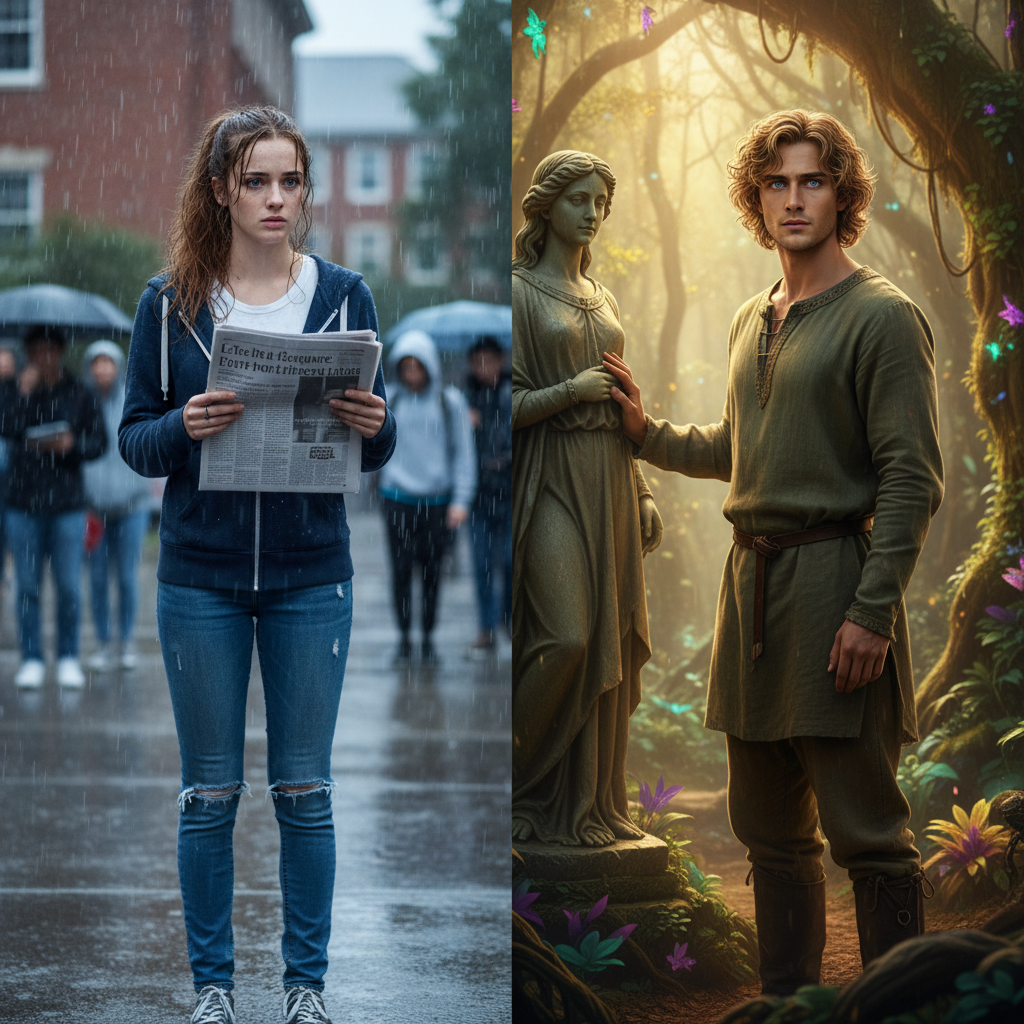 1 - The Intruder from Nova 1 - The Intruder from Nova
| 2 | 8.5 | 9 / 9 | 9 | 8 | 9 | 9 | 8 | 8 | 7.5 | 9 | 8 | 9 | 8 | 9 | 8 | 9 | 9 | 7.5 | 8 | 8 | |
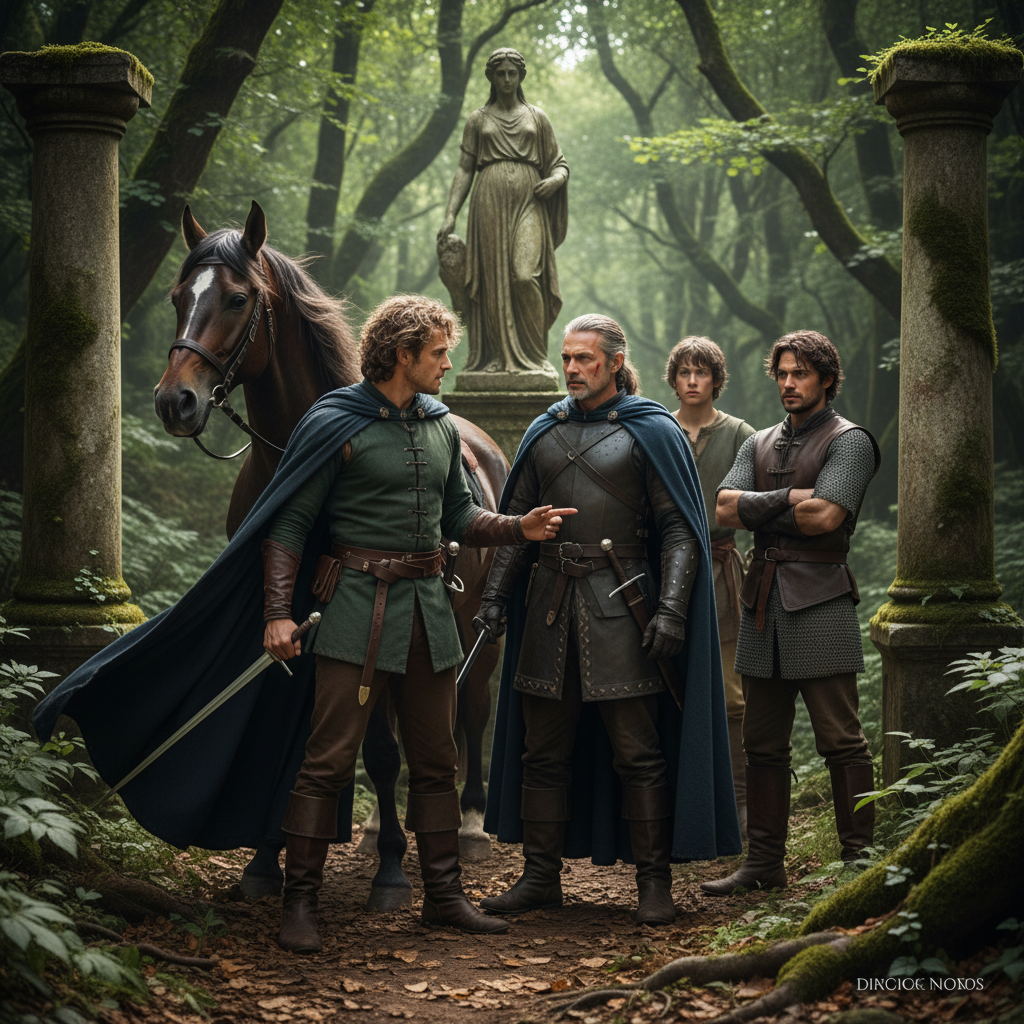 2 - Guardianship and Intrusion 2 - Guardianship and Intrusion
| 5 | 8.2 | 8 / 9 | 9 | 8 | 8.5 | 8 | 8 | 8 | 7.5 | 8 | 8 | 9 | 8 | 8 | 8 | 8 | 9 | 7.5 | 8 | 8 | |
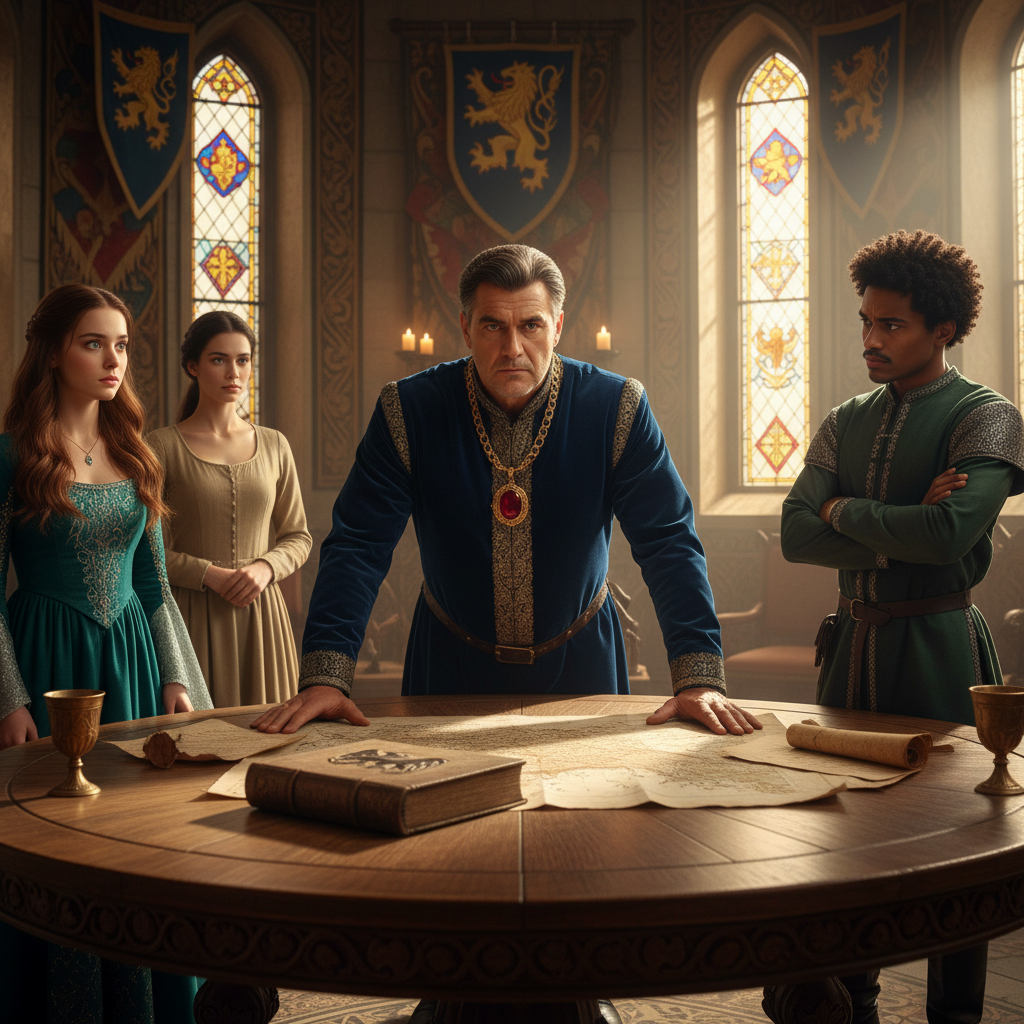 3 - Urgent Council at Castle Verenia 3 - Urgent Council at Castle Verenia
| 7 | 8.5 | 7 / 8 | 8 | 9 | 8 | 8 | 7 | 8 | 7.5 | 8 | 8 | 8 | 9 | 8 | 8 | 9 | 9 | 7 | 8 | 8 | |
| 4 - A Reunion Shadowed by Ominous Tidings | 10 | 8.2 | 7 / 8 | 8 | 8 | 9 | 8 | 8 | 8 | 7 | 8 | 8 | 8 | 8 | 8 | 8 | 9 | 9 | 7 | 8 | 8 | |
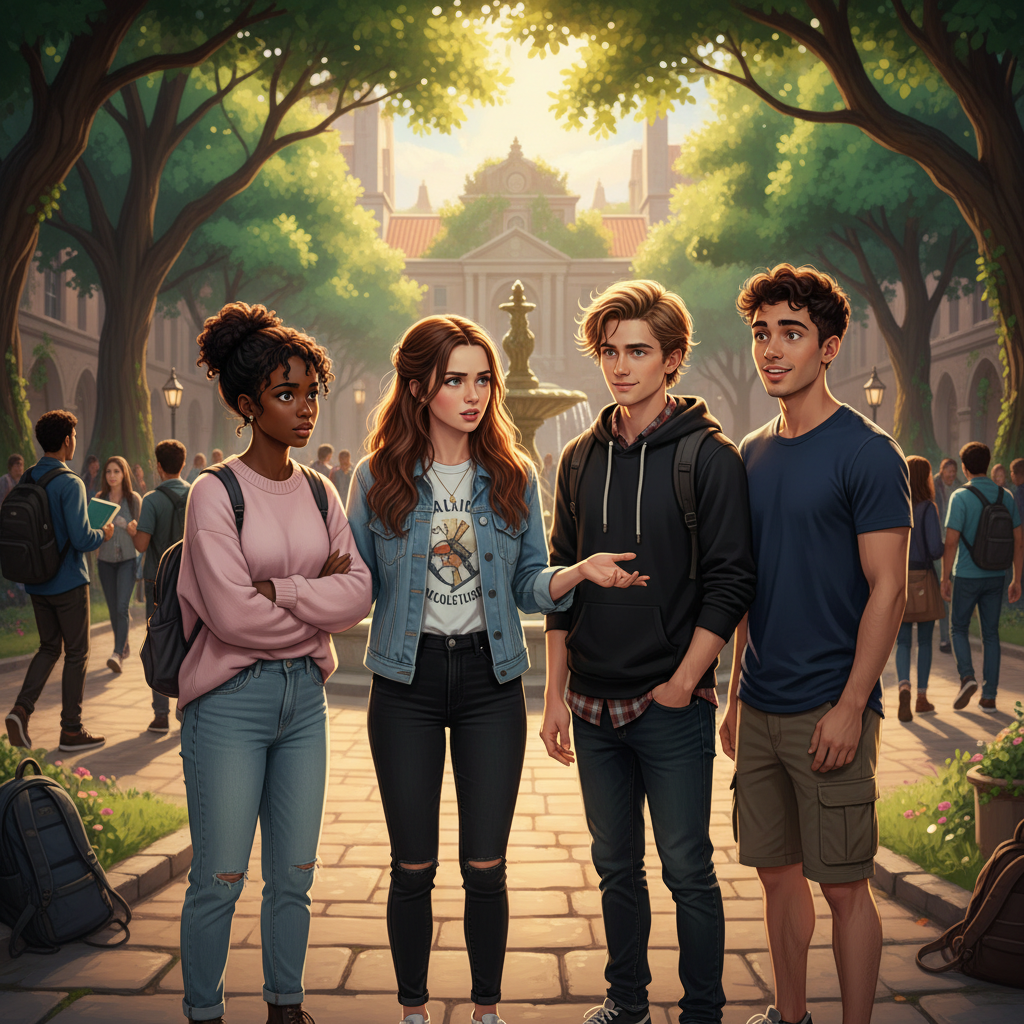 5 - Unearthed Secrets 5 - Unearthed Secrets
| 10 | 8.2 | 7 / 8 | 8 | 8 | 8 | 9 | 7 | 8 | 7 | 7 | 8 | 8 | 8 | 8 | 8 | 8 | 8.5 | 7 | 8 | 8 | |
| 6 - Unity in the Face of Doubt | 12 | 7.5 | 5 / 7 | 8 | 8 | 9 | 7 | 6 | 8 | 7.5 | 6 | 8 | 7 | 8 | 8 | 7 | 7 | 9 | 7 | 8 | 8 | |
| 7 - Confrontation Plans | 13 | 7.5 | 7 / 8 | 8 | 7 | 7 | 8 | 7 | 7 | 6 | 8 | 6 | 7 | 8 | 6 | 7 | 8 | 8 | 6 | 8 | 7 | |
|
8 - Chaos at the Cave Entrance
| 14 | 8.5 | 9 / 9 | 8 | 9 | 8 | 8 | 7 | 7 | 8 | 9 | 8 | 9 | 9 | 8 | 8 | 8 | 9 | 6 | 8 | 7 | |
| 9 - Descent into Chaos | 16 | 8.7 | 9 / 9 | 9 | 9 | 9 | 8 | 8 | 8 | 7.5 | 9 | 9 | 9 | 9 | 9 | 9 | 8 | 9 | 7.5 | 8 | 8 | |
|
10 - The Chosen One's Awakening
| 26 | 8.5 | 9 / 9 | 8 | 9 | 9 | 8 | 7 | 8 | 7.5 | 8 | 8 | 9 | 9 | 9 | 8 | 8 | 9 | 7 | 8 | 8 | |
| 11 - Confrontation in Daskan Village | 34 | 8.5 | 7 / 8 | 8 | 9 | 8 | 8 | 8 | 8 | 7.5 | 8 | 8 | 8 | 9 | 8 | 8 | 8 | 8.5 | 7 | 8 | 8 | |
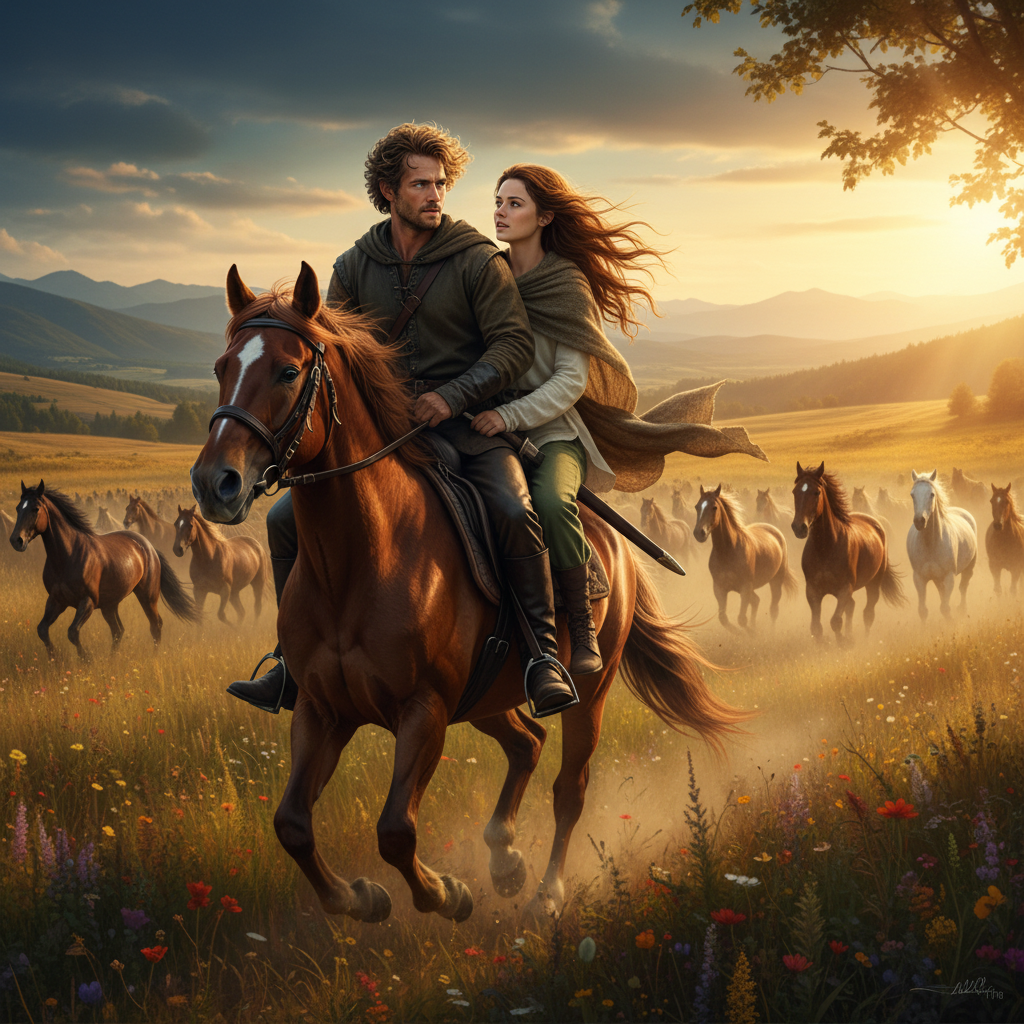 12 - Suspicion and Decisions at Ilyria's Inn 12 - Suspicion and Decisions at Ilyria's Inn
| 37 | 8.7 | 7 / 8 | 9 | 9 | 8 | 9 | 8 | 8 | 7.5 | 9 | 8 | 9 | 9 | 8 | 8 | 9 | 9 | 7 | 8 | 8 | |
| 13 - Emergence into Wonder | 38 | 8.5 | 7 / 8 | 8 | 8 | 8 | 9 | 7 | 8 | 7 | 6 | 7 | 7 | 8 | 8 | 8 | 8 | 9 | 7 | 8 | 8 | |
| 14 - The Disappearance of Molly | 38 | 8.5 | 7 / 8 | 8 | 9 | 8 | 8 | 8 | 8 | 9 | 8 | 8 | 8 | 9 | 8 | 9 | 8 | 9 | 7 | 9 | 9 | |
| 15 - Escape from Oppression | 39 | 8.5 | 8 / 9 | 8 | 9 | 8.5 | 9 | 8 | 8 | 7.5 | 9 | 8 | 9 | 9 | 8 | 8 | 8 | 9 | 7.5 | 8 | 8 | |
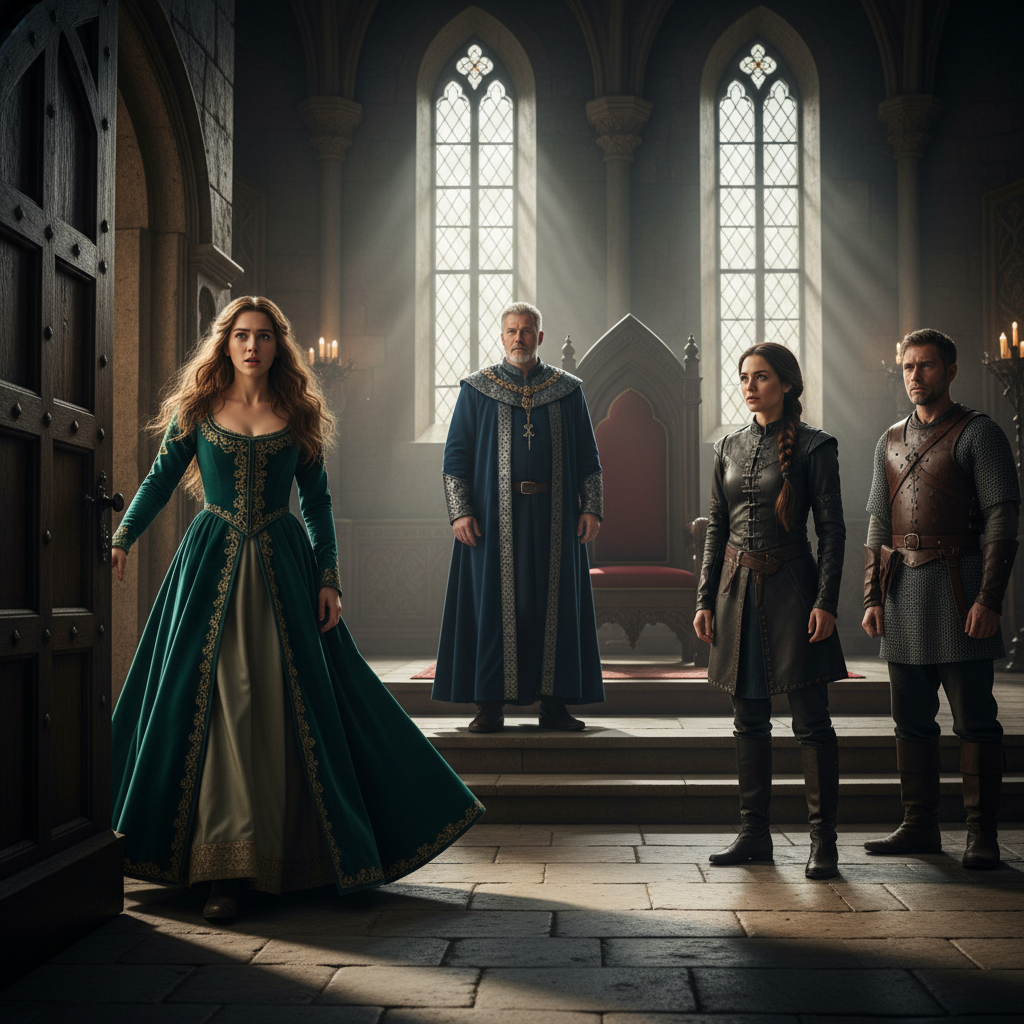 16 - Urgent Revelations in the Throne Room 16 - Urgent Revelations in the Throne Room
| 40 | 8.5 | 7 / 8 | 8 | 9 | 8 | 8 | 7 | 8 | 7.5 | 8 | 8 | 8 | 9 | 8 | 8 | 9 | 9 | 7.5 | 8 | 8 | |
|
17 - Rescue in the Beckoning Forest
| 42 | 8.5 | 9 / 8 | 8 | 9 | 9 | 8 | 7 | 8 | 7 | 9 | 8 | 9 | 9 | 8 | 8 | 8 | 9 | 6 | 8 | 7 | |
| 18 - A Night of Urgency and Revelation | 43 | 8.7 | 9 / 9 | 9 | 9 | 9 | 9 | 8 | 8 | 7.5 | 9 | 8 | 9 | 9 | 9 | 9 | 8 | 9 | 7 | 8 | 8 | |
| 19 - Urgent Rescue | 46 | 8.5 | 8 / 7 | 8 | 9 | 8 | 8 | 7 | 8 | 7 | 8 | 7 | 9 | 9 | 7 | 9 | 9 | 8 | 7 | 8 | 8 | |
|
20 - The Key to Safety
| 48 | 8.7 | 9 / 9 | 9 | 9 | 9 | 9 | 9 | 8 | 7.5 | 9 | 8 | 9 | 9 | 9 | 9 | 9 | 9 | 7 | 8 | 8 | |
| 21 - A Secret Healing | 50 | 8.5 | 7 / 7 | 8 | 8 | 9 | 9 | 7 | 8 | 7.5 | 6 | 8 | 7 | 8 | 8 | 8 | 8 | 9 | 7.5 | 8 | 8 | |
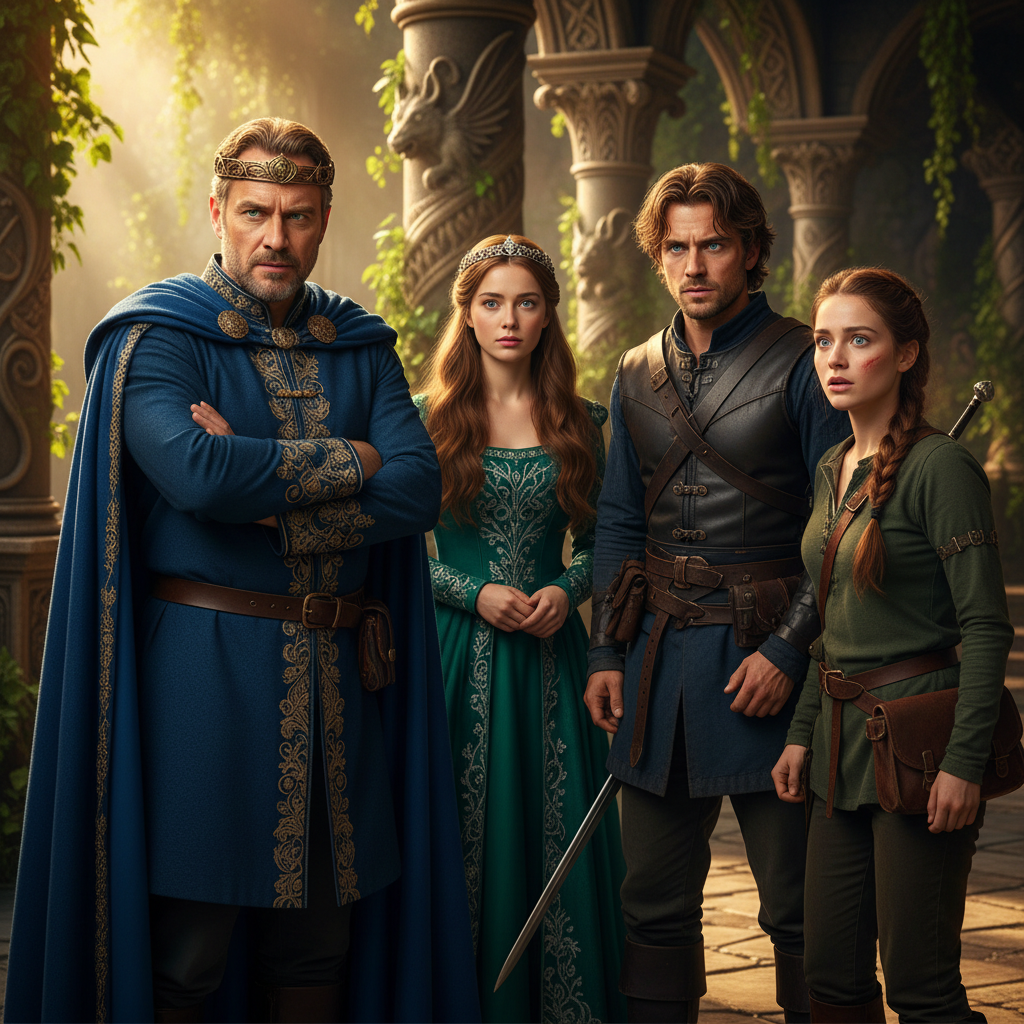 22 - The Mission Unfolds 22 - The Mission Unfolds
| 51 | 8.5 | 7 / 8 | 8 | 9 | 9 | 8 | 8 | 8 | 7.5 | 8 | 8 | 9 | 9 | 7 | 8 | 8 | 8.5 | 7 | 8 | 8 | |
|
23 - Battle in the Empty Town
| 52 | 8.5 | 8 / 8 | 8 | 9 | 8 | 8 | 8 | 8 | 7 | 9 | 8 | 9 | 9 | 8 | 9 | 8 | 9 | 7 | 8 | 8 | |
| 24 - Arrival in Stagbrook Town | 53 | 7.5 | 7 / 8 | 8 | 8 | 8 | 7 | 7 | 8 | 7.5 | 8 | 8 | 8 | 8 | 9 | 7 | 7 | 9 | 7.5 | 8 | 8 | |
|
25 - Shadows of Destiny
| 55 | 8.5 | 8 / 9 | 8 | 9 | 9 | 8 | 8 | 8 | 7.5 | 8 | 8 | 8 | 9 | 9 | 9 | 9 | 9 | 7 | 8 | 8 | |
| 26 - Secrets and Journeys | 57 | 8.5 | 7 / 8 | 8 | 9 | 8 | 8 | 8 | 8 | 7.5 | 8 | 8 | 8 | 9 | 8 | 9 | 9 | 9 | 7.5 | 8 | 8 | |
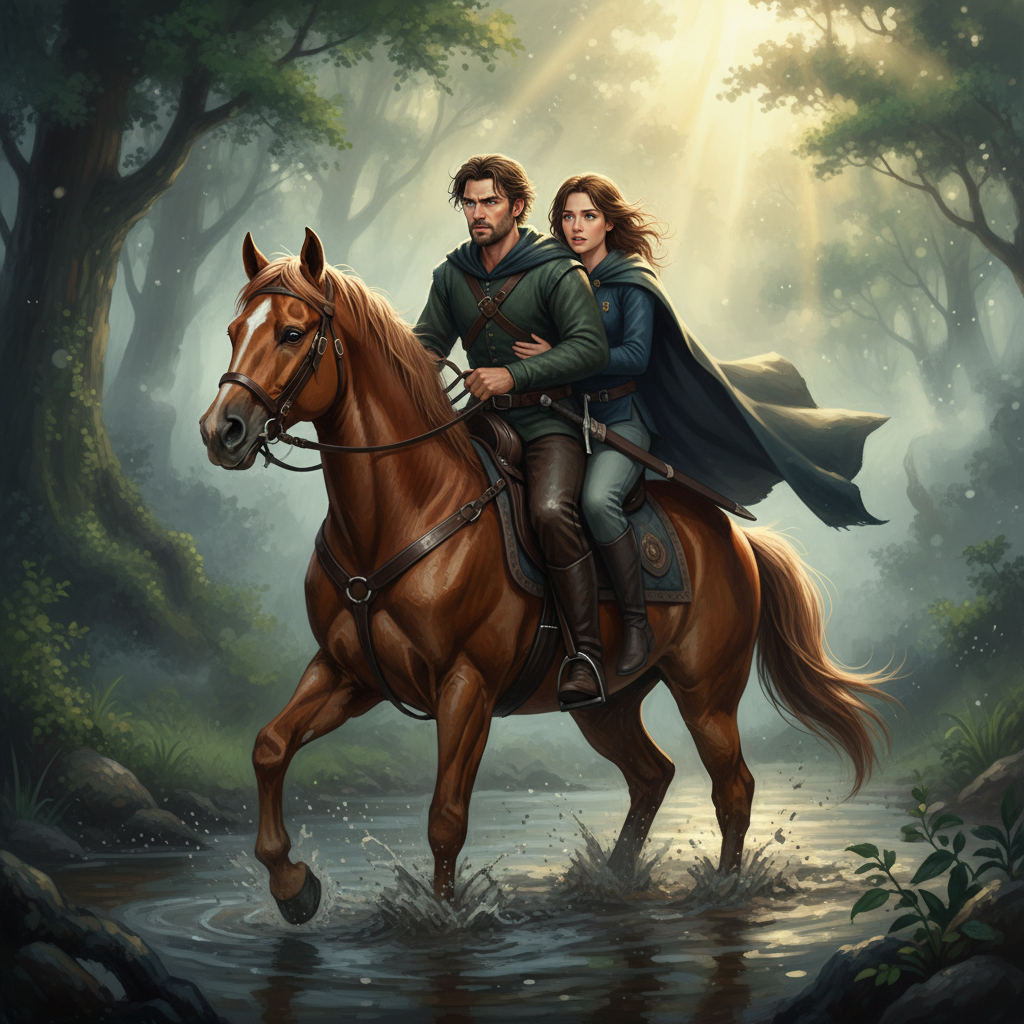 27 - Dreams and Dangers in the Borderlands 27 - Dreams and Dangers in the Borderlands
| 59 | 8.5 | 9 / 8 | 8 | 8 | 9 | 9 | 8 | 8 | 7.5 | 8 | 8 | 8 | 8 | 9 | 9 | 8 | 9 | 7 | 8 | 8 | |
| 28 - Chase into the Unknown | 62 | 8.5 | 7 / 8 | 8 | 9 | 8 | 8 | 7 | 8 | 9 | 8 | 8 | 9 | 9 | 7 | 9 | 8 | 9 | 7 | 8 | 8 | |
| 29 - Chaos at the Gates | 66 | 8.5 | 9 / 8 | 8 | 9 | 7 | 8 | 8 | 8 | 7 | 9 | 8 | 9 | 9 | 7 | 9 | 8 | 9 | 6 | 8 | 8 | |
| 30 - The Weight of Heroism | 66 | 8.5 | 8 / 9 | 8 | 9 | 9 | 9 | 8 | 8 | 7.5 | 8 | 8 | 8 | 9 | 8 | 9 | 8 | 9 | 7 | 8 | 8 | |
| 31 - Confrontation in the Shadows | 67 | 7.5 | 7 / 8 | 8 | 8 | 8.5 | 8 | 8 | 8 | 7 | 8 | 8 | 8 | 8 | 8 | 7 | 8 | 9 | 7 | 8 | 8 | |
| 32 - Urgent Concerns in the Omeni Gathering Hall | 69 | 8.5 | 6 / 7 | 8 | 9 | 8 | 9 | 7 | 8 | 7.5 | 8 | 8 | 8 | 9 | 8 | 8 | 8 | 9 | 7.5 | 8 | 8 | |
| 33 - The Scourge King's Awakening | 69 | 8.5 | 6 / 7 | 8 | 9 | 8 | 8 | 7 | 7 | 6 | 8 | 7 | 8 | 9 | 7 | 8 | 9 | 8 | 6 | 7 | 7 | |
| 34 - Chaos at Omeni Bridge | 70 | 8.5 | 7 / 8 | 8 | 9 | 8.5 | 8 | 7 | 8 | 7 | 9 | 8 | 8 | 9 | 8 | 8 | 9 | 9 | 7.5 | 8 | 8 | |
|
35 - Escape from Darkness
| 71 | 8.5 | 9 / 8 | 8 | 9 | 9 | 8 | 7 | 8 | 7.5 | 9 | 8 | 9 | 9 | 8 | 8 | 8 | 9 | 7 | 8 | 8 | |
| 36 - The Bridge of Sacrifice | 72 | 8.5 | 7 / 8 | 8 | 9 | 7.5 | 8 | 8 | 8 | 7.5 | 9 | 8 | 9 | 9 | 8 | 9 | 8 | 9 | 7.5 | 8 | 8 | |
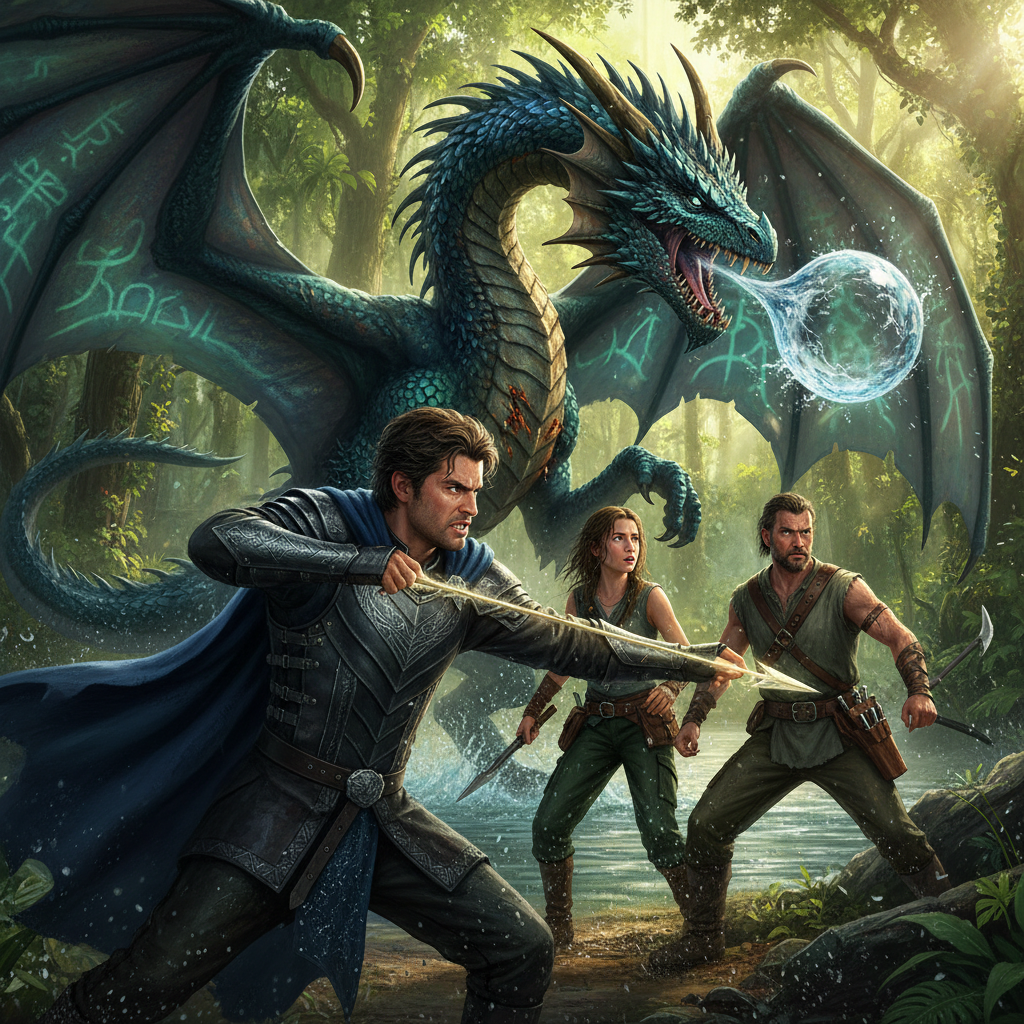 37 - Battle at Omeni Bridge 37 - Battle at Omeni Bridge
| 73 | 8.7 | 9 / 9 | 9 | 9 | 9 | 9 | 8 | 8 | 9 | 9 | 8 | 9 | 9 | 8 | 9 | 8 | 9 | 7 | 8 | 8 | |
| 38 - A Fevered Crisis | 75 | 8.5 | 8 / 9 | 8 | 9 | 8.5 | 9 | 8 | 8 | 7.5 | 8 | 8 | 8 | 9 | 7 | 9 | 9 | 9 | 7.5 | 8 | 8 | |
| 39 - Hidden Truths and Blushing Hearts | 77 | 8.5 | 7 / 8 | 8 | 9 | 9 | 9 | 8 | 8 | 7.5 | 8 | 8 | 9 | 9 | 8 | 9 | 8 | 9 | 7.5 | 8 | 8 | |
| 40 - A Fiery Interruption | 79 | 8.5 | 8 / 7 | 8 | 9 | 8 | 9 | 8 | 8 | 7 | 9 | 7 | 9 | 9 | 7 | 9 | 8 | 8 | 6 | 7 | 7 | |
| 41 - Emotional Turmoil | 79 | 8.5 | 7 / 8 | 8 | 8 | 8 | 9 | 8 | 8 | 7.5 | 9 | 8 | 8 | 8 | 8 | 9 | 9 | 9 | 7 | 8 | 8 | |
|
42 - Chaos in the Heart of Dun Irma
| 81 | 8.7 | 9 / 9 | 9 | 9 | 8 | 9 | 8 | 8 | 7.5 | 9 | 8 | 9 | 9 | 9 | 9 | 9 | 9 | 7 | 8 | 8 | |
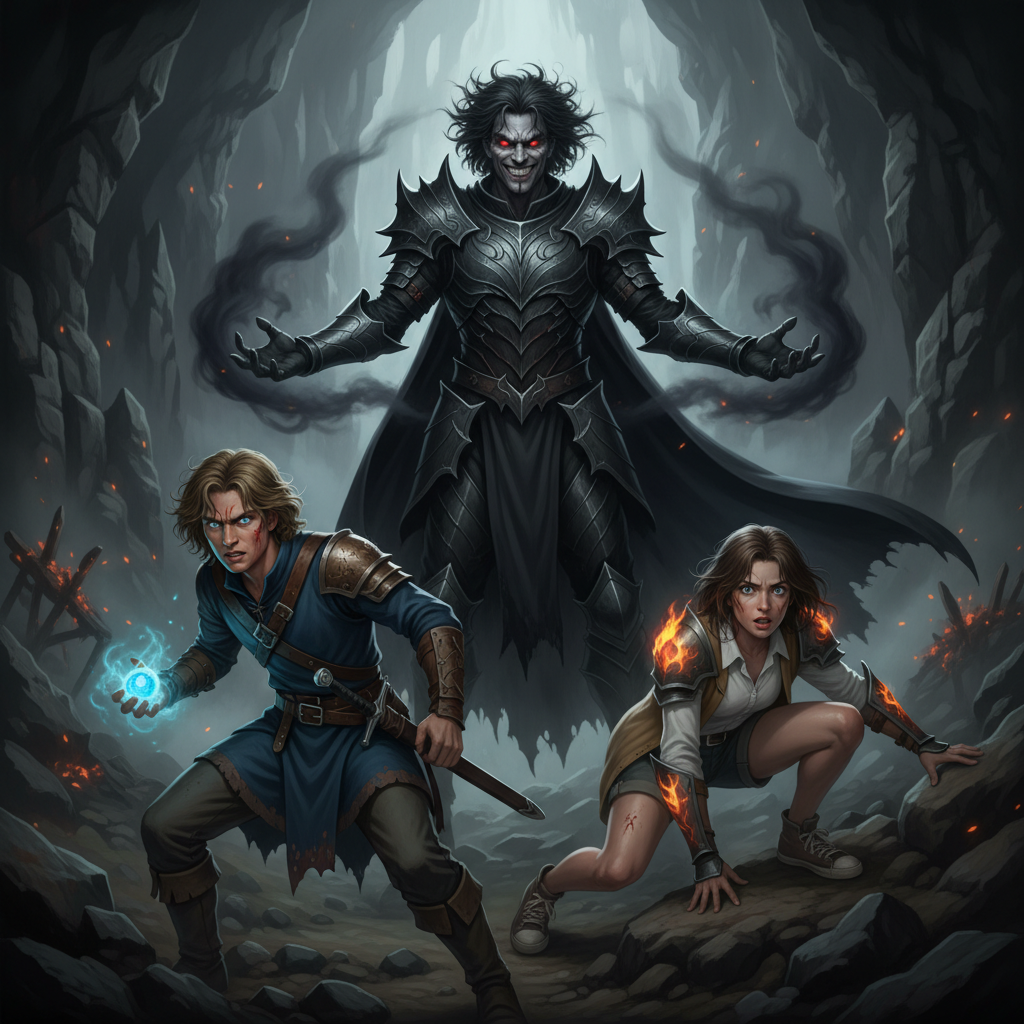 43 - Revelations and Rescues 43 - Revelations and Rescues
| 82 | 8.7 | 9 / 9 | 9 | 9 | 9 | 9 | 9 | 8 | 7.5 | 9 | 8 | 9 | 9 | 9 | 9 | 8 | 9 | 7 | 8 | 8 | |
| 44 - Clash of Shadows | 86 | 8.5 | 9 / 10 | 8 | 9 | 8 | 8 | 8 | 8 | 7.5 | 9 | 8 | 9 | 9 | 8 | 9 | 8 | 9 | 7.5 | 8 | 8 | |
|
45 - Confessions and Interruptions
| 87 | 8.7 | 8 / 9 | 9 | 9 | 9 | 9 | 9 | 8 | 7.5 | 9 | 8 | 9 | 9 | 9 | 9 | 9 | 9 | 7 | 8 | 8 | |
| 46 - Revelations in the Dark | 91 | 8.5 | 8 / 9 | 9 | 9 | 9 | 8 | 8 | 8 | 7.5 | 9 | 8 | 9 | 9 | 9 | 9 | 9 | 9 | 7 | 8 | 8 | |
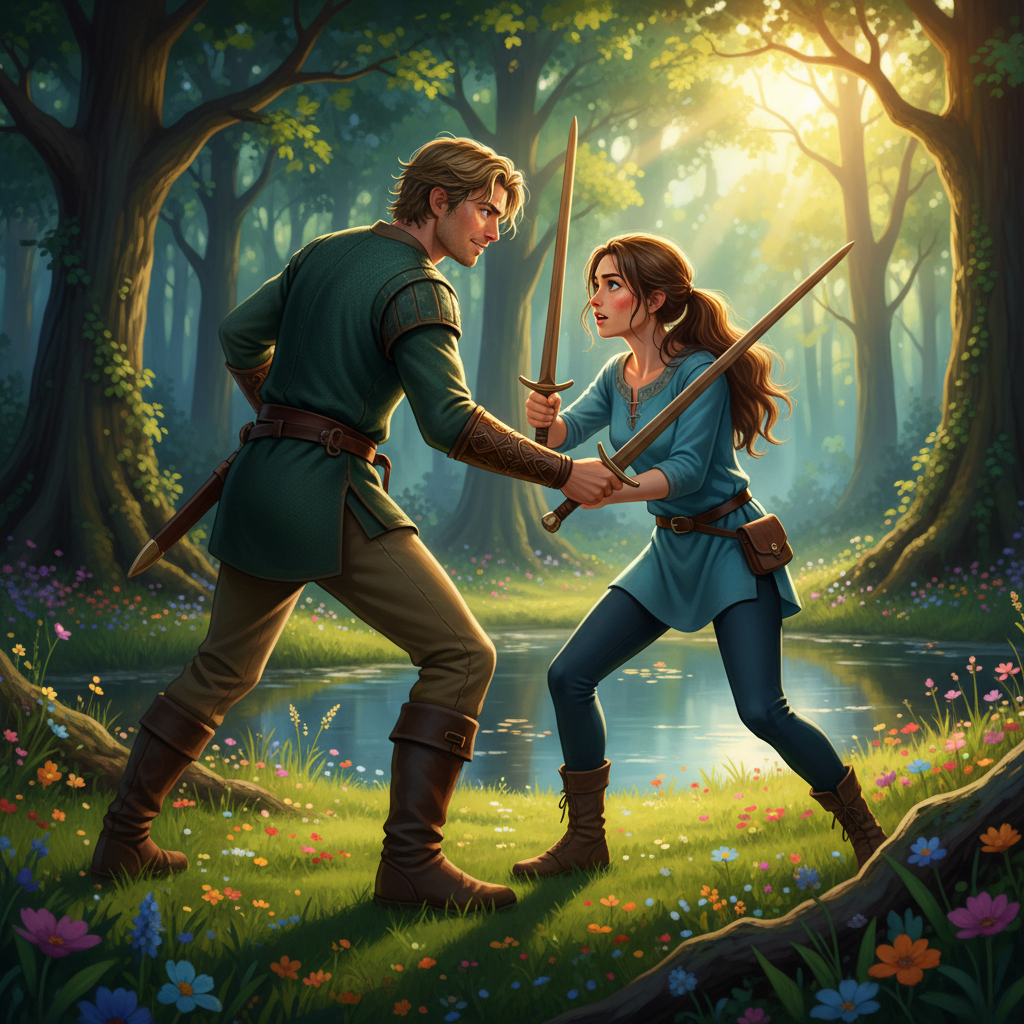 47 - Training, Tears, and Turmoil 47 - Training, Tears, and Turmoil
| 93 | 8.5 | 8 / 9 | 8 | 9 | 9 | 9 | 9 | 8 | 7.5 | 8 | 8 | 7 | 8 | 8 | 9 | 8 | 9 | 7 | 8 | 8 | |
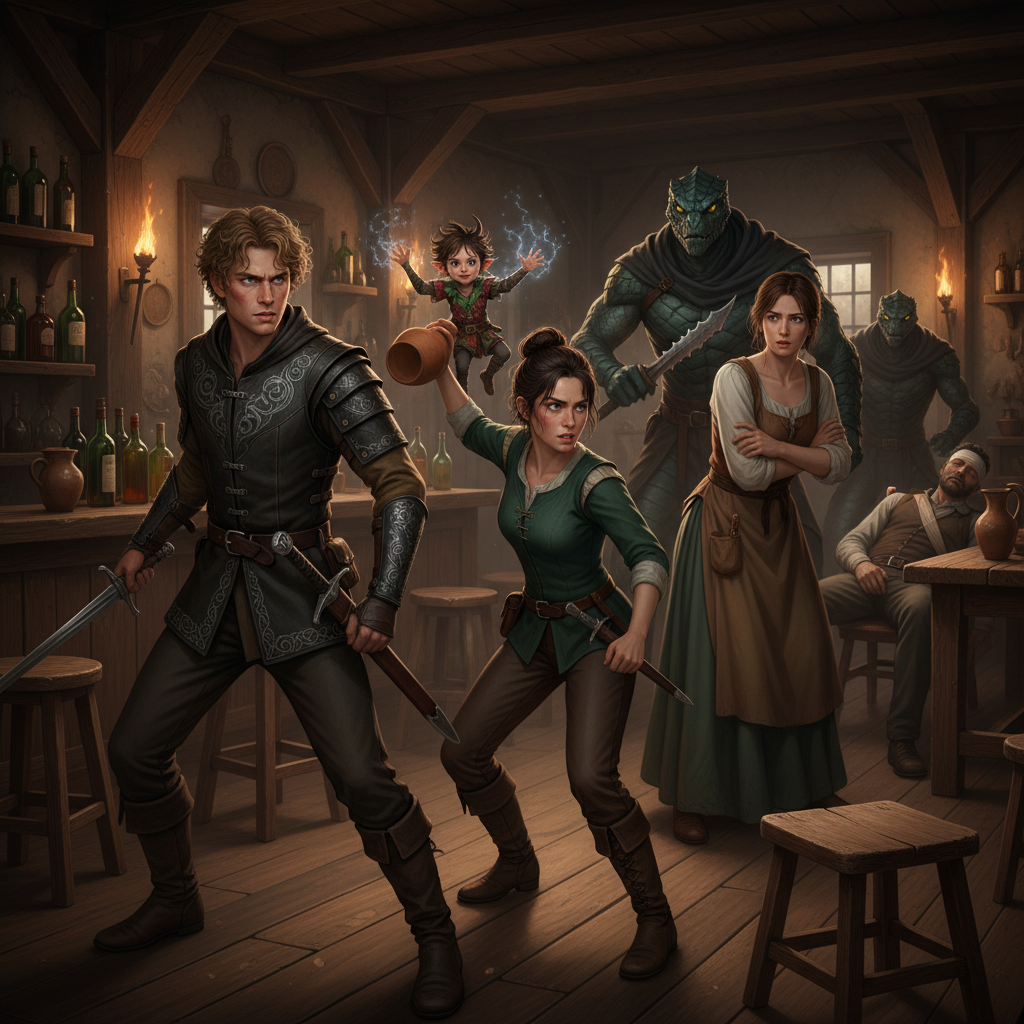 48 - Battle in Laelidon 48 - Battle in Laelidon
| 98 | 8.5 | 8 / 9 | 8 | 9 | 8.5 | 8 | 8 | 8 | 7.5 | 9 | 8 | 9 | 9 | 8 | 9 | 8 | 9 | 7.5 | 8 | 8 | |
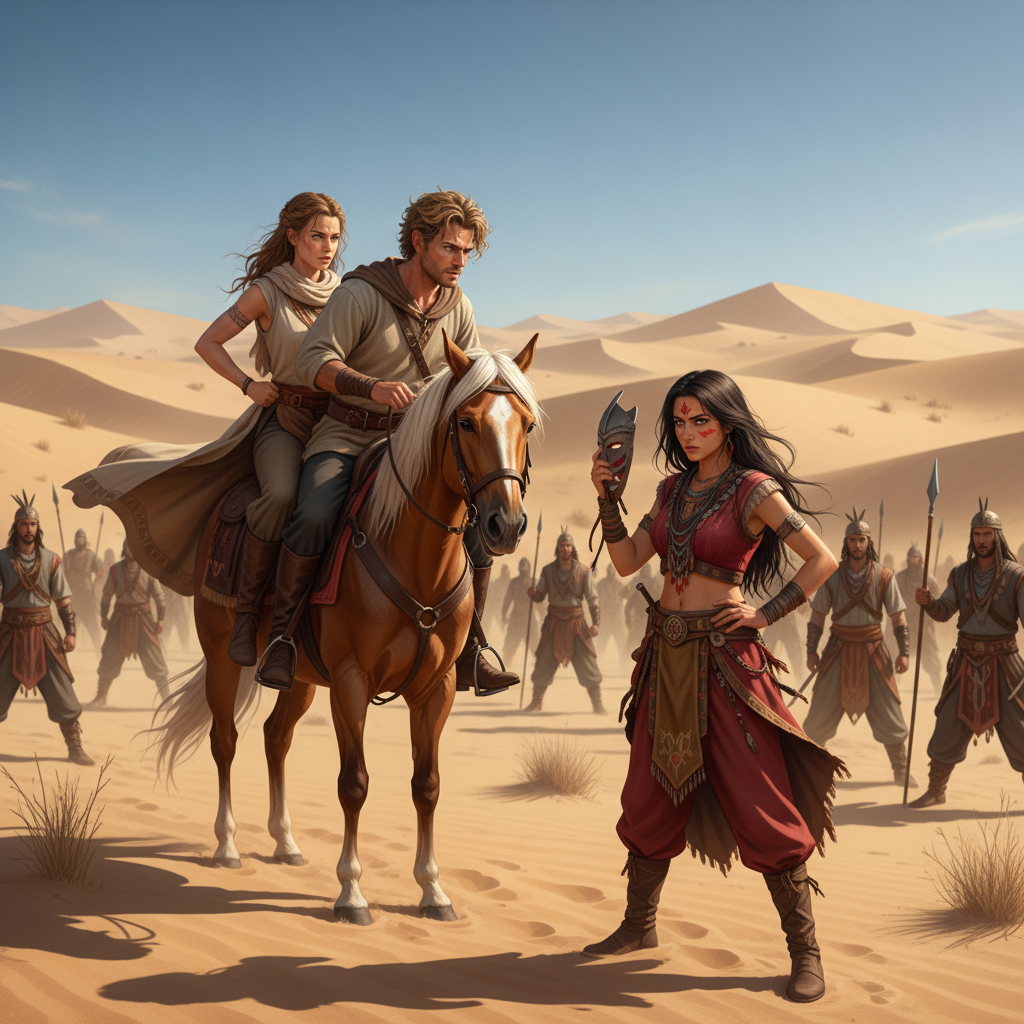 49 - Desert Confrontation 49 - Desert Confrontation
| 99 | 8.2 | 8 / 9 | 8 | 9 | 8 | 8 | 7 | 7 | 8 | 9 | 8 | 9 | 9 | 8 | 8 | 8 | 9 | 7 | 8 | 8 | |
| 50 - Escape from the Spara Dungeons | 100 | 8.5 | 9 / 9 | 8 | 9 | 8 | 8 | 8 | 8 | 7.5 | 9 | 8 | 9 | 9 | 9 | 9 | 8 | 9 | 7 | 8 | 8 | |
|
51 - The Quest for the Sword of Destiny
| 105 | 8.5 | 8 / 9 | 8 | 9 | 8 | 8 | 8 | 8 | 7.5 | 9 | 8 | 9 | 9 | 8 | 9 | 8 | 9 | 7.5 | 8 | 8 | |
|
52 - The Final Confrontation
| 107 | 8.7 | 9 / 10 | 9 | 9 | 8.5 | 9 | 9 | 8 | 7.5 | 9 | 8 | 9 | 9 | 8 | 9 | 8 | 9 | 7 | 8 | 7.5 | |
Sequence Analysis
📊 Understanding Your Scores
Each axis shows your sequence's raw score (0–10) in that category. We recently upgraded the AI models behind these categories, so percentile rankings are temporarily unavailable while we re-score our reference library.
Hover over each axis on the radar chart to see what that category measures and why it matters.
| Sequence | Scenes | Overall | Momentum | Pressure | Emotion/Tone | Shape/Cohesion | Character/Arc | Novelty | Craft | Momentum | Pressure | Emotion/Tone | Shape/Cohesion | Character/Arc | Novelty | Craft | ||||||||||||||||||
|---|---|---|---|---|---|---|---|---|---|---|---|---|---|---|---|---|---|---|---|---|---|---|---|---|---|---|---|---|---|---|---|---|---|---|
| Plot Progress | Pacing | Keep Reading | Escalation | Stakes | Emotional | Tone/Visual | Narrative Shape | Impact | Memorable | Char Leverage | Int Goal | Ext Goal | Originality | Readability | Plot Progress | Pacing | Keep Reading | Escalation | Stakes | Reveal Rhythm | Emotional | Tone/Visual | Narrative Shape | Impact | Memorable | Char Leverage | Int Goal | Ext Goal | Subplots | Originality | Readability | |||
| Act One Overall: 6.5 | ||||||||||||||||||||||||||||||||||
| 1 - The Guardian's Warning | 1 – 4 | 6.5 | 6 | 5 | 7 | 5 | 6 | 6 | 7 | 6 | 7 | 6 | 6 | 5 | 7 | 6 | 7.5 | 6 | 5 | 7 | 5 | 6 | 5 | 6 | 7 | 6 | 7 | 6 | 6 | 5 | 7 | 6 | 6 | 7.5 |
| 2 - The Daughter's Investigation | 5 – 8 | 6.5 | 7 | 6 | 7 | 6.5 | 5 | 5 | 5.5 | 6 | 6 | 5.5 | 5 | 6 | 7 | 4 | 6 | 7 | 6 | 7 | 6.5 | 5 | 6 | 5 | 5.5 | 6 | 6 | 5.5 | 5 | 6 | 7 | 5 | 4 | 6 |
| 3 - Descent into the Catacombs | 9 | 7 | 8 | 6.5 | 8 | 7 | 7.5 | 7 | 7.5 | 6.5 | 7.5 | 7 | 7 | 6 | 8 | 6 | 6 | 8 | 6.5 | 8 | 7 | 7.5 | 7 | 7 | 7.5 | 6.5 | 7.5 | 7 | 7 | 6 | 8 | 6.5 | 6 | 6 |
| Act Two A Overall: 6.5 | ||||||||||||||||||||||||||||||||||
| 1 - Arrival and First Chase | 10 – 11 | 7 | 7.5 | 6.5 | 7 | 6.5 | 6.5 | 6 | 7.5 | 7 | 7 | 6 | 6.5 | 5.5 | 7 | 5 | 6 | 7.5 | 6.5 | 7 | 6.5 | 6.5 | 6.5 | 6 | 7.5 | 7 | 7 | 6 | 6.5 | 5.5 | 7 | 6 | 5 | 6 |
| 2 - Uneasy Truce and Journey to Castle | 12 – 14 | 7 | 8 | 7 | 7.5 | 6.5 | 6 | 6 | 7.5 | 7.5 | 7 | 6 | 6 | 5 | 8 | 5.5 | 6.5 | 8 | 7 | 7.5 | 6.5 | 6 | 7 | 6 | 7.5 | 7.5 | 7 | 6 | 6 | 5 | 8 | 6.5 | 5.5 | 6.5 |
| 3 - Escape and Orc Attack | 15 – 18 | 6.5 | 7.5 | 6.5 | 7 | 6 | 6.5 | 6 | 7 | 6 | 7 | 6.5 | 6.5 | 5.5 | 7 | 5.5 | 5.5 | 7.5 | 6.5 | 7 | 6 | 6.5 | 6.5 | 6 | 7 | 6 | 7 | 6.5 | 6.5 | 5.5 | 7 | 5 | 5.5 | 5.5 |
| 4 - Court Revelations and New Mission | 19 – 22 | 6.5 | 8 | 6 | 7.5 | 6 | 6 | 7 | 6.5 | 7.5 | 7 | 7 | 7 | 6 | 8 | 5 | 7 | 8 | 6 | 7.5 | 6 | 6 | 7.5 | 7 | 6.5 | 7.5 | 7 | 7 | 7 | 6 | 8 | 7 | 5 | 7 |
| 5 - First Monster Hunt and Town Stop | 23 – 26 | 7 | 8 | 6 | 7.5 | 6.5 | 6.5 | 6.5 | 6 | 7 | 7.5 | 7 | 7.5 | 6 | 8 | 5.5 | 6 | 8 | 6 | 7.5 | 6.5 | 6.5 | 6.5 | 6.5 | 6 | 7 | 7.5 | 7 | 7.5 | 6 | 8 | 5.5 | 5.5 | 6 |
| 6 - Journey to Omeni and Prophetic Dream | 27 | 6.5 | 6 | 6 | 7 | 5 | 5 | 7.5 | 7 | 6.5 | 7 | 7 | 7.5 | 7 | 4 | 6 | 7.5 | 6 | 6 | 7 | 5 | 5 | 6 | 7.5 | 7 | 6.5 | 7 | 7 | 7.5 | 7 | 4 | 5 | 6 | 7.5 |
| Act Two B Overall: 6.5 | ||||||||||||||||||||||||||||||||||
| 1 - The Omeni Infiltration | 28 – 32 | 6.5 | 7.5 | 6.5 | 7 | 7 | 6.5 | 6 | 7.5 | 7 | 7 | 6.5 | 6 | 5.5 | 7 | 5.5 | 7 | 7.5 | 6.5 | 7 | 7 | 6.5 | 6 | 6 | 7.5 | 7 | 7 | 6.5 | 6 | 5.5 | 7 | 6.5 | 5.5 | 7 |
| 2 - Water Dragon Siege | 33 – 37 | 6.5 | 8 | 7 | 7.5 | 8.5 | 7 | 6 | 7.5 | 7 | 7 | 6.5 | 6 | 5.5 | 8 | 5 | 5 | 8 | 7 | 7.5 | 8.5 | 7 | 7 | 6 | 7.5 | 7 | 7 | 6.5 | 6 | 5.5 | 8 | 6 | 5 | 5 |
| 3 - Fever and Confessions | 38 – 41 | 6.5 | 7 | 6.5 | 7 | 6.5 | 6 | 7.5 | 7 | 7 | 7 | 6 | 7.5 | 7 | 6 | 5 | 7.5 | 7 | 6.5 | 7 | 6.5 | 6 | 6 | 7.5 | 7 | 7 | 7 | 6 | 7.5 | 7 | 6 | 5.5 | 5 | 7.5 |
| 4 - Fire Dragon and the Scourge King's Ambush | 42 – 45 | 7 | 8 | 6.5 | 8 | 7 | 7 | 7.5 | 6.5 | 7 | 7.5 | 6.5 | 8 | 7.5 | 7 | 5.5 | 6 | 8 | 6.5 | 8 | 7 | 7 | 7 | 7.5 | 6.5 | 7 | 7.5 | 6.5 | 8 | 7.5 | 7 | 6 | 5.5 | 6 |
| Act Three Overall: 5.5 | ||||||||||||||||||||||||||||||||||
| 1 - The Scourge King's Revelation | 46 | 6.5 | 7 | 6 | 7 | 5 | 5.5 | 5 | 6 | 6 | 6 | 5.5 | 4 | 3 | 5 | 4.5 | 6 | 7 | 6 | 7 | 5 | 5.5 | 5 | 5 | 6 | 6 | 6 | 5.5 | 4 | 3 | 5 | 6.5 | 4.5 | 6 |
| 2 - Training and Betrayal in Daskan | 47 | 6.5 | 7.5 | 6 | 7 | 7 | 6.5 | 7 | 6 | 6 | 7 | 6.5 | 7 | 7 | 7.5 | 5.5 | 6 | 7.5 | 6 | 7 | 7 | 6.5 | 6 | 7 | 6 | 6 | 7 | 6.5 | 7 | 7 | 7.5 | 6.5 | 5.5 | 6 |
| 3 - Laelidon Inn Ambush | 48 | 6.5 | 7.5 | 6 | 7 | 6 | 6 | 5.5 | 6.5 | 6.5 | 7 | 6 | 5.5 | 5 | 7 | 5 | 5.5 | 7.5 | 6 | 7 | 6 | 6 | 6 | 5.5 | 6.5 | 6.5 | 7 | 6 | 5.5 | 5 | 7 | 5 | 5 | 5.5 |
| 4 - Capture and Escape in Spara | 49 – 50 | 6.5 | 8 | 7 | 7.5 | 7.5 | 7 | 6.5 | 7 | 7 | 7 | 6.5 | 7 | 6 | 8 | 5.5 | 6 | 8 | 7 | 7.5 | 7.5 | 7 | 6 | 6.5 | 7 | 7 | 7 | 6.5 | 7 | 6 | 8 | 5 | 5.5 | 6 |
| 5 - Temple Trial and Sword Retrieval | 51 | 6.5 | 8 | 7 | 7.5 | 7.5 | 7 | 5.5 | 6.5 | 6.5 | 7 | 6 | 7 | 5 | 8.5 | 5 | 5.5 | 8 | 7 | 7.5 | 7.5 | 7 | 7 | 5.5 | 6.5 | 6.5 | 7 | 6 | 7 | 5 | 8.5 | 6 | 5 | 5.5 |
| 6 - Final Confrontation and Separation | 52 | 6.5 | 8 | 6 | 8 | 7 | 7 | 7.5 | 7 | 6 | 7 | 7.5 | 7 | 7 | 8 | 5 | 5.5 | 8 | 6 | 8 | 7 | 7 | 6.5 | 7.5 | 7 | 6 | 7 | 7.5 | 7 | 7 | 8 | 6 | 5 | 5.5 |
- Physical environment: The script depicts a multifaceted world that spans two primary realms: a contemporary Earth with familiar settings like university campuses, suburban homes, and archaeological sites, contrasted with the fantastical world of Nova, which includes medieval castles, enchanted forests, deserts, mountains, and mystical locations such as the Chamber of Time and the Daskan Forest. Earth's environments are grounded in realism, featuring rain-swept quads, bustling towns, and hidden caves, while Nova's landscapes are alive with magic, bioluminescence, and dangers like dragons, slime monsters, and collapsing bridges. This duality creates a physical world that oscillates between the mundane and the extraordinary, fostering a sense of wonder, peril, and interconnectedness through portals and environmental disturbances like earthquakes and fog-shrouded realms.
- Culture: Cultural elements in the script blend contemporary human experiences on Earth, such as academic pursuits, teenage rebellion, and family dynamics, with the rich, myth-laden traditions of Nova, including prophecies, guardianship roles, royal hierarchies, and interspecies interactions (e.g., humans, orcs, and water people). Themes of destiny, honor, and duty permeate Nova's culture, seen in rituals like forest guardianship and the significance of mystical jewels, while Earth's culture emphasizes personal relationships, curiosity, and the quest for knowledge. Cultural tensions arise from clashes between outsiders and natives, such as Varon's suspicion of Christa, highlighting themes of trust, identity, and the blending of worlds, which add layers of intrigue and conflict.
- Society: Society in the script is structured hierarchically in both realms, with Nova featuring a medieval fantasy system of kings, princesses, knights, and guardians who navigate alliances, conflicts, and power dynamics, as seen in castle meetings and village interactions. On Earth, society is more egalitarian and modern, centered on family units, academic institutions, and professional teams, but still reflects interpersonal hierarchies like parental authority and group dynamics. This societal framework influences character interactions, emphasizing roles defined by duty (e.g., Varon as a protector) and social expectations, which contribute to themes of isolation, belonging, and the struggle for agency within rigid structures.
- Technology: Technology varies significantly between the two worlds: Earth employs modern advancements like cell phones, websites, guns, and archaeological tools, grounding the narrative in realism and facilitating plot progression through communication and exploration. In contrast, Nova relies on low-tech, magic-infused elements such as enchanted gems, light arrows, and portals, which serve as 'technology' for combat, healing, and transportation. This minimalistic approach in Nova underscores a reliance on mystical and natural forces, creating a stark contrast that highlights the script's exploration of human ingenuity versus magical prowess.
- Characters influence: The unique physical environment, culture, society, and technology profoundly shape the characters' experiences and actions by forcing adaptation and growth across contrasting worlds. For instance, the perilous, magical landscapes of Nova compel characters like Varon to embrace their heroic destinies and protective instincts, while Christa's Earthly background initially causes disorientation and fear, driving her to question and assert her identity. Cultural and societal elements, such as hierarchical duties and prophecies, influence actions like Varon's unwavering commitment to guardianship and Christa's journey of self-discovery, fostering personal conflicts and alliances. Technology's duality affects problem-solving; Earth's tools provide a sense of familiarity and control, whereas Nova's magic-based systems demand reliance on innate abilities and relationships, enhancing character development through trials that test courage, trust, and emotional resilience. This world building creates immersive challenges that mirror the script's pacing issues, where diverse settings can either accelerate tension or slow momentum, encouraging characters to evolve dynamically.
- Narrative contribution: The world elements significantly drive the narrative by establishing a framework of adventure, mystery, and interconnected events that propel the plot forward. The blend of Earth and Nova through portals and environmental anomalies creates a multi-layered story structure, with settings like the Daskan Forest and Chamber of Time serving as catalysts for key revelations and conflicts, such as the dragon attacks and orc encounters. This contributes to the narrative's thematic arcs, including the quest for the Sword of Destiny and the battle against the Scourge King, while the contrast in technology and society adds urgency and variety, helping to maintain engagement. However, given the script's pacing challenges, these elements can sometimes overwhelm the flow; strategically tightening descriptions of less critical environments could enhance rhythm, ensuring that world building supports rather than hinders the story's momentum, aligning with the intermediate screenwriting skill level by focusing on efficient exposition.
- Thematic depth contribution: The world elements enrich the thematic depth by symbolizing broader concepts such as the intersection of reality and fantasy, the burdens of destiny, and the power of love and sacrifice. The physical and cultural contrasts between Earth and Nova underscore themes of identity and belonging, as characters navigate personal growth amidst otherworldly dangers, reflecting INFJ tendencies to explore deep, meaningful connections. Societal hierarchies and technological disparities highlight moral ambiguities, like the struggle between duty and desire, adding emotional layers to character arcs and reinforcing motifs of heroism and redemption. This theoretical approach to world building, emphasizing symbolic interconnections, enhances the script's exploration of universal human experiences, contributing to its thematic resonance and potential for minor polish in pacing to better serve the narrative's emotional core, making it more impactful for industry audiences who value cohesive, thought-provoking storytelling.
| Voice Analysis | |
|---|---|
| Summary: | The writer's voice is characterized by a strong blend of fantasy, mystery, and urgency, often interwoven with formal dialogue and vivid, atmospheric descriptions. There's a consistent leaning towards building suspense through gradual revelations and hinting at deeper tensions. The voice also demonstrates an ability to weave in elements of nature's response to human actions and a keen focus on familial dynamics and hidden secrets. Despite the fantastical elements, there's an underlying grounding in character relationships and emotional resonance, even when dealing with high stakes and supernatural phenomena. |
| Voice Contribution | The writer's voice significantly contributes to the script by creating a consistent mood of mystery, urgency, and fantastical intrigue. It enhances the thematic depth by exploring concepts of heritage, duty, and the unknown through its atmospheric descriptions and character interactions. The pacing, as indicated by the writer's challenges, seems to be a focal point where the voice aims to build tension and drive the narrative forward, particularly through strategic revelations and sharp dialogue. The voice also fosters emotional resonance by grounding the fantastical elements in relatable character dynamics and personal stakes. |
| Best Representation Scene | 10 - The Chosen One's Awakening |
| Best Scene Explanation | Scene 10 best showcases the author's unique voice because it seamlessly blends multiple key elements: the introduction of a protagonist into a fantastical, unknown world (mystery/fantasy), a tense initial encounter with a significant character (urgency/tension), vivid descriptions of the environment (narrative style), and the foreshadowing of a larger conflict and prophecy (depth and thematic exploration). The dialogue, even in summary, hints at the formal yet urgent tone, and the scene direction, as described, establishes a mood of intrigue. This scene acts as a strong microcosm of the script's overall atmosphere and narrative direction, fulfilling the writer's goal of an industry-standard feel with a touch of the mystical. |
Style and Similarities
The script exhibits a strong inclination towards blending fantastical or speculative elements with deeply human and emotionally resonant narratives. There's a consistent thread of intricate world-building, complex character relationships, and a focus on moral ambiguity and significant stakes. The pacing, as indicated by the challenges, might be a point of refinement, suggesting moments that require sharper development to maintain momentum. The INFJ personality type often gravitates towards exploring deeper themes and understanding the nuances of human experience, which aligns well with the prevalent styles identified.
Style Similarities:
| Writer | Explanation |
|---|---|
| Neil Gaiman | Neil Gaiman's influence is pervasive, appearing in analyses of numerous scenes. His signature style of blending fantasy with reality, exploring philosophical themes, weaving mystery, and focusing on character-driven narratives with a touch of the otherworldly is a recurring motif. The emphasis on intricate world-building and character depth strongly echoes Gaiman's work across many of the provided scene analyses. |
| Guillermo del Toro | Guillermo del Toro's presence is also highly significant, appearing in over a quarter of the analyses. His characteristic blend of dark fantasy, emotional depth, atmospheric tension, and the exploration of complex character dynamics, often with a touch of horror and wonder, is a consistent element. His influence reinforces the script's tendency towards visually rich, emotionally charged speculative fiction. |
| George R.R. Martin | The influence of George R.R. Martin is notable, particularly in scenes that lean into intricate political intrigue, complex character relationships, moral ambiguity, and high-stakes conflicts within fantasy settings. This suggests a capacity for layered storytelling and the exploration of darker, more grounded aspects of power and conflict within fantastical frameworks. |
| J.K. Rowling | J.K. Rowling's influence appears in scenes that focus on intricate magical world-building, character-driven narratives, and themes of trust and protection. This indicates a strength in creating immersive magical environments and engaging young adult or character-focused fantasy narratives. |
Other Similarities: The recurring pairing of Neil Gaiman and Guillermo del Toro across many scenes strongly suggests a core stylistic foundation that marries fantastical imagination with profound human emotion and complex, often morally grey, characters. The presence of George R.R. Martin and J.K. Rowling further diversifies this foundation, hinting at a script that can navigate intricate political landscapes and compelling magical quests. Given the INFJ personality, the script likely benefits from this exploration of deep themes and nuanced character motivations. The noted challenge with pacing suggests that while the conceptual and character elements are robust, the execution of plot progression might require careful attention during the 'minor polish' stage. The script's feel of 'about there' indicates it's close to its desired state, allowing for focused improvements.
Top Correlations and patterns found in the scenes:
| Pattern | Explanation |
|---|---|
| Tone Intensity Drives Story Momentum | In this script, scenes with more dynamic tones such as 'Tense', 'Action-packed', or 'Suspenseful' consistently correlate with higher scores in 'Move story forward' and 'High stakes'. For instance, the data shows that when tones include elements of urgency or drama, the story progresses more effectively, which aligns with your pacing challenges. As an INFJ writer who values theoretical insights, consider that this pattern suggests your script's pacing is strengthened by emotional and action-oriented sequences, but may falter in scenes with subtler tones like 'Mysterious' alone. This could indicate opportunities for minor adjustments to infuse more intensity early on to maintain momentum, enhancing overall flow without major rewrites. |
| Emotional Impact Outpaces Character Development | Analysis reveals a strong correlation where high 'Emotional Impact' scores often accompany moderate or lower 'Character Changes' scores, particularly in scenes graded 8 or 9 for emotion but 7 or less for character evolution. This pattern implies that your script excels at evoking immediate feelings through plot and tone, but character arcs may not evolve as deeply, potentially leading to pacing issues where emotional highs feel repetitive. Given your INFJ personality, which thrives on meaningful connections, this insight highlights a subtle strength in thematic depth but suggests refining character moments to integrate more gradual changes, ensuring emotional beats contribute to long-term development and smoother pacing. |
| Dialogue Strength Masks Pacing Vulnerabilities | There's a notable correlation between high 'Dialogue' scores and consistent 'Move story forward' ratings, yet in scenes with lower 'Conflict' or 'High stakes' (e.g., scores dipping to 6-7), dialogue alone doesn't fully compensate for slower progression. This indicates that while your dialogue is a robust tool for engagement, it might be over-relied upon in less dynamic sections, contributing to your identified pacing challenges. As an intermediate screenwriter aiming for industry standards, this theoretical observation—based on how dialogue correlates with story propulsion—could guide minor polishes, such as tightening dialogue in mid-script scenes to heighten conflict, thereby aligning it more effectively with overall narrative drive. |
| Conflict and Stakes Amplify Dramatic Peaks | The data shows a clear positive correlation between 'Conflict' and 'High stakes' scores, with both often peaking in scenes rated 9, especially those with tones like 'Intense' or 'Dramatic'. However, this correlation weakens in earlier or transitional scenes (e.g., scenes with scores around 7-8), suggesting that while climactic moments are well-executed, buildup phases might lack sufficient tension, exacerbating pacing issues. Considering your INFJ inclination toward insightful analysis over examples, this finding underscores a script-wide strength in high-stakes drama but recommends subtle enhancements to conflict in quieter scenes to create a more balanced escalation, supporting your goal of industry-ready pacing. |
| Tonal Consistency Reinforces Genre but Risks Monotony | Across the script, tones frequently include 'Mysterious' or 'Tense', correlating with high 'Overall Grade' and 'Concept' scores, but this repetition sometimes coincides with dips in 'Character Changes' and 'Move story forward' (e.g., scores of 6-7 in several scenes). This pattern indicates that while your mysterious tone effectively sustains intrigue, it may inadvertently create pacing drags by not varying enough to allow for character reflection or plot shifts. As an INFJ writer who appreciates theoretical depth, this insight reveals an unconscious strength in world-building but suggests exploring tonal diversity in revisions to prevent monotony, thereby addressing pacing challenges and elevating the script's emotional resonance for a professional audience. |
Writer's Craft Overall Analysis
The screenplay demonstrates a strong foundation in crafting engaging narratives that blend fantasy elements with emotional depth. The writer effectively establishes character dynamics and builds tension through dialogue and action. However, there are consistent challenges with pacing and transitions that hinder the overall impact of the scenes. The writer's INFJ personality suggests a deep understanding of character motivations and emotional arcs, which can be further enhanced by focusing on pacing and structure.
Key Improvement Areas
Suggestions
| Type | Suggestion | Rationale |
|---|---|---|
| Book | Read 'Save the Cat!' by Blake Snyder | This book provides practical insights on pacing, structure, and character arcs, addressing the identified challenges in the screenplay. |
| Course | Enroll in a screenplay structure course | A course focused on screenplay structure can help refine pacing and improve the overall flow of scenes, aligning with the writer's goal of minor polish. |
| Exercise | Practice writing dialogue-only scenesPractice In SceneProv | This exercise will help sharpen character voices and improve pacing by focusing on the essential elements of dialogue and subtext. |
| Exercise | Write scenes with escalating tension and conflictPractice In SceneProv | Regularly practicing this can enhance the writer's ability to build suspense and maintain audience engagement, addressing pacing challenges. |
| Exercise | Analyze screenplays known for strong pacing, such as 'Whiplash' or 'The Social Network'Practice In SceneProv | Studying these screenplays will provide valuable insights into effective pacing techniques and scene transitions, which can be applied to the writer's own work. |
Here are different Tropes found in the screenplay
| Trope | Trope Details | Trope Explanation |
|---|---|---|
| Chosen One | Christa is revealed to be the Chosen One, prophesied to help defeat the witch Sefredina and the Scourge King. | The 'Chosen One' trope involves a character who is destined to fulfill a significant role, often involving saving the world or defeating a great evil. An example is Neo from 'The Matrix', who is prophesied to end the war between humans and machines. |
| Portal Fantasy | Christa is transported from Earth to the fantastical world of Nova through a portal. | Portal fantasy involves characters traveling from the real world to a magical realm, often leading to adventures and self-discovery. A classic example is 'Alice in Wonderland', where Alice falls through a rabbit hole into a fantastical world. |
| Love Triangle | Varon and Christa develop a complicated relationship, with hints of romantic tension amidst their quest. | A love triangle involves three characters where two are vying for the affection of the third, creating tension and conflict. An example is the relationship dynamics in 'Twilight' between Bella, Edward, and Jacob. |
| The Mentor | Professor Anderson and other characters guide Varon and Christa in their quest. | The mentor trope features a wise character who provides guidance and support to the protagonist. An example is Mr. Miyagi from 'The Karate Kid', who teaches Daniel both martial arts and life lessons. |
| The Quest | Varon and Christa embark on a journey to gather jewels and defeat the Scourge King. | The quest trope involves characters undertaking a journey to achieve a specific goal, often facing challenges along the way. A well-known example is 'The Lord of the Rings', where Frodo and his companions seek to destroy the One Ring. |
| The Dark Lord | Demetrius, the Scourge King, serves as the primary antagonist threatening the world. | The Dark Lord trope features a powerful villain who embodies evil and poses a significant threat to the protagonists. An example is Sauron from 'The Lord of the Rings', who seeks to dominate Middle-earth. |
| The Prophecy | A prophecy foretells Christa's importance in the battle against the Scourge King. | The prophecy trope involves a foretelling of events that guide characters' actions and decisions. An example is the prophecy in 'Harry Potter' regarding Harry and Voldemort. |
| The Reluctant Hero | Varon initially struggles with his role as a protector and hero. | The reluctant hero trope features a character who is hesitant to take on the hero's journey but ultimately rises to the occasion. An example is Bilbo Baggins in 'The Hobbit', who is initially resistant to adventure. |
| The Sidekick | Christa serves as Varon's companion, providing support and perspective. | The sidekick trope features a character who assists the protagonist, often providing comic relief or emotional support. An example is Samwise Gamgee in 'The Lord of the Rings', who supports Frodo throughout their journey. |
| The Mentor's Death | Aonghus's potential death serves as a catalyst for Varon's growth. | The mentor's death trope often serves to propel the protagonist into action, highlighting the stakes of their journey. An example is Obi-Wan Kenobi's death in 'Star Wars', which motivates Luke Skywalker. |
Memorable lines in the script:
| Scene Number | Line |
|---|---|
| 1 | OLDER TIMELESS VARON: There was... A time. A time full of hope, a time full of peace, and a time full of war...A time full of vast mountains, beautiful forests, valleys as sweet as gold, towns lively, and a Kingdom that truly loved her people, with a golden sun and a moon under the stars. |
| 27 | DREAM VARON: I will protect you! |
| 42 | Demetrius Darian Winsten: You...I should have killed you when I had the chance! |
| 43 | VARON: Get the hell away from her! |
| 46 | SCOURGE KING: The Key chooses who it wants...She was destined to be here. To stop me. Because she didn't know what she was, but I won't say anymore. I will leave you to your bemusement. |
Logline Analysis
Top Performing Loglines
Creative Executive's Take
Logline_3 stands out as the top choice for its perfect blend of factual accuracy and commercial appeal, capturing the essence of the script's YA romance and high-stakes adventure without a single misstep. It accurately reflects Christa's journey from Earth to Nova, her alliance with Varon (described as a 'mythic knight' which aligns with his guardian role and heroic arc), the gathering of magical gems for the Sword of Destiny, and the battle against the demon-possessed Scourge King Demetrius, who seeks to enslave the Maidens of Virtue as depicted in the script. Commercially, this logline is a goldmine for the YA market, with its irresistible hook of an 'epic YA romance set between two worlds,' emphasizing the time-bending conspiracy and forbidden love that could drive book adaptations or streaming series, making it highly marketable to audiences craving the next big crossover hit like 'The Hunger Games' or 'Twilight.' Its concise yet evocative language ensures broad appeal while staying true to the script's themes of destiny, romance, and interdimensional conflict, positioning it as a standout pitch that could easily attract producers looking for emotionally charged, action-packed stories.
Strengths
This logline effectively captures the high-stakes adventure and romantic elements, making it engaging and true to the script's blend of romance, fantasy battles, and world-saving quests.
Weaknesses
It slightly overemphasizes the 'time-bending' aspect, which isn't a central focus in the script, potentially misleading readers about the primary mechanics of the story.
Suggested Rewrites
Detailed Scores
| Criterion | Score | Reason | Evidence |
|---|---|---|---|
| Hook | 10 | The logline is highly engaging with its epic romance and interdimensional adventure, immediately drawing interest. | "The script's romantic tension between Christa and Varon, combined with action sequences like fighting dragons and orcs, supports the hook's appeal." |
| Stakes | 10 | High stakes are well-articulated with the threat of enslaving Maidens and potential world destruction, creating a sense of urgency. | "The script details the Scourge King's plan to capture Maidens of Virtue and the chaos from portal openings, aligning with the logline's depiction of enslavement and interdimensional threats." |
| Brevity | 9 | At 28 words, it's concise and packs in key elements without unnecessary detail, making it efficient. | "The logline succinctly covers the core plot, similar to how the script condenses complex events into focused scenes." |
| Clarity | 9 | The logline is clear and easy to follow, outlining the setting, characters, and main plot points without ambiguity. | "The script summary shows Christa and Varon's journey involves gathering gems for a sword and fighting the Scourge King, directly mirrored in the logline." |
| Conflict | 8 | Conflict is present with the warlord and conspiracy, but it could be more specific about the antagonists' motivations or the heroes' internal struggles. | "The script includes battles with monsters and the Scourge King, but the logline generalizes the 'time-bending conspiracy,' which isn't as explicitly time-focused as in scenes like the Chamber of Time." |
| Protagonist goal | 9 | It clearly states the goals of uncovering a conspiracy, gathering gems, fighting the warlord, and returning home, which drives the narrative. | "Christa's desire to return home and Varon's protective role are evident throughout the script, such as in scenes where they collect gems and confront antagonists." |
| Factual alignment | 10 | It accurately reflects the script's events, including the romance, gem collection, sword, and fight against the Scourge King. | "Elements like the Maidens of Virtue, magical gems, and the need to return Christa home are directly corroborated in scenes such as the capture of maidens and the quest for jewels." |
Creative Executive's Take
As the second-best selection, logline_0 excels in factual accuracy by mirroring the script's core events, such as Christa's accidental transport through a portal, Varon's role as an amnesiac forest guardian who is potentially a reincarnated hero, their urgent quest to reassemble the shattered Key, confront the awakening Scourge King, and find a way back home, all of which are directly supported by the summary. Commercially, it offers a strong, accessible hook that taps into the timeless appeal of portal fantasy genres, much like 'The Chronicles of Narnia,' by highlighting the pragmatic heroine's clash with a mythic world, creating immediate intrigue and emotional investment. This logline's marketability lies in its clear structure—introducing conflict, characters, and stakes in a compact form—that could translate well to film or TV, drawing in audiences with its blend of adventure, mystery, and personal growth, though it slightly lacks the romantic emphasis that could elevate it further in the YA space.
Strengths
This logline excels in defining character motivations and the central conflict, providing a clear sense of urgency and alignment with the script's adventurous tone.
Weaknesses
It uses 'reassemble a shattered Key,' which isn't perfectly accurate as the key is more dulled and activated rather than shattered, potentially confusing readers about the artifact's state.
Suggested Rewrites
Detailed Scores
| Criterion | Score | Reason | Evidence |
|---|---|---|---|
| Hook | 9 | It's engaging with the portal transport and heroic elements, though slightly less punchy than others due to descriptive length. | "The script's action-packed sequences, like the dragon fights and portal events, support the hook, but the logline could be more concise for immediate impact." |
| Stakes | 9 | Stakes are high with the awakening Scourge King and the need to send her home, though it could emphasize global consequences more. | "The script depicts the Scourge King's rise causing chaos, such as orc attacks and dragon emergences, aligning with the logline but not fully capturing the Maidens of Virtue subplot." |
| Brevity | 8 | At 32 words, it's a bit wordy, which could dilute the impact, but still manages to cover essentials. | "The logline includes detailed elements like 'amnesiac forest guardian,' which are script-accurate but add length, as seen in Varon's forest scenes." |
| Clarity | 9 | The logline is straightforward, detailing the inciting incident, characters, and objectives clearly. | "The script's opening scenes show Christa's transport through a portal and Varon's protective role, matching the logline's setup." |
| Conflict | 9 | Conflict is well-defined with the race against time and the antagonist, including internal elements like amnesia. | "Varon's battles and Christa's confrontations, such as with monsters and the Scourge King, are evident, with his memory issues playing a key role in emotional scenes." |
| Protagonist goal | 9 | It clearly outlines the goals of protection, reassembling the Key, defeating the antagonist, and returning home. | "Christa's journey in the script involves seeking a way back, as seen in her pleas and the group's efforts, while Varon's amnesia and hero status are referenced in his backstory." |
| Factual alignment | 9 | It accurately portrays the portal, Key, and Scourge King, but 'shattered Key' is a minor inaccuracy as the script shows it dulled and functional. | "The Key's role in activating powers and portals is central, but the logline's phrasing doesn't perfectly match scenes where it's described as dulled rather than shattered." |
Creative Executive's Take
Logline_1 is a solid third choice, factually accurate in depicting Christa as a modern archaeology student (tied to her father's profession and the dig site mishap), her unwitting role in an ancient prophecy, partnership with the stubborn and powerful Varon, the gathering of scattered jewels, and the central conflict of choosing between worlds, all evident in the script's narrative. Its commercial appeal shines through a focus on character-driven elements, such as learning the rules of a fantastical world and making tough choices, which adds depth and relatability, reminiscent of stories like 'The Matrix' or 'Inception,' making it highly engaging for audiences who enjoy introspective adventures. However, while it effectively hooks with the theme of sacrifice and destiny, it could be more specific about romantic or action elements to heighten its marketability, placing it a notch below the more dynamic loglines in terms of immediate emotional punch.
Strengths
This logline is highly concise and accurately captures the inciting incident and core conflict, making it easy to grasp the story's essence.
Weaknesses
It downplays the romantic and personal development aspects, focusing more on action, which could make it feel less nuanced than the script's emotional depth.
Suggested Rewrites
Detailed Scores
| Criterion | Score | Reason | Evidence |
|---|---|---|---|
| Hook | 9 | Strong hook with the portal and hero alliance, though it could be more emotionally charged. | "The script's adventurous elements, like Varon's heroic acts, provide a solid foundation, but the logline misses the romantic spark that adds depth." |
| Stakes | 9 | Stakes are high with the collision of worlds, conveying potential destruction effectively. | "The script illustrates chaos from world convergence, such as earthquakes and invasions, supporting the logline's dire consequences." |
| Brevity | 10 | At only 22 words, it's highly concise and impactful, wasting no words. | "The logline's brevity mirrors the script's efficient pacing in action scenes." |
| Clarity | 10 | Exceptionally clear, with a simple cause-and-effect structure that outlines the plot succinctly. | "The script's first scenes show Christa unlocking the portal during the dig, directly aligning with the logline's inciting incident." |
| Conflict | 9 | Conflict is well-defined with the Scourge King and the need to collect gems, though interpersonal tensions could be more highlighted. | "Battles against the Scourge King and monsters in the script match this, but Varon's internal conflicts and romance are underrepresented." |
| Protagonist goal | 9 | The goals of collecting gems and defeating the antagonist are explicit, though the return home aspect is implied rather than stated. | "Christa's alliance with Varon and their gem-collecting quests are central, as seen in multiple scenes, but her personal goal of returning is less emphasized here." |
| Factual alignment | 9 | It accurately reflects key elements like the portal, gems, and Scourge King, with minor omission of romantic subplots. | "Christa's accidental portal unlock and alliance with Varon are script-accurate, as are the gem collections, though the Maidens of Virtue are not mentioned." |
Creative Executive's Take
Securing the fourth spot, logline_5 is factually precise, naming key characters like Christa Malone and Varon, accurately describing the portal unlock to Nova, the collection of magical gems, and the defeat of the rising Scourge King, with the threat of world collision directly pulled from the script's escalating chaos. Commercially, its straightforwardness makes it an easy sell, functioning as a classic logline that could appeal to fantasy fans similar to 'The Lion, the Witch and the Wardrobe,' with a clear hero's journey and high stakes that are accessible and exciting. Yet, it lacks the nuanced emotional layers or unique twists found in higher-ranked loglines, such as deeper romance or personal conflict, which might limit its standout quality in a crowded market, though it remains a reliable choice for pitching to studios seeking uncomplicated, high-concept stories.
Strengths
It effectively highlights the protagonist's internal conflict and the fantastical elements, aligning well with the script's themes of choice and destiny.
Weaknesses
The term 'Timeless' might confuse readers as it's not a central character or group in the script, and it underplays the romantic and action elements for a more introspective tone.
Suggested Rewrites
Detailed Scores
| Criterion | Score | Reason | Evidence |
|---|---|---|---|
| Hook | 8 | It's intriguing with the prophecy and choice element, but less immediately gripping due to a focus on internal struggle over action. | "The script's romantic and action hooks, like Varon and Christa's evolving relationship, are underrepresented, making the logline feel more subdued." |
| Stakes | 9 | Stakes are implied through saving two worlds, creating high tension, though the personal cost could be more explicit. | "The script shows world-colliding chaos, like earthquakes and invasions, supporting the stakes but not emphasizing Christa's personal dilemma as strongly." |
| Brevity | 9 | Concise at 28 words, it efficiently conveys the core concept without excess. | "The logline mirrors the script's concise scene structures, like the focused gem-gathering quests." |
| Clarity | 8 | The logline is mostly clear but uses 'Timeless' ambiguously, which could confuse readers about its reference. | "The script mentions 'the Timeless' in contexts like Demetrius's possession, but it's not a major focus, potentially misaligning with the logline's emphasis." |
| Conflict | 8 | Conflict includes learning the world's rules and facing antagonists, but it lacks specificity on key battles and relationships. | "Varon's buried past and their adventures, such as fighting monsters, are present, but the logline generalizes the conflicts compared to detailed script scenes." |
| Protagonist goal | 8 | It defines the goal of gathering jewels and choosing between worlds, but the choice element is vague and not as prominent in the script. | "Christa's journey involves deciding to help, as seen in her interactions, but the script focuses more on survival and return rather than an explicit choice narrative." |
| Factual alignment | 8 | It accurately depicts the prophecy, jewels, and protector's past, but 'Timeless' is a loose fit and the choice theme is overstated. | "Jewels and Varon's past are key, but 'Timeless' refers to a specific entity in the script, not a broad savior group, as seen in Demetrius's arc." |
Creative Executive's Take
Rounding out the top five, logline_8 is factually accurate in capturing the archaeology dig mishap that catapults Christa into Nova, her role in igniting Varon's powers (as seen in his memory recoveries and battles), and the enemies-to-lovers dynamic that evolves into a key weapon against interdimensional threats, all supported by the script's events. Commercially, it leverages a trendy 'enemies-to-lovers' trope with a brooding knight archetype, akin to adaptations of 'Pride and Prejudice' in fantasy settings, which could attract romantic comedy-drama audiences or streaming platforms looking for binge-worthy series. However, its focus on the romantic spark might overshadow the broader epic elements, making it slightly less versatile than others, and it could benefit from more emphasis on the script's prophecy and maiden elements to enhance its commercial breadth, positioning it as the weakest of this select group.
Strengths
It cleverly emphasizes the romantic tension and action, making it engaging and concise with a strong hook.
Weaknesses
The logline oversimplifies the plot by focusing heavily on romance, underrepresenting the gem collection and prophecy elements central to the script.
Suggested Rewrites
Detailed Scores
| Criterion | Score | Reason | Evidence |
|---|---|---|---|
| Hook | 9 | The 'enemies-to-lovers' angle is highly engaging and unique, drawing readers in with romantic tension. | "The script's romantic development, such as their arguments and tender moments, supports this hook effectively." |
| Stakes | 8 | Stakes are high with interdimensional apocalypse, but lack detail on personal or global consequences. | "The script's apocalyptic elements, like world collisions, are present, but the logline doesn't reference key aspects like the Maidens or specific threats." |
| Brevity | 10 | Extremely concise at 20 words, delivering a punchy summary without fluff. | "The logline's brevity aligns with the script's fast-paced action, making it efficient." |
| Clarity | 8 | Clear in its romantic and action focus, but 'ignites the powers' is vague and could imply incorrect mechanics. | "The script shows Christa activating Varon's powers through proximity, but the logline's phrasing might mislead about how it happens." |
| Conflict | 8 | Conflict is highlighted through the enemies-to-lovers trope and apocalypse, but it glosses over multiple antagonists and quests. | "Varon and Christa's initial antagonism and evolving relationship are script-accurate, but broader conflicts like monster battles are underrepresented." |
| Protagonist goal | 7 | The goal is implied through fighting the apocalypse, but it's not as explicitly stated as in other loglines, focusing more on relationship dynamics. | "Christa's and Varon's journey in the script involves specific objectives like gathering gems, which are not mentioned, making the goal feel underdeveloped." |
| Factual alignment | 7 | It captures the romance and power ignition but omits key elements like gem collection and the Scourge King's full backstory. | "While Varon's brooding nature and Christa's role are accurate, the logline ignores the jewel-gathering quests and prophecy details central to the script." |
Other Loglines
- After a portal rips a young woman into a fantasy kingdom, a reluctant hero with lost memories must reclaim his identity, raise an army of allies, and face the villain who once ruled time—while the heroine discovers courage, purpose, and the cost of the power she carries.
- A scientist’s daughter is thrust into a timeless war; torn between her life on Earth and a destiny in another world, she must decide who she is and what she will sacrifice while an ancient scourge wakes and an unlikely hero remembers why he fought centuries ago.
- Transported to a medieval realm by a cursed artifact, a skeptical teen girl becomes the key to awakening an ancient hero's powers, forcing her to choose between returning home and embracing a destined romance amid demonic threats.
- In a tale of timeless love and prophecy, an Earth girl aids a forest guardian in battling a reincarnated dark king, gathering virtue maidens and jewels to seal evil across dimensions.
- As portals between Earth and fantasy bleed realities, Christa Malone races with hero Varon to reclaim scattered gems of destiny, uncovering her role as a maiden who could either save or doom two worlds through forbidden love.
- A modern college student is abruptly transported to a mystical realm where she must team up with a reluctant warrior to stop an ancient evil from consuming both their worlds.
- When an earthquake rips a portal to another dimension, a young woman discovers she's the key to saving two worlds from a dark king, but first, she must navigate a dangerous land and a complicated romance with its enigmatic protector.
- Destiny pulls an ordinary girl into an epic fantasy adventure across two worlds, where she discovers her true potential and finds love with a prince fighting to save his realm from an ancient darkness.
- After a mysterious earthquake opens a gateway to a magical world, a college student finds herself the prophesied 'Chosen One' tasked with finding legendary artifacts and uniting with a warrior prince to defeat an ancient evil.
- A cross-world adventure of love, destiny, and courage unfolds when a young woman from Earth is drawn into a magical realm to aid a warrior in his quest to prevent a cosmic threat from destroying both their realities.
- A college student, Christa, is unexpectedly transported to a fantastical world of 'The Timeless,' where she must team up with a reluctant hero, Varon, to stop an ancient evil and find her way back home.
- When a college student, Christa, stumbles upon a mysterious key that transports her to the fantastical world of 'The Timeless,' she must navigate the clash between her modern life and the destiny that awaits her, all while falling for the brooding hero, Varon.
- In a world where the boundaries between fantasy and reality blur, a college student, Christa, finds herself caught in a centuries-old conflict, forced to confront her own fears and desires as she fights alongside the enigmatic Varon to save both their worlds.
- A college student's life is turned upside down when she is transported to the fantastical realm of 'The Timeless,' where she must team up with a reluctant hero, Varon, to uncover the truth about her own destiny and stop an ancient evil from consuming both their worlds.
- When a college student, Christa, is unexpectedly pulled into the fantastical world of 'The Timeless,' she must navigate the clash between her modern life and the destiny that awaits her, all while falling for the brooding hero, Varon, and uncovering the secrets of her own past.
- When a college student is pulled into a fantasy world, she discovers she's the key to awakening a reincarnated hero's powers and must help him stop an ancient evil before both their worlds are destroyed.
- A guardian of a magical forest must protect a woman from another world who holds the key to defeating a resurrected dark lord, forcing them to confront a destiny that spans centuries and dimensions.
- After accidentally activating an ancient seal, a young woman finds herself in a fantasy realm where she's destined to help a reincarnated hero reclaim his powers and his heart.
- Two souls from different worlds are bound by a destiny 400 years in the making, fighting to save both their realities from a darkness that threatens to consume time itself.
- A portal fantasy romance where the chosen one doesn't want her destiny and the hero doesn't remember his, forcing them to discover what connects their worlds and their hearts.
Help & FAQ
Frequently Asked Questions
After that, the high-level menu will offer insights into the story, themes, and characters.
The scene-by-scene analysis will demonstrate how each scene performs across various criteria, summarized in the column headings.
Click on any scene title to view the full analysis, including critiques and suggestions for improvement.
'Other Analyses' provides various insights into your writing and different perspectives, although it might not lead to significant rewrites of your script.
You can play it for free. If you have scripts analyzed, the AI might recommend exercises from SceneProv to help you improve your writing. Go to the craft tab to see what it recommended.
Let the AI take a turn when you're blocked or you want to riff on a scene. Each scene you create in SceneProv gets graded at the end.
- The email might have gone to your spam folder or is hidden in an email thread.
- The process might still be ongoing. Register/Login with the email you used during upload and look at the status. It sometimes takes as long as a couple hours. If it's been longer than that email us at [email protected]
Feature Request
Got an idea to improve our service? We'd love to hear it!


Scene by Scene Emotions
suspense Analysis
Executive Summary
Suspense is a driving force throughout 'The Timeless: The Movie Vol. 1,' effectively building intrigue and driving the narrative forward. Its skillful deployment through character uncertainty, foreboding omens, and escalating threats keeps the audience engaged. Critiques focus on balancing this with emotional depth and the potential for pacing issues with multiple cliffhangers.
Usage Analysis
Critique
Suggestions
Questions for AI
fear Analysis
Executive Summary
Fear is prominently featured, primarily through Christa's reactions to unfamiliar and dangerous situations, and the general atmosphere of impending doom and monstrous threats. While effective in conveying immediate danger, the script could benefit from more nuanced exploration of the characters' deeper, psychological fears and anxieties.
Usage Analysis
Critique
Suggestions
Questions for AI
joy Analysis
Executive Summary
Joy in the script is primarily found in moments of connection, relief after danger, and the anticipation of positive outcomes, though it's often brief and overshadowed by the dominant themes of suspense and fear. The script could enhance these moments by allowing them to breathe more and by connecting them more directly to the characters' overall emotional journeys.
Usage Analysis
Critique
Suggestions
Questions for AI
sadness Analysis
Executive Summary
Sadness in the script primarily manifests as grief over loss (Aonghus, Dr. Harrison), the melancholy of Christa's displacement, Varon's past trauma, and the separation of the protagonists. The script effectively uses these instances to add emotional depth, particularly through Varon's and Christa's personal struggles, but could further explore the impact of loss on the supporting cast.
Usage Analysis
Critique
Suggestions
Questions for AI
surprise Analysis
Executive Summary
Surprise is effectively used to drive plot twists and escalate stakes, notably in the reveals of character identities (Demetrius/Scourge King, Varon/Veron), magical abilities (key, gems, sword), and the sudden shifts in narrative direction (cave-ins, abductions, character deaths). The script relies heavily on these unexpected elements to maintain audience engagement.
Usage Analysis
Critique
Suggestions
Questions for AI
empathy Analysis
Executive Summary
Empathy is skillfully woven throughout the script, primarily evoked through Christa's vulnerability and Christa's growing distress, and Varon's protective nature despite his own trauma. The script excels at fostering audience connection through shared fear, confusion, and the emotional weight of loss, particularly in Varon's grief and Christa's longing for home. Improvements could focus on deepening the empathy for supporting characters and exploring the nuances of Varon's emotional journey.
Usage Analysis
Critique
Suggestions
Questions for AI
sadness Analysis
Executive Summary
Sadness is a significant emotional undercurrent, primarily driven by loss (Aonghus, Dr. Harrison), displacement (Christa), past trauma (Varon), and the emotional weight of unfulfilled desires. The script uses these elements to add depth to character arcs and the narrative, though opportunities exist to explore subtler forms of sadness and its impact on a wider range of characters.
Usage Analysis
Critique
Suggestions
Questions for AI
surprise Analysis
Executive Summary
Surprise is a key driver of the narrative, effectively employed through unexpected plot twists, character reveals, magical manifestations, and abrupt narrative shifts. While the script utilizes surprise well to maintain engagement, the frequency and scale of some surprises could be managed to prevent the audience from becoming desensitized.
Usage Analysis
Critique
Suggestions
Questions for AI
empathy Analysis
Executive Summary
Empathy is strongly evoked through Christa's vulnerability and distress, and Varon's protective nature and past traumas. The script effectively uses these elements to connect the audience to their emotional journeys. Enhancements could include deepening the empathy for supporting characters and exploring the nuances of Varon's emotional development beyond his heroic duties.
Usage Analysis
Critique
Suggestions
Questions for AI