The Timeless: The Movie Vol.4 - Quest
When a legendary hero and a woman from another world marry, their consummated union accidentally awakens ancient powers and draws them into a final confrontation with a fractured demon king — forcing them to defend their love, their child’s future, and the fate of multiple realms.
See other logline suggestionsOverview

Unique Selling Point
The script's unique selling proposition is its fusion of high fantasy adventure with intense romantic drama, featuring a 'Timeless' hero who can manipulate time and a 'Chosen One' from another world, creating a distinctive blend of epic fantasy stakes with deeply personal relationship dynamics that explores themes of destiny, love across dimensions, and the balance between personal desires and heroic responsibilities.
AI Verdict
Consider
Consider
Consider
Consider
Consider
Key Takeaways
For the Writer:
For Executives:
Story Facts
Genres:Setting: Fantasy medieval era, Castle Verenia and surrounding realms, including the Daskan Forest and various magical locations
Themes: Love and Commitment, Destiny and Prophecy, Courage and Heroism, The Struggle Between Good and Evil, Duty and Sacrifice, Personal Identity and Self-Discovery, Separation and Reunion, The Nature of Power, Trust and Betrayal, Family and Legacy
Conflict & Stakes: The central conflict revolves around Varon and Christa's struggle against the Scourge King and the impending war, with personal stakes involving their relationship and the safety of their kingdom.
Mood: A blend of romantic, adventurous, and mystical tones with underlying tension.
Standout Features:
- Unique Hook: The use of the Sword of Destiny as a central magical element that connects characters across time and space.
- Major Twist: Varon's revelation of his true identity as a prince and the implications it has on his relationship with Christa.
- Distinctive Setting: The fantastical realms, including Castle Verenia and the Daskan Forest, provide a rich backdrop for the story.
- Innovative Ideas: The integration of time travel and magical elements that affect character relationships and plot progression.
- Unique Characters: A diverse cast with distinct personalities and backgrounds, each contributing to the overarching narrative.
Comparable Scripts: The Princess Bride, The Chronicles of Narnia: The Lion, the Witch and the Wardrobe, Stardust, Avatar: The Last Airbender, The Legend of Zelda: Ocarina of Time, The Lord of the Rings, Once Upon a Time, A Court of Thorns and Roses, The Witcher
Script Level Analysis
This section delivers a top-level assessment of the screenplay’s strengths and weaknesses — covering overall quality (P/C/R/HR), character development, emotional impact, thematic depth, narrative inconsistencies, and the story’s core philosophical conflict. It helps identify what’s resonating, what needs refinement, and how the script aligns with professional standards.
Screenplay Insights
Breaks down your script along various categories.
Story Critique
Big-picture feedback on the story’s clarity, stakes, cohesion, and engagement.
Characters
Explores the depth, clarity, and arc of the main and supporting characters.
Emotional Analysis
Breaks down the emotional journey of the audience across the script.
Goals and Philosophical Conflict
Evaluates character motivations, obstacles, and sources of tension throughout the plot.
Themes
Analysis of the themes of the screenplay and how well they’re expressed.
Logic & Inconsistencies
Highlights any contradictions, plot holes, or logic gaps that may confuse viewers.
Scene Analysis
All of your scenes analyzed individually and compared, so you can zero in on what to improve.
Other Analyses
This section looks at the extra spark — your story’s voice, style, world, and the moments that really stick. These insights might not change the bones of the script, but they can make it more original, more immersive, and way more memorable. It’s where things get fun, weird, and wonderfully you.
Unique Voice
Assesses the distinctiveness and personality of the writer's voice.
Writer's Craft
Analyzes the writing to help the writer be aware of their skill and improve.
Memorable Lines
Tropes
World Building
Evaluates the depth, consistency, and immersion of the story's world.
Correlations
Identifies patterns in scene scores.
Loglines
Script•o•Scope
Pass / Consider / Recommend Analysis
Top Takeaway from This Section
GPT5
Executive Summary
- Strong romantic hook and clear emotional stakes from the start — the longing between Varon and Christa gives the audience a human anchor for the larger fantasy plot. high ( Scene 1 (INT./EXT. CASTLE VERENIA - NIGHT) )
- Visually cinematic set pieces (the Destined Kiss sequence) that read well for film: strong image-driven moments that sell spectacle and emotion simultaneously. high ( Scene 9 (INT. CASTLE CHAPEL - DAY) )
- Repeated, large-scale action sequences and diverse locations (Realms, temples, castle assaults, clock towers) provide a franchise-sized canvas and variety of cinematic beats. high ( Scene 16 (EXT. FALGORIA - DAY) Scene 18 (INT. VARON AND CHRISTA’S ROOM, THE INN - NIGHT) )
- Inventive worldbuilding and fantasy flora/fauna (grotto, bioluminescence, water-danced waltz) that create memorable magical moments and tonal richness. medium ( Scene 7 (INT. REALM OF OMENI - NIGHT) )
- Consistent motifs (Sword of Destiny, ring, ‘timeless’ song, the glow) that thread through scenes and reinforce theme and franchise continuity. medium ( Scene 22 (INT. VARON AND CHRISTA’S SUITE, CASTLE VERENIA - NIGHT) )
- Expository dialogue and info-dumps (history of Veron, Demetrius/Serena split, Lumina stone) are heavy-handed and interrupt dramatic momentum. These can be dramatized or trimmed and better shown rather than told. high ( Scene 3 (INT./EXT. VERENIA CASTLE- DAY) Scene 23 (INT. KING AMALDUS’ STUDY, CASTLE VERENIA - DAY) )
- Tone shifts and pacing: scenes flip quickly between rom-com courtship, explicit sex, and brutal battle without smoothing transitions — this produces tonal whiplash and undercuts both intimacy and stakes. high ( Scene 4 (INT. BATTLEMENT, CASTLE VERENIA - DAY) Scene 10 (INT. CASTLE VERENIA, THE SUITE ROOM - NIGHT) )
- Dialogue is often on-the-nose, repetitive and occasionally awkward; character voices lack distinctiveness (Varon’s romantic grandiosity vs Christa’s conversational beats need clearer differences). Tightening and varying rhythm will raise the script's craft. high ( Scene 6 (INT. SECRET PLACE - DAY) )
- Clarity of rules for magic/Timeless mechanics and cause-effect after the power-transfer: the script frequently uses power changes as plot levers but doesn't sufficiently establish costs/limits, undermining dramatic credibility. high ( Scene 20 (INT. VARON & CHRISTA’S SUITE, CASTLE VERENIA - DAY) Scene 16 (EXT. FALGORIA - DAY) )
- Antagonist motivation and plan are fuzzy — Demetrius is menacing but his objectives and the logic of his strategies (splitting, portals, why send Maias) need clearer articulation so the stakes feel earned. high ( Scene 14 (EXT. DARK CASTLE - NIGHT) Scene 24 (INT. ILYERIA’S INN, DASKAN FOREST - DAY) )
- Clear, consistent rules for the magic system and the Timeless condition (limits, cost, inheritance rules). The script uses powers as plot devices without grounding them, which weakens tension and resolution. high ( Scene 16 (EXT. FALGORIA - DAY) )
- A more explicit antagonist arc: Demetrius’ motives, past relationship to characters, and endgame. Also missing is an explanation of how splitting his soul affects his aims (why two halves vs one). high ( Scene 16 (EXT. FALGORIA - DAY) Scene 23 (INT. KING AMALDUS’ STUDY, CASTLE VERENIA - DAY) )
- Emotional aftermath: the script moves on quickly after the consummation and power-transfer; the psychological consequences (trust, bodily autonomy, trauma, consent nuances around power transfer during sex) are underexplored. high ( Scene 10 (INT. CASTLE VERENIA, THE SUITE ROOM - NIGHT) )
- Resolution plans for secondary plot threads (Yukari, captured ninjas, Maias’ backstory) — several new threads open but aren’t closed or clearly positioned for the next volume. medium ( Scene 17 (EXT. FALGORIA - DAY) )
- A structural midpoint/turn that definitively raises stakes and forces the protagonist into a new, unavoidable choice — the script has many set-pieces but lacks a single, structurally obvious act-turn to pivot into the second half. medium ( Scene 7 (INT. REALM OF OMENI - NIGHT) )
- The ‘Destined Kiss’ is an effective visual motif that ties romantic and mythic stakes — a cinematic moment that can anchor the marketing and score. high ( Scene 9 (INT. CASTLE CHAPEL - DAY) )
- Using intimacy as a narrative engine (transfer of power during sex) is bold and marketable but needs careful handling tonally and ethically to avoid alienating audiences. It’s simultaneously a selling point and a risk. high ( Scene 1 (INT./EXT. CASTLE VERENIA - NIGHT) Scene 22 (INT. VARON AND CHRISTA’S SUITE, CASTLE VERENIA - NIGHT) )
- Strong sensory, magical worldbuilding (water waltz, glowing gems) — these are standout images that will translate well visually. medium ( Scene 8 (EXT. REALM OF OMENI - DAY) )
- The villain’s transformations and the use of large-scale battle set-pieces show the writer is comfortable staging epic sequences — valuable for a franchise finale. medium ( Scene 16 (EXT. FALGORIA - DAY) )
- The script leverages recurring motifs (ring, sword, prophecy) and a serialized sensibility — it reads as a true volume in an ongoing saga which will retain returning fans. medium ( Scene 21 (INT. PORTAL LOCATION, CASTLE VERENIA - NIGHT) )
- Dialogue & Voice Lines are often on-the-nose, repetitive, or melodramatic (Varon’s declarations of love, repeated 'I love you' beats). Characters sometimes sound interchangeable except for superficial traits; secondary characters rarely have unique speech patterns. Examples: Varon's monologues in Sequences 4 and 6, King Amaldus’ expository lines in Sequence 3. high
- Magic-System Logic Powers are used flexibly to advance plot without consistent cost or explanation: the sword, gems, Timeless attributes, and the sex-transfer mechanic are powerful tools but their rules are unclear (Sequences 1, 10, 22, 23). This creates a blindspot where convenience replaces believable escalation. high
- Tone Management Frequent abrupt swings — from light flirtation to explicit sex to brutal battles — suggest a blindspot in tone control. The writer leans into large emotional swings but misses connective tissue that would make transitions feel earned (Sequences 4, 10, 16, 18). medium
- Formatting & POV Inconsistent scene headings (INT./EXT.), occasional first-person 'I' slips, head-hopping and narrative intrusions inside scenes. These are common in intermediate drafts but must be fixed for industry readers (examples across many sequences; internal narrator lines in Sequence 2 and Sequence 7). high
- Exposition as Dialogue Large lumps of backstory are delivered in speech rather than shown through action or visual shorthand (Sequence 3 and Sequence 23). This reads like a draft-level shortcut rather than polished screenwriting. high
- Repetition & Verbosity Repeated beats and lines (e.g., multiple variations of 'I love you' or repeated song lyrics) that could be trimmed for tighter rhythm. Stage directions are often verbose where a concise visual would suffice. medium
Grok
Executive Summary
- The romantic tension between Varon and Christa builds effectively through tender dialogues and physical intimacy, creating emotional investment in their relationship arc from courtship to marriage. high ( Scene 4 Scene 6 Scene 10 )
- Action sequences are vivid and fast-paced, with creative use of fantasy elements like glowing swords and gem powers, delivering exciting climaxes that advance the plot. high ( Scene 4 Scene 8 Scene 15 Scene 24 Scene 25 )
- The theme of destiny and timeless love is consistently woven through prophecies, the 'Destined Kiss,' and power transfers, providing a cohesive mythological backbone. medium ( Scene 1 Scene 9 Scene 25 )
- World-building shines in descriptions of realms like Omeni and Verenia, with fantastical settings like bioluminescent grottos and portals adding immersive depth. medium ( Scene 5 Scene 7 Scene 14 )
- Emotional climaxes, such as the wedding and final battle, deliver satisfying resolutions to key arcs, blending romance and heroism for cathartic payoff. medium ( Scene 9 Scene 25 )
- Narrative voice shifts inconsistently between third-person omniscient and first-person Christa POV, causing confusion and breaking immersion. high ( Scene 1 Scene 2 Scene 8 Scene 25 )
- Intimate scenes are repetitive and overly detailed, slowing pacing and reducing emotional impact by making romance feel formulaic rather than evolving. high ( Scene 10 Scene 16 Scene 18 Scene 22 )
- Dialogue often feels expository or melodramatic, with characters stating motivations directly instead of showing through actions, leading to unnatural exchanges. medium
- Battle pacing rushes through large-scale conflicts without building tension or stakes, making epic moments feel underdeveloped. medium ( Scene 24 Scene 25 )
- Supporting characters like Princess Eliana and the Scourge King lack depth, serving as plot devices without personal arcs or motivations. medium
- Deeper exploration of the Scourge King's backstory and motivations beyond generic villainy, leaving the central conflict feeling one-dimensional. high
- Resolution to Christa's internal doubts about pregnancy and her role in Nova, which are raised but left dangling without emotional closure. medium ( Scene 19 Scene 20 )
- Integration of prior volume plot threads, such as the full gem collection or Tsiyan ninjas' arc, assuming audience knowledge without recap. medium
- Consequences of Varon's princely revelation on court politics or Christa's adjustment to royalty, which is mentioned but not explored. low ( Scene 13 )
- Diversity in female character agency; Christa often reacts passively to events, missing opportunities for proactive growth. low
- Integration of original songs during romantic and reflective moments adds a musical fantasy flair, enhancing emotional beats. medium ( Scene 7 Scene 8 Scene 11 )
- The concept of power transfer through intimacy ties romance to fantasy mechanics innovatively, symbolizing union. medium ( Scene 10 Scene 22 )
- Heavy reliance on series lore (e.g., Sword of Destiny, Key to Nova) makes it challenging for new viewers without prior context. high
- Climactic battle escalates with Christa's awakening as a Maiden of Virtue, providing a strong hook for the sequel. medium ( Scene 25 )
- Frequent formatting issues like inconsistent sluglines (INT./EXT.) and abrupt transitions highlight raw, unpolished draft feel. low
- Overreliance on series assumptions The writer assumes deep familiarity with prior volumes, referencing elements like the Key to Nova or Veron’s incarnation without explanation (e.g., Sequence 5 mentions gemstones without context, leaving new readers lost on stakes). high
- Underdeveloped antagonist Demetrius/Scourge King is portrayed as a one-note villain with monologues about power (Sequence 25), missing nuance in his 'halved soul' backstory that could humanize or elevate the conflict. medium
- Gender dynamics in romance Christa's arc often positions her as reactive to Varon's desires (Sequences 4 and 10), overlooking her agency in intimacy and battles, potentially reinforcing passive female tropes. medium
- POV inconsistencies Abrupt shifts from third-person to first-person Christa narration (e.g., Sequence 2: 'she was pulled into a ripple... engulfed me'; Sequence 8: 'I screamed') confuse the reader and indicate unedited draft issues. high
- Repetitive and explicit content Multiple near-identical intimacy scenes with similar moaning dialogues and power-glow effects (Sequences 10, 16, 18, 22) feel indulgent and unvaried, suggesting lack of self-editing for redundancy. medium
- Formatting and grammatical errors Inconsistent sluglines (e.g., INT./EXT. in Sequence 1), typos ('bridle-style' in Sequence 4, 'debris' misuse), and run-on sentences (Sequence 25 battle descriptions) give a raw, unprofessional polish. medium
- Expository dialogue Characters frequently explain lore or emotions directly (e.g., Sequence 3 wedding debate recaps timeline; Sequence 13 Varon's name reveal feels info-dumpy), a common beginner trait avoiding subtle show-don't-tell. low
Gemini
Executive Summary
- The script effectively establishes a central romantic relationship between Varon and Christa, which serves as an emotional anchor. Their bond, from initial attraction to marriage and intimacy, is a consistent thread throughout the narrative, offering an emotional through-line amidst the action. Scene 10, for instance, explicitly explores their intimacy and the emotional weight it carries. high ( Scene 1 Scene 2 Scene 7 Scene 8 Scene 10 Scene 12 Scene 15 Scene 16 Scene 21 Scene 25 )
- The script presents a clear overarching conflict with the Scourge King (Demetrius) and his minions, which drives the plot forward and provides ample opportunity for action sequences. The escalating threat and Varon's role as the 'Hero of Legend' establish a compelling antagonist and protagonist dynamic. high ( Scene 1 Scene 2 Scene 4 Scene 5 Scene 8 Scene 16 Scene 18 Scene 21 Scene 24 Scene 25 )
- The script possesses a vast fantasy world with elements like the Sword of Destiny, different realms (Omeni), magical gems, and diverse races (Orcs, Ogres, Tree Dwellers), hinting at a rich backstory and potential for epic scope. The introduction of various locations and mystical items creates an engaging backdrop for the quest. medium ( Scene 1 Scene 2 Scene 5 Scene 8 Scene 15 Scene 21 )
- The narrative is structured around a series of escalating conflicts and quests, including the recovery of gems and battles against various monsters and Demetrius's forces. This provides a driving force for the plot and allows for varied action sequences. medium ( Scene 4 Scene 8 Scene 16 Scene 24 Scene 25 )
- The script embraces an R-rated tone through explicit depictions of intimacy between Varon and Christa. This is particularly evident in Scene 10 and 22, which explore their consummation and subsequent intimacy, fulfilling the stated goal of an R-rated feel. The dialogue and descriptions lean into mature themes. medium ( Scene 10 Scene 22 )
- The dialogue frequently feels expositional or overly direct, often stating character motivations or plot points rather than revealing them organically through action or subtext. For example, in many scenes, characters directly explain their feelings or the situation rather than implying them. This is a significant challenge for the script. high ( Scene )
- The pacing is highly inconsistent, with rapid shifts between intense action and slow romantic or expositional scenes. Some emotional beats, like Christa's eventual acceptance of Varon's princely status (Scene 13), feel rushed due to lack of build-up, while other sequences, particularly those heavy on dialogue exposition, can drag. The transition between the wedding preparations (Scene 3) and immediate battle (Scene 4) is also abrupt. high ( Scene )
- While Varon and Christa's relationship is central, many secondary characters (Princess Eliana, Richard, Madison, King Amaldus, etc.) feel underdeveloped and primarily serve as plot devices or exposition-givers. Their motivations and internal lives are rarely explored, making them less compelling. medium ( Scene 3 Scene 5 Scene 11 Scene 19 )
- Christa's journey as the 'Chosen One' and her development into a capable warrior and wife could be more pronounced. Her initial reactions are often of shock or nervousness, and while she shows growth (especially in later action scenes like Scene 16 and 25), the arc feels somewhat reactive rather than proactive at times. Her transition from 'girl from another world' to a vital participant in the fantasy realm could be further emphasized. medium ( Scene 1 Scene 2 Scene 5 Scene 13 )
- The script introduces numerous plot points and mythical elements (gems, the Key to Nova, the Scourge King's powers, Veron's past, different realms) that are sometimes presented without sufficient connective tissue. The integration of these elements could be smoother to avoid feeling overwhelming or underdeveloped. low ( Scene 5 Scene 15 Scene 16 Scene 23 )
- While Christa is labeled the 'Chosen One', her active agency and internal struggles beyond her relationship with Varon could be further explored. Her decision-making and personal journey often feel secondary to Varon's plot or their romance, which could be strengthened to make her arc more compelling. high ( Scene 1 Scene 2 Scene 13 )
- The world-building, while present, often feels like exposition dumps rather than organic discoveries. The history of Nova, the nature of the 'Timeless', and the specific mechanics of Varon's powers or the Sword of Destiny could be woven more subtly into the narrative. medium ( Scene 3 Scene 5 Scene 11 Scene 19 )
- The motivations of the antagonist, Demetrius/Scourge King, beyond a general desire for destruction or power, could be more clearly defined. While his actions are consistent with a villain, a deeper exploration of his goals or past might elevate him beyond a typical 'evil king' archetype. medium ( Scene 16 Scene 18 Scene 25 )
- The 'Timeless' concept and its implications for Varon and other characters are introduced but could be further explored. What does it truly mean to be 'Timeless'? What are the limitations and specific abilities associated with it? The implications of this status could be more deeply integrated. low ( Scene 13 Scene 23 )
- The resolution of the major conflicts, particularly the battle against Demetrius in Scene 25, feels somewhat rushed. While the immediate threat is dealt with, the broader implications and the finality of the victory could be more impactful with additional exploration or a more climactic denouement. low ( Scene 16 Scene 21 Scene 25 )
- The script explicitly aims for an R-rated feel, incorporating detailed and explicit scenes of intimacy between Varon and Christa. This deliberate choice is a significant stylistic element that sets it apart. high ( Scene 10 Scene 22 )
- The concept of the 'Sword of Destiny' and other magical artifacts/powers (gems, Key to Nova) plays a crucial role in both plot progression and character abilities, acting as a central mechanic for conflict and resolution. medium ( Scene 1 Scene 2 Scene 21 )
- The script introduces Varon's princely heritage late in the narrative (Scene 13), which adds a significant layer to his character but could have been integrated earlier to inform his actions and motivations more consistently. This revelation adds complexity to his character arc. medium ( Scene 13 Scene 23 )
- The idea of 'destiny' and prophecy is woven throughout the script, particularly concerning Varon and Christa's relationship and their roles as 'Hero' and 'Chosen One'. The 'Destined Kiss' prophecy in Scene 20 is a notable example. low ( Scene 1 Scene 2 Scene 17 Scene 20 )
- The script clearly aims to bridge from previous volumes and set up a final installment, with elements like the introduction of Vol. 5 in the end of Scene 26. This suggests a larger, interconnected saga. low ( Scene 1 Scene 2 Scene 26 )
- Dialogue and Subtext The writer frequently relies on characters to explicitly state their emotions, motivations, and plot points rather than allowing these elements to be revealed through subtext, action, or more nuanced dialogue. For example, in Scene 10, Varon's declaration of love and desire is very direct and almost didactic. Similarly, in Scene 25, the explanation of the OX-MEN's armor being broken by Princess Eliana's 'fury of attacks' is stated rather than shown or implied through action. This leads to dialogue that can feel unnatural and less engaging, particularly for an intermediate writer aiming for a more sophisticated tone. high
- Show, Don't Tell The script often tells the audience what is happening or how characters feel, rather than showing it. For instance, in Scene 3, Varon explains his yearning for Christa: 'I yearn for her. It is harder for me not to desire to be with her.' Instead of this direct explanation, the script could have shown his yearning through his actions or a more subtle dialogue exchange. The description of powers, like the Sword of Destiny's glow in Scene 1 and 2, is often accompanied by direct explanation of its function. This is a common challenge for intermediate writers, who may not have fully internalized this fundamental screenwriting principle. high
- Character Agency While Christa is the 'Chosen One', her agency is often limited to reacting to events or Varon's decisions. Her development as a proactive character could be enhanced. For instance, in Scene 8, Varon explains the influence of time, and Christa reacts, rather than having her discover or question this herself. Even in moments of conflict like Scene 16, her initial reaction is shock, and she relies on Varon or Eliana to lead the charge. An INFJ personality type might lean towards understanding internal states, but the script needs to ensure external actions and choices drive Christa's narrative as well. medium
- Pacing and Narrative Flow The script jumps between intense action sequences and romantic/expositional scenes with jarring transitions. The immediate shift from Varon's battle prowess in Scene 4 to a romantic confrontation in Christa's room feels abrupt. The pacing can feel uneven, with some scenes requiring more build-up or a smoother transition into the next plot point. This often stems from an intermediate writer's tendency to cram too much into a single installment or to not fully integrate plot threads. medium
- World-Building Integration The lore of the 'Timeless' universe, the various gems, the Scourge King's history, and the concept of reincarnation are introduced, but often feel like exposition dropped into the narrative rather than organically woven into the plot or character interactions. For example, the explanation of the luminous stone in Scene 11 feels like a lecture rather than a discovery. This is a common challenge for writers building complex fantasy worlds. low
- Overly Direct Dialogue and Exposition As noted in the blind spots, the dialogue is consistently too direct. Characters often explain plot points, their feelings, or the mechanics of the world explicitly. Examples: Varon's direct explanations of his desires (Scene 4, 10), the detailed explanation of the luminous stone (Scene 11), and the king explaining the purpose of marriage duties (Scene 20). This can make characters sound less like real people and more like mouthpieces for the plot. high
- Repetitive Character Actions/Reactions Christa, in particular, is often depicted as shocked, gasping, or in awe, especially in the early scenes. While understandable for a character transported to a new world, this repetitive reaction can become monotonous. Similarly, Varon often uses his powers in a dramatic, glowing fashion that is described very explicitly, which can feel like a 'go-to' move rather than organic development. medium
- Plot Conveniences/Deus Ex Machina While fantasy often relies on such elements, some instances feel less earned. For example, Christa suddenly developing the ability to hear thoughts in Scene 25, or the immediate appearance of the correct gem in Scene 16 at the precise moment Varon needs it. These instances, while serving the plot, can weaken the overall stakes if not handled with more setup. medium
- Screenplay Formatting and Description While generally adhering to standard formatting, there are occasional instances of overly descriptive action lines that verge on prose rather than concise action. For example, descriptions like 'He looked down as the sword's glow softened and slowly disappeared. Christa wanted to bend down to touch it.' (Scene 2) could be tightened. The consistent use of parentheticals for tone is also common, which is often a sign of an intermediate writer relying on them instead of letting the dialogue or action convey the tone. low
Claude
Executive Summary
- The script's world-building is a significant strength, with a rich and detailed fantasy setting that is vividly brought to life. The opening sequences effectively establish the central characters, their relationships, and the overarching narrative. high ( Scene 1 (INT./EXT. CASTLE VERENIA - NIGHT) Scene 2 (INT./EXT. CHRISTA'S ROOM, MALONE RESIDENCE - NIGHT) )
- The romantic elements of the script are well-executed, with a strong emotional connection between Varon and Christa that drives much of the narrative. The intimate scenes between the characters are well-written and contribute to their character development. high ( Scene 4 (INT. BATTLEMENT, CASTLE VERENIA - DAY) Scene 6 (INT. SECRET PLACE - DAY) )
- The script effectively explores the emotional and psychological impact of the characters' experiences, particularly Christa's journey as the Chosen One and Varon's role as the Hero of Legend. These character-driven moments add depth and resonance to the overall narrative. high ( Scene 20 (INT. VARON & CHRISTA'S SUITE, CASTLE VERENIA - DAY) Scene 24 (INT. ILYERIA'S INN, DASKAN FOREST - DAY) )
- The pacing of the script can feel uneven at times, with some sequences feeling rushed or overly dense with information. A more consistent and deliberate pacing would help maintain the narrative's momentum and allow for deeper exploration of the characters and their relationships. medium ( Scene 5 (INT. CASTLE VERENIA - DAY) Scene 8 (EXT. REALM OF OMENI - DAY) )
- While the script effectively establishes the central characters, their development could be more consistent and nuanced. Some character arcs feel a bit abrupt or underdeveloped, which could be addressed through more gradual and organic character growth. medium ( Scene 13 (INT. CASTLE VERENIA, TRAINING GROUNDS - DAY) Scene 19 (INT. CASTLE VERENIA - DAY) )
- The script could benefit from a clearer thematic focus, as the narrative sometimes feels a bit scattered or unfocused. Strengthening the central themes and ensuring they are consistently woven throughout the script would help unify the story and give it a stronger sense of purpose. medium ( Scene 11 (INT. PORTAL LOCATION, CASTLE VERENIA - NIGHT) Scene 23 (INT. KING AMALDUS' STUDY, CASTLE VERENIA - DAY) )
- While the script effectively establishes the central conflict with the Scourge King, the antagonist's motivations and backstory could be further developed. Providing more insight into the Scourge King's character and his relationship to the other characters would help strengthen the overall narrative. medium ( Scene 14 (EXT. DARK CASTLE - NIGHT) Scene 25 (INT. CASTLE VERENIA - DAY) )
- The script could benefit from more consistent world-building and exploration of the broader fantasy setting. While the central locations are well-established, the script could delve deeper into the political, social, and cultural aspects of the world, providing a richer context for the characters' experiences. medium ( Scene 17 (EXT. FALGORIA - DAY) Scene 22 (INT. VARON AND CHRISTA'S SUITE, CASTLE VERENIA - NIGHT) )
- The script's handling of intimate and sexual content is noteworthy, as it is tastefully and sensitively portrayed, contributing to the overall emotional depth of the characters' relationship. high ( Scene 6 (INT. SECRET PLACE - DAY) Scene 16 (INT. VARON AND CHRISTA'S ROOM, THE INN - NIGHT) )
- The script's climactic battle sequence is well-executed, with a strong sense of tension, high-stakes, and the integration of the characters' unique abilities and powers. high ( Scene 25 (INT. CASTLE VERENIA - DAY) )
- Character Development While the script effectively establishes the central characters of Christa and Varon, their development could be more consistent and nuanced. Some supporting characters, such as Princess Eliana and the Scourge King, could also benefit from more in-depth exploration to fully flesh out their motivations and backstories. medium
- Pacing The pacing of the script can feel uneven at times, with some sequences feeling rushed or overly dense with information. This could be addressed through more deliberate pacing and a more gradual unfolding of the narrative. medium
- Thematic Cohesion The script could benefit from a clearer thematic focus, as the narrative sometimes feels a bit scattered or unfocused. Strengthening the central themes and ensuring they are consistently woven throughout the script would help unify the story and give it a stronger sense of purpose. medium
DeepSeek
Executive Summary
- Strong world-building with imaginative fantasy elements including the Sword of Destiny, magical realms, and time manipulation abilities high ( Scene 1 (INT./EXT. CASTLE VERENIA - NIGHT) Scene 7 (INT. REALM OF OMENI - NIGHT) )
- Well-executed action sequences that showcase Varon's combat abilities and magical powers effectively medium ( Scene 4 (INT. BATTLEMENT, CASTLE VERENIA - DAY) Scene 8 (EXT. REALM OF OMENI - DAY) )
- Emotional wedding and consummation scenes that pay off the central romantic relationship effectively high ( Scene 9 (INT. CASTLE CHAPEL - DAY) Scene 10 (INT. CASTLE VERENIA, THE SUITE ROOM - NIGHT) )
- Effective revelation of Varon's royal heritage adds depth to his character and the political landscape medium ( Scene 13 (EXT. DASKAN FOREST - DAY) )
- Strong final battle setup with high stakes and clear narrative momentum toward the conclusion medium ( Scene 25 (INT. CASTLE VERENIA - DAY) )
- Repetitive romantic conflicts between Varon and Christa that rehash similar issues without meaningful progression high ( Scene 6 (INT. SECRET PLACE - DAY) Scene 16 (INT. VARON AND CHRISTA'S ROOM, THE INN - NIGHT) )
- Uneven pacing with abrupt transitions between romantic scenes, action sequences, and exposition dumps high ( Scene 5 (INT. CASTLE VERENIA - DAY) Scene 11 (INT. CASTLE VERENIA - DAY) )
- Underdeveloped villain motivation and inconsistent threat level from the Scourge King medium ( Scene 14 (EXT. DARK CASTLE - NIGHT) Scene 24 (INT. ILYERIA'S INN, DASKAN FOREST - DAY) )
- Over-reliance on intimate scenes that sometimes disrupt narrative momentum medium ( Scene 18 (EXT/INT. CASTLE VERENIA, THE SUITE ROOM - NIGHT) Scene 22 (INT. VARON AND CHRISTA'S SUITE, CASTLE VERENIA - NIGHT) )
- Underutilized secondary characters and plot threads that don't receive adequate development medium ( Scene 15 (EXT. KIKUTANI FOREST, FALGORIA- DAY) Scene 17 (EXT. FALGORIA - DAY) )
- Clear rules and limitations for the magical systems and time manipulation abilities medium ( Scene 2 (INT./EXT. CHRISTA'S ROOM, MALONE RESIDENCE - NIGHT) Scene 19 (INT. CASTLE VERENIA - DAY) )
- Meaningful character development for secondary characters beyond their functional roles medium ( Scene 3 (INT. VERENIA CASTLE- DAY) Scene 20 (INT. CASTLE VERENIA - DAY) )
- Consistent political and social world-building beyond immediate plot needs low ( Scene 12 (EXT. DASKAN FOREST - DAY) Scene 21 (INT. PORTAL LOCATION, CASTLE VERENIA - NIGHT) )
- Clear explanation of the 'Timeless' concept and its implications beyond surface level medium ( Scene 23 (INT. KING AMALDUS' STUDY, CASTLE VERENIA - DAY) )
- Unique integration of magical abilities with intimate relationships through power transfer during lovemaking high ( Scene 10 (INT. CASTLE VERENIA, THE SUITE ROOM - NIGHT) Scene 22 (INT. VARON AND CHRISTA'S SUITE, CASTLE VERENIA - NIGHT) )
- Strong visual imagination in creating diverse fantasy environments and magical settings medium ( Scene 7 (INT. REALM OF OMENI - NIGHT) Scene 12 (EXT. DASKAN FOREST - DAY) )
- Effective use of Varon's backstory revelation to deepen character motivations and relationships medium ( Scene 13 (EXT. DASKAN FOREST - DAY) )
- Successful setup for sequel with Christa's time displacement and the 'Awakening' teaser medium ( Scene 25 (INT. CASTLE VERENIA - DAY) )
- Emotional Repetition The writer repeatedly returns to the same emotional conflicts between Varon and Christa without significant progression, particularly around intimacy issues and relationship doubts that are resolved and then re-emerge without meaningful character growth. high
- Secondary Character Utilization Supporting characters like Princess Eliana, Agner, and Irune are underdeveloped and primarily serve functional roles in the plot rather than having meaningful arcs or distinct personalities beyond their relationship to the main characters. medium
- Villain Motivation The Scourge King/Demetrius lacks clear, compelling motivation beyond generic evil intentions, making his threat feel less personal and his actions less meaningful to the overall narrative. medium
- Dialogue Over-explanation Characters frequently explain their emotions and motivations explicitly rather than showing them through actions or subtext, resulting in dialogue that feels unnatural and exposition-heavy. high
- Inconsistent Tone The script shifts abruptly between high fantasy epic, romantic melodrama, and occasional modern slang ('piss off', 'fudge-sticks') without establishing a consistent narrative voice. medium
- Repetitive Scene Structure Multiple romantic and intimate scenes follow similar patterns of conflict-resolution without significant variation or progression in the relationship dynamics. medium
Summary
High-level overview
Summary of "The Timeless: The Movie Vol. 4 - Quest"
In this mystical romantic fantasy, "The Timeless: The Movie Vol. 4 - Quest," we follow the emotionally charged journey of Varon, a young hero, and his betrothed Christa, as they navigate love, conflict, and destiny in a world fraught with danger.
Set in the enchanting world of Verenia, the story begins with Varon anxiously awaiting his wedding to Christa while feeling a mysterious longing for her. Their love story unfolds against the backdrop of fantastical elements, including a glowing Sword of Destiny, time travel, and prophetic events linked to Varon's hidden royal lineage. As they reunite after a turbulent separation, the urgency to marry grows, tempered by concerns about the Scourge King, who looms as a significant threat against their happiness.
Throughout their adventures, Varon and Christa face formidable foes, including lizard men and shadow soldiers, while Varon's fierce love leads them to embrace their destinies — declaring war against demonic forces prompted by the Scourge King's dark ambitions. Encounters become transformative moments for both characters: Varon struggles with his identity as a prince in exile, while Christa learns to harness her newfound strength.
As tension rises with the declaration of war and the emergence of threats, the couple's relationship deepens, marked by tender moments of intimacy and heartfelt conversations. Characters like Princess Eliana and allies rally alongside them, navigating personal stakes and collective dangers. The groundwork of romance and realism culminates in jubilant, yet introspective, moments during a wedding and subsequent battles, creating a fabric of emotional highs and lows.
However, love in this realm is not without sacrifice. Betrayals, powerful enemies, and the haunting question of fate intertwine as Christa mysteriously vanishes into time, leaving Varon determined to defy the odds to find her. The climax leads to epic confrontations filled with light, darkness, and the magic of time manipulation, illustrating the fine line between love and loss.
In this final installment, themes of loyalty, bravery, and the complexities of love resonate as Varon awakens determined to reclaim Christa, setting the stage for future quests in "The Timeless." Their journey captures the essence of fantasy adventure while exploring the timelessness of love's bond across dimensions.
The Timeless: The Movie Vol.4 - Quest
Synopsis
In the enchanting realm of Verenia, the young knight VARON is on the brink of marrying his beloved CHRISTA. However, their happiness is threatened by the dark forces of the Scourge King, DEMETRIUS, who seeks to disrupt their union and plunge the kingdom into chaos. As Varon prepares for his wedding, he is haunted by visions of Christa and the Sword of Destiny, which pulses with a mysterious energy, hinting at a deeper connection between them. Meanwhile, Christa, back in her world, feels a strong pull towards Varon, leading to her unexpected return to Verenia through a magical portal.
Upon her arrival, the couple is joyfully reunited, but their happiness is short-lived as they learn of the Scourge King's plans to attack. King AMALDUS III, Varon's father, grants permission for their wedding to take place in three weeks, but the looming threat of war casts a shadow over the festivities. As Varon and Christa navigate their feelings for each other, they must also prepare for the impending battle against the Scourge King and his minions, including the fearsome OX-MEN and ALLEGATOR-MEN.
The wedding day arrives, and amidst the celebration, the Scourge King launches a surprise attack on the castle, leading to a fierce battle. Varon, wielding the Sword of Destiny, fights valiantly alongside Christa and Princess ELIANA, who reveals her own powers as a Maiden of Virtue. Together, they face the Scourge King's forces, showcasing their bravery and determination to protect their home.
As the battle rages on, Varon and Christa's bond is tested. They discover that their love is not only a source of strength but also a key to unlocking the true potential of the Sword of Destiny. In a climactic showdown, Varon confronts Demetrius, who reveals his dark intentions and the true nature of his powers. With Christa's support, Varon unleashes a powerful attack that ultimately leads to Demetrius's defeat.
In the aftermath of the battle, Varon and Christa emerge victorious, but not without scars. They realize that their journey is far from over, as new threats loom on the horizon. The couple vows to face whatever challenges come their way, united in love and purpose. As they look towards the future, they understand that their destinies are intertwined, and together, they will protect the realm of Verenia from any darkness that threatens it.
Scene by Scene Summaries
Scene by Scene Summaries
- In the mystical setting of Castle Verenia at night, Varon, a young man about to marry Christa, grapples with his feelings of separation from her after a mysterious event. As he reflects on his connection to Christa, Princess Eliana enters, sensing his distress. She encourages him to use the glowing Sword of Destiny to call Christa back. Varon, feeling her presence, unsheathes the sword, triggering a powerful light and sound, setting the stage for an epic quest.
- In this scene, Christa prays in her room at the Malone residence when her ring suddenly glows, pulling her into a colorful portal. Her parents witness her shocking disappearance. Christa lands in a fantastical world, where Varon catches her and Princess Eliana welcomes her back, revealing that three months have passed. Varon warns Christa about the dangers of the Sword of Destiny, which he safely handles, while Eliana explains its significance. The scene concludes with Varon gazing tenderly at Christa.
- In the throne room of Verenia Castle, King Amaldus III welcomes Lady Christa back and witnesses Varon's urgent plea for marriage, expressing his deep yearning after three months apart. As Varon tenderly holds and kisses Christa's hand, the King dismisses the court to discuss the matter privately. An older court member suggests Varon's urgency relates to consummation, prompting the King to grant permission for marriage. Christa hesitates, wanting her loved ones present, leading the King to compromise on a wedding date three weeks later, revealing it as a strategic move against the Scourge King.
- On the battlements of Castle Verenia, Varon fights valiantly against enemies, including an alligator man, showcasing his skills with the Sword of Destiny. After a victorious battle, he seeks out Christa, leading to an emotional confrontation in her room where he confesses his love and proposes marriage. Despite initial surprise, Christa reciprocates his feelings, and they share a passionate moment, culminating in Varon formally asking her to be his bride.
- In Castle Verenia, Varon is summoned by King Amaldus III to discuss a troubling rumor about a man selling monster parts, possibly linked to ninjas from Tsiyan. As the king shares information from Suano, the group, including Sir Thomas Crate, Lord Rohn, Frier Yosef, and Lord Edwindo, moves to a round table to deliberate on the matter. Varon reveals his concern over gemstones needed to restore his powers, while Sunao, cloaked until now, announces there are three gemstones in total. Meanwhile, Christa's voice-over reflects on Varon's brutal battles in an ongoing war with orcs and the complexities of their discreet courtship.
- In a magical grotto, Christa expresses her wedding nerves to Varon, who flirts and reassures her. However, their romantic moment turns sour when Varon mentions a past incident with Sefredina, leading to a heated argument and Christa slapping him. The scene shifts to Princess Eliana's room, where their conflict continues, with Varon insisting he enjoyed the kiss while Christa is left speechless. Eliana intervenes, scolding Varon and advising the couple to resolve their issues after the wedding, leaving the tension unresolved.
- In scene 7, Varon and Christa return to the Realm of Omeni after a dungeon adventure, where Varon surprises Christa with a romantic dance on a beach, enhanced by his powers and a light show from his singing. During their dance, Christa recognizes a song from her dreams, revealing a connection to her family's stories about Varon. The scene shifts to the next day, where Princess Alawlena playfully teases the couple about their upcoming marriage and informs them of recent monster sightings, highlighting Christa's frustration with ongoing threats while Varon responds with a smirk.
- In this scene, Varon, Christa, and Princess Alawelena return to the Realm of Omeni, reminiscing about past adventures as they explore an underwater temple filled with dangers. Varon's memories as his past self, Veron, surface, causing a moment of disconnection. The group faces threats from bats and a monkey-like monster, showcasing their teamwork and skills. After navigating complex water puzzles and traps, they escape just in time. The scene shifts to a castle a month later, where wedding preparations are underway. Richard advises Varon to care for Christa, while King Amaldus III reassures Christa about her worthiness and the 'Destined Kiss,' leaving her in shock.
- In a joyous scene set in a castle chapel, Christa and Varon exchange vows in front of family and friends, culminating in a magical 'Destined Kiss' that envelops them in blinding light. After being pronounced husband and wife, they celebrate in the castle ballroom, where heartfelt interactions unfold, including dances with family and friends. The scene concludes with the couple leaving the festivities to enjoy a private moment together.
- In scene 10, Christa and Varon enter their romantically decorated suite in Castle Verenia, where they share a heartfelt conversation about love and intimacy. Varon reassures Christa about her fears regarding their first sexual encounter, revealing he saved himself for marriage. They engage in a tender and magical experience, during which Varon transfers some of his power to Christa. Afterward, they share emotional moments and light-hearted banter, solidifying their bond and expressing their love for each other.
- In the breakfast hall of Castle Verenia, newlyweds Christa and Varon are celebrated by family and friends, but the mood shifts as King Amaldus III reveals the Scourge King's plans for counterattack and the implications of Demetrius's past. Researchers explain the threat posed by the luminous stone, leading to a debate on whether to seek peace or prepare for battle. Amidst the tension, Varon and Christa enjoy a romantic ride through the countryside, reflecting on their journey together, as they prepare for the serious discussions to come after their wedding festivities.
- In scene 12, Varon and Christa enjoy a romantic day at a waterfall in the Daskan Forest, where they share playful moments and a tender kiss, solidifying their bond. After meeting friends Ernard and Alora in the village, the couple returns to their tree house for intimacy. However, Christa senses an unknown presence, prompting Varon to investigate, though he finds nothing. The scene ends with them deciding to shower and go to bed, leaving an air of suspense.
- In scene 13 at Castle Verenia, Varon pauses his training to speak with Christa, revealing his true identity as Prince Varon Shine De Verenia, who has been in exile for five years. Initially shocked and feeling betrayed for his secrecy, Christa expresses her frustration, but Varon explains his fears and past heartbreak. Their conversation deepens as they reflect on their relationship and discuss future children, leading to a tender moment where Varon kisses Christa, reaffirming their love and commitment.
- In this tense night scene, Demetrius, the Scourge King, seethes with anger over rumors of a wedding between Varon and Christa that could threaten his power. After a disturbing vision of Christa pregnant with Varon's child, he devises a destructive plan involving Maias, whom he orders to infiltrate and burn a castle. The scene shifts to Varon and Christa's residence, where Takeyamori reports on captured ninjas searching for a mysterious figure named Yukari, leaving the audience with unresolved tensions and looming threats.
- In scene 15, Varon, Nobuko, Hotaru, Princess Eliana, Takeyamori, and Sunao arrive in Kikutani Forest, where they meet Dono, a former gang member turned teacher, who recognizes Varon and Nobuko as heroes. After a discussion about the Scourge King, the scene shifts to night at an inn, where Eliana and Takeyamori explore a tapestry depicting legendary heroes. Their conversation hints at Takeyamori's connection to Momoka and her pregnancy. Suddenly, a shuriken is thrown at them from the trees, prompting a defensive response. Takeyamori chases after the attackers into the forest, despite Eliana's protests, leaving the attack unresolved.
- In a tense scene, Varon and Christa's intimate moment is abruptly interrupted by Princess Eliana, who warns them of an attack by the Hiruno Clan. They rush outside to battle ninjas while assisting villagers, with Eliana using her magic at a cost to her energy. The chaos escalates with the arrival of Demetrius, the Scourge King, who summons shadow soldiers and confronts Varon about his past. A fierce battle ensues at the clock tower, where Varon uses a gemstone and elemental powers to temporarily restrain Demetrius, but he ultimately escapes, leaving the threat unresolved.
- In the aftermath of a ninja confrontation, Christa, Nobuko, and Hotaru focus on rescuing Yukari while grappling with their own emotions. Christa feels a mix of anxiety and emptiness as she watches Toby and Erica announce their engagement, contrasting their happiness with her own internal struggles about her relationship with Varon. Madison comforts Christa regarding her fears about pregnancy, but the sense of dread lingers. As the scene progresses, Christa reflects on the departure of loved ones and her anticipation for the upcoming wedding, all while navigating her feelings of loneliness and Varon's status as a prince in exile.
- In scene 18, Varon and Christa share an intimate moment in their suite at Castle Verenia, oblivious to a violent bandit attack led by Maias. As chaos erupts outside, they are alerted by Page Kian and rush to defend the castle, encountering lizard men and fallen soldiers. They join forces with Princess Eliana and others to fend off the attackers. Varon confronts Maias, who reveals his connection to the sinister Demetrius before being defeated. The scene ends with the group grappling with the implications of Demetrius's involvement and the looming threat he represents.
- In the throne room of Castle Verenia, King Amaldus III praises Varon and Page Kian for their bravery, leading to an emotional moment for Kian. The King urgently warns Christa, causing confusion until Varon reveals his true identity as Prince Varon Shine De Verenia, shocking those present. In a private conversation, Varon reassures Christa about their relationship and future, culminating in a tender kiss that leaves her feeling hopeful.
- In this tense scene, the Scourge King's power grows, heralded by a blood moon that instills fear in Varon and Christa. As war is declared, Varon expresses his frustration over being drafted, leading to an emotional exchange with Christa about the horrors of impending conflict. Later, Christa meets King Amaldus III, who offers paternal advice on her role in supporting Varon amidst the dangers of war. The scene captures the dread and affection between the characters as they confront their uncertain future.
- In scene 21, Princess Eliana, Agner, and Irune gather at a portal in Castle Verenia, discussing urgent news when Varon and Christa arrive, surprising the group. They travel through the portal to a darker Daskan Forest, where they face slime monsters that Varon defeats with a thunder gem, showcasing his unique powers. Tensions rise as Agner and Irune express envy over Varon's abilities, while Christa defends him. The group encounters Tree Dwellers but is saved by the sound of wolves, prompting their return to Castle Verenia. There, Varon and Eliana use their Timeless powers to close the portal, leading to interpersonal tensions regarding Varon and Christa's relationship as they prepare to seal the room.
- In the intimate suite of Varon and Christa, the scene unfolds with Christa brushing her hair while Varon admires her beauty, leading to a tender exchange of compliments and a passionate kiss. Their romantic encounter escalates into lovemaking, filled with fantastical elements and expressions of love. Afterward, they discuss the possibility of pregnancy, with Varon reassuring Christa about their future together. The scene concludes with affectionate gestures as they fall asleep in each other's arms, embodying deep love and contentment.
- In King Amaldus's study, the morning after troubling events, the king orders a soldier to monitor portals linked to the threat of Demetrius. Tippi reveals that the portals are not random and warns of impending confrontations. Amidst strategic discussions, Varon and Princess Eliana share intimate concerns about their future family, including fears about conceiving a child. King Amaldus emphasizes the urgency of addressing the portal threat while acknowledging the lasting consequences of their struggles for peace.
- In scene 24 at Iyleria’s Inn, the characters reflect on the recent capture of King Amaldus III, with Princess Eliana venturing into the forest guarded by Agner and Irune. Varon rallies an army of 10,522 men to declare war against the Scourge King, leading to an intense battle against monsters that lasts until evening. Despite some casualties, Varon's strategic tactics lead to victory. The group returns to the inn to celebrate, but Eliana remains troubled, staring towards the castle as thunder rumbles, hinting at unresolved threats.
- In the climactic final scene, Varon, Irune, Agner, Princess Eliana, Christa, and Tippi battle through Castle Verenia against various monsters, showcasing their unique abilities. After defeating OX-MEN and ALLEGATOR-MEN, they discover a dungeon filled with dead bodies, sensing danger. They confront Demetrius, the Scourge King, in an intense battle where Agner and Irune are incapacitated. Christa, empowered by Varon, manages to strike Demetrius but is pulled into a time ripple, vanishing before Varon's eyes. In a desperate attempt to save her, time reverses, and Varon wakes up in his bed, determined to find Christa, leading to the story's conclusion.
Sequence by Sequence Summaries
Act-by-act sequence summaries
Act 1
-
Seq 1:
Varon, haunted by visions of Christa, follows Princess Eliana's advice to use the Sword of Destiny to call her back. Simultaneously, Christa feels the pull from her world and is transported through a magical portal, landing in Varon's arms in Verenia. The sequence culminates in their emotional reunion and explanations about the sword's protective nature.
-
Seq 2:
Varon immediately petitions King Amaldus III for a rushed marriage to Christa, citing their long separation and the threat of sabotage. The King agrees but sets the wedding for three weeks later, revealing it was secretly prepared in advance. Varon then trains intensely on the battlement before confronting Christa in her room, where they passionately confess their love and he formally asks her to be his bride.
-
Seq 3:
Varon is summoned by King Amaldus to discuss intelligence about ninjas selling monster parts from Tsiyan. The council meets at the round table, revealing information about gemstones and Varon's need to collect six more powers. Meanwhile, Christa's voice-over describes the ongoing war with orcs and Varon's brutal battles, highlighting their discreet courtship amid the kingdom's dangers.
-
Seq 4:
Christa expresses wedding nerves in a magical grotto, leading to a romantic moment that turns sour when Varon mentions Sefredina, causing Christa to slap him and storm off. After Princess Eliana mediates their argument, Varon takes Christa to the Realm of Omeni for a romantic beach dance where he sings a song she recognizes from her dreams, revealing their deeper connection and resolving their conflict through shared history and romance.
Act 2a
-
Seq 1:
Varon, Christa, and Princess Alawelena explore the sunken temple, facing multiple dangers including bats, monsters, and complex water puzzles that test their skills and teamwork, with Varon experiencing flashbacks to his past incarnation as Veron and ultimately activating mechanisms that reveal the temple's secrets.
-
Seq 2:
The wedding ceremony proceeds with the 'Destined Kiss' triggering magical effects, followed by celebrations and the couple's first intimate encounter where Varon unknowingly transfers power to Christa, establishing their magical bond and fulfilling the prophecy.
-
Seq 3:
After learning about the Scourge King's counterattack plans, Varon and Christa embark on their honeymoon, visiting the Daskan Forest and waterfall where they share romantic moments, but Varon eventually reveals his true identity as an exiled prince and his painful past with Eliana, strengthening their bond through honesty.
-
Seq 4:
Demetrius, furious about the wedding alliance, formulates a new plan involving Maias and castle destruction, while Varon's team investigates captured ninjas and travels to Falgoria to meet allies, only to be ambushed by shadowy attackers, setting up the next confrontation.
Act 2b
-
Seq 1:
Varon, Christa, and their allies respond to Princess Eliana's alert about the Hiruno Clan attack, battling ninjas while protecting villagers. The confrontation escalates when Demetrius appears in dragon form, summoning shadow soldiers. The group pursues him to the clock tower where they engage in a fierce battle, using elemental powers and gemstones to restrain him, but Demetrius ultimately breaks free and escapes.
-
Seq 2:
The morning after the ninja confrontation, the characters regroup and discuss next steps while witnessing Toby and Erica's engagement. Christa experiences personal doubts about her relationship with Varon, particularly regarding pregnancy concerns, which her mother reassures her about. The scene transitions through time, showing departures of allies and Christa's growing awareness of Varon's princely responsibilities in exile.
-
Seq 3:
Varon and Christa are interrupted during an intimate moment by news of a bandit attack breaching the castle walls. They join the defense, fighting lizard men and regrouping with allies including Princess Eliana who uses her Timeless powers. The confrontation culminates in Varon's battle with Maias, who reveals he was sent by Demetrius before being defeated, leaving the group to ponder Demetrius's greater plans.
-
Seq 4:
King Amaldus III commends the heroes and urgently addresses Christa about the situation, leading to Varon revealing his true identity as Prince Varon Shine De Verenia. The scene then shifts to an intimate conversation where Christa apologizes for wedding night nervousness and they discuss their relationship, with Varon reassuring her of his love and their future together, including having children.
-
Seq 5:
The Scourge King's power surge turns the sky red, triggering Varon's energy and leading to the blood moon. War is officially declared with paper fliers, and Varon explains to Christa that they are seen as saviors against the growing threat. They have an emotional discussion about the impending conflict, with Varon determined to fight despite past trauma, while King Amaldus advises Christa on her supportive role.
-
Seq 6:
The group investigates flickering portals at Castle Verenia, then travels through to a darker version of Daskan Forest. They encounter and defeat slime monsters using Varon's newly discovered electric abilities, then face Tree Dwellers that retreat at the sound of wolves. After returning through the portal, Varon and Princess Eliana use their Timeless powers to close it, with interpersonal tensions emerging about Varon's special abilities and Christa's relationship with him.
-
Seq 7:
In their suite, Varon and Christa share a tender moment that escalates into passionate lovemaking, during which Varon's powers manifest with glowing eyes and fantastical waves. They discuss dreams, desires, and the possibility of pregnancy, with Varon reassuring Christa and emphasizing his happiness in their marriage. The scene ends with affectionate gestures as they fall asleep together.
-
Seq 8:
King Amaldus orders soldiers to monitor portals as Tippi reveals they are not random but likely caused by Demetrius. Varon and Princess Eliana discuss his fears about conceiving a child and the naming tradition of 'Veren.' Tippi shares research indicating events will occur after the Scourge King's defeat, with King Amaldus emphasizing the need to address current threats while Varon laments his desire for peace.
Act 3
-
Seq 1:
After learning of King Amaldus III's capture, Varon gives a motivational speech to rally 10,522 soldiers, leading them into a day-long battle against monsters using strategic tactics like reflectors. The battle ends in victory with minimal casualties, though Irune sustains an injury. The group celebrates at the inn, but Princess Eliana remains troubled by unresolved threats as thunder rages.
-
Seq 2:
The team enters Castle Verenia and engages in successive battles against OX-MEN, ALLEGATOR-MEN, Thrashers, and Spike Pillars. Varon fights aggressively while Christa struggles with her bow. They discover dead bodies in the dungeon but sense Tippi and the king are alive, heightening their caution as they press forward.
-
Seq 3:
Using their glowing powers, the team unlocks the skull door revealing their connection to 'The Timeless'. They confront Demetrius who taunts them, leading to an intense battle where Agner and Irune are knocked out. Christa confronts Demetrius and, empowered by Varon, shoots a light arrow that affects him. Varon engages in a climactic sword battle while Christa uses newfound powers, but she's pulled into a time ripple and vanishes, causing time to reverse with Varon waking determined to find her.
Visual Summary
Images and voice-over from your primary video
Final video assembled from the sections below.

The Longing Call
In the magical kingdom of Verenia, Varon - a young man with extraordinary powers - awakens with an intense longing for Christa, his beloved from another world. Using the mystical Sword of Destiny, he reaches across dimensions to call her back, unaware that this act will set in motion events that threaten both their worlds.

The Dimensional Reunion
Meanwhile on Earth, Christa feels Varon's call through her glowing ring and is violently pulled through a dimensional portal, arriving breathless in Varon's arms. She discovers three months have passed in Verenia since her last visit, and their reunion is both joyful and complicated by the mysterious powers surrounding them.

The Rushed Wedding
Varon immediately pushes for their marriage, revealing the wedding has been secretly prepared for months to prevent sabotage by their enemy, the Scourge King. Despite Christa's concerns about her family missing the ceremony, King Amaldus sets the wedding for three weeks away, setting the stage for both celebration and impending danger.

The Warrior's Heart
As wedding preparations continue, Varon demonstrates his combat prowess in training, but tensions arise as Christa struggles with the intensity of their relationship and the dangerous world she's entered. Their arguments and reconciliations reveal the depth of their connection and the challenges of bridging their different worlds.

The Magical Courtship
Varon takes Christa on romantic adventures through magical realms, including dancing on water in glowing caves and exploring ancient temples. During these moments, they discover surprising connections between Christa's childhood stories and Varon's legendary status, deepening their bond while facing dangerous creatures and traps.

The Royal Revelation
Varon reveals his true identity as Prince Varon Shine De Verenia, explaining he's been in exile for years after a painful discovery about his past relationship with Princess Eliana. Christa feels betrayed by the secrecy but ultimately accepts both his royal status and complicated history.

The Destined Union
The wedding proceeds with guests from both Earth and Verenia in attendance. During their kiss at the altar, the prophesied 'Destined Kiss' occurs, creating a blinding magical light that affects everyone present and confirms their fated connection.

The Power Transfer
On their wedding night, Varon unknowingly transfers some of his Timeless powers to Christa during their intimate union. This magical connection leaves Christa overwhelmed and marks a fundamental change in their relationship and her capabilities.

The Enemy's Wrath
The Scourge King Demetrius, enraged by their marriage, launches attacks through ninja clans and monstrous forces. Varon and Christa must fight together using their combined powers, discovering new abilities while facing increasingly dangerous threats to their kingdom and marriage.

The Time Ripple
During a final confrontation with the Scourge King, Christa is pulled into a dangerous time ripple and vanishes. Varon desperately tries to save her, causing time to reverse and waking up alone in his bed, determined to find her no matter what obstacles he must overcome.
📊 Script Snapshot
What's Working
Where to Focus
📊 Understanding Your Scores
Each axis shows your script's raw score (0–10) in that category. We recently upgraded the AI models behind these categories, so percentile rankings are temporarily unavailable while we re-score our reference library.
Hover over each axis on the radar chart to see what that category measures and why it matters.
Analysis: The screenplay demonstrates a commendable depth in character development, particularly through Varon, Christa, and Princess Eliana. Each character showcases a distinct arc that reflects their growth and emotional journeys. However, there are opportunities to enhance relatability and complexity, particularly in dialogue and the antagonist's motivations, which could deepen audience engagement.
Key Strengths
- Varon's character arc is particularly compelling, showcasing his growth from a conflicted prince to a decisive leader. His emotional depth and romantic nature resonate well with the audience.
- Christa's journey from vulnerability to empowerment is well-executed, making her relatable and engaging. Her emotional struggles and growth are effectively portrayed.
Areas to Improve
- The antagonist, Demetrius, lacks depth and clear motivations, which diminishes the emotional stakes of the conflict. Developing his backstory and goals would enhance the narrative.
Analysis: The screenplay effectively establishes a compelling premise that intertwines romance, fantasy, and adventure, engaging the audience with its rich character arcs and emotional depth. However, there are areas for enhancement, particularly in dialogue clarity and the pacing of character development, which could further elevate the narrative's impact.
Key Strengths
- The emotional depth of Varon and Christa's relationship adds a compelling layer to the narrative, making their struggles relatable and engaging.
- The unique blend of fantasy elements with a romantic storyline sets the screenplay apart from typical genre offerings, enhancing its originality.
Analysis: The screenplay demonstrates a strong narrative structure with well-defined character arcs, particularly for Varon, Christa, and Princess Eliana. The plot effectively intertwines romance, adventure, and fantasy elements, maintaining audience engagement. However, there are areas for improvement, particularly in dialogue clarity and pacing, which could enhance emotional impact and narrative flow.
Key Strengths
- The character arcs, particularly Varon's transformation and Christa's journey towards empowerment, are compelling and well-developed.
Areas to Improve
- Some dialogue feels unnatural and could be refined to better reflect character voices and emotional states.
Analysis: The screenplay effectively conveys themes of love, duty, and the struggle between personal desires and responsibilities. The emotional arcs of the characters, particularly Varon, Christa, and Princess Eliana, are well-developed, allowing the audience to connect with their journeys. However, there are areas where the thematic depth could be enhanced, particularly in the integration of dialogue and character interactions, which sometimes feel expository rather than organic. Overall, the screenplay is engaging and sets a solid foundation for the final installment.
Key Strengths
- The emotional depth of the characters, particularly Varon and Christa, enhances the thematic exploration of love and sacrifice. Their interactions are heartfelt and relatable, drawing the audience into their struggles.
Areas to Improve
- Some dialogue feels expository and lacks the natural flow that would enhance character development and thematic depth. This can detract from the emotional impact of key scenes.
Analysis: The screenplay showcases a rich tapestry of visual imagery that effectively conveys the emotional depth and fantastical elements of the story. The vivid descriptions of settings, character interactions, and magical elements create an immersive experience for the reader. However, there are opportunities to enhance clarity and emotional resonance through more focused visual storytelling techniques.
Key Strengths
- The vivid descriptions of the magical grotto and the emotional intimacy between Varon and Christa create a strong visual impact, enhancing the reader's connection to the characters and their journey.
Analysis: The screenplay effectively elicits emotional responses through its character-driven narrative and romantic arcs, particularly between Varon and Christa. However, there are opportunities to enhance emotional depth by refining dialogue and exploring character vulnerabilities more deeply. Strengthening these elements can create a more resonant emotional journey for the audience.
Key Strengths
- The romantic tension between Varon and Christa is a significant strength, effectively drawing the audience into their emotional journey. Their interactions are heartfelt and relatable, particularly in scenes where they confront their fears and desires.
Areas to Improve
- Some dialogue feels unnatural and detracts from the emotional authenticity of the characters. Refining dialogue to sound more organic and reflective of real conversations can enhance emotional depth.
Analysis: The screenplay effectively presents conflict and stakes through the romantic relationship between Varon and Christa, as well as the looming threat of the Scourge King. However, there are opportunities to enhance narrative tension by deepening character motivations and escalating stakes more dynamically throughout the story.
Key Strengths
- The romantic tension between Varon and Christa is palpable, particularly in scenes where they confront their feelings and fears about intimacy.
Analysis: The screenplay 'The Timeless: The Movie Vol.4 - Quest' showcases a rich tapestry of original characters and a compelling narrative that blends fantasy elements with emotional depth. The interplay between Varon, Christa, and Princess Eliana creates a dynamic that is both engaging and relatable, while the overarching themes of love, duty, and self-discovery resonate throughout the story. The screenplay's creativity shines through its imaginative world-building and character arcs, setting a strong foundation for the final installment.
Expand to see detailed analysis
View Complete AnalysisTop Takeaway from This Section
Screenplay Story Analysis
Note: This is the overall critique. For scene by scene critique click here
Top Takeaway from This Section
-
Character Varon
Description Varon's character shifts from a passionate lover to a battle-hardened warrior without sufficient transition. His intense romantic side in earlier scenes contrasts sharply with his warrior persona, making it feel like two different characters rather than a single, cohesive one.
( Scene 4 (INT. BATTLEMENT, CASTLE VERENIA - DAY) Scene 10 (INT. CASTLE VERENIA, THE SUITE ROOM - NIGHT) ) -
Character Christa
Description Christa's emotional responses fluctuate significantly. She goes from being deeply emotional and vulnerable in her room to being assertive and confident in battle situations without a clear development arc. This inconsistency can confuse the audience regarding her character's depth.
( Scene 2 (INT./EXT. CHRISTA'S ROOM, MALONE RESIDENCE - NIGHT) Scene 11 (INT. CASTLE VERENIA - DAY) )
-
Description The timeline of events regarding the wedding and the subsequent battles feels rushed. The characters seem to transition from a wedding celebration to intense battles without adequate time for emotional processing or character development, leading to a disjointed narrative flow.
( Scene 3 (INT. VERENIA CASTLE- DAY) Scene 19 (INT. CASTLE VERENIA - DAY) ) -
Description The sudden shift to a war atmosphere feels abrupt. The characters have not had enough time to prepare emotionally or logistically for the war, which undermines the stakes and the urgency of the situation.
( Scene 24 (INT. ILYERIA’S INN, DASKAN FOREST - DAY) )
-
Description Demetrius's motivations and plans are unclear. He seems to have a personal vendetta against Varon and Christa, but the reasons behind his actions and the mechanics of his power are not sufficiently explained, leaving a gap in the narrative.
( Scene 14 (EXT. DARK CASTLE - NIGHT) Scene 20 (INT. VARON & CHRISTA’S SUITE, CASTLE VERENIA - DAY) ) -
Description The introduction of the Scourge King's powers and the implications of the blood moon are not adequately foreshadowed. This sudden escalation in stakes feels unearned and can confuse the audience regarding the rules of the world.
( Scene 19 (INT. CASTLE VERENIA - DAY) )
-
Description Some dialogue feels overly dramatic or cliché, particularly in romantic scenes. For example, Varon's declarations of love can come off as melodramatic rather than genuine, which may detract from the emotional weight of the moment.
( Scene 4 (INT. BATTLEMENT, CASTLE VERENIA - DAY) Scene 10 (INT. CASTLE VERENIA, THE SUITE ROOM - NIGHT) ) -
Description The dialogue between characters often lacks distinct voices. For instance, both Varon and Christa sometimes express similar sentiments in ways that could be more differentiated to reflect their unique personalities.
( Scene 11 (INT. CASTLE VERENIA - DAY) )
-
Element Romantic declarations
( Scene 4 (INT. BATTLEMENT, CASTLE VERENIA - DAY) Scene 10 (INT. CASTLE VERENIA, THE SUITE ROOM - NIGHT) )
Suggestion Consider streamlining romantic declarations to avoid repetition. The emotional weight can be conveyed through fewer, more impactful moments rather than multiple similar exchanges. -
Element Battle preparations
( Scene 19 (INT. CASTLE VERENIA - DAY) Scene 24 (INT. ILYERIA’S INN, DASKAN FOREST - DAY) )
Suggestion The buildup to battle scenes can be condensed. Repeated mentions of preparations and strategies can be streamlined to maintain pacing and keep the audience engaged.
Characters in the screenplay, and their arcs:
| Character | Arc | Critique | Suggestions |
|---|---|---|---|
| Varon | Varon's character arc begins with him as a conflicted young man, torn between his love for Christa and the responsibilities of his royal lineage. Initially, he struggles with his identity and the weight of his past, which influences his relationships and decisions. As the story progresses, Varon faces external challenges, including the looming threat of war and the need to protect his kingdom. Through his interactions with Christa and the trials he endures, he gradually evolves into a more confident and assertive leader. By the climax, Varon embraces his role as a prince, demonstrating bravery and determination in rallying others to unite against the impending threat. His journey culminates in a moment of self-acceptance, where he reconciles his duty with his personal desires, ultimately committing to both his love for Christa and his responsibilities as a leader. This transformation highlights his growth from a romantic idealist to a decisive hero, ready to face the challenges ahead. | Varon's character arc is compelling, showcasing a rich emotional journey and a blend of romantic and heroic qualities. However, it could benefit from clearer stakes and more defined moments of internal conflict. While his love for Christa is a strong motivator, the screenplay could delve deeper into the consequences of his choices, particularly how they affect his relationships and responsibilities. Additionally, the transition from a conflicted young man to a confident leader may feel rushed without sufficient buildup of his internal struggles and the external pressures he faces. The screenplay should ensure that Varon's growth is gradual and believable, allowing the audience to fully engage with his transformation. | To improve Varon's character arc, consider the following suggestions: 1. Introduce more specific external challenges that force Varon to confront his internal conflicts, such as a pivotal moment where he must choose between his love for Christa and a duty that could endanger her. 2. Develop supporting characters who challenge Varon's beliefs and motivations, providing opportunities for him to reflect on his choices and grow. 3. Include flashbacks or moments of introspection that reveal more about his troubled past, allowing the audience to empathize with his struggles. 4. Create a more gradual progression in his leadership qualities, showcasing small victories and failures that build his confidence over time. 5. Ensure that his romantic relationship with Christa evolves alongside his character growth, highlighting how their bond influences his decisions and vice versa. |
| Princess Eliana | Throughout the feature, Princess Eliana evolves from a supportive mentor to a proactive leader. Initially, she is primarily focused on guiding Varon and Christa, using her wisdom to help them navigate their mystical experiences. As the story progresses and conflicts escalate, Eliana confronts her own fears and doubts, realizing that she must take a more active role in protecting her kingdom. This transformation culminates in her stepping into a leadership position, where she not only supports her allies but also makes critical decisions that impact the fate of her realm. By the end of the feature, Eliana emerges as a powerful and confident leader, having embraced her responsibilities and the weight of her royal lineage. | While Princess Eliana's character is well-developed with a strong foundation of wisdom and support, her arc could benefit from more personal stakes and challenges. Currently, her journey is somewhat linear, focusing on her role as a mentor without significant internal conflict or growth. The audience may find her character less relatable if she does not face her own vulnerabilities or make sacrifices that test her beliefs and values. | To enhance Princess Eliana's character arc, consider introducing a personal conflict that challenges her beliefs about leadership and duty. For example, she could face a moral dilemma where she must choose between her duty to her kingdom and her personal feelings for Varon or Christa. Additionally, incorporating moments where she doubts her abilities or faces criticism from her peers could add depth to her character. This would allow for a more dynamic transformation, showcasing her growth not just as a leader but as an individual who learns to balance her responsibilities with her personal desires. |
| Christa | Christa's character arc begins with her as a conflicted and vulnerable young woman, struggling with her identity and the weight of her responsibilities as the Chosen One. As the story progresses, she faces various challenges that force her to confront her fears and insecurities. Through her interactions with Varon and her loved ones, she gradually learns to embrace her emotions and desires, transitioning from hesitation to a more assertive and confident stance. By the climax, she emerges as a courageous and resilient individual, willing to face the impending war and her own emotional complexities. Ultimately, Christa's journey is one of self-discovery, empowerment, and the acceptance of love, culminating in her readiness to embrace her destiny alongside Varon. | While Christa's character arc is rich and multifaceted, it may benefit from clearer milestones that mark her growth throughout the screenplay. The emotional transitions she experiences are compelling, but they could be more distinctly tied to specific events or challenges that catalyze her development. Additionally, her relationship with Varon, while central to her journey, could be further explored to highlight how it influences her decisions and growth. There are moments where her internal struggles could be more explicitly shown through her actions, rather than just her dialogue, to create a more dynamic portrayal. | To improve Christa's character arc, consider incorporating pivotal moments that serve as turning points in her journey. For example, introduce a significant challenge or loss that forces her to confront her fears head-on, leading to a moment of clarity or resolve. Additionally, deepen her relationship with Varon by showcasing how their bond evolves through shared experiences, allowing their love to act as both a source of strength and a catalyst for her growth. Finally, ensure that her emotional journey is reflected not only in her dialogue but also in her actions and decisions, creating a more cohesive and engaging character development throughout the feature. |
Top Takeaway from This Section
Theme Analysis Overview
Identified Themes
| Theme | Theme Details | Theme Explanation | Primary Theme Support | ||||||||||||
|---|---|---|---|---|---|---|---|---|---|---|---|---|---|---|---|
|
Love and Commitment
|
Varon and Christa's relationship is central, from their longing for each other and early affections to their marriage, intimacy, and enduring support through battles and personal challenges. Varon's declarations of love, Christa's reciprocating feelings, and their willingness to face threats together exemplify this theme. The R-rated elements are integrated into their exploration of physical intimacy.
|
This theme explores the development, challenges, and ultimate strength of romantic love, emphasizing loyalty, passion, and commitment through significant life events and intimate moments. |
This theme is the direct backbone of the primary theme, as the entire narrative hinges on Varon and Christa's fated connection and their commitment to each other.
|
||||||||||||
Strengthening Love and Commitment
|
|||||||||||||||
|
Destiny and Prophecy
|
The narrative is imbued with a sense of predestination, from Varon and Christa's initial connection through mystical means (Sword of Destiny, ring glow) to prophecies like the 'Destined Kiss' and hints of future children named Veren and Sarah. Varon is identified as a hero and chosen one, and Christa is recognized as the 'Chosen One' and her role in future events is alluded to.
|
This theme posits that certain events and relationships are preordained, often involving chosen individuals who are destined to fulfill specific roles or overcome great challenges. |
This theme directly reinforces the primary theme by framing Varon and Christa's relationship as fated, thus providing a grander narrative context for their love.
|
||||||||||||
|
Courage and Heroism
|
Varon consistently demonstrates bravery, leading battles, confronting formidable foes like Demetrius, and protecting Christa and his kingdom. Christa also shows increasing courage, from defending herself with a bow to eventually using light arrows and her own powers. Princess Eliana, Agner, and Irune also display courage in their respective roles.
|
This theme focuses on the willingness of individuals to face danger, adversity, and fear, often in the service of a greater good or to protect loved ones. |
This theme supports the primary theme by showcasing the heroic actions Varon and Christa must undertake to protect their love and their world, making their eventual union more meaningful.
|
||||||||||||
|
The Struggle Between Good and Evil
|
The script presents clear antagonists like the Scourge King (Demetrius), ninjas, and various monsters, who represent evil forces. Varon and his allies embody the forces of good, fighting to protect their world and restore peace. The conflict is evident in the battles and the looming threat of Demetrius.
|
This theme explores the fundamental conflict between forces of virtue and malevolence, often depicting a struggle for dominance and the consequences of good's triumph or evil's victory. |
This theme provides the necessary conflict and stakes that allow Varon and Christa's love and destiny to be tested and ultimately affirmed. The external threat justifies their internal journey.
|
||||||||||||
|
Duty and Sacrifice
|
Characters often face situations requiring them to prioritize duty over personal desires. Varon must fight despite his weariness and past trauma, and King Amaldus emphasizes the necessity of facing threats. Princess Eliana's powers drain her energy, and soldiers make sacrifices in battle, all in service of a larger cause.
|
This theme highlights the moral imperative to fulfill obligations, often at a personal cost, for the betterment of others or a larger cause. |
This theme adds depth to the characters' motivations and actions, showing that their commitment to their love and their world requires significant personal sacrifice and dedication.
|
||||||||||||
|
Personal Identity and Self-Discovery
|
Varon reveals his true identity as Prince Varon Shine De Verenia, explaining his past and reasons for exile. Christa grapples with her role and feelings, particularly concerning pregnancy and her potential. Princess Eliana, Agner, and Irune also show aspects of self-awareness and growth in their abilities and roles.
|
This theme centers on individuals exploring who they are, uncovering hidden truths about themselves or their past, and understanding their place in the world. |
This theme supports the primary theme by showing how Varon and Christa discover and embrace their true selves, which is essential for them to fulfill their destined roles and maintain their commitment.
|
||||||||||||
|
Separation and Reunion
|
Christa is initially separated from Varon, leading to longing and mystical connections. Their eventual reunion is a pivotal emotional moment. The threat of separation looms again at the end with Christa vanishing and Varon's determination to find her.
|
This theme explores the emotional toll and ultimate significance of being apart from loved ones, and the joy and relief that accompany their reunion. |
This theme directly contributes to the emotional arc of Varon and Christa's love story, emphasizing its resilience and the deep longing that drives their actions.
|
||||||||||||
|
The Nature of Power
|
The script features various forms of power: mystical (Sword of Destiny, Timeless powers, glowing effects), elemental (Varon's gems), physical (combat skills), and political (royalty). Varon's unique abilities and his potential to transfer power are explored, as is the danger of misuse (Demetrius absorbing powers).
|
This theme examines the origins, uses, and consequences of various forms of power, from mystical and elemental to personal strength and political influence. |
This theme provides the fantastical framework for the plot, allowing for the 'destiny' and 'heroism' elements to manifest, and directly impacts Varon and Christa's journey by providing the tools and challenges they must face.
|
||||||||||||
|
Trust and Betrayal
|
Christa feels betrayed when Varon reveals his princely identity late, highlighting issues of trust. Varon's past trauma with Eliana suggests past betrayals or difficult truths. The core trust between Varon and Christa is tested but ultimately reaffirmed.
|
This theme explores the dynamics of faith and doubt in relationships, the consequences of broken trust, and the effort required to rebuild it. |
This theme adds interpersonal conflict and emotional depth to the primary theme of love, showing that even destined love requires active trust and understanding to overcome past hurts.
|
||||||||||||
|
Family and Legacy
|
The script mentions Varon and Christa's desire for future children (Veren and Sarah), their parents' roles (Richard, Madison, King Amaldus), and the concept of legacy through Varon's princely identity and 'The Timeless' title. The past actions of Veron and Serena also influence the present.
|
This theme explores the importance of familial bonds, the passing down of traditions and values, and the impact of one's lineage and future generations. |
This theme broadens the scope of Varon and Christa's love beyond their immediate relationship, connecting it to their future and the continuation of their lineage and values.
|
||||||||||||
Screenwriting Resources on Themes
Articles
| Site | Description |
|---|---|
| Studio Binder | Movie Themes: Examples of Common Themes for Screenwriters |
| Coverfly | Improving your Screenplay's theme |
| John August | Writing from Theme |
YouTube Videos
| Title | Description |
|---|---|
| Story, Plot, Genre, Theme - Screenwriting Basics | Screenwriting basics - beginner video |
| What is theme | Discussion on ways to layer theme into a screenplay. |
| Thematic Mistakes You're Making in Your Script | Common Theme mistakes and Philosophical Conflicts |
Top Takeaway from This Section
Top Takeaway from This Section
| Goals and Philosophical Conflict | |
|---|---|
| internal Goals | Throughout the script, the protagonist, Varon, evolves from a longing for emotional connection and reassurance in his relationship with Christa to ultimately facing his deeper fears about identity, duty, and the implications of war. His internal journey reflects a growing understanding of love, commitment, and the complexities of his royal lineage as he reconciles his past with his present. |
| External Goals | Varon's external goals transition from initially seeking to unite and marry Christa quickly, to navigating external threats like the Scourge King's attacks and eventual participation in battles against monstrous adversaries. His overarching aim becomes the protection of his kingdom and loved ones amidst rising tensions and warfare. |
| Philosophical Conflict | The overarching philosophical conflict revolves around Destiny vs. Free Will, as Varon grapples with his prescribed role as a prince and savior versus his own desires for individual happiness and a peaceful life with Christa. |
Character Development Contribution: Varon's journey reflects a profound transformation as he navigates his emotional needs and responsibilities. His internal conflicts about love and past traumas, paired with external pressures from duty and violence, catalyze significant growth in his character, leading to a more nuanced understanding of leadership and love.
Narrative Structure Contribution: The intertwined internal and external goals propel the narrative forward, creating natural tension that drives major plot developments and character decisions. Each goal fuels dramatic action and deepens relationships, intensifying the stakes leading to the climax.
Thematic Depth Contribution: The exploration of internal desires versus external obligations adds layers to the narrative’s themes of identity, love, and the consequences of war. The philosophical conflicts encourage audiences to contemplate complex ideas surrounding fate, agency, and the human spirit's resilience in the face of adversity.
Screenwriting Resources on Goals and Philosophical Conflict
Articles
| Site | Description |
|---|---|
| Creative Screenwriting | How Important Is A Character’s Goal? |
| Studio Binder | What is Conflict in a Story? A Quick Reminder of the Purpose of Conflict |
YouTube Videos
| Title | Description |
|---|---|
| How I Build a Story's Philosophical Conflict | How do you build philosophical conflict into your story? Where do you start? And how do you develop it into your characters and their external actions. Today I’m going to break this all down and make it fully clear in this episode. |
| Endings: The Good, the Bad, and the Insanely Great | By Michael Arndt: I put this lecture together in 2006, when I started work at Pixar on Toy Story 3. It looks at how to write an "insanely great" ending, using Star Wars, The Graduate, and Little Miss Sunshine as examples. 90 minutes |
| Tips for Writing Effective Character Goals | By Jessica Brody (Save the Cat!): Writing character goals is one of the most important jobs of any novelist. But are your character's goals...mushy? |
Scene Analysis
How these scenes compare to produced screenplays A radar chart against produced screenplays — interesting if you like graphs, and it takes a minute to interpret
📊 Understanding Your Percentile Rankings
Your scene scores are compared against professional produced screenplays in our vault (The Matrix, Breaking Bad, etc.). The percentile shows where you rank compared to these films.
Example: A score of 8.5 in Dialogue might be 85th percentile (strong!), while the same 8.5 in Conflict might only be 50th percentile (needs work). The percentile tells you what your raw scores actually mean.
Hover over each axis on the radar chart to see what that category measures and why it matters.
| Compelled to Read | Story Content | Character Development | Scene Elements | Audience Engagement | Technical Aspects | |||||||||||||||||
|---|---|---|---|---|---|---|---|---|---|---|---|---|---|---|---|---|---|---|---|---|---|---|
| Click for Full Analysis | Page | Overall | Scene Impact | Concept | Plot | Originality | Characters | Character Changes | Internal Goal | External Goal | Conflict | Opposition | High stakes | Story forward | Twist | Emotional Impact | Dialogue | Engagement | Pacing | Formatting | Structure | |
|
1 - The Call of Destiny
| 2 | 7.5 | 8 / 9 | 8 | 7 | 8 | 7 | 7 | 8 | 7 | 7 | 7 | 7 | 7 | 7 | 8 | 7 | 9 | 8 | 8 | 8 | |
|
2 - The Vanishing and the Reunion
| 2 | 8.5 | 9 / 9 | 9 | 8 | 8 | 9 | 8 | 8 | 7 | 7 | 7 | 8 | 9 | 7 | 9 | 8 | 9 | 8 | 8 | 8 | |
|
3 - A Hasty Union
| 4 | 8.5 | 7 / 8 | 8 | 9 | 8.5 | 8 | 7 | 8 | 7.5 | 7 | 8 | 8 | 9 | 7 | 9 | 9 | 9 | 8.5 | 8 | 8 | |
|
4 - A Battle of Hearts
| 6 | 7.5 | 9 / 9 | 8 | 8 | 8 | 8 | 7 | 8 | 7 | 6 | 6 | 7 | 7 | 7 | 8 | 7 | 9 | 8 | 8 | 7 | |
| 5 - Whispers of War and Gemstones | 10 | 8.5 | 7 / 8 | 8 | 9 | 8 | 8 | 8 | 8 | 7 | 8 | 7 | 8 | 9 | 8 | 9 | 8 | 9 | 8 | 8 | 8 | |
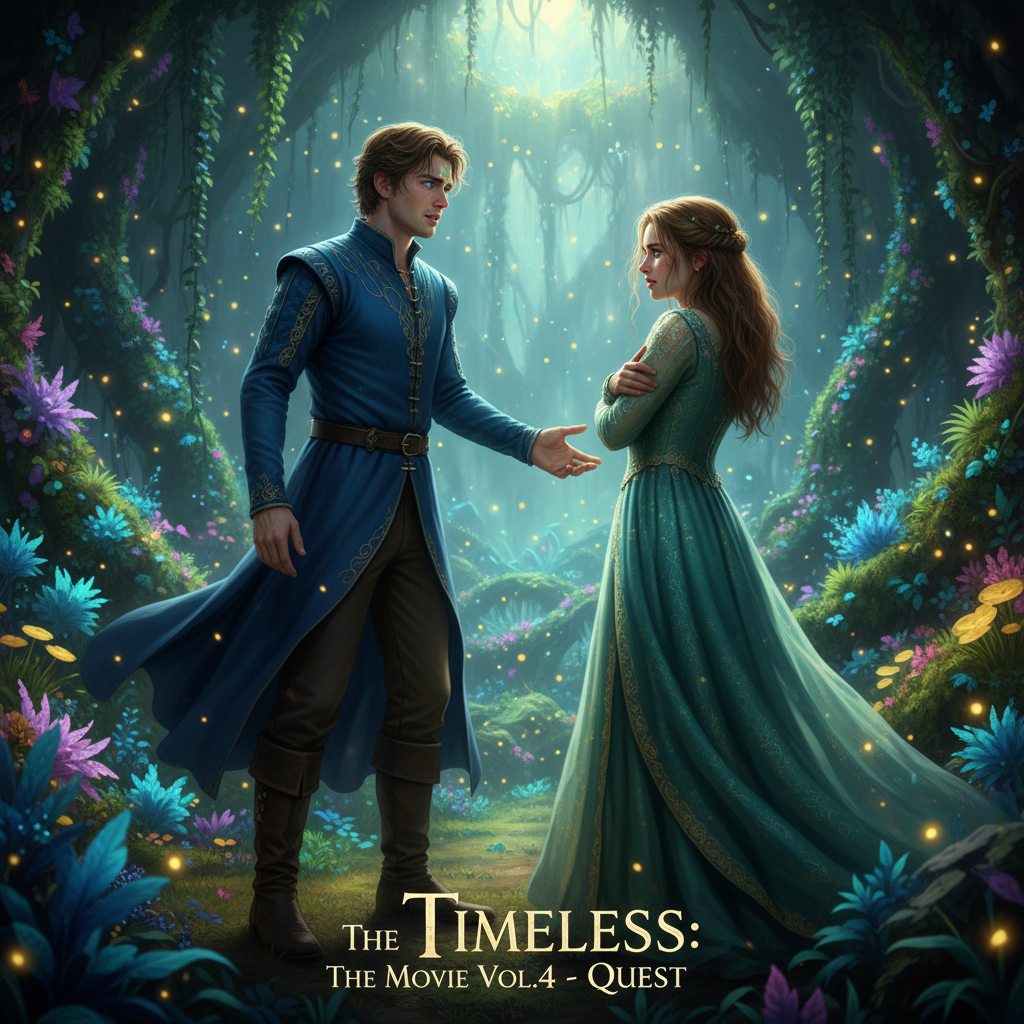 6 - Tensions in the Grotto 6 - Tensions in the Grotto
| 12 | 8.5 | 7 / 8 | 8 | 9 | 9 | 9 | 8 | 8 | 7.5 | 8 | 8 | 8 | 9 | 9 | 9 | 8 | 9 | 8.5 | 8 | 8 | |
|
7 - Dancing on Water: A Night of Revelations
| 17 | 8.5 | 8 / 8 | 8 | 8 | 8 | 9 | 7 | 8 | 7 | 3 | 6 | 6 | 7 | 7 | 9 | 7 | 9 | 8 | 8 | 8 | |
| 8 - Trials of the Underwater Temple and Wedding Preparations | 20 | 8.5 | 8 / 9 | 8 | 9 | 9 | 8 | 8 | 8 | 7 | 8 | 8 | 8 | 9 | 8 | 9 | 8 | 9 | 9 | 8 | 8 | |
|
9 - A Day of Destiny: Christa and Varon's Wedding
| 26 | 8.7 | 7 / 8 | 9 | 9 | 8 | 9 | 8 | 8 | 7 | 6 | 7 | 7 | 9 | 8 | 9 | 8 | 9 | 8 | 8 | 8 | |
|
10 - A Night of Firsts
| 29 | 8.5 | 7 / 8 | 8 | 8 | 8 | 9 | 8 | 8 | 7 | 5 | 5 | 6 | 7 | 6 | 9 | 7 | 9 | 8 | 8 | 7 | |
| 11 - A Morning of Celebration and Uncertainty | 35 | 8.5 | 7 / 8 | 8 | 9 | 9 | 8 | 8 | 8 | 7 | 8 | 8 | 8 | 9 | 7 | 9 | 8 | 9 | 8 | 8 | 8 | |
| 12 - Whispers in the Waterfall | 39 | 8.5 | 7 / 8 | 8 | 8 | 7 | 9 | 8 | 8 | 7 | 8 | 7 | 8 | 8 | 7 | 9 | 8 | 9 | 8 | 8 | 8 | |
|
13 - Revelations in the Garden
| 41 | 8.5 | 7 / 8 | 8 | 8 | 8.5 | 9 | 8 | 8 | 7.5 | 5 | 8 | 6 | 7 | 9 | 9 | 9 | 9 | 8.5 | 8 | 8 | |
|
14 - Dark Alliances and Captured Secrets
| 46 | 8.5 | 9 / 8 | 8 | 9 | 8 | 8 | 8 | 8 | 7 | 9 | 8 | 9 | 9 | 8 | 8 | 8 | 8 | 8 | 7 | 7 | |
| 15 - Shadows in the Kikutani Forest | 48 | 7.5 | 7 / 8 | 8 | 8 | 8 | 7 | 7 | 8 | 7 | 8 | 7 | 8 | 8 | 7 | 7 | 7 | 8 | 8 | 8 | 7 | |
| 16 - Night of Shadows and Confrontation | 50 | 8.5 | 9 / 9 | 8 | 9 | 9 | 8 | 8 | 8 | 7 | 9 | 8 | 9 | 9 | 8 | 9 | 8 | 9 | 8 | 8 | 8 | |
| 17 - Reflections of Uncertainty | 56 | 8.5 | 3 / 7 | 8 | 9 | 8 | 8 | 8 | 8 | 7 | 8 | 8 | 9 | 9 | 7 | 9 | 8 | 8.5 | 8 | 8 | 7.5 | |
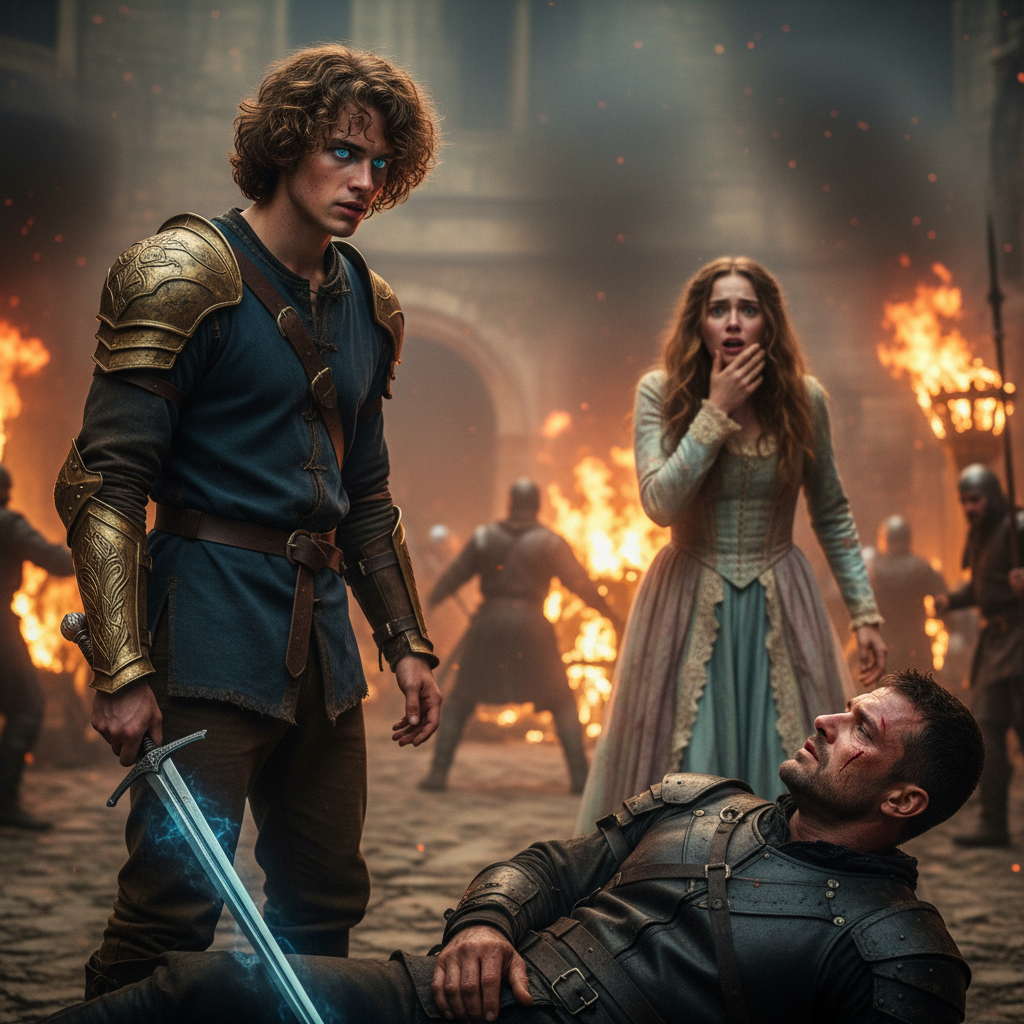 18 - Chaos at Castle Verenia 18 - Chaos at Castle Verenia
| 58 | 7.5 | 9 / 9 | 8 | 7 | 8 | 8 | 7 | 8 | 7 | 8 | 8 | 8 | 8 | 8 | 8 | 7 | 9 | 8 | 7 | 7 | |
| 19 - Revelations and Reassurances | 63 | 8.5 | 7 / 8 | 8 | 8 | 8.5 | 9 | 8 | 8 | 7 | 5 | 8 | 4 | 7 | 7 | 9 | 8 | 8.5 | 8 | 8 | 7.5 | |
| 20 - The Blood Moon's Shadow | 65 | 8.5 | 8 / 9 | 8 | 9 | 8 | 8 | 8 | 8 | 7.5 | 8 | 8 | 9 | 9 | 8 | 9 | 8 | 9 | 8.5 | 8 | 8 | |
| 21 - Portal Perils and Power Struggles | 69 | 8.5 | 7 / 8 | 8 | 9 | 9 | 8 | 8 | 8 | 7.5 | 9 | 8 | 9 | 9 | 9 | 8 | 8 | 9 | 8.5 | 8 | 8 | |
| 22 - A Night of Affection | 73 | 8.5 | 8 / 7 | 8 | 8 | 8 | 9 | 6 | 8 | 6 | 2 | 5 | 3 | 7 | 6 | 9 | 8 | 9 | 8 | 7 | 7 | |
| 23 - Portals of Concern | 77 | 8.2 | 6 / 8 | 8 | 8 | 8 | 8 | 8 | 8 | 7.5 | 9 | 8 | 8 | 9 | 8 | 8 | 8 | 9 | 8.5 | 8 | 8 | |
| 24 - Victory and Foreboding | 79 | 8.5 | 7 / 8 | 8 | 9 | 8 | 8 | 8 | 8 | 9 | 8 | 8 | 9 | 9 | 8 | 9 | 8 | 9 | 9 | 9 | 9 | |
|
25 - The Final Confrontation
| 81 | 8.5 | 10 / 10 | 8 | 9 | 8 | 8 | 8 | 8 | 7 | 9 | 8 | 9 | 9 | 8 | 9 | 8 | 9 | 8 | 8 | 8 | |
Sequence Analysis
📊 Understanding Your Scores
Each axis shows your sequence's raw score (0–10) in that category. We recently upgraded the AI models behind these categories, so percentile rankings are temporarily unavailable while we re-score our reference library.
Hover over each axis on the radar chart to see what that category measures and why it matters.
| Sequence | Scenes | Overall | Momentum | Pressure | Emotion/Tone | Shape/Cohesion | Character/Arc | Novelty | Craft | Momentum | Pressure | Emotion/Tone | Shape/Cohesion | Character/Arc | Novelty | Craft | ||||||||||||||||||
|---|---|---|---|---|---|---|---|---|---|---|---|---|---|---|---|---|---|---|---|---|---|---|---|---|---|---|---|---|---|---|---|---|---|---|
| Plot Progress | Pacing | Keep Reading | Escalation | Stakes | Emotional | Tone/Visual | Narrative Shape | Impact | Memorable | Char Leverage | Int Goal | Ext Goal | Originality | Readability | Plot Progress | Pacing | Keep Reading | Escalation | Stakes | Reveal Rhythm | Emotional | Tone/Visual | Narrative Shape | Impact | Memorable | Char Leverage | Int Goal | Ext Goal | Subplots | Originality | Readability | |||
| Act One Overall: 5.5 | ||||||||||||||||||||||||||||||||||
| 1 - The Summoning | 1 – 2 | 6.5 | 7 | 6 | 7 | 4 | 4 | 5.5 | 7 | 6.5 | 6 | 5.5 | 5 | 4.5 | 7 | 4.5 | 7 | 7 | 6 | 7 | 4 | 4 | 6 | 5.5 | 7 | 6.5 | 6 | 5.5 | 5 | 4.5 | 7 | 5 | 4.5 | 7 |
| 2 - The Hasty Wedding | 3 – 4 | 6.5 | 7.5 | 6 | 7 | 6 | 6 | 7.5 | 7 | 7 | 7 | 6.5 | 7 | 7.5 | 8 | 5 | 7.5 | 7.5 | 6 | 7 | 6 | 6 | 6 | 7.5 | 7 | 7 | 7 | 6.5 | 7 | 7.5 | 8 | 5.5 | 5 | 7.5 |
| 3 - Kingdom Threats | 5 | 5.5 | 6 | 5.5 | 6 | 4.5 | 4 | 5 | 6 | 4 | 5 | 5 | 4.5 | 3.5 | 6 | 4.5 | 6 | 6 | 5.5 | 6 | 4.5 | 4 | 5 | 5 | 6 | 4 | 5 | 5 | 4.5 | 3.5 | 6 | 5.5 | 4.5 | 6 |
| 4 - Relationship Tensions | 6 – 7 | 6.5 | 6 | 6 | 7 | 5 | 5 | 8 | 7 | 7 | 7 | 6 | 8 | 7 | 4 | 6 | 7.5 | 6 | 6 | 7 | 5 | 5 | 6 | 8 | 7 | 7 | 7 | 6 | 8 | 7 | 4 | 6 | 6 | 7.5 |
| Act Two A Overall: 5.5 | ||||||||||||||||||||||||||||||||||
| 1 - Temple of Trials | 8 | 6 | 7 | 5.5 | 7 | 5.5 | 6 | 6.5 | 5.5 | 5 | 6.5 | 6 | 7 | 6.5 | 7.5 | 5 | 5 | 7 | 5.5 | 7 | 5.5 | 6 | 6 | 6.5 | 5.5 | 5 | 6.5 | 6 | 7 | 6.5 | 7.5 | 5 | 5 | 5 |
| 2 - Wedding and Prophecy | 9 – 10 | 6.5 | 5.5 | 6 | 5.5 | 4 | 4 | 7.5 | 7 | 7 | 6.5 | 6 | 7.5 | 7 | 4.5 | 5.5 | 6.5 | 5.5 | 6 | 5.5 | 4 | 4 | 6 | 7.5 | 7 | 7 | 6.5 | 6 | 7.5 | 7 | 4.5 | 5 | 5.5 | 6.5 |
| 3 - Honeymoon and Revelation | 11 – 13 | 6.5 | 5 | 6 | 6 | 4 | 5 | 7.5 | 7 | 7 | 6.5 | 6 | 7.5 | 7 | 4 | 5 | 7.5 | 5 | 6 | 6 | 4 | 5 | 6 | 7.5 | 7 | 7 | 6.5 | 6 | 7.5 | 7 | 4 | 6 | 5 | 7.5 |
| 4 - Enemy's Gambit | 14 – 15 | 6.5 | 7 | 6 | 7 | 6 | 6.5 | 5.5 | 5.5 | 5 | 6.5 | 5.5 | 5 | 4.5 | 7 | 5 | 6 | 7 | 6 | 7 | 6 | 6.5 | 6.5 | 5.5 | 5.5 | 5 | 6.5 | 5.5 | 5 | 4.5 | 7 | 6 | 5 | 6 |
| Act Two B Overall: 5.5 | ||||||||||||||||||||||||||||||||||
| 1 - Inn Defense and Demetrius Confrontation | 16 | 6 | 7 | 6 | 7 | 6 | 6 | 5.5 | 5 | 6 | 6.5 | 5.5 | 6.5 | 5 | 7.5 | 4.5 | 5.5 | 7 | 6 | 7 | 6 | 6 | 6 | 5.5 | 5 | 6 | 6.5 | 5.5 | 6.5 | 5 | 7.5 | 5.5 | 4.5 | 5.5 |
| 2 - Aftermath and Personal Reflections | 17 | 6 | 4 | 5 | 4.5 | 3.5 | 4 | 6.5 | 6 | 6.5 | 5.5 | 5 | 6 | 6.5 | 3 | 4 | 7 | 4 | 5 | 4.5 | 3.5 | 4 | 4.5 | 6.5 | 6 | 6.5 | 5.5 | 5 | 6 | 6.5 | 3 | 5.5 | 4 | 7 |
| 3 - Castle Coup Defense | 18 | 7 | 8 | 6.5 | 7.5 | 7 | 6.5 | 6 | 6 | 7 | 7.5 | 6.5 | 6 | 5.5 | 8 | 5.5 | 6 | 8 | 6.5 | 7.5 | 7 | 6.5 | 7 | 6 | 6 | 7 | 7.5 | 6.5 | 6 | 5.5 | 8 | 6.5 | 5.5 | 6 |
| 4 - Royal Revelations and Relationship Deepening | 19 | 6.5 | 8 | 7 | 7 | 6 | 6 | 7 | 6 | 7 | 6.5 | 7 | 8 | 8 | 5 | 5 | 7 | 8 | 7 | 7 | 6 | 6 | 7 | 7 | 6 | 7 | 6.5 | 7 | 8 | 8 | 5 | 5 | 5 | 7 |
| 5 - War Declaration and Blood Moon Crisis | 20 | 6.5 | 7 | 5.5 | 6.5 | 5.5 | 6.5 | 7 | 6 | 6.5 | 6 | 5 | 7 | 6 | 7.5 | 4 | 7 | 7 | 5.5 | 6.5 | 5.5 | 6.5 | 5 | 7 | 6 | 6.5 | 6 | 5 | 7 | 6 | 7.5 | 4.5 | 4 | 7 |
| 6 - Portal Investigation and Dark Forest Expedition | 21 | 6.5 | 7 | 6.5 | 7 | 5.5 | 5.5 | 6 | 7 | 7 | 6.5 | 6 | 5.5 | 5 | 7 | 5.5 | 7 | 7 | 6.5 | 7 | 5.5 | 5.5 | 5 | 6 | 7 | 7 | 6.5 | 6 | 5.5 | 5 | 7 | 6.5 | 5.5 | 7 |
| 7 - Intimate Bonding and Conception Concerns | 22 | 6.5 | 4 | 5.5 | 5 | 5 | 4.5 | 7 | 6.5 | 6.5 | 6 | 5.5 | 6 | 7 | 3.5 | 4 | 7 | 4 | 5.5 | 5 | 5 | 4.5 | 5 | 7 | 6.5 | 6.5 | 6 | 5.5 | 6 | 7 | 3.5 | 4.5 | 4 | 7 |
| 8 - Portal Crisis and Future Prophecies | 23 | 6 | 7 | 5.5 | 6 | 4.5 | 5 | 4 | 6.5 | 6 | 5.5 | 5 | 5.5 | 4 | 6.5 | 4.5 | 7.5 | 7 | 5.5 | 6 | 4.5 | 5 | 5 | 4 | 6.5 | 6 | 5.5 | 5 | 5.5 | 4 | 6.5 | 7 | 4.5 | 7.5 |
| Act Three Overall: 5.5 | ||||||||||||||||||||||||||||||||||
| 1 - Forest Battle Preparations and Victory | 24 | 6.5 | 8 | 6.5 | 7.5 | 6 | 7 | 6 | 7 | 7 | 7 | 5.5 | 6.5 | 5 | 8.5 | 4.5 | 6 | 8 | 6.5 | 7.5 | 6 | 7 | 5.5 | 6 | 7 | 7 | 7 | 5.5 | 6.5 | 5 | 8.5 | 6 | 4.5 | 6 |
| 2 - Castle Infiltration and Monster Clearing | 25 | 6.5 | 8 | 6 | 8 | 6.5 | 7 | 7 | 6.5 | 6 | 7 | 7 | 7.5 | 7 | 8 | 5 | 6 | 8 | 6 | 8 | 6.5 | 7 | 6 | 7 | 6.5 | 6 | 7 | 7 | 7.5 | 7 | 8 | 5.5 | 5 | 6 |
| 3 - Final Confrontation with Demetrius | 25 | 6.5 | 8 | 6 | 8 | 7 | 7 | 7 | 7 | 6.5 | 7 | 7.5 | 7.5 | 7 | 8 | 5.5 | 6 | 8 | 6 | 8 | 7 | 7 | 6.5 | 7 | 7 | 6.5 | 7 | 7.5 | 7.5 | 7 | 8 | 6 | 5.5 | 6 |
- Physical environment: The world depicted in the script is a richly detailed medieval-fantasy realm, characterized by a blend of majestic natural landscapes and supernatural phenomena. Key settings include grand castles like Verenia, mystical forests such as Daskan and Kikutani, ethereal grottoes with bioluminescent elements, and dynamic locations like the Realm of Omeni with its waterfalls, sunken temples, and glowing caves. The environment features magical occurrences such as auroras, shooting stars, portals, and glowing artifacts, creating an atmosphere of wonder, danger, and constant flux. This setting often juxtaposes serene beauty with perilous elements like monster-infested areas and battlegrounds, emphasizing a world where the natural and supernatural are inextricably linked, fostering a sense of adventure and unpredictability.
- Culture: The cultural elements draw from a diverse tapestry, primarily rooted in medieval European traditions of royalty, chivalry, and heroic legends, but enriched with influences from other cultures, such as East Asian elements (e.g., ninjas, territories like Tsiyan, and Japanese researchers). Rituals like weddings, festivals, and the 'Destined Kiss' highlight themes of destiny, romance, and community, while legends of chosen heroes and prophecies underscore a society that reveres fate and personal sacrifice. This cultural fusion promotes values of honor, loyalty, and redemption, as seen in characters transitioning from outcasts to heroes, and integrates romantic and intimate moments that reflect a blend of idealism and human vulnerability, contributing to a narrative that explores cross-cultural interactions and the universality of human experiences.
- Society: Society is structured hierarchically, with a clear divide between royalty (kings, princes, princesses), nobility (knights, lords), and commoners, often involving complex alliances, betrayals, and roles defined by destiny or birthright. Elements like the Maidens of Virtue, chosen heroes, and protectors of sacred places illustrate a system where individuals are bound by duty, prophecy, and social expectations. This hierarchy influences interpersonal dynamics, such as rushed marriages for political security or secretive court dealings, and incorporates diverse social groups, including warriors, researchers, and reformed outcasts, creating a web of intrigue, loyalty, and conflict that mirrors real-world power structures while amplifying fantastical elements like exile and redemption.
- Technology: Technology is predominantly magical and rudimentary, with artifacts like the Sword of Destiny, glowing gemstones granting elemental powers, and portals facilitating travel serving as the core 'tech' in this world. Minimal modern intrusions, such as a camcorder, hint at cross-dimensional influences, but the focus remains on medieval tools like swords, armor, and staffs, enhanced by magical abilities (e.g., Timeless powers, light arrows). This low-tech, high-magic approach emphasizes reliance on personal skill and mystical forces over mechanical innovation, creating a setting where technology is a metaphor for inner strength and destiny rather than external progress.
- Characters influence: The world's elements profoundly shape characters' experiences and actions by immersing them in a environment of constant peril and wonder, driving personal growth and relational dynamics. For instance, the hierarchical society pressures characters like Varon to conceal his true identity as a prince in exile, influencing his cautious approach to love and leading to moments of vulnerability and confession. The magical physical environment, with its portals and monsters, forces characters into heroic actions and intimate bonds, as seen in Varon and Christa's adventures that test their relationship and individual courage. Culturally, the emphasis on destiny and romance compels characters to navigate emotional complexities, such as Christa's adaptation to a foreign world, while the limited technology heightens reliance on magical abilities, shaping actions like Varon's use of the Sword of Destiny in battles. Overall, these elements create a crucible for character development, where experiences of love, conflict, and self-discovery are intensified, reflecting how external forces mold internal journeys in a way that feels both epic and personal.
- Narrative contribution: The world-building elements significantly propel the narrative by providing a dynamic backdrop that escalates conflict and facilitates plot progression. The physical environment's magical phenomena, like portals and glowing artifacts, enable key events such as Christa's transportation and battles with monsters, creating suspense and advancing the story's pace. Societal structures introduce intrigue through political machinations and alliances, such as the rushed marriage to thwart the Scourge King, which builds tension and stakes. Cultural rituals and legends integrate seamlessly with the plot, bridging to the final installment by reinforcing themes of destiny and heroism, while the technology of magic serves as a narrative device for action sequences and revelations. Together, these elements craft a cohesive, immersive story that maintains momentum, heightens emotional beats, and sets up future conflicts, ensuring the script's R-rated tone through intense battles and intimate scenes while effectively linking to previous volumes.
- Thematic depth contribution: The world elements deepen the script's thematic exploration by symbolizing broader concepts like fate, love, and the human condition in a fantastical context. The physical environment's blend of beauty and danger mirrors themes of uncertainty and resilience, enhancing the narrative's focus on personal transformation and the cost of heroism. Culturally, the fusion of traditions highlights identity and belonging, as characters grapple with cross-cultural challenges, adding layers to themes of destiny and redemption. Societal hierarchies underscore power dynamics and the burdens of leadership, while the magical technology represents inner potential and the ethical dilemmas of power, contributing to motifs of sacrifice and unity. For an INFJ writer, who may appreciate theoretical insights over specific examples, this world-building fosters a philosophical depth that explores how external forces shape internal worlds, reinforcing themes of emotional intimacy and moral complexity, which aligns with the script's confident, R-rated approach and its role in bridging to the series' conclusion.
| Voice Analysis | |
|---|---|
| Summary: | The writer's voice is characterized by a deeply romantic and emotionally resonant narrative, infused with elements of fantasy, destiny, and heightened emotionality. Dialogue often leans towards the poetic and expressive, with characters frequently articulating their inner thoughts and profound feelings. There's a consistent emphasis on the mystical and magical, woven seamlessly into the fabric of the story, and a tendency to explore themes of love, destiny, and personal growth. The narrative direction supports this by highlighting intimate moments, grand fantastical events, and the emotional weight of character interactions. There's a discernible pattern of blending formal language, especially in regal or historical settings, with modern emotional expressions and character desires. |
| Voice Contribution | The writer's voice contributes significantly to the overall mood by creating a world that feels both fantastical and intimately personal. The blend of magic, romance, and heightened emotion cultivates a sense of wonder, passion, and a touch of melodrama. This distinctive voice enhances the thematic exploration of love, destiny, and the characters' internal struggles, adding depth and a unique emotional resonance to the script. The focus on introspection and emotional clarity, while sometimes leading to extensive dialogue, aims to build a strong connection between the audience and the characters' inner lives. |
| Best Representation Scene | 4 - A Battle of Hearts |
| Best Scene Explanation | Scene 4 best showcases the author's unique voice because it perfectly encapsulates the blend of high-stakes action with intense romantic and emotional declarations. The scene moves from a dramatic battle sequence where Varon displays heroic prowess, to an intimate and passionate private conversation where he confesses his love and proposes marriage on the spot. This transition, the heightened emotional dialogue, the focus on destiny and love, and the direct, almost theatrical expression of romantic desire are hallmarks of the writer's style. The inclusion of references to past events and the culmination of Varon carrying Christa to the bed further emphasize the romantic intensity that defines the writer's voice. |
Style and Similarities
The writing style across the script is characterized by a strong blend of fantasy elements with deep emotional resonance and complex character dynamics. There's a recurring emphasis on intricate world-building, philosophical themes, and high-stakes conflicts, often interwoven with nuanced explorations of love, destiny, and morality. The dialogue-driven nature of many scenes suggests a focus on revealing character motivations and inner struggles.
Style Similarities:
| Writer | Explanation |
|---|---|
| George R.R. Martin | Martin's influence is evident across numerous scene analyses (5, 8, 11, 14, 15, 18, 20, 23, 24, 25), highlighting a consistent focus on complex political dynamics, moral ambiguity, intricate character relationships, high-stakes conflicts, and detailed fantasy world-building. This suggests a narrative driven by layered plots and morally gray characters. |
| Neil Gaiman | Gaiman's stylistic markers appear frequently (1, 2, 7, 13, 14, 16, 21), indicating a strong presence of mystical elements blended with introspection, intimate character relationships, philosophical themes, and dark, emotional undertones. This suggests a narrative that explores wonder, magic, and the human condition with a touch of the uncanny. |
| J.R.R. Tolkien | Tolkien's influence (8, 11, 15, 18, 20, 23, 24, 25) is notable for his epic fantasy settings, themes of heroism and destiny, grand scale narratives, and detailed world-building. This points to a script that likely engages with large-scale conflicts and a sense of mythic importance. |
| Nicholas Sparks | Sparks' presence (4, 10, 12, 22) suggests a significant focus on romantic themes, emotional depth, intense character interactions, and poetic dialogue, particularly within romantic contexts. This indicates that despite the fantasy and high-stakes elements, a core emotional and romantic throughline is present. |
Other Similarities: Given the INFJ personality type and the goal of an industry-ready script, the blend of complex fantasy world-building (Martin, Tolkien) with deep emotional exploration and intimate relationships (Gaiman, Sparks) suggests a narrative that aims for both intellectual and emotional engagement. The 'R-rated' ambition, coupled with the challenge of dialogue, indicates a desire for mature themes and sharp, impactful conversations. The focus on bridging previous volumes and leading into a final installment implies a narrative that is both self-contained within its scenes and part of a larger, overarching epic. The presence of romantic elements, even within darker fantasy, aligns with the INFJ's potential for exploring deep connections and idealistic pursuits. The script seems to strive for a sophisticated and emotionally resonant genre piece.
Top Correlations and patterns found in the scenes:
| Pattern | Explanation |
|---|---|
| Romantic Tones and Reduced Conflict | In scenes with romantic tones (e.g., scenes 7, 9, 10, 11, 12, 13, 16, 17, 18), conflict scores average around 6.5 compared to the overall average of 7.5, and high stakes scores are similarly lower (average 6.0 vs. 7.7). This pattern suggests that your emotional focus, common in INFJ writers who prioritize depth and relationships, might unintentionally dilute tension in key moments. For your R-rated script bridging to a final installment, amplifying conflict in these scenes could heighten stakes and better maintain narrative momentum, aligning with industry expectations for sustained engagement. |
| Emotional Tone Consistency and High Impact | Scenes featuring emotional or intense tones (e.g., scenes 2, 4, 6, 9, 10, 16, 17, 19, 20, 22) consistently show emotional impact scores of 8 or 9, correlating strongly with overall grades above 8. This reflects your INFJ strength in creating profound, introspective moments, which is a core asset for your script's R-rated intimacy and character-driven depth. However, this uniformity might make emotional peaks less surprising; consider varying tone to create contrast, enhancing the script's polish and ensuring it effectively bridges the series without becoming predictable. |
| Dialogue Challenges in Intense or Serious Scenes | Lower dialogue scores (7 out of 10) appear in scenes with intense, serious, or mysterious tones (e.g., scenes 1, 4, 15, 18), averaging a dialogue score of 7.0, while these scenes have higher scores in plot and conflict (averaging 8.0). Given your self-identified challenge with dialogue and intermediate skill level, this correlation indicates that high-tension moments might benefit from more concise, impactful lines to match the energy—perhaps by incorporating subtext or conflict-driven exchanges. As an INFJ, you may naturally focus on theoretical ideas over practical dialogue, so experimenting with real-world feedback could refine this area for minor polish. |
| High Stakes and Story Progression in Action-Oriented Scenes | Scenes with tones including 'intense', 'tense', or 'action-packed' (e.g., scenes 5, 6, 14, 16, 21, 23, 24, 25) show strong correlations between high stakes (average 8.5) and moving the story forward (average 8.8), with both scoring higher than in romantic scenes. This suggests your script excels in building momentum during climactic moments, which is crucial for an industry-bound project. However, as an INFJ who might emphasize emotional arcs, ensure that low-stakes scenes (like scene 22 with a score of 3) don't stall progression; integrating subtle stakes could create a more cohesive bridge to the final installment. |
| Character Changes and Reflective Tones | In scenes with reflective or tender tones (e.g., scenes 3, 10, 13, 19), character change scores are slightly lower (average 7.5 vs. overall 7.8), yet emotional impact remains high (average 9.0). This pattern highlights a potential blind spot: your INFJ inclination toward introspective, theoretical character development might not always translate to visible changes, especially in dialogue-heavy scenes. To address this and your dialogue challenges, focus on explicit actions or decisions in these moments during minor revisions, ensuring characters evolve dynamically to support the script's R-rated depth and series continuity. |
Writer's Craft Overall Analysis
The screenplay demonstrates a strong command of emotional storytelling, character dynamics, and fantasy elements. The writer effectively blends romance, action, and mystery, creating engaging narratives that resonate with the audience. However, there are consistent challenges with dialogue that need to be addressed to elevate the overall impact of the script. The writer's INFJ personality suggests a deep understanding of character motivations and emotional depth, which can be further enhanced through focused practice and study.
Key Improvement Areas
Suggestions
| Type | Suggestion | Rationale |
|---|---|---|
| Book | Read 'The Art of Dramatic Writing' by Lajos Egri. | This book provides valuable insights into character development and the importance of conflict, which can help the writer deepen character arcs and motivations. |
| Screenplay | Study 'Eternal Sunshine of the Spotless Mind' by Charlie Kaufman. | This screenplay is known for its complex character dynamics and emotional depth, offering a great example of how to craft authentic dialogue that reveals vulnerabilities. |
| Exercise | Write a dialogue scene between two characters with opposing goals, focusing on subtext and emotional stakes.Practice In SceneProv | This exercise will help the writer practice creating tension and depth in dialogue, addressing the identified challenges in character interactions. |
| Course | Enroll in a dialogue writing workshop. | Participating in a workshop will provide practical techniques and feedback to refine dialogue skills, which is a key area for improvement. |
| Exercise | Create character profiles that detail motivations, backstories, and internal conflicts for each main character.Practice In SceneProv | This exercise will deepen the writer's understanding of their characters, enhancing the emotional complexity and authenticity of their interactions. |
| Video | Watch 'The Dialogue: Analyzing the Art of Conversation' on YouTube. | This video provides insights into crafting realistic and engaging dialogue, which can help the writer address their challenges in this area. |
Here are different Tropes found in the screenplay
| Trope | Trope Details | Trope Explanation |
|---|---|---|
| The Chosen One | Varon is identified as the Hero of Legend, destined to wield the Sword of Destiny and confront the Scourge King. | This trope involves a character who is marked for greatness, often possessing unique abilities or a special destiny. An example is Neo from 'The Matrix', who is prophesied to be 'The One' who will end the war between humans and machines. |
| Love Triangle | Varon has a complicated past with Princess Eliana, creating tension in his relationship with Christa. | This trope involves three characters where one is romantically torn between two others. A classic example is Katniss, Peeta, and Gale in 'The Hunger Games'. |
| Magical Artifact | The Sword of Destiny serves as a powerful magical artifact that plays a central role in the plot. | This trope features an object imbued with magical properties that often drives the plot. An example is the One Ring in 'The Lord of the Rings'. |
| The Mentor | Princess Eliana acts as a mentor to Varon, guiding him on how to use the Sword of Destiny. | This trope involves a wise character who provides guidance to the protagonist. An example is Mr. Miyagi in 'The Karate Kid'. |
| The Wedding | Varon and Christa's wedding serves as a significant plot point, filled with emotional stakes and external threats. | This trope often signifies a turning point in a story, representing commitment and unity. An example is the wedding scene in 'The Princess Bride'. |
| Portal Fantasy | Characters are transported between different realms, such as from Earth to Verenia. | This trope involves characters traveling to fantastical worlds through portals. An example is 'Alice in Wonderland', where Alice enters a magical world through a rabbit hole. |
| The Power of Love | Varon's love for Christa empowers him and plays a crucial role in their battles. | This trope suggests that love can provide strength and motivation. An example is in 'Titanic', where Jack's love for Rose drives his actions. |
| The Dark Lord | Demetrius, the Scourge King, serves as the primary antagonist, embodying evil and chaos. | This trope features a powerful villain who poses a significant threat to the protagonist. An example is Voldemort from 'Harry Potter'. |
| The Hero's Journey | Varon undergoes a classic hero's journey, facing trials and personal growth throughout the story. | This trope outlines a hero's adventure, including challenges and transformation. An example is Luke Skywalker in 'Star Wars'. |
| The Best Friend | Princess Eliana serves as a confidante and support for both Varon and Christa. | This trope features a character who supports the protagonist, often providing comic relief or wisdom. An example is Ron Weasley in 'Harry Potter'. |
Memorable lines in the script:
| Scene Number | Line |
|---|---|
| 4 | VARON: I love you. I love you so much; I can’t contain it any longer. This separation…why must we always end up pulling away from each other? Can’t anyone see? This yearning only grows stronger the more we are apart! |
| 1 | VARON: Christa... are you there? Are you thinking about me? |
| 3 | VARON: Please. Allow us to be the married couple I so desire. To be entirely yours and for you to be completely mine… |
| 7 | VARON: And suddenly, I must be dreaming and keeping you inside my heart. And all the things that had me weeping have wondrously disappeared. Everything starts to get clearer. As I get nearer to the light, shining brightly as I sing! |
| 12 | VARON: Christa. My love. Would you like to be with me forever? |
Logline Analysis
Top Performing Loglines
Creative Executive's Take
Logline_1 stands out as the top choice for its razor-sharp commercial appeal, masterfully blending high-stakes fantasy action with a deeply personal romantic hook that taps into universal themes of love and empowerment. By highlighting how Varon's transfer of powers to Christa during their first intimate night makes her the key weapon against Demetrius, it draws directly from the script's pivotal moment in Scene 10, where this magical element occurs, adding a layer of intrigue and marketability that could attract audiences craving stories like 'Twilight' meets 'The Lord of the Rings.' This logline's accuracy is spot-on, as it faithfully captures the interdimensional portals from Scenes 21 and 23, the shadow army in Scene 16, and Christa's evolving role, while its concise phrasing creates an immediate emotional pull, positioning it as a blockbuster potential hit with broad appeal in the YA fantasy romance genre.
Strengths
This logline excels in highlighting the personal stakes of love and family alongside epic conflicts, making it emotionally resonant and faithful to the script.
Weaknesses
The phrasing is slightly wordy, which might dilute the impact in a high-stakes pitch.
Suggested Rewrites
Detailed Scores
| Criterion | Score | Reason | Evidence |
|---|---|---|---|
| Hook | 10 | The accidental awakening of powers through consummation is a compelling, unique hook that combines romance and fantasy. | "Scene 10's intimate moment and power transfer is a key plot point, mirrored in the logline's dramatic setup." |
| Stakes | 10 | Personal and cosmic stakes are vividly described, emphasizing loss of love, child, and worlds. | "Script references child concerns (Scene 17, 19) and realm-threatening events (Scene 20, 25), heightening the urgency." |
| Brevity | 8 | At 28 words, it's concise but could be tighter to enhance impact. | "The script's action-packed scenes (e.g., Scene 16) are efficient, suggesting the logline could trim redundant phrases." |
| Clarity | 9 | It clearly outlines the inciting incident and consequences, with a logical progression of events. | "Marriage (Scene 9) and power awakening (Scene 10) are accurately depicted, leading to confrontations like in Scene 25." |
| Conflict | 9 | Conflict with the demon king and internal pressures is well-represented, though some relational betrayals are understated. | "Final confrontation (Scene 25) and earlier battles (Scene 16) align, but elements like Maias's betrayal (Scene 18) could be more prominent." |
| Protagonist goal | 10 | Goals are explicitly stated, including defending love, family, and realms, which drives the narrative. | "Varon and Christa's discussions about children (Scene 13, 22) and battles against Demetrius (Scene 25) directly support this focus." |
| Factual alignment | 10 | It precisely matches the script's events, including marriage, powers, and demon king confrontation. | "Details from Scene 9 (wedding), Scene 10 (consummation), and Scene 25 (final battle with Demetrius) are accurately reflected." |
Creative Executive's Take
As the second-best selection, logline_7 excels in its balanced portrayal of prophecy, passion, and peril, making it highly commercially viable by weaving together the epic and intimate elements that define the script. It accurately references Varon and Christa's union awakening latent powers, as depicted in Scene 10, and their navigation through marriage, monsters, and betrayals, which is supported by various battles like those in Scene 18 and the ninja confrontations in Scene 16. This logline's strength lies in its ability to hook readers with a sense of destiny and romance, akin to successful franchises like 'Game of Thrones' crossed with 'The Notebook,' ensuring it appeals to both action enthusiasts and romantics without overloading on details, thus maintaining factual integrity while promising emotional depth and replay value in a series format.
Strengths
This logline effectively captures the core conflict and unique hook of power transfer during intimacy, making it engaging and true to the script's romantic and fantastical elements.
Weaknesses
It could be more concise to improve readability, as the length and structure might overwhelm in a quick-pitch scenario.
Suggested Rewrites
Detailed Scores
| Criterion | Score | Reason | Evidence |
|---|---|---|---|
| Hook | 10 | The unique element of powers passed during the first night is highly intriguing and memorable. | "Scene 10 describes the power transfer during intimacy, which is a pivotal moment that awakens Christa's abilities, directly mirrored in the logline." |
| Stakes | 10 | High stakes are evident with Demetrius fearing Christa as a weapon, implying world-ending consequences. | "The script shows Demetrius's fear and plans (Scene 14), and the final battle (Scene 25) underscores the threat to multiple realms." |
| Brevity | 7 | At 39 words, it's a bit lengthy, reducing its punchiness for logline standards. | "While it covers key elements, the wordiness could be trimmed without losing essence, as seen in the script's concise action descriptions." |
| Clarity | 8 | The logline is mostly clear but the em dash interrupts flow, potentially confusing readers about the sequence of events. | "References to portals (Scene 21) and power transfer (Scene 10) are accurate but the phrasing could be smoother for better understanding." |
| Conflict | 8 | Conflict is present with the shadow army and portals, but it could specify more about the antagonists or internal struggles. | "Battles with monsters and Demetrius (Scenes 16, 18, 25) are referenced, but the logline omits relational tensions like arguments (Scene 6)." |
| Protagonist goal | 9 | The goals of closing portals and stopping the shadow army are explicitly stated, aligning with the protagonists' actions. | "Varon and Christa deal with portals in Scene 21 and face Demetrius's forces in Scene 25, directly supporting the logline's depiction." |
| Factual alignment | 10 | The logline accurately reflects the script's events, including portals, power transfer, and Demetrius as the antagonist. | "Details match Scene 10 (power transfer), Scene 21 (portals), and Scene 25 (final confrontation with Demetrius)." |
Creative Executive's Take
Logline_0 secures the third spot with its comprehensive yet accessible summary that effectively captures the core conflict and emotional stakes, making it commercially appealing for its clear narrative arc and relatable themes of love under threat. It accurately draws from the script's marriage in Scene 9, the awakening of ancient powers during consummation in Scene 10, and the final confrontation with the demon king in Scene 25, while subtly nodding to discussions about their child's future in Scenes 12 and 19. This logline's marketability shines through its blend of fantasy adventure and family drama, reminiscent of 'The Chronicles of Narnia,' but it could be more dynamic in pacing; nonetheless, its factual accuracy and broad appeal make it a solid choice for attracting a wide audience interested in heroic journeys and romantic triumphs.
Strengths
It artfully combines romance and epic fantasy, with a strong hook on the marriage consummation, accurately reflecting the script's blend of personal and grand-scale elements.
Weaknesses
The logline could better emphasize the specific stakes and conflicts to make it more distinctive.
Suggested Rewrites
Detailed Scores
| Criterion | Score | Reason | Evidence |
|---|---|---|---|
| Hook | 10 | The awakening of magic through consummation is a powerful, memorable hook that draws in audiences. | "Directly ties to Scene 10's intimate scene and the magical elements that follow, such as in Scene 21 with portals." |
| Stakes | 9 | Saving the world is a high stake, but it could include personal elements like family for added depth. | "Script shows world-threatening events (Scene 20) and personal concerns (Scene 19), which are partially captured but could be more explicit." |
| Brevity | 9 | At 24 words, it's concise and impactful, balancing detail with brevity. | "The script's pacing in action scenes (e.g., Scene 16) supports this, allowing the logline to cover essentials efficiently." |
| Clarity | 9 | The logline is clear and engaging, with a smooth narrative flow from romance to quest. | "Consummation (Scene 10) and quest elements (Scene 25) are well-represented, though 'time-twisting plot' could reference specific events." |
| Conflict | 8 | Conflict with the demon king and his plot is highlighted, but other antagonists like monsters are less emphasized. | "Demetrius's schemes (Scene 14) and battles (Scene 25) are accurate, but the logline overlooks relational conflicts (Scene 6)." |
| Protagonist goal | 9 | The goal of undoing the demon king's plot is clearly stated, tied to their journey. | "Varon and Christa's battles and quests (Scenes 16, 25) align with this, including their travels across realms." |
| Factual alignment | 9 | It accurately depicts the marriage, magic awakening, and demon king's plot, with minor omissions. | "Consummation and power transfer (Scene 10), quests across realms (Scene 7, 25), and Demetrius's time-related threats (Scene 25) are well-aligned." |
Creative Executive's Take
Ranking fourth, logline_12 captivates with its emotional core, positioning love as the ultimate weapon against a time-manipulating villain, which adds a poetic and commercially enticing layer to the fantasy genre. It is factually accurate, mirroring the script's time reversal in Scene 25 and the couple's bond being tested throughout, such as in the intimate scenes of Scene 22 and the battles in Scene 18. This logline's strength lies in its focus on interpersonal stakes, evoking comparisons to 'Inception' with its mind-bending elements, but it might lean too heavily on abstraction, potentially reducing its hook compared to more action-oriented lines; still, it effectively humanizes the epic scale, making it appealing for viewers seeking heartfelt stories within a larger fantastical framework.
Strengths
This logline succinctly integrates the romantic and prophetic elements with the central conflict, making it evocative and aligned with the script's themes.
Weaknesses
It lacks specific details on the protagonists' goals and stakes, which could make it feel vague and less urgent.
Suggested Rewrites
Detailed Scores
| Criterion | Score | Reason | Evidence |
|---|---|---|---|
| Hook | 9 | The blend of prophecy, passion, and powers is engaging, drawing in readers with emotional and fantastical elements. | "The wedding and power awakening (Scene 9, 10) serve as a strong hook, as does the multiversal threat in Scene 21." |
| Stakes | 9 | Multiversal threat implies high stakes, tied to their union's consequences. | "The script's final battle (Scene 25) and portal issues (Scene 21) support this, with Demetrius's plans threatening multiple realms." |
| Brevity | 9 | At 26 words, it's concise and punchy, effectively conveying the essence without excess. | "The logline mirrors the script's efficient pacing, such as in battle scenes (Scene 16), without unnecessary details." |
| Clarity | 9 | The logline is clear and straightforward, with a logical flow from personal to cosmic stakes. | "It references marriage (Scene 3) and powers awakening (Scene 10), which are central to the script, but could specify the threat more." |
| Conflict | 8 | Conflicts like monsters and betrayals are mentioned, but interpersonal tensions could be more emphasized. | "Betrayals (Scene 14 with Maias) and monster fights (Scene 25) are present, but arguments like in Scene 6 are underrepresented." |
| Protagonist goal | 7 | The goal of navigating challenges is implied but not explicitly stated, leaving room for ambiguity. | "Varon and Christa face monsters and betrayals (Scenes 7, 18), but the logline doesn't clearly state actions like closing portals (Scene 21)." |
| Factual alignment | 9 | It accurately captures the marriage, powers, and threats, though 'multiversal' is a slight exaggeration. | "Union awakening powers (Scene 10) and sealing threats (Scene 25) align, but portals are interdimensional rather than strictly multiversal (Scene 21)." |
Creative Executive's Take
Logline_3 rounds out the top five with its epic sweep and romantic undertones, offering a commercially viable hook that emphasizes the transformative power of love in a high-fantasy setting. It accurately reflects the script's consummation scene in Scene 10 awakening magic, the perilous quests across realms in Scenes 8 and 15, and the demon king's time-twisting plot in Scene 25, ensuring factual precision. While its marketability is strong, drawing parallels to 'The Princess Bride' with its blend of adventure and romance, it could benefit from more specific character details to stand out; nonetheless, it provides a grand, cinematic feel that could translate well to film or TV, appealing to fans of sweeping sagas but falling slightly short in uniqueness compared to the higher-ranked loglines.
Strengths
It effectively conveys the central conflict and the theme of love as a weapon, creating an emotional hook.
Weaknesses
It lacks specificity on key events like the marriage and power transfer, making it feel generic and less aligned with the script's details.
Suggested Rewrites
Detailed Scores
| Criterion | Score | Reason | Evidence |
|---|---|---|---|
| Hook | 8 | The idea of love as a weapon is intriguing, but it's not as unique or specific as the power transfer element. | "Love's role is evident in scenes like the dance (Scene 7) and intimate moments (Scene 22), but the hook could reference the wedding night for stronger alignment." |
| Stakes | 8 | Destruction of the world is a high stake, but it's vaguely stated without personal ties. | "Script highlights personal stakes like family and realms (Scene 20, 25), which could enhance the logline's urgency." |
| Brevity | 10 | At 22 words, it's very concise and to the point, enhancing its appeal. | "The script's concise action descriptions (e.g., Scene 16) support this brevity, making the logline efficient." |
| Clarity | 8 | The logline is clear in its setup, but 'shadowy king' and 'manipulates time and power' could be more precise. | "Demetrius's role (Scene 14, 25) involves time elements, but the logline doesn't reference specific script events like portals or battles." |
| Conflict | 7 | Conflict with the shadowy king is mentioned, but it underplays other elements like monsters and relational strife. | "Demetrius's manipulations (Scene 14) and battles (Scene 25) are central, but the logline ignores specific threats like portals (Scene 21)." |
| Protagonist goal | 7 | The goal of confronting the king is implied, but it's not as explicit or detailed as in other loglines. | "Varon and Christa's battles (Scene 16, 25) show confrontation, but the logline omits their marriage and personal growth arcs." |
| Factual alignment | 7 | It captures the essence of confronting Demetrius but omits key details like the marriage and power awakening. | "Time manipulation is hinted in Scene 25, but the logline doesn't reflect the specific power transfer (Scene 10) or multirealm aspects." |
Other Loglines
- After a wedding that becomes the catalyst for supernatural change, a knight-turned-prince fights to protect his foreign bride as their intimate bond becomes the battleground for an ancient king’s attempt to reverse time and seize ultimate power.
- Two star-crossed lovers discover that their love is also a prophecy: their union awakens a channeled power that both can save and doom their lands — but to stop an obsessive demon king they’ll need to sharpen their hearts as well as their swords.
- In a timeless fantasy realm, a exiled prince and his interdimensional bride must consummate their destined love to unlock powers against a resurgent demon king threatening their world.
- As war portals tear open ancient realms, a modern Chosen One grapples with royal duties and marital intimacy to aid her hero husband in defeating the Scourge King once and for all.
- From accidental portal traveler to princess warrior, Christa embraces her role beside the reincarnated hero Varon, battling ninjas and demons while forging a family legacy amid epic quests.
- In the shadow of a blood moon war, a couple's honeymoon turns into a fight for survival as they rally allies to reclaim a corrupted castle and fulfill an ancient romantic destiny.
- A destined hero and a girl from another world, on the cusp of marriage, must battle a dark king and reclaim lost powers to save their realms from an impending war.
- When a portal unexpectedly reunites a hero and his true love, their path to marriage is fraught with danger, leading them on a perilous quest to confront ancient evils and fulfill their destinies.
- As war looms and ancient powers awaken, a hero and his chosen bride must navigate trials of love, destiny, and battle to protect their realms and secure their future.
- Bridging the gap between worlds and volumes, this epic fantasy romance follows a hero and his destined bride as they face their ultimate challenge, culminating in a battle for love and survival.
- In a fantastical world, a young woman named Christa, the Chosen One, must navigate her role in an epic battle against the Scourge King, all while navigating her growing relationship with Varon, the Hero of Legend.
- A fantasy adventure that blends high-stakes action, political intrigue, and a captivating romance, as Christa and Varon fight to save their world and their love.
- When Christa, a woman from another world, is thrust into the role of the Chosen One, she must team up with the reluctant Hero of Legend, Varon, to defeat a powerful Scourge King and uncover the secrets of their intertwined destinies.
- In a world on the brink of war, a young woman named Christa discovers her true power as the Chosen One, while navigating her growing love for Varon, the tormented Hero of Legend, in this epic fantasy adventure.
- A fantasy epic that explores the themes of destiny, sacrifice, and the power of love, as Christa and Varon fight to save their world and their future together.
- A Timeless hero must balance his destiny to save the realm with his passionate love for a Chosen One from another world, facing a dark king who threatens to tear them apart forever.
- When a magical sword reunites two lovers across dimensions, they must navigate their intense relationship while preparing for a war that could destroy both their worlds.
- A prince in exile discovers his true heritage while fighting to protect the woman he loves from a dark force that seeks to manipulate time itself.
- The Chosen One from Earth must adapt to life in a magical realm while her relationship with the heroic Timeless warrior faces tests from within and without.
- As war approaches Verenia, a legendary hero and his bride from another world must unite their powers to defeat a scourge that threatens to rewrite reality itself.
Help & FAQ
Frequently Asked Questions
After that, the high-level menu will offer insights into the story, themes, and characters.
The scene-by-scene analysis will demonstrate how each scene performs across various criteria, summarized in the column headings.
Click on any scene title to view the full analysis, including critiques and suggestions for improvement.
'Other Analyses' provides various insights into your writing and different perspectives, although it might not lead to significant rewrites of your script.
You can play it for free. If you have scripts analyzed, the AI might recommend exercises from SceneProv to help you improve your writing. Go to the craft tab to see what it recommended.
Let the AI take a turn when you're blocked or you want to riff on a scene. Each scene you create in SceneProv gets graded at the end.
- The email might have gone to your spam folder or is hidden in an email thread.
- The process might still be ongoing. Register/Login with the email you used during upload and look at the status. It sometimes takes as long as a couple hours. If it's been longer than that email us at [email protected]
Feature Request
Got an idea to improve our service? We'd love to hear it!


Scene by Scene Emotions
suspense Analysis
Executive Summary
Suspense is a driving force throughout the script, effectively building anticipation and tension, particularly around Christa's mysterious disappearances and reappearances, Varon's growing powers, and the impending threats of war and Demetrius. While generally well-utilized, there are opportunities to deepen the foreboding and vary the pacing of reveals to maintain a consistent level of engagement.
Usage Analysis
Critique
Suggestions
Questions for AI
fear Analysis
Executive Summary
Fear is present primarily as a reaction to immediate danger and existential threats. Characters like Christa and Princess Eliana exhibit fear during monster attacks and supernatural events, while Varon's fear is often tied to protecting Christa and the potential loss of loved ones. The script could benefit from exploring deeper, more psychological fears to enhance character development and audience investment.
Usage Analysis
Critique
Suggestions
Questions for AI
joy Analysis
Executive Summary
Joy in the script primarily manifests as relief and happiness during moments of reunion, celebration, and the successful overcoming of immediate threats. The wedding scenes and romantic interactions between Varon and Christa are key sources of joy. While present, joy often serves as a temporary reprieve from the pervasive tension and danger, and could be more deeply integrated into character arcs beyond simple celebration.
Usage Analysis
Critique
Suggestions
Questions for AI
sadness Analysis
Executive Summary
Sadness in the script is predominantly expressed through loss, separation, and the weight of past traumas. Varon's melancholy regarding past heartbreaks and exile, Christa's feelings of loneliness and distress, and the overarching sorrow of impending war and potential casualties are key manifestations. The script effectively uses sadness to build empathy and underscore the emotional stakes of the characters' journeys, though it could be amplified by more consistent exploration of its deeper roots.
Usage Analysis
Critique
Suggestions
Questions for AI
surprise Analysis
Executive Summary
Surprise is a key element in the script, driven by unexpected plot twists, reveals of hidden identities, sudden power displays, and abrupt shifts in narrative direction. The script effectively uses surprise to keep the audience engaged and invested, particularly with the 'Destined Kiss,' Varon's lineage, and the time reversal. However, some surprises, like the constant monster attacks, can become predictable.
Usage Analysis
Critique
Suggestions
Questions for AI
empathy Analysis
Executive Summary
Empathy is strongly evoked throughout the script, primarily through the central romance between Varon and Christa. Their deep love, shared struggles, and Varon's protectiveness of Christa foster significant audience connection. The script effectively uses their emotional journey, vulnerability, and the external threats they face to generate empathy. Areas for improvement include deepening empathy for supporting characters and exploring more complex emotional conflicts.
Usage Analysis
Critique
Suggestions
Questions for AI
sadness Analysis
Executive Summary
Sadness in the script is predominantly expressed through loss, separation, and the weight of past traumas. Varon's melancholy regarding past heartbreaks and exile, Christa's feelings of loneliness and distress, and the overarching sorrow of impending war and potential casualties are key manifestations. The script effectively uses sadness to build empathy and underscore the emotional stakes of the characters' journeys, though it could be amplified by more consistent exploration of its deeper roots.
Usage Analysis
Critique
Suggestions
Questions for AI
surprise Analysis
Executive Summary
Surprise is a key element in the script, driven by unexpected plot twists, reveals of hidden identities, sudden power displays, and abrupt shifts in narrative direction. The script effectively uses surprise to keep the audience engaged and invested, particularly with the 'Destined Kiss,' Varon's lineage, and the time reversal. However, some surprises, like the constant monster attacks, can become predictable.
Usage Analysis
Critique
Suggestions
Questions for AI
empathy Analysis
Executive Summary
Empathy is strongly evoked throughout the script, primarily through the central romance between Varon and Christa. Their deep love, shared struggles, and Varon's protectiveness of Christa foster significant audience connection. The script effectively uses their emotional journey, vulnerability, and the external threats they face to generate empathy. Areas for improvement include deepening empathy for supporting characters and exploring more complex emotional conflicts.
Usage Analysis
Critique
Suggestions
Questions for AI