View Analysis
View Script
1 - Bonfire Chaos in Uptown - Overall Grade: 8.5
Shameless Full Analysis

SHAMELESS
By
Paul Abbott
Current Revisions by
John Wells
in association with
Warner Horizon Television

SHAMELESS
FADE IN:
EXT. CHICAGO UPTOWN - NIGHT
Blazing fire. Public bonfire. POPS and BANGS of fireworks. A
MALE VOICE begins over luminous faces - adults and kids -
that the CAMERA picks out of the crowd in the bonding glow.
FRANK (V.O.)
Nobody's saying this neighborhood's
the Garden of Eden, hell some
people say God avoids this place
altogether, but it's been a good
home to us, to me and my kids, who
I'm proud of; 'cause every single
one of them reminds me a little bit
of me. Fiona, my rock, a huge help.
FIONA, attractive, but not gorgeous, eighteen, laughing.
FRANK (CONT'D)
Has all the best qualities of her
mother -- except she’s not a raging
psycho bitch.
QUICK-CUT to Fiona with two Kleenexs and two kids, put’s a
tissue to each kid’s nose and orders “Blow!”. They do.
FRANK (CONT'D)
Lip, smart as a whip. Straight A’s
and the honor roll. And people
thought when I dropped him on his
head it was a bad thing.
LIP, sixteen, handsome, athletic, drinking a brown-bagged
Pabst tallboy, no doubt lifted from some 7-11.
FRANK (CONT’D)
Boy’s definitely going somewhere --
QUICK-CUT of Lip, charging STRAIGHT AT and over us, followed
by two Chicago cops, in heated, sweaty pursuit.
FRANK (CONT’D)
Ian, industrious, conscientious,
ambitious, incredible work ethic.
IAN, fifteen, smiling, a little goofy, instantly likeable.

FRANK (CONT’D)
Don’t have a clue where he got that
from. I’m no biologist, but he
looks a bit like my brother, he and
the ex were close. Wants to be a
paratrooper.
QUICK-CUT of Ian in ROTC uniform, seriously working a wooden
rifle in close-order drills on a weedy playground.
FRANK (CONT’D)
Girls are going to love this guy.
Carl... Carl...
CARL, eleven. Shaved head, also drinking from a brown bag --
here’s hoping there’s a Fanta Orange hiding in there.
FRANK (CONT’D)
I don’t really know that much about
Carl... Oh, he’s got beautiful
hair, fetches top dollar at the wig
shop. We don’t tell the wig lady
he’s a magnet for lice. Debbie!
Sent by God, a total angel, don’t
know what we’d do without her.
DEBBIE, ten. Hooting and hollering at the fire, holding her
toddler brother, LIAM, in her arms.
FRANK (CONT'D)
Raises money for UNICEF year-round,
some of which she turns in.
QUICK-CUT of Debbie, sitting on her bed, shaking change out
of an upside down, much-used, orange UNICEF box.
FRANK (CONT’D)
Liam, gonna be a star --
QUICK-CUT to the toddler Liam, wearing a diaper and nothing
else, coming straight at us down a hallway, in the midst of a
SCREAMING, head-banging TANTRUM.
FRANK (CONT’D)
-- once Medicade agrees to cover
the Ritalin.
(and)
Kev and Veronica, fantastic
neighbors!
KEV, thirty, handsome, none too bright, arms wrapped tightly
around VERONICA. Thirty-four, black, sexy, vivacious, tank
top at least two sizes too small.

FRANK (CONT'D)
There’s nothing they won’t do for
each other...or too each other.
QUICK-CUT to Kev pulling a red ball out of his mouth,
Veronica behind him in leather Catwoman mask. He grins.
KEV
Didn’t hurt half as much as I
thought it would... Your turn.
FRANK (VO)
Love to fuck. I never realized how
little sex I was having ‘til V and
Kev moved in next door. And me...
Finally, a face to go with the voice. Forties, glassy-eyed.
Long, unkempt hair, Army surplus jacket, tattered Van Halen
World Tour ‘84 T-shirt. Hoisting his sixth or seventh 40 of
the night as SIRENS build in the distance.
FRANK (CONT’D)
Frank Gallagher, father, teacher,
mentor. Captain of our ship. We may
not have much, but the kids can all
think for ourselves, for which they
have me to thank, and all of us, to
a man, know first and foremost the
most vital necessity in this life --
we know how to party!
The SIRENS are closer now. The crowd finally begins to
disperse, Frank among the last to go. As the CAMERA pulls
away from him, we SLOWLY REVEAL - not a bonfire - but a
burning abandoned car! And they weren't fireworks but
exploding spray cans kids have been tossing into the blaze.
Fire engines and Chicago PD cars speed onto the scene as the
local community scatters to avoid arrest leave, flipping the
finger and yelling obscenities at the killjoy cops as we --
CUT TO:


Genres: Drama, Comedy
Tone: Humorous, Sarcastic, Cynical
Summary The scene unfolds at a chaotic public bonfire in Chicago's Uptown neighborhood, where Frank Gallagher humorously narrates the quirks of his dysfunctional family and neighbors. As the night progresses, the festive atmosphere turns to chaos with the arrival of police and fire engines, revealing the bonfire to be a burning abandoned car. The crowd, including Frank and his family, scatters amidst the chaos, yelling obscenities at the authorities.
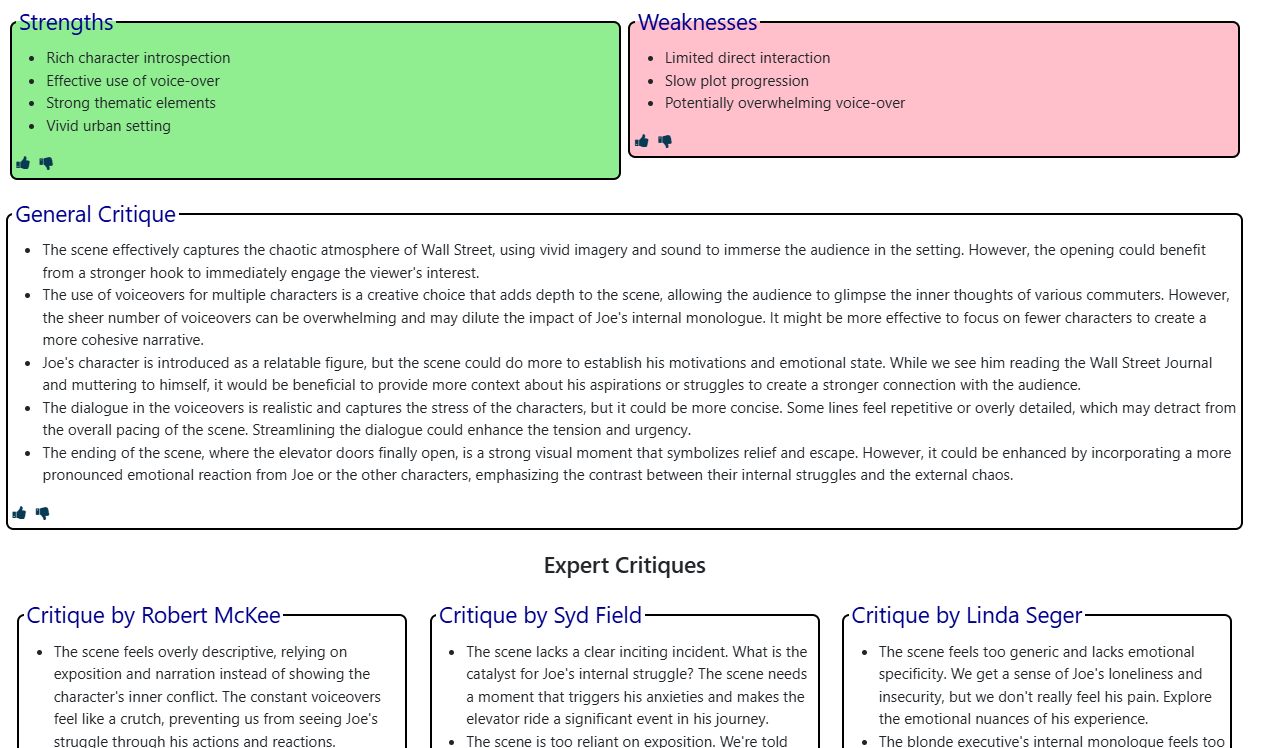
Strengths
  • Strong character introductions
  • Blend of humor and darker themes
  • Engaging dialogue
Weaknesses
  • Limited focus on plot progression
  • Low immediate stakes
General Critique
  • The opening scene effectively uses Frank's voice-over narration to introduce the Gallagher family and key neighbors, creating a humorous and chaotic tone that sets the stage for the series. This approach is engaging and allows for quick character sketches, making it easy for the audience to grasp the dysfunctional dynamics right away, which is crucial for a pilot episode.
  • However, the heavy reliance on voice-over exposition might feel like telling rather than showing, a common screenwriting pitfall. While Frank's witty commentary adds charm, it risks overshadowing the visual elements, potentially making the scene less cinematic and more like a narrated summary. This could alienate viewers who prefer to infer character traits through actions and interactions.
  • The quick-cuts to each family member's defining moments are dynamic and visually appealing, providing a fast-paced introduction that mirrors the show's energetic style. Yet, some introductions, like Carl's, are vague and underdeveloped, relying on Frank's superficial observations (e.g., 'I don’t really know that much about Carl'), which might make certain characters less memorable or stereotypical, reducing the depth needed for audience investment.
  • The scene excels in establishing the show's themes of community, dysfunction, and humor through the bonfire gathering, culminating in the chaotic reveal of a burning car and police arrival. This twist adds excitement and hooks the audience, but it could be more emotionally resonant if it included a subtle hint of the family's resilience or a personal stake, making the transition from festivity to flight more impactful.
  • Frank's voice-over is cleverly written with sarcasm and self-deprecation, enhancing his character as an unreliable narrator, but it dominates the scene, leaving little room for silent moments or visual storytelling that could build tension or allow the audience to form their own impressions. This imbalance might make the scene feel front-loaded with information, potentially overwhelming new viewers.
  • Overall, the scene is strong in tone-setting and character introduction, but it could benefit from more nuanced portrayals to avoid reinforcing clichés. For instance, the quick-cuts show promise, but varying the pacing or adding unique visual motifs for each character could make their introductions stand out more distinctly and foster deeper connections.
General Suggestions
  • Incorporate more visual storytelling to reduce voice-over dependency; for example, extend the quick-cuts to show subtle interactions or conflicts that imply character traits, allowing the audience to discover details organically rather than through narration.
  • Develop minor characters like Carl early on by adding a small, telling action or detail in their quick-cut that hints at their personality or backstory, making them more intriguing and less one-dimensional from the start.
  • Balance the voice-over with silent beats or ambient sounds to create rhythm; consider intercutting Frank's narration with longer shots of the bonfire or crowd reactions to build atmosphere and give the visuals equal weight.
  • Enhance emotional engagement by adding a brief moment where a family member interacts with Frank or another character during the voice-over, such as a glance or a shared laugh, to humanize the introductions and make the family feel more cohesive.
  • Refine the pacing by grouping related character introductions or using transitions that flow more naturally, ensuring the rapid cuts don't confuse the audience; for instance, link the intros thematically to the bonfire's communal aspect.
  • Consider adding a subtle foreshadowing element in the ending chaos, like a family member protecting another during the scatter, to plant seeds for future storylines and deepen the audience's investment in the characters' relationships.

Ratings
Overall

Overall: 8.5

The scene effectively sets the tone for the series, establishing the characters and their relationships in a compelling and entertaining way. The mix of humor and darker themes adds depth to the narrative.


Story Content

Concept: 8

The concept of showcasing a dysfunctional family through a humorous lens is executed well, providing a fresh perspective on the struggles of everyday life. The scene effectively captures the essence of the series.

Plot: 7.5

While the scene focuses more on character introductions than plot development, it sets the stage for future conflicts and storylines. The chaotic family dynamics hint at potential narrative arcs to come.

Originality: 9

The scene showcases originality through its fresh take on family relationships, unconventional characters, and the portrayal of urban life. The dialogue feels authentic, and the characters' actions are unpredictable yet relatable.


Character Development

Characters: 9

The characters are the heart of the scene, each uniquely flawed and endearing in their own way. Their interactions and personalities drive the narrative forward, making them the scene's standout element.

Character Changes: 8

While there are no significant character arcs within this scene, the groundwork is laid for potential growth and development as the series progresses. Each character shows hints of complexity and depth.

Internal Goal: 8

The protagonist's internal goal in this scene is to highlight his pride in his children and his role as a father despite the chaotic and unconventional nature of their family life. This reflects his need for validation, recognition, and a sense of purpose amidst the struggles he faces.

External Goal: 7.5

The protagonist's external goal in this scene is to navigate the challenges of raising his children in a tough environment while maintaining a sense of camaraderie and celebration within the community.


Scene Elements

Conflict Level: 7

While there are hints of conflict within the family dynamics, the scene focuses more on introducing the characters and their quirks. The conflict serves as a backdrop for future developments.

Opposition: 7

The opposition in the scene is moderate, with hints of conflict and challenges faced by the characters, particularly in their unconventional lifestyle and interactions with the authorities. The audience is left curious about the outcomes.

High Stakes: 7

The stakes are relatively low in this scene, focusing more on character introductions and setting the tone for the series. While there are hints of underlying issues, the immediate stakes are not prominently featured.

Story Forward: 7

The scene sets the stage for future storylines and character arcs, hinting at conflicts and dynamics that will unfold as the series progresses. It moves the narrative forward by establishing the characters and their relationships.

Unpredictability: 8

This scene is unpredictable because of the unexpected character traits, humorous situations, and the chaotic yet endearing interactions among the family members. The audience is kept on their toes, unsure of what will happen next.

Philosophical Conflict: 7

The philosophical conflict evident is the juxtaposition of societal norms and expectations with the protagonist's unconventional approach to parenting and life. This challenges traditional values and questions the definition of family and success.


Audience Engagement

Emotional Impact: 8

The scene evokes a range of emotions, from amusement to empathy, as it delves into the characters' lives and struggles. The mix of humor and poignant moments creates a compelling emotional impact.

Dialogue: 8

The dialogue is sharp and witty, reflecting the characters' personalities and relationships. It adds depth to the scene, blending humor with underlying emotional complexities.

Engagement: 9

This scene is engaging because of its dynamic pacing, colorful characters, and the blend of humor and drama. The quick cuts and lively dialogue keep the audience intrigued and invested in the characters' lives.

Pacing: 8.5

The pacing of the scene effectively builds momentum and tension through quick cuts, energetic narration, and escalating action. It keeps the audience engaged and sets a dynamic rhythm for the unfolding events.


Technical Aspect

Formatting: 8.5

The formatting adheres to the expected style for a screenplay, with clear scene descriptions, character introductions, and dialogue formatting. It enhances the readability and visual presentation of the scene.

Structure: 8

The scene follows a non-linear structure that effectively introduces each character through quick cuts and voice-over narration. It sets up the family dynamic and the neighborhood environment in a cohesive manner.


Scene Objective: Introduce the Gallagher family and their neighborhood, highlighting their dysfunction and resilience.

Setting: Chicago Uptown neighborhood at night

POV: Frank Gallagher's voice-over narration provides insight into his perspective.

Emotional Arc: − chaos → + community

Score Overview

Group Category Score
Overall Overall Score 8.2
Core Elements Purpose
9
Goal vs Obstacle
8
Stakes
7
Progression
8
Turn Potency
9
Supporting Exposition
8
Subtext
7
Setups & Payoffs
6
Beat Clarity
8
Quality Scene Necessity
9
Thematic Resonance
8

Core Story Elements

9
Purpose
Critique
The scene clearly establishes the chaotic environment and introduces the main characters effectively through Frank's narration.
Suggestions
• Consider adding more visual cues to enhance the contrast between the chaos and the warmth of the community.
Questions for AI
• How can the visual elements further emphasize the family's resilience amidst chaos?
• What additional details could deepen the audience's understanding of each character's role?
8
Goal vs Obstacle
Critique
The goals of the characters are implied through their actions and Frank's narration, but the obstacles are less defined at this stage.
Suggestions
• Introduce a specific conflict or challenge that the family faces to heighten the stakes.
Questions for AI
• What specific challenges could be introduced to clarify the family's struggles?
• How can the characters' goals be made more explicit in this scene?
7
Stakes
Critique
The stakes are present but not fully realized; the chaotic environment suggests danger but lacks immediate urgency.
Suggestions
• Incorporate a moment that heightens the sense of danger or urgency, such as a close call with the police.
Questions for AI
• What moments could increase the urgency of the situation for the Gallagher family?
• How can the stakes be made more personal for the characters introduced?
8
Progression
Critique
The scene shows a clear progression from a festive atmosphere to chaos, effectively setting up the family's dynamic.
Suggestions
• Enhance the transition from celebration to chaos to make the shift more impactful.
Questions for AI
• How can the transition from celebration to chaos be made more dramatic?
• What elements could foreshadow the impending chaos earlier in the scene?
9
Turn Potency
Critique
The reveal of the fire as an abandoned car is a strong turning point that shifts the mood dramatically.
Suggestions
• Consider building tension leading up to the reveal to maximize its impact.
Questions for AI
• What additional foreshadowing could enhance the impact of the reveal?
• How can the audience's anticipation be heightened before the turning point?

Supporting Elements

8
Exposition
Critique
Exposition is woven into the narration effectively, providing context without feeling forced.
Suggestions
• Add subtle visual cues that reinforce the exposition without relying solely on narration.
Questions for AI
• What visual elements could complement the exposition provided in the narration?
• How can the exposition be streamlined to maintain pacing?
7
Subtext
Critique
The subtext of resilience amidst chaos is present but could be deepened through character interactions.
Suggestions
• Incorporate moments that reveal deeper emotional connections between characters.
Questions for AI
• What interactions could reveal more about the characters' emotional states?
• How can the subtext of resilience be visually represented?
6
Setups & Payoffs
Critique
Setups are present, but payoffs are not yet established, leaving some narrative threads hanging.
Suggestions
• Introduce elements that can be paid off later in the story to create a sense of continuity.
Questions for AI
• What setups could be introduced that would have significant payoffs later?
• How can the scene hint at future conflicts or resolutions?
8
Beat Clarity
Critique
The beats are clear and well-paced, effectively building towards the chaotic climax.
Suggestions
• Consider varying the rhythm of the beats to create more tension leading up to the climax.
Questions for AI
• How can the rhythm of the beats be adjusted to enhance tension?
• What moments could be expanded or condensed for better flow?

Scene Transitions

Next Scene
9

Hook Out: The chaos of the police arrival leads directly into the next scene of morning routine.

Energy UP
The scene transitions effectively into the next, maintaining momentum and interest.
Suggestions
• Consider adding a moment that heightens anticipation for the next scene.
Questions for AI
• What elements could enhance the transition to the next scene?
• How can the energy be maintained as the story shifts from night to morning?

Scene Necessity

9

MUST HAVE

This scene is essential for establishing the tone, characters, and setting of the series.

Suggestions
Ensure that the scene's energy and tone align with the overall narrative to maintain its necessity.
Questions for AI
• What elements are crucial to retain in this scene to ensure its necessity?
• How can the scene be enhanced to further solidify its importance in the narrative?

Enhancement Tags

#family #dysfunction #survival #community

Character Delta: Frank's perspective reveals his pride in his family's resilience despite their chaos.

Improvement Recommendations

Add visual elements that contrast chaos with community warmth.
Introduce a specific conflict to clarify character goals.
Heighten the urgency of the stakes through immediate threats.

The #1 Rule of Screenwriting: Make your reader or audience compelled to keep reading.

“Grab ‘em by the throat and never let ‘em go.”

Billy Wilder

The scene level score is the impact on the reader or audience to continue reading.
The Script score is how compelled they are to keep reading based on the rest of the script so far.


Compelled to keep Reading Score: 7/10

This scene is a strong introduction, establishing the chaotic but vibrant tone of the series. The voice-over narration from Frank Gallagher immediately hooks the reader by introducing the core family members with distinct personalities and setting the stage for their unconventional lives. The visual spectacle of the bonfire, mistaken fireworks, and eventual reveal of the burning car creates immediate visual interest and a sense of impending trouble, leaving the reader curious about the consequences.

Script Continuation Score: 8/10

The opening scene masterfully sets a high bar for the rest of the series. It introduces a compelling cast of characters, hints at their dysfunction and resilience, and immediately establishes a unique, gritty, and humorous tone. The unresolved nature of the burning car and the scattering crowd leaves the reader wondering about the legal repercussions and the family's ability to navigate such crises, making them eager to see how these characters operate in their everyday lives.

Suggestions
  • Consider slightly expanding on the initial visual of the bonfire to build the festive atmosphere before the reveal of the burning car.
  • Ensure the distinction between the 'fireworks' and the 'burning car' is clear enough visually, even with the voice-over's explanation.
Questions for AI
  • How can the visual contrast between the festive bonfire and the actual burning car be emphasized more effectively in the opening sequence?
  • What are some common narrative tropes for establishing a dysfunctional family in a gritty urban setting that this scene successfully employs or subverts?
  • Given Frank's unreliable narration, how can subtle visual cues be added throughout the episode to hint at the truth behind his exaggerated descriptions of his children?

Expert Critiques

Critique by Robert McKee
  • The opening scene effectively establishes the chaotic and vibrant atmosphere of the Gallagher family's neighborhood, which is crucial for setting the tone of the series. Frank's voice-over narration serves as a strong narrative device, providing insight into his character and the dynamics of his family.
  • However, the scene could benefit from a more focused introduction to the central conflict. While we get a glimpse of each character, the lack of a clear inciting incident or conflict in this scene may leave the audience wanting more. For instance, introducing a specific challenge or event that the family faces amidst the bonfire could heighten engagement.
  • The quick cuts to each family member are visually engaging but may risk overwhelming the audience with information. A more gradual introduction to the characters, perhaps focusing on one or two at a time before expanding to the others, could create a stronger emotional connection.

Robert McKee is known for his expertise in story structure and character development, making him well-suited to critique the narrative and character dynamics in this opening scene.

Questions for AI
  • How can the introduction of conflict be integrated into the opening scene without losing the established tone?
  • What techniques can be used to balance character introductions with narrative pacing in a crowded scene like this?
Critique by Linda Seger
  • The scene does an excellent job of establishing the setting and the tone of the series, showcasing the Gallagher family's dysfunction in a humorous yet poignant way. Frank's voice-over adds depth to the characters and their relationships.
  • However, the scene could benefit from a stronger thematic focus. While the humor is present, the underlying themes of family struggle and resilience could be more pronounced. For example, highlighting the contrast between the chaotic celebration and the underlying issues the family faces could add layers to the narrative.
  • Additionally, the use of quick cuts, while visually interesting, may dilute the emotional impact of each character's introduction. Slowing down to allow moments of connection or conflict could enhance the audience's investment in the characters.

Linda Seger specializes in character arcs and thematic development, making her insights valuable for enhancing the emotional depth of the scene.

Questions for AI
  • What thematic elements could be emphasized in the scene to deepen the audience's emotional connection to the Gallagher family?
  • How can the pacing of character introductions be adjusted to allow for more impactful moments?
Critique by Syd Field
  • The scene effectively sets up the world of the Gallagher family, using Frank's voice-over to provide context and character insight. The vivid imagery of the bonfire and the neighborhood creates a strong visual foundation.
  • However, the scene lacks a clear dramatic question or goal that propels the narrative forward. Establishing a specific objective for Frank or the family in this scene could create a stronger hook for the audience.
  • The chaotic nature of the scene is well captured, but it may benefit from a clearer structure. For instance, introducing a moment of tension or conflict that arises from the bonfire could serve as a catalyst for the story.

Syd Field is renowned for his work on screenplay structure and dramatic storytelling, making his perspective valuable for refining the scene's narrative flow.

Questions for AI
  • What specific dramatic question could be introduced in this scene to engage the audience more effectively?
  • How can the structure of the scene be refined to enhance clarity and impact?

Expert Suggestions

Suggestion by Robert McKee
  • Introduce a specific conflict or challenge that the Gallagher family faces during the bonfire, such as a confrontation with the police or a family dispute, to create a more engaging narrative hook.
  • Consider focusing on one or two characters at a time before expanding to the others, allowing for deeper emotional connections and clearer character arcs.

Robert McKee's focus on conflict and character development makes his suggestions crucial for enhancing the scene's narrative impact.

Questions for AI
  • How can the introduction of a specific conflict enhance the audience's engagement in the opening scene?
  • What strategies can be employed to create a more gradual character introduction that maintains audience interest?
Suggestion by Linda Seger
  • Emphasize the underlying themes of family struggle and resilience by contrasting the festive atmosphere with hints of the family's challenges, such as financial issues or past traumas.
  • Slow down the pacing of character introductions to allow for moments of connection or conflict, enhancing the emotional weight of each character's introduction.

Linda Seger's expertise in thematic development and character arcs provides valuable insights for enhancing the emotional depth of the scene.

Questions for AI
  • What thematic contrasts could be introduced to deepen the emotional resonance of the scene?
  • How can pacing adjustments improve the impact of character introductions?
Suggestion by Syd Field
  • Establish a clear dramatic question or goal for Frank or the family that propels the narrative forward, creating a stronger hook for the audience.
  • Refine the structure of the scene to enhance clarity, perhaps by organizing the character introductions around a central event or conflict that ties them together.

Syd Field's focus on dramatic structure and storytelling makes his suggestions essential for refining the scene's narrative coherence.

Questions for AI
  • What specific dramatic question could be introduced to engage the audience more effectively?
  • How can the scene's structure be adjusted to improve clarity and narrative flow?
Shameless Full Analysis
View Analysis
View Script
2 - Morning Chaos in the Gallagher House - Overall Grade: 8.2
Shameless Full Analysis

INT. GALLAGHER HOUSE - MORNING
Fiona, in the mirror of the one cramped bathroom. T-shirt,
underwear, no make-up. She runs a quick brush through her
hair, stares at herself in the mirror, not great, but it’s
gonna have to do. Shoves her way out into the narrow hall --
BANGS on a door covered with Machine Head and Seether
posters, shoves it open to REVEAL her three sleeping brothers
packed into a room the size of a large closet --

FIONA
7:15 monkeys!
Doesn’t wait for a response, but the boys are stirring. On to
the next door, this one covered in Zac Efron and Jonas
Brothers. BANGS again, pushes it open to REVEAL --
Debbie, already up and dressed, pulling Liam from the crib
that butts up against Debbie’s small bed and neat, tidy desk.
FIONA (CONT’D)
7:15!
On to the next door, doesn’t bother to knock, it’s her room,
the smallest yet, barely big enough for her bed. No closet,
only an overflowing, makeshift clothes rack. Wiggles into
jeans, digs around on the floor for boots as we --
CUT TO:


Genres: Drama, Comedy
Tone: Realistic, Gritty, Humorous
Summary In this scene set in the Gallagher house during the morning, Fiona wakes up her three brothers by banging on their door and announcing the time, showcasing her role as the caregiver in the chaotic household. She then checks on her sister Debbie, who is already up and tending to baby Liam. The cramped living conditions are highlighted as Fiona navigates through the small rooms, quickly getting ready for the day amidst the clutter and disorganization. The scene captures the hectic yet familial atmosphere of their morning routine.
Strengths
  • Realistic portrayal of family dynamics
  • Effective introduction of characters and setting
  • Humorous moments amidst chaos
Weaknesses
  • Minimal dialogue
  • Limited external conflict
General Critique
  • The scene effectively establishes the chaotic and cramped living conditions of the Gallagher household, reinforcing the dysfunctional family dynamic introduced in Scene 1. Fiona's actions highlight her role as the de facto parent, showing her efficiency and resignation, which helps viewers understand her character as reliable and overburdened. However, the transition from the high-energy, chaotic bonfire in Scene 1 to this mundane morning routine feels abrupt, potentially disrupting the narrative flow and emotional momentum. The lack of any direct conflict or emotional depth in this scene makes it feel more like a setup for exposition rather than a dynamic moment, which could alienate viewers if it doesn't advance the story or character development sufficiently.
  • Visually, the scene uses the posters on the doors and the size of the rooms to convey personality and socioeconomic status, which is a strong screenwriting technique for showing rather than telling. For instance, the Machine Head and Seether posters suggest the brothers' rebellious nature, while Debbie's tidy desk contrasts with the chaos, hinting at her character. That said, the descriptions are somewhat repetitive in their focus on small spaces and quick movements, which might not fully capitalize on cinematic opportunities to build tension or humor. The mirror scene with Fiona accepting her appearance is a nice touch for character introspection, but it could be more nuanced to explore her internal struggles, making her more relatable and less one-dimensional.
  • Dialogue is sparse and functional, with lines like '7:15 monkeys!' adding a quirky, familial flavor that fits the tone of the series. This brevity keeps the scene moving, but it lacks variety or deeper insight, such as how the children respond or if there's any banter that could reveal relationships. Compared to Frank's humorous narration in Scene 1, this scene's dialogue feels understated, which might make it less engaging if not balanced with stronger visual or auditory elements. Additionally, the absence of sound design details, like the creaking of doors or morning noises, misses a chance to immerse the audience in the household's atmosphere.
  • In terms of pacing, the scene is concise and serves as a good contrast to the previous scene's intensity, allowing a breather while setting up the daily routine. However, it risks feeling formulaic or slow if it doesn't introduce subtle stakes or foreshadowing, such as hints of the financial struggles or family tensions that emerge later in the script. As the second scene in a 43-scene screenplay, it does a solid job of grounding the audience in the Gallagher home, but it could better tie into the overarching themes of resilience and dysfunction by adding layers that connect to Frank's narration or the bonfire's chaos.
  • Overall, the scene successfully portrays the theme of chaotic normalcy in a dysfunctional family, but it could benefit from more emotional resonance to make Fiona's routine feel less mechanical. For example, her stare in the mirror could hint at her exhaustion or desires, linking back to the festive yet troubled family portrait in Scene 1. This would help readers and viewers understand the characters' motivations and the story's progression, ensuring the scene isn't just descriptive but contributes to character arcs and plot development.
General Suggestions
  • To smooth the transition from Scene 1's chaos, add a brief auditory or visual callback, such as distant sirens fading in the background or Fiona glancing at a newspaper headline about the bonfire, to maintain narrative continuity and heighten the contrast between public mayhem and private routine.
  • Enhance character depth by expanding Fiona's mirror moment with subtle actions or internal thoughts, like a sigh or a quick smile at a family photo, to show her internal conflict and make her more empathetic, while ensuring it doesn't slow the pace.
  • Incorporate more varied dialogue and sound design; for instance, have the brothers grumble a response to '7:15 monkeys!' or add ambient sounds like a creaky floorboard to build a richer, more immersive atmosphere that reflects the household's energy without overloading the scene.
  • Introduce minor conflict or foreshadowing, such as Fiona noticing a bill on the counter or a quick exchange about missing money, to add stakes and connect to later scenes involving financial struggles, making the routine feel more purposeful and engaging.
  • Refine the visual descriptions to be more dynamic, using camera angles or movements (e.g., a tracking shot following Fiona through the halls) to emphasize the cramped space and build tension, while ensuring the scene advances the plot by hinting at Fiona's central role in the family dynamics established in Scene 1.

Ratings
Overall

Overall: 8.2

The scene effectively sets the tone for the family dynamics and living situation, showcasing the daily struggles and responsibilities of the characters in a realistic and humorous way.


Story Content

Concept: 8.5

The concept of showcasing the hectic morning routine in a small, overcrowded house effectively sets the stage for exploring the family dynamics and the challenges they face.

Plot: 8

The plot focuses on the daily struggles and responsibilities of the Gallagher family, setting up the characters' dynamics and hinting at the challenges they will encounter throughout the story.

Originality: 8

The scene introduces a fresh perspective on family dynamics and responsibilities, portraying a unique blend of humor and hardship. The characters' actions and dialogue feel genuine and relatable, adding authenticity to the narrative.


Character Development

Characters: 8.5

The characters are introduced through their actions and interactions, showcasing their roles within the family and hinting at their individual personalities and struggles.

Character Changes: 7

While there are no significant character changes in this scene, it sets the stage for potential growth and development as the story progresses.

Internal Goal: 8

Fiona's internal goal in this scene is to maintain control and responsibility over her family despite the challenging circumstances. This reflects her deeper need for stability, security, and a sense of purpose.

External Goal: 7

Fiona's external goal is to ensure her brothers are awake and ready for the day, showcasing her role as a caretaker and leader in the family.


Scene Elements

Conflict Level: 6

The conflict in the scene is subtle, focusing more on the internal struggles and responsibilities of the characters rather than external conflicts.

Opposition: 7

The opposition in the scene comes from the characters' internal struggles and external challenges they face in their daily lives, creating tension and uncertainty about their future.

High Stakes: 5

The stakes are relatively low in this scene, focusing more on the daily struggles and responsibilities of the characters rather than high-stakes conflicts.

Story Forward: 8

The scene moves the story forward by establishing the characters' relationships, responsibilities, and the challenges they face, setting up future conflicts and developments.

Unpredictability: 6

This scene is unpredictable because it presents mundane activities in a way that keeps the audience invested, hinting at underlying tensions and conflicts that may escalate later in the story.

Philosophical Conflict: 7

The philosophical conflict in this scene revolves around the sacrifices Fiona makes for her family versus her own personal desires and aspirations. It challenges her values of selflessness and duty against individual fulfillment and freedom.


Audience Engagement

Emotional Impact: 7.5

The scene evokes a sense of empathy and connection with the characters, highlighting the challenges they face in their daily lives.

Dialogue: 7.5

The dialogue is minimal but effective in conveying the urgency and chaos of the morning routine, providing insight into the characters' relationships and responsibilities.

Engagement: 9

This scene is engaging because it immerses the audience in the characters' world, creating a sense of intimacy and empathy through its realistic portrayal of everyday struggles and familial bonds.

Pacing: 8

The pacing of the scene effectively conveys the characters' morning routine with a sense of urgency and rhythm, capturing the fast-paced nature of their lives and maintaining the audience's interest.


Technical Aspect

Formatting: 8

The formatting adheres to the expected style for a screenplay, with clear scene headings, character cues, and concise descriptions. It facilitates a smooth reading experience and visualizes the setting effectively.

Structure: 8

The scene follows a coherent structure that effectively conveys the characters' daily routine and relationships. It maintains a good balance between action and dialogue, engaging the audience in the unfolding events.


Scene Objective: To depict Fiona's morning routine and the dynamics of her family as they prepare for the day.

Setting: Gallagher house, morning

POV: Fiona's perspective, showcasing her responsibilities and the chaotic environment.

Emotional Arc: - chaos → + responsibility

Score Overview

Group Category Score
Overall Overall Score 7.4
Core Elements Purpose
8
Goal vs Obstacle
7
Stakes
6
Progression
7
Turn Potency
5
Supporting Exposition
8
Subtext
7
Setups & Payoffs
6
Beat Clarity
7
Quality Scene Necessity
9
Thematic Resonance
8

Core Story Elements

8
Purpose
Critique
The scene clearly conveys Fiona's role as the caretaker and the chaotic nature of their household.
The use of specific details about the children's rooms and Fiona's actions effectively illustrates the family's dysfunction.
Suggestions
• Consider adding a moment of internal reflection for Fiona to deepen her emotional state.
• Incorporate a brief interaction that highlights the children's personalities more distinctly.
Questions for AI
• How can Fiona's internal thoughts enhance the portrayal of her responsibilities?
• What additional details could further emphasize the chaos of the household?
7
Goal vs Obstacle
Critique
Fiona's goal of getting everyone up and ready is clear, but the obstacles are mostly implied rather than explicitly shown.
The children's reluctance to wake up serves as a minor obstacle, but it could be more pronounced.
Suggestions
• Introduce a specific challenge, such as a child refusing to get out of bed or a humorous mishap.
• Highlight Fiona's frustration or determination more vividly to enhance the conflict.
Questions for AI
• What specific challenges could Fiona face in getting her siblings ready?
• How can the children's personalities create more dynamic obstacles for Fiona?
6
Stakes
Critique
The stakes are somewhat low, as the scene primarily focuses on routine rather than immediate consequences.
While the family's chaotic lifestyle is evident, the urgency of their situation could be heightened.
Suggestions
• Introduce a time constraint, such as a looming school start time, to raise the stakes.
• Show the potential consequences of failure, like missing school or being late for work.
Questions for AI
• What immediate consequences could arise from Fiona's failure to get everyone ready?
• How can the stakes be made more tangible in this scene?
7
Progression
Critique
The scene shows a clear progression from Fiona waking up her siblings to her own preparation.
However, the transition between her interactions could be smoother to enhance the flow.
Suggestions
• Add transitional moments that connect Fiona's actions more fluidly.
• Consider using visual or auditory cues to signify the passage of time.
Questions for AI
• How can the transitions between each sibling's wake-up moment be made more seamless?
• What visual elements could indicate the progression of time in this scene?
5
Turn Potency
Critique
The scene lacks a significant turning point; it primarily serves as an exposition of the morning routine.
A more impactful moment could elevate the scene's emotional resonance.
Suggestions
• Introduce a surprising element, such as a sudden crisis or unexpected visitor.
• Create a moment of realization for Fiona that highlights her struggles.
Questions for AI
• What unexpected event could serve as a turning point in this scene?
• How can Fiona's emotional journey be deepened through a pivotal moment?

Supporting Elements

8
Exposition
Critique
Exposition is woven into the scene through character actions and dialogue, effectively establishing the family dynamics.
The visual details of the children's rooms provide context without feeling forced.
Suggestions
• Consider adding a brief dialogue that hints at past events or family history.
• Use visual cues to further illustrate the family's financial struggles.
Questions for AI
• What subtle hints about the family's past could be integrated into this scene?
• How can visual storytelling enhance the exposition without dialogue?
7
Subtext
Critique
There is a layer of subtext regarding Fiona's burden and the chaotic family life, but it could be more pronounced.
The contrast between her responsibilities and the children's carefree attitudes adds depth.
Suggestions
• Incorporate moments where Fiona's frustration or weariness is more evident.
• Use visual metaphors to symbolize Fiona's struggle for control.
Questions for AI
• How can Fiona's internal conflict be more clearly expressed through her actions?
• What visual symbols could represent the family's dysfunction?
6
Setups & Payoffs
Critique
The scene sets up the family's chaotic routine but lacks clear payoffs or callbacks.
While the setup is effective, the payoff could be more impactful.
Suggestions
• Introduce a recurring joke or motif that pays off later in the story.
• Create a moment where Fiona's efforts lead to an unexpected outcome.
Questions for AI
• What recurring elements could be established in this scene for future payoffs?
• How can the setup of this scene lead to a more significant payoff later?
7
Beat Clarity
Critique
The beats are generally clear, but some moments could benefit from more emphasis.
The rhythm of the scene flows well, but certain interactions could be more dynamic.
Suggestions
• Highlight key moments with sharper dialogue or physical comedy.
• Consider varying the pacing to create tension and release.
Questions for AI
• What specific beats could be emphasized for greater clarity?
• How can the rhythm of the scene be adjusted for maximum impact?

Scene Transitions

Previous Scene
8

Hook In: The chaotic atmosphere of the bonfire and police presence sets the tone for the family's dysfunction.

Energy FLAT
The transition maintains the chaotic energy from the previous scene, effectively linking the two. However, a stronger emotional connection could enhance the flow.
Suggestions
• Consider a visual or auditory cue that bridges the two scenes more seamlessly.
• Add a moment of reflection for Fiona that connects her experience to the previous chaos.
Questions for AI
• How can the emotional tone from the previous scene be more effectively carried into this one?
• What specific elements can create a smoother transition between the two scenes?
Next Scene
7

Hook Out: Fiona's preparation for breakfast leads directly into the next scene of her managing the kitchen.

Energy UP
The scene transitions well into the next, maintaining momentum and energy. However, a stronger emotional hook could enhance the impact of the transition.
Suggestions
• Create a moment that foreshadows the challenges Fiona will face in the kitchen.
• Consider a humorous or poignant line that ties the two scenes together.
Questions for AI
• What elements can be added to strengthen the transition to the next scene?
• How can the emotional stakes be heightened as we move forward?

Scene Necessity

9

MUST HAVE

This scene is essential for establishing the family's dynamics and Fiona's character, setting the tone for the story.

Suggestions
Ensure that the emotional weight of Fiona's responsibilities is felt throughout the scene.
Questions for AI
• What elements are crucial to maintain in this scene to ensure its necessity?
• How can the emotional stakes be heightened to reinforce the scene's importance?

Enhancement Tags

#family_dynamics #chaos #responsibility

Character Delta: Fiona's role as the caretaker is reinforced, showcasing her resilience amidst chaos.

Improvement Recommendations

Add a moment of internal reflection for Fiona to deepen her emotional state.
Introduce a specific challenge that Fiona faces in getting her siblings ready.
Create a surprising element that elevates the scene's emotional resonance.

The #1 Rule of Screenwriting: Make your reader or audience compelled to keep reading.

“Grab ‘em by the throat and never let ‘em go.”

Billy Wilder

The scene level score is the impact on the reader or audience to continue reading.
The Script score is how compelled they are to keep reading based on the rest of the script so far.


Compelled to keep Reading Score: 8/10

This scene efficiently establishes the immediate challenges and chaotic living conditions of the Gallagher household. By quickly moving Fiona through multiple tightly packed rooms, the visual of their cramped existence is powerfully conveyed. The urgency with which Fiona wakes her brothers and the sheer lack of personal space create a sense of ongoing pressure and a clear need for the family to somehow function and get through the day. The quick pace and the inherent problems presented (crowding, lack of basic amenities) make the reader wonder how they will manage, compelling them to see what happens next.

Script Continuation Score: 9/10

The script has effectively established a strong narrative momentum. The previous scene's chaotic bonfire and police intervention set a tone of constant crisis and rebellion. This scene immediately grounds the audience in the domestic fallout of that lifestyle, showcasing Fiona's burden as the de facto matriarch. The stark contrast between the public chaos and the private struggle highlights the enduring challenges the family faces. The audience is invested in seeing how these characters navigate their environment and their individual arcs, making them eager to continue.

Suggestions
  • Consider adding a brief visual gag or a moment of sibling interaction that hints at their underlying bonds despite the chaos, to soften the purely functional aspect of waking up.
  • Ensure the descriptions of the room sizes are vivid enough to convey the extremity without becoming repetitive.
Questions for AI
  • How can the visual contrast between the posters in the brothers' rooms (Machine Head/Seether vs. Zac Efron/Jonas Brothers) be further utilized to subtly hint at their individual personalities or aspirations beyond just indicating who sleeps where?
  • What are creative ways to show the physical struggle of navigating such a cramped living space, beyond just describing Fiona 'shoving her way' and 'banging on doors'?
  • In a scene focused on routine and necessity, how can small moments of unexpected charm or character emerge from the mundane task of waking siblings?

Expert Critiques

Critique by Linda Seger
  • The scene effectively establishes Fiona's role as the caretaker of the family, showcasing her morning routine in a chaotic household. However, the pacing could be improved; the quick transitions between rooms feel rushed and might benefit from more emphasis on Fiona's emotional state as she navigates her responsibilities.
  • Fiona's dialogue, '7:15 monkeys!' is humorous and captures her urgency, but it could be enhanced by adding a bit more context or a playful interaction with her brothers to deepen their relationships.
  • The visual description of the cramped spaces is strong, but consider incorporating more sensory details to evoke the atmosphere of the household, such as sounds or smells that reflect the chaos of their living conditions.

Linda Seger is known for her expertise in character development and structure, making her insights valuable for enhancing the emotional resonance of this scene.

Questions for AI
  • How can I enhance the emotional depth of Fiona's character in this scene while maintaining the comedic tone?
  • What specific sensory details could I add to better illustrate the chaotic environment of the Gallagher household?
  • How can I create a more engaging interaction between Fiona and her brothers to strengthen their familial bond?
Critique by Robert McKee
  • The scene does a good job of establishing the stakes for Fiona as she juggles her responsibilities, but it lacks a clear dramatic arc. Consider introducing a specific obstacle or conflict that Fiona must overcome in this morning routine to create tension.
  • The transitions between rooms are visually interesting but could be more thematically connected. Each room could represent a different aspect of Fiona's life or her siblings' personalities, which would add layers to the scene.
  • Fiona's actions are clear, but her internal conflict is not fully explored. What is she feeling as she rushes through her morning? Adding internal monologue or brief moments of reflection could enhance the audience's connection to her character.

Robert McKee is a master of story structure and conflict, and his focus on dramatic tension can help elevate the stakes in this scene.

Questions for AI
  • What kind of specific conflict could I introduce in this scene to heighten the dramatic tension for Fiona?
  • How can I thematically connect the different rooms in the Gallagher house to reflect the characters' personalities?
  • What internal thoughts or feelings could Fiona express to deepen her character's emotional journey in this scene?
Critique by Syd Field
  • The scene sets up the family dynamics well, but it could benefit from a stronger inciting incident that propels Fiona into her day. What unexpected event could occur that disrupts her routine?
  • While the scene captures the chaos of the Gallagher household, it may be helpful to clarify Fiona's goals for the morning. What does she hope to achieve before the day truly begins?
  • The dialogue is snappy, but consider varying the rhythm to create moments of pause or reflection, allowing the audience to absorb the chaos and connect with Fiona's experience.

Syd Field's expertise in screenplay structure and character motivation can provide insights into enhancing the scene's narrative drive.

Questions for AI
  • What unexpected event could serve as an inciting incident in this scene to propel Fiona's day forward?
  • How can I clarify Fiona's goals for the morning to give her actions more purpose?
  • What techniques can I use to vary the dialogue rhythm and create moments of pause for emotional impact?

Expert Suggestions

Suggestion by Linda Seger
  • Add a moment where Fiona pauses to reflect on her appearance in the mirror, perhaps recalling a memory or feeling about her role in the family, to deepen her character.
  • Introduce a playful exchange with one of her brothers as they wake up, which could highlight their personalities and add humor to the scene.
  • Incorporate sensory details, such as the smell of breakfast cooking or the sounds of the neighborhood, to create a more immersive atmosphere.

Linda Seger's focus on character depth and emotional resonance can help create a more engaging and relatable scene.

Questions for AI
  • How can I effectively integrate a reflective moment for Fiona in the mirror scene?
  • What kind of playful exchange could I write between Fiona and her brothers to enhance their relationships?
  • What specific sensory details would best evoke the chaotic atmosphere of the Gallagher household?
Suggestion by Robert McKee
  • Introduce a specific obstacle, such as a brother refusing to get up or a minor crisis in the household, to create tension and drive the scene forward.
  • Consider using the different rooms to symbolize the various challenges Fiona faces, perhaps by showing the state of each room reflecting the character's struggles.
  • Add internal dialogue for Fiona that reveals her thoughts about her responsibilities and the weight of her role in the family.

Robert McKee's emphasis on conflict and character motivation can help elevate the stakes in this scene.

Questions for AI
  • What kind of obstacle could I introduce to create tension in Fiona's morning routine?
  • How can I use the symbolism of the different rooms to enhance the thematic depth of the scene?
  • What internal thoughts could I include to better express Fiona's emotional state during her morning routine?
Suggestion by Syd Field
  • Create an inciting incident, such as a surprise visit from a neighbor or a phone call that disrupts Fiona's routine, to propel the narrative.
  • Clarify Fiona's goals for the morning, perhaps by showing her checking a to-do list or expressing a desire to get everyone out the door on time.
  • Vary the dialogue rhythm by incorporating moments of silence or reflection, allowing the audience to absorb the chaos and connect with Fiona's experience.

Syd Field's expertise in narrative structure can provide valuable insights into enhancing the scene's momentum and clarity.

Questions for AI
  • What unexpected event could serve as an inciting incident in this scene?
  • How can I clarify Fiona's goals for the morning to give her actions more purpose?
  • What techniques can I use to create moments of silence or reflection in the dialogue?
Shameless Full Analysis
View Analysis
View Script
3 - Morning Mayhem in the Gallagher Kitchen - Overall Grade: 8.5
Shameless Full Analysis

INT. GALLAGHER KITCHEN - MORNING
Fiona puts king-size Costco boxes of Kix and Corn Flakes on
the table, a stack of bowls, a fistful of spoons. Moves to
the fridge for the milk as she checks the calendar on the
door -- it’s covered in notes and reminders of what needs
doing, chores, school events, bills. Her finger finds today
and a scrawled “Electric” emphatically underlined.
FIONA
Shit...
Puts the milk carton on the table as Lip wanders in, half-
asleep. Pulls a small box out of a cupboard, grabs a bill off
the fridge and tosses it in the box along with some money.
Deftly retrieves the nearly empty milk carton from Lip before
he can pour it on his cereal, drops the box in front of him.
FIONA (CONT’D)
Electric...
She heads for the sink fills the plastic milk carton with
water from the tap as Ian wanders in, takes his seat next to
Lip. Lip drops cash into the box, passes it on to Ian.
LIP
Electric...
Carl appears sleepily as Fiona plops the now nearly full
carton of watered-down milk back onto the table. Lip takes it
without missing a beat, pours it on his cereal, hands the
milk to Ian, as Ian hands the box to Carl.

IAN
Electric...
Carl stares at the box as Debbie arrives, Liam on her hip.
Debbie straps Liam into a beat-up highchair and heads for the
coffee on the counter, pouring herself a big mug. Carl hands
Debbie the box without having put anything in.
CARL
Electric...
Debbie studies the bill, checks the money in the box, pulls a
few carefully folded dollars from her small purse. Fiona
moves to Carl, a quick perusal of his Foo Fighters T-shirt --
FIONA
No.
She snaps her fingers at him, motions for the shirt.
FIONA (CONT’D)
You’ve got a Happy Meal on the
front of that shirt.
Food stains. Carl pulls it off reluctantly as Ian pulls a
slip of paper from his pocket.
IAN
Field trip, I need Dad’s signature.
Debbie takes it. The boys are shoving cereal into their
mouths as if it’s their last meal. Fiona turns Carl’s dirty T-
shirt inside out.
FIONA
Arms up...
Slips the now inside-out T-shirt back onto Carl as Debbie
pushes the permission slip back to Ian, signed. Lip notices
the signature as it passes, is impressed.
LIP
That’s really getting good...
DEBBIE
I need something for show and tell.
LIP
Mr. Yublonski left his prosthetic
leg out in his yard again.

IAN
I’ve got some spunky boxer shorts
in my room.
Fiona WHACKS Ian on the back of the head, throws a load into
the washer, tosses in detergent, then inexplicably jams a
chair under the washer door handle and starts the machine.
FIONA
How much are we short?
She means the box. Debbie’s already figured it out.
DEBBIE
Eighteen dollars and thirty cents.
LIP
I’m tutoring after school, should
be able to kick in ten more.
IAN
Pay day at the store is Friday.
(grins)
Carl put in anything?
DEBBIE
No.
IAN
(to Carl)
You’re almost twelve, you’re gonna
have to start chippin’ in.
LIP
A real job, not just dipping into
the collection plate at St. Tim’s.
Fiona gathers up the cereal, milk. It’s almost time to go.
FIONA
I’m filling in for Candi again
today, I can cover the rest.
LIP
Extra kraut on mine.
IAN
No onions, only relish.
FIONA
It’s a day game, someone’s going to
have to stay home with Liam.

The boys stand, head for the sink with their bowls, pulling
on jackets, grabbing backpacks.
LIP
Calculus test and tutoring.
IAN
I’m working after school.
Fiona looks to Carl, he stares back blankly. That isn’t going
to work. A frustrated Debbie’s the last one standing.
DEBBIE
Show and tell?
Fiona thinks, then reaches across, pulls Liam from the
highchair, STICKS him in Debbie’s arms.
FIONA
Show them the birthmark on his
back. It looks like Latvia.
CUT TO:
EXT. GALLAGHER’S HOUSE - DAY
Lip, Ian, Carl and finally Debbie with Liam jammed into a
baby backpack, legs and arms flapping as she runs, all
bombing out of the house, scattering in different directions.
CUT TO:


Genres: Drama, Comedy
Tone: Realistic, Chaotic, Heartfelt
Summary In the Gallagher kitchen, Fiona juggles breakfast preparations and household responsibilities while addressing the overdue electric bill. The siblings contribute what they can, with humorous banter about show and tell items and a forged signature for a field trip. Fiona ultimately decides to cover the remaining bill and assigns Debbie to take care of Liam for school. The scene captures the chaotic yet warm dynamics of the family as they rush out the door, highlighting their resilience amidst financial struggles.
Strengths
  • Authentic character interactions
  • Humorous moments amidst chaos
  • Realistic portrayal of family dynamics
Weaknesses
  • Limited character growth within the scene
  • Low stakes for immediate tension
General Critique
  • The scene effectively establishes the Gallagher family's daily routine and economic struggles, building on the chaotic introduction from Scene 1 and the morning wake-up in Scene 2. It highlights Fiona's role as the de facto parent, showcasing her resourcefulness and multitasking through actions like watering down milk and managing the electric bill collection. This continuity helps the reader understand the family's dynamics and reinforces the theme of poverty and resilience, making it a strong character-driven moment that feels authentic to the dysfunctional family portrayal.
  • The dialogue is natural and humorous, revealing individual personalities—such as Lip's sarcasm, Ian's casual attitude, and Debbie's responsibility—which aids in character development and provides comic relief. For instance, the banter about show and tell items adds levity and underscores the family's coping mechanisms through humor, making the scene engaging and true to the irreverent tone established earlier.
  • However, the scene risks feeling repetitive and exposition-heavy, particularly in the ritual of passing the money box for the electric bill. This sequence, while functional for showing family cooperation, could come across as overly mechanical and slow-paced, potentially disengaging the audience if not balanced with more dynamic visuals or conflicts. It serves to inform the viewer about their financial situation but might benefit from subtler integration to avoid telegraphing information too directly.
  • Visually, the scene could be more cinematic; the description of actions like Fiona putting out cereal or starting the washing machine is straightforward but lacks vivid details that could enhance immersion. For example, the chair jammed under the washer door handle is a great touch for showing ingenuity, but it could be emphasized with more sensory elements, like the machine's rattling sound or close-ups on Fiona's frustrated expression, to heighten the chaos and make it more memorable.
  • Character interactions, while generally strong, underutilize some family members. Carl is largely passive, simply handing off the box without contributing, which misses an opportunity to deepen his enigmatic personality introduced in Scene 1. Similarly, Liam's role is minimal beyond being passed around, and while this reflects his age, it could be used to add more emotional weight or humor to emphasize the burden on older siblings.
  • The scene's conflict is subtle and revolves around everyday stresses like bill payments and childcare, which is appropriate for this early stage of the script. However, it lacks a clear escalation or resolution, ending abruptly with the kids rushing out. This mirrors the family's chaotic life but might leave the audience wanting a stronger emotional beat or cliffhanger to transition into Scene 4, where Fiona's work life is explored, to maintain momentum.
General Suggestions
  • Streamline the money collection sequence by reducing repetitive dialogue (e.g., 'Electric...' repetitions) and using visual cuts or montages to show the box passing more efficiently, allowing for faster pacing and more focus on key interactions.
  • Add more visual flair by incorporating specific camera directions or sensory details, such as close-ups on the watered-down milk or the stained T-shirt, to make the scene more engaging and emphasize the theme of poverty without relying solely on dialogue.
  • Develop Carl's character further by giving him a small, active moment, like protesting the shirt change or making a witty remark, to align with his 'enigmatic' description from Scene 1 and make him feel more integral to the family dynamic.
  • Introduce a minor conflict or emotional layer, such as Fiona expressing brief frustration about the shortfall or Debbie hesitating to take Liam, to add tension and make the scene more dramatic while tying into broader themes of responsibility.
  • Ensure smoother transitions by ending with a line or action that foreshadows Fiona's work shift in Scene 4, like her glancing at the clock or mentioning her job, to create better narrative flow and maintain the script's momentum.

Ratings
Overall

Overall: 8.5

The scene effectively captures the essence of the Gallagher family's daily struggles and relationships, blending humor with underlying tension and showcasing the characters' unique personalities.


Story Content

Concept: 8

The concept of portraying a typical morning in the Gallagher household is engaging and relatable, offering insight into the characters' lives and struggles.

Plot: 8

The plot revolves around the family's financial struggles and responsibilities, setting up potential conflicts and character development as they navigate their daily challenges.

Originality: 9

The scene offers a fresh perspective on family dynamics and financial struggles, presenting authentic dialogue and actions that feel genuine and relatable. The characters' interactions and the setting contribute to the originality of the scene.


Character Development

Characters: 9

The characters are well-developed and distinct, each contributing to the scene with their unique personalities and interactions, showcasing their individual struggles and relationships within the family.

Character Changes: 7

While there are subtle hints of character growth, the scene primarily focuses on establishing the characters' roles and dynamics within the family.

Internal Goal: 8

Fiona's internal goal is to maintain stability and provide for her family amidst financial difficulties. This reflects her deeper need for security and her desire to protect her siblings.

External Goal: 7

The protagonist's external goal is to gather enough money to pay the electric bill. This reflects the immediate challenge of meeting financial obligations.


Scene Elements

Conflict Level: 7

The conflict arises from the family's financial struggles and responsibilities, setting the stage for potential tensions and character growth.

Opposition: 7

The opposition in the scene comes from the characters' internal conflicts regarding financial responsibility and growing up. The audience is unsure of how the characters will navigate these challenges.

High Stakes: 6

The stakes are relatively low in this scene, focusing more on the daily struggles and relationships of the characters within the family.

Story Forward: 8

The scene moves the story forward by setting up the family dynamics, financial struggles, and potential conflicts that may unfold in future developments.

Unpredictability: 7

This scene is unpredictable due to the unexpected actions and responses of the characters, such as the unique way they handle the situation with the electric bill. The audience is kept on their toes.

Philosophical Conflict: 7

The philosophical conflict revolves around the theme of responsibility and growing up. The characters are challenged by the need to contribute financially and take on adult responsibilities at a young age.


Audience Engagement

Emotional Impact: 8

The scene evokes a mix of emotions, from humor to empathy, as the characters navigate their challenges with resilience and love.

Dialogue: 8.5

The dialogue is natural and reflective of the characters' personalities, effectively conveying their relationships, humor, and underlying tensions.

Engagement: 9

This scene is engaging because of its fast-paced dialogue, relatable family dynamics, and the sense of urgency in meeting the financial challenge. The interactions between the characters draw the audience into the story.

Pacing: 8

The pacing of the scene is well-managed, with a balance of action and dialogue that maintains the audience's interest. The rhythm of the interactions adds to the scene's effectiveness.


Technical Aspect

Formatting: 8

The formatting adheres to the expected format for a screenplay, with clear scene descriptions and character actions. It enhances the readability and visualization of the scene.

Structure: 8

The scene follows a natural flow of actions and dialogue, effectively portraying the daily routine and challenges faced by the characters. The structure aligns with the genre's expectations.


Scene Objective: To illustrate the chaotic morning routine of the Gallagher family and their financial struggles.

Setting: Gallagher kitchen, morning.

POV: Fiona's perspective as the responsible sibling.

Emotional Arc: - chaos → + routine

Score Overview

Group Category Score
Overall Overall Score 7.8
Core Elements Purpose
8
Goal vs Obstacle
7
Stakes
6
Progression
8
Turn Potency
7
Supporting Exposition
8
Subtext
7
Setups & Payoffs
6
Beat Clarity
8
Quality Scene Necessity
9
Thematic Resonance
8

Core Story Elements

8
Purpose
Critique
The scene clearly establishes the family's financial struggles and the dynamics of their morning routine, showcasing Fiona's role as the caretaker.
Suggestions
• Consider adding a moment of tension or conflict to heighten the stakes of their financial situation.
Questions for AI
• How can I further emphasize the urgency of the electric bill in this scene?
• What additional details could enhance the portrayal of the family's chaotic morning?
7
Goal vs Obstacle
Critique
The characters' goals of getting ready for the day and managing their finances are clear, but the obstacles could be more pronounced.
Suggestions
• Introduce a specific conflict, such as a missed deadline or an unexpected visitor, to complicate their morning.
Questions for AI
• What specific obstacles could Fiona face while trying to manage the household?
• How can I make the children's contributions to the electric bill feel more urgent?
6
Stakes
Critique
The stakes are present but could be more tangible; the threat of losing electricity is mentioned but not fully explored.
Suggestions
• Highlight the consequences of not paying the bill, such as the impact on the children's daily lives.
Questions for AI
• What are the potential consequences for the family if they can't pay the electric bill?
• How can I make the stakes feel more immediate in this scene?
8
Progression
Critique
The scene shows a clear progression from chaos to a semblance of order as the family prepares for the day.
Suggestions
• Consider adding a moment of reflection for Fiona to emphasize her feelings about her responsibilities.
Questions for AI
• How can I enhance the emotional progression of Fiona throughout this scene?
• What moments can I add to show the contrast between chaos and routine more vividly?
7
Turn Potency
Critique
The pivotal moments, such as the realization of the electric bill, are impactful but could be more dramatic.
Suggestions
• Introduce a surprising element that forces Fiona to confront the reality of their situation more directly.
Questions for AI
• What unexpected event could heighten the tension in this scene?
• How can I make the moment of realization about the electric bill more dramatic?

Supporting Elements

8
Exposition
Critique
Exposition is woven into the dialogue and actions, providing context for the family's situation without feeling forced.
Suggestions
• Add subtle hints about past financial struggles to deepen the audience's understanding.
Questions for AI
• What additional background information could enhance the audience's understanding of the family's financial situation?
• How can I make the exposition feel even more organic?
7
Subtext
Critique
There are layers of meaning regarding family dynamics and responsibility, but they could be more pronounced.
Suggestions
• Incorporate more non-verbal cues to express the characters' feelings about their situation.
Questions for AI
• What subtext can I add to highlight the emotional weight of Fiona's responsibilities?
• How can I deepen the subtext of sibling relationships in this scene?
6
Setups & Payoffs
Critique
Some setups are present, but the payoffs could be more impactful and interconnected.
Suggestions
• Create stronger connections between the characters' actions and the consequences of their financial situation.
Questions for AI
• What setups can I introduce that will have significant payoffs later in the story?
• How can I make the connections between actions and consequences clearer?
8
Beat Clarity
Critique
The beats are clear and maintain a good rhythm, effectively conveying the chaos of the morning.
Suggestions
• Consider varying the pacing to create moments of tension amidst the chaos.
Questions for AI
• How can I adjust the pacing of the beats to enhance the scene's tension?
• What specific beats could be expanded or condensed for better clarity?

Scene Transitions

Previous Scene
8

Hook In: Fiona's chaotic morning routine begins as she wakes her siblings.

Energy FLAT
The transition from the previous scene is smooth, maintaining the chaotic tone established earlier.
Suggestions
• Consider adding a visual or auditory cue that links the two scenes more explicitly.
Questions for AI
• How can I enhance the connection between the previous scene and this one?
• What elements can I introduce to create a more dynamic transition?
Next Scene
9

Hook Out: The scene ends with the children rushing out of the house, setting up the next scene.

Energy UP
The scene effectively hands off momentum to the next, creating anticipation for what comes next.
Suggestions
• Consider adding a final line or action that heightens the anticipation for the next scene.
Questions for AI
• What can I do to make the exit from this scene feel even more impactful?
• How can I ensure the transition to the next scene is seamless and engaging?

Scene Necessity

9

MUST HAVE

This scene is essential for establishing the family's dynamics and financial struggles, setting the tone for the rest of the story.

Suggestions
Ensure that the emotional weight of the scene is felt by the audience to reinforce its necessity.
Questions for AI
• What elements can I add to make this scene feel even more essential to the overall narrative?
• How can I deepen the emotional impact of this scene to emphasize its necessity?

Enhancement Tags

#family_dynamics #financial_struggles #chaos

Character Delta: Fiona becomes more aware of her family's financial struggles and her role in managing them.

Improvement Recommendations

Introduce a moment of conflict that heightens the stakes of the electric bill.
Add more non-verbal cues to express the emotional weight of Fiona's responsibilities.
Create stronger connections between the characters' actions and the consequences of their financial situation.

The #1 Rule of Screenwriting: Make your reader or audience compelled to keep reading.

“Grab ‘em by the throat and never let ‘em go.”

Billy Wilder

The scene level score is the impact on the reader or audience to continue reading.
The Script score is how compelled they are to keep reading based on the rest of the script so far.


Compelled to keep Reading Score: 7/10

This scene excels at establishing the daily grind and resourcefulness of the Gallagher family, particularly Fiona's role as the responsible caregiver. The rapid-fire dialogue and quick actions as they prepare for the day create a sense of urgency and chaos that makes the reader want to see how they navigate these challenges, especially with the looming electric bill and childcare issues. The scene ends with a clear directive – getting the kids to school – which naturally leads to the next phase of their day, making the reader curious about Fiona's plans and how she'll manage everything.

Script Continuation Score: 8/10

The script has established a compelling pattern of chaos and resilience with the Gallagher family. The introduction of specific financial struggles (the electric bill) and childcare dilemmas in this scene adds immediate stakes. Fiona's position as the responsible one, contrasted with the more haphazard nature of her siblings, sets up potential for character development and conflict. The fact that the family is constantly juggling multiple problems and finding makeshift solutions keeps the reader invested in their overall survival and how they will overcome these persistent obstacles.

Suggestions
  • While the dialogue is efficient, adding a brief visual gag or a more pointed sarcastic comment from Lip or Ian about the watered-down milk could enhance the humor and characterization.
  • Consider a brief moment where Fiona looks particularly exhausted or overwhelmed, even amidst her efficiency, to subtly underscore the weight of her responsibilities.
Questions for AI
  • How can the watered-down milk gag be made more visually humorous or remarked upon by the siblings without slowing down the scene's pace?
  • What are some creative, non-verbal ways Fiona's internal struggle with her responsibilities could be shown in this scene, beyond her efficient actions?
  • Could there be a brief visual cue that hints at the financial strain beyond just the bills (e.g., worn-out shoes on the children, a general scarcity of food) without being overly explicit?

Expert Critiques

Critique by Linda Seger
  • The scene effectively establishes the chaotic morning routine of the Gallagher family, showcasing Fiona's role as the caretaker. However, it could benefit from deeper character development. For instance, while Fiona is busy managing the household, we don't see much of her emotional state or internal struggles, which could add depth to her character.
  • The dialogue flows well, but some lines could be more distinct to highlight each character's personality. For example, Carl's line about the electric bill feels a bit flat; perhaps he could express his annoyance or indifference in a more colorful way.
  • The use of physical actions, like Fiona filling the milk carton with water, is a strong visual cue of their financial struggles. However, it might be more impactful if we had a moment where Fiona reflects on this action, perhaps a brief internal monologue or a facial expression that conveys her frustration.

Linda Seger is known for her focus on character development and emotional depth in screenwriting, making her insights valuable for enhancing the scene's impact.

Questions for AI
  • How can I enhance Fiona's emotional depth in this scene without disrupting the flow of the morning routine?
  • What are some techniques to make each character's dialogue more distinct and reflective of their personalities?
  • How can I incorporate internal monologues or reflections to add depth to physical actions, like Fiona watering down the milk?
Critique by Robert McKee
  • The scene does a great job of establishing stakes with the electric bill, which creates a sense of urgency. However, the stakes could be heightened further by showing the consequences of not paying the bill. Perhaps a brief flashback or a mention of past experiences could illustrate the family's struggles with utilities.
  • The pacing is brisk, which suits the chaotic morning vibe, but consider adding a moment of tension or conflict that disrupts the routine. For example, a sudden interruption from Frank could add an unexpected twist and raise the stakes.
  • The humor is present, but it could be sharpened. For instance, when Lip and Ian pass the box around, there could be a comedic mishap or misunderstanding that adds levity while still advancing the plot.

Robert McKee is an expert in story structure and conflict, making his feedback particularly relevant for enhancing the stakes and humor in this scene.

Questions for AI
  • What are effective ways to raise the stakes in a scene that revolves around a mundane morning routine?
  • How can I introduce a moment of conflict or tension that disrupts the routine without losing the comedic tone?
  • What techniques can I use to enhance the humor in dialogue exchanges while keeping the narrative moving forward?
Critique by Syd Field
  • The scene is well-structured, with a clear beginning, middle, and end. However, it could benefit from a stronger hook at the beginning to immediately engage the audience. Perhaps starting with a humorous or chaotic moment could draw viewers in more effectively.
  • The transitions between characters are smooth, but consider using more visual cues or actions to differentiate each character's entrance. For example, showing Lip's disheveled appearance could emphasize his half-asleep state and add to the humor.
  • The ending feels a bit abrupt. It might be more satisfying to conclude with a moment that encapsulates the family's dynamic, such as a humorous exchange or a collective realization about their situation.

Syd Field is known for his emphasis on structure and character differentiation, making his insights valuable for refining the scene's flow and impact.

Questions for AI
  • How can I create a stronger hook at the beginning of the scene to engage the audience immediately?
  • What visual cues can I use to better differentiate character entrances and enhance their personalities?
  • What are some effective ways to conclude the scene that encapsulates the family's dynamic and leaves a lasting impression?

Expert Suggestions

Suggestion by Linda Seger
  • Incorporate a brief internal monologue for Fiona as she fills the milk carton with water, reflecting on her frustrations about their financial situation.
  • Give Carl a more colorful line when he hands over the box, perhaps expressing his annoyance at being asked to contribute to the electric bill.
  • Add a moment where Fiona glances at the calendar and recalls a past incident related to the electric bill, deepening her character's emotional stakes.

Linda Seger's focus on character depth and emotional stakes makes her suggestions particularly relevant for enhancing the scene.

Questions for AI
  • What are some effective ways to write internal monologues that enhance character depth without disrupting the scene's flow?
  • How can I create more engaging dialogue for Carl that reflects his personality and adds humor?
  • What techniques can I use to weave in past experiences that inform the current scene's emotional stakes?
Suggestion by Robert McKee
  • Introduce a moment of tension by having Frank burst into the kitchen unexpectedly, disrupting the routine and raising the stakes regarding the electric bill.
  • Add a comedic mishap during the milk-passing sequence, such as Lip accidentally spilling milk on himself, to enhance the humor and chaos.
  • Consider a brief flashback or dialogue that hints at past struggles with bills, reinforcing the family's financial situation and adding depth to the current stakes.

Robert McKee's expertise in conflict and humor makes his suggestions valuable for enhancing the scene's dynamics.

Questions for AI
  • How can I effectively introduce a moment of tension that disrupts the routine while maintaining the comedic tone?
  • What are some techniques to create comedic mishaps that enhance the humor in a scene without derailing the narrative?
  • How can I incorporate flashbacks or dialogue that hint at past struggles to deepen the stakes in the current scene?
Suggestion by Syd Field
  • Start the scene with a humorous moment, such as Fiona tripping over a toy while carrying the milk, to immediately engage the audience.
  • Use visual cues, like Lip's messy hair or Ian's sleepy demeanor, to differentiate character entrances and enhance their personalities.
  • Conclude the scene with a humorous exchange, such as a collective realization about their chaotic morning, to leave a lasting impression.

Syd Field's emphasis on structure and engaging openings makes his suggestions particularly relevant for refining the scene's impact.

Questions for AI
  • What are some effective ways to create a humorous opening that immediately engages the audience?
  • How can I use visual storytelling to differentiate character entrances and enhance their personalities?
  • What techniques can I use to craft a humorous conclusion that encapsulates the family's dynamic and leaves a lasting impression?
Shameless Full Analysis
View Analysis
View Script
4 - Game Day at the All Star Stand - Overall Grade: 8.2
Shameless Full Analysis

INT/EXT. US CELLULAR FIELD - DAY
Fiona walks briskly along the concourse of the White Sox’s
home field passing legions of fans filing in, makes her way
to an All Star Stand - beer, nachos, and of course, hot dogs.
Swings under the counter, smiles at one of the women already
working as she grabs an apron and Sox cap from the rack.
WOMAN
No Candi again?
FIONA
Bobby’s got a bail hearing.
WOMAN
That kid’s going to be the death of
her. What is it this time?
FIONA
Tried tagging a cop car, with the
cops still in it.

Fiona steps up to the counter, smiles at a customer. A middle-
aged man in an A-Rod jersey and NY cap.
FIONA (CONT’D)
Yankees, huh? No need to buy a
beer, you’ll be wearing one soon
enough. What can I get ya, sir?
CUT TO:


Genres: Drama, Comedy
Tone: Humorous, Realistic, Defiant
Summary In this scene, Fiona arrives at US Cellular Field to start her shift at the All Star Stand, where she quickly dons her apron and Sox cap. She chats with a coworker about another employee's absence due to family troubles involving her son, Bobby, who is facing legal issues. Fiona then engages in a light-hearted exchange with a middle-aged Yankees fan, humorously warning him about potential beer spills due to the rivalry. The scene captures Fiona's efficient and sociable nature while hinting at deeper personal conflicts.
Strengths
  • Sharp dialogue
  • Realistic portrayal of working-class life
  • Resilient protagonist
Weaknesses
  • Low conflict level
  • Limited character development in this specific scene
General Critique
  • The scene effectively establishes Fiona's character as competent, sociable, and humorous in her professional environment, which contrasts well with the chaotic family dynamics shown in the previous scenes. This contrast helps to build a fuller picture of her daily life, emphasizing her resilience and ability to compartmentalize, which is crucial for audience understanding in a story about a dysfunctional family.
  • However, the scene feels somewhat abrupt and underdeveloped, ending with a sudden cut that doesn't allow for much emotional resonance or closure. Given that this is only scene 4 in a 43-scene script, it could benefit from more depth to foreshadow future conflicts or character arcs, such as hinting at how Fiona's work life intersects with her personal struggles, making the transition to later scenes smoother and more impactful.
  • The dialogue is functional and reveals backstory about Candi's family troubles, which parallels the Gallagher family's issues, but it lacks originality and depth. The exchange about the Yankees fan is clichéd and relies on a tired sports rivalry trope, which might not engage viewers as effectively as more nuanced or personalized humor that ties directly into Fiona's character or the story's themes of poverty and resilience.
  • Visually, the scene uses the bustling stadium setting to good effect, showing Fiona's efficiency amidst a crowd, but it misses opportunities to enhance immersion. For instance, more sensory details—like the sounds of crowd chatter, the smell of hot dogs and beer, or specific fan behaviors—could heighten the atmosphere and make the scene more vivid, helping to draw the audience deeper into Fiona's world.
  • In terms of pacing and integration, the scene moves quickly, which fits the overall chaotic tone of the script, but it could better connect to the preceding scenes. The immediate shift from the family's morning routine to Fiona's workday lacks a strong transitional beat, potentially making the narrative feel disjointed. Adding a small moment of reflection or a visual callback to the home life could improve flow and reinforce thematic elements like the burden of responsibility.
General Suggestions
  • Add a brief internal thought or subtle action for Fiona, such as glancing at a family photo on her phone or sighing as she puts on her apron, to bridge the gap between her home and work life, enhancing character depth and narrative continuity.
  • Revise the dialogue to make it more original and character-specific; for example, change the Yankees fan joke to something that references Fiona's own experiences with conflict or family chaos, making it more personal and tied to the story's themes.
  • Extend the scene slightly by including a small conflict or complication at work, like dealing with a rude customer or a coworker gossiping about Candi, to build tension and show how Fiona's personal issues affect her professionally, which could foreshadow larger story elements.
  • Incorporate more sensory and visual details in the scene description to immerse the audience, such as describing the roar of the crowd or the vibrant colors of team merchandise, to make the stadium setting feel more alive and integral to Fiona's character development.
  • Consider smoothing the transition from the previous scene by starting with a shot of Fiona walking to work, perhaps reflecting on the morning's events, to maintain momentum and ensure the scene feels like a natural progression rather than a abrupt shift.

Ratings
Overall

Overall: 8.2

The scene effectively blends humor with a sense of realism, showcasing the character's resilience and wit in the face of challenging circumstances. The dialogue is sharp and engaging, providing insight into the character's world.


Story Content

Concept: 8

The concept of showcasing Fiona's daily struggles and interactions in a working-class environment is engaging and relatable. The scene effectively conveys the challenges and humor inherent in her situation.

Plot: 8

The plot progresses by showing Fiona's morning routine and her interactions at work, providing insight into her character and setting up potential conflicts and developments. The scene moves the story forward by establishing key elements of Fiona's life.

Originality: 7.5

The scene introduces familiar elements of personal struggles and work dynamics but presents them in a fresh and engaging way. The authenticity of the characters' actions and dialogue adds originality to the scene.


Character Development

Characters: 8.5

The characters are well-developed, with Fiona standing out as a resilient and witty protagonist. The interactions between Fiona and the other characters reveal their dynamics and personalities, adding depth to the scene.

Character Changes: 7

While there are no significant character changes in this scene, Fiona's interactions and responsibilities hint at her growth and adaptability in the face of adversity.

Internal Goal: 8

Fiona's internal goal in this scene is to maintain a sense of normalcy and control amidst the chaos of her personal life. Her interactions at work serve as a distraction from the troubles with her friend Candi and Bobby, reflecting her need for stability and routine.

External Goal: 7

Fiona's external goal is to serve customers efficiently and maintain a friendly demeanor despite her personal concerns. This reflects her professionalism and dedication to her job.


Scene Elements

Conflict Level: 6

While there is some underlying tension and conflict in Fiona's struggles to balance her responsibilities, the scene primarily focuses on everyday interactions and humor rather than high-stakes conflicts.

Opposition: 7.5

The opposition in the scene, represented by Fiona's personal struggles and the potential conflicts with customers or coworkers, adds a layer of tension and uncertainty. The audience is left wondering how Fiona will navigate these challenges.

High Stakes: 5

The stakes in the scene are relatively low, focusing more on everyday struggles and interactions rather than high-stakes conflicts. However, the scene sets up potential conflicts and challenges for the characters.

Story Forward: 8

The scene moves the story forward by establishing key elements of Fiona's character, relationships, and daily life. It sets up potential conflicts and developments that will likely impact the narrative.

Unpredictability: 7.5

This scene is unpredictable due to the unexpected nature of Fiona's personal troubles and the potential conflicts that may arise from balancing her work and personal life.

Philosophical Conflict: 6.5

The philosophical conflict in this scene revolves around the juxtaposition of loyalty to friends and responsibilities at work. Fiona's loyalty to Candi, despite her problematic behavior, challenges societal norms of when to prioritize personal relationships over professional duties.


Audience Engagement

Emotional Impact: 7.5

The scene elicits a mix of emotions, including humor, empathy, and admiration for Fiona's resilience. While not deeply emotional, it effectively engages the audience with its relatable and authentic portrayal of everyday challenges.

Dialogue: 8.5

The dialogue is sharp, humorous, and realistic, capturing the everyday banter and interactions of the characters. It effectively conveys their personalities and relationships, adding depth to the scene.

Engagement: 9

This scene is engaging because of the lively setting, sharp dialogue, and the glimpse into Fiona's complex life. The mix of humor and drama keeps the audience invested in the characters and their interactions.

Pacing: 8.5

The pacing of the scene is well-crafted, with a balance of dialogue, action, and character beats that maintain the scene's momentum. The rhythm enhances the effectiveness of the interactions and reveals insights into the characters.


Technical Aspect

Formatting: 8

The formatting of the scene is well-executed, with clear scene headings, character names, and dialogue formatting. It aligns with industry standards for screenplay formatting.

Structure: 8

The scene follows a clear structure with distinct beats for character interactions and transitions. It adheres to the expected format for a character-driven, dialogue-heavy scene in a screenplay.


Scene Objective: Introduce Fiona's job at the ballpark and highlight her character's resourcefulness and humor.

Setting: US Cellular Field, during the day.

POV: Fiona's perspective, emphasizing her determination and adaptability.

Emotional Arc: - stress → + humor

Score Overview

Group Category Score
Overall Overall Score 7.8
Core Elements Purpose
8
Goal vs Obstacle
7
Stakes
6
Progression
8
Turn Potency
7
Supporting Exposition
8
Subtext
7
Setups & Payoffs
6
Beat Clarity
8
Quality Scene Necessity
9
Thematic Resonance
8

Core Story Elements

8
Purpose
Critique
The scene clearly conveys Fiona's role and responsibilities at work, while also hinting at her personal struggles.
The dialogue effectively reveals character dynamics and sets the tone for Fiona's interactions.
Suggestions
• Consider adding a brief moment of internal conflict for Fiona to deepen her character's emotional landscape.
• Incorporate a humorous interaction with a customer to further showcase Fiona's personality.
Questions for AI
• How can Fiona's interactions with customers further illustrate her character traits?
• What additional details could enhance the depiction of her work environment?
7
Goal vs Obstacle
Critique
Fiona's goal of managing her job and personal life is clear, but the obstacles are somewhat implicit.
The scene could benefit from more explicit challenges she faces at work.
Suggestions
• Introduce a difficult customer or a work-related crisis to heighten the stakes.
• Show more of Fiona's internal thoughts about balancing work and family.
Questions for AI
• What specific challenges could Fiona face during her shift that would add tension?
• How can the scene better illustrate the obstacles Fiona encounters at work?
6
Stakes
Critique
The stakes are present but not fully realized; the audience understands Fiona's need for income but lacks urgency.
The scene could amplify the consequences of her job performance.
Suggestions
• Highlight the financial pressures Fiona faces to make the stakes more tangible.
• Introduce a time constraint or a critical moment that could impact her job security.
Questions for AI
• What could happen if Fiona fails to perform well at work?
• How can the scene better convey the urgency of Fiona's financial situation?
8
Progression
Critique
The scene shows a clear progression from Fiona's arrival at work to her interactions with customers.
The transition from her personal life to her work life is smooth and effective.
Suggestions
• Consider adding a moment of reflection for Fiona to emphasize her thoughts on her dual roles.
• Enhance the transition by showing her thoughts as she shifts from home to work.
Questions for AI
• How can the scene better illustrate Fiona's transition from her chaotic home life to her work environment?
• What moments could deepen the emotional impact of her progression in this scene?
7
Turn Potency
Critique
The pivotal moment of Fiona serving a customer is effective but could be sharper.
The humor in her interaction with the Yankees fan adds a nice touch but lacks a strong punch.
Suggestions
• Enhance the comedic timing of Fiona's remarks to make the turn more impactful.
• Introduce a surprising element in her interaction with the customer to elevate the scene.
Questions for AI
• What unexpected twist could occur during Fiona's interaction with the customer?
• How can the humor in this scene be heightened for greater effect?

Supporting Elements

8
Exposition
Critique
Exposition is woven into the dialogue naturally, providing context without feeling forced.
Fiona's comments about her coworker and the situation with Candi effectively set the stage.
Suggestions
• Add a brief visual cue or background detail that reinforces the setting.
• Consider a line that hints at Fiona's backstory to deepen the audience's understanding.
Questions for AI
• What additional background information could enhance the audience's understanding of Fiona's situation?
• How can the exposition be made even more seamless within the dialogue?
7
Subtext
Critique
There are layers of subtext regarding Fiona's struggles and her humor as a coping mechanism.
The interactions hint at her desire for a better life while managing her current reality.
Suggestions
• Introduce a moment where Fiona reflects on her aspirations to deepen the subtext.
• Use body language or facial expressions to convey her internal conflict more vividly.
Questions for AI
• What subtle cues can be added to reveal Fiona's deeper feelings about her job?
• How can the dialogue reflect her aspirations without being overt?
6
Setups & Payoffs
Critique
There are setups in the dialogue regarding Candi's absence and the customer's expectations.
However, the payoffs could be more pronounced to create a stronger impact.
Suggestions
• Create a callback to Candi's situation later in the scene for a more satisfying payoff.
• Introduce a humorous or unexpected reaction from the customer that ties back to earlier setups.
Questions for AI
• What callbacks could enhance the humor or tension in this scene?
• How can the setups be made more pronounced to lead to impactful payoffs?
8
Beat Clarity
Critique
The beats are clear and maintain a good rhythm, with a mix of humor and tension.
The dialogue flows well, keeping the audience engaged.
Suggestions
• Tighten any dialogue that feels too long to maintain momentum.
• Ensure each beat builds on the previous one for maximum impact.
Questions for AI
• What beats could be tightened for better pacing?
• How can the rhythm of the dialogue be enhanced for greater engagement?

Scene Transitions

Previous Scene
8

Hook In: Fiona's chaotic morning routine sets the stage for her work life.

Energy UP
The transition from the previous scene is smooth, maintaining the narrative's momentum. The shift from home to work life is well-executed.
Suggestions
• Consider a visual or auditory cue that links the two scenes more explicitly.
• Enhance the emotional connection between Fiona's home life and her work environment.
Questions for AI
• What elements from the previous scene could be referenced to strengthen the transition?
• How can the emotional tone from the previous scene carry over into this one?
Next Scene
9

Hook Out: Fiona's humorous interaction with the customer leads to a natural segue into the next scene.

Energy UP
The scene ends on a high note, maintaining the audience's engagement. The humor and energy set the stage for the upcoming developments.
Suggestions
• Consider a cliffhanger or unexpected twist to heighten anticipation for the next scene.
• Ensure the energy remains consistent as the narrative progresses.
Questions for AI
• What unexpected elements could enhance the exit from this scene?
• How can the humor be amplified to create a stronger lead-in to the next scene?

Scene Necessity

9

MUST HAVE

This scene is crucial for establishing Fiona's character and her role within the family dynamic. It sets the tone for her resilience and the challenges she faces.

Suggestions
Ensure that the humor and challenges presented here resonate throughout the screenplay.
Highlight Fiona's growth in future scenes to reinforce her character arc.
Questions for AI
• How can this scene's themes be echoed in later moments?
• What elements of Fiona's character introduced here should be revisited?

Enhancement Tags

#workplace #humor #resilience

Character Delta: Fiona demonstrates her ability to navigate challenges with humor and determination.

Improvement Recommendations

Add a moment of internal conflict for Fiona to deepen her character's emotional landscape.
Introduce a difficult customer or a work-related crisis to heighten the stakes.
Create a callback to Candi's situation later in the scene for a more satisfying payoff.

The #1 Rule of Screenwriting: Make your reader or audience compelled to keep reading.

“Grab ‘em by the throat and never let ‘em go.”

Billy Wilder

The scene level score is the impact on the reader or audience to continue reading.
The Script score is how compelled they are to keep reading based on the rest of the script so far.


Compelled to keep Reading Score: 7/10

This scene efficiently establishes Fiona's new work environment and introduces a small character conflict related to her coworker Candi and Bobby's legal troubles. The humorous interaction with the Yankees fan provides a brief moment of levity and showcases Fiona's personality. However, it doesn't end with a significant hook or cliffhanger, making the immediate urge to jump to the next scene moderate.

Script Continuation Score: 8/10

The screenplay continues to build momentum by introducing new facets of Fiona's life and the world around her. We've moved from the chaotic home life to her work, hinting at the broader challenges she faces and the various social circles she navigates. The introduction of Steve in the previous scene, while not explicitly present here, is implied through the events of Scene 3 and the ongoing need for Fiona to support her family, suggesting future interactions and plot developments. The grounded, yet often absurd, reality of the Gallagher family's struggles remains a core draw.

Suggestions
  • Consider adding a brief moment where Fiona reflects on her personal situation or the weight of her responsibilities while serving customers, to further deepen her characterization.
  • Perhaps a subtle hint about the financial strain she's under could be woven into her internal thoughts or a quick glance at her worn uniform.
Questions for AI
  • How can Fiona's brief dialogue with the coworker about Candi and Bobby's bail hearing subtly foreshadow future plot points or character developments related to legal troubles in the neighborhood?
  • What are some subtle ways to visually convey Fiona's internal stress or her underlying financial worries while she's efficiently working at the concession stand, without resorting to exposition?
  • What are some common comedic tropes or customer archetypes at a sports stadium concession stand that Fiona could encounter to further showcase her personality and problem-solving skills?

Expert Critiques

Critique by John August
  • The scene effectively establishes Fiona's role in the family and her responsibilities, but it could benefit from deeper character development. For instance, Fiona's quick exchange about Candi's bail hearing hints at a larger narrative about the struggles of her friends and family, which could be explored further to add emotional weight.
  • The dialogue with the customer is humorous and fits the tone of the show, but it feels a bit one-dimensional. Adding a layer of conflict or a more personal interaction could enhance the stakes of this moment for Fiona.
  • The setting of US Cellular Field is a great choice, but the scene could use more sensory details to immerse the audience in the atmosphere. Describing the sounds of the crowd, the smell of food, or the excitement of the game could make the scene more vivid.

John August is known for his strong character development and dialogue, making him a suitable expert to critique the character interactions and emotional depth in this scene.

Questions for AI
  • How can I deepen Fiona's character in this scene while maintaining the humor and tone of the show?
  • What techniques can I use to create a more engaging dialogue between Fiona and the customer that reveals more about her character?
  • What sensory details could I incorporate to enhance the setting of US Cellular Field and make it feel more alive?
Critique by Linda Seger
  • The scene does a good job of moving the plot forward by showing Fiona at work, but it lacks a clear dramatic arc. There is no significant conflict or goal for Fiona in this moment, which could make it feel less engaging.
  • The humor in Fiona's interaction with the customer is effective, but it could be enhanced by introducing a complication, such as a difficult customer or an unexpected event that disrupts her routine.
  • The transition from the previous scene to this one is abrupt. A smoother transition that connects the chaos of the Gallagher household to Fiona's work environment could create a more cohesive narrative flow.

Linda Seger specializes in story structure and character arcs, making her insights valuable for enhancing the dramatic elements of this scene.

Questions for AI
  • What are some ways to introduce a clear goal or conflict for Fiona in this scene to enhance its dramatic arc?
  • How can I create a more seamless transition from the previous scene to this one to maintain narrative continuity?
  • What types of complications could arise during Fiona's interaction with the customer to increase tension and engagement?
Critique by Shonda Rhimes
  • The scene captures the chaotic energy of Fiona's life, but it could benefit from more emotional stakes. What is Fiona feeling as she navigates her work? Adding internal monologue or subtle expressions could provide insight into her emotional state.
  • The dialogue is witty, but it could be more layered. Consider giving Fiona a moment of vulnerability or a personal connection to the customer that reveals her deeper struggles.
  • The scene could use a stronger visual element to emphasize Fiona's environment. For example, showing her interactions with the fans or the chaos of the concession stand could enhance the visual storytelling.

Shonda Rhimes is known for her character-driven storytelling and emotional depth, making her perspective valuable for enhancing the emotional resonance of this scene.

Questions for AI
  • How can I incorporate Fiona's emotional state into the scene to create a deeper connection with the audience?
  • What techniques can I use to add layers to the dialogue, making it more reflective of Fiona's personal struggles?
  • What visual elements can I include to better illustrate the chaotic environment of the concession stand and its impact on Fiona?

Expert Suggestions

Suggestion by John August
  • Consider adding a moment where Fiona reflects on her responsibilities, perhaps through a brief internal monologue or a conversation with a coworker that reveals her feelings about juggling work and family.
  • Enhance the dialogue with the customer by introducing a humorous conflict, such as the customer being overly critical or having a funny request that challenges Fiona's patience.
  • Incorporate sensory details about the ballpark atmosphere, such as the sounds of cheering fans, the smell of hot dogs, or the excitement in the air, to create a more immersive experience.

John August's focus on character depth and dialogue makes his suggestions particularly relevant for improving the scene's emotional impact.

Questions for AI
  • What are some effective ways to integrate Fiona's internal thoughts into the scene without disrupting the flow of dialogue?
  • How can I create a humorous conflict in the dialogue that still feels authentic to Fiona's character?
  • What specific sensory details would best enhance the atmosphere of US Cellular Field in this scene?
Suggestion by Linda Seger
  • Introduce a clear goal for Fiona in this scene, such as needing to sell a certain amount of food or dealing with a difficult customer, to create a sense of urgency and engagement.
  • Create a smoother transition from the previous scene by incorporating a line of dialogue or a visual cue that connects the chaos of the Gallagher household to Fiona's work environment.
  • Consider adding a complication during Fiona's interaction with the customer, such as a sudden rush of customers or a mishap with the food, to heighten the tension and drama.

Linda Seger's expertise in story structure and conflict makes her suggestions valuable for enhancing the scene's dramatic elements.

Questions for AI
  • What are some effective ways to establish a clear goal for Fiona in this scene to enhance its dramatic tension?
  • How can I create a more fluid transition from the previous scene to maintain narrative continuity?
  • What types of complications could arise during Fiona's work that would increase the stakes and engagement for the audience?
Suggestion by Shonda Rhimes
  • Add a moment where Fiona's emotional state is highlighted, perhaps through a brief interaction with a fan or a coworker that reveals her struggles and aspirations.
  • Layer the dialogue with more personal stakes by giving Fiona a connection to the customer, such as a shared experience or a moment of vulnerability that resonates with her character.
  • Enhance the visual storytelling by showing Fiona interacting with the fans around her, capturing the chaotic energy of the ballpark and how it affects her.

Shonda Rhimes' focus on character-driven storytelling and emotional depth makes her suggestions particularly relevant for enhancing the emotional resonance of this scene.

Questions for AI
  • How can I effectively showcase Fiona's emotional state in this scene to create a stronger connection with the audience?
  • What techniques can I use to add personal stakes to the dialogue, making it more reflective of Fiona's character?
  • What visual storytelling elements can I incorporate to better illustrate the chaotic environment of the concession stand?
Shameless Full Analysis
View Analysis
View Script
5 - Tutoring Tensions - Overall Grade: 8.5
Shameless Full Analysis

EXT. SHEILA'S HOUSE - DAY
Lip approaches a small house. A middle aged woman, SHEILA,
opens the door microscopically. The outside world scares
her. But she's happy enough at the moment.
LIP
I’m here to help Karen study for
her mid-term.
SHEILA
Okay. Take your shoes off.
LIP
What?
KAREN'S MUM
I'll get you a plastic bag.
Which is a bit baffling for him, but what the hell.
INT. SHEILA'S DINING ROOM - DAY
We start on Lip’s white tube socks, shoes in a plastic A&P
bag hanging on the back of his chair next to his backpack.
He’s seated at a small dining room table drawing a diagram.
KAREN sits opposite. Sheila in the attached kitchen. Karen
whispers to Lip.
KAREN
She's got a thing about people
bringing dirt into the house.
LIP
Right.
KAREN
Agoraphobia.
LIP
Oh, right.

The whole room is invested with clown-motif objects -
tablemats, clocks, ornaments - clowns everywhere. Karen
studies Lip as he confidently completes a mnemonic diagram.
LIP (CONT’D)
If you remember it like this, the
formula's visible.
(turns it around to her)
Midget naked witch bending over and
she's crying 'cuz she's lost one
ear and she can't find it.
It's a tiny 'm' with a big 'V' in it's own box to denote
'squared'. He's clever. She looks grateful.
KAREN
How come you know all this?
LIP
Just something I like to fool
around with.
KAREN
Like a hobby?
LIP
More like a plan.
KAREN
Physics?
LIP
Sure.
(takes the paper back)
Have you done Newton's First? I've
got a great one for that.
He starts another diagram. He loves this, the science but
showing-off for her too. She’s smitten, physics excites her.
LIP (CONT'D)
'Every Body Continues In A State Of
Rest Or Uniform Motion Unless Acted
Upon By An External...
He lifts his head to address her...
LIP (CONT'D)
...Force'.
She's not there. Lip’s horror when he finds Karen rummaging
around his crotch under the table. Quietly:

LIP (CONT'D)
Hang on. Karen, come on, I'm not...
Urgent thought - where's her mom? Right there, visible on the
other side of the kitchen island, making dinner, TV on.
LIP (CONT'D)
Karen, I... I’m still going to have
to charge you.
Her head peeps curiously from under the table cloth.
KAREN
Charge me?
LIP
This isn't charity - I get paid for
tutoring.
KAREN
(smiles/then)
I know, science just turns me on.
A beat. Considers it for a moment, then:
LIP
Okay.
She vanishes under the table cloth again. He fidgets in fits
of bliss, keeping an eye on her mom's whereabouts.
SHEILA IN THE KITCHEN, obliviously, ritually following
instructions from Rachel Ray on the counter-top TV.
Lip stifles squeaks and grunts as he heads towards orgasm.
CUT TO:


Genres: Drama, Comedy
Tone: Intimate, Educational, Awkward
Summary In this comedic and awkward scene, Lip arrives at Sheila's house to tutor her daughter Karen for a mid-term exam. Sheila, who is agoraphobic, enforces house rules while Lip begins explaining physics concepts. Unexpectedly, Karen initiates a sexual advance under the table, surprising Lip, who is initially hesitant due to Sheila's presence nearby. Despite his concerns, Lip ultimately decides to proceed discreetly, leading to a humorous yet tense situation as Sheila remains oblivious in the kitchen.
Strengths
  • Intimate character interactions
  • Clever dialogue
  • Authentic character development
Weaknesses
  • Potential for misinterpretation in the awkward moment
  • Limited exploration of deeper conflicts
General Critique
  • The scene effectively captures the chaotic and humorous tone of the overall screenplay, showcasing Lip's intelligence and mischievous nature through his tutoring and the unexpected turn to a sexual encounter. However, the abrupt shift from academic tutoring to oral sex under the table feels unearned and lacks sufficient buildup, which could make it come across as contrived or overly reliant on shock value rather than organic character development. This sudden change might alienate viewers who expect more nuanced interactions, especially in a family-oriented dysfunctional comedy where relationships should evolve naturally.
  • Character motivations are somewhat underdeveloped; for instance, Karen's instant arousal from science feels like a stereotypical trope without deeper insight into her personality or backstory, reducing her to a one-dimensional character who exists primarily to serve the plot's comedic or sexual elements. Similarly, Sheila's agoraphobia and obliviousness while preparing dinner add eccentricity to the setting, but her character could benefit from more integration into the scene's conflict, perhaps by heightening the tension through subtle hints that she's aware of more than she lets on, making her presence more than just a comedic foil.
  • The visual elements, such as the clown-motif decorations and Lip's white tube socks, are vivid and contribute to the scene's quirky atmosphere, reinforcing the theme of dysfunction in the Gallagher world. However, the scene's humor relies heavily on the absurdity of the situation (tutoring turning sexual with a parent nearby), which might overshadow opportunities for emotional depth or thematic exploration, such as Lip's internal conflict with his family responsibilities versus his personal desires, which could tie better into his arc from earlier scenes.
  • Dialogue is functional and reveals character traits—Lip's cockiness in explaining physics and his concern about charging for tutoring adds a layer of realism to his pragmatic personality—but it could be more dynamic and revealing. For example, the exchange about agoraphobia is informative but feels expository; integrating it more naturally into the action or using it to build tension could enhance engagement. Additionally, the scene's end with Lip stifling his reactions cuts off too quickly, missing a chance to explore the aftermath or Lip's emotions, which might leave the audience feeling the scene is more gratuitous than meaningful.
  • In terms of pacing, the scene moves briskly, fitting the overall script's energetic style, but it risks feeling rushed in critical moments, such as the initiation of the sexual act, which could benefit from more subtle foreshadowing to maintain believability. Compared to the preceding scenes that establish family routines and conflicts, this scene shifts focus to Lip's subplot but doesn't fully connect back to the broader narrative, potentially weakening the script's cohesion and making Lip's actions seem isolated rather than part of his character growth.
General Suggestions
  • Add subtle foreshadowing to the sexual encounter, such as flirtatious glances or prior hints about Karen's personality during tutoring sessions, to make the transition feel more organic and less abrupt.
  • Develop Karen's character by including a brief line or action that explains her interest in science or attraction to Lip, making her more than just a plot device and adding depth to their interaction.
  • Enhance Sheila's role by incorporating small actions or dialogue that build tension, like her moving closer to the dining area or reacting to unusual noises, to increase the stakes and humor without altering the core scene.
  • Refine the dialogue to be more natural and revealing; for example, expand Lip's response to Karen's advance to show his internal conflict, tying it back to his family dynamics for better thematic integration.
  • Extend the scene slightly to include Lip's immediate reaction after the cut, such as a moment of reflection or consequence, to provide emotional closure and strengthen the connection to his ongoing storyline in the script.

Ratings
Overall

Overall: 8.5

The scene effectively combines elements of drama and comedy through intimate character interactions, educational content, and awkward humor, creating a compelling and engaging sequence.


Story Content

Concept: 8

The concept of using physics tutoring as a backdrop for character development and potential romantic tension is engaging and adds depth to the scene.

Plot: 8.5

The plot advances through Lip's tutoring session with Karen, showcasing his intelligence, Karen's interest in physics, and the potential for romantic complications, adding layers to the overall storyline.

Originality: 9

The scene introduces a fresh take on the tutor-student dynamic by incorporating elements of humor, awkwardness, and unexpected twists. The characters' actions and dialogue feel authentic and add depth to the narrative.


Character Development

Characters: 9

The characters of Lip, Karen, and Sheila are well-developed in this scene, with Lip's cleverness, Karen's enthusiasm, and Sheila's quirks adding depth and authenticity to their interactions.

Character Changes: 7

While there are subtle shifts in the characters' dynamics, particularly between Lip and Karen, the scene focuses more on establishing their initial connection and potential for development.

Internal Goal: 8

The protagonist's internal goal in this scene is to maintain professionalism and boundaries while tutoring Karen, despite her flirtatious behavior. This reflects Lip's need to assert his authority and professionalism in a potentially awkward situation.

External Goal: 7.5

The protagonist's external goal is to successfully tutor Karen for her mid-term exam, showcasing his expertise in physics and teaching abilities.


Scene Elements

Conflict Level: 7

The scene contains a moderate level of conflict, primarily stemming from the awkward situation between Lip and Karen, adding tension and intrigue to the interaction.

Opposition: 7.5

The opposition in the scene is strong enough to create tension and uncertainty, particularly in Lip's attempts to maintain professionalism while dealing with Karen's advances.

High Stakes: 6

The stakes are moderate in the scene, primarily revolving around the potential romantic tension between Lip and Karen, adding a layer of intrigue and emotional complexity.

Story Forward: 8

The scene moves the story forward by introducing new dynamics between characters, hinting at potential conflicts and developments, and setting the stage for future plot progression.

Unpredictability: 8

This scene is unpredictable due to the unexpected actions and reactions of the characters, adding a layer of suspense and intrigue to the tutor-student dynamic.

Philosophical Conflict: 8

The philosophical conflict in this scene revolves around the boundaries between professionalism and personal attraction. Lip must navigate his role as a tutor while dealing with Karen's advances, challenging his values of integrity and responsibility.


Audience Engagement

Emotional Impact: 8

The scene evokes a range of emotions, from gratitude and excitement to awkwardness and potential romantic tension, engaging the audience and deepening the character dynamics.

Dialogue: 8

The dialogue effectively conveys the characters' personalities, emotions, and the awkward humor of the situation, enhancing the authenticity and engagement of the scene.

Engagement: 9

This scene is engaging due to its blend of humor, tension, and character dynamics that keep the audience invested in the unfolding interactions and unexpected developments.

Pacing: 8.5

The pacing of the scene effectively builds tension and humor through well-timed dialogue exchanges and character movements, enhancing the overall effectiveness of the interactions.


Technical Aspect

Formatting: 8

The formatting adheres to the expected standards for the genre, with clear scene descriptions and character actions that enhance visual storytelling.

Structure: 8

The scene follows a structured format that effectively transitions between locations and character interactions, maintaining a clear narrative flow.


Scene Objective: To showcase Lip's tutoring session with Karen and the peculiarities of Sheila's agoraphobia.

Setting: INT. SHEILA'S DINING ROOM - DAY

POV: Lip's perspective as he navigates the awkwardness of the situation.

Emotional Arc: − discomfort → + connection

Score Overview

Group Category Score
Overall Overall Score 7.3
Core Elements Purpose
8
Goal vs Obstacle
7
Stakes
6
Progression
7
Turn Potency
8
Supporting Exposition
7
Subtext
6
Setups & Payoffs
7
Beat Clarity
8
Quality Scene Necessity
8
Thematic Resonance
7

Core Story Elements

8
Purpose
Critique
The scene clearly establishes the purpose of showcasing Lip's tutoring while introducing Sheila's quirks.
The humor derived from Sheila's agoraphobia and the clown motif adds depth to the scene.
Suggestions
• Consider adding more dialogue that emphasizes the tension between Lip's tutoring and Karen's distractions.
• Enhance Sheila's character by showing her reactions to the tutoring session more vividly.
Questions for AI
• How can Lip's character be further developed through his interactions with Sheila?
• What additional elements could heighten the comedic tension in this tutoring scenario?
7
Goal vs Obstacle
Critique
Lip's goal to tutor Karen is clear, but the obstacles presented by Sheila's behavior could be more pronounced.
The scene effectively uses humor to illustrate the challenges Lip faces.
Suggestions
• Introduce a moment where Sheila's agoraphobia directly interferes with the tutoring, creating a more tangible obstacle.
• Add more internal conflict for Lip as he balances his tutoring with the distractions.
Questions for AI
• What specific actions could Sheila take that would complicate Lip's tutoring efforts?
• How can Lip's internal struggle be made more visible during this scene?
6
Stakes
Critique
The stakes feel somewhat low, as the tutoring session is more comedic than critical.
While there is a sense of urgency for Karen to succeed, it lacks personal stakes for Lip.
Suggestions
• Introduce a consequence for Karen if she fails to understand the material, raising the stakes.
• Explore Lip's motivations for tutoring beyond just helping Karen, adding personal stakes.
Questions for AI
• What could be at risk for Lip if he fails to help Karen succeed?
• How can the stakes be made more personal for both Lip and Karen?
7
Progression
Critique
The scene shows a clear progression from Lip's initial confidence to the awkwardness of the situation.
However, the emotional shift could be more pronounced.
Suggestions
• Highlight the moment when Lip realizes the distraction Karen poses more dramatically.
• Consider adding a moment of clarity for Lip that shifts the tone of the scene.
Questions for AI
• How can the emotional progression be made more impactful for the audience?
• What specific moment could serve as a turning point in Lip's experience during the tutoring?
8
Turn Potency
Critique
The pivotal moment of Karen's distraction under the table is well-timed and surprising.
It effectively shifts the tone from educational to comedic.
Suggestions
• Consider building up to this moment with more tension in Lip's dialogue.
• Add a reaction shot from Sheila that emphasizes the absurdity of the situation.
Questions for AI
• What alternative comedic turns could be introduced to enhance this pivotal moment?
• How can the buildup to Karen's distraction be made more suspenseful?

Supporting Elements

7
Exposition
Critique
The scene provides necessary exposition about Sheila's agoraphobia and its impact on her household.
However, some details could be woven in more naturally.
Suggestions
• Integrate Sheila's backstory into her dialogue rather than relying solely on Lip's observations.
• Show more of Sheila's quirks through her actions rather than just stating them.
Questions for AI
• How can Sheila's character be introduced more organically through her interactions?
• What additional details about Sheila's life could enhance the audience's understanding?
6
Subtext
Critique
The subtext of Lip's desire for connection amidst chaos is present but could be more pronounced.
The scene hints at deeper themes of isolation and longing for normalcy.
Suggestions
• Add moments where Lip reflects on his own family dynamics in contrast to Sheila's.
• Explore Karen's feelings about her situation to deepen the emotional resonance.
Questions for AI
• What deeper themes could be explored through Lip's interactions with Sheila and Karen?
• How can the subtext of isolation be made more explicit in this scene?
7
Setups & Payoffs
Critique
The setup of Sheila's agoraphobia pays off in the comedic tension of the scene.
However, some setups could be more clearly linked to payoffs.
Suggestions
• Introduce a setup earlier in the scene that foreshadows Karen's distraction.
• Create a callback to Sheila's quirks later in the scene for stronger payoffs.
Questions for AI
• What specific setups could be introduced to enhance the comedic payoff?
• How can the scene's humor be tied back to earlier moments for greater impact?
8
Beat Clarity
Critique
The beats within the scene are clear and escalate effectively.
The rhythm of the scene maintains engagement throughout.
Suggestions
• Consider varying the pacing of beats to create more tension.
• Add pauses for comedic effect to enhance the humor.
Questions for AI
• How can the rhythm of the scene be adjusted for maximum comedic effect?
• What specific beats could be expanded or condensed for better flow?

Scene Transitions

Previous Scene
7

Hook In: Fiona's humorous banter with the customer sets a light tone.

Energy FLAT
The transition from the previous scene is smooth, but the energy could be heightened. The comedic tone is established but could be more dynamic.
Suggestions
• Add a moment of anticipation before Lip arrives to build energy.
• Consider a more abrupt shift in tone to emphasize the contrast.
Questions for AI
• How can the transition from the previous scene be made more impactful?
• What elements could be introduced to build anticipation for this scene?
Next Scene
8

Hook Out: Lip's realization of the absurdity of the situation leads to a comedic climax.

Energy UP
The scene hands off momentum effectively, leaving the audience eager for the next moment. The comedic climax provides a satisfying exit point.
Suggestions
• Consider adding a final punchline to enhance the exit.
• Ensure the transition to the next scene maintains the comedic energy.
Questions for AI
• What final moments could enhance the comedic exit from this scene?
• How can the energy be maintained as the scene transitions to the next?

Scene Necessity

8

MUST HAVE

This scene is essential for establishing the dynamics of Sheila's household and Lip's character. It provides crucial context for the relationships and themes explored in the screenplay.

Suggestions
Strengthen the emotional stakes to make the scene feel even more integral to the narrative.
Ensure that the humor aligns with the overall tone of the screenplay.
Questions for AI
• What elements could be added to make this scene feel even more essential to the story?
• How can the emotional stakes be heightened to reinforce the scene's necessity?

Enhancement Tags

#humor #agoraphobia #tutoring #chaos

Character Delta: Lip becomes more aware of the absurdity of his situation.

Improvement Recommendations

Add more tension between Lip's tutoring and Karen's distractions.
Explore Sheila's character more deeply through her reactions.
Introduce higher stakes for Karen's success in the tutoring session.

The #1 Rule of Screenwriting: Make your reader or audience compelled to keep reading.

“Grab ‘em by the throat and never let ‘em go.”

Billy Wilder

The scene level score is the impact on the reader or audience to continue reading.
The Script score is how compelled they are to keep reading based on the rest of the script so far.


Compelled to keep Reading Score: 7/10

This scene immediately propels the reader forward by introducing a surprising and potentially taboo sexual encounter between Lip and Karen, occurring within earshot of Karen's agoraphobic mother. The tension between Lip's professional obligation as a tutor and his burgeoning sexual involvement creates a compelling hook. The audience is left wondering how this will be discovered, what the consequences will be, and how it impacts the tutoring dynamic.

Script Continuation Score: 8/10

The script continues to build momentum with this scene. The introduction of Lip's tutoring gig and his subsequent sexual involvement with Karen adds a new layer to his character arc and introduces a complex dynamic with Sheila. This scene, combined with earlier events introducing Fiona's job and the family's financial struggles, establishes a rich tapestry of character-driven conflicts and unexpected twists that keep the reader invested in the unfolding narrative.

Suggestions
  • Consider hinting more explicitly at the 'show and tell' element mentioned in the summary, if it becomes relevant later, perhaps by having Karen mention it in relation to her arousal.
  • Strengthen the visual cues of Lip's internal conflict. For example, a closer shot of his eyes darting between Karen and Sheila, or a subtle physical tremor.
Questions for AI
  • How can I subtly foreshadow the consequences of Lip's actions with Karen without revealing too much to the audience?
  • What are common narrative devices used to heighten tension when a character is trying to hide a secret action from an oblivious observer in close proximity?
  • How can the 'clown motif' be used thematically to subtly comment on the absurdity or grotesqueness of the situation unfolding?

Expert Critiques

Critique by Linda Seger
  • The scene effectively establishes the quirky dynamics of Sheila's household, particularly through the introduction of her agoraphobia and the clown motif, which adds a layer of absurdity to the setting. Lip's discomfort with the plastic bag for his shoes is a humorous touch that highlights the unusual nature of Sheila's character.
  • Lip's character is well-developed in this scene; his confidence in tutoring contrasts sharply with his discomfort when Karen begins to engage in sexual behavior under the table. This juxtaposition creates a tension that is both comedic and relatable, showcasing Lip's internal conflict.
  • The dialogue is sharp and serves to reveal character traits effectively. For instance, Karen's line about science turning her on is both humorous and indicative of her character's youthful naivety and sexual curiosity.
  • However, the scene could benefit from a clearer sense of stakes. While there is comedic tension, the absence of a more defined conflict or goal for Lip beyond tutoring makes the scene feel somewhat aimless.

Linda Seger is known for her expertise in character development and structure, making her insights valuable for enhancing the scene's narrative and character arcs.

Questions for AI
  • How can I enhance the stakes in this scene to create a more compelling narrative drive for Lip beyond just tutoring Karen?
  • What techniques can I use to further develop Sheila's character and her agoraphobia in a way that impacts the scene's dynamics?
Critique by Robert McKee
  • The scene does a great job of establishing the setting and the characters' relationships through their interactions. Lip's initial confusion about the plastic bag and Sheila's agoraphobia sets a comedic tone that is consistent throughout.
  • The use of humor is effective, particularly in Lip's mnemonic device for teaching physics, which adds a layer of charm to his character. However, the humor shifts abruptly when Karen's actions under the table occur, which could be jarring for the audience.
  • The scene lacks a strong climax or turning point. While the comedic elements are present, there is no significant moment that escalates the tension or leads to a resolution, which is crucial for maintaining audience engagement.

Robert McKee is renowned for his focus on story structure and the importance of conflict and climax, which can help refine the scene's pacing and impact.

Questions for AI
  • What are some ways to introduce a turning point in this scene that could heighten the comedic tension and lead to a more impactful climax?
  • How can I balance the humor and the more serious undertones of the characters' interactions to maintain a cohesive tone?
Critique by Syd Field
  • The scene effectively sets up the characters and their relationships, particularly through Lip's tutoring role and Sheila's protective nature. The visual elements, such as the clown motifs, create a vivid backdrop that enhances the absurdity of the situation.
  • Lip's internal conflict is well-portrayed, especially as he navigates his role as a tutor while being distracted by Karen's advances. This duality adds depth to his character.
  • However, the scene could benefit from a more explicit goal for Lip. While he is there to tutor, the lack of a clear objective makes the scene feel less focused. What does Lip want to achieve by the end of this tutoring session?

Syd Field is known for his emphasis on clear goals and character arcs, which can help sharpen the focus of the scene and enhance its overall effectiveness.

Questions for AI
  • How can I clarify Lip's objective in this scene to create a stronger narrative focus?
  • What strategies can I employ to ensure that the comedic elements do not overshadow the character development and plot progression?

Expert Suggestions

Suggestion by Linda Seger
  • Introduce a specific goal for Lip, such as needing to impress Karen with his knowledge to gain her affection, which would create a more defined narrative arc.
  • Consider adding a moment where Sheila's agoraphobia directly impacts the tutoring session, perhaps by forcing Lip to confront an unexpected challenge that requires him to adapt.

Linda Seger's focus on character arcs and narrative goals can help refine the scene's direction and emotional impact.

Questions for AI
  • What are some effective ways to introduce a specific goal for Lip that aligns with his character development?
  • How can I create a moment that showcases Sheila's agoraphobia in a way that adds tension to the scene?
Suggestion by Robert McKee
  • Incorporate a turning point where Lip must make a choice between continuing the tutoring session or addressing the unexpected situation with Karen, which could heighten the comedic tension.
  • Add a moment where Sheila inadvertently interrupts the tutoring session, creating a humorous conflict that forces Lip to navigate both his tutoring responsibilities and the awkwardness of the situation.

Robert McKee's expertise in conflict and turning points can enhance the scene's pacing and engagement.

Questions for AI
  • How can I effectively introduce a turning point that escalates the comedic tension in this scene?
  • What techniques can I use to ensure Sheila's character adds to the conflict rather than detracts from it?
Suggestion by Syd Field
  • Clarify Lip's objective by having him express a desire to not only help Karen but also to impress her, which would add a layer of personal stakes to the tutoring session.
  • Ensure that the comedic elements serve the character development by having Lip's reactions to Karen's advances reflect his internal struggle, creating a more cohesive narrative.

Syd Field's emphasis on clear objectives and character arcs can help sharpen the scene's focus and enhance its overall effectiveness.

Questions for AI
  • What are some ways to clarify Lip's objective in this scene to enhance the narrative focus?
  • How can I ensure that the comedic elements align with Lip's character development and the overall plot?
Shameless Full Analysis
View Analysis
View Script
6 - Secrets and Surprises - Overall Grade: 8.5
Shameless Full Analysis

INT. GALLAGHER HOUSE BOYS' BEDROOM - LATE AFTERNOON
Lip drops his spunky undies, drags on a clean pair, slips his
jeans back on. The second he stuffs his soiled shorts down to
the bottom of a laundry sack. The --
Door flings open. Fiona in a new dress, price tag still
dangling from the back, her hair in a towel, prowling the
boys' bedroom for -
FIONA
Lip, can I borrow your deodorant?
LIP
I'm using Ian's.

She's about to leave then reaches for the laundry sack.
FIONA
If I stick this in the washer
before I go out, will you keep an
eye on it?
He snatches the laundry sack back.
LIP
Do it tomorrow.
FIONA
God, it stinks in here.
LIP
There's a T-shirt I need.
FIONA
You’re like chimps, you three!
VERONICA
Fiona!
Veronica appears in the doorway. She looks great, short
skirt, boots, low-cut blouse -- way too small, of course.
VERONICA (CONT'D)
We need to go if we're gonna get a
ride to the club.
FIONA
Five minutes.
Lip deftly retrieves his spunky undies, only seconds before
Fiona turns back to reclaim the laundry sack. Veronica spies
the price tag still hanging off the back of Fiona’s dress.
Goes to yank it off.
FIONA (CONT’D)
No...This has to go back tomorrow.
Veronica tears it off anyway.
VERONICA
I have a tag gun, we can put it
back on later.
(a tag gun?)
From when I worked at TJMaxx.
FIONA
(to Lip)
Hot dogs downstairs. Nachos too.

And they’re gone. Lip sags with relief. Scouts the room for a
hiding place for the undies - then shoves the shorts behind
the dresser. But dislodges something that drops to the floor.
He curses, fishes under the dresser to retrieve -- a study
folder, decorated with an (obviously) teenage male's collage
of Fergie's butt, Keira Knightly, pouting, etc. Somebody's
secret porn stash? One of his brothers' secret cache of...
Lip's face freezes as he unveils the contents -- naked
cowboys kissing?! Each OTHER?! Then cops! Sailors! -- plus
every other staple fantasy of your gay porn stash. He barely
has time to cope with the horror of it all, before...
Footsteps coming upstairs. Lip panics, conceals the study
folder behind his back. Then - PING! -- in bolts his brother,
Ian - a year younger, less 'worldy' than Lip... or so Lip had
always thought... until he's suddenly watching Ian hurriedly
strip out of school clothes, (shirt, shoes), into sneakers
and a ratty, favorite T-shirt.
IAN
Hey...
LIP
Hey...
As Ian stretches his arms through the sleeves, Lip, across
the room, is suddenly framing the guy against the huge
posters over Ian's bed - a horny Fergie poster and a Marine
recruiting poster, three incredibly handsome Marines in dress
blues with shiny phallic sabers, rigidly at attention.
Lip's shock. His brother's GAY?!!!
CUT TO:


Genres: Drama, Comedy
Tone: Humorous, Dysfunctional, Surprising
Summary In the boys' bedroom, Lip frantically hides his dirty underwear as Fiona enters, asking to borrow deodorant and use the laundry sack. Veronica arrives, urging Fiona to hurry for a night out, and removes the price tag from Fiona's new dress. After they leave, Lip discovers a folder of gay porn images while trying to conceal his underwear, leading to a shocking realization about his brother Ian's possible sexuality when Ian enters casually. The scene ends with Lip in disbelief.
Strengths
  • Surprising character revelations
  • Effective pacing and execution
  • Emotional impact on the audience
Weaknesses
  • Potential shock value may polarize audience reactions
General Critique
  • The scene effectively builds on Lip's character from the previous scene, where he had a sexual encounter with Karen, by showing his embarrassment and secrecy through actions like hiding his underwear. This continuity helps in character development, making Lip's behavior feel authentic to his mischievous and intelligent personality. However, the transition to the revelation about Ian's possible sexuality feels abrupt and underdeveloped, as there's little prior buildup in the provided context, which could leave the audience confused or disconnected from the emotional weight of the moment. This lack of foreshadowing diminishes the impact of what could be a pivotal character arc for Ian, potentially reducing the scene's emotional resonance in a family drama centered on dysfunction.
  • Dialogue in the scene is functional and serves to advance the plot, such as Fiona's request for deodorant and Veronica's urging to leave, but it often relies on stereotypical banter (e.g., Fiona calling the boys 'chimps') that feels clichéd and lacks depth. This can make the interactions less engaging and fail to reveal new layers of the characters' relationships, such as the sibling dynamics or Fiona's role as a caregiver. Additionally, the humor derived from the messy, chaotic household is present but could be more nuanced to better reflect the show's tone, avoiding overused tropes that might alienate viewers seeking originality.
  • Visually, the scene uses effective elements like the posters in Ian's area (Fergie and Marine recruiting) to subtly hint at his sexuality, which is a strong cinematic choice that aligns with show-don't-tell principles. However, the reveal of the gay porn folder is handled in a way that might come across as heavy-handed or stereotypical, potentially reinforcing caricatures rather than exploring the complexity of sexual identity in a realistic manner. This could alienate audiences if not balanced with sensitivity, especially in a script that deals with themes of family and identity, and it misses an opportunity to use visual storytelling to gradually build suspense or empathy.
  • Pacing is brisk, which suits the chaotic energy of the Gallagher household, but it rushes through key moments, such as Lip's discovery and his shock, without allowing for sufficient reaction time or internal reflection. This can make the scene feel more like a setup for future conflict than a standalone moment with its own tension and release, potentially weakening the audience's investment in Lip's emotional journey. In the context of the entire script, where scenes often blend humor and drama, this one could benefit from better integration to ensure it doesn't feel isolated or overly reliant on shock value.
  • Overall, the scene contributes to the script's theme of hidden secrets within a dysfunctional family by paralleling Lip's concealment of his own sexual activities with the revelation about Ian. However, it underutilizes the opportunity to explore familial bonds and support systems, as the interactions between Fiona, Veronica, and Lip are brief and surface-level. This could be a missed chance to deepen the narrative's exploration of how family members navigate personal issues, making the scene feel somewhat inconsequential on its own despite its role in planting seeds for larger story arcs.
General Suggestions
  • To improve the revelation about Ian's sexuality, add subtle foreshadowing in earlier scenes, such as brief visual cues or offhand dialogue in scenes 2 or 3, to make the discovery feel earned and less shocking. For example, show Ian glancing at certain posters or having a quiet moment that hints at his inner conflict, building anticipation and allowing the audience to connect more deeply with his character.
  • Refine the dialogue to make it more character-specific and less generic; for instance, have Fiona's comment about the room smelling or the boys being 'like chimps' tie into a personal memory or ongoing family joke, which would add layers to their relationships and enhance the humor. This could involve consulting the writer's notes on character backstories to ensure lines reveal motivations or emotions more effectively.
  • Enhance visual storytelling by incorporating more detailed descriptions of Lip's facial expressions and body language during the discovery, such as close-ups on his frozen face or shaky hands, to convey his shock without relying solely on explicit content. Additionally, use the setting more dynamically, like having the Marine poster subtly come into focus as Ian enters, to reinforce themes of identity and masculinity in a more nuanced way.
  • Adjust pacing by adding a short beat after Lip finds the folder, perhaps with a moment of silence or Lip staring at the images, to allow the audience to process the revelation alongside him. This could involve extending the scene by 10-15 seconds with internal monologue or a visual flashback, ensuring the emotional transition feels natural and giving weight to the cutaway.
  • To better integrate the scene with the script's themes, expand Fiona and Veronica's interaction to briefly touch on their own experiences with secrecy or family chaos, creating a stronger thematic link. This would make the scene more cohesive with the overall narrative and provide opportunities for character growth, such as Fiona offering subtle advice to Lip, reinforcing her role as a surrogate parent.

Ratings
Overall

Overall: 8.5

The scene effectively introduces a surprising twist in the storyline, adding depth to the characters and setting up potential conflicts and developments.


Story Content

Concept: 8

The concept of exploring hidden aspects of the characters' identities adds depth to the narrative and sets the stage for potential character development.

Plot: 8.5

The plot advances significantly with the unveiling of the characters' hidden truths, creating intrigue and setting up future conflicts and resolutions.

Originality: 9

The scene introduces a fresh take on sibling relationships and explores themes of acceptance and self-discovery through the lens of a surprising discovery. The dialogue feels authentic and the characters' reactions are genuine.


Character Development

Characters: 8

The scene provides insight into the characters' complexities and challenges, particularly in relation to their identities and relationships within the family.

Character Changes: 8

The scene prompts significant changes in the characters' perceptions of each other and themselves, leading to potential growth and conflicts.

Internal Goal: 8

Lip's internal goal is to maintain a facade of normalcy and hide his shock and discomfort upon discovering his brother Ian's sexuality. This reflects his need to protect his own perception of his family and his fears of facing unexpected truths.

External Goal: 7

The protagonist's external goal is to avoid his family discovering his brother's secret porn stash and to maintain the status quo within the household.


Scene Elements

Conflict Level: 7.5

The scene introduces internal conflicts within the characters, particularly regarding their identities and relationships, setting the stage for future tensions.

Opposition: 7

The opposition in the scene is moderate, with conflicts arising from hidden truths and personal revelations that challenge the characters' perceptions and relationships.

High Stakes: 8

The stakes are raised with the unveiling of hidden truths, adding complexity and tension to the characters' relationships and future decisions.

Story Forward: 9

The scene propels the story forward by introducing key revelations and conflicts that will impact future events and character arcs.

Unpredictability: 8

The scene is unpredictable in its revelation of Ian's secret, adding a layer of complexity and surprise that challenges the audience's expectations.

Philosophical Conflict: 8

The philosophical conflict revolves around the clash between appearances and reality, as Lip grapples with his preconceived notions about his brother and the truth of Ian's sexuality.


Audience Engagement

Emotional Impact: 8.5

The scene elicits emotional responses from the audience through the revelations about the characters, creating a sense of empathy and intrigue.

Dialogue: 7.5

The dialogue effectively conveys the characters' reactions to the revelations, adding depth to their personalities and relationships.

Engagement: 9

This scene is engaging due to its blend of humor, tension, and unexpected revelations that keep the audience intrigued and invested in the characters' dynamics.

Pacing: 8

The pacing of the scene effectively builds tension and suspense, allowing for moments of humor and shock to resonate with the audience, enhancing the overall impact.


Technical Aspect

Formatting: 8

The formatting adheres to the expected style for a screenplay, with clear scene descriptions, character actions, and dialogue cues that enhance readability and visualization.

Structure: 8

The scene follows a natural progression of events, building tension and revealing character dynamics effectively. The dialogue and actions flow smoothly, engaging the audience.


Scene Objective: To reveal the hidden dynamics and secrets within the Gallagher brothers while showcasing Fiona's chaotic life.

Setting: Gallagher boys' bedroom, late afternoon

POV: Fiona's perspective as she navigates her responsibilities and the unexpected revelations about her brothers.

Emotional Arc: − tension → + revelation

Score Overview

Group Category Score
Overall Overall Score 7.7
Core Elements Purpose
8
Goal vs Obstacle
7
Stakes
6
Progression
7
Turn Potency
8
Supporting Exposition
7
Subtext
8
Setups & Payoffs
6
Beat Clarity
7
Quality Scene Necessity
9
Thematic Resonance
8

Core Story Elements

8
Purpose
Critique
The scene clearly establishes Fiona's role as the caretaker while introducing the tension of Lip's discovery about Ian's sexuality.
The humor and chaos of the household are effectively conveyed through dialogue and actions.
Suggestions
• Enhance the comedic timing of Fiona's interactions with Lip and Veronica to heighten the chaotic atmosphere.
• Consider adding a moment where Fiona reflects on her responsibilities to deepen her character's emotional stakes.
Questions for AI
• How can Fiona's internal conflict about her family's chaos be more explicitly expressed in this scene?
• What additional comedic elements could be introduced to amplify the chaotic energy of the scene?
7
Goal vs Obstacle
Critique
Fiona's goal of managing the household and her brothers' secrets is clear, but the obstacles could be more pronounced.
The tension between Lip's discovery and Fiona's obliviousness creates a dynamic conflict.
Suggestions
• Introduce a more immediate obstacle for Fiona, such as a deadline for getting ready, to heighten the urgency.
• Clarify Lip's internal struggle about his brother's sexuality to add depth to his character's conflict.
Questions for AI
• What specific actions could Fiona take that would complicate her ability to manage the household?
• How can Lip's internal conflict about Ian's sexuality be made more visible in this scene?
6
Stakes
Critique
The stakes are present but could be heightened; the revelation about Ian's sexuality adds tension but lacks immediate consequences.
Fiona's chaotic life is relatable, but the urgency of the stakes could be more pronounced.
Suggestions
• Introduce a potential confrontation between Lip and Ian that could escalate the stakes.
• Highlight the consequences of Fiona's neglect of household duties to raise the stakes for her character.
Questions for AI
• What immediate consequences could arise from Lip's discovery of Ian's secret?
• How can Fiona's responsibilities be framed to create a sense of urgency in this scene?
7
Progression
Critique
The scene shows a clear progression from chaos to revelation, but the transition could be more impactful.
The shift from Fiona's obliviousness to Lip's shock is effective but could be enhanced with more emotional resonance.
Suggestions
• Add a moment of reflection for Fiona that contrasts with Lip's discovery to deepen the emotional impact.
• Consider a more dramatic reveal of Ian's secret to create a stronger before-and-after effect.
Questions for AI
• How can the emotional stakes of Fiona's character be more clearly contrasted with Lip's discovery?
• What specific actions could Lip take that would heighten the dramatic reveal of Ian's secret?
8
Turn Potency
Critique
The pivotal moment of Lip discovering Ian's secret is well-timed and impactful, creating a strong emotional reaction.
The buildup to this moment is effective, but the aftermath could be explored further.
Suggestions
• Explore Lip's immediate emotional response to the discovery to enhance the impact of the turn.
• Consider adding a moment of tension between Lip and Ian that follows the reveal to deepen the conflict.
Questions for AI
• What alternative reactions could Lip have that would surprise the audience?
• How can the aftermath of the reveal be used to further develop the relationship between Lip and Ian?

Supporting Elements

7
Exposition
Critique
Exposition is woven into the dialogue effectively, but some details could be more subtly integrated.
The context of the brothers' dynamics is clear, but could benefit from more visual storytelling.
Suggestions
• Use visual cues in the background to hint at the brothers' relationships and dynamics.
• Consider reducing dialogue that explicitly states relationships and instead show them through actions.
Questions for AI
• What visual elements could be added to enhance the exposition without relying on dialogue?
• How can the characters' interactions reveal more about their relationships organically?
8
Subtext
Critique
The subtext of hidden secrets and familial tension is strong, particularly in Lip's discovery.
Fiona's obliviousness to the underlying tensions adds depth to the scene.
Suggestions
• Explore more subtle hints at Fiona's awareness of her brothers' struggles to enrich the subtext.
• Consider adding moments where characters almost reveal their secrets but hold back.
Questions for AI
• What additional layers of subtext could be introduced to deepen the emotional complexity of the scene?
• How can the characters' body language enhance the subtext of their interactions?
6
Setups & Payoffs
Critique
The setup for Lip's discovery is clear, but the payoff could be more impactful.
The scene hints at deeper issues but doesn't fully explore them.
Suggestions
• Strengthen the setup by foreshadowing Ian's secret earlier in the scene.
• Consider a more dramatic payoff that highlights the emotional stakes of the reveal.
Questions for AI
• What earlier moments could foreshadow Ian's secret to enhance the setup?
• How can the payoff of Lip's discovery be made more emotionally resonant?
7
Beat Clarity
Critique
The beats within the scene are generally clear, but some transitions could be smoother.
The rhythm of the scene is engaging, but could benefit from more varied pacing.
Suggestions
• Add moments of pause to allow emotional beats to resonate more deeply.
• Consider varying the pacing of dialogue to enhance comedic and dramatic moments.
Questions for AI
• What specific beats could be added or adjusted to improve the flow of the scene?
• How can the pacing be varied to enhance the emotional impact of key moments?

Scene Transitions

Previous Scene
8

Hook In: Fiona's chaotic morning routine sets the tone for the scene.

Energy FLAT
The transition from the previous scene is smooth, maintaining the chaotic energy of the Gallagher household. The tone aligns well with the preceding scene, creating a cohesive flow.
Suggestions
• Consider adding a visual cue that links the two scenes more explicitly.
• Enhance the energy by introducing a moment of urgency as Fiona enters the boys' room.
Questions for AI
• What visual or auditory elements could strengthen the transition from the previous scene?
• How can the energy of the previous scene be more effectively carried into this one?
Next Scene
9

Hook Out: Lip's shocking discovery of Ian's secret leads directly into the next scene.

Energy UP
The scene ends on a high note of tension, effectively setting up the next scene's conflict. The transition is clear and impactful, leaving the audience eager to see the fallout.
Suggestions
• Consider adding a moment of reflection for Lip before the scene ends to deepen the emotional impact.
• Enhance the cliffhanger by emphasizing Lip's emotional turmoil as he processes the revelation.
Questions for AI
• What additional elements could heighten the tension as the scene transitions to the next?
• How can Lip's emotional state be more clearly conveyed as the scene concludes?

Scene Necessity

9

MUST HAVE

This scene is crucial for establishing the dynamics between the Gallagher siblings and setting up future conflicts.

Suggestions
Ensure that the emotional stakes are clear to reinforce the necessity of this scene.
Questions for AI
• What elements could be added to further emphasize the necessity of this scene in the overall narrative?
• How can the emotional stakes be heightened to make this scene indispensable?

Enhancement Tags

#family_dynamics #secrets #chaos #humor

Character Delta: Fiona's role as caretaker is reinforced while Lip grapples with the revelation about Ian.

Improvement Recommendations

Enhance the comedic timing of Fiona's interactions to amplify the chaotic atmosphere.
Introduce a more immediate obstacle for Fiona to heighten the urgency of her responsibilities.
Explore Lip's emotional response to Ian's secret to deepen the impact of the revelation.

The #1 Rule of Screenwriting: Make your reader or audience compelled to keep reading.

“Grab ‘em by the throat and never let ‘em go.”

Billy Wilder

The scene level score is the impact on the reader or audience to continue reading.
The Script score is how compelled they are to keep reading based on the rest of the script so far.


Compelled to keep Reading Score: 8/10

This scene masterfully builds suspense and introduces a significant new mystery, making the reader desperate to know what happens next. Lip discovering the gay porn stash is a major revelation that completely recontextualizes his perception of Ian, creating immediate dramatic tension between the brothers. The scene ends right at the precipice of this new understanding, leaving the reader wanting to see how Lip reacts and how Ian handles this newfound exposure.

Script Continuation Score: 9/10

The script is building significant momentum with the introduction of new character dynamics and secrets. The previous scenes established the chaotic household and Fiona's struggles, but this scene delves into the complexities of the brothers' relationships and hidden lives, particularly Ian's. The burgeoning storylines with Fiona's romantic interests (Steve) and the introduction of new characters like Kev and Veronica add layers of intrigue, while the underlying family struggles continue to provide a compelling backdrop. The focus on Ian's secret, juxtaposed with Lip's earlier encounter with Karen, suggests a deeper exploration of sexuality and identity within the family that promises to drive the narrative forward.

Suggestions
  • Consider adding a brief moment where Lip tries to process the contents of the folder with more specific detail, perhaps a quick visual beat of him flipping through it before Ian enters, to heighten the impact of his discovery.
  • The dialogue between Lip and Ian upon Ian's entrance is brief. Expanding this slightly to show Lip's immediate reaction (beyond just shock) could add to the tension.
Questions for AI
  • How can I subtly show Lip's internal struggle and dawning realization about Ian's sexuality without resorting to exposition or overt internal monologue?
  • What are some visual cues or subtle actions Lip could take that would convey his discomfort and shock upon finding the gay porn stash before Ian even enters the room?
  • Could an LLM suggest alternative dialogue for the initial interaction between Lip and Ian that immediately conveys Lip's internal turmoil without Ian being aware of the discovery yet?

Expert Critiques

Critique by Linda Seger
  • The scene effectively showcases the chaotic dynamics of the Gallagher household, particularly through Fiona's authoritative role as the caregiver. Her interactions with Lip and Veronica highlight the familial bonds and the underlying tension of their living conditions.
  • Fiona's urgency in asking to borrow deodorant and her comment about the smell in the room effectively establish her as the responsible sibling, contrasting with Lip's more laid-back attitude. This dynamic is relatable and adds depth to their characters.
  • The introduction of Veronica adds a layer of social pressure on Fiona, emphasizing the contrast between her responsibilities at home and her desire to enjoy a night out. This conflict is well-illustrated through the dialogue and actions.
  • Lip's discovery of the hidden folder with gay porn adds a surprising twist that raises questions about Ian's character and sexuality, effectively setting up future conflicts. However, the transition from this discovery to Ian's entrance feels abrupt and could benefit from a smoother lead-in.

Linda Seger is known for her expertise in character development and structure, making her insights valuable for analyzing the dynamics and conflicts within this scene.

Questions for AI
  • How can the transition between Lip's discovery of the folder and Ian's entrance be made smoother to enhance the dramatic tension?
  • What techniques can be used to further emphasize Fiona's role as the caregiver in this scene?
  • How can the humor in this scene be balanced with the more serious themes of family dynamics and personal discovery?
Critique by Robert McKee
  • The scene presents a strong setup for character conflict, particularly with Lip's internal struggle upon discovering the folder. This moment serves as a catalyst for potential character development and thematic exploration of sexuality within the family.
  • Fiona's insistence on returning the dress and Veronica's playful disregard for her wishes creates a humorous yet poignant moment that reflects the chaotic nature of their lives. This interplay of humor and seriousness is a hallmark of effective storytelling.
  • However, the pacing could be improved. The scene feels rushed, particularly in the transition from Fiona's dialogue to Lip's discovery. Allowing more time for Lip's reaction could heighten the emotional stakes.
  • The visual elements, such as the posters and the laundry sack, effectively symbolize the characters' youthful chaos and the burdens they carry, but they could be more explicitly tied to the characters' emotional states.

Robert McKee is renowned for his focus on story structure and character arcs, making his perspective particularly relevant for analyzing the conflict and pacing in this scene.

Questions for AI
  • What pacing techniques can be employed to enhance the emotional impact of Lip's discovery of the folder?
  • How can the visual symbolism in the scene be further developed to reflect the characters' internal struggles?
  • What are some effective ways to balance humor and emotional depth in scenes like this?
Critique by Syd Field
  • The scene successfully establishes the setting and character relationships, particularly through the dialogue and actions of Fiona, Lip, and Veronica. The urgency of Fiona's request for deodorant and the chaotic environment effectively convey the family's dynamic.
  • Lip's reaction to the discovery of the folder is a pivotal moment that introduces a new layer of conflict, but it could be more explicitly tied to the overarching themes of the screenplay, such as identity and acceptance.
  • The dialogue is sharp and reflects the characters' personalities well, but there are moments where it could be tightened for clarity and impact. For example, Fiona's line about the smell could be more concise to maintain the scene's pace.
  • The abruptness of Ian's entrance after Lip's discovery could be smoothed out to maintain the tension and allow for a more natural flow of events.

Syd Field is a pioneer in screenwriting theory, particularly known for his emphasis on structure and character development, making his insights valuable for enhancing the scene's effectiveness.

Questions for AI
  • How can the dialogue be tightened to enhance clarity and impact without losing character voice?
  • What strategies can be used to better connect Lip's discovery of the folder to the larger themes of identity and acceptance in the screenplay?
  • How can the pacing be adjusted to create a more seamless transition between Lip's discovery and Ian's entrance?

Expert Suggestions

Suggestion by Linda Seger
  • Consider adding a brief moment of hesitation or internal conflict for Lip after discovering the folder, allowing the audience to feel the weight of his discovery before Ian enters.
  • Enhance Fiona's dialogue to reflect her frustration and urgency more vividly, perhaps by incorporating a line that highlights her desire to escape the chaos of home life.
  • Introduce a visual cue, such as a close-up of the laundry sack, to emphasize the burden of their living situation and the secrets they carry.

Linda Seger's focus on character development and emotional depth makes her suggestions particularly relevant for enhancing the scene's impact.

Questions for AI
  • What are some effective ways to show Lip's internal conflict without relying heavily on exposition?
  • How can Fiona's character be further developed through her dialogue in this scene?
  • What visual elements could be added to enhance the thematic depth of the scene?
Suggestion by Robert McKee
  • Slow down the pacing during Lip's discovery to allow for a more dramatic buildup. Consider adding a moment where Lip contemplates the implications of what he found before Ian enters.
  • Incorporate more physical comedy or visual gags related to the laundry sack and Lip's attempts to hide the folder, which could add humor while maintaining tension.
  • Explore the use of sound design to heighten the moment of discovery, perhaps with a sudden silence or a dramatic score that underscores Lip's shock.

Robert McKee's expertise in story structure and character arcs makes his suggestions valuable for improving the scene's pacing and emotional resonance.

Questions for AI
  • How can pacing be adjusted to create a more dramatic buildup during key moments in the scene?
  • What role can sound design play in enhancing the emotional impact of a scene like this?
  • How can physical comedy be effectively integrated into dramatic moments without undermining the tension?
Suggestion by Syd Field
  • Refine the dialogue to make it more concise, particularly Fiona's lines about the smell and the laundry sack, to maintain the scene's momentum.
  • Consider adding a moment where Lip reacts to the folder before Ian enters, perhaps through a facial expression or a physical gesture that conveys his shock.
  • Ensure that the thematic elements of identity and acceptance are woven into the dialogue and actions, perhaps through a line that hints at Lip's own struggles with these themes.

Syd Field's focus on structure and clarity in screenwriting makes his suggestions particularly relevant for enhancing the scene's effectiveness.

Questions for AI
  • What techniques can be used to refine dialogue for clarity and impact while preserving character voice?
  • How can Lip's reaction to the folder be visually represented to enhance the emotional stakes?
  • What thematic elements should be emphasized in the dialogue to connect with the overarching narrative?
Shameless Full Analysis
View Analysis
View Script
7 - A Night of Dance and Disaster - Overall Grade: 8.5
Shameless Full Analysis

INT. DOWNTOWN NIGHTCLUB - NIGHT
Fiona, revelling in the heat and chaos, having a fantastic
time dancing with her friends.
STEVE, a young guy (23), standing on the balcony above,
looking down at her. He's conspicuous in these surroundings
because he's alone. All around him, groups of friends are
making the most of it. He's just a silent observer. Not
lonely, not unhappy. Just one of those guys who can look
happy in his own company.
His eyes focus on a GIRL dancing next to Fiona. Red hair, big
tits, obvious. Then watches Fiona herself, who doesn't see
him. Her eyes are anywhere but on Steve. She's actually
eyeballing a cruising SUITOR, who's dancing closer and closer
to her. The Suitor approaches, is now dancing with her.

ANGLE - Steve smiling nevertheless. Then something goes
wrong. We hear an almighty YELL. Fiona's yell --
FIONA
Hey!
Steve sees Fiona hit the deck, on her ass. Her 'suitor' is
actually a thief who does this often - swoons a girl with his
dancing eyes, then takes off with her purse. Which is where
we see the last of the guy - bolting towards a fire exit,
where an associate waits to jam the door open for him.
FIONA (CONT'D)
My purse! Bastard has my purse!!
Steve reacts like a true film hero. Spectacular dive across
the dance floor, skids on his belly, misses the thief by an
inch and ploughs into a table of drinks. This stuns onlookers
for all the wrong reasons - how CRAPPY was that!?


Genres: Drama, Crime, Thriller
Tone: Tense, Action-packed, Suspenseful
Summary In a bustling downtown nightclub, Fiona dances joyfully with friends, unaware of the thief posing as a suitor. As he tricks her into falling and steals her purse, Steve, a solitary observer, attempts a heroic rescue but comically fails, crashing into a table and drawing laughter from onlookers. The scene captures the chaotic energy of the night, culminating in Steve's embarrassing blunder as the thief escapes.
Strengths
  • Intense action
  • Effective suspense building
  • Unexpected heroism
Weaknesses
  • Limited character development beyond Fiona and Steve
General Critique
  • The scene effectively introduces Steve as a new character and establishes a key inciting incident for his relationship with Fiona, fitting well into the overall narrative of chaotic, humorous events in the Gallagher family's life. However, Steve's introduction feels somewhat abrupt and underdeveloped; he's described as content in solitude, but without prior buildup or hints from earlier scenes, his presence might confuse viewers. This lack of context could weaken audience investment, as it doesn't fully leverage the established world-building from scenes like the family morning routine or Lip's tutoring session, which focus on interpersonal dynamics. Additionally, the thief's actions come across as a stereotypical plot device— the 'dancing suitor who steals' trope— which, while comedic, lacks originality and could be seen as relying on cliché rather than inventive storytelling. This might diminish the scene's impact, especially in a series that prides itself on raw, realistic portrayals of working-class life, as it feels more like a contrived setup for Steve's heroic (albeit failed) attempt rather than an organic extension of the characters' environments.
  • Visually, the scene is engaging with strong descriptions of movement and chaos, such as Steve's 'spectacular dive' and the crowded nightclub setting, which align with the show's energetic tone. However, the humor derived from Steve's failure is somewhat one-note; the comedic beat of missing the thief by inches and crashing into a table is effective but could be more nuanced to avoid feeling like a generic slapstick moment. Furthermore, Fiona's role here is primarily reactive—she's the victim of the theft and doesn't actively drive the action, which contrasts with her portrayal in earlier scenes (e.g., Scene 4, where she's efficient and sociable at work). This passivity might undercut her character development, making her seem less empowered in a story that emphasizes her as the family's backbone. The scene also misses an opportunity to deepen emotional stakes; for instance, the purse theft could tie more explicitly to Fiona's financial struggles hinted at in Scene 3, adding layers of tension and realism.
  • In terms of pacing and integration, the scene transitions smoothly from Steve's observation to the theft and his intervention, maintaining the show's fast-paced, comedic rhythm. However, the shift in focus from the Gallagher family dynamics (as seen in Scenes 3-6) to this nightclub encounter feels disjointed, potentially jarring viewers who were engaged in the domestic chaos. The dialogue is sparse but functional, with Fiona's yell providing a sharp, authentic emotional outburst, yet it lacks the witty banter that characterizes other scenes (e.g., the humorous exchanges in Scene 5). This could make the scene feel less connected to the series' voice, and the abrupt cut at the end might leave audiences wanting more resolution or buildup to Steve's character arc. Overall, while the scene successfully sets up romantic tension and comedic conflict, it could benefit from stronger ties to the overarching narrative and more nuanced character interactions to enhance its depth and relevance.
General Suggestions
  • Add subtle foreshadowing in earlier scenes to build anticipation for Steve's introduction, such as a brief mention of Fiona's plans for a night out or a visual cue in Scene 6 that hints at external characters, making his appearance feel more organic and less sudden.
  • Enhance the thief's character or method to make it more unique and less stereotypical; for example, incorporate elements from the Gallagher world, like referencing local crime or personal anecdotes, to tie it back to the family's experiences and increase thematic cohesion.
  • Empower Fiona by giving her a moment of agency, such as attempting to pursue the thief herself before Steve intervenes, which would reinforce her strong character from previous scenes and add depth to her interactions.
  • Expand the comedic elements by including more detailed reactions from bystanders or adding a line of dialogue from Steve that reveals his personality or motivations, helping to flesh out his character and make the humor more character-driven rather than purely physical.
  • Improve pacing by extending the observation phase with internal monologue or visual cues for Steve, and ensure a smoother narrative transition from the previous scene by echoing themes of secrecy or surprise, such as linking it to Lip's discovery in Scene 6 for better flow.

Ratings
Overall

Overall: 8.5

The scene effectively combines tension, action, and suspense, providing a thrilling moment of conflict and resolution within a dynamic setting.


Story Content

Concept: 8

The concept of an undercover hero emerging in a bustling nightclub setting adds depth to the storyline and introduces an unexpected twist, engaging the audience with a blend of drama and crime elements.

Plot: 8.5

The plot unfolds seamlessly, introducing conflict and resolution through the unexpected heroism displayed by the character, driving the narrative forward with a sense of urgency and intrigue.

Originality: 7

The scene introduces a familiar setting of a nightclub but adds a twist with the unexpected theft incident. The characters' actions and dialogue feel authentic and add depth to the unfolding events.


Character Development

Characters: 8

The characters are well-developed within the scene, with Fiona as the focal point of action and Steve emerging as a surprising hero, adding layers to the character dynamics and enhancing the overall impact of the scene.

Character Changes: 7

While Fiona remains consistent in her actions, Steve undergoes a significant change from a silent observer to an active hero, showcasing a transformation in character dynamics.

Internal Goal: 8

Fiona's internal goal is to have a good time and enjoy herself with her friends, oblivious to the potential dangers around her. This reflects her desire for fun, connection, and escapism.

External Goal: 9

Steve's external goal is to protect Fiona and retrieve her stolen purse, driven by the immediate circumstance of witnessing the theft and wanting to help.


Scene Elements

Conflict Level: 9

The scene is characterized by high levels of conflict, both internal and external, as the characters navigate a tense situation in the nightclub, leading to a dramatic resolution.

Opposition: 8

The opposition in the scene is strong, with the theft creating a challenging situation that tests the characters' reactions and resolves.

High Stakes: 8

The stakes are high in the scene, as Fiona's purse being stolen escalates into a dramatic confrontation, highlighting the risks and consequences faced by the characters.

Story Forward: 9

The scene propels the story forward by introducing a key moment of conflict and resolution, setting the stage for further developments in the narrative.

Unpredictability: 8

This scene is unpredictable because it shifts from a lighthearted dance sequence to a sudden theft incident, subverting the audience's expectations.

Philosophical Conflict: 7

The philosophical conflict revolves around the contrast between enjoying oneself in the moment and being vigilant of potential threats. It challenges Fiona's carefree attitude and Steve's sense of responsibility towards others.


Audience Engagement

Emotional Impact: 8

The scene evokes a strong emotional response from the audience, blending tension, suspense, and heroism to create a memorable and impactful moment within the narrative.

Dialogue: 7.5

The dialogue effectively conveys the urgency and tension of the moment, enhancing the suspense and action unfolding in the nightclub setting.

Engagement: 9

This scene is engaging because it combines elements of suspense, action, and character dynamics, keeping the audience invested in the unfolding drama.

Pacing: 8

The pacing of the scene effectively builds tension and momentum, leading to a climactic moment that drives the story forward.


Technical Aspect

Formatting: 9

The formatting adheres to the expected standards for a screenplay, with concise descriptions, clear character actions, and effective scene transitions.

Structure: 9

The scene follows a clear structure with a setup of characters and their motivations, a rising action of the theft, and a climax of Steve's heroic intervention. The formatting enhances the readability and impact of the scene.


Scene Objective: To highlight Fiona's carefree spirit and introduce Steve as a potential romantic interest while escalating the tension with the theft.

Setting: Downtown nightclub at night

POV: The scene is primarily viewed through Steve's perspective as he observes Fiona and the unfolding chaos.

Emotional Arc: − isolation → + connection

Score Overview

Group Category Score
Overall Overall Score 7.6
Core Elements Purpose
8
Goal vs Obstacle
7
Stakes
6
Progression
8
Turn Potency
7
Supporting Exposition
6
Subtext
7
Setups & Payoffs
5
Beat Clarity
8
Quality Scene Necessity
9
Thematic Resonance
8

Core Story Elements

8
Purpose
Critique
The scene clearly establishes the vibrant atmosphere of the nightclub and Fiona's enjoyment, while also setting up the conflict with the thief.
Suggestions
• Enhance the contrast between Fiona's joy and the impending chaos to heighten the emotional stakes.
Questions for AI
• How can we deepen the emotional connection between Fiona and Steve during this scene?
• What additional elements could emphasize the chaotic environment before the theft occurs?
7
Goal vs Obstacle
Critique
Fiona's goal of enjoying the night is clear, but the obstacle of the thief is introduced abruptly, which could be more foreshadowed.
Suggestions
• Introduce subtle hints of danger or tension in the environment before the theft occurs to build anticipation.
Questions for AI
• What are some ways to foreshadow the thief's actions earlier in the scene?
• How can we better illustrate the contrast between Fiona's carefree attitude and the lurking danger?
6
Stakes
Critique
The stakes are present but could be more tangible; the loss of the purse feels significant but lacks personal weight for Fiona.
Suggestions
• Add a moment where Fiona reflects on the importance of the purse to raise the stakes emotionally.
Questions for AI
• What personal items could be in Fiona's purse that would make the theft feel more impactful?
• How can we illustrate the consequences of the theft on Fiona's night out?
8
Progression
Critique
The scene shows a clear progression from joy to chaos, effectively transitioning from a carefree atmosphere to a moment of crisis.
Suggestions
• Consider adding a moment of calm before the chaos to emphasize the shift more dramatically.
Questions for AI
• How can we create a more pronounced contrast between the joyful dancing and the sudden chaos of the theft?
• What beats could be added to enhance the emotional journey from joy to distress?
7
Turn Potency
Critique
The pivotal moment of the theft is impactful but could be sharpened to feel more inevitable and surprising.
Suggestions
• Introduce visual or auditory cues that hint at the impending theft to build tension leading up to the moment.
Questions for AI
• What elements could we add to make the moment of theft feel more shocking?
• How can we better establish the thief's character to enhance the impact of the turn?

Supporting Elements

6
Exposition
Critique
The scene provides some context about the nightclub atmosphere but lacks deeper exposition about Fiona's character or her relationship with Steve.
Suggestions
• Incorporate brief dialogue or internal monologue that reveals Fiona's thoughts about her life or her feelings towards Steve.
Questions for AI
• What background information about Fiona could be woven into this scene to enrich her character?
• How can we use dialogue to reveal more about the dynamics between Fiona and her friends?
7
Subtext
Critique
There are hints of deeper themes regarding vulnerability and connection, but they could be more pronounced.
Suggestions
• Use visual metaphors or dialogue to explore themes of trust and connection amidst chaos.
Questions for AI
• What subtextual elements could we introduce to deepen the emotional resonance of this scene?
• How can we visually represent Fiona's vulnerability in this chaotic environment?
5
Setups & Payoffs
Critique
The scene lacks clear setups that lead to the payoff of the theft, making it feel somewhat abrupt.
Suggestions
• Introduce earlier moments that hint at the thief's presence or the potential for trouble.
Questions for AI
• What earlier moments could serve as setups for the theft to make it feel more earned?
• How can we create a stronger connection between Fiona's actions and the eventual theft?
8
Beat Clarity
Critique
The beats within the scene are clear and escalate well, transitioning from joy to chaos effectively.
Suggestions
• Consider adding a moment of reflection for Fiona before the chaos to enhance emotional depth.
Questions for AI
• What beats could we add to create a more emotional buildup before the chaos?
• How can we refine the rhythm of the scene to enhance tension?

Scene Transitions

Previous Scene
8

Hook In: Fiona's chaotic family life sets the stage for her seeking joy in the nightclub.

Energy UP
The transition from the previous scene to this one is energetic and engaging, effectively capturing the shift in tone.
Suggestions
• Consider adding a moment that directly links Fiona's chaotic home life to her desire for escape in the nightclub.
Questions for AI
• How can we better connect Fiona's motivations from the previous scene to her actions in this one?
• What elements could enhance the energy transition between these two scenes?
Next Scene
9

Hook Out: Fiona's distress over the theft propels the narrative into the next scene.

Energy UP
The scene ends with a clear momentum shift, effectively leading into the next conflict.
Suggestions
• Consider adding a moment of reflection for Fiona after the theft to deepen the emotional impact before transitioning.
Questions for AI
• What can we do to ensure the emotional weight of the theft carries into the next scene?
• How can we enhance the urgency of Fiona's reaction to the theft as we transition?

Scene Necessity

9

MUST HAVE

This scene is crucial for establishing Fiona's character and her relationship with Steve, as well as introducing conflict.

Suggestions
Ensure the emotional stakes are clear to make this scene feel even more essential.
Questions for AI
• What elements could we add to make this scene feel even more integral to Fiona's character arc?
• How can we ensure that the conflict introduced here resonates throughout the rest of the story?

Enhancement Tags

#chaos #connection #vulnerability

Character Delta: Fiona begins to open up to the possibility of connection with Steve amidst chaos.

Improvement Recommendations

Add foreshadowing elements to hint at the impending theft.
Deepen Fiona's emotional stakes regarding her purse.
Enhance the connection between Fiona and Steve through dialogue or shared moments.

The #1 Rule of Screenwriting: Make your reader or audience compelled to keep reading.

“Grab ‘em by the throat and never let ‘em go.”

Billy Wilder

The scene level score is the impact on the reader or audience to continue reading.
The Script score is how compelled they are to keep reading based on the rest of the script so far.


Compelled to keep Reading Score: 8/10

This scene injects immediate action and stakes into the narrative. The sudden theft of Fiona's purse and Steve's hilariously failed attempt to intervene creates both urgency and a touch of comedic relief. The audience is left wondering if Fiona will recover her purse, how Steve will handle his embarrassing failure, and what will happen next between Fiona and this intriguing new character who, despite his clumsy heroism, clearly made an impression.

Script Continuation Score: 7/10

This scene introduces Steve, a new character with a surprising blend of heroism and ineptitude, directly into Fiona's life. His dramatic, albeit unsuccessful, attempt to save Fiona from a thief creates an instant dynamic between them. The overall script is building momentum by introducing new characters and placing existing ones in challenging situations, but the threads from earlier scenes, like Lip's discovery about Ian and the family's general financial struggles, are starting to feel a bit more distant as new plot points emerge.

Suggestions
  • Consider having the associate waiting at the fire exit be more visibly identifiable or have a distinct characteristic that Steve or Fiona might recognize later.
  • Slightly enhance the description of Steve's dive to emphasize the spectacular failure aspect more directly for comedic impact.
Questions for AI
  • How can Steve's failed heroic attempt in Scene 7 be amplified for comedic effect without making him seem completely incompetent, thus potentially setting up future success?
  • Given Steve's immediate interest in Fiona and his public (though failed) act of heroism, what are some plausible ways Fiona might react to him in the immediate aftermath of the purse theft, beyond calling him a 'bastard' and 'crappy'?
  • What kind of character archetypes are typically introduced through a failed 'save the damsel' scenario in a gritty urban comedy, and how can Steve's fit into that mold while also being unique to this story?

Expert Critiques

Critique by Linda Seger
  • The scene effectively captures the chaotic energy of a nightclub, which aligns well with Fiona's character as someone who thrives in social settings. However, the transition from Fiona's carefree dancing to the sudden theft feels abrupt. It might benefit from a more gradual build-up to the conflict, perhaps by showing Fiona's initial excitement before the suitor approaches.
  • Steve's characterization as a silent observer is intriguing, but his motivations for diving to save Fiona could be clearer. What compels him to act? Is it purely attraction, or does he feel a sense of responsibility? Adding a moment of internal conflict could enhance his character depth.
  • The comedic element of Steve's failed attempt to catch the thief is well-executed, but it risks undermining the seriousness of the theft. Balancing the humor with the emotional stakes of Fiona losing her purse could create a more impactful moment.

Linda Seger is known for her expertise in character development and story structure, making her insights valuable for enhancing character motivations and emotional impact in this scene.

Questions for AI
  • How can I better establish Steve's motivations for diving to save Fiona? What internal conflict could enhance his character in this moment?
  • What techniques can I use to build tension before the theft occurs, making the transition smoother and more engaging?
  • How can I balance the comedic elements with the emotional stakes of the scene to ensure both are effective?
Critique by Robert McKee
  • The scene has a clear inciting incident with the theft, which propels the action forward. However, the stakes for Fiona could be heightened. What does the purse represent for her beyond just a material possession? Exploring its significance could deepen the audience's emotional investment.
  • Steve's action of diving across the dance floor is visually striking but lacks a strong narrative payoff. Consider what he stands to gain or lose by intervening. This could create a more compelling arc for his character.
  • The pacing of the scene is uneven. The initial setup is lively, but the shift to the theft feels rushed. A few more beats of Fiona enjoying herself before the conflict arises could enhance the dramatic tension.

Robert McKee is a renowned screenwriting guru known for his focus on story structure and character arcs, making his feedback particularly relevant for enhancing the narrative flow and stakes in this scene.

Questions for AI
  • What thematic elements can I incorporate to give Fiona's purse more significance, thereby raising the stakes of the theft?
  • How can I ensure that Steve's actions have a narrative payoff that resonates with his character arc?
  • What pacing techniques can I use to create a smoother transition from the lively atmosphere to the moment of conflict?
Critique by Syd Field
  • The scene effectively sets up the environment and introduces the characters, but it could benefit from clearer dramatic structure. Ensure that each moment builds towards the climax of the theft, maintaining a sense of rising tension.
  • Fiona's reaction to the theft is crucial. Consider how her emotional response can reflect her character's journey. Is she resilient, or does this incident shake her confidence? This could add depth to her character.
  • The visual elements are strong, but the scene could use more sensory details to immerse the audience in the nightclub atmosphere. Describing the sounds, lights, and smells could enhance the setting.

Syd Field is a pioneer in screenwriting theory, particularly known for his emphasis on structure and character development, making his insights valuable for enhancing the dramatic flow and emotional depth of this scene.

Questions for AI
  • How can I structure the scene to ensure that each moment builds towards the climax of the theft, maintaining rising tension?
  • What emotional responses should Fiona exhibit to reflect her character's journey and resilience in this moment?
  • What sensory details can I incorporate to create a more immersive nightclub atmosphere for the audience?

Expert Suggestions

Suggestion by Linda Seger
  • Introduce a moment where Fiona expresses her excitement about the night before the suitor approaches, perhaps through dialogue with her friends, to build anticipation.
  • Add a brief internal monologue for Steve as he observes Fiona, revealing his thoughts about her and why he feels compelled to act when the theft occurs.
  • Consider incorporating a moment where Fiona realizes the significance of her purse, perhaps containing something sentimental, to heighten the emotional stakes.

Linda Seger's focus on character development and emotional stakes makes her suggestions particularly relevant for enhancing the depth and engagement of this scene.

Questions for AI
  • What specific dialogue can I use to showcase Fiona's excitement before the theft occurs?
  • How can I craft an internal monologue for Steve that reveals his motivations and feelings towards Fiona?
  • What sentimental items could I include in Fiona's purse to enhance the emotional stakes of the theft?
Suggestion by Robert McKee
  • Explore Fiona's backstory briefly through her reaction to losing the purse, perhaps hinting at past struggles that make this loss more impactful.
  • Ensure that Steve's dive has a clear narrative consequence, such as drawing attention to himself in a way that complicates his relationship with Fiona later.
  • Add a moment of reflection for Fiona after the theft, where she processes what happened, which can serve as a character development moment.

Robert McKee's emphasis on narrative consequences and character depth makes his suggestions valuable for enhancing the overall impact of the scene.

Questions for AI
  • What backstory elements can I weave into Fiona's reaction to losing her purse to enhance the emotional impact?
  • How can I create a narrative consequence for Steve's dive that complicates his relationship with Fiona later in the story?
  • What reflective moments can I include for Fiona after the theft to deepen her character development?
Suggestion by Syd Field
  • Reorganize the scene to ensure a clear buildup to the theft, perhaps by showing Fiona enjoying the music and dancing before the suitor approaches.
  • Enhance Fiona's emotional response to the theft by showing her frustration and anger, which can lead to a moment of resilience or determination.
  • Incorporate more sensory details about the nightclub, such as the music's beat, the crowd's energy, and the lighting, to create a more immersive experience.

Syd Field's expertise in structure and sensory detail makes his suggestions particularly relevant for enhancing the dramatic flow and immersive quality of this scene.

Questions for AI
  • What specific actions can I include to build up to the theft and create a clearer dramatic structure?
  • How can I portray Fiona's emotional response to the theft in a way that showcases her resilience?
  • What sensory details can I add to the nightclub setting to enhance the audience's immersion in the scene?
Shameless Full Analysis
View Analysis
View Script
8 - Chaos in the Nightclub Parking Lot - Overall Grade: 8.5
Shameless Full Analysis

EXT. DOWNTOWN NIGHTCLUB PARKING LOT - NIGHT
Fiona chases the suitor outside, but the thief and his
cronies escape in an anonymous sedan, only illuminating their
headlights once the license plate's too distant to read.
FIONA
Assholes!
Other clubbers have emerged to witness this, Steve too -
eventually. He's brushing glass and debris off his clothes.
STEVE
Sorry.
Veronica pushes through the crowd, glowing with admiration
for Steve's stunt.
VERONICA
That was fucking incredible. Truly,
honestly, one of the most heroic
things I've ever seen.
Steve beams with gratitude. She turns to Fiona.
VERONICA (CONT'D)
You see him?
(to Steve)
Stupid. But, man...! Heroic!
Fiona smiles, she saw it.

VERONICA (CONT’D)
My god, you’re bleeding.
She’s right, his forehead. He touches it. Smiles, his intro:
STEVE
Steve. I was gonna offer to buy you
a drink anyway.
Veronica's nodding consent on Fiona's behalf, which somehow
communicates how much she'd like her friend to find a guy
this nice. Which is also occurring to Fiona as a decent
compensation for this shitty night out. And, in the magic of
this moment, they turn back towards the club, until --
BOUNCER
(blocking them)
Where do you think you’re going?
VERONICA
Are you serious?
BOUNCER
Where’s his stamp?
VERONICA
His what?
(to Fiona, outraged)
Can you believe this fucking joker?
(to Bouncer)
If you were doing your job, he
wouldn't have had to.
BOUNCER
No stamp, no re-entry.
VERONICA
Is he for real?
(to Bouncer)
Fat useless prick!
BOUNCER
Fine. You're all barred.
FIONA
For what?
BOUNCER
(trumps up a charge)
Drugs.

FIONA
He probably let 'em get away
because he knows 'em.
BOUNCER
(alarmed/it's true)
Hey, shut up, skank.
STEVE
Watch your mouth.
BOUNCER
Or you'll be doing - what?
Bouncer looks ready to deck Steve, who is no match, not in a
million years. Fiona steps in.
FIONA
Forget it.
(to Veronica)
Lets get a cab.
(to Steve)
Thanks. Thanks anyway.
Steve stands down, waves delicately to the girls. The Bouncer
at ease. Then Steve suddenly spins and whacks the fat prick.
One hard punch, taking us and the Bouncer by surprise.
Then runs like the wind across traffic. The Bouncer takes off
after Steve but doesn't stand a chance, Steve’s fast.
ANGLE - Veronica and Fiona, shocked and amused, cheering
Steve on. The Bouncer won't risk the traffic. Gives up.
Fiona and V circumnavigate the Bouncer’s return to continue
in Steve's direction, howling abuse at the Bouncer from a
safe distance. Steve taunts the guy and flashes his ass for
the howling amusement of his newfound allies as we --
CUT TO:


Genres: Drama, Comedy, Action
Tone: Dramatic, Humorous, Heroic
Summary In a downtown nightclub parking lot, Fiona chases after a thief who stole her purse, but he escapes in a sedan. Steve, who had tried to stop the thief earlier, emerges with a cut on his forehead and offers to buy drinks for Fiona and Veronica. As they attempt to re-enter the club, the bouncer blocks them, leading to a heated argument and Steve unexpectedly punching the bouncer before fleeing. Fiona and Veronica cheer him on as he taunts the bouncer, solidifying their camaraderie amid the chaos.
Strengths
  • Dynamic blend of drama, comedy, and action
  • Effective character interactions
  • Engaging plot progression
Weaknesses
  • Slight predictability in some character reactions
General Critique
  • This scene effectively builds on the comedic momentum from the previous scene (scene 7), where Steve's failed heroic dive is referenced and expanded upon, creating a sense of continuity in the narrative. It highlights the chaotic, humorous tone of the screenplay, with Steve's actions escalating the absurdity, which fits the overall style of the show as depicted in the script summary. However, the rapid shift from Steve's introduction and offer to buy a drink to the physical confrontation with the bouncer feels abrupt, potentially undermining character development by making Steve's heroism seem impulsive rather than earned. This could confuse viewers if Steve's motivations aren't clearly tied to his earlier observation of Fiona, reducing the emotional stakes.
  • The dialogue is snappy and character-revealing, particularly Veronica's enthusiastic praise and Fiona's pragmatic responses, which underscore their personalities—Veronica as the bold, supportive friend and Fiona as resilient and grounded. Yet, some lines, like the bouncer's trumped-up 'drugs' accusation and Veronica's 'Fat useless prick!' insult, come across as stereotypical and overly convenient for escalating conflict, which might feel contrived and less authentic. This could benefit from more nuanced exchanges to avoid relying on clichés, making the banter feel more organic and tied to the characters' backstories.
  • Visually, the scene uses action well to convey humor and energy, such as Steve brushing off debris, the chase across traffic, and the taunting flash, which adds to the physical comedy. However, the description of the parking lot setting is minimal, lacking details that could immerse the audience more deeply, like the dim lighting, crowd reactions, or ambient sounds of the nightclub fading into the night. This sparsity might make the scene feel less vivid, especially in a high-energy sequence, and could be enhanced to better utilize cinematic elements for engagement.
  • In terms of pacing, the scene moves quickly from frustration to violence to bonding, which keeps the energy high and mirrors the frenetic family dynamics established earlier. That said, the resolution—Steve's punch and escape—resolves the conflict too easily without meaningful consequences, potentially weakening the dramatic tension. For instance, the bouncer's defeat feels cartoonish, and it doesn't explore how this event might affect future interactions or character growth, such as Fiona's perception of Steve or the risk of legal repercussions, which could add depth to the ongoing narrative.
  • The scene strengthens the budding relationship between Steve, Fiona, and Veronica through shared chaos, fostering a sense of camaraderie that aligns with the script's themes of community and resilience in dysfunction. However, Fiona's role is somewhat passive compared to her proactive nature in earlier scenes (e.g., scene 4 at the stadium), where she handles situations with efficiency. Here, she mostly reacts to events, which might underutilize her character and miss an opportunity to show her agency, making her arc feel less consistent.
  • Overall, the scene captures the script's blend of humor and realism but risks overemphasizing slapstick at the expense of emotional authenticity. The taunting element, like Steve flashing his ass, adds comedy but could come off as juvenile or objectifying, potentially alienating viewers if not balanced with more substantive character moments. This might detract from the scene's ability to advance the plot meaningfully, as it primarily serves as a fun interlude rather than deepening key relationships or conflicts.
General Suggestions
  • Add a brief moment of internal conflict for Steve before he punches the bouncer, such as a quick beat where he weighs the risks, to make his action feel more deliberate and tied to his character, enhancing audience investment and reducing the sense of randomness.
  • Refine the dialogue to make it more specific and less generic; for example, have Veronica reference a personal anecdote from their friendship when praising Steve, or let Fiona challenge the bouncer with a detail from her own experiences (e.g., alluding to her family's run-ins with authority), to ground the exchanges in the characters' histories and improve authenticity.
  • Incorporate more visual details in the scene description to heighten immersion, such as describing the neon lights of the nightclub reflecting off cars in the parking lot or the reactions of other clubgoers in more detail, to better utilize the medium of film and make the chaos feel more dynamic and cinematic.
  • Extend the scene slightly to show immediate consequences of Steve's actions, like the bouncer radioing for help or Fiona expressing a mix of amusement and concern, to build tension and ensure the conflict has ripple effects that carry into subsequent scenes, strengthening the narrative arc.
  • Balance the humor with character depth by giving Fiona a more active role, such as having her initiate the taunting or suggest the escape plan, to maintain consistency with her established traits from earlier scenes and avoid reducing her to a reactive participant.

Ratings
Overall

Overall: 8.5

The scene effectively blends drama, comedy, and action, creating a dynamic and engaging sequence with a mix of tones and sentiments.


Story Content

Concept: 8

The concept of a failed heroism attempt in a chaotic situation is intriguing and well-executed, adding depth to the characters and advancing the plot.

Plot: 8.5

The plot progresses significantly with the introduction of conflict, character interactions, and unexpected events, driving the narrative forward.

Originality: 8

The scene introduces a fresh take on a familiar nightclub setting by incorporating elements of conflict, humor, and unexpected actions. The characters' reactions and dialogue feel authentic, adding depth to the scene.


Character Development

Characters: 8

The characters display depth, humor, and heroism in their actions, contributing to the scene's overall impact and entertainment value.

Character Changes: 7

While there are no significant character changes in this scene, the events and conflicts set the stage for potential developments in future scenes.

Internal Goal: 8

Fiona's internal goal in this scene is to find some form of compensation for the disappointing night out she's had. This reflects her desire for validation, recognition, and a sense of worth amidst the chaos and conflict.

External Goal: 9

The protagonist's external goal is to navigate the escalating conflict with the bouncer and ensure the safety of her friends. This goal reflects the immediate challenge of dealing with an unjust situation and protecting those she cares about.


Scene Elements

Conflict Level: 8.5

The conflict in the scene is high, with tensions rising between characters, leading to unexpected confrontations and resolutions.

Opposition: 8

The opposition in the scene is strong, with the bouncer representing a formidable obstacle for the characters. The audience is kept uncertain about the outcome, adding suspense and complexity to the conflict.

High Stakes: 8

The stakes are high as characters face personal challenges, conflicts, and unexpected situations that test their abilities and relationships.

Story Forward: 9

The scene moves the story forward by introducing new conflicts, character dynamics, and plot developments that will impact future events.

Unpredictability: 8

This scene is unpredictable due to the unexpected actions of the characters, such as Steve's sudden punch and escape. The audience is kept on edge, unsure of how the situation will unfold.

Philosophical Conflict: 7

The philosophical conflict in this scene revolves around the themes of justice, power dynamics, and standing up against authority. Fiona challenges the bouncer's abuse of power and unfair treatment, highlighting the clash between individual rights and authority figures.


Audience Engagement

Emotional Impact: 7.5

The scene elicits a range of emotions from amusement to shock, engaging the audience in the characters' experiences and challenges.

Dialogue: 7.5

The dialogue is sharp, humorous, and reflective of the characters' personalities, adding to the scene's tone and dynamics.

Engagement: 9

This scene is engaging because of its fast-paced action, sharp dialogue, and escalating conflict. The audience is drawn into the characters' emotions and choices, creating a sense of suspense and excitement.

Pacing: 9

The pacing of the scene is well-executed, with a balance of action, dialogue, and description that maintains tension and momentum. The rhythm of the scene enhances its effectiveness and keeps the audience engaged.


Technical Aspect

Formatting: 9

The formatting of the scene is clear and concise, with proper scene headings, character cues, and dialogue formatting. It adheres to industry standards, making it easy to follow and visualize.

Structure: 9

The scene follows a dynamic structure that builds tension effectively, leading to a climactic confrontation with the bouncer. The pacing and formatting align with the genre's expectations, enhancing the scene's impact.


Scene Objective: To highlight the camaraderie formed between Fiona and Steve following a chaotic incident.

Setting: Downtown nightclub parking lot at night

POV: Fiona's perspective, with an emphasis on her interactions with Steve and Veronica.

Emotional Arc: - frustration → + connection

Score Overview

Group Category Score
Overall Overall Score 8
Core Elements Purpose
8
Goal vs Obstacle
7
Stakes
6
Progression
8
Turn Potency
9
Supporting Exposition
7
Subtext
8
Setups & Payoffs
6
Beat Clarity
8
Quality Scene Necessity
9
Thematic Resonance
8

Core Story Elements

8
Purpose
Critique
The scene clearly establishes the aftermath of the theft and the characters' emotional responses, particularly Fiona's frustration and Steve's heroism.
The purpose of showcasing the bond between Fiona and Steve is effectively conveyed through their interactions.
Suggestions
• Consider adding more internal dialogue from Fiona to deepen her emotional response to the theft.
• Incorporate more physical reactions from the crowd to enhance the chaotic atmosphere.
Questions for AI
• How can Fiona's emotional state be further emphasized in this scene?
• What additional details could enhance the sense of chaos in the parking lot?
7
Goal vs Obstacle
Critique
Fiona's goal of reclaiming her purse is clear, but the obstacle presented by the bouncer adds complexity to the scene.
The dynamic between the characters is engaging, but the bouncer's role could be more fleshed out to heighten tension.
Suggestions
• Introduce a more personal conflict between Fiona and the bouncer to raise stakes.
• Clarify Steve's motivations for intervening to strengthen his character arc.
Questions for AI
• What deeper motivations could the bouncer have that would complicate Fiona's goal?
• How can Steve's actions be framed to show his character development more clearly?
6
Stakes
Critique
The stakes are present but could be heightened; the loss of the purse is significant, yet the immediate consequences are not fully explored.
Fiona's emotional investment in the purse could be emphasized to make the stakes feel more urgent.
Suggestions
• Explore what the purse represents for Fiona beyond its material value.
• Introduce a time constraint to increase urgency in the scene.
Questions for AI
• What personal items in the purse could amplify Fiona's emotional stakes?
• How can the scene convey a sense of urgency regarding the theft?
8
Progression
Critique
The scene shows a clear progression from chaos to a moment of connection between Fiona and Steve.
The transition from the theft to the bouncer confrontation is smooth, maintaining narrative momentum.
Suggestions
• Consider adding a moment of reflection for Fiona after the chaos to deepen the emotional impact.
• Enhance the transition between the bouncer's confrontation and the camaraderie with Steve.
Questions for AI
• How can Fiona's emotional journey be made more visible throughout the scene?
• What moments could serve as a bridge between chaos and connection?
9
Turn Potency
Critique
The pivotal moment when Steve punches the bouncer is impactful and unexpected, effectively shifting the scene's energy.
This turn not only surprises the audience but also solidifies Steve's character as a protector.
Suggestions
• Consider foreshadowing Steve's action to enhance its impact.
• Explore the immediate aftermath of the punch to deepen the scene's emotional resonance.
Questions for AI
• What subtle hints could foreshadow Steve's decision to punch the bouncer?
• How can the aftermath of the punch be used to further develop character relationships?

Supporting Elements

7
Exposition
Critique
Exposition is woven into the dialogue effectively, particularly through Veronica's admiration for Steve.
However, some background on the bouncer's character could enhance understanding of the conflict.
Suggestions
• Integrate more context about the nightclub's atmosphere to enrich the setting.
• Provide brief hints about the bouncer's history with the characters to deepen the conflict.
Questions for AI
• What additional context could clarify the bouncer's role in the scene?
• How can the nightclub's environment be described to enhance the scene's mood?
8
Subtext
Critique
The subtext of camaraderie and shared struggle is present, particularly in Fiona and Steve's interactions.
Veronica's admiration for Steve adds layers to the dynamics between the characters.
Suggestions
• Explore Fiona's internal conflict about trusting men to deepen the subtext.
• Highlight the contrast between the chaos of the night and the budding connection between Fiona and Steve.
Questions for AI
• What deeper fears or hopes does Fiona have that could be subtly expressed in this scene?
• How can the contrast between chaos and connection be emphasized through dialogue?
6
Setups & Payoffs
Critique
There are setups in the scene, particularly with Steve's heroic actions, but the payoffs could be more pronounced.
The connection between Fiona and Steve feels somewhat abrupt without sufficient buildup.
Suggestions
• Introduce earlier moments that hint at Steve's character to make his actions feel more earned.
• Create more interactions between Fiona and Steve leading up to this moment to enhance the payoff.
Questions for AI
• What earlier moments could serve as setups for Steve's heroism?
• How can Fiona and Steve's relationship be developed more gradually throughout the scene?
8
Beat Clarity
Critique
The beats within the scene are clear, with a good rhythm that escalates tension effectively.
The transition from chaos to camaraderie is well-executed, maintaining audience engagement.
Suggestions
• Consider tightening dialogue exchanges to enhance pacing.
• Add pauses or reactions to emphasize emotional beats.
Questions for AI
• What specific beats could be tightened for better pacing?
• How can emotional reactions be emphasized to enhance the scene's rhythm?

Scene Transitions

Previous Scene
8

Hook In: Fiona's distress over her stolen purse sets the stage for the ensuing chaos.

Energy UP
The transition from the nightclub to the parking lot is smooth, maintaining narrative momentum. The energy shift from the club's chaos to the parking lot's confrontation is effective.
Suggestions
• Consider adding a moment of reflection for Fiona before she exits the club.
• Enhance the urgency of the chase to build anticipation for the next scene.
Questions for AI
• How can Fiona's emotional state be further emphasized in the transition?
• What moments could heighten the urgency of the chase?
Next Scene
9

Hook Out: Steve's punch to the bouncer serves as a surprising climax, leading to a moment of camaraderie.

Energy UP
The scene hands off momentum effectively, transitioning from chaos to connection. The energy shift is palpable, leaving the audience eager for the next scene.
Suggestions
• Consider adding a moment of reflection for Fiona and Steve after the bouncer's confrontation.
• Enhance the camaraderie between Fiona and Steve to solidify the transition.
Questions for AI
• What moments could deepen the connection between Fiona and Steve as they exit?
• How can the emotional impact of the punch be further explored in the next scene?

Scene Necessity

9

MUST HAVE

This scene is crucial for establishing the bond between Fiona and Steve, which is central to the narrative.

Suggestions
Ensure that the emotional stakes are clear to reinforce the scene's necessity.
Questions for AI
• What elements could be added to make this scene feel even more essential to the story?
• How can the emotional stakes be heightened to emphasize the scene's importance?

Enhancement Tags

#chaos #camaraderie #heroism

Character Delta: Fiona begins to open up to the possibility of connection with Steve.

Improvement Recommendations

Add more internal dialogue from Fiona to deepen her emotional response.
Introduce a more personal conflict between Fiona and the bouncer to raise stakes.
Explore what the purse represents for Fiona beyond its material value.

The #1 Rule of Screenwriting: Make your reader or audience compelled to keep reading.

“Grab ‘em by the throat and never let ‘em go.”

Billy Wilder

The scene level score is the impact on the reader or audience to continue reading.
The Script score is how compelled they are to keep reading based on the rest of the script so far.


Compelled to keep Reading Score: 9/10

This scene masterfully escalates the stakes and propels the narrative forward with a dynamic blend of action, humor, and unexpected alliances. Fiona’s pursuit of the thief and the subsequent chaotic confrontation with the bouncer create immediate forward momentum. Steve's impulsive punch and subsequent escape, cheered on by Fiona and Veronica, solidifies their nascent bond and introduces a charmingly reckless hero. The scene leaves the reader eager to see how this new dynamic between Fiona, Veronica, and Steve will play out, and whether Steve’s impulsive actions will have further consequences.

Script Continuation Score: 9/10

The overall script maintains a high level of engagement by consistently introducing new characters and escalating conflicts, while also developing existing relationships. The introduction of Steve as a potential romantic interest for Fiona, coupled with his heroic (albeit chaotic) actions, adds a compelling new layer to the story. The established camaraderie between Fiona and Veronica, now strengthened by their shared experience with Steve, promises further interesting interactions. Meanwhile, the underlying struggles of the Gallagher family, hinted at throughout, continue to provide a strong undercurrent of tension, making the reader invested in the characters' fates and eager to see how they navigate their increasingly complex lives.

Suggestions
  • Consider slightly more specific dialogue from the other clubgoers to emphasize the 'how crappy was that?' reaction to Steve's dive, making the comedic beat even sharper.
  • Perhaps a brief moment showing the bouncer looking genuinely flustered or annoyed by the onlookers' taunts to solidify his defeat.
  • Ensure the license plate being unreadable is visually clear in the action description for the escape vehicle.
Questions for AI
  • How can I visually emphasize the contrast between the initial shock at Steve's failed dive and the subsequent amusement at his heroic escape and taunting?
  • What are some ways to make the 'anonymous sedan' feel more significant without revealing too much about the thieves at this stage?
  • How can the dialogue between Veronica and Fiona, while cheering Steve on, convey their newfound shared amusement and the beginning of a bond, beyond simply shouting abuse at the bouncer?

Expert Critiques

Critique by Linda Seger
  • The scene effectively captures the chaotic aftermath of the theft, showcasing Fiona's immediate emotional response and the camaraderie between her and Veronica. However, the pacing could be improved; the transition from the theft to the confrontation with the bouncer feels rushed. For instance, Fiona's anger could be more pronounced, allowing the audience to fully grasp her frustration before moving on to the bouncer's interference.
  • Steve's heroic dive is a comedic highlight, but it might benefit from a clearer setup. Perhaps a brief moment where Steve contemplates his action could enhance the comedic timing and make his failure more impactful. The audience should feel the weight of his decision to intervene, making the subsequent failure more poignant.
  • The bouncer's character comes off as one-dimensional. Adding a line or two that hints at his motivations or frustrations could make him more relatable, even if he's an antagonist in this moment.

Linda Seger is known for her expertise in character development and structure, making her insights valuable for enhancing emotional depth and pacing in this scene.

Questions for AI
  • How can I enhance the emotional weight of Fiona's reaction to the theft before introducing the bouncer's conflict?
  • What techniques can I use to better establish Steve's character and motivations before his comedic dive?
  • How can I add depth to the bouncer's character to make him more than just an obstacle in this scene?
Critique by Robert McKee
  • The scene has a strong setup with the theft, but the stakes could be raised further. Fiona's emotional investment in her purse could be emphasized more, perhaps by showing what it represents to her—her identity, her independence, or her connection to the night out.
  • The dialogue between Veronica and the bouncer is sharp, but it could be more dynamic. Consider adding a moment where Veronica and Fiona strategize how to handle the bouncer before the confrontation escalates, which would heighten the tension and showcase their resourcefulness.
  • Steve's punch is a surprising twist, but it could be foreshadowed with a line or action that hints at his impulsive nature. This would make his sudden aggression feel more organic and less like a random act.

Robert McKee is a master of story structure and conflict, making his feedback crucial for enhancing the stakes and dynamics within this scene.

Questions for AI
  • What are some effective ways to raise the stakes for Fiona regarding her stolen purse?
  • How can I create a more dynamic interaction between Veronica and the bouncer to enhance tension?
  • What techniques can I use to foreshadow Steve's impulsive nature before his punch?
Critique by Shonda Rhimes
  • The scene captures a lively atmosphere, but it could benefit from deeper character interactions. For instance, exploring Fiona's thoughts or feelings in the moment could add layers to her character. What does she feel about Steve's failed heroism? Is she impressed, frustrated, or both?
  • Veronica's admiration for Steve is a nice touch, but it could be more explicit. Perhaps she could share a personal anecdote about heroism that resonates with Fiona, creating a stronger bond between them in this moment.
  • The bouncer's dismissal of Fiona and Veronica feels abrupt. Adding a moment where they try to reason with him before the situation escalates could enhance the tension and make their eventual decision to leave more impactful.

Shonda Rhimes is known for her character-driven storytelling and strong dialogue, making her insights valuable for enhancing character interactions and emotional depth in this scene.

Questions for AI
  • How can I delve deeper into Fiona's emotional response to Steve's actions to enhance her character development?
  • What personal anecdote could Veronica share to strengthen her bond with Fiona in this scene?
  • How can I create a more gradual escalation in the confrontation with the bouncer to heighten the tension?

Expert Suggestions

Suggestion by Linda Seger
  • Add a moment where Fiona expresses her frustration more explicitly after the theft, perhaps by shouting or confronting the crowd about the thief, which would heighten her emotional state before the bouncer's entrance.
  • Include a brief internal monologue for Steve before he dives, contemplating whether he should intervene, which would add depth to his character and make his failure more impactful.
  • Give the bouncer a line that hints at his own frustrations with the job, making him a more relatable character rather than just an obstacle.

Linda Seger's focus on character development and emotional arcs makes her suggestions particularly relevant for enhancing the scene.

Questions for AI
  • What are some effective ways to show Fiona's emotional state after the theft?
  • How can I incorporate an internal monologue for Steve to enhance his character depth?
  • What kind of backstory could I give the bouncer to make him more relatable?
Suggestion by Robert McKee
  • Incorporate a moment where Fiona reflects on what her purse means to her, perhaps showing a flashback or a brief dialogue with Veronica about its significance, which would raise the stakes.
  • Create a strategic moment where Veronica and Fiona discuss how to handle the bouncer before the confrontation escalates, showcasing their resourcefulness and camaraderie.
  • Foreshadow Steve's impulsive nature by adding a line where he expresses frustration about the situation before he punches the bouncer, making his action feel more organic.

Robert McKee's expertise in conflict and stakes makes his suggestions crucial for enhancing the tension and dynamics in this scene.

Questions for AI
  • How can I effectively show the significance of Fiona's purse to raise the stakes?
  • What dialogue could I include to showcase Veronica and Fiona's strategy before confronting the bouncer?
  • How can I foreshadow Steve's impulsive nature to make his punch feel more organic?
Suggestion by Shonda Rhimes
  • Add a moment where Fiona internally processes her feelings about Steve's failed heroism, perhaps reflecting on her past experiences with men, which would deepen her character.
  • Include a personal story from Veronica about a time she witnessed heroism, which would resonate with Fiona and strengthen their bond in this moment.
  • Create a gradual escalation in the confrontation with the bouncer, allowing Fiona and Veronica to attempt reasoning with him before the situation escalates, which would enhance the tension.

Shonda Rhimes' focus on character-driven storytelling and emotional depth makes her suggestions particularly relevant for enhancing character interactions in this scene.

Questions for AI
  • What internal thoughts could I give Fiona to deepen her character in this scene?
  • What kind of personal story could Veronica share to strengthen her bond with Fiona?
  • How can I create a more gradual escalation in the confrontation with the bouncer?
Shameless Full Analysis
View Analysis
View Script
9 - Secrets and Vulnerabilities - Overall Grade: 8.5
Shameless Full Analysis

INT. GALLAGHER BOYS' BEDROOM - NIGHT
Ian and Lip tucked in adjacent beds for the night. Lip is
quietly struggling with a task he's dreading to complete. But
he knows Ian's not quite asleep yet, so --
LIP
I got a hummer today.
Ian spools back that statement, hinges up on one arm, smiles
with amusement at this bullshit.

IAN
What's the law on sex with pets?
LIP
From Karen Jackson.
IAN
No way!
LIP
She got a C in Physics. Needs a B.
Lip slips out of bed and swaggers to the dresser by the
window to get away from the sleeping Carl in the bed closest
to the door. Carl's growling sinusitis and the soundproof
earplugs he wears as a routine, have protected him from
dozens of conversations this revealing. It's Carl's choice -
eavesdropping on the real world is a hobby he tends to avoid.
Ian joins Lip at the window, starts rolling a joint, studying
Lip to gauge the truth.
IAN
You wouldn't have waited this long
to tell me.
LIP
Five hours?
IAN
You’re full of shit.
Lip shrugs a 'couldn't care less'. Strategic pause.
LIP
You ever had a knob-job?
IAN
(can't help a chuckle)
Once or twice...
LIP
Didn't hear you rushing to tell me.
Ian shoots a tantalizing grin. His secret.
LIP (CONT'D)
If we tell each other everything...
Only now does Ian realize he's been expertly ambushed by this
conversation. Lip stares hard.

LIP (CONT'D)
'less you got it sucked by a guy?
(malevolent smile)
...for instance?
Ian is suddenly over-exposed. Lip reaches behind the dresser
for the porn, throws it to Ian. They hold a stare, until Ian
shrinks back to his bed, tucks the porn pointlessly under his
mattress. Tries crying quietly, but squeaks muffled distress.
Lip pans the room back to their third male sibling, Carl, to
make sure he’s still sound asleep in his bed.
Lip envies Carl's ignorance. UNTIL... raucous noise from
downstairs, voice, cackling, music --


Genres: Drama, Comedy
Tone: Revealing, Confrontational, Humorous
Summary In the Gallagher boys' bedroom at night, Lip playfully boasts about receiving oral sex from Karen Jackson, prompting a skeptical Ian to engage in a banter that turns confrontational. As Lip probes into Ian's personal life, suggesting he might be hiding something about his sexuality, Ian becomes emotionally vulnerable, retreating to his bed in distress after Lip throws him a porn magazine. The scene captures the tension between brotherly teasing and deeper emotional struggles, ending with the interruption of loud noise from downstairs.
Strengths
  • Revealing hidden secrets
  • Building tension through dialogue and interactions
  • Character development through revelations
Weaknesses
  • Potential shock value of the revelation may overshadow other elements of the scene
General Critique
  • The scene effectively builds on the subplot introduced in Scene 6, where Lip first suspects Ian's sexuality, creating a natural progression in their sibling dynamic. However, the confrontation feels abrupt and overly direct, with Lip's accusation coming across as manipulative and lacking nuance. This could alienate viewers who might see Lip as unsympathetic, especially since the humor in the initial banter about sexual experiences quickly shifts to a serious, emotional moment for Ian, potentially making the transition feel jarring and unearned without sufficient buildup.
  • Dialogue in this scene is realistic and fits the characters' ages and backgrounds, capturing the crude, casual banter typical of teenage brothers. That said, Lip's line 'less you got it sucked by a guy?' is too on-the-nose and confrontational, which might reduce the subtlety of the revelation. It risks making the scene feel expository rather than organic, as it directly addresses the audience's suspicions from Scene 6 without allowing for more layered character exploration. Additionally, Ian's reaction—crying quietly—conveys vulnerability well, but it could be more impactful if the dialogue allowed for a deeper emotional exchange, helping readers and viewers better understand Ian's internal conflict and the family's overall dysfunction.
  • Pacing is tight and efficient for a short scene, but it rushes through the emotional core. Lip's strategic ambush of Ian is clever in concept, showing his intelligence, but it doesn't give enough time for the tension to simmer or for Ian to respond in a way that feels authentic. The scene ends abruptly with the downstairs noise, which interrupts the moment and leaves the conflict unresolved, a common screenwriting trope that can feel convenient. This might frustrate audiences if it doesn't tie into the larger narrative effectively, as it cuts off a potentially powerful character moment just as it gains momentum, reducing the scene's emotional weight and payoff.
  • Visually, the scene is somewhat static, relying heavily on dialogue with minimal action beyond Lip moving to the dresser and Ian retreating to his bed. While the setting in the boys' bedroom reinforces the intimacy and confinement of their living situation, there's little use of cinematic elements to enhance the drama—such as close-ups on facial expressions, lighting changes to heighten tension, or symbolic actions that could underscore the themes of secrecy and family intrusion. This makes the scene feel more like a stage play than a film sequence, which could be a missed opportunity to engage viewers visually, especially in a series known for its chaotic, dynamic energy.
  • In the context of the overall screenplay, this scene serves as a pivotal moment for Ian's character arc, hinting at his sexual orientation and setting up future conflicts, but it could better connect to the preceding scenes. For instance, Scene 6 ends with Lip's shock at discovering the porn, and Scene 7 and 8 shift focus to Fiona and Steve, so the return to this subplot might feel disjointed without a stronger narrative bridge. Additionally, the tone shift from the comedic, action-packed nightclub scenes to this intimate, dramatic bedroom scene highlights the screenplay's blend of humor and seriousness, but it risks inconsistency if not handled with care, potentially confusing viewers about the story's emotional direction.
General Suggestions
  • To make Lip's confrontation less abrupt, add subtle foreshadowing or internal monologue through action and expression, such as Lip hesitating before speaking or showing signs of concern rather than malice, to humanize his approach and make the scene feel more empathetic and realistic.
  • Revise the dialogue to be less direct and more exploratory; for example, have Lip start with open-ended questions about Ian's experiences to build tension gradually, allowing for a more natural reveal and giving Ian space to respond, which could deepen the emotional impact and make the interaction feel less accusatory.
  • Extend the pacing by incorporating small, meaningful actions or pauses, like Lip glancing at Carl to ensure privacy or Ian fidgeting with the joint, to allow the emotional buildup to breathe. For the ending, integrate the downstairs interruption more purposefully, perhaps linking it to the ongoing party subplot to create a smoother transition and avoid a clichéd cut-off.
  • Enhance visual elements by using camera work suggestions, such as close-ups on the porn magazine or Ian's face during his distress, and symbolic details like the darkness of the room contrasting with the noise from downstairs, to make the scene more cinematic and less dialogue-dependent, drawing viewers in emotionally.
  • Strengthen continuity with previous scenes by adding a brief reference to Lip's tutoring session in Scene 5 or his shock in Scene 6, ensuring the audience recalls the buildup. Additionally, align the tone more consistently with the series' comedic-drama style by balancing the serious moment with subtle humor, such as Ian's quiet crying being undercut by Carl's snoring, to maintain engagement without overwhelming the emotional depth.

Ratings
Overall

Overall: 8.5

The scene effectively delves into the dynamics between the brothers, introducing a surprising revelation that adds depth to their characters and sets up potential conflicts.


Story Content

Concept: 8

The concept of exploring hidden truths and taboo subjects within sibling relationships is engaging and adds complexity to the characters, setting the stage for future developments.

Plot: 8

The plot progression in this scene is driven by the revelation of a hidden secret, which adds layers to the characters and sets up potential conflicts and developments in the story.

Originality: 8

The scene introduces a fresh take on sibling relationships and teenage dynamics, exploring taboo subjects with a mix of humor and drama. The characters' actions and dialogue feel authentic and relatable, contributing to the scene's originality.


Character Development

Characters: 9

The characters are well-developed, and the scene provides insight into their personalities through the revelation of secrets, deepening the audience's understanding of their motivations and relationships.

Character Changes: 7

The revelation of the hidden secret prompts a shift in the dynamics between the brothers, hinting at potential character growth and conflicts in future interactions.

Internal Goal: 8

Lip's internal goal in this scene is to confront Ian about a sensitive topic and test the boundaries of their relationship. This reflects Lip's need for validation and connection with his brother, as well as his fear of rejection or judgment.

External Goal: 6

The protagonist's external goal is not explicitly stated in this scene, but it could be inferred as maintaining a facade of nonchalance and control in front of his brother.


Scene Elements

Conflict Level: 7

The scene introduces internal conflicts within the brothers, creating tension and setting up potential confrontations and resolutions in future scenes.

Opposition: 7

The opposition in the scene is strong, with characters challenging each other's beliefs and pushing boundaries. The audience is left uncertain about the outcome of the confrontation, adding suspense and intrigue.

High Stakes: 7

The stakes are raised as hidden truths are revealed, potentially leading to conflicts and shifts in relationships among the characters.

Story Forward: 8

The scene moves the story forward by introducing a significant revelation that has the potential to impact future plot developments and character arcs.

Unpredictability: 7

This scene is unpredictable because of the unexpected revelations and confrontations between the characters. The shifting power dynamics and emotional intensity add a layer of uncertainty to the interactions.

Philosophical Conflict: 9

The philosophical conflict in this scene revolves around the characters' differing views on honesty, trust, and boundaries in their relationship. Lip challenges Ian's assumptions and pushes him to reveal uncomfortable truths.


Audience Engagement

Emotional Impact: 8

The scene elicits a range of emotions from curiosity to shock, engaging the audience and deepening their connection to the characters through the revelation of hidden secrets.

Dialogue: 8.5

The dialogue is impactful, revealing hidden tensions and emotions between the brothers through subtle exchanges and confrontations, adding depth to their relationships.

Engagement: 9

This scene is engaging because of its mix of humor, tension, and emotional depth. The characters' conflicting motivations and hidden truths keep the audience invested in the unfolding drama.

Pacing: 8

The pacing of the scene effectively builds tension and suspense, allowing for moments of reflection and emotional impact. The rhythm of the dialogue and character movements enhances the scene's effectiveness.


Technical Aspect

Formatting: 8

The scene's formatting adheres to the expected format for a screenplay, with clear scene descriptions, character actions, and dialogue cues. The visual elements are well-presented, enhancing the reader's understanding of the setting and character interactions.

Structure: 9

The scene follows a well-paced structure that builds tension and reveals character dynamics effectively. The dialogue and actions flow naturally, engaging the audience and advancing the narrative.


Scene Objective: To reveal the complexities of Ian's sexual identity and the dynamics between the Gallagher brothers.

Setting: Gallagher boys' bedroom at night

POV: Lip's perspective, as he navigates his relationship with Ian and his own insecurities.

Emotional Arc: - insecurity → + vulnerability

Score Overview

Group Category Score
Overall Overall Score 7.9
Core Elements Purpose
8
Goal vs Obstacle
7
Stakes
6
Progression
8
Turn Potency
7
Supporting Exposition
6
Subtext
8
Setups & Payoffs
7
Beat Clarity
8
Quality Scene Necessity
9
Thematic Resonance
9

Core Story Elements

8
Purpose
Critique
The scene clearly expresses the purpose of exploring Ian's sexual identity and the brothers' relationship dynamics.
Lip's teasing and Ian's defensiveness create a compelling dialogue that drives the narrative forward.
Suggestions
• Consider adding more internal thoughts from Ian to deepen the emotional impact.
• Enhance the tension by having Lip push harder on Ian's secrets.
Questions for AI
• How can we further illustrate Ian's internal conflict regarding his sexuality?
• What additional layers can be added to Lip's motivations in this scene?
7
Goal vs Obstacle
Critique
Lip's goal to tease Ian about his sexual experiences is clear, but Ian's defensive reaction adds complexity.
The obstacle of Ian's reluctance to share his truth creates a dynamic tension.
Suggestions
• Introduce a moment where Ian almost reveals more but pulls back, heightening the stakes.
• Make Lip's teasing more pointed to increase the conflict.
Questions for AI
• What specific actions can Lip take to escalate the tension in their conversation?
• How can Ian's responses reflect his internal struggle more vividly?
6
Stakes
Critique
The stakes feel personal, as Ian's identity is at risk of exposure, but could be heightened further.
Lip's teasing is light-hearted, which undercuts the potential seriousness of the stakes.
Suggestions
• Introduce a consequence for Ian if his secret is revealed, such as a threat from a peer.
• Make Lip's teasing more aggressive to raise the stakes for Ian.
Questions for AI
• What are the potential repercussions for Ian if his sexuality is exposed?
• How can we make the stakes feel more immediate and pressing in this scene?
8
Progression
Critique
The scene shows a clear progression from light-hearted banter to a more serious confrontation.
Ian's emotional shift from playful to distressed is well-executed.
Suggestions
• Add a moment of silence after Ian's emotional reaction to emphasize the shift.
• Consider a physical action that Lip takes to show his concern for Ian.
Questions for AI
• How can we better illustrate the emotional shift in Ian throughout the scene?
• What physical actions can enhance the progression of tension between the brothers?
7
Turn Potency
Critique
The pivotal moment occurs when Lip throws the porn to Ian, which effectively shifts the tone.
However, the impact could be stronger with more buildup to this moment.
Suggestions
• Increase the tension leading up to the throw to make it feel more inevitable.
• Add a reaction shot from Ian that captures his surprise and vulnerability.
Questions for AI
• What can be done to build more tension before the pivotal moment?
• How can we enhance Ian's reaction to Lip's throw to deepen the emotional impact?

Supporting Elements

6
Exposition
Critique
Exposition is woven in through dialogue, but could be more organic.
The context of their relationship could be clearer for new viewers.
Suggestions
• Integrate more subtle hints about their past interactions to provide context.
• Use visual cues in the room to reflect their relationship dynamics.
Questions for AI
• How can we better integrate exposition about Ian and Lip's relationship into the dialogue?
• What visual elements can enhance the understanding of their dynamic?
8
Subtext
Critique
The subtext of Ian's struggle with his identity is strong and resonates throughout the scene.
Lip's teasing carries deeper implications about acceptance and vulnerability.
Suggestions
• Consider adding more non-verbal cues that reflect Ian's discomfort.
• Enhance Lip's dialogue to include more layers of meaning regarding masculinity.
Questions for AI
• What additional layers of subtext can be added to Lip's teasing?
• How can we visually represent Ian's internal struggle more effectively?
7
Setups & Payoffs
Critique
The setup of Lip's teasing leads to a satisfying payoff with Ian's emotional reaction.
However, the connection between their past and present could be clearer.
Suggestions
• Reinforce earlier moments in the script that hint at Ian's struggles.
• Create callbacks to previous scenes that highlight their relationship.
Questions for AI
• What earlier scenes can we reference to enhance the setup for this moment?
• How can we make the payoff feel more impactful based on their history?
8
Beat Clarity
Critique
The beats are clear and escalate effectively, leading to a strong emotional climax.
Each character's intentions are well-defined throughout the scene.
Suggestions
• Consider tightening dialogue to enhance the rhythm of the beats.
• Add pauses to allow emotional moments to resonate more.
Questions for AI
• How can we refine the dialogue to improve the flow of beats?
• What pauses can be added to enhance emotional impact?

Scene Transitions

Previous Scene
8

Hook In: Steve's impulsive punch and the ensuing chaos set a lively tone.

Energy FLAT
The transition maintains energy but could benefit from a stronger emotional link. The shift from chaos to intimacy is effective but needs more connective tissue.
Suggestions
• Add a moment of reflection for Lip before the scene to bridge the chaos.
• Consider a visual cue that links the previous scene's energy to this one.
Questions for AI
• How can we create a stronger emotional connection between the previous scene and this one?
• What visual elements can help bridge the transition more effectively?
Next Scene
9

Hook Out: The raucous noise from downstairs serves as a backdrop to Ian's emotional turmoil.

Energy UP
The scene hands off momentum effectively, transitioning from personal conflict to family chaos. The noise serves as a perfect contrast to the intimate moment shared between the brothers.
Suggestions
• Consider a more dramatic exit for Lip to heighten the emotional stakes.
• Add a visual cue that links Ian's emotional state to the chaos downstairs.
Questions for AI
• What can we do to enhance the emotional impact of the transition to the next scene?
• How can we visually represent the chaos that follows Ian's emotional moment?

Scene Necessity

9

MUST HAVE

This scene is crucial for character development and advancing the narrative around Ian's identity.

Suggestions
Ensure the emotional stakes are clear to reinforce the necessity of this scene.
Questions for AI
• What elements can we add to emphasize the necessity of this scene in the overall narrative?
• How can we ensure that the emotional stakes are felt by the audience?

Enhancement Tags

#identity #brotherhood #vulnerability

Character Delta: Ian becomes more aware of his identity and the complexities of his relationship with Lip.

Improvement Recommendations

Add more internal dialogue for Ian to deepen his emotional conflict.
Increase the tension in Lip's teasing to raise stakes for Ian.
Introduce a moment where Ian almost reveals more about himself before pulling back.

The #1 Rule of Screenwriting: Make your reader or audience compelled to keep reading.

“Grab ‘em by the throat and never let ‘em go.”

Billy Wilder

The scene level score is the impact on the reader or audience to continue reading.
The Script score is how compelled they are to keep reading based on the rest of the script so far.


Compelled to keep Reading Score: 8/10

This scene masterfully builds tension and propels the narrative forward by delving into a deeply personal and potentially explosive revelation about Ian's sexuality. The strategic dialogue, especially Lip's 'ambush' questioning, creates a compelling push to understand Ian's internal struggle and the consequences of this secret being exposed, even within the family. The interruption by noise from downstairs serves as a crucial cliffhanger, leaving the reader eager to know how this immediate tension will resolve and what the source of the downstairs commotion is.

Script Continuation Score: 8/10

The script continues to build momentum with significant character development and interpersonal drama. Ian's secret is revealed, adding a crucial layer to his character arc and potential future conflicts within the family. Lip's role as an investigator and manipulator is further solidified. The sudden noise from downstairs also serves as a promising hook for immediate future events. While previous scenes established the dysfunctional family dynamic and Fiona's struggles, this scene deepens the exploration of the brothers' relationships and individual secrets, keeping the reader invested in their evolving lives.

Suggestions
  • Consider elaborating on the 'raucous noise from downstairs' to provide a more immediate hook for the next scene's opening.
Questions for AI
  • How can the dialogue around Lip's 'ambush' questioning be sharpened to increase the feeling of dramatic tension and psychological maneuvering?
  • What are some ways to visually represent Ian's internal struggle and distress after the discovery of the porn without relying solely on him crying?
  • Brainstorm potential sources for the 'raucous noise from downstairs' that would logically follow this scene and create immediate conflict or intrigue for the Gallagher family.

Expert Critiques

Critique by Linda Seger
  • The scene effectively captures the sibling dynamic between Lip and Ian, showcasing their banter and the underlying tension regarding Ian's sexuality. However, the humor derived from Lip's crude joke about 'hummers' and the subsequent conversation about sexual experiences feels forced and may detract from the emotional weight of Ian's struggle with his identity.
  • Lip's ambush of Ian with the porn magazine is a strong moment that highlights the complexity of their relationship, but it could benefit from a deeper exploration of Ian's feelings. Instead of just reacting with embarrassment, Ian could express confusion or anger, which would add depth to his character.
  • The setting of the boys' bedroom is effective in creating an intimate atmosphere, but the presence of Carl, who is oblivious to the conversation, serves as a comedic device that could be better utilized to heighten the stakes of the conversation. Perhaps Carl could inadvertently interrupt at a critical moment, adding tension.

Linda Seger is known for her expertise in character development and emotional storytelling, making her insights valuable for enhancing the depth of this sibling interaction.

Questions for AI
  • How can I enhance the emotional depth of Ian's character in this scene without losing the comedic tone?
  • What techniques can I use to balance humor and serious themes in sibling conversations like this one?
  • How can I better utilize Carl's character to increase tension in the scene?
Critique by Robert McKee
  • The scene has a clear conflict between Lip's bravado and Ian's vulnerability, which is essential for dramatic tension. However, the stakes could be raised further by making Ian's secret more consequential. For instance, if Ian's sexual orientation were to be revealed to Carl or their parents, it would add urgency to their conversation.
  • Lip's teasing could be more layered; instead of just mocking Ian, he could express a genuine concern for his brother's well-being, which would create a more complex relationship dynamic. This would also serve to highlight the theme of brotherhood amidst the chaos of their lives.
  • The dialogue is witty but could benefit from more subtext. For example, when Lip throws the porn to Ian, it could be a moment of vulnerability for both characters, revealing their fears and insecurities about their identities.

Robert McKee is a master of story structure and conflict, making his feedback crucial for enhancing the dramatic elements of this scene.

Questions for AI
  • What are some ways to increase the stakes in this scene to create more dramatic tension?
  • How can I incorporate subtext into the dialogue to reveal deeper character motivations?
  • What techniques can I use to show Lip's concern for Ian while maintaining his playful demeanor?
Critique by Syd Field
  • The scene effectively sets up the relationship dynamics and the internal conflict Ian faces regarding his sexuality. However, it could benefit from a clearer setup and payoff structure. The setup of Lip's boast about receiving a 'hummer' leads to a payoff with Ian's reaction, but the emotional stakes could be clearer.
  • The pacing of the scene feels uneven; the transition from playful banter to the serious revelation about Ian's sexuality could be smoother. Consider adding a moment of silence or hesitation before Lip throws the porn, which would heighten the tension.
  • The scene ends abruptly with Ian's muffled crying, which is impactful but could be enhanced by a more explicit emotional reaction from Lip. Perhaps Lip could express regret or concern, which would deepen their relationship.

Syd Field is renowned for his expertise in screenplay structure and pacing, making his insights valuable for refining the flow and emotional impact of this scene.

Questions for AI
  • How can I improve the setup and payoff structure in this scene to enhance emotional impact?
  • What pacing techniques can I use to create a smoother transition between humor and serious themes?
  • How can I better illustrate Lip's emotional response to Ian's distress at the end of the scene?

Expert Suggestions

Suggestion by Linda Seger
  • Consider adding a moment where Ian expresses his confusion or frustration about his sexuality, allowing for a more nuanced portrayal of his character. This could be done through a line that reveals his internal struggle.
  • Utilize Carl's character more effectively by having him interrupt the conversation at a critical moment, which could heighten the tension and add comedic relief.
  • Explore the emotional ramifications of Lip's teasing by having him reflect on his own insecurities, creating a more layered interaction between the brothers.

Linda Seger's focus on character depth and emotional storytelling makes her suggestions particularly relevant for enhancing the scene's impact.

Questions for AI
  • What specific lines could I add to Ian's dialogue to better express his internal struggle?
  • How can I create a moment of interruption that adds both tension and humor to the scene?
  • What are some ways to show Lip's insecurities in this context?
Suggestion by Robert McKee
  • Increase the stakes by introducing a potential consequence for Ian's secret being revealed, such as the risk of being outed to their parents or peers, which would add urgency to their conversation.
  • Layer Lip's teasing with genuine concern for Ian's well-being, perhaps by having him express a desire to protect Ian from judgment, which would create a more complex dynamic.
  • Incorporate subtext into the dialogue, allowing for moments where both brothers reveal their fears and insecurities without explicitly stating them.

Robert McKee's expertise in conflict and character dynamics makes his suggestions crucial for enhancing the dramatic tension in the scene.

Questions for AI
  • What are some potential consequences I could introduce to raise the stakes for Ian's secret?
  • How can I balance Lip's playful teasing with genuine concern for Ian?
  • What techniques can I use to create subtext in their dialogue?
Suggestion by Syd Field
  • Refine the setup and payoff structure by ensuring that Lip's boast about the 'hummer' leads to a more significant emotional revelation for Ian, making the stakes clearer.
  • Smooth out the pacing by adding a moment of hesitation or silence before Lip throws the porn, which would heighten the tension and emotional weight of the scene.
  • Enhance the ending by having Lip express regret or concern for Ian's distress, deepening their relationship and providing a more satisfying emotional resolution.

Syd Field's focus on structure and pacing makes his suggestions essential for refining the flow and emotional resonance of the scene.

Questions for AI
  • How can I clarify the setup and payoff in this scene to enhance emotional impact?
  • What pacing techniques can I use to create a more impactful transition between humor and seriousness?
  • How can I illustrate Lip's emotional response to Ian's distress more effectively?
Shameless Full Analysis
View Analysis
View Script
10 - A Night of Chaos and Care - Overall Grade: 8.5
Shameless Full Analysis

INT. GALLAGHER LIVING ROOM - NIGHT
Music pumping out at indecent volume from the stereo. Fiona
comes from the kitchen with a bowl of hot water.
FIONA
No kidding, Steve. You're dead if
he ever lays eyes on you. And I
mean...DEAD.
Veronica handles a sterile trauma kit used in ERs - swabs,
tweezers, saline, removes bits of glass from Steve's scalp.
VERONICA
I nearly peed myself when you hit
him... well I did a little.
She and Fiona laugh hysterically at this indiscretion. Steve
adjusts as Gallagher kids start appearing from upstairs -
Debbie, then Lip, then Carl. All here to investigate the din.
STEVE
How many of you live here?!
VERONICA
Not me, I'm one-down. But the old
guy next door died in March, which
I guess technically makes us next
door neighbors.
CARL
(droll)
Died March, found August.
Steve grimaces at the image, which somehow leads him to --

STEVE
So you're a nurse, Veronica?
VERONICA
Used to be.
FIONA
(amused)
Lying bitch!
LIP
She worked in housekeeping at Cook
County. Bedpans and shit sheets.
VERONICA
Fine! But I was offered a place in
the Nursing School.
FIONA
Fine, but it never happened.
(to Steve)
They fired her for selling medical
supplies on eBay.
VERONICA
Will you shut up! We don't even
know him.
(to Steve)
Sit still.
STEVE
I will. If you quit sticking your
tits in my back.
Veronica jabs him with tweezers. Steve does a cartoon yelp,
making the kids laugh. Steve turns to Carl.
STEVE (CONT'D)
Steve, by the way.
CARL
Carl.
LIP
Lip.
Debbie's too shy.
FIONA
Debbie.
STEVE
How you doin, Debbie?

Ian slides into the room, pointedly avoiding Lip's gaze.
FIONA
Plus Ian.
Ian nods, subdued.
STEVE
Hey Debbie, why do they call him
Lip?
Debbie doesn’t respond, so Lip does.
LIP
A) You smell like a drunk. B)
You're not as funny as you think
you are, and C) you decked a
bouncer so your days are numbered,
which is probably why - D) I've
already forgotten your name.
STEVE
So...Lip?
DEBBIE
His real name's Phillip.
A GUST OF COLD AIR as Kev (Veronica's husband) arrives from
outdoors, just finished work, carrying his jacket.
KEV
(to Veronica, irritated)
You've got my keys.
Kev clocks the semi-naked stranger.
KEV (CONT'D)
What’s goin’ on in here?
VERONICA
This is Steve. Decked the bouncer
at Purgatory to defend my honor...
FIONA
My honor.
Kev skeptically scans Steve's under-whelming physique.
KEV
He decked a bouncer with that?

VERONICA
Steve's a fully-fledged taxpayer so
we're taking good care of him.
KEV
Which bouncer?
FIONA
Ready for this...? Jimmy Clifton.
KEV
(impressed)
Jimmy Cl... Jesus, put it there!
(shakes Steve's hand)
Respect and congratulations, man!
STEVE
(bravado shrug)
Kind of guy just stands there...
KEV
You'll be his third conviction...
(to Veronica)
...third or fourth?
(back to Steve)
After that much practice, he
shoulda got the hang of Murder One.
No more fuck-ups - like, leaving
his Pops still breathin'!
STEVE
His own father?
KEV
(cackling)
Five YEARS, over an '87 Chrysler
with two-hundred thousand miles on
the dash! Fuckin' CHRYSLER!
(cackles again)
Re - SPECT!
Steve's blood pressure is sliding at his prospects as Fiona
claps efficiently toward the kids.
FIONA
Okay, come on guys, time for bed!
Up the wooden hill.
Veronica starts collecting her medical supplies as the
Gallagher kids peel off for the stairs.
CUT TO:


Genres: Drama, Comedy
Tone: Humorous, Dramatic, Sarcastic
Summary In the Gallagher living room, Fiona warns Steve of the danger he faces from her father while Veronica tends to his scalp wounds, leading to humorous banter about their past. The Gallagher children, Debbie, Lip, Carl, and Ian, come downstairs, each displaying their unique personalities as they interact with Steve. Kev enters, initially annoyed about his missing keys, but becomes impressed upon learning about Steve's altercation with a bouncer. The scene is filled with light-hearted chaos, showcasing the family's dynamic as Fiona sends the children to bed and Veronica packs up her medical supplies.
Strengths
  • Sharp dialogue
  • Character dynamics
  • Humorous interactions
Weaknesses
  • Lack of major plot development
  • Low stakes conflict
General Critique
  • This scene effectively establishes the chaotic and humorous family dynamic central to the series, with the loud music and sudden appearances of characters creating a lively, immersive atmosphere that mirrors the Gallagher household's dysfunction. However, the rapid influx of multiple characters—Fiona, Veronica, Steve, and the kids—can make the scene feel overcrowded, potentially overwhelming the audience and diluting the focus on key interactions, such as Steve's introduction, which could benefit from more breathing room to allow viewers to connect with the humor and relationships.
  • The dialogue is sharp and character-revealing, showcasing the family's wit and sarcasm, which fits the overall tone of the script. That said, some exchanges, like Veronica explaining her living situation or the expository details about her past job, come across as overly on-the-nose, which might pull viewers out of the moment by prioritizing information delivery over natural conversation. This could be refined to make the banter feel more organic and less like a setup for backstory.
  • While the scene builds on the comedic fallout from Steve's heroic but bungled actions in the previous scenes, it misses an opportunity to advance or reference ongoing conflicts, such as the tension between Lip and Ian from scene 9. Ian's subdued behavior and avoidance of Lip's gaze are noted, but without explicit connection to the prior emotional revelation, it feels disjointed, reducing the scene's potential to deepen character arcs and maintain narrative momentum.
  • Visually, the scene uses elements like the trauma kit and the kids' entrances to enhance the chaos, but the descriptions could be more vivid to heighten the comedic timing and emotional stakes. For instance, Steve's grimaces and the kids' reactions are mentioned, but adding more specific actions or facial expressions might better convey the humor and discomfort, making the scene more engaging for readers and viewers alike.
  • The tone shifts fluidly between humor and mild tension, particularly with Kev's entrance and the underlying threat of Fiona's father, but the abrupt cut at the end after Fiona sends the kids to bed leaves the scene feeling unresolved. This could underscore a larger issue in the screenplay's pacing, where transitions sometimes prioritize speed over emotional payoff, potentially leaving audiences wanting more closure or buildup to the next events.
General Suggestions
  • To reduce overcrowding, consider staggering the kids' entrances or focusing on fewer characters at a time, allowing for stronger individual interactions, such as giving Debbie a small, memorable line to highlight her shyness rather than just noting it.
  • Refine expository dialogue by showing rather than telling; for example, have Veronica reference her past job through a prop or action, like pulling out a medical supply from her kit that ties back to her eBay scandal, making the revelation feel more integrated into the scene.
  • Incorporate a subtle nod to the Lip-Ian conflict from scene 9, such as Lip giving Ian a knowing look or Ian reacting tensely to a comment, to maintain continuity and add layers of subtext without derailing the humor.
  • Enhance visual elements by adding more descriptive details in the action lines, such as showing the mess in the living room or Steve's awkward body language, to emphasize the chaotic environment and support the comedic tone through better cinematic storytelling.
  • Extend the ending slightly to provide a smoother transition, perhaps by having Fiona exchange a quick, meaningful glance with Steve after the kids leave, hinting at their budding relationship and foreshadowing future conflicts, which would give the scene a stronger sense of closure.

Ratings
Overall

Overall: 8.5

The scene effectively blends humor, drama, and character interactions, creating an engaging and dynamic atmosphere. The dialogue is sharp and witty, contributing to the overall tone of the scene.


Story Content

Concept: 8

The concept of showcasing unexpected connections and interactions between characters in a chaotic setting is well-executed. The scene effectively introduces new dynamics and sets the stage for further developments.

Plot: 8

The plot progression in the scene is driven by character interactions and the introduction of new connections. While there is no major plot twist, the scene sets the stage for future developments and character arcs.

Originality: 9

The scene introduces a fresh take on character introductions and interactions, blending humor with underlying tension and revealing unique character traits through dialogue and actions.


Character Development

Characters: 9

The characters are well-defined and their personalities shine through in their interactions. Each character has distinct traits and quirks that add depth to the scene.

Character Changes: 7

While there are no significant character changes in this scene, the interactions between characters hint at potential growth and development in future episodes.

Internal Goal: 8

The protagonist's internal goal is to navigate the unfamiliar and somewhat intimidating environment he finds himself in, while also trying to maintain his composure and assert his identity.

External Goal: 7.5

The protagonist's external goal is to make a good impression and establish rapport with the eccentric group of people he encounters in the living room.


Scene Elements

Conflict Level: 7

The conflict in the scene is more subtle, revolving around the interactions between characters and their differing personalities. While there are tensions, they are mostly lighthearted and comedic.

Opposition: 7.5

The opposition in the scene is strong enough to create tension and uncertainty, with characters challenging each other and the protagonist facing obstacles in establishing his place in the group.

High Stakes: 7

The stakes in the scene are relatively low, focusing more on character interactions and dynamics rather than high-stakes conflicts. However, the comedic elements add a sense of unpredictability.

Story Forward: 8

The scene moves the story forward by introducing new connections and dynamics between characters. It sets the stage for future developments and plot twists.

Unpredictability: 8.5

This scene is unpredictable due to the unexpected character dynamics, humorous twists, and the introduction of new elements that keep the audience intrigued.

Philosophical Conflict: 8

There is a philosophical conflict between the characters' rough, streetwise attitudes and the protagonist's more reserved and polite demeanor. This conflict challenges the protagonist's sense of self and social norms.


Audience Engagement

Emotional Impact: 7.5

The scene elicits a range of emotions from amusement to contentment to hysterical laughter. The interactions between characters create an engaging and emotionally resonant atmosphere.

Dialogue: 8.5

The dialogue is sharp, witty, and reflective of each character's personality. It adds humor and depth to the scene, driving the interactions forward.

Engagement: 9

This scene is engaging because of its fast-paced dialogue, quirky character interactions, and the sense of unpredictability in the unfolding events.

Pacing: 8.5

The pacing of the scene effectively builds tension, humor, and character dynamics, creating a dynamic rhythm that keeps the audience engaged and invested in the unfolding events.


Technical Aspect

Formatting: 8.5

The formatting adheres to the expected format for its genre, with clear scene descriptions, character actions, and dialogue cues that enhance readability and visual storytelling.

Structure: 8

The scene follows a dynamic structure that balances character introductions, humor, and tension effectively, engaging the audience and setting up future developments.


Scene Objective: To showcase the chaotic family dynamics and introduce Steve as a character within the Gallagher household.

Setting: Gallagher living room at night

POV: Fiona's perspective as she navigates her chaotic family life and her budding relationship with Steve.

Emotional Arc: − chaos → + camaraderie

Score Overview

Group Category Score
Overall Overall Score 7.7
Core Elements Purpose
8
Goal vs Obstacle
7
Stakes
6
Progression
8
Turn Potency
7
Supporting Exposition
8
Subtext
7
Setups & Payoffs
6
Beat Clarity
7
Quality Scene Necessity
9
Thematic Resonance
8

Core Story Elements

8
Purpose
Critique
The scene clearly establishes the chaotic nature of the Gallagher family while introducing Steve, making his presence feel significant.
The humor and camaraderie among the characters enhance the scene's purpose.
Suggestions
• Consider adding a moment that highlights Fiona's internal conflict about Steve's presence amidst her chaotic family.
• Include a brief interaction that emphasizes the stakes of Steve's safety in the household.
Questions for AI
• How can we deepen Fiona's internal conflict about Steve's presence in this chaotic environment?
• What additional moments can highlight the stakes for Steve in this scene?
7
Goal vs Obstacle
Critique
The characters' goals are clear, with Fiona wanting to protect Steve and the kids wanting to investigate the noise.
However, the obstacles could be more pronounced, particularly regarding Frank's unpredictable behavior.
Suggestions
• Heighten the tension by introducing a moment where Frank's behavior directly threatens Steve.
• Clarify the children's motivations for being present in the living room.
Questions for AI
• What specific actions can Frank take to create a more immediate obstacle for Steve?
• How can we clarify the children's motivations for being in the living room?
6
Stakes
Critique
The stakes feel somewhat low, primarily revolving around Steve's safety and the family's chaotic nature.
While there is humor, the urgency of the stakes could be amplified.
Suggestions
• Introduce a moment where Steve's safety is jeopardized, raising the stakes.
• Highlight the potential consequences of Frank's behavior on Steve's relationship with Fiona.
Questions for AI
• How can we raise the stakes for Steve in this scene?
• What potential consequences can we introduce that would affect Fiona's relationship with Steve?
8
Progression
Critique
The scene shows a clear progression from chaos to a more humorous camaraderie among the characters.
The introduction of Steve adds a new dynamic that shifts the family interactions.
Suggestions
• Consider adding a moment that emphasizes the transition from chaos to camaraderie more dramatically.
• Include a beat that highlights the change in Fiona's demeanor as she interacts with Steve.
Questions for AI
• What specific moments can we add to emphasize the transition from chaos to camaraderie?
• How can we highlight Fiona's change in demeanor as she interacts with Steve?
7
Turn Potency
Critique
The pivotal beat of Steve's introduction is effective, but it could be sharper.
The humor and chaos create a light-hearted tone that contrasts with the potential seriousness of the situation.
Suggestions
• Enhance the impact of Steve's introduction by adding a moment of tension before the humor breaks.
• Consider a more dramatic reaction from the Gallagher kids to Steve's presence.
Questions for AI
• How can we make Steve's introduction more impactful?
• What moments of tension can we introduce before the humor breaks?

Supporting Elements

8
Exposition
Critique
Exposition is woven naturally through dialogue, revealing character backgrounds and relationships.
The humor helps to deliver necessary information without feeling forced.
Suggestions
• Consider adding a line that hints at Fiona's past with men to deepen the context.
• Weave in more subtle hints about the family's financial struggles.
Questions for AI
• What additional lines can we add to hint at Fiona's past with men?
• How can we subtly weave in hints about the family's financial struggles?
7
Subtext
Critique
There is a clear subtext regarding Fiona's protective nature and the chaotic family dynamics.
However, the deeper implications of Steve's presence could be explored further.
Suggestions
• Add moments that hint at Fiona's fears about Steve's safety in her chaotic world.
• Explore the implications of Steve's presence on Fiona's role as a caretaker.
Questions for AI
• What moments can we add to hint at Fiona's fears about Steve's safety?
• How can we explore the implications of Steve's presence on Fiona's caretaker role?
6
Setups & Payoffs
Critique
There are setups for humor and character dynamics, but payoffs could be more pronounced.
The humor is effective, but the emotional payoffs could be stronger.
Suggestions
• Introduce setups that lead to more significant emotional payoffs later in the scene.
• Consider adding a moment that ties back to earlier character dynamics for a stronger payoff.
Questions for AI
• What setups can we introduce that lead to more significant emotional payoffs?
• How can we tie back to earlier character dynamics for a stronger payoff?
7
Beat Clarity
Critique
The beats are generally clear, but some moments could benefit from tighter pacing.
The humor flows well, but the transitions between beats could be smoother.
Suggestions
• Tighten the pacing of certain beats to enhance clarity.
• Ensure smoother transitions between humorous and serious moments.
Questions for AI
• What specific beats can we tighten for better clarity?
• How can we ensure smoother transitions between humorous and serious moments?

Scene Transitions

Previous Scene
8

Hook In: The chaotic atmosphere from the previous scene transitions smoothly into the lively interactions in the Gallagher living room.

Energy FLAT
The tone and flow pick up well from the previous scene, maintaining the chaotic energy. The humor in the dialogue helps to bridge the transition effectively.
Suggestions
• Consider adding a moment that explicitly connects the chaos of the previous scene to the current one.
• Enhance the energy by introducing a more dynamic entry for the Gallagher kids.
Questions for AI
• What moments can we add to explicitly connect the chaos of the previous scene to this one?
• How can we introduce a more dynamic entry for the Gallagher kids?
Next Scene
9

Hook Out: Fiona efficiently claps to send the children to bed, transitioning the scene towards a quieter moment.

Energy UP
The scene hands off momentum clearly, leading into the next scene with a sense of closure. The transition feels natural and maintains the comedic tone.
Suggestions
• Consider adding a moment that hints at the upcoming challenges for Fiona and Steve.
• Ensure that the energy remains high as the scene transitions.
Questions for AI
• What moments can we add to hint at the upcoming challenges for Fiona and Steve?
• How can we maintain high energy as the scene transitions?

Scene Necessity

9

MUST HAVE

This scene is essential for establishing Steve's character and his relationship with Fiona, as well as the chaotic family dynamics.

Suggestions
Ensure that the humor and chaos serve to deepen the emotional stakes for Fiona and Steve.
Questions for AI
• What elements can we add to ensure this scene remains essential to the narrative?
• How can we deepen the emotional stakes for Fiona and Steve in this scene?

Enhancement Tags

#family_dynamics #humor #chaos

Character Delta: Fiona begins to embrace the chaos of her family while navigating her feelings for Steve.

Improvement Recommendations

Add a moment that highlights Fiona's internal conflict about Steve's presence.
Introduce a specific action from Frank that creates immediate tension for Steve.
Weave in more subtle hints about the family's financial struggles.

The #1 Rule of Screenwriting: Make your reader or audience compelled to keep reading.

“Grab ‘em by the throat and never let ‘em go.”

Billy Wilder

The scene level score is the impact on the reader or audience to continue reading.
The Script score is how compelled they are to keep reading based on the rest of the script so far.


Compelled to keep Reading Score: 8/10

This scene masterfully balances multiple incoming plot threads while advancing existing ones, creating a strong impetus to continue reading. The immediate intrigue lies in Steve's presence, the explanation of his injuries, and the introduction of his name and some personality traits. The escalating conflict with the bouncer, leading to Steve's impulsive punch and subsequent escape, creates a high-energy, unpredictable moment. This, combined with Veronica's and Fiona's supportive reactions and taunting of the bouncer, solidifies a newfound camaraderie. Furthermore, the brief interactions with the Gallagher children as they are sent to bed hint at their individual personalities and their growing awareness of Steve, setting up future dynamics. The scene ends with the children dispersing and Veronica collecting her supplies, leaving the reader eager to see how this new alliance between Fiona, Veronica, and Steve develops and how Steve will integrate (or not) into the chaotic Gallagher household.

Script Continuation Score: 9/10

After a series of scenes establishing Fiona's struggles and introducing potential romantic interests and familial chaos, this scene injects a significant dose of energy and narrative propulsion. The introduction of Steve as a hero (albeit a clumsy one) and his integration into the Gallagher orbit through Fiona and Veronica is a major development. The lingering mystery of Ian's sexuality from the previous scene is subtly present with Ian's subdued demeanor and avoidance of Lip's gaze, though not directly addressed. The established tension of the Gallagher family's financial struggles is highlighted by Veronica's past work and their current need to care for Steve. The overall script continues to be highly compelling due to these interwoven plotlines: Fiona's personal life, the family's survival, and the exploration of the siblings' individual arcs and secrets.

Suggestions
  • Consider a brief visual cue that explicitly links Ian's subdued behavior to the unresolved tension from the previous scene, perhaps a quick glance towards Lip or a subtle gesture of discomfort.
  • The dialogue about the bouncer's history of violence could be slightly tightened to maintain momentum, though it does serve to highlight Steve's impulsive nature and Kev's character.
  • Perhaps a slightly more direct interaction between Steve and Liam or Carl, to show his engagement with the younger children beyond Lip's sarcastic commentary.
Questions for AI
  • How can I subtly hint at Ian's internal conflict from the previous scene (his potential homosexuality and Lip's confrontation) through his actions or brief glances in this scene without exposition?
  • Given the established chaos of the Gallagher house, how can Steve's heroic but impulsive act of punching the bouncer be further emphasized as a turning point in his acceptance by the family, beyond Veronica and Fiona's immediate reactions?
  • What kind of non-verbal cues could Steve exhibit that would hint at his underlying charm or vulnerability beneath his bravado, making Fiona's growing interest more believable?

Expert Critiques

Critique by Aaron Sorkin
  • The dialogue in this scene is sharp and witty, particularly the banter between Fiona and Veronica. However, it could benefit from a clearer structure to enhance the comedic timing. For instance, when Fiona says, 'You're dead if he ever lays eyes on you,' it sets a tone of danger, but the subsequent laughter dilutes that tension. Consider maintaining a more consistent tone throughout.
  • The introduction of Steve and his interactions with the Gallagher kids is effective, but it feels a bit rushed. The audience might benefit from a moment where Steve can establish his character more fully before being bombarded by the Gallagher family dynamics.
  • The humor is strong, especially with lines like 'You smell like a drunk,' but some jokes, like the one about Veronica's past, could be more subtly woven into the dialogue rather than being overtly stated. This would allow for a more natural flow.

Aaron Sorkin is known for his sharp dialogue and character-driven storytelling, making him an ideal expert to critique the dialogue and character interactions in this scene.

Questions for AI
  • How can I enhance the comedic timing in this scene while maintaining the tension introduced by Fiona's warning to Steve?
  • What techniques can I use to ensure that character introductions, like Steve's, feel more impactful and less rushed?
  • How can I integrate humor more subtly into the dialogue without losing the audience's attention?
Critique by Linda Seger
  • The scene effectively establishes the chaotic family dynamic, which is a hallmark of the Gallagher household. However, the pacing could be improved. The introduction of multiple characters at once can overwhelm the audience. Consider spacing out their entrances to allow for individual character moments.
  • The conflict introduced by Steve's presence is intriguing, but it could be heightened. For example, exploring the kids' reactions to Steve's physicality and their perceptions of masculinity could add depth to the scene.
  • The use of props, like the trauma kit, is clever, but it could be more symbolic. Perhaps Veronica could comment on the irony of treating Steve while he’s in a situation that could lead to more injuries, reinforcing the chaotic nature of their lives.

Linda Seger specializes in story structure and character development, making her insights valuable for enhancing the pacing and depth of this scene.

Questions for AI
  • What strategies can I employ to improve the pacing of character introductions in this scene?
  • How can I deepen the conflict surrounding Steve's character and the Gallagher kids' perceptions of him?
  • In what ways can I use props more symbolically to enhance the themes of chaos and care in the Gallagher household?
Critique by Robert McKee
  • The scene has a strong setup with the chaotic atmosphere and the introduction of Steve, but it lacks a clear dramatic arc. Each character's motivation should be more pronounced. For instance, what does Steve want from this interaction? Clarifying his goals could add tension.
  • The humor is effective, but it sometimes overshadows the underlying emotional stakes. Balancing the comedic elements with moments of genuine connection or conflict could create a richer experience for the audience.
  • The dialogue is lively, but some lines feel like they serve the joke rather than the character. Ensure that each character's voice is distinct and that their dialogue reflects their individual motivations and backgrounds.

Robert McKee is an expert in story structure and character motivation, making his feedback particularly relevant for enhancing the dramatic elements of this scene.

Questions for AI
  • How can I clarify Steve's motivations in this scene to create a stronger dramatic arc?
  • What techniques can I use to balance humor with emotional stakes in this scene?
  • How can I ensure that each character's dialogue reflects their unique voice and motivations?

Expert Suggestions

Suggestion by Aaron Sorkin
  • Consider restructuring the dialogue to maintain tension while allowing for humor. For example, after Fiona's warning, have a moment of silence before the laughter erupts, emphasizing the danger Steve is in.
  • Give Steve a moment to react to the chaos around him before introducing the kids. This could be a brief internal monologue or a visual cue that highlights his discomfort.
  • Weave Veronica's past into the conversation more subtly, perhaps through a joke that references her experience without explicitly stating it.

Aaron Sorkin's expertise in dialogue and character interaction makes him well-suited to provide actionable suggestions for enhancing the scene's humor and tension.

Questions for AI
  • What are some effective ways to create tension in dialogue while still allowing for humor?
  • How can I visually represent Steve's discomfort in a way that resonates with the audience?
  • What are some examples of subtle humor that can be integrated into character dialogue?
Suggestion by Linda Seger
  • Introduce the characters one at a time, allowing for brief interactions that establish their personalities before they all converge in the living room. This could help the audience connect with each character.
  • Heighten the conflict by having the kids express their skepticism or curiosity about Steve, perhaps through a series of pointed questions that challenge his credibility.
  • Use the trauma kit as a metaphor for the family's chaotic life. Veronica could make a comment about how they need to treat each other with care amidst the chaos, reinforcing the theme of family support.

Linda Seger's focus on character development and conflict makes her suggestions valuable for enhancing the scene's emotional depth.

Questions for AI
  • How can I effectively introduce characters one at a time to enhance audience connection?
  • What are some ways to deepen the conflict surrounding Steve's character through the kids' interactions?
  • How can I use props like the trauma kit to symbolize larger themes in the story?
Suggestion by Robert McKee
  • Clarify Steve's goals in this scene. Perhaps he is trying to impress Fiona or prove himself to the Gallagher family. This will create a clearer dramatic arc.
  • Balance the humor with moments of genuine connection. For instance, after a joke, allow a character to express concern for Steve's well-being, highlighting the stakes involved.
  • Ensure that each character's dialogue reflects their motivations. For example, Lip could have a more defensive tone when addressing Steve, while Fiona might be more protective, showcasing their familial dynamics.

Robert McKee's expertise in story structure and character motivation provides a solid foundation for enhancing the scene's dramatic elements.

Questions for AI
  • What are effective ways to clarify a character's goals to enhance the dramatic arc?
  • How can I balance humor with emotional stakes in a scene without losing the comedic tone?
  • What techniques can I use to ensure that dialogue reflects character motivations and relationships?
Shameless Full Analysis
View Analysis
View Script
11 - Playful Banter Under the Stars - Overall Grade: 8.5
Shameless Full Analysis

EXT. CHICAGO STREET - NIGHT
Veronica and Kev stroll the short journey home, sharing the
weight of her hefty bag of medical supplies. Kev spots
Steve's BMW in the street.
KEV
That's his?
VERONICA
Yeah. Well, company car.
KEV
Kinda company?
VERONICA
Internet start-up?
KEV
Earning - what?
She finds the question annoying, checking Kev's envy as
competitive male.
VERONICA
Coupla mil a year. Lost both
parents by the age of ten, high
school drop-out. Got a job as a
janitor at a small tech firm.
Within a year he owned it, made his
first billion by twenty. Two jets,
controlling interest in the Red
Wings... ten thousand employees
kissing his ass. Yes boss, no boss!
Kev’s feeling belittled by the story she's conjured up.
VERONICA (CONT'D)
So why shouldn't he ride around in
style?
Kev catches her smirking to herself.
KEV
You just made that up?
She chuckles at his rank gullibility.
KEV (CONT'D)
Why do you DO that?

VERONICA
(cackling now)
Your face!
KEV
How's that f... It's not funny!
She's laughing all the more.
VERONICA
How the fuck would I know what he
earns, you twisted dumb prick!?
Kev stops dead.
KEV
I am NOT a dumb prick.
VERONICA
Kevin, I met the guy an hour ago!
KEV
Take BACK dumb prick!
VERONICA
(princess-speak)
Hi, nice to meet you, I'm Veronica.
What's your pre-tax income?
KEV
Didn't mind watching the guy take
his shirt off, though, did you?
So there it is - amoebic, homosapien jealousy.
VERONICA
Not one bit! ‘fact, if you hadn't
walked in, Fiona and I were gonna
knock him down and tag-team him.
With which, she grabs Kev's butt with hardcore affection -
she’s flattered by his jealousy.
VERONICA (CONT’D)
Now I guess I’m stuck with you.
Kev grins back with a horny glint as they push through their
gate towards their house.
KEV
Fiona tag-team? Is that an option?

As she slaps his ass again, HARD, we --
CUT TO:


Genres: Drama, Comedy
Tone: Humorous, Sarcastic, Playful
Summary In this scene, Veronica and Kev walk home in Chicago at night, sharing Veronica's heavy bag of medical supplies. Kev spots Steve's BMW and questions Veronica about it, leading her to jokingly exaggerate Steve's success, which annoys Kev. Their playful argument escalates as Kev accuses Veronica of being attracted to Steve, and she teases him about a potential 'tag-team' with Fiona. Despite the jealousy, their banter remains flirtatious, culminating in affectionate gestures as they walk towards their house, ending with Veronica playfully slapping Kev's butt.
Strengths
  • Witty dialogue
  • Character dynamics
  • Humorous banter
Weaknesses
  • Limited impact on main plot
  • Low stakes
General Critique
  • This scene effectively captures the playful and affectionate dynamic between Veronica and Kev, providing a humorous interlude that contrasts with the more chaotic and dysfunctional elements of the Gallagher family narrative. It humanizes their relationship by showcasing jealousy and banter in a light-hearted way, which helps the audience understand their bond as stable and fun amidst the surrounding turmoil. However, while this adds depth to supporting characters, it may not advance the main plot significantly, as it focuses on a tangential discussion about Steve, who was just introduced. This could make the scene feel somewhat disconnected if not tied more explicitly to the overarching story, potentially diluting the momentum built in previous scenes involving theft, family conflicts, and Steve's heroic failures.
  • The dialogue is witty and comedic, aligning with the script's tone of absurd humor, but it occasionally borders on caricature. For instance, Veronica's exaggerated fabrication about Steve's life feels overly broad and stereotypical, which might undermine the authenticity of her character. This approach works for comedic effect but could be more nuanced to reveal deeper insights into Veronica and Kev's personalities or their relationship dynamics, such as how they use humor to cope with insecurities. Additionally, the rapid escalation from teasing to jealousy might come across as abrupt without sufficient buildup, making Kev's reaction feel predictable rather than earned, which could limit the emotional impact for the audience.
  • In terms of pacing and structure, this scene serves as a brief respite after the high-energy action of scenes 7-10, where theft, chases, and family introductions dominate. It allows for character development and relationship building, which is important, but at 11 scenes in, the script might benefit from ensuring that every moment propels the narrative forward. Here, the focus on Kev's envy introduces a subplot of class disparity and attraction to Steve, but it doesn't resolve or escalate any conflicts, leaving it somewhat static. This could be an opportunity to heighten tension or foreshadow future events, such as complications arising from Steve's involvement with the family, but as it stands, it risks feeling like filler in a densely packed script.
  • Visually and cinematically, the scene is set on a Chicago street at night, which has potential for atmospheric depth—using elements like shadows, streetlights, or urban details to mirror the characters' emotions. However, the screenplay excerpt is sparse in visual descriptions, relying heavily on dialogue to carry the scene. This might make it less engaging on screen, as the action is minimal (walking and gesturing), and the humor is dialogue-driven. Enhancing the visual storytelling could make the scene more dynamic, helping to convey the affection and jealousy through body language, facial expressions, or environmental interactions, which would better immerse the audience in the moment.
  • Overall, the scene reinforces the theme of relationships under stress in a working-class neighborhood, with Veronica and Kev's banter highlighting how couples navigate jealousy and attraction. Yet, it could explore these themes more subtly to avoid reinforcing clichés about male insecurity and female teasing. By doing so, it would not only aid character growth but also provide a clearer contrast to the more serious undertones in the script, such as family dysfunction and economic struggles, making the critique more constructive for the writer and insightful for the reader.
General Suggestions
  • Tie the scene more closely to the main plot by having Kev notice something specific about Steve's BMW that hints at his dubious background (e.g., a suspicious decal or damage), which could foreshadow future revelations about Steve's character and create intrigue.
  • Refine the dialogue to make it less predictable; for example, have Veronica's exaggeration draw from a personal experience or a shared joke between her and Kev, making their banter feel more organic and unique to their relationship, thus enhancing authenticity and humor.
  • Add visual elements to elevate the cinematic quality, such as describing how the night streetlights cast long shadows on their faces during the argument, or incorporating small actions like Kev kicking a can in frustration, to better convey emotions and make the scene more engaging beyond the dialogue.
  • Consider shortening the scene or integrating it with adjacent scenes to improve pacing, ensuring that the humorous exchange doesn't slow down the narrative; alternatively, use it to introduce a minor conflict, like Kev deciding to confront Steve later, to give it more purpose.
  • Deepen character development by adding a subtle layer to their interaction, such as Veronica referencing a past event where Kev's jealousy was unfounded, to add backstory and make their relationship feel more lived-in and relatable, thereby strengthening the emotional resonance.

Ratings
Overall

Overall: 8.5

The scene effectively balances humor, banter, and character dynamics, providing insight into Veronica and Kev's relationship while maintaining a light-hearted tone.


Story Content

Concept: 8

The concept of playful banter and competitive teasing between Veronica and Kev is well-executed, adding depth to their characters and relationship.

Plot: 7.5

While the scene does not heavily impact the main plot, it serves to develop the relationship between Veronica and Kev, adding layers to their characters.

Originality: 8

The scene introduces a fresh take on the theme of envy and success, presenting a humorous yet insightful exploration of perception versus reality. The characters' actions and dialogue feel authentic and engaging, adding depth to the familiar dynamics of jealousy and insecurity.


Character Development

Characters: 9

Veronica and Kev are well-developed characters with distinct personalities that shine through in their banter and interactions, adding depth and humor to the scene.

Character Changes: 5

While there are no significant character changes in this scene, it further establishes the personalities and dynamics of Veronica and Kev.

Internal Goal: 8

Veronica's internal goal in this scene is to assert her independence, intelligence, and wit in the face of Kev's envy and insecurity. She aims to maintain her self-assured demeanor and playful banter while subtly challenging Kev's assumptions and reactions.

External Goal: 7

Veronica's external goal is to navigate the conversation with Kev without escalating the tension or hurting his feelings. She aims to keep the interaction light-hearted and humorous despite the underlying jealousy and misunderstandings.


Scene Elements

Conflict Level: 6

The conflict in the scene is primarily driven by playful banter and competitive teasing, adding humor and tension without significant stakes.

Opposition: 7

The opposition in the scene is strong enough to create tension and conflict between the characters, adding layers to their relationship dynamics and driving the scene's emotional impact.

High Stakes: 4

The stakes in the scene are low, focusing more on humor and banter than intense conflict or high-risk situations.

Story Forward: 6

The scene contributes to character development and relationship building but does not significantly propel the main story forward.

Unpredictability: 7

This scene is unpredictable due to the shifting dynamics between Veronica and Kev, where humor and tension coexist, creating moments of surprise and intrigue for the audience.

Philosophical Conflict: 7

The philosophical conflict in this scene revolves around the values of success, self-worth, and honesty. Veronica's exaggerated story challenges Kev's perception of wealth and achievement, highlighting the contrast between reality and perception.


Audience Engagement

Emotional Impact: 7

The scene elicits light-hearted emotions through humor and banter, engaging the audience with the playful dynamics between Veronica and Kev.

Dialogue: 9

The dialogue is witty, engaging, and reflective of the characters' personalities, effectively conveying humor and teasing elements.

Engagement: 9

This scene is engaging because of its witty dialogue, character dynamics, and humorous conflict that keeps the audience invested in the interaction between Veronica and Kev.

Pacing: 8

The pacing of the scene enhances its effectiveness by balancing humor with emotional depth, allowing the dialogue to flow naturally and maintain the audience's interest.


Technical Aspect

Formatting: 9

The scene adheres to the expected formatting for its genre, with clear scene descriptions, character cues, and dialogue formatting that enhance readability and visual clarity.

Structure: 9

The scene follows a well-paced structure with clear character interactions and progression. The dialogue drives the scene forward, maintaining a balance between humor and tension.


Scene Objective: To establish the playful tension in Veronica and Kev's relationship while introducing Steve's background.

Setting: Chicago street at night

POV: Veronica's perspective, highlighting her humor and competitiveness.

Emotional Arc: - insecurity → + playful affection

Score Overview

Group Category Score
Overall Overall Score 7.3
Core Elements Purpose
8
Goal vs Obstacle
7
Stakes
6
Progression
7
Turn Potency
6
Supporting Exposition
7
Subtext
8
Setups & Payoffs
6
Beat Clarity
7
Quality Scene Necessity
8
Thematic Resonance
8

Core Story Elements

8
Purpose
Critique
The scene clearly expresses its purpose of showcasing the dynamics between Veronica and Kev while introducing Steve indirectly.
The humor and banter effectively convey their relationship's playful nature.
Suggestions
• Consider adding a moment where Kev's jealousy peaks to heighten the tension.
• Include a brief flashback or mention of a past incident to deepen the context of their relationship.
Questions for AI
• How can the dialogue be sharpened to enhance the comedic tension?
• What additional details could be included to further develop Kev's jealousy?
7
Goal vs Obstacle
Critique
The goals of both characters are clear: Kev seeks validation while Veronica enjoys teasing him.
However, the obstacles are more implied than explicit, which could be clarified.
Suggestions
• Make Kev's jealousy more pronounced to create a clearer obstacle.
• Introduce a moment where Kev's insecurity is challenged directly by Veronica.
Questions for AI
• What specific actions could Kev take to express his jealousy more overtly?
• How can Veronica's teasing be intensified to create a stronger conflict?
6
Stakes
Critique
The stakes feel low, primarily revolving around playful banter rather than significant emotional consequences.
While the humor is effective, raising the stakes could enhance engagement.
Suggestions
• Introduce a scenario where Kev's jealousy leads to a more serious confrontation.
• Highlight the potential impact of their playful rivalry on their relationship.
Questions for AI
• What could be at stake for Kev if he loses this playful battle?
• How can the stakes be raised to create a more compelling conflict?
7
Progression
Critique
The scene shows a clear progression from playful banter to a more affectionate moment.
However, the transition could be made more impactful.
Suggestions
• Add a moment of silence or reflection to emphasize the shift in tone.
• Consider a physical action that symbolizes their connection, like a shared laugh or touch.
Questions for AI
• How can the emotional shift be made more pronounced?
• What physical actions could enhance the progression of their relationship?
6
Turn Potency
Critique
The pivotal moment of Veronica's teasing is effective but could be sharper.
The turn lacks a strong emotional punch that could elevate the scene.
Suggestions
• Introduce a surprising revelation or twist in their banter.
• Heighten the stakes of the turn by adding a moment of vulnerability.
Questions for AI
• What unexpected twist could be introduced to enhance the turn?
• How can the emotional impact of the turn be amplified?

Supporting Elements

7
Exposition
Critique
Exposition is woven into the dialogue effectively, providing context for Steve's character.
However, some details feel forced and could be more organic.
Suggestions
• Integrate exposition more subtly through character reactions.
• Use visual cues or background elements to convey information without dialogue.
Questions for AI
• How can exposition be delivered more naturally in this scene?
• What visual elements could enhance the storytelling without dialogue?
8
Subtext
Critique
The subtext of jealousy and competition is clear and adds depth to the scene.
Veronica's playful teasing hints at deeper insecurities in Kev.
Suggestions
• Explore more layers of subtext through body language or facial expressions.
• Introduce a moment where Kev's jealousy is acknowledged more directly.
Questions for AI
• What additional layers of subtext could be explored in their dialogue?
• How can body language enhance the underlying tensions in this scene?
6
Setups & Payoffs
Critique
There are setups for humor and character dynamics, but payoffs could be stronger.
The humor feels a bit predictable and could benefit from more surprising elements.
Suggestions
• Introduce callbacks to earlier jokes or moments for stronger payoffs.
• Create a more unexpected twist in the humor to enhance engagement.
Questions for AI
• What callbacks could be introduced to strengthen the humor?
• How can the humor be made more surprising or fresh?
7
Beat Clarity
Critique
The beats are clear, but the rhythm could be tightened for better flow.
Some moments feel slightly drawn out, affecting pacing.
Suggestions
• Trim dialogue that feels repetitive to enhance pacing.
• Ensure each beat builds on the previous one for a smoother flow.
Questions for AI
• What beats could be tightened to improve pacing?
• How can the rhythm of the dialogue be enhanced for better flow?

Scene Transitions

Previous Scene
7

Hook In: Veronica's playful banter begins immediately after the chaotic party scene.

Energy FLAT
The transition maintains a similar energy but could benefit from a stronger tonal shift.
Suggestions
• Introduce a moment of reflection or silence to create a clearer contrast.
• Use visual cues to signify the shift from chaos to intimacy.
Questions for AI
• How can the transition be made more impactful?
• What visual elements could enhance the tonal shift?
Next Scene
8

Hook Out: Veronica's teasing leads to a moment of intimacy with Kev.

Energy UP
The scene hands off momentum effectively, transitioning into a more intimate moment.
Suggestions
• Consider a cliffhanger or unresolved tension to enhance the exit.
• Use a visual cue to signify the shift in emotional tone.
Questions for AI
• What cliffhanger could be introduced to enhance the exit?
• How can the emotional tone be visually represented in the transition?

Scene Necessity

8

MUST HAVE

The scene is essential for establishing character dynamics and introducing Steve's background.

Suggestions
Enhance the emotional stakes to make the scene feel even more crucial.
Questions for AI
• What elements could make this scene feel more indispensable?
• How can the emotional stakes be heightened to reinforce its necessity?

Enhancement Tags

#jealousy #playful_banter #relationship_dynamics

Character Delta: Veronica's playful teasing reveals deeper insecurities in Kev.

Improvement Recommendations

Introduce a moment of vulnerability for Kev to deepen emotional stakes.
Add a surprising twist in the banter to enhance humor.
Explore body language to convey unspoken tensions more effectively.

The #1 Rule of Screenwriting: Make your reader or audience compelled to keep reading.

“Grab ‘em by the throat and never let ‘em go.”

Billy Wilder

The scene level score is the impact on the reader or audience to continue reading.
The Script score is how compelled they are to keep reading based on the rest of the script so far.


Compelled to keep Reading Score: 7/10

This scene is primarily conversational, focusing on Veronica and Kev's banter about Steve and their relationship. While it develops their characters and dynamic, it doesn't introduce immediate plot points or unresolved questions that compel the reader to jump to the next scene. The playful argument and affectionate gestures are engaging but feel like a brief interlude rather than a direct push forward in the main narrative.

Script Continuation Score: 8/10

The overall script continues to build momentum through the developing relationships and the introduction of new characters like Steve. This scene adds depth to Veronica and Kev's marriage, showing their dynamic and how they handle jealousy and affection. The lingering questions about Steve and his connection to Fiona, as well as the ongoing chaotic lives of the Gallaghers, still provide strong motivation to continue reading.

Suggestions
  • Consider adding a brief visual cue or action that directly hints at the next plot development, even if it's just a subtle reaction from Veronica or Kev to something happening elsewhere, to create a stronger pull for the next scene.
Questions for AI
  • How can Veronica and Kev's dialogue about Steve be made more subtly suggestive of his future involvement with Fiona, beyond just Veronica's teasing?
  • Are there any visual elements or subtle actions that could foreshadow a development in the next scene or further establish the overall tone of the script?
  • How does this scene's focus on relationship banter contribute to the overarching themes of the script, and how can that be emphasized more clearly through subtle character interactions?

Expert Critiques

Critique by Linda Seger
  • The scene effectively uses humor to explore the dynamics of jealousy and insecurity in relationships, particularly through Kev's reaction to Veronica's exaggerated story about Steve. However, the pacing could be improved; the dialogue feels a bit rushed, which may detract from the comedic timing.
  • Veronica's playful banter is engaging, but it could benefit from a clearer emotional arc. While she teases Kev, it would be interesting to see a moment where she reassures him of her feelings, adding depth to their relationship.
  • The dialogue is witty, but some lines, like 'How's that f... It's not funny!' could be streamlined for clarity. The humor should feel natural and not forced, which can happen with overly complex sentences.

Linda Seger is known for her expertise in character development and dialogue, making her insights valuable for enhancing the emotional and comedic aspects of this scene.

Questions for AI
  • How can I enhance the emotional depth of Veronica and Kev's relationship in this scene while maintaining the humor?
  • What techniques can I use to improve the pacing of dialogue to ensure comedic timing is effective?
  • Are there specific examples of dialogue that could be streamlined for clarity without losing the humor?
Critique by Robert McKee
  • The scene presents a clear conflict between Kev's jealousy and Veronica's playful teasing, which is a strong foundation. However, the stakes could be raised. What does Kev stand to lose if he doesn't assert himself? This could add tension and make the scene more compelling.
  • Veronica's exaggerated story about Steve is humorous but could be tied more closely to the main narrative. How does this story reflect their lives or the themes of the screenplay? Making this connection could deepen the audience's engagement.
  • The scene ends on a light note, but consider adding a moment of vulnerability for Kev. This could create a more profound emotional impact and resonate with the audience.

Robert McKee is a master of story structure and conflict, and his insights can help elevate the stakes and emotional depth of this scene.

Questions for AI
  • How can I raise the stakes in this scene to create more tension between Kev and Veronica?
  • What thematic connections can I draw from Veronica's story about Steve to enhance the narrative?
  • Can you suggest ways to incorporate a moment of vulnerability for Kev that would resonate with the audience?
Critique by Syd Field
  • The scene effectively establishes character dynamics and humor, but it could benefit from a stronger setup and payoff. The setup of Kev's jealousy is clear, but the payoff could be more impactful. Consider how the scene can lead to a revelation or decision that affects their relationship.
  • The dialogue is lively, but it sometimes feels like it meanders. Each line should serve a purpose in advancing the plot or character development. Tightening the dialogue could enhance the overall flow.
  • The physicality of the scene, such as Veronica grabbing Kev's butt, adds a nice touch of intimacy. However, consider incorporating more physical actions that reflect their emotional states, which can enhance the visual storytelling.

Syd Field is known for his emphasis on structure and character development, making his feedback particularly relevant for improving the scene's setup and payoff.

Questions for AI
  • What are some effective ways to create a stronger setup and payoff in this scene?
  • How can I ensure that every line of dialogue serves a purpose in advancing the plot or character development?
  • Can you suggest additional physical actions that could enhance the emotional states of Veronica and Kev in this scene?

Expert Suggestions

Suggestion by Linda Seger
  • Consider adding a moment where Veronica reassures Kev of her feelings, perhaps after her teasing, to add emotional depth.
  • Streamline dialogue by simplifying complex sentences, particularly in moments of humor, to enhance clarity and comedic timing.
  • Pace the dialogue to allow for pauses, giving the audience time to react to the humor and emotional beats.

Linda Seger's focus on character and dialogue makes her suggestions crucial for enhancing the emotional and comedic aspects of the scene.

Questions for AI
  • What specific lines could be simplified to enhance clarity while maintaining humor?
  • How can I structure the dialogue to allow for natural pauses that enhance comedic timing?
Suggestion by Robert McKee
  • Introduce a moment where Kev expresses his insecurities more directly, perhaps by questioning Veronica's interest in Steve, to raise the stakes.
  • Connect Veronica's story about Steve to the larger themes of the screenplay, perhaps by reflecting on their own struggles with ambition and success.
  • Add a moment of vulnerability for Kev, such as him admitting he feels overshadowed, to create a more profound emotional impact.

Robert McKee's expertise in conflict and stakes can help elevate the emotional resonance of the scene.

Questions for AI
  • How can I effectively introduce Kev's insecurities to raise the stakes in this scene?
  • What thematic elements can I incorporate into Veronica's story to deepen the narrative?
Suggestion by Syd Field
  • Create a stronger setup by hinting at Kev's jealousy earlier in the scene, perhaps through his body language or initial reactions to Steve.
  • Tighten the dialogue to ensure each line serves a purpose, focusing on advancing the plot or character development.
  • Incorporate more physical actions that reflect the characters' emotional states, such as Kev's body language changing as he feels more insecure.

Syd Field's emphasis on structure and character development makes his suggestions valuable for improving the scene's setup and flow.

Questions for AI
  • What are effective ways to hint at Kev's jealousy earlier in the scene?
  • Can you suggest specific lines that could be tightened to enhance the dialogue's purpose?
Shameless Full Analysis
View Analysis
View Script
12 - Quiet Moments in the Gallagher Kitchen - Overall Grade: 8.5
Shameless Full Analysis

INT. GALLAGHER KITCHEN - NIGHT
Steve alone, checking handwritten messages on scraps of paper
stuck to the fridge door: 'Lip, DENTIST Monday!' 'Debbie,
bring your jacket home from school'. Plus stuff like:'Who's
eating all the Frosted Flakes?' 'Not me!' 'Yes you are Ian'
'Fuck off, Debbie' 'Quit swearing!' 'She started it!' etc.
On the table are several carry-out trays of still wrapped hot
dogs from the ballpark and a few mostly eaten piles of
congealing nachos. Fiona arrives from upstairs.
STEVE
All quiet up the 'wooden hill?'
FIONA
As quiet as it ever gets.
She's more self-conscious now it's just the two of them.
Starts cleaning up the hot dog mess, which looks incongruous
in her nightclub outfit. Steve watches her.
STEVE
Straight answer -- if I hadn't
busted my skull for you, would you
have looked at me twice?
FIONA
Who's saying I looked twice?
He shrugs this off with a grin. She looks back.
STEVE
You did then!
He catches her passing him. Goes in for a kiss. She lets him.
His hands roam under her blouse. She likes it.
FIONA
(off the window)
We can't.
He reaches for the lightswitch, turns it off. She chuckles at
his decisiveness, so Steve knows he's not way off-base here.
STEVE
Ninety percent of the world's
problems are caused by tiny words
that come in pairs.

Opens his belt. Starts undoing his jeans. One button.
STEVE (CONT'D)
We're healthy and happy but when
anybody asks, we say 'not bad'.
Two buttons.
STEVE (CONT'D)
When I saw you dancing the first
time - about a month back at the
Hard Rock - I was desperate to buy
you a drink. Normally, I'm shy, so
I told myself 'I can't'.
Three buttons.
STEVE (CONT'D)
'She wouldn't', 'We won't'. Then
tonight, you're there again. All
the indications being that I'm
getting a second chance to make a
good impression.
(the last button)
Say 'stop', I'll stop.
Moves slowly in. She glances back to check they can't be seen
from the window. Then returns the kiss. Gently, gently...
then ferociously. He’s amused, whispers --
STEVE (CONT'D)
Slower.
She tries.
STEVE (CONT'D)
Slower.
She calms down. They kiss more tenderly as we HARD CUT TO:


Genres: Drama, Romance
Tone: Intimate, Reflective, Sensual
Summary In the Gallagher kitchen at night, Steve examines family notes on the fridge before Fiona joins him, appearing self-conscious in her nightclub outfit. They engage in flirtatious banter, leading to a kiss despite Fiona's initial hesitation about being seen. Steve turns off the light for privacy, and their interaction becomes more intimate as he shares personal thoughts and encourages a tender kiss. The scene captures the chaotic family dynamics and the budding romance between Steve and Fiona, ending abruptly as they connect more deeply.
Strengths
  • Intimate character interactions
  • Emotional depth
  • Chemistry between Fiona and Steve
Weaknesses
  • Limited external conflict
  • Lack of broader narrative progression
General Critique
  • The scene effectively builds romantic and sexual tension between Steve and Fiona, using flirtatious dialogue and physical progression to create an intimate moment that feels organic within the chaotic Gallagher household. This contrast between the messy kitchen environment and the tender interaction highlights the theme of finding fleeting moments of connection amidst dysfunction, which is a strength in maintaining the show's tone of humor and realism.
  • However, Steve's monologue about paired words and his backstory comes across as somewhat expository and on-the-nose, potentially disrupting the natural flow of the conversation. While it reveals character depth and motivation, it risks feeling like a contrived info-dump rather than authentic dialogue, which could alienate viewers if not handled with more subtlety, especially in a fast-paced series where brevity is key.
  • Fiona's character is portrayed as somewhat passive in this scene, primarily reacting to Steve's advances rather than driving the interaction. This might undermine her established agency from earlier scenes, where she is shown as a capable, no-nonsense caregiver; giving her more initiative could better reflect her complexity and make the romance feel more balanced and earned, rather than one-sided.
  • The visual elements, such as the handwritten fridge notes and the incongruous nightclub outfit in a domestic setting, are well-utilized to underscore family chaos and add comedic texture. However, the scene could benefit from more sensory details or blocking to enhance cinematic quality, as the description sometimes feels static, relying heavily on dialogue to carry the emotional weight.
  • The abrupt cut at the end, while effective for building suspense, might leave the emotional payoff feeling incomplete. The scene transitions quickly from flirtation to intensity without fully exploring the characters' internal conflicts or the implications of their actions, which could make the moment less memorable or impactful in the context of the larger narrative arc involving family dynamics and personal relationships.
General Suggestions
  • Refine Steve's monologue by breaking it into shorter, interspersed lines or integrating it with actions, such as him touching objects in the kitchen to trigger memories, making the dialogue feel more natural and less didactic.
  • Give Fiona more agency by adding lines or beats where she actively engages, such as challenging Steve's assumptions or sharing a brief personal anecdote about her life, to make the interaction more reciprocal and true to her character.
  • Enhance visual storytelling by incorporating more descriptive actions or camera directions, like focusing on the congealing nachos as a metaphor for neglected family life or using lighting changes to heighten intimacy, which would make the scene more engaging and filmic.
  • Strengthen the connection to the previous scene (Scene 11) by subtly referencing Kev and Veronica's jealousy or the night's events, ensuring a smoother narrative flow and reinforcing themes of external pressures on relationships.
  • Adjust pacing by adding pauses, hesitant movements, or interruptions (e.g., a noise from upstairs) to build tension more gradually, allowing the audience to savor the emotional shifts and making the scene's climax more satisfying before the cut.

Ratings
Overall

Overall: 8.5

The scene effectively captures the intimate and tender moments between Fiona and Steve, showcasing their chemistry and the complexities of their burgeoning relationship. The dialogue and actions reveal vulnerability and desire, adding depth to the characters.


Story Content

Concept: 8

The concept of exploring a romantic encounter amidst the backdrop of a turbulent family dynamic is compelling. The scene effectively balances personal intimacy with external chaos.

Plot: 7.5

While the plot progression in this scene is focused on the developing relationship between Fiona and Steve, it adds depth to their characters and sets the stage for future conflicts and resolutions.

Originality: 8

The scene offers a fresh take on a familiar theme of romantic tension by delving into the characters' internal conflicts and desires. The authenticity of the characters' actions and dialogue adds originality to the scene.


Character Development

Characters: 9

The characters of Fiona and Steve are well-developed in this scene, showcasing their vulnerabilities, desires, and the complexities of their interactions. Their chemistry adds depth to the narrative.

Character Changes: 7

Both Fiona and Steve experience subtle shifts in their emotional connection and understanding of each other, setting the stage for further character development.

Internal Goal: 8

The protagonist's internal goal in this scene is to seek validation and reassurance from Fiona about their relationship and his worth to her. This reflects his deeper need for emotional connection and security.

External Goal: 6

The protagonist's external goal in this scene is to initiate a physical intimacy with Fiona. This goal reflects the immediate desire for closeness and connection.


Scene Elements

Conflict Level: 5

The conflict in this scene is more internal and emotional, focusing on the tension between desire and restraint in Fiona and Steve's budding relationship.

Opposition: 6

The opposition in the scene is subtle but present in the form of internal conflicts and unspoken tensions between the characters. The uncertainty of their interactions adds a layer of opposition.

High Stakes: 6

The stakes in this scene are more personal and emotional, centered around the budding romance between Fiona and Steve and the risks they take in pursuing their desires.

Story Forward: 7

While the scene primarily focuses on character dynamics, it subtly moves the story forward by deepening the relationship between Fiona and Steve and hinting at future conflicts.

Unpredictability: 7

This scene is unpredictable because of the shifting dynamics between the characters, the unexpected emotional revelations, and the nuanced portrayal of desire and restraint.

Philosophical Conflict: 7

The philosophical conflict in this scene revolves around the themes of desire, self-restraint, and communication. Steve's internal monologue about missed opportunities and second chances highlights a conflict between impulse and restraint.


Audience Engagement

Emotional Impact: 9

The scene evokes a strong emotional response through its intimate and tender moments, drawing the audience into the characters' vulnerabilities and desires.

Dialogue: 8.5

The dialogue in the scene effectively conveys the emotional tension and intimacy between Fiona and Steve. It reveals their inner thoughts and desires, enhancing the character dynamics.

Engagement: 9

This scene is engaging because of the palpable chemistry between the characters, the emotional depth of their interactions, and the gradual build-up of tension and intimacy.

Pacing: 8

The pacing of the scene effectively builds tension and intimacy, creating a sense of anticipation and emotional resonance. The rhythm of the dialogue enhances the scene's impact.


Technical Aspect

Formatting: 8

The formatting adheres to the expected format for a screenplay, making it easy to visualize the scene and understand the character interactions.

Structure: 8

The scene follows a coherent structure that effectively builds tension and intimacy between the characters. The pacing and rhythm contribute to the emotional impact of the scene.


Scene Objective: To deepen the romantic connection between Fiona and Steve while highlighting the chaotic nature of her family life.

Setting: Gallagher kitchen at night

POV: Fiona's perspective, reflecting her internal conflict between desire and responsibility.

Emotional Arc: - insecurity → + intimacy

Score Overview

Group Category Score
Overall Overall Score 7.8
Core Elements Purpose
8
Goal vs Obstacle
7
Stakes
6
Progression
8
Turn Potency
7
Supporting Exposition
7
Subtext
8
Setups & Payoffs
7
Beat Clarity
8
Quality Scene Necessity
9
Thematic Resonance
8

Core Story Elements

8
Purpose
Critique
The scene clearly establishes the romantic tension between Fiona and Steve, while also emphasizing the chaotic environment of the Gallagher household.
Suggestions
• Consider adding more internal dialogue from Fiona to express her conflicting feelings about the relationship.
Questions for AI
• How can Fiona's internal conflict be more explicitly conveyed during her interaction with Steve?
• What additional elements could enhance the sense of urgency in their romantic moment?
7
Goal vs Obstacle
Critique
Fiona's goal of connecting with Steve is clear, but the looming presence of her chaotic family adds tension and complexity.
Suggestions
• Introduce a more immediate obstacle, such as a noise from the children that interrupts their moment.
Questions for AI
• What specific actions could heighten the tension between Fiona's desire for intimacy and her responsibilities as a caregiver?
• How can the chaotic environment be used to create more conflict in this scene?
6
Stakes
Critique
The stakes feel somewhat low; while there is romantic tension, the immediate consequences of their actions are not fully explored.
Suggestions
• Increase the stakes by introducing a potential interruption that could lead to serious consequences for Fiona.
Questions for AI
• What could happen if Fiona and Steve are caught by her family during their intimate moment?
• How can the stakes be raised to make their connection feel more urgent?
8
Progression
Critique
The scene shows a clear progression from flirtation to intimacy, effectively building tension.
Suggestions
• Consider adding a moment of hesitation from Fiona that highlights her internal struggle before they kiss.
Questions for AI
• How can the emotional progression between Fiona and Steve be made more impactful?
• What specific moments could enhance the transition from flirtation to intimacy?
7
Turn Potency
Critique
The pivotal moment of intimacy is well-timed, but the interruption could be more surprising to enhance its impact.
Suggestions
• Introduce a more unexpected interruption that heightens the tension and stakes.
Questions for AI
• What alternative interruptions could create a more dramatic turn in this scene?
• How can the timing of the interruption be adjusted for greater effect?

Supporting Elements

7
Exposition
Critique
Exposition is woven into the scene through the fridge notes, but it could be more seamlessly integrated.
Suggestions
• Use dialogue to reveal more about Fiona's family dynamics without relying solely on visual exposition.
Questions for AI
• How can the exposition be delivered more naturally through character interactions?
• What additional details about the family could enhance the scene's context?
8
Subtext
Critique
The subtext of Fiona's struggle between desire and responsibility is clear and resonates well with the audience.
Suggestions
• Explore deeper layers of Fiona's character through her reactions to Steve's advances.
Questions for AI
• What deeper emotional conflicts could be revealed through Fiona's interactions with Steve?
• How can the subtext be enriched to reflect Fiona's complex family dynamics?
7
Setups & Payoffs
Critique
The setup of their romantic tension pays off well, but additional foreshadowing could enhance the impact.
Suggestions
• Introduce earlier hints of Fiona's attraction to Steve that culminate in this scene.
Questions for AI
• What earlier moments could serve as effective setups for this scene's payoff?
• How can the tension be built up more effectively throughout the preceding scenes?
8
Beat Clarity
Critique
The beats are clear and escalate well, maintaining a good rhythm throughout the scene.
Suggestions
• Consider tightening the dialogue to enhance the pacing and flow.
Questions for AI
• What specific beats could be adjusted for better clarity and impact?
• How can the rhythm of the scene be improved to maintain tension?

Scene Transitions

Previous Scene
8

Hook In: Fiona's chaotic home life sets the stage for her moment of intimacy with Steve.

Energy FLAT
The transition maintains the tone but could benefit from a stronger emotional link.
Suggestions
• Add a moment that directly connects the chaos of the previous scene to Fiona's desire for intimacy.
Questions for AI
• How can the emotional tone from the previous scene be more effectively carried into this one?
• What specific elements could enhance the connection between the two scenes?
Next Scene
9

Hook Out: The loud knock on the door creates immediate tension, propelling the narrative forward.

Energy UP
The scene hands off momentum effectively, leaving the audience eager to see the consequences of the interruption.
Suggestions
• Consider amplifying the urgency of the knock to heighten anticipation for the next scene.
Questions for AI
• What could make the transition to the next scene feel even more impactful?
• How can the tension of the interruption be heightened to enhance the cliffhanger?

Scene Necessity

9

MUST HAVE

This scene is crucial for developing Fiona's character and her relationship with Steve, highlighting the central theme of navigating personal desires amidst chaos.

Suggestions
Ensure the emotional stakes are clear to reinforce the scene's necessity.
Questions for AI
• What elements could make this scene feel even more essential to the overall narrative?
• How can the emotional weight of this scene be amplified to underscore its importance?

Enhancement Tags

#romance #family_dynamics #chaos

Character Delta: Fiona becomes more open to intimacy despite her chaotic life.

Improvement Recommendations

Add more internal conflict for Fiona to enhance emotional depth.
Introduce a more immediate obstacle to their intimacy.
Heighten the stakes of their connection to create urgency.

The #1 Rule of Screenwriting: Make your reader or audience compelled to keep reading.

“Grab ‘em by the throat and never let ‘em go.”

Billy Wilder

The scene level score is the impact on the reader or audience to continue reading.
The Script score is how compelled they are to keep reading based on the rest of the script so far.


Compelled to keep Reading Score: 9/10

This scene is highly compelling, primarily due to the immediate escalation of intimacy between Fiona and Steve. The dialogue about "we can't" and "we won't" directly sets up the sexual encounter, creating a strong desire to see how their connection unfolds. The interruption by the kitchen light being turned off, followed by Steve's philosophical monologue about paired words and second chances, further builds anticipation. The scene ends on a kiss that intensifies, leaving the reader eager to witness the progression of their relationship and the potential consequences of their actions.

Script Continuation Score: 8/10

The screenplay continues to build momentum with this scene, deepening the connection between Fiona and Steve. Their developing relationship, hinted at in earlier scenes and now culminating in intimacy, adds a significant romantic subplot. This, combined with the ongoing chaotic family dynamics and the unresolved threads from previous encounters (like the theft of Fiona's purse and the unresolved issues with her father), keeps the reader invested in the larger narrative.

Suggestions
  • Consider adding a subtle nod to the fact that this is the second time Fiona has had a sexual encounter with Steve, referencing their previous drunken encounter, to underscore the developing nature of their relationship.
  • The philosophical monologue about paired words is effective, but ensuring it feels natural to Steve's character and doesn't come across as overly expositional will be key.
Questions for AI
  • How can the dialogue about 'we can't' and 'we won't' be made even more impactful in setting up the sexual encounter without feeling cliché?
  • What are some subtle ways to visually convey the growing intimacy between Fiona and Steve beyond the physical actions, perhaps through lingering glances or shared expressions, without slowing the pacing?
  • How can Steve's philosophical monologue about paired words be integrated more organically into the narrative flow, perhaps by tying it more directly to his observations of Fiona or the Gallagher family dynamics?
  • Are there any thematic connections between Steve's philosophical take on 'paired words' and the overall themes of the show, such as the struggle for agency or the impact of societal expectations on the Gallagher family?

Expert Critiques

Critique by Linda Seger
  • The scene effectively captures the tension between Fiona and Steve, showcasing their chemistry while also highlighting Fiona's self-consciousness about her appearance. However, the dialogue could be more dynamic; for instance, when Steve asks if Fiona would have looked at him twice if he hadn't injured himself, it feels a bit too on-the-nose. A more subtle approach could enhance the tension.
  • Fiona's actions of cleaning up the mess while in her nightclub outfit create a strong visual contrast that emphasizes her dual life. However, the transition from playful banter to intimacy could be smoother. The moment when Steve turns off the lights feels abrupt; perhaps a more gradual build-up to that moment would enhance the emotional stakes.
  • The dialogue about 'tiny words that come in pairs' is intriguing but could be more integrated into their actions. It feels somewhat disconnected from the physical intimacy that follows. Consider weaving this theme throughout the scene to create a stronger thematic resonance.

Linda Seger is known for her expertise in character development and dialogue, making her insights valuable for enhancing the emotional depth and authenticity of this scene.

Questions for AI
  • How can I make the dialogue between Fiona and Steve feel more natural and less expository, especially regarding Steve's question about whether Fiona would have looked at him twice?
  • What techniques can I use to create a smoother transition from playful banter to intimacy in a scene like this?
  • How can I better integrate thematic elements, like the idea of 'tiny words that come in pairs,' into the characters' actions and dialogue?
Critique by Robert McKee
  • The scene has a strong setup with the juxtaposition of the chaotic kitchen and the intimate moment between Fiona and Steve. However, the stakes could be raised further. What are the consequences if they are caught? This could add tension to their interaction.
  • Steve's monologue about 'tiny words' is a nice touch, but it could be more impactful if it directly related to Fiona's situation. For example, how do those words affect her life? This connection could deepen the audience's investment in both characters.
  • The pacing of the scene feels slightly off; the buildup to the kiss is good, but the subsequent actions could be more tightly edited to maintain momentum. Consider trimming some of the dialogue to keep the focus on their physical connection.

Robert McKee is a renowned screenwriting guru known for his focus on story structure and character motivation, making his feedback particularly relevant for enhancing the dramatic tension in this scene.

Questions for AI
  • What are some effective ways to raise the stakes in a romantic scene like this, particularly regarding the potential consequences of their actions?
  • How can I make Steve's philosophical musings more relevant to Fiona's character and situation?
  • What editing techniques can I use to improve the pacing of this scene and maintain momentum during the intimate moments?
Critique by Syd Field
  • The scene does a good job of establishing character dynamics, particularly Fiona's hesitance and Steve's confidence. However, it could benefit from clearer character arcs. How does this moment change them? What do they learn from this interaction?
  • The use of physicality in the scene is strong, but the emotional stakes could be more pronounced. For instance, Fiona's internal conflict about her feelings for Steve could be more explicitly stated through her actions or thoughts.
  • The dialogue is witty but could be more layered. Consider adding subtext to their exchanges, allowing the audience to read between the lines and understand their deeper feelings.

Syd Field is a pioneer in screenwriting theory, particularly known for his emphasis on character development and structure, making his insights valuable for enhancing the emotional and narrative depth of this scene.

Questions for AI
  • How can I clarify the character arcs for Fiona and Steve in this scene to show their growth or change?
  • What techniques can I use to express Fiona's internal conflict more clearly through her actions or thoughts?
  • How can I add layers of subtext to the dialogue to enhance the emotional depth of their exchanges?

Expert Suggestions

Suggestion by Linda Seger
  • Consider revising Steve's line about whether Fiona would have looked at him twice to be more subtle, perhaps by having him express doubt about his own attractiveness instead, which could invite Fiona to reassure him.
  • To create a smoother transition to intimacy, you could have Fiona initially resist Steve's advances, creating a playful back-and-forth that builds tension before they kiss.
  • Weave the theme of 'tiny words' into their dialogue more organically, perhaps by having Fiona reflect on her own experiences with words that have impacted her life.

Linda Seger's focus on character-driven storytelling makes her suggestions particularly relevant for enhancing the emotional resonance of this scene.

Questions for AI
  • What are some examples of subtle dialogue that can convey attraction without being too direct?
  • How can I create playful resistance in a romantic scene to build tension before a kiss?
  • Can you provide examples of how to weave thematic elements into dialogue more organically?
Suggestion by Robert McKee
  • Raise the stakes by incorporating a moment where Fiona expresses concern about being caught, perhaps by glancing nervously at the window before they kiss.
  • Make Steve's monologue about 'tiny words' more relevant to Fiona's life by having him reference a specific moment from her past that illustrates the impact of those words.
  • Tighten the pacing by cutting any redundant dialogue that doesn't serve the immediate emotional connection between Fiona and Steve.

Robert McKee's expertise in narrative structure and character motivation makes his suggestions crucial for enhancing the dramatic tension in this scene.

Questions for AI
  • What are some effective ways to incorporate a sense of urgency or risk in a romantic scene?
  • How can I make philosophical dialogue more relevant to character experiences?
  • What specific lines or moments can I cut to improve pacing without losing emotional impact?
Suggestion by Syd Field
  • Clarify Fiona's character arc by having her express a moment of vulnerability before the kiss, perhaps reflecting on her past relationships or fears about intimacy.
  • Show Fiona's internal conflict through her body language; for example, have her fidget or hesitate before responding to Steve's advances, indicating her mixed feelings.
  • Add layers of subtext to their dialogue by having them reference shared experiences or inside jokes that hint at their deeper connection.

Syd Field's emphasis on character development and emotional depth makes his suggestions particularly valuable for enhancing the narrative impact of this scene.

Questions for AI
  • How can I effectively show a character's internal conflict through body language in a romantic scene?
  • What are some techniques for developing character arcs in a single scene?
  • Can you provide examples of how to create subtext in dialogue that hints at deeper emotional connections?
Shameless Full Analysis
View Analysis
View Script
13 - Interrupted Passion - Overall Grade: 8.7
Shameless Full Analysis

INT. GALLAGHER KITCHEN - NIGHT
Steve and Fiona in half-removed clothing, screwing on the
kitchen floor like famished wildlife. She's steering the show
- unwittingly slamming his head against the kitchen cupboards
as she lurches to orgasm. Steve see-saws between the pleasure
of the sex and the pain of head injury as he also nears...
FIONA
Almost. Almost. Almo...
LOUD KNOCK on the kitchen door. They freeze.

FIONA (CONT'D)
Shit!
Another KNOCK, louder. They scramble for clothes. She bolts
out of the kitchen, leaving Steve to untangle his jeans.
STEVE
Fuck!
Steve kicks socks, underwear and debris into a corner. Flicks
the lights on before opening the door to a young neighborhood
Chicago cop, TONY. Tony instantly spots Steve's bare feet.
TONY
(curt)
Is Fiona in?
STEVE
She's...upstairs. I'll...get her.


Genres: Drama, Romance, Comedy
Tone: Intense, Sensual, Humorous
Summary In the Gallagher kitchen at night, Steve and Fiona are caught in a passionate moment that turns chaotic when a loud knock interrupts them. As Fiona approaches climax, they scramble to dress and hide the evidence of their encounter. Steve, still disheveled, answers the door to find Tony, a cop, inquiring about Fiona's whereabouts. He lies, saying she is upstairs, leaving the scene filled with tension and urgency.
Strengths
  • Effective blend of drama, romance, and comedy
  • Strong character development
  • Memorable and impactful moment
Weaknesses
  • Abrupt interruption may feel slightly contrived
General Critique
  • The scene effectively captures the chaotic and humorous tone of the series by interrupting a passionate moment with an abrupt knock, reinforcing the theme of constant disruption in the Gallagher household. However, it risks feeling formulaic as it relies on a common trope of comedic interruptions during intimate scenes, which might not add significant depth to the characters or plot if overused. For instance, while Steve's head being slammed against the cupboards adds physical comedy, it could be seen as overly slapstick, potentially undermining the emotional intimacy being built between Steve and Fiona in the previous scene.
  • Character development is somewhat neglected here; Fiona's quick exit and Steve's handling of the cop show their personalities—Fiona as evasive and responsible, Steve as charming but deceptive—but there's little insight into their internal states. This makes the scene feel more like a plot device than a moment of growth, especially since the interruption by Tony the cop is not explained, leaving readers to infer its importance from context. In a series with complex family dynamics, this scene could better integrate how such interruptions affect Fiona's stress or Steve's perception of the family.
  • The dialogue is minimal and functional, serving to advance the action rather than reveal character or build tension. Lines like 'Shit!' and 'Fuck!' are realistic for the situation but lack subtext, missing an opportunity to add humor, conflict, or foreshadowing. For example, Steve's stammered response to Tony could be expanded to show his nervousness or hint at his backstory, making the interaction more engaging and less abrupt.
  • Pacing is brisk and effective for building suspense, ending on a cliffhanger that propels the story forward, but the scene's brevity might make it feel inconsequential on its own. As scene 13, it should contribute to escalating tensions, but without stronger connections to prior events (like the noise from downstairs in scene 9 or the family chaos in scene 10), it could appear disconnected, reducing its impact on the overall narrative arc.
  • Visually, the description is vivid and cinematic, with details like 'screwing on the kitchen floor like famished wildlife' evoking strong imagery, but it borders on gratuitous in its explicitness. This could alienate some readers or viewers if not balanced with the show's tone, and it might benefit from more subtle sensory details to maintain realism and avoid caricature. Additionally, the transition from tender kissing in the previous scene to frantic sex here feels jarring, potentially disrupting the emotional flow established earlier.
General Suggestions
  • Add internal monologue or subtle actions to deepen character emotions, such as Fiona glancing worriedly at the door before the knock or Steve hesitating in his lie to show his internal conflict, making the scene more relatable and layered.
  • Incorporate foreshadowing or a brief reference to earlier events, like alluding to the downstairs noise from scene 9 or Fiona's warning about her father in scene 10, to better integrate this interruption into the larger narrative and improve continuity.
  • Expand the dialogue slightly to include more subtext or humor, for example, having Steve make a witty remark under his breath after Fiona leaves, or Tony giving a hint about why he's there, to heighten tension and make the characters' responses more dynamic.
  • Refine the visual descriptions to focus on emotional and thematic elements, such as emphasizing the contrast between the intimate moment and the intrusive environment, perhaps by describing kitchen items that symbolize family chaos, to enhance immersion without over-relying on physical comedy.
  • Adjust the pacing by adding a beat or two before the interruption, like a moment of eye contact between Steve and Fiona that builds anticipation, to make the cut-in more impactful and ensure the scene feels complete rather than rushed.

Ratings
Overall

Overall: 8.7

The scene effectively blends elements of drama, romance, and comedy, creating a compelling and unexpected moment that engages the audience.


Story Content

Concept: 8.6

The concept of blending intimacy with interruption in a domestic setting is innovative and adds depth to the characters and their relationships.

Plot: 8.4

The plot progression in this scene is significant as it introduces a moment of vulnerability and connection between Fiona and Steve, setting the stage for potential developments in their relationship.

Originality: 8

The scene introduces a fresh approach to depicting intimacy and interruption, blending physical comedy with emotional vulnerability. The characters' actions and dialogue feel authentic and unpredictable, adding layers of complexity to the familiar theme of unexpected visitors.


Character Development

Characters: 8.9

The characters of Fiona and Steve are well-developed in this scene, showcasing their chemistry, vulnerabilities, and quick reactions to unexpected events.

Character Changes: 9

Both Fiona and Steve experience a shift in their dynamic due to the interruption, showcasing vulnerability and adaptability in the face of unexpected events.

Internal Goal: 8

The protagonist's internal goal in this scene is to experience pleasure and intimacy while navigating the physical and emotional challenges that arise during the sexual encounter. This reflects his desire for connection and fulfillment, despite the unexpected interruptions and discomfort.

External Goal: 7

The protagonist's external goal is to handle the interruption discreetly and avoid any potential consequences or embarrassment from the unexpected visitor. This goal reflects the immediate challenge of maintaining privacy and composure in a vulnerable moment.


Scene Elements

Conflict Level: 8.3

The conflict in the scene arises from the interruption by the Chicago cop, adding tension and humor to the intimate moment between Fiona and Steve.

Opposition: 7.5

The opposition in the scene is strong enough to create uncertainty and conflict for the characters, as they must navigate the unexpected intrusion while dealing with the aftermath of their intimate encounter. The audience is left unsure of how the characters will resolve the situation.

High Stakes: 8

The high stakes in the scene come from the risk of exposure and the potential consequences of the interrupted intimate moment, adding tension and urgency to the situation.

Story Forward: 8

The scene moves the story forward by deepening the connection between Fiona and Steve, setting the stage for potential developments in their relationship.

Unpredictability: 8

This scene is unpredictable because it subverts expectations of a typical intimate encounter by introducing disruptive elements and unexpected interruptions. The characters' reactions and decisions add layers of uncertainty and tension to the narrative.

Philosophical Conflict: 6.5

The philosophical conflict in this scene revolves around the clash between personal desires and external disruptions, highlighting the tension between individual needs for intimacy and societal expectations of privacy and propriety. This challenges the protagonist's beliefs about control and vulnerability.


Audience Engagement

Emotional Impact: 8.8

The scene evokes a range of emotions, from passion to anxiety to humor, creating a memorable and emotionally engaging moment for the audience.

Dialogue: 8.7

The dialogue effectively conveys the tension, humor, and passion of the scene, adding depth to the characters and enhancing the overall impact.

Engagement: 9

This scene is engaging because it combines physical comedy, emotional intensity, and suspenseful elements to keep the audience invested in the characters' predicament. The abrupt shifts in tone and pacing maintain a high level of interest throughout.

Pacing: 8.5

The pacing of the scene effectively builds tension and suspense through rapid shifts in action and dialogue, leading to a climactic moment of interruption. The rhythm of the scene enhances the emotional impact and engagement for the audience.


Technical Aspect

Formatting: 8

The formatting adheres to the expected format for a dramatic scene, utilizing concise descriptions and dialogue to convey the characters' emotions and motivations effectively. The scene's layout enhances the pacing and readability for the reader.

Structure: 8

The scene follows a dynamic structure that builds tension through escalating actions and interruptions, leading to a climactic moment of confrontation with the unexpected visitor. The formatting effectively conveys the urgency and intimacy of the setting.


Scene Objective: To depict a moment of intimacy between Fiona and Steve that is abruptly interrupted, showcasing the chaotic nature of their lives.

Setting: Gallagher kitchen at night

POV: The scene is primarily viewed through Steve's perspective, emphasizing his physical and emotional reactions.

Emotional Arc: - tension → + intimacy

Score Overview

Group Category Score
Overall Overall Score 8.1
Core Elements Purpose
8
Goal vs Obstacle
7
Stakes
8
Progression
9
Turn Potency
8
Supporting Exposition
6
Subtext
7
Setups & Payoffs
7
Beat Clarity
8
Quality Scene Necessity
9
Thematic Resonance
8

Core Story Elements

8
Purpose
Critique
The scene's purpose is clear in illustrating the chaotic intimacy of Fiona and Steve's relationship amidst the dysfunction of the Gallagher household.
Suggestions
• Consider adding more internal dialogue from Steve to deepen the emotional stakes during the intimate moment.
Questions for AI
• How can the physicality of the scene be enhanced to better reflect the emotional stakes?
• What additional sensory details could amplify the chaotic atmosphere?
7
Goal vs Obstacle
Critique
The goals of intimacy and connection are clear, but the interruption by the police introduces a strong obstacle that heightens the tension.
Suggestions
• Explore more of Steve's internal conflict about being caught to heighten the stakes.
Questions for AI
• What are the implications of the police interruption on Fiona and Steve's relationship?
• How can the scene better illustrate the contrast between their intimate moment and the external chaos?
8
Stakes
Critique
The stakes feel urgent as the interruption threatens their moment of connection, reflecting the overarching theme of chaos in their lives.
Suggestions
• Introduce a more personal consequence for Fiona if the police discover her with Steve.
Questions for AI
• What personal stakes could be introduced to make the interruption feel even more impactful?
• How can the stakes of being caught by the police be heightened in this moment?
9
Progression
Critique
The scene shows a clear progression from intimacy to chaos, effectively illustrating the unpredictable nature of the Gallagher household.
Suggestions
• Consider adding a moment of reflection for Fiona after the interruption to emphasize the emotional impact.
Questions for AI
• How can the transition from intimacy to chaos be made more dramatic?
• What moments could be added to enhance the emotional fallout from the interruption?
8
Turn Potency
Critique
The turn from intimacy to chaos is well-timed and impactful, creating a strong emotional jolt for the audience.
Suggestions
• Explore the possibility of a more humorous reaction from Steve to the interruption to balance the tension.
Questions for AI
• What alternative reactions could Steve have that would enhance the comedic aspect of the interruption?
• How can the timing of the interruption be adjusted for maximum impact?

Supporting Elements

6
Exposition
Critique
Exposition is minimal but effective, relying on the audience's understanding of the characters' dynamics.
Suggestions
• Incorporate subtle hints about the police's previous interactions with the Gallagher family to enrich the context.
Questions for AI
• What additional context could be woven into the scene to enhance understanding of the characters' relationships?
• How can the exposition be made more organic within the scene's action?
7
Subtext
Critique
The subtext of vulnerability and chaos in relationships is present but could be deepened.
Suggestions
• Add more dialogue that hints at Fiona's fears about intimacy and connection.
Questions for AI
• What deeper fears or insecurities could be expressed through the characters' actions or dialogue?
• How can the subtext of their chaotic lives be more explicitly tied to their intimate moment?
7
Setups & Payoffs
Critique
The setup of their intimacy pays off well with the interruption, but further setups could enhance the impact.
Suggestions
• Introduce earlier hints of the police presence to build anticipation for the interruption.
Questions for AI
• What earlier moments could foreshadow the police interruption more effectively?
• How can the setup of their intimacy be made more poignant to enhance the payoff?
8
Beat Clarity
Critique
The beats are clear and escalate effectively, maintaining a strong rhythm throughout the scene.
Suggestions
• Consider varying the pacing of the beats to heighten tension before the interruption.
Questions for AI
• How can the rhythm of the scene be adjusted to create more tension?
• What beats could be added or altered to enhance clarity and impact?

Scene Transitions

Previous Scene
8

Hook In: The scene transitions from a moment of intimacy to chaos, reflecting the unpredictable nature of the Gallagher household.

Energy UP
The transition is effective, maintaining the energy and tone from the previous scene.
Suggestions
• Consider adding a moment of reflection before the transition to enhance emotional impact.
Questions for AI
• How can the transition from the previous scene be made smoother?
• What elements could be added to better connect the emotional tones of the two scenes?
Next Scene
9

Hook Out: The scene ends with Steve opening the door to the police, setting up immediate tension.

Energy UP
The scene hands off momentum effectively, creating anticipation for the next scene.
Suggestions
• Explore ways to heighten the urgency of the moment before the scene ends.
Questions for AI
• What can be done to enhance the cliffhanger quality of this scene's exit?
• How can the transition to the next scene be made even more impactful?

Scene Necessity

9

MUST HAVE

This scene is crucial for illustrating the chaotic nature of the Gallagher family and the complexities of Fiona's relationships.

Suggestions
Ensure the emotional stakes are clear to reinforce the necessity of this scene.
Questions for AI
• What elements could be added to further emphasize the necessity of this scene in the overall narrative?
• How can the emotional weight of this scene be deepened to highlight its importance?

Enhancement Tags

#intimacy #chaos #dysfunction

Character Delta: Fiona becomes more aware of the risks of intimacy amidst chaos.

Improvement Recommendations

Add more internal conflict for Steve during the intimate moment.
Introduce earlier hints of the police presence to build tension.
Explore Fiona's fears about intimacy through dialogue.

The #1 Rule of Screenwriting: Make your reader or audience compelled to keep reading.

“Grab ‘em by the throat and never let ‘em go.”

Billy Wilder

The scene level score is the impact on the reader or audience to continue reading.
The Script score is how compelled they are to keep reading based on the rest of the script so far.


Compelled to keep Reading Score: 8/10

This scene delivers immediate tension and a sudden interruption to the intimacy established in the previous scene. The abrupt arrival of the police, coupled with Steve being caught half-undressed, creates a compelling cliffhanger. The audience is left wondering why the police are there, what Fiona did, and how Steve will navigate this awkward and potentially dangerous situation. The scramble to get dressed and the lie about Fiona's whereabouts heightens the suspense, making the reader eager to see the fallout.

Script Continuation Score: 8/10

The script has been building a series of interconnected plotlines: Fiona's struggles to keep the family afloat, her developing relationship with Steve, and the general chaos of the Gallagher household. This scene injects a fresh dose of external conflict with the police arriving. It raises new questions about Fiona's potential legal troubles, adding another layer of urgency to her already precarious situation. Steve's involvement, and his quick lie, also hints at his willingness to get entangled in the Gallaghers' world, which promises further complications and intrigue for the remainder of the story.

Suggestions
  • Consider adding a brief visual cue in the script that hints at what might have led to the police presence before Tony's arrival, perhaps a quick flashback or a subtle sound effect that was previously ignored.
  • Ensure the dialogue exchange between Steve and Tony is sharp and concise to maintain the urgency of the moment.
Questions for AI
  • What are some common reasons the Chicago police might be called to a residence like the Gallaghers' in a neighborhood setting, and how could the script subtly hint at one of these reasons before the cop arrives?
  • How can the visual staging of Steve kicking the debris into the corner be emphasized to show his panic without being overly theatrical?
  • What are the potential narrative implications of Steve immediately lying to the police about Fiona's whereabouts for his character arc and his relationship with Fiona?

Expert Critiques

Critique by Linda Seger
  • The scene effectively captures the chaotic and humorous nature of the Gallagher household, particularly with the juxtaposition of intimacy and the impending interruption. However, the physical comedy of Steve's predicament could be enhanced by more specific visual descriptions of his struggle to get dressed, which would heighten the tension and humor.
  • Fiona's character is portrayed as assertive and in control during the intimate moment, which is consistent with her established role in the family. However, the abrupt interruption by the cop feels slightly contrived. It might benefit from a more organic build-up to the knock, perhaps through sounds from the party downstairs that foreshadow the arrival of the police.
  • The dialogue is minimal but effective in conveying urgency. However, adding a line or two from Tony that hints at his relationship with the Gallagher family could deepen the stakes of the interruption.

Linda Seger is known for her expertise in character development and structure, making her insights valuable for enhancing character dynamics and scene flow.

Questions for AI
  • How can the physical comedy of Steve's struggle to get dressed be enhanced to better reflect the chaotic nature of the Gallagher household?
  • What are some ways to organically build up to the interruption by the cop to make it feel less contrived?
  • How can we add depth to Tony's character through dialogue to enhance the tension of the scene?
Critique by Robert McKee
  • The scene is a strong example of escalating tension, but it could benefit from a clearer dramatic arc. The stakes for both Fiona and Steve should be more pronounced; what are they risking by being caught? This could be emphasized through their dialogue or internal thoughts.
  • The physicality of the scene is engaging, but the emotional stakes could be heightened. For instance, exploring Fiona's thoughts about her father's potential reaction to Steve being there could add layers to her urgency.
  • The abruptness of the scene's end could be smoothed out. Consider a moment where Steve's panic is contrasted with Fiona's calmness, which could create a more dynamic interplay between their characters.

Robert McKee is a master of story structure and tension, making his feedback crucial for enhancing the dramatic elements of the scene.

Questions for AI
  • What techniques can be used to clarify the dramatic stakes for Fiona and Steve in this scene?
  • How can we explore Fiona's internal conflict regarding her father's potential reaction to enhance emotional stakes?
  • What are some ways to create a more dynamic interplay between Fiona and Steve during the interruption?
Critique by Syd Field
  • The scene effectively utilizes conflict and tension, but it could benefit from a stronger setup. The audience should have a clearer understanding of the stakes involved in Fiona and Steve's encounter before the interruption occurs.
  • The pacing of the scene is good, but the transition from intimacy to chaos could be more fluid. Consider adding a moment where they both acknowledge the noise from downstairs before the knock, which would heighten the tension.
  • The dialogue is sparse, which works for the scene's urgency, but adding a line or two that reflects their emotional connection could deepen the impact of the interruption.

Syd Field is known for his emphasis on structure and character motivation, making his insights valuable for enhancing the setup and emotional depth of the scene.

Questions for AI
  • How can we strengthen the setup to clarify the stakes involved in Fiona and Steve's encounter?
  • What techniques can be used to create a more fluid transition from intimacy to chaos in this scene?
  • How can we incorporate dialogue that reflects Fiona and Steve's emotional connection to enhance the impact of the interruption?

Expert Suggestions

Suggestion by Linda Seger
  • Enhance the visual comedy of Steve's struggle by describing his frantic movements in more detail, such as how he fumbles with his jeans or kicks items around the kitchen, which would amplify the humor and chaos.
  • Introduce subtle hints of the party noise escalating before the knock, perhaps through muffled voices or laughter, to create a more organic lead-up to the interruption.
  • Consider adding a line from Tony that reflects his familiarity with the Gallagher family, which could add tension and context to his presence.

Linda Seger's focus on character dynamics and humor makes her suggestions particularly relevant for enhancing the comedic aspects of the scene.

Questions for AI
  • What specific visual details can be added to enhance the comedic elements of Steve's struggle?
  • How can we effectively foreshadow the interruption through sound design in the scene?
  • What kind of line could Tony say to establish his relationship with the Gallagher family?
Suggestion by Robert McKee
  • Clarify the stakes for Fiona and Steve by incorporating internal dialogue or a brief exchange that highlights their fears about being caught, which would heighten the tension.
  • Create a moment where Fiona acknowledges the noise from downstairs, perhaps with a worried glance at the door, to build anticipation for the interruption.
  • Contrast Steve's panic with Fiona's calmness during the interruption, which could create a more dynamic interplay and showcase their differing responses to chaos.

Robert McKee's expertise in tension and character dynamics makes his suggestions crucial for enhancing the dramatic elements of the scene.

Questions for AI
  • How can we effectively incorporate internal dialogue to clarify the stakes for Fiona and Steve?
  • What specific actions can Fiona take to acknowledge the noise from downstairs and build anticipation?
  • How can we highlight the contrast between Steve's panic and Fiona's calmness during the interruption?
Suggestion by Syd Field
  • Strengthen the setup by adding a brief moment where Fiona reflects on the risks of being caught, which would clarify the stakes for the audience.
  • Smooth the transition from intimacy to chaos by incorporating a moment where they both hear the noise from downstairs, allowing for a natural buildup to the knock.
  • Incorporate a line of dialogue that reflects their emotional connection, perhaps a playful comment from Steve that highlights their chemistry before the interruption.

Syd Field's emphasis on structure and character motivation makes his suggestions valuable for enhancing the scene's setup and emotional depth.

Questions for AI
  • What techniques can be used to clarify the stakes for the audience in the setup?
  • How can we create a more natural buildup to the interruption through sound and character awareness?
  • What kind of dialogue can effectively reflect Fiona and Steve's emotional connection before the interruption?
Shameless Full Analysis
View Analysis
View Script
14 - Urgent Encounters - Overall Grade: 8.5
Shameless Full Analysis

INT. GALLAGHER STAIRCASE/LANDING - NIGHT
Steve bombs up the stairs as Fiona appears from a bedroom,
looking vaguely decent.
STEVE
Cops. Looking for you.
She's more embarrassed than disturbed by this. Brushes past
him to the stairs.
FIONA
Stay here.
Steve flounders for a sec or two. Then spots young Liam
emerging from a bedroom. Debbie behind him in pursuit.
DEBBIE
Liam! Back to bed or I’m showing
you The Hills Have Eyes again.
Liam yells fearfully, obeys. Steve stares at the disappearing
kid, tries deciphering the voices from downstairs.


Genres: Drama, Comedy
Tone: Embarrassed, Tense, Humorous
Summary In this chaotic scene, Steve rushes upstairs to warn Fiona that the police are searching for her. Fiona, embarrassed, instructs him to stay put as she heads down to confront the situation. Meanwhile, young Liam, frightened, is chased by his sister Debbie, who threatens him with a horror movie if he doesn't return to bed. The scene captures the urgency and humor of family dynamics under stress, ending with Steve listening intently to the voices from downstairs.
Strengths
  • Effective blend of drama and comedy
  • Authentic character interactions
  • Engaging plot progression
Weaknesses
  • Limited character development in this specific scene
  • Potential for more nuanced emotional impact
General Critique
  • The scene effectively captures the chaotic and humorous essence of the Gallagher family dynamic, with the brief interaction between Debbie and Liam adding a layer of absurdity that reinforces the show's tone of dysfunctional normalcy. However, this comedic element might undercut the tension established in the previous scene, where the cop's arrival interrupts a intimate moment, potentially diluting the urgency and making the transition feel less impactful for viewers who are invested in the stakes.
  • Fiona's reaction—more embarrassed than concerned— is a strong character beat that highlights her desensitization to police involvement due to her family's ongoing issues, providing insight into her resilience and emotional state. That said, the scene could delve deeper into her internal conflict or backstory to make this moment more revealing, as the current portrayal feels somewhat surface-level and misses an opportunity to strengthen audience empathy or advance her arc in a meaningful way.
  • Steve's hesitation and attempt to eavesdrop on the downstairs conversation effectively portray him as an outsider grappling with the Gallagher household's madness, which adds to his character development and fits well within the narrative. Nevertheless, his actions come across as reactive rather than proactive, and the scene's brevity limits exploration of his thoughts or feelings, which could make his role in this sequence feel underdeveloped and less engaging for the audience.
  • The dialogue is concise and serves its purpose in advancing the plot quickly, but it lacks depth and subtext, making interactions feel functional rather than organic. For instance, Fiona's line 'Stay here' is direct but could benefit from more nuance to reflect her personality or the situation's complexity, potentially enhancing the scene's emotional resonance and making it more memorable.
  • Visually, the setting of the staircase and landing creates a confined space that builds a sense of movement and tension, which is a good use of environment to mirror the characters' anxiety. However, the scene relies heavily on action without much descriptive detail, such as lighting, sound design, or facial expressions, which could make it feel flat or rushed, reducing its overall cinematic impact and immersion for the viewer.
General Suggestions
  • To heighten tension and maintain momentum from the previous scene, add a brief visual or auditory cue, such as Steve hearing muffled voices or footsteps from downstairs, to emphasize the immediacy of the cop's presence and make the transition smoother.
  • Enhance character depth by expanding Fiona's dialogue or adding an internal thought via voice-over or a subtle action, like her rolling her eyes or sighing, to provide more context about her familiarity with police visits and strengthen her emotional portrayal.
  • Incorporate more specific details in the action lines to build atmosphere, such as describing the dim lighting on the landing or the sound of children stirring in nearby rooms, to increase immersion and make the chaotic family environment feel more vivid and engaging.
  • Refine the dialogue to include subtext or humor that reveals more about relationships; for example, change Fiona's 'Stay here' to something like 'Don't make it worse, just stay put,' to show her protective instincts and add layers to her interaction with Steve.
  • Consider extending the scene slightly to allow for a beat of reflection or a quick exchange that ties into broader themes, such as family chaos versus external threats, to ensure it contributes more significantly to the overall narrative arc and character development.

Ratings
Overall

Overall: 8.5

The scene effectively combines elements of drama, comedy, and tension, creating an engaging and dynamic interaction that propels the story forward while revealing character dynamics.


Story Content

Concept: 8

The concept of unexpected visitors and the ensuing chaos is effectively portrayed, adding depth to the characters and advancing the plot. The scene introduces conflict and sets the stage for further developments.

Plot: 8.5

The plot is advanced significantly through the introduction of the police visit and the interactions between the characters. The scene adds layers to the story and sets up future conflicts and resolutions.

Originality: 7.5

The scene introduces a familiar domestic setting but adds a twist with the unexpected arrival of cops and the characters' unconventional reactions. The dialogue feels authentic and engaging, contributing to the originality of the scene.


Character Development

Characters: 8

The characters' reactions and interactions in the scene are authentic and reveal insights into their personalities and relationships. Each character's response to the unexpected situation adds depth to their development.

Character Changes: 7

While there are no significant character changes in this scene, the interactions and reactions of the characters provide insights into their personalities and relationships, setting the stage for potential development.

Internal Goal: 8

Fiona's internal goal in this scene is to protect her family members and maintain control of the situation. This reflects her deeper need for security and stability amidst potential chaos.

External Goal: 7

Fiona's external goal is to handle the unexpected arrival of the cops and ensure her family's safety and well-being.


Scene Elements

Conflict Level: 8

The scene features a moderate level of conflict, primarily driven by the unexpected police visit and the characters' reactions to the situation. Tension and humor arise from the conflict, adding depth to the scene.

Opposition: 7.5

The opposition in the scene is strong enough to create uncertainty and tension, particularly with the arrival of cops and the characters' reactions to the situation.

High Stakes: 8

The stakes are moderately high in the scene, as the unexpected police visit disrupts the characters' routine and introduces potential consequences. The characters must navigate the situation with caution and adaptability.

Story Forward: 9

The scene effectively moves the story forward by introducing new conflicts, deepening character dynamics, and setting up future plot developments. It adds layers to the narrative and maintains audience engagement.

Unpredictability: 7.5

This scene is unpredictable due to the unexpected arrival of cops and the characters' unconventional responses, creating a sense of tension and intrigue for the audience.

Philosophical Conflict: 6.5

The philosophical conflict in this scene revolves around the balance between protecting loved ones and facing external threats. Fiona must navigate between her desire for safety and the potential consequences of dealing with law enforcement.


Audience Engagement

Emotional Impact: 7.5

The scene elicits a range of emotions, including embarrassment, curiosity, and fear, as the characters navigate the unexpected visit. The emotional impact adds depth to the character interactions and engages the audience.

Dialogue: 8

The dialogue effectively conveys the characters' emotions, motivations, and conflicts. It adds humor and tension to the scene, enhancing the overall impact.

Engagement: 9

This scene is engaging because of its blend of suspense, humor, and familial dynamics that keep the audience invested in the characters' actions and the unfolding situation.

Pacing: 8.5

The pacing of the scene effectively builds tension and suspense through concise dialogue and character movements, enhancing the overall effectiveness of the scene.


Technical Aspect

Formatting: 8

The formatting of the scene is well-executed, with clear scene headings, character names, and dialogue formatting that align with industry standards for screenplay writing.

Structure: 8

The scene follows a clear structure with well-defined character actions and dialogue that propel the narrative forward. It adheres to the expected format for a dramatic, character-driven screenplay.


Scene Objective: To establish the immediate threat posed by the police and highlight Fiona's role as a caretaker amidst family chaos.

Setting: Gallagher staircase/landing at night

POV: Fiona's perspective, emphasizing her protective nature and the chaotic family environment.

Emotional Arc: - embarrassment → + urgency

Score Overview

Group Category Score
Overall Overall Score 7.7
Core Elements Purpose
8
Goal vs Obstacle
7
Stakes
8
Progression
7
Turn Potency
6
Supporting Exposition
7
Subtext
8
Setups & Payoffs
6
Beat Clarity
7
Quality Scene Necessity
9
Thematic Resonance
8

Core Story Elements

8
Purpose
Critique
The scene clearly conveys Fiona's protective instincts and the chaotic family dynamics, effectively setting up the tension with the police.
Fiona's embarrassment is palpable, enhancing the urgency of the situation.
Suggestions
• Consider adding a moment where Fiona reflects on her father's influence on her protective nature.
• Include a brief exchange between Fiona and Steve that highlights their growing connection amidst the chaos.
Questions for AI
• How can Fiona's internal conflict about her family responsibilities be more explicitly portrayed?
• What additional dialogue could deepen the sense of urgency in this moment?
7
Goal vs Obstacle
Critique
Fiona's goal to protect her family is clear, but the obstacles presented by the police add tension.
The children's presence complicates her goal, showcasing the stakes involved.
Suggestions
• Enhance the tension by having Fiona hesitate before confronting the police.
• Introduce a moment where a child almost reveals too much, heightening the stakes.
Questions for AI
• What specific actions could Fiona take to further illustrate her protective nature?
• How can the children's reactions amplify the tension in this scene?
8
Stakes
Critique
The stakes are high as Fiona must navigate the police's presence while ensuring her family's safety.
The urgency of the situation is effectively communicated through the children's fear and Fiona's embarrassment.
Suggestions
• Consider adding a moment where Fiona reflects on the consequences of police involvement.
• Introduce a time constraint to heighten the urgency of the scene.
Questions for AI
• What potential consequences could arise from the police finding Frank in this state?
• How can the stakes be made more personal for Fiona in this moment?
7
Progression
Critique
The scene shows a clear progression from the initial shock of the police's arrival to Fiona's determined response.
However, the transition could be more dynamic.
Suggestions
• Add a moment of hesitation from Fiona before she decides to confront the situation.
• Include a visual cue that signifies the shift in the atmosphere as the police arrive.
Questions for AI
• How can the emotional shift from embarrassment to urgency be made more pronounced?
• What visual elements could enhance the sense of progression in this scene?
6
Turn Potency
Critique
The pivotal moment occurs when Fiona decides to confront the police, but it feels somewhat rushed.
The impact of this decision could be heightened.
Suggestions
• Build tension leading up to Fiona's decision to confront the police.
• Include a moment where Fiona considers the potential fallout of her actions.
Questions for AI
• What internal dialogue could Fiona have that would make her decision feel more impactful?
• How can the timing of her confrontation with the police be adjusted for greater effect?

Supporting Elements

7
Exposition
Critique
The scene provides necessary context about the family's dynamics and the police's role.
However, some exposition feels a bit forced.
Suggestions
• Weave in exposition more naturally through character interactions.
• Use visual cues to convey information about the family's situation.
Questions for AI
• How can the exposition be delivered more organically in this scene?
• What visual elements could enhance the audience's understanding of the family's dynamics?
8
Subtext
Critique
The subtext of Fiona's protective nature and the family's dysfunction is clear.
The tension between her embarrassment and her role as a caretaker adds depth.
Suggestions
• Explore Fiona's internal conflict more deeply through her thoughts or expressions.
• Introduce subtle hints about the family's past with the police.
Questions for AI
• What deeper themes could be explored through Fiona's interactions in this scene?
• How can the subtext be made more pronounced through dialogue or action?
6
Setups & Payoffs
Critique
The scene sets up the tension with the police but lacks clear payoffs.
The setup of the children's fear could lead to more significant consequences.
Suggestions
• Introduce a payoff that highlights the consequences of the police's presence.
• Create a moment where the children's reactions lead to a pivotal decision for Fiona.
Questions for AI
• What specific setups could lead to more impactful payoffs in this scene?
• How can the children's fear be utilized to create a stronger payoff?
7
Beat Clarity
Critique
The beats within the scene are generally clear, but some transitions feel abrupt.
The rhythm could be improved for better flow.
Suggestions
• Smooth out transitions between beats to enhance the overall rhythm.
• Consider adding pauses for emotional impact.
Questions for AI
• How can the beats be restructured for better clarity and flow?
• What specific moments could benefit from a pause for emotional resonance?

Scene Transitions

Previous Scene
8

Hook In: Fiona's chaotic household dynamics set the stage for the police's arrival.

Energy FLAT
The transition from the previous scene is smooth, maintaining the chaotic tone. However, the energy could be heightened to build anticipation.
Suggestions
• Add a moment of tension before the police arrive to increase energy.
• Consider a visual cue that signals the impending conflict.
Questions for AI
• How can the transition from the previous scene be made more dynamic?
• What specific moments could enhance the buildup to this scene?
Next Scene
9

Hook Out: The arrival of the police sets up the next scene's chaos with Frank.

Energy UP
The scene effectively hands off momentum to the next, escalating the stakes. The urgency of the situation is palpable, leading into the next scene.
Suggestions
• Consider a cliffhanger moment that leaves the audience eager for the next scene.
• Enhance the emotional impact of the transition to maintain engagement.
Questions for AI
• What elements could strengthen the transition to the next scene?
• How can the urgency be amplified to create a more compelling handoff?

Scene Necessity

9

MUST HAVE

This scene is crucial for establishing the stakes and dynamics of the Gallagher family. It sets the tone for the challenges they face with the police.

Suggestions
Emphasize the emotional stakes to make the scene feel even more essential.
Questions for AI
• What elements could make this scene feel even more indispensable to the narrative?
• How can the emotional stakes be heightened to reinforce the scene's necessity?

Enhancement Tags

#family_dynamics #chaos #protection

Character Delta: Fiona becomes more assertive in her protective role.

Improvement Recommendations

Add a moment of reflection for Fiona on her family's dysfunction.
Introduce a visual cue that signifies the tension of the police's arrival.
Enhance the children's reactions to amplify the stakes.

The #1 Rule of Screenwriting: Make your reader or audience compelled to keep reading.

“Grab ‘em by the throat and never let ‘em go.”

Billy Wilder

The scene level score is the impact on the reader or audience to continue reading.
The Script score is how compelled they are to keep reading based on the rest of the script so far.


Compelled to keep Reading Score: 7/10

This scene injects immediate tension and urgency. The abrupt interruption of the previous intimate scene by the police creates a strong need to know what happens next. Steve's hurried ascent up the stairs and Fiona's rushed descent to deal with the situation, coupled with Liam's brief, fearful appearance, all contribute to a feeling that the stakes have been raised significantly. The lingering question of why the police are looking for Fiona, and how she will handle it, directly compels the reader to jump to the next scene.

Script Continuation Score: 9/10

The script's momentum remains extremely high. The interwoven plotlines—Fiona's burgeoning relationship with Steve, the constant presence of police interest in the Gallagher household (implied by their frequent encounters and their father's erratic behavior), and the ongoing struggles of the family to manage their chaotic lives—all converge to create a compelling narrative. This scene, with its direct police confrontation, serves as a strong hook that builds on these established threads. The reader is invested in Fiona's personal life and her ability to navigate these external pressures, making them eager to see how this latest complication is resolved.

Suggestions
  • Consider adding a brief visual of Tony the cop looking up the stairs after Steve, implying he suspects something or is impatient, to heighten the suspense.
  • Slightly more explicit interaction between Steve and Fiona on the landing might add a beat of lingering romantic tension before the immediate threat of the police takes over.
Questions for AI
  • How can the visual of the police presence downstairs be subtly amplified to increase the sense of immediate danger without showing them directly?
  • What are some non-verbal cues Steve could exhibit as he watches Liam and Debbie that would subtly hint at his developing understanding of the Gallagher family's chaos, beyond just 'deciphering voices'?

Expert Critiques

Critique by Linda Seger
  • The scene effectively builds tension by having Steve warn Fiona about the cops, which immediately raises the stakes. However, Fiona's reaction is somewhat muted; she seems more embarrassed than disturbed, which could be an opportunity to deepen her character's emotional response to the chaos surrounding her family.
  • The introduction of Liam and Debbie adds a layer of humor and chaos, but it feels slightly disconnected from the urgency of the situation with the cops. The transition from the serious threat of police to the playful sibling dynamic could be smoothed out to maintain tension.
  • Steve's confusion about the voices from downstairs is a nice touch, but it could be enhanced by giving him a more active role in trying to decipher what's happening, rather than just staring. This could show his concern for Fiona and the family more clearly.

Linda Seger is known for her expertise in character development and structure, making her insights valuable for enhancing emotional depth and tension in this scene.

Questions for AI
  • How can Fiona's emotional response to the police threat be intensified to reflect her character's struggles more deeply?
  • What techniques can be used to maintain tension while introducing humor, especially in a chaotic family setting like this one?
  • How can Steve's character be developed further in this scene to show his concern for Fiona and the family dynamics?
Critique by Robert McKee
  • The scene has a clear conflict with the police searching for Fiona, but the stakes could be raised further. What are the consequences if the police find her? This could add urgency to her actions.
  • The dialogue is functional but lacks subtext. For example, when Fiona tells Steve to stay, it could be more layered. What is she really feeling? Is she trying to protect him, or is she also trying to shield herself from the situation?
  • The pacing feels slightly off; the scene could benefit from a more dynamic rhythm, especially as the tension builds with the police presence. Consider varying the sentence lengths and incorporating more action to quicken the pace.

Robert McKee is a master of story structure and conflict, making his feedback crucial for enhancing the dramatic tension and pacing of this scene.

Questions for AI
  • What are some effective ways to raise the stakes in a scene where a character is being pursued by the police?
  • How can subtext be incorporated into dialogue to reveal deeper character motivations, particularly in high-stress situations?
  • What pacing techniques can be employed to enhance tension in a scene with multiple characters and conflicting dynamics?
Critique by Syd Field
  • The scene sets up a clear premise with the cops looking for Fiona, but it could benefit from a stronger setup and payoff. For instance, what has led to this moment? A brief flashback or a line of dialogue could provide context.
  • The character dynamics are interesting, especially with the introduction of Liam and Debbie, but they could be more tightly woven into the main conflict. How do their actions impact Fiona's situation with the police?
  • The visual elements are engaging, but consider how the setting can reflect the emotional stakes. For example, the staircase could symbolize Fiona's precarious position between her chaotic family life and the threat of the outside world.

Syd Field is renowned for his insights into structure and character arcs, making his perspective valuable for enhancing the scene's setup and emotional resonance.

Questions for AI
  • How can a setup and payoff be effectively integrated into this scene to provide context for the police's arrival?
  • In what ways can the actions of secondary characters like Liam and Debbie be tied more closely to the main conflict involving Fiona?
  • How can the setting be used symbolically to enhance the emotional stakes of the scene?

Expert Suggestions

Suggestion by Linda Seger
  • Enhance Fiona's emotional response to the police threat by showing her internal conflict. Perhaps include a line where she reflects on her father's behavior or her responsibilities as a caretaker.
  • Smooth the transition between the serious police threat and the playful sibling dynamic by having Fiona react more strongly to Liam's presence, perhaps by momentarily forgetting the danger in her concern for him.
  • Give Steve a more active role in the scene by having him try to listen in on the voices from downstairs, showing his concern for Fiona and the family.

Linda Seger's focus on character depth and emotional resonance makes her suggestions particularly relevant for enhancing the scene.

Questions for AI
  • What specific lines or actions could deepen Fiona's emotional response to the police threat?
  • How can the balance between humor and tension be achieved more effectively in this scene?
  • What actions can Steve take to demonstrate his concern for Fiona and the family dynamics?
Suggestion by Robert McKee
  • Raise the stakes by explicitly stating the consequences of the police finding Fiona. Perhaps include a line where Fiona expresses fear of what could happen if they discover her.
  • Add subtext to Fiona's dialogue when she tells Steve to stay. Consider having her voice tremble or her body language reflect her inner turmoil, revealing her vulnerability.
  • Vary the pacing by incorporating quick exchanges between characters, especially as the tension builds. This could involve overlapping dialogue or rapid-fire responses.

Robert McKee's expertise in conflict and pacing makes his suggestions crucial for enhancing the dramatic tension in this scene.

Questions for AI
  • What are some effective ways to convey the consequences of the police finding Fiona in this scene?
  • How can subtext be added to Fiona's dialogue to reveal her deeper feelings about the situation?
  • What pacing techniques can be used to create a more dynamic rhythm in this scene?
Suggestion by Syd Field
  • Incorporate a brief flashback or a line of dialogue that provides context for why the police are looking for Fiona, enhancing the setup of the scene.
  • Weave the actions of Liam and Debbie more tightly into the main conflict by having them react to the police presence, perhaps showing their innocence in contrast to Fiona's fear.
  • Use the staircase as a symbolic element, perhaps by having Fiona hesitate at the top, reflecting her internal struggle between her chaotic family life and the threat of the outside world.

Syd Field's insights into structure and symbolism make his suggestions valuable for enhancing the scene's emotional and narrative depth.

Questions for AI
  • How can a flashback or dialogue be effectively integrated to provide context for the police's arrival?
  • What specific actions can Liam and Debbie take to impact Fiona's situation with the police?
  • How can the staircase be used symbolically to enhance the emotional stakes of the scene?
Shameless Full Analysis
View Analysis
View Script
15 - A Familiar Routine - Overall Grade: 8.5
Shameless Full Analysis

INT. GALLAGHER KITCHEN - NIGHT
Tony and his partner COP struggle to heave the dead weight of
a paralytic middle-aged drunk (Frank, unconscious) through
the Gallagher’s door as Steve comes back down the stairs.
Fiona’s holding the door wide as the cops dump Frank in the
middle of floor. They efficiently turn him into recovery
position as they must have done a hundred times before.

TONY
I wouldn't put him anywhere near a
carpet til his pants dry a bit.
FIONA
Thanks, Tony.
TONY
See ya, Fiona.
Tony throws one final, wary, glance to Steve and off he goes,
as if from a casual event. Fiona turns to see Steve's shock.
STEVE
Who the fuck’s THAT?
By now, Fiona's way beyond apology - not to a stranger.
FIONA
My dad.


Genres: Drama, Comedy
Tone: Tense, Humorous, Intense
Summary In the Gallagher kitchen at night, Tony and his cop partner struggle to carry the unconscious Frank inside, while Fiona assists casually. After placing Frank in the recovery position, Tony warns Fiona about not putting him near a carpet until his pants dry. As Tony leaves, Steve comes down the stairs, shocked to see Frank and demands to know who he is. Fiona bluntly replies that Frank is her dad, leaving Steve confused about the family's chaotic lifestyle.
Strengths
  • Authentic character interactions
  • Blend of drama and comedy
  • Tension-filled moments
Weaknesses
  • Slight predictability in the encounter
General Critique
  • This scene effectively reinforces the overarching theme of familial dysfunction and normalization of chaos in the Gallagher household, as seen in the casual way the cops handle Frank's unconscious body and Fiona's lack of embarrassment. It provides a stark contrast to Steve's outsider perspective, highlighting his shock and the cultural clash between his world and Fiona's, which helps the audience understand the depth of the family's issues and builds Steve's character arc as he navigates this environment. However, the scene feels somewhat abrupt and underdeveloped, lacking emotional depth or buildup that could make Steve's reaction more impactful; for instance, without more context or reaction shots, his line 'Who the fuck’s THAT?' comes across as generic shock rather than a pivotal moment that deepens his relationship with Fiona.
  • The dialogue is concise and character-appropriate, with Fiona's blunt 'My dad.' encapsulating her desensitization to her father's alcoholism and unreliability, which aligns with earlier scenes where Frank is portrayed as a burden. This brevity serves the fast-paced, comedic tone of the script, but it misses an opportunity to add subtext or nuance that could reveal more about Fiona's internal state or her resentment towards Frank. For example, the line could hint at her exhaustion or defensive mechanisms, making the audience empathize more with her character and providing a smoother transition to future scenes involving family dynamics.
  • Visually, the scene is straightforward and functional, with actions like the cops efficiently placing Frank in recovery position emphasizing the routine nature of these interventions, which adds to the realism and humor of the show's world. However, it could benefit from more descriptive visual elements or blocking to enhance the comedic or dramatic tension; for instance, focusing on Steve's disheveled appearance from the previous intimate scene or adding a beat where he steps over Frank awkwardly could heighten the irony and absurdity, making the scene more engaging and memorable for viewers.
  • In terms of pacing, this scene serves as a quick beat to reset the tone after the tension of the police interruption in Scene 13 and 14, but it feels rushed and could integrate better with the preceding events. The transition from Scene 14, where Steve is upstairs listening to voices, to this kitchen confrontation is logical but lacks escalation, potentially diminishing the impact of the police presence and making the resolution feel anticlimactic. This could be an opportunity to explore Steve's growing discomfort or Fiona's nonchalance in greater detail, strengthening the narrative flow and character development.
  • Overall, while the scene successfully maintains the script's blend of humor and drama, it underutilizes the potential for character insight and thematic depth. By not delving deeper into Steve's confusion or Fiona's coping mechanisms, it risks feeling like a perfunctory plot point rather than a moment that advances the story or relationships, which is crucial in a longer script like this one with 43 scenes.
General Suggestions
  • Extend the scene slightly by adding a reaction shot or a brief pause after Steve's question to build suspense and allow for more expressive acting, such as Steve glancing between Frank and Fiona to convey his disbelief, which could amplify the comedic timing and make his shock more relatable.
  • Enhance Fiona's dialogue to include a subtle layer of emotion or backstory, for example, changing her response to 'My dad. The one who's usually not here when we need him.' to reveal her frustration and add depth to her character without overloading the scene, helping to connect it more fluidly to the family's ongoing struggles.
  • Incorporate more visual humor or irony, such as showing Steve accidentally stepping on Frank or noticing a humorous detail in the kitchen (like a family photo contrasting with the chaos), to better align with the script's tone and make the scene more visually engaging, drawing on elements from earlier scenes like the cluttered fridge notes.
  • Improve the transition from the previous scene by adding a sound bridge or a quick cut that carries over the tension from Steve listening upstairs, perhaps with muffled voices or footsteps, to create a smoother narrative flow and heighten the dramatic impact of the police's departure and Steve's confrontation with Fiona.
  • Consider adding a small action or line that foreshadows future conflicts, such as Fiona casually kicking a bottle away or Steve asking a follow-up question about Frank's condition, to make the scene more integral to the plot and character arcs, ensuring it contributes to the overall story progression rather than feeling isolated.

Ratings
Overall

Overall: 8.5

The scene effectively combines tension, humor, and character dynamics to create an engaging and memorable moment within the larger narrative.


Story Content

Concept: 8

The concept of family dynamics and unexpected encounters is well-realized, adding depth to the characters and advancing the overall narrative.

Plot: 8

The plot progression in this scene is significant as it introduces a new conflict and deepens the understanding of the characters' relationships.

Originality: 8

The scene introduces a fresh take on family dynamics and personal struggles, presenting a nuanced portrayal of loyalty, betrayal, and emotional resilience. The characters' actions and dialogue feel authentic and grounded in reality, adding depth to the narrative.


Character Development

Characters: 9

The characters are well-developed and their interactions feel authentic, adding layers to their personalities and motivations.

Character Changes: 7

While there are no significant character changes in this scene, it deepens the understanding of existing character dynamics.

Internal Goal: 8

Fiona's internal goal in this scene is to navigate the complex emotions and dynamics surrounding her father's presence and the situation at hand. She is torn between her loyalty to her father and the shock of his actions, reflecting her deeper need for stability and understanding in her relationships.

External Goal: 7

The protagonist's external goal is to manage the unexpected arrival of her father and the aftermath of his actions. This goal reflects the immediate challenge of reconciling her family dynamics with the present situation.


Scene Elements

Conflict Level: 8

The conflict between Fiona's father and Steve adds tension to the scene, creating a compelling dynamic that drives the narrative forward.

Opposition: 7

The opposition in the scene is strong enough to create conflict and uncertainty, particularly in Fiona's internal struggle between loyalty and self-preservation. The audience is left wondering about the outcome of her decisions.

High Stakes: 8

The stakes are raised as Fiona's father is unexpectedly brought into the situation, adding complexity and tension to the scene.

Story Forward: 8

The scene moves the story forward by introducing a new conflict and deepening the relationships between characters.

Unpredictability: 8

This scene is unpredictable due to the sudden arrival of Fiona's father and the ensuing tension and emotional turmoil. The audience is kept on edge, unsure of how the characters will navigate the complex situation.

Philosophical Conflict: 7

The philosophical conflict in this scene revolves around the clash between familial loyalty and personal boundaries. Fiona is faced with the challenge of balancing her duty towards her father with her own sense of self-preservation and emotional well-being.


Audience Engagement

Emotional Impact: 8

The scene elicits a range of emotions from embarrassment to concern, engaging the audience in the characters' experiences.

Dialogue: 7.5

The dialogue effectively conveys the tension and humor of the scene, providing insight into the characters' emotions and relationships.

Engagement: 9

This scene is engaging because of its intense emotional conflicts, realistic character interactions, and the sense of unpredictability in the unfolding events. The audience is drawn into the characters' dilemmas and relationships, creating a compelling viewing experience.

Pacing: 8

The pacing of the scene effectively builds tension and emotional resonance, allowing the audience to immerse themselves in the characters' dilemmas and conflicts. The rhythm of the dialogue and actions enhances the scene's impact.


Technical Aspect

Formatting: 8

The formatting adheres to the expected standards for the genre, with clear scene descriptions and character interactions that enhance the visual and emotional impact of the scene.

Structure: 8

The scene follows a well-paced structure that effectively builds tension and emotional depth. The dialogue and actions flow naturally, contributing to a cohesive and engaging narrative.


Scene Objective: Introduce Frank's character and establish the chaotic family dynamic.

Setting: Gallagher kitchen at night

POV: Fiona's perspective, with a focus on her interactions with Steve and the police.

Emotional Arc: - embarrassment → + acceptance

Score Overview

Group Category Score
Overall Overall Score 7.9
Core Elements Purpose
8
Goal vs Obstacle
7
Stakes
6
Progression
8
Turn Potency
9
Supporting Exposition
7
Subtext
8
Setups & Payoffs
6
Beat Clarity
7
Quality Scene Necessity
9
Thematic Resonance
8

Core Story Elements

8
Purpose
Critique
The scene clearly establishes Frank's role in the family and the chaotic environment, showcasing Fiona's resilience.
The humor in the situation contrasts with the seriousness of Frank's condition, enhancing the scene's impact.
Suggestions
• Consider adding a brief moment of reflection from Fiona about her father's state to deepen emotional resonance.
• Incorporate a line from Steve that highlights his shock and confusion to emphasize the absurdity.
Questions for AI
• How can Fiona's emotional state be further highlighted in this scene?
• What additional details about Frank's condition could enhance the humor and chaos?
7
Goal vs Obstacle
Critique
Fiona's goal of managing the situation with the police and Frank is clear, but the obstacles could be more pronounced.
Steve's confusion adds tension, but his role could be more active in addressing the chaos.
Suggestions
• Introduce a moment where Steve attempts to help but is thwarted by the chaos, increasing the stakes.
• Clarify the urgency of the situation with the police to heighten the tension.
Questions for AI
• What specific actions could Steve take to engage more actively with the chaos?
• How can the police's presence be made more threatening or urgent?
6
Stakes
Critique
The stakes are present but could be more tangible; the audience understands the chaos but not the immediate consequences.
Fiona's embarrassment is clear, but the potential fallout from Frank's state could be emphasized.
Suggestions
• Add a line from Tony that hints at potential legal consequences if Frank's condition is not addressed.
• Show Fiona's internal conflict about her father's behavior to raise personal stakes.
Questions for AI
• What potential consequences could arise from Frank's condition that would heighten the stakes?
• How can Fiona's internal struggle be made more visible in this scene?
8
Progression
Critique
The scene shows a clear progression from chaos to a moment of acceptance as Fiona introduces Frank.
The transition from the police's arrival to Frank being dumped on the floor is effective.
Suggestions
• Consider adding a moment where Fiona reflects on her father's impact on her life to deepen the progression.
• Enhance the transition by showing Steve's growing realization of the family's dysfunction.
Questions for AI
• How can the emotional progression from chaos to acceptance be made more impactful?
• What additional moments could illustrate Fiona's acceptance of her father's condition?
9
Turn Potency
Critique
The pivotal moment of revealing Frank as Fiona's father is impactful and surprising.
The humor in the situation contrasts well with the seriousness of Frank's condition.
Suggestions
• Consider a more dramatic pause before Fiona reveals Frank's identity to heighten the impact.
• Add a visual cue that emphasizes Steve's shock at the revelation.
Questions for AI
• What alternative ways could the reveal of Frank's identity be executed for greater impact?
• How can the humor be balanced with the seriousness of the situation in this moment?

Supporting Elements

7
Exposition
Critique
The scene provides necessary exposition about Frank's character and Fiona's relationship with him.
However, some details about the family's dynamics could be more subtly woven in.
Suggestions
• Integrate more visual cues about the family's dysfunction in the background.
• Use dialogue to hint at past incidents with Frank without overt exposition.
Questions for AI
• What subtle hints about the family's past could be included in this scene?
• How can exposition be delivered more organically through character interactions?
8
Subtext
Critique
The subtext of Fiona's acceptance of her father's flaws is present and adds depth to the scene.
The contrast between humor and dysfunction highlights the family's resilience.
Suggestions
• Explore Fiona's internal conflict more deeply through her reactions to Frank.
• Add layers to Steve's perspective on the family dynamic to enrich the subtext.
Questions for AI
• What deeper themes about family dysfunction could be explored in this scene?
• How can Fiona's acceptance of her father's flaws be made more poignant?
6
Setups & Payoffs
Critique
The scene sets up the chaotic family dynamic effectively but lacks clear payoffs.
The humor in Frank's condition could be tied to earlier setups for greater impact.
Suggestions
• Introduce earlier hints about Frank's drinking that pay off in this scene.
• Create a callback to a previous family incident that resonates with the current chaos.
Questions for AI
• What earlier setups could be referenced to enhance the payoff in this scene?
• How can humor be tied back to previous moments for greater resonance?
7
Beat Clarity
Critique
The beats are generally clear, but some moments could be tightened for better flow.
The rhythm of dialogue and action is effective but could be more dynamic.
Suggestions
• Streamline dialogue to enhance pacing and clarity.
• Add physical actions that complement the dialogue for a more dynamic beat structure.
Questions for AI
• What specific beats could be tightened for better clarity?
• How can the rhythm of dialogue and action be enhanced for greater impact?

Scene Transitions

Previous Scene
8

Hook In: Steve's concern about the police leads directly into the chaos of Frank's arrival.

Energy FLAT
The transition maintains the chaotic tone but could benefit from a stronger emotional link. The flow from the previous scene is smooth, but the emotional stakes could be heightened.
Suggestions
• Add a moment of reflection for Steve before entering the kitchen to deepen the transition.
• Use sound or visual cues to enhance the emotional connection between scenes.
Questions for AI
• How can the emotional stakes be heightened in the transition from the previous scene?
• What specific elements could create a stronger link between the two scenes?
Next Scene
9

Hook Out: Fiona's acceptance of Frank's identity leads to a moment of connection with Steve.

Energy UP
The scene hands off momentum effectively, transitioning from chaos to a moment of understanding. The emotional shift prepares the audience for the next scene's developments.
Suggestions
• Consider adding a visual cue that emphasizes the shift in energy as Steve processes the situation.
• Enhance the dialogue to further solidify the connection between Fiona and Steve.
Questions for AI
• What elements can be added to strengthen the emotional handoff to the next scene?
• How can the transition be made more visually impactful?

Scene Necessity

9

MUST HAVE

This scene is crucial for establishing the family's chaotic dynamic and introducing Frank's character.

Suggestions
Ensure the humor and chaos are balanced to maintain engagement and emotional depth.
Questions for AI
• What elements make this scene essential to the overall narrative?
• How can the scene be made even more integral to the character arcs?

Enhancement Tags

#family_dysfunction #humor_in_tragedy #resilience

Character Delta: Fiona shows acceptance of her father's flaws amidst chaos.

Improvement Recommendations

Add a moment of reflection for Fiona about her father's impact on her life.
Introduce a line from Tony that hints at potential legal consequences if Frank's condition is not addressed.
Streamline dialogue to enhance pacing and clarity.

The #1 Rule of Screenwriting: Make your reader or audience compelled to keep reading.

“Grab ‘em by the throat and never let ‘em go.”

Billy Wilder

The scene level score is the impact on the reader or audience to continue reading.
The Script score is how compelled they are to keep reading based on the rest of the script so far.


Compelled to keep Reading Score: 9/10

This scene is a major turning point, introducing Frank in a shocking and unexpected way. The reveal that the paralytic man is Fiona's father, combined with Steve's complete bewilderment, immediately begs the question of how this will impact their relationship and Fiona's already chaotic life. The casual professionalism of the police in handling Frank suggests this is a recurring event, deepening the mystery around Frank's condition and the family's ability to cope. The abrupt ending with Steve's confusion leaves the reader desperate to see how Fiona will explain this bizarre situation and if it will drive them apart or forge a new, strange connection.

Script Continuation Score: 9/10

The introduction of Frank in such a compromised state significantly raises the stakes and deepens the complexities of the Gallagher family dynamic. This event, following Fiona's intimate encounter with Steve and the police presence, injects a potent dose of dysfunction and chaos that the narrative has been building towards. Steve's reaction to Frank is a crucial development, as it introduces an outsider's perspective to the family's extreme reality, and his unaddressed confusion is a powerful hook. The unresolved nature of Frank's condition and how the family, particularly Fiona, deals with it, is a compelling reason to continue reading.

Suggestions
Questions for AI
  • How can Fiona's reaction to her father's state be portrayed to reveal more about her underlying feelings (resignation, anger, protectiveness) without explicit exposition?
  • What subtle visual cues could be added to suggest the 'familiar routine' of the cops handling Frank, beyond their efficient movements?
  • How can Steve's internal reaction to discovering Frank be conveyed visually or through subtle action, rather than solely through dialogue, to heighten his shock?

Expert Critiques

Critique by John August
  • The scene effectively establishes the chaotic and dysfunctional nature of the Gallagher family, particularly through the introduction of Frank in a state of paralysis. However, the dialogue could be more dynamic. For instance, Steve's reaction, 'Who the fuck’s THAT?' feels a bit flat given the absurdity of the situation. A more colorful or humorous response could enhance the shock value.
  • Fiona's nonchalant introduction of Frank as 'My dad' is a strong moment that encapsulates her acceptance of her family's dysfunction. However, it might benefit from a brief pause or a more emotional reaction from Fiona to emphasize the weight of the situation.
  • The physicality of the cops struggling with Frank is a good visual cue, but it could be enhanced with more descriptive action lines that convey the struggle and the absurdity of the scene. For example, describing how they maneuver him through the door could add to the comedic effect.

John August is known for his strong character-driven narratives and humor, making him a fitting choice to critique the balance of comedy and drama in this scene.

Questions for AI
  • How can I enhance Steve's reaction to Frank's arrival to make it more impactful and humorous?
  • What are some techniques to convey the absurdity of the situation with the cops and Frank more vividly?
  • How can I deepen Fiona's emotional response to her father's condition in this scene?
Critique by Linda Seger
  • The scene does a good job of advancing the plot by introducing Frank's condition and the police's involvement, but it lacks a clear emotional arc. Fiona's reaction could be more layered; perhaps she could express a mix of frustration and resignation, which would deepen her character.
  • The dialogue between Tony and Fiona is functional but could be more engaging. Adding a line that reflects Fiona's weariness or sarcasm about the situation could enhance the character dynamics.
  • Steve's shock is a pivotal moment, and it could be amplified by showing his internal conflict or confusion about Fiona's family dynamics. A brief flash of his thoughts could add depth.

Linda Seger specializes in character development and emotional arcs, making her insights valuable for enhancing the depth of this scene.

Questions for AI
  • How can I create a more emotional arc for Fiona in this scene to reflect her complex feelings about her father?
  • What dialogue enhancements could make the exchange between Tony and Fiona more engaging?
  • How can I visually represent Steve's internal conflict upon seeing Frank?
Critique by Robert McKee
  • The scene effectively uses conflict by introducing the police and Frank's condition, but it could benefit from a stronger dramatic tension. The stakes feel low; perhaps hinting at the consequences of Frank's behavior could raise the stakes.
  • The pacing of the scene is quick, which is good for maintaining energy, but it might be worth slowing down slightly to allow the audience to absorb the absurdity of the situation. This could be achieved by extending the physical struggle with Frank.
  • The visual elements are strong, but consider adding more sensory details to immerse the audience in the chaos of the moment. Describing the sounds of the struggle or the smell of alcohol could enhance the scene.

Robert McKee is renowned for his expertise in story structure and dramatic tension, making his perspective crucial for enhancing the conflict and stakes in this scene.

Questions for AI
  • What are some ways to raise the stakes in this scene regarding Frank's condition and the police's involvement?
  • How can I adjust the pacing to allow for a more impactful comedic moment?
  • What sensory details could I incorporate to enhance the audience's immersion in the scene?

Expert Suggestions

Suggestion by John August
  • Revise Steve's line to something more colorful, such as, 'What the hell just happened?' to better capture his shock and the absurdity of the situation.
  • Add a moment where Fiona hesitates before introducing Frank, perhaps a brief flash of emotion, to highlight her internal struggle with her father's condition.
  • Include more descriptive action lines that illustrate the cops' struggle with Frank, such as 'They grunt and strain, their faces flushed with effort as they maneuver his dead weight through the door.'

John August's focus on character-driven humor and engaging dialogue makes his suggestions particularly relevant for this scene.

Questions for AI
  • How can I make Steve's reaction more colorful and engaging?
  • What techniques can I use to show Fiona's internal struggle more effectively?
  • How can I enhance the physical struggle of the cops with Frank to add comedic effect?
Suggestion by Linda Seger
  • Incorporate a line from Fiona that reflects her weariness, such as, 'Just another night in paradise,' to add depth to her character.
  • Consider adding a brief internal monologue for Steve that reflects his confusion about Fiona's family dynamics, such as, 'What kind of family is this?' to deepen his character's perspective.
  • Enhance the dialogue between Tony and Fiona by having Tony make a light-hearted comment about Frank, which could serve to lighten the mood and showcase Fiona's sarcasm.

Linda Seger's expertise in character development and emotional arcs makes her suggestions valuable for enhancing the depth of this scene.

Questions for AI
  • How can I create a line for Fiona that reflects her weariness and sarcasm?
  • What internal thoughts could I give Steve to deepen his character's perspective in this scene?
  • How can I enhance the dialogue between Tony and Fiona to make it more engaging?
Suggestion by Robert McKee
  • Introduce a line from Tony that hints at the consequences of Frank's behavior, such as, 'You know this isn't the first time we've had to do this, right?' to raise the stakes.
  • Slow down the pacing slightly by extending the physical struggle with Frank, allowing for comedic moments to land more effectively.
  • Add sensory details, such as the smell of alcohol or the sound of Frank's heavy breathing, to immerse the audience in the chaotic atmosphere.

Robert McKee's focus on dramatic tension and sensory immersion makes his suggestions crucial for enhancing the conflict and stakes in this scene.

Questions for AI
  • What line could I introduce for Tony to hint at the consequences of Frank's behavior?
  • How can I adjust the pacing to allow for more impactful comedic moments?
  • What sensory details could I incorporate to enhance the audience's immersion in the scene?
Shameless Full Analysis
View Analysis
View Script
16 - Bittersweet Farewell - Overall Grade: 8.5
Shameless Full Analysis

INT. GALLAGHER LIVING ROOM - NIGHT (A FEW MOMENTS LATER)
Fiona’s stuffing Steve's blood-stained shirt into a plastic
grocery bag. Steve comes in, pulling his shoes and socks on.
STEVE
You leave him there all night?
FIONA
He's never there when I get up.
STEVE
Right.
(pause, of upstairs)
So who's the little guy? 'Liam'?
Inference being - is he hers? She resents the question.
FIONA
Liam's my brother.
She hands him the bag. He takes the cue to leave.
EXT. CHICAGO STREET - NIGHT
Steve ZAPS his car open, looks back towards the house. Can't
believe the night he's just had.
Sees Lip, Debbie, Ian and Carl watching his departure.
They're sorry he's leaving. He seemed nice.
CUT TO:


Genres: Drama, Comedy
Tone: Tense, Embarrassed, Confused, Casual
Summary In this tense scene, Fiona cleans up after a chaotic night, stuffing Steve's blood-stained shirt into a bag as he prepares to leave. Their brief exchange reveals Fiona's resentment towards her father's unreliability and her protective stance regarding her brother Liam, whom Steve mistakenly assumes is her son. As Steve exits, the Gallagher children watch him depart with sad expressions, highlighting their fondness for him and the bittersweet nature of his departure.
Strengths
  • Nuanced character interactions
  • Effective blend of tension and casualness
  • Intriguing family dynamics
Weaknesses
  • Limited character development in this specific scene
  • Lack of resolution to ongoing conflicts
General Critique
  • The scene effectively captures the chaotic and dysfunctional essence of the Gallagher family, serving as a natural extension of the previous scene's revelation about Frank. It highlights Steve's outsider status and growing bewilderment with the family's dynamics, which adds depth to his character and maintains the show's blend of humor and drama. The visual transition from interior to exterior provides a poignant emotional beat with the children watching Steve leave, underscoring their vulnerability and desire for stability, which resonates with the overall script's themes of family resilience and the impact of transient figures.
  • However, the dialogue feels somewhat abrupt and underdeveloped, particularly in Steve's inference that Liam might be Fiona's son. This assumption comes across as stereotypical and insensitive, potentially reinforcing negative tropes about chaotic families without adding significant nuance. Fiona's resentful response is brief and could benefit from more context or emotional layering to make her defensiveness feel earned and less reactive, helping the audience better understand her character's burdens.
  • Pacing-wise, the scene is concise and serves as a transitional moment, which is appropriate for a series with rapid scene changes, but it risks feeling inconsequential. It doesn't advance the plot substantially beyond reiterating family dysfunction and Steve's departure, which might make it seem like filler in a script that already has many similar beats. Enhancing the emotional stakes could make this scene more memorable and integral to Steve and Fiona's relationship development.
  • The character interactions are authentic to the show's style, with Fiona's no-nonsense attitude and Steve's confusion providing comedic relief, but the scene lacks visual or auditory details that could amplify the tension. For instance, the blood-stained shirt being stuffed into a bag is a strong visual cue of the night's chaos, but it could be paired with more sensory elements, like the sound of rustling plastic or faint noises from the street, to immerse the viewer further and heighten the contrast between the intimate family space and the outside world.
  • Emotionally, the ending shot of the children watching Steve leave is a strong point, evoking sympathy and foreshadowing potential future involvement, but it's underutilized. The children's sadness is stated rather than shown through specific actions or expressions, which could make the moment more impactful and allow for better character development, especially for the younger Gallaghers who are often portrayed in ensemble scenes.
  • Overall, while the scene fits well within the script's tone of normalized absurdity, it could strengthen its role in character arcs by exploring Steve's internal conflict more deeply. His look of disbelief is a good hook, but without delving into his thoughts or reactions beyond the surface, it misses an opportunity to build empathy and complexity, particularly in contrast to Fiona's hardened demeanor.
General Suggestions
  • Expand the dialogue to include more subtext and emotional depth; for example, have Steve express his confusion more gradually, perhaps by referencing the evening's events, to make his question about Liam feel more organic and less accusatory, reducing the risk of stereotyping.
  • Add subtle actions or micro-expressions to enhance the children's farewell in the exterior shot; show one child waving hesitantly or whispering to another, to convey their attachment more vividly and make the emotional beat stronger without adding excessive length.
  • Incorporate sensory details to enrich the scene's atmosphere, such as describing the dim lighting in the living room or the sound of distant city noise, to better contrast the domestic chaos with Steve's departure and immerse the audience in the setting.
  • Rephrase or contextualize Steve's inference about Liam to avoid clichés; for instance, have him ask in a more curious, non-judgmental way, allowing Fiona to respond with a brief, humorous anecdote about family life that reveals more about her character and the Gallagher dynamics.
  • Use the scene to subtly advance the plot or foreshadow future events; for example, have Steve notice something in the house that hints at his return, like a family photo or a casual comment from Fiona, to give the transition more purpose and tie it into the larger narrative.
  • Consider tightening the pacing by combining elements or adding a small conflict, such as Fiona hesitating to hand over the bag or Steve lingering briefly, to ensure the scene feels essential and not just a bridge, while maintaining the script's fast rhythm.

Ratings
Overall

Overall: 8.5

The scene effectively balances tension and casual interactions, providing depth to the characters and hinting at underlying complexities within the family dynamic. The mix of tones keeps the audience engaged and curious about the unfolding events.


Story Content

Concept: 8

The concept of exploring personal relationships and unexpected encounters in a domestic setting is engaging. The scene effectively introduces conflict and intrigue, setting the stage for further developments.

Plot: 8.5

The plot advances through character interactions and revelations, adding depth to the narrative. The scene sets up potential conflicts and resolutions, driving the story forward with subtle hints and tensions.

Originality: 7.5

The scene introduces familiar themes of family and privacy but adds a fresh perspective by layering them with tension and mystery. The authenticity of the characters' actions and dialogue enhances the originality.


Character Development

Characters: 9

The characters are well-developed, with nuanced personalities and interactions. Fiona's protective nature and Steve's curiosity add layers to the scene, while the children's reactions provide insight into the family dynamics.

Character Changes: 7

While there are no significant character changes in this scene, subtle shifts in dynamics and revelations hint at potential developments in the future. Fiona's protective nature and Steve's curiosity showcase evolving relationships.

Internal Goal: 8

Fiona's internal goal in this scene is to maintain a sense of control and composure despite the unexpected arrival of Steve and his probing questions. This reflects her need to protect her personal boundaries and privacy.

External Goal: 7.5

Fiona's external goal is to handle the situation with Steve smoothly and get him to leave without causing further disruption. This goal reflects the immediate challenge of dealing with an unexpected visitor and maintaining a sense of normalcy.


Scene Elements

Conflict Level: 7

The scene introduces subtle conflicts through character interactions and revelations, hinting at underlying tensions and potential resolutions. The conflict adds depth to the narrative without overshadowing the character dynamics.

Opposition: 7.5

The opposition in the scene is strong enough to create conflict and intrigue, keeping the audience invested in the characters' interactions and motivations.

High Stakes: 7

The stakes are moderate in this scene, with tensions and conflicts arising from personal interactions rather than external threats. The characters navigate emotional and relational challenges, adding depth to the narrative.

Story Forward: 8

The scene moves the story forward by introducing new dynamics and conflicts, setting the stage for future developments. The interactions between characters hint at upcoming events and resolutions, driving the narrative forward.

Unpredictability: 7

This scene is unpredictable because of the subtle shifts in power dynamics and the unresolved questions about the characters' past and relationships.

Philosophical Conflict: 7

The philosophical conflict in this scene revolves around the themes of family, identity, and privacy. Steve's questioning challenges Fiona's sense of autonomy and forces her to defend her relationships and personal space.


Audience Engagement

Emotional Impact: 7.5

The scene evokes a range of emotions, from tension and embarrassment to curiosity and casualness. The interactions between characters create a sense of intimacy and intrigue, engaging the audience on an emotional level.

Dialogue: 8

The dialogue effectively conveys tension, confusion, and casual banter, reflecting the characters' emotions and intentions. The exchanges reveal underlying dynamics and set the tone for future developments.

Engagement: 8.5

This scene is engaging because of the subtle tension between the characters, the gradual reveal of information, and the audience's curiosity about the characters' relationships and motivations.

Pacing: 8

The pacing of the scene is effective in building tension and maintaining the audience's interest, with well-timed pauses and character movements.


Technical Aspect

Formatting: 8

The formatting adheres to the expected norms for a screenplay, with proper scene headings, character names, and dialogue formatting.

Structure: 8

The scene follows a standard format for a character-driven drama, with a clear setup, conflict, and resolution. The pacing and rhythm contribute to the effectiveness of the scene.


Scene Objective: To reveal Fiona's complicated family dynamics and her protective nature towards her siblings while establishing the tension between her and Steve.

Setting: Gallagher living room at night

POV: Fiona's perspective, reflecting her emotional state and the chaotic environment of her home.

Emotional Arc: - embarrassment → + acceptance

Score Overview

Group Category Score
Overall Overall Score 7.8
Core Elements Purpose
8
Goal vs Obstacle
7
Stakes
6
Progression
8
Turn Potency
7
Supporting Exposition
7
Subtext
8
Setups & Payoffs
6
Beat Clarity
8
Quality Scene Necessity
9
Thematic Resonance
8

Core Story Elements

8
Purpose
Critique
The scene clearly expresses Fiona's struggle with her family responsibilities and her relationship with Steve, showcasing her resilience amidst chaos.
Suggestions
• Consider adding a moment where Fiona reflects on her father's impact on her life to deepen the emotional weight.
Questions for AI
• How can Fiona's internal conflict about her father's presence be more explicitly conveyed?
• What additional dialogue could enhance the tension between Fiona and Steve?
7
Goal vs Obstacle
Critique
Fiona's goal of maintaining her family's stability clashes with Steve's curiosity about her family, creating a dynamic tension.
Suggestions
• Introduce a more direct challenge from Steve that forces Fiona to confront her feelings about her family.
Questions for AI
• What specific actions could Steve take that would further complicate Fiona's goals?
• How can Fiona's protective instincts be highlighted against Steve's probing questions?
6
Stakes
Critique
The stakes feel personal but could be heightened by emphasizing the potential consequences of Steve's misunderstanding of her family.
Suggestions
• Add a moment where Fiona fears losing Steve's interest due to her family's dysfunction.
Questions for AI
• What are the potential repercussions for Fiona if Steve misinterprets her family dynamics?
• How can the stakes be made more immediate in this scene?
8
Progression
Critique
The scene shows a clear progression from shock to acceptance, with Fiona's interactions with Steve revealing her character development.
Suggestions
• Enhance the transition from Fiona's embarrassment to her acceptance of her family situation.
Questions for AI
• How can the emotional shift in Fiona be made more pronounced?
• What visual cues could signify the change in Fiona's attitude towards her family?
7
Turn Potency
Critique
The pivotal moment occurs when Fiona hands Steve the bag, signaling her acceptance of her family's chaos, but could be more impactful.
Suggestions
• Consider adding a moment of hesitation before Fiona hands over the bag to heighten the tension.
Questions for AI
• What alternative actions could Fiona take that would create a stronger turning point?
• How can the moment of handing over the bag be made more dramatic?

Supporting Elements

7
Exposition
Critique
The scene provides necessary background about Frank and Liam, but could integrate this information more seamlessly.
Suggestions
• Weave in more subtle hints about Frank's past behavior to enrich the exposition.
Questions for AI
• How can the exposition about Frank's character be delivered more organically?
• What additional details about Liam's role in the family could enhance the scene?
8
Subtext
Critique
The unspoken tension between Fiona and Steve regarding family responsibilities adds depth to their interaction.
Suggestions
• Explore more of Fiona's internal thoughts to deepen the subtext of her feelings towards her family.
Questions for AI
• What deeper emotional layers can be added to Fiona's dialogue with Steve?
• How can the subtext of family loyalty versus personal desire be further emphasized?
6
Setups & Payoffs
Critique
The scene sets up the complexity of Fiona's family life but lacks a strong payoff in terms of character development.
Suggestions
• Introduce a callback to earlier scenes that highlight Fiona's struggles with her family.
Questions for AI
• What earlier setups can be referenced to enhance the payoff in this scene?
• How can the consequences of Fiona's family dynamics be made more evident?
8
Beat Clarity
Critique
The beats are clear and escalate well, maintaining a good rhythm throughout the scene.
Suggestions
• Consider tightening the dialogue to enhance the pacing and clarity of each beat.
Questions for AI
• How can the beats be rearranged for maximum impact?
• What specific lines could be trimmed to improve the flow?

Scene Transitions

Previous Scene
8

Hook In: Tony's warning about Frank sets the tone for the chaotic family dynamic.

Energy FLAT
The transition maintains the tone but could build more anticipation for the chaos to come.
Suggestions
• Add a moment of silence or tension before the chaos erupts to enhance the transition.
Questions for AI
• How can the transition from Tony's warning to the chaos in the living room be made smoother?
• What additional elements could heighten the anticipation for this scene?
Next Scene
9

Hook Out: Steve's disbelief as he leaves sets up the next scene's exploration of Fiona's life.

Energy UP
The scene effectively hands off momentum, leaving the audience curious about Fiona's next steps.
Suggestions
• Consider adding a visual cue as Steve leaves that hints at Fiona's internal conflict.
Questions for AI
• What visual or auditory elements could enhance the transition to the next scene?
• How can the emotional impact of Steve's departure be amplified?

Scene Necessity

9

MUST HAVE

This scene is crucial for establishing Fiona's character and her relationship with Steve, as well as the chaotic family dynamics.

Suggestions
Ensure that the emotional stakes are clear to reinforce the scene's necessity.
Questions for AI
• What elements could be added to further emphasize the scene's importance in the overall narrative?
• How can the emotional weight of this scene be increased to highlight its necessity?

Enhancement Tags

#family_dynamics #resilience #chaos

Character Delta: Fiona becomes more accepting of her family's dysfunction while navigating her relationship with Steve.

Improvement Recommendations

Add a moment of reflection for Fiona about her father's impact on her life.
Introduce a more direct challenge from Steve regarding Fiona's family.
Heighten the stakes by emphasizing the potential consequences of Steve's misunderstanding.

The #1 Rule of Screenwriting: Make your reader or audience compelled to keep reading.

“Grab ‘em by the throat and never let ‘em go.”

Billy Wilder

The scene level score is the impact on the reader or audience to continue reading.
The Script score is how compelled they are to keep reading based on the rest of the script so far.


Compelled to keep Reading Score: 8/10

This scene serves as a good transition, providing immediate closure to the previous chaotic encounter with Frank while also setting up potential future dynamics. Steve's departure, observed by the siblings, hints at his integration into their lives and their fondness for him. The ambiguity of Frank's presence and Fiona's casual dismissal of it continues to build intrigue about the family's normal levels of dysfunction.

Script Continuation Score: 9/10

The script continues to build momentum by consistently introducing new characters and developing existing relationships, while also maintaining the overarching theme of familial chaos. Steve's interactions with Fiona and his subsequent departure, observed by the Gallagher children, suggest his potential to become a recurring character and a positive influence. The ongoing mystery surrounding Frank's erratic behavior and the children's resilience in dealing with it keeps the reader invested in their individual arcs and the family's collective struggle.

Suggestions
  • Consider a brief moment where Steve or one of the siblings makes eye contact or shares a knowing glance as he drives away, reinforcing the connection or potential for future interaction.
  • Perhaps a subtle hint in dialogue or action about *why* the siblings are watching Steve leave – is it genuine sadness, or are they observing a potential new element in Fiona's life?
Questions for AI
  • How can the siblings' expressions of sadness at Steve's departure be visually communicated more effectively without dialogue?
  • What kind of subtle actions could Steve take in his car that would further convey his disbelief or thoughtfulness about the night's events?
  • How can the script subtly foreshadow Steve's continued involvement in the Gallagher family's life based on this scene?

Expert Critiques

Critique by Linda Seger
  • The scene effectively captures the aftermath of a chaotic night, showcasing Fiona's resilience and the dysfunction of her family. However, the emotional weight of Fiona's relationship with her father could be explored further. For instance, when Steve asks about Liam, Fiona's resentment is palpable, but it could be deepened with a more explicit reaction or backstory that highlights her struggles as a caretaker.
  • The dialogue is sharp and serves the purpose of revealing character dynamics, but it could benefit from more subtext. For example, when Fiona hands Steve the bag, it feels like a dismissal. Adding a line that reflects her internal conflict about Steve's presence could enhance the emotional stakes.
  • The visual elements are strong, particularly the contrast between the blood-stained shirt and the domestic setting. However, the scene could use more sensory details to immerse the audience further in the moment, such as the sounds of the city outside or the smell of the kitchen.

Linda Seger is known for her expertise in character development and emotional storytelling, making her insights valuable for enhancing the emotional depth of this scene.

Questions for AI
  • How can I enhance the emotional depth of Fiona's character in this scene, particularly regarding her relationship with Liam and her father?
  • What techniques can I use to incorporate more subtext into the dialogue between Fiona and Steve?
  • How can I add sensory details to the scene to create a more immersive experience for the audience?
Critique by Robert McKee
  • The scene presents a clear conflict with Steve's confusion about Fiona's family dynamics, but it lacks a strong dramatic arc. The stakes feel low, and while the tension is present, it could be heightened by showing more of Fiona's internal struggle regarding her father's presence and her responsibilities.
  • The transition from the kitchen to the street feels abrupt. Consider adding a moment where Fiona reflects on her chaotic life before Steve leaves, which could serve to deepen the audience's understanding of her character and the weight of her situation.
  • The ending, where Steve looks back at the house, is visually compelling but could be more impactful if it included a moment of realization or regret on his part, emphasizing the emotional toll of the night.

Robert McKee is a renowned screenwriting guru known for his focus on story structure and dramatic tension, making his feedback crucial for improving the scene's narrative effectiveness.

Questions for AI
  • What strategies can I implement to raise the stakes in this scene and create a stronger dramatic arc?
  • How can I create a smoother transition between the kitchen and the street to maintain narrative flow?
  • What elements can I add to Steve's final moment to enhance its emotional impact?
Critique by Syd Field
  • The scene serves as a good turning point for Steve, as he witnesses the chaotic reality of Fiona's life. However, it could benefit from a clearer setup and payoff structure. The setup of Fiona's family dynamics is present, but the payoff of Steve's understanding of her situation feels underdeveloped.
  • Fiona's line about Liam being her brother is a crucial moment, but it could be more powerful if it were tied to a specific memory or feeling that she has about being a caretaker. This would give the audience a deeper insight into her character.
  • The pacing of the scene is quick, which works for the urgency, but consider slowing down the moment when Fiona hands Steve the bag. This could allow for a more poignant exchange that emphasizes their connection and the weight of the situation.

Syd Field is known for his emphasis on structure and character arcs, making his insights valuable for ensuring the scene effectively develops character and narrative.

Questions for AI
  • How can I create a stronger setup and payoff in this scene to enhance the audience's understanding of Fiona's character?
  • What specific memories or feelings can I tie to Fiona's line about Liam to deepen her character development?
  • How can I adjust the pacing of the scene to allow for more impactful moments between Fiona and Steve?

Expert Suggestions

Suggestion by Linda Seger
  • Add a moment where Fiona reflects on her relationship with Liam before handing Steve the bag, perhaps recalling a specific instance that highlights her role as a caretaker.
  • Incorporate a line of dialogue from Fiona that reveals her internal conflict about Steve's presence and her father's absence, enhancing the emotional stakes of the scene.
  • Include sensory details such as the sounds of the city or the smell of the kitchen to create a more immersive atmosphere.

Linda Seger's focus on character depth and emotional storytelling makes her suggestions particularly relevant for enhancing the scene's impact.

Questions for AI
  • What specific moment can I add to Fiona's reflection on Liam to enhance her character development?
  • How can I craft a line of dialogue that reveals Fiona's internal conflict about Steve and her family dynamics?
  • What sensory details would best enhance the atmosphere of this scene?
Suggestion by Robert McKee
  • Introduce a moment of reflection for Fiona before Steve leaves, where she considers the chaos of her life and the implications of her father's presence.
  • Create a more gradual transition from the kitchen to the street, perhaps by including a moment where Fiona watches Steve leave, allowing for a deeper emotional connection.
  • Add a line or action from Steve as he looks back at the house that conveys his realization of the complexity of Fiona's life, enhancing the emotional weight of his departure.

Robert McKee's expertise in dramatic structure and tension makes his suggestions crucial for improving the scene's narrative effectiveness.

Questions for AI
  • What specific moment of reflection can I add for Fiona to deepen her character's emotional journey?
  • How can I create a more gradual transition from the kitchen to the street to maintain narrative flow?
  • What realization or regret can I incorporate into Steve's final moment to enhance its emotional impact?
Suggestion by Syd Field
  • Strengthen the setup of Fiona's family dynamics by including a brief flashback or memory that highlights her responsibilities as a caretaker.
  • Enhance Fiona's line about Liam by tying it to a specific feeling or memory that illustrates her struggles, making it more impactful.
  • Slow down the pacing when Fiona hands Steve the bag, allowing for a moment of connection that emphasizes the weight of their situation.

Syd Field's emphasis on structure and character arcs makes his suggestions valuable for ensuring the scene effectively develops character and narrative.

Questions for AI
  • What specific memory or feeling can I tie to Fiona's line about Liam to deepen her character development?
  • How can I adjust the pacing of the scene to allow for more impactful moments between Fiona and Steve?
  • What flashback or memory can I include to strengthen the setup of Fiona's family dynamics?
Shameless Full Analysis
View Analysis
View Script
17 - A Helping Hand - Overall Grade: 8.2
Shameless Full Analysis

EXT/INT. HEART OF CHICAGO MOTEL - DAY
Fiona climbs the metal stairs of a clean but inexpensive, two-
story motel, Liam on her hip. Finds a maid’s cart parked
outside an open door, KNOCKS.
FIONA
Rita?
A Hispanic woman appears from the bathroom, yellow Playtex
gloves, toilet brush in hand, thirty, harried.
RITA
Anne’s school called, she’s sick.
She’s peeling off the gloves, handing the brush to Fiona.
RITA (CONT’D)
Everything up to 204’s clean. I
should be back in a couple hours.
FIONA
Raul won’t care?
RITA
Smoked his lunch again. He won’t
even know.
Rita grabs her jacket off the maid’s cart, pulls it on.
RITA (CONT’D)
Thanks for this. I’m making tamales
tonight, I’ll drop off a dozen.
(already out the door)
Oh, and take all the toilet paper
and soap you need.
And she’s gone. Fiona looks into the room, sighs, plops Liam
down on the bed. Turns on the TV for him to watch. As she
pulls on the yellow gloves and starts for the bathroom, we --
CUT TO:


Genres: Drama, Slice of Life
Tone: Harried, Compassionate, Routine
Summary In this scene, Fiona arrives at the Heart of Chicago Motel with her brother Liam and finds Rita, a maid, in a rush to leave due to her daughter Anne's illness. Rita quickly delegates her cleaning duties to Fiona, reassures her about their boss Raul's inattentiveness, and expresses gratitude by promising to bring tamales later. After Rita leaves, Fiona settles Liam on the bed with the TV and prepares to start cleaning, putting on yellow gloves as the scene transitions.
Strengths
  • Authentic character interactions
  • Subtle exploration of shared responsibilities
Weaknesses
  • Lack of significant conflict
  • Limited plot progression
General Critique
  • This scene effectively continues to build Fiona's character as a resilient and overburdened caregiver, showcasing her willingness to help others in her community, which aligns with the overall script's theme of family dysfunction and survival in poverty. However, it feels somewhat repetitive in the context of earlier scenes where Fiona is already depicted managing household chores and family responsibilities, such as in Scenes 2 and 3, potentially diluting the freshness of her character arc. The audience might benefit from more nuanced development here to avoid redundancy and deepen emotional investment.
  • The dialogue is functional and expository, serving to quickly establish the situation and Rita's reliance on Fiona, but it lacks subtext or emotional depth. For instance, the exchange feels transactional and could explore the underlying dynamics of their relationship—such as why Fiona is always available to step in or how this reflects her own economic struggles—making it more engaging and less like a simple plot device. This could help readers and viewers understand Fiona's motivations beyond surface-level actions.
  • Visually, the scene is concise and uses practical elements like the maid's cart, gloves, and TV to convey a sense of routine drudgery, which is appropriate for the setting. However, it misses an opportunity for more cinematic storytelling; the motel environment could be described with greater sensory detail to heighten the contrast between Fiona's chaotic home life and this temporary escape, or to symbolize her entrapment in a cycle of labor, making the scene more vivid and thematically resonant.
  • In terms of pacing, this scene provides a necessary breather after the high-tension, comedic chaos of the previous scenes (e.g., the interrupted intimate moment with Steve and the police encounter), allowing for a shift to Fiona's everyday realities. Yet, it risks feeling like a filler moment if it doesn't advance the plot or character development significantly. Given its position as Scene 17 in a 43-scene script, it could better serve as a transitional beat by hinting at future conflicts, such as Fiona's work-life balance or her growing relationship with Steve, to maintain narrative momentum.
  • The inclusion of Liam adds a layer of authenticity to Fiona's responsibilities, emphasizing the script's portrayal of familial bonds under strain. However, his role here is passive—he's simply placed on the bed and left with the TV—missing a chance to inject emotional depth or subtle conflict. For example, a brief interaction could reveal Fiona's affection or frustration, making the scene more relatable and tying it closer to the family's overarching dynamics, which are central to the script's emotional core.
General Suggestions
  • Add subtext to the dialogue between Fiona and Rita to reveal more about their relationship, such as Rita commenting on Fiona's reliability in a way that underscores Fiona's exhaustion, or Fiona hesitating before accepting the task to show her internal conflict, making the conversation more dynamic and character-driven.
  • Incorporate visual or action-based elements to enhance emotional impact, like a close-up of Fiona's face as she sighs or glances at Liam, or using the motel's sterile environment to contrast with flashbacks or cutaways to the Gallagher home, symbolizing Fiona's dual life and adding thematic depth without extending the scene's length.
  • Introduce a minor conflict or complication to increase stakes and engagement, such as Rita being more desperate or a motel guest interrupting, which could heighten tension and make the scene feel less routine, while still fitting within the script's tone of chaotic realism.
  • Strengthen the transition to and from this scene by linking it more explicitly to the previous events; for instance, have Fiona reflect briefly on the night's chaos with Steve, creating a smoother narrative flow and reinforcing character continuity across scenes.
  • Utilize Liam more actively to add humor or tenderness, such as him mimicking Fiona's actions or asking a question that reveals family dynamics, which could make the scene more memorable and align with the script's blend of comedy and drama, while emphasizing Fiona's role as a caregiver.

Ratings
Overall

Overall: 8.2

The scene effectively conveys a sense of routine and shared burden, offering a glimpse into the characters' lives while setting up a subtle tone of connection and support.


Story Content

Concept: 8.3

The concept of fleeting connections and shared responsibilities is effectively portrayed, adding depth to the characters and setting the stage for potential developments in their relationships.

Plot: 7.8

While the plot progression is subtle, the scene lays the groundwork for potential future developments in the characters' relationships and the overall narrative.

Originality: 8

The scene offers a fresh perspective on the struggles of working-class individuals, highlighting the authenticity of the characters' actions and dialogue. The situation of balancing caretaking with unexpected responsibilities adds a layer of originality to the scene.


Character Development

Characters: 8.5

The characters of Fiona and Rita are portrayed with depth and authenticity, showcasing their individual struggles and the brief but impactful connection they share.

Character Changes: 4

While there are no significant character changes in this scene, the brief interaction between Fiona and Rita sets the stage for potential growth and development.

Internal Goal: 8

Fiona's internal goal in this scene is to balance her responsibilities as a caretaker for Liam with the unexpected task of cleaning the motel room. This reflects her deeper need for stability and the fear of not being able to provide for her family.

External Goal: 7.5

Fiona's external goal is to help Rita by cleaning the motel room while also taking care of Liam. This goal reflects the immediate challenge of managing multiple responsibilities at once.


Scene Elements

Conflict Level: 3

The scene lacks significant conflict, focusing more on the routine tasks and brief interactions between the characters.

Opposition: 7.5

The opposition in the scene is strong enough to create tension and uncertainty about the characters' choices and outcomes, adding depth to the narrative.

High Stakes: 2

The stakes in this scene are relatively low, focusing more on the everyday interactions and tasks of the characters.

Story Forward: 6

The scene contributes to the overall narrative by establishing the characters' relationships and hinting at potential future developments.

Unpredictability: 7

This scene is unpredictable because it introduces unexpected challenges and interactions that keep the audience intrigued about the characters' choices and outcomes.

Philosophical Conflict: 7

The philosophical conflict evident in this scene is the contrast between the characters' sense of duty and their personal desires. Rita prioritizes work and fulfilling her responsibilities, while Fiona is torn between caretaking and her own needs.


Audience Engagement

Emotional Impact: 6

The scene evokes a sense of empathy and connection with the characters, highlighting the mundane yet essential aspects of their lives.

Dialogue: 7.5

The dialogue effectively conveys the routine nature of the characters' interactions and hints at underlying complexities in their lives.

Engagement: 8.5

This scene is engaging because it immerses the audience in the characters' daily struggles and relationships, creating a sense of empathy and connection with their experiences.

Pacing: 8

The pacing of the scene effectively builds tension and emotional resonance, allowing the audience to connect with the characters' struggles and decisions.


Technical Aspect

Formatting: 9

The formatting of the scene adheres to the expected format for its genre, with clear scene descriptions, character actions, and dialogue cues that enhance readability and visual storytelling.

Structure: 9

The scene follows the expected structure for its genre, effectively setting up the characters' goals and conflicts while maintaining a coherent narrative flow.


Scene Objective: To illustrate Fiona's resourcefulness and the dynamics of her relationships as she navigates her responsibilities.

Setting: Heart of Chicago Motel during the day

POV: Fiona's perspective, highlighting her determination and the weight of her familial obligations.

Emotional Arc: - uncertainty → + purpose

Score Overview

Group Category Score
Overall Overall Score 7
Core Elements Purpose
8
Goal vs Obstacle
7
Stakes
6
Progression
7
Turn Potency
5
Supporting Exposition
7
Subtext
6
Setups & Payoffs
5
Beat Clarity
7
Quality Scene Necessity
8
Thematic Resonance
8

Core Story Elements

8
Purpose
Critique
The scene clearly establishes Fiona's role as a caretaker and her interactions with Rita emphasize her community ties.
The exchange with Rita effectively conveys the urgency of Fiona's situation and her willingness to help others.
Suggestions
• Include more internal dialogue from Fiona to deepen her emotional state as she takes on these responsibilities.
• Show more of Liam's reactions to enhance the emotional stakes of Fiona's actions.
Questions for AI
• How can Fiona's internal conflict be more explicitly expressed in her dialogue with Rita?
• What additional details could enhance the sense of urgency in Fiona's actions?
7
Goal vs Obstacle
Critique
Fiona's goal to care for Liam and help Rita is clear, but the obstacles are more implied than explicit.
The scene lacks a strong external conflict that challenges Fiona's goals directly.
Suggestions
• Introduce a minor complication, such as a time constraint or an unexpected visitor, to heighten the tension.
• Clarify Rita's situation to create a more direct obstacle for Fiona.
Questions for AI
• What external pressures could be introduced to complicate Fiona's efforts in this scene?
• How can Rita's character be developed to create a more dynamic interaction with Fiona?
6
Stakes
Critique
The stakes are present but not fully realized; the audience understands Fiona's need to provide for Liam.
The emotional stakes could be heightened by showing more of Fiona's internal struggle.
Suggestions
• Incorporate a moment where Fiona reflects on the consequences of failure to emphasize the stakes.
• Show Liam's needs more explicitly to raise the urgency of Fiona's actions.
Questions for AI
• What specific fears does Fiona have about failing her family that could be highlighted?
• How can the stakes be made more tangible through visual storytelling?
7
Progression
Critique
The scene shows a clear progression from Fiona's arrival to her taking charge of the situation.
However, the emotional arc could be more pronounced to reflect her growth.
Suggestions
• Add a moment of hesitation or doubt for Fiona before she takes action to create a more dynamic progression.
• Include a visual cue that signifies Fiona's determination as she transitions into her role.
Questions for AI
• What specific moment can be added to illustrate Fiona's internal shift from uncertainty to action?
• How can the pacing of the scene be adjusted to enhance the emotional progression?
5
Turn Potency
Critique
The scene lacks a significant turning point that alters the trajectory of Fiona's day.
While there is a clear setup, the payoff feels muted.
Suggestions
• Introduce a surprising element, such as an unexpected phone call or visitor, to create a more impactful turn.
• Enhance the dialogue to build tension leading to a pivotal moment.
Questions for AI
• What unexpected event could occur to create a more dramatic turn in this scene?
• How can the dialogue be sharpened to build anticipation for a turning point?

Supporting Elements

7
Exposition
Critique
Exposition is woven into the dialogue naturally, providing context without feeling forced.
However, some background on Fiona's relationship with Rita could enhance understanding.
Suggestions
• Add a brief exchange that hints at Fiona's history with Rita to deepen their connection.
• Consider using visual cues in the motel room to provide additional context.
Questions for AI
• What subtle hints can be added to clarify Fiona's relationship with Rita?
• How can the setting be used to convey more about Fiona's life circumstances?
6
Subtext
Critique
There are hints of deeper themes, such as community support and resilience, but they could be more pronounced.
The subtext around Fiona's struggles with her family responsibilities is present but not fully explored.
Suggestions
• Incorporate more visual storytelling elements that reflect Fiona's internal conflict.
• Use dialogue to subtly reference Fiona's past experiences that shape her current actions.
Questions for AI
• What deeper themes can be explored through Fiona's interactions with Rita?
• How can the subtext be enhanced to reflect Fiona's emotional state more clearly?
5
Setups & Payoffs
Critique
The scene sets up Fiona's role as a caretaker but lacks a strong payoff that resonates emotionally.
The connection between her actions and the larger narrative could be more explicit.
Suggestions
• Create a moment where Fiona's actions directly impact Liam or Rita to provide a stronger payoff.
• Link this scene's events to future challenges Fiona will face to enhance continuity.
Questions for AI
• What specific payoff can be introduced to make Fiona's efforts feel more impactful?
• How can this scene's events be tied to future developments in the story?
7
Beat Clarity
Critique
The beats within the scene are clear, but the emotional rhythm could be improved.
Some moments feel rushed, which detracts from the overall impact.
Suggestions
• Slow down key moments to allow for emotional resonance.
• Ensure each beat transitions smoothly to maintain flow.
Questions for AI
• What specific beats can be expanded to enhance emotional clarity?
• How can the pacing be adjusted to improve the scene's rhythm?

Scene Transitions

Previous Scene
7

Hook In: Fiona's chaotic morning sets the tone for her ongoing struggles.

Energy FLAT
The transition from the previous scene is smooth, but the energy could be heightened to reflect Fiona's urgency. The tone remains consistent, but a stronger emotional hook could enhance engagement.
Suggestions
• Add a visual cue or sound that emphasizes the chaos of Fiona's morning as she arrives at the motel.
• Consider a brief moment of reflection for Fiona to deepen the emotional connection.
Questions for AI
• What specific elements can be introduced to heighten the energy of the transition?
• How can the emotional tone be adjusted to better reflect Fiona's state of mind?
Next Scene
8

Hook Out: Fiona's determination to help Rita sets the stage for her ongoing challenges.

Energy UP
The scene effectively hands off momentum to the next, with Fiona's actions propelling the narrative forward. The emotional stakes are raised, creating anticipation for what comes next.
Suggestions
• End with a strong visual or emotional cue that hints at future challenges Fiona will face.
• Consider a line of dialogue that foreshadows upcoming events.
Questions for AI
• What specific elements can be added to enhance the transition to the next scene?
• How can the emotional stakes be further amplified to create a stronger hook?

Scene Necessity

8

MUST HAVE

This scene is essential for establishing Fiona's character and her role within the family dynamic.

Suggestions
Emphasize the emotional stakes to make the scene feel even more crucial to the narrative.
Questions for AI
• What elements can be added to reinforce the necessity of this scene in the overall story?
• How can Fiona's actions here foreshadow future developments in her character arc?

Enhancement Tags

#resilience #community #family

Character Delta: Fiona grows more determined to support her family despite challenges.

Improvement Recommendations

Add a moment of internal conflict for Fiona to deepen her emotional journey.
Introduce a minor complication to heighten the stakes of the scene.
Enhance the dialogue to create a more dynamic interaction between Fiona and Rita.

The #1 Rule of Screenwriting: Make your reader or audience compelled to keep reading.

“Grab ‘em by the throat and never let ‘em go.”

Billy Wilder

The scene level score is the impact on the reader or audience to continue reading.
The Script score is how compelled they are to keep reading based on the rest of the script so far.


Compelled to keep Reading Score: 7/10

This scene provides a clear, functional purpose within the narrative by showing Fiona stepping in to help Rita clean motel rooms, likely to earn money. While it's a necessary plot point, it doesn't introduce immediate suspense or open questions that compel a reader to *immediately* jump to the next scene. The immediate hook is less about what happens *next* with Fiona cleaning and more about what the *consequences* of this new work will be or how it fits into the larger picture of her financial struggles. The scene ends with Fiona starting her work, which is a natural conclusion rather than a cliffhanger.

Script Continuation Score: 8/10

The screenplay continues to build momentum by showcasing Fiona's resourcefulness and her commitment to her family's financial well-being. This scene, while a bit of a lull in terms of immediate plot advancement, reinforces the ongoing struggle for survival and the lengths Fiona will go to. The earlier scenes have established the family's precarious financial situation and Fiona's role as the responsible one, making this scene a logical, albeit mundane, progression. The lingering question is how this new job will impact her already demanding life and if it will lead to any significant changes or new conflicts.

Suggestions
  • Consider adding a brief moment where Fiona looks at Liam and expresses a fleeting thought about the difficulty of her situation or the need for this work to be successful. This could add a touch more emotional weight and future anticipation.
  • Perhaps hint at a specific challenge Rita is facing (beyond her daughter being sick) that makes Fiona's help particularly crucial. This could add a layer of urgency or empathy.
  • Slightly extend the interaction between Fiona and Rita to build a stronger connection or hint at future interactions between them.
Questions for AI
  • How can I subtly foreshadow potential problems or successes Fiona might encounter while working at the motel without resorting to exposition?
  • What are some common challenges or dangers faced by low-wage cleaning staff in a motel setting that could be woven into this scene or future scenes to add realism and tension?
  • How can I use Liam's reactions or observations in this scene to subtly comment on Fiona's situation or the environment without him needing to speak?

Expert Critiques

Critique by John August
  • The scene effectively establishes the setting of the motel and the socioeconomic status of Fiona and her family through the dialogue with Rita. The mention of tamales and the casual exchange about Raul smoking his lunch adds depth to the world-building.
  • Fiona's actions, such as putting on the yellow gloves and turning on the TV for Liam, show her multitasking nature and the burden she carries as a caretaker. However, the scene could benefit from more internal conflict or emotional depth from Fiona as she prepares to clean.
  • The dialogue feels natural, but it could be enhanced by adding more subtext. For instance, Fiona's concern about Raul could hint at her own struggles with authority or responsibility, which would deepen her character.

John August is known for his strong character development and dialogue, making him a suitable expert to critique the character dynamics and dialogue in this scene.

Questions for AI
  • How can I enhance Fiona's internal conflict in this scene to reflect her struggles as a caretaker?
  • What techniques can I use to add more subtext to the dialogue between Fiona and Rita?
  • How can I visually represent Fiona's emotional state while she prepares to clean the motel room?
Critique by Linda Seger
  • The scene does a good job of establishing the setting and the characters' relationships, particularly the camaraderie between Fiona and Rita. However, it lacks a clear dramatic arc or conflict that propels the story forward.
  • While the scene provides exposition about Fiona's life, it could benefit from a more defined goal for Fiona in this moment. What does she hope to achieve by cleaning this room? Adding a specific objective could create tension.
  • The transition from Rita leaving to Fiona starting her cleaning routine feels abrupt. Consider adding a moment of reflection for Fiona before she begins her task, which could provide insight into her character.

Linda Seger specializes in story structure and character arcs, making her insights valuable for enhancing the dramatic elements of this scene.

Questions for AI
  • What specific goal can I give Fiona in this scene to create more dramatic tension?
  • How can I improve the transition between Rita leaving and Fiona starting her cleaning routine?
  • What techniques can I use to create a more defined dramatic arc in this scene?
Critique by Robert McKee
  • The scene effectively uses dialogue to convey character relationships and the socioeconomic backdrop, but it lacks a strong inciting incident that would engage the audience more deeply.
  • Fiona's actions are clear, but they could be more dynamic. Consider introducing a complication or obstacle that Fiona must face while cleaning, which would heighten the stakes.
  • The scene ends rather abruptly after Rita leaves. A stronger conclusion could involve Fiona reflecting on her situation or a moment that hints at future challenges, creating a more compelling narrative thread.

Robert McKee is renowned for his expertise in story structure and dramatic tension, making him an ideal expert to critique the pacing and conflict in this scene.

Questions for AI
  • What kind of complication can I introduce to Fiona's cleaning task to raise the stakes?
  • How can I create a more engaging inciting incident in this scene?
  • What techniques can I use to strengthen the conclusion of this scene to hint at future challenges for Fiona?

Expert Suggestions

Suggestion by John August
  • Add a moment where Fiona reflects on her life as she prepares to clean, perhaps thinking about her responsibilities or her dreams, which would add emotional depth.
  • Incorporate more subtext in the dialogue with Rita. For example, Fiona could express concern about her own situation indirectly, which would create a richer interaction.
  • Consider showing Fiona's frustration or exhaustion through her physical actions, such as hesitating before putting on the gloves or sighing heavily.

John August's focus on character development and emotional resonance makes his suggestions particularly relevant for enhancing this scene.

Questions for AI
  • How can I effectively show Fiona's emotional state through her physical actions in this scene?
  • What are some examples of subtext I can incorporate into the dialogue between Fiona and Rita?
  • How can I balance exposition with emotional depth in Fiona's reflection?
Suggestion by Linda Seger
  • Define a specific goal for Fiona in this scene, such as wanting to finish cleaning quickly to attend to Liam or to earn extra money, which would create urgency.
  • Add a moment of hesitation or reflection for Fiona after Rita leaves, allowing her to consider her circumstances before diving into the cleaning task.
  • Introduce a minor complication, such as Fiona discovering something unexpected in the room that forces her to confront her feelings about her life.

Linda Seger's expertise in story structure and character motivation makes her suggestions valuable for enhancing the narrative drive of this scene.

Questions for AI
  • What specific goal can I give Fiona to create urgency in this scene?
  • How can I effectively show Fiona's internal conflict through her reflection after Rita leaves?
  • What kind of complication can I introduce to enhance the dramatic tension in this scene?
Suggestion by Robert McKee
  • Introduce an inciting incident, such as a phone call or a knock at the door that interrupts Fiona's cleaning, which would create immediate tension.
  • Make Fiona's cleaning task more dynamic by incorporating obstacles, such as Liam getting into trouble or a confrontation with a motel guest.
  • End the scene with a stronger emotional beat, perhaps with Fiona looking at Liam and contemplating her future, which would create a more compelling narrative thread.

Robert McKee's focus on dramatic tension and narrative structure makes his suggestions crucial for enhancing the impact of this scene.

Questions for AI
  • What kind of inciting incident can I introduce to create immediate tension in this scene?
  • How can I incorporate obstacles into Fiona's cleaning task to make it more dynamic?
  • What techniques can I use to create a stronger emotional conclusion for this scene?
Shameless Full Analysis
View Analysis
View Script
18 - Arcade Antics at The Elbow Room - Overall Grade: 8.5
Shameless Full Analysis

INT. THE ELBOW ROOM BAR - AFTERNOON
A neighborhood joint, small kitchen in the back, a pool
table, lots of local sports memorabilia on the walls. A small
crowd is gathered around a battered arcade game (X-Men?
Terminator?), a man focused on the controls. Every so often,
a YELL goes up and the excitement builds. A regular, TOMMY,
saunters over to the bar where Kev, for his sins, is the
regular barman.

TOMMY
Worried?
KEV
(yes)
...Where is he?
TOMMY
Level 9.
KEV
He won’t get past the beast master.
Another rowdy YELL goes up. Kev sneaks an anxious look.
TOMMY
How long’s your record held?
KEV
Four and a half years.
TOMMY
Well, that’s something...
Another yell, it’s clear the guy’s getting close.
TOMMY (CONT’D)
I could sneak out back, flip the
breaker, say it’s a power outage.
KEV
(considers it, then)
Nah...
A huge GROAN from the crowd, the guy throws his hands up in
frustration and defeat. The crowd begins to disperse.
TOMMY
The beast master?
KEV
(grins)
Yep.
Frank enters, heads for the bar, in a magnanimous mood.
FRANK
Schlitz and a Makers. And...
(yells across the bar)
Billy, having one? Have one!
Whoever 'Billy' is, the guy ignores him. No reason. Just out
of Frank's league. Kev isn’t too happy to see Frank.

KEV
Go away, Frank.
Frank pulls out an envelope, and with a flourish, the check
that’s inside.
FRANK
A pen, barkeep. Disability day!
Kevin smirks, finds a pen by the register, hands it to Frank.
KEV
The disability people haven’t
caught up to you yet? I thought
they had a guy following you around
with a camera?
FRANK
They can follow me around all they
want, but they’ll have to catch me
actually doing something.
He hands the check over to Kevin. Frank notices how full the
joint is.
FRANK (CONT’D)
What’s with the crowd?
KEV
Layoff at the carburetor plant.
FRANK
That’s the problem with working.
Too much instability. Stress.
Kev returns from the register, hands Frank a few dollars.
FRANK (CONT’D)
What’s this?
KEV
That’s what’s left after I settled
out last month’s tab.
FRANK
(grins)
Better start a new one then.
(loudly)
Hey, a round for my friends from
the UAW!
A few heads turn, what?

KEV
Really?
FRANK
(scoffing)
Nah...
As Frank downs his shot and starts on his Schlitz we --
CUT TO:


Genres: Drama, Comedy
Tone: Anxious, Playful, Tense
Summary In the afternoon at The Elbow Room Bar, a crowd gathers around an arcade game as an unnamed player attempts to beat a long-standing record. Tommy suggests cheating to Kev, the barman, who is anxious about the outcome. The player ultimately loses, disappointing the crowd. Frank enters in a jovial mood, interacts with Kev while cashing his disability check, and jokingly offers drinks to UAW members, despite Kev's irritation at his presence. The scene captures the light-hearted yet tense atmosphere of the bar, ending with Frank enjoying his drink.
Strengths
  • Sharp dialogue
  • Engaging character interactions
  • Balanced tone
Weaknesses
  • Lack of major character development
  • Limited external conflict
General Critique
  • This scene effectively establishes the atmosphere of a gritty, working-class neighborhood bar, using details like the arcade game, pool table, and sports memorabilia to ground the setting in realism and evoke a sense of familiarity. However, it risks feeling like a standalone vignette rather than an integral part of the larger narrative, as it shifts focus abruptly from Fiona's struggles in the previous scene (at the motel) to Frank's carefree antics. This disconnection could dilute the script's momentum, especially since scene 18 is roughly the midpoint, where maintaining narrative drive is crucial. To help readers understand, this scene reinforces Frank's character as the unreliable, jovial patriarch introduced in scene 1, but it doesn't advance the main plot threads, such as Fiona's romance with Steve or the family's financial woes, potentially making it seem like filler content that doesn't earn its place in a tightly structured screenplay.
  • The dialogue is sharp and humorous, capturing the blue-collar banter that defines the show's tone, with lines like Frank's boastful retraction of the drink offer adding levity and character insight. However, some exchanges, such as Kev's curt dismissal of Frank, come across as overly stereotypical, relying on familiar tropes of the 'annoying regular' without delving deeper into their relationship or motivations. This could limit audience engagement, as it doesn't provide new layers to Kev or Frank beyond what's already established, and for writers, it highlights an opportunity to use dialogue more purposefully to reveal subtext or build toward future conflicts, such as Frank's disability check tying into the family's economic struggles shown in earlier scenes.
  • Visually, the scene builds tension around the arcade game sequence, which is a clever way to introduce energy and crowd dynamics, but it lacks specificity in descriptions that could enhance immersion, such as the exact game being played or the characters' facial expressions during key moments. This might make the scene feel generic to readers or viewers, and in the context of the script's chaotic family themes, it could be more effective if the arcade game paralleled a family dynamic—e.g., symbolizing the 'beast master' as a metaphor for Frank's unpredictable behavior. Critically, while the scene ends on a humorous note with Frank's interactions, it doesn't utilize visual storytelling to its full potential, such as contrasting the bar's lively chaos with Frank's isolation, which could deepen emotional resonance and help writers refine their use of cinematic elements.
  • In terms of character development, this scene solidifies Frank's role as a catalyst for humor and discord, with his magnanimous entrance and quick retraction of generosity mirroring his self-centered nature. However, it doesn't explore how his actions impact others beyond Kev's immediate annoyance, missing a chance to connect to broader themes like the instability of work and family life hinted at in the dialogue. For instance, Frank's comment on 'too much instability' could echo Fiona's burdens from scene 17, but the lack of cross-referencing makes the scene feel insular. This critique serves to remind writers that every scene should contribute to character arcs or plot progression, and here, it primarily serves as exposition for Frank, which might not justify its placement without stronger ties to the escalating conflicts in the script.
General Suggestions
  • To improve scene transitions, add a subtle link to the previous scene by having Frank reference Fiona or the family in his dialogue, such as mentioning a shared financial strain, to create a smoother narrative flow and remind viewers of the interconnected family dynamics.
  • Enhance character depth by expanding Kev's responses to Frank, perhaps revealing a personal grudge or shared history, to make their interaction more engaging and less one-dimensional, while also building toward potential future conflicts involving the community.
  • Incorporate more specific visual details, like describing the arcade game's screen or the crowd's reactions in greater detail, to heighten tension and make the scene more cinematic, or use it as a metaphor for Frank's 'battles' to add thematic depth.
  • Tighten the pacing by cutting or condensing the arcade game buildup if it's not essential, and use the saved space to introduce a small plot advancement, such as Frank overhearing bar gossip that relates to the Gallagher family's issues, ensuring the scene contributes more directly to the overall story.
  • Experiment with dialogue to add subtext or foreshadowing, for example, having Frank's comments on work instability hint at his avoidance of responsibility, which could tie into his arc and make the scene more integral to the script's exploration of family dysfunction.

Ratings
Overall

Overall: 8.5

The scene effectively balances humor, tension, and character dynamics within a familiar bar setting, providing insight into the characters' relationships and introducing a new element with Frank's disability benefits, adding layers to the narrative.


Story Content

Concept: 8

The concept of showcasing interactions in a neighborhood bar, introducing a character with disability benefits, and exploring social dynamics within a familiar setting is engaging and adds depth to the overall narrative.

Plot: 8

The plot progresses through character interactions, introducing new elements like Frank's disability benefits, and setting up potential conflicts and dynamics for future development. The scene moves the story forward while establishing key relationships.

Originality: 8

The scene introduces familiar bar interactions but adds a fresh twist with the arcade game competition and the arrival of the disruptive character, Frank. The authenticity of the characters' actions and dialogue enhances the originality of the scene.


Character Development

Characters: 9

The characters are well-defined, with distinct personalities and interactions that drive the scene forward. Each character, from Kev to Frank, adds depth and complexity to the bar setting, enhancing the overall dynamics.

Character Changes: 6

While there are no significant character changes in this scene, the interactions and dynamics set the stage for potential growth and development, especially in the relationships between Kev, Tommy, and Frank.

Internal Goal: 8

The protagonist's internal goal in this scene is to maintain his record as the reigning champion of the arcade game. This reflects his desire for validation, competence, and a sense of accomplishment.

External Goal: 7

The protagonist's external goal is to handle the arrival of Frank, a character who disrupts the protagonist's routine and challenges his patience. This goal reflects the immediate challenge of dealing with an unwelcome presence in the bar.


Scene Elements

Conflict Level: 7

The conflict in the scene is primarily driven by tension between characters, especially between Kev and Frank, adding depth to their interactions. The conflict is more subtle but sets the stage for potential developments.

Opposition: 7.5

The opposition in the scene is strong, primarily stemming from the clash between Frank's carefree attitude and Kev's desire for stability, creating a subtle yet impactful conflict that adds depth to the interactions.

High Stakes: 7

The stakes in the scene are moderate, primarily revolving around social dynamics, character interactions, and the introduction of Frank's disability benefits. While not high-stakes in a traditional sense, the scene sets up potential conflicts and developments.

Story Forward: 8

The scene effectively moves the story forward by introducing new elements, establishing character dynamics, and hinting at potential conflicts and developments. It sets the stage for future narrative progression.

Unpredictability: 7.5

This scene is unpredictable due to the unexpected arrival of Frank and the tension that arises from his disruptive presence, keeping the audience unsure of how the interactions will unfold.

Philosophical Conflict: 7.5

The philosophical conflict in this scene revolves around the contrast between stability and unpredictability in life. Frank represents a carefree, unpredictable lifestyle, while Kev values stability and responsibility.


Audience Engagement

Emotional Impact: 7.5

The scene elicits a range of emotions, from humor to tension, engaging the audience in the characters' dynamics and setting up potential emotional arcs. The mix of emotions adds depth to the scene's impact.

Dialogue: 8.5

The dialogue is sharp, engaging, and reveals insights into the characters' personalities and relationships. The banter between Kev, Tommy, and Frank adds humor and tension, enhancing the scene's dynamics.

Engagement: 9

This scene is engaging because of the dynamic character interactions, the introduction of conflict, and the humorous dialogue that keeps the audience invested in the unfolding events.

Pacing: 8.5

The pacing of the scene effectively builds tension and humor through the dialogue exchanges and character interactions, maintaining a rhythm that keeps the audience engaged.


Technical Aspect

Formatting: 8

The formatting adheres to the expected format for a screenplay scene set in a bar, with clear character cues, dialogue formatting, and scene descriptions.

Structure: 8

The scene follows the expected structure for a character-driven, dialogue-heavy setting in a bar. The interactions flow naturally, building tension and conflict effectively.


Scene Objective: To showcase Frank's reckless nature and the community's response to his antics.

Setting: The Elbow Room Bar during the afternoon.

POV: The scene is primarily viewed through Kev's perspective as he interacts with Frank and Tommy.

Emotional Arc: - tension → + camaraderie

Score Overview

Group Category Score
Overall Overall Score 7.3
Core Elements Purpose
8
Goal vs Obstacle
7
Stakes
6
Progression
7
Turn Potency
8
Supporting Exposition
7
Subtext
6
Setups & Payoffs
7
Beat Clarity
8
Quality Scene Necessity
8
Thematic Resonance
7

Core Story Elements

8
Purpose
Critique
The scene clearly establishes Frank's character and his impact on those around him, showcasing the bar's social dynamics.
The humor and camaraderie among the patrons effectively contrast with Frank's irresponsible behavior.
Suggestions
• Incorporate more dialogue that highlights the regulars' opinions on Frank to deepen the community aspect.
• Add a moment where a regular stands up to Frank to emphasize the tension.
Questions for AI
• How can we further illustrate the community's feelings towards Frank?
• What additional interactions could enhance the camaraderie among the bar patrons?
7
Goal vs Obstacle
Critique
Frank's goal of enjoying his day contrasts with Kev's desire to maintain order in the bar, creating a clear conflict.
However, the stakes could be heightened by showing more direct consequences of Frank's actions.
Suggestions
• Introduce a moment where Frank's behavior leads to a tangible problem for Kev or the bar.
• Highlight the tension between Frank's carefree attitude and the regulars' frustrations more explicitly.
Questions for AI
• What specific consequences could arise from Frank's actions in this scene?
• How can we better illustrate Kev's internal conflict regarding Frank's presence?
6
Stakes
Critique
The stakes are present but could be more urgent; Frank's antics are disruptive but not immediately threatening.
The scene lacks a sense of impending consequence that would elevate the tension.
Suggestions
• Introduce a potential conflict with another patron or authority figure that could escalate the stakes.
• Show how Frank's behavior could lead to a loss of business or respect among the regulars.
Questions for AI
• What external pressures could increase the stakes for Frank and the bar?
• How can we make the consequences of Frank's actions feel more immediate?
7
Progression
Critique
The scene progresses from a light-hearted atmosphere to a more chaotic one as Frank's behavior escalates.
However, the transition could be more pronounced to emphasize the shift in tone.
Suggestions
• Add a moment where the mood shifts dramatically due to Frank's actions, creating a clearer before-and-after.
• Incorporate reactions from the patrons that reflect the changing atmosphere.
Questions for AI
• How can we better illustrate the transition from camaraderie to chaos?
• What specific moments could heighten the emotional impact of the progression?
8
Turn Potency
Critique
The pivotal moment of Frank's arrival sets the tone for the scene, effectively drawing attention to his character.
The humor in his interactions provides a strong contrast to the underlying tension.
Suggestions
• Consider adding a more dramatic entrance for Frank to heighten the impact of his arrival.
• Explore how other characters react to Frank's antics to amplify the turn's potency.
Questions for AI
• What alternative entrances could make Frank's arrival more impactful?
• How can we deepen the reactions of other characters to enhance the turn?

Supporting Elements

7
Exposition
Critique
The scene provides necessary background on Frank's character and the bar's atmosphere.
However, some exposition feels a bit forced and could be woven in more naturally.
Suggestions
• Integrate exposition through character interactions rather than direct statements.
• Use visual cues in the bar to convey information about the community.
Questions for AI
• How can we present Frank's background more organically?
• What visual elements could enhance the exposition without dialogue?
6
Subtext
Critique
The subtext of community versus individual irresponsibility is present but could be more pronounced.
The humor masks some of the deeper themes that could be explored.
Suggestions
• Incorporate moments of reflection from other characters on Frank's behavior.
• Highlight the consequences of Frank's actions on the community more explicitly.
Questions for AI
• What deeper themes could be explored through the interactions in this scene?
• How can we better illustrate the community's struggle with Frank's irresponsibility?
7
Setups & Payoffs
Critique
The scene sets up Frank's character effectively, with payoffs in the form of humor and camaraderie.
However, some setups could lead to more significant payoffs later in the story.
Suggestions
• Introduce setups that hint at future conflicts or resolutions involving Frank.
• Create callbacks to earlier moments that could enhance the payoff.
Questions for AI
• What setups could lead to more impactful payoffs later in the story?
• How can we create stronger connections between setups and payoffs in this scene?
8
Beat Clarity
Critique
The beats within the scene are clear and escalate effectively, maintaining audience engagement.
However, some transitions between beats could be smoother.
Suggestions
• Refine transitions between beats to enhance the flow of the scene.
• Consider adding pauses for comedic effect to heighten the impact of certain moments.
Questions for AI
• How can we improve the transitions between beats for better clarity?
• What specific moments could benefit from a pause to enhance comedic timing?

Scene Transitions

Previous Scene
7

Hook In: Rita's departure sets a tone of chaos and unpredictability.

Energy FLAT
The transition from the previous scene is smooth, but the tonal shift could be more pronounced.
Suggestions
• Add a moment of reflection from Fiona before cutting to the bar to enhance the transition.
• Consider using a visual motif that links the two scenes.
Questions for AI
• How can we better connect the emotional tone of the previous scene to this one?
• What visual elements could serve as a bridge between the two scenes?
Next Scene
8

Hook Out: Frank's antics lead to a chaotic atmosphere that sets the stage for the next scene.

Energy UP
The scene effectively hands off momentum to the next, maintaining audience engagement.
Suggestions
• Consider adding a cliffhanger moment that propels the audience into the next scene.
• Enhance the energy of the exit to create a stronger transition.
Questions for AI
• What specific moments could serve as a cliffhanger to enhance the transition?
• How can we amplify the energy of the exit to maintain audience interest?

Scene Necessity

8

MUST HAVE

This scene is essential for establishing Frank's character and the dynamics of the bar, which are crucial for the story's development.

Suggestions
Strengthen the connections between this scene and the overarching narrative to enhance its necessity.
Questions for AI
• What elements could make this scene feel even more essential to the overall story?
• How can we deepen the connections between this scene and the main narrative?

Enhancement Tags

#community #irresponsibility #humor

Character Delta: Frank's presence highlights the chaotic nature of the community and his impact on those around him.

Improvement Recommendations

Add more dialogue that highlights the regulars' opinions on Frank.
Introduce a moment where Frank's behavior leads to a tangible problem for Kev.
Incorporate moments of reflection from other characters on Frank's behavior.

The #1 Rule of Screenwriting: Make your reader or audience compelled to keep reading.

“Grab ‘em by the throat and never let ‘em go.”

Billy Wilder

The scene level score is the impact on the reader or audience to continue reading.
The Script score is how compelled they are to keep reading based on the rest of the script so far.


Compelled to keep Reading Score: 7/10

This scene is a solid entry into the narrative, showcasing the typical bar atmosphere and introducing Frank in a familiar, albeit slightly troublesome, way. The conflict surrounding the arcade game provides a contained burst of energy and a small resolution, which is satisfying. Frank's interaction with Kev, though brief, sets up future financial dealings and highlights Frank's character. However, it doesn't end on a significant cliffhanger or pose immediate burning questions for the reader, making the desire to jump to the next scene moderate rather than intense.

Script Continuation Score: 7/10

The script continues to establish the chaotic yet grounded world of the Gallaghers and their community. Frank's reintroduction in this scene, with his characteristic charm and irresponsibility, adds another layer to the established family dynamics. The ongoing financial struggles, hinted at by Frank's disability check and Kev's bar tab, are a persistent thread. While this scene doesn't introduce major new plot points or resolve existing ones directly, it reinforces the established tone and the characters' predicaments, maintaining a steady pull for the reader to see what happens next.

Suggestions
  • Consider adding a slightly more pointed interaction between Frank and Kev that hints at a future conflict or favor, to increase anticipation.
  • A brief visual gag or line of dialogue related to Frank's 'disability' that's more explicitly absurd could enhance his characterization.
Questions for AI
  • How can I make Frank's interaction with Kev in Scene 18 more impactful for future plot points without making it feel overly expository?
  • What are some common bar games or arcade challenges that could replace the generic arcade game to add more specific flavor and potential for conflict in Scene 18?
  • Can you suggest ways to visually show Frank's 'magnanimous mood' beyond his dialogue and actions in Scene 18, without resorting to over-the-top performance?

Expert Critiques

Critique by Robert McKee
  • The scene effectively establishes the setting of The Elbow Room Bar, showcasing the local culture and the stakes involved in the arcade game competition. However, the stakes could be heightened further by emphasizing what the record means to Kev personally, perhaps through a brief flashback or a line that reveals his emotional investment in the game.
  • Frank's entrance is humorous but lacks a strong narrative purpose. His character could be better integrated into the scene by showing how his presence disrupts the tension built around the arcade game, perhaps by directly challenging the players or making a bet that raises the stakes.
  • The dialogue is witty and captures the banter typical of a bar setting, but it could benefit from more subtext. For instance, when Kev expresses concern about Frank's presence, it could hint at a deeper history between them, adding layers to their relationship.

Robert McKee is known for his emphasis on story structure and character development, making him ideal for critiquing the narrative and emotional stakes in this scene.

Questions for AI
  • How can I deepen the emotional stakes for Kev regarding the arcade game? What specific backstory elements could I introduce?
  • What are some effective ways to integrate Frank's character into the scene to enhance the conflict and humor?
  • How can I add subtext to the dialogue between Kev and Frank to reflect their history?
Critique by Linda Seger
  • The scene does a good job of establishing the bar's atmosphere and the camaraderie among the characters. However, it could benefit from a clearer character arc for Kev. What does he want in this scene, and how does that conflict with Frank's presence?
  • Frank's dialogue is humorous but could be more impactful if it revealed something about his character's motivations or desires. For example, does he genuinely want to connect with the other patrons, or is he just seeking attention?
  • The pacing of the scene feels a bit uneven. The buildup to the arcade game's climax is engaging, but the transition to Frank's entrance could be smoother to maintain the tension.

Linda Seger specializes in character development and story structure, making her insights valuable for enhancing character arcs and motivations in this scene.

Questions for AI
  • What specific desires should Kev have in this scene to create a stronger character arc?
  • How can I make Frank's dialogue more revealing of his character's motivations?
  • What techniques can I use to improve the pacing between the arcade game climax and Frank's entrance?
Critique by William Goldman
  • The humor in the dialogue is sharp and engaging, which is a strong point of the scene. However, it could be enhanced by incorporating more physical comedy or visual gags, especially with Frank's entrance.
  • The scene could benefit from a stronger visual motif that ties the characters' actions to the overarching themes of the screenplay. For instance, the arcade game could symbolize the characters' struggles against life's challenges.
  • While the dialogue is witty, it sometimes feels like it exists in a vacuum. Adding reactions from the crowd or other patrons could enrich the scene and provide a more dynamic atmosphere.

William Goldman is renowned for his sharp dialogue and understanding of visual storytelling, making him well-suited to critique the humor and visual elements of this scene.

Questions for AI
  • What types of physical comedy could I incorporate to enhance Frank's entrance?
  • How can I use the arcade game as a visual motif to reflect the characters' struggles?
  • What reactions from the crowd could add depth to the scene and enhance the overall atmosphere?

Expert Suggestions

Suggestion by Robert McKee
  • Introduce a flashback or a line that reveals Kev's emotional investment in the arcade game, such as a past victory or loss that shaped his character.
  • Have Frank directly challenge the players or make a bet that raises the stakes, creating immediate tension and conflict.
  • Add layers to the dialogue between Kev and Frank by incorporating hints of their shared history, perhaps through a sarcastic remark that alludes to past encounters.

Robert McKee's focus on story structure and character development makes his suggestions valuable for enhancing the narrative and emotional depth of the scene.

Questions for AI
  • What specific flashback elements could I introduce to deepen Kev's emotional stakes?
  • How can I create a direct challenge from Frank that raises the stakes in the scene?
  • What kind of sarcastic remarks could hint at Kev and Frank's shared history?
Suggestion by Linda Seger
  • Clarify Kev's desires in this scene, perhaps by showing his frustration with Frank's presence and how it threatens his record.
  • Make Frank's dialogue more revealing by having him express a desire for connection or recognition from the other patrons.
  • Smooth the pacing by adding a brief moment of tension before Frank's entrance, such as a close-up of Kev's anxious expression as he anticipates the outcome of the game.

Linda Seger's expertise in character development and story structure provides actionable suggestions for enhancing character arcs and motivations in the scene.

Questions for AI
  • What specific desires should I clarify for Kev to strengthen his character arc?
  • How can I make Frank's dialogue more revealing of his motivations?
  • What techniques can I use to create a moment of tension before Frank's entrance?
Suggestion by William Goldman
  • Incorporate physical comedy or visual gags during Frank's entrance, such as him stumbling or making a grand gesture that contrasts with the serious atmosphere.
  • Use the arcade game as a visual motif by having characters comment on their own struggles in relation to the game, drawing parallels between the gameplay and their lives.
  • Add reactions from the crowd or other patrons to enrich the scene, such as cheers or groans that reflect the tension and excitement of the arcade game.

William Goldman's focus on humor and visual storytelling makes his suggestions valuable for enhancing the comedic and visual elements of the scene.

Questions for AI
  • What types of physical comedy could I incorporate to enhance Frank's entrance?
  • How can I effectively use the arcade game as a visual motif to reflect the characters' struggles?
  • What specific reactions from the crowd could add depth to the scene and enhance the overall atmosphere?
Shameless Full Analysis
View Analysis
View Script
19 - Cynical Connections - Overall Grade: 8.5
Shameless Full Analysis

INT. GALLAGHER KITCHEN - DAY
Fiona reads an ancient, crumpled US Weekly, killing time as
she keeps her foot wedged against the washer door. Washing
machine churns away happily, until... KNOCK at the back door.
As she abandons the washer, it grinds instantly to a stop.
She opens the back door, surprised to see Steve.
STEVE
Hiya!
She returns to the washer, jams her foot against the door, to
jump start the machine. Steve saunters in.
STEVE (CONT'D)
Wondering what your schedule's like
Friday?
FIONA
I've got a party.
STEVE
Want a chaperone?
Steve clocks the small pyramid of toilet paper rolls and pile
of tiny bars of wrapped motel soap on the kitchen table.
FIONA
You're not eligible.
STEVE
Right. Pre-nup chick thing?
No reply. She just stares at him cynically.
FIONA
Steve, you're not that desperate.

STEVE
(thrown)
Wanting to see you again's
desperate?
FIONA
Feeling like you have to. That's
desperate. You could get laid
anywhere.
STEVE
(scoffs)
So I'm only here for a fuck?
FIONA
Never crossed your mind?
She coldly dismisses him by moving to the freezer, removing
ingredients for a family meal.
STEVE
This is all a bit Hans Christian
Anderson. Just when you think you
collared your dream girl... her
incontinent, alcoholic father
appears, wrecks everything... And
she's blaming you!
FIONA
Dream girl? Please, we had drunken
sex on my kitchen floor.
STEVE
Stop pretending you don't even know
me. You weren't that drunk.
(which gets her attention)
If the only reason last night
happened was because it happened,
so what? At least something did.
It did for me.
Pause. They hold a look. She's genuinely thrown by his choice
of words. Or guts to use them. He's off her radar for the
kind of guys she's used to dealing with. Lip barges in from
the living room, dumping a lunch plate in the sink.
STEVE (CONT'D)
Hey, it's Phillip!
LIP
Hey, it's dead man walking! Jimmy
Clifton called looking for you.

STEVE
No school?
LIP
Couple teeth pulled this morning.
STEVE
Wisdom teeth?
LIP
Sugar rot.
STEVE
Little known fact: make sure you
don't just chew your food on one
side. It can buckle your jaw, which
can buckle your hips and affect
your posture.
LIP
That a fact?
STEVE
Skeletal fact.
Fiona moves back to her stork position against the washing
machine. It hums back into action. Steve clocks this small
mechanical blip.
FIONA
(sideglance)
Lip.
Mimes “fuck off”. Lip respects her privacy. As he exits --
LIP
(to Steve)
Talk out of your ass with that much
conviction, you end up needing a
much bigger toothbrush. Anal fact.
Exits grinning. Steve registers the variable intellects of
this neighborhood.
FIONA
Listen, thanks for trying to get my
purse back, and... stuff. But -
STEVE
'Stuff'?
FIONA
I'm not looking. Not right now.

STEVE
(pause)
Okay if I leave my number for when
you might be?
She shrugs indifferently. Steve finds a pen, scrap of paper.
CUT TO:


Genres: Drama, Romance
Tone: Intimate, Confrontational, Reflective
Summary In the Gallagher kitchen, Fiona is preoccupied with laundry when Steve unexpectedly visits, expressing interest in chaperoning a party. Fiona, skeptical and dismissive, accuses him of being desperate and only wanting sex, referencing their past encounter. Steve defends his intentions, but Fiona remains guarded. Lip, Fiona's brother, interrupts with humor about his dental issues, adding levity to the tension. After Lip leaves, Fiona thanks Steve for his help but firmly rejects any romantic advances. Steve asks to leave his phone number, hinting at a potential future connection, while Fiona remains indifferent.
Strengths
  • Emotional depth of characters
  • Intimate dialogue
  • Complex relationship dynamics
Weaknesses
  • Limited external action
  • Relatively contained setting
General Critique
  • The scene effectively captures the chaotic, working-class atmosphere of the Gallagher household through small, telling details like Fiona wedging her foot against the washing machine and the pile of motel toilet paper and soap, which visually reinforce themes of poverty and resourcefulness without needing explicit dialogue. This 'show, don't tell' approach is a strength, making the scene feel authentic and immersive for the audience, helping to build empathy for Fiona's character and her daily struggles.
  • The dialogue between Fiona and Steve is sharp and revealing, highlighting their contrasting personalities—Fiona's cynicism born from her dysfunctional family life versus Steve's persistent optimism and vulnerability. This conflict drives the scene forward and deepens the romantic subplot, but some lines, such as Fiona's blunt accusation of Steve being 'desperate,' feel a bit on-the-nose and could benefit from more subtext to avoid making the characters' emotions too explicit. This might make the interaction more nuanced and engaging, allowing viewers to infer motivations rather than having them stated directly.
  • Lip's interruption adds a humorous element that lightens the tension and showcases the family's dynamics, with his quick-witted banter providing comic relief. However, this moment risks feeling disjointed if not tightly integrated, as it shifts focus from the central Fiona-Steve conflict to a secondary character. In a screenplay with many chaotic scenes, ensuring that such interruptions serve a purpose—perhaps by underscoring Fiona's role as a guardian or highlighting the constant disruptions in her life—could make it more cohesive and less like a random gag.
  • The scene's pacing is generally strong, starting with a quiet moment of Fiona alone, building to confrontation, and ending with a tentative resolution as Steve leaves his number. Yet, the transition feels abrupt at times, particularly with Lip's entrance and exit, which could disrupt the flow. Additionally, the reference to past events (like Frank's appearance) serves to connect to previous scenes but might rely too heavily on exposition, potentially alienating viewers who need reminding of context; integrating these references more organically could improve continuity and emotional resonance.
  • Overall, the scene advances the central themes of the screenplay, such as family dysfunction intersecting with budding romance, and it does so with realistic dialogue and actions. However, Fiona's character could be explored more deeply here—her cynicism is portrayed well, but showing a flicker of vulnerability or internal conflict might make her more relatable and less one-dimensional, especially since this is a key moment in her relationship with Steve. This would help balance the humor and drama, making the scene not just a setup for future events but a pivotal character beat.
  • The visual and auditory elements, like the washing machine's hum and the mundane kitchen setting, effectively ground the scene in the Gallagher's world, contrasting with Steve's outsider perspective. This contrast is a highlight, emphasizing themes of class and normalcy, but the scene could use more sensory details to heighten engagement—for instance, describing the kitchen's clutter or the sound of the machine struggling could immerse the audience further. Additionally, the ending, with Steve leaving his number, feels somewhat anticlimactic; building more tension or foreshadowing could make it a stronger hook for the audience.
General Suggestions
  • Refine the dialogue to incorporate more subtext; for example, instead of Fiona directly saying 'You're not that desperate,' have her use indirect comments or actions that imply her distrust, allowing the audience to engage more actively with her emotions.
  • Integrate Lip's interruption more seamlessly by tying it to the main conflict—perhaps have him comment on Steve's presence in a way that reinforces Fiona's family responsibilities, making the humor serve the narrative rather than distract from it.
  • Add subtle visual cues to deepen character development, such as Fiona glancing at a family photo or hesitating before dismissing Steve, to show her internal struggle and make her cynicism feel more layered and human.
  • Adjust pacing by shortening or rephrasing expository elements, like the reference to Frank, to keep the focus on the present interaction and reduce any sense of redundancy from previous scenes.
  • Enhance the ending by adding a small twist or cliffhanger, such as Fiona secretly keeping the number or showing a conflicted expression, to increase emotional stakes and better transition to the next scene.

Ratings
Overall

Overall: 8.5

The scene effectively delves into the emotional dynamics between Fiona and Steve, creating tension and introspection through their dialogue and interactions.


Story Content

Concept: 8

The concept of unexpected encounters and unresolved emotions is effectively portrayed, adding depth to the characters and their relationship dynamics.

Plot: 8

The plot progression centers on the emotional tension between Fiona and Steve, driving the scene forward through their conflicting perspectives and desires.

Originality: 9

The scene presents a fresh take on romantic interactions by subverting traditional expectations and exploring the complexities of human relationships with honesty and humor.


Character Development

Characters: 9

The characters of Fiona and Steve are well-developed, showcasing their individual complexities and emotional depth through their interactions.

Character Changes: 7

Both Fiona and Steve experience subtle shifts in their perspectives and emotions, hinting at potential growth and change.

Internal Goal: 8

Fiona's internal goal is to maintain her independence and assert her boundaries in her interactions with Steve. This reflects her need for autonomy and self-respect.

External Goal: 7.5

Fiona's external goal is to avoid getting romantically involved with Steve despite his attempts to reconnect. This reflects the immediate challenge of managing her relationships and personal space.


Scene Elements

Conflict Level: 7

The scene contains internal conflicts within the characters, primarily revolving around their emotional struggles and desires.

Opposition: 7.5

The opposition in the scene is strong enough to create uncertainty and challenge the characters' beliefs and actions, adding depth to the conflict.

High Stakes: 7

While the emotional stakes are high for Fiona and Steve in their interactions, the broader narrative stakes are moderate in this particular scene.

Story Forward: 8

The scene moves the story forward by deepening the relationship dynamics between Fiona and Steve, setting the stage for future developments.

Unpredictability: 8.5

This scene is unpredictable due to the unexpected turns in the characters' conversations and the shifting power dynamics between them.

Philosophical Conflict: 8

The philosophical conflict revolves around the idea of desperation and genuine connection. Steve and Fiona debate the nature of their past interactions and what it means for their current dynamic, highlighting differing views on intimacy and emotional needs.


Audience Engagement

Emotional Impact: 8.5

The scene evokes a strong emotional response through the complex interactions and conflicting emotions of Fiona and Steve.

Dialogue: 8.5

The dialogue effectively conveys the conflicting emotions and desires of Fiona and Steve, adding depth to their characters and relationship dynamics.

Engagement: 9

This scene is engaging because of the dynamic exchanges between the characters, the underlying tension, and the unpredictable nature of their interactions.

Pacing: 8.5

The pacing of the scene effectively builds tension and suspense through well-timed dialogue exchanges and character movements.


Technical Aspect

Formatting: 8

The formatting adheres to the expected standards for a screenplay, effectively conveying the visual and auditory elements of the scene.

Structure: 8

The scene follows a natural flow of dialogue and action, maintaining a coherent structure that enhances the character interactions and narrative progression.


Scene Objective: To explore Fiona's reluctance to engage with Steve while revealing her chaotic home life.

Setting: Gallagher kitchen during the day

POV: Fiona's perspective, reflecting her cynicism and emotional barriers.

Emotional Arc: − vulnerability → + connection

Score Overview

Group Category Score
Overall Overall Score 7.7
Core Elements Purpose
8
Goal vs Obstacle
7
Stakes
6
Progression
7
Turn Potency
8
Supporting Exposition
7
Subtext
8
Setups & Payoffs
6
Beat Clarity
7
Quality Scene Necessity
9
Thematic Resonance
8

Core Story Elements

8
Purpose
Critique
The scene clearly expresses Fiona's internal conflict regarding her feelings for Steve and her chaotic family situation.
The dialogue effectively conveys the tension and complexity of their relationship.
Suggestions
• Consider adding a moment where Fiona reflects on her past relationships to deepen her reluctance.
• Incorporate more physical actions that illustrate Fiona's discomfort with intimacy.
Questions for AI
• How can Fiona's past experiences be woven into her dialogue to enhance her reluctance?
• What additional actions could visually represent Fiona's emotional barriers in this scene?
7
Goal vs Obstacle
Critique
Fiona's goal of maintaining emotional distance from Steve is clear, but the obstacles could be more pronounced.
Steve's persistence adds tension, but Fiona's responses could be more varied to heighten conflict.
Suggestions
• Introduce a moment where Fiona almost opens up but pulls back, emphasizing her internal struggle.
• Make Steve's motivations clearer to enhance the stakes of their interaction.
Questions for AI
• What specific actions could Steve take to further challenge Fiona's defenses?
• How can Fiona's internal conflict be made more visible through her reactions to Steve?
6
Stakes
Critique
The stakes feel somewhat low; while Fiona's emotional state is at risk, the immediate consequences of her choices aren't fully explored.
The scene could benefit from a clearer sense of urgency regarding Fiona's situation.
Suggestions
• Introduce a time constraint or external pressure that forces Fiona to confront her feelings.
• Highlight the potential fallout of Fiona's decisions on her family dynamics.
Questions for AI
• What external pressures could be introduced to raise the stakes for Fiona in this scene?
• How can the consequences of Fiona's choices be made more immediate and tangible?
7
Progression
Critique
The scene shows a clear progression in Fiona's emotional state, moving from guardedness to a moment of vulnerability.
However, the transition could be more pronounced to emphasize the shift.
Suggestions
• Add a moment of silence or reflection that marks the change in Fiona's demeanor.
• Use visual cues, such as changes in body language, to signify the emotional shift.
Questions for AI
• What specific moment could serve as a turning point for Fiona's emotional state in this scene?
• How can the pacing of the dialogue be adjusted to better reflect the progression of their interaction?
8
Turn Potency
Critique
The pivotal moment when Steve challenges Fiona's perception of their relationship is impactful and well-timed.
The dialogue feels natural and earned, enhancing the scene's emotional weight.
Suggestions
• Consider adding a visual element that underscores the tension during this pivotal moment.
• Explore Fiona's internal thoughts more deeply to enhance the impact of Steve's challenge.
Questions for AI
• What visual metaphors could be used to enhance the emotional weight of the pivotal moment?
• How can Fiona's internal conflict be more explicitly tied to the turn in the scene?

Supporting Elements

7
Exposition
Critique
The scene provides necessary context about Fiona's family dynamics and her relationship with Steve without feeling forced.
However, some exposition could be more seamlessly integrated into the dialogue.
Suggestions
• Weave in more subtle hints about Fiona's past relationships through her dialogue.
• Use visual cues in the kitchen to reflect the chaotic nature of her home life.
Questions for AI
• How can Fiona's backstory be more organically integrated into her conversation with Steve?
• What visual elements could reinforce the chaotic atmosphere of the Gallagher household?
8
Subtext
Critique
The subtext of Fiona's fear of intimacy and her chaotic family life is effectively conveyed through the dialogue.
There is a strong thematic resonance regarding vulnerability and connection.
Suggestions
• Explore more layers of subtext in Fiona's responses to Steve's advances.
• Consider adding moments of silence that allow the audience to feel the weight of unspoken emotions.
Questions for AI
• What additional layers of subtext could be introduced to deepen the emotional complexity of the scene?
• How can silence or pauses be used to enhance the subtextual elements?
6
Setups & Payoffs
Critique
The scene sets up the potential for a deeper connection between Fiona and Steve but lacks a clear payoff.
The emotional stakes could be more explicitly tied to earlier setups.
Suggestions
• Revisit earlier scenes to create stronger connections to this moment.
• Introduce a specific memory or event that Fiona recalls to heighten the emotional payoff.
Questions for AI
• What earlier moments could be referenced to create a stronger setup for this scene?
• How can the emotional payoff be made more impactful based on previous interactions?
7
Beat Clarity
Critique
The beats within the scene are generally clear, but some moments could benefit from tighter pacing.
The rhythm of the dialogue flows well, but certain exchanges could be more dynamic.
Suggestions
• Adjust the pacing of certain lines to create more tension and urgency.
• Incorporate physical actions that align with the dialogue to enhance beat clarity.
Questions for AI
• What specific beats could be tightened to improve the overall flow of the scene?
• How can physical actions be better integrated with the dialogue to enhance clarity?

Scene Transitions

Previous Scene
8

Hook In: Fiona's chaotic home life is established, setting the stage for her interaction with Steve.

Energy FLAT
The transition from the previous scene is smooth, but could benefit from a stronger emotional hook. The tone aligns well, but the energy could be heightened to create anticipation.
Suggestions
• Add a moment that directly connects the chaos of the previous scene to Fiona's emotional state.
• Consider a visual cue that links the two scenes more effectively.
Questions for AI
• What specific elements from the previous scene could be emphasized to enhance the transition?
• How can the emotional tone be adjusted to create a stronger lead-in to this scene?
Next Scene
9

Hook Out: Fiona's decision to dismiss Steve's advances sets up the next scene's exploration of Lip and Ian.

Energy UP
The scene hands off momentum effectively, transitioning from Fiona's emotional conflict to the next narrative thread. The exit feels meaningful and sets the stage for the following interactions.
Suggestions
• Consider adding a final line or action that reinforces Fiona's emotional state as she exits.
• Ensure that the energy remains high to maintain audience engagement.
Questions for AI
• What final moments could enhance the emotional impact of this scene's exit?
• How can the transition to the next scene be made even more seamless?

Scene Necessity

9

MUST HAVE

This scene is crucial for developing Fiona's character and her relationship with Steve, providing essential context for their dynamic.

Suggestions
Ensure that the emotional stakes are consistently high to maintain the scene's necessity.
Questions for AI
• What elements could be added to further emphasize the necessity of this scene in the overall narrative?
• How can the emotional stakes be heightened to reinforce the scene's importance?

Enhancement Tags

#family_dynamics #emotional_conflict #vulnerability

Character Delta: Fiona becomes more aware of her emotional barriers and the potential for connection.

Improvement Recommendations

Add a moment of reflection for Fiona that connects her past to her current feelings.
Introduce a physical action that symbolizes Fiona's emotional barriers.
Enhance the stakes by introducing an external pressure that forces Fiona to confront her feelings.

The #1 Rule of Screenwriting: Make your reader or audience compelled to keep reading.

“Grab ‘em by the throat and never let ‘em go.”

Billy Wilder

The scene level score is the impact on the reader or audience to continue reading.
The Script score is how compelled they are to keep reading based on the rest of the script so far.


Compelled to keep Reading Score: 7/10

This scene effectively builds on the developing dynamic between Fiona and Steve, making the reader curious about their potential future. Fiona's continued resistance, coupled with Steve's persistent yet thoughtful approach, creates a compelling push-and-pull. The introduction of Lip and his casual, yet pointed, commentary on Steve adds another layer of complexity and hints at the chaotic family environment Steve is entering, which is intriguing for the reader. The lingering question of whether Fiona will eventually accept Steve's advances, and how her family will react, provides a strong incentive to continue reading.

Script Continuation Score: 8/10

The script continues to weave together multiple narrative threads, maintaining a strong momentum. The developing relationship between Fiona and Steve is a central hook, now with the added complexity of Steve being aware of the Gallagher's chaotic home life. The scene also subtly reinforces the ongoing family issues, like Frank's unreliability and Lip's tooth extraction, which hint at future plot points. The introduction of a new character, Jimmy Clifton looking for Steve, adds a minor mystery that could become relevant later. Overall, the screenplay is effectively building character arcs and introducing potential conflicts, compelling the reader to see how these elements will unfold.

Suggestions
  • Consider slightly extending Steve's dialogue after Fiona dismisses him to 'stuff' to further emphasize his frustration with her family's interference, perhaps by directly referencing Frank's disruption.
  • Perhaps Fiona could have a more subtle reaction to Lip's "anal fact" comment, a brief roll of her eyes or a slight smirk, to show her weary familiarity with their humor.
Questions for AI
  • How can I further emphasize Fiona's internal conflict between her cynicism and her potential attraction to Steve, without resorting to overt exposition?
  • What are some subtle ways to foreshadow the potential negative consequences of Steve's association with Jimmy Clifton, based on this scene's dialogue?
  • Can you brainstorm additional 'skeletal facts' or similar quirky, observational comments that Steve could make, in line with his character, that might further endear him to Fiona or reveal more about his worldview?

Expert Critiques

Critique by Aaron Sorkin
  • The dialogue in this scene is sharp and witty, particularly the back-and-forth between Fiona and Steve. However, it could benefit from a clearer dramatic arc. The stakes feel low; while Fiona's reluctance to engage with Steve is clear, the scene lacks a strong emotional climax. Consider raising the stakes for Fiona—perhaps she could reveal a deeper fear about relationships or her family situation that makes her dismiss Steve more forcefully.
  • Fiona's cynicism is well-established, but it might be more impactful if we see a moment of vulnerability from her. This could be achieved through a brief flashback or a more explicit reference to her past experiences with men, which would deepen her character and make her resistance to Steve more relatable.
  • Lip's entrance provides comic relief, but it also interrupts the tension between Fiona and Steve. While comic relief is important, it might be more effective if Lip's presence serves to heighten the stakes or tension rather than diffuse it.

Aaron Sorkin is known for his sharp dialogue and character-driven storytelling, making him an ideal expert to analyze the dialogue and emotional dynamics in this scene.

Questions for AI
  • How can I enhance the emotional stakes in this scene to create a more impactful climax between Fiona and Steve?
  • What techniques can I use to show Fiona's vulnerability without losing her strong, cynical persona?
  • How can I integrate Lip's character into the scene in a way that supports the tension rather than interrupts it?
Critique by Linda Seger
  • The scene effectively establishes the characters' dynamics, particularly the tension between Fiona and Steve. However, it could benefit from clearer character goals. What does each character want in this moment? Fiona seems to want to push Steve away, but what does Steve want? Making his intentions clearer could add depth to their interaction.
  • The use of props, like the washing machine and the toilet paper rolls, is clever, but they could be used more symbolically. For instance, the washing machine could represent Fiona's desire to clean up her life, while the toilet paper could symbolize her attempts to cover up her family's dysfunction.
  • The pacing feels a bit uneven, particularly with Lip's entrance. Consider tightening the dialogue leading up to his arrival to maintain the scene's momentum.

Linda Seger specializes in story structure and character development, making her insights valuable for enhancing character goals and thematic depth in this scene.

Questions for AI
  • What are effective ways to clarify character goals in dialogue to enhance the tension in this scene?
  • How can I use props symbolically to deepen the thematic elements of the scene?
  • What techniques can I employ to improve the pacing of the scene, especially around character entrances?
Critique by Robert McKee
  • The scene has a solid foundation, but it lacks a clear conflict that escalates. While there is tension between Fiona and Steve, it doesn't build to a significant turning point. Consider introducing a moment where Fiona's defenses are challenged more directly, forcing her to confront her feelings about Steve.
  • The dialogue is engaging, but it could be more purposeful. Each line should serve to advance the plot or deepen character relationships. For example, Steve's comment about Fiona being a 'dream girl' could be a moment for her to reflect on her self-worth, adding layers to her character.
  • The scene ends with Steve asking to leave his number, which feels anticlimactic. Consider a more dramatic conclusion that leaves the audience wanting more, perhaps with Fiona making a surprising choice or revelation.

Robert McKee is a renowned expert in story structure and conflict, making him well-suited to critique the scene's dramatic elements and suggest improvements.

Questions for AI
  • How can I create a more significant turning point in the conflict between Fiona and Steve to enhance the scene's impact?
  • What strategies can I use to ensure that every line of dialogue serves a purpose in advancing the plot or character development?
  • How can I craft a more dramatic conclusion to this scene that leaves the audience eager for what comes next?

Expert Suggestions

Suggestion by Aaron Sorkin
  • Introduce a moment of vulnerability for Fiona, perhaps through a brief flashback or a more explicit reference to her past relationships, to deepen her character and make her resistance to Steve more relatable.
  • Consider raising the stakes for Fiona in this scene. Perhaps she could reveal a fear about relationships or her family that makes her dismiss Steve more forcefully.
  • Rework Lip's entrance to either heighten the tension or serve as a catalyst for Fiona's emotional response, rather than diffusing it.

Aaron Sorkin's expertise in character-driven dialogue and emotional stakes makes his suggestions particularly relevant for enhancing this scene.

Questions for AI
  • What are some effective ways to show a character's vulnerability in a scene without compromising their established persona?
  • How can I create a moment that raises the stakes for a character in a dialogue-heavy scene?
Suggestion by Linda Seger
  • Clarify the goals of both Fiona and Steve in this scene. Make it explicit what each character wants from the interaction to enhance the tension.
  • Use the props in the scene more symbolically. For example, the washing machine could represent Fiona's desire for control in her chaotic life, while the toilet paper could symbolize her attempts to cover up her family's dysfunction.
  • Tighten the dialogue leading up to Lip's entrance to maintain the scene's momentum and ensure that the pacing remains consistent.

Linda Seger's focus on character goals and thematic depth makes her suggestions valuable for improving the scene's clarity and impact.

Questions for AI
  • What are some techniques for clarifying character goals in dialogue to enhance tension?
  • How can I effectively use props to symbolize deeper themes in a scene?
Suggestion by Robert McKee
  • Introduce a more significant turning point in the conflict between Fiona and Steve, challenging her defenses and forcing her to confront her feelings about him.
  • Ensure that every line of dialogue serves a purpose in advancing the plot or deepening character relationships. For example, Steve's comment about Fiona being a 'dream girl' could prompt her to reflect on her self-worth.
  • Craft a more dramatic conclusion to the scene that leaves the audience wanting more, perhaps with Fiona making a surprising choice or revelation.

Robert McKee's expertise in conflict and dramatic structure makes his suggestions crucial for enhancing the scene's effectiveness.

Questions for AI
  • How can I create a more significant turning point in a dialogue-heavy scene to enhance its impact?
  • What strategies can I use to ensure that every line of dialogue serves a purpose in advancing the plot?
Shameless Full Analysis
View Analysis
View Script
20 - Eccentric Hospitality - Overall Grade: 8.5
Shameless Full Analysis

EXT. CHICAGO STREET - DAY
Lip pulls a reluctant Ian past houses, people and local
stores. He's on a mission.
LIP
Just keep talking about science.
IAN
I don’t know anything about
science!
LIP
So, just read from the table of
elements!
INT. SHEILA'S HOUSE - DAY
Karen's mom Sheila widening the door for Lip and Ian.
LIP
Mrs. Jackson!
SHEILA
Oh Karen's thrilled with you! Got
an A on her Physics mid-term.
(yells upstairs)
Karen! It's your little helper!
(to the boys)
I'm out of grocery bags. Why don’t
you leave your shoes out here where
they can breathe.
Ian bemused. Lip's already inured by the crazy Mrs. J.


Genres: Drama, Comedy
Tone: Humorous, Quirky, Sarcastic
Summary In this comedic scene, Lip pulls a reluctant Ian through a busy Chicago street, encouraging him to discuss science despite Ian's lack of knowledge. They arrive at Sheila's house, where she enthusiastically greets them and praises Lip for helping her daughter Karen with her Physics grade. Sheila's quirky behavior, including an odd request to leave their shoes outside, adds to the humor as Ian appears bemused while Lip remains unfazed by the eccentricities.
Strengths
  • Engaging dialogue
  • Character dynamics
  • Humorous tone
Weaknesses
  • Low emotional impact
  • Subtle conflict
General Critique
  • This scene effectively establishes the quirky, humorous tone of the series through Sheila's eccentric behavior, such as her request to leave shoes outside due to being out of grocery bags, which reinforces her agoraphobic character and adds a layer of familiarity for Lip, showing his adaptation to chaotic environments. However, the scene feels underdeveloped and rushed, lacking depth in character interactions and emotional stakes, which could make it seem like a mere transitional moment rather than a meaningful beat in the narrative. For instance, Ian's bemusement is noted but not explored, missing an opportunity to delve into his internal conflict or to contrast his personality with Lip's confidence, potentially weakening the audience's connection to their dynamic.
  • The dialogue serves a functional purpose in advancing the plot—highlighting Karen's academic improvement and setting up Lip's role—but it comes across as expository and somewhat unnatural. Sheila's lines, while intended to be comedic, are delivered in a way that feels tell-rather-than-show, such as directly stating Karen's grade, which could be demonstrated through more subtle or visual means. Additionally, the abrupt shift from Ian's reluctance on the street to the interior greeting doesn't fully capitalize on the potential for humor or tension, leaving the audience with a superficial understanding of Ian's discomfort and Lip's motivations.
  • In terms of pacing, as Scene 20 is part of a larger sequence, it suffers from brevity, clocking in at what appears to be a very short screen time based on the description. This can make the scene feel inconsequential, especially when contrasted with more eventful scenes like the bar or motel sequences. The cut from the previous scene (Fiona and Steve's interaction) to this one lacks a strong connective thread, which might disrupt the flow and make the narrative feel disjointed, as the focus shifts abruptly from romantic tension to sibling dynamics without a clear thematic link.
  • Overall, while the scene contributes to world-building by reinforcing the neighborhood's eccentric characters and Lip's ongoing subplot with Karen, it doesn't advance the main plot significantly or deepen key character arcs. Ian's presence, for example, could be used to foreshadow his own storyline (such as his sexuality), but it's underutilized here, resulting in a missed chance for character growth. This scene, as written, prioritizes setup over payoff, which is common in screenplays but could benefit from more emotional resonance to engage viewers more fully.
General Suggestions
  • Expand the exterior portion to show more of Ian's reluctance through physical actions or brief dialogue, such as Ian protesting why they're going to Sheila's house, to build tension and make the transition to the interior feel more organic and character-driven.
  • Enhance Sheila's dialogue and actions to make her quirks more vivid and humorous; for instance, have her demonstrate her agoraphobia by peeking out the door fearfully or adding a visual gag with the shoes, which could make the scene more memorable and less expository.
  • Improve scene transitions by adding a line or action that bridges the cut from Scene 19; for example, start with Lip mentioning Fiona or Steve in passing to create a subtle connection, ensuring the narrative flows better and maintains audience engagement across scenes.
  • Incorporate more visual elements to add depth, such as describing the cluttered state of Sheila's entryway or Ian's facial expressions in detail to convey his bemusement without relying solely on narrative description, making the scene more cinematic and immersive.
  • Use this scene to subtly advance Ian's character arc by having him react to Sheila's environment in a way that hints at his own hidden struggles, such as a quiet moment of discomfort that foreshadows his sexuality, thereby adding layers of subtext and making the scene contribute more to the overall story.

Ratings
Overall

Overall: 8.5

The scene effectively combines humor, character dynamics, and introduces new elements smoothly, maintaining engagement and setting up potential developments.


Story Content

Concept: 8

The concept of Lip helping Karen with Physics introduces a new dynamic and potential plotlines, adding depth to the characters and their relationships.

Plot: 8.5

The plot progresses by introducing Lip's involvement in Karen's academic life, hinting at future complications and developments within the Gallagher family dynamics.

Originality: 8.5

The scene introduces a fresh approach to the theme of education and community support, blending humor with moments of vulnerability and connection. The characters' actions and dialogue feel authentic and relatable.


Character Development

Characters: 9

The characters are well-developed, with Lip's resourcefulness, Ian's skepticism, and Mrs. Jackson's eccentricity adding depth and humor to the scene.

Character Changes: 7

Lip's role as Karen's helper hints at potential changes in his character dynamics and responsibilities within the family.

Internal Goal: 8

Ian's internal goal in this scene is to navigate the unfamiliar situation with Mrs. Jackson and Lip, showcasing his adaptability and willingness to engage despite feeling out of place.

External Goal: 7.5

The protagonist's external goal is to assist Karen with her studies and maintain a positive relationship with her family, reflecting his desire to be helpful and build connections.


Scene Elements

Conflict Level: 7

The conflict is subtle but hinted at through Lip's involvement in Karen's academic life, setting up potential tensions and complications.

Opposition: 7

The opposition in the scene is moderate, presenting challenges that test the protagonist's adaptability and willingness to step out of his comfort zone.

High Stakes: 6

The stakes are relatively low in this scene, focusing more on character interactions and introductions rather than high-stakes conflicts.

Story Forward: 8

The scene moves the story forward by introducing new elements and potential plotlines, setting the stage for future developments.

Unpredictability: 7.5

This scene is unpredictable due to the unexpected interactions between characters and the shifting dynamics that challenge the protagonist's comfort zone.

Philosophical Conflict: 7

The philosophical conflict revolves around the value of education and community support versus individual knowledge and comfort. Mrs. Jackson's emphasis on Karen's academic success contrasts with Ian's lack of knowledge and discomfort in the situation.


Audience Engagement

Emotional Impact: 6.5

The scene elicits light-hearted emotions and amusement, setting the tone for future developments without delving into deep emotional arcs.

Dialogue: 8

The dialogue is witty and engaging, reflecting the characters' personalities and setting up potential conflicts and developments.

Engagement: 9

This scene is engaging because of its blend of humor, character dynamics, and underlying tensions that keep the audience invested in the unfolding interactions.

Pacing: 8.5

The pacing of the scene effectively balances dialogue, action, and character interactions, maintaining a rhythm that keeps the audience engaged and the narrative flowing smoothly.


Technical Aspect

Formatting: 8

The formatting adheres to the expected standards for a screenplay, with clear scene descriptions and character dialogue that enhance readability and visual storytelling.

Structure: 8

The scene follows a coherent structure that effectively introduces the setting, characters, and conflicts, setting up future developments in the narrative.


Scene Objective: To illustrate Lip's commitment to helping Ian while navigating the eccentricities of Sheila's household.

Setting: INT. SHEILA'S HOUSE - DAY

POV: Lip's perspective, emphasizing his protective nature towards Ian.

Emotional Arc: - frustration → + determination

Score Overview

Group Category Score
Overall Overall Score 7.3
Core Elements Purpose
8
Goal vs Obstacle
7
Stakes
6
Progression
7
Turn Potency
6
Supporting Exposition
7
Subtext
8
Setups & Payoffs
6
Beat Clarity
7
Quality Scene Necessity
8
Thematic Resonance
8

Core Story Elements

8
Purpose
Critique
The scene clearly establishes Lip's goal of helping Ian with science, while also showcasing Sheila's quirky behavior.
The contrast between Lip's seriousness and Sheila's eccentricity adds depth to the scene.
Suggestions
• Enhance Lip's internal conflict by showing more of his frustration with the situation.
• Include a moment where Ian expresses his own feelings about the tutoring to deepen the emotional stakes.
Questions for AI
• How can Lip's determination be further emphasized in his interactions with Ian?
• What additional elements could highlight the chaotic environment of Sheila's house?
7
Goal vs Obstacle
Critique
Lip's goal to tutor Ian is clear, but the obstacles presented by Sheila's behavior could be more pronounced.
The scene could benefit from more tension between Lip's focus and Sheila's distractions.
Suggestions
• Introduce a specific challenge that Lip faces while trying to tutor Ian, such as Sheila interrupting with a bizarre request.
• Show Ian's reluctance more vividly to create a stronger obstacle for Lip.
Questions for AI
• What specific distractions could Sheila introduce that would complicate Lip's tutoring efforts?
• How can Ian's reluctance be portrayed in a way that adds tension to the scene?
6
Stakes
Critique
The stakes feel somewhat low; while Lip wants to help Ian, the urgency of the situation isn't fully realized.
The scene could benefit from a clearer sense of what is at risk if Lip fails to help Ian.
Suggestions
• Introduce a deadline for Ian's upcoming exam to heighten the stakes.
• Show Lip's personal investment in Ian's success to make the stakes feel more significant.
Questions for AI
• What could be at stake for Ian if he doesn't succeed in his studies?
• How can Lip's personal motivations be tied to the outcome of this tutoring session?
7
Progression
Critique
The scene shows a clear progression from Lip's initial determination to a more chaotic environment.
However, the emotional shift could be more pronounced to enhance the impact.
Suggestions
• Include a moment of realization for Lip about the challenges of tutoring in this environment.
• Create a more distinct before-and-after moment that highlights Lip's struggle.
Questions for AI
• How can the emotional progression of Lip be made more evident throughout the scene?
• What specific moments could serve as turning points in Lip's tutoring efforts?
6
Turn Potency
Critique
The pivotal moment of Lip's determination is clear, but the impact could be stronger.
The turn could be more surprising or earned with additional buildup.
Suggestions
• Introduce a moment where Lip's patience is tested, leading to a more dramatic turn.
• Create a humorous or unexpected interruption that shifts the tone of the scene.
Questions for AI
• What unexpected events could occur that would challenge Lip's resolve?
• How can the turn in this scene be made more impactful for the audience?

Supporting Elements

7
Exposition
Critique
Exposition about Sheila's character and the tutoring situation is woven in well.
However, some details could be more organically integrated into the dialogue.
Suggestions
• Use dialogue to reveal more about Ian's struggles with science without feeling forced.
• Show Sheila's quirks through actions rather than exposition to enhance natural flow.
Questions for AI
• How can Ian's academic struggles be revealed more subtly through dialogue?
• What actions can Sheila take that would naturally convey her character without explicit exposition?
8
Subtext
Critique
The subtext of familial responsibility and the chaos of their lives is present and effective.
Lip's protective nature towards Ian adds depth to their interactions.
Suggestions
• Explore more of Lip's internal conflict regarding his role in the family.
• Highlight moments where Ian's feelings about being tutored could add layers to their relationship.
Questions for AI
• What deeper themes of family responsibility could be explored through Lip and Ian's interactions?
• How can the subtext of chaos in their lives be further emphasized in this scene?
6
Setups & Payoffs
Critique
There are some setups for humor and character dynamics, but they could be more tightly woven.
The payoff of Lip's efforts could be more impactful.
Suggestions
• Introduce a setup earlier in the scene that leads to a humorous payoff later.
• Create a moment where Lip's efforts directly lead to a realization for Ian.
Questions for AI
• What setups could be introduced that would lead to a stronger payoff in this scene?
• How can the humor in this scene be enhanced through setups and payoffs?
7
Beat Clarity
Critique
The beats within the scene are clear, but the rhythm could be tightened to enhance tension.
Some moments feel slightly disjointed due to Sheila's interruptions.
Suggestions
• Streamline the dialogue to maintain a consistent rhythm.
• Ensure that Sheila's interruptions serve to heighten the tension rather than distract from it.
Questions for AI
• How can the beats be rearranged for better flow and clarity?
• What specific moments could be tightened to enhance the overall rhythm of the scene?

Scene Transitions

Previous Scene
7

Hook In: Lip's determination to help Ian with science amidst Sheila's chaos.

Energy FLAT
The transition from the previous scene is smooth, but could benefit from a stronger emotional hook.
Suggestions
• Create a more explicit connection between Lip's previous frustrations and his current determination.
Questions for AI
• How can the emotional tone from the previous scene be carried into this one more effectively?
• What specific moments could serve as a stronger bridge between the two scenes?
Next Scene
8

Hook Out: Lip's determination is tested as he navigates Sheila's eccentricities.

Energy UP
The scene ends on a note of determination, effectively setting up the next scene.
Suggestions
• Ensure that the energy carries through to the next scene by maintaining a sense of urgency.
Questions for AI
• What elements can be added to ensure a seamless transition to the next scene?
• How can the energy of this scene be amplified to enhance the impact of the following scene?

Scene Necessity

8

MUST HAVE

This scene is essential for establishing the dynamics of the Gallagher family and Lip's role within it.

Suggestions
Emphasize the stakes of Ian's education to make the scene feel even more crucial.
Questions for AI
• What elements could be added to make this scene feel even more integral to the story?
• How can the emotional weight of this scene be heightened to reinforce its necessity?

Enhancement Tags

#family #chaos #education

Character Delta: Lip grows more determined to support Ian despite the chaos.

Improvement Recommendations

Introduce a specific deadline for Ian's exam to heighten the stakes.
Show more of Lip's internal conflict regarding his role in the family.
Create a humorous or unexpected interruption that shifts the tone of the scene.

The #1 Rule of Screenwriting: Make your reader or audience compelled to keep reading.

“Grab ‘em by the throat and never let ‘em go.”

Billy Wilder

The scene level score is the impact on the reader or audience to continue reading.
The Script score is how compelled they are to keep reading based on the rest of the script so far.


Compelled to keep Reading Score: 7/10

This scene continues the establishment of Lip's character as a somewhat manipulative but ultimately helpful older brother, pushing Ian towards academic success even if it means faking it. The shift to Sheila's house introduces her eccentricities and Karen's academic improvement, hinting at a potential plotline for Karen. However, the immediate drive to continue is moderate, as the stakes aren't extremely high, and the scene feels like a necessary setup for future interactions rather than an immediate cliffhanger.

Script Continuation Score: 8/10

The script maintains a strong hook due to the consistent development of multiple character arcs and the introduction of new elements. Lip's role as a provider and academic influence for his siblings is further solidified, while the introduction of Sheila's eccentricities and Karen's academic success adds new dimensions. The lingering questions from previous scenes, such as Fiona's romantic entanglements and Steve's intentions, combined with the ongoing familial struggles, ensure a continued desire to see how these various threads will unfold.

Suggestions
  • Consider subtly showing the outcome of Ian's 'science lesson' with Sheila's reaction to his performance.
  • Add a brief visual gag or line of dialogue to further highlight Sheila's specific brand of eccentricity beyond just asking about shoes.
Questions for AI
  • How can the scene visually emphasize Ian's discomfort or Lip's underlying anxiety about their deception without explicit dialogue?
  • What are some common tropes or comedic elements associated with 'quirky homeowner' archetypes that could be subtly incorporated into Sheila's character or dialogue in future scenes?
  • Brainstorm subtle ways to foreshadow potential future romantic or sexual tension between Ian and Karen, given their shared academic space and the earlier events involving Lip.

Expert Critiques

Critique by John August
  • The scene effectively establishes the dynamic between Lip and Ian, showcasing Lip's determination and Ian's reluctance. However, the dialogue could be more engaging; Lip's line about reading from the table of elements feels a bit flat and could be infused with more humor or urgency to reflect their relationship.
  • Sheila's introduction is humorous, but it might benefit from a stronger visual cue to emphasize her eccentricity. For instance, a quirky action or a more vivid description of her appearance could enhance her character's presence.
  • The transition from the street to Sheila's house is abrupt. Consider adding a brief moment of Lip and Ian's interaction as they approach the house to build anticipation for Sheila's entrance.

John August is known for his strong character development and dialogue, making him a suitable expert to critique the character interactions and humor in this scene.

Questions for AI
  • How can I enhance the humor in Lip's dialogue to better reflect his personality and relationship with Ian?
  • What specific visual elements could I add to Sheila's introduction to make her character more memorable?
  • How can I create a smoother transition between the outdoor and indoor settings in this scene?
Critique by Linda Seger
  • The scene does a good job of establishing the setting and the characters' motivations, but it lacks a clear conflict. While Lip is on a mission, the stakes are not clearly defined. What is Lip trying to achieve with Ian? Clarifying this could add tension.
  • Sheila's character is introduced in a way that suggests she is supportive, but her eccentricity could be more pronounced. Consider adding a line that highlights her quirky nature or her relationship with Lip and Ian.
  • The pacing feels a bit rushed. The dialogue could be slowed down to allow for more character development and to give the audience time to absorb the humor and dynamics at play.

Linda Seger specializes in story structure and character development, making her insights valuable for enhancing the conflict and pacing in this scene.

Questions for AI
  • What are some ways to clarify Lip's mission and the stakes involved in this scene?
  • How can I emphasize Sheila's eccentricity while maintaining the flow of the dialogue?
  • What techniques can I use to improve the pacing of the scene to enhance character development?
Critique by Robert McKee
  • The scene lacks a strong dramatic arc. While it introduces characters and sets up a situation, it doesn't escalate tension or conflict. Consider introducing a moment where Ian's reluctance leads to a humorous or unexpected consequence.
  • The dialogue is functional but could be more layered. Adding subtext to Lip's insistence on talking about science could reveal more about his character and his relationship with Ian.
  • Sheila's dialogue could be more impactful. Instead of just stating that Karen got an A, perhaps she could express her excitement in a way that reflects her character's quirks and her relationship with her daughter.

Robert McKee is renowned for his expertise in storytelling and dramatic structure, making him an ideal expert to critique the scene's dramatic elements.

Questions for AI
  • How can I create a stronger dramatic arc within this scene to enhance tension and engagement?
  • What are some techniques to add subtext to Lip's dialogue that would reveal more about his character?
  • How can I make Sheila's dialogue more impactful and reflective of her character's personality?

Expert Suggestions

Suggestion by John August
  • Revise Lip's dialogue to include a humorous or clever remark about science that reflects his personality and relationship with Ian, such as a playful jab at Ian's lack of knowledge.
  • Add a quirky action or visual detail to Sheila's entrance, such as her wearing an apron covered in flour or holding a bizarre kitchen gadget, to enhance her character's eccentricity.
  • Include a brief moment of banter between Lip and Ian as they approach Sheila's house, perhaps discussing their nerves or making jokes about the situation to build anticipation.

John August's focus on character-driven dialogue and humor makes his suggestions particularly relevant for enhancing this scene.

Questions for AI
  • What are some examples of humorous dialogue that could enhance Lip's character in this scene?
  • How can I visually represent Sheila's eccentricity in a way that is memorable and engaging?
  • What kind of banter could Lip and Ian have to create a more dynamic interaction before entering Sheila's house?
Suggestion by Linda Seger
  • Clarify Lip's mission by having him express a specific goal, such as wanting to help Ian prepare for a science test or impress a teacher, which would add stakes to their interaction.
  • Enhance Sheila's character by giving her a quirky line that reflects her personality, such as a humorous comment about her grocery bag situation or her excitement about Karen's grades.
  • Slow down the pacing by allowing for pauses in the dialogue, giving characters time to react to each other and the situation, which can enhance the comedic timing.

Linda Seger's expertise in character development and story structure makes her suggestions valuable for enhancing clarity and pacing in this scene.

Questions for AI
  • What are some effective ways to clarify Lip's mission and the stakes involved in this scene?
  • How can I create a memorable line for Sheila that reflects her character's quirks?
  • What techniques can I use to improve the pacing of the dialogue to enhance comedic timing?
Suggestion by Robert McKee
  • Introduce a humorous consequence of Ian's reluctance, such as him accidentally saying something ridiculous about science that leads to a funny moment, escalating the scene's tension.
  • Layer Lip's dialogue with subtext by having him express frustration about Ian's lack of interest in science, revealing more about his character's motivations and their relationship.
  • Make Sheila's dialogue more impactful by having her express her excitement in a quirky way, such as comparing Karen's A to winning the lottery or a sports event.

Robert McKee's focus on dramatic structure and character depth makes his suggestions particularly relevant for enhancing the scene's engagement and impact.

Questions for AI
  • How can I create a humorous consequence for Ian's reluctance that adds tension to the scene?
  • What are some ways to add subtext to Lip's dialogue that would deepen his character?
  • How can I enhance Sheila's dialogue to make it more memorable and reflective of her character?
Shameless Full Analysis
View Analysis
View Script
21 - Chaos in the Living Room - Overall Grade: 8.5
Shameless Full Analysis

INT. SHEILA'S LIVING ROOM - DAY
Looking to kitchen where Sheila sits on a bar stool, peeling
potatoes, lost in The Food Network on her counter top TV. To
Sheila, the hosts are like lifelong buddies.
CAMERA pans round to the table in the living room. Lip
diligently doing Karen's homework.

Ian reads from the table of elements with increasing
difficulty and, of course, Karen is nowhere to be seen.
IAN
Erbium...Cerium...Praseodymium..
SHEILA
(still watching the TV)
You kids want some Hot Pockets?
LIP
Ah...no thank you, we’re good...
Ian reacts to his dick being mauled beneath the table by the
industrious Karen.
At which point, Eddie Jackson, patriarch, arrives from
upstairs in his CTA uniform. Lip and Ian surprised. They
hadn't counted on a second parent, two parents are rare
around heren.
EDDIE
Right. I'm off to work.
(nods to the boys)
How's it goin' fellas? Where's
Karen?
Ian has a little freaked-out convulsion.
LIP
Her room, I think. Google Earth -
for a GPS reference for the house
Isaac Newton was born in.
Eddie's pleased that Karen's showing an interest these days.
He proceeds to kitchen, where we can see him and Sheila thru'
the hatch. Sheila is merrily preparing his lunchpail.
SHEILA
Guess what I've made for you!
EDDIE
(irritated, so wilfully
inaccurate)
Cornish game hen and Asian pear?
SHEILA
No!
EDDIE
Wild salmon with honey glazed baby
carrots?

SHEILA
(thrill mounting)
Nope! Kiss and I'll tell.
She awaits physical contact - little kiss, that's all.
Please. But no. Miserable Eddie snatches up the lunch pail.
EDDIE
I'll find out what I've got when I
open the damn box, alright?
He doesn't kiss, won't kiss. Sheila sags with disappointment.
His forensic lack of affection baffles her.
EDDIE (CONT'D)
(yells upstairs)
Karen! I'm late, honey so - see you
in the morning!
Then, as he turns to leave for work, his lunch pail clips a
vegetable strainer on the counter. A peeled potato drops
into the living room. The potato rolls dangerously close to
the dining table where Lip and Ian are sitting.
The predictability of what happens next, registers with
abject panic on Lip's face and shatters his smile.
Eddie goes to pick up the potato... Sees his daughter’s shoes
sticking out from under the table on Ian's side.
EDDIE (CONT'D)
(amused)
What's she hiding for?
(then puzzled)
What ya' hiding for?
He then clocks the terror on both boys' faces and the sordid
reality dawns on him. He screams with outrage.
EDDIE (CONT'D)
Oh, sweet Jesus!
Karen's face appears from under the tablecloth, and Ian doing
up his zipper, confirms the very worst.
EDDIE (CONT'D)
No?!
And, in a mighty, single sweep, Eddie yanks the table back.
Ian scrambles to avoid the assault. Lip darts the other way.
Karen bolts for the safety of her mom as Eddie lunges
manically for either intruder. He'll kill 'em.

Lip just avoids being caught. Ian darts behind Eddie and into
the kitchen, slamming out the back door. Lip darts into the
hall, stumbles over a bicycle, bolts upstairs.
ANGLE - EDDIE trying to decide who to go after.
SHEILA
What's set him off now?
Karen scurries behind Sheila. Eddie takes off after Lip.
SHEILA (CONT'D)
It's just a study group, honey!
After all the mayhem, there's suddenly an eerie silence.
Followed by a loud THUMP from upstairs.
KAREN
He's caught Lip!
EXT. SHEILA'S HOUSE - DAY
Lip falls from the sky into the front yard. Landing with a
crippling THUD. Ouch! Was he pushed? No, his eyes dart up to
a bedroom window, Eddie looking down, growling rage.
EDDIE (OS)
Further you go, more I'll kill you.
Lip leaps to his feet, races to catch up with Ian in the
distance, who's carrying both their sneakers, urgently
rescued from the doorstep. Lip limping all the way.
CUT TO:


Genres: Drama, Comedy
Tone: Humorous, Tense, Quirky
Summary In this tense and comedic scene, Sheila is in the kitchen while Lip and Ian are doing homework in the living room, unaware that Karen is hidden under the table with Ian. Eddie unexpectedly arrives home, leading to a series of misunderstandings and escalating chaos. When he discovers Karen's shoes, he becomes furious, confronting the group and causing Lip and Ian to panic and flee. The scene culminates in Lip being thrown out of a bedroom window as he and Ian escape, leaving Sheila and Karen confused about the chaos that just unfolded.
Strengths
  • Engaging dialogue
  • Dynamic character interactions
  • Blend of humor and tension
Weaknesses
  • Sudden escalation of conflict may feel rushed to some viewers
General Critique
  • The scene effectively builds tension and humor through a classic comedic setup, where a mundane activity (Ian reading the periodic table) masks an illicit act, leading to a explosive reveal. This mirrors the overall chaotic tone of the script, emphasizing themes of family dysfunction and hidden secrets. However, the sexual element under the table feels somewhat abrupt and could benefit from better foreshadowing to avoid seeming gratuitous, especially in the context of Ian's ongoing character arc regarding his sexuality, which is hinted at in earlier scenes.
  • Dialogue is snappy and reveals character motivations quickly—Eddie's irritation and refusal to kiss Sheila highlights their strained relationship, while Sheila's disappointment adds emotional depth. Yet, some lines, like Eddie's 'Oh, sweet Jesus!' and the overly descriptive banter, border on caricature, potentially reinforcing stereotypes of working-class families without adding nuance. This could alienate readers if not balanced with more authentic, layered interactions.
  • Visually, the scene is dynamic with strong cinematic elements, such as the camera pan from Sheila to the living room table, the potato roll as a Chekhov's gun-like device, and the chaotic chase ending in Lip's fall. These choices enhance the comedy and physicality, but the fall from the window might stretch believability; in a script that often blends realism with exaggeration, this could work, but it risks undermining the emotional stakes if the audience perceives it as too cartoonish.
  • The conflict escalates rapidly, which suits the fast-paced nature of the story, but it leaves little room for character reactions or consequences within the scene. For instance, Sheila's confusion and Karen's fear are mentioned but not explored deeply, missing an opportunity to deepen relationships or provide insight into the family's dynamics. This scene could better serve as a turning point for Ian's subplot if it included a moment of reflection or immediate fallout.
  • Tonally, the scene maintains the script's blend of humor and drama, with the absurdity of the situation contrasting Sheila's oblivious normalcy. However, the humor derived from the sexual act and the chase might overshadow subtler emotional beats, such as Sheila's isolation or Eddie's frustration, which are touched upon but not fully developed. This could make the scene feel more like a gag than a integral part of the narrative arc.
  • In terms of pacing, the scene moves quickly from setup to climax, which is engaging, but the abrupt end with Lip limping away feels unresolved. Given that this is scene 21 in a 43-scene script, it should ideally advance the plot or character development more clearly—here, it highlights Lip and Ian's misadventures but doesn't strongly connect to broader conflicts, such as Fiona's responsibilities or the family's financial struggles.
  • The use of action lines and descriptions is vivid, helping visualize the chaos, but some directions, like 'Lip darts into the hall, stumbles over a bicycle,' could be more precise to guide the director or actor. Additionally, the scene's reliance on physical comedy might limit its appeal if the script aims for deeper thematic exploration, as seen in scenes involving Fiona's cynicism or Ian's identity struggles.
General Suggestions
  • Add subtle foreshadowing in earlier scenes or within this one to make the sexual act less surprising and more integral to Ian's character development, such as a quick cutaway or a line of dialogue hinting at Karen's boldness.
  • Deepen Eddie's character by including a brief flashback or additional dialogue that explains his lack of affection for Sheila, making his outburst more empathetic and less one-dimensional, which could strengthen the emotional impact.
  • Refine the dialogue to include more subtext; for example, have Sheila's responses convey her loneliness without stating it outright, allowing for a more nuanced performance and better alignment with the script's realistic tone.
  • Enhance the visual storytelling by describing the characters' expressions and body language in more detail during the reveal, such as Eddie's face shifting from amusement to rage, to heighten tension and make the comedy more character-driven.
  • Extend the scene slightly to show immediate consequences, like a quick exchange between Sheila and Karen after the chaos, to provide closure and tie it into the larger narrative, ensuring it contributes to character arcs without dragging the pace.
  • Balance the humor with dramatic elements by incorporating a moment of vulnerability, such as Ian's panicked reaction tying back to his earlier scenes, to reinforce themes of identity and family support.
  • Consider the scene's length and intensity; if it's meant to be a high point, suggest varying the shot types (e.g., close-ups during the discovery for intimacy, wide shots during the chase for chaos) to maintain energy and prevent it from feeling repetitive in the context of the script's many chaotic moments.

Ratings
Overall

Overall: 8.5

The scene effectively blends humor, drama, and tension, keeping the audience engaged with unexpected twists and character dynamics. The mix of tones adds depth and intrigue to the storyline.


Story Content

Concept: 8

The concept of blending humor, drama, and tension within a family setting is well-executed, providing a unique and engaging narrative. The scene effectively introduces conflict and character dynamics.

Plot: 8.5

The plot of the scene is engaging, with unexpected events driving the narrative forward. The introduction of conflict and the resolution of tension add depth to the storyline.

Originality: 8

The scene introduces a fresh take on family dynamics by blending humor with moments of tension and conflict. The characters' actions and dialogue feel authentic and add depth to the narrative.


Character Development

Characters: 8

The characters are well-developed, each with distinct personalities and motivations that drive the interactions and conflicts in the scene. The dynamics between the characters add depth to the storyline.

Character Changes: 7

While there are no significant character changes in this scene, the interactions and conflicts contribute to the development of character relationships and dynamics, setting the stage for potential changes in future scenes.

Internal Goal: 8

The protagonist's internal goal in this scene is to navigate the complexities of family relationships and dynamics, particularly dealing with the lack of affection and understanding from the patriarch, Eddie. This reflects the protagonist's deeper need for acceptance, love, and connection within the family.

External Goal: 7.5

The protagonist's external goal in this scene is to avoid getting caught in a compromising situation by Eddie, the father. This goal reflects the immediate challenge of maintaining a good relationship with the father figure and avoiding conflict.


Scene Elements

Conflict Level: 8

The scene features a moderate level of conflict, primarily driven by the unexpected events and character interactions. The conflict adds tension and intrigue to the storyline.

Opposition: 8.5

The opposition in the scene is strong, with Eddie's unexpected reaction creating a sense of danger and urgency for the characters, adding complexity to their relationships and motivations.

High Stakes: 8

The stakes are moderately high in the scene, with conflicts and tensions escalating unexpectedly, leading to moments of panic and humor. The consequences of the characters' actions add depth to the storyline.

Story Forward: 9

The scene effectively moves the story forward by introducing new conflicts, deepening character relationships, and setting up future plot developments. The unexpected events and character interactions drive the narrative progression.

Unpredictability: 8

This scene is unpredictable due to the unexpected turn of events, such as Eddie's sudden outburst and the characters' frantic reactions, adding suspense and intrigue to the narrative.

Philosophical Conflict: 8

The philosophical conflict evident in this scene is the clash between familial expectations and individual desires. Eddie's lack of affection and understanding challenges the protagonist's beliefs about family bonds and acceptance.


Audience Engagement

Emotional Impact: 8

The scene elicits a range of emotions from the audience, including amusement, embarrassment, and panic. The mix of tones and character dynamics create an emotionally engaging experience.

Dialogue: 8.5

The dialogue is witty, engaging, and reflective of each character's personality. It effectively conveys humor, tension, and familial dynamics, enhancing the overall impact of the scene.

Engagement: 9

This scene is engaging because of its blend of humor, tension, and unexpected twists that keep the audience invested in the characters' actions and relationships.

Pacing: 9

The pacing of the scene effectively builds tension and suspense, leading to a climactic moment that propels the story forward and keeps the audience engaged.


Technical Aspect

Formatting: 9

The scene adheres to the expected formatting for its genre, with clear scene descriptions, character actions, and dialogue cues that enhance readability and visual storytelling.

Structure: 9

The scene follows a well-structured format, effectively transitioning between character interactions and escalating tension. The pacing and rhythm contribute to the scene's effectiveness.


Scene Objective: To illustrate the chaotic family dynamics and the consequences of parental neglect.

Setting: INT. SHEILA'S LIVING ROOM - DAY

POV: The audience experiences the scene through the eyes of Lip and Ian, reflecting their anxiety and fear.

Emotional Arc: − safety → + chaos

Score Overview

Group Category Score
Overall Overall Score 8.2
Core Elements Purpose
8
Goal vs Obstacle
9
Stakes
8
Progression
7
Turn Potency
9
Supporting Exposition
7
Subtext
8
Setups & Payoffs
6
Beat Clarity
8
Quality Scene Necessity
9
Thematic Resonance
8

Core Story Elements

8
Purpose
Critique
The scene's purpose is clear in showcasing the chaotic family dynamics and the unexpected arrival of Eddie, which heightens the tension.
The humor and absurdity of the situation effectively contrast with the underlying seriousness of the characters' predicaments.
Suggestions
• Consider adding more internal thoughts from Lip and Ian to deepen the audience's understanding of their fear.
• Incorporate more physical comedy to enhance the chaotic atmosphere.
Questions for AI
• How can we further emphasize the boys' fear of Eddie's reaction?
• What additional comedic elements could heighten the absurdity of the situation?
9
Goal vs Obstacle
Critique
The boys' goal to remain undetected while hiding from Eddie is clear, and the obstacle of Eddie's sudden arrival creates immediate tension.
The stakes are heightened by the unpredictability of Eddie's reaction.
Suggestions
• Introduce more physical barriers or challenges for Lip and Ian to navigate as they try to escape Eddie's wrath.
• Explore the boys' internal conflicts about their actions and the consequences they face.
Questions for AI
• What specific actions can Lip and Ian take to further complicate their escape?
• How can we illustrate the emotional stakes for the boys in this moment?
8
Stakes
Critique
The stakes feel tangible as the boys risk physical punishment from Eddie, which adds urgency to their actions.
The potential for embarrassment and shame also resonates with the audience.
Suggestions
• Highlight the emotional stakes by showing the boys' thoughts on their relationship with Karen and the consequences of being caught.
• Consider adding a moment where the boys reflect on their past experiences with parental authority.
Questions for AI
• How can we deepen the emotional stakes for Lip and Ian in this scene?
• What past experiences can we reference to enhance the tension?
7
Progression
Critique
The scene shows a clear progression from calm to chaos as Eddie discovers the boys' secret.
However, the transition could be more pronounced to emphasize the shift in tone.
Suggestions
• Add a moment of silence or tension before Eddie's arrival to build anticipation.
• Incorporate more visual cues to signal the shift from safety to chaos.
Questions for AI
• What moments can we add to heighten the tension before Eddie's entrance?
• How can we visually represent the shift in tone more effectively?
9
Turn Potency
Critique
The pivotal moment of Eddie discovering the boys is impactful and well-timed, creating a strong emotional reaction.
The chaos that ensues feels inevitable given the buildup of tension.
Suggestions
• Consider adding a moment of hesitation from Eddie before he reacts to enhance the surprise.
• Explore the boys' reactions in more detail to amplify the emotional impact.
Questions for AI
• What alternative reactions could Eddie have that would still lead to chaos?
• How can we deepen the boys' emotional responses to Eddie's discovery?

Supporting Elements

7
Exposition
Critique
The scene provides necessary context about the family dynamics and the characters' relationships.
However, some exposition feels a bit forced and could be woven in more naturally.
Suggestions
• Integrate exposition through character interactions rather than direct statements.
• Use visual cues to convey background information about the characters.
Questions for AI
• How can we present exposition more organically within the dialogue?
• What visual elements can we use to convey character relationships?
8
Subtext
Critique
The subtext of parental neglect and the struggle for autonomy is present and adds depth to the scene.
The boys' fear of Eddie reflects broader themes of authority and rebellion.
Suggestions
• Explore the boys' internal conflicts more deeply to enhance the subtext.
• Consider adding moments that hint at their past experiences with authority figures.
Questions for AI
• What additional layers of subtext can we incorporate to enrich the scene?
• How can we better illustrate the boys' internal struggles?
6
Setups & Payoffs
Critique
There are some setups in the scene, but the payoffs could be more pronounced.
The boys' fear and the chaotic environment set the stage for Eddie's arrival.
Suggestions
• Strengthen the setups by foreshadowing Eddie's arrival earlier in the scene.
• Create more explicit payoffs that connect to the boys' actions and fears.
Questions for AI
• What setups can we introduce earlier in the scene to enhance the payoff?
• How can we make the payoffs more impactful for the audience?
8
Beat Clarity
Critique
The beats within the scene are clear, with a good rhythm that escalates the tension.
However, some transitions between beats could be smoother.
Suggestions
• Refine the transitions between beats to enhance the flow of the scene.
• Consider adding more physical comedy to break up the tension.
Questions for AI
• What specific beats can we clarify or enhance for better flow?
• How can we incorporate more humor to balance the tension?

Scene Transitions

Previous Scene
8

Hook In: Eddie's arrival creates immediate tension, linking the previous scene's chaos to this one.

Energy FLAT
The transition from the previous scene to this one is smooth, maintaining the chaotic energy. However, a stronger emotional hook could enhance the connection.
Suggestions
• Add a moment of reflection for Lip and Ian before Eddie arrives to deepen the emotional impact.
• Consider incorporating a visual cue that links the two scenes more clearly.
Questions for AI
• How can we strengthen the emotional connection between the two scenes?
• What visual elements can we use to enhance the transition?
Next Scene
9

Hook Out: The chaos of Eddie's discovery leads directly into the next scene, maintaining momentum.

Energy UP
The scene effectively hands off momentum to the next, creating a sense of urgency. The chaotic energy carries through, keeping the audience engaged.
Suggestions
• Consider adding a cliffhanger moment to heighten the anticipation for the next scene.
• Explore ways to deepen the emotional stakes as the scene transitions.
Questions for AI
• What elements can we introduce to create a stronger cliffhanger?
• How can we enhance the emotional stakes as we transition to the next scene?

Scene Necessity

9

MUST HAVE

This scene is crucial for establishing the chaotic family dynamics and the boys' relationship with authority, making it essential to the narrative.

Suggestions
Emphasize the emotional stakes to make the scene even more integral to the story.
Questions for AI
• What elements can we add to ensure this scene feels indispensable to the overall narrative?
• How can we deepen the emotional impact to reinforce its necessity?

Enhancement Tags

#family_dynamics #chaos #parental_authority

Character Delta: Lip and Ian navigate the chaos of parental authority, revealing their resilience.

Improvement Recommendations

Add more internal dialogue from Lip and Ian to deepen emotional stakes.
Incorporate physical comedy to enhance the chaotic atmosphere.
Strengthen setups and payoffs to create a more impactful scene.

The #1 Rule of Screenwriting: Make your reader or audience compelled to keep reading.

“Grab ‘em by the throat and never let ‘em go.”

Billy Wilder

The scene level score is the impact on the reader or audience to continue reading.
The Script score is how compelled they are to keep reading based on the rest of the script so far.


Compelled to keep Reading Score: 9/10

This scene is a masterclass in escalating tension and immediate conflict. The seemingly mundane act of Lip doing homework with Ian is violently interrupted by the discovery of Karen's sexual act with Ian. Eddie's discovery and rage create a shocking cliffhanger, leaving the reader desperate to know the immediate consequences for all involved. The chase and Lip's fall from the window are visually dramatic and create a strong desire to see how Lip and Ian will escape this perilous situation.

Script Continuation Score: 9/10

The screenplay continues to build on its core themes of dysfunctional family dynamics, unexpected sexual encounters, and the struggle for survival in a chaotic environment. The introduction of Eddie's explosive reaction to the discovery of Karen's secret injects a new, high-stakes conflict into the narrative. This scene not only raises the immediate stakes for Ian and Lip but also re-contextualizes Sheila's eccentricity as potentially enabling dangerous situations, adding layers to her character and the ongoing narrative.

Suggestions
  • Consider making the 'loud THUMP from upstairs' and Lip's fall slightly more ambiguous in its cause (was he pushed or did he trip in his haste?) to add a layer of dramatic irony or question Eddie's culpability.
  • Ensure the dialogue clearly establishes that Ian is the one being sexually acted upon by Karen, as the staging can imply ambiguity if not carefully handled.
Questions for AI
  • How can I visually represent the extreme terror of Ian and Lip when Eddie discovers the situation, beyond just their faces and scramble, without resorting to overly graphic descriptions?
  • What are some creative ways to show the consequences of Lip's fall and his continued escape attempt with Ian in the next scene, focusing on the immediate physical impact and their shared desperation?
  • Could Sheila's reaction and dialogue after Eddie's outburst be further developed to subtly hint at her awareness of Karen's activities or her own complicity, without being overly explicit?
  • What are some symbolic visual elements that could be introduced in the aftermath of this scene to represent the shattering of innocence or the descent into further chaos for the characters?

Expert Critiques

Critique by Aaron Sorkin
  • The dialogue in this scene is sharp and reflects the chaotic family dynamics well, particularly with Sheila's obliviousness to the tension between the boys and Karen. However, the pacing could be improved; the scene feels rushed, especially when Eddie enters. The reveal of Karen under the table could be more impactful if built up with more tension in the dialogue leading up to it.
  • Eddie's character is introduced with a strong presence, but his transition from a casual father to an outraged one happens too quickly. It would be beneficial to have a moment where he registers the situation before reacting, allowing the audience to feel the weight of the moment.
  • The physical comedy is effective, especially with Lip and Ian's frantic attempts to escape. However, the stakes could be heightened by showing more of their internal panic through their dialogue or expressions before Eddie discovers them.

Sorkin is known for his sharp dialogue and ability to create tension through character interactions, making him a fitting choice to critique the dialogue and pacing in this scene.

Questions for AI
  • How can I enhance the tension in the dialogue leading up to Eddie's entrance to make his reaction more impactful?
  • What techniques can I use to better convey the internal panic of Lip and Ian before the reveal of Karen?
  • How can I balance the comedic elements with the serious implications of Eddie's discovery to maintain the scene's tone?
Critique by Shonda Rhimes
  • The scene effectively captures the chaotic family environment, but it could benefit from deeper character development. For instance, Sheila's character could be fleshed out more; her eagerness for affection from Eddie contrasts sharply with his indifference, which could be explored further.
  • The reveal of Karen under the table is a strong comedic moment, but it could also serve as a pivotal character moment for Eddie. His reaction could reveal more about his character and his relationship with his children, adding depth to the scene.
  • The pacing is uneven; while the chaos is entertaining, it feels like the emotional stakes are not fully realized. Consider adding a moment of stillness or reflection for the characters before the chaos erupts.

Rhimes excels at character-driven storytelling and emotional depth, making her insights valuable for enhancing character development and emotional stakes in this scene.

Questions for AI
  • How can I deepen Sheila's character in this scene to enhance the emotional stakes?
  • What are some ways to show Eddie's character development through his reaction to the situation with Karen?
  • How can I create a balance between the comedic chaos and the emotional depth of the characters in this scene?
Critique by Christopher Nolan
  • The scene's structure is effective in building tension, but the transitions between moments could be smoother. The shift from Sheila's light-heartedness to Eddie's outrage feels abrupt; consider using visual cues or sound design to bridge these moments more seamlessly.
  • The physical comedy is well-executed, but it could be enhanced by incorporating more visual storytelling elements. For example, showing the boys' expressions or body language in reaction to the chaos could amplify the humor and tension.
  • The stakes of the scene could be raised by foreshadowing Eddie's arrival earlier in the scene. Perhaps hints of his impending entrance could be woven into Sheila's dialogue or the boys' actions.

Nolan is known for his intricate storytelling and ability to weave together complex narratives, making him a suitable choice to critique the scene's structure and transitions.

Questions for AI
  • What techniques can I use to create smoother transitions between the comedic and dramatic moments in this scene?
  • How can I incorporate visual storytelling to enhance the physical comedy and tension?
  • What are some effective ways to foreshadow Eddie's arrival to increase the stakes of the scene?

Expert Suggestions

Suggestion by Aaron Sorkin
  • Consider adding a moment of dialogue where Eddie expresses confusion or concern before reacting with outrage. This could heighten the tension and make his eventual explosion more impactful.
  • Introduce a moment where Lip and Ian exchange worried glances or whispers before Eddie enters, building anticipation for the reveal.
  • Enhance the comedic timing by allowing pauses in the dialogue, especially after Eddie's initial questions, to let the audience absorb the tension before the chaos ensues.

Sorkin's expertise in dialogue and tension-building makes his suggestions particularly relevant for enhancing the scene's impact.

Questions for AI
  • How can I effectively build tension through dialogue before Eddie's entrance?
  • What are some techniques for creating comedic pauses that enhance the impact of the dialogue?
  • How can I ensure that the emotional weight of Eddie's reaction resonates with the audience?
Suggestion by Shonda Rhimes
  • Add a moment where Sheila expresses her disappointment at Eddie's lack of affection, which could deepen her character and highlight the emotional stakes.
  • Consider giving Eddie a line that reflects his feelings about parenting or his relationship with Karen, which could add depth to his character and make his outrage more relatable.
  • Incorporate a brief moment of reflection for Lip and Ian after the chaos, allowing them to process what just happened and adding emotional weight to the comedic chaos.

Rhimes' focus on character development and emotional storytelling makes her suggestions valuable for enhancing the scene's depth.

Questions for AI
  • How can I deepen Sheila's emotional arc in this scene to enhance the overall impact?
  • What lines could Eddie say to reflect his character's complexity and relationship with his children?
  • How can I create a moment of reflection for Lip and Ian that adds emotional depth to the scene?
Suggestion by Christopher Nolan
  • Use visual storytelling techniques, such as close-ups on Lip and Ian's faces, to capture their panic and heighten the comedic tension before Eddie's arrival.
  • Incorporate sound design elements, like the sound of Eddie's footsteps or the clattering of dishes, to foreshadow his entrance and build anticipation.
  • Consider restructuring the scene to include a brief moment of calm before the chaos erupts, allowing the audience to feel the weight of the impending conflict.

Nolan's expertise in visual storytelling and narrative structure makes his suggestions particularly relevant for enhancing the scene's overall effectiveness.

Questions for AI
  • What visual storytelling techniques can I employ to enhance the comedic and dramatic elements of this scene?
  • How can sound design be used effectively to foreshadow character entrances and build tension?
  • What are some effective ways to create a moment of calm before the chaos to heighten the impact of the scene?
Shameless Full Analysis
View Analysis
View Script
22 - Under Pressure - Overall Grade: 8.5
Shameless Full Analysis

INT. GALLAGHER BOYS' BEDROOM - AFTERNOON
Lip’s writhing in agony on his bed. Ian watches Fiona conduct
standard triage on the ankle. Fiona’s incredulous:
FIONA
An old lady on the train?
IAN
The door was closing on her walker,
Lip barely got his foot in the door
in time to stop it --
She rattles Lip’s toes. Lip YELPS in pain.
FIONA
I've forgotten whether that's good
or bad.
(MORE)

FIONA(CONT'D)
(their unbelievable story)
More like you two jumped the
turnstiles again and he twisted it
trying to outrun the transit cops.
Veronica arrives like a field surgeon, but empty-handed, no
medical supplies.
VERONICA
No-no! Always elevate extremities!
(nudging Fiona aside)
Move! ...Before you give him a
fucking embolism!
(to Lip)
You okay Lip? Sweetheart?
LIP
Don't touch it! Please...
He yelps as she yanks off his sock in a professional SWOOSH.
Scrutinizes the foot with all the intensity of an orthopod.
VERONICA
Wiggle your toes?
He tries. Fraction of movement. She doesn't look hopeful.
VERONICA (CONT'D)
(instantly to Ian)
Go to my house. Top of the freezer?
IAN
Yeah.
VERONICA
Two ice packs.
IAN
Okay.
VERONICA
Second cupboard above the sink?
IAN
Yeah.
VERONICA
Liquid ibuprofen, freeze spray, ace
bandages.
FIONA
Shouldn't we get it X-rayed?

VERONICA
Please. No insurance? You’ll be in
the ER forever, and for what?
(mimics gay ER doc)
'Sub-metatarsal hematoma’ Thanks!
Tell us something we didn't know
five hours ago! Fuck off!
(blocks Ian's departure)
My bedroom?
(he nods)
Top of the TV?
IAN
Yeah.
VERONICA
Pack of smokes and a lighter.
Ian dives out. Veronica rolls her sleeves up, moving towards
Lip like an expert. Until there’s --
A LOUD KNOCK AT THE FRONT DOOR.
Lip bounces up scurries to hide under the bed.
LIP
I'm not here! I'm not HERE!!
Ian scrambles back into the room from the stairs.
IAN
You've never heard of us, Fiona!
Fiona suddenly rails against being lied to about all this.
FIONA
What. Have. You. DONE?! WHAT HAVE
YOU DONE?
No time to wait for reply. Another LOUD KNOCK. Fiona has to
venture downstairs.


Genres: Drama, Comedy
Tone: Tense, Humorous, Dramatic
Summary In the Gallagher boys' bedroom, Lip is in agony from an ankle injury, treated by Fiona, who doubts his heroic story about how he got hurt. Ian defends Lip while Fiona conducts a painful triage. Veronica arrives, takes charge, and instructs Ian to fetch medical supplies, dismissing the idea of an ER visit due to insurance issues. The scene escalates when a loud knock at the door sends Lip into a panic, hiding under the bed as Ian tells Fiona to deny knowing them. Fiona, frustrated by the lies, heads downstairs to confront the unexpected visitor, leaving the family's chaotic dynamics unresolved.
Strengths
  • Effective blend of tension and humor
  • Authentic character interactions
  • Engaging dialogue
Weaknesses
  • Slight confusion in character movements during the chaos
General Critique
  • The scene effectively captures the chaotic and humorous family dynamics central to the screenplay, with Fiona's skepticism and Veronica's authoritative intervention highlighting their personalities and the group's resourcefulness in dealing with crises without professional help. This mirrors the overall tone of the script, where poverty and dysfunction are portrayed with a mix of comedy and realism, making the audience empathize with the characters' struggles.
  • The tension builds well with the loud knock at the door, creating a cliffhanger that ties directly into the consequences of the previous scene (Lip's injury from being thrown out a window). However, this abrupt ending might leave viewers feeling unresolved or frustrated if the payoff is delayed, as it cuts away without clarifying the source of the knock, potentially diluting the impact of the built-up suspense.
  • Dialogue is snappy and character-driven, with lines like Fiona's incredulous questioning and Veronica's exaggerated medical advice adding humor and authenticity. Yet, some exchanges, such as Ian's defensive story about the old lady, feel a bit contrived and expository, as the audience already knows the true cause of the injury from Scene 21, which could make Fiona's skepticism seem redundant or less believable if not handled with more subtlety.
  • Visually, the scene uses action effectively to convey emotion—Lip hiding under the bed and the characters' frantic movements emphasize panic and guilt—but it could benefit from more descriptive elements to enhance cinematic flow, such as closer shots on facial expressions or the cluttered bedroom to reinforce the family's impoverished setting.
  • The scene's length and pacing are appropriate for maintaining momentum in a fast-paced script, but it risks feeling repetitive with recurring themes of lying and evasion (e.g., Fiona's anger about being lied to echoes similar conflicts). This could be an opportunity to deepen character development, such as exploring why Fiona is so quick to anger, to avoid the trope of chaotic family scenes becoming formulaic.
General Suggestions
  • Add a subtle visual or dialogue hint early in the scene to remind the audience of the real cause of Lip's injury (from Scene 21), such as Lip wincing in a way that recalls the window fall, to heighten irony and make Fiona's skepticism more engaging without directly expositing.
  • Incorporate a brief moment of Fiona's internal thought or a reaction shot to show her emotional burden, perhaps tying her frustration to her role as the family caregiver, to add depth and make her character more relatable and less one-dimensional in this scene.
  • Refine the dialogue to make it less on-the-nose; for example, instead of Ian explicitly defending the story, have him hesitate or avoid eye contact, allowing the audience to infer his guilt and increasing tension through subtext rather than direct explanation.
  • Extend the cliffhanger by suggesting a sound design element, like muffled voices or a familiar shout from downstairs, to tease the identity of the knocker (possibly Eddie from Scene 21), making the cut to the next scene feel more connected and less abrupt.
  • Consider adding a small comedic or visual beat during Veronica's medical assessment, such as her rummaging through imaginary supplies or referencing a past failed treatment, to amplify her character's humor and provide a lighter contrast to the rising tension, ensuring the scene balances comedy and drama effectively.

Ratings
Overall

Overall: 8.5

The scene effectively blends tension and humor, creating an engaging and dynamic atmosphere. The mix of emotions and the urgency of the situation keep the audience invested.


Story Content

Concept: 8

The concept of emergency triage in a domestic setting adds depth to the characters and explores their reactions under pressure. It provides insight into their relationships and personalities.

Plot: 8.5

The plot advances through the characters' responses to the medical emergency, revealing their dynamics and adding layers to the overall story. The conflict and stakes are heightened.

Originality: 8

The scene introduces a fresh approach to a common scenario of a medical emergency by infusing it with humor and familial dynamics. The characters' actions and dialogue feel authentic and add depth to the situation.


Character Development

Characters: 8.5

The characters' personalities shine through in their reactions to the emergency, showcasing their strengths and vulnerabilities. The interactions feel authentic and contribute to character development.

Character Changes: 8

The characters undergo subtle changes in their behavior and relationships during the emergency, revealing new facets of their personalities and deepening their connections.

Internal Goal: 8

The protagonist's internal goal in this scene is to hide his pain and fear, as seen through Lip's reactions to the medical treatment and his attempt to hide under the bed when there's a knock at the door. This reflects his deeper need for protection and avoidance of vulnerability.

External Goal: 7.5

The protagonist's external goal is to receive proper medical treatment for his injured foot. This goal reflects the immediate challenge of dealing with a painful injury and the lack of insurance complicating the situation.


Scene Elements

Conflict Level: 8

The conflict is palpable, stemming from the medical emergency and the characters' differing approaches to handling the situation. It adds depth to the scene and drives the narrative forward.

Opposition: 8

The opposition in the scene is strong, with the characters facing obstacles in handling the medical emergency and dealing with unexpected interruptions, adding complexity and suspense to the situation.

High Stakes: 8

The high stakes of the medical emergency raise the tension and urgency of the scene, highlighting the characters' vulnerability and resilience in the face of a crisis.

Story Forward: 9

The scene propels the story forward by introducing a crisis that tests the characters and strengthens their bonds. It sets the stage for further developments and reveals important aspects of the characters' lives.

Unpredictability: 7.5

This scene is unpredictable due to the unexpected twists in the characters' actions and reactions, creating suspense and keeping the audience guessing about the outcome of the medical situation.

Philosophical Conflict: 7

The philosophical conflict in this scene revolves around the characters' differing beliefs on how to handle medical emergencies. Veronica's practical approach clashes with Fiona's concern for proper medical care, highlighting the tension between improvisation and professional treatment.


Audience Engagement

Emotional Impact: 8.5

The scene evokes a range of emotions, from tension and concern to humor and relief. The audience is emotionally invested in the characters' well-being and reactions.

Dialogue: 8

The dialogue is engaging and realistic, capturing the urgency and humor of the situation. It reveals the characters' emotions and motivations effectively.

Engagement: 9

This scene is engaging because of its mix of humor, drama, and suspense, keeping the audience invested in the characters' actions and the outcome of the medical emergency.

Pacing: 8.5

The pacing of the scene effectively builds tension and urgency, keeping the audience engaged and moving the story forward at a dynamic pace.


Technical Aspect

Formatting: 8

The scene follows the expected formatting for its genre with clear scene headings, character actions, and dialogue formatting that enhance readability and flow.

Structure: 8

The scene follows the expected structure for its genre by setting up the conflict, developing character dynamics, and building tension towards a resolution. The pacing and rhythm contribute to its effectiveness.


Scene Objective: To depict the chaotic aftermath of Lip's injury and the family's frantic yet humorous attempts to address it.

Setting: Gallagher boys' bedroom, afternoon.

POV: Fiona's perspective as she navigates the chaos of her brothers' antics and the urgency of the situation.

Emotional Arc: - frustration → + camaraderie

Score Overview

Group Category Score
Overall Overall Score 7.7
Core Elements Purpose
8
Goal vs Obstacle
7
Stakes
6
Progression
8
Turn Potency
7
Supporting Exposition
7
Subtext
8
Setups & Payoffs
6
Beat Clarity
7
Quality Scene Necessity
9
Thematic Resonance
8

Core Story Elements

8
Purpose
Critique
The scene clearly establishes the purpose of showcasing the family's chaotic response to Lip's injury, blending humor with urgency.
The interactions between characters effectively convey their relationships and the dysfunctional yet supportive nature of the family.
Suggestions
• Consider adding a moment of reflection from Fiona on the absurdity of their situation to deepen the emotional impact.
• Incorporate a brief flashback or dialogue that hints at past injuries to enhance the comedic element.
Questions for AI
• How can I further emphasize the absurdity of the situation while maintaining the urgency?
• What additional character interactions could highlight the family's dynamics more effectively?
7
Goal vs Obstacle
Critique
The goals of the characters are clear, with Fiona and Veronica aiming to help Lip while he tries to downplay his injury.
However, the obstacles could be more pronounced; the urgency of the police knocking could be integrated more dynamically.
Suggestions
• Introduce a ticking clock element, such as the police arriving sooner, to heighten the urgency.
• Clarify Lip's emotional state to show his frustration with being treated like a child.
Questions for AI
• What specific obstacles can I introduce to heighten the tension in this scene?
• How can I better illustrate Lip's internal conflict regarding his injury and the family's response?
6
Stakes
Critique
The stakes are present but could be elevated; while Lip's injury is serious, the comedic tone undercuts the urgency.
The potential for police involvement adds a layer of tension, but it feels secondary to the humor.
Suggestions
• Make Lip's injury more serious or introduce a consequence if they don't act quickly.
• Highlight the risk of the police discovering their antics to raise the stakes.
Questions for AI
• How can I make the stakes feel more immediate and personal for the characters?
• What consequences could arise from the police arriving that would impact the family?
8
Progression
Critique
The scene shows a clear progression from chaos to a more organized response as Veronica takes charge.
The shift from humor to urgency is well-executed, maintaining engagement.
Suggestions
• Consider adding a moment where the characters realize the gravity of the situation to enhance the progression.
• Incorporate a visual cue that signifies the transition from chaos to action.
Questions for AI
• What visual elements can I use to signify the shift from chaos to action?
• How can I better illustrate the characters' realization of the situation's seriousness?
7
Turn Potency
Critique
The pivotal moment of Fiona's confrontation with the police is impactful, but it could be more surprising.
The timing of the knock on the door effectively interrupts the chaos, but the buildup could be heightened.
Suggestions
• Introduce a moment of silence before the knock to build tension.
• Consider having the police arrive unexpectedly during a particularly humorous moment to enhance the turn.
Questions for AI
• How can I make the moment of the police arrival more surprising and impactful?
• What buildup can I create to enhance the tension leading to the turn?

Supporting Elements

7
Exposition
Critique
Exposition is woven into the dialogue naturally, revealing character dynamics and past events.
However, some details about Lip's injury could be clearer to enhance understanding.
Suggestions
• Add a line that briefly explains how Lip got injured to provide context.
• Consider using visual cues to show the state of the room and the chaos.
Questions for AI
• What additional context can I provide about Lip's injury without slowing down the scene?
• How can I visually convey the chaos of the room to enhance exposition?
8
Subtext
Critique
The subtext of familial loyalty and dysfunction is present, with characters' actions reflecting their relationships.
The humor masks deeper issues, creating a rich layer of meaning.
Suggestions
• Incorporate a moment where a character reflects on their role in the family to deepen the subtext.
• Use physical comedy to highlight the absurdity of their situation while hinting at deeper issues.
Questions for AI
• What moments can I add to deepen the subtext of familial loyalty and dysfunction?
• How can I use humor to reveal deeper character motivations?
6
Setups & Payoffs
Critique
Some setups are present, but payoffs could be clearer; the humor often overshadows the setups.
The comedic elements could be tied more closely to character arcs.
Suggestions
• Ensure that setups are directly tied to character goals to enhance payoffs.
• Consider foreshadowing the police arrival earlier in the scene.
Questions for AI
• What setups can I introduce that will lead to more impactful payoffs?
• How can I better connect the comedic elements to character arcs?
7
Beat Clarity
Critique
Beats are generally clear, but some moments could benefit from tighter pacing.
The rhythm of dialogue and action flows well, but could be more dynamic.
Suggestions
• Tighten dialogue exchanges to enhance pacing.
• Incorporate physical comedy to break up dialogue and maintain engagement.
Questions for AI
• What specific beats could I tighten to improve pacing?
• How can I incorporate physical comedy to enhance the rhythm of the scene?

Scene Transitions

Previous Scene
8

Hook In: Lip's injury leads to a chaotic response from the family.

Energy FLAT
The transition from the previous scene is smooth, maintaining the chaotic tone. However, the energy could be heightened to reflect the urgency of the situation.
Suggestions
• Add a moment of reflection from Lip before the chaos begins to enhance the transition.
• Consider a visual cue that links the two scenes more clearly.
Questions for AI
• How can I better connect the emotional tone of the previous scene to this one?
• What visual elements can I use to enhance the transition?
Next Scene
9

Hook Out: Fiona's confrontation with the police sets up the next scene's tension.

Energy UP
The scene effectively hands off momentum to the next, with the police arrival creating immediate tension. The urgency of the situation is clear, propelling the narrative forward.
Suggestions
• Consider a cliffhanger moment that leaves the audience eager for the next scene.
• Enhance the urgency of the police arrival to create a stronger transition.
Questions for AI
• What cliffhanger elements can I introduce to heighten anticipation for the next scene?
• How can I better emphasize the urgency of the police arrival?

Scene Necessity

9

MUST HAVE

This scene is crucial for illustrating the family's dynamics and the ongoing chaos of their lives, reinforcing the central theme of survival amidst dysfunction.

Suggestions
Ensure that the humor and urgency are balanced to maintain the scene's necessity.
Questions for AI
• What elements can I add to ensure this scene remains essential to the narrative?
• How can I deepen the emotional stakes to reinforce the scene's necessity?

Enhancement Tags

#family_dynamics #humor_in_crisis #chaotic_love

Character Delta: Fiona grows more assertive in managing her family's chaos.

Improvement Recommendations

Add a moment of reflection from Fiona on the absurdity of their situation.
Introduce a ticking clock element to heighten urgency.
Incorporate physical comedy to enhance the chaotic atmosphere.

The #1 Rule of Screenwriting: Make your reader or audience compelled to keep reading.

“Grab ‘em by the throat and never let ‘em go.”

Billy Wilder

The scene level score is the impact on the reader or audience to continue reading.
The Script score is how compelled they are to keep reading based on the rest of the script so far.


Compelled to keep Reading Score: 8/10

This scene masterfully builds tension by introducing a clear, immediate threat: someone is at the front door, and the Gallaghers are clearly trying to hide something. Lip's panic and hiding, combined with Ian's frantic instructions to Fiona, create a palpable sense of urgency. Fiona's outburst, "What. Have. YOU. DONE?! WHAT HAVE YOU DONE?!" suggests a major transgression has occurred, making the reader desperate to know who is at the door and what they've done. This open question is a powerful hook for the next scene.

Script Continuation Score: 8/10

The overarching narrative momentum is strong. The ongoing struggles of the Gallagher family to cope with financial hardship, parental unreliability, and various personal crises continue to drive the story. This scene, with its immediate crisis at the door, adds another layer of conflict to the established chaotic pattern of their lives. The unresolved nature of Lip's injury and the mystery of who is at the door keep the reader invested in seeing how the family navigates this new challenge.

Suggestions
  • Consider subtly hinting at the *type* of person who might be at the door (e.g., a landlord, police, a specific recurring character) through the other characters' reactions or Fiona's panicked thoughts to heighten specific anticipation.
  • Ensure the 'What. Have. YOU. DONE?!' is clearly directed at the situation created by Lip's injury rather than a specific person, to maintain the mystery of the caller.
  • The dialogue about the 'gay ER doc' could be slightly more nuanced to avoid leaning too heavily into stereotype, though it serves the purpose of illustrating Veronica's street-smart cynicism.
Questions for AI
  • How can I subtly foreshadow the identity of the person at the door without revealing it, perhaps through a sound cue or a particular character's fearful reaction?
  • What are some ways to escalate Fiona's frustration and anger at being lied to about Lip's injury in a way that feels earned and propels the narrative forward?
  • How can I make Veronica's medical expertise and cynical worldview more impactful and less of a caricature in this scene?

Expert Critiques

Critique by Linda Seger
  • The scene effectively showcases the chaotic dynamics of the Gallagher household, particularly through Fiona's role as the caretaker. Her incredulity at Lip's story about saving an old lady adds humor while highlighting the absurdity of their lives.
  • Fiona's dialogue is sharp and reflects her frustration with the boys' antics, which is a strong character moment. However, the transition from the medical situation to Fiona's anger feels abrupt. It might benefit from a smoother segue that builds tension before she confronts them.
  • Veronica's entrance as a 'field surgeon' is a great visual and character moment, but her dialogue could be more concise to maintain the scene's pacing. The urgency of the situation should be reflected in her speech patterns.

Linda Seger is known for her expertise in character development and structure, making her insights valuable for enhancing character dynamics and emotional transitions.

Questions for AI
  • How can I enhance the transition from the medical situation to Fiona's confrontation with Lip and Ian to maintain tension?
  • What techniques can I use to ensure Veronica's dialogue reflects her urgency without losing the comedic tone?
  • Are there ways to deepen the emotional stakes in this scene while keeping the humor intact?
Critique by Robert McKee
  • The scene has a strong setup with Lip's injury and the ensuing chaos, but it lacks a clear dramatic arc. The stakes for Lip's injury could be raised to create more tension. What happens if he doesn't get proper care?
  • Fiona's character is well-established, but the scene could benefit from a moment of vulnerability or doubt about her ability to manage the situation, which would add depth to her character.
  • The introduction of the loud knock at the door serves as a good plot device to escalate tension, but it feels somewhat disconnected from the main action. Consider foreshadowing this interruption earlier in the scene.
Robert McKee is a master of story structure and dramatic tension, making his feedback crucial for enhancing the scene's narrative impact.

Questions for AI
  • How can I raise the stakes for Lip's injury to create a more compelling dramatic arc?
  • What techniques can I use to show Fiona's vulnerability in this scene without undermining her strong character?
  • How can I better integrate the loud knock at the door into the overall flow of the scene?
Critique by Shonda Rhimes
  • The scene captures the chaotic family dynamics well, but it could use more emotional depth. Consider adding a moment where Lip expresses his fear or frustration about his injury, which would resonate with the audience.
  • Fiona's protective nature is evident, but her dialogue could be more layered. Perhaps she could reflect on her own experiences with pain or injury, creating a deeper connection with Lip.
  • The humor is strong, but balancing it with emotional moments will make the scene more impactful. For instance, after the knock at the door, a brief moment of silence could heighten the tension before Fiona reacts.

Shonda Rhimes is known for her ability to blend humor with emotional depth, making her insights valuable for enhancing character relationships and emotional stakes.

Questions for AI
  • How can I incorporate emotional depth into Lip's reaction to his injury to enhance audience connection?
  • What specific dialogue could Fiona use to reflect on her own experiences, adding layers to her character?
  • How can I create a moment of silence or tension after the knock at the door to amplify the scene's impact?

Expert Suggestions

Suggestion by Linda Seger
  • Consider adding a line where Fiona reflects on the absurdity of their lives before confronting Lip and Ian, which would create a smoother transition and build tension.
  • Make Veronica's dialogue more concise, perhaps by cutting unnecessary words to maintain the urgency of her character's actions.
  • Introduce a moment where Fiona expresses her frustration with the boys' antics before the knock at the door, which would heighten the stakes of the interruption.

Linda Seger's focus on character development and pacing makes her suggestions particularly relevant for improving the scene's flow.

Questions for AI
  • What specific lines could I add to enhance Fiona's reflection on their absurd lives?
  • How can I identify and cut unnecessary dialogue in Veronica's lines to maintain urgency?
  • What techniques can I use to build tension before the knock at the door?
Suggestion by Robert McKee
  • Raise the stakes for Lip's injury by introducing a consequence if he doesn't receive proper care, such as a humorous or serious outcome that affects the family.
  • Add a moment where Fiona shows vulnerability, perhaps by expressing doubt about her ability to help Lip, which would deepen her character.
  • Foreshadow the loud knock at the door by having a character mention a potential visitor earlier in the scene, creating a sense of anticipation.

Robert McKee's expertise in dramatic structure and tension makes his suggestions crucial for enhancing the scene's narrative impact.

Questions for AI
  • What are some effective ways to raise the stakes for Lip's injury in this scene?
  • How can I show Fiona's vulnerability without compromising her strong character?
  • What techniques can I use to foreshadow the knock at the door earlier in the scene?
Suggestion by Shonda Rhimes
  • Incorporate a moment where Lip expresses his fear or frustration about his injury, which would resonate with the audience and add emotional depth.
  • Add a line for Fiona that reflects on her own experiences with pain, creating a deeper connection with Lip and enhancing her character.
  • Create a moment of silence after the knock at the door to heighten the tension before Fiona reacts, making the interruption feel more impactful.

Shonda Rhimes' ability to blend humor with emotional depth makes her suggestions valuable for enhancing character relationships and emotional stakes.

Questions for AI
  • What specific lines could I use to show Lip's fear or frustration about his injury?
  • How can I craft Fiona's reflection on her own experiences to deepen her character?
  • What techniques can I use to create a moment of silence after the knock at the door?
Shameless Full Analysis
View Analysis
View Script
23 - Unexpected Delivery - Overall Grade: 8.2
Shameless Full Analysis

INT. GALLAGHER FRONT DOOR - AFTERNOON
Carl skulking at safe distance behind Fiona, who approaches
the front door with trepidation. Finally opens it to...
A smiling DELIVERY MAN with a huge 'Sears' logo’ed carton.
DELIVERY MAN
Can I get it through here, or is it
better coming around the back?
(MORE)

DELIVERY MAN(CONT'D)
(off her stumped
expression)
Washer-dryer?
FIONA
Not me.
DELIVERY MAN
Gallagher? Number 2?
FIONA
Yeah, but it's not ours.
DELIVERY MAN
It's paid for. You want me to hook
it up or not?
CUT TO:


Genres: Drama, Comedy
Tone: Trepidation, Surprise, Confusion
Summary In this tense afternoon scene at the Gallagher front door, Fiona, still reeling from a prior confrontation, opens the door to a cheerful delivery man with a washer-dryer addressed to their home. Despite his insistence that it has been paid for, Fiona adamantly denies ownership, creating a confusing and unresolved situation. Carl silently observes from a distance, adding to the scene's tension as it abruptly cuts to another moment.
Strengths
  • Effective introduction of a new plot point
  • Maintaining tone and humor
Weaknesses
  • Limited character development
  • Low emotional impact
General Critique
  • The scene effectively uses the buildup from the previous scene's tension, where Fiona is already angry and expecting trouble due to the loud knock, creating a contrast when the delivery is revealed to be something positive. This subversion can be a strong comedic or dramatic tool, highlighting the unpredictable nature of the Gallagher family's life and adding to the overall theme of chaos versus moments of unexpected kindness. However, the abrupt resolution might undercut the emotional weight, as the audience doesn't get to see Fiona's full reaction or how this ties into her ongoing relationship with Steve, potentially making the scene feel like a quick plot device rather than a meaningful beat.
  • Character development is somewhat limited here. Fiona's trepidation is well-established from the context, showing her guarded nature and the weight of her responsibilities, but her dialogue is minimal and repetitive, which doesn't fully capitalize on her strong personality as depicted in earlier scenes. The delivery man's lines are functional but lack depth, missing an opportunity to add humor or personality that could make the interaction more engaging and memorable, especially in a show that relies on quirky, colorful supporting characters. Carl's presence in the background is intriguing but underutilized; he's described as 'skulking,' which could hint at his enigmatic nature, but without any action or dialogue, it feels like a wasted chance to deepen family dynamics or provide comic relief.
  • Pacing and structure are key issues. The scene is very short and ends with an abrupt cut, which aligns with the fast-paced, chaotic style of the script but might leave viewers disoriented or unsatisfied, as there's no time to process the surprise or connect it to broader story elements. This could weaken the payoff in later scenes, like scene 25, where the gift is fully revealed, because the initial introduction lacks emotional resonance. Visually, the description is sparse, focusing on the delivery man's smile and the large carton, but it could benefit from more vivid details to enhance immersion, such as the condition of the house or Fiona's physical reaction, to better convey the family's poverty and the irony of receiving such a lavish gift.
  • In terms of conflict and tension, the scene resolves the immediate suspense from the door knock but introduces a new layer with the unexplained delivery, which is good for plot progression. However, it doesn't escalate or explore the conflict deeply; Fiona's denial could stem from embarrassment or suspicion, tying into her cynicism from scene 19, but this isn't fleshed out, making her character arc feel inconsistent. The tone maintains the script's blend of humor and realism, but the lack of follow-through might make the scene feel inconsequential on its own, relying heavily on context from surrounding scenes to provide meaning.
  • Overall, while the scene serves a practical purpose in advancing the plot—revealing Steve's gift subtly—it could be more integrated into the character-driven narrative. The Gallagher family's dysfunctional dynamics are a strength of the script, but this moment doesn't fully exploit that, missing opportunities for humor, emotional depth, or thematic reinforcement, such as the contrast between their poverty (evident from items like toilet paper rolls in scene 19) and this act of generosity. As a mid-point scene (23 out of 43), it could better build anticipation or character relationships, but its brevity might make it feel like a transitional beat rather than a standalone moment with impact.
General Suggestions
  • Extend the scene slightly to allow for a more developed reaction from Fiona, such as her initially refusing the delivery out of pride or confusion, then having a moment of realization when the delivery man mentions it's paid for, which could include a close-up on her face to show internal conflict and tie back to her guarded personality from earlier scenes.
  • Add more interaction with Carl in the background; for example, have him whisper a sarcastic comment or react with wide-eyed surprise, which could inject humor and utilize his character more effectively, reinforcing the family's chaotic dynamics without derailing the focus.
  • Enhance the dialogue to make it more natural and revealing; for instance, have Fiona question the delivery man about who sent it or express disbelief in a way that hints at her suspicions about Steve, making the conversation less repetitive and more engaging for the audience.
  • Improve visual storytelling by describing more details in the scene direction, such as the contrast between the dingy front door and the shiny new Sears box, or Fiona's body language shifting from defensiveness to curiosity, which would heighten the emotional stakes and make the scene more cinematic.
  • Consider smoothing the transition to the next scene by adding a brief beat after the cut line, such as Fiona glancing back at Carl or the delivery man starting to move the carton, to give the audience a moment to absorb the surprise and build anticipation for how this gift will affect the story moving forward.

Ratings
Overall

Overall: 8.2

The scene effectively introduces a new element into the storyline, adding a touch of humor and intrigue while maintaining the overall tone of the series.


Story Content

Concept: 8

The concept of an unexpected delivery adds a layer of complexity to the storyline, setting up potential future conflicts or developments.

Plot: 8.5

The plot is advanced by introducing a new element that could have repercussions on the characters' lives, adding depth to the narrative.

Originality: 7.5

The scene introduces a familiar situation of a delivery mix-up but adds a fresh twist by exploring themes of ownership, responsibility, and consumerism in a suburban setting. The characters' actions and dialogue feel authentic and offer a unique perspective on everyday challenges.


Character Development

Characters: 8

The characters' reactions to the delivery showcase their individual personalities and dynamics within the family.

Character Changes: 5

There are no significant character changes in this scene.

Internal Goal: 8

Fiona's internal goal in this scene is to maintain control and composure despite the unexpected delivery of the washer-dryer. This reflects her need for autonomy and independence, as well as her fear of losing control over her environment.

External Goal: 7

Fiona's external goal is to handle the situation with the delivery man efficiently and resolve the confusion about the appliance being delivered to her address. This reflects the immediate challenge she faces in dealing with an unexpected delivery.


Scene Elements

Conflict Level: 6

The conflict in the scene is minimal but sets up potential conflicts or complications in future developments.

Opposition: 7.5

The opposition in the scene is strong enough to create uncertainty and challenge the characters' beliefs and actions, adding depth to the conflict and resolution.

High Stakes: 5

The stakes are relatively low in this scene, focusing more on comedic and surprising elements.

Story Forward: 7

The scene moves the story forward by introducing a new element that could impact future events.

Unpredictability: 7.5

This scene is unpredictable because it subverts expectations of a typical delivery scenario by introducing conflicting emotions and motivations among the characters.

Philosophical Conflict: 6.5

The philosophical conflict in this scene revolves around consumerism and ownership. The delivery of the washer-dryer raises questions about material possessions, responsibility, and the impact of consumer culture on individuals' lives. Fiona's reluctance to accept the appliance despite it being paid for hints at a deeper conflict of values.


Audience Engagement

Emotional Impact: 6.5

The scene elicits a mild emotional response through the characters' reactions to the unexpected delivery.

Dialogue: 7.5

The dialogue effectively conveys the confusion and surprise of the characters, setting the tone for the scene.

Engagement: 9

This scene is engaging because of the witty dialogue, the tension created by the unexpected delivery, and the relatable dynamics between the characters.

Pacing: 8.5

The pacing of the scene effectively builds tension and humor through the characters' interactions, maintaining a dynamic flow that keeps the audience engaged.


Technical Aspect

Formatting: 8

The formatting adheres to industry standards, making the scene easy to follow and visualize for readers and potential viewers.

Structure: 8

The scene follows a standard format for a dialogue-driven interaction in a screenplay, effectively setting up the conflict and resolution within a concise space.


Scene Objective: To reveal the family's ongoing financial struggles while introducing a potential solution that complicates their situation.

Setting: Gallagher front door, afternoon.

POV: Fiona's perspective as she navigates the chaos of her family's life.

Emotional Arc: - uncertainty → + potential

Score Overview

Group Category Score
Overall Overall Score 7.2
Core Elements Purpose
8
Goal vs Obstacle
7
Stakes
6
Progression
7
Turn Potency
8
Supporting Exposition
7
Subtext
6
Setups & Payoffs
5
Beat Clarity
7
Quality Scene Necessity
8
Thematic Resonance
7

Core Story Elements

8
Purpose
Critique
The scene clearly establishes the arrival of the washer-dryer as a pivotal moment, highlighting the family's financial situation and Fiona's immediate reaction.
The delivery man's cheerful demeanor contrasts sharply with Fiona's confusion, emphasizing the chaotic nature of their lives.
Suggestions
• Add a brief moment of internal conflict for Fiona to reflect on the implications of the delivery.
• Include a line from the delivery man that hints at the cost or origin of the washer-dryer to deepen the stakes.
Questions for AI
• How can Fiona's emotional state be further developed in this moment?
• What additional dialogue could enhance the tension surrounding the delivery?
7
Goal vs Obstacle
Critique
Fiona's goal of denying ownership of the washer-dryer is clear, but the obstacle of the delivery man's insistence creates a dynamic interaction.
The scene could benefit from more tension as Fiona grapples with the implications of accepting the delivery.
Suggestions
• Introduce a moment where Fiona considers the benefits of the washer-dryer before ultimately rejecting it.
• Add a line where the delivery man questions Fiona's denial, increasing the pressure on her.
Questions for AI
• What internal conflict could Fiona express regarding the delivery?
• How can the delivery man's character be developed to create more tension?
6
Stakes
Critique
The stakes are present but could be heightened; the delivery represents both a potential solution and a burden.
Fiona's reaction indicates the stakes of financial responsibility, but this could be made more explicit.
Suggestions
• Include a line about the family's financial situation to clarify the stakes.
• Show Fiona's hesitation or fear about the implications of accepting the washer-dryer.
Questions for AI
• What specific fears does Fiona have about the delivery?
• How can the stakes be made more tangible in this moment?
7
Progression
Critique
The scene shows a clear progression from confusion to a decision point regarding the washer-dryer.
However, the emotional shift could be more pronounced to emphasize the impact of the delivery.
Suggestions
• Add a moment of reflection for Fiona before she responds to the delivery man.
• Include a visual cue that signifies Fiona's internal struggle.
Questions for AI
• How can the emotional progression be made more visible?
• What visual elements could enhance the scene's impact?
8
Turn Potency
Critique
The pivotal moment occurs when Fiona realizes the delivery is for them, creating a strong turn in the scene.
The delivery man's insistence adds to the tension, making the turn feel earned.
Suggestions
• Consider a more dramatic pause before Fiona's final response to heighten the tension.
• Add a line that foreshadows the complications of accepting the washer-dryer.
Questions for AI
• What alternative responses could Fiona have that would change the scene's direction?
• How can the delivery man's character be used to amplify the turn?

Supporting Elements

7
Exposition
Critique
The scene provides necessary exposition about the family's financial struggles through Fiona's reaction.
However, more context about the family's situation could enhance understanding.
Suggestions
• Include a line from Fiona that references their financial situation more explicitly.
• Add a visual element that hints at their poverty, such as the state of the house.
Questions for AI
• What additional context could be woven into the dialogue?
• How can visual storytelling enhance the exposition?
6
Subtext
Critique
The subtext of financial struggle and the burden of responsibility is present but could be more pronounced.
Fiona's internal conflict could be explored further to add depth.
Suggestions
• Add a moment where Fiona reflects on past experiences with financial burdens.
• Include a line that hints at her feelings about her father's influence on their situation.
Questions for AI
• What deeper themes can be explored through Fiona's reaction?
• How can the delivery man's character add layers to the subtext?
5
Setups & Payoffs
Critique
The scene sets up the arrival of the washer-dryer but lacks a clear payoff or consequence.
The implications of the delivery could be explored further to create a stronger payoff.
Suggestions
• Foreshadow the delivery's impact on the family dynamics.
• Include a line that hints at future complications arising from the washer-dryer.
Questions for AI
• What future events could be tied to this delivery?
• How can the setup be made more impactful?
7
Beat Clarity
Critique
The beats are clear, but the emotional transitions could be smoother.
The pacing could be adjusted to enhance the tension.
Suggestions
• Add pauses between beats to allow the audience to absorb the tension.
• Consider rearranging dialogue for better flow.
Questions for AI
• How can the beats be rearranged for maximum impact?
• What specific moments could benefit from added tension?

Scene Transitions

Previous Scene
7

Hook In: Fiona's frustration from the previous scene leads directly into her confrontation with the delivery man.

Energy FLAT
The transition is smooth, but the emotional intensity could be heightened. Consider a stronger link between Fiona's previous frustration and her current situation.
Suggestions
• Add a moment of reflection for Fiona before she opens the door.
• Include a visual cue that connects the two scenes.
Questions for AI
• How can the emotional tone from the previous scene be carried into this one?
• What visual elements could enhance the transition?
Next Scene
8

Hook Out: The delivery man's insistence creates a clear lead into the next scene.

Energy UP
The scene hands off momentum effectively, setting up anticipation for the next developments. The unresolved nature of the delivery adds intrigue.
Suggestions
• Consider a cliffhanger moment that leaves the audience eager for the next scene.
• Add a line that hints at the consequences of the delivery.
Questions for AI
• What elements could enhance the cliffhanger aspect of this scene?
• How can the transition to the next scene be made more impactful?

Scene Necessity

8

MUST HAVE

This scene is essential for establishing the family's financial struggles and the complications that arise from unexpected deliveries.

Suggestions
Strengthen the emotional stakes to make the scene feel even more crucial.
Questions for AI
• What elements could make this scene feel more indispensable?
• How can the emotional weight of the scene be increased?

Enhancement Tags

#financialstruggle #familydynamics #unexpectedburden

Character Delta: Fiona grapples with her family's chaotic reality while facing new responsibilities.

Improvement Recommendations

Add a moment of internal conflict for Fiona regarding the delivery.
Include a line that hints at the cost or implications of the washer-dryer.
Foreshadow future complications arising from the delivery.

The #1 Rule of Screenwriting: Make your reader or audience compelled to keep reading.

“Grab ‘em by the throat and never let ‘em go.”

Billy Wilder

The scene level score is the impact on the reader or audience to continue reading.
The Script score is how compelled they are to keep reading based on the rest of the script so far.


Compelled to keep Reading Score: 7/10

This scene introduces an unexpected element – a washer-dryer delivery – that immediately creates intrigue. Fiona's confusion and denial, coupled with Carl's silent observation, pique curiosity about who ordered it and why. The delivery man's insistence and the fact that it's paid for suggest a mystery is unfolding, compelling the reader to see what happens next.

Script Continuation Score: 8/10

The overall script continues to build momentum with intriguing plot developments. The introduction of the washer-dryer delivery in this scene adds another layer to the Gallagher family's chaotic existence, hinting at a benefactor or a surprise intervention. This builds on previous threads like Steve's potential romantic interest and the family's ongoing financial struggles, making the reader eager to see how this new element impacts their lives.

Suggestions
  • Consider having Carl react more overtly to the delivery, perhaps with a whispered question to Fiona or a surprised look, to add another layer of visual interest and reinforce the family's collective bewilderment.
  • Slightly clarify Carl's action or position to enhance surface clarity without adding exposition.
Questions for AI
  • How can I visually convey Carl's reaction to the washer-dryer delivery without relying on dialogue, perhaps through his body language or a brief interaction with Fiona?
  • What are some common tropes or narrative devices associated with unexpected deliveries in dysfunctional family stories, and how can I subvert or lean into them to create unique intrigue?
  • Could the delivery man's dialogue be slightly tweaked to imply he's had this conversation before with Fiona, or that he's slightly more aware of the potential for confusion at this address?

Expert Critiques

Critique by Linda Seger
  • The scene effectively introduces a moment of surprise and confusion for Fiona, which is a strong way to build tension. However, the dialogue could be more dynamic. For instance, Fiona's response to the delivery man could reflect her disbelief more vividly, perhaps with a touch of humor or sarcasm to align with her character's established tone.
  • The delivery man's character feels somewhat one-dimensional. Adding a line that hints at his personality or background could make the interaction more engaging. For example, he could express frustration at delivering to a chaotic household, which would add depth to the scene.
  • The visual of Carl skulking behind Fiona is a nice touch, but it could be enhanced by showing his reaction to the delivery. Does he look worried, amused, or confused? This could add another layer to the scene.

Linda Seger is known for her expertise in character development and dialogue, making her insights valuable for enhancing character interactions in this scene.

Questions for AI
  • How can I make the delivery man's character more engaging without detracting from the main focus on Fiona?
  • What are some techniques to enhance the tension in a scene where a character is confronted with unexpected news or deliveries?
Critique by Robert McKee
  • The scene lacks a clear dramatic arc. While there is a moment of surprise, it doesn't escalate into a conflict or a decision point for Fiona. Consider introducing a complication, such as Fiona having to decide whether to accept the washer-dryer or confront the implications of its arrival.
  • The stakes in this scene are low. To raise the tension, you could introduce a time constraint or a consequence for Fiona if she doesn't handle the delivery properly, such as the risk of losing the washer-dryer or upsetting her father.
  • The pacing feels a bit off; the scene could benefit from a more rapid exchange of dialogue to reflect the urgency of the situation. This would help maintain the audience's engagement.

Robert McKee is a master of story structure and conflict, making his perspective crucial for ensuring the scene has the necessary dramatic weight.

Questions for AI
  • What are effective ways to introduce conflict in a scene that initially seems straightforward, like a delivery?
  • How can I create a sense of urgency in dialogue to enhance the pacing of a scene?
Critique by Syd Field
  • The scene does a good job of establishing the setting and the characters' current situation, but it could benefit from a stronger hook at the beginning. Starting with a more engaging action or line could draw the audience in more effectively.
  • Fiona's reaction to the delivery could be more visceral. Instead of simply stating 'Not me,' she could express her disbelief or frustration in a way that reveals more about her character and her current struggles.
  • The scene ends abruptly after the delivery man's question. Consider adding a moment of reflection or a decision from Fiona that leads into the next scene, creating a smoother transition.

Syd Field is renowned for his work on screenwriting structure and character arcs, making his insights valuable for improving the flow and engagement of this scene.

Questions for AI
  • How can I create a stronger opening line for a scene to capture the audience's attention immediately?
  • What techniques can I use to ensure that a scene transitions smoothly into the next while maintaining narrative momentum?

Expert Suggestions

Suggestion by Linda Seger
  • Revise Fiona's dialogue to include a sarcastic remark about the delivery, such as, 'Great, just what we need—more appliances to clutter this chaos.' This would add humor and depth to her character.
  • Consider giving the delivery man a quirky line that reflects his personality, such as, 'You wouldn't believe the things I deliver to this neighborhood,' which could create a more memorable interaction.
  • Show Carl's reaction more explicitly, perhaps by having him peek out from behind Fiona and make a comment about the delivery, adding to the comedic tone.

Linda Seger's focus on character-driven storytelling makes her suggestions particularly relevant for enhancing the scene's humor and depth.

Questions for AI
  • What are some examples of humorous dialogue that could enhance character interactions in a scene like this?
  • How can I effectively show a character's reaction to another character's dialogue without overshadowing the main conversation?
Suggestion by Robert McKee
  • Introduce a complication by having Fiona realize that accepting the washer-dryer could mean dealing with her father's expectations or financial implications, raising the stakes.
  • Add a line where the delivery man mentions a deadline for the delivery, creating urgency. For example, 'I need to get this hooked up before my next stop, or I’ll be here all day!' This would heighten the tension.
  • Consider a more dynamic exchange between Fiona and the delivery man, where Fiona's initial disbelief turns into a negotiation about the delivery, showcasing her character's resourcefulness.

Robert McKee's expertise in conflict and stakes makes his suggestions crucial for ensuring the scene has the necessary dramatic weight.

Questions for AI
  • What are some effective ways to raise stakes in a scene that initially seems low-key?
  • How can I create a sense of urgency in dialogue to enhance the dramatic tension?
Suggestion by Syd Field
  • Start the scene with a more engaging action, such as Fiona hesitating at the door, glancing back at Carl, and then opening it with a mix of dread and curiosity.
  • Revise Fiona's response to the delivery man to include more emotion, perhaps saying, 'This is just what I need right now—another reminder of how chaotic our lives are!' This would deepen her character's struggle.
  • End the scene with Fiona making a decision about the delivery, such as saying, 'Fine, hook it up, but I’m not responsible for any more chaos!' This would create a smoother transition into the next scene.

Syd Field's focus on structure and character arcs makes his suggestions valuable for improving the flow and engagement of this scene.

Questions for AI
  • How can I create a stronger opening action for a scene to capture the audience's attention immediately?
  • What techniques can I use to ensure that a scene transitions smoothly into the next while maintaining narrative momentum?
Shameless Full Analysis
View Analysis
View Script
24 - Forbidden Curiosity - Overall Grade: 8.5
Shameless Full Analysis

INT. VERONICA'S HOUSE BEDROOM - AFTERNOON
Ian with accumulated handsful of medical supplies. He dives
into the bedroom, seeking Veronica's smokes and lighter on
top of the big flatscreen.
But - Kev's in bed asleep. Kev stirs and kicks the duvet off,
crotch exhibited.
Ian spots this reflected in the TV screen. He knows looking
is forbidden. Knows he shouldn’t, shouldn’t... So, finally he
grabs the smokes and makes to exit... when --
KEV
Where you goin’ with those?
IAN
Veronica wants 'em.
We think for a second that Ian's been caught looking. But no.
KEV
Throw me one.
Ian has to hand Kev a smoke and light it for him, and resist
the compulsion to stare at a grown-guy's dick as Kev lets his
legs spread nonachalantly across the leopard sheets. Kev
takes a big drag and then melts back into his sleepy nest.
Ian bolts without explanation.
C/U Kev for a second longer and then his 5pm radio-alarm
clicks on, Kev sleepily whacks the 'snooze' button. Does a
half-hearted sing-a-long to whichever Karen Carpenter song he
just silenced.


Genres: Drama, Comedy
Tone: Awkward, Intriguing, Tense
Summary In this scene, Ian enters Veronica's bedroom to retrieve her cigarettes but is distracted by the sight of Kev, who is asleep and exposed in bed. Despite his temptation to look, Ian focuses on his task and hands Kev a cigarette when asked. The interaction highlights the awkward dynamic between them, with Ian struggling to maintain composure while Kev remains casual and demanding. The scene concludes with a close-up of Kev as he wakes up to his radio-alarm, adding a humorous touch to the tension.
Strengths
  • Authentic character interactions
  • Effective use of humor and tension
  • Subtle exploration of boundaries
Weaknesses
  • Lack of significant plot progression
  • Low stakes in the immediate context
General Critique
  • The scene effectively utilizes visual storytelling through the TV screen reflection to depict Ian's internal conflict with his sexuality, which is a strong technique in screenwriting as it avoids expository dialogue and allows the audience to infer his struggle subtly. This method aligns well with the overall script's style, where character revelations are often shown through actions rather than direct confrontation, making it engaging for viewers familiar with Ian's arc from earlier scenes like Scene 6 and 9.
  • However, the scene feels somewhat disconnected from the broader narrative, as it primarily serves as a brief character moment without significantly advancing the plot or resolving any conflicts. In the context of the script's chaotic family dynamics, this moment could be more impactful if it tied more explicitly to the immediate preceding events, such as Lip's injury in Scene 22, or foreshadowed upcoming developments, like Ian's relationship with Kash in later scenes, potentially making it feel less like a standalone vignette and more integral to the story's momentum.
  • The dialogue is minimal and functional, which suits the scene's short length and comedic tone, but it lacks depth or subtext that could enhance character development. For instance, Kev's line 'Where you goin’ with those?' and Ian's response are straightforward, missing an opportunity to infuse humor or tension that reflects their personalities—Ian's nervousness or Kev's obliviousness—making the interaction feel a bit flat compared to more dynamic scenes in the script, such as the banter in Scene 11 or 21.
  • The tone maintains the script's blend of humor and awkwardness, with Kev's casual exposure and Ian's resistance providing a light-hearted, comedic beat that contrasts with the tension in surrounding scenes. However, this could be more nuanced; the humor relies heavily on the situation itself, and while it's effective, it might come across as one-note if not balanced with emotional depth, especially since Ian's sexual identity is a recurring theme that could benefit from gradual buildup rather than repeated similar temptations.
  • Visually, the scene is concise and well-described, with elements like the leopard sheets and the radio-alarm adding to the eccentric, lived-in world of the characters, but the abrupt end with Kev's sing-along feels slightly tacked on and doesn't provide a strong transition to the next scene (Scene 25). This could disrupt the pacing of the sequence, as the script often uses cuts to maintain energy, but here it might leave viewers wondering about the purpose of the moment in relation to the larger story arc.
General Suggestions
  • To strengthen the scene's integration with the narrative, add a small detail that connects it to Lip's injury, such as Ian briefly glancing at the medical supplies and thinking about his brother, which could heighten the family tension and make the scene feel more purposeful within the context of Scene 22.
  • Enhance the dialogue with subtle subtext to deepen Ian's internal conflict; for example, have Ian hesitate or fumble with the lighter in a way that hints at his discomfort, adding layers to his character without overexplaining, and making the interaction more engaging and true to the dramedy style.
  • Amplify the comedic elements by incorporating a quirky visual or action, like having Kev mumble something absurd in his sleep that Ian reacts to internally, which could make the scene more memorable and align with the script's humorous tone while avoiding gratuitousness.
  • Consider extending the scene slightly to build more tension or provide a smoother transition; for instance, end with Ian exiting and overhearing something from the next scene or reflecting on his actions, ensuring it flows better into Scene 25 and maintains the script's fast-paced rhythm.
  • To improve character development, include a brief moment where Ian's resistance is shown through a physical tic or expression, reinforcing his ongoing struggle with his identity and tying into future scenes, which would make this moment a stronger building block in his arc.

Ratings
Overall

Overall: 8.5

The scene effectively combines awkwardness, tension, and humor to create an engaging and memorable interaction.


Story Content

Concept: 8

The concept of exploring uncomfortable situations and boundaries within a mundane setting is well-executed and adds depth to the characters.

Plot: 7.5

While the plot progression is subtle, the scene contributes to character development and sets up potential conflicts and resolutions.

Originality: 8

The scene introduces a fresh approach to exploring themes of boundaries, desire, and social norms within a confined setting. The characters' actions and dialogue feel authentic and unpredictable, adding depth to the scene.


Character Development

Characters: 9

The characters are well-defined and their interactions feel authentic, adding depth and realism to the scene.

Character Changes: 8

While there are no significant character changes in this scene, the interactions hint at potential growth and development for the characters.

Internal Goal: 8

Ian's internal goal in this scene is to resist his forbidden desire to look at Kev's exposed crotch and maintain his composure despite the uncomfortable situation. This reflects Ian's struggle with self-control, boundaries, and potentially his own insecurities or fears.

External Goal: 7.5

Ian's external goal is to retrieve Veronica's cigarettes and lighter without getting caught or escalating the awkward situation with Kev. This goal reflects the immediate challenge of navigating a delicate social interaction.


Scene Elements

Conflict Level: 7

The scene contains subtle conflicts and tensions that add depth to the interactions, creating intrigue for the audience.

Opposition: 8

The opposition in the scene is strong, presenting a challenging situation for Ian that tests his boundaries and self-control. The uncertainty of how the interaction will unfold adds a layer of suspense and intrigue.

High Stakes: 7

The stakes are relatively low in this scene, focusing more on interpersonal dynamics and character interactions.

Story Forward: 7

The scene contributes to character dynamics and relationships, setting up potential developments in the narrative.

Unpredictability: 8.5

This scene is unpredictable because it subverts expectations and keeps the audience on edge with the characters' unpredictable actions and reactions. The tension and ambiguity add layers of complexity to the narrative.

Philosophical Conflict: 7

The philosophical conflict in this scene revolves around the boundaries of personal space, privacy, and respect. Ian is torn between his curiosity and the societal norms that dictate appropriate behavior in such situations. This challenges Ian's values of respect and self-control.


Audience Engagement

Emotional Impact: 8

The scene evokes a range of emotions, from curiosity to embarrassment, enhancing the audience's engagement with the characters.

Dialogue: 8

The dialogue effectively conveys the awkwardness and tension between the characters, enhancing the overall tone of the scene.

Engagement: 9

This scene is engaging because of its intense emotional undercurrent, the characters' conflicting desires, and the suspenseful interactions that keep the audience invested in the outcome.

Pacing: 8.5

The pacing of the scene effectively builds tension and suspense, creating a sense of unease and anticipation that drives the emotional impact of the interactions between the characters.


Technical Aspect

Formatting: 8

The formatting adheres to the expected standards for the genre, enhancing readability and clarity. The scene is well-organized and visually engaging, guiding the reader through the unfolding events.

Structure: 8

The scene follows a structured format that effectively builds tension and reveals character dynamics. The pacing and rhythm contribute to the scene's effectiveness by creating a sense of unease and anticipation.


Scene Objective: To reveal the unexpected delivery of a washer-dryer, prompting reactions from the Gallagher family and highlighting their financial struggles.

Setting: Veronica's house bedroom, afternoon

POV: The audience experiences the scene through the collective perspective of the Gallagher family members.

Emotional Arc: − confusion → + curiosity

Score Overview

Group Category Score
Overall Overall Score 7.3
Core Elements Purpose
8
Goal vs Obstacle
7
Stakes
6
Progression
7
Turn Potency
6
Supporting Exposition
7
Subtext
8
Setups & Payoffs
6
Beat Clarity
7
Quality Scene Necessity
8
Thematic Resonance
8

Core Story Elements

8
Purpose
Critique
The scene's purpose is clearly expressed through the characters' reactions to the unexpected delivery, emphasizing the family's chaotic nature.
The introduction of the washer-dryer serves as a catalyst for character interactions and reveals their financial struggles.
Suggestions
• Consider adding a line that explicitly connects the delivery to the family's financial situation to enhance clarity.
• Incorporate a moment of reflection from Fiona about the implications of the delivery.
Questions for AI
• How can the scene better illustrate the significance of the washer-dryer to the family's dynamics?
• What additional character reactions could deepen the emotional impact of this moment?
7
Goal vs Obstacle
Critique
The characters' goals of understanding the delivery's implications are clear, but the obstacles they face are more implicit.
The scene effectively showcases the family's confusion and curiosity, but could benefit from more tension regarding their financial situation.
Suggestions
• Introduce a character who expresses skepticism about the delivery to heighten the conflict.
• Add dialogue that reflects the family's financial worries more explicitly.
Questions for AI
• What specific obstacles could the characters face in accepting the delivery?
• How can the scene create more tension around the family's financial situation?
6
Stakes
Critique
The stakes are somewhat present, as the delivery could represent a turning point for the family, but they lack urgency.
The scene could benefit from a clearer sense of what is at risk if the delivery is not accepted or understood.
Suggestions
• Introduce a time constraint or a character who insists on the delivery being accepted immediately.
• Highlight the potential consequences of the delivery being a mistake or a burden.
Questions for AI
• What are the potential consequences for the family if they reject the delivery?
• How can the stakes be raised to create a more urgent atmosphere?
7
Progression
Critique
The scene shows a clear progression from confusion to curiosity, but the emotional shift could be more pronounced.
The characters' reactions evolve, but the scene could benefit from a more dramatic before-and-after contrast.
Suggestions
• Incorporate a moment of realization that shifts the family's perspective on the delivery.
• Add a character's emotional response that encapsulates the change in atmosphere.
Questions for AI
• How can the scene better illustrate the emotional journey of the characters?
• What specific moments could enhance the before-and-after contrast?
6
Turn Potency
Critique
The pivotal moment of the delivery is impactful but could be sharpened for greater effect.
The timing of the reveal is effective, but the buildup could be more suspenseful.
Suggestions
• Create a moment of tension before the delivery is revealed to heighten anticipation.
• Consider adding a character's reaction that underscores the significance of the delivery.
Questions for AI
• What alternative approaches could enhance the impact of the delivery reveal?
• How can the scene build suspense leading up to the delivery?

Supporting Elements

7
Exposition
Critique
Exposition is woven into the scene through character dialogue and reactions, but could be more seamless.
The context of the delivery is clear, but additional background on the family's financial situation would enhance understanding.
Suggestions
• Integrate more subtle hints about the family's financial struggles through character interactions.
• Use visual cues in the setting to reinforce the family's situation.
Questions for AI
• How can the exposition be delivered more organically within the scene?
• What visual elements could enhance the audience's understanding of the family's circumstances?
8
Subtext
Critique
The subtext of financial struggle and the hope for stability is present, adding depth to the scene.
The characters' reactions reveal their underlying fears and desires, enriching the narrative.
Suggestions
• Consider adding a moment of reflection from Fiona that explicitly connects the delivery to her hopes for the family.
• Incorporate dialogue that hints at the family's past struggles with similar situations.
Questions for AI
• What deeper themes could be explored through the characters' reactions to the delivery?
• How can the subtext be made more explicit without losing subtlety?
6
Setups & Payoffs
Critique
The scene sets up the delivery effectively, but the payoff could be more impactful.
The audience may not fully grasp the significance of the washer-dryer without clearer context.
Suggestions
• Reinforce the setup by foreshadowing the delivery earlier in the narrative.
• Enhance the payoff by showing the immediate effects of the delivery on the family's dynamics.
Questions for AI
• What earlier moments could serve as effective setups for this delivery?
• How can the payoff be made more resonant for the audience?
7
Beat Clarity
Critique
The beats within the scene are generally clear, but some moments could benefit from tighter pacing.
The rhythm of character interactions is engaging, but could be more dynamic.
Suggestions
• Consider tightening dialogue exchanges to enhance pacing.
• Add moments of silence or reaction shots to emphasize emotional beats.
Questions for AI
• How can the beats be restructured for better clarity and impact?
• What specific moments could be enhanced to improve the scene's rhythm?

Scene Transitions

Previous Scene
7

Hook In: The delivery man's arrival creates a moment of confusion and curiosity.

Energy FLAT
The transition from the previous scene is smooth, but could benefit from a stronger emotional connection. The tone shifts slightly, but maintaining a consistent energy would enhance the flow.
Suggestions
• Add a moment of reflection from Fiona that links the previous scene's chaos to the current delivery.
• Consider a visual cue that connects the two scenes more clearly.
Questions for AI
• How can the transition be made more seamless and emotionally resonant?
• What specific elements could enhance the connection between the two scenes?
Next Scene
8

Hook Out: Fiona's reaction to the flowers hints at deeper emotional layers.

Energy UP
The scene effectively hands off momentum to the next, creating anticipation for the family's reactions. The emotional shift is clear, setting the stage for further developments.
Suggestions
• Consider adding a moment of tension that leads into the next scene.
• Enhance the emotional stakes to create a more impactful transition.
Questions for AI
• What elements could strengthen the emotional handoff to the next scene?
• How can the transition be made more surprising or engaging?

Scene Necessity

8

MUST HAVE

This scene is essential for illustrating the family's financial struggles and the unexpected moments of hope that arise within their chaotic lives.

Suggestions
Emphasize the emotional stakes of the delivery to reinforce its necessity.
Consider adding a moment that ties the delivery to the family's broader narrative arc.
Questions for AI
• What elements could be added to heighten the scene's necessity within the overall narrative?
• How can the scene be made more integral to the characters' development?

Enhancement Tags

#family #financialstruggles #unexpectedgifts

Character Delta: Fiona grapples with the implications of unexpected stability amidst chaos.

Improvement Recommendations

Add a moment of reflection from Fiona that connects the delivery to her hopes for the family.
Introduce a character who expresses skepticism about the delivery to heighten the conflict.
Incorporate dialogue that reflects the family's financial worries more explicitly.

The #1 Rule of Screenwriting: Make your reader or audience compelled to keep reading.

“Grab ‘em by the throat and never let ‘em go.”

Billy Wilder

The scene level score is the impact on the reader or audience to continue reading.
The Script score is how compelled they are to keep reading based on the rest of the script so far.


Compelled to keep Reading Score: 6/10

This scene offers a moment of quiet observation and subtle character development amidst the ongoing chaos. Ian's internal struggle and temptation with Kev, coupled with Kev's oblivious grogginess, provide a unique and slightly uncomfortable glimpse into the household's dynamics. While not ending on a cliffhanger, it leaves the reader curious about Ian's evolving sexuality and his relationships, creating a gentle pull to see how he navigates these feelings.

Script Continuation Score: 7/10

The script continues to weave together multiple character arcs and introduce new tensions. Ian's burgeoning sexuality, hinted at by his reaction to Kev, adds a significant layer to his character. The recurring theme of financial struggle and the unexpected washer-dryer delivery in previous scenes also leave unanswered questions. The introduction of new characters and relationships, like Steve and Fiona's, also creates forward momentum, though some earlier plot threads, like Carl's specific motivations, are less prominent.

Suggestions
  • Consider adding a brief moment where Veronica might comment on the cigarettes or Ian's presence to further flesh out the relationship dynamics.
  • While the scene is visually clear, adding a line of internal monologue for Ian could amplify his struggle and make the 'forbidden' aspect more explicit for the reader.
Questions for AI
  • How can I subtly convey Ian's internal conflict and temptation in Scene 24 without resorting to explicit thoughts or actions, perhaps through visual cues or subtle physical reactions?
  • What are some narrative techniques to create a sense of unease or forbidden tension in a scene where one character is unaware of the other's internal struggle, specifically in a domestic setting?
  • Considering Ian's character arc, how might this specific interaction with Kev influence his later decisions or relationships, and what potential themes could be explored further?

Expert Critiques

Critique by David Mamet
  • The scene effectively captures the awkwardness of Ian's situation, balancing humor with tension. However, the dialogue could be sharper. For instance, Ian's line 'Veronica wants 'em' feels a bit flat; it could be more revealing of his character's internal conflict about being in a sexually charged environment.
  • The visual of Kev's exposed crotch is a bold choice that adds to the comedic discomfort, but it risks overshadowing Ian's emotional journey. Consider how this moment serves the narrative and whether it could be toned down or framed differently to maintain focus on Ian's perspective.
  • The scene ends abruptly after Kev's alarm goes off, which could leave the audience wanting more context. A stronger transition or a line that hints at Ian's next move could enhance the flow.

David Mamet is known for his sharp dialogue and understanding of character dynamics, making him a fitting choice for critiquing a scene that relies heavily on character interactions and humor.

Questions for AI
  • How can I make Ian's dialogue more impactful to reflect his internal conflict in this scene?
  • What are some techniques to balance humor and tension without one overshadowing the other in a scene like this?
  • How can I create a more seamless transition at the end of the scene to maintain narrative momentum?
Critique by Linda Seger
  • The scene does a great job of establishing character relationships, particularly the dynamic between Ian and Kev. However, it could benefit from deeper exploration of Ian's feelings about being in such a vulnerable situation. Adding a moment of introspection could enhance the emotional weight.
  • The use of the TV screen reflection is clever, but it might be more effective if it were tied to Ian's thoughts or feelings about his sexuality. This could add layers to his character and make the scene more resonant.
  • Consider the pacing of the scene. The quick exchange between Ian and Kev is humorous, but it might feel rushed. Allowing for a brief pause after Kev's request for a smoke could heighten the tension and give Ian a moment to process.

Linda Seger specializes in character development and story structure, making her insights valuable for enhancing the emotional depth and pacing of this scene.

Questions for AI
  • What techniques can I use to deepen Ian's emotional experience in this scene without slowing down the pacing?
  • How can I better integrate Ian's internal thoughts with the visual elements, like the reflection in the TV screen?
  • What are some effective ways to create tension through pacing in a comedic scene?
Critique by Shonda Rhimes
  • The scene captures a relatable moment of awkwardness that many viewers can connect with, which is a strength. However, it could benefit from a stronger emotional arc for Ian. What does he want in this moment, and how does that conflict with his actions?
  • Kev's character is introduced in a way that feels a bit one-dimensional. Adding a line or two that hints at his personality or relationship with Ian could make him more memorable and impactful.
  • The ending with Kev's alarm feels like a missed opportunity for a punchline or a moment of realization for Ian. Consider how you can use that moment to either heighten the comedy or deepen Ian's character development.

Shonda Rhimes is known for her strong character development and emotional storytelling, making her perspective valuable for enhancing the depth and impact of this scene.

Questions for AI
  • How can I create a clearer emotional arc for Ian in this scene to enhance his character development?
  • What are some ways to flesh out Kev's character in a brief interaction to make him more impactful?
  • How can I use the ending moment with Kev's alarm to either add humor or deepen Ian's emotional journey?

Expert Suggestions

Suggestion by David Mamet
  • Revise Ian's dialogue to include more subtext about his discomfort and curiosity. For example, instead of simply stating 'Veronica wants 'em,' he could say something like, 'I need these for Veronica, but... I can't be here right now.' This adds layers to his character.
  • Consider framing the moment with Kev's exposure in a way that emphasizes Ian's internal struggle rather than just the comedic aspect. Perhaps show Ian's reaction more explicitly, highlighting his conflict.
  • Add a line or action at the end that hints at Ian's next steps, such as him pausing at the door and glancing back at Kev, which could create a more satisfying conclusion.

David Mamet's expertise in dialogue and character dynamics can help refine the scene's emotional and comedic elements.

Questions for AI
  • What are some effective ways to incorporate subtext into dialogue to enhance character depth?
  • How can I visually emphasize Ian's internal struggle in a comedic scene without losing humor?
  • What techniques can I use to create a more satisfying conclusion to a scene?
Suggestion by Linda Seger
  • Introduce a brief moment of introspection for Ian, perhaps a thought about how he feels being in a room with a naked man. This could be a quick internal monologue that adds depth to his character.
  • Enhance the reflection in the TV screen by having it serve as a metaphor for Ian's internal conflict. Perhaps he sees not just Kev's body but also flashes of his own insecurities or desires.
  • Slow down the pacing slightly after Kev's request for a smoke. Allow Ian a moment to hesitate, which can heighten the tension and make the audience feel his discomfort.

Linda Seger's focus on character development and story structure can provide actionable insights for enhancing the emotional depth of the scene.

Questions for AI
  • How can I effectively incorporate internal monologues to enhance character depth in a scene?
  • What are some ways to use visual metaphors to deepen character conflict?
  • How can I adjust pacing to create tension without losing comedic timing?
Suggestion by Shonda Rhimes
  • Clarify Ian's emotional stakes in this moment. Perhaps add a line where he reflects on his feelings about being in a sexually charged environment, which could resonate with viewers.
  • Give Kev a memorable line that hints at his personality or relationship with Ian. This could be a humorous comment that adds depth to their dynamic.
  • Use the moment with Kev's alarm to create a punchline or realization for Ian. For example, as the alarm goes off, Ian could have a moment of clarity about his own desires or fears.

Shonda Rhimes' expertise in character-driven storytelling can help enhance the emotional impact and humor of the scene.

Questions for AI
  • What are some effective ways to clarify a character's emotional stakes in a scene?
  • How can I create memorable character moments in brief interactions?
  • What techniques can I use to turn a mundane moment into a significant character realization?
Shameless Full Analysis
View Analysis
View Script
25 - Unexpected Gifts and Surprises - Overall Grade: 8.5
Shameless Full Analysis

INT. GALLAGHER KITCHEN - AFTERNOON
Veronica arrives from upstairs with her hallmark medical bag,
chaperoning Lip to the ground floor, both perplexed by the
Sears guy installing a brand-spanking washing machine.
The Sears guy looks unduly pressurized by the expanding
audience - Ian, Fiona, Carl, Debbie, Liam, now Lip and
Veronica, like this is a rare event. Which it is.
VERONICA
(to Fiona)
I thought you were broke?
IAN
That's what I said!
Fiona, equally baffled, reaches into the basin where she's
put a bouquet of flowers.
FIONA
These were inside the washer.
She shows Veronica the message tag. 'XOXO STEVE'
VERONICA
(flabbergasted)
Steve? No!!
FIONA
Yeah!
VERONICA
(beat: puzzled)
Who's 'Steve'?
FIONA
Other night!
VERONICA
(it dawning)
No!!?
FIONA
I know!
But the sheer thrill of romantic novelty on Fiona's face says
the strategy has worked.
CUT TO:


Genres: Drama, Comedy
Tone: Surprise, Confusion, Revelation
Summary In the Gallagher kitchen, Veronica helps Lip downstairs, only to find a Sears technician installing a new washing machine, drawing the attention of the family. Veronica questions Fiona about their finances, leading to the discovery of a bouquet of flowers with a tag from 'Steve', a romantic gesture that excites Fiona despite initial confusion. The scene captures a light-hearted moment of surprise and curiosity among the family.
Strengths
  • Surprise element with the delivery
  • Revelation about character of Steve
  • Character reactions and dynamics
Weaknesses
  • Limited character development in this specific scene
  • Dialogue could be more impactful
General Critique
  • The scene effectively advances the romantic subplot between Fiona and Steve by revealing his thoughtful gift, which ties back to earlier scenes and highlights Fiona's vulnerability and excitement, providing a moment of levity and character development in the midst of the family's chaotic life. However, the rapid dialogue and reactions, such as Veronica's repeated 'No!!?' exclamations, feel somewhat exaggerated and could come across as melodramatic, potentially undermining the authenticity of the characters' emotions and making the scene less grounded in the show's realistic tone.
  • While the gathering of the Gallagher family around the Sears technician adds a layer of visual interest and emphasizes the family's nosy, communal dynamic, it lacks deeper engagement from secondary characters like Ian, Carl, Debbie, and Liam, who are described as part of the audience but have no dialogue or specific actions. This makes their presence feel superfluous, reducing the opportunity for humorous or insightful interactions that could enrich the scene and better reflect the ensemble nature of the script.
  • The pacing is brisk and ends abruptly with a cut, which mirrors the overall frenetic style of the screenplay but might not allow enough time for the romantic gesture to resonate emotionally with the audience. Fiona's 'sheer thrill' is mentioned in the action description, but it's not fully shown through her behavior or expressions, relying too heavily on narrative tells rather than visual storytelling, which could make the moment less impactful and memorable.
  • The dialogue serves to reveal plot points and character relationships efficiently, but it borders on exposition-heavy, with Veronica's confusion about 'Steve' feeling a bit forced since she was present during the nightclub events in earlier scenes. This inconsistency might confuse viewers or dilute the surprise, as it doesn't fully capitalize on Veronica's established closeness to Fiona to create more nuanced banter or subtext that could deepen their friendship dynamic.
  • Overall, the scene successfully integrates humor and surprise into the narrative, but it could benefit from stronger visual elements and character-driven moments to elevate it beyond a simple plot reveal. For instance, the Sears technician's discomfort is a nice touch, but it's underutilized, and the scene doesn't fully explore how this gift affects Fiona's worldview or her interactions with her family, missing a chance to tie into broader themes of poverty, romance, and resilience present in the script.
General Suggestions
  • Extend the scene slightly by adding a few beats of silent reaction or subtle actions, such as Fiona touching the flowers thoughtfully or sharing a knowing glance with Veronica, to better convey her emotional state and allow the audience to connect more deeply with the romantic gesture without relying on descriptive text.
  • Incorporate more active participation from the other family members in the background, like Ian making a sarcastic comment or Debbie asking an innocent question, to heighten the comedic tension and make the family gathering feel more integral to the scene, enhancing the ensemble feel and providing opportunities for character development.
  • Refine the dialogue to reduce repetition and add subtext; for example, have Veronica's reaction to 'Steve' be more understated or reference-specific details from their shared nightclub experience to reinforce continuity and make the exchange feel more natural and engaging.
  • Focus on visual storytelling by describing more detailed actions and expressions, such as the Sears technician's nervous fidgeting or Fiona's smile growing as she reads the tag, to show rather than tell the characters' emotions, which would make the scene more cinematic and immersive.
  • Ensure smoother transitions by linking this scene more explicitly to the previous one (e.g., referencing the door knock or Ian's return with medical supplies) or by adding a brief line that connects to the overarching narrative, helping to maintain pacing and emotional flow in the sequence.

Ratings
Overall

Overall: 8.5

The scene effectively introduces a new plot point with the delivery, creating intrigue and setting up potential conflicts or developments related to the character of Steve. The mix of surprise, confusion, and revelation adds depth to the narrative.


Story Content

Concept: 8

The concept of the scene revolves around the unexpected delivery and the subsequent discovery of the message tag, which hints at a new storyline involving the character of Steve. The concept adds depth to the narrative and opens up possibilities for character interactions.

Plot: 8.5

The plot of the scene is driven by the introduction of the washing machine and the revelation about Steve, adding layers to the existing storyline and setting up potential conflicts or resolutions. The scene moves the narrative forward and creates anticipation for future events.

Originality: 8

The scene introduces a fresh take on the classic 'unexpected visitor' trope by incorporating modern elements like the washing machine and the mysterious message tag. The characters' reactions and dialogue feel authentic and add a layer of originality to the familiar setup.


Character Development

Characters: 8

The characters react authentically to the unexpected delivery and the revelation about Steve, showcasing their individual personalities and dynamics within the Gallagher family. The scene allows for character development and hints at potential conflicts or relationships.

Character Changes: 6

While there are no significant character changes in this scene, the introduction of the washing machine and the revelation about Steve could potentially lead to shifts in character dynamics and motivations in subsequent scenes.

Internal Goal: 8

Veronica's internal goal in this scene is to understand the unexpected appearance of 'Steve' in Fiona's life and to navigate the implications of this revelation on their relationship. This reflects Veronica's need for stability and trust in her friendships, as well as her fear of being left out or betrayed.

External Goal: 7

The protagonist's external goal in this scene is to unravel the mystery of the flowers and the message tag left in the washing machine. This goal reflects the immediate challenge of deciphering the significance of 'Steve' in Fiona's life and the potential impact on their dynamics.


Scene Elements

Conflict Level: 6

The conflict in the scene is more subtle, revolving around the confusion and intrigue sparked by the unexpected delivery and the revelation about Steve. While not overtly confrontational, the scene sets the stage for potential conflicts or tensions to arise.

Opposition: 7

The opposition in the scene is moderate, with the mystery of 'Steve' serving as a small obstacle that challenges the characters' perceptions and relationships. The audience is left wondering about the resolution of this conflict.

High Stakes: 6

The stakes in the scene are moderate, centered around the unexpected delivery and the implications of the message tag regarding the character of Steve. While not high-stakes in a traditional sense, the scene sets the groundwork for potential conflicts and resolutions.

Story Forward: 9

The scene effectively moves the story forward by introducing a new plot element with the delivery of the washing machine and the discovery of the message tag. The revelation about Steve hints at future developments and adds complexity to the narrative.

Unpredictability: 8

This scene is unpredictable because of the unexpected revelation of 'Steve' and the characters' varied reactions to the situation. The audience is kept on their toes as they try to decipher the implications of this new development.

Philosophical Conflict: 7

The philosophical conflict in this scene revolves around the themes of trust, honesty, and the complexities of human relationships. Veronica's struggle to comprehend the situation challenges her beliefs about loyalty and the fragility of friendships.


Audience Engagement

Emotional Impact: 7.5

The scene elicits a mix of emotions, including surprise, curiosity, and anticipation, as the characters react to the unexpected delivery and the revelation about Steve. The emotional impact sets the stage for future developments and character arcs.

Dialogue: 7.5

The dialogue in the scene effectively conveys the characters' surprise, confusion, and intrigue regarding the delivery and the message tag. While not heavily dialogue-driven, the interactions serve the purpose of advancing the plot and revealing new information.

Engagement: 9

This scene is engaging because of the rapid-fire dialogue, the mystery surrounding 'Steve,' and the dynamic interactions between the characters. The blend of humor and intrigue keeps the audience invested in the unfolding drama.

Pacing: 8

The pacing of the scene is well-executed, with a good balance of tension and humor that keeps the audience engaged. The rhythm of the dialogue and the progression of events contribute to the scene's effectiveness in building suspense and intrigue.


Technical Aspect

Formatting: 9

The formatting of the scene adheres to the expected format for a screenplay, with clear scene headings, character names, and dialogue formatting. The visual descriptions and character actions are presented in a concise and engaging manner.

Structure: 9

The scene follows a well-paced structure that balances exposition, character interactions, and plot development effectively. The dialogue flows naturally, and the scene transitions smoothly between moments of tension and humor.


Scene Objective: Reveal the unexpected delivery of a washing machine and its romantic implications for Fiona.

Setting: Gallagher kitchen during the afternoon.

POV: Fiona's perspective, highlighting her surprise and excitement.

Emotional Arc: − confusion → + excitement

Score Overview

Group Category Score
Overall Overall Score 7.8
Core Elements Purpose
8
Goal vs Obstacle
7
Stakes
6
Progression
8
Turn Potency
7
Supporting Exposition
7
Subtext
8
Setups & Payoffs
7
Beat Clarity
8
Quality Scene Necessity
9
Thematic Resonance
8

Core Story Elements

8
Purpose
Critique
The scene clearly establishes the purpose of revealing the washing machine's delivery and its connection to Steve, enhancing Fiona's character arc.
Suggestions
• Consider adding a moment of hesitation from Fiona before revealing the flowers to heighten the emotional impact.
Questions for AI
• How can the scene further emphasize Fiona's emotional journey regarding her relationship with Steve?
• What additional reactions from the family could enhance the comedic aspect of the scene?
7
Goal vs Obstacle
Critique
Fiona's goal of understanding the washing machine's delivery is clear, but the obstacles are primarily comedic rather than dramatic.
Suggestions
• Introduce a moment of tension where Fiona fears the delivery might be a mistake or a prank.
Questions for AI
• What internal conflicts could Fiona face regarding accepting help from Steve?
• How can the family dynamics complicate Fiona's feelings about the delivery?
6
Stakes
Critique
The stakes are present but feel low; the scene lacks a sense of urgency or high emotional stakes.
Suggestions
• Incorporate a time constraint or a looming threat that makes the delivery more significant.
Questions for AI
• What could be at stake for Fiona if she accepts help from Steve?
• How can the scene illustrate the consequences of financial instability more vividly?
8
Progression
Critique
The scene shows a clear progression from confusion to excitement, effectively advancing Fiona's character development.
Suggestions
• Add a moment where Fiona reflects on her past relationships to deepen the emotional shift.
Questions for AI
• How can the scene better illustrate the contrast between Fiona's past and her current feelings towards Steve?
• What visual cues can enhance the emotional progression in this scene?
7
Turn Potency
Critique
The reveal of the flowers serves as a pivotal moment, but the impact could be heightened with more buildup.
Suggestions
• Create a moment of suspense before Fiona reveals the flowers to amplify the surprise.
Questions for AI
• What alternative ways could the scene reveal the flowers to maximize emotional impact?
• How can the timing of the reveal be adjusted for greater effect?

Supporting Elements

7
Exposition
Critique
Exposition is woven in through dialogue, but some details feel rushed and could be clearer.
Suggestions
• Consider slowing down the dialogue to allow for more natural exposition.
Questions for AI
• What additional context could be provided to clarify the significance of the washing machine?
• How can the family dynamics be better established through exposition?
8
Subtext
Critique
The subtext of Fiona's struggle with accepting help is present, adding depth to the scene.
Suggestions
• Enhance the subtext by incorporating more non-verbal cues from Fiona that reflect her internal conflict.
Questions for AI
• What deeper themes can be explored through Fiona's reaction to the washing machine?
• How can the family’s reactions add layers to the subtext?
7
Setups & Payoffs
Critique
The setup of the washing machine delivery pays off well with the flowers, but could benefit from more foreshadowing.
Suggestions
• Introduce earlier hints about Steve's feelings for Fiona to strengthen the payoff.
Questions for AI
• What earlier scenes could be referenced to enhance the setup for this moment?
• How can the delivery be foreshadowed more effectively?
8
Beat Clarity
Critique
The beats are clear and well-defined, contributing to the scene's overall flow.
Suggestions
• Consider adding a beat where Fiona hesitates before revealing the flowers to build tension.
Questions for AI
• How can the rhythm of the scene be adjusted for better clarity?
• What beats could be added or removed to enhance the emotional impact?

Scene Transitions

Previous Scene
8

Hook In: Fiona's chaotic family dynamics set the stage for the unexpected delivery.

Energy FLAT
The transition maintains the chaotic tone but could benefit from a stronger emotional link.
Suggestions
• Add a moment of reflection from Fiona before the scene to enhance the emotional connection.
Questions for AI
• How can the transition from the previous scene be made smoother?
• What emotional cues can be added to better connect the two scenes?
Next Scene
9

Hook Out: The excitement over the washing machine leads into Sheila's family crisis.

Energy UP
The scene transitions effectively, maintaining momentum and emotional engagement.
Suggestions
• Consider a cliffhanger moment that ties into the next scene's emotional weight.
Questions for AI
• What can be done to enhance the emotional impact of the transition to the next scene?
• How can the excitement from this scene be linked to the upcoming family crisis?

Scene Necessity

9

MUST HAVE

This scene is crucial for advancing Fiona's character arc and establishing her relationship with Steve.

Suggestions
Ensure the emotional stakes are clear to reinforce the scene's necessity.
Questions for AI
• What elements could be added to make this scene feel even more essential to the narrative?
• How can the emotional weight of this scene be amplified?

Enhancement Tags

#romance #family #financialstruggles

Character Delta: Fiona shifts from confusion to excitement about her relationship with Steve.

Improvement Recommendations

Add a moment of hesitation from Fiona before revealing the flowers to heighten emotional impact.
Introduce a time constraint to raise the stakes of the delivery.
Incorporate more non-verbal cues from Fiona to reflect her internal conflict.

The #1 Rule of Screenwriting: Make your reader or audience compelled to keep reading.

“Grab ‘em by the throat and never let ‘em go.”

Billy Wilder

The scene level score is the impact on the reader or audience to continue reading.
The Script score is how compelled they are to keep reading based on the rest of the script so far.


Compelled to keep Reading Score: 7/10

This scene ends with a surprising and romantic reveal: Steve has gifted the Gallaghers a washing machine. This immediately creates curiosity about Steve's motivations and his relationship with Fiona, making the reader want to see how this unexpected gesture impacts their dynamic and the family's finances. The confusion and then dawning realization of Veronica and Fiona, followed by Fiona's excitement, provides a strong hook for the next scene.

Script Continuation Score: 8/10

The script has been steadily building several interpersonal relationships and mysteries. Steve's consistent presence and gestures towards Fiona are a major ongoing thread, culminating in this significant gift. Additionally, the various domestic struggles of the Gallagher family are consistently reinforced, making the introduction of a functional appliance a noteworthy event. The script also has a pattern of unexpected interruptions and chaotic events, which this scene taps into by showcasing the family's surprise and Fiona's budding romantic excitement, setting up anticipation for how this new development will be integrated into the ongoing narrative.

Suggestions
  • Consider a brief moment where Veronica or Ian explicitly question *how* Steve could afford such a gift, adding a layer of financial realism to the surprise.
  • Ensure Fiona's 'excitement' is visually portrayed as something more complex than pure delight – perhaps a mix of shock, gratitude, and slight apprehension, given her character's typical cynicism.
Questions for AI
  • How can I visually convey the 'pressurized' feeling of the Sears technician without adding extra dialogue?
  • What are subtle ways Fiona's 'excitement' could be shown to have undertones of concern or calculation, rather than pure romantic thrill, given her established character traits?
  • Given the Gallagher family's financial situation, what are realistic immediate reactions they might have to such a substantial gift beyond mere surprise and excitement?

Expert Critiques

Critique by Linda Seger
  • The scene effectively uses the arrival of the Sears guy as a catalyst for character development and revelation. Fiona's surprise at the flowers inside the washer serves as a plot device that reveals her romantic interest in Steve, which is a nice touch. However, the dialogue could be tightened to enhance the comedic timing, especially in Veronica's reactions.
  • Veronica's line, 'I thought you were broke?' is a strong moment that highlights the family's financial struggles, but it could be more impactful if it were followed by a more immediate reaction from Fiona, perhaps a defensive or humorous retort that showcases her character's resilience.
  • The pacing of the scene feels slightly off; the buildup to the reveal of the flowers and the tag could be quicker to maintain the audience's engagement. The audience should feel the excitement of the reveal rather than linger too long on the confusion.

Linda Seger is known for her expertise in character development and structure, making her insights valuable for enhancing the emotional and comedic elements of this scene.

Questions for AI
  • How can I enhance the comedic timing in Veronica's dialogue to make her reactions more impactful?
  • What techniques can I use to tighten the pacing of the scene to keep the audience engaged?
  • How can I better showcase Fiona's resilience in her response to Veronica's comment about being broke?
Critique by Robert McKee
  • The scene does a good job of establishing conflict through the unexpected delivery of the washer-dryer, which creates tension and curiosity among the characters. However, the stakes could be raised further by emphasizing the implications of this delivery on Fiona's relationship with Steve.
  • The dialogue is witty, but it could benefit from more subtext. For instance, when Fiona reveals the flowers, there could be a moment of hesitation or a deeper emotional reaction that hints at her feelings for Steve, adding layers to her character.
  • The scene lacks a clear arc; while it introduces new information, it doesn't seem to lead to a significant change in the characters' dynamics or the overall narrative. Consider how this moment can pivot the story forward.

Robert McKee is a master of story structure and conflict, making his feedback crucial for ensuring that this scene drives the narrative forward effectively.

Questions for AI
  • How can I raise the stakes of the washer-dryer delivery to create more tension in the scene?
  • What techniques can I use to add subtext to Fiona's dialogue when she reveals the flowers?
  • How can I ensure that this scene contributes to a clear character arc for Fiona and the overall narrative?
Critique by Syd Field
  • The scene effectively introduces new elements that can drive the plot, such as the washer-dryer and the flowers, but it could benefit from a stronger setup and payoff structure. The setup of the delivery should be more pronounced to enhance the payoff of Fiona's reaction.
  • The characters' reactions are humorous, but they could be more distinct. Each character should have a unique voice that reflects their personality, which would enhance the comedic effect and make the scene more memorable.
  • Consider adding a visual gag or action that complements the dialogue, such as the Sears guy's discomfort with the growing audience, to enhance the comedic tone and provide a visual element that supports the humor.

Syd Field is renowned for his work on screenplay structure and character development, making his insights valuable for ensuring the scene is both engaging and well-structured.

Questions for AI
  • How can I strengthen the setup and payoff structure in this scene to enhance the impact of the washer-dryer delivery?
  • What strategies can I use to ensure each character's voice is distinct and reflective of their personality?
  • How can I incorporate a visual gag that complements the dialogue and enhances the comedic tone of the scene?

Expert Suggestions

Suggestion by Linda Seger
  • Revise Veronica's dialogue to include a more immediate and humorous response from Fiona, showcasing her character's resilience and quick wit.
  • Tighten the pacing by cutting unnecessary pauses or lines that don't contribute to the excitement of the reveal, ensuring the audience feels the thrill of the moment.
  • Consider adding a brief moment where Fiona reflects on the flowers before revealing them, allowing for a deeper emotional connection to her character.

Linda Seger's focus on character development and pacing makes her suggestions particularly relevant for enhancing the emotional impact of the scene.

Questions for AI
  • What specific lines can I revise to enhance Fiona's resilience in her response to Veronica?
  • How can I identify and cut unnecessary dialogue to improve the pacing of the scene?
  • What techniques can I use to create a moment of reflection for Fiona that deepens her emotional connection to the flowers?
Suggestion by Robert McKee
  • Add a moment of hesitation or deeper emotional reaction from Fiona when she reveals the flowers, hinting at her feelings for Steve and adding layers to her character.
  • Incorporate a line or action that emphasizes the implications of the washer-dryer delivery on Fiona's relationship with Steve, raising the stakes of the moment.
  • Ensure that the scene leads to a significant change in the characters' dynamics or the overall narrative, perhaps by foreshadowing future interactions between Fiona and Steve.

Robert McKee's expertise in conflict and character dynamics makes his suggestions crucial for ensuring the scene drives the story forward effectively.

Questions for AI
  • How can I craft a moment of hesitation for Fiona that hints at her feelings for Steve?
  • What specific lines can I add to emphasize the implications of the washer-dryer delivery on Fiona's relationship with Steve?
  • How can I ensure this scene leads to a significant change in character dynamics or the narrative?
Suggestion by Syd Field
  • Strengthen the setup of the washer-dryer delivery by emphasizing the characters' confusion and curiosity before the reveal, creating a more pronounced payoff.
  • Differentiate the characters' voices by giving each a unique reaction to the delivery, enhancing the comedic effect and making the scene more memorable.
  • Incorporate a visual gag, such as the Sears guy's discomfort with the audience, to complement the dialogue and enhance the comedic tone.

Syd Field's focus on structure and character differentiation makes his suggestions valuable for ensuring the scene is engaging and well-structured.

Questions for AI
  • What specific lines or actions can I add to strengthen the setup of the washer-dryer delivery?
  • How can I ensure each character's reaction is unique and reflective of their personality?
  • What visual gags can I incorporate to complement the dialogue and enhance the comedic tone of the scene?
Shameless Full Analysis
View Analysis
View Script
26 - The Final Departure - Overall Grade: 8.5
Shameless Full Analysis

INT. SHEILA'S LIVING/DINING ROOM - LATE AFTERNOON
Eddie is leaving the family - for good. Aggressively boxing-
up every clown motif object in the house - clocks, ornaments,
paintings, etc., they belong to him, not mad Sheila. Sheila
is beside herself with the distress of desertion.
EDDIE
(outraged)
Fifteen years, I've done everything
in my power to...
(to Sheila)
What did I say? What did I tell
you?
(to Karen)
Sow and thou shalt reap.
(to Sheila)
Well she didn't reap that from ME,
did she?
SHEILA
Reap WHAT? What you reaping NOW?
Karen's hovering in the kitchen door, upset.
SHEILA (CONT'D)
Eddie, whatever it is, I'll try.
I’ll try... really TRY.
But he continues packing without forgiveness.
KAREN
Mom, don't beg him! If he can do
this, the bastard's not worth it.


Genres: Drama
Tone: Tense, Emotional, Confrontational
Summary In a tense and heartbreaking scene, Eddie aggressively packs his clown-themed belongings in Sheila's living room, declaring his intention to leave permanently. Sheila pleads with him to stay, promising to try harder, while their daughter Karen supports her mother by expressing anger towards Eddie. Despite their desperate attempts to reach him, Eddie remains unyielding, referencing his past efforts and ignoring their pleas, highlighting the emotional breakdown of their family.
Strengths
  • Intense emotional conflict
  • Powerful character dynamics
  • Realistic dialogue
Weaknesses
  • Possible lack of resolution in the scene
General Critique
  • This scene effectively captures the raw emotional intensity of a family breakup, highlighting the dysfunctional dynamics that are a hallmark of the series. Eddie's aggressive packing of clown-themed items serves as a strong visual metaphor for his emotional detachment and the end of his family life, reinforcing the theme of instability in relationships. However, the scene feels somewhat isolated without clear ties to prior events in Sheila's storyline, making Eddie's departure appear abrupt and lacking in buildup, which could confuse viewers who aren't deeply familiar with the characters' history.
  • The dialogue is direct and emotionally charged, which amplifies the conflict, but it suffers from vagueness in key moments. For instance, Eddie's line 'Sow and thou shalt reap' is accusatory and biblical in tone, but it lacks specificity about what 'she' did or the context of the grievance, potentially leaving the audience puzzled about the root cause of his anger. This could undermine the scene's impact, as clearer motivation would make the conflict more relatable and engaging.
  • Character portrayals are consistent with the series' tone—Eddie as outraged and unforgiving, Sheila as desperately pleading, and Karen as defiant and protective—but the scene could delve deeper into their psyches. Sheila's promise to 'try harder' hints at underlying issues like her agoraphobia, but without more subtext or visual cues, her distress feels surface-level. Similarly, Karen's intervention shows her growth, but it might benefit from more nuance to avoid stereotyping her as simply rebellious.
  • Pacing is brisk, which suits the chaotic style of the show, but the scene's brevity limits opportunities for tension to build or for reactions to linger. It ends abruptly with Eddie continuing to pack without resolution, which mirrors real-life messiness but might frustrate viewers seeking closure. In the context of scene 26 in a 43-scene script, this could work as a pivot point, but it risks feeling like a subplot detour if not better connected to the main Gallagher narrative.
  • Overall, the scene advances the subplot effectively by escalating conflict and setting up potential future developments for Sheila and Karen, but it could strengthen its emotional resonance by incorporating more sensory details or subtle actions that ground the audience in the characters' pain. For example, focusing on Sheila's physical reactions or the sound of packing could heighten immersion, making the critique more about enhancing depth rather than fixing flaws.
General Suggestions
  • Add a brief line of dialogue or a visual flashback to clarify the context behind Eddie's accusations, such as referencing a specific past event, to make the conflict more immediate and understandable without overloading the scene.
  • Incorporate more descriptive actions and visuals to convey emotions, like Sheila clutching a clown ornament with trembling hands or Karen's facial expressions shifting from anger to concern, to enhance the scene's emotional impact and make it more cinematic.
  • Refine the dialogue to include subtext; for instance, instead of direct begging, have Sheila's words imply her fear of loneliness, and let Eddie's responses reveal his long-simmering resentment through indirect language, adding layers to the characters.
  • Improve narrative flow by adding a transitional element that links this scene to the previous one, such as a character mentioning the Gallagher's recent excitement over the washing machine delivery, to reinforce the interconnected neighborhood dynamics.
  • Extend the scene slightly by showing an immediate consequence, like Karen comforting Sheila after Eddie leaves, to provide a sense of closure and make the emotional beat more satisfying while maintaining the show's fast pace.

Ratings
Overall

Overall: 8.5

The scene is impactful due to the raw emotions displayed by the characters, the high stakes involved, and the significant character changes that occur.


Story Content

Concept: 8

The concept of portraying a pivotal moment of conflict and separation within a family is well-executed, adding depth to the characters and advancing the overall narrative.

Plot: 8.5

The plot advances significantly as Eddie decides to leave, leading to a major shift in the family dynamics and setting the stage for future developments.

Originality: 8

The scene introduces a fresh approach to the theme of family dynamics and separation, with the use of clown motifs adding a unique twist to the setting. The authenticity of the characters' actions and dialogue enhances the originality.


Character Development

Characters: 9

The characters of Eddie and Sheila are well-developed and their emotional turmoil is palpable, making the audience empathize with their struggles and decisions.

Character Changes: 9

Both Eddie and Sheila undergo significant changes in this scene, with Eddie deciding to leave and Sheila grappling with the aftermath of his departure, leading to a shift in their character arcs.

Internal Goal: 8

Eddie's internal goal in this scene is to express his frustration and sense of betrayal, reflecting his deeper need for validation and understanding.

External Goal: 7

Eddie's external goal is to leave the family and assert his independence, reflecting the immediate circumstances of his decision to depart.


Scene Elements

Conflict Level: 9

The conflict between Eddie and Sheila is intense and emotionally charged, driving the scene forward and creating a sense of urgency and tension.

Opposition: 7

The opposition in the scene is strong, with Eddie's decision to leave creating a significant obstacle for the other characters to overcome.

High Stakes: 9

The stakes are high as Eddie's departure signals a major upheaval in the family dynamics, impacting the lives of all the characters involved.

Story Forward: 9

The scene propels the story forward by introducing a major plot development that will have lasting repercussions on the characters and their relationships.

Unpredictability: 8

This scene is unpredictable due to the unexpected nature of Eddie's decision to leave and the conflicting reactions of the characters.

Philosophical Conflict: 6

The philosophical conflict evident in this scene is the clash between loyalty and self-preservation. Eddie's actions challenge Sheila's values of commitment and family unity.


Audience Engagement

Emotional Impact: 9

The scene evokes strong emotions in the audience, particularly feelings of sadness, anger, and empathy towards the characters involved.

Dialogue: 8

The dialogue effectively conveys the deep-seated emotions and conflicts between the characters, adding layers to their relationships and motivations.

Engagement: 9

This scene is engaging because of the intense emotional confrontation and the uncertainty surrounding Eddie's departure.

Pacing: 8

The pacing of the scene effectively builds tension and emphasizes the emotional beats, enhancing its overall impact.


Technical Aspect

Formatting: 9

The formatting adheres to the expected standards for a screenplay, making it easy to visualize the unfolding drama.

Structure: 9

The scene follows a structured format that effectively conveys the escalating conflict and emotional stakes.


Scene Objective: To depict Eddie's departure and the emotional fallout it creates within the family.

Setting: Sheila's living/dining room - late afternoon

POV: Sheila's perspective, highlighting her distress and desperation.

Emotional Arc: - stability → + chaos

Score Overview

Group Category Score
Overall Overall Score 8.1
Core Elements Purpose
9
Goal vs Obstacle
8
Stakes
7
Progression
8
Turn Potency
8
Supporting Exposition
7
Subtext
8
Setups & Payoffs
6
Beat Clarity
7
Quality Scene Necessity
9
Thematic Resonance
9

Core Story Elements

9
Purpose
Critique
The scene's purpose is clearly expressed through Eddie's aggressive packing and Sheila's emotional pleas, effectively illustrating the family's disintegration.
Suggestions
• Consider adding a moment where Sheila attempts to physically stop Eddie, heightening the emotional stakes.
Questions for AI
• How can Sheila's emotional state be further emphasized through her actions or dialogue?
• What specific memories or items could be included to deepen the emotional impact of Eddie's departure?
8
Goal vs Obstacle
Critique
Eddie's goal to leave clashes with Sheila's desire to keep the family together, creating a clear conflict that drives the scene.
Suggestions
• Introduce a moment where Karen intervenes, adding another layer of conflict and complicating the dynamics.
Questions for AI
• What additional obstacles could Sheila face in her attempts to persuade Eddie to stay?
• How can Karen's presence be used to amplify the tension between Eddie and Sheila?
7
Stakes
Critique
The stakes are tangible, as Eddie's departure threatens the family's stability, but could be made more urgent.
Suggestions
• Incorporate a time constraint, such as a deadline for Eddie's departure, to heighten the urgency.
Questions for AI
• What specific consequences could arise from Eddie's departure that would affect Sheila and Karen?
• How can the emotional stakes be raised to make the audience feel more invested in the outcome?
8
Progression
Critique
The scene shows a clear progression from Eddie's decision to leave to Sheila's desperate attempts to change his mind.
Suggestions
• Add a moment of reflection for Sheila that contrasts her current emotional state with happier memories of their family.
Questions for AI
• How can the emotional arc of Sheila be made more pronounced throughout the scene?
• What specific actions can Eddie take that would signify his commitment to leaving?
8
Turn Potency
Critique
The pivotal moment of Eddie's departure is impactful, but could be sharpened with a more dramatic confrontation.
Suggestions
• Consider a moment where Eddie hesitates, creating a brief glimmer of hope before he ultimately decides to leave.
Questions for AI
• What alternative actions could Eddie take that would create a more surprising turn in the scene?
• How can Sheila's response to Eddie's departure be intensified to enhance the emotional impact?

Supporting Elements

7
Exposition
Critique
The scene provides necessary background on Eddie and Sheila's relationship through their dialogue, but could benefit from more visual cues.
Suggestions
• Incorporate visual elements that hint at their past, such as family photos or mementos that Eddie packs away.
Questions for AI
• What specific items could be included in the packing that would reveal more about their relationship?
• How can the dialogue be adjusted to provide clearer context for their conflict?
8
Subtext
Critique
The subtext of abandonment and desperation is clear, but could be deepened with more nuanced dialogue.
Suggestions
• Introduce lines that hint at past grievances or unresolved issues between Eddie and Sheila.
Questions for AI
• What underlying emotions could be expressed through subtext in Sheila's dialogue?
• How can Eddie's motivations be made more complex through his unspoken thoughts?
6
Setups & Payoffs
Critique
The scene lacks clear setups and payoffs, making it feel somewhat disconnected from earlier events.
Suggestions
• Reference earlier moments in the screenplay that foreshadow Eddie's departure to create a stronger narrative thread.
Questions for AI
• What earlier scenes could be referenced to enhance the emotional weight of this moment?
• How can the scene be structured to create a more satisfying payoff for the audience?
7
Beat Clarity
Critique
The beats are generally clear, but could benefit from more distinct emotional shifts.
Suggestions
• Add pauses or reactions that allow the audience to absorb the emotional weight of each moment.
Questions for AI
• What specific beats could be emphasized to enhance the emotional rhythm of the scene?
• How can the pacing be adjusted to create more tension during key moments?

Scene Transitions

Previous Scene
8

Hook In: Fiona's excitement about Steve's romantic gesture contrasts sharply with the chaos of Eddie's departure.

Energy FLAT
The transition from the previous scene is effective, but the tonal shift could be more pronounced.
Suggestions
• Consider a visual or auditory cue that highlights the contrast between Fiona's joy and Sheila's despair.
Questions for AI
• How can the transition be made more impactful to emphasize the emotional contrast?
• What specific elements from the previous scene could be echoed in this one to create a smoother flow?
Next Scene
9

Hook Out: Eddie's angry outburst as he leaves sets the stage for Karen's defiance.

Energy UP
The scene effectively hands off momentum to the next, with Karen's confrontation providing a strong emotional climax.
Suggestions
• Enhance the final moments of Eddie's departure to create a more dramatic exit.
Questions for AI
• What can be added to the end of this scene to make the transition to the next more seamless?
• How can the emotional intensity of Eddie's exit be heightened to leave a lasting impression?

Scene Necessity

9

MUST HAVE

This scene is crucial for understanding the dynamics of Sheila and Eddie's relationship and the impact of his departure on the family.

Suggestions
Ensure that the emotional stakes are clear and resonate with the audience to reinforce the scene's necessity.
Questions for AI
• What elements can be added to ensure this scene feels indispensable to the overall narrative?
• How can the emotional weight of this moment be amplified to make it unforgettable?

Enhancement Tags

#family_dysfunction #abandonment #desperation

Character Delta: Sheila becomes more desperate and emotionally vulnerable as she faces the reality of Eddie's departure.

Improvement Recommendations

Add a moment where Sheila physically tries to stop Eddie, heightening the emotional stakes.
Incorporate visual elements that hint at their past, such as family photos or mementos.
Introduce a time constraint to Eddie's departure to raise urgency.

The #1 Rule of Screenwriting: Make your reader or audience compelled to keep reading.

“Grab ‘em by the throat and never let ‘em go.”

Billy Wilder

The scene level score is the impact on the reader or audience to continue reading.
The Script score is how compelled they are to keep reading based on the rest of the script so far.


Compelled to keep Reading Score: 7/10

This scene introduces a significant emotional event: Eddie's departure from the family. While it's a dramatic moment, it doesn't immediately propel the reader forward to the next scene with a burning question or cliffhanger. The focus is on the immediate fallout and the characters' reactions. However, the raw emotion and the implied history of Eddie's actions create a desire to see how Sheila and Karen cope and if Eddie shows any remorse or further actions in subsequent scenes.

Script Continuation Score: 8/10

The overall script has been building significant tension and character development. The introduction of Steve and his burgeoning connection with Fiona, alongside the ongoing struggles of the Gallagher family and the personal revelations of Ian, create a strong momentum. This scene, while focused on a specific family conflict, adds another layer of emotional complexity and the potential for future repercussions, especially concerning the family unit's stability. The audience is invested in seeing how these various threads will play out.

Suggestions
  • Consider adding a brief visual cue or line of dialogue at the very end that hints at a future consequence or a lingering question related to Eddie's departure, even if subtle, to increase the immediate urge to turn the page.
Questions for AI
  • How can the emotional intensity of Eddie's departure be amplified without resorting to melodrama, focusing on subtle character reactions and dialogue?
  • What are some potential narrative consequences of Eddie leaving that could be foreshadowed subtly in later scenes, related to Sheila's agoraphobia or Karen's resilience?
  • How does the 'sow and thou shalt reap' idiom used by Eddie specifically apply to the past relationship dynamics between Eddie, Sheila, and Karen, and how can this be explored further?

Expert Critiques

Critique by David Mamet
  • The dialogue in this scene is sharp and confrontational, which is a strength. Eddie's line 'Sow and thou shalt reap' is a powerful metaphor that encapsulates his bitterness. However, the scene could benefit from more subtext; the emotional stakes feel a bit flat. Sheila's desperation is clear, but we need to see more of her internal struggle rather than just her pleading. The conflict could be heightened by showing more of Eddie's motivations beyond anger, perhaps hinting at his own fears about leaving.
  • The pacing feels rushed. The scene could use a moment of silence or a pause after Eddie's outburst to let the weight of his words sink in. This would allow the audience to feel the tension more acutely.
  • Karen's role is somewhat passive; she could be more active in the confrontation, perhaps by directly challenging Eddie or supporting Sheila in a more tangible way.

David Mamet is known for his sharp dialogue and understanding of character dynamics, making him a fitting choice for critiquing a scene centered on conflict and emotional stakes.

Questions for AI
  • How can I enhance the subtext in Sheila's dialogue to convey her internal conflict more effectively?
  • What techniques can I use to create a more impactful pause after a character's emotional outburst?
  • How can I give Karen a more active role in this scene without overshadowing Sheila's emotional journey?
Critique by Linda Seger
  • The scene effectively establishes the stakes of Eddie's departure, but it could benefit from a clearer setup of the backstory. Why is Eddie leaving now? What specific events led to this moment? Providing a bit more context could deepen the audience's understanding of the characters' motivations.
  • Sheila's desperation is palpable, but her character could be fleshed out more. What are her dreams or desires? This would make her plea more compelling. The audience needs to root for her, and understanding her hopes would help.
  • The dialogue is strong, but consider adding a visual element that symbolizes the family's disintegration, such as a clown object being packed away, to reinforce the emotional weight of the scene.

Linda Seger specializes in story structure and character development, making her insights valuable for enhancing the emotional depth and clarity of the scene.

Questions for AI
  • What elements can I incorporate to provide more backstory for Eddie's decision to leave?
  • How can I better develop Sheila's character to make her emotional plea more impactful?
  • What visual symbols could I use to enhance the emotional weight of the scene?
Critique by Shonda Rhimes
  • The emotional conflict is strong, but the scene could use more dramatic tension. Consider adding a moment where Sheila confronts Eddie about a specific incident that led to this moment, which would make the stakes feel more immediate.
  • The dialogue is engaging, but it could be more varied in tone. Right now, it feels very confrontational; adding moments of vulnerability or humor could create a more dynamic emotional landscape.
  • Karen's role could be expanded to show her as a mediator or a voice of reason, which would add complexity to her character and the family dynamics.

Shonda Rhimes is known for her ability to create complex characters and emotional tension, making her perspective valuable for enhancing the dramatic elements of the scene.

Questions for AI
  • How can I introduce a specific incident in Sheila and Eddie's past to heighten the emotional stakes of their confrontation?
  • What techniques can I use to vary the tone of the dialogue to create a more dynamic emotional landscape?
  • How can I develop Karen's character to make her a more active participant in the family conflict?

Expert Suggestions

Suggestion by David Mamet
  • Introduce a moment of silence after Eddie's outburst to allow the weight of his words to resonate with the audience.
  • Add a line or two of subtext in Sheila's dialogue that hints at her fears or regrets, making her plea more layered.
  • Give Karen a more active role by having her confront Eddie directly, perhaps by recalling a specific moment that illustrates his failures as a father.

David Mamet's expertise in dialogue and character dynamics makes his suggestions particularly relevant for enhancing the emotional depth of the scene.

Questions for AI
  • What are some effective ways to create a moment of silence in a screenplay to enhance emotional impact?
  • How can I incorporate subtext into Sheila's dialogue to deepen her character?
  • What strategies can I use to make Karen's confrontation with Eddie more impactful?
Suggestion by Linda Seger
  • Incorporate a brief flashback or a line that hints at the backstory of Eddie's departure, providing context for his actions.
  • Develop Sheila's character by adding a line that reveals her dreams or aspirations, making her plea more relatable.
  • Use a visual symbol, such as a clown object being packed away, to reinforce the emotional stakes of the scene.

Linda Seger's focus on story structure and character development makes her suggestions valuable for enhancing the clarity and emotional impact of the scene.

Questions for AI
  • How can I effectively incorporate a flashback or backstory into the dialogue without disrupting the flow of the scene?
  • What are some ways to reveal a character's dreams or aspirations through dialogue?
  • How can I choose a visual symbol that resonates with the themes of family and loss in this scene?
Suggestion by Shonda Rhimes
  • Add a moment where Sheila confronts Eddie about a specific incident that illustrates his failures, raising the stakes of their conflict.
  • Introduce a lighter moment or a moment of vulnerability in the dialogue to create a more dynamic emotional landscape.
  • Expand Karen's role by having her act as a mediator, perhaps suggesting a solution or a way to salvage the family dynamic.

Shonda Rhimes' expertise in character-driven storytelling and emotional tension makes her suggestions particularly relevant for enhancing the dramatic elements of the scene.

Questions for AI
  • What techniques can I use to introduce a specific incident in dialogue to heighten emotional stakes?
  • How can I balance humor and vulnerability in the dialogue to create a more dynamic emotional landscape?
  • What strategies can I employ to develop Karen's character as a mediator in the family conflict?
Shameless Full Analysis
View Analysis
View Script
27 - Confrontation on Sheila's Street - Overall Grade: 8.5
Shameless Full Analysis

EXT. SHEILA'S STREET - LATE AFTERNOON
Eddie has just stepped outside with a box as he hears that
last line, spinning on the expletive --
EDDIE
Hey, you watch your mouth!
KAREN
GET! FUCKED!
He races for the front door.
EDDIE
Don't try blaming me for this!
But Karen kicks the door shut in his face. Locks it.

Eddie dives to the front window, where a new testament sign
proclaims'JESUS SAID: I AM THE WAY, THE TRUTH AND THE LIGHT'
EDDIE (CONT'D)
You are your own worst enemies, you
two! They say bad things come in
threes. They don't. Twos! YOU two!
He ducks suddenly as a clown lamp comes flying through the
window, demolishing the new testament sentiment.
Eddie rescues the clown, packs it with finality into his
rental car, parked outside.
CUT TO:


Genres: Drama, Family, Comedy
Tone: Tense, Angry, Chaotic, Defiant
Summary In this tense scene, Eddie confronts Karen outside her house, reacting angrily to her profanity. Karen retaliates by shutting the door and throwing a clown lamp through the window, shattering a religious sign. Eddie ducks to avoid the lamp, retrieves it, and packs it into his rental car, highlighting the escalating conflict between them. The scene ends with Eddie leaving, unresolved tensions lingering.
Strengths
  • Intense emotions portrayed effectively
  • Compelling character interactions
  • Symbolic destruction adds depth to the scene
Weaknesses
  • Abrupt transition at the end
General Critique
  • The scene effectively captures the raw emotional fallout from Eddie's departure in the previous scene, maintaining a high level of tension and conflict that aligns with the show's theme of dysfunctional family dynamics. The rapid progression from Eddie's reaction to Karen's insult, to his shouting at the window, and the climactic destruction of the religious sign and clown lamp, creates a visceral, chaotic energy that mirrors the Gallagher family's world. However, the dialogue feels somewhat stereotypical and lacks depth; for instance, Eddie's line 'You are your own worst enemies, you two! They say bad things come in threes. They don't. Twos! YOU two!' comes across as overly expository and could benefit from more personal, specific references to past events or relationships to make it feel less generic and more grounded in character history.
  • Visually, the scene is strong in its use of action to convey emotion—such as Eddie ducking from the thrown lamp and packing it into the car with 'finality'—which adds a layer of physical comedy and symbolism to the heartbreak. The destruction of the 'JESUS SAID: I AM THE WAY, THE TRUTH AND THE LIGHT' sign is a clever ironic touch that highlights themes of hypocrisy and failed morality, but it might feel abrupt if not sufficiently set up in earlier scenes. Additionally, the scene relies heavily on Karen's off-screen actions (kicking the door and throwing the lamp), which limits her presence and could make her character seem less active; showing more of her through the window or in reaction shots might enhance her agency and make the conflict more balanced.
  • Emotionally, the scene successfully escalates the anger and resentment from scene 26, portraying Eddie's bitterness and Karen's defiance in a way that underscores the irreparable damage in their family relationships. However, it misses an opportunity to delve deeper into Eddie's character—his rapid movements and shouting paint him as a one-dimensional antagonist, whereas exploring a flicker of regret or vulnerability in his expressions or actions could add complexity and make his departure more poignant. The abrupt cut at the end disrupts the emotional resolution, leaving the audience with a sense of incompleteness that might work for pacing but could alienate viewers if not tied strongly to the next scene.
  • In terms of pacing and integration into the larger narrative, this scene serves as a concise beat in the ongoing story of familial breakdown, fitting well into the series' pattern of short, intense conflicts. At around 20-30 seconds of screen time, it maintains the show's fast rhythm, but the lack of variation in tone—staying purely confrontational without moments of reflection or contrast—makes it feel repetitive compared to surrounding scenes. This could be improved by incorporating subtle visual or auditory cues that connect to broader themes, such as the clown lamp symbolizing the absurdity of their domestic life, to better weave it into the episode's arc.
General Suggestions
  • Refine the dialogue to make it more character-specific; for example, have Eddie reference a particular incident from their past (e.g., 'After all I put up with, like that time with the car, you're still blaming me?') to add authenticity and depth, making the conflict feel more personal and less clichéd.
  • Enhance visual storytelling by adding sensory details, such as the sound of shattering glass or Eddie's heavy breathing, and consider a brief cutaway to Karen's face through the window during the lamp-throwing moment to show her emotion, increasing audience empathy and making the scene more dynamic.
  • Introduce a moment of internal conflict for Eddie, like a pause or a glance at the house that hints at regret, to humanize him and provide contrast to his anger, which would make the scene more nuanced and align with the show's strength in portraying flawed, relatable characters.
  • Extend the ending slightly to include a stronger transitional element, such as Eddie driving away with a lingering shot of the damaged window, to provide emotional closure or foreshadow future events, ensuring the scene feels complete while maintaining the overall pacing of the episode.

Ratings
Overall

Overall: 8.5

The scene effectively conveys intense emotions, conflict, and defiance through its chaotic and tense atmosphere, making it engaging and impactful.


Story Content

Concept: 8

The concept of family turmoil and defiance is effectively portrayed through the destruction of sentimental items and the characters' intense interactions, creating a compelling narrative.

Plot: 8

The plot of the scene revolves around the escalating conflict within the family, leading to a dramatic confrontation and symbolic gestures, driving the narrative forward.

Originality: 8

The scene introduces a fresh take on interpersonal conflict by blending humor with tension and incorporating symbolic elements like the clown lamp and new testament sign. The characters' actions and dialogue feel authentic and add depth to the unfolding drama.


Character Development

Characters: 9

The characters' emotions, conflicts, and relationships are central to the scene, with each character displaying distinct personalities and motivations that drive the tension and drama.

Character Changes: 8

The characters undergo emotional turmoil and defiance, leading to subtle changes in their relationships and dynamics, setting the stage for further development.

Internal Goal: 8

Eddie's internal goal in this scene is to assert his innocence and stand up for himself in the face of Karen's aggression. This reflects his need for validation, his fear of being wrongly accused, and his desire to maintain his self-respect.

External Goal: 7

Eddie's external goal is to retrieve the clown lamp and remove himself from the escalating conflict with Karen. This goal reflects his immediate challenge of dealing with a volatile situation and salvaging his belongings.


Scene Elements

Conflict Level: 9

The conflict in the scene is intense and multifaceted, involving emotional, familial, and symbolic elements that drive the characters' actions and interactions.

Opposition: 8

The opposition in the scene is strong, with Karen's aggressive behavior and Eddie's attempts to assert himself creating a volatile and uncertain dynamic that adds complexity to the conflict.

High Stakes: 9

The stakes are high in the scene as the characters confront deep-seated emotions, familial conflicts, and personal turmoil, leading to significant consequences and revelations.

Story Forward: 8

The scene moves the story forward by deepening the conflicts and tensions within the family, setting the stage for future developments and character arcs.

Unpredictability: 8

This scene is unpredictable due to the sudden shifts in action and dialogue, unexpected character reactions, and the introduction of symbolic elements like the clown lamp, adding layers of complexity to the conflict.

Philosophical Conflict: 6

The philosophical conflict in this scene revolves around the clash of values and communication breakdown between Eddie and Karen. Eddie's belief in personal responsibility and Karen's aggressive response create a tension between accountability and confrontation.


Audience Engagement

Emotional Impact: 9

The scene has a high emotional impact due to the intense emotions, conflicts, and defiance displayed by the characters, evoking empathy and engagement from the audience.

Dialogue: 8

The dialogue effectively conveys the characters' emotions, conflicts, and defiance, adding depth to their interactions and enhancing the scene's intensity.

Engagement: 9

This scene is engaging because of its rapid pace, sharp dialogue, and escalating conflict that keeps the audience invested in the characters' interactions and the unfolding drama.

Pacing: 9

The pacing of the scene effectively builds tension and suspense, with rapid exchanges of dialogue, physical actions, and symbolic moments that enhance the emotional impact and keep the audience on edge.


Technical Aspect

Formatting: 9

The formatting adheres to the expected format for a dramatic scene, with clear character cues, concise dialogue, and impactful scene directions that enhance the visual storytelling.

Structure: 9

The scene follows a dynamic structure that builds tension effectively through escalating actions and confrontations. The pacing and rhythm contribute to the scene's intensity and keep the audience engaged.


Scene Objective: To illustrate the breakdown of Eddie's family dynamics as he leaves, highlighting the emotional stakes involved.

Setting: EXT. SHEILA'S STREET - LATE AFTERNOON

POV: The perspective is primarily from Karen and Sheila, reflecting their distress and frustration.

Emotional Arc: - frustration → + defiance

Score Overview

Group Category Score
Overall Overall Score 8.2
Core Elements Purpose
8
Goal vs Obstacle
7
Stakes
9
Progression
8
Turn Potency
8
Supporting Exposition
7
Subtext
8
Setups & Payoffs
6
Beat Clarity
8
Quality Scene Necessity
9
Thematic Resonance
9

Core Story Elements

8
Purpose
Critique
The scene clearly conveys the emotional stakes of Eddie's departure and the impact on his family.
The dialogue effectively captures the tension and conflict between the characters.
Suggestions
• Consider adding a moment of silence or reflection after Eddie leaves to emphasize the emotional weight.
• Incorporate more physical reactions from Sheila and Karen to enhance the emotional impact.
Questions for AI
• How can the dialogue be adjusted to heighten the emotional stakes of Eddie's departure?
• What additional actions could Karen take to demonstrate her defiance more vividly?
7
Goal vs Obstacle
Critique
Eddie's goal to leave is clear, but the obstacles presented by Karen and Sheila's emotional responses could be more pronounced.
The conflict feels somewhat one-sided, as Eddie's determination overshadows the family's attempts to stop him.
Suggestions
• Introduce a moment where Sheila physically tries to prevent Eddie from leaving, adding tension.
• Have Karen articulate her feelings more directly to Eddie to create a stronger emotional confrontation.
Questions for AI
• What specific actions can Karen take to more effectively oppose Eddie's departure?
• How can Sheila's emotional state be portrayed to enhance the conflict?
9
Stakes
Critique
The stakes are high, as Eddie's departure signifies a permanent fracture in the family.
The emotional stakes are palpable, with both Sheila and Karen expressing their distress.
Suggestions
• Highlight the consequences of Eddie's departure on the family's future to deepen the stakes.
• Consider adding a line that foreshadows the impact of his absence on the family dynamics.
Questions for AI
• What are the long-term implications of Eddie's departure for Sheila and Karen?
• How can the scene better illustrate the immediate emotional fallout from this conflict?
8
Progression
Critique
The scene shows a clear progression from confrontation to Eddie's departure, effectively building tension.
The emotional shift from anger to resignation is well-executed.
Suggestions
• Add a moment of reflection for Sheila after Eddie leaves to emphasize the emotional shift.
• Incorporate a visual cue, such as a door slamming, to signify the finality of Eddie's departure.
Questions for AI
• How can the emotional progression be made more impactful in the aftermath of Eddie's departure?
• What visual elements could enhance the sense of finality in this scene?
8
Turn Potency
Critique
The pivotal moment of Eddie's departure is well-timed and impactful, creating a strong emotional response.
The turn from confrontation to resignation is clear and effective.
Suggestions
• Consider adding a moment of hesitation from Eddie before he leaves to heighten the tension.
• Incorporate a line from Karen that encapsulates her feelings about Eddie's departure for added impact.
Questions for AI
• What alternative reactions could Eddie have that would make his departure more surprising?
• How can the emotional weight of this turn be amplified through dialogue or action?

Supporting Elements

7
Exposition
Critique
The scene provides necessary context about Eddie's character and his relationship with Sheila and Karen.
However, some background on their past could enhance understanding.
Suggestions
• Include a brief flashback or reference to a past event that highlights the family's dysfunction.
• Add a line that summarizes the history between Eddie and Sheila to provide more context.
Questions for AI
• What key pieces of backstory could be woven into the dialogue to enhance understanding?
• How can the exposition be delivered more organically within the scene?
8
Subtext
Critique
The subtext of familial dysfunction and emotional turmoil is present and effectively conveyed.
The characters' unspoken feelings add depth to the scene.
Suggestions
• Explore more non-verbal cues that reflect the characters' inner turmoil.
• Consider adding a moment where Karen's defiance is juxtaposed with her vulnerability.
Questions for AI
• What deeper emotional truths can be revealed through the characters' actions?
• How can the subtext be made more explicit without overt dialogue?
6
Setups & Payoffs
Critique
There are some setups regarding Eddie's character that pay off in this scene, but they could be more pronounced.
The emotional stakes are set up well, but the payoffs could be clearer.
Suggestions
• Reinforce earlier setups about Eddie's character to enhance the payoff of his departure.
• Include a callback to a previous moment that highlights the family's dysfunction.
Questions for AI
• What earlier scenes can be referenced to strengthen the setup for this moment?
• How can the payoffs be made more impactful through character actions or dialogue?
8
Beat Clarity
Critique
The beats within the scene are clear and escalate effectively, maintaining tension throughout.
The rhythm of the dialogue supports the emotional intensity.
Suggestions
• Consider varying the pacing of the dialogue to create more dramatic pauses.
• Add a beat where Sheila attempts to physically stop Eddie to heighten the tension.
Questions for AI
• How can the beats be rearranged for maximum emotional impact?
• What specific moments could benefit from a change in pacing or rhythm?

Scene Transitions

Previous Scene
8

Hook In: Eddie's emotional confrontation with Sheila and Karen sets the stage for his departure.

Energy FLAT
The transition from the previous scene is smooth, maintaining the emotional intensity. The tone carries over effectively, but could benefit from a stronger visual cue.
Suggestions
• Add a visual element that signifies the shift in emotional stakes as Eddie leaves.
• Consider a brief moment of silence before the confrontation to heighten tension.
Questions for AI
• How can the transition be made more visually impactful?
• What elements from the previous scene can be echoed in this one for continuity?
Next Scene
9

Hook Out: Karen's defiant outburst and Eddie's departure create a strong emotional climax.

Energy UP
The scene effectively hands off momentum to the next, leaving the audience eager to see the aftermath of Eddie's departure. The emotional stakes are heightened, creating anticipation for the next scene.
Suggestions
• Consider a lingering shot on Sheila and Karen after Eddie leaves to emphasize their emotional state.
• Add a line that hints at the consequences of Eddie's departure for the family.
Questions for AI
• What lingering effects of this scene can be explored in the next?
• How can the emotional fallout be foreshadowed in this scene?

Scene Necessity

9

MUST HAVE

This scene is crucial for understanding the family's dynamics and the emotional stakes involved in Eddie's departure.

Suggestions
Ensure that the emotional weight of this scene is felt throughout the rest of the narrative.
Questions for AI
• What elements of this scene are essential for the overall narrative arc?
• How can the emotional impact of this scene resonate in future scenes?

Enhancement Tags

#family_dysfunction #emotional_turmoil #defiance

Character Delta: Karen becomes more assertive and defiant in the face of her father's abandonment.

Improvement Recommendations

Add a moment of reflection for Sheila after Eddie leaves to emphasize the emotional weight.
Incorporate a visual cue, such as a door slamming, to signify the finality of Eddie's departure.
Introduce a moment where Sheila physically tries to prevent Eddie from leaving, adding tension.

The #1 Rule of Screenwriting: Make your reader or audience compelled to keep reading.

“Grab ‘em by the throat and never let ‘em go.”

Billy Wilder

The scene level score is the impact on the reader or audience to continue reading.
The Script score is how compelled they are to keep reading based on the rest of the script so far.


Compelled to keep Reading Score: 7/10

This scene is fueled by raw, explosive anger and despair, culminating in a dramatic visual of a clown lamp shattering a religious sign. This moment of escalating conflict and destruction leaves the audience wanting to see the immediate aftermath of Eddie's departure and how Sheila and Karen will cope. The abruptness of the lamp being thrown through the window and Eddie's swift departure in his rental car leaves a strong sense of unresolved tension and a desire to know what happens next.

Script Continuation Score: 7/10

The ongoing emotional turmoil of the Gallagher family and their neighbors, particularly the dramatic departures and confrontational moments, continues to drive the narrative forward. Eddie's definitive exit from Sheila's life, following the recent chaos with the washer-dryer delivery and the previous scenes of family strife, adds a significant plot development. The escalating familial breakdowns and the raw emotional displays are compelling hooks, making the reader invested in seeing how these characters will navigate these intense periods.

Suggestions
  • Consider adding a brief moment showing Sheila's reaction after the lamp is thrown and Eddie drives away. Does she collapse? Does she immediately try to clean up? This would further emphasize the emotional impact of his departure.
  • The dialogue 'They say bad things come in threes. They don't. Twos! YOU two!' could be slightly refined to make the 'twos' more explicitly connected to Sheila and Karen, perhaps by having Eddie gesture towards them or say 'You two!' directly.
  • The visual of the clown lamp demolishing the religious sentiment is strong. Perhaps a brief lingering shot on the shattered 'JESUS SAID' sign before cutting away would amplify this symbolic destruction.
Questions for AI
  • How can the symbolic destruction of the 'JESUS SAID' sign by the clown lamp be amplified visually or thematically in the script to convey the breakdown of Sheila's beliefs or Eddie's perception of her?
  • What are some alternative ways Karen could express her defiance and anger towards Eddie without resorting to profanity, while still maintaining the raw emotional impact?
  • What kind of internal monologue or physical reaction from Sheila, after Eddie drives away, would best convey her despair and the weight of Eddie's departure without needing additional dialogue?

Expert Critiques

Critique by David Mamet
  • The dialogue is sharp and confrontational, which is a strong aspect of the scene. Eddie's line, 'Hey, you watch your mouth!' effectively establishes his authority, while Karen's retort, 'GET! FUCKED!' showcases her defiance. However, the scene could benefit from more subtext; the emotional stakes could be heightened by showing more of Karen's internal struggle rather than just her outward aggression.
  • The visual imagery of the clown lamp flying through the window is a powerful metaphor for the chaos in their lives. However, it might be more impactful if we had a clearer sense of what the clown represents to both Sheila and Karen. Is it a symbol of their childhood, or does it represent the absurdity of their situation?
  • Eddie's final line about 'bad things coming in twos' feels a bit forced. It could be more effective if it were tied to a specific event or memory that resonates with the audience, rather than a generic statement.

David Mamet is known for his sharp dialogue and understanding of character dynamics, making him a fitting choice for critiquing a scene focused on conflict and emotional tension.

Questions for AI
  • How can I enhance the subtext in Eddie and Karen's dialogue to reflect their deeper emotional struggles?
  • What are some effective ways to use visual metaphors in a scene to convey character emotions more powerfully?
  • Can you suggest a more impactful line for Eddie that ties into his character arc and the themes of the story?
Critique by Linda Seger
  • The scene effectively builds tension through the conflict between Eddie and Karen, but it could benefit from a clearer setup of the stakes involved. What does Eddie stand to lose by leaving? What does Karen hope to gain by standing her ground?
  • The pacing of the scene is quick, which works for the confrontation, but it might be useful to slow down at certain moments to allow the audience to absorb the emotional weight of the situation. For example, after the clown lamp is thrown, a brief pause could heighten the impact of that action.
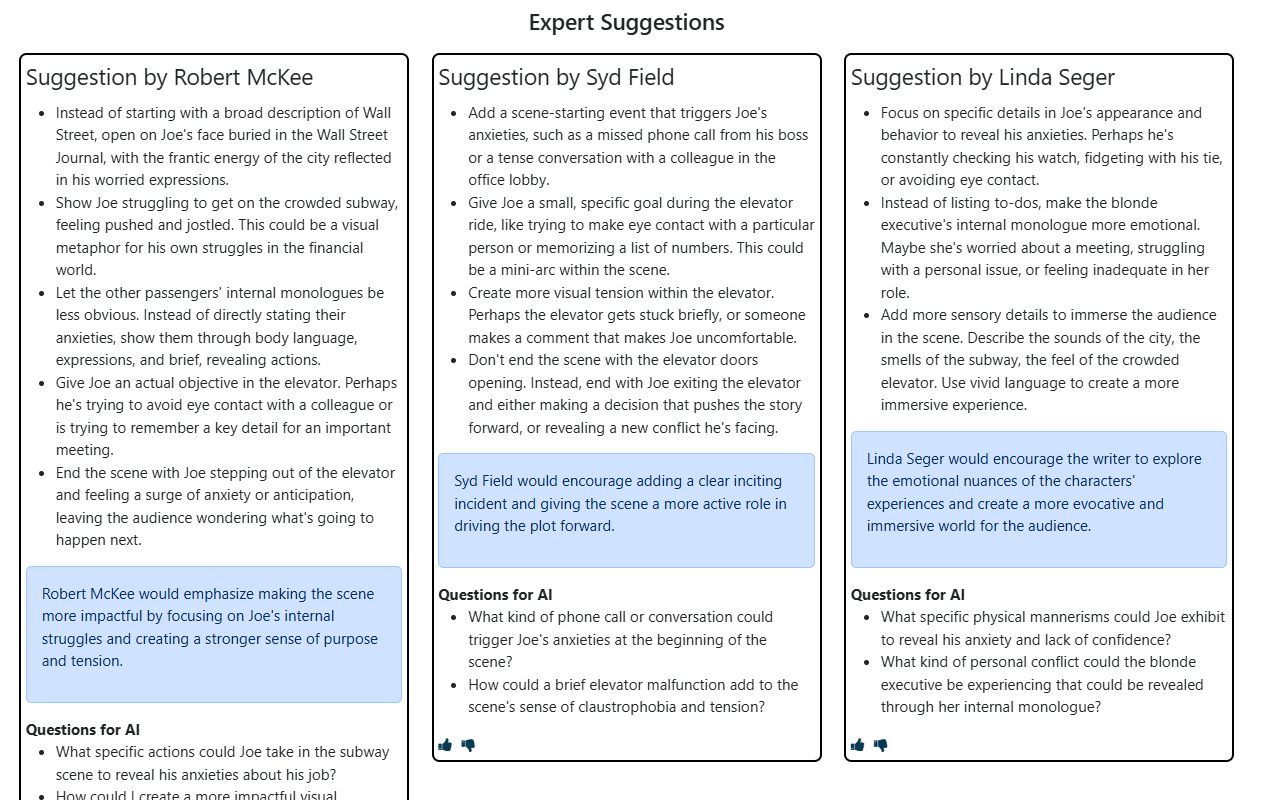
  • The character motivations could be clearer. Why is Eddie so adamant about leaving? Is it purely out of anger, or is there a deeper fear driving his actions? Similarly, what is Karen's ultimate goal in this confrontation?

Linda Seger specializes in story structure and character development, making her insights valuable for enhancing the emotional depth and clarity of character motivations in this scene.

Questions for AI
  • How can I clarify the stakes for both Eddie and Karen to enhance the emotional impact of their confrontation?
  • What techniques can I use to effectively slow down the pacing in a tense scene to allow for emotional reflection?
  • Can you provide examples of how to deepen character motivations in a conflict-driven scene?
Critique by Shonda Rhimes
  • The scene captures a raw and intense family dynamic, which is a strength. However, it could benefit from more emotional nuance. For instance, showing a moment of vulnerability from Karen could create a more complex character and deepen the audience's connection to her.
  • The use of humor, such as the clown lamp, is a clever touch, but it might be more effective if it were balanced with a moment of genuine emotion. Perhaps after the lamp is thrown, Karen could express a fleeting moment of regret or sadness about her family situation.
  • Eddie's character feels one-dimensional in this scene. Adding layers to his personality—perhaps showing a moment of hesitation or doubt—could make him more relatable and complex.

Shonda Rhimes is known for her character-driven storytelling and ability to blend humor with emotional depth, making her insights particularly relevant for enhancing the complexity of the characters in this scene.

Questions for AI
  • How can I incorporate moments of vulnerability into Karen's character to create a more nuanced portrayal?
  • What are some effective ways to balance humor and emotional depth in a scene to enhance audience engagement?
  • Can you suggest ways to add complexity to Eddie's character in this scene to make him more relatable?

Expert Suggestions

Suggestion by David Mamet
  • Consider adding a moment of silence after the clown lamp is thrown to allow the audience to absorb the chaos and emotional fallout of the confrontation.
  • Revise Eddie's final line to tie it more closely to a specific event or memory that resonates with the audience, perhaps referencing a past failure or regret that connects to his current situation.

David Mamet's expertise in dialogue and pacing can help refine the emotional impact of the scene.

Questions for AI
  • What are some techniques for creating impactful pauses in dialogue to enhance emotional resonance?
  • Can you provide examples of how to tie character dialogue to specific events or memories for greater impact?
Suggestion by Linda Seger
  • Add a brief flashback or a line of dialogue that hints at Eddie's deeper motivations for leaving, which could clarify his character's stakes.
  • Slow down the pacing after the clown lamp is thrown, allowing for a moment of reflection from both characters before the scene concludes.

Linda Seger's focus on character motivations and pacing can enhance the emotional clarity of the scene.

Questions for AI
  • How can I effectively incorporate flashbacks or dialogue hints to clarify character motivations?
  • What techniques can I use to slow down pacing in a scene without losing tension?
Suggestion by Shonda Rhimes
  • Introduce a moment of vulnerability for Karen after the clown lamp incident, perhaps showing her regret or sadness about the family situation.
  • Add a layer of complexity to Eddie's character by including a moment of hesitation or doubt about leaving, which could make him more relatable.

Shonda Rhimes' expertise in character development can help create more relatable and complex portrayals in this scene.

Questions for AI
  • What are some effective ways to portray vulnerability in a character during a tense scene?
  • Can you suggest techniques for adding complexity to a character's motivations in a conflict-driven scene?
Shameless Full Analysis
View Analysis
View Script
28 - Heavy Lifting and Light Banter - Overall Grade: 8.5
Shameless Full Analysis

EXT. GALLAGHER'S STREET - LATE AFTERNOON
Veronica and Kev hand-carry the heavy old washing machine
from the Gallaghers to their house two doors up the street.
both smoking, yelling garbled instructions to each other.
VERONICA
Steve.
KEV
Kitchen floor Steve?
VERONICA
Yeah.
KEV
Hey, maybe you could do him, we
need a new microwave.
NOTE: The house immediately next to the GALLAGHERS' is ply-
boarded with a hand-painted sign 'Grandad's dead. There is
nothing else to steal from this house. So FUCK OFF!'
CUT TO:


Genres: Drama, Comedy
Tone: Tense, Humorous, Chaotic
Summary In this chaotic outdoor scene on Gallagher's Street, Veronica and Kev struggle to carry a heavy washing machine to their home while smoking and exchanging garbled instructions. Their humorous banter hints at a scheme involving another character, Steve, as Kev suggests Veronica could seduce him to get a new microwave. The scene is set against the backdrop of a boarded-up house with a crude sign, adding to the irreverent tone. It ends abruptly, leaving their plans unresolved.
Strengths
  • Effective blend of tension and humor
  • Engaging character reactions
  • Smooth narrative progression
Weaknesses
  • Possible lack of deeper emotional impact
  • Limited exploration of character arcs in this specific scene
General Critique
  • The scene effectively captures the chaotic, blue-collar energy of the Gallagher neighborhood, with Veronica and Kev's physical struggle to move the washing machine serving as a visual metaphor for the constant improvisation in their lives. However, the brevity of the scene makes it feel more like a transitional moment than a fully realized beat, potentially underutilizing the opportunity to deepen character relationships or advance the plot. For instance, the reference to Steve feels abrupt and assumes the audience has a strong memory of earlier scenes, which could alienate viewers if not handled carefully in editing.
  • The dialogue is intentionally garbled to convey realism and humor, but this approach risks making the exchange hard to follow, diminishing its comedic impact. Kev's line about 'doing' Steve for a microwave is crude and on-brand for the characters, but it lacks subtlety or buildup, coming across as blunt rather than witty. This could reinforce the show's tone of dysfunctional humor but might benefit from more context to heighten the irony or emotional undercurrents, especially given Veronica and Kev's established relationship from prior scenes.
  • Visually, the note about the boarded-up house with the profane sign adds colorful world-building, emphasizing the gritty, impoverished setting. However, it's underintegrated into the action; the sign is mentioned but not interacted with, making it feel like extraneous detail rather than a purposeful element that could enhance the scene's atmosphere or provide ironic commentary on the characters' lives. This scene could use more dynamic visuals to make the physical comedy of carrying the machine more engaging, such as close-ups on their strained faces or obstacles in the street.
  • In terms of pacing and structure, the scene ends abruptly with a cut, which mirrors the fast-paced, episodic nature of the series but might leave viewers wanting more resolution or payoff. It connects to the gift of the new washing machine from scene 25, showing the practical consequences of Steve's gesture, but it doesn't explore the emotional implications for Fiona or the group dynamic. Additionally, while the scene highlights Veronica and Kev's teamwork and banter, it doesn't advance their character arcs significantly, making it feel somewhat redundant in a script already dense with similar interactions.
  • Overall, the scene's humor relies on physicality and innuendo, which fits the show's style, but it could be critiqued for lacking depth in character development or thematic resonance. For example, the act of moving the old machine could symbolize the shedding of burdens or the cycle of poverty, but this potential is not explored, resulting in a missed opportunity to tie into broader themes of the screenplay, such as family resilience or community support.
General Suggestions
  • Clarify the garbled dialogue by making the instructions more distinct and purposeful, perhaps adding humorous mishaps during the carry to build tension and release, ensuring the comedy lands without confusing the audience.
  • Extend the scene slightly to include more banter between Veronica and Kev, using the opportunity to reveal aspects of their relationship, such as their playful jealousy or support for each other, to make the interaction more engaging and character-driven.
  • Incorporate the boarded-up house sign into the action, for example, by having Veronica or Kev reference it in dialogue or nearly collide with it, to better integrate the visual element and reinforce the neighborhood's eccentric, rundown charm.
  • Strengthen the connection to Steve's character arc by adding a line where Veronica expresses curiosity or skepticism about him, linking back to the surprise in scene 25 and foreshadowing future developments, to improve narrative cohesion.
  • Amplify the comedic elements with added physical comedy, such as the washing machine slipping or them dropping it momentarily, and consider toning down Kev's suggestive line for more nuance, perhaps making it a callback to their earlier conversation in scene 11, to enhance humor without relying solely on crudeness.

Ratings
Overall

Overall: 8.5

The scene effectively blends tension, humor, and chaos, keeping the audience engaged and intrigued with the unexpected turn of events.


Story Content

Concept: 8

The concept of introducing a disruptive event into the chaotic Gallagher household is well-executed, adding depth to the characters and advancing the plot.

Plot: 8.5

The plot is advanced through the introduction of the unexpected delivery, creating new conflicts and dynamics within the family. The scene contributes to the overall narrative progression.

Originality: 8.5

The scene offers a fresh perspective on everyday struggles, blending humor with harsh realities. The characters' actions and dialogue feel authentic and original, adding depth to the narrative.


Character Development

Characters: 8

The characters' reactions to the unexpected delivery showcase their individual traits and relationships, adding depth to their personalities and interactions.

Character Changes: 8

The characters experience a shift in their dynamics and relationships due to the unexpected delivery, leading to subtle changes in their interactions and perceptions.

Internal Goal: 8

Veronica's internal goal in this scene is to maintain a sense of humor and camaraderie with Kev despite the challenging task of moving the heavy washing machine. This reflects her need for connection and support in difficult situations.

External Goal: 7

The protagonist's external goal is to successfully move the washing machine to their house without any mishaps. This goal reflects the immediate physical challenge they are facing.


Scene Elements

Conflict Level: 7.5

The conflict arises from the unexpected delivery and the characters' differing reactions to the situation, adding tension and humor to the scene.

Opposition: 7

The opposition in the scene, represented by the physical challenge of moving the washing machine and the harsh reality of the boarded-up house, adds tension and uncertainty to the characters' actions.

High Stakes: 7

While the stakes are not extremely high in this scene, the unexpected delivery adds a layer of unpredictability and potential consequences for the characters.

Story Forward: 8

The scene propels the story forward by introducing a new element that disrupts the status quo, setting the stage for further developments in the narrative.

Unpredictability: 7.5

This scene is unpredictable because of the characters' banter and the unexpected humor in the face of challenging circumstances.

Philosophical Conflict: 6.5

There is a subtle philosophical conflict between the characters' humor and the harsh reality of their surroundings. The humor serves as a coping mechanism, contrasting with the sign on the boarded-up house that reflects desperation and defiance.


Audience Engagement

Emotional Impact: 7

The scene evokes a range of emotions, from confusion to excitement, keeping the audience emotionally engaged with the characters' reactions.

Dialogue: 7.5

The dialogue effectively conveys the confusion and humor of the situation, reflecting the characters' personalities and relationships.

Engagement: 9

This scene is engaging because of the dynamic interaction between Veronica and Kev, the humor interspersed with moments of tension, and the relatable struggle of moving a heavy object.

Pacing: 8.5

The pacing of the scene is well-executed, balancing moments of action with dialogue to maintain momentum and keep the audience engaged.


Technical Aspect

Formatting: 8

The formatting adheres to the expected format for a screenplay, making it easy to follow and visualize the scene.

Structure: 8

The scene follows a clear structure with concise action and dialogue, effectively conveying the characters' goals and the setting.


Scene Objective: To illustrate the camaraderie and resourcefulness of the Gallagher family and their neighbors in the face of hardship.

Setting: EXT. GALLAGHER'S STREET - LATE AFTERNOON

POV: The audience experiences the scene through the lens of Veronica and Kev, emphasizing their playful relationship.

Emotional Arc: - frustration → + humor

Score Overview

Group Category Score
Overall Overall Score 7.3
Core Elements Purpose
8
Goal vs Obstacle
7
Stakes
6
Progression
7
Turn Potency
6
Supporting Exposition
7
Subtext
8
Setups & Payoffs
6
Beat Clarity
7
Quality Scene Necessity
8
Thematic Resonance
8

Core Story Elements

8
Purpose
Critique
The scene clearly conveys the community's support for the Gallaghers, showcasing their resilience and humor amidst adversity.
The dialogue effectively reflects the characters' personalities and their relationships.
Suggestions
• Incorporate more physical comedy to enhance the humor of the washing machine's weight.
• Add a moment of reflection from Veronica or Kev about the significance of helping the Gallaghers.
Questions for AI
• How can the dialogue be adjusted to further emphasize the humor in their struggle?
• What additional physical actions could enhance the comedic aspect of the scene?
7
Goal vs Obstacle
Critique
The characters' goal of transporting the washing machine is clear, but the obstacles are mostly implied rather than explicitly stated.
The banter serves as a distraction from the physical challenge, which could be more pronounced.
Suggestions
• Introduce a moment where they almost drop the washing machine to heighten the tension.
• Clarify the stakes of their task by mentioning the urgency of needing the washing machine.
Questions for AI
• What specific challenges could arise during the transport that would complicate their goal?
• How can the dialogue reflect the urgency of their task more effectively?
6
Stakes
Critique
The stakes feel somewhat low, as the scene primarily focuses on humor rather than a pressing need.
While the washing machine is important, the emotional stakes could be heightened.
Suggestions
• Introduce a time constraint or a reason why the washing machine is urgently needed.
• Add a moment where they reflect on the importance of community support in their lives.
Questions for AI
• What emotional stakes can be introduced to make the scene feel more urgent?
• How can the dialogue reflect the significance of their actions beyond just humor?
7
Progression
Critique
The scene shows a clear progression from the task of moving the washing machine to the humorous banter, but the transition could be smoother.
The energy builds well, but the climax of the scene could be more pronounced.
Suggestions
• Create a more dramatic moment when they finally get the washing machine into place.
• Use a visual gag to punctuate the end of the scene, enhancing the comedic payoff.
Questions for AI
• How can the climax of the scene be made more impactful?
• What visual elements could enhance the progression of the scene?
6
Turn Potency
Critique
The pivotal moment of humor is present, but it lacks a strong emotional or narrative turn.
The scene could benefit from a more surprising or unexpected twist.
Suggestions
• Introduce an unexpected character interaction that shifts the tone or adds complexity.
• Create a moment where the washing machine causes an unforeseen problem, leading to a humorous resolution.
Questions for AI
• What unexpected elements could be introduced to enhance the turn in this scene?
• How can the humor be sharpened to create a more memorable moment?

Supporting Elements

7
Exposition
Critique
The scene provides necessary context about the washing machine and the characters' relationships without feeling forced.
However, some background on why they are helping the Gallaghers could enhance understanding.
Suggestions
• Include a brief line about the Gallaghers' situation to ground the audience.
• Use visual cues to show the state of the Gallagher household.
Questions for AI
• What additional context could be woven into the dialogue to enhance understanding?
• How can visual storytelling be used to provide exposition more organically?
8
Subtext
Critique
The banter between Veronica and Kev carries subtext about their relationship and the community's support for the Gallaghers.
The humor masks deeper themes of survival and resilience.
Suggestions
• Highlight moments of vulnerability in their dialogue to deepen the subtext.
• Introduce a line that reflects their own struggles while helping the Gallaghers.
Questions for AI
• What deeper themes can be subtly referenced in their banter?
• How can the characters' vulnerabilities be revealed through their interactions?
6
Setups & Payoffs
Critique
The scene lacks clear setups and payoffs, relying more on humor than narrative structure.
While the washing machine is a setup, its payoff feels minimal.
Suggestions
• Create a setup earlier in the scene that leads to a humorous payoff at the end.
• Introduce a running gag that culminates in a funny moment.
Questions for AI
• What setups can be introduced to create stronger payoffs?
• How can humor be structured to enhance the narrative arc?
7
Beat Clarity
Critique
The beats are generally clear, but some moments could benefit from tighter pacing.
The rhythm of the dialogue flows well, but physical actions could be more synchronized.
Suggestions
• Tighten the dialogue to enhance the comedic timing.
• Ensure physical actions align with the dialogue for better clarity.
Questions for AI
• What specific beats could be tightened for better flow?
• How can the physicality of the scene be enhanced to match the dialogue?

Scene Transitions

Previous Scene
7

Hook In: Eddie's chaotic departure sets a tone of instability that carries into this scene.

Energy FLAT
The transition maintains a sense of chaos but could benefit from a stronger emotional link. The humor contrasts with the previous scene's tension, creating a tonal shift.
Suggestions
• Introduce a line that connects the chaos of Eddie's departure to the community's support.
• Use visual cues to bridge the emotional gap between scenes.
Questions for AI
• How can the emotional tone from the previous scene be better integrated?
• What visual elements could enhance the transition between these scenes?
Next Scene
8

Hook Out: The scene ends with a humorous moment that sets up the next scene's focus on Ian at work.

Energy UP
The scene hands off momentum effectively, transitioning from humor to the next narrative thread. The energy builds well, leaving the audience eager for the next development.
Suggestions
• Consider a more explicit connection to Ian's storyline to enhance continuity.
• Use a visual cue that links the two scenes more directly.
Questions for AI
• What elements can strengthen the connection to the next scene?
• How can the exit moment be made more impactful?

Scene Necessity

8

MUST HAVE

This scene is essential for illustrating the community's support for the Gallaghers and the humor that arises from their struggles. It reinforces the theme of resilience amidst chaos.

Suggestions
Emphasize the emotional stakes to make the scene feel even more integral.
Ensure the humor aligns with the overall narrative arc.
Questions for AI
• What elements could make this scene feel even more essential to the story?
• How can the humor be tied more closely to the central themes?

Enhancement Tags

#community #humor #resilience

Character Delta: Veronica and Kev's bond strengthens as they support the Gallagher family.

Improvement Recommendations

Add a moment of physical comedy to enhance the humor of the washing machine transport.
Introduce a time constraint to raise the stakes of their task.
Incorporate a line that reflects the emotional significance of helping the Gallaghers.

The #1 Rule of Screenwriting: Make your reader or audience compelled to keep reading.

“Grab ‘em by the throat and never let ‘em go.”

Billy Wilder

The scene level score is the impact on the reader or audience to continue reading.
The Script score is how compelled they are to keep reading based on the rest of the script so far.


Compelled to keep Reading Score: 6/10

This scene continues the busy, chaotic, and somewhat absurd tone of the Gallagher world. The visual of Veronica and Kev struggling with a washing machine, coupled with the darkly humorous sign on the adjacent house, establishes a grounded but eccentric reality. The dialogue between Veronica and Kev, particularly Kev's suggestive comment about 'doing' Steve for a microwave, adds a layer of dark humor and hints at their own relationship dynamics. However, the scene ends abruptly with a cut, leaving the immediate action unresolved and not posing any direct questions or cliffhangers that *demand* the reader jump to the next scene. It's more of a thematic beat.

Script Continuation Score: 7/10

The script is building a tapestry of intertwined neighborhood lives, each with their own brand of dysfunction and dark humor. The previous scenes have established Fiona's complex romantic entanglements with Steve, the chaotic Gallagher family dynamics, and the eccentricities of their neighbors like Sheila and Eddie. The introduction of Steve's car and the subsequent gift of the washing machine (Scene 25) created a clear hook regarding Steve's character and his potential role in Fiona's life. This scene, by having Veronica and Kev discuss 'doing Steve' for a microwave, subtly connects Steve to the broader neighborhood economy and Veronica's pragmatic approach to her own needs, hinting at his increasing integration into their social circle. The boarded-up house with the morbid sign is a stark visual reminder of the harsh realities of their environment. While no single massive plot point is advanced here, it reinforces the lived-in, often bleak, but darkly funny world, and keeps the reader engaged in how these disparate elements will continue to collide.

Suggestions
  • Consider adding a brief visual beat or dialogue exchange that more directly links this scene to Fiona's relationship with Steve or his potential role in the neighborhood, beyond just being a means to acquire a microwave.
  • While the dark humor of the sign is effective, ensure it doesn't feel gratuitous and serves a purpose in reinforcing the overall mood or setting.
  • The 'doing Steve' line is intriguing but could be made clearer in its implications if it's meant to advance a specific plot thread about Steve's influence or reputation.
Questions for AI
  • How can the dialogue between Veronica and Kev about 'doing Steve' be made more specific in its implications for Steve's character or his interactions with the neighborhood, without being overly explicit?
  • What are some ways to visually reinforce the theme of economic hardship and neighborhood decay in this scene, beyond the boarded-up house, without resorting to heavy-handed exposition?
  • Brainstorm three different interpretations of 'doing Steve' in this context, considering it might refer to manipulation, seduction, or something else entirely, and how each interpretation could impact the narrative moving forward.

Expert Critiques

Critique by John August
  • The scene effectively uses humor to convey the chaotic nature of the Gallagher household, particularly through the dialogue between Veronica and Kev. However, the line 'Hey, maybe you could do him, we need a new microwave' feels a bit forced and could benefit from a more natural flow that aligns with their established relationship.
  • The visual detail of the neighboring house being boarded up with a sign adds a layer of context to the setting, but it could be more integrated into the dialogue or actions of Veronica and Kev to enhance the thematic elements of decay and survival in their environment.
  • The scene lacks a clear emotional arc or conflict. While it captures a moment of levity, it doesn't advance character development or the overarching narrative. Consider adding a moment of tension or a decision that needs to be made to give the scene more weight.

John August is known for his strong character-driven narratives and humor, making him a fitting choice to critique the comedic elements and character interactions in this scene.

Questions for AI
  • How can I enhance the emotional stakes in this scene while maintaining the humor between Veronica and Kev?
  • What are some techniques to better integrate the visual elements of the boarded-up house into the dialogue or actions of the characters?
  • How can I create a more dynamic conflict or decision-making moment in this scene?
Critique by Linda Seger
  • The scene does a good job of establishing the setting and the characters' relationship through their banter. However, it could benefit from a stronger sense of purpose. What is the goal of this scene beyond moving the washing machine? Consider what the characters want and how that can create tension.
  • The dialogue is witty but could be more layered. For instance, adding subtext to their conversation about Steve could hint at deeper feelings or conflicts regarding their relationships, which would enrich the scene.
  • The abrupt cut to the next scene feels a bit jarring. A smoother transition could help maintain the flow of the narrative and keep the audience engaged.

Linda Seger specializes in story structure and character development, making her insights valuable for enhancing the purpose and depth of this scene.

Questions for AI
  • What strategies can I use to give this scene a clearer purpose and goal for the characters?
  • How can I incorporate subtext into the dialogue to add depth to Veronica and Kev's relationship?
  • What are some effective ways to create a smoother transition to the next scene?
Critique by Robert McKee
  • The scene captures a slice of life effectively, but it lacks a dramatic question that propels the narrative forward. What is at stake for Veronica and Kev in this moment? Establishing a clear dramatic question could enhance audience engagement.
  • The humor is present, but it could be sharpened. Consider using more specific, character-driven jokes that reflect their personalities and the situation they are in, rather than general humor.
  • The visual element of the boarded-up house is intriguing but underutilized. It could serve as a metaphor for the characters' own struggles and should be woven more tightly into the dialogue or actions.

Robert McKee is an expert in story structure and dramatic storytelling, making him well-suited to critique the narrative and dramatic elements of this scene.

Questions for AI
  • How can I create a dramatic question in this scene that raises the stakes for Veronica and Kev?
  • What techniques can I use to sharpen the humor in their dialogue to make it more character-specific?
  • How can I better utilize the boarded-up house as a metaphor within the scene?

Expert Suggestions

Suggestion by John August
  • Revise the line about needing a new microwave to feel more organic. Perhaps have Kev suggest a more absurd or humorous way to get one, reflecting their resourcefulness.
  • Integrate the boarded-up house into the dialogue by having Veronica comment on it, perhaps as a joke or a reflection of their own struggles, to deepen the thematic resonance.
  • Introduce a minor conflict or decision, such as whether to ask Steve for help with the washing machine, to give the scene more direction and emotional weight.

John August's focus on character-driven narratives makes his suggestions valuable for enhancing dialogue and emotional depth.

Questions for AI
  • What are some examples of organic dialogue that could replace Kev's line about the microwave?
  • How can I effectively weave in commentary about the boarded-up house into the characters' conversation?
  • What kind of minor conflict could I introduce to enhance the emotional stakes in this scene?
Suggestion by Linda Seger
  • Clarify the scene's purpose by establishing what Veronica and Kev want from this interaction. Perhaps they are trying to impress Steve or prove their independence.
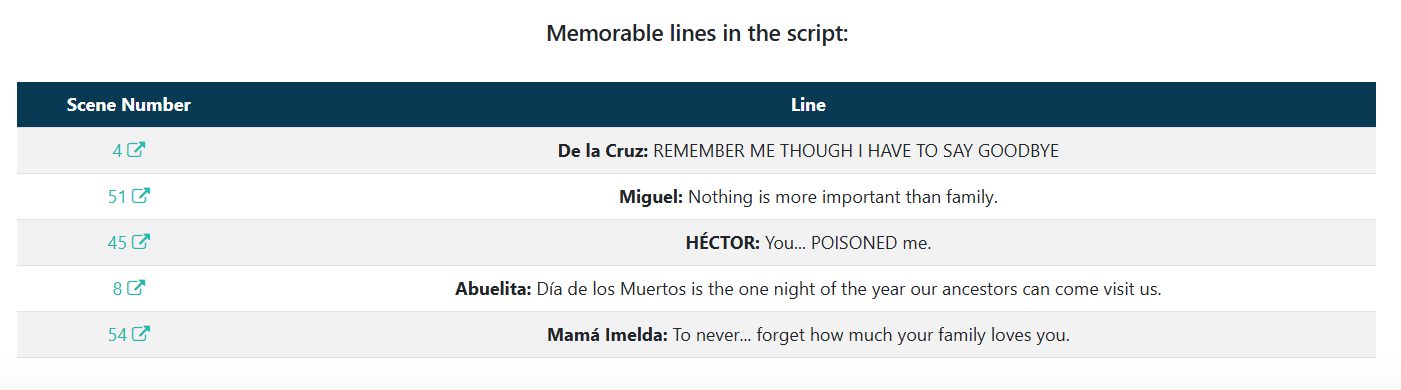
  • Add layers to the dialogue by incorporating subtext. For example, while discussing the washing machine, they could hint at their feelings about Steve or their own relationship dynamics.
  • Create a smoother transition to the next scene by adding a moment where they reflect on their task or share a laugh, allowing the audience to feel the closure of this moment.

Linda Seger's expertise in story structure and character dynamics makes her suggestions crucial for enhancing clarity and depth.

Questions for AI
  • What are some ways to clarify the characters' goals in this scene?
  • How can I incorporate subtext into their dialogue to add depth to their interactions?
  • What techniques can I use to create a smoother transition to the next scene?
Suggestion by Robert McKee
  • Establish a dramatic question by having Veronica and Kev discuss the implications of their actions. For instance, what does moving the washing machine mean for their relationship with Steve?
  • Sharpen the humor by making it more specific to their personalities. Perhaps have Kev make a joke about the washing machine being a metaphor for their lives.
  • Utilize the boarded-up house more effectively by having it serve as a backdrop for their conversation, perhaps as a reminder of what they are trying to avoid in their own lives.

Robert McKee's focus on dramatic storytelling makes his suggestions essential for enhancing the narrative tension and humor.

Questions for AI
  • How can I create a dramatic question that raises the stakes for Veronica and Kev in this scene?
  • What are some specific jokes that could reflect their personalities and enhance the humor?
  • How can I better integrate the boarded-up house into their conversation to serve as a metaphor?
Shameless Full Analysis
View Analysis
View Script
29 - Family Tensions at Kash and Karry - Overall Grade: 8.5
Shameless Full Analysis

INT. KASH AND KARRY STORE - LATE AFTERNOON
Ian works at the corner store. Right now he’s re-stocking the
refrigerator case in the back with cheap beer. KASH (owner)
is at the register, generally despising his lifestyle. A
gigantic American flag hangs behind the counter.
Kash's wife, LINDA, (white by way of Wisconsin) blasts into
frame, wearing a Muslim head-scarf and floor length skirt.
LINDA
Let me smell your breath.

He breathes into her face. She looks dubious.
LINDA (CONT’D)
Pork Rinds.
KASH
No.
Linda produces a near empty bag of pork rinds from behind the
counter. Exhibit-A.
IAN
Those are mine.
KASH
See! And hey, since when did Pork
Rinds actually come from a pig?
LINDA
Ian, I'm the one who signs your
check. What's bad for him, is
really bad for you if you're stupid
enough to start lying for him.
IAN
They’re just corn chips with fake
hair. Fake corn, even.
LINDA
Last warning - get yourself to that
mosque so your Dad stops blaming ME
for the fact that we’re all going
to hell. And talk to your mother.
KASH
She won’t talk to me. I can’t force
her to take her meds.
LINDA
I don’t want the cops dragging me
out of bed again at 4am because
she’s in the alley yelling about
the CIA stealing her trash.
IAN
But... that happened, didn’t it?
LINDA
(concedes a nod, sardonic)
Once. Four years ago. But now she’s
locked in the basement building a
helmet out of tinfoil. Enough’s
enough.

She gathers up their two immaculate, cherished blonde kids
and starts for the door.
LINDA (CONT’D)
I have to get the boys to Cub
Scouts at the mosque before all the
carpets are taken.
(exiting)
She’s your mother, get her to take
her Thorazin!
They climb into the Toyota flatbed truck at the curb outside.
Kash sighs in relief in the aftermath. Sees Ian chuckling at
Kash’s expense. Kash holds a stare.
KASH
Least my family registers as human
protein on a DNA test.
Not offensive. Ian laughs. Just banter between the two of
them as Ian resumes his beer-stacking task.
CUT TO:


Genres: Drama, Comedy
Tone: Sardonic, Banter, Tense
Summary In scene 29, set in the Kash and Karry store, Ian restocks beer while owner Kash faces discontent from his wife Linda, who confronts him about his dietary choices and their family's issues, including his mother's mental health. Linda, wearing a Muslim head-scarf, accuses Kash of eating pork rinds, which Ian humorously defends as his own. She urges Ian to attend the mosque and address family responsibilities before leaving with their children for Cub Scouts. After her departure, Kash and Ian share light-hearted banter, highlighting the ongoing family tensions amidst a humorous backdrop.
Strengths
  • Sharp dialogue
  • Nuanced character interactions
  • Balancing humor and drama effectively
Weaknesses
  • Lack of significant character development in this specific scene
General Critique
  • This scene effectively captures the chaotic, humorous tone of the overall script by depicting everyday interactions in a working-class setting, much like the Gallagher family's dynamics. The banter between Kash, Linda, and Ian feels natural and reveals character traits—such as Linda's strict adherence to religious rules, Kash's passive resistance, and Ian's quick-witted defense—mirroring the theme of dysfunctional families coping with personal and societal pressures. However, while it provides insight into Ian's supportive relationship with Kash, it doesn't significantly advance his personal arc, particularly his sexuality subplot, which is hinted at in earlier scenes but remains underdeveloped here, potentially making the scene feel somewhat tangential to the main narrative.
  • The dialogue is sharp and comedic, aligning with the script's style, but some elements risk reinforcing stereotypes, such as Linda's portrayal as an overly zealous Muslim wife enforcing rules, which could alienate audiences if not handled with nuance. Additionally, the conflict over the pork rinds and family issues is light-hearted but lacks depth or higher stakes, as it resolves too quickly without emotional repercussions, which might make it seem like filler content rather than a pivotal moment that drives character growth or plot progression.
  • Visually, the scene is well-described with details like the massive American flag and Linda's conservative attire, which contrast with the store's mundane environment and underscore themes of cultural identity and assimilation. However, the action is mostly static—Ian restocking beer and the characters standing in place—which could benefit from more dynamic movements or interactions to maintain visual interest and pacing. The scene's placement after scenes of family drama (like Eddie's departure) feels disjointed, as it shifts focus without strong connective tissue, potentially disrupting the flow of the story.
  • In terms of character development, Ian's role is passive; he intervenes to defend Kash but doesn't reveal much about his own motivations or internal conflicts, which is a missed opportunity given his upcoming subplot revelations. The scene does build sympathy for Kash's domestic struggles, paralleling Frank's irresponsibility in the Gallagher household, but it could explore these parallels more explicitly to reinforce the script's themes of inherited chaos and resilience. Overall, while the scene is entertaining and fits the ensemble-driven nature of the show, it could be more impactful by tying into broader narrative threads.
  • The tone remains consistent with the script's irreverent humor, but the abrupt cut at the end, without a strong hook or cliffhanger, might leave viewers disengaged if the next scene doesn't immediately recontextualize it. Additionally, the screen time (estimated at around 45 seconds based on the description) is concise, which is efficient, but in a longer script, ensuring every scene justifies its existence by advancing character, plot, or theme is crucial to avoid pacing issues in the overall film or episode.
General Suggestions
  • To better integrate Ian's character arc, add a subtle moment where Ian reacts personally to Linda's comments about family and religion, perhaps through a brief flashback or internal thought, to foreshadow his own struggles and create a stronger emotional link to his coming-out storyline.
  • Heighten the conflict by making the pork rinds incident have consequences, such as Linda docking Ian's pay or threatening his job, which would raise stakes and make the scene more memorable, while also providing opportunities for character growth or humorous escalation.
  • Refine the dialogue to avoid potential stereotypes; for example, deepen Linda's character by giving her a more nuanced reason for her strictness, like personal fears or past experiences, to add layers and make her interactions with Kash and Ian more authentic and engaging.
  • Incorporate more visual dynamism by having Ian's actions—such as restocking beer—mirror the conversation's tension, like fumbling with cans when Linda confronts Kash, to use physicality to convey emotion and keep the scene visually active without relying solely on dialogue.
  • Strengthen the scene's connection to the larger narrative by ending with a line or action that transitions more smoothly to the next scene, such as Ian sharing a knowing look with Kash that hints at their secret relationship, ensuring the scene feels essential rather than isolated.

Ratings
Overall

Overall: 8.5

The scene effectively combines humor with underlying tension and addresses serious issues like mental health in a nuanced way.


Story Content

Concept: 8

The concept of family dysfunction and cultural clashes is well-developed, providing depth to the characters and their relationships.

Plot: 8

The plot advances through character interactions and reveals underlying tensions, setting up future conflicts and developments.

Originality: 9

The scene introduces fresh elements such as the cultural diversity of the characters, the nuanced portrayal of family dynamics, and the dark humor woven into everyday interactions. The dialogue feels authentic and original, offering a unique perspective on familial relationships and societal pressures.


Character Development

Characters: 9

The characters are well-defined, each with distinct personalities and motivations that drive the scene forward.

Character Changes: 7

While there are no significant character changes in this scene, it sets up potential developments and reveals underlying tensions.

Internal Goal: 8

Ian's internal goal in this scene is to navigate the complex dynamics within his family and work environment. He grapples with loyalty to his family, especially his mother, while also dealing with the expectations and challenges imposed by his employer, Kash.

External Goal: 7.5

Ian's external goal is to maintain a balance between his family responsibilities and work duties. He faces pressure from Linda to address his mother's situation while also managing his job at the store.


Scene Elements

Conflict Level: 8

The scene contains both internal and external conflicts, adding depth to the character dynamics and driving the narrative forward.

Opposition: 8

The opposition in the scene is strong enough to create tension and uncertainty, particularly in the conflicting values and expectations faced by Ian. The audience is left wondering how he will navigate these challenges.

High Stakes: 7

The stakes are moderate in this scene, focusing more on interpersonal conflicts and family dynamics rather than life-threatening situations.

Story Forward: 8

The scene moves the story forward by introducing conflicts, deepening character relationships, and setting up future plot points.

Unpredictability: 8.5

This scene is unpredictable due to the unexpected twists in dialogue and character revelations. The audience is kept on their toes, unsure of how the interactions will unfold.

Philosophical Conflict: 9

The philosophical conflict revolves around the clash between familial obligations, personal integrity, and societal expectations. Ian must navigate the conflicting values of loyalty, honesty, and duty in a complex web of relationships.


Audience Engagement

Emotional Impact: 8

The scene elicits a range of emotions from humor to tension, engaging the audience in the characters' struggles and relationships.

Dialogue: 8.5

The dialogue is sharp, witty, and reveals insights into the characters' relationships and conflicts.

Engagement: 9

This scene is engaging due to its blend of humor, drama, and emotional depth. The conflicts and interactions between characters draw the audience in, creating a compelling narrative.

Pacing: 8.5

The pacing of the scene is well-crafted, balancing moments of tension with lighter exchanges to maintain the audience's interest. The rhythm enhances the scene's effectiveness and emotional impact.


Technical Aspect

Formatting: 8

The formatting adheres to the expected norms of screenplay format, making it easy to follow and visualize the unfolding events. The scene is well-structured and organized.

Structure: 8

The scene follows a coherent structure that effectively introduces characters, establishes conflicts, and advances the narrative. The pacing and rhythm contribute to the scene's effectiveness.


Scene Objective: To showcase the dysfunctional family dynamics and the pressures of poverty through humorous yet poignant exchanges.

Setting: INT. KASH AND KARRY STORE - LATE AFTERNOON

POV: Ian's perspective as he navigates the complexities of his family and work life.

Emotional Arc: − frustration → + humor

Score Overview

Group Category Score
Overall Overall Score 7.3
Core Elements Purpose
8
Goal vs Obstacle
7
Stakes
6
Progression
7
Turn Potency
8
Supporting Exposition
7
Subtext
6
Setups & Payoffs
7
Beat Clarity
8
Quality Scene Necessity
8
Thematic Resonance
7

Core Story Elements

8
Purpose
Critique
The scene clearly illustrates the chaotic family dynamics and the absurdity of their situation, effectively using humor to convey deeper issues.
Suggestions
• Incorporate more visual gags or physical comedy to enhance the humor.
Questions for AI
• How can the humor in this scene be amplified without losing the underlying tension?
• What additional character interactions could further highlight the absurdity of their situation?
7
Goal vs Obstacle
Critique
The goals of the characters are clear, with Ian trying to maintain his job while dealing with family pressures, but the obstacles could be more pronounced.
Suggestions
• Introduce a more immediate conflict, such as a customer complaint or a sudden visit from a supervisor.
Questions for AI
• What specific obstacles could Ian face in this scene that would heighten the tension?
• How can the interactions between Kash and Linda create more conflict for Ian?
6
Stakes
Critique
The stakes feel somewhat low, primarily revolving around family dynamics rather than immediate consequences.
Suggestions
• Introduce a potential loss, such as the threat of losing Ian's job or a family member's health issue.
Questions for AI
• What could be at stake for Ian if he fails to manage the situation effectively?
• How can the stakes be raised to make the audience more invested in the outcome?
7
Progression
Critique
The scene shows a clear progression from mundane tasks to a humorous confrontation, but the emotional shift could be more pronounced.
Suggestions
• Add a moment of realization for Ian that highlights his internal conflict.
Questions for AI
• How can the emotional progression be made more impactful?
• What specific moments could serve as turning points in this scene?
8
Turn Potency
Critique
The pivotal moments are well-timed, with the humor landing effectively, but could benefit from a stronger emotional punch.
Suggestions
• Consider adding a moment of vulnerability for Ian that contrasts with the humor.
Questions for AI
• What alternative turns could enhance the emotional weight of this scene?
• How can the humor be balanced with more serious undertones?

Supporting Elements

7
Exposition
Critique
Exposition is woven into the dialogue, but some details feel forced rather than organic.
Suggestions
• Use more subtle hints or visual cues to convey background information.
Questions for AI
• What are the most essential pieces of exposition that need to be conveyed in this scene?
• How can exposition be delivered more naturally through character interactions?
6
Subtext
Critique
The subtext is present but could be more layered, particularly regarding family dynamics and personal struggles.
Suggestions
• Introduce more nuanced dialogue that hints at deeper issues without stating them outright.
Questions for AI
• What deeper themes can be explored through the characters' interactions?
• How can the subtext be enriched to reflect the family's struggles more profoundly?
7
Setups & Payoffs
Critique
There are setups that lead to humorous payoffs, but some could be more tightly connected.
Suggestions
• Ensure that setups are clearly established earlier in the scene for more impactful payoffs.
Questions for AI
• What setups can be introduced earlier in the scene to enhance the payoffs?
• How can the connections between setups and payoffs be made clearer?
8
Beat Clarity
Critique
The beats are clear and escalate well, maintaining a good rhythm throughout the scene.
Suggestions
• Consider varying the pacing in certain beats to create more tension.
Questions for AI
• What beats could be restructured for better flow?
• How can the rhythm of the scene be adjusted to enhance emotional impact?

Scene Transitions

Previous Scene
7

Hook In: Veronica and Kev are physically carrying a heavy old washing machine.

Energy FLAT
The transition is smooth, but the energy could be heightened to better connect the scenes.
Suggestions
• Add a moment of urgency or tension as they carry the washing machine to create a stronger link.
Questions for AI
• How can the energy from the previous scene be carried over more effectively?
• What elements can be introduced to create a more dynamic transition?
Next Scene
8

Hook Out: Ian chuckles at Kash’s expense, resuming his beer-stacking task.

Energy UP
The scene hands off momentum well, leading into the next scene with a light-hearted tone.
Suggestions
• Consider adding a cliffhanger or a more dramatic exit to enhance the transition.
Questions for AI
• What can be done to make the exit from this scene more impactful?
• How can the tone be adjusted to better set up the next scene?

Scene Necessity

8

MUST HAVE

This scene is essential for establishing the family's dynamics and the pressures they face.

Suggestions
Enhance the emotional stakes to make the scene feel even more crucial.
Questions for AI
• What elements could be added to make this scene feel even more indispensable?
• How can the emotional weight of this scene be increased to emphasize its necessity?

Enhancement Tags

#family_dynamics #humor #poverty

Character Delta: Ian grows more aware of the absurdity of his family's situation.

Improvement Recommendations

Introduce a more immediate conflict for Ian to heighten tension.
Add visual gags to enhance the humor and absurdity of the situation.
Incorporate deeper emotional moments to enrich character development.

The #1 Rule of Screenwriting: Make your reader or audience compelled to keep reading.

“Grab ‘em by the throat and never let ‘em go.”

Billy Wilder

The scene level score is the impact on the reader or audience to continue reading.
The Script score is how compelled they are to keep reading based on the rest of the script so far.


Compelled to keep Reading Score: 7/10

This scene introduces a new setting and a central conflict for Ian, Kash, and Linda, which is intriguing. The banter between Ian and Kash, while adding character, doesn't necessarily propel the plot forward urgently. Linda's departure with the children and her urgent demands to Kash about his mother leave a lingering question about how Kash will handle it, creating a mild pull to see the resolution. However, the scene is more character-focused and world-building than suspenseful, so the drive to immediately jump to the next scene is moderate.

Script Continuation Score: 7/10

The script continues to weave multiple storylines. Ian's implied relationship with Kash and the resulting family conflict for Kash and Linda add a new layer of complexity. This, combined with the ongoing threads of Fiona's romantic interests, Lip's academic struggles and injuries, and the general family chaos, maintains a decent level of engagement. However, some threads, like Veronica and Kev's scheme with Steve, are momentarily sidelined in this scene. The introduction of Kash's mother's mental health issues adds another layer of potential drama, keeping the reader invested in how these various plotlines will intersect and resolve.

Suggestions
  • Consider adding a brief moment where Ian actively tries to help Kash with his mother's situation, even if it's just a small gesture, to further solidify their connection and the stakes for Kash.
  • The banter between Kash and Ian about 'human protein' feels a bit detached from the immediate conflict; consider weaving in a subtle nod to Ian's situation or the pressure he's under.
Questions for AI
  • How can I better emphasize the power dynamic between Ian and Kash in this scene, especially given Linda's presence and demands on Kash?
  • What are some subtle ways to show Ian's internal conflict or awareness of the moral implications of his involvement with Kash, beyond just chuckling?
  • Brainstorm dialogue for Kash that more directly addresses his mother's mental health crisis and the 'CIA' paranoia, making it sound like a genuine, recurring problem rather than just a one-off excuse.

Expert Critiques

Critique by John August
  • The scene effectively captures the chaotic atmosphere of the corner store, showcasing the dynamic between Ian, Kash, and Linda. However, the dialogue could be tightened to enhance the comedic timing. For instance, Linda's line about Ian lying for Kash could be more succinct to maintain the flow.
  • Kash's character is well-established as a disgruntled store owner, but his motivations could be clearer. Why does he tolerate Linda's confrontational style? A line that hints at their backstory could add depth.
  • The humor in the scene is strong, particularly with the banter about pork rinds. However, the transition from the humorous exchange to the serious topic of Kash's mother could be smoother. Consider adding a line that bridges the two tones.

John August is known for his strong character development and dialogue, making him a suitable expert for critiquing the character interactions and humor in this scene.

Questions for AI
  • How can I enhance the comedic timing in Linda's dialogue without losing the essence of her character?
  • What techniques can I use to better establish Kash's motivations and backstory within this scene?
  • How can I create a smoother transition between the humorous and serious tones in this scene?
Critique by Linda Seger
  • The scene does a good job of establishing the setting and the characters' relationships, but it could benefit from a clearer central conflict. While there are humorous exchanges, the stakes feel low. What is at risk for Ian if he doesn't address his mother's issues?
  • Linda's character is strong, but her motivations could be clearer. Why is she so adamant about Ian going to the mosque? Adding a line that reflects her personal stakes could enhance her character.
  • The dialogue is witty, but some lines could be trimmed for clarity. For example, Ian's defense of pork rinds could be shortened to keep the pace brisk.

Linda Seger specializes in story structure and character motivation, making her insights valuable for enhancing the scene's conflict and character depth.

Questions for AI
  • What strategies can I use to raise the stakes for Ian in this scene?
  • How can I clarify Linda's motivations without over-explaining her character?
  • What are some effective ways to trim dialogue for clarity while maintaining humor?
Critique by Robert McKee
  • The scene is rich in character dynamics, but it lacks a clear arc. Each character should have a goal that drives their actions. For instance, what does Ian want in this moment? Is he trying to assert his independence or simply avoid conflict?
  • The humor is effective, but it should serve the story's progression. Ensure that each joke or humorous exchange contributes to character development or plot advancement.
  • The ending of the scene feels abrupt. Consider adding a moment that reflects the characters' emotional states after the humorous exchanges, perhaps a line from Ian that hints at his internal conflict regarding his family.

Robert McKee is renowned for his expertise in story structure and character arcs, making his perspective valuable for enhancing the narrative flow and emotional depth of the scene.

Questions for AI
  • How can I create a clearer character arc for Ian in this scene?
  • What techniques can I use to ensure that humor serves the story's progression?
  • How can I effectively conclude the scene while reflecting the characters' emotional states?

Expert Suggestions

Suggestion by John August
  • Revise Linda's dialogue to make it more concise, focusing on the punchlines to enhance comedic timing.
  • Add a line that hints at Kash's backstory or his relationship with Linda to deepen their dynamic.
  • Create a smoother transition between the humorous banter and the serious topic of Kash's mother by inserting a line that acknowledges the shift in tone.

John August's focus on dialogue and character development makes his suggestions particularly relevant for improving the scene's humor and character interactions.

Questions for AI
  • What are some examples of concise dialogue that maintains character voice while enhancing comedic timing?
  • How can I effectively weave backstory into dialogue without slowing down the scene's pace?
  • What techniques can I use to signal a tone shift in dialogue?
Suggestion by Linda Seger
  • Introduce a clear conflict for Ian, such as a specific consequence if he doesn't address his mother's issues, to raise the stakes.
  • Clarify Linda's motivations by adding a line that reflects her personal stakes in Ian's actions.
  • Trim Ian's defense of pork rinds to keep the dialogue snappy and engaging.

Linda Seger's expertise in character motivation and conflict makes her suggestions valuable for enhancing the scene's emotional stakes.

Questions for AI
  • What are some effective ways to raise stakes in a scene without altering the overall tone?
  • How can I reveal character motivations through dialogue without making it feel forced?
  • What are some examples of concise dialogue that maintains humor while being clear?
Suggestion by Robert McKee
  • Define a clear goal for Ian in this scene, such as asserting his independence or confronting his family issues.
  • Ensure that each humorous exchange contributes to character development or plot advancement, possibly by linking jokes to Ian's internal conflict.
  • Add a reflective moment at the end of the scene that hints at Ian's emotional state, perhaps through a line that shows his concern for his mother.

Robert McKee's focus on character arcs and story progression makes his suggestions crucial for enhancing the narrative flow and emotional depth of the scene.

Questions for AI
  • How can I create a clear goal for Ian that drives his actions in this scene?
  • What are some techniques to ensure humor serves the story's progression?
  • What are effective ways to conclude a scene while reflecting characters' emotional states?
Shameless Full Analysis
View Analysis
View Script
30 - The Washer-Dryer Dilemma - Overall Grade: 8.5
Shameless Full Analysis

INT. THE CORNER BAR - EVENING
ANGLE - FIONA on the payphone, clutching that scrap of paper
with Steve's name on it.
FIONA
How much did you pay for it?
We INTERCUT with Steve on his cellphone, in some kind of
grimy auto shop, sparks from a grinder fly in the background.
STEVE
I'm not telling you that. It's a
gift. So you'd remember the phone
number. Which obviously worked.
FIONA
Your washer-dry's in the backyard.
We don't need it, I don't want it.
So you need to come get it before
it starts rusting.
Pause.
STEVE
Is it?
Pause.

FIONA
No.
STEVE
Did the guy connect it?
FIONA
(reluctantly)
Yes.
STEVE
It's working okay?
FIONA
Not my favorite color...
STEVE
(more to the point)
So you've tried it?
She's put herself on the spot. Pause. Hangs up. Off Steve,
closing his cellphone, smiling.
CUT TO:


Genres: Drama, Romance
Tone: Tense, Resigned, Sarcastic
Summary In this tense evening scene, Fiona calls Steve from a payphone in the Corner Bar, confronting him about the unwanted washer-dryer he gifted her. Despite her insistence that he take it back, Steve playfully evades her questions, revealing underlying tension in their relationship. As Fiona struggles to assert her feelings, she ultimately hangs up, leaving Steve amused and satisfied.
Strengths
  • Tense dialogue
  • Emotional depth
  • Character dynamics
Weaknesses
  • Lack of resolution
  • Limited character development
General Critique
  • The scene effectively conveys Fiona's reluctance to accept help and Steve's persistent charm, which aligns with their established character dynamics from earlier scenes. However, the dialogue feels somewhat repetitive and surface-level, focusing on evasion without delving deeper into Fiona's emotional state or the implications of accepting a gift in her poverty-stricken life. This could make the interaction less engaging for the audience, as it misses an opportunity to explore themes of independence and vulnerability that are central to Fiona's arc.
  • The brevity of the scene, while concise, might disrupt the pacing of the overall script, especially since it follows more intense, conflict-driven scenes (like Eddie's departure in scenes 26-27). This sudden shift to a lighter, romantic subplot could feel jarring, potentially diluting the emotional momentum built from the previous familial tensions and humorous banter in scenes 28 and 29. As a result, the scene risks coming across as a minor beat rather than a meaningful progression in Fiona and Steve's relationship.
  • Visually, the intercutting between Fiona in the bar and Steve in the grimy auto shop adds contrast and energy, highlighting their different worlds. However, elements like the sparks from the grinder in the auto shop background lack purpose and don't tie into Steve's character or the plot, making them feel extraneous. This could confuse viewers or detract from the focus on the phone conversation, which is the scene's core.
  • Fiona's character is portrayed consistently as practical and guarded, but her abrupt hang-up at the end lacks buildup or a clear emotional payoff. Compared to more nuanced moments in the script (e.g., Ian's quiet distress in scene 31), this ending feels abrupt and underdeveloped, not fully capitalizing on the tension to reveal more about her internal conflict or to foreshadow future developments in their relationship.
  • In the context of the entire screenplay, this scene advances the romance subplot but doesn't strongly connect to the overarching themes of family dysfunction and survival. It could benefit from stronger links to the immediate preceding scenes, such as referencing the chaos of moving the washing machine in scene 28 or the interpersonal conflicts in scene 29, to create a more cohesive narrative flow and reinforce how Fiona's personal life intersects with the neighborhood's broader dynamics.
General Suggestions
  • Enhance the dialogue by adding subtext or specific references to Fiona's daily struggles, such as mentioning the electric bill or her siblings' needs, to make the conversation more revealing and tied to the main plot, thereby deepening character development and emotional stakes.
  • Extend the scene slightly by including a post-call reaction shot of Fiona, perhaps showing her contemplating the phone or glancing at the scrap of paper, to build emotional depth and give the audience a clearer sense of her internal conflict without overwhelming the scene's brevity.
  • Refine the visual elements by making the auto shop setting more relevant; for example, have Steve interact with car parts or tools that hint at his shady dealings (as revealed later), adding foreshadowing and intrigue to engage viewers more effectively.
  • Improve pacing by ensuring smoother transitions from the previous scene (e.g., the light-hearted banter in Kash and Karry) through a brief establishing shot or auditory cue that links the bar's atmosphere to the neighborhood's chaos, making the shift less abrupt and more integrated into the story's rhythm.
  • Add a small detail to heighten tension or humor, such as Fiona overhearing bar patrons discussing similar relationship issues or Steve's background noise revealing more about his character, to better align with the script's tone of blending humor, drama, and realism while advancing the romance subplot more dynamically.

Ratings
Overall

Overall: 8.5

The scene effectively conveys the strained relationship between Fiona and Steve through their dialogue and actions, creating tension and intrigue for the audience.


Story Content

Concept: 8

The concept of the scene, centered around the unwanted gift and the strained interaction between Fiona and Steve, is engaging and adds depth to their relationship.

Plot: 8.5

The plot advances through the conflict surrounding the gift, revealing character motivations and setting the stage for future developments.

Originality: 8

The scene introduces a fresh approach to depicting interpersonal conflicts through mundane objects like a washer-dryer, adding a layer of realism and relatability to the characters' interactions. The authenticity of the dialogue and character actions enhances the originality of the scene.


Character Development

Characters: 8.5

The characters of Fiona and Steve are well-developed in this scene, showcasing their complex relationship dynamics and individual personalities.

Character Changes: 7

While there are no significant character changes in this scene, it deepens the existing dynamics between Fiona and Steve.

Internal Goal: 8

Fiona's internal goal in this scene is to assert her independence and boundaries in her relationship with Steve. This reflects her deeper need for autonomy and respect in their interactions.

External Goal: 7.5

Fiona's external goal is to get Steve to come and pick up the washer-dryer from her backyard before it starts rusting. This reflects the immediate challenge of dealing with unwanted items and maintaining her living space.


Scene Elements

Conflict Level: 8

The conflict between Fiona and Steve over the unwanted gift creates tension and drives the scene's emotional intensity.

Opposition: 7.5

The opposition in the scene is strong enough to create conflict and uncertainty, with Fiona and Steve's conflicting desires and communication styles adding complexity to their interaction.
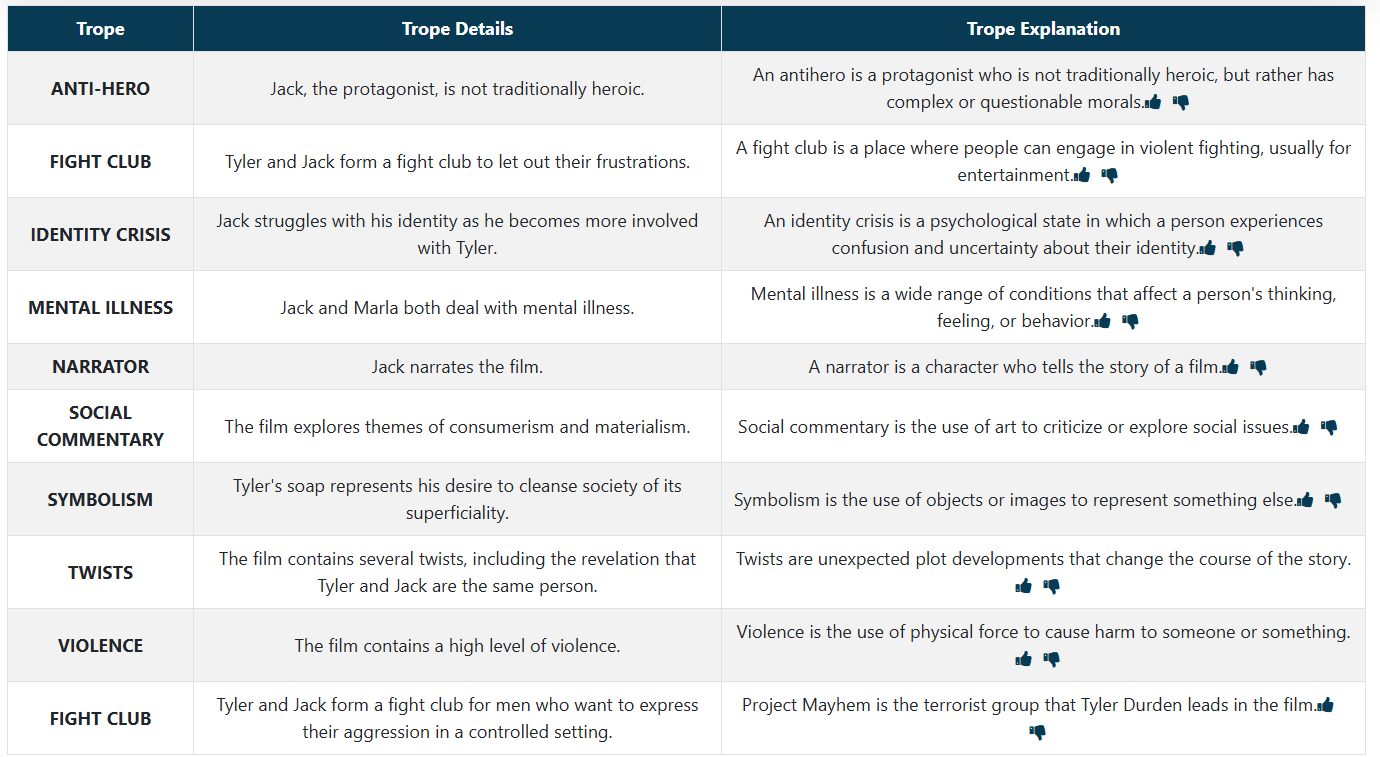
High Stakes: 8

The high stakes revolve around the unresolved tension and emotions between Fiona and Steve, impacting their future interactions and relationship dynamics.

Story Forward: 9

The scene propels the story forward by revealing more about Fiona and Steve's relationship, setting the stage for future developments.

Unpredictability: 7.5

This scene is unpredictable because of the shifting power dynamics and unresolved conflicts between the characters, keeping the audience guessing about the outcome of their interaction.
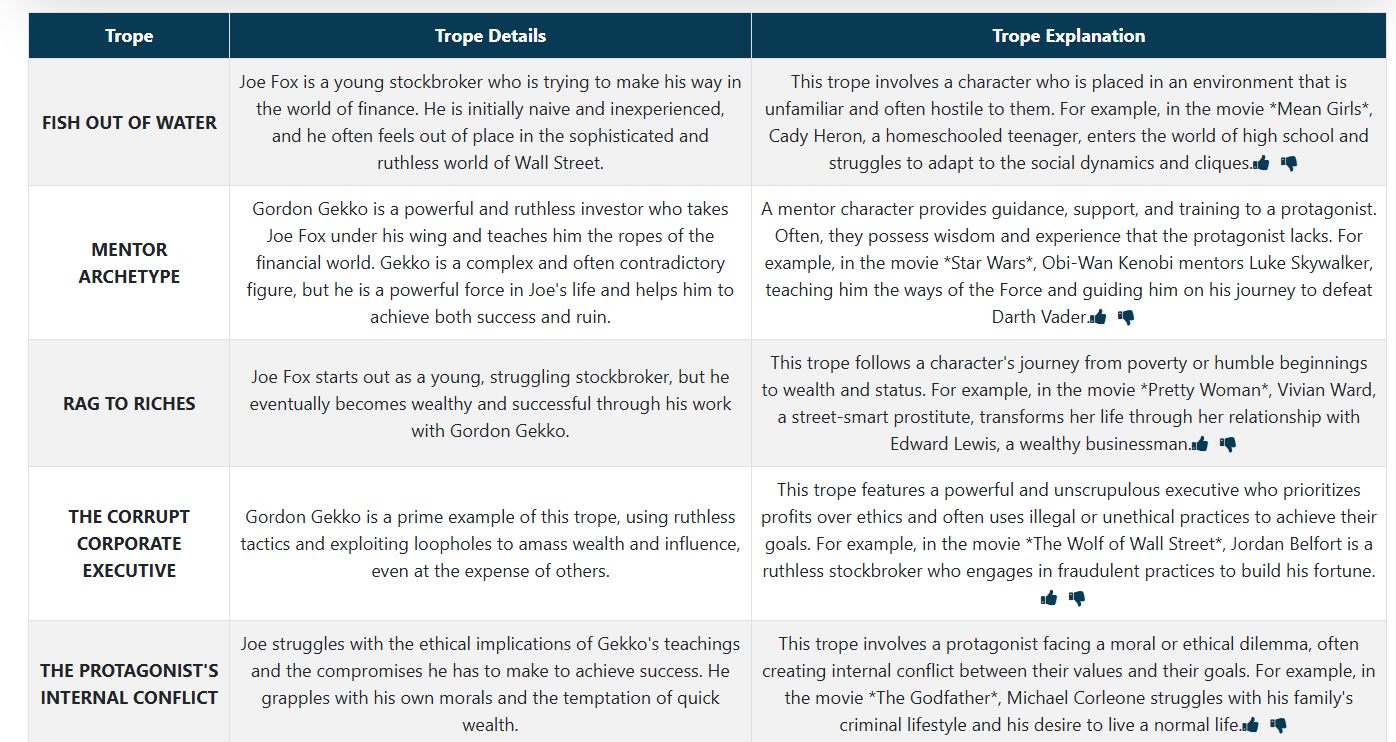
Philosophical Conflict: 7

The philosophical conflict in this scene revolves around the value of material possessions and the significance of gifts in relationships. Fiona's reluctance to keep the washer-dryer and Steve's insistence on it as a gift highlight differing perspectives on the importance of objects in their connection.
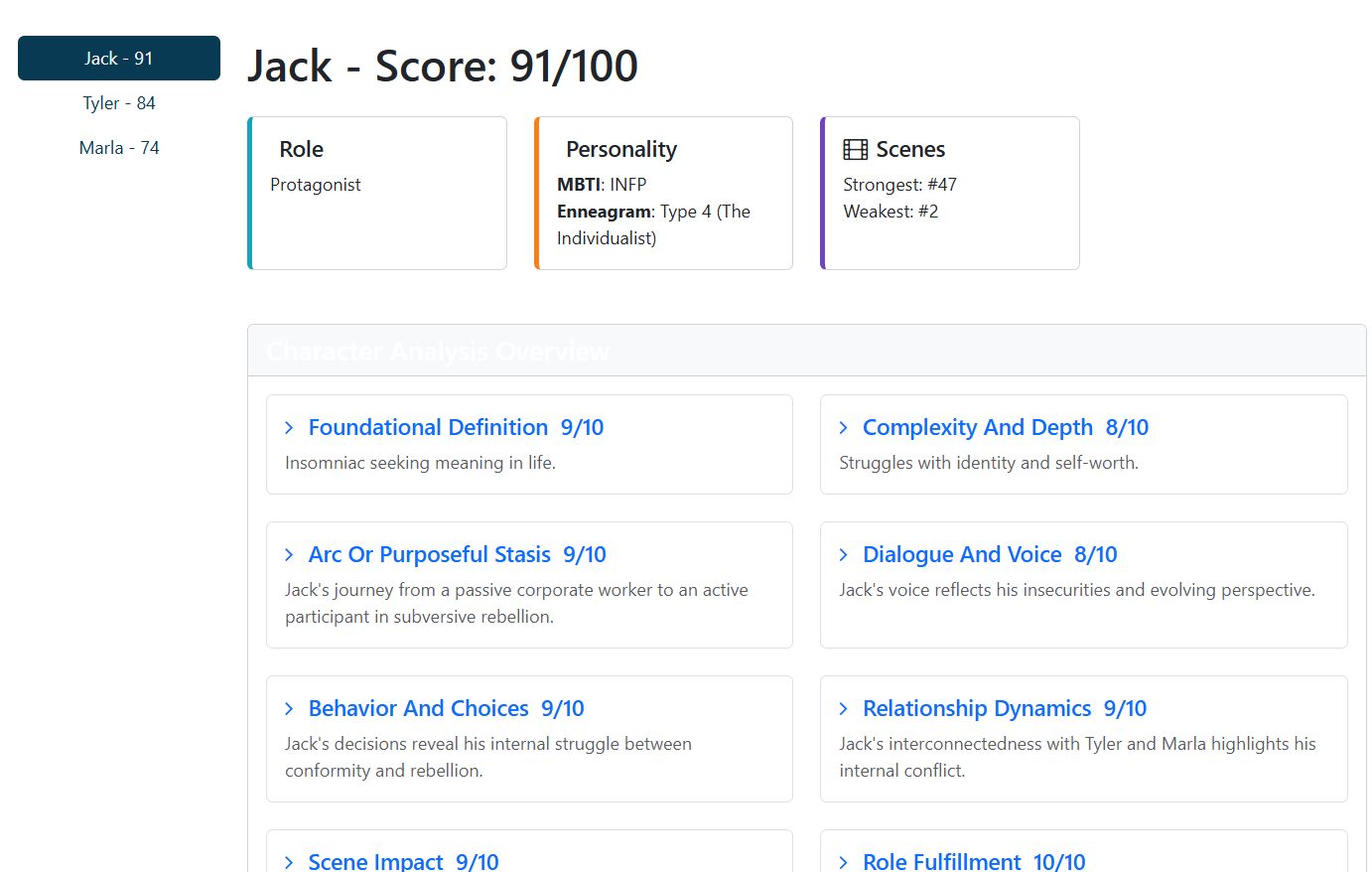

Audience Engagement

Emotional Impact: 8.5

The scene evokes a range of emotions, from tension to resignation, leaving the audience emotionally engaged with the characters' struggles.

Dialogue: 9

The dialogue is sharp and impactful, effectively conveying the tension and emotions between Fiona and Steve, driving the scene forward.

Engagement: 9

This scene is engaging because of the subtle power dynamics between Fiona and Steve, the unresolved tension surrounding the washer-dryer, and the realistic portrayal of everyday conflicts in relationships.

Pacing: 8

The pacing of the scene effectively builds tension and suspense through well-timed pauses and character reactions, enhancing the emotional impact of the interaction.
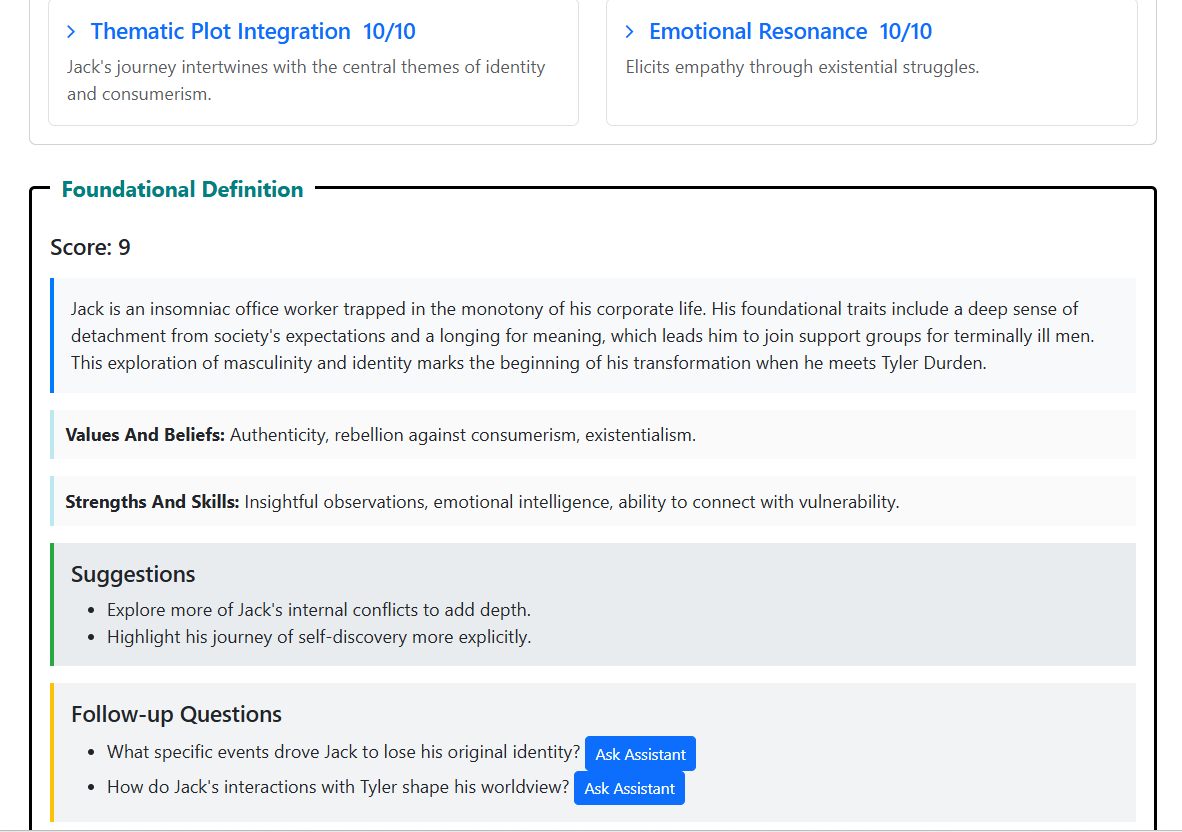

Technical Aspect

Formatting: 8

The formatting adheres to the expected style for a screenplay, with clear scene descriptions and character dialogue that enhance the visual and emotional impact of the scene.

Structure: 8

The scene follows a standard format for character interactions in a dramatic setting, effectively building tension and revealing the characters' motivations.


Scene Objective: To explore Fiona's conflicted feelings about accepting help from Steve and to deepen their relationship.

Setting: The Corner Bar, evening.

POV: Fiona's perspective, revealing her insecurities and reluctance.

Emotional Arc: − reluctance → + connection

Score Overview

Group Category Score
Overall Overall Score 7.8
Core Elements Purpose
8
Goal vs Obstacle
7
Stakes
6
Progression
8
Turn Potency
7
Supporting Exposition
7
Subtext
8
Setups & Payoffs
6
Beat Clarity
8
Quality Scene Necessity
9
Thematic Resonance
8

Core Story Elements

8
Purpose
Critique
The scene's purpose is clear in showcasing Fiona's struggle with vulnerability and her relationship with Steve.
The dialogue effectively conveys the tension and underlying attraction between the characters.
Suggestions
• Consider adding a moment where Fiona reflects on her past to deepen her reluctance.
• Incorporate more physicality in Fiona's actions to emphasize her discomfort.
Questions for AI
• How can Fiona's internal conflict be more vividly expressed through her actions?
• What additional layers can be added to Steve's character to enhance the tension?
7
Goal vs Obstacle
Critique
Fiona's goal of rejecting the washer-dryer contrasts with Steve's goal of helping her, creating a dynamic tension.
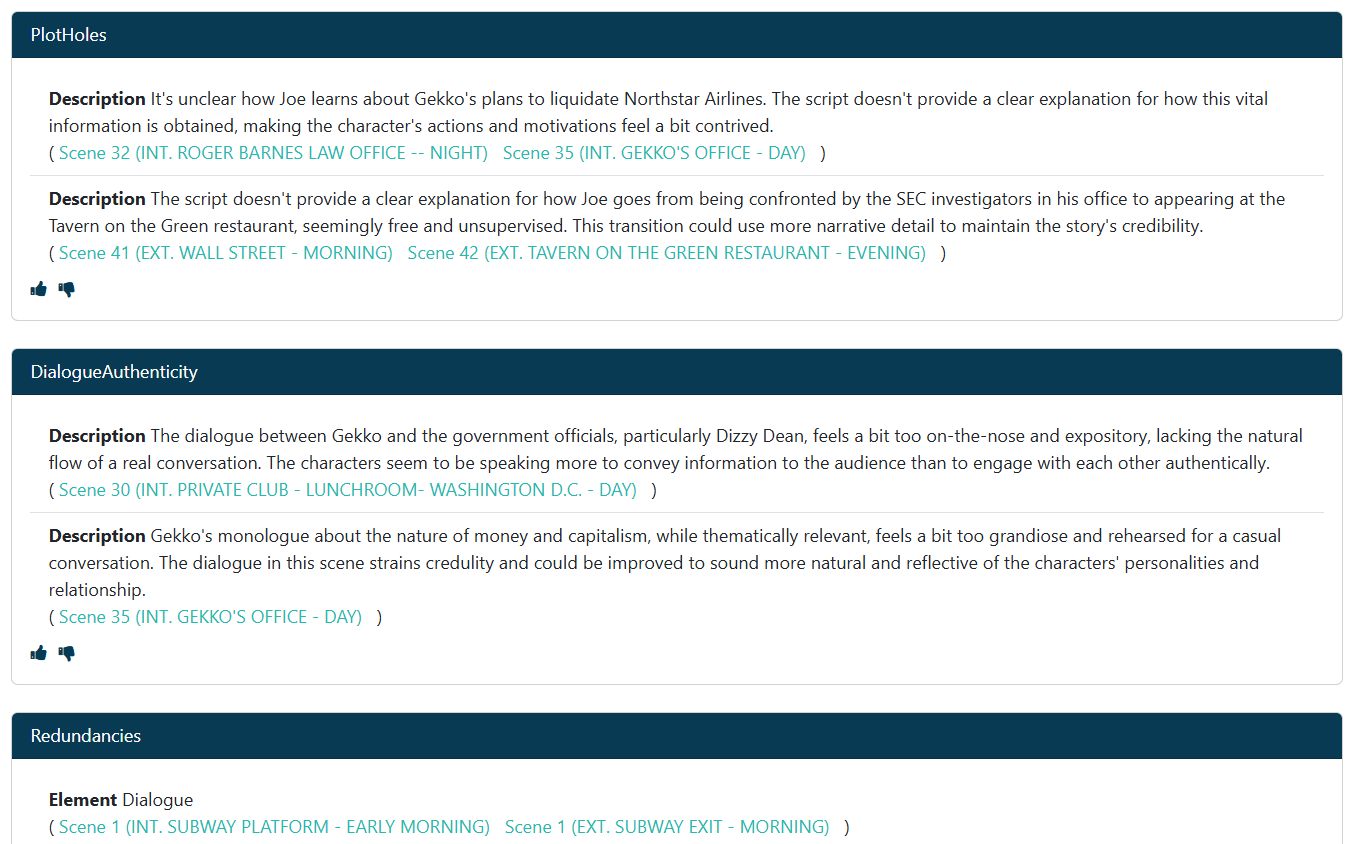
However, the stakes could be clearer regarding what Fiona risks by accepting help.
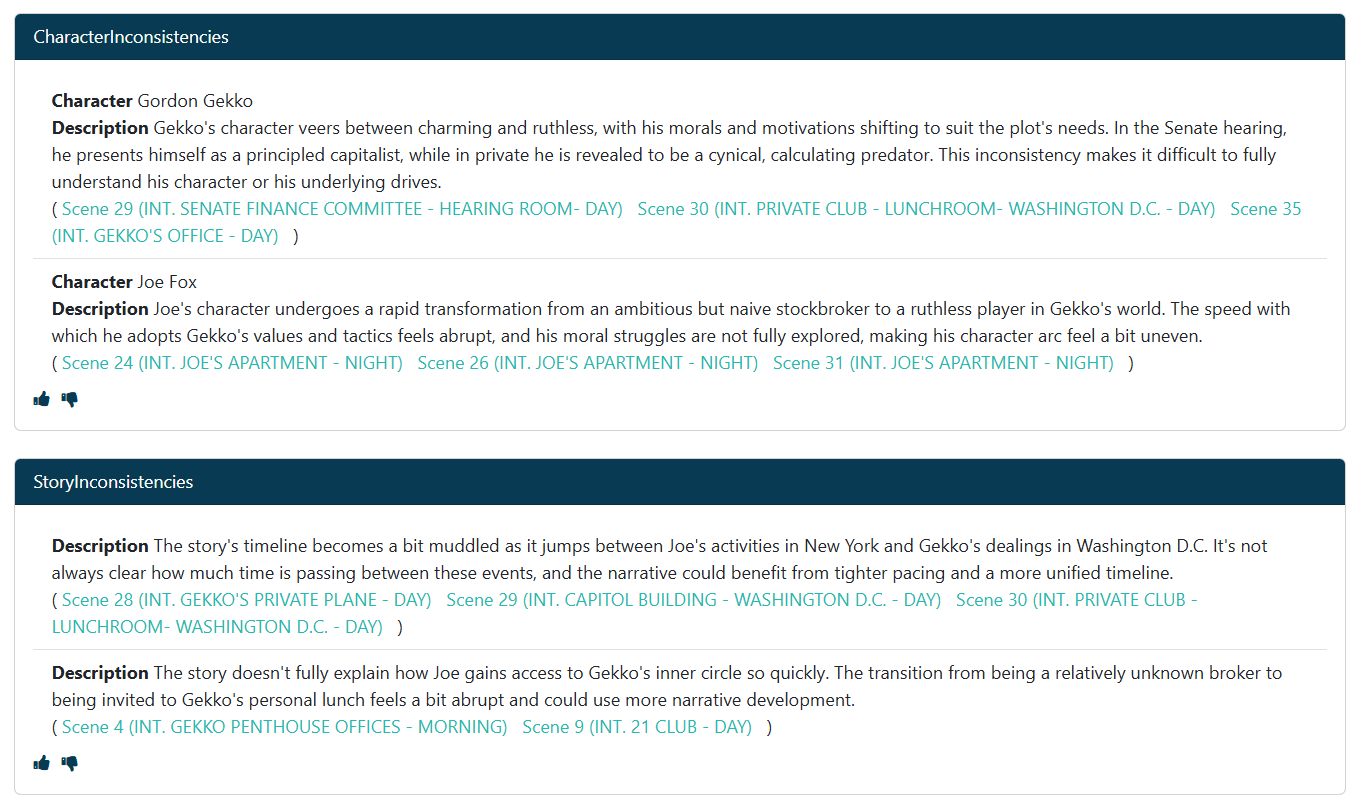
Suggestions
• Clarify what accepting the washer-dryer symbolizes for Fiona.
• Introduce a more explicit consequence for Fiona if she continues to reject help.
Questions for AI
• What are the deeper implications of Fiona's refusal to accept help?
• How can Steve's motivations be made more compelling in this exchange?
6
Stakes
Critique
The stakes feel somewhat low; while there is tension, the urgency of the situation could be heightened.
Fiona's reluctance is clear, but the emotional stakes could be more pronounced.
Suggestions
• Introduce a time constraint for Steve to retrieve the washer-dryer.
• Highlight the potential fallout in Fiona's life if she continues to reject help.
Questions for AI
• What specific consequences could arise from Fiona's refusal to accept help?
• How can the emotional stakes be raised to create a more urgent conflict?
8
Progression
Critique
The scene shows a clear progression from Fiona's initial rejection to a moment of vulnerability.
The dialogue effectively builds tension and leads to a pivotal moment of connection.
Suggestions
• Enhance the transition between Fiona's reluctance and her eventual acceptance of Steve's help.
• Consider adding a moment of realization for Fiona that deepens her character arc.
Questions for AI
• How can the emotional shift in Fiona be made more impactful?
• What specific moment can serve as a turning point in their relationship?
7
Turn Potency
Critique
The pivotal moment occurs when Fiona reluctantly admits to trying the washer-dryer, revealing her vulnerability.
However, the impact could be heightened with more dramatic tension leading up to this admission.
Suggestions
• Build more tension before the reveal to make the turn feel more earned.
• Consider adding a moment of silence or hesitation to amplify the emotional weight.
Questions for AI
• What alternative ways could Fiona express her vulnerability in this moment?
• How can the timing of the turn be adjusted for greater impact?

Supporting Elements

7
Exposition
Critique
The scene provides necessary context about the washer-dryer and its significance to Fiona.
However, some exposition feels a bit forced and could be woven in more naturally.
Suggestions
• Integrate exposition through subtext rather than direct dialogue.
• Use visual cues to hint at Fiona's financial struggles without overtly stating them.
Questions for AI
• How can the exposition be delivered more organically within the dialogue?
• What visual elements can enhance the understanding of Fiona's situation?
8
Subtext
Critique
The subtext of vulnerability and fear of dependence is well-explored through the dialogue.
Fiona's reluctance to accept help speaks volumes about her character and past experiences.
Suggestions
• Add more non-verbal cues to enhance the subtext of their interaction.
• Consider layering in additional themes of pride and self-sufficiency.
Questions for AI
• What deeper fears does Fiona have about accepting help that could be hinted at?
• How can Steve's character reflect or challenge Fiona's subtext?
6
Setups & Payoffs
Critique
The setup regarding the washer-dryer is clear, but the payoff feels somewhat muted.
The emotional payoff could be stronger if the stakes were more pronounced.
Suggestions
• Create a stronger emotional connection to the washer-dryer as a symbol of help.
• Enhance the payoff by showing the immediate impact of Fiona's decision.
Questions for AI
• What specific setups can be introduced earlier to enhance the payoff?
• How can the emotional stakes be tied to the washer-dryer more effectively?
8
Beat Clarity
Critique
The beats within the scene are clear and escalate effectively, maintaining tension.
The rhythm of the dialogue flows well, keeping the audience engaged.
Suggestions
• Consider varying the pacing of the dialogue to create more dramatic pauses.
• Add a moment of silence to emphasize the weight of Fiona's admission.
Questions for AI
• How can the rhythm of the dialogue be adjusted for maximum tension?
• What specific beats could be added or removed to enhance clarity?

Scene Transitions

Previous Scene
8

Hook In: Fiona's chaotic life and her father's unreliability set the stage for her reluctance to accept help.

Energy FLAT
The transition from the previous scene is smooth, maintaining the narrative flow. However, a stronger emotional link could enhance the connection.
Suggestions
• Add a brief moment of reflection for Fiona before the call to deepen the emotional transition.
• Consider a visual cue that ties the two scenes together more closely.
Questions for AI
• How can the emotional tone from the previous scene be better integrated?
• What visual elements could enhance the transition between these scenes?
Next Scene
9

Hook Out: Fiona's admission about trying the washer-dryer leads to a deeper connection with Steve.

Energy UP
The scene effectively hands off momentum to the next, creating anticipation for Fiona's character development. The emotional shift is clear and impactful.
Suggestions
• Consider a more dramatic exit line for Fiona to heighten the anticipation.
• Add a visual cue that symbolizes the change in Fiona's character.
Questions for AI
• What elements can enhance the emotional impact of this scene's exit?
• How can the transition to the next scene be made even more compelling?

Scene Necessity

9

MUST HAVE

This scene is crucial for developing Fiona's character and her relationship with Steve, making it essential to the narrative.

Suggestions
Ensure that the emotional stakes are clear to reinforce the scene's necessity.
Questions for AI
• What elements make this scene indispensable to Fiona's character arc?
• How can the scene's necessity be emphasized through dialogue or action?

Enhancement Tags

#vulnerability #connection #acceptance

Character Delta: Fiona begins to confront her reluctance to accept help, hinting at personal growth.

Improvement Recommendations

Add a moment of reflection for Fiona before the call to deepen her emotional state.
Incorporate more physicality in Fiona's actions to emphasize her discomfort.
Create a stronger emotional connection to the washer-dryer as a symbol of help.

The #1 Rule of Screenwriting: Make your reader or audience compelled to keep reading.

“Grab ‘em by the throat and never let ‘em go.”

Billy Wilder

The scene level score is the impact on the reader or audience to continue reading.
The Script score is how compelled they are to keep reading based on the rest of the script so far.


Compelled to keep Reading Score: 7/10

This scene offers a glimpse into Fiona's complex feelings for Steve, moving beyond their previous physical encounters. Her initial reluctance to accept the gift and evasiveness about its functionality, followed by a hesitant admission, creates a subtle tension. The back-and-forth with Steve, ending with her hanging up and him smiling, leaves the reader curious about where this push-and-pull dynamic is heading. It's a small step forward in their relationship, hinting at future interactions and Fiona's growing interest despite her usual guarded nature.

Script Continuation Score: 8/10

The script continues to weave multiple storylines and character developments. Fiona's interaction with Steve, though brief, shows a softening of her hardened exterior and a hint of romantic interest, which is a significant character arc for her. Meanwhile, the previous scenes involving Ian and Kash, and the ongoing family struggles, provide a strong undercurrent of tension and unresolved issues. The introduction of the washer-dryer as a gift from Steve also ties back to earlier events (Scene 28), reinforcing continuity and the characters' interconnectedness. The script maintains momentum by consistently introducing new personal conflicts and relationship dynamics while keeping larger family issues in focus.

Suggestions
  • Consider a brief visual of the washer-dryer in Fiona's backyard, perhaps with a slight hint of rust, to add a tangible element to the conversation.
  • While the ending with Steve smiling is effective, a very subtle facial expression from Fiona after she hangs up—perhaps a flicker of a smile or a sigh—could further emphasize her internal state.
Questions for AI
  • How can I visually imply Fiona's internal conflict about Steve's gift without resorting to exposition, perhaps through her physical actions or the environment around her during the phone call?
  • What are some subtle ways to show Steve's amusement and continued interest in Fiona after the call, beyond just a smile, that would enhance the sense of their developing relationship?
  • Given Fiona's character, what are common subconscious behaviors she might exhibit when trying to dismiss a romantic gesture she secretly appreciates?

Expert Critiques

Critique by Robert McKee
  • The scene effectively uses intercutting to create tension between Fiona and Steve, highlighting their contrasting environments—Fiona in a bar and Steve in a grimy auto shop. This juxtaposition emphasizes their different worlds and the stakes involved in their conversation.
  • Fiona's reluctance to admit that the washer-dryer is working well adds depth to her character, showcasing her defensiveness and pride. However, the dialogue could be more dynamic; it feels somewhat flat in places. For instance, when Steve asks if she's tried it, the pause could be filled with more internal conflict or a witty retort to heighten the tension.
  • The scene ends with Steve smiling after the call, which is a nice touch, but it could be more impactful if we had a clearer sense of what that smile signifies. Is it triumph, amusement, or something else? This could be better conveyed through his actions or expressions.

Robert McKee is known for his emphasis on story structure and character development, making him a suitable expert for analyzing the dynamics and tension in this scene.

Questions for AI
  • How can I enhance the tension in the dialogue between Fiona and Steve to make it more dynamic and engaging?
  • What techniques can I use to better convey the emotional stakes of the scene through character actions or expressions?
Critique by Linda Seger
  • The scene does a good job of revealing character motivations—Fiona's reluctance to accept help and Steve's persistence. However, it could benefit from more subtext in their dialogue. For example, Fiona's comment about the washer-dryer could hint at deeper issues regarding her pride and independence.
  • The pacing of the scene feels a bit uneven. The pauses are effective, but they could be used more strategically to build suspense or to allow for character reflection. For instance, after Fiona admits the washer-dryer is connected, a longer pause could emphasize her internal struggle.
  • The visual elements of the scene could be more descriptive. For instance, what does the bar look like? How does Fiona's body language reflect her discomfort? Adding these details could enhance the audience's connection to the characters.

Linda Seger specializes in character development and screenwriting structure, making her insights valuable for enhancing the emotional depth and pacing of this scene.

Questions for AI
  • How can I incorporate more subtext into Fiona's dialogue to reveal her internal conflicts?
  • What specific visual details can I add to enhance the setting and character emotions in this scene?
Critique by William Goldman
  • The dialogue is functional but lacks the sharpness that could make it memorable. For instance, Fiona's line about the washer-dryer could be more clever or humorous to reflect her character's wit.
  • The scene's conflict revolves around the washer-dryer, which is a tangible object, but the emotional stakes could be heightened. Consider what the washer-dryer symbolizes for Fiona—perhaps it represents her struggle for independence or her reluctance to accept help.
  • The ending of the scene, with Steve smiling after hanging up, is a nice touch, but it could be more impactful if it were tied to a specific realization or decision he makes, rather than just a vague smile.

William Goldman is renowned for his sharp dialogue and character-driven storytelling, making his perspective valuable for improving the wit and emotional resonance of this scene.

Questions for AI
  • How can I sharpen the dialogue to make it more memorable and reflective of the characters' personalities?
  • What symbolic meaning can I incorporate into the washer-dryer to enhance the emotional stakes of the scene?

Expert Suggestions

Suggestion by Robert McKee
  • Consider adding more dynamic dialogue that reflects Fiona's internal conflict. For example, when Steve asks if she's tried the washer-dryer, she could respond with a mix of sarcasm and vulnerability, revealing her pride and reluctance to accept help.
  • Enhance the visual storytelling by describing Fiona's body language and the bar's atmosphere more vividly. This will help ground the audience in her emotional state.

Robert McKee's focus on character dynamics and visual storytelling makes his suggestions particularly relevant for enhancing this scene.

Questions for AI
  • What are some examples of dialogue that could effectively convey Fiona's internal conflict while maintaining tension?
  • How can I incorporate more visual storytelling elements to enhance the emotional impact of the scene?
Suggestion by Linda Seger
  • Add subtext to Fiona's dialogue to hint at her deeper feelings about accepting help. For instance, she could make a comment about how she’s always had to do things on her own, which would add layers to her character.
  • Use pauses strategically to allow the audience to feel the weight of the conversation. After key lines, let the silence linger to build tension and give the characters time to reflect.

Linda Seger's expertise in character development and emotional depth makes her suggestions valuable for enriching the scene's subtext and pacing.

Questions for AI
  • How can I effectively incorporate subtext into Fiona's dialogue to reveal her internal struggles?
  • What techniques can I use to create impactful pauses that enhance the emotional weight of the scene?
Suggestion by William Goldman
  • Revise the dialogue to include more clever or humorous exchanges that reflect Fiona's personality. This could make the scene more engaging and memorable.
  • Tie Steve's smile at the end of the scene to a specific realization about Fiona or their relationship, making it more meaningful rather than just a vague expression.

William Goldman's focus on sharp dialogue and character-driven moments makes his suggestions particularly relevant for enhancing the wit and emotional resonance of this scene.

Questions for AI
  • What are some ways to infuse humor into the dialogue while maintaining the scene's emotional tone?
  • How can I create a more impactful ending for the scene that connects Steve's smile to a specific realization?
Shameless Full Analysis
View Analysis
View Script
31 - Shadows of Responsibility - Overall Grade: 8.5
Shameless Full Analysis

INT. GALLAGHER HOUSE - NIGHT
Dead of night. Fiona heads for the kitchen. Peers into the
refrigerator. A chicken that’s all bone, what’s left of
Rita’s tamales. A case of beer and big bottle of Vodka next
to Liam’s sippy cup and boxes of juice. Grabs the sippy cup.
Spots Ian sitting in the dark with a box of tissues. Has he
been crying? Joins him in the shadows, sensing trouble.
FIONA
Just tell me you haven't gone and
gotten some girl pregnant.
IAN
No worries!
He glances across the floor to where Frank's unconscious,
flat on his back, mouth open. Ian is (and has been) trying to
flick small balls of tissue into Frank's gaping mouth.
IAN (CONT'D)
(beat)
He hates me.
She studies Ian, decides to throw him a line.

FIONA
You look more like mom than any of
the rest of us.
Which suddenly makes sense to Ian. Too late, and nowhere near
justifying the shit he gets for this.
FIONA (CONT'D)
You probably scare him.
IAN
Yeah?
(perverse smile)
He ain't seen nothin yet.
FIONA
Did he give you money for the field
trip?
IAN
(truculent)
I'll pay my own way.
FIONA
No you won't.
Fiona crawls over to horizontal Frank, raises one of his legs
until coins rolls out of his pocket. It’s an essential form
of mugging she's perfected over years. Frank remains
oblivious. Ian takes the cash, amused by her talents.
IAN
You must be sick of having to think
for everybody.
FIONA
Least I can. Proves I'm wanted.
IAN
(shrugs it off)
If all you want is being needed,
congratulations, Fiona...
He finally gets a ball of Kleenex into Frank's gaping mouth.
IAN (CONT'D)
...you got yourself a job for life
with this joker.
Ian quietly heads back to bed, leaving Fiona to dwell on that
prospect, Frank still unconscious across the room.
CUT TO:


Genres: Drama, Family
Tone: Tense, Emotional, Intimate
Summary In the dimly lit Gallagher kitchen, Fiona discovers Ian sitting in the dark, upset and flicking tissue balls into their unconscious father Frank's mouth. They share a moment of dark humor as Ian expresses his feelings of being hated by Frank, while Fiona reflects on her burdensome role in the family. To help Ian with his field trip, Fiona resorts to stealing coins from Frank's pocket, highlighting their family's dysfunction and poverty. The scene ends with Ian leaving for bed, leaving Fiona alone to ponder their situation.
Strengths
  • Authentic dialogue
  • Emotional depth
  • Character dynamics
Weaknesses
  • Limited external conflict
  • Slow plot progression
General Critique
  • This scene effectively captures the dysfunctional family dynamics central to the screenplay, showcasing Fiona's role as the overburdened caregiver and Ian's simmering resentment towards Frank. The interaction highlights themes of neglect and survival in a humorous yet poignant way, with the tissue-flicking gag adding a layer of dark comedy that aligns with the overall tone of the script. However, the emotional transition for Ian—from potentially crying to a 'perverse smile'—feels abrupt and underdeveloped, lacking sufficient buildup to make his shift in demeanor believable and emotionally resonant for the audience.
  • The dialogue is naturalistic and reveals character backstories, such as Ian's resemblance to his mother and Fiona's exhaustion from managing the family. This helps deepen the viewer's understanding of their relationships, but some lines, like 'You must be sick of having to think for everybody,' come across as overly expository and could be more subtle, allowing the audience to infer emotions through actions rather than direct statements. This might make the scene feel less dynamic and more tell-heavy in a medium that thrives on visual storytelling.
  • Pacing in this scene is slow and introspective, which contrasts well with the chaotic energy of earlier scenes but risks dragging if not balanced properly. As scene 31 out of 43, it serves as a quiet moment amid more eventful sequences, but the lack of escalating conflict or a clear narrative drive could make it feel like a pause rather than a progression. The ending, with Fiona dwelling on Ian's words, leaves a contemplative mood but doesn't strongly advance the plot or character arcs, potentially diminishing its impact in the overall flow.
  • Visually, the scene relies heavily on dialogue and simple actions (e.g., peering into the fridge, flicking tissues), which effectively conveys the setting's poverty and neglect. However, there's an opportunity to enhance cinematic elements, such as using lighting and camera angles to emphasize the darkness and isolation—Ian's face in shadow could symbolize his internal struggles more powerfully. Additionally, the action of shaking money from Frank's pocket is a strong visual metaphor for the family's parasitic relationship with their father, but it could be shot with more tension or irony to heighten engagement.
  • In terms of thematic consistency, this scene reinforces the script's exploration of family loyalty and resentment, tying into Fiona's arc as a reluctant parent figure. Yet, given the immediate context from scene 30 (Fiona's call with Steve), the shift to this intimate family moment feels disjointed without a smoother transition or connective tissue. This could confuse viewers if the romantic subplot with Steve is meant to parallel or contrast with the familial dysfunction, as the scene doesn't explicitly link the two.
  • The humor, particularly Ian's tissue-flicking, is a clever touch that humanizes the characters and adds levity, but it risks undermining the seriousness of Ian's confession about Frank hating him. If the intent is to blend comedy and drama, the balance could be refined to ensure the emotional beats land effectively, perhaps by extending the moment of vulnerability before introducing the gag.
General Suggestions
  • Incorporate more visual storytelling to show emotions; for example, use close-ups on Ian's face during his confession to convey his pain without relying solely on dialogue, making the scene more engaging and cinematic.
  • Refine the dialogue to be less expository by implying backstories through subtext or actions—e.g., have Fiona's body language show her exhaustion instead of stating it directly, allowing the audience to connect more deeply with the characters.
  • Enhance the pacing by adding a small conflict or revelation, such as Ian hinting at his personal struggles (e.g., his sexuality) to tie into broader themes, ensuring the scene advances character development and maintains momentum.
  • Improve transitions between scenes by adding a brief establishing shot or a line of dialogue that references the previous scene (e.g., Fiona thinking about Steve while looking at the fridge), creating a smoother narrative flow from the romantic tension to family issues.
  • Amplify the emotional impact at the end by having Fiona react more actively to Ian's parting words—perhaps she glances at Frank with a mix of anger and sadness, or takes a moment to reflect in a way that foreshadows future events, making the scene more memorable and integral to the story.

Ratings
Overall

Overall: 8.5

The scene effectively delves into the complex emotions and responsibilities of the characters, creating a tense and emotional atmosphere while hinting at deeper family issues. The dialogue and interactions feel authentic and reveal underlying tensions and dynamics.


Story Content

Concept: 8

The concept of exploring familial relationships and responsibilities in a challenging environment is well-developed. The scene effectively captures the struggles and dynamics of the characters.

Plot: 8

The plot progression in this scene focuses on character interactions and emotional revelations rather than major events. It adds depth to the overall narrative by highlighting the family dynamics and individual burdens.

Originality: 8

The scene presents a fresh approach to depicting family relationships, blending humor with underlying tensions and showcasing the characters' struggles in a relatable yet unique manner.


Character Development

Characters: 9

The characters are well-developed and their interactions feel authentic. Fiona's sense of responsibility and Ian's hidden vulnerabilities are effectively portrayed, adding layers to their personalities.

Character Changes: 8

While there are no drastic character changes in this scene, subtle shifts in Fiona and Ian's dynamics are hinted at, setting the stage for potential growth and development.

Internal Goal: 8

The protagonist's internal goal is to understand and connect with her brother Ian, to offer support and empathy in a difficult moment. This reflects her need for family unity, her fear of losing her loved ones, and her desire for emotional closeness.

External Goal: 7

The protagonist's external goal is to ensure her brother has the money for a field trip, showcasing her role as a caretaker and provider in the family.


Scene Elements

Conflict Level: 7

The conflict in the scene is more internal and emotional, focusing on the characters' personal struggles and relationships rather than external events.

Opposition: 7

The opposition in the scene is strong enough to create conflict and uncertainty, adding depth to the characters' interactions and motivations.

High Stakes: 6

The stakes in this scene are more personal and emotional, focusing on the characters' internal conflicts and relationships rather than external threats or major events.

Story Forward: 7

The scene contributes more to character development and emotional depth than advancing the main plot. It adds layers to the narrative by exploring the family dynamics and individual struggles.

Unpredictability: 7

This scene is unpredictable due to the unexpected emotional revelations and shifts in power dynamics between the characters, keeping the audience on edge.

Philosophical Conflict: 7

The philosophical conflict revolves around the theme of family responsibility and the balance between independence and interdependence. Fiona values taking care of others as a way of feeling wanted, while Ian struggles with accepting help and asserting his own autonomy.


Audience Engagement

Emotional Impact: 9

The scene evokes a strong emotional response from the audience, particularly in portraying Fiona's burden of responsibility and Ian's hidden vulnerabilities. The intimate moments and tensions add depth to the characters.

Dialogue: 8.5

The dialogue is natural and reveals the characters' emotions and relationships. It adds depth to the scene by conveying unspoken tensions and familial dynamics.

Engagement: 9

This scene is engaging because of its intense emotional dynamics, dark humor, and the audience's investment in the characters' relationships and struggles.

Pacing: 8

The pacing of the scene effectively builds tension and emotional resonance, allowing moments of reflection and connection between the characters to unfold naturally.


Technical Aspect

Formatting: 8

The formatting adheres to the expected standards for a screenplay, with clear scene descriptions and dialogue formatting that enhance readability.

Structure: 8

The scene follows a coherent structure with clear character interactions and progression, effectively building tension and emotional depth.


Scene Objective: To illustrate Fiona's burden of responsibility and the emotional toll of caring for her family, particularly in relation to Frank's neglect.

Setting: Gallagher house, night

POV: Fiona's perspective, as she navigates her family's dysfunction and her own feelings of inadequacy.

Emotional Arc: - insecurity → + belonging

Score Overview

Group Category Score
Overall Overall Score 7.7
Core Elements Purpose
8
Goal vs Obstacle
7
Stakes
6
Progression
7
Turn Potency
8
Supporting Exposition
7
Subtext
8
Setups & Payoffs
6
Beat Clarity
7
Quality Scene Necessity
9
Thematic Resonance
8

Core Story Elements

8
Purpose
Critique
The scene clearly expresses Fiona's role as the family's anchor, showcasing her resourcefulness and emotional struggles.
Ian's interaction adds depth to the theme of familial obligation and the impact of their father's neglect.
Suggestions
• Enhance the emotional stakes by showing more of Fiona's internal conflict regarding her responsibilities.
• Include a moment where Fiona reflects on her own desires versus her obligations.
Questions for AI
• How can Fiona's internal conflict be more vividly portrayed in her actions or dialogue?
• What additional elements could heighten the emotional stakes of this scene?
7
Goal vs Obstacle
Critique
Fiona's goal to care for her family is clear, but the obstacles presented by Frank's neglect and Ian's emotional state could be more dynamically explored.
The tension between Fiona's nurturing instincts and her frustration with Frank adds complexity.
Suggestions
• Introduce a moment where Fiona confronts Frank directly, heightening the conflict.
• Show Ian's emotional turmoil more explicitly to deepen the stakes.
Questions for AI
• What specific actions could Fiona take to confront her obstacles more directly?
• How can Ian's emotional state be portrayed to enhance the conflict?
6
Stakes
Critique
The stakes are present but could be more urgent; the scene hints at the consequences of neglect but doesn't fully explore them.
Fiona's need for validation and Ian's struggle for acceptance could be emphasized further.
Suggestions
• Add a moment where Fiona's actions have immediate consequences for the family dynamic.
• Highlight the potential fallout of Frank's neglect on Ian's emotional health.
Questions for AI
• What immediate consequences could arise from Fiona's actions in this scene?
• How can the stakes be made more tangible for the audience?
7
Progression
Critique
The scene shows a clear progression from Fiona's initial concern to her resourceful actions, but the emotional arc could be more pronounced.
Ian's transition from frustration to amusement adds a layer of complexity.
Suggestions
• Create a more distinct emotional shift for Fiona as she navigates her responsibilities.
• Include a moment of realization for Ian that deepens his character development.
Questions for AI
• How can Fiona's emotional journey be made more visible throughout the scene?
• What specific moments could highlight Ian's growth or change?
8
Turn Potency
Critique
The pivotal moment of Ian flicking tissue into Frank's mouth serves as a darkly comedic turn that encapsulates the family's dysfunction.
This moment effectively contrasts the gravity of their situation with a touch of humor.
Suggestions
• Consider adding a more dramatic reaction from Fiona to Ian's actions to heighten the impact.
• Explore the implications of this moment on their relationship further.
Questions for AI
• What alternative reactions could Fiona have to Ian's actions to deepen the scene's impact?
• How can the humor in this moment be balanced with the underlying tension?

Supporting Elements

7
Exposition
Critique
The scene provides necessary context about the family's dynamics without feeling overly expository.
Fiona's actions and dialogue naturally reveal their struggles.
Suggestions
• Integrate more subtle hints about the family's past to enrich the exposition.
• Avoid any overt explanations that could disrupt the flow.
Questions for AI
• What additional background information could be woven into the dialogue without feeling forced?
• How can the exposition be made more organic?
8
Subtext
Critique
The subtext of familial obligation and the emotional toll of neglect is well-developed.
Ian's actions reflect deeper issues of acceptance and identity.
Suggestions
• Enhance the subtext by incorporating more visual cues that reflect their emotional states.
• Consider adding layers to their dialogue that hint at unspoken tensions.
Questions for AI
• What visual elements could reinforce the emotional subtext of this scene?
• How can the dialogue be crafted to reveal deeper meanings?
6
Setups & Payoffs
Critique
The scene sets up the dynamic between Fiona and Ian effectively, but the payoffs could be more pronounced.
The humor in Ian's actions serves as a payoff but lacks emotional resonance.
Suggestions
• Create stronger setups earlier in the scene that lead to more impactful payoffs.
• Explore the emotional consequences of Ian's actions more deeply.
Questions for AI
• What earlier moments could be enhanced to lead to a more satisfying payoff?
• How can the emotional stakes of Ian's actions be amplified?
7
Beat Clarity
Critique
The beats are generally clear, but some moments could benefit from tighter pacing.
The rhythm of dialogue flows well, but emotional beats could be more pronounced.
Suggestions
• Refine the pacing of dialogue to enhance emotional impact.
• Consider adding pauses to allow emotional moments to resonate.
Questions for AI
• What specific beats could be tightened for better clarity?
• How can the emotional rhythm be adjusted for maximum impact?

Scene Transitions

Previous Scene
8

Hook In: Fiona's previous conversation with Steve sets the stage for her emotional state.

Energy FLAT
The transition maintains a consistent tone, but could benefit from a stronger emotional hook. The flow from the previous scene is smooth, but the emotional weight could be heightened.
Suggestions
• Add a moment of reflection for Fiona that connects her previous conversation to her current situation.
• Consider a visual cue that links the two scenes more effectively.
Questions for AI
• How can the emotional connection between scenes be strengthened?
• What visual elements could enhance the transition?
Next Scene
9

Hook Out: Fiona's realization of her responsibilities leads to a contemplative moment.

Energy UP
The scene effectively hands off momentum to the next, with Fiona's emotional state evolving. The transition feels natural and meaningful, setting the stage for future developments.
Suggestions
• Consider adding a moment of tension that propels the audience into the next scene.
• Enhance the emotional resonance of Fiona's realization to deepen the impact.
Questions for AI
• What specific moments could heighten the emotional stakes as we transition to the next scene?
• How can the exit be made more impactful?

Scene Necessity

9

MUST HAVE

This scene is crucial for establishing the emotional landscape of the Gallagher family and Fiona's struggles. It deepens the audience's understanding of the characters' motivations and relationships.

Suggestions
Ensure that the emotional stakes are consistently high to maintain necessity.
Consider adding moments that further emphasize Fiona's internal conflict.
Questions for AI
• What elements could be added to reinforce the scene's necessity?
• How can the emotional stakes be heightened to ensure this scene feels essential?

Enhancement Tags

#family_dynamics #emotional_burden #dark_humor

Character Delta: Fiona grapples with her role as caretaker while seeking validation amidst chaos.

Improvement Recommendations

Deepen Fiona's internal conflict through reflective dialogue or actions.
Enhance the emotional stakes by showing immediate consequences of neglect.
Introduce a moment of confrontation between Fiona and Frank to heighten tension.

The #1 Rule of Screenwriting: Make your reader or audience compelled to keep reading.

“Grab ‘em by the throat and never let ‘em go.”

Billy Wilder

The scene level score is the impact on the reader or audience to continue reading.
The Script score is how compelled they are to keep reading based on the rest of the script so far.


Compelled to keep Reading Score: 8/10

This scene immediately follows a frustrating interaction between Fiona and Steve regarding a gift, and then pivots to a poignant, albeit dark, moment between Fiona and Ian. The visual of Ian flicking tissue into their unconscious father's mouth is striking and unsettling, immediately hooking the reader. The conversation about Fiona's burden of care and Ian's cynical retort about Frank being 'a job for life' creates a compelling emotional beat that leaves the reader wanting to see how Fiona processes this, and how their relationship develops.

Script Continuation Score: 9/10

The screenplay has built significant momentum through its exploration of the Gallagher family's struggles, individual character arcs, and increasingly complex relationships. Fiona's constant struggle to keep the family afloat, coupled with the emerging romantic entanglements (Steve) and familial tensions (Ian, Frank), provides numerous avenues for future conflict and development. The subtle but persistent hints of deeper issues, like Ian's internal struggles and Frank's unreliable presence, keep the reader invested in the overall narrative.

Suggestions
  • Consider adding a brief visual beat after Ian leaves, showing Fiona's internal reaction to his words, perhaps a lingering shot on her face as she looks at Frank, to underscore the emotional weight of Ian's statement.
  • While the dialogue is sharp, ensuring the actors convey the underlying affection and shared trauma between Fiona and Ian could deepen the emotional impact.
Questions for AI
  • How can the visual of Fiona 'mugging' Frank for coins be further emphasized to highlight the family's desperation without making it overly comedic or grotesque?
  • What are some subtle ways to show Fiona's emotional processing of Ian's 'job for life' comment without relying on overt exposition or internal monologue?
  • Explore thematic parallels between Frank's unconscious state and the 'stuck' nature of Fiona's life, as hinted at by Ian's dialogue, to brainstorm future plot points.

Expert Critiques

Critique by John August
  • The scene effectively captures the chaotic and dysfunctional nature of the Gallagher household, particularly through the interaction between Fiona and Ian. The dialogue is sharp and reveals their relationship dynamics well. However, the scene could benefit from more visual storytelling. For instance, instead of just stating that Ian is trying to flick tissue into Frank's mouth, consider showing the physical comedy of this action more vividly, perhaps with a close-up on Ian's face as he concentrates on his aim.
  • Fiona's line about Ian looking like their mother is a strong moment, but it could be enhanced by a brief flashback or a visual cue that emphasizes this resemblance, deepening the emotional impact of her words.
  • The scene's pacing is good, but the transition from the light-hearted banter to the more serious undertones could be smoother. Perhaps a moment of silence or a shared look between Fiona and Ian could serve as a bridge between the humor and the weight of their family situation.

John August is known for his strong emphasis on character-driven storytelling and visual narrative, making him a suitable expert for critiquing the balance of humor and emotional depth in this scene.

Questions for AI
  • How can visual storytelling be enhanced in this scene to better convey the emotional weight of Fiona and Ian's conversation?
  • What techniques can be used to create a smoother transition between comedic and serious moments in a scene?
Critique by Linda Seger
  • The scene does a great job of showcasing the theme of familial responsibility, particularly through Fiona's actions and dialogue. However, the stakes could be raised further. What happens if Fiona doesn't get the money for Ian's field trip? Adding a line that hints at the consequences of their financial struggles could heighten the tension.
  • Ian's line about Fiona being needed could be expanded to reflect on his own feelings of inadequacy. This would add depth to his character and make the audience empathize more with his plight.
  • The use of humor in the scene is effective, but it might overshadow the more serious themes. Consider balancing the humor with moments of genuine concern or vulnerability from Fiona, which would make her character more relatable.

Linda Seger specializes in story structure and character development, making her insights valuable for enhancing the thematic elements and emotional stakes in this scene.

Questions for AI
  • What are some effective ways to raise the stakes in a scene that deals with family dynamics and financial struggles?
  • How can humor be balanced with serious themes to ensure that the emotional weight of the scene is not lost?
Critique by Robert McKee
  • The scene is well-structured, with a clear setup and payoff, particularly in Fiona's clever 'mugging' of Frank for coins. However, the emotional arc could be more pronounced. Ian's perverse smile after Fiona's comment about scaring Frank suggests a deeper resentment that could be explored further.
  • The dialogue is witty, but some lines could be trimmed for brevity to maintain the scene's rhythm. For example, Ian's response about paying his own way could be more succinct, allowing for a quicker back-and-forth that keeps the audience engaged.
  • Consider adding a moment where Fiona reflects on her role in the family after Ian leaves. This could serve as a powerful closing beat for the scene, emphasizing her internal struggle and the weight of her responsibilities.

Robert McKee is renowned for his expertise in story structure and character arcs, making him an ideal expert for analyzing the emotional depth and pacing of this scene.

Questions for AI
  • How can the emotional arc of a scene be enhanced to create a more impactful character journey?
  • What techniques can be used to tighten dialogue and improve the pacing of a scene?

Expert Suggestions

Suggestion by John August
  • Incorporate more visual storytelling by showing Ian's concentration and the physical comedy of flicking tissues into Frank's mouth. Perhaps include a close-up of his face or a shot of the tissues flying through the air.
  • Add a visual cue or flashback that emphasizes Ian's resemblance to their mother when Fiona makes her comment, enhancing the emotional impact of the moment.
  • Create a moment of silence or a shared look between Fiona and Ian to bridge the humor and the serious undertones of their conversation.

John August's focus on character-driven storytelling and visual narrative makes his suggestions particularly relevant for enhancing the scene.

Questions for AI
  • What are some effective visual storytelling techniques that can enhance comedic moments in a scene?
Suggestion by Linda Seger
  • Introduce a line that hints at the consequences of not getting the money for Ian's field trip, raising the stakes and adding tension to the scene.
  • Expand Ian's line about Fiona being needed to reflect his own feelings of inadequacy, adding depth to his character and making the audience empathize more with him.
  • Balance the humor with moments of genuine concern or vulnerability from Fiona, making her character more relatable and the emotional stakes clearer.

Linda Seger's expertise in story structure and character development provides valuable insights for enhancing the thematic elements and emotional stakes in this scene.

Questions for AI
  • How can the stakes in a scene be effectively raised to enhance the emotional impact of family dynamics?
Suggestion by Robert McKee
  • Explore Ian's deeper resentment through his dialogue or actions, particularly after Fiona's comment about scaring Frank, to enhance the emotional arc.
  • Trim some of the dialogue for brevity, particularly Ian's response about paying his own way, to maintain the scene's rhythm and keep the audience engaged.
  • Add a reflective moment for Fiona after Ian leaves, emphasizing her internal struggle and the weight of her responsibilities, which could serve as a powerful closing beat for the scene.

Robert McKee's focus on story structure and character arcs makes his suggestions particularly relevant for analyzing the emotional depth and pacing of this scene.

Questions for AI
  • What are some techniques for tightening dialogue to improve pacing and engagement in a scene?
Shameless Full Analysis
View Analysis
View Script
32 - A Moment of Connection - Overall Grade: 9.2
Shameless Full Analysis

INT. CARWASH - DAY
C/U STEVE, but framed against what appear to be 'clouds'. Guy
with big things on his mind. His cellphone goes off to pull
him back from his reverie.
INT. THE CORNER BAR - DAY
Fiona back at the bar's payphone, almost exactly positioned
as she was the last time she rang Steve. Different clothes.
But this is more or less how she postures for outgoing calls,
because she always makes them from here.
FIONA
If that wasn't a pile of bull...
What was I wearing?
STEVE
Huh?
This is way out of the blue for him.
FIONA
The first time you saw me?
(beat)
If that wasn't a lie?
NOTE: ONCE WE START INTERCUTTING WITH STEVE IN THE CARWASH,
IT'LL BECOME OBVIOUS THAT THE 'CLOUDS' ARE DETERGENT FOAM ON
HIS WINDSHIELD. BUT HOPEFULLY NO LESS MAGICAL AN EFFECT FOR
THIS CONVERSATION.
STEVE
Pink shirt, black trousers, thin
shoes... straps... sandals! With
your hair pinned high. Dangly 'O'-
shaped earrings that made me smile.
BRIEF FLASHBACK to Fiona dancing in the nighclub that night,
exactly as he's describing her.
When we flit back to Fiona, FADE OUT SOUND on the bustle from
the bar. Her ears now tuned to Steve's voice. Probably the
nicest, most special thing anyone's ever said to her --
STEVE (CONT'D)
A big watch - too big, so it slid
up your arm, looked great. You were
dancing next to a red-haired girl
in a green dress.

FIONA
Jenna. It was Jenna's birthday. So
you're watching her, who's a lot
better looking than me...
STEVE
Think so? Really?
FIONA
So how come you're not stalking
Jenna?
STEVE
Because you... you think like that,
and Jenna doesn't. She dances for
an audience and you dance like
there's nobody else in the room.
As if someone just crashed through the doors of the bar, a
non-naturalistic breeze wafts her hair. She's soaking up the
flattery.
STEVE (CONT'D)
Your life's not simple Fiona. And
you can't stop it from showing.
'Cuz you're no fake, you're not
vain. You're not lost, so you don't
need finding. This whole fucking
city belongs to the Jennas of this
world, but I'm sick of them. I
swear, Fiona, you're nothing like
anyone I ever met. You make me want
to enjoy my life.
(makes himself smile at
this realization)
You still there? Hello? Fiona?
EXT. EL STATION PLATFORM - DAY
Steve sprints up the stairs and out onto the platform. He
gasps for breath as he looks around, but it's empty. He's
late. Thinks he's missed her. Curses himself.
Then a train on the opposite track clears. And there she is,
smiling, just as he remembered her. He jogs down the stairs
onto the elevated walkway that leads to the other platform.
Halfway across, she appears. He slows, walks to her. Kisses
her gently. She returns it carefully, but with increasingly
rare and satisfying confidence. Such a big first for Fiona.
CUT TO:


Genres: Drama, Romance
Tone: Intimate, Reflective, Nostalgic
Summary In this scene, Steve reflects in his car at a car wash until a phone call from Fiona interrupts his thoughts. Fiona questions Steve about their first meeting, testing his honesty, and he responds with detailed memories and heartfelt compliments that deepen their bond. After a brief flashback to Fiona dancing, the scene shifts to an el station where Steve rushes to meet her. They share a gentle, significant kiss on an elevated walkway, marking a meaningful moment in their relationship.
Strengths
  • Emotional depth
  • Intimate dialogue
  • Character exploration
Weaknesses
  • Low external conflict
  • Limited plot progression
General Critique
  • The scene effectively uses intercutting between Steve at the car wash and Fiona at the payphone to create a sense of simultaneity and intimacy, mirroring their emotional connection and building tension. This technique draws the audience into the characters' inner worlds, making Steve's reverie and Fiona's guarded posture feel immediate and relatable, which helps in advancing the romantic subplot without feeling forced.
  • Steve's dialogue, particularly his detailed recollection of Fiona's appearance and actions during their first meeting, adds authenticity and depth to his character. It showcases his attentiveness and genuine interest, contrasting with Fiona's skepticism and making their interaction feel earned. However, this level of specificity might come across as overly scripted or idealized in a show like Shameless, which often relies on raw, unpolished realism; it could benefit from subtle tweaks to avoid seeming too poetic and ensure it aligns with the series' tone of gritty humor and dysfunction.
  • The flashback to Fiona dancing is a strong visual tool that reinforces Steve's honesty and provides a brief, evocative reminder of their initial encounter, enhancing emotional resonance. Yet, it risks feeling abrupt or disconnected if not smoothly integrated, potentially disrupting the flow. In a fast-paced script, this could be refined to blend more seamlessly with the present action, perhaps by tying it closer to Fiona's reactions or using it to underscore her vulnerability without pulling focus from the phone conversation.
  • Fiona's character arc is well-portrayed through her initial defensiveness and eventual softening, highlighted by the non-naturalistic breeze that symbolizes her emotional opening. This element is creative and adds a layer of magic realism, but it may clash with the show's established naturalistic style, risking cheesiness or alienating viewers who expect consistency. A more grounded approach could maintain the emotional impact while staying true to the series' aesthetic.
  • The scene's emotional climax—the kiss at the el station—delivers a satisfying payoff, emphasizing Fiona's rare moment of confidence and marking a turning point in their relationship. However, the transition from the phone call to this physical reunion feels somewhat rushed, lacking sufficient buildup or foreshadowing. Given the introspective tone of the previous scene (scene 31), where Fiona deals with family burdens, this romantic beat could better bridge the gap by incorporating subtle references to her ongoing struggles, ensuring the audience feels the weight of her decision to embrace vulnerability.
  • Overall, the scene successfully deepens the romantic tension and character development, fitting into the broader narrative of Fiona seeking connection amidst chaos. Yet, it could explore more conflict, such as Fiona's lingering doubts or external pressures, to heighten stakes and make the resolution more impactful. As scene 32 in a 43-scene script, it occupies a mid-point position that could benefit from stronger ties to the overarching themes of family dysfunction and personal growth, ensuring it doesn't feel isolated.
General Suggestions
  • Refine the non-naturalistic breeze by replacing it with a more subtle, realistic element—such as a fan in the bar or an open door—to maintain the show's gritty realism while still conveying Fiona's emotional shift.
  • Add a brief line of dialogue or an internal thought (via voice-over or action) during Steve's reverie at the car wash to hint at his motivations or insecurities, providing deeper insight into his character and making the scene more engaging.
  • Integrate the flashback more fluidly by having it trigger from Fiona's reaction to Steve's words, perhaps with a close-up on her face that dissolves into the memory, to improve pacing and avoid abrupt cuts.
  • Extend the phone conversation with a pause or hesitation from Fiona to show her internal conflict more clearly, drawing from the familial tensions in scene 31 for better continuity and emotional depth.
  • Build anticipation for the el station meeting by including a small detail earlier in the call, like Steve mentioning he's heading to meet her, to make the reunion feel less sudden and more earned.
  • Consider adding a subtle conflict element, such as Fiona referencing her family responsibilities or Steve alluding to his secretive job, to increase tension and tie the scene more closely to the script's central themes of trust and deception.

Ratings
Overall

Overall: 9.2

The scene is emotionally rich, well-written, and engaging, offering a deep exploration of the characters' feelings and history. The dialogue is poignant and the interaction between Fiona and Steve is captivating.


Story Content

Concept: 9

The concept of revisiting a past encounter and exploring the emotional resonance between Fiona and Steve is compelling. It adds depth to their relationship and highlights the complexities of human connections.

Plot: 8

While the scene doesn't significantly advance the main plot, it serves as a crucial moment of character development and relationship exploration. It deepens the audience's understanding of Fiona and Steve.

Originality: 8

The scene offers a fresh perspective on romantic interactions by focusing on genuine connections and appreciating individuality. The characters' dialogue feels authentic, and the flashback technique adds depth to their relationship.


Character Development

Characters: 9.5

The scene focuses on Fiona and Steve, delving into their personalities, vulnerabilities, and the dynamics of their relationship. Their interactions feel authentic and nuanced, adding depth to their characters.

Character Changes: 8

While there are no drastic character changes in this scene, it deepens the audience's understanding of Fiona and Steve, revealing new layers of their personalities and emotions.

Internal Goal: 9

The protagonist's internal goal is to express his genuine admiration and affection for Fiona, highlighting her uniqueness and the impact she has on his life. This reflects his need for authenticity, connection, and a desire to appreciate the beauty in simplicity.

External Goal: 7.5

The protagonist's external goal is to find and reconnect with Fiona, showcasing his determination and emotional investment in their relationship. It reflects the immediate challenge of overcoming obstacles to be with the person he values.


Scene Elements

Conflict Level: 2

The scene is low on conflict, focusing more on emotional depth and character exploration rather than external tensions. The conflict arises from internal struggles and past experiences.

Opposition: 7.5

The opposition in the scene is moderate, with internal conflicts and emotional barriers hindering the protagonist's pursuit of connection. The uncertainty of Fiona's response adds tension and complexity to their interaction.

High Stakes: 3

The stakes in the scene are personal and emotional, focusing on the characters' feelings and past experiences rather than external threats or conflicts. The emotional stakes are high for Fiona and Steve.

Story Forward: 6

The scene doesn't propel the main plot significantly forward but adds depth to the characters and their relationships. It serves as a moment of reflection and emotional connection.

Unpredictability: 8

This scene is unpredictable because of the unexpected emotional revelations, the nuanced interactions between the characters, and the element of surprise in their reconnection. It keeps the audience intrigued and invested in the outcome.

Philosophical Conflict: 8.5

The philosophical conflict revolves around authenticity versus superficiality, as Steve contrasts Fiona's genuine nature with the artificiality of others. This challenges his beliefs about relationships, societal norms, and personal values.


Audience Engagement

Emotional Impact: 9.5

The scene has a high emotional impact, evoking feelings of nostalgia, yearning, and affection. It resonates with the audience on an emotional level, drawing them into the characters' intimate moment.

Dialogue: 9.5

The dialogue is the heart of the scene, conveying emotions, history, and subtle nuances in the characters' relationship. It is well-crafted, intimate, and reveals layers of meaning.

Engagement: 9

This scene is engaging because of its emotional depth, character dynamics, and the anticipation of rekindled romance. The dialogue is captivating, and the visual descriptions create a vivid and immersive experience for the audience.

Pacing: 8.5

The pacing of the scene is well-crafted, balancing moments of reflection and dialogue with action and tension. It builds suspense effectively, leading to a satisfying resolution in the protagonist's reunion with Fiona.


Technical Aspect

Formatting: 9

The scene's formatting is clear and concise, with proper scene headings, character cues, and action descriptions. It aligns with industry standards for screenplay formatting.

Structure: 9

The scene follows a well-structured format with clear transitions between locations, effective use of flashbacks, and a coherent progression of dialogue and actions. It adheres to the expected format for a character-driven romantic drama.


Scene Objective: To deepen the emotional connection between Fiona and Steve while revealing Fiona's insecurities and past experiences.

Setting: The Corner Bar, during the day.

POV: Fiona's perspective, highlighting her internal struggles and reactions to Steve's compliments.

Emotional Arc: - insecurity → + confidence

Score Overview

Group Category Score
Overall Overall Score 7.9
Core Elements Purpose
8
Goal vs Obstacle
7
Stakes
6
Progression
8
Turn Potency
7
Supporting Exposition
6
Subtext
8
Setups & Payoffs
7
Beat Clarity
8
Quality Scene Necessity
9
Thematic Resonance
9

Core Story Elements

8
Purpose
Critique
The scene clearly expresses Fiona's desire for validation and connection, which is earned through her interactions with Steve.
Suggestions
• Enhance Fiona's internal conflict by adding more of her thoughts or hesitations during the conversation.
Questions for AI
• How can Fiona's past experiences be more explicitly referenced to deepen her emotional state?
• What additional dialogue could further illustrate Fiona's skepticism about men?
7
Goal vs Obstacle
Critique
Fiona's goal of seeking connection is clear, but her skepticism about men serves as a significant obstacle that is well-articulated.
Suggestions
• Introduce a moment where Fiona almost pulls away from Steve, emphasizing her internal struggle.
Questions for AI
• What specific fears does Fiona have about getting close to Steve that could be highlighted?
• How can Steve's responses be adjusted to better counter Fiona's skepticism?
6
Stakes
Critique
The stakes feel personal and emotional, but could be heightened by making the potential consequences of their connection clearer.
Suggestions
• Add a moment where Fiona reflects on what a relationship with Steve could mean for her family dynamics.
Questions for AI
• What are the potential risks for Fiona if she opens up to Steve?
• How can the stakes of this relationship be made more tangible in this scene?
8
Progression
Critique
The scene shows a clear progression from Fiona's skepticism to a moment of connection with Steve.
Suggestions
• Include a moment of silence or hesitation that emphasizes the shift in their relationship.
Questions for AI
• How can the emotional shift be made more pronounced through visual or auditory cues?
• What specific actions can Fiona take that symbolize her gradual acceptance of Steve?
7
Turn Potency
Critique
The pivotal moment of connection is impactful, but could be sharpened by increasing the tension leading up to it.
Suggestions
• Create a moment where Fiona almost rejects Steve's compliment before accepting it.
Questions for AI
• What alternative lines could heighten the tension before the turning point?
• How can the moment of connection be made more surprising or unexpected?

Supporting Elements

6
Exposition
Critique
Exposition is woven in through dialogue, but could be more seamlessly integrated into the emotional beats.
Suggestions
• Use subtext in their conversation to reveal more about Fiona's past without overtly stating it.
Questions for AI
• What background information about Fiona can be subtly hinted at during this scene?
• How can the dialogue be adjusted to reveal more about Fiona's character without feeling forced?
8
Subtext
Critique
The subtext of Fiona's insecurities and desire for connection is strong, adding depth to the dialogue.
Suggestions
• Incorporate more non-verbal cues that reflect Fiona's internal conflict.
Questions for AI
• What additional layers of meaning can be added to their conversation through body language?
• How can the dialogue be crafted to reveal more unspoken thoughts?
7
Setups & Payoffs
Critique
The setup of Fiona's skepticism pays off well in her interactions with Steve, but could be enhanced with more foreshadowing.
Suggestions
• Introduce earlier hints of Fiona's past experiences with men that lead to her current skepticism.
Questions for AI
• What earlier scenes can be referenced to strengthen the setup for this moment?
• How can the payoff of Fiona's emotional journey be made more impactful?
8
Beat Clarity
Critique
The beats within the scene are clear and escalate well, maintaining engagement throughout.
Suggestions
• Consider adding a moment of silence or hesitation to enhance the emotional weight of the beats.
Questions for AI
• What specific beats could be adjusted to improve the flow of the scene?
• How can the rhythm of dialogue be altered to heighten tension?

Scene Transitions

Previous Scene
8

Hook In: Fiona's contemplation of her life and relationships sets the stage for her conversation with Steve.

Energy FLAT
The transition is smooth, but could benefit from a stronger emotional link between the two scenes.
Suggestions
• Add a moment of reflection for Fiona that directly connects her previous thoughts to her conversation with Steve.
Questions for AI
• How can the emotional tone from the previous scene be carried over more effectively?
• What specific lines could bridge the two scenes more seamlessly?
Next Scene
9

Hook Out: The scene ends with a kiss, launching into the next scene's exploration of their relationship.

Energy UP
The handoff is clear and impactful, effectively building anticipation for the next scene.
Suggestions
• Consider adding a moment of hesitation before the kiss to heighten the emotional impact.
Questions for AI
• What elements can be introduced to make the transition to the next scene even more compelling?
• How can the emotional resonance of this scene be amplified as it leads into the next?

Scene Necessity

9

MUST HAVE

This scene is crucial for developing Fiona's character and her relationship with Steve, making it essential to the narrative.

Suggestions
Ensure that the emotional stakes are clear to reinforce the necessity of this scene.
Questions for AI
• What elements can be added to further emphasize the importance of this scene in Fiona's journey?
• How can the emotional stakes be heightened to ensure this scene feels indispensable?

Enhancement Tags

#vulnerability #connection #skepticism

Character Delta: Fiona begins to open up and embrace the possibility of connection.

Improvement Recommendations

Add more internal monologue for Fiona to deepen her emotional conflict.
Incorporate visual cues that reflect Fiona's vulnerability during her conversation with Steve.
Enhance the tension leading up to the kiss to make it more impactful.

The #1 Rule of Screenwriting: Make your reader or audience compelled to keep reading.

“Grab ‘em by the throat and never let ‘em go.”

Billy Wilder

The scene level score is the impact on the reader or audience to continue reading.
The Script score is how compelled they are to keep reading based on the rest of the script so far.


Compelled to keep Reading Score: 9/10

This scene masterfully builds romantic tension and emotional connection between Fiona and Steve. Fiona's initial skepticism is challenged by Steve's incredibly detailed and thoughtful recollection of their first meeting, which feels like a genuine and personal moment of validation for her. The flashback visually reinforces his sincerity. Steve's monologue about why he's drawn to Fiona, contrasting her authenticity with superficial people, is deeply compelling and makes the audience root for their burgeoning relationship. The final sequence of Steve spotting Fiona on the opposite platform and their tender kiss on the elevated walkway provides a beautiful, satisfying payoff, leaving the reader eager to see where this development takes them.

Script Continuation Score: 9/10

The screenplay has been building significant momentum, weaving together multiple character arcs and introducing complex family dynamics. Fiona's romantic life has been a key subplot, and her relationship with Steve has become a central focus, offering a potential avenue for optimism amidst the ongoing chaos of the Gallagher household. Ian's storyline is also developing with the revelation of his sexuality and his complex relationship with Kash. The script consistently presents moments of dark humor and familial resilience, making the reader invested in seeing how these characters navigate their challenges. This scene between Fiona and Steve is a strong hook, providing emotional investment and promising further development of their relationship.

Suggestions
  • Consider adding a brief visual cue in the carwash scene to more explicitly show Steve's perception of the foam as clouds, if the 'magical' effect isn't immediately apparent.
  • Perhaps a very subtle hesitation from Fiona before returning Steve's kiss could heighten the drama of her overcoming her skepticism, though the current depiction is also very effective.
Questions for AI
  • How can the visual metaphor of Steve seeing 'clouds' in the carwash foam be enhanced or made more explicit without resorting to exposition?
  • Considering Fiona's history with men, what are some subtle ways Steve's dialogue or actions in future scenes could continue to address and overcome her skepticism in a believable way?
  • How does the contrast between Fiona's 'dancing for herself' and Jenna's 'dancing for an audience' reflect larger themes in the screenplay about authenticity versus societal expectations?

Expert Critiques

Critique by Robert McKee
  • The scene effectively uses intercutting to juxtapose Fiona's emotional vulnerability with Steve's admiration, creating a strong contrast that enhances the stakes of their relationship. However, the dialogue could be tightened to maintain tension; for instance, Fiona's self-deprecating comments about Jenna could be more succinct to avoid diluting the emotional weight of Steve's compliments.
  • The flashback to Fiona dancing is a nice touch, but it could be more visually distinct to emphasize the memory's significance. Consider using a different color palette or a softer focus to differentiate it from the present moment.
  • Steve's monologue about Fiona is heartfelt but risks coming off as overly idealized. It might be beneficial to include a moment of self-doubt or hesitation from Steve to ground his character and make his feelings more relatable.

Robert McKee is known for his emphasis on story structure and character development, making him a suitable expert for analyzing the emotional dynamics and narrative techniques in this scene.

Questions for AI
  • How can I make Fiona's self-deprecating humor more impactful without undermining the emotional weight of the scene?
  • What techniques can I use to visually differentiate the flashback from the present moment to enhance its significance?
  • How can I balance Steve's idealization of Fiona with moments of vulnerability to create a more relatable character?
Critique by Linda Seger
  • The dialogue between Fiona and Steve is engaging and reveals their characters well, but it could benefit from more subtext. For example, Fiona's questions about Jenna could hint at her insecurities without being so direct, allowing the audience to infer her feelings.
  • The scene's pacing is generally good, but there are moments where the dialogue could be snappier. For instance, Steve's responses could be more concise to maintain momentum and keep the audience engaged.
  • The emotional arc of the scene is strong, but it might be enhanced by adding a moment of conflict or tension before the kiss, such as a brief misunderstanding or hesitation that they must overcome.

Linda Seger specializes in character development and dialogue, making her insights valuable for enhancing the emotional depth and pacing of this scene.

Questions for AI
  • How can I incorporate more subtext into Fiona's dialogue to convey her insecurities without being overt?
  • What specific techniques can I use to tighten the dialogue and improve the pacing of the scene?
  • How can I introduce a moment of conflict or tension before the kiss to heighten the emotional stakes?
Critique by William Goldman
  • The scene captures a charming and romantic moment, but it risks becoming too sentimental. Consider adding a touch of humor or irony to balance the emotional weight, perhaps through a humorous interruption or a witty remark from Fiona.
  • The use of the payphone as a setting is effective, but it could be more symbolic of Fiona's isolation. Perhaps include a visual element that emphasizes her loneliness, such as a crowded bar contrasted with her solitary phone call.
  • The transition from the phone call to the kiss is smooth, but it could be enhanced by a visual cue that signifies the shift in their relationship, such as a close-up of their hands reaching out to each other.

William Goldman is known for his sharp dialogue and understanding of character dynamics, making his perspective valuable for refining the tone and visual storytelling in this scene.

Questions for AI
  • How can I introduce humor or irony into the scene to balance its sentimental tone?
  • What visual elements can I incorporate to emphasize Fiona's isolation during her phone call?
  • How can I create a more impactful transition from the phone call to the kiss to signify the shift in their relationship?

Expert Suggestions

Suggestion by Robert McKee
  • Tighten Fiona's dialogue by removing redundant phrases, particularly in her self-deprecating comments about Jenna, to maintain emotional intensity.
  • Enhance the flashback sequence by using a distinct visual style, such as a softer focus or a different color grading, to signify its importance.
  • Introduce a moment of hesitation or self-doubt from Steve during his monologue to create a more relatable character.

Robert McKee's focus on narrative structure and character depth makes his suggestions particularly relevant for enhancing the emotional impact of the scene.

Questions for AI
  • What specific lines can I edit to tighten Fiona's dialogue while preserving her character's voice?
  • How can I implement visual techniques to differentiate the flashback effectively?
  • What kind of self-doubt or hesitation would be appropriate for Steve to express during his monologue?
Suggestion by Linda Seger
  • Incorporate subtext into Fiona's dialogue by allowing her to express her insecurities indirectly, perhaps through playful banter that hints at her feelings about Jenna.
  • Edit Steve's responses to be more concise, ensuring that each line propels the conversation forward and maintains the scene's pacing.
  • Add a moment of tension or misunderstanding before the kiss, such as a brief pause where they both hesitate, to heighten the emotional stakes.

Linda Seger's expertise in dialogue and character development provides actionable suggestions for enhancing the emotional depth and pacing of the scene.

Questions for AI
  • What are some examples of subtext I can use in Fiona's dialogue to convey her insecurities?
  • Can you suggest specific edits to Steve's lines to improve their conciseness?
  • What kind of misunderstanding could I introduce to create tension before the kiss?
Suggestion by William Goldman
  • Introduce a humorous element, such as a funny interruption during the phone call, to balance the scene's emotional weight.
  • Use visual symbolism to emphasize Fiona's isolation during her phone call, perhaps by contrasting her with the lively bar environment.
  • Create a more impactful transition to the kiss by including a close-up of their hands reaching out to each other, symbolizing their connection.

William Goldman's focus on character dynamics and humor makes his suggestions valuable for refining the tone and visual storytelling in this scene.

Questions for AI
  • What kind of humorous interruption could I include to lighten the tone of the scene?
  • How can I visually represent Fiona's isolation more effectively during her phone call?
  • What specific shot composition would best convey the transition from the phone call to the kiss?
Shameless Full Analysis
View Analysis
View Script
33 - Trust Issues at Charlie Trotters - Overall Grade: 8.7
Shameless Full Analysis

INT. CHARLIE TROTTERS - EVENING
By now, they're clearing dessert. Fiona and Steve's faces
inches apart across their table. Her scepticism about men is
already commencing its 'self-fulfilling-prophecy' pattern.
STEVE
What have I ever done... to
anybody, nevermind you... to look
'unreliable'... Unreliable?
She nods. That's her word.
FIONA
People like you are way-too-used to
getting your own way.
STEVE
'People like me' being people
like... what?
She shrugs, tries putting a finger on it.
STEVE (CONT'D)
Okay, wait. Yes-No. All you have to
do is, agree or disagree:
(mimics the 'ping' of a
quiz show bell)
'He thinks the sun shines out of
his own ass.'
She laughs.
STEVE (CONT'D)
Agree, or d...
FIONA
Agree.
STEVE
‘He's overly-generous and that bugs
me.’
FIONA
Agree.
STEVE
'Cuz I'm not...
FIONA
Actually, very agree.

STEVE
'Cuz I'm not used to being
spoiled?'
Beat. Fine.
FIONA
Agree.
STEVE
'So I lose respect for people like
Steve, cuz people UNLIKE Steve...
or, people diametrically opposite
to Steve, have always let me down?'
She's frowning, resents his smart-ass phrasing.
STEVE (CONT'D)
'So, deciding the guy's over-
educated, with more money than
sense... is somehow more socially
acceptable than asking, for
instance, why the men I always meet
treat me like shit?'
Bang on the nerve.
FIONA
Fuck you!
STEVE
It's a question.
FIONA
Fuck YOU!
STEVE
Either-Or.
She's grabbing her purse, about to flee... Stops. Turns.
FIONA
Agree.
STEVE
'He's had an easy life.'
FIONA
Definitely.
STEVE
And you prefer a guy who's been
around the block a few times?

FIONA
What if I did?
STEVE
Say, D-Block of a maximum security
prison? With a name you'd know
from the news?
FIONA
(truculent smirk)
If they knew how to have fun, sure!
He melts into his chair hopelessly.
STEVE
Fiona. I can't help my upbringing.
FIONA
So how come it's me again, having
to apologize for MINE?
STEVE
Who's ASKING you too?
His volume turns heads in the restaurant. She absentmindedly
perches back onto her seat. The destructive power of her
'self-fulfilling-prophecy' ritual suddenly dawns on her.
WAITRESS
We finished here, guys?
Steve looks up to a WAITRESS hovering.
STEVE
(of Fiona)
We're working on it.
Waitress begins to clear plates.
STEVE (CONT'D)
You wanna wait outside while I pay
the bill?
FIONA
Sure.
She collects her purse, leaves. Steve manipulates the
waitress's wrist to check the time. A very intimate thing to
do to someone he doesn't know but she doesn't flinch.
STEVE
He’s on break?

WAITRESS
Any second now.
He winks, pulls a fat envelope out of his pocket, slips it to
her. She smiles. Do they know each other?
INT. CHARLIE TROTTERS COAT CHECK - EVENING
Steve waits by the bathrooms, watches as an older man in a
green parking valet’s waistcoat walks past him, disappears
into the men’s room. Steve turns to the coat check window,
where the waitress quickly hands him a green valet jacket.
As he pulls it on --


Genres: Drama, Romance
Tone: Intense, Emotional, Confrontational
Summary In this tense scene at Charlie Trotters restaurant, Fiona and Steve engage in a heated dialogue about her skepticism towards men, leading to emotional outbursts and self-reflection. As Fiona grapples with her distrust, Steve's secretive interaction with a waitress hints at ulterior motives. The scene culminates with Steve donning a valet jacket, suggesting a hidden agenda, while Fiona confronts her patterns of behavior.
Strengths
  • Intense character dynamics
  • Emotionally charged dialogue
  • Deep exploration of vulnerabilities
Weaknesses
  • Slightly unclear progression of conflict and resolution
General Critique
  • The dialogue in this scene is highly effective in revealing Fiona's deep-seated trust issues and self-fulfilling prophecy regarding men, which ties into her character arc established in previous scenes. It provides a window into her psyche, making her skepticism feel authentic and rooted in her chaotic family life, as seen in scenes like 31 where she deals with dysfunction. However, the rapid-fire quiz format can come across as overly contrived and expository, potentially alienating viewers who might find it too on-the-nose for a natural conversation. This structure risks making Steve appear manipulative rather than charming, which could undermine the romantic tension built in scene 32.
  • The escalation of conflict is well-handled, with Fiona's emotional outbursts ('Fuck you!') serving as a cathartic release that highlights her vulnerability. This moment is crucial for character development, showing how her past experiences shape her interactions, and it fits seamlessly into the overall narrative of the screenplay, which often explores themes of family dysfunction and personal growth. That said, the scene could benefit from more subtle cues to build tension, such as physical reactions or pauses, to avoid relying solely on dialogue. The interruption by the waitress and Steve's intimate gesture feel abrupt, which might confuse the audience if not clearly foreshadowed, potentially disrupting the flow.
  • Visually, the scene is somewhat static, focusing heavily on dialogue with limited action, which is common in intimate restaurant settings but could be enhanced with more cinematic elements to engage the audience. For instance, the close-ups on faces during the quiz could be paired with cuts to other diners reacting or environmental details to convey the public embarrassment, adding layers to the emotional stakes. The ending twist, where Steve checks the waitress's wrist and receives the valet jacket, is intriguing and maintains the script's theme of deception and surprise, but it might feel disconnected without stronger hints from earlier scenes, making Steve's actions seem sudden rather than a natural progression of his character.
  • In terms of pacing, as scene 33 in a 43-scene script, this moment serves as a midpoint escalation in Fiona and Steve's relationship, pushing their dynamic forward after the romantic kiss in scene 32. However, the quick resolution of Fiona's outburst and her decision to wait outside might undercut the emotional weight, as it resolves too neatly without allowing her character to sit with the revelation. This could be an opportunity to deepen the exploration of her 'self-fulfilling-prophecy' pattern, making it more impactful for the audience and tying it back to the family's broader struggles depicted in the summary.
  • Overall, the scene successfully advances the romantic subplot while reinforcing the screenplay's tone of gritty realism mixed with humor and drama. Yet, it could improve by balancing the dialogue-heavy approach with more visual storytelling to make it more dynamic and less stage-like, ensuring that the audience not only understands the characters' emotions but also feels immersed in the moment. This would help in maintaining engagement, especially in a series of scenes that are emotionally intense, like the ones immediately preceding this one.
General Suggestions
  • Refine the dialogue to make it less quiz-like and more organic; incorporate interruptions, hesitations, or overlapping speech to mimic real conversation and reduce the expository feel, allowing the audience to infer character traits through subtext rather than direct statements.
  • Add visual elements to enhance the scene's dynamism, such as close-ups on Fiona's hands fidgeting or Steve's facial expressions changing during the quiz, and include background actions like other patrons glancing over to heighten the public scrutiny and make the scene more cinematic.
  • Build foreshadowing for Steve's scheme with the valet jacket by hinting at his deceptive nature in earlier interactions, perhaps through subtle references in scene 32 or 30, to make the twist feel earned and integrated into his character arc rather than abrupt.
  • Vary the pacing by extending moments of silence or adding physical actions that underscore emotional beats, such as Fiona pausing after her 'Fuck you!' lines to show internal conflict, which would give the audience time to absorb the tension and make the resolution more satisfying.
  • Strengthen the connection to the overall story by linking Fiona's trust issues more explicitly to her family dynamics, perhaps through a brief flashback or a line referencing a specific incident from earlier scenes, ensuring the scene not only develops the romance but also reinforces the central themes of the screenplay.

Ratings
Overall

Overall: 8.7

The scene is compelling and emotionally charged, with strong character dynamics and intense dialogue that reveal deep-seated issues and vulnerabilities. However, it could benefit from a slightly clearer progression of conflict and resolution.


Story Content

Concept: 8.6

The concept of exploring vulnerabilities and insecurities through a confrontational dialogue is well-executed. The scene effectively delves into the characters' emotional complexities and inner conflicts, adding depth to the narrative.

Plot: 8.2

The plot progression in this scene is driven by the intense dialogue and character revelations. While it focuses more on character development than plot advancement, it adds depth to the overall story.

Originality: 9

The scene offers a fresh take on relationship dynamics, delving into the characters' inner conflicts and societal expectations with authenticity and depth.


Character Development

Characters: 9

The characters are well-developed and their vulnerabilities are authentically portrayed. The scene allows for a deeper understanding of their motivations and emotional struggles, enhancing the character dynamics.

Character Changes: 9

The characters undergo emotional transformations as they confront their vulnerabilities and insecurities. This scene marks a significant moment of self-reflection and growth for the characters.

Internal Goal: 8

Fiona's internal goal is to challenge her own beliefs and defense mechanisms regarding relationships and men. She is grappling with her skepticism and the 'self-fulfilling-prophecy' pattern she recognizes in herself.

External Goal: 7

Steve's external goal is to navigate the tense conversation with Fiona and possibly salvage the situation. He aims to understand her perspective and communicate his own.


Scene Elements

Conflict Level: 8.7

The conflict in the scene is intense and emotionally charged, driven by the characters' inner struggles and confrontations. It adds depth to the character dynamics and enhances the emotional impact of the scene.

Opposition: 7

The opposition in the scene is strong, with conflicting beliefs and emotions driving the characters' interactions and creating uncertainty about the outcome.

High Stakes: 8

The high stakes in the scene are driven by the characters' emotional vulnerabilities and confrontations. The intense dialogue and emotional depth raise the stakes and add tension to the scene.

Story Forward: 8

While the scene focuses more on character development than plot progression, it adds depth to the narrative by exploring the characters' inner struggles and emotional complexities.

Unpredictability: 8

The scene is unpredictable in its character revelations, shifting power dynamics, and unexpected emotional outbursts.

Philosophical Conflict: 9

The philosophical conflict revolves around personal perceptions, societal expectations, and the dynamics of power and privilege in relationships. Fiona's skepticism clashes with Steve's attempts to understand and connect with her.


Audience Engagement

Emotional Impact: 9

The scene has a high emotional impact, evoking intense feelings of tension, vulnerability, and reflection. The characters' emotional struggles resonate with the audience, creating a powerful and memorable moment.

Dialogue: 8.9

The dialogue is intense, confrontational, and emotionally charged, revealing the characters' inner conflicts and vulnerabilities. It drives the scene forward and adds depth to the character interactions.

Engagement: 9

This scene is engaging due to its intense dialogue, emotional stakes, and the unfolding power dynamics between the characters.

Pacing: 8

The pacing of the scene effectively builds tension and emotional intensity, keeping the audience engaged and invested in the characters' interactions.


Technical Aspect

Formatting: 8

The formatting adheres to the expected norms of screenplay format, allowing for clear visualization of the scene's progression and character interactions.

Structure: 8

The scene follows a structured format that effectively builds tension and reveals character dynamics through dialogue and actions.


Scene Objective: To explore Fiona's skepticism about men and relationships while deepening her connection with Steve.

Setting: Charlie Trotters restaurant, evening.

POV: Fiona's perspective, reflecting her internal struggles and skepticism.

Emotional Arc: − skepticism → + connection

Score Overview

Group Category Score
Overall Overall Score 7.7
Core Elements Purpose
8
Goal vs Obstacle
7
Stakes
6
Progression
8
Turn Potency
7
Supporting Exposition
7
Subtext
8
Setups & Payoffs
6
Beat Clarity
7
Quality Scene Necessity
9
Thematic Resonance
8

Core Story Elements

8
Purpose
Critique
The scene's purpose is clear in exploring Fiona's skepticism and the dynamics of her relationship with Steve, effectively using dialogue to convey their conflicting views.
Suggestions
• Consider tightening the dialogue to maintain focus on the central conflict without losing the emotional weight.
Questions for AI
• How can the dialogue be streamlined to enhance clarity while preserving emotional depth?
• What specific moments can be highlighted to emphasize Fiona's internal conflict?
7
Goal vs Obstacle
Critique
Fiona's goal of understanding Steve's intentions clashes with her ingrained skepticism, creating a compelling dynamic, though the obstacles could be more pronounced.
Suggestions
• Introduce more explicit stakes for Fiona's skepticism to heighten the tension in their exchange.
Questions for AI
• What additional obstacles could be introduced to complicate Fiona's emotional journey in this scene?
• How can Steve's responses be adjusted to create a stronger push against Fiona's defenses?
6
Stakes
Critique
The stakes feel somewhat abstract, primarily revolving around emotional vulnerability rather than tangible consequences, which could be more impactful.
Suggestions
• Incorporate a specific consequence for Fiona if she continues to distrust Steve, making the stakes more immediate.
Questions for AI
• What specific outcomes could arise from Fiona's decision to trust or distrust Steve?
• How can the stakes be made more personal to Fiona's character arc?
8
Progression
Critique
The scene shows a clear progression from skepticism to a tentative connection, effectively illustrating Fiona's internal conflict.
Suggestions
• Enhance the emotional shifts by incorporating more physical reactions or visual cues to complement the dialogue.
Questions for AI
• What visual elements could be added to emphasize the emotional progression in this scene?
• How can the pacing of the dialogue be adjusted to better reflect the emotional shifts?
7
Turn Potency
Critique
The pivotal moment occurs when Fiona acknowledges her skepticism, but the impact could be sharpened with more dramatic tension leading up to it.
Suggestions
• Build more tension before the turn to make Fiona's acknowledgment feel more earned and impactful.
Questions for AI
• What alternative approaches could heighten the tension before the pivotal moment?
• How can the dialogue be adjusted to create a more dramatic buildup to Fiona's realization?

Supporting Elements

7
Exposition
Critique
Exposition is woven into the dialogue, but some references to past experiences could be more subtly integrated.
Suggestions
• Consider using subtext to convey Fiona's past without overtly stating it, allowing the audience to infer.
Questions for AI
• What subtle hints can be added to convey Fiona's backstory without explicit exposition?
• How can the dialogue be adjusted to reveal character history more organically?
8
Subtext
Critique
The subtext of societal expectations and personal insecurities is rich, adding depth to the characters' interactions.
Suggestions
• Explore more layers of subtext through body language or pauses in dialogue to enhance emotional resonance.
Questions for AI
• What additional layers of subtext could be introduced to deepen the emotional complexity of the scene?
• How can the characters' physical interactions reflect their emotional states more clearly?
6
Setups & Payoffs
Critique
While there are setups for emotional revelations, the payoffs could be more pronounced to enhance the impact of the dialogue.
Suggestions
• Reinforce earlier setups with callbacks or references that resonate in this scene for stronger payoffs.
Questions for AI
• What earlier moments can be referenced to create a stronger payoff in this scene?
• How can the dialogue be structured to enhance the connection between setups and payoffs?
7
Beat Clarity
Critique
The beats are generally clear, but some moments could benefit from more distinct transitions to maintain rhythm.
Suggestions
• Consider breaking up longer exchanges with physical actions or reactions to enhance clarity and pacing.
Questions for AI
• What specific beats could be adjusted to improve the flow and clarity of the dialogue?
• How can physical actions be integrated to enhance the rhythm of the scene?

Scene Transitions

Previous Scene
8

Hook In: Fiona's skepticism about Steve's intentions is set up in their previous conversation.

Energy FLAT
The transition maintains the tone and flow from the previous scene, effectively continuing the character dynamics.
Suggestions
• Consider adding a brief moment of reflection for Fiona before the scene starts to deepen the emotional connection.
Questions for AI
• How can the transition be enhanced to create a more impactful emotional setup for this scene?
• What moments from the previous scene could be referenced to strengthen the connection?
Next Scene
9

Hook Out: Steve's actions after the scene hint at his deeper motivations and connections.

Energy UP
The scene effectively hands off momentum to the next, creating anticipation for what comes next in their relationship.
Suggestions
• Consider a more explicit cliffhanger or unresolved question to heighten anticipation for the next scene.
Questions for AI
• What specific elements can be introduced to create a stronger hook for the next scene?
• How can the emotional stakes be heightened to ensure a compelling transition?

Scene Necessity

9

MUST HAVE

This scene is crucial for developing Fiona's character and her relationship with Steve, making it essential for the narrative.

Suggestions
Ensure that the emotional stakes are clear to reinforce the necessity of this scene.
Questions for AI
• What elements can be emphasized to highlight the necessity of this scene in Fiona's character arc?
• How can the dialogue be adjusted to ensure the scene's importance is unmistakable?

Enhancement Tags

#skepticism #connection #self-discovery

Character Delta: Fiona begins to confront her skepticism and opens up to the possibility of connection.

Improvement Recommendations

Streamline dialogue to enhance clarity and emotional impact.
Introduce more explicit stakes for Fiona's skepticism.
Incorporate physical actions to complement the dialogue and enhance emotional resonance.

The #1 Rule of Screenwriting: Make your reader or audience compelled to keep reading.

“Grab ‘em by the throat and never let ‘em go.”

Billy Wilder

The scene level score is the impact on the reader or audience to continue reading.
The Script score is how compelled they are to keep reading based on the rest of the script so far.


Compelled to keep Reading Score: 8/10

This scene powerfully escalates the romantic tension between Fiona and Steve while simultaneously introducing a significant plot twist that will propel the narrative forward. The rapid-fire dialogue, designed to break down Fiona's defenses, is engaging and reveals her deep-seated trust issues with men. The cliffhanger of Steve obtaining a valet jacket and his interaction with the waitress creates immediate intrigue and a strong desire to see what he will do next. This mix of emotional intimacy and unfolding mystery makes it difficult to stop reading.

Script Continuation Score: 9/10

The screenplay continues to build momentum with this scene. Fiona and Steve's relationship is developing into a central romantic arc, and Steve's actions at Charlie Trotter's introduce a new layer of mystery and potential danger. The introduction of the valet uniform, coupled with his interactions with the waitress and the discreet exchange of money, strongly suggests Steve is not who he appears to be, opening up a wealth of possibilities for future conflict and plot development. This unexpected turn in Steve's character significantly raises the stakes and compels the reader to continue to understand his true motives and how this will impact Fiona and the broader narrative.

Suggestions
  • Consider adding a brief visual cue earlier in the scene that hints at Steve's pre-arranged plan with the waitress, perhaps a subtle glance or a quick, almost imperceptible nod, to make the reveal in the coat check feel slightly less abrupt while still maintaining surprise.
  • While the dialogue is excellent, ensure Fiona's eventual acceptance of Steve's points doesn't feel *too* easily won, perhaps a slight beat of lingering doubt or a more internal struggle before she agrees to some of his more pointed observations.
Questions for AI
  • How can I subtly foreshadow Steve's valet role earlier in the scene without giving away the surprise? For example, could there be a line of dialogue or a brief visual element that hints at a double life?
  • What are some effective ways to visually convey Fiona's dawning realization about the destructive nature of her 'self-fulfilling-prophecy' ritual without relying solely on her internal thoughts or dialogue?
  • Given Steve's financial capacity hinted at by the 'fat envelope,' what are some potential, yet still somewhat grounded, motivations for him to engage in this specific valet scheme?
  • Could there be a more active way for Fiona to express her internal conflict about her biases towards men beyond just agreeing to Steve's statements, perhaps a more outward display of frustration or defensiveness before she yields?

Expert Critiques

Critique by Linda Seger
  • The dialogue between Fiona and Steve is sharp and engaging, showcasing their chemistry and underlying tension. However, Fiona's skepticism about men feels somewhat repetitive. The phrase 'self-fulfilling prophecy' is mentioned multiple times, which could be streamlined for clarity.
  • Fiona's character is well-established as someone who has been let down by men, but the scene could benefit from more specific examples of her past experiences to deepen the audience's understanding of her skepticism.
  • Steve's attempts to defend himself are clever, but they come off as somewhat defensive. It would be more impactful if he showed vulnerability or shared a personal story that relates to Fiona's skepticism.

Linda Seger is known for her expertise in character development and dialogue, making her insights valuable for enhancing the emotional depth of this scene.

Questions for AI
  • How can I make Fiona's skepticism about men more nuanced and less repetitive in this scene?
  • What specific examples from Fiona's past could I incorporate to enhance her character development?
  • How can I balance Steve's defensiveness with moments of vulnerability to create a more relatable character?
Critique by Robert McKee
  • The scene effectively builds tension through the back-and-forth dialogue, but it lacks a clear turning point. The stakes feel low, and the conflict could be heightened by introducing a more pressing issue that forces Fiona and Steve to confront their feelings more directly.
  • The use of humor is effective, but it sometimes undercuts the emotional weight of the conversation. Consider allowing moments of silence or reflection to punctuate the humor and give the audience time to absorb the gravity of their discussion.
  • The waitress's interruption feels somewhat abrupt and could be used to heighten the tension rather than diffuse it. Perhaps she could overhear part of their conversation, adding an element of embarrassment or urgency.

Robert McKee is a master of story structure and conflict, and his insights can help elevate the dramatic tension in this scene.

Questions for AI
  • What specific turning point could I introduce to raise the stakes in this scene?
  • How can I balance humor with emotional depth to ensure the audience feels the weight of Fiona and Steve's conversation?
  • In what ways can the waitress's interruption be restructured to enhance the tension rather than relieve it?
Critique by Syd Field
  • The scene has a strong setup with Fiona and Steve's dynamic, but it could benefit from a clearer goal for each character. What does Fiona want from this conversation? What does Steve hope to achieve? Making their objectives more explicit would enhance the conflict.
  • The dialogue is witty, but it sometimes feels like a debate rather than a conversation. Consider incorporating more emotional stakes into their exchanges to make the dialogue feel more organic and less scripted.
  • The transition from the restaurant to the coat check feels abrupt. A smoother transition could help maintain the scene's momentum and keep the audience engaged.

Syd Field is renowned for his emphasis on structure and character goals, making his perspective valuable for refining the scene's focus.

Questions for AI
  • How can I clarify Fiona and Steve's goals in this scene to enhance the conflict?
  • What techniques can I use to make the dialogue feel more organic and emotionally charged?
  • What strategies can I employ to create a smoother transition between the restaurant and the coat check?

Expert Suggestions

Suggestion by Linda Seger
  • Incorporate specific anecdotes from Fiona's past to illustrate her skepticism about men, making her character more relatable and layered.
  • Streamline the dialogue around 'self-fulfilling prophecy' to avoid redundancy and maintain the audience's engagement.
  • Allow Steve to share a personal story that reveals his vulnerabilities, creating a deeper connection with Fiona.

Linda Seger's focus on character depth and dialogue makes her suggestions particularly relevant for enhancing emotional resonance.

Questions for AI
  • What specific anecdotes could I use to illustrate Fiona's past experiences with men?
  • How can I effectively streamline the dialogue to maintain engagement without losing the essence of the conversation?
  • What kind of personal story could Steve share that would resonate with Fiona and the audience?
Suggestion by Robert McKee
  • Introduce a more pressing issue or conflict that forces Fiona and Steve to confront their feelings directly, raising the stakes of their conversation.
  • Incorporate moments of silence or reflection to allow the audience to absorb the emotional weight of their discussion, balancing humor with gravity.
  • Rework the waitress's interruption to heighten tension, perhaps by having her overhear part of their conversation, adding an element of embarrassment.

Robert McKee's expertise in conflict and tension can help elevate the dramatic stakes in this scene.

Questions for AI
  • What kind of pressing issue could I introduce to raise the stakes in this scene?
  • How can I effectively incorporate moments of silence to enhance the emotional impact of the dialogue?
  • What specific changes could I make to the waitress's interruption to increase tension?
Suggestion by Syd Field
  • Clarify Fiona and Steve's goals in this scene to enhance the conflict and make their objectives explicit.
  • Make the dialogue feel more organic by incorporating emotional stakes into their exchanges, allowing for a more natural flow.
  • Create a smoother transition between the restaurant and the coat check to maintain momentum and keep the audience engaged.

Syd Field's emphasis on character goals and organic dialogue makes his suggestions crucial for refining the scene's focus.

Questions for AI
  • How can I clarify the goals of Fiona and Steve to enhance the conflict in this scene?
  • What techniques can I use to ensure the dialogue feels organic and emotionally charged?
  • What strategies can I employ to create a smoother transition between the two locations?
Shameless Full Analysis
View Analysis
View Script
34 - A Night of Thrills and Deception - Overall Grade: 8.7
Shameless Full Analysis

EXT. CHARLIE TROTTERS RESTAURANT - EVENING
Fiona waits alone, smoking self-consciously.
Steve appears from inside, now wearing the green valet’s
waistcoat. Name tag, everything.
Nods to the young remaining valet who quickly jogs off as if
to get another car just as a sleek ASTON MARTIN pulls up. An
elegant couple leave their car door open for valet parking.
Steve boldly slings his own jacket over the arm of a shocked
Fiona, greets the couple with a beaming, servile smile.
STEVE
Welcome to Charlie Trotters.
The gent hands over his keys, shepherds his wife into the
restaurant. Steve hops in behind the wheel and spins off
leaving Fiona watching, breathless.
Now what? Silence. She waits. And waits.
A CELLPHONE starts ringing in Steve's jacket. Rings and
rings. Eventually, Fiona realizes, answers it.
STEVE (VO) (CONT'D)
I've confused you. I’m sorry. I
don't 'buy and sell' cars. I just
sell 'em. But the cars I sell are
mainly... not mine.
Pause. She urgently calculates the reality of who and what
Steve is. The Aston Martin backs up into frame beside her.

STEVE (CONT’D)
Coming or not?
(ups the revs)
Still looking for fun, Fiona?
She legs it to climb into the car. Steve shoves his own CD
into the player and they’re gone.
CUT TO:


Genres: Drama, Romance, Thriller
Tone: Intense, Romantic, Mysterious
Summary In this scene outside Charlie Trotters restaurant, Fiona waits nervously as Steve, now dressed as a valet, confidently greets an elegant couple and drives off in their Aston Martin, leaving Fiona breathless. After answering a call from Steve, she learns about his shady car dealings, which heightens her internal conflict. Ultimately, she decides to join him in the car, embracing the thrill of the unknown as they drive away together.
Strengths
  • Emotional depth
  • Character development
  • Tension-building
Weaknesses
  • Potential predictability in character interactions
General Critique
  • The scene effectively builds suspense and reveals Steve's character through a clever twist, using the valet disguise and the phone call to expose his illicit car dealings. This moment is pivotal in advancing the romantic subplot, as it forces Fiona to confront Steve's true nature, aligning with the overall theme of deception and survival in a dysfunctional family dynamic. However, the voice-over explanation feels somewhat expository and on-the-nose, which can disrupt the immersive flow of the narrative by telling rather than showing the audience about Steve's activities. In screenwriting, voice-overs should ideally be used sparingly to maintain authenticity, and here it might benefit from being integrated more subtly, perhaps through fragmented dialogue or visual cues that allow the audience to infer Steve's shady business without direct narration.
  • Fiona's character arc in this scene shows progression from skepticism (as established in previous scenes) to impulsive decision-making when she joins Steve despite the revelation. This is a strong character moment that highlights her internal conflict and desire for excitement amid her chaotic life, but it could be more nuanced. The transition from shock to acceptance feels rushed, potentially undermining the emotional weight built in earlier scenes where she expresses distrust towards men. A deeper exploration of her motivations—perhaps through subtle physical reactions or a brief internal monologue—would make her choice more believable and relatable, helping viewers understand her complexity without altering the scene's brevity.
  • Visually, the scene is cinematic and well-paced, with strong elements like the sleek Aston Martin, Fiona's breathless reaction, and the ironic use of the valet uniform to underscore Steve's duplicity. This fits the show's tone of chaotic comedy-drama, but the silence during Fiona's wait could be amplified with more sensory details to heighten tension, such as ambient sounds of the city or other patrons, making the environment feel more alive and immersive. Additionally, the phone ring serves as a great hook, but its persistence might come across as contrived if not justified; ensuring that such devices feel organic to the story would strengthen the scene's realism.
  • In terms of dialogue, Steve's lines are witty and revealing, adding to his charismatic persona, but the voice-over delivery lacks the immediacy of face-to-face interaction, which could make it less engaging. The exchange also ties into the broader script's exploration of class and aspiration, as Steve's actions contrast with Fiona's working-class struggles, but this could be emphasized more through subtext rather than explicit explanation. Overall, while the scene successfully escalates the stakes in the relationship, it risks feeling predictable if similar reveals have occurred elsewhere, and refining the balance between revelation and subtlety would enhance its impact within the episode's arc.
  • The ending, with Fiona joining Steve in the car, provides a satisfying cliffhanger that propels the story forward, but it might benefit from a clearer emotional resolution or a hint of foreshadowing to connect it to future conflicts. Given that this is scene 34 out of 43, it's well-placed to build momentum towards the climax, but ensuring that Steve's character development feels consistent with earlier hints (like his evasive behavior in scene 30) is crucial. This scene captures the essence of the script's blend of romance and grit, but honing the character beats could make it more memorable and aid in character growth for both Fiona and Steve.
General Suggestions
  • Incorporate more visual storytelling to reveal Steve's background; for example, show quick cuts or flashbacks during the phone call to illustrate his 'not mine' cars, reducing reliance on voice-over and making the revelation more dynamic and engaging.
  • Add a brief moment of hesitation for Fiona after the phone call, such as a close-up shot of her face showing internal conflict, to better convey her emotional journey and make her decision to join Steve feel more earned and less abrupt.
  • Enhance the setting by including more environmental details, like the sounds of traffic or other valets, to build atmosphere and increase tension during Fiona's wait, making the scene more immersive and true to the urban Chicago setting.
  • Refine the dialogue to include subtext; for instance, have Steve's voice-over be delivered through a more interactive phone conversation with Fiona responding in real-time, which could add depth and make the exchange feel less expository.
  • Extend the scene slightly to include a reaction shot or a line of dialogue that foreshadows consequences, such as Fiona questioning Steve directly about his dealings, to strengthen the connection to the overall narrative and heighten dramatic tension.

Ratings
Overall

Overall: 8.7

The scene is well-structured, emotionally charged, and drives the plot forward with a mix of drama, romance, and tension. The execution is compelling, with strong character interactions and thematic depth.


Story Content

Concept: 8.6

The concept of the scene revolves around a crucial interaction between Fiona and Steve, exploring themes of trust, self-discovery, and personal boundaries. The scene's concept is integral to character development and plot progression.

Plot: 8.7

The plot is advanced significantly through Fiona's decision-making and the evolving dynamics between her and Steve. The scene introduces new conflicts and sets the stage for future developments.

Originality: 8

The scene introduces a fresh take on the classic 'stranger offering adventure' trope by infusing it with elements of luxury and sophistication. The characters' actions and dialogue feel authentic and add depth to the narrative.


Character Development

Characters: 8.9

The characters, particularly Fiona and Steve, are well-developed and exhibit depth in their interactions. Their personalities shine through dialogue and actions, adding layers to the scene's emotional impact.

Character Changes: 9

Fiona undergoes significant emotional growth and self-awareness in the scene, challenging her beliefs and opening up to new possibilities. This transformation sets the stage for future character development.

Internal Goal: 8

Fiona's internal goal is to break free from her self-consciousness and embrace adventure and excitement. This reflects her deeper desire for spontaneity and thrill in her life.

External Goal: 7.5

Fiona's external goal is to decide whether to join Steve in his unknown venture, which reflects the immediate challenge of stepping out of her comfort zone and taking a risk.


Scene Elements

Conflict Level: 8.5

The scene's conflict is primarily internal, as Fiona navigates her feelings towards Steve and confronts her own biases and fears. The tension between the characters adds layers of complexity to the narrative.

Opposition: 7.5

The opposition in the scene is strong enough to create uncertainty and challenge Fiona's initial reluctance, adding depth to her internal conflict and the overall narrative.

High Stakes: 8

The stakes are high in terms of Fiona's personal growth and relationship with Steve. The decisions made in this scene have the potential to impact the characters' futures significantly.

Story Forward: 9

The scene propels the story forward by introducing key revelations and shifting character dynamics. Fiona's choices and interactions with Steve set the stage for future conflicts and resolutions.

Unpredictability: 8

This scene is unpredictable because it subverts expectations by introducing a mysterious character and a tempting offer, leaving the audience uncertain about Fiona's decision.

Philosophical Conflict: 7

The philosophical conflict lies in Fiona's internal struggle between her cautious nature and the allure of the unknown and adventurous lifestyle that Steve represents. This challenges her values of stability and predictability.


Audience Engagement

Emotional Impact: 8.9

The scene evokes a strong emotional response, particularly in Fiona's moments of realization and vulnerability. The intimate connection between Fiona and Steve heightens the emotional impact of their interaction.

Dialogue: 8.8

The dialogue is engaging, revealing character motivations and inner conflicts. It drives the scene forward, establishing tension and emotional resonance between Fiona and Steve.

Engagement: 9

This scene is engaging because it presents a compelling dilemma for the protagonist, builds suspense through dialogue and actions, and leaves the audience eager to see what choice Fiona will make.

Pacing: 8.5

The pacing of the scene effectively builds tension and suspense, with well-timed moments of silence and action that enhance the emotional impact of Fiona's decision.


Technical Aspect

Formatting: 9

The formatting adheres to the expected standards for a screenplay, with clear scene headings, character actions, and dialogue formatting that enhance readability.

Structure: 9

The scene follows a well-paced structure that effectively builds tension and intrigue, leading to a clear turning point where Fiona must make a decision.


Scene Objective: To reveal the complexity of Fiona's feelings towards Steve and the implications of his lifestyle.

Setting: Outside Charlie Trotters restaurant, evening.

POV: Fiona's perspective, highlighting her emotional turmoil and attraction to Steve.

Emotional Arc: − uncertainty → + excitement

Score Overview

Group Category Score
Overall Overall Score 8.3
Core Elements Purpose
8
Goal vs Obstacle
7
Stakes
8
Progression
9
Turn Potency
8
Supporting Exposition
7
Subtext
9
Setups & Payoffs
8
Beat Clarity
8
Quality Scene Necessity
9
Thematic Resonance
9

Core Story Elements

8
Purpose
Critique
The scene clearly establishes Fiona's conflicting emotions about Steve and his lifestyle, effectively setting up the stakes for their relationship.
Suggestions
• Consider adding more internal dialogue from Fiona to deepen her conflict.
• Include a moment where Fiona hesitates longer before deciding to join Steve, emphasizing her internal struggle.
Questions for AI
• How can Fiona's internal conflict be made more explicit in her actions or dialogue?
• What visual cues could enhance the tension between Fiona's attraction and her reservations?
7
Goal vs Obstacle
Critique
Fiona's goal of understanding Steve's true nature is clear, but the obstacles presented by her past experiences could be more pronounced.
Suggestions
• Introduce a moment where Fiona recalls a past relationship that ended poorly, reinforcing her hesitation.
• Highlight Steve's charm in a way that contrasts with Fiona's doubts to create more tension.
Questions for AI
• What specific past experiences could Fiona reflect on to clarify her hesitation?
• How can Steve's demeanor be adjusted to create a stronger contrast with Fiona's doubts?
8
Stakes
Critique
The stakes feel tangible as Fiona weighs the risk of getting involved with someone like Steve against her desire for connection.
Suggestions
• Make the stakes more personal by showing Fiona's fear of repeating past mistakes.
• Introduce a moment where Fiona considers the impact of her decision on her family.
Questions for AI
• What specific fears does Fiona have about getting involved with Steve that could be highlighted?
• How can the stakes be raised further to make Fiona's decision feel even more critical?
9
Progression
Critique
The scene shows a clear progression from Fiona's initial hesitation to her decision to join Steve, effectively capturing her emotional journey.
Suggestions
• Consider adding a moment of doubt just before she climbs into the car to heighten the emotional impact of her decision.
Questions for AI
• What additional moments could enhance the emotional progression of Fiona's decision?
• How can the pacing be adjusted to better reflect Fiona's internal conflict?
8
Turn Potency
Critique
The pivotal moment when Fiona decides to join Steve is impactful, but could benefit from a stronger build-up of tension.
Suggestions
• Introduce a moment where Fiona almost walks away before turning back, emphasizing her internal struggle.
• Add a line of dialogue from Steve that directly challenges Fiona's doubts to create a sharper turn.
Questions for AI
• What dialogue could Steve use to make Fiona's decision feel more inevitable?
• How can the moment of decision be made more surprising or emotionally charged?

Supporting Elements

7
Exposition
Critique
The scene provides necessary context about Steve's character through his actions, but could benefit from more subtle exposition.
Suggestions
• Weave in hints about Steve's lifestyle through Fiona's observations rather than direct dialogue.
• Consider showing Fiona's reaction to the Aston Martin as a reflection of her feelings about Steve.
Questions for AI
• What subtle hints about Steve's character could be included to enrich the exposition?
• How can Fiona's observations serve as a vehicle for exposition without feeling forced?
9
Subtext
Critique
The subtext of Fiona's attraction to Steve versus her fear of his lifestyle is rich and well-executed.
Suggestions
• Explore more visual subtext, such as Fiona's body language reflecting her internal conflict.
• Consider adding a moment where Fiona's thoughts drift to her family, contrasting her desire for freedom with her responsibilities.
Questions for AI
• What visual elements could enhance the subtext of Fiona's internal conflict?
• How can the dialogue be adjusted to reveal more about Fiona's fears without stating them outright?
8
Setups & Payoffs
Critique
The scene sets up the potential for a deeper relationship between Fiona and Steve, with clear payoffs in their interactions.
Suggestions
• Introduce a callback to an earlier moment in the screenplay that highlights Fiona's fears about relationships.
• Consider foreshadowing the consequences of Fiona's decision through subtle hints in the dialogue.
Questions for AI
• What earlier moments could be referenced to enhance the setup for this scene?
• How can the payoffs in this scene be made more impactful through dialogue or action?
8
Beat Clarity
Critique
The beats within the scene are clear and escalate effectively, but could benefit from tighter pacing in certain moments.
Suggestions
• Consider tightening the dialogue to maintain momentum and enhance the emotional stakes.
• Add pauses in Fiona's dialogue to reflect her internal struggle more clearly.
Questions for AI
• What specific beats could be tightened to improve the flow of the scene?
• How can the rhythm of the dialogue be adjusted to better reflect Fiona's emotional state?

Scene Transitions

Previous Scene
8

Hook In: Steve's earlier conversation with the waitress hints at his complex lifestyle.

Energy UP
The transition from the previous scene is smooth, maintaining the narrative momentum and emotional tension.
Suggestions
• Consider adding a moment of reflection for Fiona before she encounters Steve to deepen the transition.
Questions for AI
• How can the emotional tone from the previous scene be better integrated into this one?
• What additional elements could enhance the transition between these scenes?
Next Scene
9

Hook Out: Fiona's decision to join Steve sets the stage for future complications in their relationship.

Energy UP
The scene effectively hands off momentum to the next, creating anticipation for the consequences of Fiona's choice.
Suggestions
• Consider a cliffhanger moment that leaves the audience eager to see the fallout from Fiona's decision.
Questions for AI
• What elements could be introduced to heighten the anticipation for the next scene?
• How can the exit from this scene be made even more impactful?

Scene Necessity

9

MUST HAVE

This scene is crucial for establishing the dynamics between Fiona and Steve, setting the stage for future developments in their relationship.

Suggestions
Ensure that the emotional stakes are clear to reinforce the necessity of this scene.
Questions for AI
• What elements could be added to further emphasize the necessity of this scene in the overall narrative?
• How can the emotional weight of this scene be enhanced to make it indispensable?

Enhancement Tags

#attraction #conflict #self-discovery

Character Delta: Fiona becomes more open to the idea of pursuing a relationship despite her fears.

Improvement Recommendations

Add more internal conflict for Fiona to heighten emotional stakes.
Introduce a moment of hesitation before Fiona decides to join Steve.
Incorporate visual cues that reflect Fiona's internal struggle.

The #1 Rule of Screenwriting: Make your reader or audience compelled to keep reading.

“Grab ‘em by the throat and never let ‘em go.”

Billy Wilder

The scene level score is the impact on the reader or audience to continue reading.
The Script score is how compelled they are to keep reading based on the rest of the script so far.


Compelled to keep Reading Score: 9/10

This scene is incredibly compelling due to the immediate introduction of Steve's clandestine activities and Fiona's subsequent realization of his questionable character. The rapid sequence of events – Steve donning the valet uniform, whisking away in a luxury car, the ringing phone revealing his shady dealings, and his provocative invitation to Fiona – creates a powerful sense of urgency and intrigue. Fiona's decision to join him, despite the obvious risks, leaves the reader desperate to know what happens next, creating a strong hook for the subsequent scene.

Script Continuation Score: 9/10

The script continues to build momentum with this scene. The introduction of Steve's more complex, morally ambiguous character, juxtaposed with Fiona's own complex life and her willingness to jump into uncertain situations, keeps the reader invested. The ongoing development of Fiona's relationships, both romantic (with Steve) and familial (implied by her background), and the introduction of new narrative threads like Steve's car selling scheme, ensure that the story remains engaging and unpredictable.

Suggestions
  • Consider slightly expanding the moment Fiona calculates the implications of Steve's dealings before she gets into the car. A beat of hesitation or a quick glance back at the restaurant could emphasize the gravity of her decision.
  • While the voice-over is effective, a brief visual cue of a stolen car or a shady transaction in the background during Steve's voice-over could add a layer of visual storytelling.
Questions for AI
  • What are some subtle visual cues that could be used to immediately signal Steve's 'shady dealings' in the valet scene without relying solely on dialogue or voice-over?
  • How can I deepen the audience's understanding of Fiona's internal conflict and the 'calculation' she makes before getting into Steve's car, beyond just the voice-over and her expression?
  • Brainstorm ways to make the Aston Martin's return more impactful – perhaps with an unexpected consequence or reveal tied to its backing up?

Expert Critiques

Critique by Robert McKee
  • The scene effectively builds tension through the contrast between Fiona's initial shock and Steve's confident demeanor. However, the stakes could be heightened by clarifying Fiona's emotional state regarding Steve's deception about his profession. What does she truly feel about his lies? Is she angry, confused, or intrigued?
  • The dialogue in this scene is engaging, but it could benefit from more subtext. For instance, when Steve says, 'Still looking for fun, Fiona?' it implies a deeper layer of their relationship. What does this reveal about his intentions? Is he genuinely interested in her, or is he merely trying to charm her?
  • The visual elements, such as the Aston Martin and Steve's valet uniform, are strong indicators of his character's socioeconomic status. However, the scene could explore Fiona's reaction to these symbols more deeply. Does she feel intimidated, impressed, or resentful?

Robert McKee is known for his emphasis on story structure and character development, making him a fitting choice to critique the emotional and narrative aspects of this scene.

Questions for AI
  • How can I enhance the emotional stakes for Fiona in this scene to make her internal conflict more palpable?
  • What techniques can I use to add more subtext to the dialogue between Fiona and Steve, particularly regarding their relationship dynamics?
  • How can I visually represent Fiona's feelings about Steve's deception more effectively in this scene?
Critique by Linda Seger
  • The scene does a great job of establishing a moment of tension and surprise with Steve's sudden transformation into a valet. However, it could benefit from a clearer setup in the previous scene to foreshadow this reveal. How can we hint at Steve's duality before this moment?
  • Fiona's reaction to Steve's actions is crucial. While she is initially breathless, her emotional journey could be more pronounced. What specific thoughts or memories might she have that could deepen her response to Steve's new persona?
  • The pacing of the scene is effective, but consider adding a moment of hesitation or internal conflict for Fiona before she decides to join Steve in the car. This could enhance the dramatic tension and make her choice feel more significant.

Linda Seger specializes in character arcs and story structure, making her insights valuable for enhancing the emotional depth and narrative flow of this scene.

Questions for AI
  • What are some effective ways to foreshadow Steve's valet role in the scenes leading up to this moment?
  • How can I deepen Fiona's emotional response to Steve's transformation to make her character arc more compelling?
  • What techniques can I use to create a moment of hesitation for Fiona before she decides to join Steve in the car?
Critique by William Goldman
  • The dialogue is snappy and engaging, but it could be more playful to reflect the chemistry between Fiona and Steve. Consider adding a humorous exchange that showcases their banter and makes their connection feel more authentic.
  • The scene's climax, where Fiona decides to join Steve, feels a bit abrupt. It might benefit from a moment of reflection or a more explicit internal struggle for Fiona, allowing the audience to connect with her decision.
  • The visual storytelling is strong, but consider incorporating more sensory details to immerse the audience in the moment. What sounds, smells, or sights are present that could enhance the atmosphere of the scene?

William Goldman is known for his sharp dialogue and character-driven storytelling, making him an excellent choice to critique the dialogue and pacing of this scene.

Questions for AI
  • How can I infuse more playful banter into the dialogue between Fiona and Steve to enhance their chemistry?
  • What techniques can I use to create a more gradual build-up to Fiona's decision to join Steve in the car?
  • How can I incorporate sensory details into the scene to create a more immersive experience for the audience?

Expert Suggestions

Suggestion by Robert McKee
  • Add a moment where Fiona reflects on her past experiences with men, which could inform her reaction to Steve's deception. This could be a brief flashback or a line of dialogue that reveals her vulnerability.
  • Incorporate more subtext into the dialogue, particularly in Steve's lines. For example, when he asks if she's still looking for fun, consider having him say something that hints at his own insecurities or desires.
  • Enhance the visual storytelling by showing Fiona's physical reactions to Steve's car and uniform. Does she fidget, cross her arms, or show any signs of discomfort that reflect her internal conflict?

Robert McKee's focus on character depth and emotional stakes makes his suggestions valuable for enhancing the scene's impact.

Questions for AI
  • What are some effective ways to incorporate Fiona's past experiences into her reaction to Steve's deception?
  • How can I add subtext to Steve's dialogue to reveal more about his character?
  • What visual cues can I use to show Fiona's discomfort or conflict in this scene?
Suggestion by Linda Seger
  • Foreshadow Steve's valet role by including subtle hints in the previous scene, such as a conversation about his job or a visual cue that suggests he has a hidden life.
  • Deepen Fiona's emotional journey by including a moment where she recalls a past relationship that ended poorly, which could inform her hesitation to trust Steve.
  • Create a moment of hesitation for Fiona before she jumps into the car with Steve. This could be a brief pause where she weighs her options, allowing the audience to feel the weight of her decision.

Linda Seger's expertise in character arcs and story structure provides actionable suggestions for enhancing the emotional depth of the scene.

Questions for AI
  • What are some effective ways to foreshadow Steve's valet role in the scenes leading up to this moment?
  • How can I deepen Fiona's emotional response to Steve's transformation to make her character arc more compelling?
  • What techniques can I use to create a moment of hesitation for Fiona before she decides to join Steve in the car?
Suggestion by William Goldman
  • Infuse the dialogue with more playful banter that showcases Fiona and Steve's chemistry. Consider adding a humorous line that reflects their dynamic.
  • Slow down the pacing leading up to Fiona's decision to join Steve. Include a moment where she contemplates the implications of his lifestyle before making her choice.
  • Incorporate sensory details to enhance the atmosphere of the scene. Describe the sounds of the city, the smell of the restaurant, or the feel of the car's leather seats to immerse the audience.

William Goldman's focus on dialogue and pacing makes his suggestions particularly relevant for improving the scene's engagement and flow.

Questions for AI
  • How can I add playful banter to the dialogue between Fiona and Steve to enhance their chemistry?
  • What techniques can I use to create a more gradual build-up to Fiona's decision to join Steve in the car?
  • How can I incorporate sensory details into the scene to create a more immersive experience for the audience?
Shameless Full Analysis
View Analysis
View Script
35 - Repairs and Revelations - Overall Grade: 8.5
Shameless Full Analysis

INT. SHEILA'S LIVING ROOM - AFTERNOON
A contrite Lip’s been transformed into a handyman, ankle
wrapped by Veronica.
He's helpfully replacing the broken front window with a sheet
of plyboard. He's currently sawing the plywood to the
window's dimensions. Karen steadies the wood.
REVEAL Sheila on the couch, mortified that they're wearing
outdoor footwear, inside the house.
KAREN
(radar on red alert)
Mom, we have to wear shoes. There’s
bits of glass all over the floor.
Sheila nods rare concession.
Lip finally slots the ply sheet up to window aperture. Only
now do we see that he's pilfered from the derelict house
adjacent to the Gallaghers'... 'Grandad's dead. There is
nothing else to steal from this house. So please FUCK OFF!
KAREN (CONT'D)
Maybe Lip could do with a drink?
Sheila bounces to her feet, glad of a task.
SHEILA
Sorry, yeah... Sorry, Lip, I’m a...
bit off today, aren’t I, Karen?
So! Vodka, some tonic... plenty of
tequila but I'm out of lime, gin
definitely...
KAREN
Just a couple of Cokes, mom.
SHEILA
...and a few beers.

LIP
Beer's great, Sheila, thanks.
Sheila disappears into the kitchen. Sotto to Karen:
LIP (CONT'D)
What if your dad comes back and
sees me here?
KAREN
He won't.
LIP
That's my fault?
KAREN
He's been looking for an excuse for
months.
Lip lifts the plywoood up to the window, struggling with his
bad ankle. Karen helpfully assists, handing him nails etc.
LIP
Thanks.
(he builds awkwardly to
asking)
What kind of impression did you get
of my brother?
KAREN
Ian? Seems nice.
LIP
But... did he get hard?
KAREN
Huh?
LIP
Did you MAKE him... hard?
Karen has to think back.
KAREN
Ever try to play pool with a rope?
Lip wilts.
CUT TO:

INT. GALLAGHER KITCHEN - AFTERNOON
Frank stands at the end of the kitchen like he just had a
stroke. Gawking.
ANGLE - on the new washing machine. Alien presence.
INT. GALLAGHER LIVING ROOM - AFTERNOON
Frank on the sofa. Still catatonic. Cigarette going. TV is on
but his head's at right-angles. To the vase of flowers. No,
not a vase - they've stuck the bouquet in the fish bowl.
One solitary goldfish in a shrunken homestead.
FRANK
Now you know what I feel like!
CUT TO:


Genres: Drama, Comedy
Tone: Contrite, Mortified, Humorous, Awkward, Catatonic
Summary In Sheila's living room, Lip, nursing an injured ankle, repairs a broken window with Karen's help while Sheila frets over cleanliness. As they navigate the chaos, Sheila offers drinks, revealing her off-kilter mood. Lip expresses anxiety about Karen's father returning, but she reassures him. The atmosphere shifts when Lip awkwardly asks Karen about her impression of his brother Ian, leading to a humorous yet deflating response that leaves him disappointed. The scene captures a blend of domestic tension and light-hearted banter before transitioning away.
Strengths
  • Effective blend of drama and comedy
  • Strong character dynamics
  • Symbolic use of broken glass and plywood
Weaknesses
  • Some elements may be confusing without context
General Critique
  • The scene effectively advances the subplot involving Ian's sexuality by having Lip probe Karen for information, which ties into the larger family dynamics and Lip's protective nature. This helps the reader understand Lip's character as caring and inquisitive, but it also highlights a missed opportunity to show more internal conflict or subtlety in his approach, making the interaction feel somewhat forced and expository rather than organic. For instance, Lip's direct question about Ian 'getting hard' comes across as blunt and could alienate viewers if not handled with more nuance, potentially undermining the emotional depth of the coming-out storyline.
  • Sheila's presence adds to the established world-building with her agoraphobia and cleanliness obsession, but she is underutilized in this scene. Her quick exit to fetch drinks reduces her to a background character, which doesn't serve her arc well and makes the scene feel unbalanced. This could confuse readers or viewers who expect more development from recurring characters, especially since her condition was highlighted in earlier scenes, and it might dilute the focus on the main interaction between Lip and Karen.
  • The humor in Karen's response ('Ever try to play pool with a rope?') is a strong element that fits the show's dark comedy tone, providing a memorable line that reveals character traits and lightens the mood. However, the scene's abrupt ending with Lip 'wilting' and a cut to another location feels rushed, leaving little time for the emotional impact to resonate. This could make the scene feel inconsequential in the broader narrative, as it doesn't fully explore the implications of Lip's discovery or his relationship with Karen, potentially weakening the pacing of the overall script.
  • Visually, the scene is descriptive with actions like Lip sawing plywood and Karen assisting, which helps paint a vivid picture of the setting and the characters' resourcefulness. Yet, it lacks deeper visual storytelling that could enhance the themes of poverty and dysfunction, such as referencing the stolen plywood from the derelict house in a way that ties back to the Gallagher family's struggles, making the scene more thematically cohesive with the rest of the screenplay.
  • The dialogue serves to reveal character motivations and advance the plot, but it occasionally feels unnatural, particularly in Lip's awkward build-up to asking about Ian. This could make the scene less engaging for the audience, as it prioritizes plot exposition over authentic conversation, and it might benefit from more subtext to show Lip's anxiety and concern rather than stating it directly, allowing for a more nuanced portrayal of sibling relationships in a dysfunctional family context.
General Suggestions
  • Refine Lip's dialogue to make his questioning of Karen more subtle and indirect, perhaps by having him reference shared experiences or use humor to ease into the topic, which would make the conversation feel more natural and less confrontational, enhancing character relatability and emotional depth.
  • Expand Sheila's role slightly by giving her a short, meaningful line or action that ties into her agoraphobia, such as her reacting to the noise of the repair work or offering a personal anecdote, to better integrate her character and provide more balance in the scene without extending its length significantly.
  • Add a brief moment after Karen's humorous response to show Lip's reaction more fully, such as a pause for reflection or a visual cue like him staring out the window, to allow the emotional weight to sink in and create a smoother transition to the cut, improving the scene's pacing and giving the audience time to process the revelation.
  • Incorporate more visual elements that connect to the overarching themes, like showing the 'Grandad's dead' sign in the background during the repair or having Lip wince from his ankle injury in a way that echoes family hardships, to strengthen the scene's ties to the larger narrative and make it more immersive for the viewer.
  • Consider adding a line or action that foreshadows future conflicts, such as Lip glancing towards the door in anxiety about Karen's father, to better link this scene to the previous ones (like Ian's issues) and the next scenes, ensuring a more cohesive flow in the screenplay and heightening tension without overwhelming the current moment.

Ratings
Overall

Overall: 8.5

The scene effectively combines drama and comedy, showcasing character dynamics and tensions within the family while providing moments of humor and awkwardness. The use of broken glass and plywood symbolizes the fragile state of the family.


Story Content

Concept: 8

The concept of using broken glass and plywood as symbols of the family's situation is creative and adds depth to the scene. The interaction between characters reflects the underlying tensions within the household.

Plot: 8

The plot progresses as Lip takes on a new role and the family deals with the aftermath of a broken window. The scene contributes to the overall narrative by highlighting the family dynamics and individual struggles.

Originality: 9

The scene offers a fresh take on family dynamics and personal redemption, infusing familiar themes with a gritty, realistic portrayal of working-class life. The characters' actions and dialogue feel authentic and original, contributing to the scene's overall impact.


Character Development

Characters: 8.5

The characters are well-developed, each displaying unique traits and reactions to the situation. Lip's transformation and Karen's concern add depth to the scene.

Character Changes: 7

Lip undergoes a transformation from a troubled teenager to a helpful handyman, showcasing growth and adaptation to the family's needs.

Internal Goal: 8

The protagonist's internal goal is to navigate the awkwardness and tension within the family dynamics, seeking acceptance and understanding despite past mistakes and conflicts. This reflects his desire for connection and redemption.

External Goal: 7

The protagonist's external goal is to help fix the broken window and integrate himself back into the family unit, showcasing his willingness to contribute and be useful despite his troubled past.


Scene Elements

Conflict Level: 7

The conflict is present in the tensions between the characters and the underlying issues within the family. Lip's concern about being caught by Karen's father adds to the conflict.

Opposition: 7.5

The opposition in the scene is strong enough to create conflict and tension, keeping the audience engaged and uncertain about the characters' fates. The obstacles faced by the protagonist add depth to the narrative.

High Stakes: 6

The stakes are moderate as the family navigates the aftermath of the broken window, but the tension and dynamics hint at deeper underlying issues.

Story Forward: 7

The scene moves the story forward by addressing the aftermath of the broken window and highlighting the family's resilience in dealing with challenges.

Unpredictability: 7.5

This scene is unpredictable due to the unexpected shifts in tone and the characters' surprising actions. The audience is kept on their toes, unsure of how the interactions will unfold.

Philosophical Conflict: 9

The philosophical conflict revolves around the themes of forgiveness, redemption, and the complexity of family relationships. The protagonist's actions and dialogue challenge traditional notions of morality and judgment, highlighting the gray areas of human behavior and the capacity for growth and change.


Audience Engagement

Emotional Impact: 8

The scene evokes a range of emotions from regret and concern to humor and awkwardness. The characters' reactions and interactions create a compelling emotional impact.

Dialogue: 8

The dialogue effectively conveys the emotions and tensions between the characters. The banter adds humor while addressing serious issues within the family.

Engagement: 9

This scene is engaging because of its blend of humor, drama, and emotional depth. The interactions between characters, the unfolding tension, and the dark humor keep the audience invested in the story.

Pacing: 8

The pacing of the scene effectively builds tension and emotional resonance, allowing moments of humor and drama to unfold naturally. The rhythm of the dialogue and actions enhances the scene's impact.


Technical Aspect

Formatting: 8

The scene adheres to the expected formatting conventions for its genre, with clear scene descriptions and character actions. The formatting enhances the readability and flow of the screenplay.

Structure: 8

The scene follows a coherent structure that effectively conveys the characters' interactions and the progression of events. It maintains a good balance between dialogue and action, keeping the audience engaged.


Scene Objective: To illustrate Lip's struggle with his injury while navigating the complexities of his relationship with Karen and the looming threat of Eddie's return.

Setting: INT. SHEILA'S LIVING ROOM - AFTERNOON

POV: Lip's perspective, reflecting his internal conflict and external pressures.

Emotional Arc: − insecurity → + camaraderie

Score Overview

Group Category Score
Overall Overall Score 7.3
Core Elements Purpose
8
Goal vs Obstacle
7
Stakes
6
Progression
7
Turn Potency
6
Supporting Exposition
7
Subtext
8
Setups & Payoffs
6
Beat Clarity
7
Quality Scene Necessity
8
Thematic Resonance
8

Core Story Elements

8
Purpose
Critique
The scene clearly establishes Lip's role as a handyman and his relationship with Karen, while also hinting at the tension with Eddie.
The humor in Sheila's obsession with cleanliness contrasts with the chaos of the situation.
Suggestions
• Enhance Lip's internal conflict by adding a moment of doubt about his worthiness in Karen's eyes.
• Include a brief flashback or thought from Lip about his injury to deepen the emotional stakes.
Questions for AI
• How can Lip's internal struggle be more vividly expressed in his interactions with Karen?
• What additional elements could heighten the tension regarding Eddie's potential return?
7
Goal vs Obstacle
Critique
Lip's goal to help Karen is clear, but the threat of Eddie adds an obstacle that is somewhat implicit rather than explicit.
The dynamic between Lip and Karen is engaging, but could benefit from more direct conflict.
Suggestions
• Introduce a moment where Lip's injury directly hinders his ability to assist, creating immediate tension.
• Make Eddie's potential return more palpable through Karen's reactions or dialogue.
Questions for AI
• What specific actions can Lip take that would illustrate his determination despite his injury?
• How can Karen's character be developed to reflect her awareness of the danger posed by Eddie?
6
Stakes
Critique
The stakes feel somewhat low; while Lip's injury is a concern, the threat of Eddie is not fully realized.
The emotional stakes in Lip's relationship with Karen could be more pronounced.
Suggestions
• Add a moment where Lip fears for his safety or his relationship with Karen due to Eddie's presence.
• Highlight the consequences of failure more explicitly, such as what would happen if Eddie finds Lip there.
Questions for AI
• What could Lip lose if he fails to navigate this situation successfully?
• How can the stakes be raised to make the audience more invested in the outcome?
7
Progression
Critique
The scene shows a clear progression from Lip's initial task to the tension of Eddie's potential return.
However, the emotional arc could be more pronounced.
Suggestions
• Create a more dramatic shift in Lip's demeanor as he grapples with his injury and the threat of Eddie.
• Incorporate a moment of realization for Lip that heightens the stakes.
Questions for AI
• How can the emotional progression of Lip's character be made more impactful?
• What specific events could serve as turning points in this scene?
6
Turn Potency
Critique
The pivotal moment of tension regarding Eddie's return is present but lacks a strong buildup.
The scene could benefit from a more surprising or impactful turn.
Suggestions
• Introduce a sudden noise or event that signals Eddie's imminent arrival, heightening the tension.
• Create a moment where Lip must make a quick decision that reveals his character.
Questions for AI
• What unexpected event could heighten the tension in this scene?
• How can the turn be made more dramatic or surprising?

Supporting Elements

7
Exposition
Critique
Exposition is woven into the dialogue and actions, but could be more seamless.
The audience understands the dynamics but may need clearer context about Eddie's threat.
Suggestions
• Integrate more subtle hints about Eddie's character through Sheila's dialogue.
• Use Lip's internal thoughts to provide context without overt exposition.
Questions for AI
• How can exposition be delivered more naturally in this scene?
• What additional context about Eddie would enhance the audience's understanding?
8
Subtext
Critique
The subtext of Lip's feelings for Karen and the threat of Eddie is present and adds depth.
The humor contrasts with the underlying tension effectively.
Suggestions
• Explore Lip's insecurities more deeply through his interactions with Karen.
• Add layers to Sheila's character that reflect her own struggles with Eddie.
Questions for AI
• What deeper themes can be explored through Lip and Karen's dialogue?
• How can Sheila's character add more subtext to the scene?
6
Setups & Payoffs
Critique
There are setups for future conflict, but the payoffs are not fully realized in this scene.
The relationship dynamics could be more clearly established for future scenes.
Suggestions
• Foreshadow Eddie's return more explicitly through Lip's actions or dialogue.
• Create a moment that hints at future developments in Lip and Karen's relationship.
Questions for AI
• What setups can be introduced that will pay off later in the story?
• How can the relationship dynamics be made clearer for future scenes?
7
Beat Clarity
Critique
The beats are generally clear, but some moments could be tightened for better flow.
The rhythm of the scene is good, but could benefit from more dynamic shifts.
Suggestions
• Streamline dialogue to enhance the pacing and clarity of beats.
• Add moments of tension that break up the rhythm for dramatic effect.
Questions for AI
• How can the beats be restructured for maximum impact?
• What specific moments could be enhanced for clarity?

Scene Transitions

Previous Scene
7

Hook In: Lip's injury and the chaos of Sheila's household set the stage for this scene.

Energy FLAT
The transition from the previous scene is smooth, but could benefit from a stronger emotional connection.
Suggestions
• Create a more explicit link between Lip's injury and his current situation.
Questions for AI
• How can the emotional tone from the previous scene be carried into this one?
• What elements can be added to enhance the transition?
Next Scene
8

Hook Out: The scene ends with a sense of impending conflict regarding Eddie's return.

Energy UP
The scene effectively sets up anticipation for the next events, maintaining momentum.
Suggestions
• Add a cliffhanger moment that leaves the audience eager for the next scene.
Questions for AI
• What can be done to strengthen the exit from this scene?
• How can the tension be heightened to ensure a compelling transition?

Scene Necessity

8

MUST HAVE

This scene is essential for establishing Lip's character and the dynamics within Sheila's household, as well as setting up future conflicts.

Suggestions
Emphasize the stakes and emotional weight to make the scene feel even more crucial.
Questions for AI
• What elements can be added to make this scene feel even more indispensable?
• How can the emotional stakes be heightened to reinforce its necessity?

Enhancement Tags

#family_dynamics #humor_in_tragedy #tension

Character Delta: Lip grows more aware of his vulnerabilities and the complexities of his relationships.

Improvement Recommendations

Add more internal conflict for Lip regarding his feelings for Karen.
Heighten the tension surrounding Eddie's potential return.
Incorporate more humor to balance the underlying tension.

The #1 Rule of Screenwriting: Make your reader or audience compelled to keep reading.

“Grab ‘em by the throat and never let ‘em go.”

Billy Wilder

The scene level score is the impact on the reader or audience to continue reading.
The Script score is how compelled they are to keep reading based on the rest of the script so far.


Compelled to keep Reading Score: 7/10

This scene introduces a new, slightly unsettling situation with Lip fixing Sheila's window using stolen materials. The conversation between Lip and Karen about Ian's sexual encounter is a bit jarring but adds a layer of voyeuristic intrigue for the reader. The abrupt cut to Frank in a catatonic state with a bizarre floral arrangement is unexpected and creates a strong curiosity about his condition and the events leading up to it.

Script Continuation Score: 8/10

The screenplay continues to weave together multiple narrative threads, from Lip's developing relationships and moral compromises to the ongoing eccentricities of the Gallagher family and their neighbors. The introduction of Frank's bizarre catatonic state at the end of this scene introduces a new mystery that hooks the reader, while Lip's interactions with Karen and the implications of Ian's relationships continue to develop previously established arcs.

Suggestions
  • Consider elaborating on the pilfered plywood source earlier in the scene, perhaps with Lip struggling to find materials and Karen suggesting the derelict house, to make the reveal less of a surprise and more integrated into his actions.
  • The transition to Frank's state is very abrupt. A brief dialogue line or action from Lip and Karen acknowledging the sudden cut to Frank, or a hint from Sheila about Frank's recent behavior, could smooth this transition.
  • The Frank reveal could be slightly more impactful if it showed him in a more active but still strange state before settling into catatonia, giving the audience a moment of active confusion before the stillness.
Questions for AI
  • How can the transition to Frank's catatonic state be made more impactful or foreshadowed subtly in Scene 35, without sacrificing the mystery?
  • What are some more natural ways to integrate the dialogue about Ian and Karen's encounter into the scene without it feeling too forced?
  • Can you brainstorm some reasons why Frank might have stolen materials from a derelict house with a 'FUCK OFF' sign, and how that could tie into his current state or the family's financial situation?

Expert Critiques

Critique by John August
  • The scene effectively showcases the dysfunctional family dynamics through the interactions between Lip, Karen, and Sheila. Lip's awkwardness in asking about Ian's sexual experience with Karen is a strong moment that highlights his insecurities and protective nature as an older brother.
  • The dialogue is sharp and reveals character motivations well, particularly Karen's quick-witted response about playing pool with a rope, which adds humor while also indicating her discomfort with Lip's probing.
  • However, the scene could benefit from more visual storytelling. For instance, the description of Sheila's mortification about the shoes could be enhanced with more physical reactions or expressions to emphasize her character's quirks and anxieties.

John August is known for his focus on character-driven narratives and dialogue, making him a suitable expert for critiquing character interactions and dialogue in this scene.

Questions for AI
  • How can I enhance the visual storytelling in this scene to better reflect Sheila's character and her feelings about the situation?
  • What techniques can I use to deepen the emotional stakes in Lip's inquiry about Ian's experience with Karen?
Critique by Linda Seger
  • The scene does a good job of establishing conflict through Lip's anxiety about being discovered by Karen's father, which adds tension to the moment. This internal conflict is relatable and grounds the scene in reality.
  • However, the stakes could be raised further. What would happen if Karen's father did come back? Exploring this could add urgency to Lip's actions and dialogue.
  • Sheila's character could be more fleshed out in this scene. While her mortification is noted, her backstory and relationship with Lip and Karen could be hinted at to provide more depth.

Linda Seger specializes in story structure and character development, making her insights valuable for enhancing the emotional depth and stakes in this scene.

Questions for AI
  • What are some effective ways to raise the stakes in this scene regarding Lip's fear of being discovered?
  • How can I incorporate Sheila's backstory into her reactions in this scene to create a more layered character?
Critique by Robert McKee
  • The scene has a clear setup with Lip's handyman role and the broken window, which serves as a metaphor for the family's dysfunction. This is a strong thematic element that could be further explored.
  • The humor in the dialogue is well-placed, but it sometimes undercuts the tension. Balancing humor with the underlying seriousness of their situation could enhance the emotional impact.
  • The transition from this scene to the next could be smoother. The cut to Frank in the kitchen feels abrupt; consider a more gradual transition that ties the two scenes together thematically or visually.

Robert McKee is renowned for his expertise in story structure and the balance of humor and drama, making him an ideal expert for critiquing the tonal aspects of this scene.

Questions for AI
  • How can I better balance humor and tension in this scene to maintain emotional impact?
  • What techniques can I use to create a smoother transition between this scene and the next, particularly in connecting the themes?

Expert Suggestions

Suggestion by John August
  • Incorporate more physical reactions from Sheila to emphasize her mortification about the shoes. Perhaps she could fidget or make exaggerated gestures to express her discomfort.
  • Consider adding a moment where Lip reflects on his protective instincts towards Ian, which could deepen the emotional stakes of his inquiry about Ian's experience with Karen.

John August's focus on character-driven narratives makes his suggestions valuable for enhancing character depth and visual storytelling.

Questions for AI
  • What specific actions can I give Sheila to visually convey her character's quirks and anxieties in this scene?
  • How can I show Lip's protective instincts in a way that resonates with the audience?
Suggestion by Linda Seger
  • Introduce a moment where Lip imagines the worst-case scenario of being caught by Karen's father, which could heighten the tension and urgency of the scene.
  • Add a line or two of dialogue that hints at Sheila's past experiences or her relationship with Lip and Karen, providing context for her reactions.

Linda Seger's expertise in character development and story structure makes her suggestions crucial for enhancing emotional depth and conflict.

Questions for AI
  • What are some effective ways to depict Lip's worst fears about being discovered without overt exposition?
  • How can I weave in Sheila's backstory subtly to enrich her character in this scene?
Suggestion by Robert McKee
  • Explore the metaphor of the broken window further by having Lip comment on it, perhaps relating it to their family's dysfunction, which could add thematic depth.
  • Consider a transitional line or action that connects Lip's handyman work to Frank's catatonic state in the next scene, perhaps through a shared object or theme.

Robert McKee's focus on thematic elements and narrative structure makes his suggestions valuable for enhancing the overall coherence and impact of the screenplay.

Questions for AI
  • How can I deepen the metaphor of the broken window to reflect the family's dysfunction more clearly?
  • What techniques can I use to create a thematic link between this scene and the next to enhance narrative flow?
Shameless Full Analysis
View Analysis
View Script
36 - Unexpected Revelations - Overall Grade: 8.5
Shameless Full Analysis

EXT. KASH'S SHOP - LATE AFTERNOON
Lip’s returning the saw and hammer. Shop’s door locked.
Clocks a hand-scribbled sign: 'CLOSED FOR INVENTORY'
Lip checks his watch. That doesn't sound right. Plus the
lights are on but there's no-one to be seen. He knocks.
Nothing. Walks round the block.
INT. KASH'S SHOP - LATE AFTERNOON
Looking into the empty shop to the counter. Sounds of sex.
Back door slams. Sex stops abruptly.
Lip comes in from the back with the hammer and saw. No signs
of life. Odd. He walks around to check.
Ian and Kash emerge from the stockroom with a sweat on,
carting boxes.
KASH
(bossy)
You stack the sodas, I'll do the
snacks...
(then feigns shock at the
sight of)
Jeez! Lip! Christ!
LIP
Sorry, I just...
(of the tools)
Thanks for the tools, Kash.

KASH
Anytime, long as I get 'em back.
But something's wrong. Lip knows something's wrong. Ian and
Kash go through the pantomime of counting stock.
Then it strikes Lip like a thunderbolt.
LIP
You must be joking!
Ian looks up, like a social X-ray.
LIP (CONT'D)
You're fucking him?! HIM?!
Kash shrivels. How could Lip know? How?
Lip glances to their feet. They're each wearing odd sneakers,
one of each other's.
CUT TO:


Genres: Drama, Comedy
Tone: Shocking, Tense, Humorous
Summary In scene 36, Lip visits Kash's shop to return borrowed tools but finds it closed for 'inventory.' After hearing sounds of sex, he enters through the back door and discovers Kash and Ian pretending to work. Lip confronts them about their secret relationship, pointing out their mismatched sneakers as evidence. The scene ends with Lip's accusatory outburst, leaving Kash embarrassed and Ian guilty.
Strengths
  • Effective tension-building
  • Surprising revelation
  • Realistic character reactions
Weaknesses
  • Slightly predictable confrontation dynamics
General Critique
  • The scene effectively builds suspense through auditory elements, such as the sounds of sex that abruptly stop, which draws the audience into Lip's discovery and creates a tense atmosphere. This technique heightens the dramatic reveal, making it a strong moment of character confrontation that aligns with the script's theme of family secrets and dysfunction, as seen in earlier scenes like the porn magazine discovery in scene 6.
  • The visual clue of Ian and Kash wearing each other's sneakers is a clever and subtle detail that underscores the intimacy of their relationship, providing a believable trigger for Lip's realization. However, it might come across as slightly contrived if not sufficiently foreshadowed, potentially undermining the realism; in the context of the script, this could be improved by referencing similar subtle hints in prior scenes to make Lip's inference feel more organic and less like a sudden epiphany.
  • Lip's dialogue, particularly the line 'You're fucking him?! HIM?!', is raw and emotional, effectively conveying his shock and disapproval, which helps the reader understand his character's protective and judgmental nature. That said, the confrontation lacks depth in exploring the emotional repercussions, such as how this discovery affects Lip's relationship with Ian or his own insecurities, which were hinted at in scene 35 when he asked Karen about Ian; this could be expanded to provide more insight into family dynamics and make the scene more impactful for character development.
  • The scene's pacing is brisk and efficient, fitting for a midpoint in the script where multiple subplots are advancing, but the abrupt cut after Lip's accusation leaves the conflict unresolved, which might frustrate viewers or readers seeking immediate closure. While this could build anticipation for future scenes, it risks feeling incomplete without stronger emotional beats or a hint of what's to come, especially given the romantic focus in the preceding scenes (32-34) that contrast with this shift to familial tension.
  • Overall, the scene successfully transitions the narrative from Fiona and Steve's romance to Lip and Ian's subplot, maintaining the script's chaotic energy. However, it could better integrate with the broader themes of authenticity and deception—evident in Steve's shady dealings in scene 34—by drawing parallels, such as Lip's reaction mirroring Fiona's skepticism, to enhance thematic cohesion and help the audience connect the dots between character arcs.
General Suggestions
  • Add subtle foreshadowing in earlier scenes, such as a brief mention or visual of mismatched items in Ian and Kash's interactions, to make Lip's discovery feel more earned and less coincidental, strengthening the realism and payoff.
  • Expand the dialogue during the confrontation to include responses from Ian and Kash, allowing for a more dynamic exchange that reveals their perspectives—e.g., Ian defending his relationship or Kash expressing guilt—which would deepen character development and provide emotional layers beyond Lip's shock.
  • Incorporate more internal or physical reactions for Lip, such as a moment of hesitation or a close-up on his face processing the information, to slow the pacing slightly and emphasize the weight of the revelation, making it more relatable and intense for the audience.
  • Connect this scene more explicitly to ongoing themes by having Lip reference past family events (like the porn magazine in scene 6) in his dialogue, which would reinforce the script's exploration of secrecy and identity, and improve narrative flow between subplots.
  • Consider extending the scene by a few beats after the accusation to show immediate consequences, such as a tense stare-down or Ian's guilty expression, before cutting away, to provide better closure and heighten emotional impact without overly lengthening the scene.

Ratings
Overall

Overall: 8.5

The scene effectively combines elements of drama, comedy, and tension to create a compelling and surprising moment in the story. The revelation of the secret relationship adds depth to the characters and drives the plot forward.


Story Content

Concept: 8

The concept of uncovering a hidden relationship in a seemingly ordinary setting is engaging and adds complexity to the characters' dynamics. The scene effectively introduces a new layer of conflict and intrigue.

Plot: 8.5

The plot is advanced significantly through the revelation of the secret relationship, leading to new conflicts and character developments. The scene propels the story forward and sets up future conflicts.

Originality: 9

The scene introduces a fresh take on the discovery of a hidden relationship, adding layers of complexity through subtle visual cues and character dynamics. The authenticity of the characters' actions and dialogue enhances the originality.


Character Development

Characters: 8

The characters' reactions to the revelation showcase their individual personalities and relationships, deepening the audience's understanding of their motivations and conflicts. The scene highlights the complexity of the characters.

Character Changes: 8

The revelation of the secret relationship prompts a shift in the characters' dynamics and perceptions of each other. It sets the stage for potential character growth and conflict resolution.

Internal Goal: 8

The protagonist's internal goal in this scene is to uncover the truth behind the odd behavior of the shop owner and his associate. This reflects Lip's need for clarity and his fear of betrayal or deception.

External Goal: 7.5

The protagonist's external goal is to return the tools he borrowed to the shop owner. This goal reflects the immediate challenge of the closed shop and the mysterious activities inside.


Scene Elements

Conflict Level: 8

The scene contains a high level of conflict due to the revelation of the secret relationship and the characters' conflicting emotions and reactions. The tension between the characters drives the scene forward.

Opposition: 8

The opposition in the scene is strong, with the revelation of the hidden relationship posing a significant challenge to the protagonist's understanding and relationships.

High Stakes: 8

The high stakes in the scene are driven by the revelation of the secret relationship, which has the potential to impact the characters' lives and relationships significantly. The consequences of this discovery are significant.

Story Forward: 9

The scene significantly moves the story forward by introducing a new conflict and deepening the characters' relationships. It sets up future developments and raises the stakes for the characters.

Unpredictability: 8.5

This scene is unpredictable due to the unexpected revelation of the hidden relationship and the tension created by Lip's discovery.

Philosophical Conflict: 8

The philosophical conflict in this scene revolves around loyalty, trust, and deception. Lip's shock and betrayal highlight conflicting values of honesty and secrecy.


Audience Engagement

Emotional Impact: 8.5

The scene elicits a strong emotional response from the audience through the shock, disbelief, and humor of the situation. The characters' emotional turmoil adds depth and resonance to the scene.

Dialogue: 7.5

The dialogue effectively conveys the shock, tension, and humor of the situation. The characters' interactions and reactions are realistic and engaging, adding depth to the scene.

Engagement: 9

This scene is engaging because of its intriguing setup, gradual reveal of secrets, and the emotional intensity of the characters' interactions.

Pacing: 8.5

The pacing of the scene effectively builds suspense and tension, keeping the audience engaged and eager to uncover the truth alongside the protagonist.


Technical Aspect

Formatting: 8

The formatting adheres to the expected standards of the genre, enhancing readability and clarity for the reader.

Structure: 8

The scene follows a structured format that effectively builds tension and reveals information in a suspenseful manner, aligning with the genre's expectations.


Scene Objective: To expose the secret relationship between Ian and Kash, creating tension and conflict within the Gallagher family.

Setting: Kash's shop, late afternoon

POV: Lip's perspective, as he grapples with the shocking revelation about Ian and Kash.

Emotional Arc: - shock → + confrontation

Score Overview

Group Category Score
Overall Overall Score 8.2
Core Elements Purpose
8
Goal vs Obstacle
9
Stakes
7
Progression
8
Turn Potency
9
Supporting Exposition
7
Subtext
8
Setups & Payoffs
6
Beat Clarity
8
Quality Scene Necessity
9
Thematic Resonance
8

Core Story Elements

8
Purpose
Critique
The scene clearly establishes the purpose of revealing Ian's relationship with Kash, creating immediate tension.
Lip's reaction serves to heighten the emotional stakes and conflict.
Suggestions
• Consider adding more internal dialogue from Lip to deepen his emotional response.
• Include a moment of hesitation or disbelief from Lip to enhance the dramatic impact.
Questions for AI
• How can Lip's internal conflict be more vividly expressed in this scene?
• What additional details could heighten the tension of the revelation?
9
Goal vs Obstacle
Critique
Lip's goal to confront Ian about his relationship with Kash is clear and urgent, creating a strong dynamic.
The obstacle of Ian's reluctance to discuss his relationship adds depth to the conflict.
Suggestions
• Introduce a physical barrier or distraction that complicates Lip's confrontation.
• Explore Ian's motivations more deeply to add complexity to his character.
Questions for AI
• What deeper motivations might Ian have for his relationship with Kash?
• How can Lip's confrontation be made more impactful?
7
Stakes
Critique
The stakes are personal and emotional, as Lip grapples with betrayal from his brother.
However, the urgency could be heightened to make the consequences feel more immediate.
Suggestions
• Introduce a time constraint or external pressure that raises the stakes.
• Clarify what is at risk for both Lip and Ian if this relationship is exposed.
Questions for AI
• What are the potential consequences for Ian if Lip reveals his relationship with Kash?
• How can the stakes be made more tangible in this scene?
8
Progression
Critique
The scene shows a clear progression from Lip's initial confusion to his confrontation with Ian.
The emotional escalation is effective, leading to a pivotal moment.
Suggestions
• Consider adding a moment of reflection for Lip before the confrontation to enhance the emotional weight.
• Make the transition from confusion to confrontation more dramatic.
Questions for AI
• How can the emotional journey of Lip be made more pronounced in this scene?
• What moments could serve as turning points in the progression?
9
Turn Potency
Critique
The pivotal moment of Lip confronting Ian is impactful and well-timed.
The reveal of Ian's relationship with Kash serves as a strong turning point in the narrative.
Suggestions
• Enhance the dialogue during the confrontation to make it more charged.
• Consider adding a physical reaction from Lip to emphasize his emotional state.
Questions for AI
• What alternative reactions could Lip have that would still convey his shock?
• How can the dialogue be sharpened to increase the tension during the confrontation?

Supporting Elements

7
Exposition
Critique
The scene provides necessary context about Ian and Kash's relationship without excessive exposition.
However, some background on their dynamic could enhance understanding.
Suggestions
• Include a brief flashback or reference to previous interactions between Ian and Kash.
• Weave in more subtle hints about their relationship leading up to this moment.
Questions for AI
• What past interactions could be referenced to enrich the exposition?
• How can the scene provide context without feeling forced?
8
Subtext
Critique
The subtext of betrayal and the complexity of familial relationships is present and effective.
The emotional undercurrents add depth to the confrontation.
Suggestions
• Explore more of Lip's internal struggle with his feelings towards Ian and Kash.
• Consider adding visual cues that reflect the tension between the characters.
Questions for AI
• What deeper themes of loyalty and betrayal can be explored in this scene?
• How can visual elements enhance the subtext?
6
Setups & Payoffs
Critique
The setup of Ian's relationship with Kash is established, but the payoff could be more impactful.
The reveal feels sudden, which may lessen its emotional weight.
Suggestions
• Foreshadow the relationship more clearly in earlier scenes to enhance the payoff.
• Build tension leading up to the reveal to make it feel more earned.
Questions for AI
• What earlier scenes could hint at Ian's relationship with Kash?
• How can the payoff be made more satisfying for the audience?
8
Beat Clarity
Critique
The beats within the scene are clear and escalate effectively.
However, some moments could benefit from more distinct transitions.
Suggestions
• Clarify the transitions between beats to enhance flow.
• Consider adding pauses for dramatic effect during key moments.
Questions for AI
• What beats could be emphasized more for clarity?
• How can the rhythm of the scene be improved?

Scene Transitions

Previous Scene
8

Hook In: Lip's confusion about the locked shop and the sounds of sex create a sense of intrigue.

Energy FLAT
The transition from the previous scene is smooth, maintaining narrative flow. However, a stronger emotional hook could enhance engagement.
Suggestions
• Add a moment of reflection for Lip before entering the shop to deepen the transition.
• Consider a visual cue that links the two scenes more clearly.
Questions for AI
• How can the emotional tone from the previous scene be carried into this one?
• What visual elements could enhance the transition?
Next Scene
9

Hook Out: Lip's confrontation with Ian sets up immediate tension for the next scene.

Energy UP
The scene effectively hands off momentum to the next, creating anticipation. The emotional stakes are heightened, making the audience eager for resolution.
Suggestions
• Consider a cliffhanger moment that leaves the audience wanting more.
• Enhance the emotional impact of the exit to solidify the transition.
Questions for AI
• What can be done to make the exit more impactful?
• How can the tension be maintained as we move into the next scene?

Scene Necessity

9

MUST HAVE

This scene is crucial for developing the narrative and character arcs, particularly Lip's and Ian's. It sets the stage for future conflicts and character development.

Suggestions
Ensure the emotional stakes are clear to reinforce the scene's necessity.
Highlight the implications of this revelation for future interactions.
Questions for AI
• What makes this scene essential to the overall narrative?
• How can the emotional stakes be heightened to emphasize its necessity?

Enhancement Tags

#betrayal #identity #family

Character Delta: Lip becomes more aware of the complexities of his family's relationships.

Improvement Recommendations

Add more internal conflict for Lip to deepen his emotional journey.
Foreshadow Ian's relationship with Kash earlier in the narrative.
Enhance the dialogue during the confrontation for greater impact.

The #1 Rule of Screenwriting: Make your reader or audience compelled to keep reading.

“Grab ‘em by the throat and never let ‘em go.”

Billy Wilder

The scene level score is the impact on the reader or audience to continue reading.
The Script score is how compelled they are to keep reading based on the rest of the script so far.


Compelled to keep Reading Score: 8/10

This scene delivers a significant reveal that immediately hooks the reader: the secret sexual relationship between Ian and Kash. The discovery is made through Lip’s sharp observation of the mismatched sneakers, which is a clever and visceral piece of evidence. The confrontation itself is charged with tension and shock, leaving the reader desperate to understand how Ian and Kash will react, and what this means for their respective situations. The abrupt cut after Lip’s accusation leaves the audience hanging, wanting to see the fallout.

Script Continuation Score: 8/10

The discovery of Ian and Kash's relationship adds a significant new layer of personal drama to the ongoing narrative. It introduces complications for Ian, who has been depicted as trying to navigate his identity and aspirations, and for Kash, who seems to be in a difficult situation with his wife, Linda. Lip’s role as the discoverer also sets up potential conflict within the Gallagher family. The series has been building character arcs, and this secret affair adds a potent, scandal-driven element that compels the reader to see how these new tensions will play out.

Suggestions
  • The discovery via mismatched sneakers is clever, but for an even stronger visual, consider having one of them briefly reveal a matching sneaker to the other before Lip points it out, reinforcing the shared intimacy and the mistake that led to discovery.
  • Perhaps Kash's dialogue could be slightly more agitated or his feigned shock less convincing to subtly hint at his discomfort even before Lip's accusation.
Questions for AI
  • How can the reveal of Ian and Kash's relationship be made even more impactful through subtle visual cues or a more dramatic confrontation between Lip and Ian?
  • What are some potential immediate consequences for Ian and Kash's relationship if Lip decides to expose it, and how might this affect Kash's wife, Linda, or Ian's position within the Gallagher family?
  • Are there ways to introduce a subtle foreshadowing of this relationship earlier in the script without giving it away, perhaps through Ian's interactions with Kash or subtle changes in Ian's behavior?

Expert Critiques

Critique by Linda Seger
  • The scene effectively builds tension through Lip's realization of Ian and Kash's relationship. The use of the locked shop and the sounds of sex creates an atmosphere of secrecy and surprise. However, the dialogue could be more impactful; Lip's reaction feels somewhat abrupt. A more gradual build-up to his shock could enhance the emotional weight of the moment.
  • The visual cue of the mismatched sneakers is clever and serves as a strong metaphor for their relationship. However, it might benefit from a more explicit setup earlier in the scene to foreshadow this revelation.
  • Kash's feigned shock feels a bit too on-the-nose. A more subtle reaction could add depth to his character and the situation, making the audience question his motivations.

Linda Seger is known for her expertise in character development and story structure, making her insights valuable for enhancing emotional impact and tension in this scene.

Questions for AI
  • How can I enhance the gradual build-up of tension in Lip's realization about Ian and Kash's relationship?
  • What are some techniques to make Kash's reaction more subtle and nuanced?
  • How can I better foreshadow the sneaker reveal earlier in the scene?
Critique by Robert McKee
  • The scene has a strong conflict at its core, with Lip confronting Ian and Kash about their relationship. However, the stakes could be raised further. What does this revelation mean for Lip personally? Exploring his emotional investment in Ian's life could deepen the audience's connection to the characters.
  • The pacing feels slightly off; the transition from Lip's confusion to his confrontation could be smoother. Consider adding a moment of internal conflict for Lip before he confronts them, which would heighten the tension.
  • The dialogue is functional but lacks subtext. Lip's line about 'You're fucking him?! HIM?!' could be enriched with more emotional weight, perhaps by incorporating his feelings of betrayal or confusion.

Robert McKee is a master of story structure and conflict, and his focus on emotional stakes and pacing can help elevate the tension and depth of this scene.

Questions for AI
  • How can I raise the emotional stakes for Lip in this confrontation?
  • What techniques can I use to improve the pacing of Lip's transition from confusion to confrontation?
  • How can I add more subtext to Lip's dialogue to convey deeper emotions?
Critique by Syd Field
  • The scene effectively uses a twist to reveal Ian and Kash's relationship, which is a strong narrative choice. However, the setup could be clearer. The audience should have a better sense of Lip's expectations when he enters the shop.
  • The scene lacks a clear dramatic question that drives the action. What is Lip's goal in this moment? Establishing a clear objective for him could enhance the tension and engagement.
  • The ending feels abrupt. After Lip's realization, there could be a moment of reflection or a reaction that allows the audience to process the revelation before cutting away.

Syd Field is known for his emphasis on structure and dramatic questions, which can help clarify the scene's objectives and enhance its impact.

Questions for AI
  • How can I clarify Lip's expectations when he enters the shop to enhance the setup?
  • What dramatic question can I establish to drive the action in this scene?
  • How can I create a more impactful ending that allows the audience to process Lip's realization?

Expert Suggestions

Suggestion by Linda Seger
  • Consider adding a moment where Lip hesitates before confronting Ian and Kash, allowing the audience to feel his internal struggle and confusion.
  • Introduce a line or two of dialogue that hints at the relationship between Ian and Kash earlier in the scene, perhaps through Lip's observations or thoughts.
  • Make Kash's reaction more layered; perhaps he could show a mix of guilt and defiance, which would add complexity to his character.

Linda Seger's focus on character depth and emotional resonance can help enhance the scene's impact and complexity.

Questions for AI
  • What are some effective ways to show Lip's internal struggle before he confronts Ian and Kash?
  • How can I subtly hint at Ian and Kash's relationship earlier in the scene?
  • What techniques can I use to create a more complex reaction from Kash?
Suggestion by Robert McKee
  • Add a moment where Lip reflects on his feelings for Ian before confronting him, which would heighten the emotional stakes of the scene.
  • Consider restructuring the dialogue to include more subtext, allowing Lip's feelings of betrayal to come through without explicitly stating them.
  • Create a brief pause after Lip's realization to allow the audience to absorb the shock before moving on.

Robert McKee's expertise in emotional stakes and dialogue can help deepen the scene's impact and resonance.

Questions for AI
  • How can I incorporate Lip's internal reflection to heighten the emotional stakes?
  • What are some techniques for writing dialogue with subtext that conveys deeper emotions?
  • How can I effectively create a pause after Lip's realization to enhance the impact?
Suggestion by Syd Field
  • Establish a clear dramatic question for Lip at the beginning of the scene, such as 'What will he find when he enters the shop?' This will create anticipation.
  • Consider adding a line where Lip expresses his expectations or concerns before entering the shop, which will set up the twist more effectively.
  • After Lip's realization, allow for a moment of silence or a reaction shot that captures his emotional response before cutting away.

Syd Field's emphasis on dramatic questions and setup can help clarify the scene's objectives and enhance its effectiveness.

Questions for AI
  • What dramatic question can I establish to create anticipation in this scene?
  • How can I set up Lip's expectations or concerns before he enters the shop?
  • What techniques can I use to capture Lip's emotional response after his realization?
Shameless Full Analysis
View Analysis
View Script
37 - Confrontation and Confession - Overall Grade: 8.5
Shameless Full Analysis

INT. GALLAGHER BOYS' BEDROOM - NIGHT
Lip on his bed, seething. Ian bounds upstairs and bounces in.
Sits on his bed. Nervous. Lip looks at Ian’s new sneakers.
LIP
He bought them for you. Didn't he?
Ian reluctantly nods.
LIP (CONT'D)
He's married. With kids! What else
does he buy you, Ian?
IAN
Stuff. Now and again.
LIP
And you're happy with that?
(off Ian's shrug)
What's that make you?
(another shrug)
Fucking kept boy, at best.
Ian flies for Lip's throat. They've fought before but this
intensity from Ian is unprecedented.

IAN
Listen to me, stupid! You think you
know everything, and you don’t know
shit. Ask me what I've bought him.
Ask me!
Lip's going blue. They're both tugging at each other's
throats and clothes.
IAN (CONT'D)
CDs, dozens of CDs, stuff he's
never heard of, stuff I think he'll
like, because I want him to like
stuff that I like. Plus - two Sox
tickets for his birthday. Limited-
edition team posters for Christmas.
So what's that make you, Lip? Eh?
Makes you WRONG, you smart asshole!
(and with a final dig)
Go back there now. Promise Kash
you'll keep your mouth shut. Cuz
he's shitting himself. And he's
done nothing... understand?
Absolutely nothing to be sorry for.
A chastised Lip gets to his feet, nurses his throat and and
indignantly straightens his clothing. Long pause as he
absorbs that this is a fully consenting relationship.
LIP
(a newspaper headline)
Fake Muslim cheats on white
fundamentalist wife with gutless
gayboy.
(even more tragic)
Says more about White Sox fans than
it does the rest of us.
Lip dodges a lunge from Ian, heads out.
CUT TO:
INT. KASH'S SHOP - NIGHT
Shop lights out, only light comes from the stockroom.
Through a half open door, we see Kash, Ian and Lip -
questions and answers. Kash is devastated, crying,
confessing. Ian is volubly explaining to Lip that Kash is as
stuck with the bigotry of being round here, but worse. Much
worse. As Lip digests this --
CUT TO:


Genres: Drama
Tone: Intense, Confrontational, Emotional
Summary In scene 37, Lip confronts Ian about his relationship with Kash, accusing him of being a 'kept boy' due to the gifts he receives. This escalates into a physical fight, where Ian defends the consensual nature of their relationship by listing the gifts he has bought for Kash. After the confrontation, they move to Kash's shop, where Kash is emotionally distressed, and Ian explains the societal pressures Kash faces, leading Lip to begin to understand the complexities of their situation.
Strengths
  • Intense emotional conflict
  • Revealing character dynamics
  • Raw and authentic performances
Weaknesses
  • Potential for confusion in the complex relationship dynamics
General Critique
  • The scene effectively captures the raw emotional intensity between Lip and Ian, showcasing a pivotal moment in their relationship where hidden truths surface. The confrontation over Ian's relationship with Kash highlights themes of judgment, sexuality, and family loyalty, which are central to the overall script's exploration of dysfunctional dynamics. However, the rapid escalation to physical violence feels somewhat abrupt and may lack sufficient buildup, potentially making Ian's unprecedented aggression seem out of character if not clearly established in prior scenes. This could alienate viewers or reduce the authenticity of the moment, as the script's earlier scenes emphasize verbal banter and mischief rather than physical altercations among the siblings.
  • Dialogue in the scene is passionate and revealing, effectively using Ian's defense to humanize his relationship with Kash and challenge Lip's assumptions. Yet, some lines, such as Ian's detailed recounting of gifts (e.g., CDs, Sox tickets), come across as overly expository and unnatural, feeling more like a scripted explanation than organic conversation. This can disrupt the flow and make the dialogue less believable, as real-life arguments often rely on subtext and implication rather than explicit lists. Additionally, Lip's sarcastic newspaper headline quip undermines the seriousness of the revelation, shifting the tone towards comedy in a way that might clash with the emotional weight of Ian's confession and the broader themes of stigma and consent.
  • The visual and physical elements, like the fight and the cut to Kash's shop, add kinetic energy and propel the narrative forward, but the transition feels disjointed. The scene ends with Lip leaving and immediately cuts to a confession in Kash's shop, which assumes the audience will infer Lip's actions without clear motivation or a smoother bridge. This could confuse viewers about the timeline or Lip's decision-making, especially since the cut happens mid-conflict, potentially weakening the scene's resolution and the overall pacing in a screenplay that already features many quick cuts. Furthermore, as this is scene 37 in a 43-scene script, it should more strongly tie into the larger arc, such as Fiona's storyline or family themes, to maintain cohesion rather than feeling like a standalone subplot.
  • Character development is strong in showing Ian's agency and Lip's growth through confrontation, but Lip's role as the provocateur might reinforce a one-dimensional 'smartass' stereotype without deeper exploration of his insecurities. The scene could benefit from more nuanced portrayal of Lip's reactions, such as showing his internal conflict or empathy, to avoid making him seem solely antagonistic. Additionally, the setting in the boys' bedroom is intimate and fitting, but it lacks visual variety or symbolic elements that could enhance the drama, like using the cluttered room to mirror their emotional turmoil, which is a missed opportunity in a visually rich script like this one.
General Suggestions
  • Add subtle foreshadowing in earlier scenes to build tension, such as hints of Ian's defensiveness or Lip's suspicions, to make the physical fight feel more earned and less sudden.
  • Refine the dialogue to be more concise and subtextual; for example, have Ian imply the depth of his relationship through emotional outbursts or specific anecdotes rather than listing gifts verbatim, to improve naturalism and engagement.
  • Smooth the transition to the cut by including a brief action or line from Lip indicating his intent to confront Kash, or consider extending the scene slightly to show Lip's journey to the shop for better narrative flow.
  • Balance the tone by toning down Lip's sarcasm in key moments, allowing for more sincere reflection on his part, which could deepen character arcs and align with the script's themes of vulnerability and acceptance.
  • Incorporate more visual storytelling elements, such as using the bedroom's mess or Ian's personal items to symbolize their conflict, to enhance emotional impact and reduce reliance on dialogue-heavy exposition.

Ratings
Overall

Overall: 8.5

The scene is impactful, emotionally charged, and reveals significant character dynamics and conflicts. It delves into deep emotional territory and uncovers hidden layers within the characters.


Story Content

Concept: 8

The concept of revealing a complex relationship dynamic through a confrontation is well executed. It adds depth to the characters and drives the narrative forward.

Plot: 8.5

The plot is advanced significantly through the revelation of the characters' true feelings and motivations. It sets the stage for further developments and conflicts.

Originality: 9

The scene presents a fresh approach to exploring themes of loyalty, betrayal, and societal expectations within a family dynamic. The authenticity of the characters' actions and dialogue adds originality to the scene.


Character Development

Characters: 9

The characters are well-developed and their emotions are raw and authentic. The scene allows for a deeper understanding of their motivations and inner conflicts.

Character Changes: 8

The characters undergo significant emotional changes during the scene, particularly in their understanding of each other and themselves.

Internal Goal: 8

The protagonist's internal goal in this scene is to confront his brother about his relationship with a married man and to challenge his understanding of their dynamic. This reflects his need for honesty, loyalty, and a desire to protect his brother from potential harm.

External Goal: 7

The protagonist's external goal is to make his brother realize the potential consequences of his actions and to protect him from getting hurt emotionally or physically. This goal reflects the immediate challenge of addressing a complicated and potentially harmful relationship.


Scene Elements

Conflict Level: 9

The conflict in the scene is high, with intense emotional confrontations and revelations that challenge the characters' beliefs and relationships.

Opposition: 8

The opposition in the scene is strong, with conflicting viewpoints, emotional confrontations, and uncertain outcomes. The audience is left unsure of how the characters' conflicts will be resolved.

High Stakes: 8

The stakes are high in the scene as the characters confront deep-seated emotions and face the consequences of hidden truths.

Story Forward: 8

The scene moves the story forward by revealing crucial information about the characters and setting up future conflicts and developments.

Unpredictability: 7

This scene is unpredictable because of the unexpected emotional outbursts, shifting power dynamics, and revelations that challenge the audience's expectations.

Philosophical Conflict: 8

The philosophical conflict evident in this scene is the clash between societal norms and personal desires. The protagonist challenges his brother's choices based on societal expectations, while the brother defends his actions based on personal feelings and connections.


Audience Engagement

Emotional Impact: 9

The scene has a high emotional impact, evoking strong feelings of tension, anger, and vulnerability. The raw emotions displayed by the characters resonate with the audience.

Dialogue: 8

The dialogue is intense and impactful, revealing the characters' true feelings and adding depth to the scene. It effectively conveys the emotional turmoil of the characters.

Engagement: 9

This scene is engaging because of its intense conflicts, emotional depth, and the revelation of complex relationships. The audience is drawn into the characters' struggles and motivations.

Pacing: 8

The pacing of the scene effectively builds tension and suspense, allowing the emotional conflicts to unfold gradually and impactfully. The rhythm of the dialogue enhances the scene's effectiveness.


Technical Aspect

Formatting: 8

The formatting of the scene adheres to the expected format for its genre, effectively guiding the reader through the intense interactions and emotional revelations.

Structure: 8

The structure of the scene effectively builds tension and reveals character dynamics through dialogue and actions. It follows a natural progression that enhances the emotional impact.


Scene Objective: To reveal the complexities of Ian's relationship with Kash and Lip's struggle to understand it.

Setting: Gallagher boys' bedroom at night

POV: Lip's perspective, as he grapples with his brother's choices.

Emotional Arc: − confusion → + clarity

Score Overview

Group Category Score
Overall Overall Score 8.2
Core Elements Purpose
8
Goal vs Obstacle
9
Stakes
7
Progression
8
Turn Potency
8
Supporting Exposition
7
Subtext
8
Setups & Payoffs
6
Beat Clarity
8
Quality Scene Necessity
9
Thematic Resonance
9

Core Story Elements

8
Purpose
Critique
The scene's purpose is clear in exploring the dynamics of Ian and Lip's relationship, particularly regarding Ian's choices and their implications.
Suggestions
• Consider adding a moment where Lip reflects on his own insecurities to deepen the emotional impact.
Questions for AI
• How can Lip's internal conflict be more explicitly tied to his feelings about masculinity?
• What additional dialogue could enhance the emotional stakes of their confrontation?
9
Goal vs Obstacle
Critique
The goals of both characters are well-defined: Lip wants to protect Ian, while Ian seeks validation for his choices.
Suggestions
• Introduce a moment where Lip's protective instincts clash with his desire to respect Ian's autonomy.
Questions for AI
• What specific actions could Lip take that would further complicate his relationship with Ian?
• How can Ian's responses be more reflective of his internal struggle?
7
Stakes
Critique
The stakes are present but could be heightened by emphasizing the potential fallout of their confrontation.
Suggestions
• Incorporate a moment where Lip considers the consequences of Ian's relationship on their family dynamics.
Questions for AI
• What are the long-term implications of Ian's relationship with Kash that could be hinted at in this scene?
• How can the emotional stakes be made more immediate for both characters?
8
Progression
Critique
The scene shows a clear progression from confrontation to a moment of understanding, though it could be more pronounced.
Suggestions
• Add a beat where Lip's anger shifts to concern, making the emotional arc more visible.
Questions for AI
• How can the transition from conflict to understanding be made more impactful?
• What visual cues could signify the emotional shift in this scene?
8
Turn Potency
Critique
The pivotal moment of realization for Lip is strong, but could benefit from a more dramatic build-up.
Suggestions
• Introduce a moment of silence before the climax to heighten tension.
Questions for AI
• What alternative reactions could Lip have that would make the turn more surprising?
• How can the dialogue be structured to build tension leading to the pivotal moment?

Supporting Elements

7
Exposition
Critique
Exposition is woven in through dialogue, but could be more seamlessly integrated.
Suggestions
• Use subtext in their conversation to reveal backstory without overt exposition.
Questions for AI
• What details about Ian's relationship with Kash can be implied rather than stated?
• How can the scene reveal more about Lip's past without direct exposition?
8
Subtext
Critique
The subtext of societal expectations and personal identity is present but could be deepened.
Suggestions
• Incorporate more non-verbal cues that reflect their internal struggles.
Questions for AI
• What unspoken fears do Lip and Ian have that could be subtly hinted at?
• How can the setting reflect the emotional tension between the characters?
6
Setups & Payoffs
Critique
Setups are present but the payoffs could be more impactful.
Suggestions
• Foreshadow Ian's relationship with Kash earlier in the script to enhance the payoff.
Questions for AI
• What earlier scenes could be referenced to strengthen the payoff in this confrontation?
• How can the emotional stakes be set up earlier in the narrative?
8
Beat Clarity
Critique
Beats are clear and escalate well, though some moments could be tightened for better flow.
Suggestions
• Consider trimming dialogue that doesn't directly contribute to the emotional arc.
Questions for AI
• What beats could be restructured for better emotional impact?
• How can the rhythm of dialogue be adjusted to enhance tension?

Scene Transitions

Previous Scene
8

Hook In: Lip's realization of Ian's relationship with Kash sets the stage for confrontation.

Energy FLAT
The transition maintains tension but could benefit from a more dramatic lead-in.
Suggestions
• Add a moment of reflection for Lip before the confrontation to heighten anticipation.
Questions for AI
• How can the emotional tone from the previous scene be better integrated into this one?
• What visual or auditory cues could enhance the transition?
Next Scene
9

Hook Out: Lip's departure from the room signifies a shift in his understanding of Ian.

Energy UP
The scene hands off momentum effectively, leaving the audience eager to see the next developments.
Suggestions
• Consider a cliffhanger moment that leaves the audience questioning Lip's next move.
Questions for AI
• What lingering questions can be posed to enhance the transition to the next scene?
• How can the emotional impact of this scene be echoed in the following one?

Scene Necessity

9

MUST HAVE

This scene is crucial for developing the relationship dynamics between Lip and Ian, making it essential to the narrative.

Suggestions
Ensure that the emotional stakes are clear to reinforce the necessity of this confrontation.
Questions for AI
• What elements could be added to further emphasize the necessity of this scene?
• How can the emotional weight of this confrontation be deepened?

Enhancement Tags

#family #identity #conflict

Character Delta: Lip moves from anger to a reluctant understanding of Ian's choices.

Improvement Recommendations

Deepen Lip's internal conflict to enhance emotional stakes.
Introduce more non-verbal cues to reflect the characters' struggles.
Tighten dialogue to maintain focus on the emotional arc.

The #1 Rule of Screenwriting: Make your reader or audience compelled to keep reading.

“Grab ‘em by the throat and never let ‘em go.”

Billy Wilder

The scene level score is the impact on the reader or audience to continue reading.
The Script score is how compelled they are to keep reading based on the rest of the script so far.


Compelled to keep Reading Score: 8/10

This scene is highly compelling because it explodes with raw, unexpected emotion and conflict between two brothers, Lip and Ian, which is a significant escalation from their previous dynamic. The fight itself is intense and visceral, and the shift in Ian's character from defensive to fiercely protective of his relationship with Kash is a major revelation. The scene ends with a deeper understanding of Kash's own struggles, adding layers of complexity and promising further exploration of these relationships and societal pressures.

Script Continuation Score: 9/10

The script continues to build momentum with this highly charged scene. The revelation of Ian's relationship with Kash, and the subsequent dramatic confrontation with Lip, introduces a major new plot thread that is deeply personal and character-driven. This scene also begins to explore themes of societal prejudice and consent in a compelling way. The previous scenes have laid the groundwork for these personal dramas, and this scene pays off that build-up with significant emotional weight, making the reader eager to see how these new dynamics will unfold.

Suggestions
  • The dialogue where Lip delivers the 'newspaper headline' feels a bit too on-the-nose and expositional for a moment of raw emotion. Consider making this more of an internal thought or a more nuanced observation.
  • The transition from the bedroom fight to Kash's shop could be smoother. Perhaps a brief visual or sound cue that links the two locations or indicates the passage of time more explicitly.
Questions for AI
  • How can the 'newspaper headline' dialogue be rewritten to feel more organic to Lip's character and less like an explicit thematic statement?
  • What visual or auditory cues could better bridge the transition between the Gallagher bedroom scene and the stockroom scene in Kash's shop, while maintaining the emotional impact of the revelations?
  • Explore thematic resonance: How does the theme of societal prejudice, as implied with Kash, connect to other characters or plotlines in the series so far?

Expert Critiques

Critique by David Mamet
  • The dialogue is sharp and confrontational, which is a hallmark of Mamet's style. However, the stakes could be raised further. Lip's accusation of Ian being a 'kept boy' is powerful, but it could benefit from more subtext. What does Lip truly feel about Ian's relationship with Kash beyond anger? Adding layers to Lip's motivations could enhance the tension.
  • The physicality of the fight is well-executed, but it feels somewhat abrupt. The transition from verbal confrontation to physical struggle could be more gradual, allowing the audience to feel the mounting tension before it erupts.
  • The ending line about the newspaper headline is clever but could be more impactful if it were tied back to Lip's emotional state. Instead of a detached observation, it could reflect his internal conflict more deeply.

Mamet is known for his sharp dialogue and intense character interactions, making him a fitting choice for critiquing this emotionally charged scene.

Questions for AI
  • How can I deepen Lip's emotional conflict regarding Ian's relationship with Kash to enhance the stakes of their confrontation?
  • What techniques can I use to build tension gradually before the physical altercation occurs?
  • How can I make the final line about the newspaper headline resonate more with Lip's character arc?
Critique by Linda Seger
  • The scene effectively showcases the sibling dynamic between Lip and Ian, but it could benefit from clearer character arcs. Lip's journey from anger to understanding Ian's perspective is crucial, and emphasizing this transformation could add depth.
  • The stakes of the confrontation are high, but the emotional stakes could be clearer. What does Ian stand to lose if Lip exposes his relationship with Kash? Making this more explicit would heighten the tension.
  • The pacing of the scene is quick, which works for the fight, but consider slowing down the dialogue leading up to the physical altercation to allow the audience to absorb the emotional weight of their words.

Seger specializes in character development and story structure, making her insights valuable for enhancing the emotional depth of this scene.

Questions for AI
  • How can I clarify the emotional stakes for Ian in this confrontation to enhance the tension?
  • What techniques can I use to better illustrate Lip's character arc throughout this scene?
  • How can I adjust the pacing of the dialogue to allow for more emotional resonance before the fight?
Critique by Shonda Rhimes
  • The scene captures a raw and intense sibling rivalry, but it could benefit from more emotional vulnerability. Ian's outburst is powerful, but exploring his fears and insecurities about his relationship with Kash could add depth.
  • The dialogue is strong, but consider incorporating more subtext. What are the unspoken feelings between the brothers? Adding layers to their conversation could create a richer emotional landscape.
  • The physical fight is a great visual element, but it could be framed with more emotional context. What memories or past experiences are triggered for both characters during this confrontation?

Rhimes is known for her character-driven storytelling and emotional depth, making her perspective valuable for enhancing the emotional layers of this scene.

Questions for AI
  • How can I incorporate more emotional vulnerability into Ian's character during this confrontation?
  • What techniques can I use to add subtext to the dialogue between Lip and Ian?
  • How can I frame the physical fight with more emotional context to enhance its impact?

Expert Suggestions

Suggestion by David Mamet
  • Consider adding a moment where Lip hesitates before the physical confrontation, reflecting his internal struggle about hurting Ian. This could heighten the emotional stakes.
  • Incorporate more subtext into Lip's dialogue. Instead of just accusing Ian, have him express his own fears about being left behind or feeling inadequate, which could add depth to their conflict.
  • Revise the final line to reflect Lip's emotional turmoil. Instead of a detached observation, have it connect to his feelings about family loyalty and betrayal.

Mamet's expertise in dialogue and character conflict can help refine the emotional depth and tension in this scene.

Questions for AI
  • What are some effective ways to show Lip's internal struggle before the fight?
  • How can I weave in Lip's personal fears to add depth to his accusations against Ian?
  • What revisions can I make to the final line to better connect it to Lip's emotional journey?
Suggestion by Linda Seger
  • Clarify Ian's emotional stakes by having him articulate what he stands to lose if Lip exposes his relationship with Kash. This could be done through a line that reveals his fear of judgment or rejection.
  • Slow down the pacing of the dialogue leading up to the fight. Allow moments of silence or hesitation to build tension and give the audience time to absorb the emotional weight of their words.
  • Enhance Lip's character arc by showing a moment of realization or empathy towards Ian during the confrontation, perhaps through a change in his tone or body language.

Seger's focus on character arcs and emotional stakes can help deepen the impact of this scene.

Questions for AI
  • How can I effectively convey Ian's fears about his relationship with Kash to heighten the stakes?
  • What techniques can I use to slow down the pacing of the dialogue for greater emotional impact?
  • How can I illustrate Lip's character growth during this confrontation?
Suggestion by Shonda Rhimes
  • Add a moment where Ian reveals his insecurities about his relationship with Kash, perhaps through a line that expresses his fear of being judged or misunderstood.
  • Incorporate more subtext into the dialogue. For example, have Lip's accusations hint at his own feelings of inadequacy or fear of losing Ian to a relationship he doesn't understand.
  • Frame the physical fight with a flashback or memory that highlights their bond as brothers, making the fight feel like a culmination of their shared history.

Rhimes' expertise in character-driven narratives can help enrich the emotional layers of this scene.

Questions for AI
  • How can I reveal Ian's insecurities about his relationship with Kash to add emotional depth?
  • What subtext can I incorporate into Lip's dialogue to reflect his own fears?
  • How can I use flashbacks or memories to frame the physical fight and enhance its emotional weight?
Shameless Full Analysis
View Analysis
View Script
38 - Locked In Laughter - Overall Grade: 8.5
Shameless Full Analysis

INT. GALLAGHER KITCHEN - NIGHT
Fiona leads Steve into the kitchen, starts to kiss him.
FIONA
Sounds like they're all in bed.
With which, Frank swooshes in from the living room, in a
fairly flowery mood.
FRANK
Gotcha!
(grins, then cryptically)
Who's been eating my porridge?
Fiona skillfully scans Frank's mood. Senses instinctively
that tonight he's harmless.
FIONA
Hiya dad. This's Steve.
STEVE
We've met before, but you weren't
exactly...
Fiona silences Steve with a nudge, Frank goes to shake hands.
FRANK
How much do you weigh?
STEVE
I don’t know.
FRANK
(Steve's jacket)
That'd fit me.
FIONA
Ignore him.
(to Frank)
Move!
She nudges him out of the way to reach the fridge.
STEVE
Listen, I should leave you to get
to bed.
(to Fiona)
Thanks. That was really nice.
FIONA
You too.

And really means that.
She's walking him to the door. Despite Frank, they go in for
a kiss but Frank comes charging over, slams the kitchen door,
locking them in and hanging on to the key. Skips to the
washing machine, pats it like a dog,
FRANK
I want to know who paid for this?
Then into the living room waving the key.
STEVE
What the hell's he on?
FIONA
(shrugs hopelessly)
He'll think he bought X. But the
only dealer he gets credit from is
a schizophrenic.
They dare a giggle.


Genres: Drama, Comedy
Tone: Humorous, Sarcastic, Hopeless
Summary In the Gallagher kitchen at night, Fiona and Steve share a romantic moment that is hilariously interrupted by Frank, who enters playfully and cryptically, startling them. Despite his erratic behavior, including locking them in the kitchen, Fiona reassures Steve that Frank is harmless due to his drug influence. The scene balances chaos and humor, culminating in a light-hearted giggle between Fiona and Steve after Frank exits.
Strengths
  • Sharp dialogue
  • Character dynamics
  • Humorous interactions
Weaknesses
  • Lack of intense conflict
  • Limited character development in this specific scene
General Critique
  • This scene effectively captures the chaotic and humorous essence of the Gallagher family dynamics, serving as a comedic interlude that contrasts with the intense emotional confrontation in the previous scene (scene 37). By having Frank interrupt Fiona and Steve's intimate moment, it reinforces Frank's role as an unpredictable, childlike figure who disrupts normalcy, which helps to build character consistency and provide relief after the heavier themes of familial and sexual identity conflicts explored earlier. However, the scene feels somewhat isolated in its purpose, as it doesn't strongly advance the overarching plot or deepen the romantic tension between Fiona and Steve beyond a surface-level giggle, potentially missing an opportunity to escalate their relationship or tie into the script's exploration of trust and deception hinted at in scene 34.
  • The dialogue is functional and reveals character traits—Frank's cryptic and eccentric lines add humor, while Fiona's quick assessment and dismissal of him show her experience in handling family chaos—but it lacks depth and specificity. For instance, Frank's line 'Who's been eating my porridge?' is a playful Goldilocks reference that fits his whimsical mood, but it could be more integrated with his established backstory (e.g., his substance abuse or disability claims) to make it feel less arbitrary and more revealing. Similarly, Steve's silenced comment about having met Frank before is abruptly cut off, which might confuse viewers if not clearly connected to earlier events, and the exchange doesn't fully explore Steve's discomfort or Fiona's embarrassment, making their characters feel slightly one-dimensional in this moment.
  • Visually, the scene uses action well to convey comedy, such as Frank slamming the door and locking them in, which creates a physical barrier that heightens the awkwardness and mirrors the family's confining circumstances. This is a strong element that aligns with the script's theme of entrapment in poverty and dysfunction, as seen in earlier scenes like the crowded household routines. However, the staging could be more dynamic; the kitchen setting is appropriate for intimate interruptions, but the lack of additional details (e.g., the state of the kitchen after previous chaos or subtle reactions from Fiona and Steve) makes the scene feel static and reliant on dialogue rather than a balanced mix of action and visuals, which is crucial for maintaining engagement in a screenplay.
  • In terms of pacing, this scene transitions smoothly from the door kiss to Frank's interruption, building quick comedic beats that fit the overall tone of the script. It's concise, estimated at around 30-45 seconds based on the action described, which is appropriate for a brief, humorous insert. However, as scene 38 in a 43-scene script, it risks feeling like filler if it doesn't contribute more directly to rising action or character development leading to the climax. The giggle at the end provides closure but might diffuse tension too easily, especially after the high-stakes revelations in scene 37, potentially weakening the emotional arc by not allowing Fiona and Steve's relationship to face more immediate challenges.
  • Overall, the scene succeeds in showcasing the script's blend of humor and realism but could benefit from stronger thematic ties to the broader narrative. For example, the washing machine—gifted by Steve and referenced here—could symbolize the couple's budding relationship or the family's reliance on external help, but it's underutilized. This might leave readers or viewers wondering about its significance, especially since it's a recurring element from earlier scenes, and it doesn't fully capitalize on the opportunity to explore Fiona's internal conflict about accepting Steve's gifts, which was teased in scene 30.
General Suggestions
  • Enhance Frank's interruption by adding a subtle motivation or reference to his current state (e.g., show him entering with a mismatched item from the living room or muttering about a delusion), making his actions feel more organic and tied to his character arc, thus improving continuity and depth.
  • Develop Steve's character reaction more explicitly; for instance, have him show visible confusion or hesitation after being locked in, which could include a line or action that hints at his own secrets (from scene 34), building suspense and making the scene more integral to the plot.
  • Incorporate more visual humor and details to balance the dialogue-heavy moments, such as describing the kitchen's mess from previous scenes or having Frank's door-slamming cause a comedic chain reaction (e.g., something falling off a shelf), to leverage the medium of film and make the scene more engaging and memorable.
  • Refine the dialogue for greater authenticity and emotional weight; for example, expand Fiona's explanation of Frank's condition to include a brief, poignant reflection on how it affects her, connecting it to her role as the family caregiver and adding layers to her character without slowing the pace.
  • Strengthen the scene's connection to the larger story by ending with a subtle hint of future conflict, such as Fiona glancing worriedly at the locked door after Frank leaves, foreshadowing how family chaos might impact her relationship with Steve, ensuring the scene contributes to the narrative progression rather than standing alone as comic relief.

Ratings
Overall

Overall: 8.5

The scene effectively blends humor with underlying tension, showcasing the complex dynamics between the characters. The dialogue is sharp and engaging, providing insight into each character's personality.


Story Content

Concept: 8

The concept of the scene revolves around the unexpected encounter in the kitchen, highlighting the dynamics between the characters and the underlying tensions within the family. The blend of humor and cynicism adds depth to the concept.

Plot: 8.5

The plot progresses smoothly, introducing conflict through Frank's unpredictable behavior and the interactions between Fiona, Steve, and Frank. The scene adds layers to the overall narrative, setting up future developments.

Originality: 8

The scene introduces a familiar domestic setting but adds originality through the quirky interactions and dialogue between the characters. The authenticity of the characters' actions and dialogue adds a fresh perspective to the family dynamic portrayed.


Character Development

Characters: 9

The characters are well-developed, with distinct personalities shining through in their interactions. Frank's unpredictability adds a layer of complexity, while Fiona and Steve's dynamic is engaging and nuanced.

Character Changes: 7

While there are no significant character changes in this scene, the interactions between Fiona, Steve, and Frank reveal more about their personalities and relationships, setting the stage for potential developments.

Internal Goal: 8

The protagonist's internal goal in this scene is to navigate the interaction between her romantic interest, Steve, and her eccentric father, Frank, while maintaining a sense of control and composure. This reflects her deeper need for acceptance and harmony in her relationships, as well as her desire to protect Steve from her father's unpredictable behavior.

External Goal: 7.5

The protagonist's external goal is to smoothly introduce Steve to her father and manage the awkwardness that arises from Frank's eccentric behavior. This goal reflects the immediate challenge of balancing her romantic relationship with her family dynamics.


Scene Elements

Conflict Level: 7

The conflict in the scene is primarily driven by Frank's unpredictable behavior and the tension between the characters. While not overtly intense, the conflict adds depth to the interactions.

Opposition: 7

The opposition in the scene is moderate, with Frank's unpredictable behavior serving as a source of conflict and tension. The audience is left uncertain about how the interactions will play out, adding intrigue to the scene.

High Stakes: 7

The stakes in the scene are moderate, primarily revolving around the interactions between the characters and the potential consequences of Frank's behavior. While not high-stakes, the scene sets the tone for future events.

Story Forward: 8

The scene moves the story forward by deepening the relationships between the characters and introducing new dynamics. It sets the stage for future conflicts and developments within the Gallagher family.

Unpredictability: 7.5

This scene is unpredictable because of Frank's erratic behavior and the unexpected turns in the interactions between the characters. The audience is kept on their toes, unsure of how each character will react.

Philosophical Conflict: 7

The philosophical conflict evident in this scene is the clash between Frank's whimsical, carefree attitude and Fiona's more grounded, pragmatic approach to handling family situations. This challenges Fiona's values of responsibility and stability against Frank's unpredictability and lack of boundaries.


Audience Engagement

Emotional Impact: 7.5

The scene elicits a range of emotions, from humor to cynicism to amusement. The interactions between the characters create a nuanced emotional impact, engaging the audience on multiple levels.

Dialogue: 8.5

The dialogue is sharp, witty, and reflective of each character's personality. It drives the scene forward while providing insight into the characters' relationships and motivations.

Engagement: 9

This scene is engaging because of the dynamic interactions between the characters, the humor interspersed with tension, and the audience's curiosity about how the family dynamics will unfold.

Pacing: 8.5

The pacing of the scene is effective in building tension, humor, and character dynamics. The rhythm of the dialogue and actions keeps the audience engaged and enhances the overall impact of the scene.


Technical Aspect

Formatting: 8

The scene follows the expected formatting for a screenplay, with proper scene headings, character names, and dialogue formatting. The clarity of formatting enhances the readability of the scene.

Structure: 8

The scene follows the expected structure for a domestic comedy genre, with clear character introductions, conflict setup, and resolution. The pacing and rhythm contribute to the scene's effectiveness.


Scene Objective: To showcase the chaotic family dynamics and the tension between Fiona's desire for intimacy and her father's disruptive presence.

Setting: Gallagher kitchen at night

POV: Fiona's perspective, as she navigates her father's antics while trying to connect with Steve.

Emotional Arc: − tension → + humor

Score Overview

Group Category Score
Overall Overall Score 7.8
Core Elements Purpose
8
Goal vs Obstacle
7
Stakes
6
Progression
8
Turn Potency
7
Supporting Exposition
7
Subtext
8
Setups & Payoffs
6
Beat Clarity
8
Quality Scene Necessity
9
Thematic Resonance
8

Core Story Elements

8
Purpose
Critique
The scene clearly establishes the chaotic family environment and the humorous tension between Fiona and Frank, effectively setting the stage for character interactions.
Suggestions
• Consider adding more physical comedy to enhance the humor of Frank's interruptions.
Questions for AI
• How can the scene further emphasize Fiona's frustration with Frank's behavior?
• What additional comedic elements could be introduced to heighten the humor?
7
Goal vs Obstacle
Critique
Fiona's goal of connecting with Steve is clearly obstructed by Frank's antics, creating a dynamic tension that drives the scene.
Suggestions
• Introduce a more explicit conflict between Fiona's desire for intimacy and Frank's disruptive behavior.
Questions for AI
• What specific actions could Frank take to further complicate Fiona's attempts to connect with Steve?
• How can the scene better illustrate the stakes of Fiona's goals?
6
Stakes
Critique
The stakes feel somewhat low as the scene primarily focuses on humor rather than emotional consequences.
Suggestions
• Heighten the emotional stakes by emphasizing Fiona's need for a stable relationship amidst her chaotic family life.
Questions for AI
• What emotional consequences could arise from Frank's behavior for Fiona and Steve?
• How can the scene better convey the urgency of Fiona's desire for connection?
8
Progression
Critique
The scene shows a clear progression from an intimate moment to chaotic disruption, effectively illustrating the family's dysfunction.
Suggestions
• Make the transition from intimacy to chaos more abrupt to enhance the comedic effect.
Questions for AI
• How can the pacing of the scene be adjusted to maximize the impact of the comedic disruption?
• What moments could be emphasized to highlight the shift in tone?
7
Turn Potency
Critique
The pivotal moment of Frank interrupting Fiona and Steve is impactful, but could be sharpened for greater comedic effect.
Suggestions
• Consider timing Frank's entrance to coincide with a particularly intimate moment for maximum disruption.
Questions for AI
• What alternative actions could Frank take to create a more surprising turn in the scene?
• How can the timing of Frank's entrance be adjusted for greater comedic impact?

Supporting Elements

7
Exposition
Critique
Exposition about Frank's character and his relationship with Fiona is woven in naturally through dialogue.
Suggestions
• Add subtle hints about Fiona's past with Frank to deepen the audience's understanding.
Questions for AI
• What additional background information could be included to enrich the audience's understanding of Fiona's relationship with Frank?
• How can exposition be delivered more organically in this scene?
8
Subtext
Critique
The scene effectively conveys themes of family dysfunction and the struggle for personal connection beneath the humor.
Suggestions
• Explore deeper emotional undercurrents in Fiona's interactions with Frank and Steve.
Questions for AI
• What deeper emotional themes could be explored through Fiona's reactions to Frank's behavior?
• How can the subtext of family dysfunction be further emphasized in this scene?
6
Setups & Payoffs
Critique
The scene sets up the comedic tension well, but the payoffs could be more pronounced.
Suggestions
• Enhance the comedic payoffs by building up to Frank's interruptions more deliberately.
Questions for AI
• What specific setups could be introduced to make the comedic payoffs more impactful?
• How can the scene better establish expectations before delivering comedic surprises?
8
Beat Clarity
Critique
The beats within the scene are clear and escalate effectively, maintaining a good rhythm.
Suggestions
• Consider varying the pacing of dialogue to enhance comedic timing.
Questions for AI
• What specific beats could be adjusted to improve the flow of the scene?
• How can the rhythm of dialogue be altered for better comedic effect?

Scene Transitions

Previous Scene
8

Hook In: Lip dodges a lunge from Ian, heads out.

Energy FLAT
The transition from the previous scene is smooth, but could benefit from a stronger tonal shift.
Suggestions
• Consider adding a moment of reflection for Fiona before entering the kitchen to enhance the transition.
Questions for AI
• How can the transition from the previous scene be made more impactful?
• What elements could be introduced to better bridge the two scenes?
Next Scene
9

Hook Out: Fiona walks in with a packet of rolling papers.

Energy UP
The scene hands off momentum effectively, leading into the next chaotic family moment.
Suggestions
• Enhance the cliffhanger by emphasizing the buildup to the next scene's party atmosphere.
Questions for AI
• What elements could be added to strengthen the transition to the next scene?
• How can the energy of this scene be amplified to better lead into the next?

Scene Necessity

9

MUST HAVE

This scene is essential for establishing the chaotic family dynamics and Fiona's struggle for intimacy.

Suggestions
Ensure the scene remains tightly focused on its core themes to maintain its necessity.
Questions for AI
• What elements could be added to further emphasize the necessity of this scene in the overall narrative?
• How can the scene's importance be reinforced through character interactions?

Enhancement Tags

#family_dysfunction #humor #romance

Character Delta: Fiona navigates her chaotic family dynamics while seeking connection with Steve.

Improvement Recommendations

Add more physical comedy to enhance the humor of Frank's interruptions.
Heighten the emotional stakes by emphasizing Fiona's need for a stable relationship.
Make the transition from intimacy to chaos more abrupt to enhance the comedic effect.

The #1 Rule of Screenwriting: Make your reader or audience compelled to keep reading.

“Grab ‘em by the throat and never let ‘em go.”

Billy Wilder

The scene level score is the impact on the reader or audience to continue reading.
The Script score is how compelled they are to keep reading based on the rest of the script so far.


Compelled to keep Reading Score: 8/10

This scene masterfully injects chaos and humor into what was becoming a tender moment between Fiona and Steve, immediately compelling the reader to see how they navigate Frank's erratic behavior. Frank's sudden, bizarre appearance and his nonsensical questions about the washing machine create an unexpected obstacle that is both frustrating and amusing. The scene ends on a cliffhanger of sorts, with Fiona and Steve locked in the kitchen, contemplating Frank's state and their own amusement, leaving the reader eager to see their next move and how they will escape this peculiar situation.

Script Continuation Score: 8/10

The script continues to build momentum with a strong mix of character development and escalating plot points. Frank's unpredictable appearances are a recurring hook, and his interaction with Steve here adds another layer to the Gallagher's chaotic family dynamic. The lingering questions about Steve's genuine intentions and his relationship with Fiona, juxtaposed with the constant domestic turmoil, keep the reader invested. The recent revelations about Ian and Kash's relationship, and Lip's reaction, also provide a significant ongoing thread that needs further exploration.

Suggestions
  • Consider slightly extending the moment of intimacy between Fiona and Steve before Frank's interruption to emphasize what is being lost.
  • Perhaps add a subtle physical reaction from Steve (e.g., a flinch or raised eyebrow) when Frank questions his weight or jacket to show his internal discomfort, even if he plays it cool.
Questions for AI
  • How can Frank's dialogue about the washing machine be made even more surreal and character-specific to the Gallagher universe while still serving the plot of locking Fiona and Steve in?
  • What are some subtle visual cues or non-verbal reactions Fiona and Steve could have to Frank's presence that would convey their shared exasperation without needing explicit dialogue?

Expert Critiques

Critique by Linda Seger
  • The scene effectively captures the chaotic and unpredictable nature of the Gallagher household, particularly through Frank's erratic behavior. His entrance and cryptic comments add a layer of absurdity that contrasts with Fiona's more grounded demeanor. However, the dialogue could benefit from more clarity regarding the stakes of the moment. For instance, Fiona's line about Frank thinking he bought the washing machine could be expanded to emphasize her frustration with his delusions.
  • Fiona's interaction with Steve is sweet but feels interrupted by Frank's antics. This could be an opportunity to deepen their connection before the chaos ensues. Perhaps a brief moment of vulnerability or a shared joke could enhance their chemistry.
  • Frank's character is well-established as unpredictable, but his motivations in this scene could be clearer. Why is he in such a good mood? Adding a line that hints at his state of mind could provide context for his behavior.

Linda Seger is known for her expertise in character development and structure, making her insights valuable for enhancing the emotional depth and clarity of the scene.

Questions for AI
  • How can I enhance the emotional stakes in this scene between Fiona and Steve while maintaining the chaotic tone introduced by Frank?
  • What techniques can I use to clarify Frank's motivations in this scene without detracting from the humor?
  • How can I better balance the comedic elements with the romantic tension between Fiona and Steve?
Critique by Robert McKee
  • The scene has a strong setup with the romantic tension between Fiona and Steve, but it lacks a clear conflict that propels the narrative forward. Frank's interruption is humorous, but it doesn't escalate the stakes for Fiona and Steve. Consider introducing a more pressing issue that forces Fiona to choose between her father and her budding relationship.
  • The dialogue is witty, but some lines could be tightened for greater impact. For example, Frank's line about the washing machine could be more concise to maintain the scene's pacing.
  • The scene ends on a light note, but it could benefit from a stronger emotional hook. What does this moment mean for Fiona's relationship with Steve? A line that reflects her internal conflict about her family versus her desire for a normal relationship could add depth.

Robert McKee is a master of story structure and conflict, making his feedback crucial for enhancing the narrative drive and emotional resonance of the scene.

Questions for AI
  • What are effective ways to introduce a conflict in this scene that heightens the stakes for Fiona and Steve?
  • How can I tighten the dialogue to enhance the pacing and comedic timing without losing character voice?
  • What strategies can I use to create a more emotionally resonant ending for this scene?
Critique by Syd Field
  • The scene does a good job of establishing character dynamics, particularly the playful yet chaotic relationship between Fiona and Frank. However, it could benefit from a clearer setup and payoff structure. The setup of Fiona and Steve's romantic moment is interrupted by Frank, but the payoff feels weak. Consider how the interruption could lead to a more significant consequence for Fiona.
  • The scene's pacing is uneven due to the comedic interruptions. While humor is essential, it should serve the story's progression. Ensure that each comedic beat contributes to character development or plot advancement.
  • Fiona's character is strong, but her agency in this scene could be more pronounced. She seems to react to Frank rather than assert herself. Adding a moment where she stands up to Frank could reinforce her character's strength.

Syd Field is renowned for his work on screenplay structure and character agency, making his insights valuable for refining the scene's narrative flow and character dynamics.

Questions for AI
  • How can I create a stronger setup and payoff in this scene to enhance the narrative flow?
  • What techniques can I use to ensure the comedic elements serve the story's progression rather than disrupt it?
  • How can I better showcase Fiona's agency in this scene while maintaining the humor?

Expert Suggestions

Suggestion by Linda Seger
  • Add a moment of genuine connection between Fiona and Steve before Frank interrupts, such as a shared laugh or a brief exchange about their day, to deepen their relationship.
  • Clarify Frank's mood by adding a line that hints at why he is in a good mood, perhaps referencing a small victory or a delusion that makes him feel triumphant.
  • Consider expanding Fiona's reaction to Frank's antics to show her frustration or amusement, which could add depth to her character.

Linda Seger's focus on character depth and emotional connection makes her suggestions particularly relevant for enhancing the scene.

Questions for AI
  • What are some effective ways to show Fiona's frustration with Frank while maintaining the comedic tone?
  • How can I incorporate a moment of vulnerability between Fiona and Steve that feels natural and not forced?
  • What techniques can I use to subtly hint at Frank's state of mind without overt exposition?
Suggestion by Robert McKee
  • Introduce a more pressing conflict that forces Fiona to choose between her father and her relationship with Steve, such as Frank needing something from her that requires her attention.
  • Tighten the dialogue by removing unnecessary words or phrases, particularly in Frank's lines, to maintain the scene's pacing and comedic timing.
  • End the scene with a line that reflects Fiona's internal struggle about her family and her desire for a normal relationship, adding emotional weight to the moment.

Robert McKee's expertise in conflict and narrative structure makes his suggestions crucial for enhancing the scene's dramatic tension.

Questions for AI
  • What are some potential conflicts I could introduce that would heighten the stakes for Fiona and Steve in this scene?
  • How can I effectively tighten dialogue while preserving character voice and humor?
  • What strategies can I use to create a more emotionally impactful ending for this scene?
Suggestion by Syd Field
  • Create a stronger setup and payoff by ensuring that Frank's interruption leads to a significant consequence for Fiona, such as a decision she must make about her relationship.
  • Ensure that each comedic beat contributes to character development or plot advancement, possibly by having Frank's antics inadvertently reveal something about Fiona's feelings for Steve.
  • Empower Fiona by adding a moment where she asserts herself against Frank, reinforcing her character's strength and agency.

Syd Field's focus on structure and character agency makes his suggestions valuable for refining the scene's narrative flow and character dynamics.

Questions for AI
  • How can I create a stronger setup and payoff in this scene to enhance the narrative flow?
  • What techniques can I use to ensure the comedic elements serve the story's progression rather than disrupt it?
  • How can I better showcase Fiona's agency in this scene while maintaining the humor?
Shameless Full Analysis
View Analysis
View Script
39 - After-Hours Chaos - Overall Grade: 8.5
Shameless Full Analysis

INT. GALLAGHER LIVING ROOM - NIGHT
The B-52’s, Love Shack, thumping away on the stereo. It’s
half-an-hour later and Frank's coming down, smoothing out.
Steve now has his jacket off, Frank's topping their glasses
off. It's developed the verve of an after-hours party. You'd
never guess there were kids in the house.
FRANK
Not a case of whether I agree.
It's a fact. If I was a single
parent, we'd be on...
Fiona walks in with a packet of rolling papers.
STEVE
Aren't you a single parent?
FIONA
(heard it all before)
'yeah, but if I had a pair of
tits...'
FRANK
(oblivious)
Yeah, but if I had tits, Steve,
they'd double the money. With a
guy, they don't wanna fucking know.

STEVE
(encouraging him)
I get it, Frank, so it's...
(gestures yak yak yak)
'Prove you're looking for work?'
FIONA
He’s on disability.
STEVE
Yeah? For what?
FRANK
A tragedy really, I gave my life to
that company.
FIONA
You worked there a week.
STEVE
What happened?
FRANK
Dangerous workplace, doing my job,
unsuspecting, when out of nowhere,
I’m smashed in the ribs by a flying
chicken. I was lucky, it almost
missed me. And what do I get for my
pain and suffering? Followed around
by a video camera. Where’s the
trust, Steve? The sacred covenant
between employer and employee.
(a beat)
Gone, Steve. It’s gone.
Steve's nodding, even though he can't find a link. Fiona's
smiling, water off a duck's back, reaches into Steve's pocket
for a lump of dope, rolling papers. Steve eggs Frank on.
STEVE
Not, 'How's a guy supposed to work,
hurt, with kids this age?'
FRANK
Correct! Hello?!
(seeing the dope)
Excellent!
(to Steve)
Cuz her mom, God rest her soul...
FIONA
Dad, don't start!

FRANK
‘cuz she'd better be dead, the
bitch.
Fiona whacks him, hard, and means it.
FIONA
Cut it out!
It has no impact. Frank amused, holds Fiona at bay.
FRANK
Four month old baby... 14 year old
girl just had her appendix out, 11
year old Lip, 10 year old Ian.
And all the while, Fiona's punching his arm.
FRANK (CONT'D)
..seven year old and a five year
old. Oh, and a Dodge Astro van.
Calypso blue. What's the thing we
needed most? One word? One thing?
STEVE
Sterilization?
Fiona laughs, concentrates on rolling the joint.
FRANK
Continuity. Contin-uity. One
Tuesday, we're out of bread. So I
send her down to the corner. She
grabs the van keys.
(throws his hands up)
Not seen it since. And we haven't a
fucking clue where she is.
(to Fiona)
Have we? So, what...
(of the song)
Oh, I love this...
Turns the music UP, Aerosmith, relishing the chorus. Steve
turns to find Fiona studying him, like all this is still part
of a test.
FRANK (CONT'D)
I mean, what could I do, Steve?
FIONA
Disappear for three weeks?

FRANK
(ignoring her)
I had a breakdown.
FIONA
You moved in with Tommy and went on
a bender.
FRANK
Fuck off! Nervous - BREAKDOWN.
LOUD BANGING on front window. Steve spins, alarmed.
FIONA
(unruffled)
Dad. Key.
Frank chucks the key to Steve, who deducts that he should get
the door, then.


Genres: Drama, Comedy
Tone: Humorous, Reflective, Sarcastic
Summary In the Gallagher living room during an after-hours party, Frank shares exaggerated stories about his life while Fiona rolls a joint and corrects him. Tensions rise when Frank insults his ex-wife, prompting Fiona to hit him in anger. Despite the chaos, Steve humorously engages with Frank, but the atmosphere shifts when loud banging on the window alarms Steve, leading Fiona to instruct him to answer the door.
Strengths
  • Effective blend of humor and deeper themes
  • Insightful character interactions
  • Engaging dialogue
Weaknesses
  • Limited external conflict
  • Low stakes
General Critique
  • The scene effectively captures the chaotic and dysfunctional family dynamic central to the Shameless series, with Frank's rambling monologue serving as a humorous yet poignant reminder of his unreliability and the family's history. However, Frank's dialogue feels overly expository, reiterating information about his disability and ex-wife that may have been covered in earlier scenes, which could dilute the impact and make the scene feel redundant for viewers familiar with the characters. This repetition might stem from the script's structure as scene 39, where character backstories are revisited, but it risks slowing the pace in a late-stage scene that should be building tension toward the climax.
  • Fiona's role in the scene is well-defined, showing her exasperation and protective nature through actions like interrupting Frank and hitting him, which reinforces her character as the family matriarch. Yet, her interactions with Steve lack depth; while she studies him suspiciously, this moment could be explored more to reveal her internal conflict about trusting men, especially given her earlier cynicism in the script. The giggle at the end feels like a quick resolution to the tension introduced by Frank's interruptions, potentially undercutting the emotional weight of Fiona's frustrations and making her character arc seem inconsistent if not tied back to her development in previous scenes.
  • Steve's encouragement of Frank's stories adds to the comedic tone and highlights his outsider perspective, but it comes across as somewhat passive and one-dimensional. As a character who is meant to be charming and heroic, his role here feels like he's merely a facilitator for Frank's humor rather than actively contributing to the scene's progression. This could alienate viewers if Steve doesn't show more agency, especially since his relationship with Fiona is a key subplot; the scene misses an opportunity to deepen their connection or create conflict that advances their romance amid the chaos.
  • The visual and auditory elements, such as the music changes and the banging on the window, effectively build a sense of lively disorder and provide a strong hook to transition to the next scene. However, the description of the party atmosphere feels generic and could benefit from more specific details to immerse the audience, like describing the clutter in the living room or the state of the characters' appearances, to better contrast with the underlying family tensions. Additionally, the scene's placement as an 'after-hours party' in a house with children present raises questions about realism and tone consistency, as earlier scenes emphasize the kids' presence, yet they are absent here, which might feel incongruous without clearer justification.
  • Overall, the scene succeeds in maintaining the show's signature blend of humor and dysfunction but struggles with pacing and focus in the context of the entire script. As scene 39 out of 43, it should be heightening stakes or resolving subplots, but it primarily serves as filler comedy, which could make the narrative feel meandering. The abrupt end with the banging on the window is a good cliffhanger, but it highlights how the scene relies on external interruptions rather than internal character-driven conflict, potentially weakening the emotional payoff in this part of the story.
General Suggestions
  • Tighten Frank's dialogue to focus on key revelations, such as his disability claim or abandonment issues, by cutting redundant lines and ensuring each statement advances the plot or deepens character understanding, making the scene more concise and impactful.
  • Enhance Fiona's emotional depth by adding subtle internal reactions or facial expressions in the action lines, such as her reflecting on past experiences with men during Steve's interactions, to better connect this scene to her arc and provide more nuance to her suspicions.
  • Give Steve more active participation by having him probe Frank's stories with genuine questions or share a personal anecdote that ties into his own background, helping to develop his character and strengthen his chemistry with Fiona amid the chaos.
  • Incorporate additional visual details to enrich the setting, like describing specific party remnants or the characters' physical states (e.g., Frank's disheveled appearance), to make the scene more vivid and immersive, while ensuring consistency with the family's living conditions established earlier.
  • Reevaluate the scene's pacing by shortening it or integrating it more seamlessly with surrounding scenes, such as linking Frank's ramblings to the interruptions in scene 38 or foreshadowing the arrival of Kev and Veronica in scene 40, to maintain momentum and build toward the script's climax.

Ratings
Overall

Overall: 8.5

The scene effectively balances humor and deeper family issues, providing insight into the characters while maintaining an engaging tone.


Story Content

Concept: 8

The concept of revealing family dynamics through humorous interactions is well-executed, adding depth to the characters and the overall story.

Plot: 7.5

While the plot doesn't significantly advance in this scene, it provides crucial character development and insight into the family relationships.

Originality: 9

The scene introduces a fresh take on workplace humor and family dynamics, blending absurdity with emotional depth in a unique way. The characters' actions and dialogue feel authentic and add layers to the narrative.


Character Development

Characters: 9

The characters are well-developed and their interactions reveal layers of complexity, adding depth to the scene.

Character Changes: 7

While there are no significant character changes in this scene, it deepens the understanding of the characters and their relationships.

Internal Goal: 8

The protagonist's internal goal in this scene is to justify his actions and decisions to himself and others, showcasing his need for validation and understanding amidst his struggles.

External Goal: 7.5

The protagonist's external goal is to maintain a facade of nonchalance and humor despite the challenges and criticisms he faces, reflecting his desire to deflect judgment and maintain a sense of control.


Scene Elements

Conflict Level: 6.5

The conflict is more subtle in this scene, focusing on internal family dynamics and tensions rather than external conflicts.

Opposition: 7

The opposition in the scene adds a layer of tension and uncertainty, creating obstacles for the characters to navigate and keeping the audience engaged in the unfolding drama.

High Stakes: 5

The stakes are relatively low in this scene, focusing more on character dynamics and personal revelations.

Story Forward: 7

The scene provides important character development and background information, contributing to the overall story progression.

Unpredictability: 7.5

This scene is unpredictable in its character interactions and revelations, keeping the audience intrigued about the unfolding dynamics and conflicts.

Philosophical Conflict: 8

The philosophical conflict in this scene revolves around the protagonist's perception of trust, loyalty, and responsibility in the employer-employee relationship, challenging traditional values of work ethics and accountability.


Audience Engagement

Emotional Impact: 7.5

The scene elicits a mix of emotions, from humor to reflection, creating a nuanced emotional impact.

Dialogue: 8.5

The dialogue is witty, engaging, and reveals important aspects of the characters' personalities and relationships.

Engagement: 9

This scene is engaging due to its blend of humor, drama, and character dynamics that keep the audience invested in the unfolding interactions and revelations.

Pacing: 8.5

The pacing of the scene effectively balances dialogue-driven moments with character actions, creating a rhythmic flow that enhances the scene's impact and emotional resonance.


Technical Aspect

Formatting: 8

The scene adheres to the expected formatting standards for its genre, with proper scene descriptions and character actions.

Structure: 8

The scene follows a coherent structure with clear character interactions and progression, maintaining the expected format for its genre.


Scene Objective: To illustrate the chaotic family dynamics and Frank's influence on the household while deepening the relationship between Fiona and Steve.

Setting: Gallagher living room at night

POV: Fiona's perspective, with insights into her interactions with Frank and Steve.

Emotional Arc: − tension → + camaraderie

Score Overview

Group Category Score
Overall Overall Score 7.7
Core Elements Purpose
8
Goal vs Obstacle
7
Stakes
6
Progression
8
Turn Potency
7
Supporting Exposition
7
Subtext
8
Setups & Payoffs
6
Beat Clarity
7
Quality Scene Necessity
9
Thematic Resonance
8

Core Story Elements

8
Purpose
Critique
The scene clearly establishes the chaotic atmosphere of the Gallagher household and Frank's unpredictable nature, while also advancing Fiona's relationship with Steve.
Suggestions
• Consider adding more visual cues to emphasize the party atmosphere, such as scattered drinks or decorations.
Questions for AI
• How can the dialogue further emphasize the chaotic nature of the household?
• What additional actions could enhance the comedic elements of Frank's behavior?
7
Goal vs Obstacle
Critique
Fiona's goal of maintaining some semblance of normalcy is challenged by Frank's antics, creating a dynamic tension that drives the scene.
Suggestions
• Introduce a specific moment where Fiona must choose between confronting Frank or enjoying her time with Steve.
Questions for AI
• What specific obstacles could Fiona face in trying to keep the peace with Frank?
• How can Steve's presence complicate or alleviate the situation further?
6
Stakes
Critique
The stakes feel moderate; while there is tension, the urgency of the situation could be heightened to create more impact.
Suggestions
• Introduce a potential consequence for Fiona if Frank's behavior escalates, such as the risk of the children being disturbed.
Questions for AI
• What are the potential repercussions for Fiona if she doesn't manage Frank's behavior?
• How can the stakes be made more personal for Fiona in this scene?
8
Progression
Critique
The scene shows a clear progression from a light-hearted atmosphere to a more chaotic one as Frank's antics escalate.
Suggestions
• Consider adding a moment of reflection for Fiona that highlights her internal conflict amidst the chaos.
Questions for AI
• How can the emotional progression be made more pronounced throughout the scene?
• What specific moments can serve as turning points in the scene's energy?
7
Turn Potency
Critique
The pivotal moment occurs when Frank's behavior disrupts the budding connection between Fiona and Steve, effectively raising the stakes.
Suggestions
• Enhance the impact of Frank's interruption by building tension in the moments leading up to it.
Questions for AI
• What alternative actions could Frank take that would create a more surprising turn?
• How can the timing of the interruption be adjusted for greater effect?

Supporting Elements

7
Exposition
Critique
Exposition is woven into the dialogue, but some details about Frank's past could be more explicitly stated to clarify his character.
Suggestions
• Integrate more backstory about Frank's relationship with Fiona and the children through their interactions.
Questions for AI
• What additional context about Frank's past could enhance the audience's understanding of his character?
• How can exposition be delivered more naturally within the dialogue?
8
Subtext
Critique
The subtext of Fiona's struggle to maintain control amidst chaos is clear, adding depth to her character.
Suggestions
• Explore more of Fiona's internal thoughts to deepen the audience's connection to her struggles.
Questions for AI
• What deeper themes can be explored through Fiona's interactions with Frank and Steve?
• How can the subtext be made more pronounced through visual storytelling?
6
Setups & Payoffs
Critique
There are setups for comedic moments, but some payoffs feel rushed or underdeveloped.
Suggestions
• Ensure that setups are clearly established before the punchlines to maximize comedic impact.
Questions for AI
• What setups could be introduced earlier in the scene to enhance the comedic payoffs?
• How can the timing of jokes be adjusted for better delivery?
7
Beat Clarity
Critique
The beats are generally clear, but some transitions between comedic and serious moments could be smoother.
Suggestions
• Consider adding pauses or reactions to enhance the rhythm of the scene.
Questions for AI
• How can the pacing of beats be adjusted to improve clarity?
• What specific moments could benefit from a clearer transition?

Scene Transitions

Previous Scene
8

Hook In: Fiona and Steve's light-hearted moment is interrupted by Frank's antics.

Energy FLAT
The transition maintains the tone but could benefit from a stronger emotional link.
Suggestions
• Add a moment of tension before the transition to heighten the impact.
Questions for AI
• How can the emotional tone from the previous scene be better integrated into this one?
• What specific moments could serve as a stronger bridge between the two scenes?
Next Scene
9

Hook Out: Steve prepares to confront the noise from the angry Kev.

Energy UP
The scene effectively hands off momentum to the next, escalating the tension.
Suggestions
• Consider adding a cliffhanger moment to enhance the transition.
Questions for AI
• What elements can be introduced to make the exit more impactful?
• How can the energy be maintained as the scene transitions to the next?

Scene Necessity

9

MUST HAVE

This scene is crucial for establishing the chaotic family dynamics and the evolving relationship between Fiona and Steve.

Suggestions
Emphasize the emotional stakes to make the scene feel even more essential.
Questions for AI
• What elements could be added to make this scene feel even more integral to the overall narrative?
• How can the emotional weight of this scene be enhanced?

Enhancement Tags

#family_dynamics #chaos #humor

Character Delta: Fiona becomes more assertive in managing her father's chaos while navigating her relationship with Steve.

Improvement Recommendations

Enhance the comedic timing of Frank's interruptions.
Deepen Fiona's internal conflict through visual storytelling.
Introduce more explicit stakes regarding the children's well-being.

The #1 Rule of Screenwriting: Make your reader or audience compelled to keep reading.

“Grab ‘em by the throat and never let ‘em go.”

Billy Wilder

The scene level score is the impact on the reader or audience to continue reading.
The Script score is how compelled they are to keep reading based on the rest of the script so far.


Compelled to keep Reading Score: 7/10

This scene offers a lively, chaotic energy that makes the reader want to see what happens next, especially with the sudden banging on the window. Frank's unhinged ramblings, while potentially tedious for some, contribute to the established dysfunctional family dynamic and provide comedic relief. The introduction of Steve egging Frank on and Fiona rolling a joint suggests a party is escalating, leading to anticipation for how this will play out. The abrupt banging on the window directly creates suspense, making the reader eager to discover who is at the door and what consequences it might bring.

Script Continuation Score: 9/10

The overall script continues to build momentum through its consistent depiction of the Gallagher family's chaotic yet resilient nature. The introduction of Steve as a potential romantic interest for Fiona, alongside his integration into the family's bizarre interactions with Frank, adds a compelling dynamic. The exploration of Ian's secret relationship with Kash (from previous scenes) and Lip's reaction, though not explicitly resolved here, hints at further character development and potential conflict. The constant undercurrent of financial struggle, personal drama, and surprising moments of connection keeps the reader invested in seeing how these disparate elements will resolve or continue to unfold.

Suggestions
  • Consider slightly toning down Frank's monologue length or interjecting more visual gags or reactions from Steve to keep the pacing tighter during his speeches.
  • To enhance the suspense of the banging, perhaps show Steve's reaction becoming more pronounced before Fiona's calm 'Dad. Key.' instruction.
Questions for AI
  • How can Frank's monologues about his past and perceived injustices be made more engaging without losing their characteristic rambling tone, perhaps by tying them more directly to current character motivations?
  • What visual storytelling techniques could be employed to amplify the sense of chaotic fun at the party while also hinting at the underlying family struggles, without relying solely on dialogue?
  • How can the immediate transition from Frank's erratic behavior to the loud banging on the window be further emphasized to maximize reader anticipation for the next scene?

Expert Critiques

Critique by David Mamet
  • The dialogue in this scene is sharp and reflects the chaotic energy of the Gallagher household. Frank's absurdity and Fiona's dry wit create a dynamic interplay that captures the essence of their dysfunctional relationship. However, the scene could benefit from more subtext; while Frank's ramblings are humorous, they often overshadow the emotional stakes. For instance, when Frank talks about his 'nervous breakdown,' it could be more impactful if Fiona's reactions conveyed deeper concern or frustration, rather than just playful banter.
  • The pacing is brisk, which works well for the comedic tone, but consider allowing moments of silence or pauses to let the audience absorb the absurdity of Frank's claims. For example, after Frank's story about the flying chicken, a beat of silence could enhance the ridiculousness of the situation.
  • The introduction of Steve as a character who encourages Frank could be more developed. What does Steve gain from this interaction? Is he genuinely interested in Frank's story, or is he trying to impress Fiona? Clarifying Steve's motivations could add depth to his character.

David Mamet is known for his sharp dialogue and understanding of subtext, making him an ideal expert to critique the dialogue-heavy nature of this scene.

Questions for AI
  • How can I incorporate more subtext into Frank's dialogue to enhance the emotional stakes of the scene?
  • What techniques can I use to create pauses in dialogue that allow the audience to absorb the humor and absurdity of the situation?
  • How can I better define Steve's motivations in this scene to add depth to his character?
Critique by Linda Seger
  • The scene effectively showcases the chaotic family dynamics, particularly through Frank's erratic behavior and Fiona's attempts to maintain control. However, the stakes could be raised by introducing a specific goal for Fiona in this scene. What does she want from Steve or Frank? Establishing a clear objective would enhance the tension and drive the narrative forward.
  • Frank's character is well-established as the comedic relief, but consider giving him a moment of vulnerability that contrasts with his usual bravado. This could deepen the audience's understanding of his character and create a more nuanced portrayal.
  • The use of music is a strong choice, but it could be more thematically tied to the characters' emotions. For instance, if the song reflects Frank's chaotic mindset, it could enhance the scene's emotional resonance.

Linda Seger specializes in story structure and character development, making her insights valuable for enhancing the narrative and emotional depth of the scene.

Questions for AI
  • What specific goals can I give Fiona in this scene to increase the narrative tension?
  • How can I create a moment of vulnerability for Frank that contrasts with his comedic persona?
  • What thematic connections can I draw between the music and the characters' emotions to enhance the scene?
Critique by Shonda Rhimes
  • The scene is rich with humor and character interactions, but it could benefit from a stronger emotional arc. Consider how Fiona's relationship with Frank and Steve evolves throughout the scene. Is there a moment where she feels overwhelmed by her father's antics? Highlighting her emotional journey could create a more compelling narrative.
  • The dialogue is witty, but ensure that each character's voice is distinct. For example, while Frank's absurdity is clear, Steve's responses could be more varied to reflect his personality. Is he sarcastic, earnest, or frustrated? Differentiating their voices will enhance the authenticity of their interactions.
  • The chaotic atmosphere is well-established, but consider using visual elements to reinforce the emotional stakes. For instance, showing Fiona's body language or facial expressions in response to Frank's antics could add depth to her character and the scene overall.

Shonda Rhimes is known for her character-driven storytelling and emotional arcs, making her insights particularly relevant for enhancing the emotional depth of this scene.

Questions for AI
  • How can I create a stronger emotional arc for Fiona in this scene to enhance the narrative?
  • What techniques can I use to ensure each character's voice is distinct and authentic in their dialogue?
  • How can I incorporate visual elements to reinforce the emotional stakes of the scene?

Expert Suggestions

Suggestion by David Mamet
  • Introduce pauses in Frank's dialogue after absurd claims to allow the audience to react and absorb the humor.
  • Add a moment where Fiona's frustration with Frank's antics is palpable, perhaps through a physical reaction or a more serious line that contrasts with the humor.
  • Clarify Steve's motivations by having him express a desire to connect with Fiona, which would make his encouragement of Frank's stories more meaningful.

David Mamet's expertise in dialogue and comedic timing makes his suggestions valuable for enhancing the humor and emotional depth of the scene.

Questions for AI
  • What are effective ways to introduce pauses in dialogue to enhance comedic timing?
  • How can I depict Fiona's frustration in a way that contrasts with the humor of the scene?
  • What specific lines can I add to clarify Steve's motivations in this interaction?
Suggestion by Linda Seger
  • Establish a clear goal for Fiona in this scene, such as wanting to keep the peace or trying to impress Steve, which would drive her actions and reactions.
  • Incorporate a moment where Frank reveals a hint of vulnerability, perhaps by reflecting on his past or expressing regret, to add depth to his character.
  • Choose a song that thematically resonates with the chaos of Frank's life, enhancing the emotional impact of the scene.

Linda Seger's focus on character development and narrative structure makes her suggestions crucial for enhancing the scene's depth and coherence.

Questions for AI
  • What specific goals can I give Fiona to drive her actions in this scene?
  • How can I create a moment of vulnerability for Frank that adds depth to his character?
  • What song choices would thematically enhance the emotional impact of this scene?
Suggestion by Shonda Rhimes
  • Highlight Fiona's emotional journey by showing her reactions to Frank's antics, perhaps through facial expressions or body language that convey her frustration or amusement.
  • Differentiate Steve's dialogue by giving him a unique perspective or tone that reflects his character, making his interactions with Frank and Fiona more engaging.
  • Use visual storytelling techniques, such as close-ups on Fiona's face during key moments, to emphasize her emotional state and enhance the scene's impact.

Shonda Rhimes' expertise in character-driven narratives and emotional arcs makes her suggestions particularly relevant for enhancing the emotional depth of this scene.

Questions for AI
  • What techniques can I use to visually depict Fiona's emotional journey in this scene?
  • How can I ensure Steve's dialogue reflects his unique character traits?
  • What visual storytelling methods can I employ to enhance the emotional impact of this scene?
Shameless Full Analysis
View Analysis
View Script
40 - Late Night Chaos - Overall Grade: 8.5
Shameless Full Analysis

INT. GALLAGHER KITCHEN - NIGHT
Steve lets in an angry Kev, in only a T-shirt and boxers.
KEV
Know what time it is?!
STEVE
Sorry, Kev, it's Frank, he's...
Kev bounces past him into the living room carrying a CD case.
Steve goes to shut the door but it gets pushed open by
Veronica -dressing gown, bare feet. She's carrying a bottle
of vodka. Grabs a few glasses from one of the cupboards and
follows Kev into the living room.
KEV
(aggressive to Frank)
What've I told you?
Kev turns the music OFF. Steve returns, expecting trouble.
FRANK
Here we go. Neighbors of Satan!
Kev proceeds to pull the Aerosmith CD from the player and
toss it across the room, replacing it with one of his own.
KEV
The day you pay rent like the rest
of us Frank, you can play whatever
shit you want.
(MORE)

KEV(CONT'D)
Til then, if you're pumping it out
at this time of night, you pump out
stuff that we like. 'Kay?
Fergie. Kev's music. Turned up loud. Frank loves being abused
by Kev. It flatters him. The evening becomes a messy
impromptu party, with Veronica circulating the vodka.
BOOM BOOM BOOM. Off Steve, smiling at the madness --


Genres: Drama, Comedy
Tone: Tense, Humorous, Chaotic
Summary In the Gallagher kitchen and living room at night, an angry Kev confronts Frank about his loud music, turning it off and replacing it with his own choice while demanding Frank pay rent. Veronica joins the fray with vodka, and the confrontation quickly turns into a chaotic party, with Frank enjoying the attention. Steve observes the madness with a smile as the bass thumps loudly.
Strengths
  • Effective portrayal of conflicting personalities
  • Tense yet humorous atmosphere
  • Well-executed character dynamics
Weaknesses
  • Lack of significant character development in this specific scene
General Critique
  • This scene effectively captures the chaotic and humorous essence of the Gallagher family's world, where conflicts quickly dissolve into absurd celebrations, reinforcing the theme of dysfunctional community bonds. The transition from Kev's aggressive confrontation to an impromptu party highlights the unpredictable nature of the characters and their relationships, providing a comedic beat that aligns with the overall tone of the script. However, the resolution feels somewhat abrupt and lacks emotional depth, as Kev's anger dissipates too easily without exploring the underlying frustrations, such as the noise disturbance or financial tensions, which could make the scene more relatable and grounded.
  • Character interactions are vivid and entertaining, with Kev's dominance and Frank's enjoyment of abuse adding layers to their personalities. Steve's role as an observer smiling at the madness is a nice touch that underscores his outsider perspective and growing comfort with the family's chaos, potentially advancing his arc with Fiona. That said, Veronica's entrance and participation feel underutilized; her arrival with vodka and immediate integration into the party could benefit from more context or motivation, as it might come across as contrived without showing how she fits into this dynamic beyond being a neighbor.
  • The dialogue is snappy and true to the characters' voices, with Kev's assertive lines driving the conflict and Frank's responses adding humor. However, some exchanges, like Kev's rent-related rant, could be more nuanced to reveal deeper socioeconomic issues within the community, making the scene not just comedic but also thematically resonant. Additionally, the visual elements are described minimally, which might limit the scene's cinematic impact; for instance, more details on the cluttered kitchen or the characters' disheveled appearances could enhance the sense of late-night disorder and immerse the audience further.
  • As scene 40 in a 43-scene script, this moment serves as a breather in the narrative, allowing for character-driven humor amidst potentially heavier plot points. It successfully builds on the banging from the previous scene, creating continuity, but it risks feeling like filler if it doesn't subtly advance key relationships or foreshadow future events. Steve's smile at the end is a strong visual cue for his character development, but it could be more impactful if tied explicitly to his internal conflict or his relationship with Fiona, ensuring the scene contributes to the overall arc rather than existing in isolation.
  • The tone of chaotic fun is well-maintained, but the scene could explore the consequences of such behavior more thoroughly. For example, the presence of children in the house (mentioned in the summary) is ignored here, which might undermine the family's dysfunctional reality established earlier. This omission could be an opportunity to add irony or tension, making the critique more comprehensive for both the writer and reader.
General Suggestions
  • Extend the initial confrontation between Kev and Frank to build more tension, perhaps by having Kev reference past incidents of noise complaints or financial disputes, allowing for a slower burn before the shift to party mode, which would heighten the comedic payoff and give characters more room to express their frustrations.
  • Add subtle visual or action beats to deepen character motivations; for instance, show Veronica hesitating at the door or glancing at Kev before joining in, to better illustrate her relationship dynamics and make her entrance feel more organic and less abrupt.
  • Refine the dialogue to include more subtext or thematic ties; for example, Kev's line about rent could allude to the broader struggles of the neighborhood, connecting it to the script's exploration of poverty and community, while making Frank's responses more self-aware or defensive to add layers to his character.
  • Incorporate additional sensory details in the scene description to enhance immersion, such as describing the dim lighting, the thumping bass from the music, or the clutter in the kitchen, which would make the chaos more vivid and help the reader visualize the scene more effectively in a screenplay format.
  • Ensure the scene advances the plot or character arcs by linking Steve's reaction to his ongoing relationship with Fiona; for example, have him reflect briefly on the similarity to his own life or use the chaos to foreshadow challenges in their romance, making the ending smile a pivotal moment that ties into the larger narrative.

Ratings
Overall

Overall: 8.5

The scene effectively combines drama and comedy elements, creating a tense yet humorous atmosphere with well-executed character dynamics and conflicts.


Story Content

Concept: 8

The concept of conflicting personalities and tensions coming to a head during a late-night gathering is engaging and well-developed.

Plot: 8.5

The plot progression in the scene is driven by the interactions between the characters, leading to heightened conflicts and tensions, adding depth to the overall narrative.

Originality: 9

The scene introduces a fresh take on roommate dynamics, portraying a mix of humor, tension, and underlying emotions. The characters' actions and dialogue feel authentic and contribute to the scene's originality.


Character Development

Characters: 9

The characters are well-developed and their personalities shine through in their interactions, adding layers to the scene's dynamics.

Character Changes: 7

While there are no significant character changes in this scene, the interactions and conflicts contribute to the development of character dynamics.

Internal Goal: 8

The protagonist's internal goal in this scene is to navigate the conflict and tension between the roommates while maintaining a sense of control and composure. This reflects the deeper need for acceptance, peace, and a sense of belonging within the shared living space.

External Goal: 7.5

The protagonist's external goal is to manage the disruptive behavior of the other characters and prevent the situation from escalating into a full-blown conflict. This goal reflects the immediate challenge of maintaining harmony and order in the household.


Scene Elements

Conflict Level: 9

The conflict in the scene is high, with tensions escalating between the characters, leading to confrontations and humorous yet tense moments.

Opposition: 7.5

The opposition in the scene is strong enough to create conflict and uncertainty, with characters challenging each other's beliefs and actions. The audience is left wondering how the power struggle will resolve.

High Stakes: 7

The stakes are moderately high in the scene, with tensions running high and conflicts escalating, impacting the character dynamics and relationships.

Story Forward: 8

The scene moves the story forward by showcasing the evolving relationships and conflicts between the characters, adding depth to the narrative.

Unpredictability: 8.5

This scene is unpredictable because of the characters' volatile emotions, shifting power dynamics, and unexpected turns in the interaction. The audience is kept on edge, unsure of how the conflict will unfold.

Philosophical Conflict: 8

The philosophical conflict in this scene revolves around the clash of values between individual freedom and communal responsibility. Kev represents the need for personal expression and control over the environment, while Frank symbolizes the disruption caused by prioritizing personal desires over communal harmony.


Audience Engagement

Emotional Impact: 8

The scene evokes a range of emotions from tension to humor, creating an engaging and impactful atmosphere.

Dialogue: 8

The dialogue effectively conveys the tensions and humor present in the scene, showcasing the conflicting personalities and escalating conflicts.

Engagement: 9

This scene is engaging because of its fast-paced dialogue, escalating conflict, and dynamic character interactions. The tension and unpredictability hold the audience's attention and create a sense of anticipation.

Pacing: 8.5

The pacing of the scene effectively builds tension and suspense through rapid dialogue exchanges, character movements, and escalating conflicts. The rhythm of the scene enhances the emotional impact and keeps the audience engaged.


Technical Aspect

Formatting: 8

The formatting adheres to industry standards, making the scene easy to follow and visualize. The use of dialogue tags, action lines, and scene descriptions enhances the clarity and flow of the narrative.

Structure: 8

The scene follows a coherent structure with clear character introductions, rising tension, and a resolution that sets up further conflict. The formatting aligns with the genre expectations, enhancing the readability and impact of the scene.


Scene Objective: To illustrate the chaotic family dynamics and the community's response to Frank's behavior, while deepening the connection between Fiona and Steve.

Setting: Gallagher kitchen at night

POV: The audience experiences the scene through Steve's perspective as he navigates the madness of the Gallagher household.

Emotional Arc: − tension → + camaraderie

Score Overview

Group Category Score
Overall Overall Score 7.7
Core Elements Purpose
8
Goal vs Obstacle
7
Stakes
6
Progression
8
Turn Potency
7
Supporting Exposition
7
Subtext
8
Setups & Payoffs
6
Beat Clarity
7
Quality Scene Necessity
9
Thematic Resonance
8

Core Story Elements

8
Purpose
Critique
The scene clearly establishes the chaotic atmosphere of the Gallagher household while highlighting the relationships between characters.
The humor and tension effectively convey the family's dysfunction and the neighbors' frustrations.
Suggestions
• Consider adding a moment where Steve reflects on the chaos, enhancing his character development.
• Incorporate more dialogue that emphasizes the camaraderie among the characters amidst the chaos.
Questions for AI
• How can we further emphasize the contrast between Frank's behavior and the neighbors' reactions?
• What additional comedic elements could enhance the chaotic atmosphere?
7
Goal vs Obstacle
Critique
The goals of the characters are clear, with Kev wanting to assert control over the noise and Frank reveling in the chaos.
However, the obstacles could be more pronounced to heighten the tension.
Suggestions
• Introduce a moment where Frank directly challenges Kev, escalating the conflict.
• Highlight the stakes for Steve as he navigates the chaos and his feelings for Fiona.
Questions for AI
• What specific actions could Frank take to further provoke Kev?
• How can we illustrate Steve's internal conflict amidst the external chaos?
6
Stakes
Critique
The stakes feel somewhat low, primarily revolving around noise complaints rather than deeper emotional conflicts.
While the humor is effective, it could benefit from a more tangible sense of urgency.
Suggestions
• Introduce a consequence for Frank's behavior that affects the family or community.
• Explore the emotional stakes for Fiona as she balances her family dynamics with her relationship with Steve.
Questions for AI
• What potential fallout could arise from Frank's actions that would impact the family?
• How can we deepen the emotional stakes for Fiona in this scene?
8
Progression
Critique
The scene shows a clear progression from tension to a more relaxed, party-like atmosphere.
The shift in energy is well-executed, reflecting the chaotic nature of the Gallagher household.
Suggestions
• Consider adding a moment of reflection for Steve as he observes the chaos, enhancing the emotional arc.
• Incorporate a beat where the characters acknowledge the absurdity of the situation.
Questions for AI
• How can we make the transition from tension to camaraderie more impactful?
• What moments could highlight the absurdity of the situation for the characters?
7
Turn Potency
Critique
The pivotal moment of Kev confronting Frank is effective, but could be sharpened for greater impact.
The humor in the scene provides a nice contrast to the tension, but the turn could feel more inevitable.
Suggestions
• Enhance the buildup to Kev's confrontation with Frank to make it feel more earned.
• Consider adding a moment where the characters react to the escalating chaos before the turn.
Questions for AI
• What specific actions could lead to a more impactful confrontation between Kev and Frank?
• How can we build tension leading up to the pivotal moment more effectively?

Supporting Elements

7
Exposition
Critique
The scene provides necessary context about the characters' relationships and the household dynamics.
However, some exposition feels a bit forced amidst the chaos.
Suggestions
• Weave exposition more naturally into the dialogue to enhance flow.
• Use visual cues to convey information about the characters' relationships.
Questions for AI
• How can we integrate exposition more seamlessly into the dialogue?
• What visual elements could convey character relationships without explicit dialogue?
8
Subtext
Critique
The subtext of familial loyalty and dysfunction is present, adding depth to the scene.
The humor contrasts with the underlying tension, enriching the narrative.
Suggestions
• Explore deeper emotional connections between characters through subtextual dialogue.
• Highlight moments where characters' true feelings are masked by humor.
Questions for AI
• What deeper emotional truths can be revealed through subtext in this scene?
• How can we enhance the contrast between humor and underlying tension?
6
Setups & Payoffs
Critique
There are setups for comedic moments, but the payoffs could be more impactful.
Some jokes feel predictable and could benefit from stronger setups.
Suggestions
• Create more intricate setups that lead to unexpected payoffs.
• Consider foreshadowing moments that can be revisited for comedic effect.
Questions for AI
• What unexpected setups could lead to more surprising payoffs?
• How can we enhance the comedic timing of setups and payoffs?
7
Beat Clarity
Critique
The beats within the scene are generally clear, but some moments could benefit from tighter pacing.
The rhythm of the scene fluctuates, which can disrupt the flow.
Suggestions
• Streamline dialogue to maintain a consistent rhythm.
• Ensure that comedic beats land effectively without dragging.
Questions for AI
• How can we tighten the pacing of the beats for better flow?
• What specific moments could be streamlined for clarity?

Scene Transitions

Previous Scene
8

Hook In: Frank's chaotic behavior sets the stage for the neighbors' confrontation.

Energy FLAT
The transition from the previous scene is smooth, maintaining the chaotic tone. However, a stronger emotional connection could enhance the flow.
Suggestions
• Add a moment of reflection for Steve as he enters the chaos.
• Consider a visual cue that links the two scenes more effectively.
Questions for AI
• How can we enhance the emotional connection between the previous scene and this one?
• What visual elements could better link the two scenes?
Next Scene
9

Hook Out: The scene ends with a lively party atmosphere, leading into Fiona and Steve's intimate moment.

Energy UP
The scene hands off momentum effectively, transitioning from chaos to intimacy. The energy shift is clear and meaningful, setting up the next scene well.
Suggestions
• Consider adding a moment that foreshadows the intimacy to come.
• Ensure the transition feels seamless to maintain engagement.
Questions for AI
• What elements can enhance the transition from chaos to intimacy?
• How can we ensure the energy shift feels organic?

Scene Necessity

9

MUST HAVE

This scene is crucial for establishing the chaotic nature of the Gallagher household and deepening the relationship between Fiona and Steve.

Suggestions
Ensure that the humor and chaos are balanced to maintain engagement.
Highlight the emotional stakes to reinforce the scene's necessity.
Questions for AI
• What elements make this scene essential to the overall narrative?
• How can we further emphasize the importance of this scene in the context of the story?

Enhancement Tags

#chaos #family #community #humor

Character Delta: Steve becomes more integrated into the chaotic family dynamic.

Improvement Recommendations

Add a moment of reflection for Steve to enhance character depth.
Introduce a more pronounced conflict between Frank and Kev.
Streamline dialogue to maintain a consistent rhythm and pacing.

The #1 Rule of Screenwriting: Make your reader or audience compelled to keep reading.

“Grab ‘em by the throat and never let ‘em go.”

Billy Wilder

The scene level score is the impact on the reader or audience to continue reading.
The Script score is how compelled they are to keep reading based on the rest of the script so far.


Compelled to keep Reading Score: 8/10

This scene immediately throws the reader into high-stakes conflict and chaotic energy, propelled by the arrival of an angry Kev and Veronica, turning a tense situation into an impromptu party. The shift from Kev's aggression to Frank enjoying the 'abuse' and the rapid escalation into a party creates a sense of unpredictable momentum. The scene ends with Steve smiling at the madness, suggesting a wry amusement and anticipation for what comes next. The quick pacing and sudden turn of events make the reader eager to see how this messy party will unfold.

Script Continuation Score: 9/10

The script continues to build momentum by introducing escalating conflicts and character interactions that feel both chaotic and strangely cohesive. The introduction of Kev and Veronica's neighborly dynamic with the Gallaghers, especially Frank, adds another layer of the show's signature dysfunction. The budding relationship between Fiona and Steve is now being tested by the unpredictable environment. Meanwhile, the underlying tensions from Ian and Lip's storyline (scene 37) and the earlier confrontations with the police (scene 13-15) are still present, creating a rich tapestry of ongoing narrative threads that compel the reader to keep turning pages.

Suggestions
  • Consider slightly more explicit reactions from Steve to Kev's music choice, beyond just smiling, to show his ongoing adaptation or discomfort with the Gallagher environment.
  • Perhaps a brief moment of dialogue from Veronica that hints at the 'why' behind Kev's immediate anger at Frank, even if it's a brief, dismissive comment.
Questions for AI
  • How can I visually convey Frank 'loving being abused by Kev' without it feeling purely like exposition? Are there specific actions or expressions that would achieve this?
  • Given Steve's amused smile at the end, what kind of internal thought or reaction could he be having that reinforces his growing acceptance of the Gallagher's chaotic lifestyle?
  • Are there any ways to subtly hint at the broader implications of this impromptu party (e.g., noise complaints, other neighbors) without derailing the current scene's momentum?

Expert Critiques

Critique by David Mamet
  • The dialogue in this scene is sharp and reflects the chaotic energy of the Gallagher household. However, the transition from the tension of Frank's erratic behavior to the impromptu party could be more seamless. For instance, Kev's aggressive confrontation of Frank is a strong moment, but it could benefit from a more explicit reaction from Frank that showcases his character's complexity beyond just enjoying the abuse.
  • The use of music as a narrative device is effective, but the choice of Fergie could be more thematically tied to the characters' personalities or the situation. It feels somewhat random and could be replaced with a song that resonates more with the characters' dynamics.
  • The scene's pacing is brisk, which works well for the chaotic atmosphere, but it might be helpful to slow down just a moment to allow the audience to absorb the absurdity of Frank's antics before diving into the party.

David Mamet is known for his sharp dialogue and understanding of character dynamics, making him an ideal expert to critique the dialogue and character interactions in this scene.

Questions for AI
  • How can I enhance the emotional stakes in the dialogue between Kev and Frank to make their conflict more impactful?
  • What are some ways to better integrate the music choices with the characters' personalities and the scene's themes?
  • How can I balance the pacing to allow for comedic moments without losing the chaotic energy of the scene?
Critique by Linda Seger
  • The scene effectively captures the chaotic family dynamics, but it could benefit from clearer character arcs. For example, how does this scene impact Steve's character development? Is he merely an observer, or does he have a stake in the chaos? Clarifying his emotional journey could deepen the audience's connection to him.
  • The introduction of the vodka and the party atmosphere is a great way to show the dysfunctional nature of the Gallagher family, but it might be useful to explore how this affects the children who are not present in this scene. Their absence could be highlighted to emphasize the neglect they experience.
  • The humor is well-placed, but it could be more layered. For instance, adding a moment where Frank reflects on his situation amidst the chaos could provide a poignant contrast to the humor and deepen the audience's understanding of his character.

Linda Seger specializes in character development and story structure, making her insights valuable for enhancing character arcs and thematic depth in this scene.

Questions for AI
  • How can I better integrate Steve's character arc into the chaos of this scene to make his emotional journey clearer?
  • What techniques can I use to emphasize the impact of the party atmosphere on the absent children, enhancing the theme of neglect?
  • How can I add depth to the humor in this scene while maintaining the chaotic tone?
Critique by Shonda Rhimes
  • The scene is lively and captures the essence of a dysfunctional family party, but it could benefit from stronger emotional beats. For instance, exploring the underlying tensions between Kev and Frank could add layers to their interaction, making it more than just a comedic confrontation.
  • The pacing is quick, which works for the chaotic atmosphere, but consider adding a moment of vulnerability for one of the characters, perhaps Steve, to ground the scene amidst the madness. This could create a more dynamic contrast between the humor and the underlying issues.
  • The dialogue is snappy, but it could be enriched with subtext. For example, when Kev confronts Frank, there could be hints of their shared history that inform their current conflict, adding depth to their relationship.

Shonda Rhimes is known for her character-driven storytelling and ability to balance humor with emotional depth, making her insights particularly relevant for this scene.

Questions for AI
  • How can I introduce emotional vulnerability into the scene to create a contrast with the comedic elements?
  • What are some ways to incorporate subtext into the dialogue to deepen the character relationships?
  • How can I enhance the underlying tensions between Kev and Frank to make their confrontation more impactful?

Expert Suggestions

Suggestion by David Mamet
  • Consider adding a moment where Frank reacts to Kev's aggression in a way that reveals more about his character, perhaps showing vulnerability or defiance that complicates the audience's perception of him.
  • Replace the Fergie song with something that resonates more with the characters' backgrounds or the themes of the scene, such as a classic rock song that reflects the chaotic yet nostalgic atmosphere of the Gallagher household.
  • Slow down the pacing slightly during the transition from confrontation to party to allow the audience to absorb the absurdity of the situation, perhaps with a brief pause for comedic effect.

David Mamet's expertise in dialogue and character dynamics makes his suggestions actionable for enhancing the scene's impact.

Questions for AI
  • What are some effective ways to reveal character depth through reactions in a comedic confrontation?
  • How can I select music that better aligns with character themes and enhances the scene's emotional resonance?
  • What techniques can I use to create comedic pauses that enhance the pacing without losing energy?
Suggestion by Linda Seger
  • Clarify Steve's emotional journey in this scene by giving him a moment to react to the chaos, perhaps showing his discomfort or amusement, which would help the audience connect with him.
  • Highlight the absence of the children by incorporating a line or two that reflects on their neglect, perhaps through a comment from Kev or Veronica about how they should be watching out for them.
  • Introduce a moment of reflection for Frank amidst the chaos, allowing him to express a fleeting thought about his situation, which could add depth to his character.

Linda Seger's focus on character development and thematic depth makes her suggestions valuable for enhancing the emotional stakes in the scene.

Questions for AI
  • How can I effectively show Steve's emotional journey in this chaotic scene to enhance audience connection?
  • What are some ways to subtly highlight the neglect of the children in this scene without detracting from the humor?
  • How can I create a moment of reflection for Frank that adds depth to his character while maintaining the comedic tone?
Suggestion by Shonda Rhimes
  • Introduce a moment of vulnerability for Steve, perhaps through a brief exchange with Fiona that reveals his discomfort with the chaos, grounding the scene amidst the humor.
  • Add subtext to Kev and Frank's dialogue by incorporating hints of their shared history, which could deepen their conflict and make it more relatable.
  • Consider including a moment where Frank acknowledges the absurdity of his situation, perhaps through a humorous self-deprecating comment that adds depth to his character.

Shonda Rhimes' expertise in balancing humor with emotional depth makes her suggestions particularly relevant for enhancing the scene's complexity.

Questions for AI
  • How can I create a moment of vulnerability for Steve that contrasts with the chaotic atmosphere of the scene?
  • What techniques can I use to weave subtext into dialogue to enhance character relationships?
  • How can I craft a humorous yet poignant moment for Frank that adds depth to his character while maintaining the comedic tone?
Shameless Full Analysis
View Analysis
View Script
41 - Quiet Moments Amidst the Chaos - Overall Grade: 9.2
Shameless Full Analysis

INT. FIONA'S BEDROOM - NIGHT
Fiona and Steve rigidly next to each other in bed. Music
still thumping from downstairs.
STEVE
He made me follow you up.
FIONA
Well he's right. You can't drive
now, but...
Fiona raises her duvet to release a muffled snoring sound.
FIONA (CONT'D)
Liam's in here somewhere.
STEVE
Don't the kids wake up?
FIONA
Would you?
He laughs. He takes her hand, plays with her fingers, wraps
his fingers around hers. She lets her eyes shut. She’s safe.


Genres: Drama, Romance
Tone: Intimate, Reflective, Tender
Summary In scene 41, set in Fiona's bedroom at night, Fiona and Steve lie rigidly in bed while loud party music thumps downstairs. Steve explains he was made to follow Fiona upstairs due to his inability to drive, which Fiona acknowledges. She reveals that her son Liam is sleeping under the duvet, muffling the noise. Their conversation lightens as they humorously discuss whether the kids wake up from the noise. This leads to a tender moment where Steve takes Fiona's hand, and she relaxes, feeling safe despite the chaos outside. The scene transitions from tension to intimacy, ending with Fiona closing her eyes in comfort.
Strengths
  • Emotional depth
  • Intimate atmosphere
  • Subtle character interactions
Weaknesses
  • Limited plot progression
  • Low stakes
General Critique
  • This scene serves as a poignant interlude in the midst of the Gallagher family's chaotic lifestyle, effectively contrasting the loud, disruptive party downstairs with a moment of quiet intimacy between Fiona and Steve. It highlights Fiona's vulnerability, a rare glimpse into her softer side amidst her usual role as the family's rock, and reinforces the theme of fleeting moments of peace in a dysfunctional environment. The hand-holding and Fiona's sense of safety provide emotional closure to their budding relationship, showing how Steve offers her a temporary escape from her responsibilities. However, the scene feels somewhat underdeveloped due to its brevity and minimal dialogue, which may not fully capitalize on the emotional potential, especially given its position near the end of the script. The rigid positioning at the start transitions too abruptly to tenderness, lacking the buildup needed to make the shift feel earned and immersive for the audience. Additionally, the inclusion of Liam's snoring under the duvet adds a humorous, realistic element that grounds the scene in the family's crowded living conditions, but it risks undermining the romantic tension by introducing a comedic distraction that shifts focus away from Fiona and Steve's connection. Overall, while the scene successfully conveys contrast and character development, it could benefit from more depth to avoid feeling like a brief pause rather than a meaningful beat in the narrative arc.
  • In terms of character consistency, Fiona's portrayal here aligns with her established traits of resilience and caretaking, as she casually mentions Liam's presence, reminding viewers of her burdened life. Steve's actions, such as laughing at Fiona's quip and gently holding her hand, continue to build his character as a charming, supportive figure who contrasts with the unreliability of others like Frank. However, the dialogue is sparse and somewhat on-the-nose, with lines like 'He made me follow you up' and 'Would you?' feeling functional but not particularly revealing or subtextual, which could limit the audience's deeper understanding of their motivations and emotions. The auditory element of the thumping music from downstairs is a strong choice that maintains the party's chaos without showing it, creating a sensory link to the previous scene, but it might overpower the intimate moment if not balanced carefully in editing. As scene 41 in a 43-scene script, this moment should ideally heighten the stakes or provide resolution to Fiona's personal journey, but it risks feeling inconsequential if it doesn't tie more explicitly to the overarching themes of family loyalty and personal desire. The visual simplicity—two people in bed with minimal action—works for intimacy but could be enhanced with more descriptive details to evoke the setting's grittiness and emotional weight.
  • The tone of the scene shifts effectively from tension to tenderness, offering a brief emotional high point that contrasts with the comedic and confrontational energy of surrounding scenes, such as the party in scene 40 and the family breakfast in scene 43. This contrast helps underscore the script's exploration of dysfunction versus normalcy, but the rapid resolution might not give viewers enough time to invest in the moment, potentially making it feel rushed in the context of the script's fast-paced, chaotic style. Furthermore, while the scene ends on a positive note with Fiona feeling safe, it lacks conflict or stakes, which could make it less memorable compared to earlier, more dynamic scenes involving physical comedy or family drama. For readers or viewers, this scene is understandable as a character beat, but it might benefit from stronger integration with the plot, such as referencing the ongoing party or hinting at future challenges in Fiona and Steve's relationship. Overall, the scene is competent in its intent but could be more impactful with added layers to deepen emotional engagement and thematic resonance.
General Suggestions
  • Expand the dialogue to include more subtext or personal revelations, such as Fiona expressing her fears about relationships or Steve sharing why he's drawn to her despite the chaos, to make the scene more emotionally layered and less abrupt.
  • Add sensory details or visual elements, like describing the dim lighting in the bedroom, the muffled lyrics from the downstairs music, or Fiona's facial expressions to heighten the contrast between the external noise and internal calm, making the intimacy feel more immersive.
  • Consider adjusting the inclusion of Liam; either make his presence more integral by having Fiona reference it in a way that ties into her responsibilities, or remove it if it distracts from the romantic focus, to better balance humor and tenderness.
  • Extend the scene slightly to build tension before the tender moment, perhaps by having Fiona initially resist Steve's advances or reflect on the night's events, to create a smoother emotional arc and increase the payoff of her feeling safe.
  • Strengthen the connection to surrounding scenes by having references to the party downstairs or foreshadowing elements from scene 42, ensuring this quiet moment contributes more directly to the overall narrative progression and character development.

Ratings
Overall

Overall: 9.2

The scene effectively conveys a sense of intimacy and emotional connection between the characters, creating a tender and reflective atmosphere that resonates with the audience.


Story Content

Concept: 9

The concept of showcasing a quiet, intimate moment between Fiona and Steve adds depth to their relationship and provides insight into their emotional connection.

Plot: 8

While the scene does not significantly advance the plot, it serves as a pivotal moment in developing the relationship between Fiona and Steve.

Originality: 8

The scene offers a fresh approach to depicting intimacy and vulnerability in the midst of external chaos. The authenticity of the characters' actions and dialogue adds depth to the emotional dynamics portrayed.


Character Development

Characters: 9.5

The scene delves into the emotional vulnerability and depth of Fiona and Steve, showcasing their connection and mutual understanding.

Character Changes: 7

While there is no significant character change in this scene, it deepens the emotional bond between Fiona and Steve.

Internal Goal: 8

Fiona's internal goal in this scene is to feel safe and find comfort in Steve's presence. This reflects her deeper need for emotional connection, security, and possibly escape from whatever is happening downstairs.

External Goal: 6

The protagonist's external goal in this scene is not explicitly stated but could be inferred as finding solace and companionship in Steve amidst the chaos happening downstairs.


Scene Elements

Conflict Level: 2

The scene lacks overt conflict, focusing instead on the emotional dynamics between Fiona and Steve.

Opposition: 7

The opposition in the scene is subtle but present in the form of the external disturbance from downstairs, creating a sense of uncertainty and potential conflict that adds depth to the characters' interactions.

High Stakes: 3

The stakes are relatively low in this scene, focusing more on emotional intimacy than external conflicts or high-risk situations.

Story Forward: 6

The scene does not propel the main plot forward significantly but enriches the character development and relationship dynamics.

Unpredictability: 7

This scene is unpredictable because it hints at potential danger or disturbance from downstairs, adding a layer of tension to the intimate moment between Fiona and Steve.

Philosophical Conflict: 7

There is a subtle philosophical conflict between the desire for safety and intimacy represented by Fiona and Steve's interaction, and the potential danger or disturbance indicated by the music thumping from downstairs. This challenges Fiona's values of seeking comfort and security in a possibly unstable environment.


Audience Engagement

Emotional Impact: 9.5

The scene evokes a strong emotional response from the audience, drawing them into the intimate moment shared by Fiona and Steve.

Dialogue: 8.5

The dialogue in the scene is minimal but impactful, focusing on non-verbal communication and subtle interactions between Fiona and Steve.

Engagement: 9

This scene is engaging because of the emotional tension between the characters, the hint of external conflict, and the intimate setting that draws the audience into the characters' world.

Pacing: 8

The pacing of the scene effectively builds tension and intimacy, drawing the audience into the characters' emotional state and setting the stage for potential conflict.


Technical Aspect

Formatting: 8

The formatting adheres to the expected format for a dialogue-heavy intimate scene, with clear character cues and scene descriptions.

Structure: 8

The scene follows a typical intimate setting for its genre, with a clear focus on character interactions and emotional depth. The pacing and rhythm contribute to the scene's effectiveness.


Scene Objective: To illustrate Fiona's moment of safety and connection with Steve, contrasting the chaos of her family life.

Setting: Fiona's bedroom at night

POV: Fiona's perspective, highlighting her emotional state and relationship dynamics.

Emotional Arc: - insecurity → + belonging

Score Overview

Group Category Score
Overall Overall Score 7.6
Core Elements Purpose
8
Goal vs Obstacle
7
Stakes
6
Progression
8
Turn Potency
7
Supporting Exposition
5
Subtext
8
Setups & Payoffs
6
Beat Clarity
7
Quality Scene Necessity
9
Thematic Resonance
8

Core Story Elements

8
Purpose
Critique
The scene clearly conveys Fiona's need for connection and safety, effectively contrasting her chaotic family life.
The dialogue and physical intimacy between Fiona and Steve reinforce the emotional stakes.
Suggestions
• Consider adding a brief moment of hesitation from Fiona before she fully relaxes with Steve to heighten the emotional impact.
• Incorporate a visual cue that symbolizes Fiona's chaotic life outside the bedroom, enhancing the contrast.
Questions for AI
• How can I deepen the emotional stakes of Fiona's connection with Steve in this scene?
• What visual elements could symbolize Fiona's chaotic life while she seeks comfort?
7
Goal vs Obstacle
Critique
Fiona's goal of finding solace is clear, but the obstacle of her chaotic family life is more implied than explicit.
The scene could benefit from a stronger acknowledgment of the external chaos.
Suggestions
• Introduce a sound or visual cue from the party downstairs that reminds Fiona of her chaotic life.
• Have Fiona briefly mention a concern about her family to reinforce the tension.
Questions for AI
• What external elements can I introduce to heighten the contrast between Fiona's moment of peace and her chaotic life?
• How can I make Fiona's internal conflict more explicit in this scene?
6
Stakes
Critique
The stakes feel personal and emotional, but they could be heightened by emphasizing the potential consequences of Fiona's choices.
The scene lacks a sense of urgency that could make the stakes feel more tangible.
Suggestions
• Introduce a moment where Fiona hears a loud noise from downstairs, reminding her of her responsibilities.
• Have Fiona express a fleeting worry about her family that could disrupt this moment of intimacy.
Questions for AI
• How can I raise the stakes for Fiona in this moment of intimacy?
• What external pressures can I introduce to make Fiona's connection with Steve feel more urgent?
8
Progression
Critique
The scene shows a clear emotional progression from tension to intimacy, effectively illustrating Fiona's journey.
The transition from chaos to calm is well-executed.
Suggestions
• Consider adding a moment of doubt or hesitation before Fiona fully relaxes into the intimacy.
• Incorporate a visual or auditory cue that signifies the chaos outside the bedroom.
Questions for AI
• What moments of doubt can I introduce to enhance the emotional progression in this scene?
• How can I visually represent the contrast between Fiona's intimate moment and her chaotic life?
7
Turn Potency
Critique
The pivotal moment of intimacy is impactful, but it could be sharpened by increasing the tension leading up to it.
The turn from chaos to intimacy feels earned but could benefit from a stronger buildup.
Suggestions
• Introduce a moment where Fiona almost pulls away before fully embracing the intimacy.
• Add a line of dialogue that reflects Fiona's internal struggle before she relaxes.
Questions for AI
• How can I make the turn from tension to intimacy more impactful?
• What dialogue can I include to reflect Fiona's internal conflict during this moment?

Supporting Elements

5
Exposition
Critique
The scene relies on prior knowledge of Fiona's chaotic life, which may leave new viewers confused.
Exposition is minimal and could be woven in more organically.
Suggestions
• Include a brief line of dialogue that hints at Fiona's chaotic family life.
• Use visual cues from the environment to suggest the chaos outside the bedroom.
Questions for AI
• What subtle hints can I include to provide context for Fiona's chaotic life?
• How can I weave exposition into the dialogue without disrupting the flow?
8
Subtext
Critique
The subtext of seeking safety and connection amidst chaos is clear and resonates well.
The physical intimacy serves as a strong metaphor for Fiona's desire for stability.
Suggestions
• Consider adding a line that reflects Fiona's fear of losing this moment of peace.
• Incorporate a visual element that symbolizes Fiona's chaotic life juxtaposed with her moment of intimacy.
Questions for AI
• What additional layers of subtext can I introduce to deepen the emotional impact?
• How can I visually represent Fiona's internal conflict in this scene?
6
Setups & Payoffs
Critique
The scene has some setups from previous interactions, but the payoffs could be more pronounced.
The emotional payoff of intimacy feels earned but could be enhanced with stronger setups.
Suggestions
• Reinforce earlier moments of tension between Fiona and Steve to heighten the payoff.
• Include a callback to a previous conversation that emphasizes their connection.
Questions for AI
• What earlier moments can I reference to strengthen the emotional payoff in this scene?
• How can I create a more pronounced setup for the intimacy between Fiona and Steve?
7
Beat Clarity
Critique
The beats within the scene are clear, but the rhythm could be tightened for better flow.
Some moments feel slightly drawn out, which could disrupt the pacing.
Suggestions
• Trim any unnecessary dialogue to maintain a tighter rhythm.
• Ensure each beat builds on the previous one to enhance emotional impact.
Questions for AI
• What beats can I tighten to improve the flow of this scene?
• How can I ensure each moment builds on the last for maximum emotional impact?

Scene Transitions

Previous Scene
8

Hook In: The chaotic party atmosphere sets the stage for Fiona's need for intimacy.

Energy FLAT
The transition from the previous scene to this one is smooth, but the energy could be heightened. The contrast between chaos and intimacy is effective but could be more pronounced.
Suggestions
• Consider adding a moment of chaos that directly leads into Fiona's need for intimacy.
• Use sound or visual cues to enhance the transition.
Questions for AI
• How can I better connect the chaos of the previous scene to Fiona's moment of intimacy?
• What elements can I introduce to heighten the energy of the transition?
Next Scene
9

Hook Out: The scene ends with a sense of calm and safety, contrasting the chaos outside.

Energy UP
The scene hands off momentum effectively, leaving the audience with a sense of hope amidst chaos. The emotional resonance carries into the next scene well.
Suggestions
• Consider adding a final line that reinforces Fiona's emotional state as the scene transitions.
Questions for AI
• What final moments can I include to enhance the emotional impact as we transition to the next scene?
• How can I ensure the energy shift feels natural and meaningful?

Scene Necessity

9

MUST HAVE

This scene is crucial for illustrating Fiona's emotional state and her need for connection, making it a pivotal moment in her character arc.

Suggestions
Ensure the emotional stakes are clear to reinforce the necessity of this scene.
Questions for AI
• What elements can I add to emphasize the necessity of this scene in Fiona's journey?
• How can I ensure this moment feels essential to the overall narrative?

Enhancement Tags

#intimacy #chaos #family

Character Delta: Fiona finds a moment of safety and connection amidst her chaotic life.

Improvement Recommendations

Introduce a moment of doubt for Fiona before she fully embraces the intimacy.
Add a sound cue from the party that reminds Fiona of her chaotic life.
Incorporate a visual element that symbolizes Fiona's chaotic life juxtaposed with her moment of intimacy.

The #1 Rule of Screenwriting: Make your reader or audience compelled to keep reading.

“Grab ‘em by the throat and never let ‘em go.”

Billy Wilder

The scene level score is the impact on the reader or audience to continue reading.
The Script score is how compelled they are to keep reading based on the rest of the script so far.


Compelled to keep Reading Score: 8/10

This scene provides a much-needed moment of intimacy and calm for Fiona and Steve amidst the ongoing chaos of the Gallagher household. The contrast between the loud party downstairs and the quiet tenderness between Fiona and Steve creates a strong emotional anchor. The dialogue is sparse but meaningful, focusing on their connection and Fiona's protective nature towards Liam. This scene leaves the reader wanting to see if this budding relationship can survive the family's disruptions.

Script Continuation Score: 9/10

The script has successfully built a complex tapestry of interconnected characters and evolving relationships. The ongoing struggles of the Gallagher family, the burgeoning romance between Fiona and Steve, and the individual character arcs (like Ian's complicated situation) all contribute to a strong narrative momentum. This scene, by focusing on the intimacy between Fiona and Steve, offers a moment of respite but also highlights the external pressures that constantly threaten their peace, making the reader eager to see how these relationships will weather future storms.

Suggestions
  • Consider a brief shot of Liam sleeping soundly under the duvet to visually reinforce Fiona's statement and add to the sense of quiet intimacy.
  • Perhaps a subtle visual cue that implies the party downstairs is winding down slightly, or at least not intensifying, could further emphasize the bubble of peace Fiona and Steve are creating.
Questions for AI
  • How can the dialogue between Fiona and Steve in Scene 41 be subtly tweaked to further emphasize Fiona's feeling of safety and trust without becoming overly expository?
  • What visual metaphors or motifs could be employed in future scenes to represent the fragile nature of intimacy amidst the Gallagher family's persistent chaos?
  • Given the current state of Fiona and Steve's relationship, what are some narrative paths that could organically test or deepen their bond in the next few scenes?

Expert Critiques

Critique by Linda Seger
  • The scene effectively captures a moment of intimacy between Fiona and Steve, contrasting the chaos of the party downstairs. However, the dialogue could be more revealing of their emotional states. For instance, Fiona's line about Liam could hint at her protective nature, but it feels somewhat flat. Adding a line that reflects her internal conflict about being a caregiver and wanting a romantic connection could deepen the moment.
  • The physicality of Steve taking Fiona's hand is a nice touch, but it could be enhanced by showing more of Fiona's reaction to his touch. Does she lean into him, or does she hesitate? This could add layers to her character and their relationship.
  • The scene's pacing is good, but it could benefit from a brief moment of silence or a pause in the dialogue to emphasize the weight of the moment before they share a laugh. This would allow the audience to feel the tension before it dissipates.

Linda Seger is known for her expertise in character development and emotional storytelling, making her insights valuable for enhancing the emotional depth of this intimate scene.

Questions for AI
  • How can I enhance Fiona's emotional depth in this scene while maintaining the light-hearted tone?
  • What techniques can I use to show the contrast between the chaos downstairs and the intimacy between Fiona and Steve more effectively?
  • How can I incorporate more subtext into the dialogue to reveal character motivations?
Critique by Robert McKee
  • The scene does a good job of establishing a moment of connection amidst chaos, but it lacks a clear dramatic tension. What is at stake for Fiona and Steve in this moment? Adding a line that hints at their fears or desires could raise the stakes and make the audience more invested.
  • The dialogue is functional but could be more dynamic. For example, instead of simply stating that Liam is in the room, Fiona could express a concern about how their relationship might affect the kids, which would add complexity to her character.
  • The scene ends on a positive note, but it might be more impactful if there was a lingering tension or unresolved issue that they both acknowledge, even if just briefly, before they share a laugh.

Robert McKee is a renowned screenwriting guru known for his focus on story structure and dramatic tension, which can help elevate the stakes in this intimate moment.

Questions for AI
  • What are some ways to introduce dramatic tension into this intimate scene without losing its light-heartedness?
  • How can I make the dialogue more dynamic and reflective of the characters' inner conflicts?
  • What techniques can I use to create a sense of unresolved tension at the end of the scene?
Critique by Syd Field
  • The scene effectively serves as a moment of respite for Fiona and Steve, but it could benefit from clearer setup and payoff. The setup of the loud music and chaotic party is great, but how does it affect their relationship? Exploring this connection could enhance the scene's impact.
  • Fiona's line about whether the kids wake up feels like a missed opportunity to explore her character further. Instead of a rhetorical question, she could express a deeper concern about how their relationship might affect her role as a mother.
  • The physical intimacy is well done, but consider adding a visual element that reinforces their connection, such as a close-up of their hands intertwined, which could symbolize their bond amidst the chaos.

Syd Field is known for his emphasis on structure and character development, making his insights useful for enhancing the narrative flow and emotional resonance of this scene.

Questions for AI
  • How can I create a stronger setup and payoff in this scene to enhance its emotional impact?
  • What are some ways to deepen Fiona's character through her dialogue and actions in this moment?
  • How can I visually represent the intimacy between Fiona and Steve to reinforce their connection?

Expert Suggestions

Suggestion by Linda Seger
  • Consider adding a line where Fiona reflects on her dual role as a caregiver and a woman seeking connection, perhaps expressing a fleeting fear that her relationship with Steve could complicate her responsibilities.
  • Enhance the physicality of the moment by showing Fiona leaning into Steve's touch or hesitating slightly, which could reveal her vulnerability and desire for intimacy.
  • Incorporate a brief pause in the dialogue after Steve's laugh to allow the audience to absorb the moment before they share a laugh, emphasizing the tension and release.

Linda Seger's focus on character depth and emotional storytelling can help enhance the intimacy and complexity of this scene.

Questions for AI
  • What are some effective ways to show Fiona's internal conflict in this scene?
  • How can I visually represent the emotional stakes in this intimate moment?
  • What techniques can I use to create a moment of silence that enhances the emotional weight of the scene?
Suggestion by Robert McKee
  • Introduce a line that hints at the stakes for Fiona and Steve, such as a concern about how their relationship might affect the kids, which would add depth to their connection.
  • Make the dialogue more dynamic by having Fiona express a concern about Liam's presence, which could lead to a more engaging conversation about their relationship.
  • Consider ending the scene with a moment of unresolved tension, such as a brief acknowledgment of their fears or doubts before they share a laugh, which would leave the audience wanting more.

Robert McKee's expertise in dramatic tension can help elevate the stakes and emotional engagement in this intimate moment.

Questions for AI
  • How can I effectively introduce stakes into this scene without losing its light-heartedness?
  • What are some ways to make the dialogue more engaging and reflective of the characters' inner conflicts?
  • How can I create a sense of unresolved tension at the end of the scene?
Suggestion by Syd Field
  • Strengthen the setup by exploring how the loud music and chaos downstairs affect Fiona and Steve's relationship, perhaps through a line that connects their intimacy to the surrounding chaos.
  • Have Fiona express a deeper concern about how her relationship with Steve might impact her role as a mother, which would add complexity to her character.
  • Incorporate a visual element, such as a close-up of their intertwined hands, to symbolize their connection amidst the chaos, reinforcing the emotional bond.

Syd Field's emphasis on structure and character development can help enhance the narrative flow and emotional resonance of this scene.

Questions for AI
  • How can I create a stronger connection between the chaos downstairs and the intimacy between Fiona and Steve?
  • What are some ways to deepen Fiona's character through her dialogue and actions in this moment?
  • How can I visually represent the intimacy between Fiona and Steve to enhance their connection?
Shameless Full Analysis
View Analysis
View Script
42 - Brotherly Banter - Overall Grade: 8.5
Shameless Full Analysis

INT. GALLAGHER BOYS' BEDROOM - MORNING
Carl reluctantly drags his school clothes on. Lip comes up
from downstairs.
LIP
Seen Ian?
CARL
Gone when I woke up.
Lip puzzled, goes to the window. His POV: Smoke rising from
the Astrovan window.
BACK ON Lip, checking that Carl's distracted before reaching
under Ian's mattress for that porn file.

INT. VAN - MORNING
Ian’s struggling with his own thoughts when there’s a RAP on
the window. Lip climbs in. Ian throws him a hard look. Lip
slaps an open gay porn mag down between them.
LIP
How can that be good for you?
Ian won't dignify it with a response. Lip turns a page.
LIP (CONT'D)
Or that?
Ian aggressively snatches the mag.
IAN
Know what's not funny? You. Ever.
Lip takes seconds on Ian's cigarette.
LIP
Anybody before Kash?
IAN
One.
LIP
Who?
IAN
I'm not telling you.
LIP
Name a single time I've let you
down.
Ian's reaction. Lip hasn't, ever.
IAN
Kid at school.
(then, second thoughts)
Well it's no big deal any more.
He's long gone. Roger Spikey.
LIP
The original beef meister? Donkey
dick? Or did he start that rumor?
IAN
(twitch of the eyebrows)
Not a rumor.

LIP
Hey that looked a bit gay.
(does the eyebrows)
Wanna watch yourself with that.
(more intrigued about)
And actually? Up the ass?
Ian refuses to get drawn.
LIP (CONT'D)
Do you get used to that? Can you?
Whole point of the digestive
system's one-way traffic.
(drags hard on cigarette)
Just is.
Ian smiles ironically, then a laugh erupts.
LIP (CONT'D)
What?
(lets the smoke go)
What!?
IAN
(mimics)
'Just is!' Like we're only given a
pair of fuckin’ lungs to smoke!
They both laugh too loud, then quiet, and finally, smile.


Genres: Drama, Family, Coming-of-age
Tone: Tense, Confrontational, Humorous
Summary In the Gallagher boys' bedroom, Carl reluctantly gets ready for school while Lip searches for Ian. Discovering smoke from the Astrovan, Lip confronts Ian inside the van about his interest in gay porn, leading to a humorous exchange about Ian's past experiences. Initially resistant, Ian opens up about a school crush, and the brothers share laughter over the absurdities of their conversation, easing the tension and strengthening their bond.
Strengths
  • Authentic dialogue
  • Character depth
  • Emotional range
Weaknesses
  • Limited physical action
  • Lack of external context
General Critique
  • This scene effectively uses humor to address a sensitive topic like Ian's sexuality, which helps to humanize the characters and provide a moment of levity in a dysfunctional family narrative. The banter between Lip and Ian feels authentic to their sibling relationship, showcasing Lip's protective yet teasing nature and Ian's guarded vulnerability, which advances character development and reinforces the theme of family acceptance. However, the transition from confrontation to laughter is somewhat abrupt, potentially undermining the emotional weight of Ian's revelation; a more gradual buildup could allow for deeper emotional resonance, making the audience feel the tension before the release.
  • The dialogue is sharp and characteristic of the show's style, with witty exchanges that reveal character traits and backstory, such as Ian's past with Roger Spikey. This helps in maintaining the comedic tone while exploring serious issues, but it risks feeling too casual or flippant, especially since Ian's sexuality is a significant plot point. The scene could benefit from more nuanced handling to avoid trivializing the subject, perhaps by incorporating subtle visual cues or pauses that convey Ian's internal conflict more profoundly.
  • Pacing-wise, the scene is concise and fits well within the overall structure of the screenplay, building to a bonding moment that contrasts with the chaotic family dynamics shown in previous scenes. However, as this is near the end of the script (scene 42 of 43), it might not fully capitalize on tying Ian's personal struggle back to the larger family narrative or the impending conclusion, feeling somewhat isolated. Additionally, the visual elements are minimal, with actions like Lip slapping down the magazine and the smoking van providing atmosphere, but they could be enhanced to better illustrate the characters' emotions and the setting's claustrophobic intimacy.
  • Thematically, the scene aligns with the screenplay's exploration of identity and family support, ending on a positive note with shared laughter that suggests acceptance. Yet, this resolution might come too easily, given the potential stigma and Lip's initial judgmental tone, which could alienate viewers if not balanced with more sincere moments of understanding. Overall, while the scene is engaging and true to the characters, it could deepen its impact by balancing humor with genuine emotional stakes to better serve the story's arc.
General Suggestions
  • Add more visual and emotional layering to the confrontation, such as close-ups on Ian's facial expressions or hesitant body language, to build tension before the humorous release, making the shift to laughter feel more earned and authentic.
  • Incorporate a brief flashback or reference to earlier scenes involving Kash to ensure clarity for the audience, avoiding confusion about Ian's relationships and strengthening the scene's context within the larger narrative.
  • Extend the dialogue slightly to explore Ian's feelings about his sexuality in a more introspective way, perhaps having him share a personal insight that ties back to family themes, to add depth and make the bonding moment more meaningful.
  • Enhance the setting descriptions to emphasize the confined space of the van, using details like the smoke or dim lighting to heighten the intimacy and discomfort, which could amplify the emotional stakes and improve visual storytelling.
  • Consider adjusting the pacing by slowing down the initial confrontation to allow for a more gradual reveal, ensuring that the humor serves to resolve conflict rather than overshadow it, and link it more explicitly to the family's overarching dynamics for better cohesion with the finale.

Ratings
Overall

Overall: 8.5

The scene effectively delves into the complex relationship between the brothers, showcasing a mix of tension, humor, and vulnerability, providing depth to their characters and setting up potential conflicts.


Story Content

Concept: 8

The concept of exploring sibling relationships through confrontational dialogue is well-executed, providing insight into the characters' past and present dynamics. The scene introduces intriguing questions and potential developments.

Plot: 7.5

While the plot progression is subtle in this scene, the exploration of the brothers' relationship hints at future conflicts and developments. The scene serves as a foundation for potential narrative arcs.

Originality: 9

The scene introduces fresh perspectives on teenage sexuality and family dynamics, portraying characters authentically and exploring taboo subjects with a mix of humor and sensitivity.


Character Development

Characters: 9

The characters are well-developed through their interactions, revealing vulnerabilities, insecurities, and past experiences. The dialogue showcases their distinct personalities and sets up potential growth.

Character Changes: 7

While there are no significant character changes within this scene, the confrontation hints at potential shifts in the brothers' dynamics and personal growth. The dialogue sets the stage for future character development.

Internal Goal: 8

Ian's internal goal is to protect his privacy and maintain control over his personal life, especially regarding his sexuality. This reflects his fear of judgment and desire for autonomy.

External Goal: 7.5

The protagonist's external goal is to navigate his relationships with his brother and maintain a sense of independence while dealing with his sexuality. This reflects the immediate challenge of balancing personal secrets and family dynamics.


Scene Elements

Conflict Level: 8

The conflict between the brothers is palpable, showcasing underlying tensions, insecurities, and unresolved issues. The confrontation adds depth to their relationship and hints at future conflicts.

Opposition: 8

The opposition in the scene is strong, with characters facing internal and external conflicts that challenge their beliefs and relationships, creating uncertainty and tension for the audience.

High Stakes: 7

The stakes are moderately high in terms of the brothers' relationship dynamics and personal boundaries. The confrontation hints at underlying tensions and potential consequences for their future interactions.

Story Forward: 8

The scene moves the story forward by deepening the understanding of the characters and their relationships. It sets up potential conflicts and narrative developments, laying the groundwork for future plot progression.

Unpredictability: 8.5

This scene is unpredictable due to the characters' shifting dynamics and the taboo subject matter, keeping the audience intrigued about the outcomes of their interactions.

Philosophical Conflict: 8

The philosophical conflict revolves around societal norms regarding sexuality and personal boundaries. It challenges Ian's beliefs about self-acceptance and the fear of judgment.


Audience Engagement

Emotional Impact: 8

The scene evokes a range of emotions, from tension and curiosity to moments of humor and vulnerability. The emotional impact is heightened by the authentic performances and nuanced character interactions.

Dialogue: 9

The dialogue is a key strength of the scene, driving character development and revealing underlying tensions and emotions. The exchanges are engaging, authentic, and provide insight into the characters' motivations.

Engagement: 9

This scene is engaging because of its blend of humor, tension, and emotional depth, drawing the audience into the characters' personal struggles and complex relationships.

Pacing: 8.5

The pacing of the scene effectively builds tension and emotional depth, allowing for moments of humor and vulnerability to shine through, enhancing the overall impact of the dialogue and character interactions.


Technical Aspect

Formatting: 8

The formatting adheres to industry standards, effectively conveying the scene's setting, character interactions, and emotional beats, aligning with the genre's expectations.

Structure: 8

The scene follows a coherent structure that effectively builds tension and reveals character dynamics through dialogue and actions, fitting the expected format for a character-driven drama.


Scene Objective: To illustrate the morning chaos of the Gallagher household and highlight the nurturing side of Fiona's character.

Setting: Gallagher kitchen, morning.

POV: Fiona's perspective as she navigates her family's morning routine.

Emotional Arc: − chaos → + warmth

Score Overview

Group Category Score
Overall Overall Score 7.7
Core Elements Purpose
8
Goal vs Obstacle
7
Stakes
6
Progression
8
Turn Potency
7
Supporting Exposition
7
Subtext
8
Setups & Payoffs
6
Beat Clarity
7
Quality Scene Necessity
9
Thematic Resonance
8

Core Story Elements

8
Purpose
Critique
The scene clearly establishes the chaotic yet loving atmosphere of the Gallagher household, showcasing Fiona's role as a caretaker.
The introduction of Steve cooking breakfast adds a new dynamic to the family structure.
Suggestions
• Incorporate more dialogue that reflects the children's personalities to enhance the chaotic feel.
• Show Fiona's internal thoughts to deepen her emotional connection to the moment.
Questions for AI
• How can we further emphasize Fiona's emotional state as she witnesses the morning chaos?
• What additional interactions could highlight the children's unique traits during breakfast?
7
Goal vs Obstacle
Critique
Fiona's goal of maintaining order amidst chaos is clear, but the obstacles are more implicit than explicit.
The scene could benefit from more tension regarding the children's behavior or unexpected events.
Suggestions
• Introduce a minor conflict, such as a child misbehaving or a kitchen mishap, to heighten the stakes.
• Clarify the dynamics between Fiona and Steve to show how their relationship impacts the family.
Questions for AI
• What specific challenges could Fiona face in managing the breakfast chaos?
• How can we better illustrate the tension between Fiona's responsibilities and her desire for a normal family life?
6
Stakes
Critique
The stakes feel somewhat low as the scene primarily focuses on breakfast without significant conflict.
While the warmth is present, the urgency of the family's situation could be more pronounced.
Suggestions
• Introduce a time constraint, such as needing to leave for school, to raise the stakes.
• Highlight the family's financial struggles through their breakfast choices or discussions.
Questions for AI
• What elements can we add to increase the urgency of the morning routine?
• How can we better reflect the family's financial situation in this scene?
8
Progression
Critique
The scene shows a clear progression from chaos to a moment of familial warmth, effectively capturing the essence of the Gallagher household.
The transition from Fiona's initial surprise to her acceptance of the situation is well-executed.
Suggestions
• Consider adding a moment of reflection for Fiona to emphasize her emotional journey.
• Enhance the contrast between the chaos and the warmth to make the progression more impactful.
Questions for AI
• How can we deepen Fiona's emotional arc throughout this scene?
• What moments can we highlight to better illustrate the shift from chaos to warmth?
7
Turn Potency
Critique
The pivotal moment of Fiona discovering the breakfast scene is effective, but could be sharper.
The impact of Steve's involvement could be more pronounced to enhance the turn.
Suggestions
• Add a moment of surprise or humor when Fiona sees the breakfast setup to heighten the turn's impact.
• Explore Fiona's reaction to Steve's cooking to deepen their relationship dynamic.
Questions for AI
• What specific reactions can we include to amplify the surprise of the breakfast scene?
• How can we better illustrate the significance of Steve's role in this moment?

Supporting Elements

7
Exposition
Critique
The scene provides necessary context about the family's morning routine without feeling forced.
However, some background on Steve's presence could be clearer.
Suggestions
• Incorporate a brief dialogue that hints at Steve's relationship with the family.
• Show more of the children's interactions to provide context for their personalities.
Questions for AI
• What additional context can we provide about Steve's role in the family?
• How can we weave in exposition about the children's dynamics more naturally?
8
Subtext
Critique
The